Case Studies: Migrating Legacy Enterprise Apps to Azure/AWS with IT Staff Augmentation Services
Introduction
Legacy enterprise applications are successfully migrated to Azure and AWS through strategic IT staff augmentation. Complex modernization projects are accelerated by expert teams from staff augmentation companies. Proven case studies demonstrate 45-60% cost reductions and zero-downtime transitions.
Business agility is unlocked when on-premises monoliths become cloud-native microservices. Staff augmentation services fill critical skills gaps in cloud architecture, DevOps, and legacy refactoring. Witqualis staff augmentation services specialize in these high-stakes migrations.
Downtime risks are eliminated through phased rollouts and parallel validation environments.
Why Legacy Migration Requires Specialized IT Staff Augmentation
Technical debt accumulated over decades is systematically dismantled. Mainframe COBOL, VB6, and Oracle Forms applications are refactored into containerized .NET Core/Angular stacks. IT staff augmentation companies provide Azure Solutions Architects, AWS DevOps specialists, and legacy modernization experts unavailable internally.
Skills gaps in Kubernetes orchestration, serverless Lambda functions, and Terraform infrastructure-as-code are bridged instantly. Staff augmentation process ensures seamless knowledge transfer to client teams. Migration velocity increases 3x compared to traditional consulting models.
Vendor lock-in is avoided through multi-cloud expertise covering Azure AKS, AWS EKS, and GCP GKE.
The Staff Augmentation Process for Cloud Migrations
Comprehensive discovery phases are conducted first. Application portfolios are inventoried using AWS Migration Evaluator and Azure Migrate tools. Dependencies are mapped through code analysis and database schema discovery.
Phased migration strategies are architected per the 6 Rs framework: Rehost, Replatform, Refactor, Rearchitect, Rebuild, Replace. IT staff augmentation teams execute parallel run environments for zero-downtime cutovers. Blue-green deployments ensure continuous availability.
Post-migration optimization phases deliver FinOps cost governance and performance tuning.
Case Study 1: Global Financial Services – 25 App Migration to AWS
25 mission-critical applications were migrated from on-premises VMware to AWS EC2 by a Fortune 500 bank. Staff augmentation services from Witqualis provided 12 cloud architects, 18 DevOps engineers, and 8 database specialists over 14 months.
Pre-Migration Challenges:
-
95% applications over 15 years old running Java 6/8 on RHEL 5
-
300TB Oracle/SQL Server databases with circular dependencies
-
Zero containerization or IaC practices
-
Manual deployments taking 4-6 hours per release
Migration Strategy Executed:
-
AWS DMS achieved database replication lag under 30 seconds
-
Mainframe CICS transactions re-platformed to AWS Mainframe Modernization
-
Blue-green deployment pipeline reduced cutover from 8 hours to 22 minutes
-
Terraform modules standardized 150+ VPC configurations
Business Outcomes Achieved:
-
52% infrastructure cost reduction ($2.8M annual savings)
-
Application performance improved 340% (p95 latency)
-
28-day deployment frequency achieved (from quarterly releases)
-
99.99% uptime maintained throughout migration
Outbound: AWS Migration Best Practices
Case Study 2: Healthcare SaaS Platform – Azure Multi-Datacenter Migration
12 HIPAA-compliant healthcare applications were consolidated from 6 AWS regions to 10 Azure regions. Staff augmentation companies provided Terraform experts, SaltStack automation specialists, and Azure Sentinel SOC engineers.
Business Drivers:
-
Fragmented ITSM platform across hybrid AWS/Azure environments
-
Regulatory compliance requiring data sovereignty across 15 countries
-
4x growth in patient data volume overwhelming legacy MySQL clusters
-
Manual configuration drift causing 18% monthly outages
Technical Approach:
-
Terraform + Salt pipeline automated 95% infrastructure provisioning
-
Azure Arc enabled hybrid management of remaining on-premises workloads
-
Cosmos DB Global Distribution achieved <50ms latency worldwide
-
Azure Policy enforced compliance across 10,000+ resources
Results Delivered:
-
Zero compliance violations across 3 external audits
-
49% TCO reduction through Azure Reserved Instances + Savings Plans
-
2x execution speed for batch processing workloads
-
Granular WBS planning ensured SLA compliance throughout
Case Study 3: Manufacturing ERP Modernization – Legacy VB6 to Azure
20-year-old VB6/Access ERP system was refactored to .NET Core + Angular on Azure. IT staff augmentation process delivered 8 full-stack engineers, 4 Azure architects, and 2 data scientists over 9 months.
Legacy Pain Points:
-
Order processing delays averaging 18 hours
-
Customer portal inaccessible on mobile devices
-
Monthly database dumps for reporting (8TB uncompressed)
-
Single points of failure with no disaster recovery
Modernization Roadmap:
-
Order module re-platformed to Azure App Service with Azure SQL
-
Angular PWA replaced Access forms with offline capabilities
-
Azure Synapse Analytics replaced manual dumps with real-time analytics
-
Azure AD B2C enabled secure customer self-service
Quantified Impact:
-
Order processing reduced to 12 minutes (99.3% improvement)
-
62% reduction in licensing costs
-
Customer satisfaction NPS improved from 3.8 to 8.9
-
Disaster recovery RTO reduced from 48 hours to 15 minutes
Case Study 4: E-commerce Monolith to AWS Microservices
Monolithic PHP application serving 2M daily users was decomposed into 48 AWS Lambda functions. Staff augmentation services scaled team from 6 to 28 engineers within 3 weeks.
Migration Challenges:
-
Single 120GB RDS instance handling reads/writes
-
Monolith deployment halted entire platform (4-hour outages)
-
Session management via sticky sessions across 12 ELBs
-
Legacy payment integrations failing PCI compliance
Microservices Architecture:
-
Event sourcing with Amazon EventBridge connecting 48 services
-
DynamoDB Global Tables for multi-region checkout
-
Step Functions orchestrated complex order workflows
-
Lambda Powertools standardized serverless best practices
Business Results:
-
67% cost reduction through serverless consumption pricing
-
Checkout conversion rate improved 23% (annualized $14M revenue)
-
Peak Black Friday traffic handled (18M requests/minute)
-
PCI DSS Level 1 compliance achieved across all payment flows
Case Study 5: Retail POS System – On-Prem to Azure AKS
400-store POS network running Windows Server 2008 was migrated to Azure Kubernetes Service. Staff augmentation companies provided AKS specialists, PCI compliance experts, and Power Platform developers.
Critical Requirements:
-
Zero downtime across 4 peak holiday seasons
-
PCI compliance for 12M daily card transactions
-
Real-time inventory sync across 400 locations
-
Integration with 18 third-party payment processors
Hybrid Migration Strategy:
-
Azure Arc enabled management of remaining on-premises stores
-
AKS clusters deployed with Azure Policy compliance gates
-
Power BI dashboards replaced manual Excel reporting
-
Event Grid connected POS events to central analytics lake
Measurable Success:
-
100% uptime maintained during $2.3B holiday sales
-
Incident resolution time improved 68% (12 minutes average)
-
41% reduction in payment processing costs
-
Real-time inventory accuracy reached 99.7%
Common Migration Patterns and Staff Augmentation Roles
Rehost (Lift & Shift): Database Administrators and Cloud Support Engineers handle VM replication using Azure Site Recovery or AWS SMS. Staff augmentation services ensure 24/7 monitoring during cutover windows.
Replatform: Solutions Architects optimize for PaaS services. Containerization experts convert WAR files to Docker images deployable on AKS/ECS/Fargate.
Refactor: Full-stack developers skilled in microservices patterns. Event-driven architects implement Kafka/Confluent Cloud for inter-service communication.
Rearchitect: Principal Cloud Architects design serverless architectures. FinOps specialists implement cost governance from day zero.
Technical Deep Dive: Database Migration Strategies
Homogeneous Migrations (Oracle to Oracle):
-
AWS SCT generates 95% accurate schema conversion scripts
-
DMS achieves sub-second replication lag for 10TB+ databases
-
GoldenGate provides bi-directional sync during parallel run
Heterogeneous Migrations (Oracle to Aurora PostgreSQL):
-
Babelfish for Aurora reduces PL/SQL rewrite effort by 85%
-
Azure Database Migration Service handles schema/object conversion
-
Custom ETL pipelines bridge data type incompatibilities
Real-Time Analytics Migration:
-
Legacy Oracle Discoverer → Azure Synapse + Power BI
-
SAP BW → AWS Redshift + QuickSight
-
Mainframe VSAM files → Snowflake with dbt transformation
DevOps Pipeline Transformation for Legacy Apps
CI/CD Pipeline Modernization:
Legacy: Manual WAR deployment → FTP → IIS restart (4 hours)

Modern: GitHub Actions → ECR → EKS rolling blue-green (3 minutes)
Infrastructure as Code Standards:
-
Terraform 90% + CloudFormation 10% hybrid approach
-
Azure Policy/OPA Gatekeeper enforces compliance as code
-
Drift detection prevents configuration drift automatically
Observability Stack:
-
Legacy: Custom Nagios scripts
-
Modern: Datadog + CloudWatch + Grafana + Loki stack
Cost Optimization Patterns Proven in Case Studies
Compute Right-Sizing: 68% average savings using AWS Compute Optimizer and Azure Rightsizing recommendations. Legacy over-provisioned VMs reduced from 32 vCPU to 8 vCPU.
Storage Tiering: S3 Intelligent Tiering + Azure Blob Archive lifecycle policies cut storage costs 73%. Legacy EBS gp3 volumes converted to S3 Select for infrequent access.
Database Optimization: Aurora Serverless v2 + DynamoDB on-demand pricing delivered 81% savings versus provisioned RDS. Read replicas eliminated through query optimization.
FinOps Governance: Automated tagging policies + budget alerts prevented 92% of cost overruns.
Security and Compliance During Staff Augmentation Engagements
Zero Trust Implementation:
-
Legacy Active Directory → Azure AD/Entra ID with Conditional Access
-
AWS IAM Identity Center centralized privilege management
-
Service meshes (Istio/Linkerd) enforce mTLS between services
Data Classification and DLP:
-
Azure Purview + AWS Macie automated PII discovery
-
Encryption at rest/transit with customer-managed CMK
-
CASB solutions prevent SaaS sprawl during migration
Audit and Compliance Automation:
-
CloudTrail + Azure Monitor unified logging
-
Config rules detect compliance drift within 5 minutes
-
SOX/HIPAA/GDPR evidence collection fully automated
Risk Mitigation Framework for Large-Scale Migrations
Migration Factory Model:
Discovery → Planning → Build → Test → Cutover → Optimize

10 apps/month throughput with 95% automation
Rollback Strategies:
-
Blue-green deployments with automated rollback triggers
-
Database point-in-time recovery (PITR) within 5 minutes
-
Parallel run environments with traffic replay testing
Chaos Engineering: Gremlin/Lobster injected failures validated resilience pre-prod.
Success Metrics Across All Case Studies
Industry-Specific Migration Playbooks
Financial Services: FDK (Financial Data Exchange) compliance + AWS Outposts for air-gapped workloads
Healthcare: HL7 FHIR APIs + Azure API Management + HIPAA BAA coverage
Retail: AWS WAF + PCI Level 1 + serverless personalization engines
Manufacturing: Azure IoT Hub + AWS IoT Greengrass + digital twin platforms
Post-Migration Managed Services Through Staff Augmentation
Platform Engineering Teams: SREs maintain 99.99% SLOs using Error Budget policies
FinOps Centers of Excellence: Monthly cost reviews + Reserved Instance optimization
Security Operations Centers: 24/7 Azure Sentinel + AWS GuardDuty threat hunting
Innovation Labs: Staff augmentation for AI/ML proof-of-concepts on SageMaker/Azure ML
Witqualis Staff Augmentation Competitive Advantages
Speed-to-Productivity: Engineers productive within 7 days vs industry 21-day average
Domain Expertise Depth: 65% senior staff with 10+ years Azure/AWS certifications
Global Delivery Model: US/EU architects + India/Poland execution at 40% lower TCO
Risk Mitigation: $5M professional indemnity insurance + ISO 27001 certified
Superior to Orange Mantra/Yoma: Witqualis delivers named engineering pods vs interchangeable resources. Client-specific tech stacks mastered pre-onboarding. IP indemnity guarantees included.
The Future of Legacy Modernization with Staff Augmentation
AI-Augmented Migrations: GitHub Copilot + Amazon CodeWhisperer accelerate legacy code refactoring 6x
Agentic AI Operations: AIOps platforms predict 87% of incidents before occurrence
Composable Applications: Headless CMS + MACH architecture enable 80% faster feature delivery
Witqualis cloud migration services lead with agentic AI migration accelerators.
Outbound: Gartner Magic Quadrant Cloud Management
Choosing the Right IT Staff Augmentation Partner
Red Flags to Avoid:
-
Vague CVs without verifiable GitHub/StackOverflow profiles
-
Fixed monthly pricing without productivity guarantees
-
Lack of named architects accountable for outcomes
-
No multi-cloud experience (lock-in risk)
Success Indicators:
-
Engineering pods with defined SLAs/RTOs
-
Transparent time tracking + daily standups
-
Client references from similar industry verticals
-
Post-project knowledge transfer mandatory
Getting Started with Your Migration
-
Discovery Workshop (Week 1): Portfolio analysis + TCO modeling
-
Team Onboarding (Week 2): Staff augmentation ramp-up + architecture review
-
Pilot Migration (Weeks 3-6): 2-3 low-risk apps validate approach
-
Scale Factory (Months 2-12): 10 apps/month throughput
-
Optimization (Ongoing): FinOps + innovation sprints
Contact Witqualis for your free migration assessment.
Conclusion: Transform Legacy Risk into Cloud Advantage
Legacy enterprise applications are successfully modernized through expert IT staff augmentation. Azure/AWS destinations unlock unprecedented agility and cost efficiencies. Staff augmentation companies like Witqualis deliver guaranteed outcomes.
Business transformation accelerates when skilled teams execute proven migration patterns. Contact Witqualis today to roadmap your legacy modernization journey.
9 responses to “Case Studies: Migrating Legacy Enterprise Apps to Azure/AWS with IT Staff Augmentation Services”
Leave a Reply
Recent Posts
-
 August 27, 2026
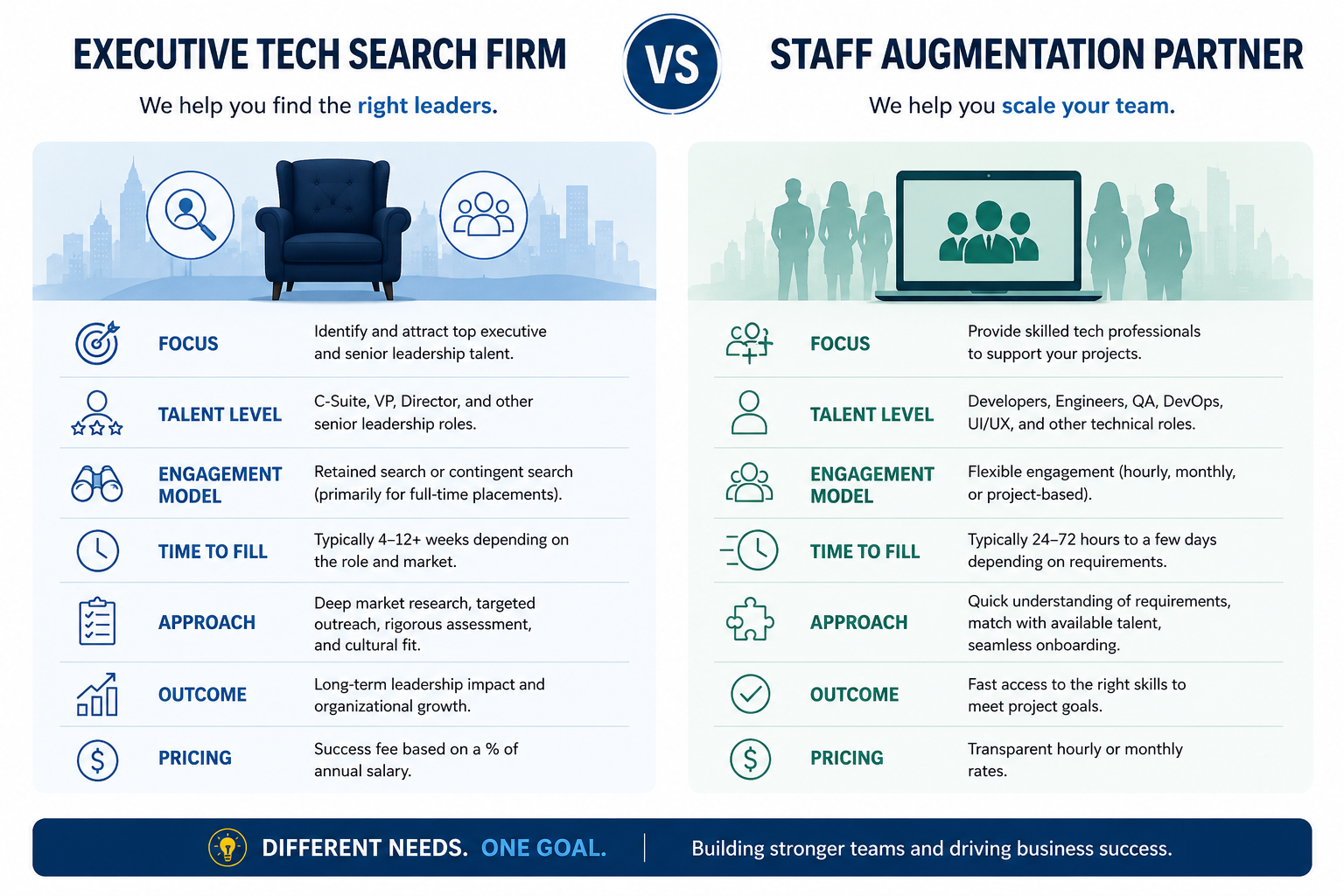
Executive Tech Search Firm vs Staff Augmentation Partner
-
 August 26, 2026
Offshore Software Development Teams: Hiring and Delivery Guide
-
 August 24, 2026
Contract IT Staffing: When It Makes Sense, Costs, and Management
-
 August 21, 2026
IT Staff Augmentation Services: How to Scale Your Engineering Team Without Slowing Delivery
-
 August 20, 2026
IT Staff Augmentation Services: How to Scale Your Engineering Team Without Slowing Delivery
-
 August 13, 2026
AI Workflow Automation for Operations: A Practical Guide
-
 July 30, 2026
Post-Project Offboarding: Seamless Transitions for Contract IT Staff
-
July 24, 2026
Mitigating Compliance Risks in IT Contract Staffing
-
 July 23, 2026
How TypeScript Reduces Production Errors in Large-Scale Codebases
-
 July 22, 2026
How to Write a Bulletproof SLA for IT Staff Augmentation
-
 July 21, 2026
Why Modern Product Design (UI/UX) Dictates Custom Software Success
-
 July 20, 2026
5 Signs Your Enterprise Needs a Contract-Based IT Staffing Model
-
 July 17, 2026
The Importance of API-First Architecture in Modern Custom Web Solutions
-
 July 16, 2026
Tailoring Your Tech Team: Specialized Contract Roles vs. Generalist In-House Developers
-
 July 15, 2026
Eliminating Hidden Costs in IT Recruitment via Contractual Staffing
-
 July 10, 2026
Building Technical Roadmaps: A Guide for Non-Technical Founders
-
 July 8, 2026
Scale on Demand: How Startups Leverage Contract-Based Developers for MVP Launches
-
 July 7, 2026
Utilizing Power BI Consultants to Transform Legacy Data into Real-Time Dashboards
-
 July 6, 2026
Overcoming Time-Zone Barriers When Hiring Augmented Tech Teams
-
 July 3, 2026
Enterprise CRM Customization: Tailoring Tech to Your Unique Sales Pipeline
-
 July 2, 2026
Managing Data Security and IP Isolation on Remote Virtual Desktop Infrastructures (VDI)
-
 July 1, 2026
Staffing for Modern Frontend Architectures: When to Deploy React vs. Angular vs. Vue
-
 June 30, 2026
The Roadmap to Building a Scalable Multi-Vendor Marketplace Product
-
 June 29, 2026
Custom Software Development vs. Commercial Off-the-Shelf (COTS) Solutions
-
 June 25, 2026
Contractual Tech Staffing: The Secret Weapon for Scaling Peak Seasons
-
 June 24, 2026
The Ultimate Guide to Managing Remote Contract Developers
-
 June 23, 2026
How to Use IT Staff Augmentation to Control Infrastructure Costs
-
 June 22, 2026
Why Contract IT Staffing Is Outpacing Full-Time Hiring
-
 June 19, 2026
E‑Commerce & Retail Tech: Scaling Teams for Peak Seasons with Staff Augmentation
-
 June 18, 2026
How to Manage Remote Staff Augmentation Teams Across Time Zones
-
 June 17, 2026
Why Staff Augmentation Is the Future of Agile Hiring
-
 June 16, 2026
The 2026 Staff Augmentation Playbook: How Modern Enterprises Scale Tech Team
-
 June 15, 2026
Building an AI‑Ready Tech Team Using Staff Augmentation
-
 June 11, 2026
When to Choose Staff Augmentation Over Full-Time Hiring in 2026
-
 June 10, 2026
Enterprise Software Modernisation: Why Staff Augmentation Beats Traditional Hiring
-
 June 8, 2026
How to Start a Staff Augmentation Project in 7 Steps (2026)
-
 June 4, 2026
Staff Augmentation Onboarding Checklist: Security, Tools, and Culture
-
 June 3, 2026
Legacy System Modernisation with Staff Augmentation: A 2026 Blueprint
-
 June 1, 2026
Healthcare & SaaS Startups: How Staff Augmentation Cuts Time-to-Market
-
 May 28, 2026
The Hybrid Agile Model: In-House Teams + Staff Augmentation in 2026
-
 May 26, 2026
Staff Augmentation for Digital Transformation: Beyond Just Developers
-
 May 25, 2026
Staff Augmentation vs Outsourcing vs In-House Hiring: When to Use Which
-
 May 22, 2026
How to Choose the Right IT Staff Augmentation Company for Your Business
-
 May 20, 2026
Staff Augmentation Onboarding Checklist: The Ultimate Guide
-
 May 19, 2026
Staff Augmentation Pricing Models Explained: FTE vs T&M vs Hybrid
-
 May 15, 2026
AI‑Driven Development Needs AI‑Ready Talent: Here’s How Staff Augmentation Helps
-
 May 13, 2026
Best Staff Augmentation Companies for Enterprise Software Modernization (2026)
-
 May 8, 2026
Staff Augmentation for Fintech: Bridging Compliance, Security, and Speed
-
 May 7, 2026
Technical Debt Reduction with Staff Augmentation: Fast, Safe, and Measurable
-
 May 6, 2026
Why Staff Augmentation Matters for Tech Leaders in 2026
-
 May 5, 2026
Best Staff Augmentation Companies for Enterprise Software Modernisation (2026)
-
 May 4, 2026
What Is an AI‑Ready Talent Pool and Why It Matters in 2026
-
 April 30, 2026
Why choose WitQuallis for staff augmentation?
-
 April 29, 2026
Emerging tech & cloud strategy: how businesses stay ahead in 2026
-
 April 28, 2026
How IoT and Azure are creating real‑time patient monitoring systems
-
 April 27, 2026
Nearshoring vs offshore: why time‑zone alignment matters for Agile sprints
-
 April 24, 2026
Staff Augmentation: A Complete Guide to Scaling Your Tech Team Efficiently
-
 April 23, 2026
The Ultimate Guide to IT Staff Augmentation: Scaling Your Digital Success with WitQualis
-
 April 22, 2026
What is Software Development? A Comprehensive Guide to the 2026 Digital Landscape
-
 April 21, 2026
Boost Your Business ROI with Power BI Development Services
-
 April 20, 2026
Why Hiring Python Developers Has Become Risky (and Critical)
-
 April 17, 2026
Staff Augmentation: Scale Your Team Fast Without Full-Time Hires
-
 April 16, 2026
Top 20 Emerging Technologies of 2026: Transform Your Business Now
-
 April 15, 2026
🚀 Custom AI Development Costs in 2026: Complete Guide for Businesses
-
 April 14, 2026
Overcoming IT Staff Augmentation Challenges: Scale Your Team Fast and Smart
-
 April 13, 2026
Enterprise software modernisation 2026: why AI‑native refactoring and staff augmentation matter
-
 April 10, 2026
AI‑native refactoring: re‑imagining legacy modernisation in 2026
-
 April 9, 2026
AI-Native Refactoring: How to Modernise Legacy Systems in 2026
-
 April 8, 2026
The business case for Web3: real‑world asset tokenization in real estate
-
 April 7, 2026
The future of IoMT: smart hospitals in 2026
-
 April 6, 2026
Cloud 3.0: beyond “lift‑and‑shift” to sovereignty
-
 April 2, 2026
From filters to conversation: the shift in e‑commerce search
-
April 1, 2026
Case Studies: Migrating Legacy Enterprise Apps to Azure/AWS with IT Staff Augmentation Services
-
 March 30, 2026
Why Hiring Full‑Time Quantum‑Resistant Encryption Specialists Is So Hard
-
 March 27, 2026
Prompt engineering: from “nice‑to‑have” to core skill
-
 March 26, 2026
The hybrid squad: reimagining teams for the AI era
-
 March 25, 2026
Staff augmentation and the future of work: a new operating model
-
 March 24, 2026
Why full‑time quantum‑resistant encryption specialists are so hard to hire
-
 March 23, 2026
How Staff Augmentation Services Fixes Cybersecurity & Cloud Shortages
-
 March 20, 2026
The Great Fortress: Modernizing Banking Apps to Combat Sophisticated AI-Driven
-
 March 19, 2026
The Great Cloud Diversification: Navigating Data Residency in the Age of GDPR and the EU AI Act
-
 March 18, 2026
How Staff Augmentation automotive AR Cuts Onboarding Costs in Automotive & Manufacturing | WitQualis Staff Augmentation
-
 March 17, 2026
The Outcome-Based Model: How AI-Augmented Teams Are Multiplying Output | WitQualis
-
 March 16, 2026
Why “Vibe Coding” and Prompt Mastery Are Now as Important as Syntax
-
 March 13, 2026
The Witqualis Edge: How Agentic AI Tools Accelerate MVP Delivery by 40%
-
 March 12, 2026
Beyond Copilots: The Rise of Agentic AI in the SDLC
-
 March 11, 2026
Breaking the Monolith: A Definitive Guide to Using Generative AI for Microservices Migration (2026 Edition)
-
 March 10, 2026
The Agentic Revolution: Why AI is Moving from "Suggesting Code" to "Executing Workflows"
-
 March 9, 2026
Beyond the Search Bar: How LLMs are Revolutionising Retail Discovery
-
 March 6, 2026
How Blockchain is Making Real Estate Investment Liquid and Accessible
-
 March 5, 2026
Microservices Architecture: Benefits and Implementation Tips
-
 March 3, 2026
How Remote Work Has Changed the IT Industry and Tools You Need
-
 March 2, 2026
API Design and Management Best Practices for Developers
-
 February 27, 2026
The Impact of Internet of Things (IoT) on Modern Business
-
 February 26, 2026
Virtual and Augmented Reality: Where Tech is Headed Next | 2026 Guide
-
 February 25, 2026
Blockchain Beyond Cryptocurrency: Real-World Applications & Use Cases (2026 Guide)
-
 February 24, 2026
The Role of AI in Enhancing IT Development: A Deep Dive (2026 Guide)
-
 February 23, 2026
Maximizing Productivity: How Staff Augmentation Drives Innovation in IT Projects
-
 February 20, 2026
Staff Augmentation vs. Outsourcing: Which IT Model Wins in 2026?
-
 February 19, 2026
The Rise of Hybrid Teams: How to Leverage Staff Augmentation for Business Success
-
 February 18, 2026
How Staff Augmentation is Transforming the Future of IT Workforce (2026)
-
 February 17, 2026
5 Reasons Why Staff Augmentation is Key for Tech Skill Shortages: staff augmentation for tech skill shortages
-
 February 16, 2026
How Staff Augmentation Helps Scale Your Business Without Overheads in 2026
-
 February 13, 2026
The Power of Diverse Teams: How Staff Augmentation Drives Inclusion (2026)
-
 February 12, 2026
The Role of 5G Technology in Shaping IT Development and Augmentation in 2026
-
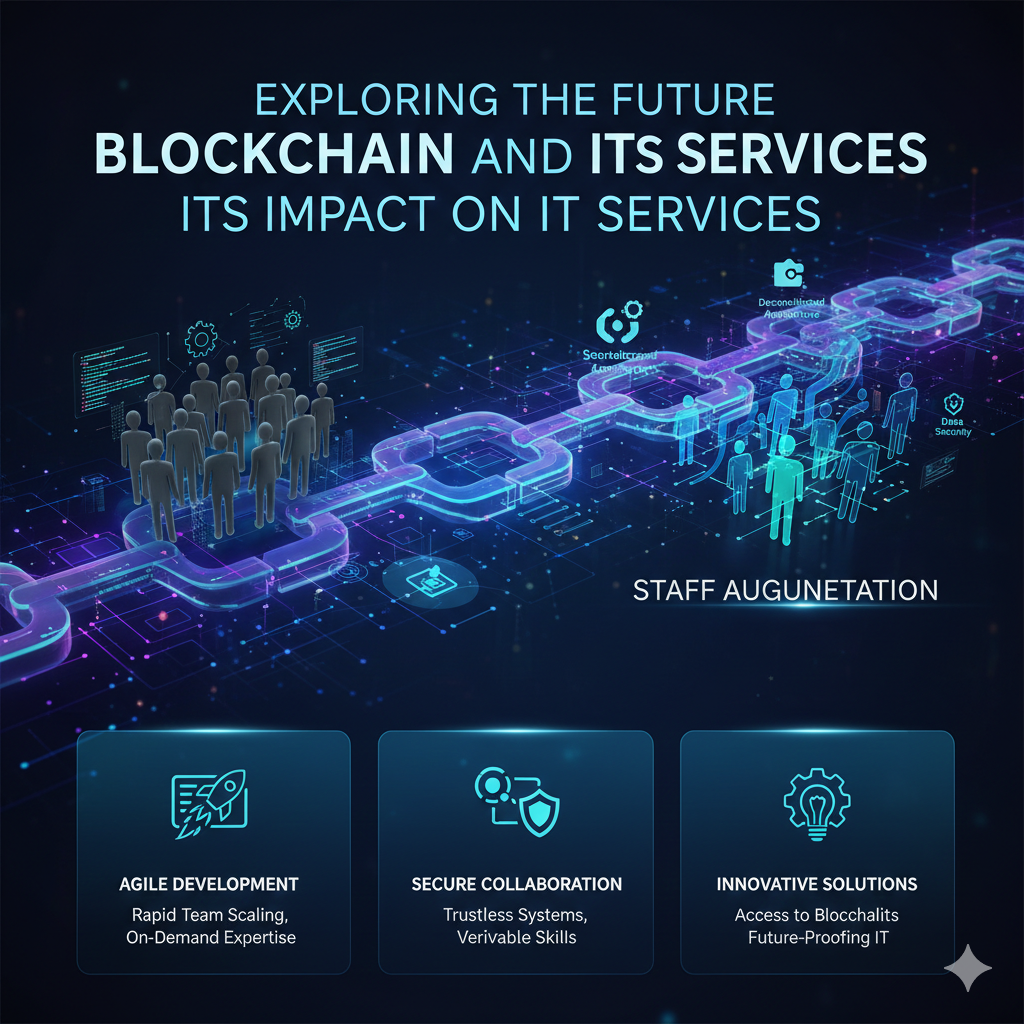 February 11, 2026
The Future of Blockchain: Revolutionizing IT Services in 2026
-
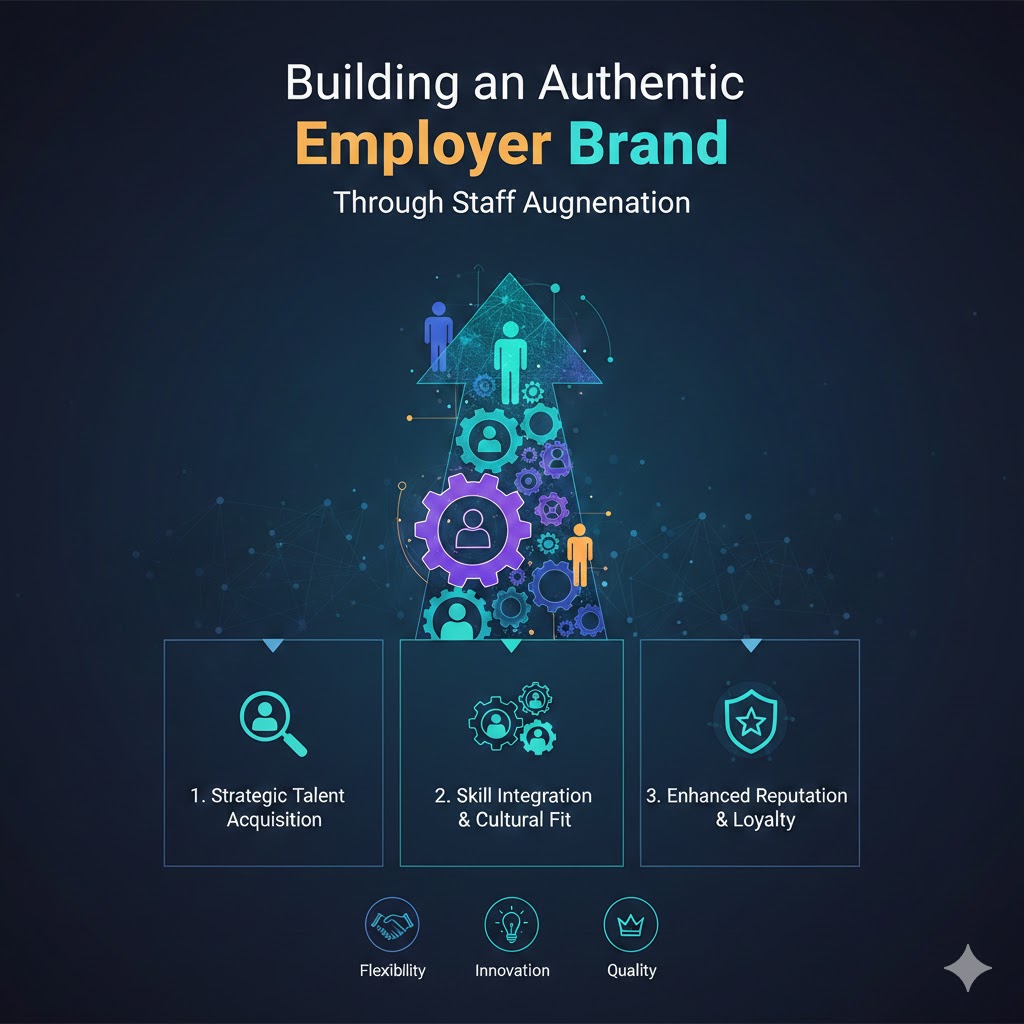 February 10, 2026
Building an Authentic Employer Brand Through Staff Augmentation in 2026
-
 February 9, 2026
Supporting Augmented Professionals During Projects: Best Practices for Success
-
 February 6, 2026
Cost Optimization in IT: Build vs Buy vs Staff Augmentation (2026 Guide)
-
 February 5, 2026
The Role of DevOps in High-Performance Engineering Teams: Best Practices Guide
-
 February 4, 2026
How to Ensure Code Quality When Working with Augmented Teams: Best Practices Guide
-
 February 3, 2026
Tech Talent Trends That Will Shape the Next 5 Years: 2026–2031 Outlook
-
 February 2, 2026
The Rise of Hybrid Teams: In-House + Augmented Talent - The Complete Guide
-
 January 30, 2026
How We Support and Retain High-Performing Tech Professionals
-
 January 29, 2026
Aligning Technology Strategy with Business Growth Goals: A Complete Framework
-
 January 28, 2026
What Top Developers Look for in a Staff Augmentation Partner: A Developer's Perspective
-
 January 27, 2026
The Human Side of IT Services: Why People Matter More Than Code
-
 January 23, 2026
Why Culture Fit Matters in Staff Augmentation Models | Witqualis
-
 January 22, 2026
Building Long-Term Relationships with Augmented Talent: A Strategic Approach
-
 January 21, 2026
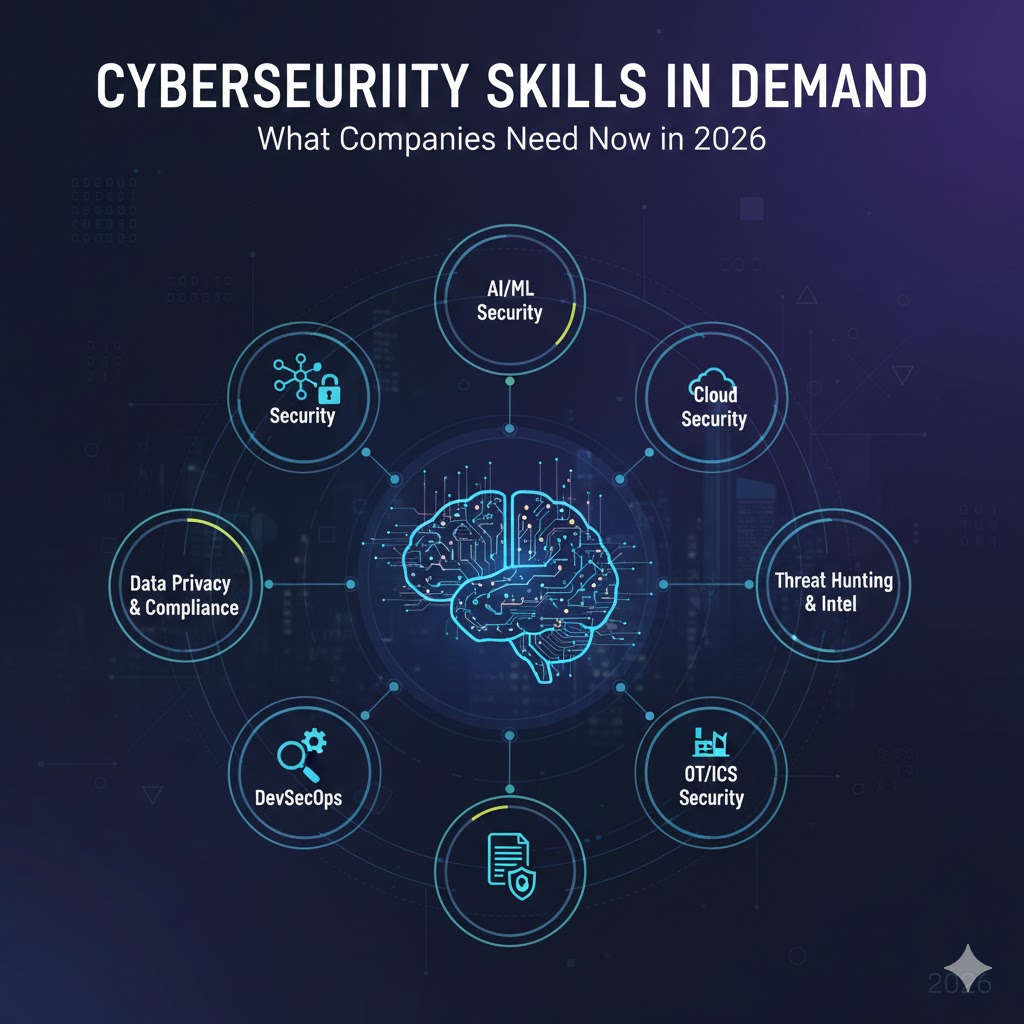
Cybersecurity Skills in Demand: What Companies Need Now in 2026
-
 January 20, 2026
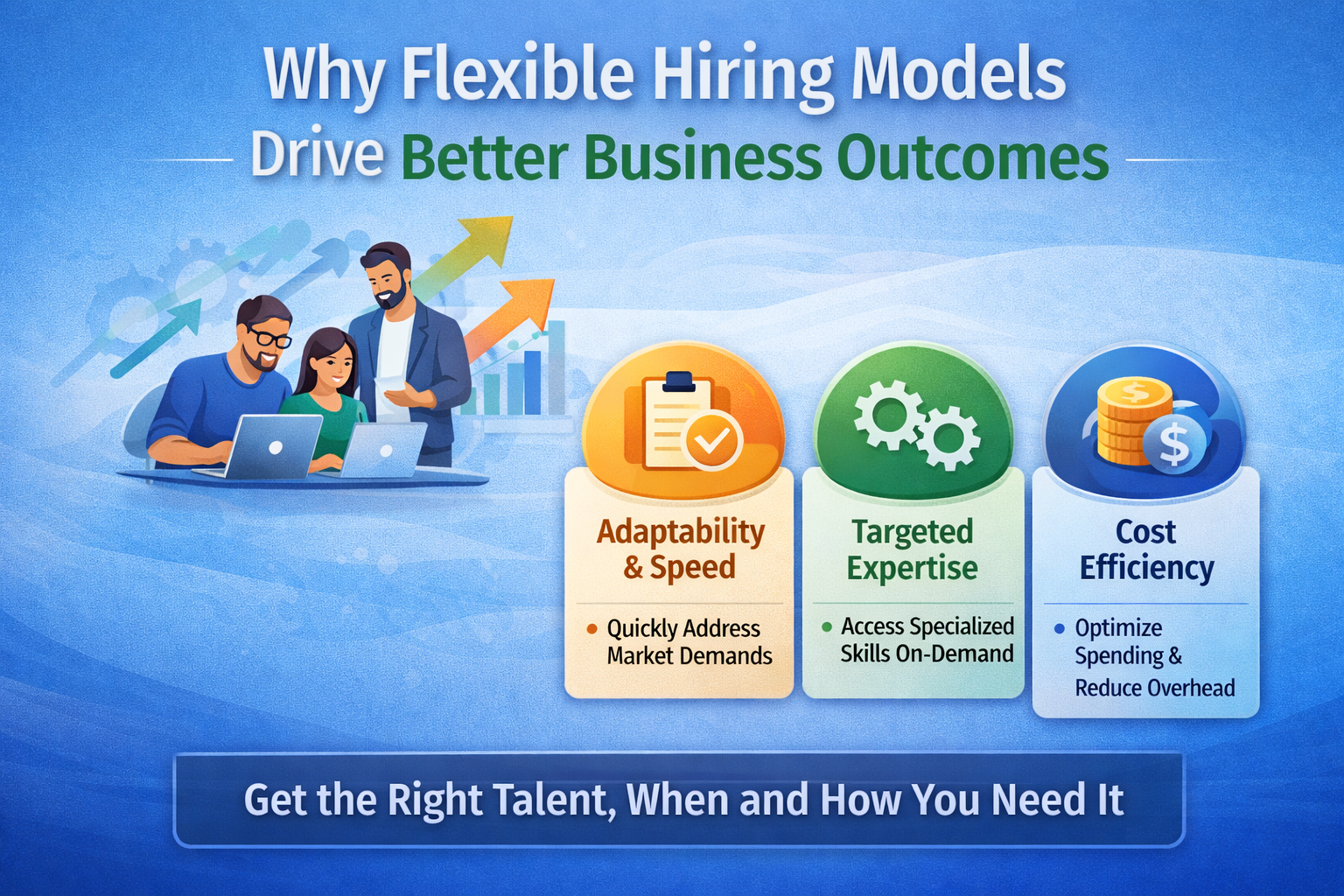
Why Flexible Hiring Models Drive Better Business Outcomes
-
 January 19, 2026
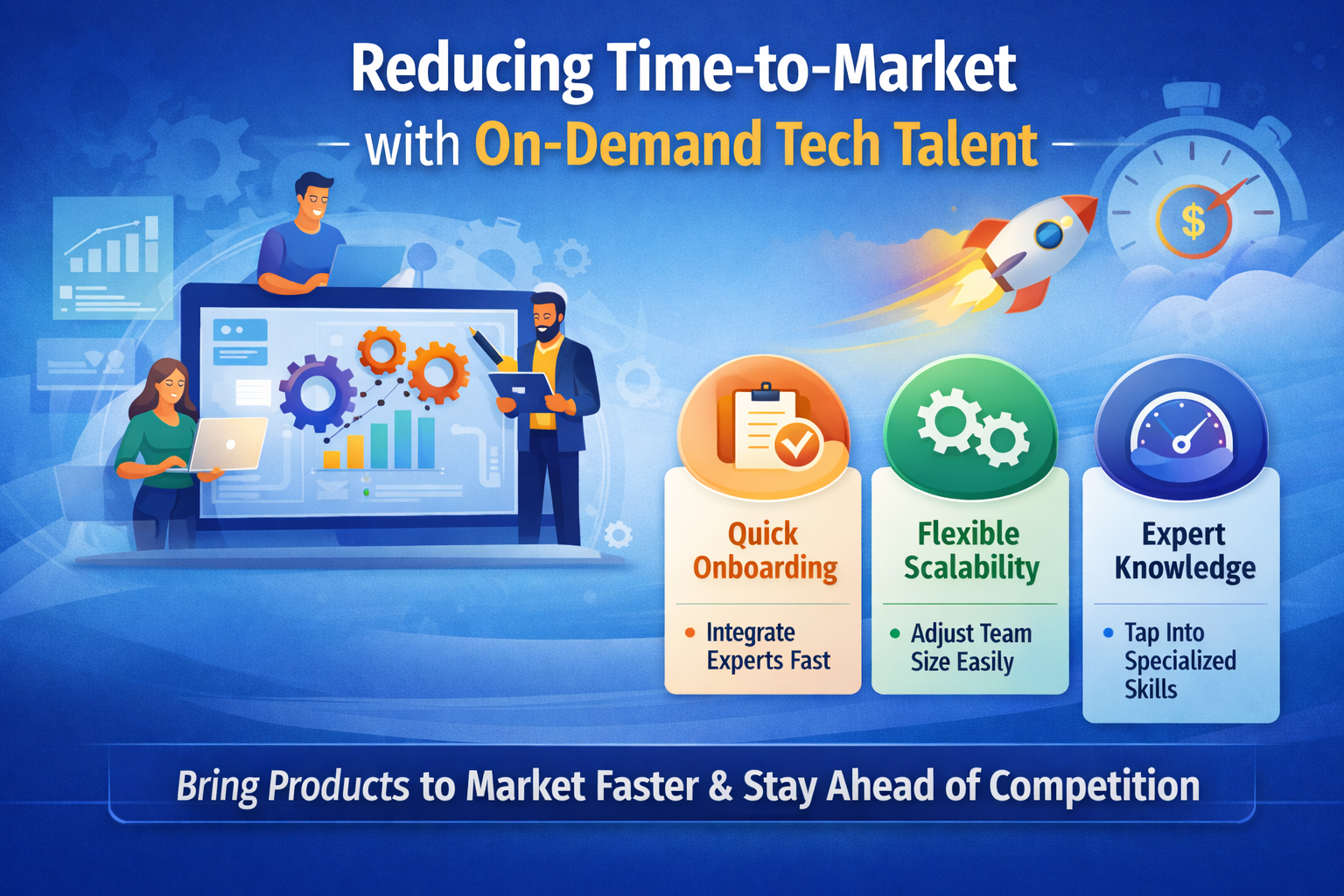
Reducing Time-to-Market with On-Demand Tech Talent
-
 January 15, 2026
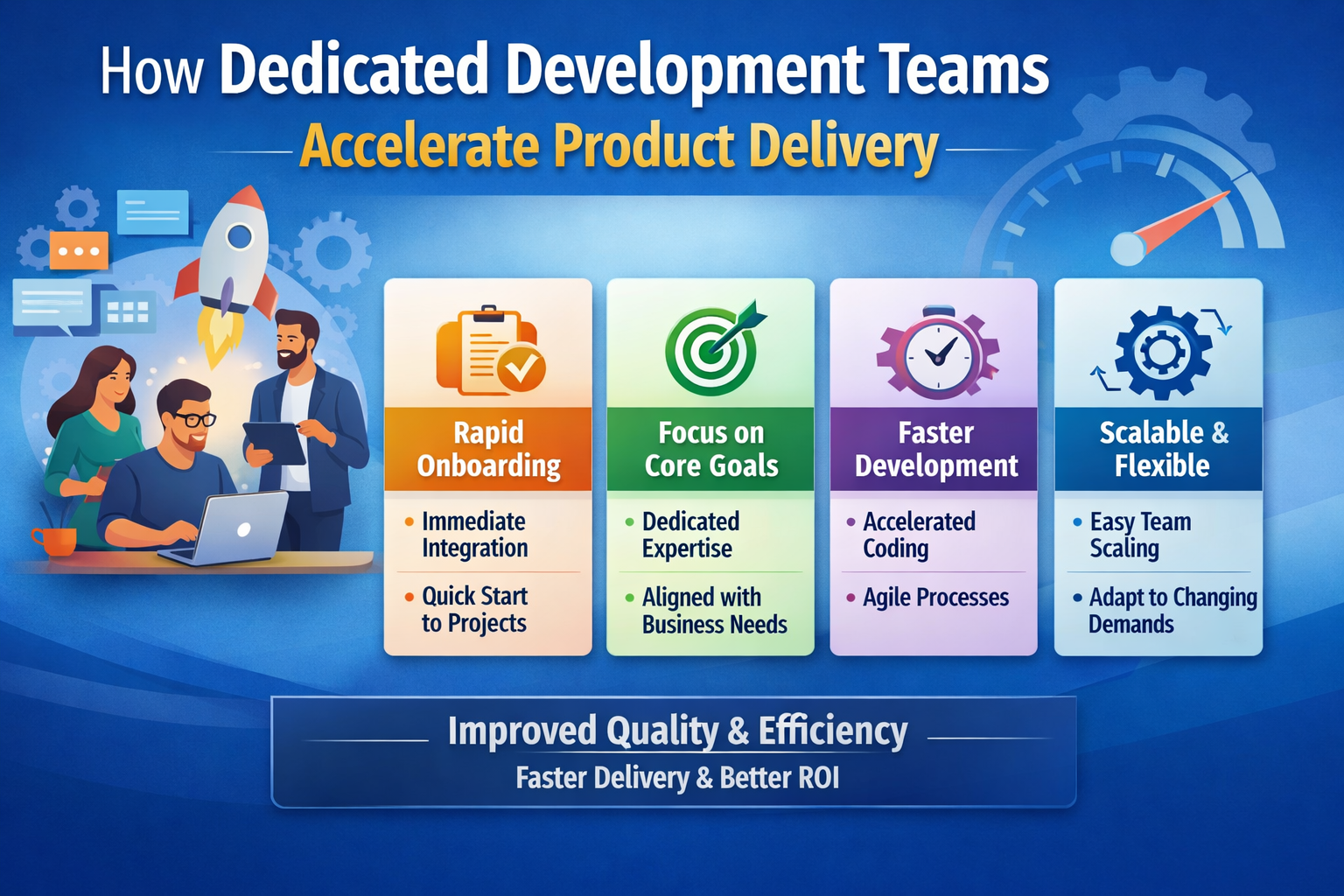
How Dedicated Development Teams Accelerate Product Delivery
-
 January 14, 2026
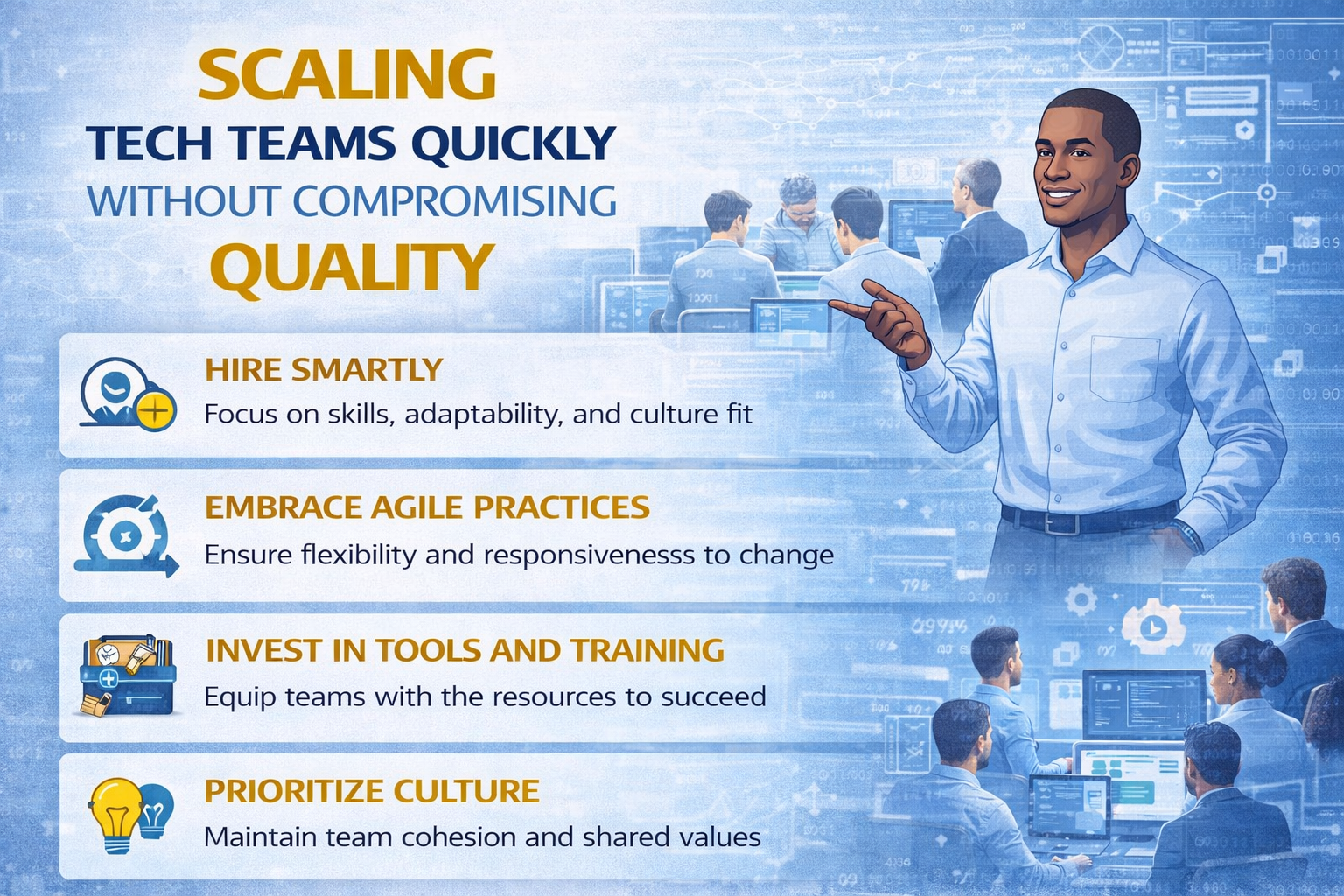
Scaling Tech Teams Quickly Without Compromising Quality
-
January 12, 2026
Common Mistakes Companies Make When Outsourcing IT Projects (And How to Avoid Them)
-
January 9, 2026
Key Workforce Trends Every CTO Should Watch This Year
-
 January 8, 2026
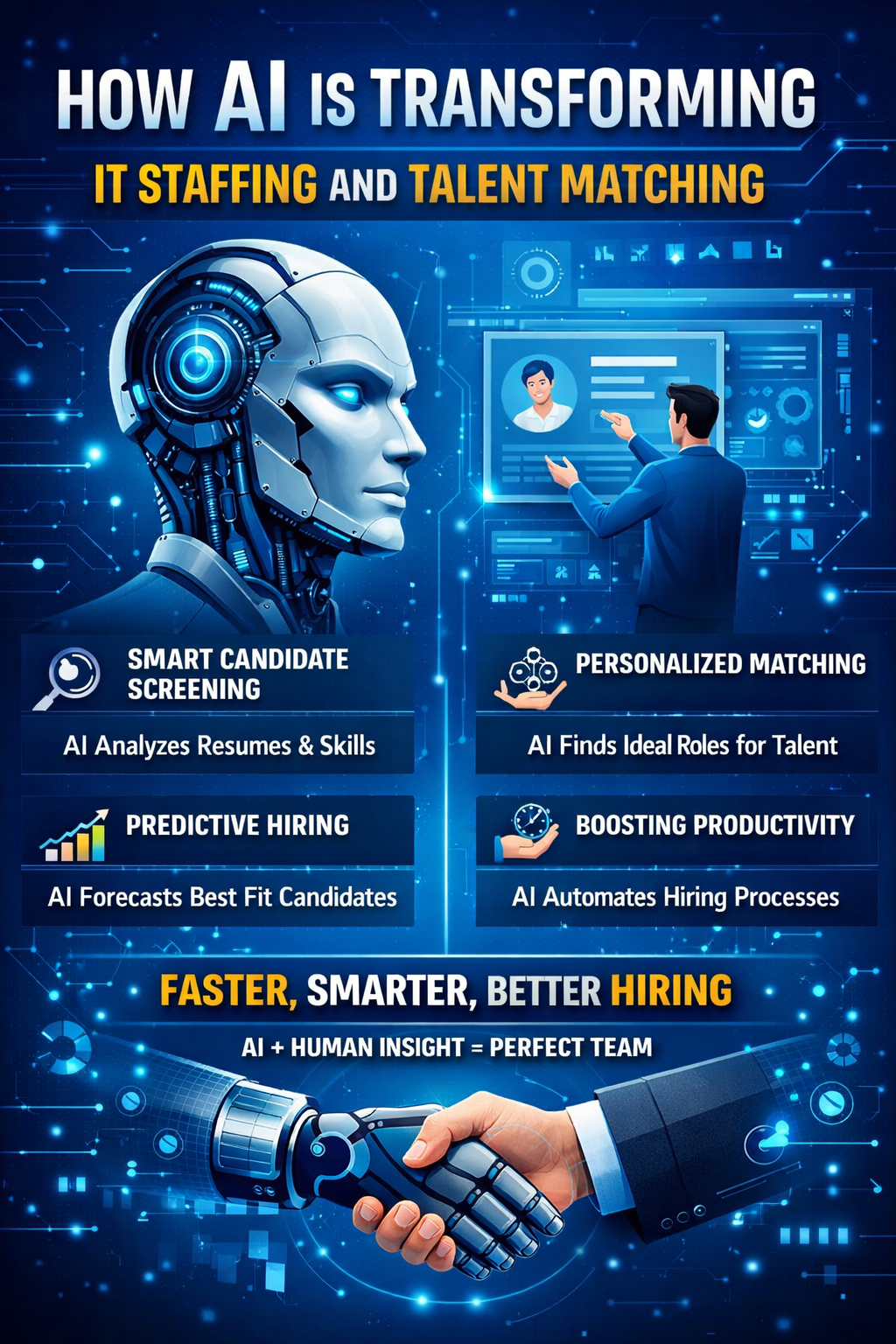
How AI Is Transforming IT Staffing and Talent Matching
-
 January 7, 2026
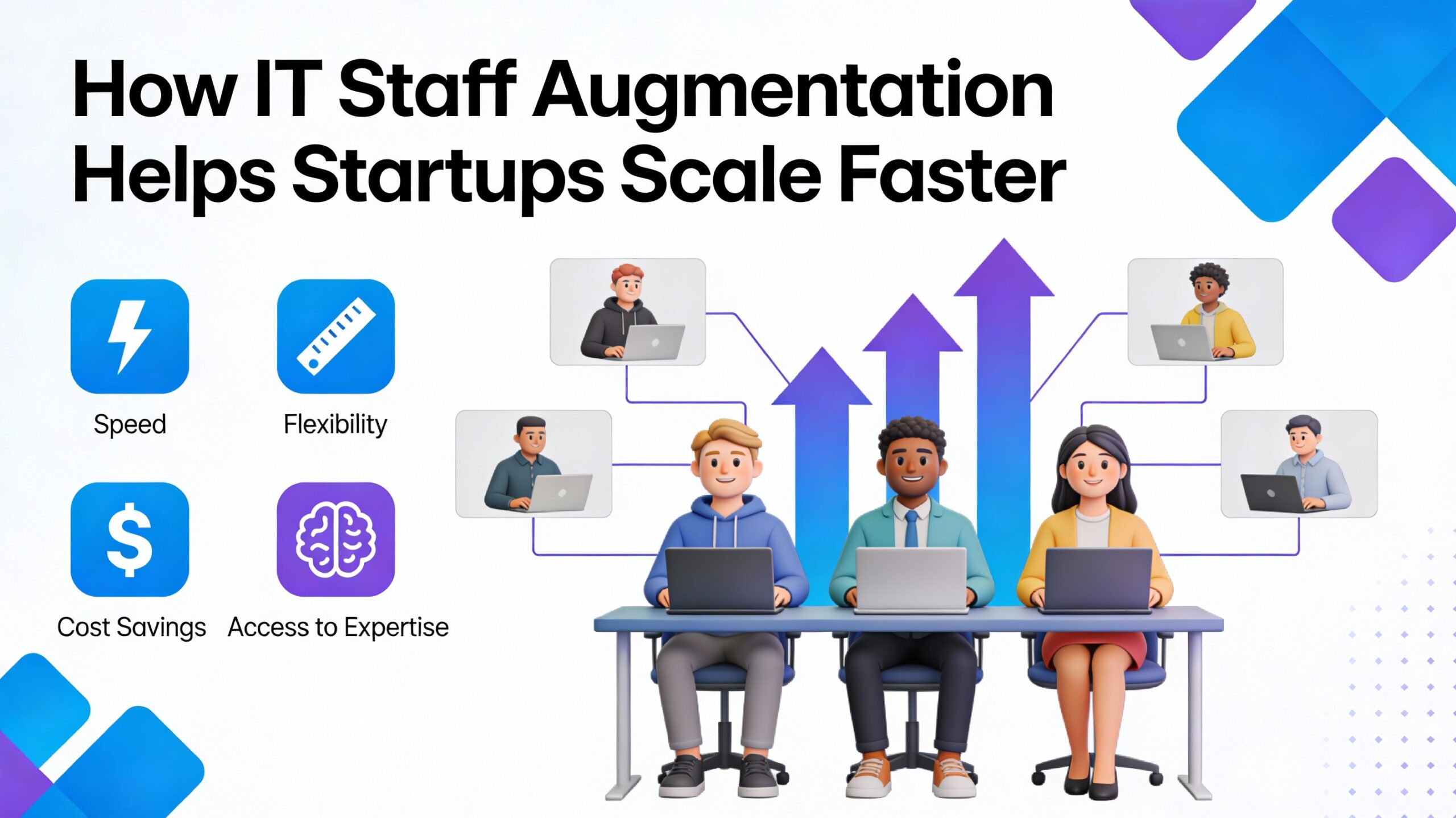
How IT Staff Augmentation Helps Startups Scale Faster
-
 January 6, 2026
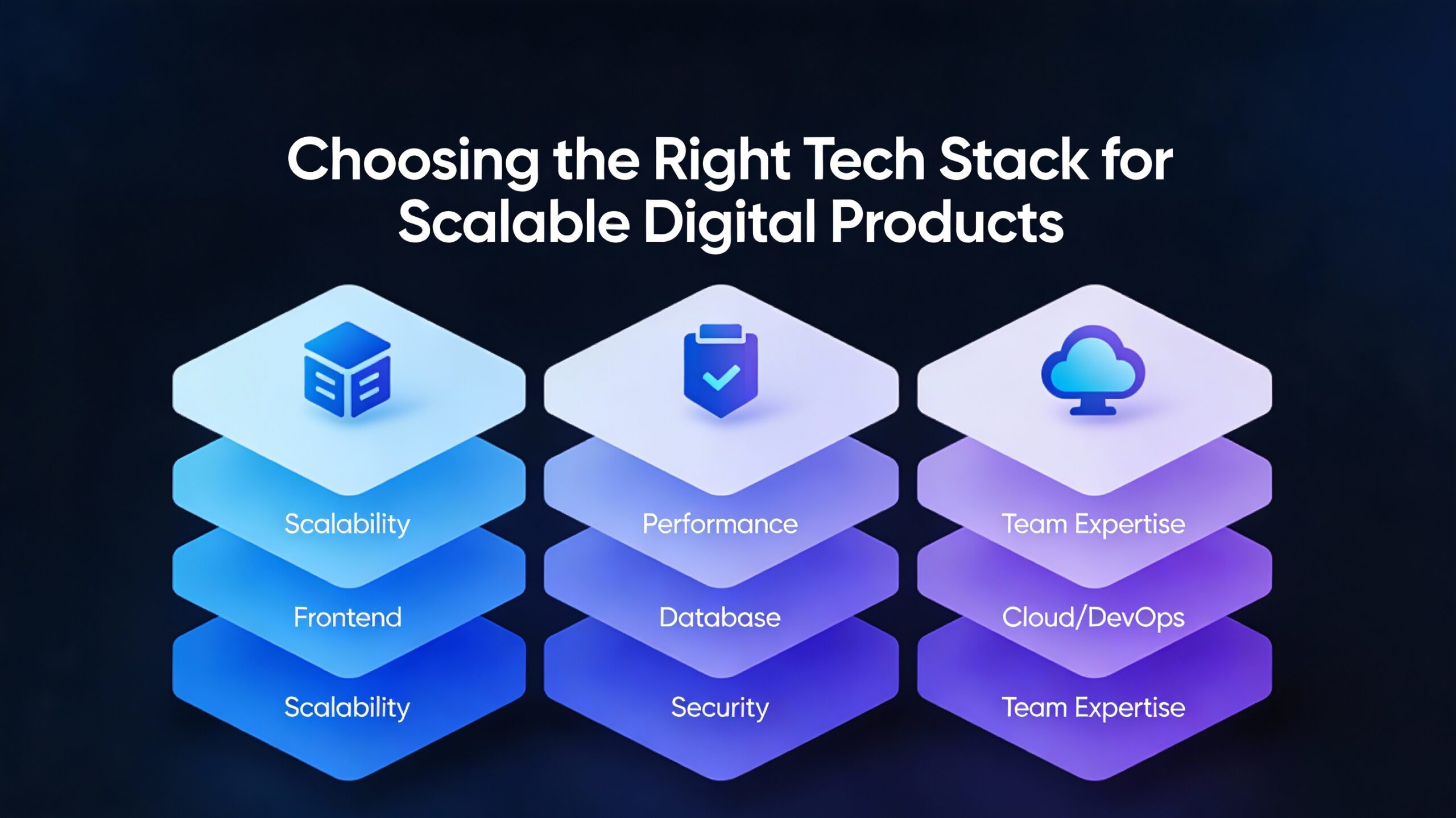
Choosing the Right Tech Stack for Scalable Digital Products
-
 January 5, 2026
How Remote Talent Is Reshaping Global IT Teams
-
 December 29, 2025
Staff Augmentation vs Traditional Hiring 2025
-
 December 24, 2025
Why Staff Augmentation Is the Future of Agile Hiring
-
 December 22, 2025
Why Hiring Faster Doesn’t Mean Compromising Quality — It Means Finding the Right Partner
-
 December 19, 2025
The Role of Staff Augmentation in Accelerating Digital Transformation
-
 December 18, 2025
5 Tech Hiring Trends Every CTO Should Watch in 2025
-
December 17, 2025
Why Soft Skills Are the Hidden Superpower in Tech Teams
-
 December 15, 2025
How WitQualis Connects Global Talent with Local Opportunities
-
 December 10, 2025
Why Businesses Need Agile, Scalable, and Skilled Tech Teams—Now More Than Ever
-
 December 5, 2025
The Human Side of Technology: Why People Matter as Much as Code
-
 December 4, 2025
The Rise of Contract-Based Developers in the Global IT Market
-
 December 3, 2025
Talent Has No Boundaries: Why the Best Teams Are Built Across Borders
-
 December 2, 2025
From Startups to Enterprises: How Staff Augmentation Supports Every Stage of Growth
-
 December 1, 2025
Great Ideas Need Great Execution – How WitQualis Teams Turn Vision into Reality
-
 November 28, 2025
Scaling Your Tech Team Shouldn’t Slow Your Business – It Should Power It
-
 November 27, 2025
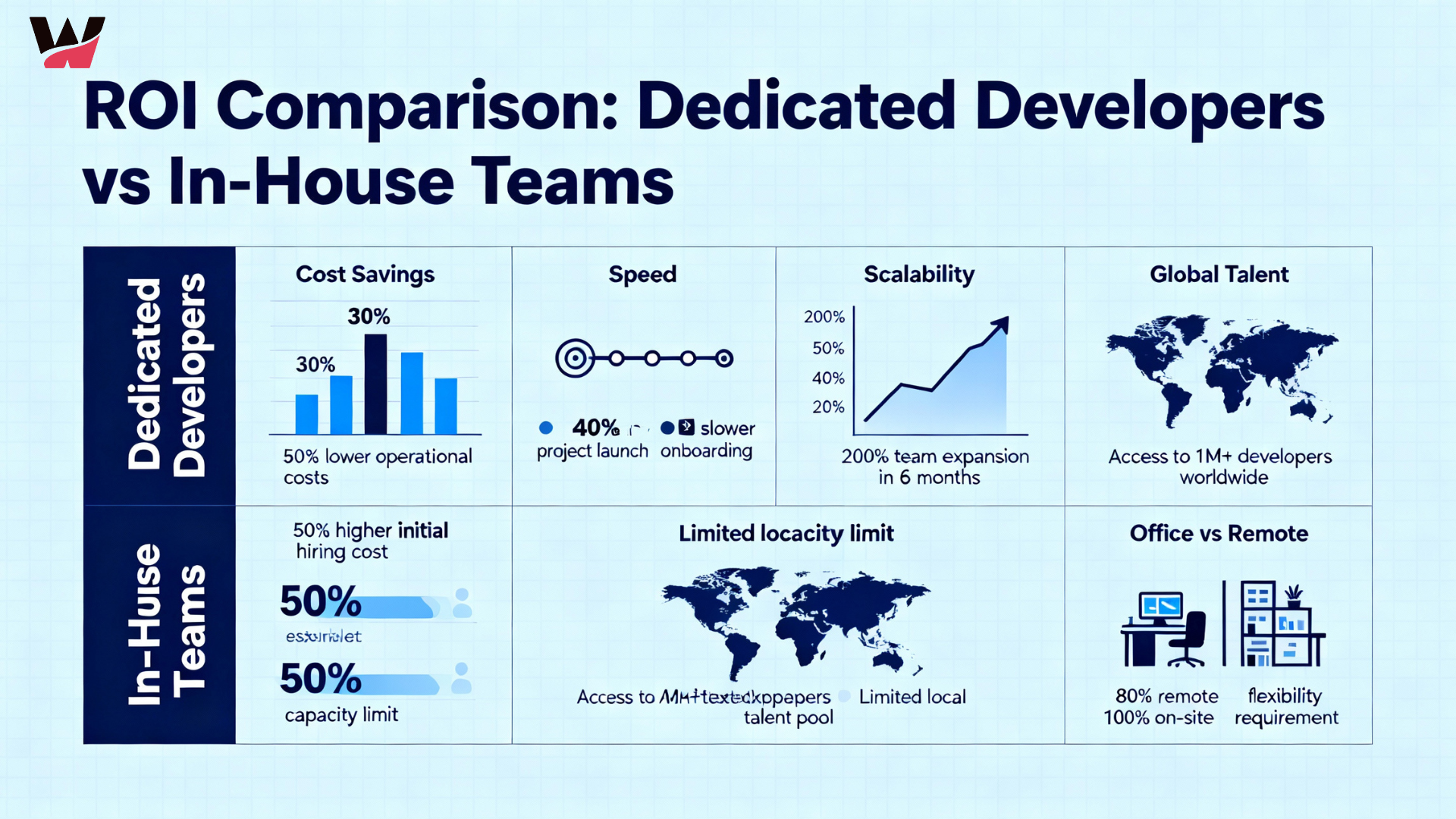
The ROI of Hiring Dedicated Developers vs In-House Teams
-
 November 26, 2025
Why Hybrid Team Models Are the Future of IT Project Delivery
-
 November 24, 2025
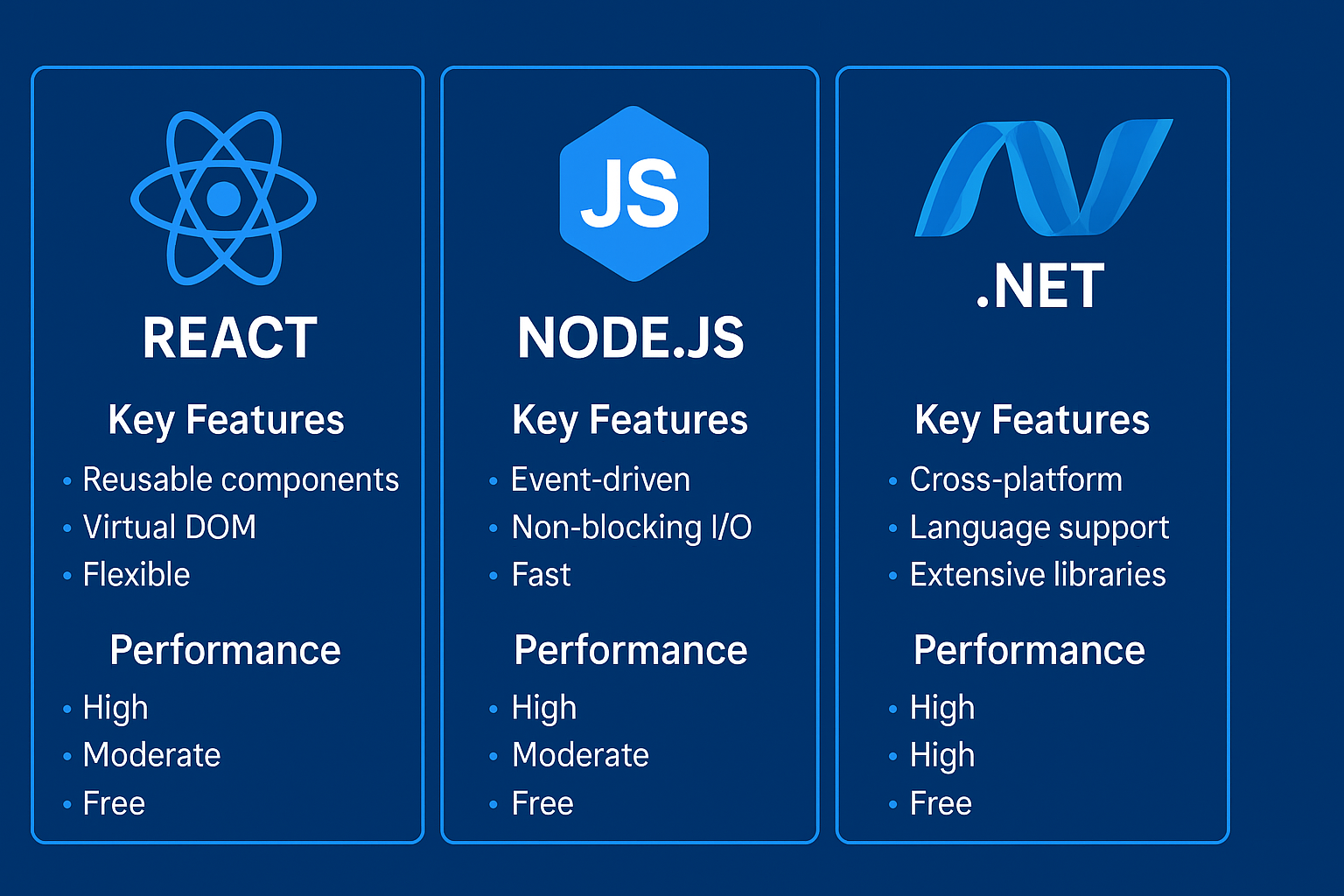
React, Node.js, or .NET? Choosing the Right Tech Stack for Your Next Project
-
 November 21, 2025
Why Hiring Remote Developers Is the Smartest Move for Startups
-
 November 20, 2025
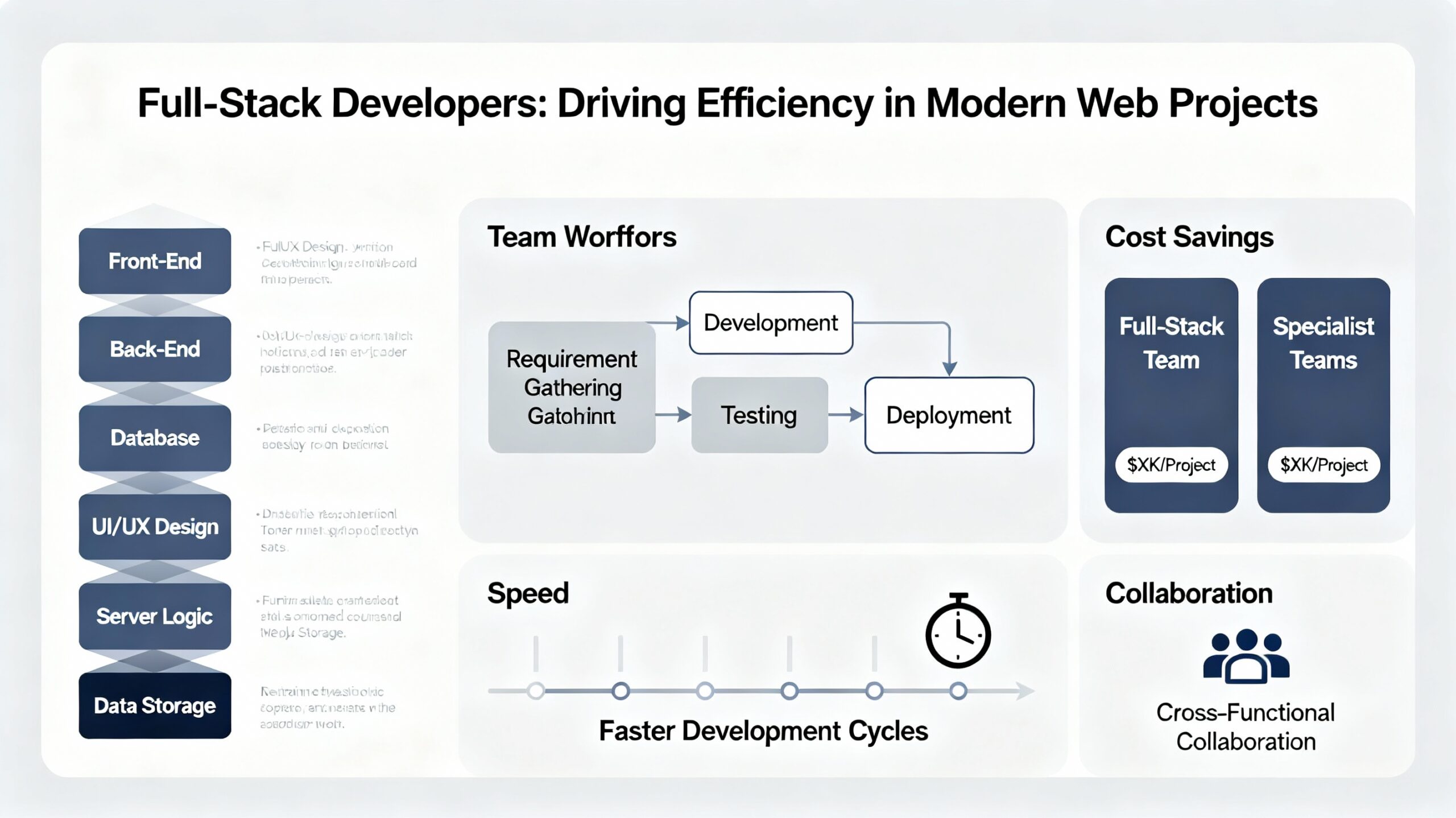
How Full-Stack Developers Drive Efficiency in Modern Web Projects
-
 November 19, 2025
Bridging the Skill Gap: How Augmented Teams Empower Digital Transformation
-
 November 18, 2025
New Technologies for 2025: What Businesses Need to Grow
-
 November 14, 2025
IT Staff Augmentation Reduces Project Costs Quality
-
 November 13, 2025
Empowering Global Collaboration: How WitQualis Builds Seamless Remote Teams
-
 November 12, 2025
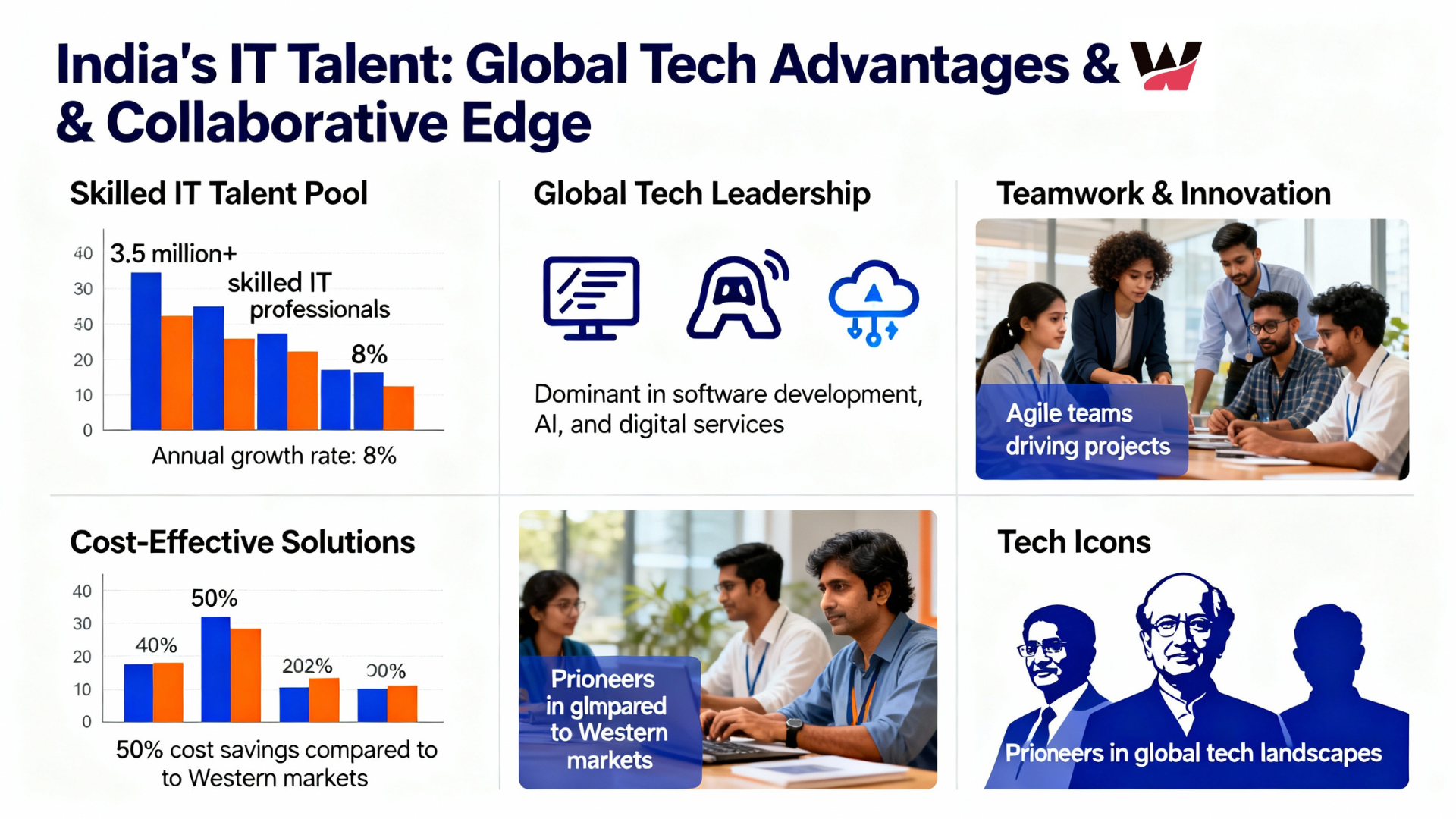
Why Global Businesses Are Turning to India for Skilled IT Talent
-
 November 11, 2025
Staff Augmentation Helps You Scale Your Tech Team
-
 November 10, 2025
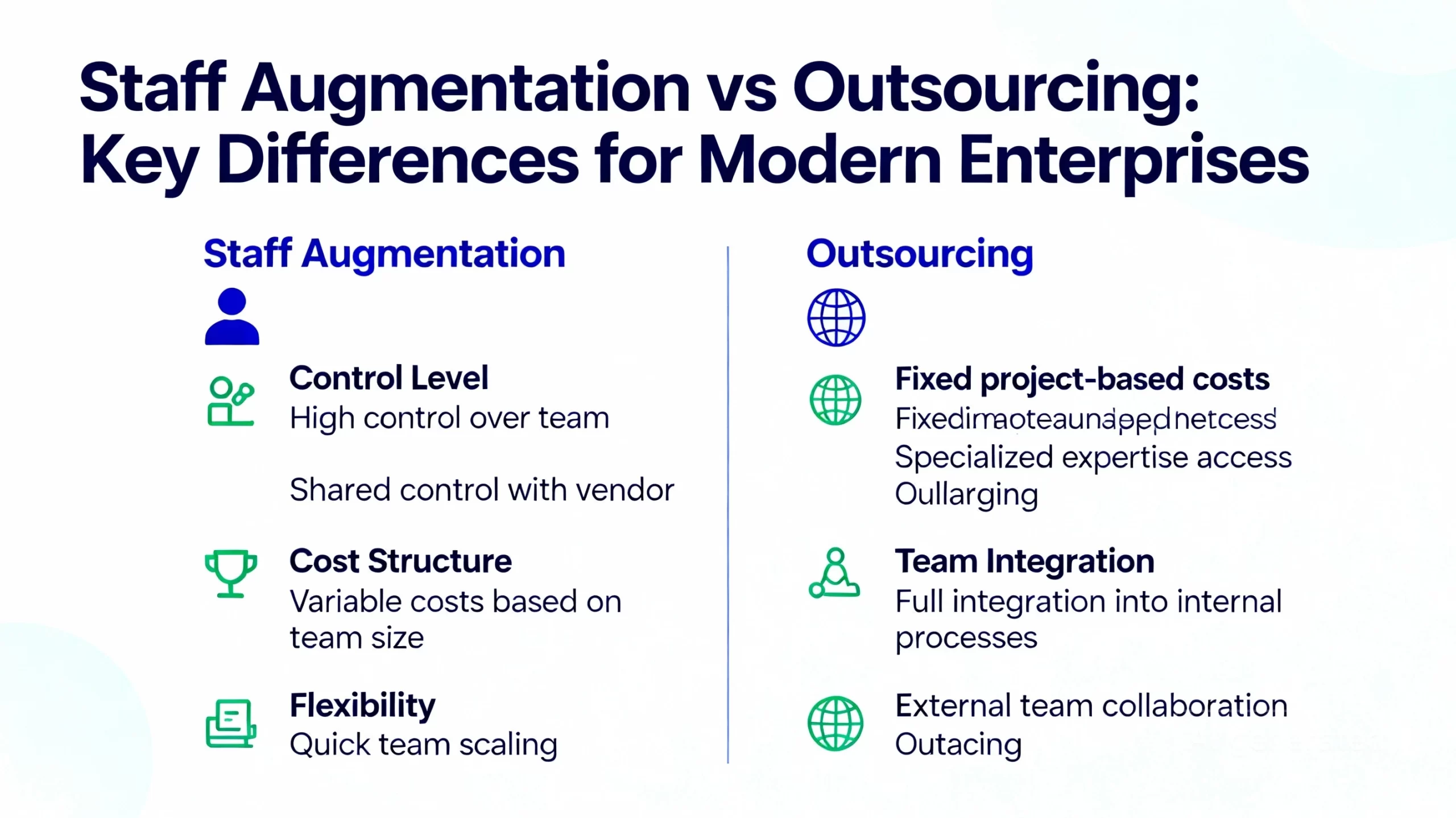
Staff Augmentation vs Outsourcing in 2025: Which Is Best for Modern Enterprises?
-
 November 7, 2025
How AI, IoT, and Cloud Are Redefining Software Development in 2025
-
 November 6, 2025
Scaling Smarter: How Augmented Teams Help Deliver Projects Faster in 2025
-
 November 5, 2025
How AI and Automation Are Transforming Software Development Teams in 2025
-
 November 3, 2025
The Future of IT Staffing: Why Businesses Are Choose Staff Augmentation in 2025
-
 October 31, 2025
Why Technology is Essential for Business Growth (2025): Top Reasons & Winning Strategies
-
 October 30, 2025
How the Internet of Things (IoT) Is Revolutionizing Modern Business
-
 October 29, 2025
Blockchain Cryptocurrency: Real-World Applications | WitQualis
-
 October 28, 2025
API Design and Management Best Practices for Developers
-
 October 27, 2025
Microservices Architecture: Benefits, Implementation Tips & Real-World Examples
-
 October 24, 2025
How Remote Work Has Transformed the IT Industry Tools in 2025
-
 October 23, 2025
Virtual and Augmented Reality: The Tech Revolution | WitQualis
-
 October 22, 2025
How AI is Revolutionizing Business Decision-Making in 2025 | In-Depth Analysis & Trends
-
 October 16, 2025
Blockchain Beyond Crypto: Building Trust in Business Operations
-
 October 15, 2025
How Custom Software Solutions Drive Business Efficiency | Expert Guide
-
 October 13, 2025
How Automation Reduces Costs & Boosts Productivity in 2025
-
 October 10, 2025
Staff Augmentation: The Key to Building Agile & Scalable Teams
-
 October 9, 2025
The Role of Cloud Computing in Scaling Modern Businesses
-
 October 8, 2025
Why Every Company Needs a Data-Driven Growth Strategy
-
 October 7, 2025
API Design Best Practices for Developers in 2025 |API versioning strategies
-
 October 6, 2025
virtual reality vs augmented reality vs mixed reality
-
 October 3, 2025
The Impact of Internet of Things (IoT) on Modern Business
-
 October 1, 2025
Blockchain Beyond Cryptocurrency: Real-World Applications in 2025
-
 September 30, 2025
The Future of Artificial Intelligence: Trends and Opportunities
-
 September 26, 2025
Microservices Architecture: Benefits and Implementation Tips
-
 September 25, 2025
Why Staff Augmentation Is a Smart Move for IT Projects in 2025
-
 September 24, 2025
Cloud Computing Explained: Benefits and Best Practices (AWS, Azure, Google Cloud)
-
 September 23, 2025
How Staff Augmentation Can Help Scale Your IT Team Efficiently
-
 January 6, 2025
Choosing the Right Front-End Web Development Service in the UK
-
 January 4, 2025
Why Choose Staff Augmentation Services in India for Your IT Projects?
-
 December 21, 2024
Boost Your Business ROI with Power BI Development Services in the Maldives and Iceland
-
 December 20, 2024
Get a Free Consultation: Is Your E-Commerce Business in the UAE Ready for Digital Transformation?
-
 July 6, 2023
The Future of Small Business and Know-How to Climb up the Ladder


I like how the blog emphasizes both technical development and business consulting. Combining these areas seems like a smart way to ensure projects are not only well-built but also aligned with overall business objectives.
Thanks for sharing the detailed overview of WitQualis Technologies and their full-stack development capabilities. It’s clear you’re well-equipped to handle diverse tech challenges, from backend architecture to frontend innovation. The emphasis on tailored solutions and dedicated teams really stands out in today’s competitive landscape.
Thanks for sharing the detailed overview of WitQualis Technologies’ services and expertise. It’s clear that you offer a comprehensive range of development solutions, from web and app development to dedicated team support, which can really help businesses scale effectively. The breakdown of frontend, backend, and full-stack capabilities is particularly helpful for teams looking to build or enhance their digital products.
It is clear that WitQualis places a strong emphasis on assembling dedicated teams across a diverse range of technologies, from specific frameworks like MERN and Laravel to specialized areas like Power BI consulting. This structured approach to staff augmentation seems particularly valuable for businesses looking to scale specific skill sets without the overhead of full-time recruitment. I appreciate how the portfolio highlights both technical depth and the ability to deliver end-to-end product development.
It is impressive how WitQualis structures its dedicated teams to cover such a wide range of modern stacks, from MERN and MEAN to specialized roles like Power BI consultants. This comprehensive approach to staffing and product development clearly demonstrates a strong ability to handle complex projects across various industries. I appreciate how the layout makes it easy to see exactly how different expertise levels, like staff augmentation and MVP development, can be tailored to specific business needs.
It’s impressive how WitQualis structures its dedicated teams to cover such a vast range of stacks, from Angular and React to specialized Power BI consultants. This deep expertise in both frontend and full-stack solutions clearly positions you well to handle complex MVPs and product development cycles effectively. The ability to provide such comprehensive technical consulting and staff augmentation is certainly a strong value proposition for businesses looking to scale.
It’s impressive to see how comprehensively WitQualis covers the full spectrum of development needs, from specific front-end frameworks like React and Vue to robust backend solutions like .NET and Python. The emphasis on dedicated teams and MVP development is particularly relevant for startups looking to scale quickly without building an entire in-house department from scratch. It really highlights the importance of having a flexible technical partner that can adapt to diverse project requirements.
It’s impressive to see the extensive range of specialized talent available, particularly the distinction between full-stack MEAN and MERN developers versus dedicated backend experts. Having access to such a comprehensive team structure really simplifies the process of scaling up for complex MVPs or enterprise projects. Did you find that certain tech stacks become more popular depending on the specific industry you are working with?
The emphasis on building a dedicated, full-stack team ranging from MEAN/MERN developers to specialized Power BI consultants highlights the complexity of delivering complete digital solutions in-house. Having such a wide array of technical expertise under one roof must significantly streamline the process for companies tackling everything from MVP development to large-scale enterprise architecture.