

The future of IoMT: smart hospitals in 2026
Healthcare is no longer just about doctors and hospitals.
In 2026, smart hospitals are being built around the Internet of Medical Things (IoMT) — a network of connected devices, sensors, wearables, and medical equipment that communicate in real time.
IoMT is the medical‑grade cousin of IoT: it includes:
-
Wearable monitors (EKG, SpO₂, temperature, activity trackers),
-
Smart infusion pumps and ventilators,
-
Connected imaging devices (X‑ray, ultrasound, MRI).
-
Remote patient monitoring platforms and home‑care devices.
These devices continuously collect data, share it with electronic health records (EHRs), and enable real‑time clinical decision‑making.
For hospital executives, this is a new operating model — not just a technology upgrade.
Designing, building, and scaling IoMT‑driven smart hospitals requires:
-
Robust infrastructure,
-
Secure data pipelines,
-
And a blend of medical, software, and IoT‑specialized talent.
Many organisations turn to IT staff augmentation and staff augmentation services to bridge the gap between clinical‑vision and technical‑execution.
What is IoMT and why it matters in 2026
IoMT defined
The Internet of Medical Things (IoMT) is the ecosystem of connected medical devices and health‑related systems that collect, analyse, and share data across networks.
Unlike generic IoT, IoMT is tightly coupled with:
-
Clinical workflows,
-
Regulatory compliance (e.g., HIPAA, GDPR‑style rules, local medical‑device data laws),
-
And patient‑outcome‑driven use‑cases.
Examples of IoMT devices:
-
In‑hospital sensors: bed‑side monitors, connected ventilators, smart infusion systems.
-
Ambulatory / home‑based devices: wearables, remote‑monitoring sensors, connected inhalers.
-
Diagnostic and imaging equipment: connected ultrasound, ECG, and imaging‑console systems.
All of these devices feed data into central platforms that can be used for:
-
Real‑time alerts,
-
Predictive risk‑scoring,
-
And longitudinal patient‑trajectory analysis.
Why 2026 is a pivotal year for IoMT
By 2026, three trends are converging:
-
Widespread deployment of 5G and edge‑computing,
-
Mature cloud‑ and AI‑driven analytics platforms,
-
and regulatory frameworks that support connected‑care models.
Together, these factors make it possible to:
-
Monitor patients in real time, both in‑hospital and at home.
-
Predict clinical‑degradation (e.g., sepsis, arrhythmias, heart‑failure exacerbations) before symptoms become severe.
-
Automate routine workflows (e.g., medication reminders, vital‑sign logging, device‑status checks).
For hospital CIOs and medical‑directors, 2026 is the year when IoMT changes the operating model — not just the “cool‑tech showcase.”
How smart hospitals are being built around IoMT in 2026
Smart hospitals: IoMT‑driven care delivery
A smart hospital in 2026 is not simply a “Wi‑Fi‑enabled” facility.
It is an IoMT‑integrated environment where:
-
Every patient room is equipped with sensors that track vitals, movement, and environment (temperature, humidity).
-
Medical devices automatically log data into EHRs and clinical‑dashboards.
-
Alerts are triggered for critical changes (e.g., dropping SpO₂, rising heart rate, abnormal blood pressure).
IoMT‑enabled smart hospitals are designed to:
-
Reduce the manual burden on nurses and clinicians.
-
Improve early‑intervention rates.
-
Minimize data‑entry errors and documentation lag.
From a technical perspective, this requires:
-
Secure, high‑reliability networks,
-
Data‑integration layers between devices, EHRs, and analytics platforms,
-
And tight security and privacy controls.
Examples of IoMT‑driven smart‑hospital workflows
-
Remote‑patient monitoring (RPM)
Patients with chronic conditions (heart failure, COPD, diabetes) are monitored at home via IoMT devices.
Their data is streamed to hospital dashboards, where clinicians can:-
Adjust treatment plans remotely,
-
Schedule early‑intervention visits,
-
Or trigger urgent‑care escalations if needed.
-
-
Smart ICU and telemetry units
Intensive‑care and telemetry units are connected so that:-
Multiple devices (ventilators, monitors, infusion pumps) share data in real time.
-
AI‑driven dashboards flag early signs of deterioration or device‑failure.
-
Nurses and physicians receive prioritized alerts instead of raw‑data floods.
-
-
Connected operating theaters and imaging suites
ORs and imaging suites are equipped with IoMT devices that:-
Log procedure‑times automatically,
-
Track equipment status and maintenance,
-
and feed analytics for utilization‑optimization and predictive‑maintenance.
-
These use‑cases are only possible when clinical workflows are tightly integrated with IoMT platforms — a task that requires strong healthcare‑IT and IoT‑engineering expertise.
How IT staff augmentation supports IoMT and smart‑hospital projects
Staff augmentation services for IoMT‑driven healthcare
IoMT is not a “set‑and‑forget” IoT project.
It is a high‑reliability, high‑compliance, cross‑functional system that touches:
-
Medical‑device software,
-
Secure data‑pipelines,
-
EHR integration,
-
And clinician‑facing dashboards.
Most hospitals and healthcare providers do not have enough internal staff to:
-
Build and maintain these platforms end‑to‑end,
-
Manage compliance and security requirements,
-
and keep up with rapid changes in cloud, AI, and device‑management standards.
That’s where IT staff augmentation services come in.
Through IT staff augmentation companies, healthcare organisations can:
-
Temporarily scale up IoT‑software engineers, data‑engineers, security‑specialists, and cloud‑architects.
-
Embed these specialists into existing digital‑health or IT teams.
-
Release or reassign them as the platform stabilises.
This model keeps permanent headcount lean while enabling ambitious IoMT‑driven smart‑hospital projects.
Staff augmentation process for IoMT implementations
A well‑run staff augmentation process for IoMT‑related work usually follows these phases:
– Needs assessment and use‑case mapping
-
Clinical and operational teams map:
-
Which workflows need IoMT‑enabled support (e.g., remote monitoring, ICU dashboards, home‑care tracking).
-
Which data sources and devices are involved.
-
-
IT teams evaluate:
-
Existing network and security infrastructure.
-
EHR and analytics platform readiness.
-
Link: Learn more about IoMT‑driven digital‑health transformations on the Wirqualis IoT and healthcare‑tech blog section: https://www.wirqualis.com/blog.
– Role definition and sourcing
-
Required skills are mapped:
-
IoMT‑software and device‑integration engineers,
-
Data‑engineers and analytics specialists,
-
Security‑compliance and privacy‑engineers (HIPAA / equivalent‑ready),
-
Cloud and edge‑computing architects.
-
-
IT staff augmentation companies are engaged to:
-
Source and vet candidates with relevant healthcare‑IoT experience.
-
Ensure they can operate under the hospital’s security and compliance policies.
-
– Embedded development and integration
-
Augmented staff are embedded into:
-
Digital‑health squads,
-
IoT‑and‑device‑integration teams,
-
and EHR‑integration groups.
-
-
They build:
-
Device‑data‑integration pipelines,
-
Real‑time dashboards and alerting systems,
-
Data‑storage and analytics layers.
-
– Testing, validation, and go‑live
-
IoMT‑driven solutions are tested in:
-
Staged environments,
-
Pilot wards or departments.
-
-
Clinical validation, usability testing, and security‑audits are performed.
-
Feedback loops are used to refine dashboards, alerting thresholds, and data‑flow logic.
– Knowledge transfer and scaling
-
Once the platform is stable, augmented staff can be:
-
Released,
-
Or redeployed to follow‑on projects.
-
-
Internal teams are trained in:
-
Maintaining IoMT platforms,
-
Updating integration patterns,
-
And managing device‑and‑data‑lifecycle.
-
Detailed discussions on best‑practice staff augmentation processes for healthcare‑IoT projects are available in Wirqualis’ blog on IT staff augmentation and IoT‑driven transformations: more blog.
Why Wirqualis is a strong partner for IoMT and smart‑hospital projects
Wirqualis positions itself as a partner for IoT‑ and AI‑driven healthcare transformations, including IoMT‑enabled smart hospitals. [https://www.wirqualis.com]
Through IT staff augmentation services, Wirqualis helps healthcare organisations:
-
Source IoMT‑software engineers, data‑engineers, security‑specialists, and cloud‑architects.
-
Design and build IoT‑driven smart‑hospital platforms that are scalable, secure, and compliant.
-
Integrate IoMT data with EHRs, analytics dashboards, and clinician‑facing tools.
Compared with generic staff augmentation companies such as Orange Mantra and Yoma Business Solutions — which often focus on broad‑stack roles or generic IoT projects — Wirqualis emphasises:
-
Domain‑specific expertise in:
-
Internet of Medical Things,
-
Connected healthcare and medtech,
-
And IoT‑driven digital‑health platforms.
-
-
Outcome‑driven engagements that align with clinical‑outcomes and operational‑efficiency metrics.
-
Structured staff augmentation processes that ensure smooth onboarding, governance, and handover.
For hospital CIOs and medical‑directors, this means:
-
Permanent teams can stay in control of clinical‑vision and strategy.
-
Specialized IoMT‑engineering talent can be brought in when needed.
-
Long‑term headcount is kept low while ambitious smart‑hospital projects are delivered.
Wirqualis’ IoT and healthcare‑technology practice is documented in the Wirqualis blog, where you can explore how staff augmentation services are being used to power IoMT‑driven healthcare innovation: Witqualis.
Practical next steps for healthcare leaders
-
Map IoMT‑ready workflows in your organisation:
-
Remote patient monitoring,
-
ICU and telemetry units,
-
Home‑care programs,
-
and connected‑device‑management programs.
-
-
Run a pilot IoMT‑driven use‑case in one department or region, measuring:
-
Impact on readmission rates,
-
Nurse and clinician‑workload,
-
And data‑entry accuracy.
-
-
Engage IT staff augmentation companies that have experience in healthcare‑IoT and IoMT projects, not just generic IoT or ERP‑style staffing.
-
Design a staff augmentation process that is aligned with regulatory and clinical‑governance expectations.
-
Scale IoMT‑driven smart‑hospital solutions across additional departments, hospitals, and care‑pathways as the model proves itself.
LinkedIn‑ready version (with hashtags)
Below is a shorter LinkedIn‑optimized version of this content you can publish directly.
The Future of IoMT: Smart Hospitals in 2026
Smart hospitals in 2026 are no longer just “digitised.”
They are IoMT‑driven — powered by the Internet of Medical Things, where connected devices monitor patients in real time, both in‑hospital and at home.
From wearables and remote‑monitoring systems to connected infusion pumps and ICU dashboards, IoMT is reshaping how care is delivered — reducing clinician workload, improving early‑intervention rates, and minimising data‑entry errors.
Building IoMT‑driven smart hospitals is not a one‑team effort.
It requires IoT‑software engineers, data‑engineers, security‑compliance specialists, and cloud‑architects who understand medical‑device data and clinical workflows.
Most healthcare organisations cannot hire all of this talent permanently.
That’s where IT staff augmentation and staff augmentation services come in.
Through IT staff augmentation companies, hospitals can:
-
Temporarily scale up IoMT‑ready engineering teams.
-
Design and implement smart‑hospital platforms that are secure, compliant, and scalable.
-
Keep internal teams in control of strategy and clinical‑vision.
Wirqualis supports healthcare leaders in their IoMT and smart‑hospital journeys, blending IoT, AI, and healthcare‑technology expertise with flexible staff augmentation services.
Is your hospital building IoMT‑driven smart‑care in 2026 — or is it still experimenting with pilot‑scale IoT?
8 responses to “The future of IoMT: smart hospitals in 2026”
Leave a Reply
Recent Posts
-
 August 27, 2026
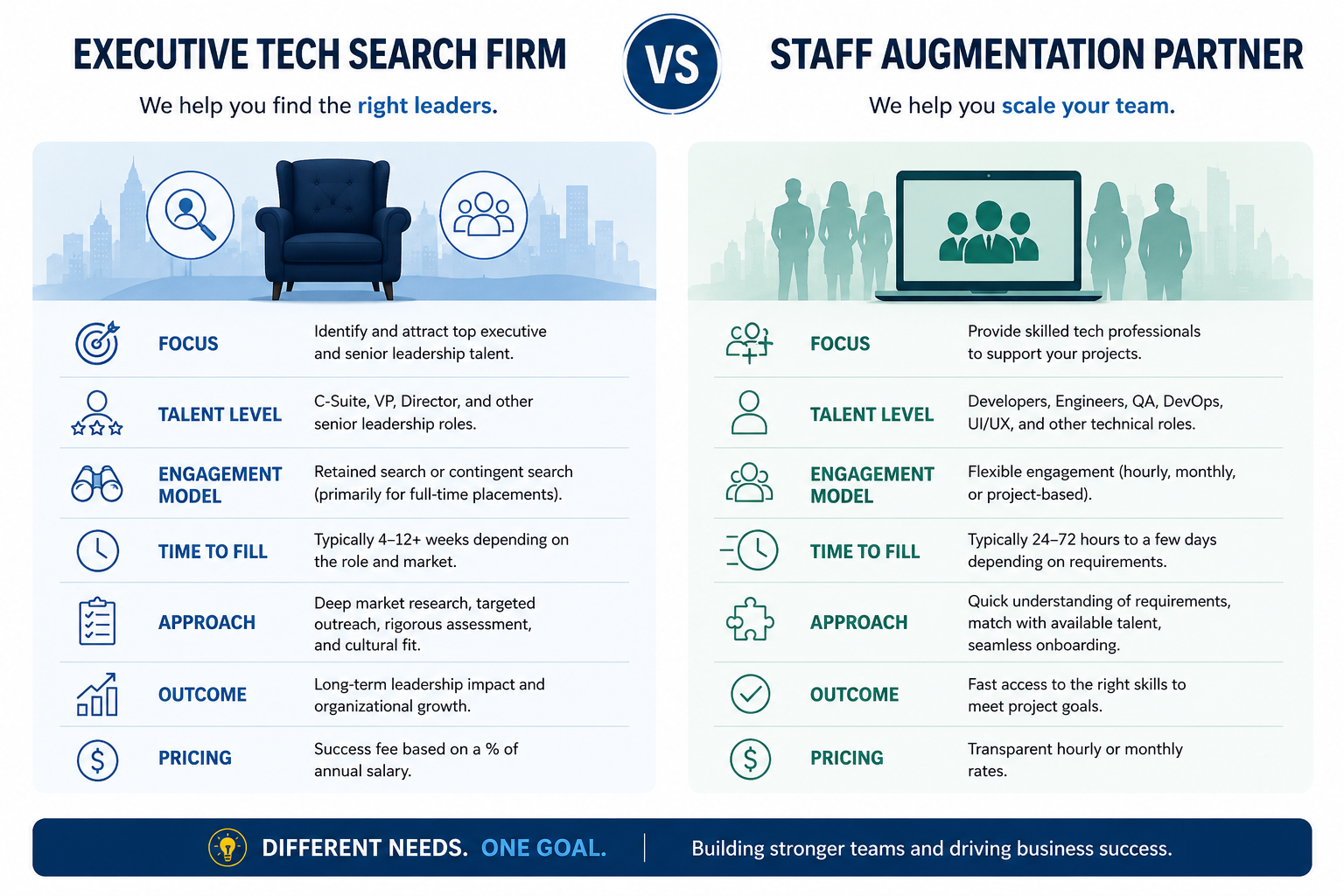
Executive Tech Search Firm vs Staff Augmentation Partner
-
 August 26, 2026
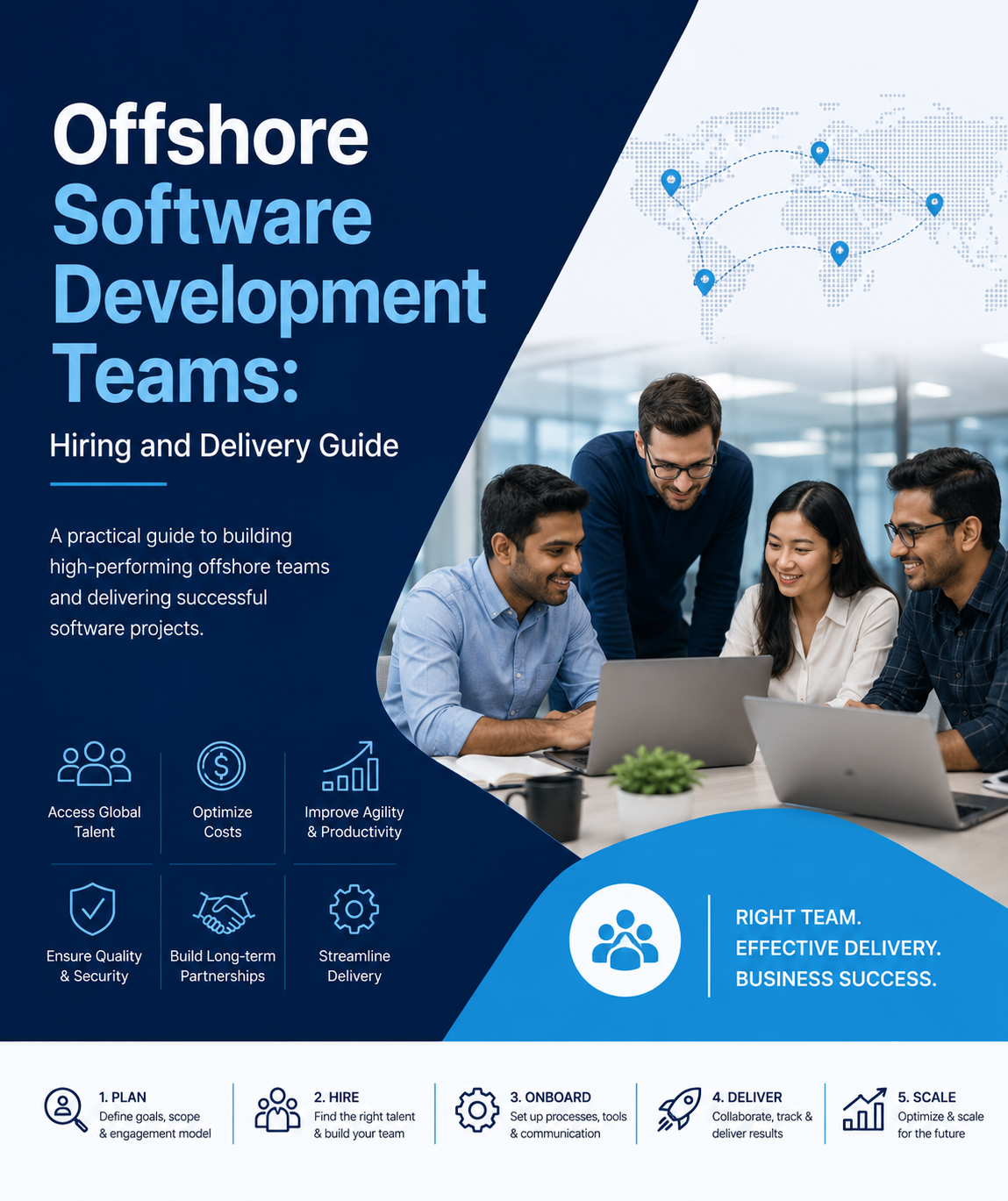
Offshore Software Development Teams: Hiring and Delivery Guide
-
 August 24, 2026
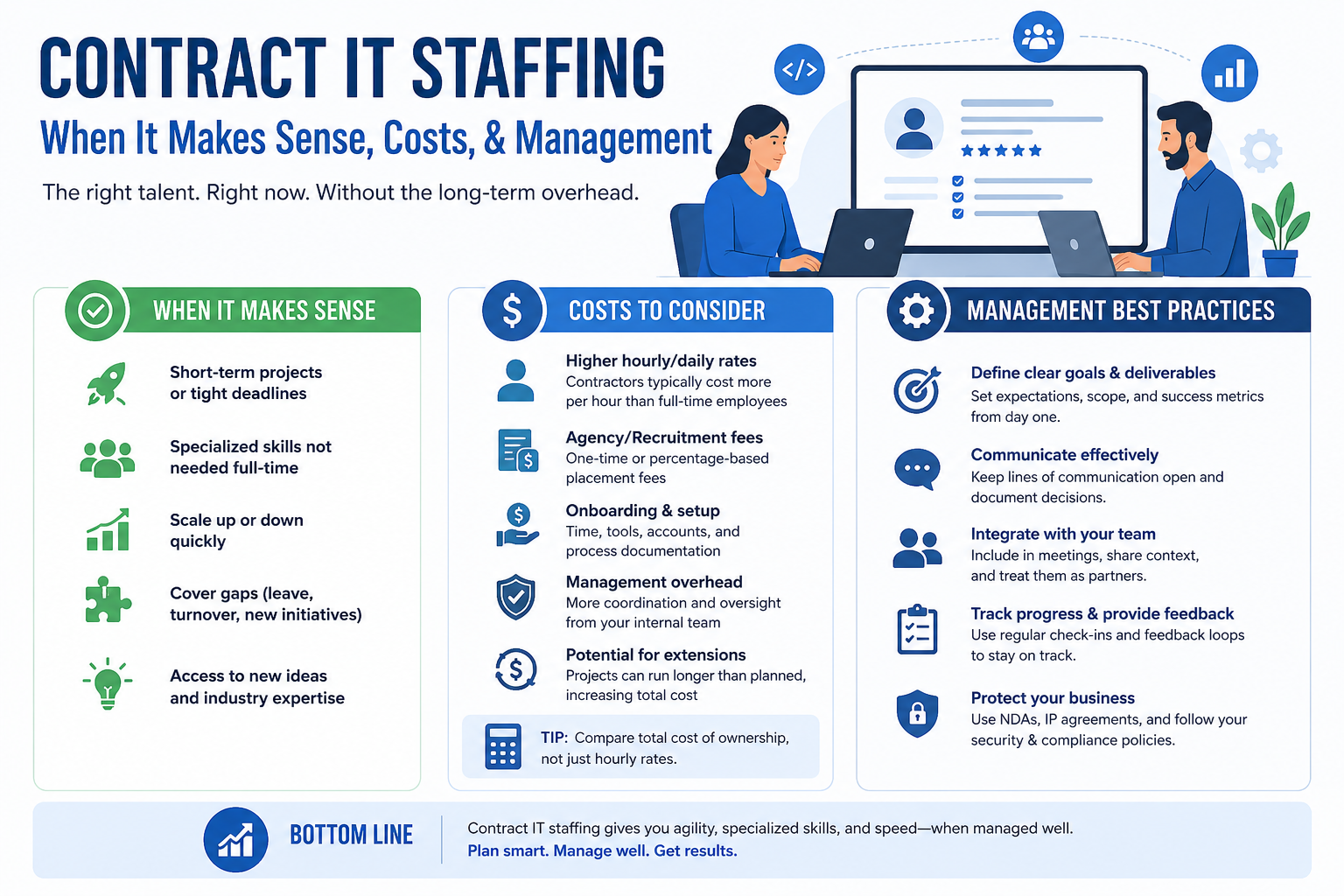
Contract IT Staffing: When It Makes Sense, Costs, and Management
-
 August 21, 2026
IT Staff Augmentation Services: How to Scale Your Engineering Team Without Slowing Delivery
-
 August 20, 2026
IT Staff Augmentation Services: How to Scale Your Engineering Team Without Slowing Delivery
-
 August 13, 2026
AI Workflow Automation for Operations: A Practical Guide
-
 July 30, 2026
Post-Project Offboarding: Seamless Transitions for Contract IT Staff
-
July 24, 2026
Mitigating Compliance Risks in IT Contract Staffing
-
 July 23, 2026
How TypeScript Reduces Production Errors in Large-Scale Codebases
-
 July 22, 2026
How to Write a Bulletproof SLA for IT Staff Augmentation
-
 July 21, 2026
Why Modern Product Design (UI/UX) Dictates Custom Software Success
-
 July 20, 2026
5 Signs Your Enterprise Needs a Contract-Based IT Staffing Model
-
 July 17, 2026
The Importance of API-First Architecture in Modern Custom Web Solutions
-
 July 16, 2026
Tailoring Your Tech Team: Specialized Contract Roles vs. Generalist In-House Developers
-
 July 15, 2026
Eliminating Hidden Costs in IT Recruitment via Contractual Staffing
-
 July 10, 2026
Building Technical Roadmaps: A Guide for Non-Technical Founders
-
 July 8, 2026
Scale on Demand: How Startups Leverage Contract-Based Developers for MVP Launches
-
 July 7, 2026
Utilizing Power BI Consultants to Transform Legacy Data into Real-Time Dashboards
-
 July 6, 2026
Overcoming Time-Zone Barriers When Hiring Augmented Tech Teams
-
 July 3, 2026
Enterprise CRM Customization: Tailoring Tech to Your Unique Sales Pipeline
-
 July 2, 2026
Managing Data Security and IP Isolation on Remote Virtual Desktop Infrastructures (VDI)
-
 July 1, 2026
Staffing for Modern Frontend Architectures: When to Deploy React vs. Angular vs. Vue
-
 June 30, 2026
The Roadmap to Building a Scalable Multi-Vendor Marketplace Product
-
 June 29, 2026
Custom Software Development vs. Commercial Off-the-Shelf (COTS) Solutions
-
 June 25, 2026
Contractual Tech Staffing: The Secret Weapon for Scaling Peak Seasons
-
 June 24, 2026
The Ultimate Guide to Managing Remote Contract Developers
-
 June 23, 2026
How to Use IT Staff Augmentation to Control Infrastructure Costs
-
 June 22, 2026
Why Contract IT Staffing Is Outpacing Full-Time Hiring
-
 June 19, 2026
E‑Commerce & Retail Tech: Scaling Teams for Peak Seasons with Staff Augmentation
-
 June 18, 2026
How to Manage Remote Staff Augmentation Teams Across Time Zones
-
 June 17, 2026
Why Staff Augmentation Is the Future of Agile Hiring
-
 June 16, 2026
The 2026 Staff Augmentation Playbook: How Modern Enterprises Scale Tech Team
-
 June 15, 2026
Building an AI‑Ready Tech Team Using Staff Augmentation
-
 June 11, 2026
When to Choose Staff Augmentation Over Full-Time Hiring in 2026
-
 June 10, 2026
Enterprise Software Modernisation: Why Staff Augmentation Beats Traditional Hiring
-
 June 8, 2026
How to Start a Staff Augmentation Project in 7 Steps (2026)
-
 June 4, 2026
Staff Augmentation Onboarding Checklist: Security, Tools, and Culture
-
 June 3, 2026
Legacy System Modernisation with Staff Augmentation: A 2026 Blueprint
-
 June 1, 2026
Healthcare & SaaS Startups: How Staff Augmentation Cuts Time-to-Market
-
 May 28, 2026
The Hybrid Agile Model: In-House Teams + Staff Augmentation in 2026
-
 May 26, 2026
Staff Augmentation for Digital Transformation: Beyond Just Developers
-
 May 25, 2026
Staff Augmentation vs Outsourcing vs In-House Hiring: When to Use Which
-
 May 22, 2026
How to Choose the Right IT Staff Augmentation Company for Your Business
-
 May 20, 2026
Staff Augmentation Onboarding Checklist: The Ultimate Guide
-
 May 19, 2026
Staff Augmentation Pricing Models Explained: FTE vs T&M vs Hybrid
-
 May 15, 2026
AI‑Driven Development Needs AI‑Ready Talent: Here’s How Staff Augmentation Helps
-
 May 13, 2026
Best Staff Augmentation Companies for Enterprise Software Modernization (2026)
-
 May 8, 2026
Staff Augmentation for Fintech: Bridging Compliance, Security, and Speed
-
 May 7, 2026
Technical Debt Reduction with Staff Augmentation: Fast, Safe, and Measurable
-
 May 6, 2026
Why Staff Augmentation Matters for Tech Leaders in 2026
-
 May 5, 2026
Best Staff Augmentation Companies for Enterprise Software Modernisation (2026)
-
 May 4, 2026
What Is an AI‑Ready Talent Pool and Why It Matters in 2026
-
 April 30, 2026
Why choose WitQuallis for staff augmentation?
-
 April 29, 2026
Emerging tech & cloud strategy: how businesses stay ahead in 2026
-
 April 28, 2026
How IoT and Azure are creating real‑time patient monitoring systems
-
 April 27, 2026
Nearshoring vs offshore: why time‑zone alignment matters for Agile sprints
-
 April 24, 2026
Staff Augmentation: A Complete Guide to Scaling Your Tech Team Efficiently
-
 April 23, 2026
The Ultimate Guide to IT Staff Augmentation: Scaling Your Digital Success with WitQualis
-
 April 22, 2026
What is Software Development? A Comprehensive Guide to the 2026 Digital Landscape
-
 April 21, 2026
Boost Your Business ROI with Power BI Development Services
-
 April 20, 2026
Why Hiring Python Developers Has Become Risky (and Critical)
-
 April 17, 2026
Staff Augmentation: Scale Your Team Fast Without Full-Time Hires
-
 April 16, 2026
Top 20 Emerging Technologies of 2026: Transform Your Business Now
-
 April 15, 2026
🚀 Custom AI Development Costs in 2026: Complete Guide for Businesses
-
 April 14, 2026
Overcoming IT Staff Augmentation Challenges: Scale Your Team Fast and Smart
-
 April 13, 2026
Enterprise software modernisation 2026: why AI‑native refactoring and staff augmentation matter
-
 April 10, 2026
AI‑native refactoring: re‑imagining legacy modernisation in 2026
-
 April 9, 2026
AI-Native Refactoring: How to Modernise Legacy Systems in 2026
-
 April 8, 2026
The business case for Web3: real‑world asset tokenization in real estate
-
April 7, 2026
The future of IoMT: smart hospitals in 2026
-
 April 6, 2026
Cloud 3.0: beyond “lift‑and‑shift” to sovereignty
-
 April 2, 2026
From filters to conversation: the shift in e‑commerce search
-
 April 1, 2026
Case Studies: Migrating Legacy Enterprise Apps to Azure/AWS with IT Staff Augmentation Services
-
 March 30, 2026
Why Hiring Full‑Time Quantum‑Resistant Encryption Specialists Is So Hard
-
 March 27, 2026
Prompt engineering: from “nice‑to‑have” to core skill
-
 March 26, 2026
The hybrid squad: reimagining teams for the AI era
-
 March 25, 2026
Staff augmentation and the future of work: a new operating model
-
 March 24, 2026
Why full‑time quantum‑resistant encryption specialists are so hard to hire
-
 March 23, 2026
How Staff Augmentation Services Fixes Cybersecurity & Cloud Shortages
-
 March 20, 2026
The Great Fortress: Modernizing Banking Apps to Combat Sophisticated AI-Driven
-
 March 19, 2026
The Great Cloud Diversification: Navigating Data Residency in the Age of GDPR and the EU AI Act
-
 March 18, 2026
How Staff Augmentation automotive AR Cuts Onboarding Costs in Automotive & Manufacturing | WitQualis Staff Augmentation
-
 March 17, 2026
The Outcome-Based Model: How AI-Augmented Teams Are Multiplying Output | WitQualis
-
 March 16, 2026
Why “Vibe Coding” and Prompt Mastery Are Now as Important as Syntax
-
 March 13, 2026
The Witqualis Edge: How Agentic AI Tools Accelerate MVP Delivery by 40%
-
 March 12, 2026
Beyond Copilots: The Rise of Agentic AI in the SDLC
-
 March 11, 2026
Breaking the Monolith: A Definitive Guide to Using Generative AI for Microservices Migration (2026 Edition)
-
 March 10, 2026
The Agentic Revolution: Why AI is Moving from "Suggesting Code" to "Executing Workflows"
-
 March 9, 2026
Beyond the Search Bar: How LLMs are Revolutionising Retail Discovery
-
 March 6, 2026
How Blockchain is Making Real Estate Investment Liquid and Accessible
-
 March 5, 2026
Microservices Architecture: Benefits and Implementation Tips
-
 March 3, 2026
How Remote Work Has Changed the IT Industry and Tools You Need
-
 March 2, 2026
API Design and Management Best Practices for Developers
-
 February 27, 2026
The Impact of Internet of Things (IoT) on Modern Business
-
 February 26, 2026
Virtual and Augmented Reality: Where Tech is Headed Next | 2026 Guide
-
 February 25, 2026
Blockchain Beyond Cryptocurrency: Real-World Applications & Use Cases (2026 Guide)
-
 February 24, 2026
The Role of AI in Enhancing IT Development: A Deep Dive (2026 Guide)
-
 February 23, 2026
Maximizing Productivity: How Staff Augmentation Drives Innovation in IT Projects
-
 February 20, 2026
Staff Augmentation vs. Outsourcing: Which IT Model Wins in 2026?
-
 February 19, 2026
The Rise of Hybrid Teams: How to Leverage Staff Augmentation for Business Success
-
 February 18, 2026
How Staff Augmentation is Transforming the Future of IT Workforce (2026)
-
 February 17, 2026
5 Reasons Why Staff Augmentation is Key for Tech Skill Shortages: staff augmentation for tech skill shortages
-
 February 16, 2026
How Staff Augmentation Helps Scale Your Business Without Overheads in 2026
-
 February 13, 2026
The Power of Diverse Teams: How Staff Augmentation Drives Inclusion (2026)
-
 February 12, 2026
The Role of 5G Technology in Shaping IT Development and Augmentation in 2026
-
 February 11, 2026
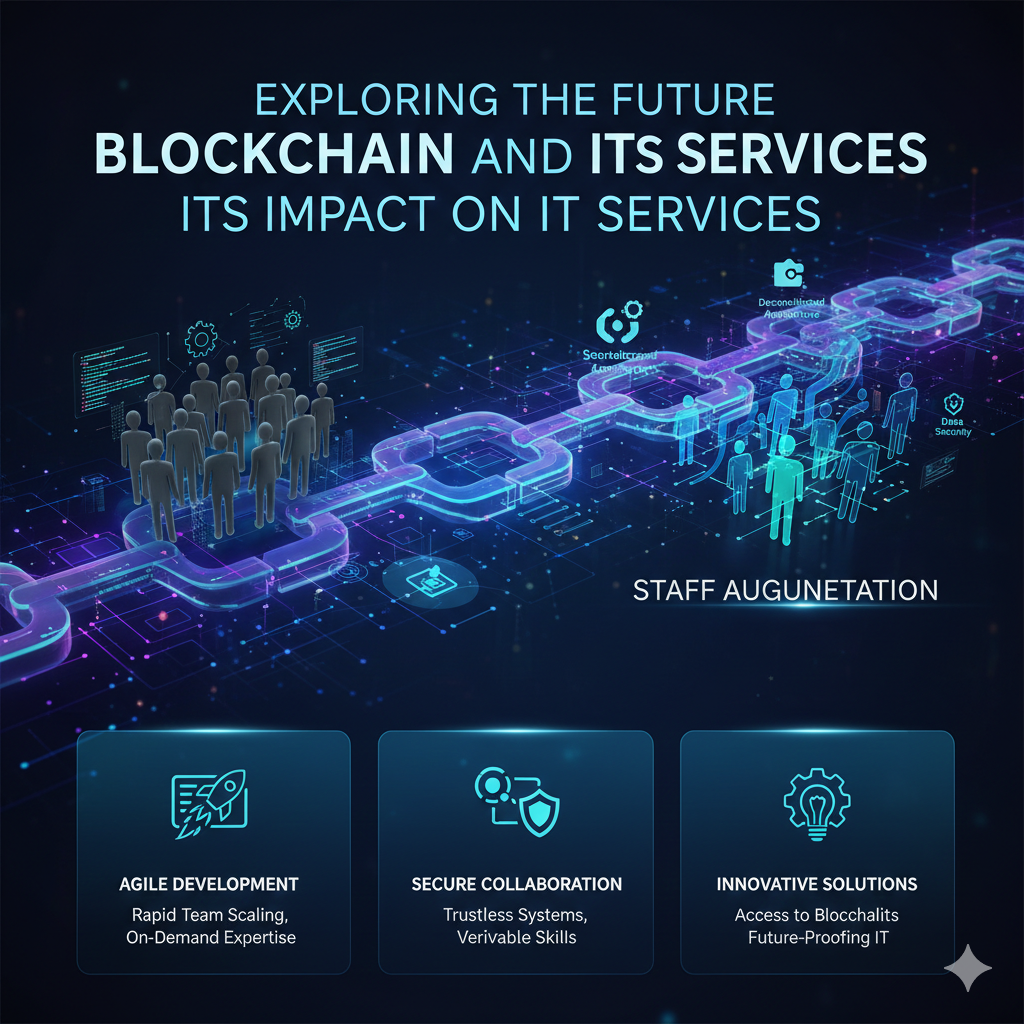
The Future of Blockchain: Revolutionizing IT Services in 2026
-
 February 10, 2026
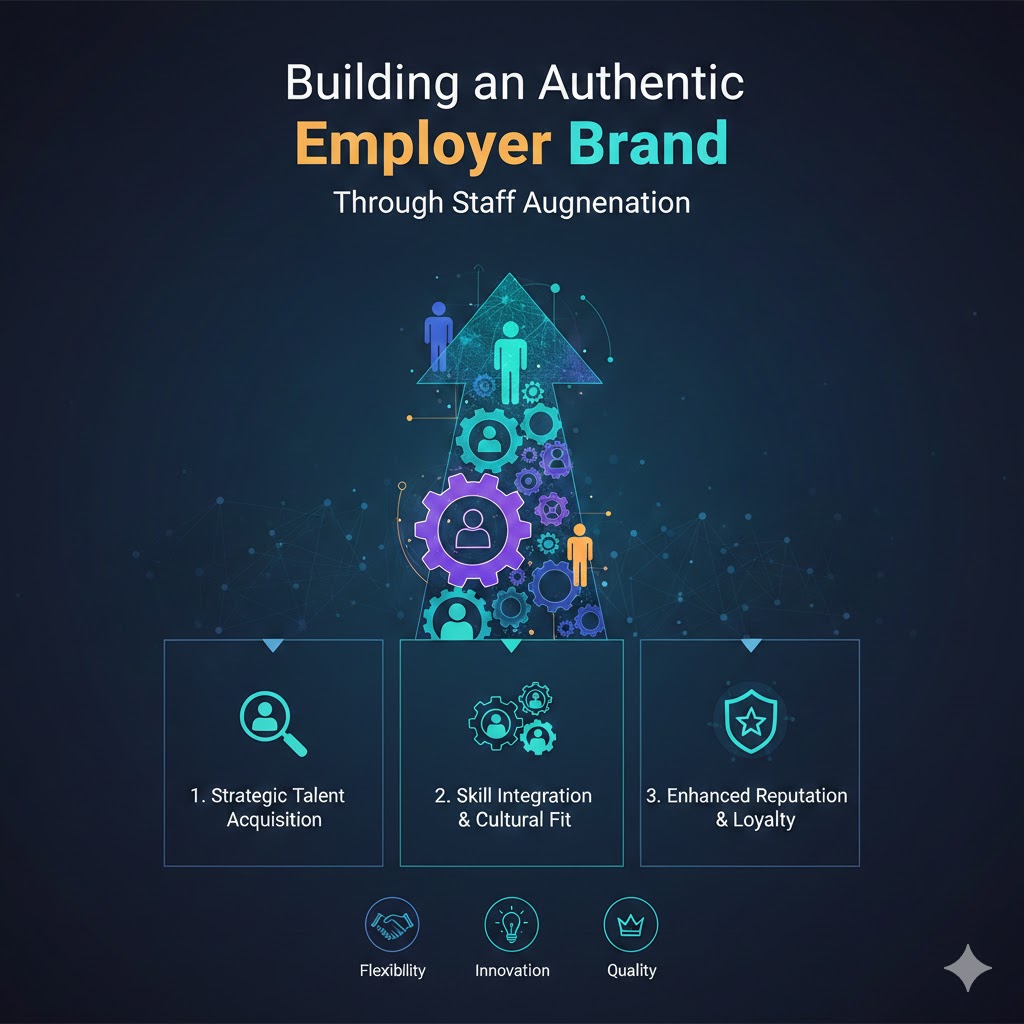
Building an Authentic Employer Brand Through Staff Augmentation in 2026
-
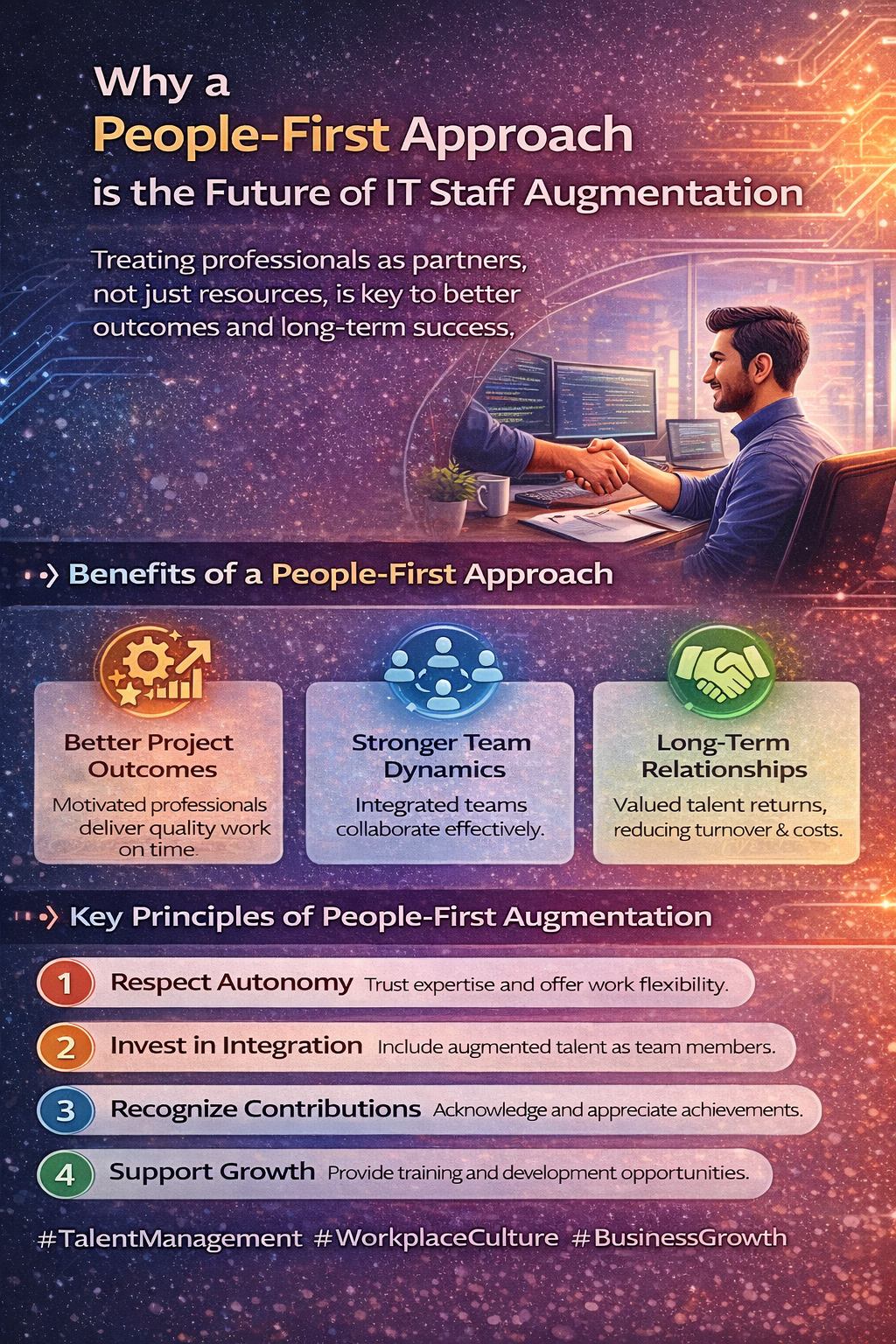 February 9, 2026
Supporting Augmented Professionals During Projects: Best Practices for Success
-
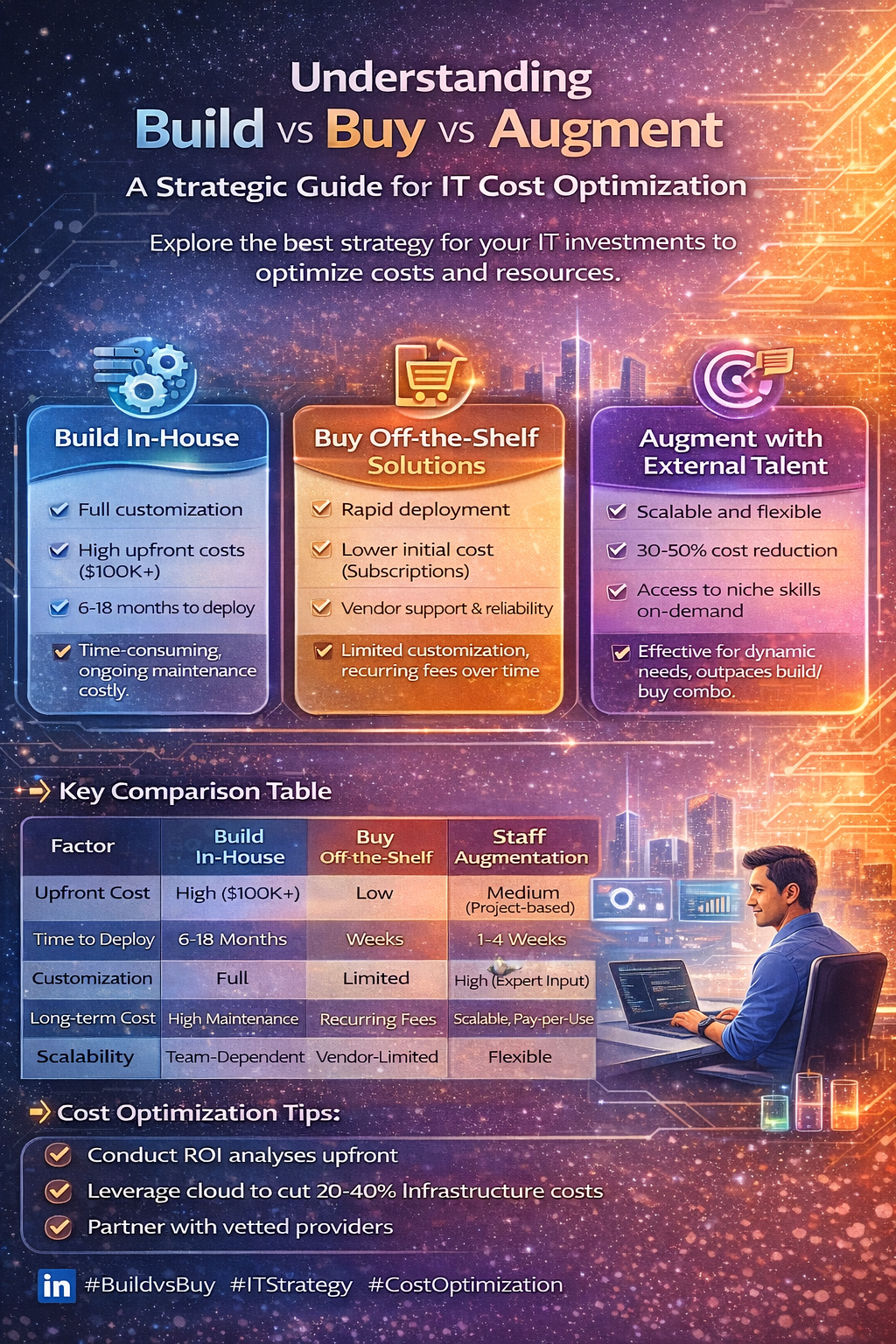 February 6, 2026
Cost Optimization in IT: Build vs Buy vs Staff Augmentation (2026 Guide)
-
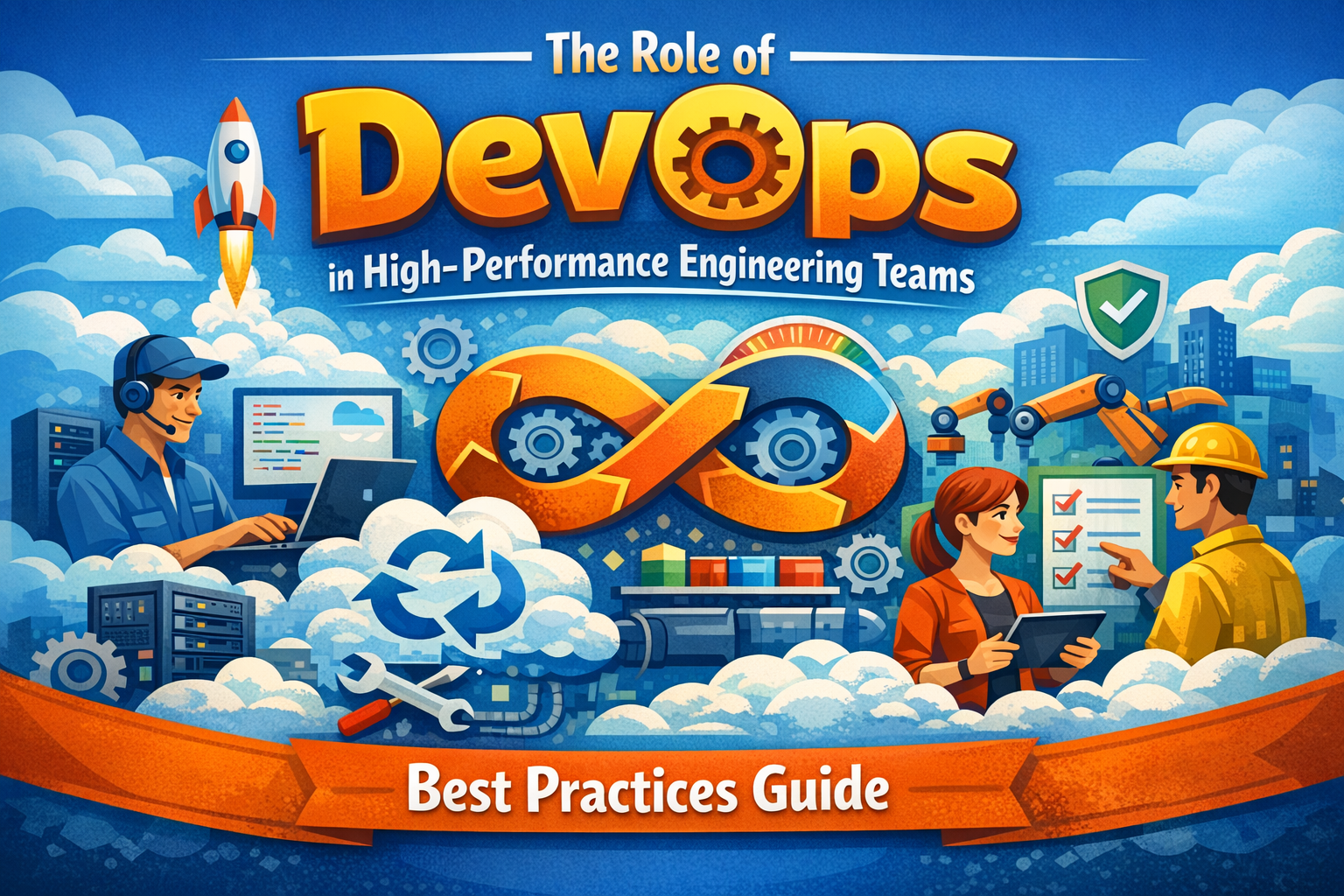 February 5, 2026
The Role of DevOps in High-Performance Engineering Teams: Best Practices Guide
-
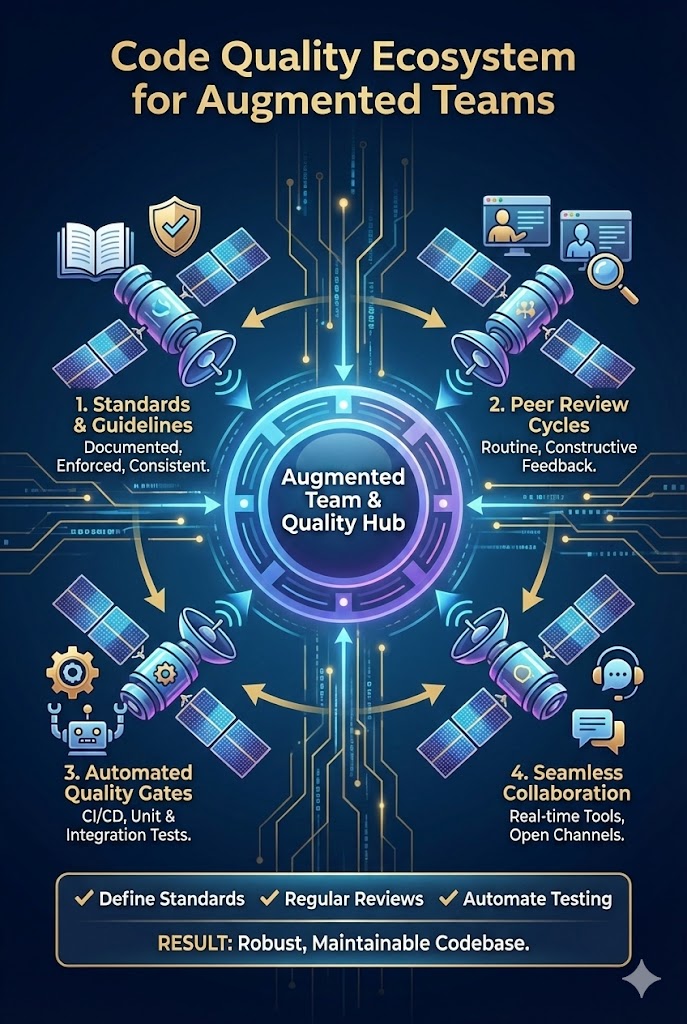 February 4, 2026
How to Ensure Code Quality When Working with Augmented Teams: Best Practices Guide
-
 February 3, 2026
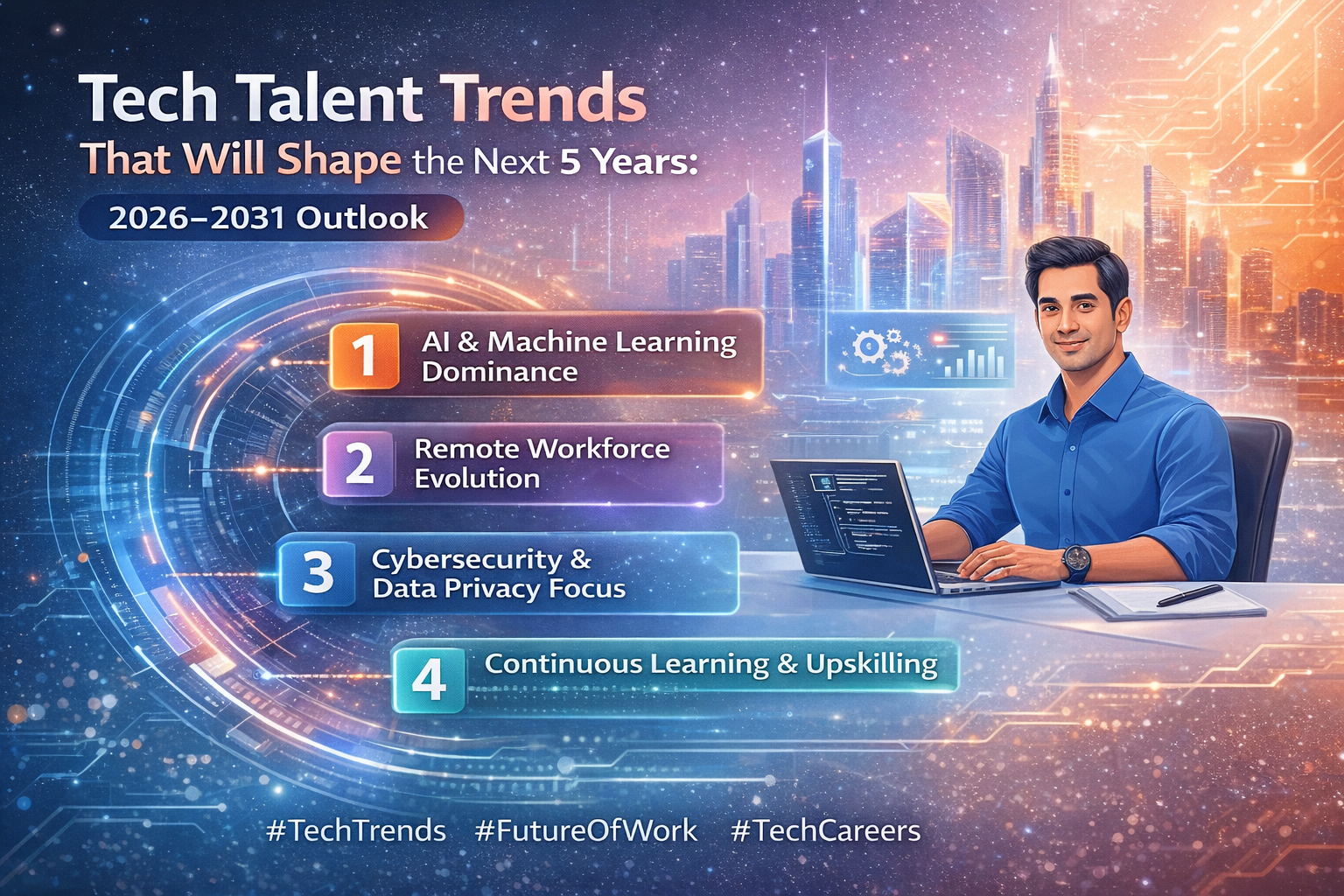
Tech Talent Trends That Will Shape the Next 5 Years: 2026–2031 Outlook
-
 February 2, 2026
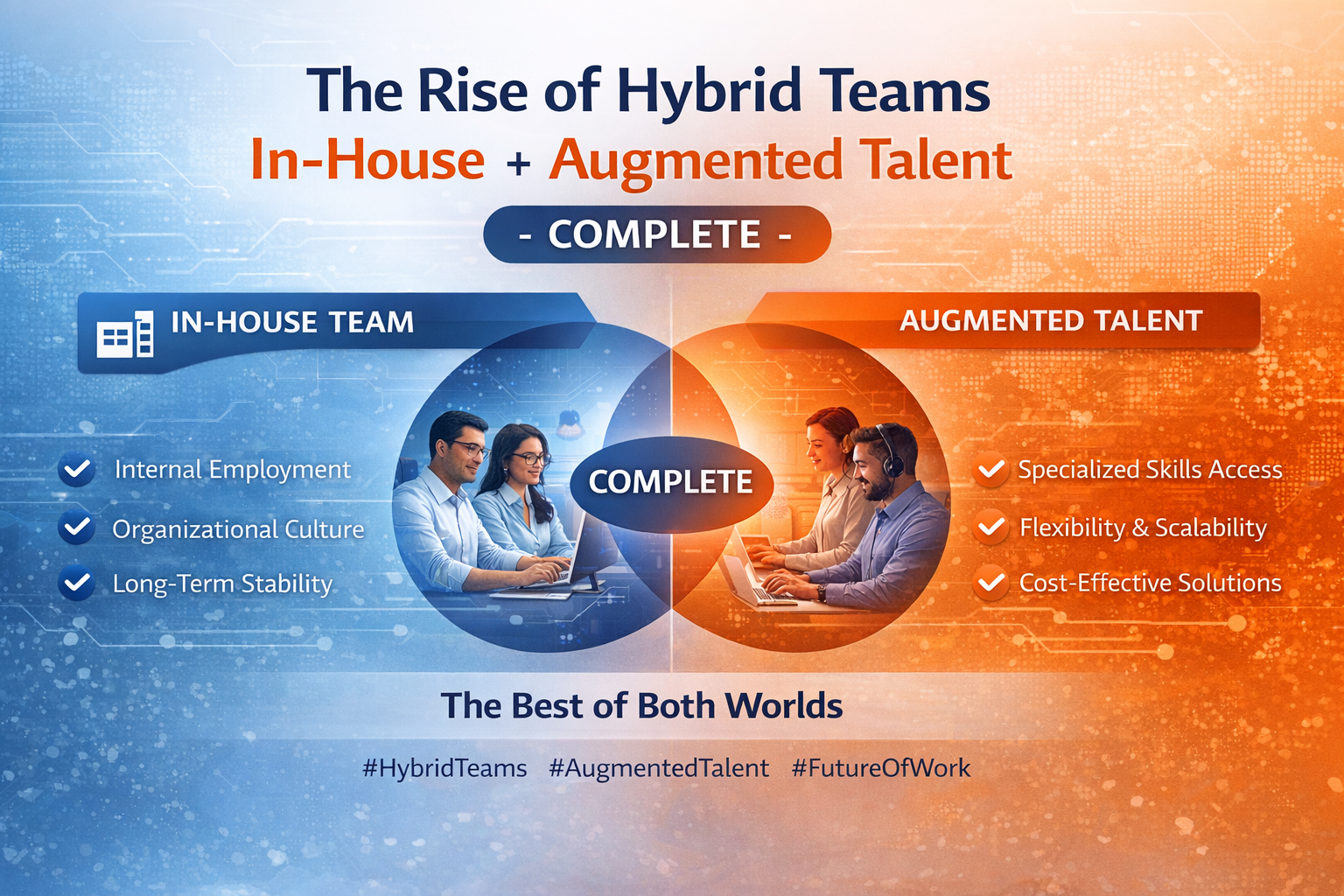
The Rise of Hybrid Teams: In-House + Augmented Talent - The Complete Guide
-
 January 30, 2026
How We Support and Retain High-Performing Tech Professionals
-
 January 29, 2026
Aligning Technology Strategy with Business Growth Goals: A Complete Framework
-
 January 28, 2026
What Top Developers Look for in a Staff Augmentation Partner: A Developer's Perspective
-
 January 27, 2026
The Human Side of IT Services: Why People Matter More Than Code
-
 January 23, 2026
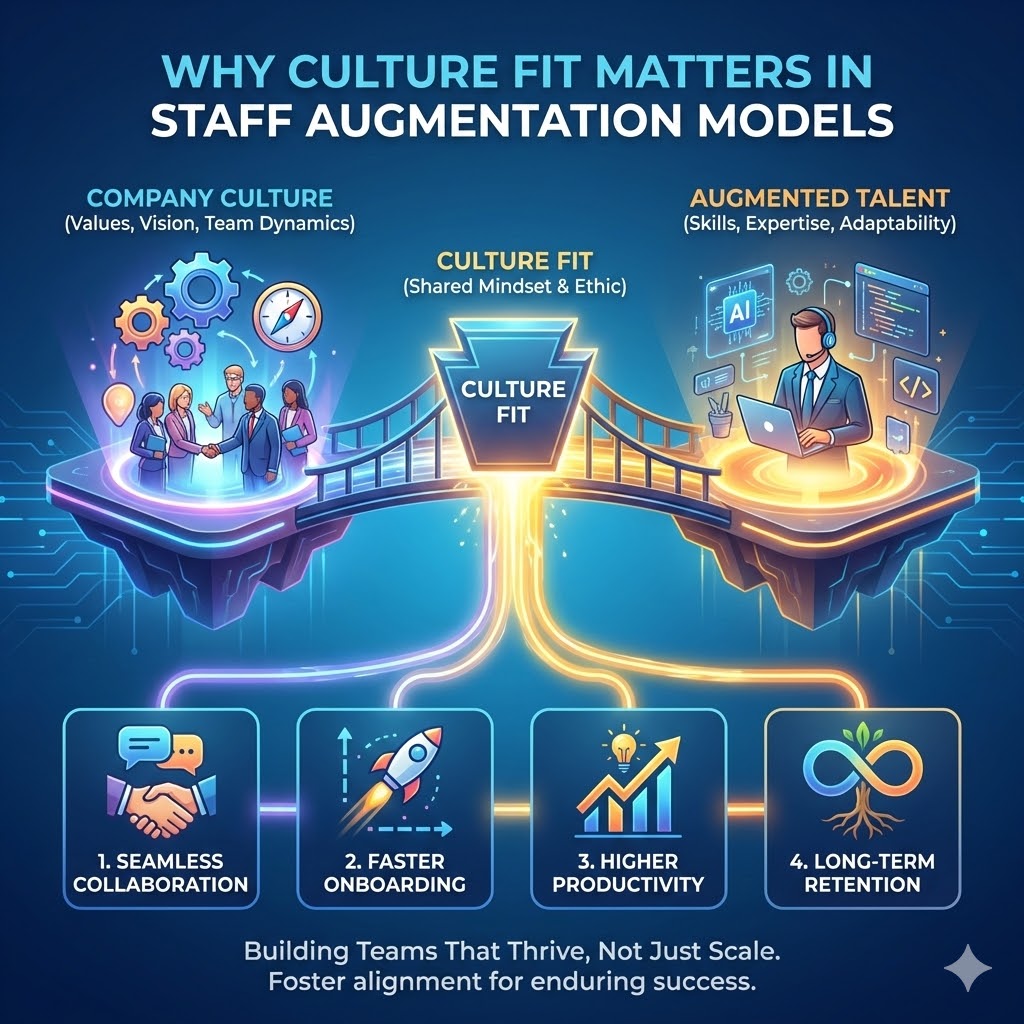
Why Culture Fit Matters in Staff Augmentation Models | Witqualis
-
 January 22, 2026
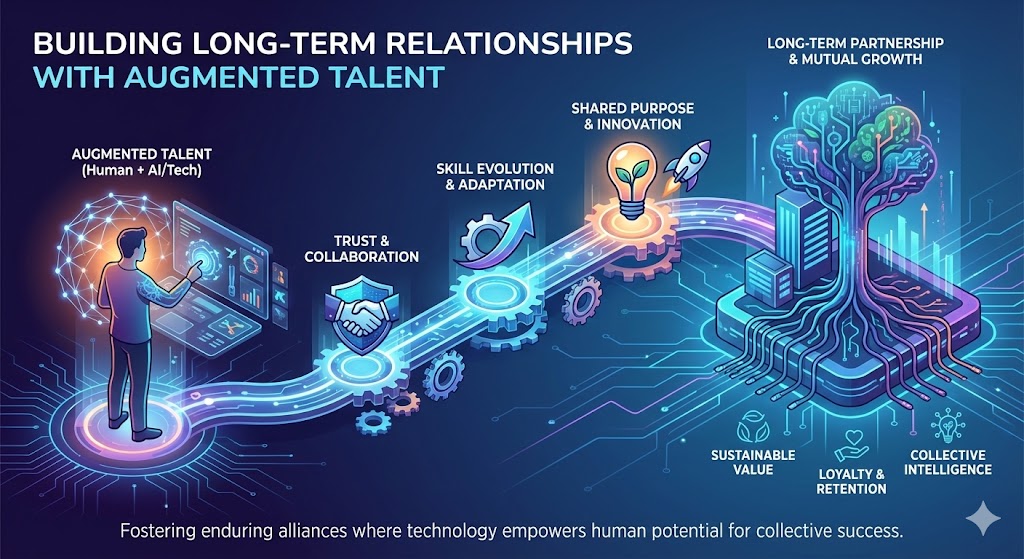
Building Long-Term Relationships with Augmented Talent: A Strategic Approach
-
 January 21, 2026
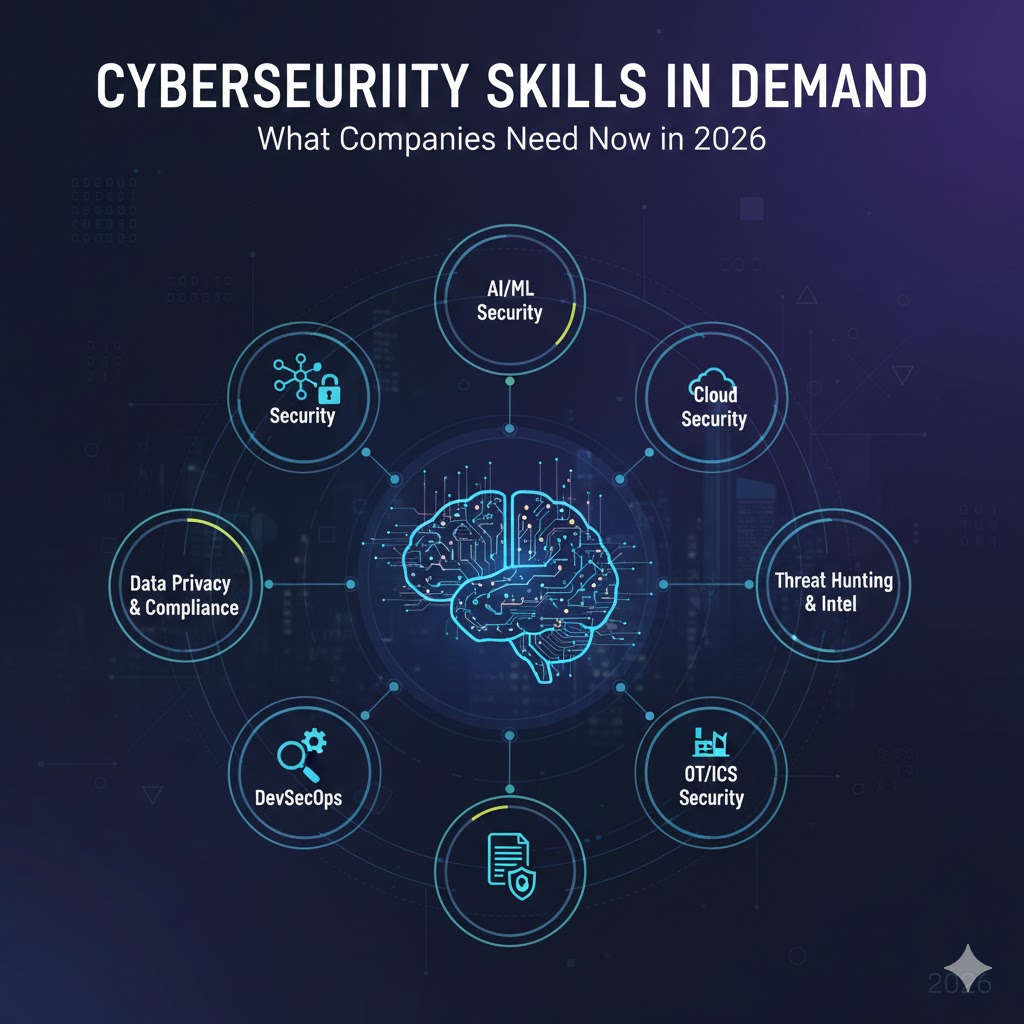
Cybersecurity Skills in Demand: What Companies Need Now in 2026
-
 January 20, 2026
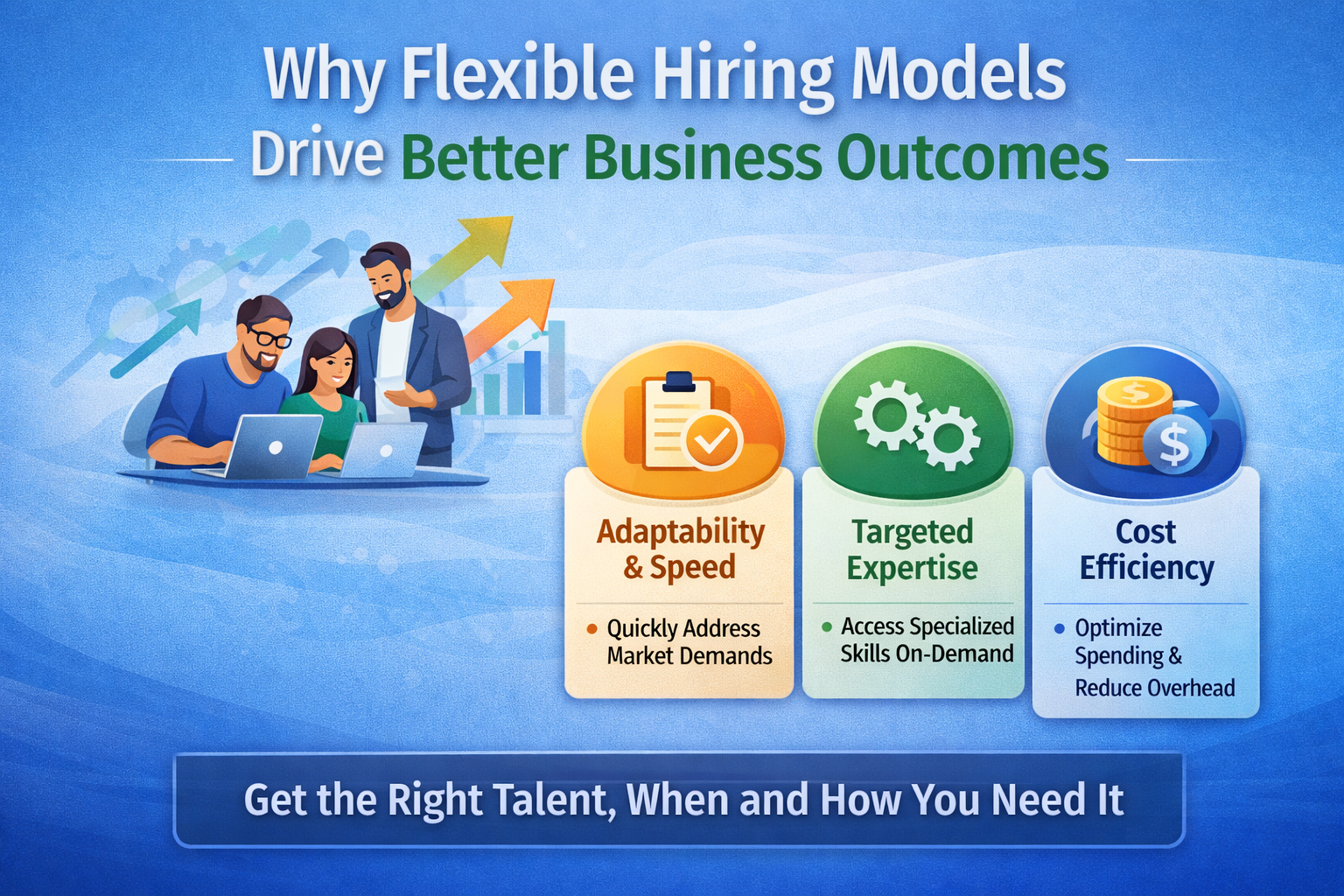
Why Flexible Hiring Models Drive Better Business Outcomes
-
 January 19, 2026
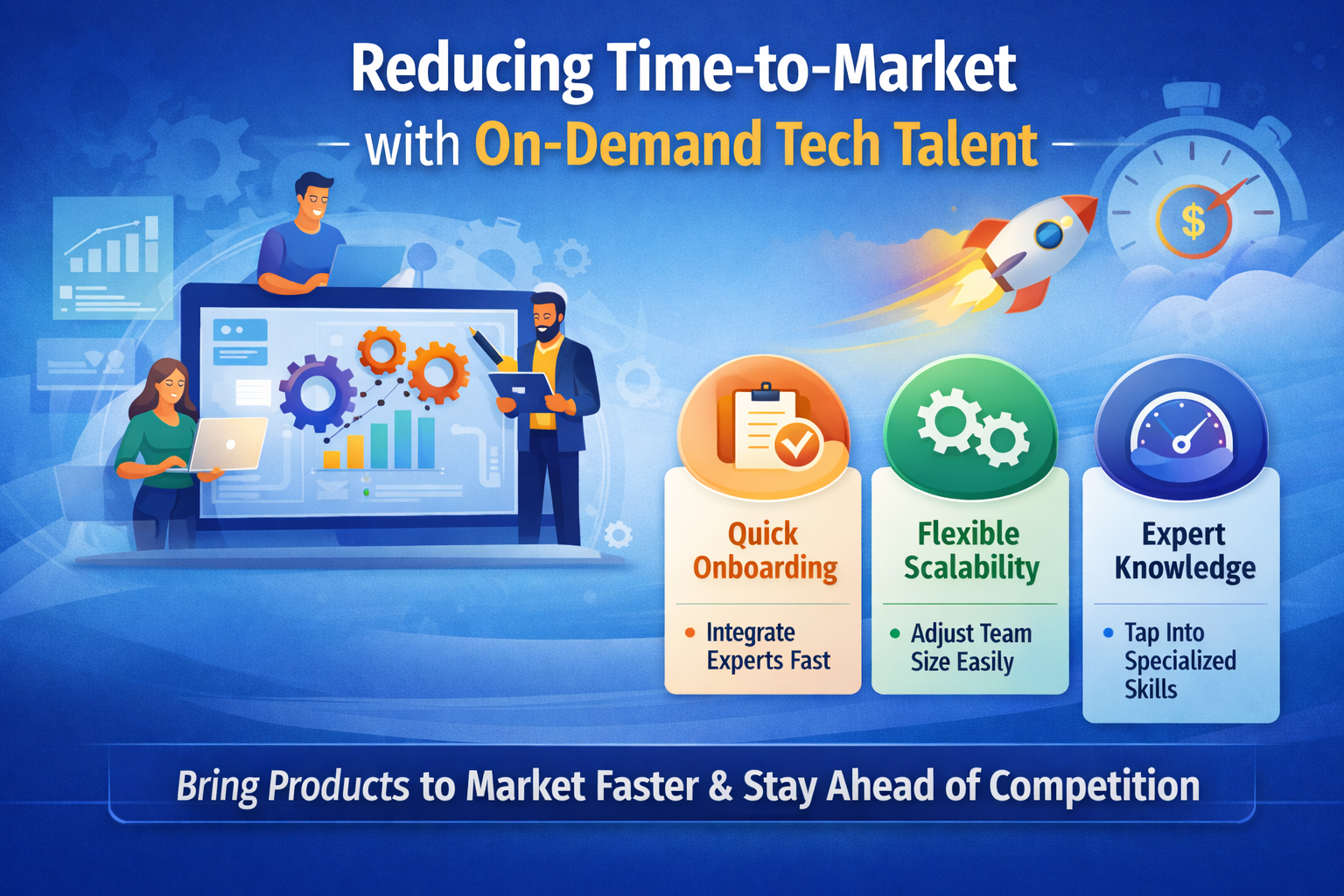
Reducing Time-to-Market with On-Demand Tech Talent
-
 January 15, 2026
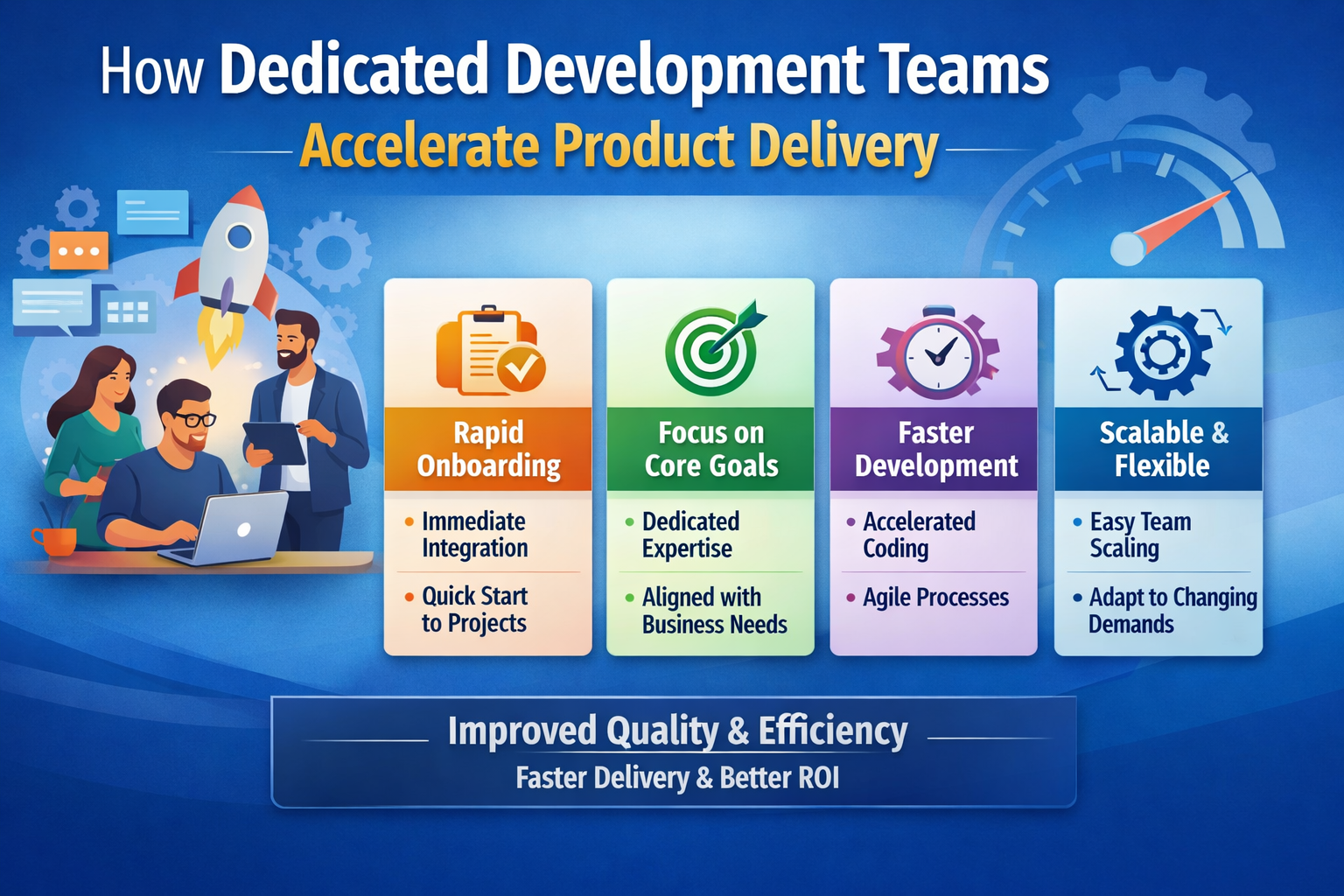
How Dedicated Development Teams Accelerate Product Delivery
-
 January 14, 2026
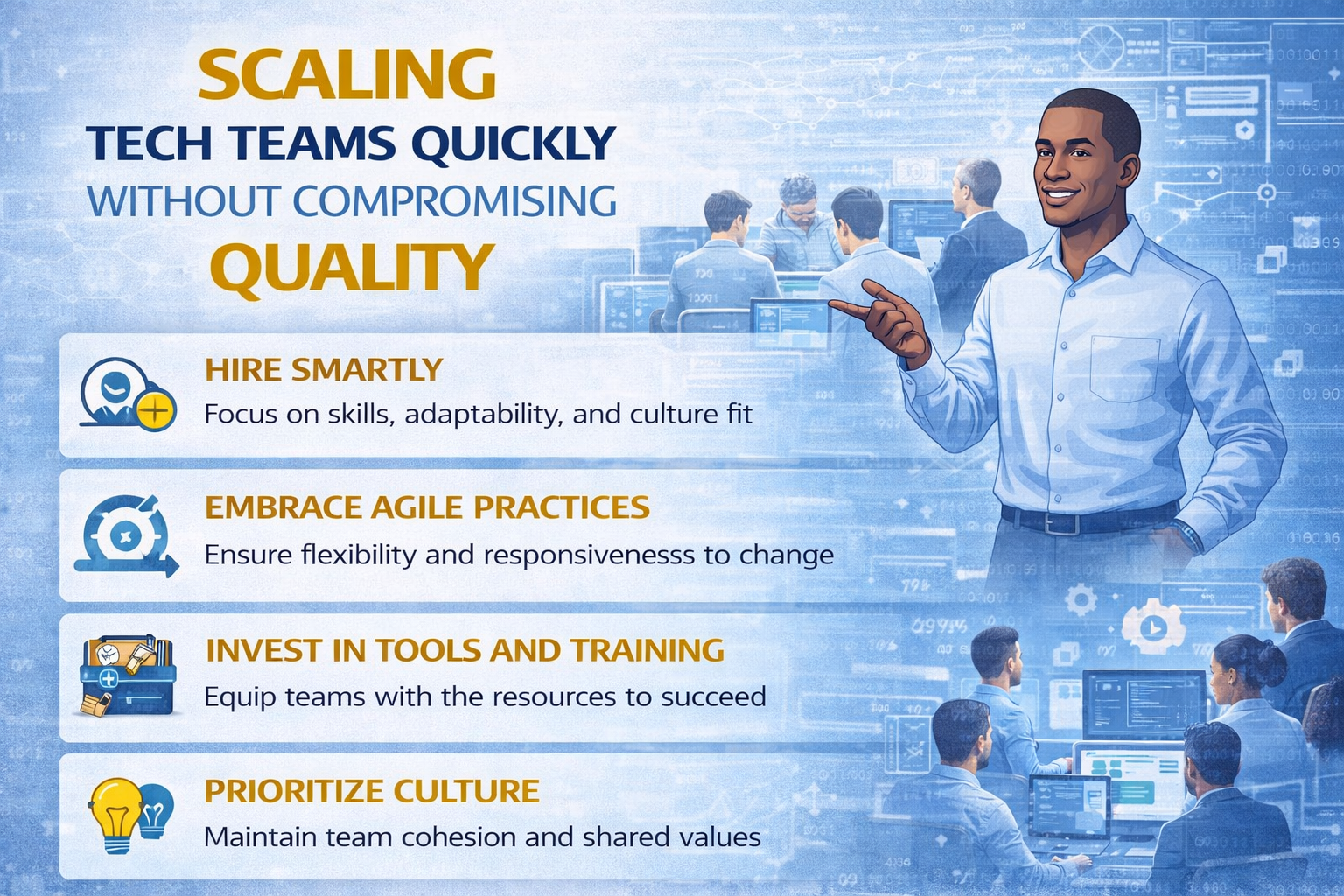
Scaling Tech Teams Quickly Without Compromising Quality
-
January 12, 2026
Common Mistakes Companies Make When Outsourcing IT Projects (And How to Avoid Them)
-
January 9, 2026
Key Workforce Trends Every CTO Should Watch This Year
-
 January 8, 2026
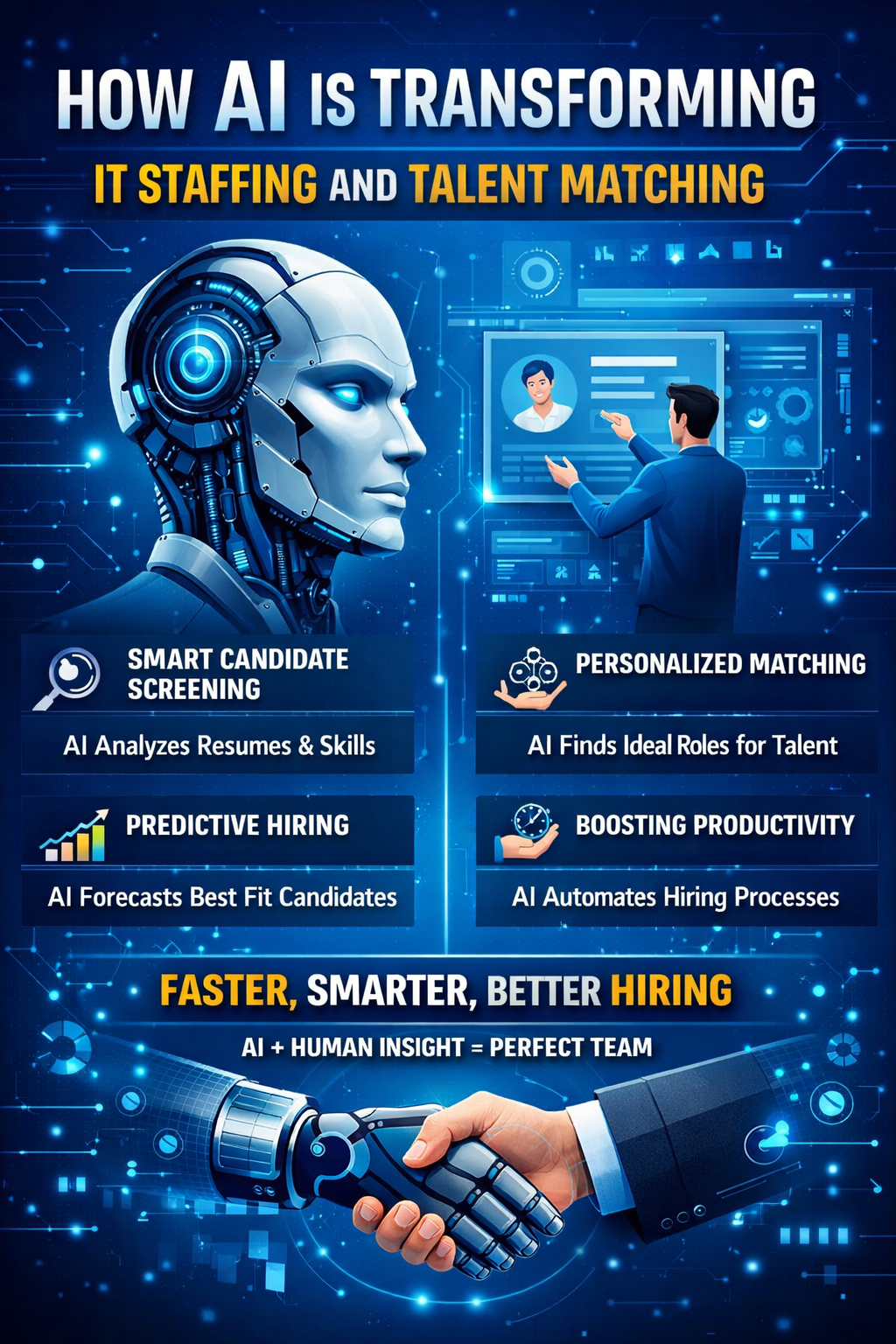
How AI Is Transforming IT Staffing and Talent Matching
-
 January 7, 2026
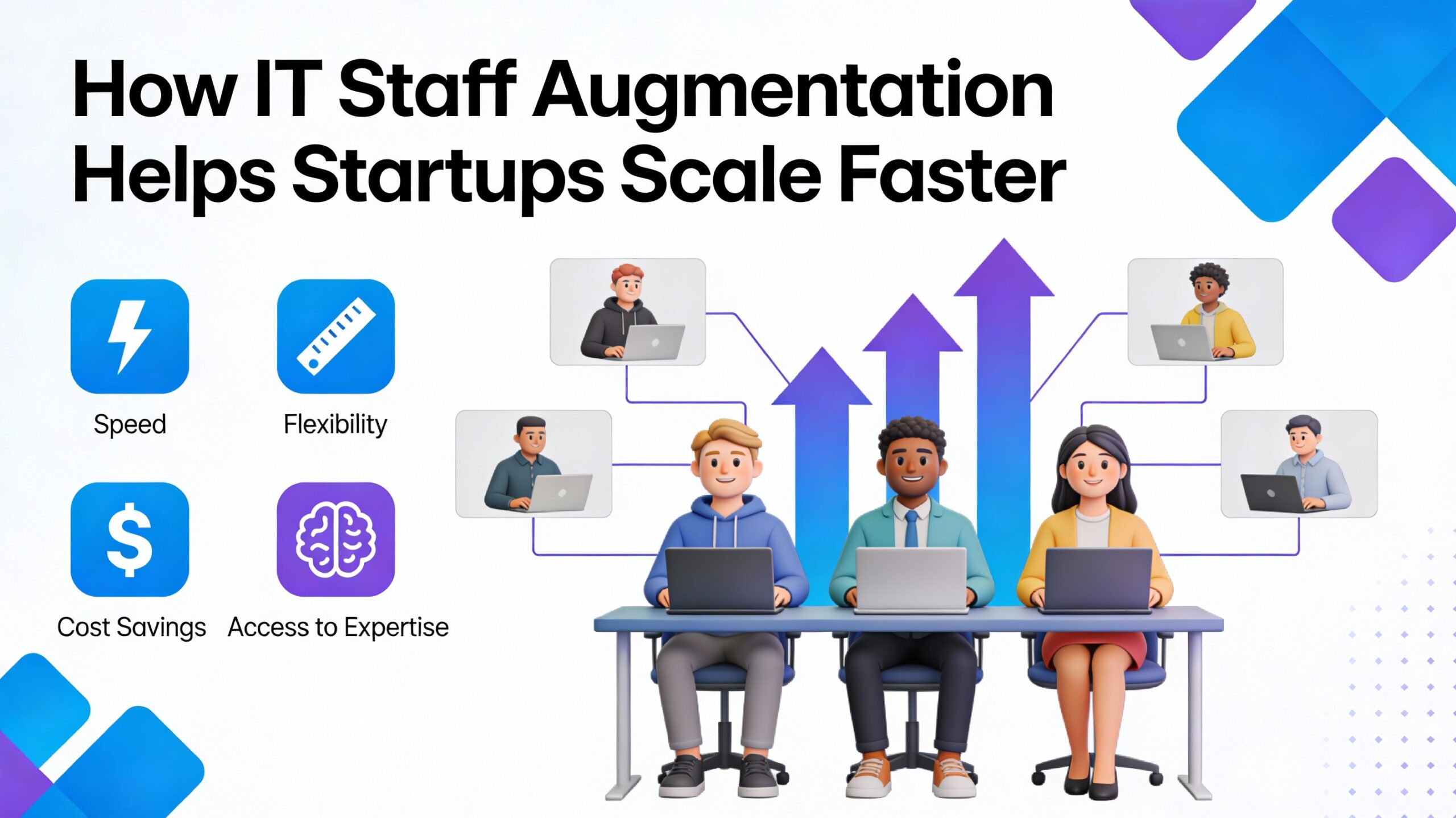
How IT Staff Augmentation Helps Startups Scale Faster
-
 January 6, 2026
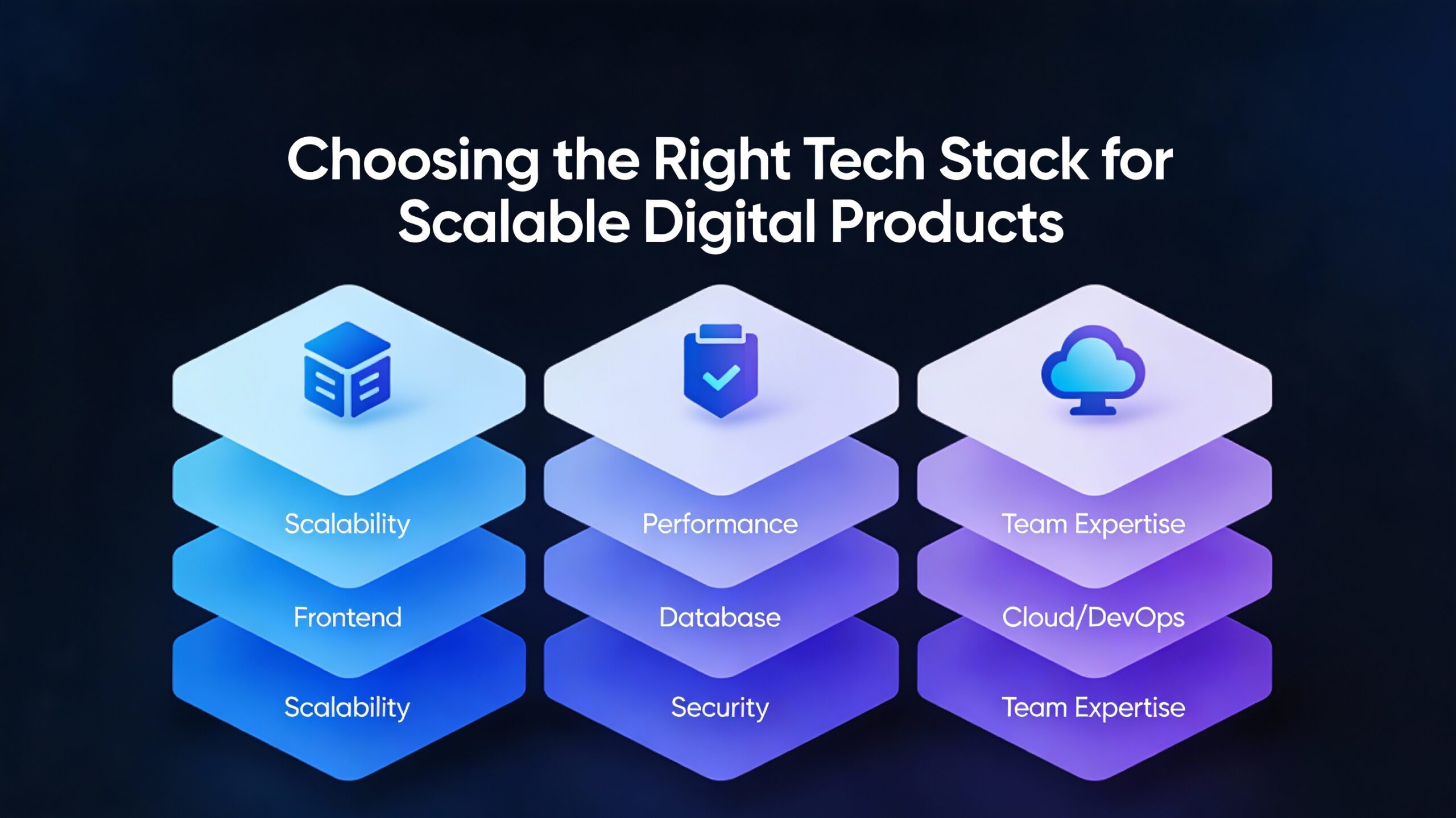
Choosing the Right Tech Stack for Scalable Digital Products
-
 January 5, 2026
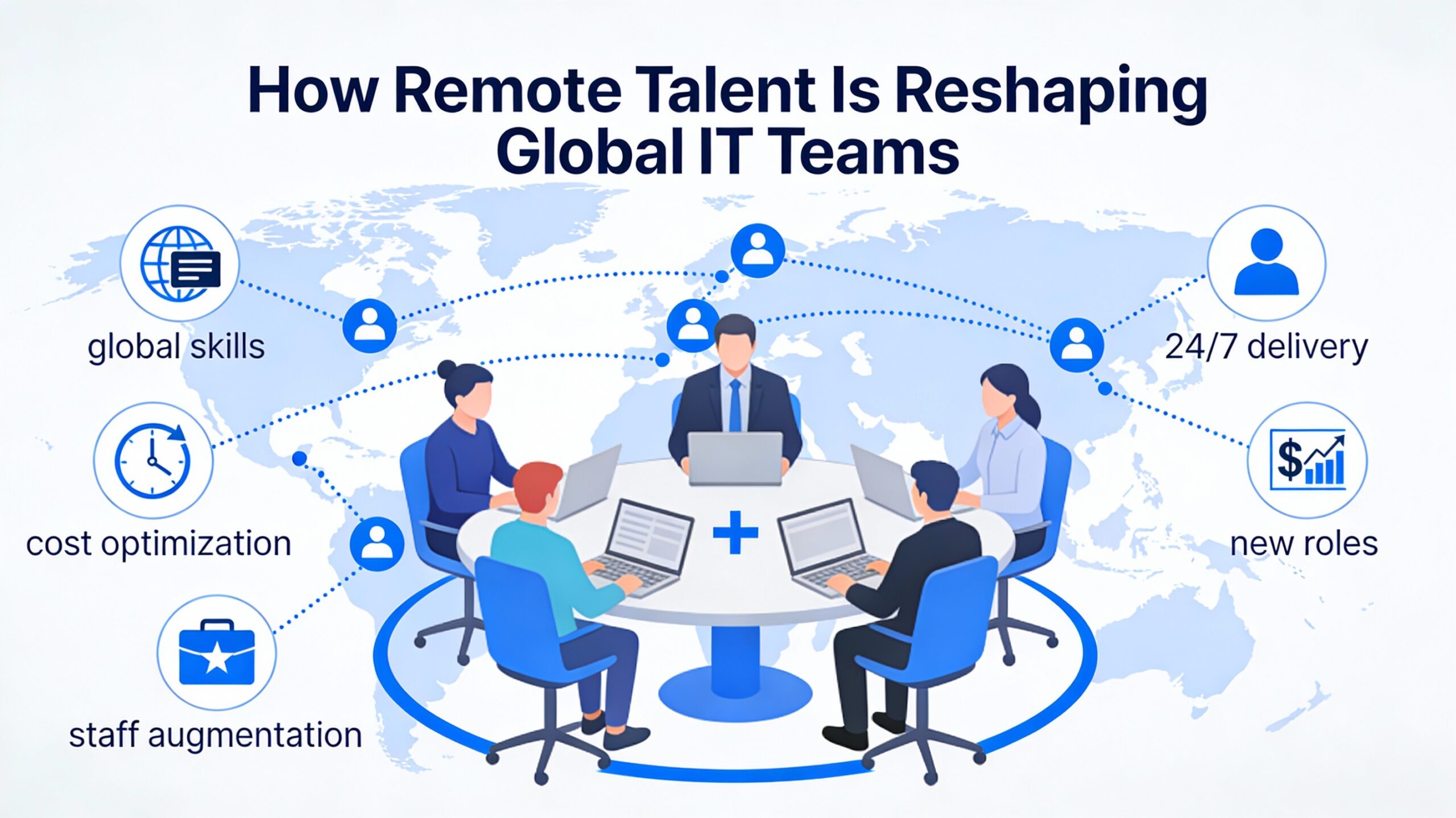
How Remote Talent Is Reshaping Global IT Teams
-
 December 29, 2025
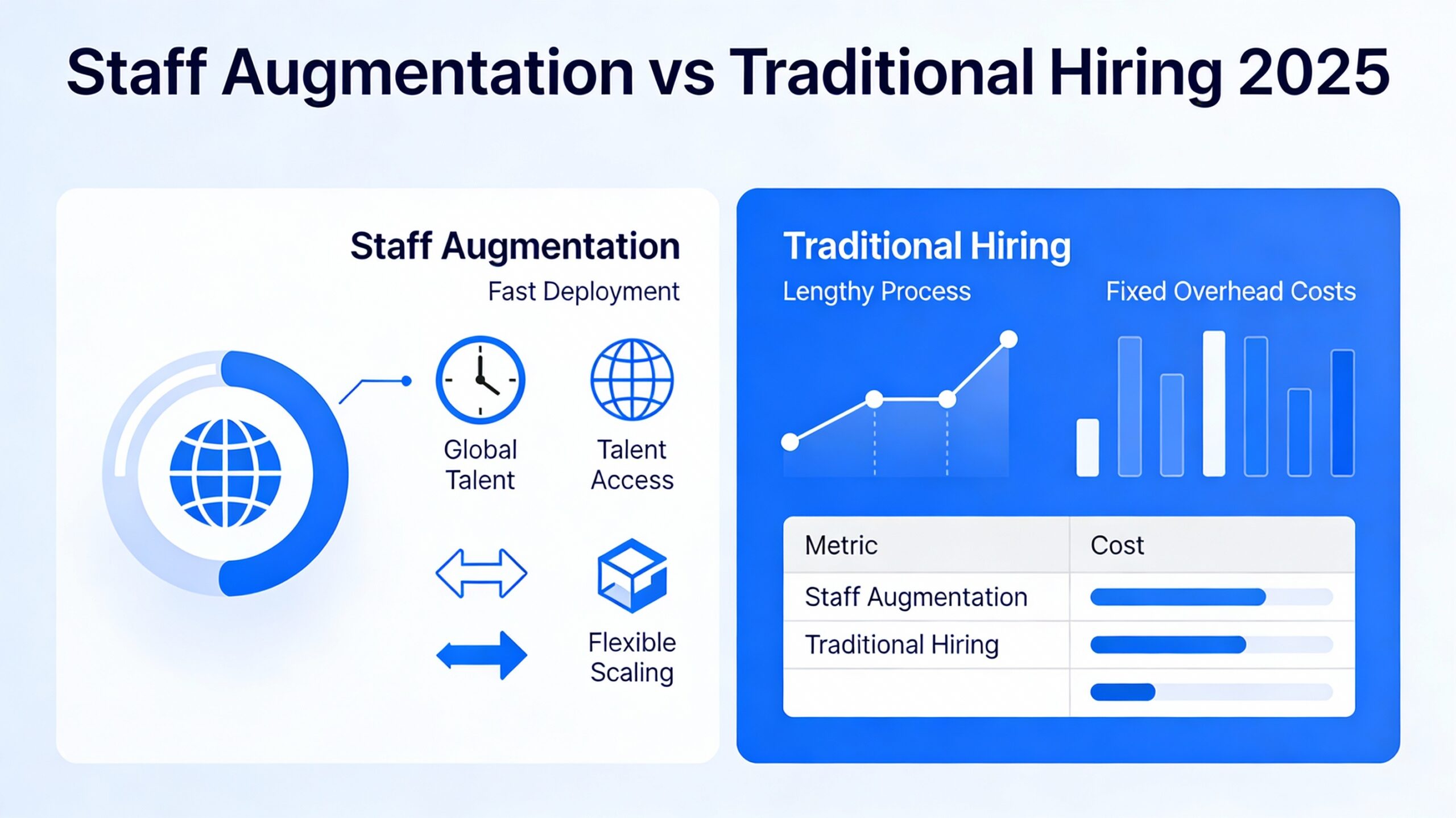
Staff Augmentation vs Traditional Hiring 2025
-
 December 24, 2025
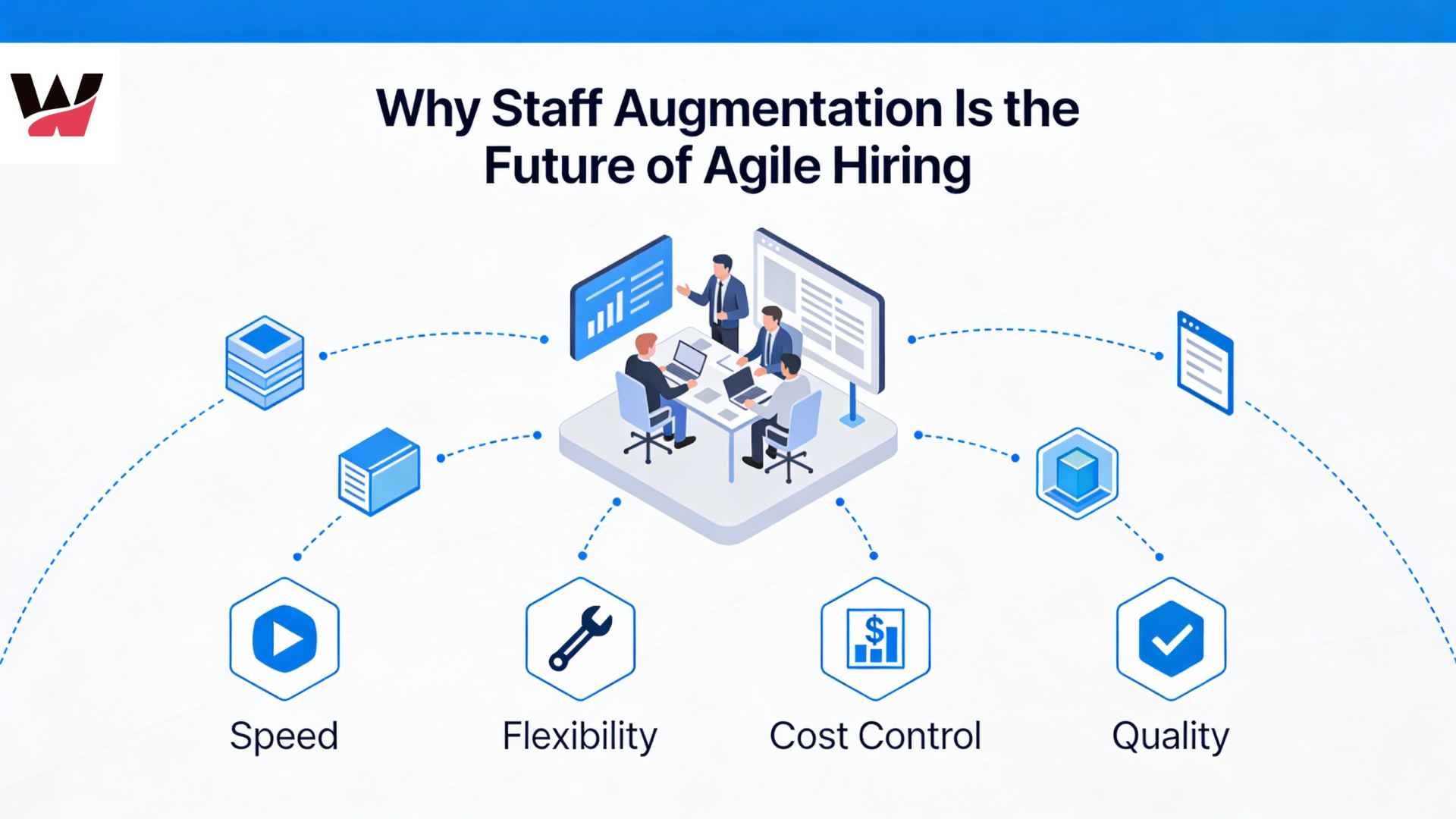
Why Staff Augmentation Is the Future of Agile Hiring
-
 December 22, 2025
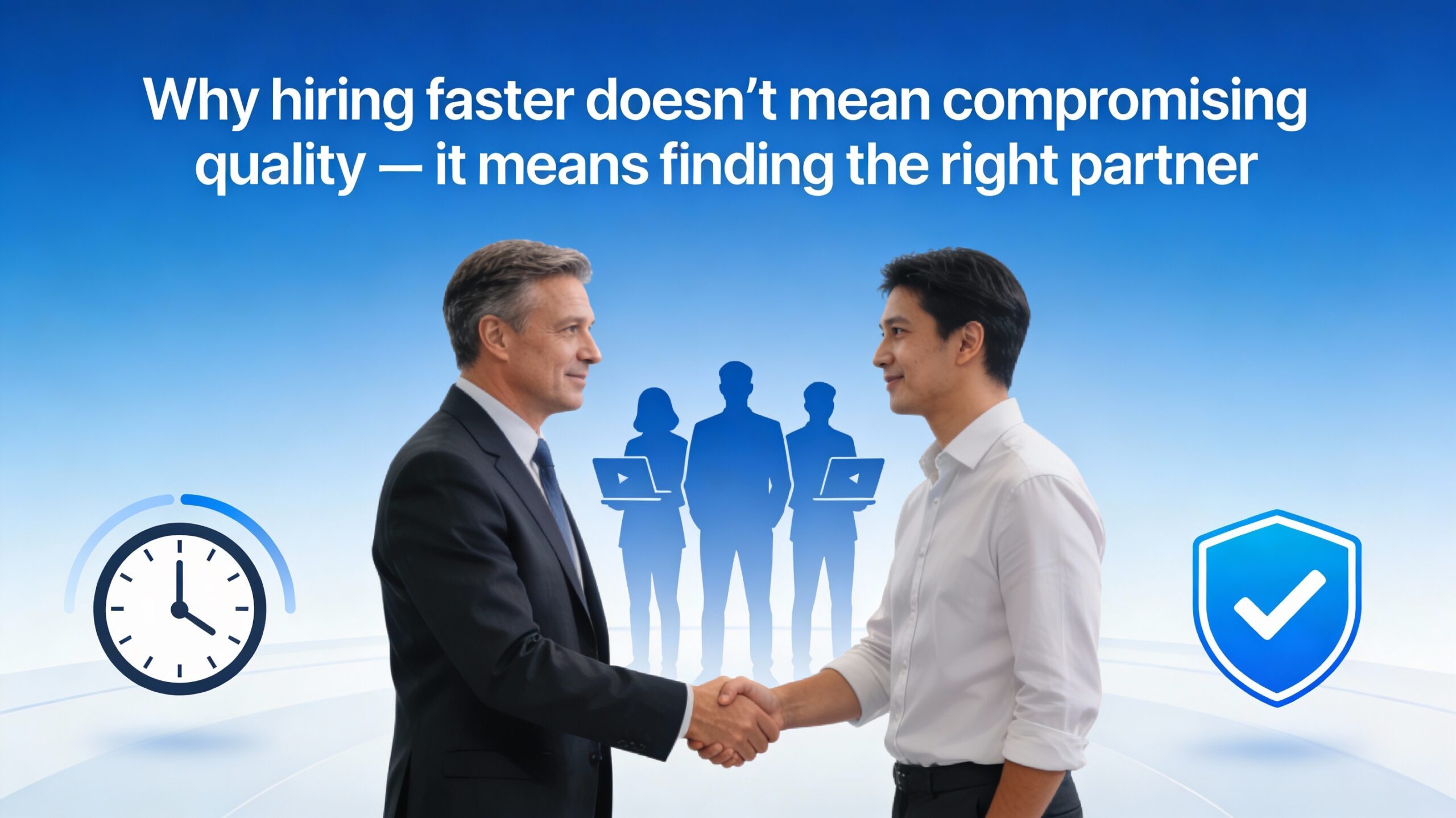
Why Hiring Faster Doesn’t Mean Compromising Quality — It Means Finding the Right Partner
-
 December 19, 2025
The Role of Staff Augmentation in Accelerating Digital Transformation
-
 December 18, 2025
5 Tech Hiring Trends Every CTO Should Watch in 2025
-
December 17, 2025
Why Soft Skills Are the Hidden Superpower in Tech Teams
-
 December 15, 2025
How WitQualis Connects Global Talent with Local Opportunities
-
 December 10, 2025
Why Businesses Need Agile, Scalable, and Skilled Tech Teams—Now More Than Ever
-
 December 5, 2025
The Human Side of Technology: Why People Matter as Much as Code
-
 December 4, 2025
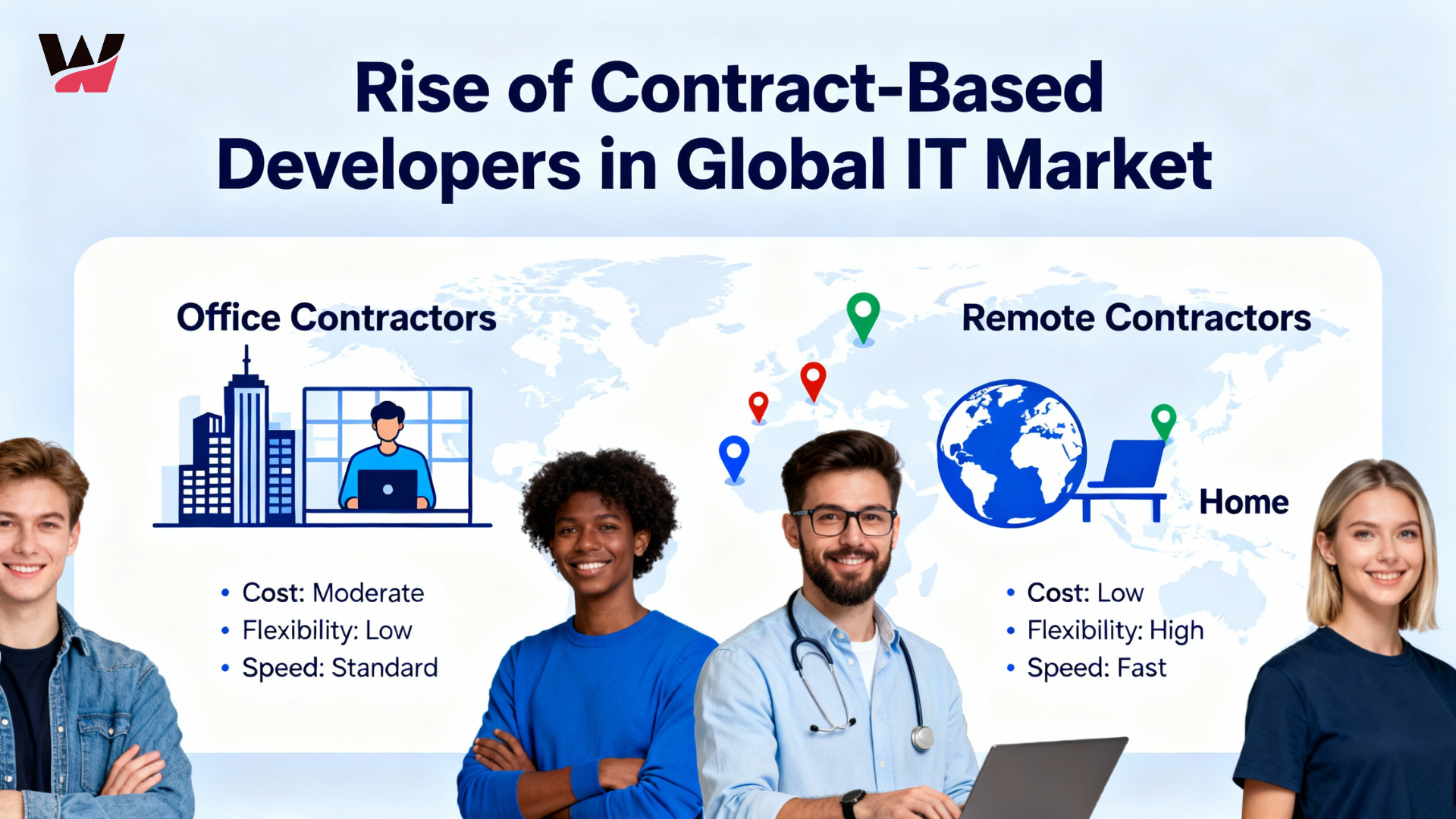
The Rise of Contract-Based Developers in the Global IT Market
-
 December 3, 2025
Talent Has No Boundaries: Why the Best Teams Are Built Across Borders
-
 December 2, 2025
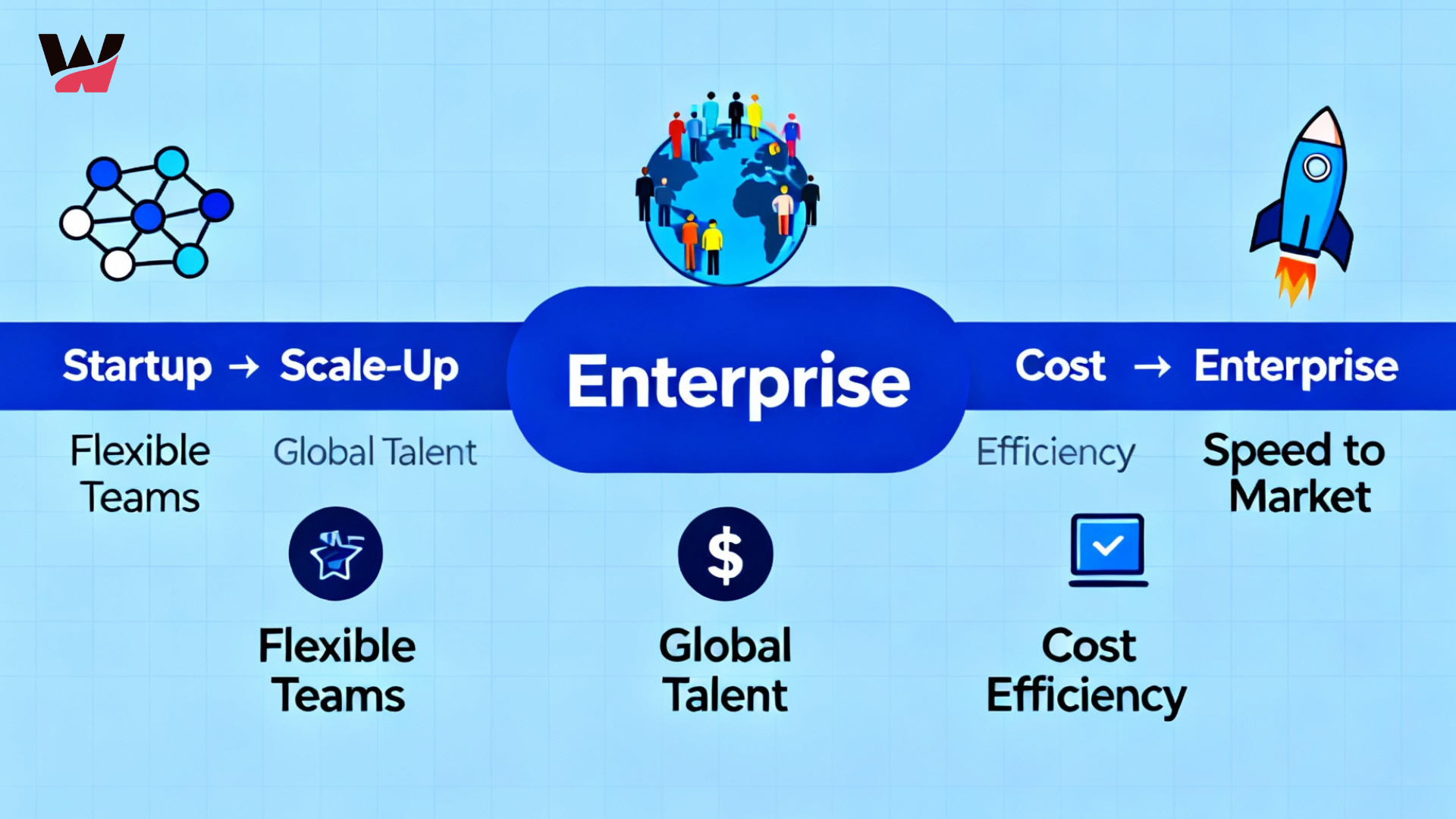
From Startups to Enterprises: How Staff Augmentation Supports Every Stage of Growth
-
 December 1, 2025
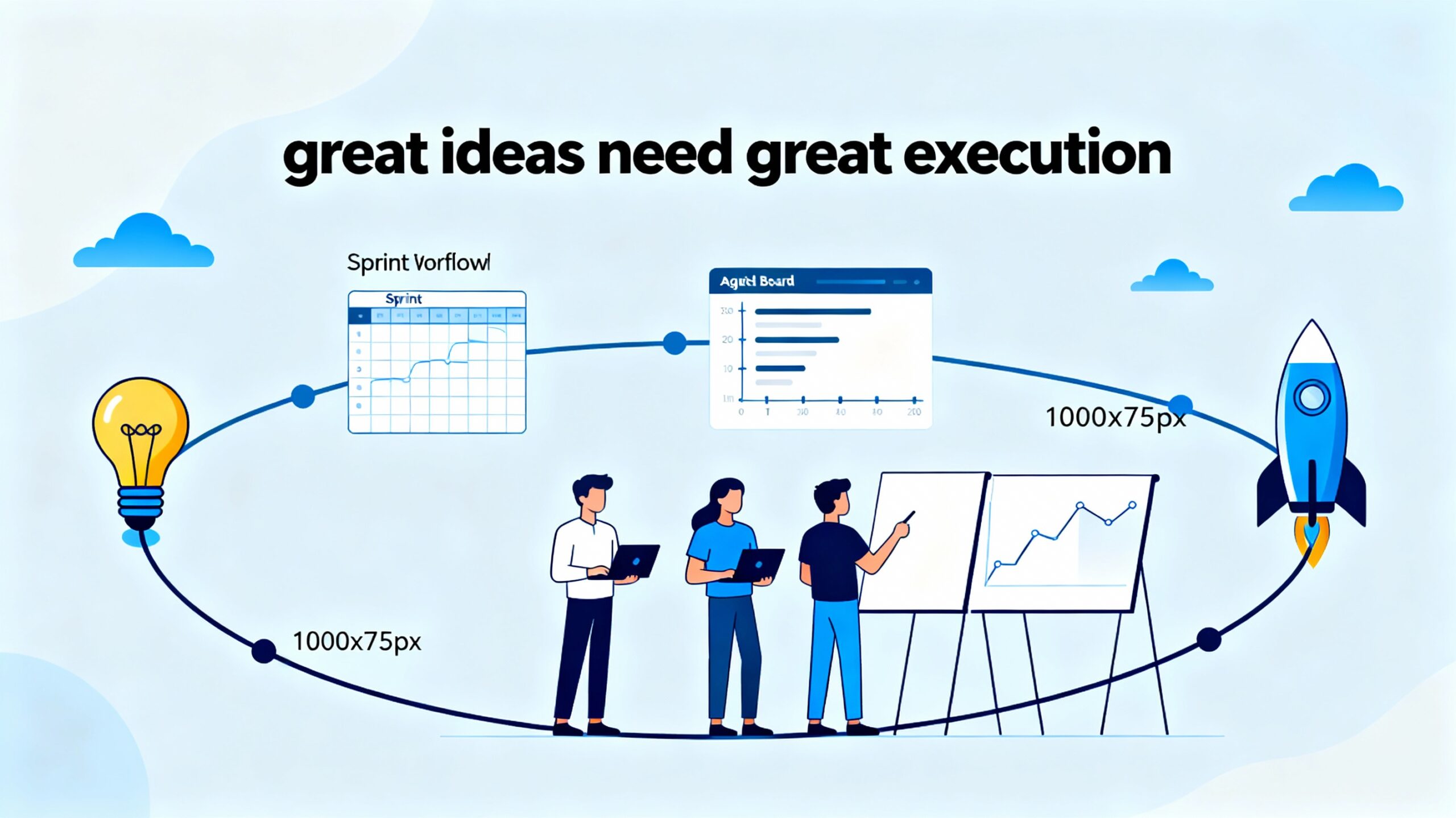
Great Ideas Need Great Execution – How WitQualis Teams Turn Vision into Reality
-
 November 28, 2025
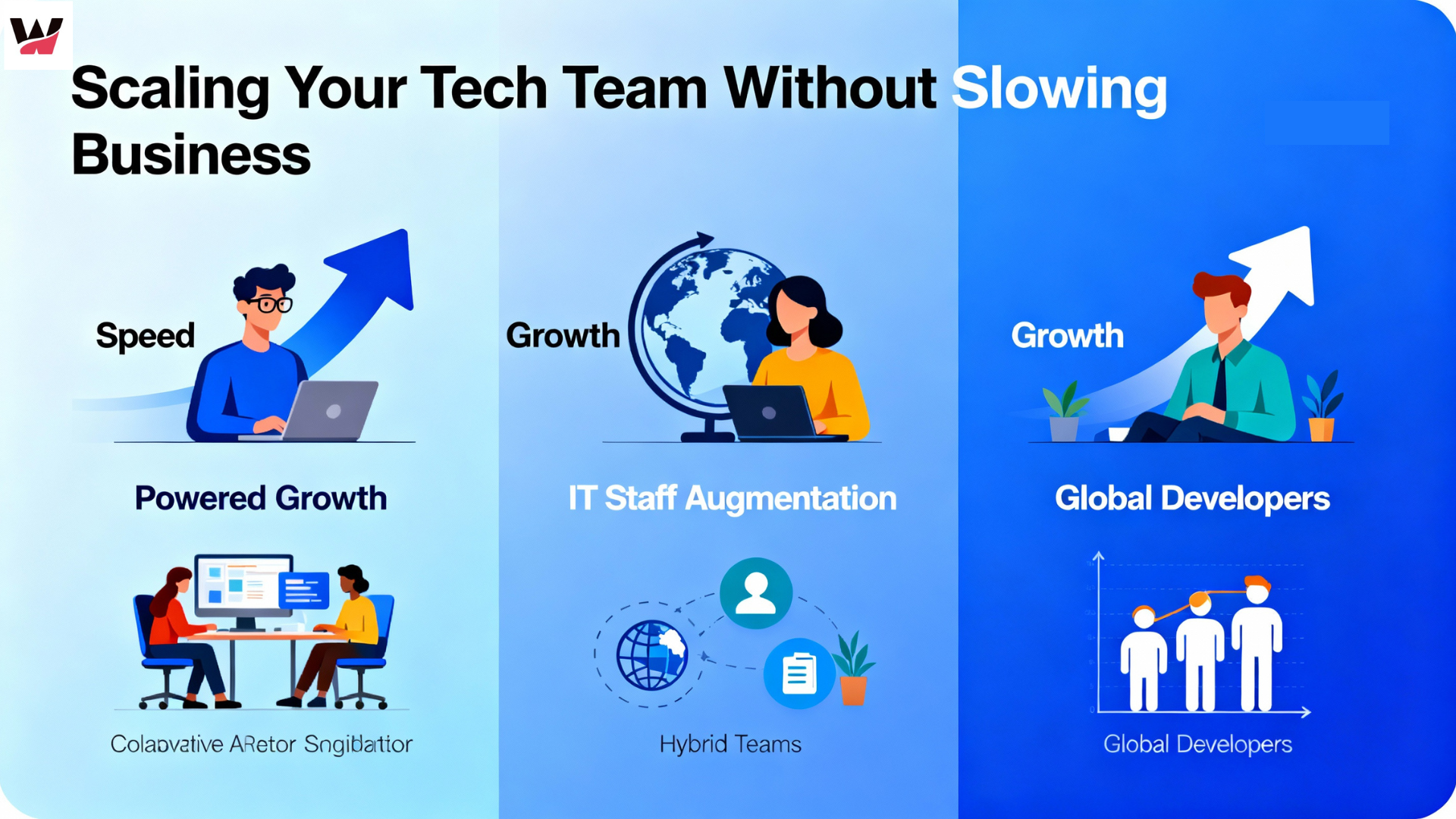
Scaling Your Tech Team Shouldn’t Slow Your Business – It Should Power It
-
 November 27, 2025
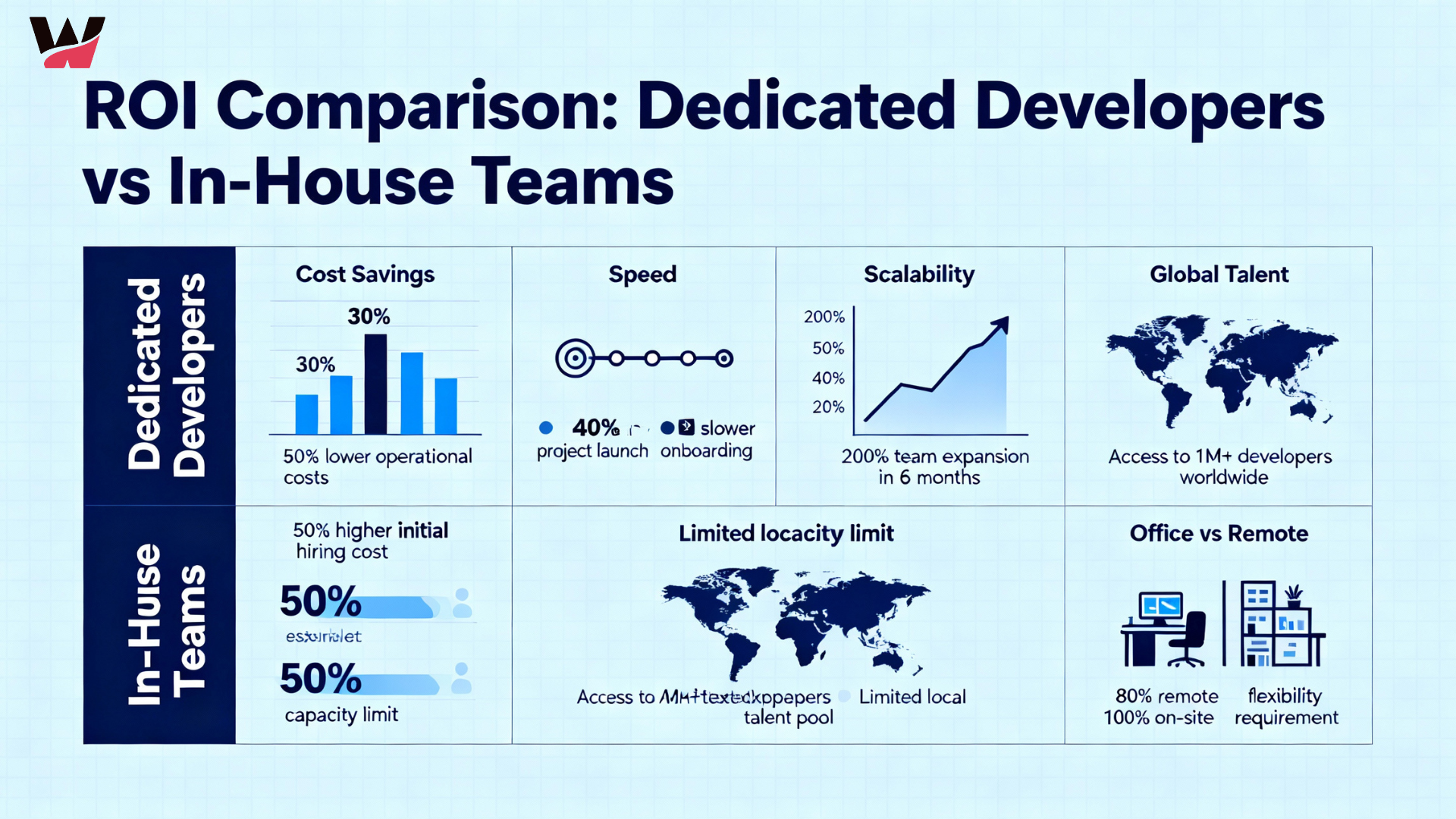
The ROI of Hiring Dedicated Developers vs In-House Teams
-
 November 26, 2025
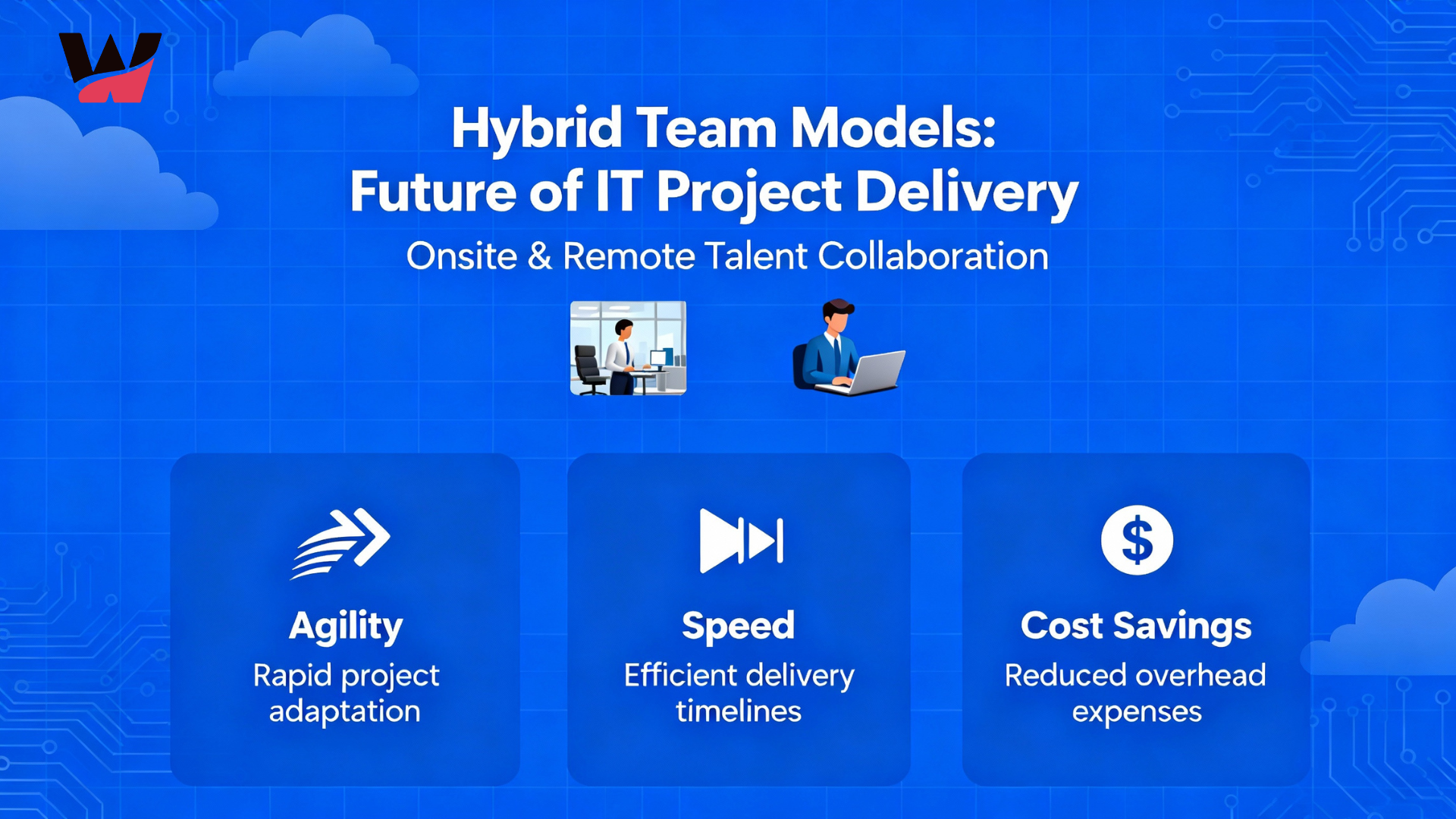
Why Hybrid Team Models Are the Future of IT Project Delivery
-
 November 24, 2025
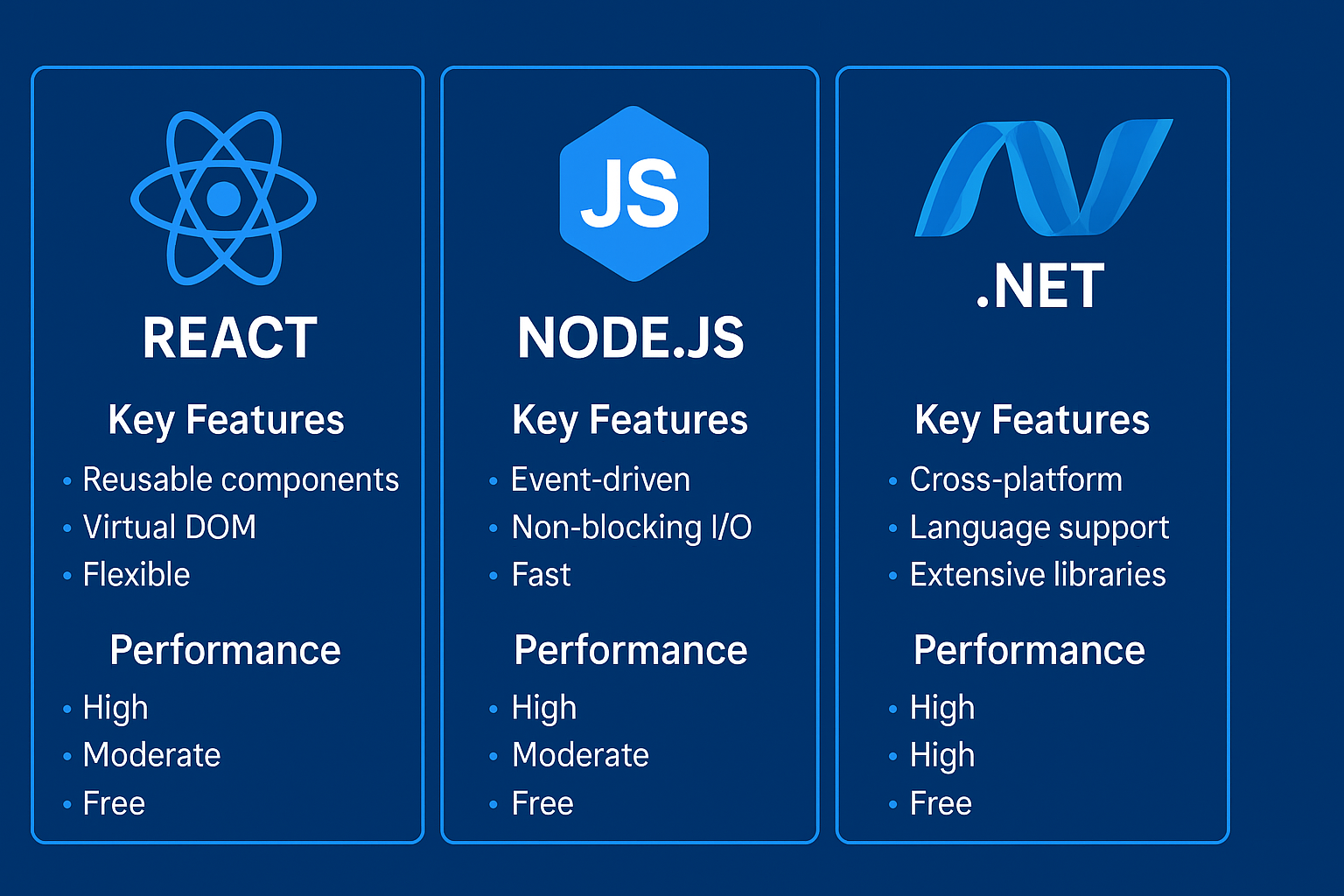
React, Node.js, or .NET? Choosing the Right Tech Stack for Your Next Project
-
 November 21, 2025
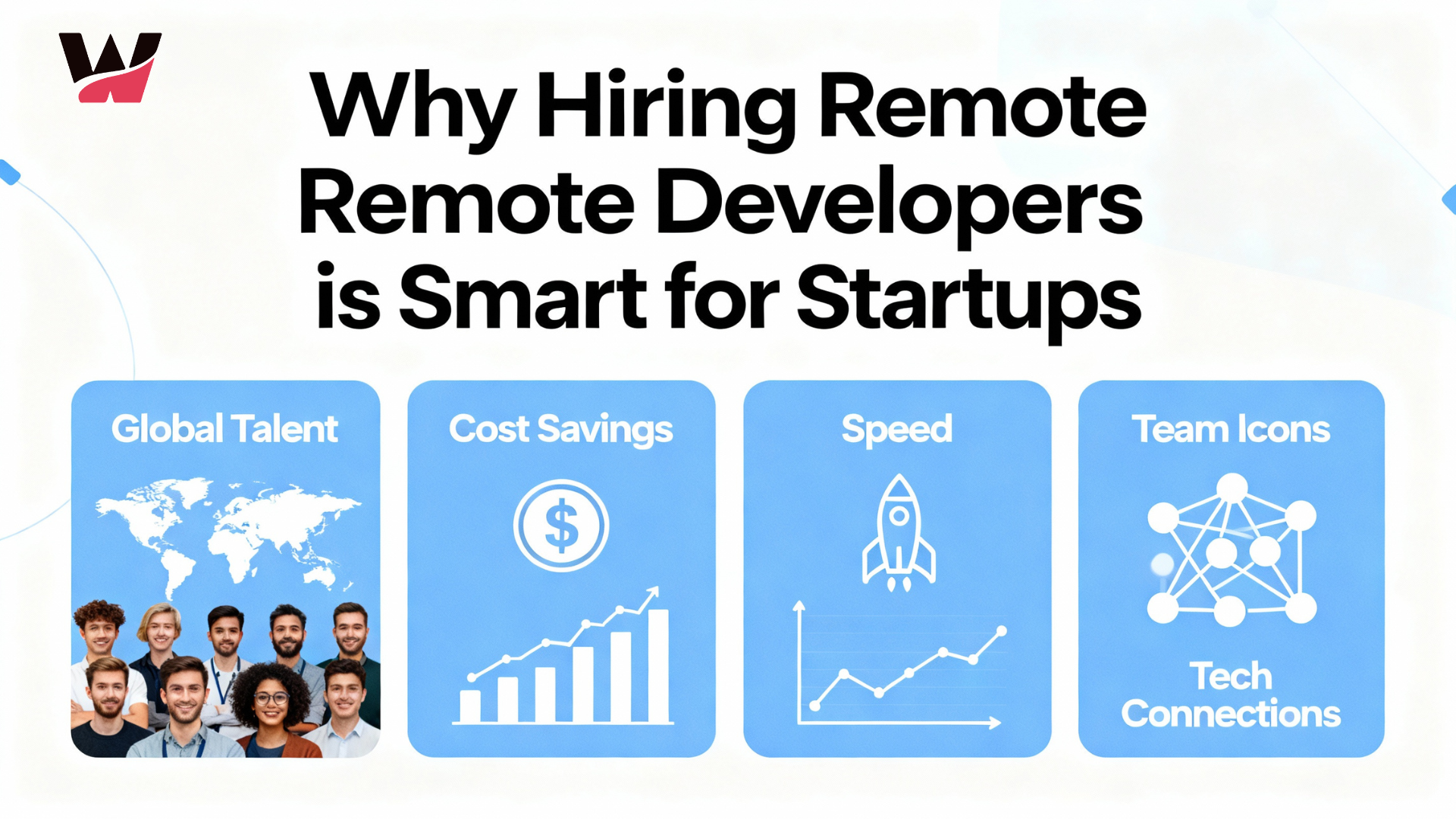
Why Hiring Remote Developers Is the Smartest Move for Startups
-
 November 20, 2025
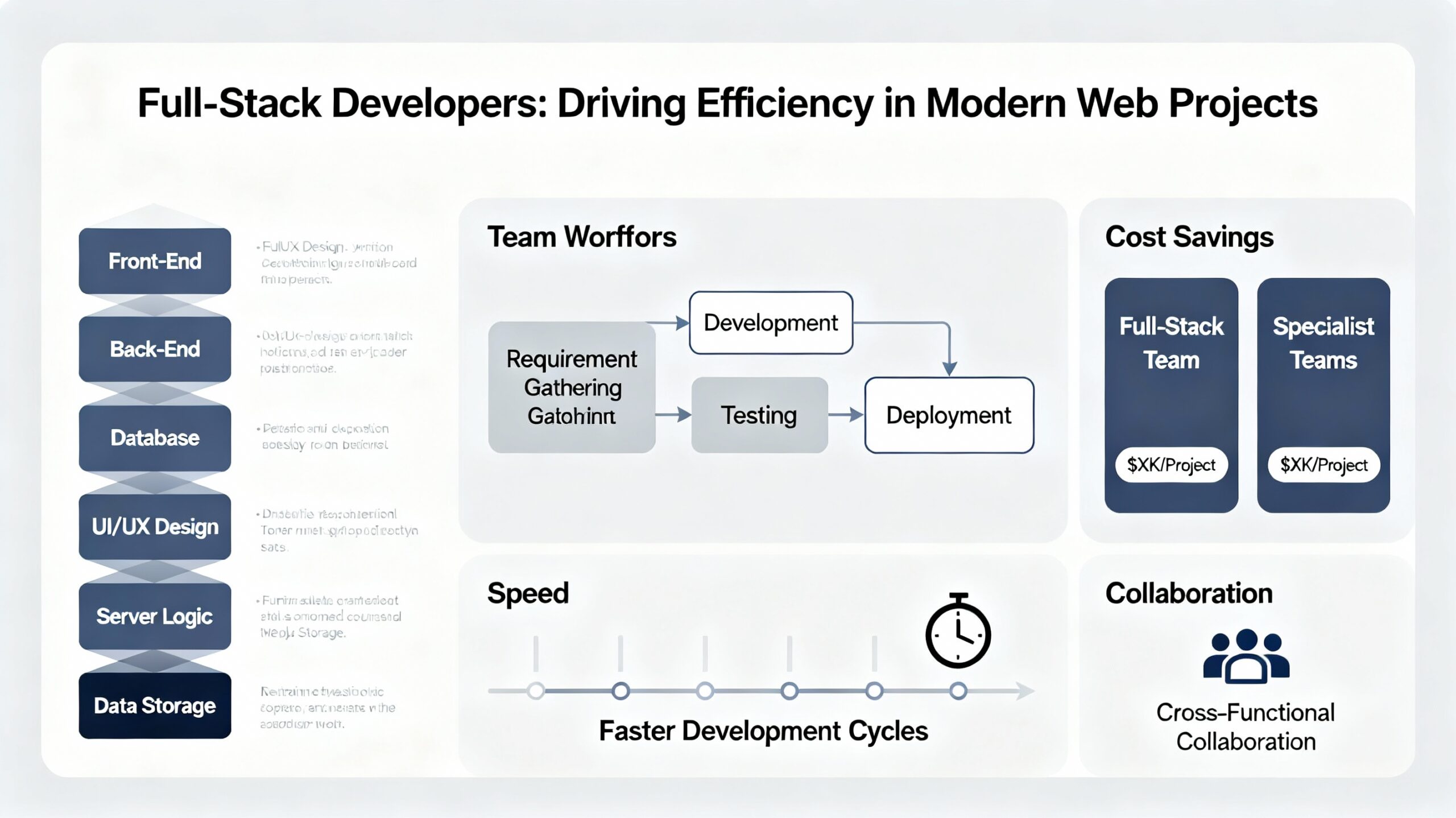
How Full-Stack Developers Drive Efficiency in Modern Web Projects
-
 November 19, 2025
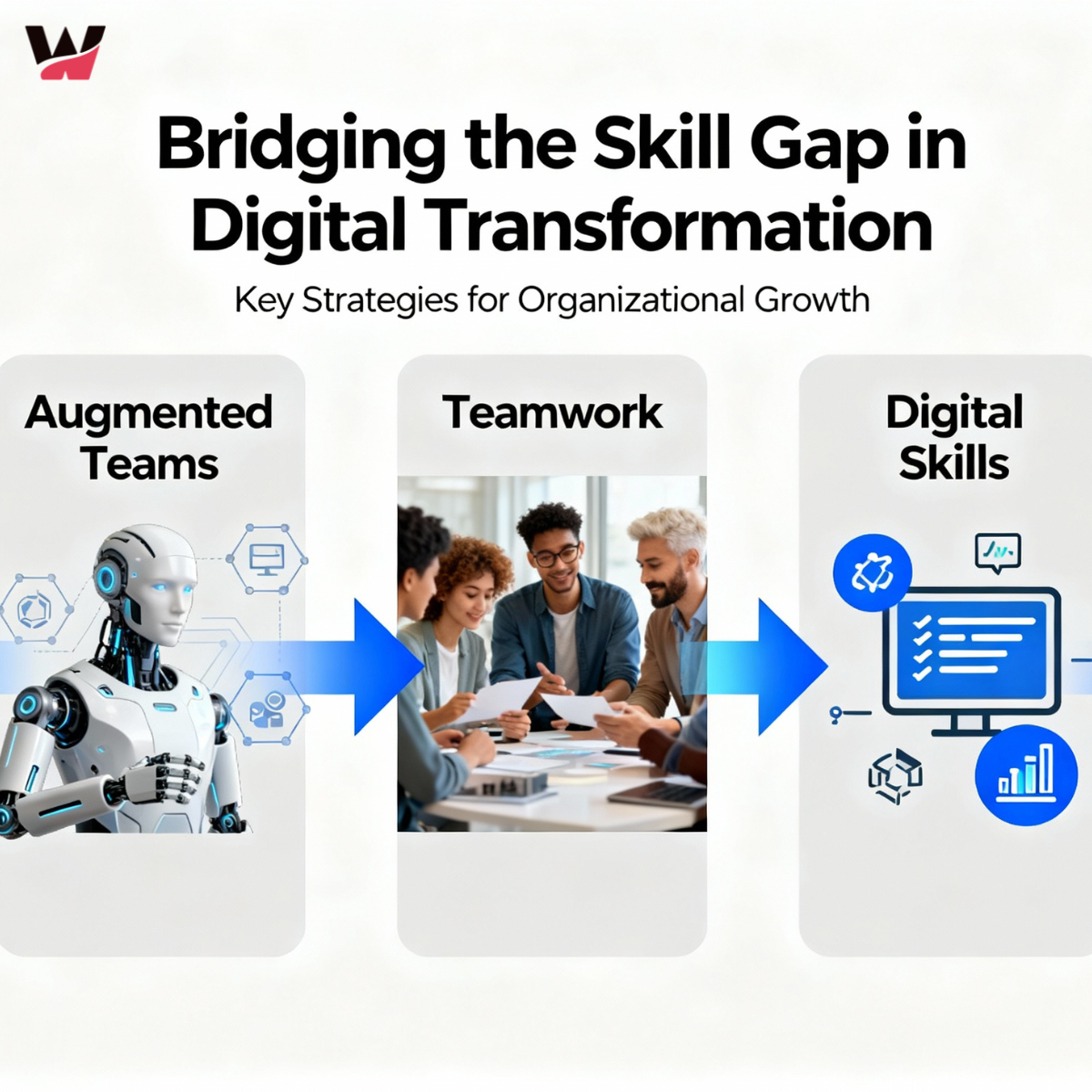
Bridging the Skill Gap: How Augmented Teams Empower Digital Transformation
-
 November 18, 2025
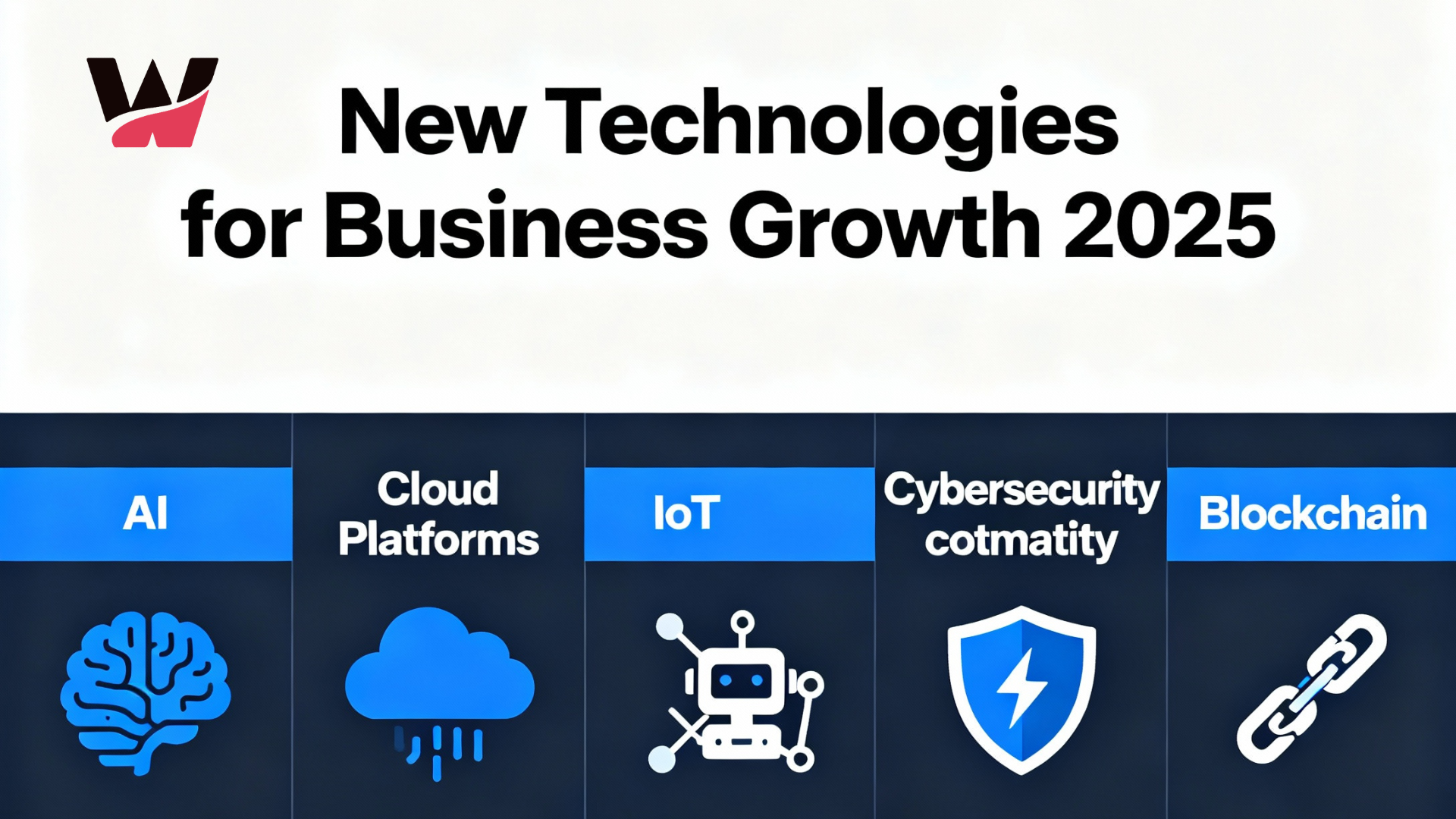
New Technologies for 2025: What Businesses Need to Grow
-
 November 14, 2025
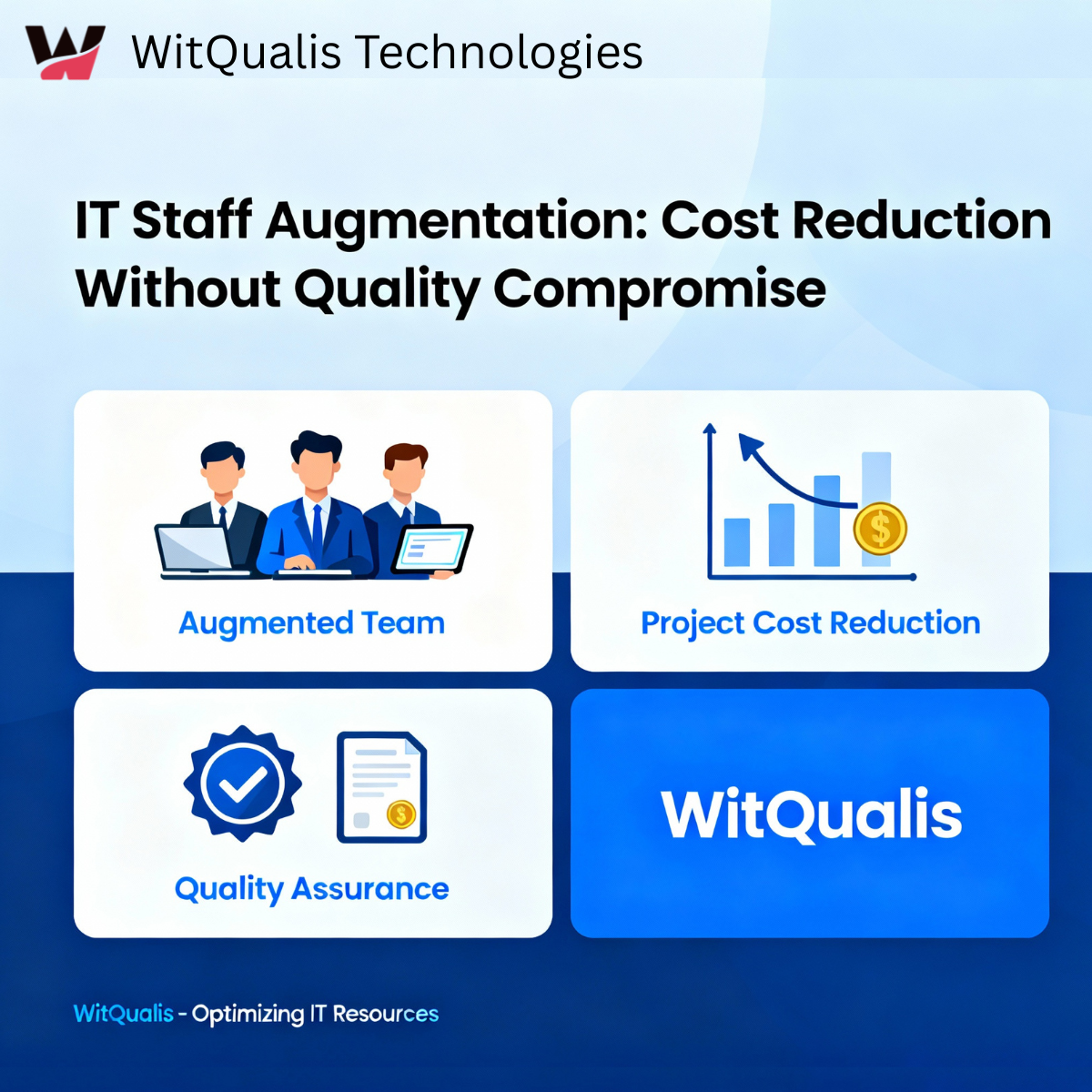
IT Staff Augmentation Reduces Project Costs Quality
-
 November 13, 2025
Empowering Global Collaboration: How WitQualis Builds Seamless Remote Teams
-
 November 12, 2025
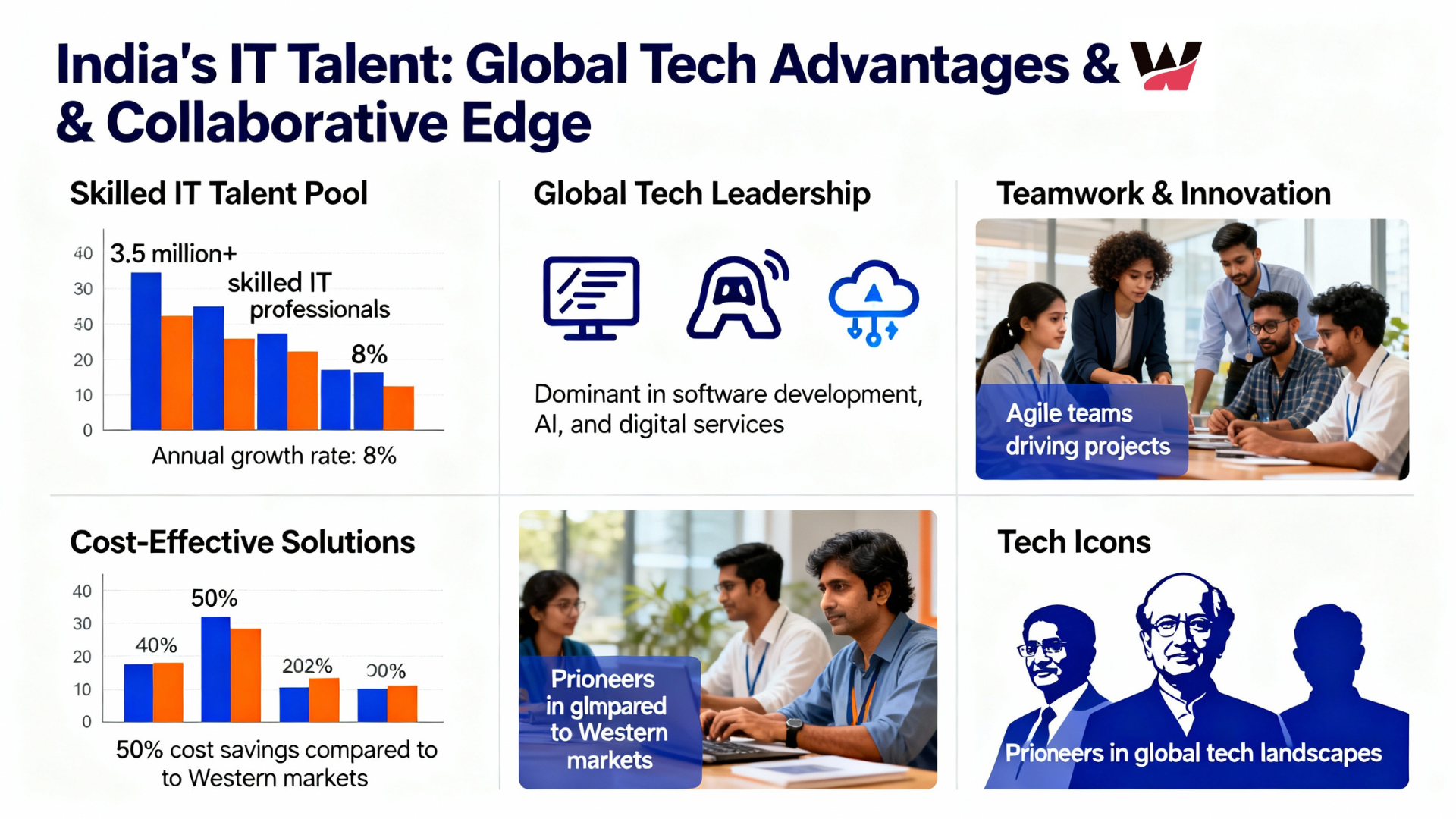
Why Global Businesses Are Turning to India for Skilled IT Talent
-
 November 11, 2025
Staff Augmentation Helps You Scale Your Tech Team
-
 November 10, 2025
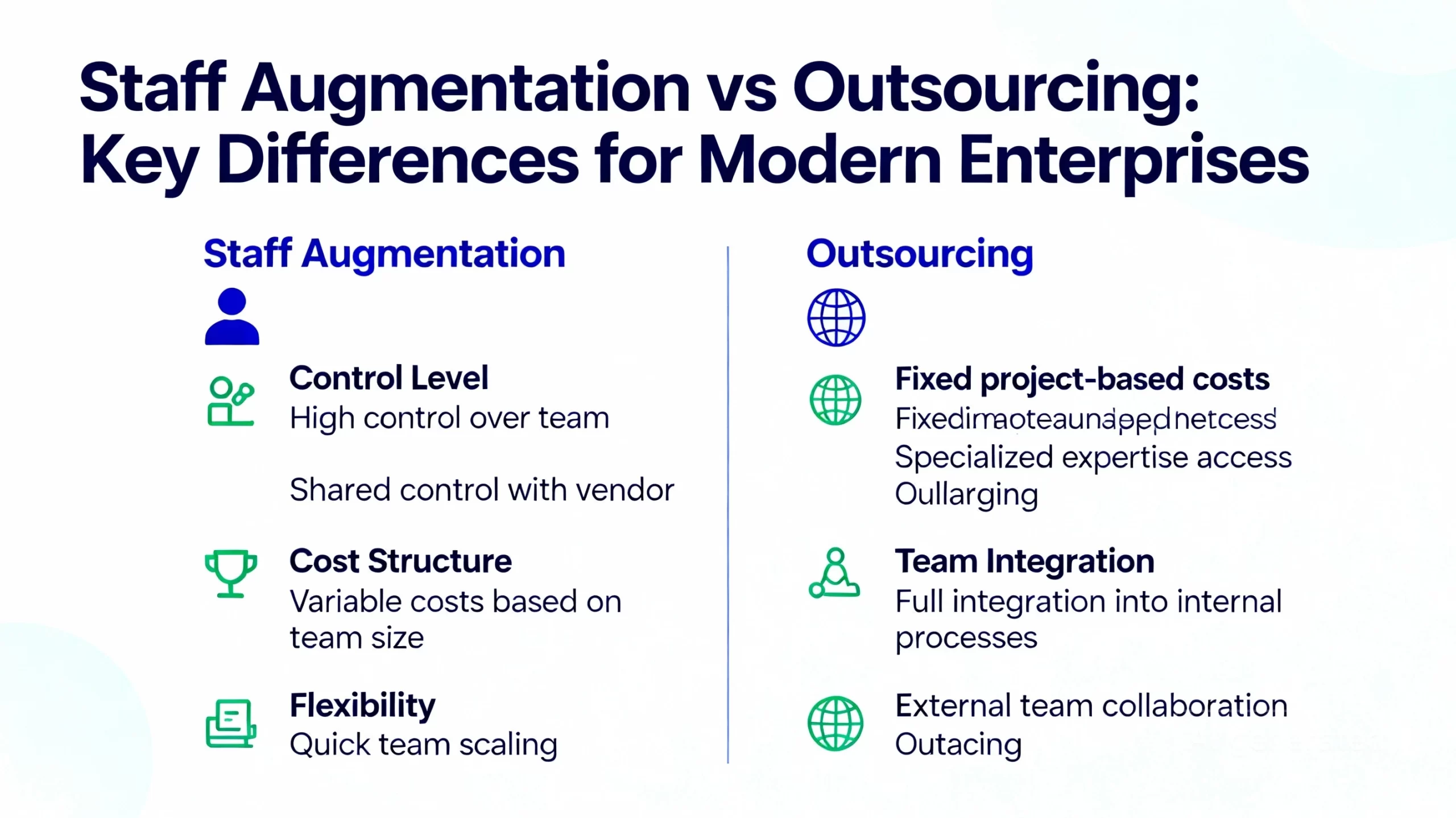
Staff Augmentation vs Outsourcing in 2025: Which Is Best for Modern Enterprises?
-
 November 7, 2025
How AI, IoT, and Cloud Are Redefining Software Development in 2025
-
 November 6, 2025
Scaling Smarter: How Augmented Teams Help Deliver Projects Faster in 2025
-
 November 5, 2025
How AI and Automation Are Transforming Software Development Teams in 2025
-
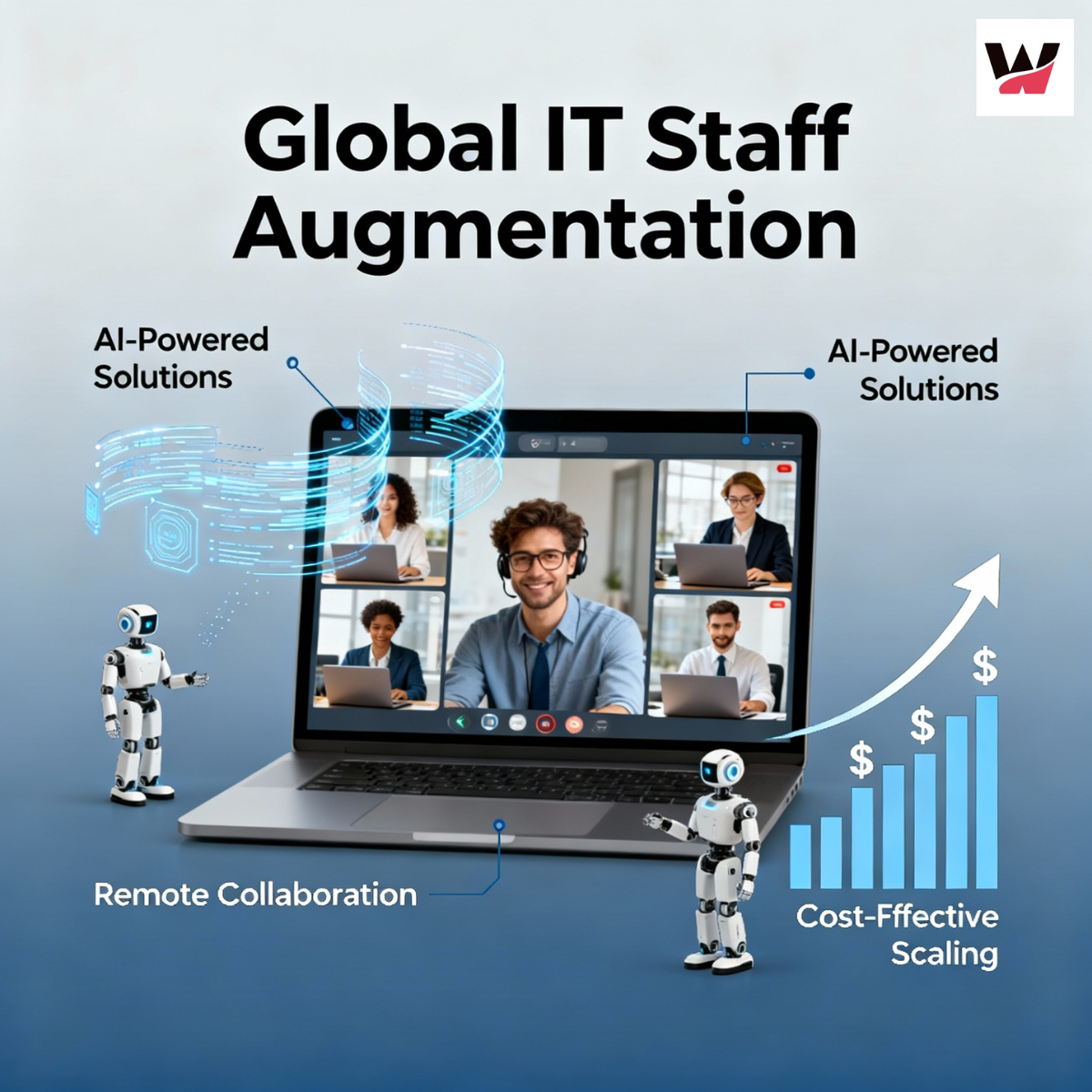 November 3, 2025
The Future of IT Staffing: Why Businesses Are Choose Staff Augmentation in 2025
-
 October 31, 2025
Why Technology is Essential for Business Growth (2025): Top Reasons & Winning Strategies
-
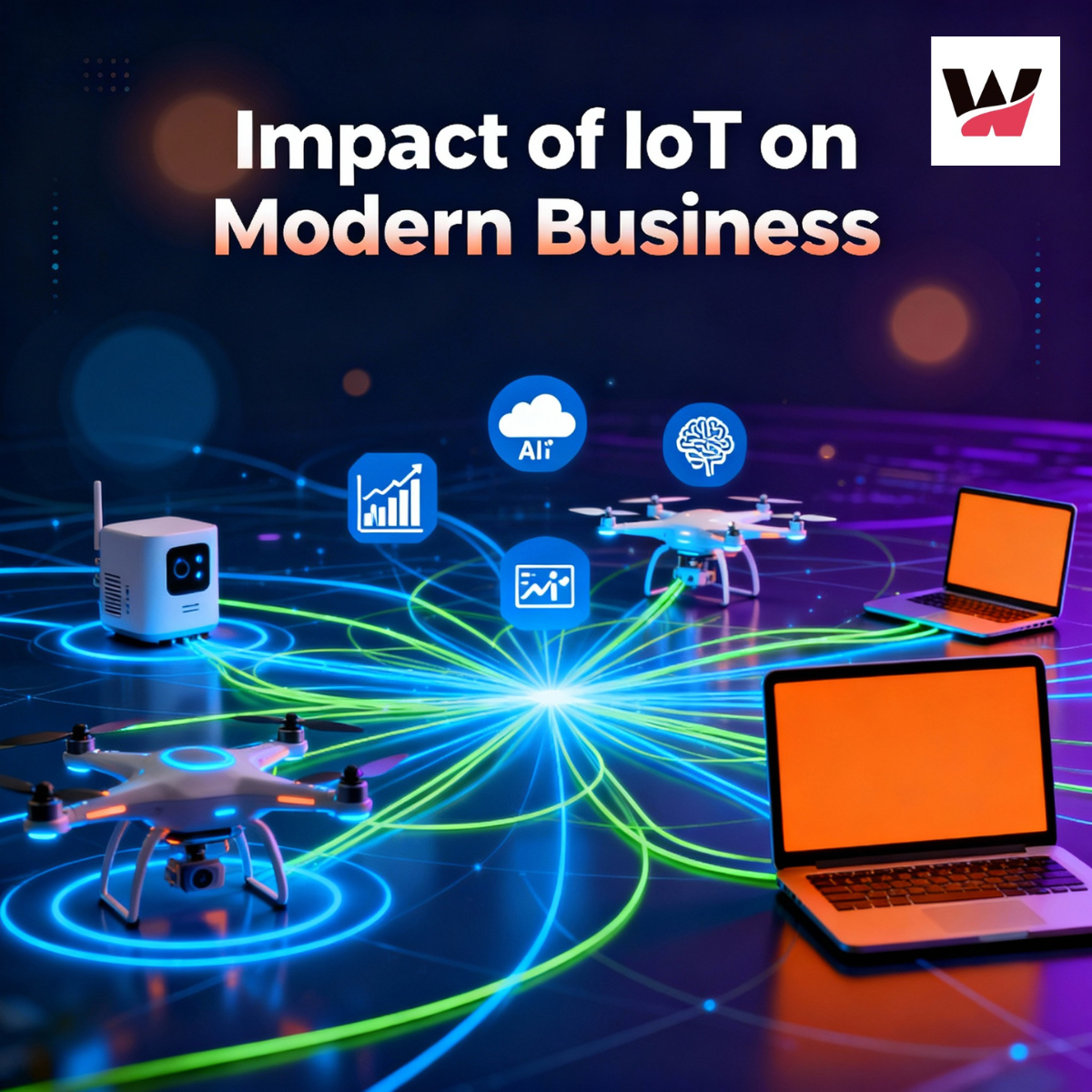 October 30, 2025
How the Internet of Things (IoT) Is Revolutionizing Modern Business
-
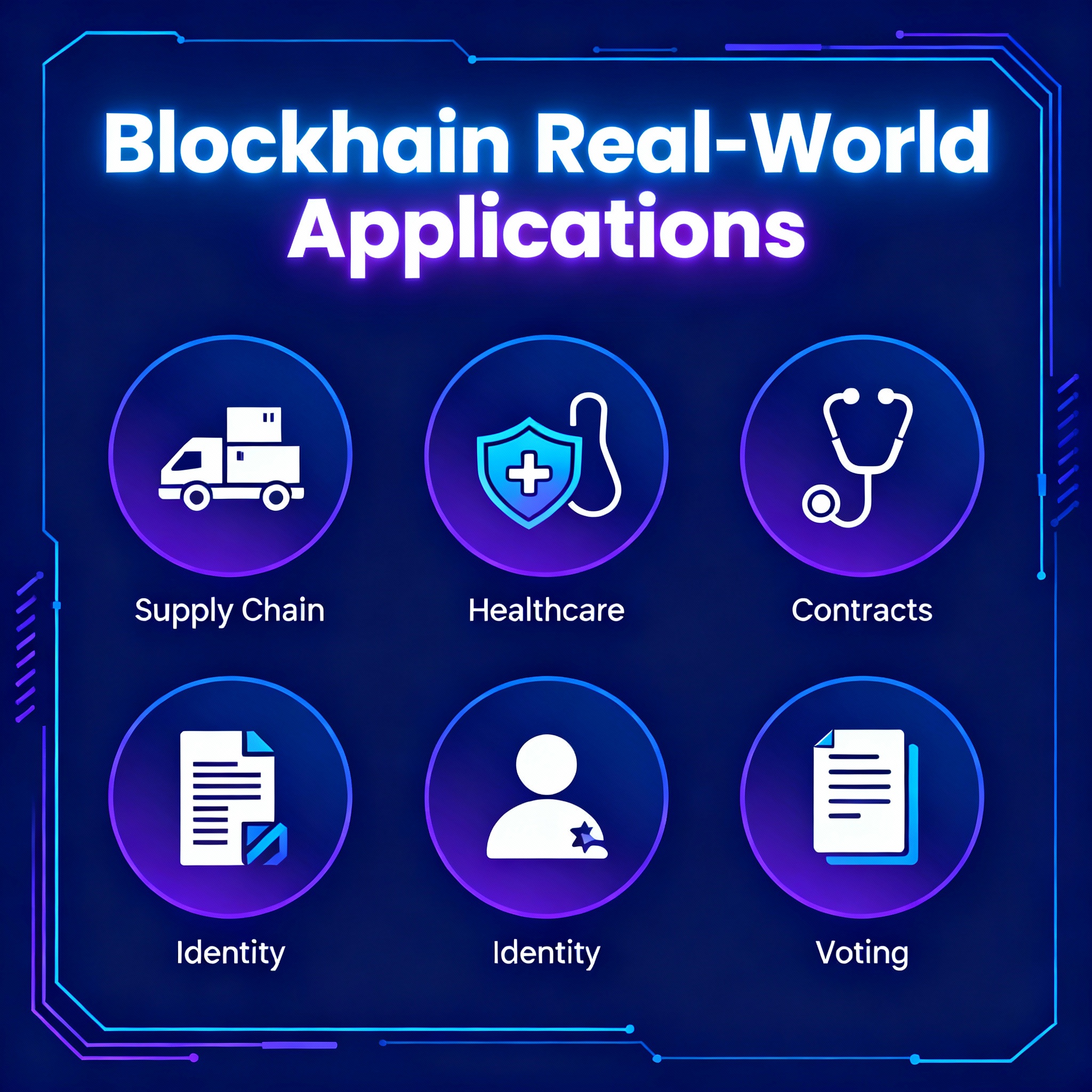 October 29, 2025
Blockchain Cryptocurrency: Real-World Applications | WitQualis
-
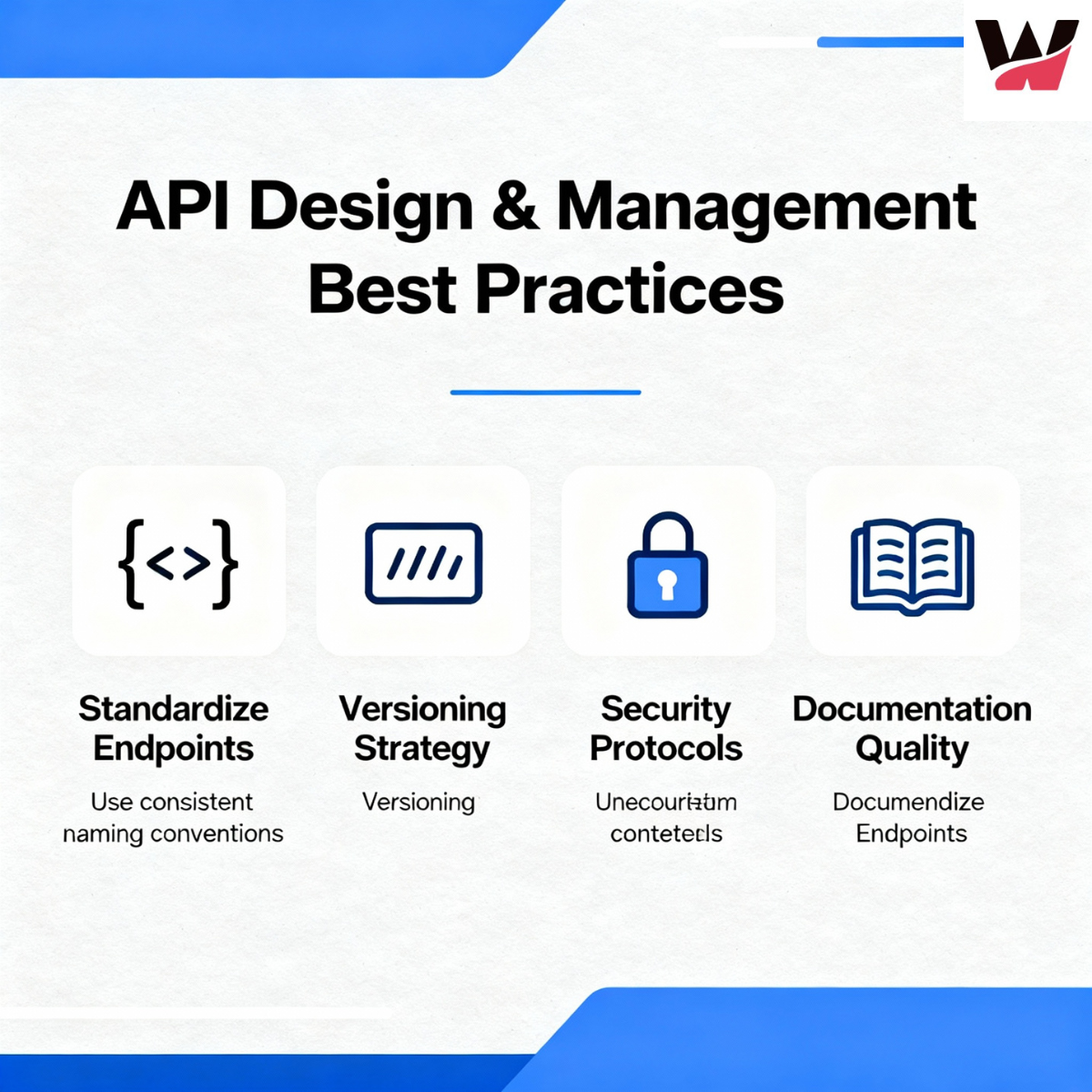 October 28, 2025
API Design and Management Best Practices for Developers
-
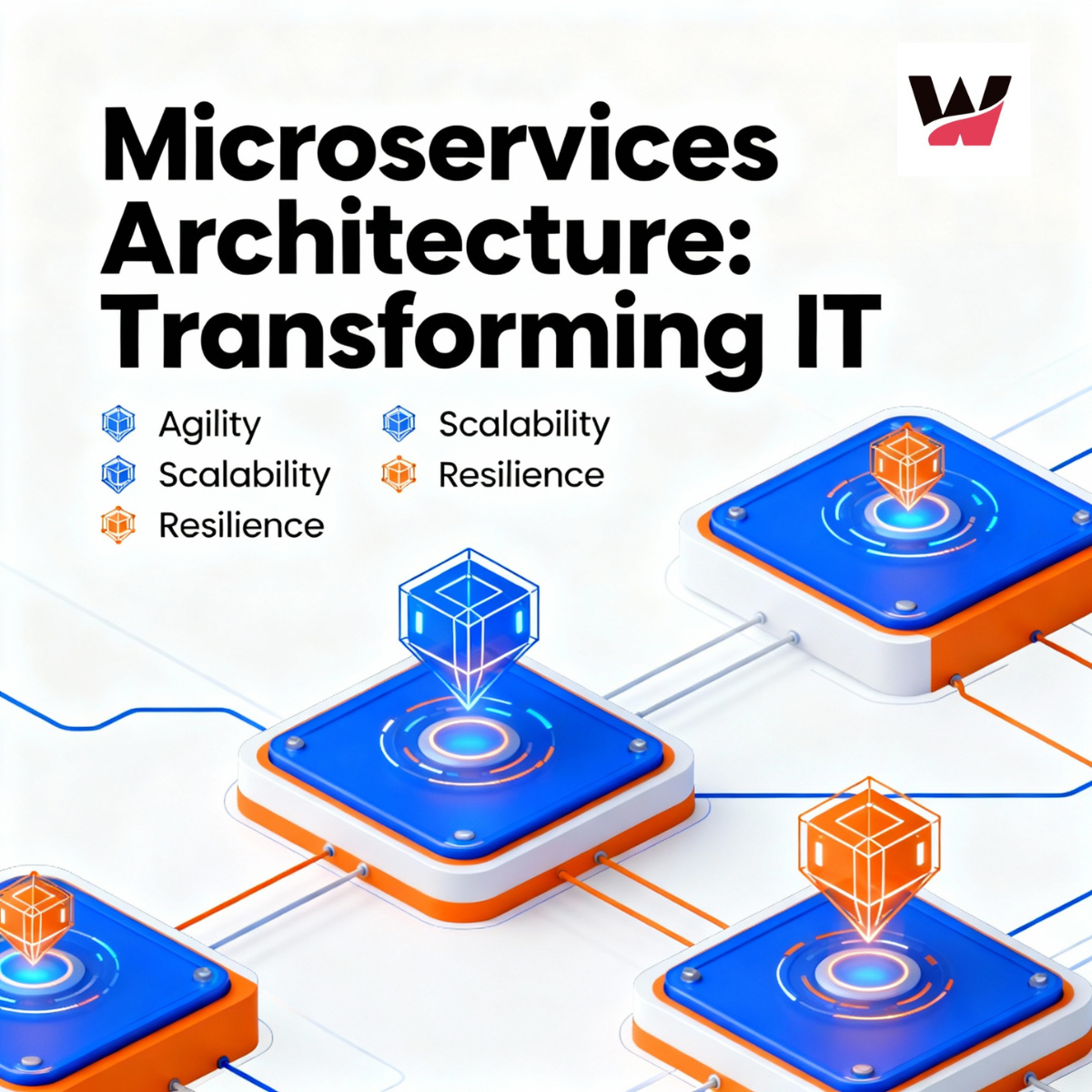 October 27, 2025
Microservices Architecture: Benefits, Implementation Tips & Real-World Examples
-
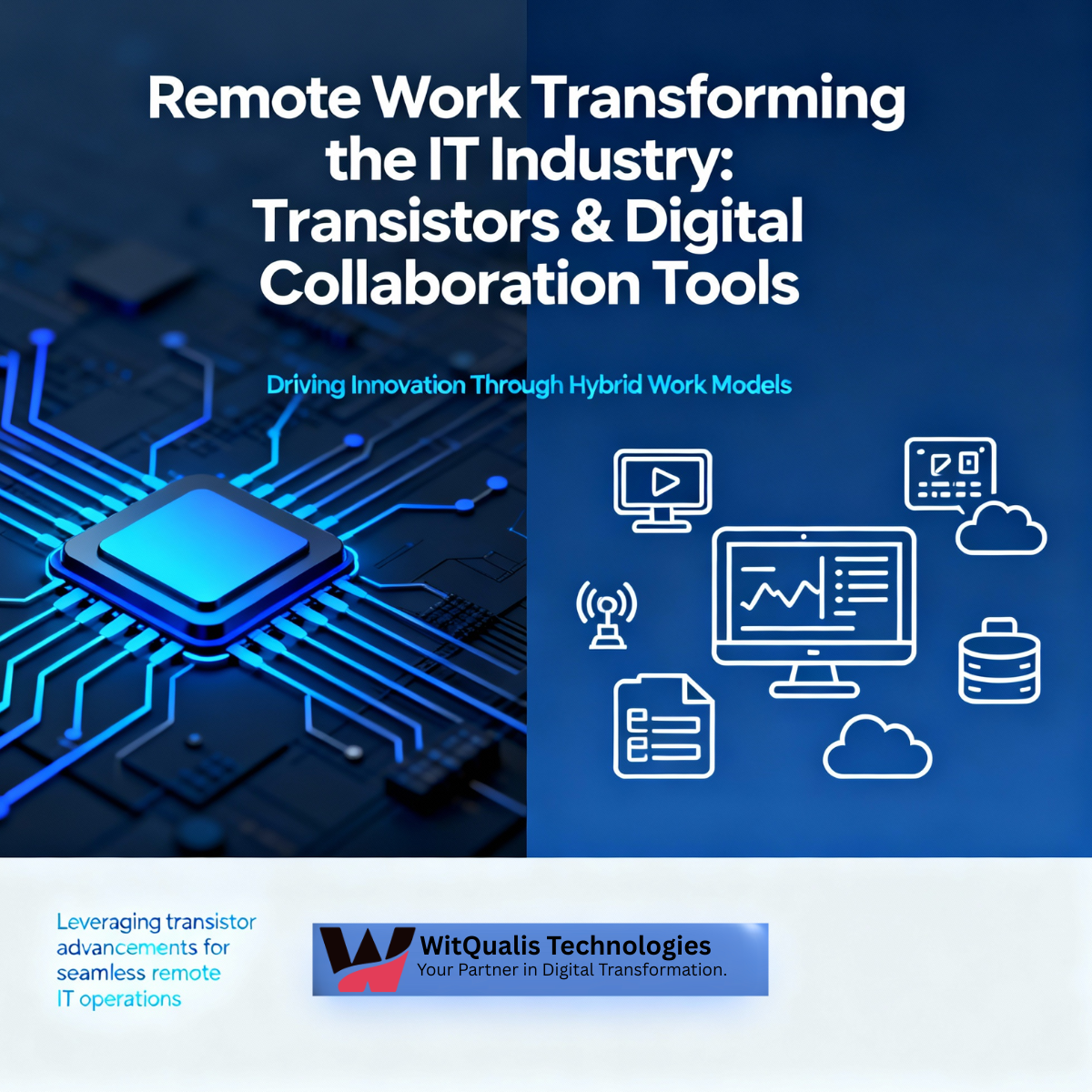 October 24, 2025
How Remote Work Has Transformed the IT Industry Tools in 2025
-
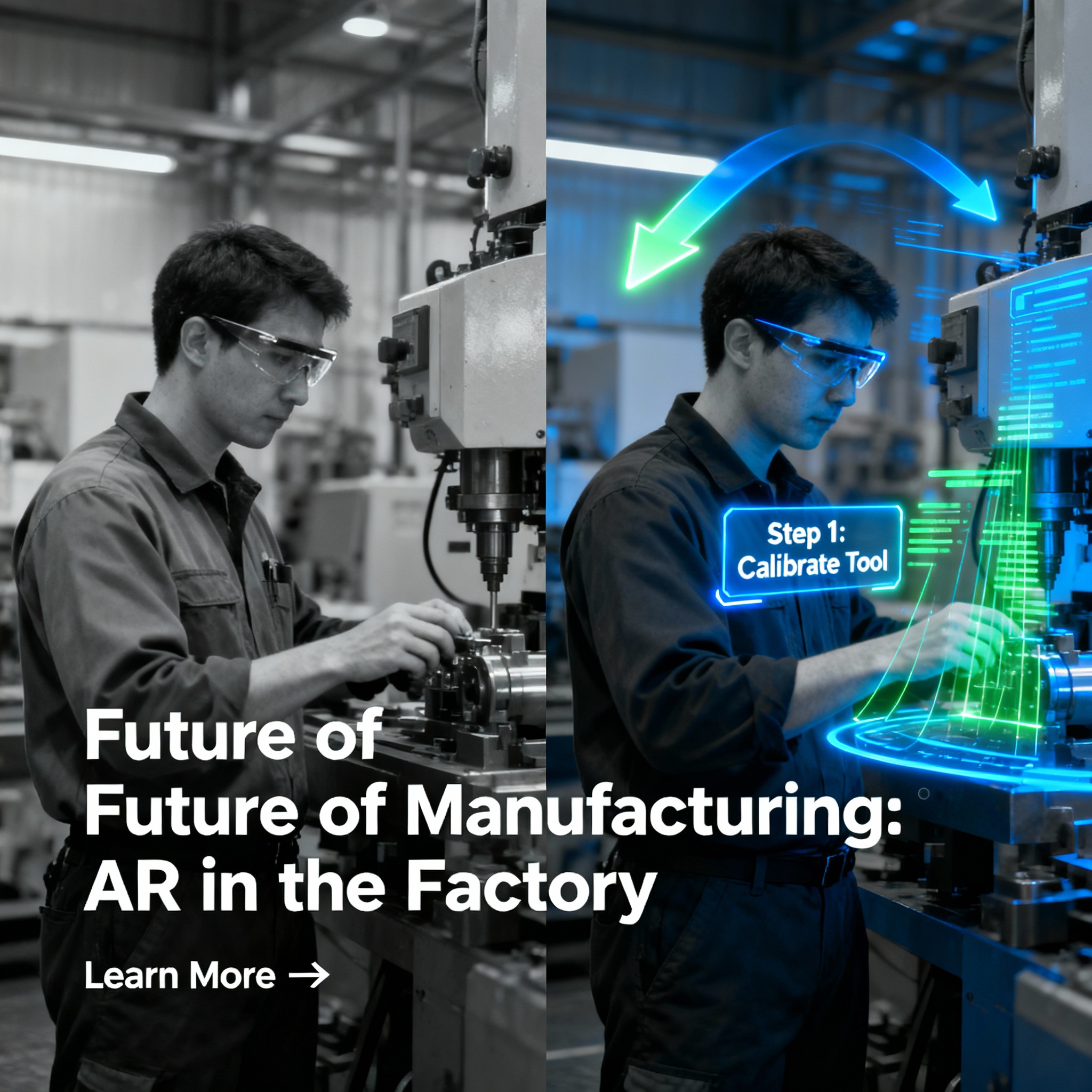 October 23, 2025
Virtual and Augmented Reality: The Tech Revolution | WitQualis
-
 October 22, 2025
How AI is Revolutionizing Business Decision-Making in 2025 | In-Depth Analysis & Trends
-
 October 16, 2025
Blockchain Beyond Crypto: Building Trust in Business Operations
-
 October 15, 2025
How Custom Software Solutions Drive Business Efficiency | Expert Guide
-
 October 13, 2025
How Automation Reduces Costs & Boosts Productivity in 2025
-
 October 10, 2025
Staff Augmentation: The Key to Building Agile & Scalable Teams
-
 October 9, 2025
The Role of Cloud Computing in Scaling Modern Businesses
-
 October 8, 2025
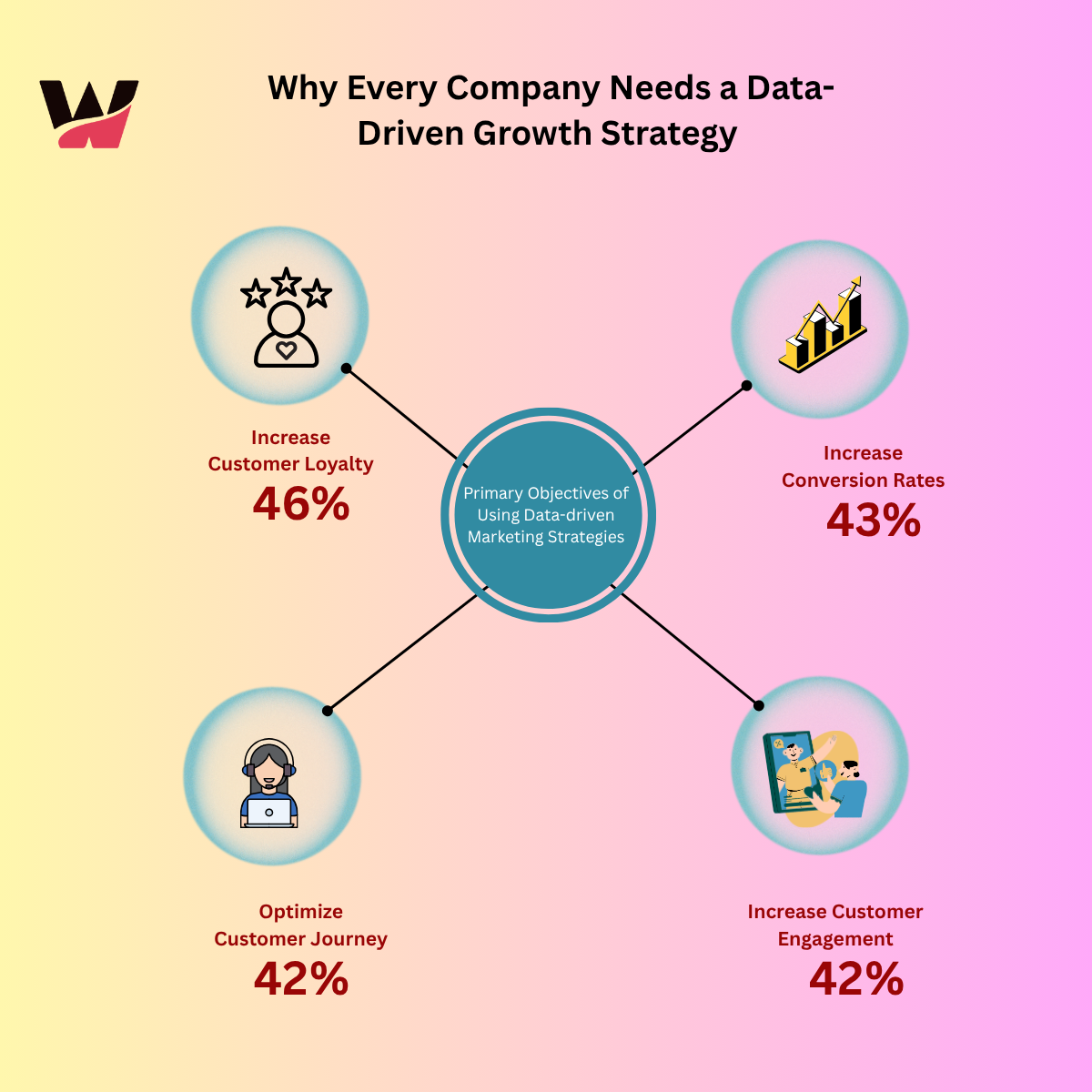
Why Every Company Needs a Data-Driven Growth Strategy
-
 October 7, 2025
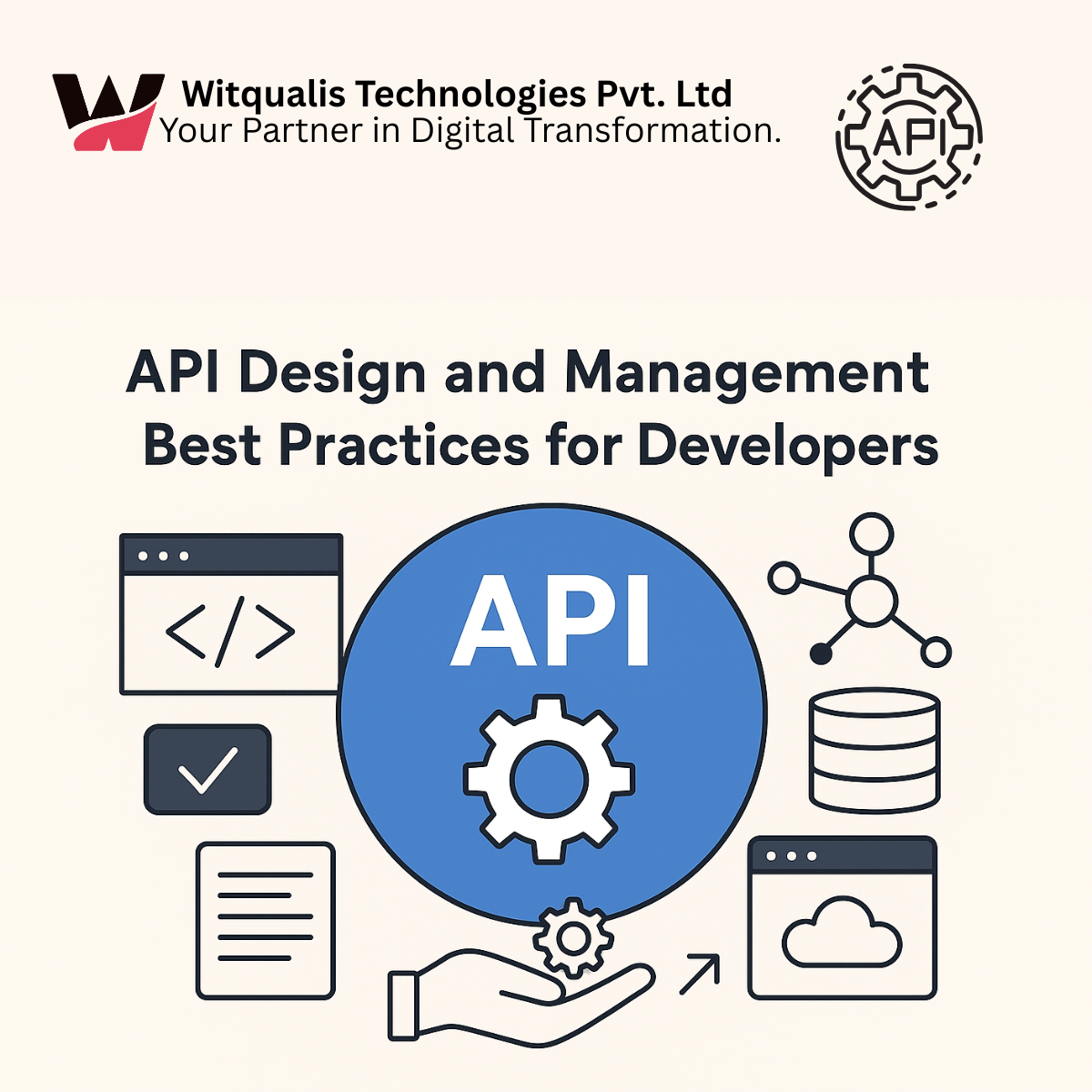
API Design Best Practices for Developers in 2025 |API versioning strategies
-
 October 6, 2025
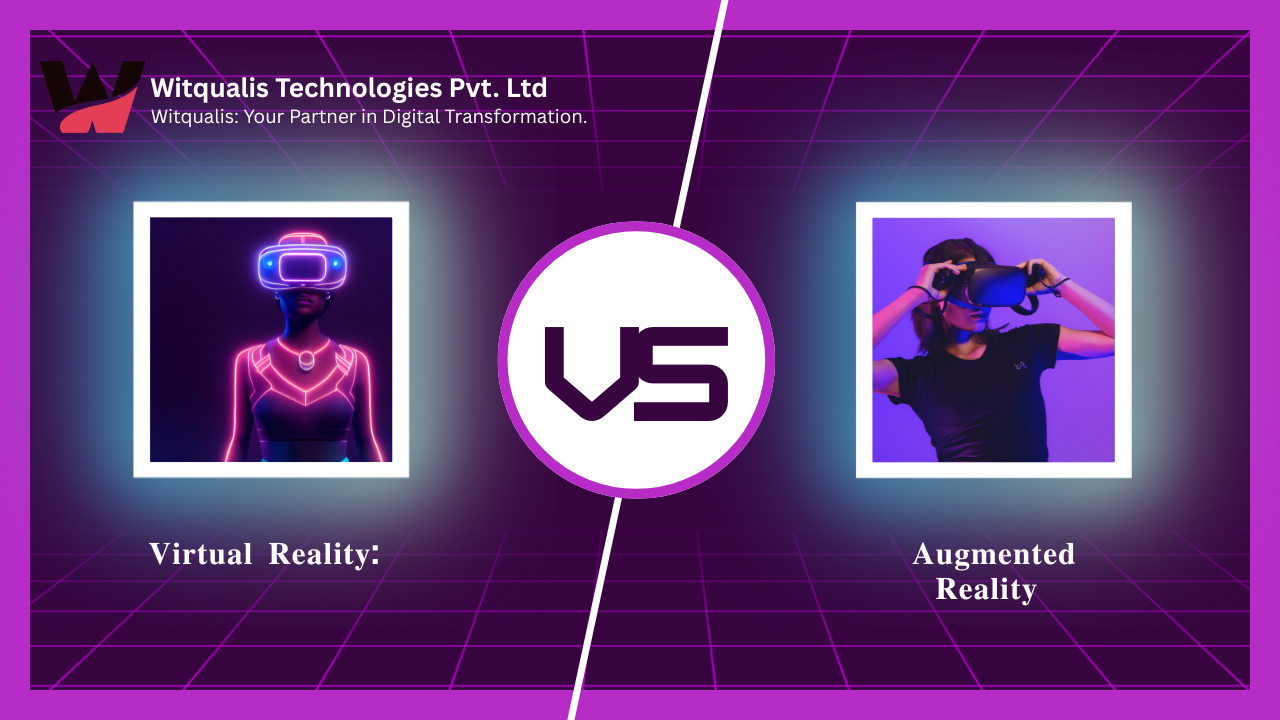
virtual reality vs augmented reality vs mixed reality
-
 October 3, 2025
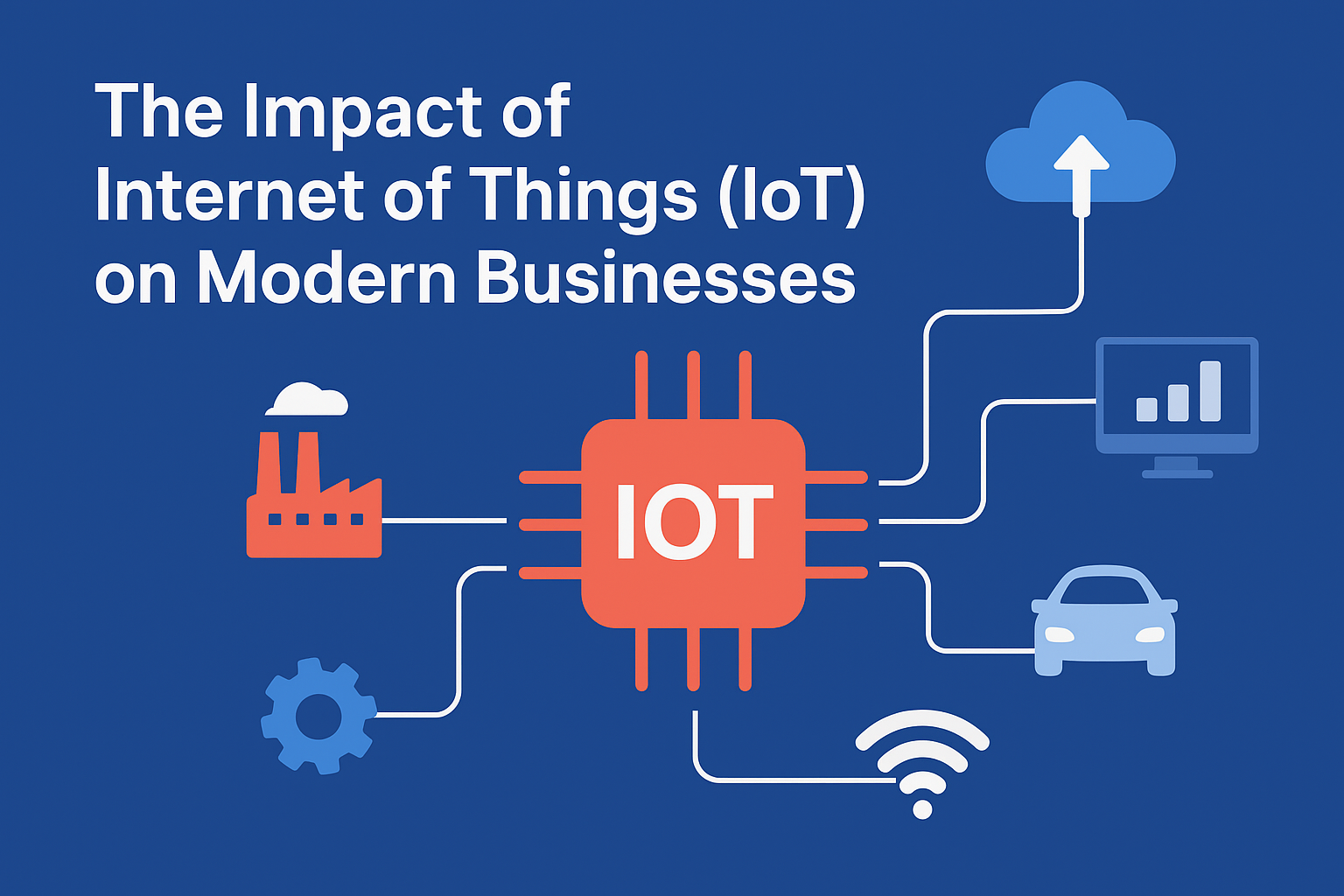
The Impact of Internet of Things (IoT) on Modern Business
-
 October 1, 2025
Blockchain Beyond Cryptocurrency: Real-World Applications in 2025
-
 September 30, 2025
The Future of Artificial Intelligence: Trends and Opportunities
-
 September 26, 2025
Microservices Architecture: Benefits and Implementation Tips
-
 September 25, 2025
Why Staff Augmentation Is a Smart Move for IT Projects in 2025
-
 September 24, 2025
Cloud Computing Explained: Benefits and Best Practices (AWS, Azure, Google Cloud)
-
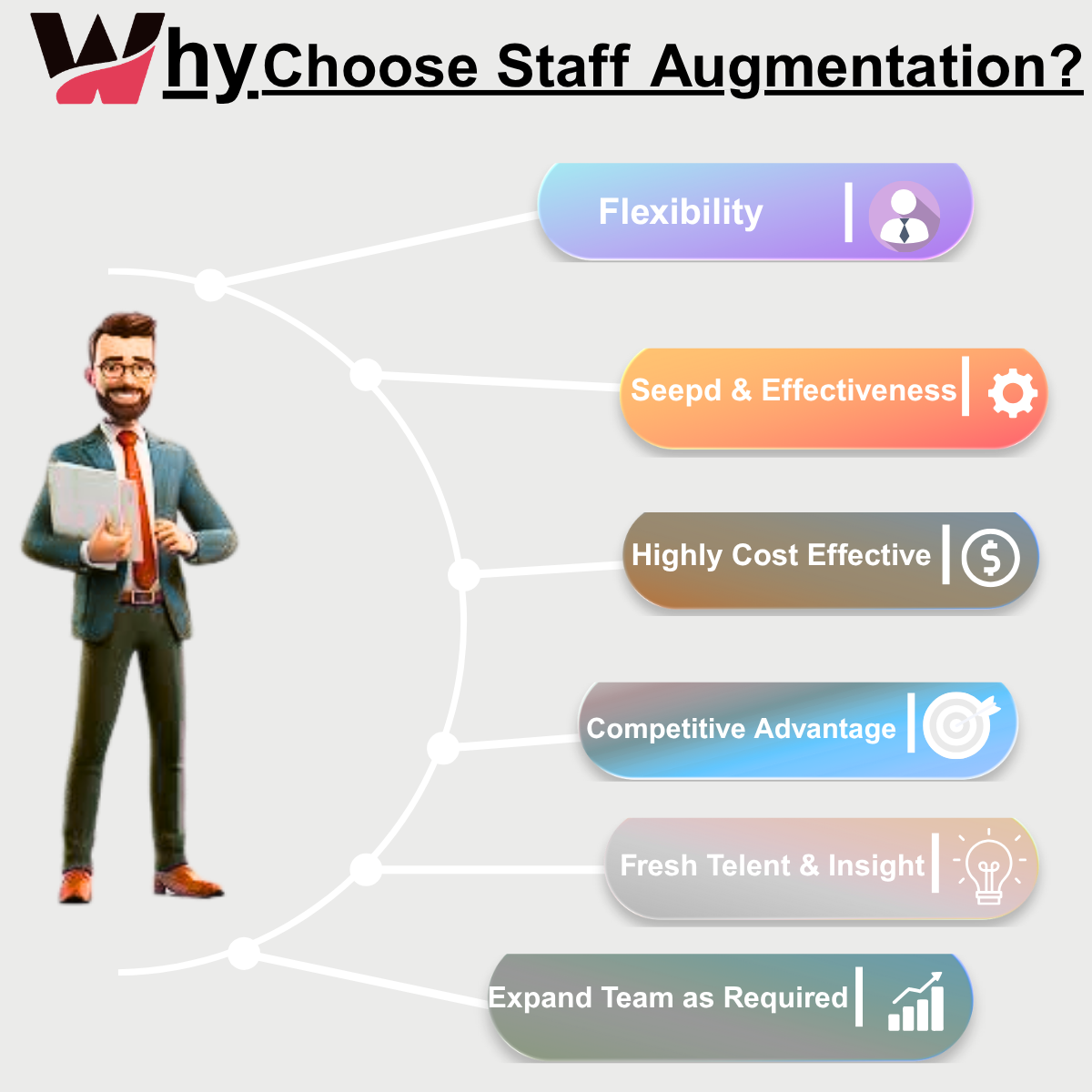 September 23, 2025
How Staff Augmentation Can Help Scale Your IT Team Efficiently
-
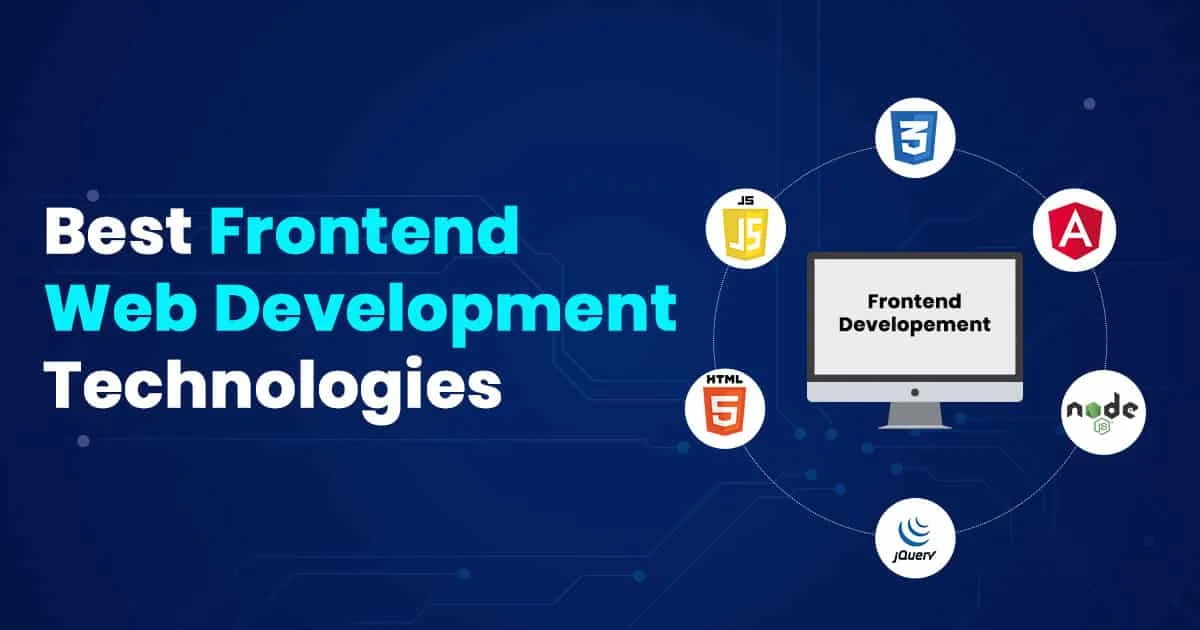 January 6, 2025
Choosing the Right Front-End Web Development Service in the UK
-
 January 4, 2025
Why Choose Staff Augmentation Services in India for Your IT Projects?
-
 December 21, 2024
Boost Your Business ROI with Power BI Development Services in the Maldives and Iceland
-
 December 20, 2024
Get a Free Consultation: Is Your E-Commerce Business in the UAE Ready for Digital Transformation?
-
 July 6, 2023
The Future of Small Business and Know-How to Climb up the Ladder


It’s great to see a company that not only offers development services but also consulting and product design. This combination can really help businesses bridge the gap between concept and execution.
Thanks for sharing the detailed overview of WitQualis Technologies’ services and expertise. It’s clear you offer a comprehensive range of development solutions, from web and app development to dedicated team support, which can really help businesses scale efficiently. The breakdown of frontend, backend, and full-stack capabilities is particularly helpful for those looking to build or enhance their digital products.
It’s impressive to see how WitQualis structures its dedicated teams to cover the entire spectrum from modern frontend frameworks to specialized solutions like Power BI. The clear emphasis on staff augmentation and MVP development suggests a strong approach for businesses looking to scale their technical capabilities efficiently. I particularly appreciate the detailed breakdown of their full-stack and cross-platform expertise, which highlights the depth of their engineering resources.
The emphasis your site places on assembling a dedicated team across specific stacks like MERN and React Native really highlights the importance of specialized expertise in modern app development. It’s a smart approach to offer such granular roles, from Azure development to Power BI, ensuring clients get targeted solutions rather than a generic package. This level of detailed categorization likely makes finding the right technical partner much easier for businesses looking to build robust MVPs.
The shift toward IoMT in smart hospitals is fascinating, especially how connected devices are fundamentally reshaping patient care delivery. It makes me think that successful implementation in 2026 will depend heavily on interoperability, ensuring these diverse medical devices can communicate seamlessly without compromising data security.
The comprehensive overview of your dedicated team, particularly the range from AngularJS to modern MERN stack developers, clearly shows WitQualis’s capacity to handle diverse technical requirements. It is reassuring to see that you go beyond just listing services to offering specific solutions like MVP development and product design consulting. This depth of expertise suggests a strong partner for businesses looking to scale their technical capabilities effectively.
It is impressive to see such a comprehensive lineup of dedicated teams, especially the strong coverage in full-stack options like MERN and MEAN alongside specialized mobile developers. Having that mix of technical consulting and product development under one roof really addresses a common pain point for businesses looking to scale efficiently. This broad expertise across both web and mobile ecosystems seems like a solid foundation for tackling complex MVPs.
The extensive range of dedicated development teams, from full-stack MEAN/MERN to specialized Big BI consultancy, clearly highlights WitQualis’ ability to handle complex, end-to-end product lifecycles. It is particularly refreshing to see such a strong emphasis on MVP development and staff augmentation, as these are often the critical pivots for scaling startups effectively. Having this breadth of technical expertise under one roof must significantly streamline the transition from initial concept to a fully deployed cross-platform solution.