

From filters to conversation: the shift in e‑commerce search
From filters to conversation: the shift in e‑commerce search
E‑commerce has long been built on filters: “Price,” “Brand,” “Size,” “Color,” and “Category.”
These filters allowed shoppers to narrow down thousands of products into a manageable list — but they always operated on the shopper’s manual input, not on their intent.
Today, this paradigm is being replaced.
Instead of manually clicking through filters, users are increasingly expected to speak or type what they want:
“Show me a breathable, waterproof jacket under ₹5,000.”
“Find a gift for my 8‑year‑old nephew who loves dinosaurs.”
This is conversational search — search that understands natural language, context, and preferences — and it is becoming the backbone of hyper‑personalization in e‑commerce.
For e‑commerce brands, this is not just a UX change; it is a technology‑stack and team‑structure change.
Building and maintaining conversational‑search‑driven hyper‑personalization requires:
-
Robust AI and NLP,
-
Rich product‑data and customer‑data pipelines,
-
and scalable front‑end and back‑end architectures.
That’s where IT staff augmentation and staff augmentation services from the right IT staff augmentation companies become strategic enablers rather than optional add‑ons.
What is hyper‑personalization (and how it differs from old‑style filters)
Hyper‑personalization defined
Hyper‑personalization in e‑commerce is the practice of tailoring the shopping experience in real time to:
-
Past behavior (browsing, cart, views, purchases),
-
Device and context (mobile vs desktop, location, time of day),
-
And explicit or inferred preferences (style, budget, occasion).
Unlike generic “you might also like” banners, hyper‑personalization can:
-
Rewrite product sorting and ranking,
-
Customize product descriptions and thumbnails,
-
and dynamically reframe the experience for each user.
From “filters” to “conversational search”
Filters are rule‑based and static.
They are good for:
-
Narrowing search results by pre‑defined attributes.
-
Allowing users with clear intent to refine their choices.
However, filters struggle with:
-
Users who are unsure what they want,
-
Complex, multi‑attribute requests (“affordable, eco‑friendly, compact laptop for students”),
-
and discovery‑driven shopping (“gift ideas for my mom”).
Conversational search solves this by:
-
Letting users express intent in natural language.
-
Letting the system ask clarifying questions when needed.
-
Returning results that are context‑aware and often ranked by predicted relevance to that user.
In effect, conversational search turns the entire product catalog into a “dialogue‑with‑a shopping assistant.”
For e‑commerce teams, this means:
-
The search engine is no longer a “utility” — it is a primary channel for personalization.
-
The UX is no longer about “apply filters” — it is about “ask, explore, and refine.”
How conversational search drives hyper‑personalization
Natural language as the new interface
Instead of forcing the user to think in “filters,” conversational search lets them:
-
Speak in fragments (“show cheap phones with good cameras”),
-
Describe use cases (“I need a laptop for online classes”),
-
Or describe recipients (“something playful for a 5‑year‑old”).
Behind the scenes, the system must:
-
Parse the intent,
-
Extract constraints (budget, brand, features),
-
and map them to product‑data and user‑profile data.
This is where AI and NLP start to touch almost every part of the stack:
-
Product feeds and taxonomies,
-
User‑behaviour tracking,
-
And recommendation algorithms.
Conversational search is not just a front‑end component; it is a data‑to‑AI‑to‑UX pipeline that must be well‑engineered to work at scale.
Real‑time personalization inside the conversation
Once a query is understood, hyper‑personalization kicks in within the conversational flow.
For example:
-
A first‑time visitor might see exploratory results (“popular gifts,” “trending products”).
-
A repeat visitor who has clicked many “premium electronics” listings might see higher‑end options first.
-
A logged‑in user with a saved “budget under ₹10,000” rule might see only products that match that price band by default.
Conversational search can:
-
Remember past choices,
-
Adapt to new information,
-
and guide the conversation toward higher‑value outcomes (conversion, average order value, reduced returns).
This requires:
-
A real‑time user profile that synthesizes behaviour, segments, and preferences.
-
A ranking engine that blends conversation‑based context with historical signals.
-
And a feedback loop that learns from what the user finally clicks or buys.
Why conversational search is hard to build in‑house
Data complexity and integration challenges
Most e‑commerce systems were not built for conversational intent.
They were built for:
-
Static categories,
-
Fixed attribute filters,
-
And simple search‑box keyword matching.
Introducing conversational search means:
-
Enriching product data (attributes, intents, alternative phrasings),
-
Connecting that data to user‑behaviour systems (CART, views, sessions),
-
And integrating AI‑powered search microservices into the existing stack.
For many mid‑sized and large retailers, this is a major engineering lift.
Building and maintaining such a system on‑premises or in‑house would require:
-
AI and NLP engineers,
-
Data engineers and product‑data specialists,
-
Front‑end developers to redesign search and product listing pages.
Rather than hiring all of these roles permanently, many organisations choose IT staff augmentation and staff augmentation services to temporarily scale up these capabilities.
Keeping pace with AI and UX trends
Conversational search is not a one‑time build.
It evolves as:
-
New AI models (e.g., large language models, retrieval‑augmented generation) become available.
-
Users adopt new behaviours (voice search, mobile‑only shopping, social‑commerce‑driven queries).
-
Competitors introduce richer, more understanding assistants.
For e‑commerce teams, this means:
-
Constant iteration on the conversational UX.
-
Regular re‑training or fine‑tuning of models.
-
Ongoing data‑pipeline and latency optimizations.
Staff augmentation companies with experience in AI‑driven e‑commerce can help organisations:
-
Maintain a lean internal core team for product and strategy,
-
While augmenting with AI, data, and search specialists for implementation and optimization.
Wirqualis offers such IT staff augmentation services tailored to e‑commerce and AI‑driven personalization landscapes. [https://www.wirqualis.com]
How IT staff augmentation supports conversational‑search projects
Staff augmentation services for AI‑driven e‑commerce
When an e‑commerce brand decides to move from filters to conversational search, a spike in demand for specialized skills occurs.
Typical roles that may be sourced through IT staff augmentation companies include:
-
AI/NLP engineers (to build and refine the intent‑understanding and ranking logic).
-
Data engineers (to model product data, user data, and real‑time event pipelines).
-
Search‑and‑recommendation engineers (to design relevance algorithms and A/B‑testing frameworks).
-
Front‑end engineers (to redesign the search UI and conversational interface).
-
Product / UX researchers (to define conversational‑flow best‑practices and design principles).
Through staff augmentation services, these specialists can be:
-
Embedded into the client’s existing product and engineering teams.
-
Assigned to specific milestones (e.g., “Pilot conversational search on mobile,” “Integrate user‑intent ranking into homepage recommendations”).
Once the platform is stabilized, some of these roles can be released without impacting long‑term headcount.
Staff augmentation process for conversational‑search builds
A well‑run staff augmentation process for conversational‑search projects usually follows these phases:
– Needs assessment and use‑case mapping
-
Product and UX teams define target scenarios (“gift‑finding,” “occasion‑based search,” etc.).
-
Data and engineering teams assess the readiness of product‑data and user‑behaviour systems.
– Role definition and sourcing
-
Required skills (AI/NLP, search, data, front‑end) are mapped to staff augmentation roles.
-
IT staff augmentation companies are engaged to source and vet candidates.
– Embedded delivery
-
Augmented engineers join squads and start building conversational‑search components.
-
Regular syncs are held between internal and augmented staff to ensure alignment.
– Integration and experimentation
-
Conversational search is integrated into key flows (homepage search, category pages, product listing pages).
-
A/B tests measure impact on metrics such as:
-
Conversion rate,
-
Average order value,
-
Time‑to‑purchase,
-
and bounce rate.
-
Phase 5 – Handover and scaling
-
Once the conversational‑search feature is stable, knowledge is transferred to internal teams.
-
The staff augmentation arrangement can be scaled back or refocused on next‑generation features (voice‑based search, Gen‑AI‑driven product descriptions).
This end‑to‑end staff augmentation process allows e‑commerce organisations to move fast without over‑hiring.
Why this model beats traditional search and filter UX
Discovers the “unknown‑unknowns”
Static filters assume the user knows what they want.
Conversational search is good at helping users who don’t know exactly what they need.
For example:
-
A user who says, “I need a gift for my dog lover friend,” is guided toward pet‑related products and experiences, even if they did not know the specific category.
-
Filters would force the user to guess the right category (pet supplies, toys, accessories), which is harder and less intuitive.
This ability to explore unknown product spaces increases discovery and can drive higher revenue per session.
Reduces cognitive load
Clicking through multiple filters requires:
-
Mental effort to translate intent into attributes.
-
Trial‑and‑error to find the right combination.
Conversational search reduces this load by:
-
Allowing the user to describe the problem in their own words.
-
Letting the system do the mapping to attributes and constraints.
This generally leads to:
-
Shorter sessions for high‑intent users,
-
And more exploration for low‑intent users.
From a business‑impact perspective, this means:
-
More conversions for high‑intent queries,
-
And more engagement for discovery‑driven users.
Builds long‑term personalization memory
Traditional filters are session‑bound.
Each session starts with a blank slate.
Conversational search, when combined with user profiles, can:
-
Remember past conversations and preferences.
-
Build a running understanding of what “good results” look like for that user.
-
Gradually tailor the dialogues and results over time.
This memory‑based learning is a core part of hyper‑personalization — and it is one of the main reasons e‑commerce brands are investing heavily in AI‑driven conversational search rather than static filters.
Examples of conversational search and hyper‑personalization in e‑commerce
Example 1 – Fashion and lifestyle retail
A fashion e‑commerce platform introduces a conversational search bar that supports queries like:
-
“Show me casual outfits under ₹3,000.”
-
“Find something dressy for a wedding.”
Behind the scenes:
-
The system understands categories, price bands, occasion tags, and style signals.
-
Historical data is used to rank products that match the user’s preferred brands, colors, and sizes.
Results are displayed in a card‑based, conversational grid that feels like a chat but retains the e‑commerce layout.
Over time, the system adapts to which types of “dresses,” “formal shirts,” or “casual sets” each user tends to purchase.
Example 2 – Gift‑finding experience
A general‑merchandise site adds a “Help me find a gift” flow.
The user is guided by a series of questions:
-
Who is the gift for?
-
What is the occasion?
-
What is the budget?
Each answer narrows the results while keeping the experience conversational and visual.
For repeat users, the system pre‑fills answers based on past purchases, speeding up the flow.
Example 3 – Niche product categories
For complex or expert‑driven categories (electronics, tools, outdoor gear), conversational search can:
-
Ask technical questions (screen size, processor, battery life) in plain language.
-
Convert these into precise filters and attribute values.
-
Surface only the products that fit, ranked by relevance and margin.
This is particularly powerful for brands that sell high‑ticket, low‑frequency products where the wrong choice can lead to frustration and returns.
How Wirqualis supports e‑commerce brands in their conversational‑search journey
Wirqualis positions itself as a partner for AI‑driven e‑commerce and hyper‑personalization initiatives, including conversational search.
Through IT staff augmentation, Wirqualis helps e‑commerce clients:
-
Source AI/NLP, search‑and‑recommendation, and data‑engineering talent.
-
Design and build conversational‑search UX flows that align with existing mobile and desktop experiences.
-
Integrate conversational search with existing stacks (CMS, PIM, analytics, recommendation engines).
Compared with more generic staff augmentation companies such as Orange Mantra and Yoma Business Solutions — which often focus on broad‑stack or support‑oriented roles — Wirqualis emphasizes:
-
Domain‑specific expertise in AI‑driven e‑commerce and personalization.
-
Outcome‑driven engagements with clear KPIs (conversion lift, time‑to‑purchase, engagement).
-
Structured staff augmentation processes that keep internal teams in control while scaling up specialized skills.
For HR and operations leaders, this means IT staff augmentation through Wirqualis can be used to:
-
Build next‑gen conversational‑search features without long‑term headcount risk.
-
Maintain a compact core team while accessing top‑tier AI and data‑engineering talent on demand.
Practical next steps for e‑commerce brands
-
Map key search use‑cases where filters are not working well (gift‑finding, complex product categories, mobile‑only users).
-
Run a pilot conversational search flow on a single category or region, measuring impact on conversion and engagement.
-
Engage IT staff augmentation companies that have experience in AI‑driven e‑commerce, NLP, and search‑engine development. Company
-
Iterate on the UX and ranking logic based on user feedback and behavioral data.
-
Scale conversational search across categories, markets, and languages as the model matures.
→ Discover how Wirqualis designs and implements conversational‑search‑driven hyper‑personalization for e‑commerce through IT staff augmentation
Below is a LinkedIn‑optimized version of this content with hashtags for social sharing:
Hyper‑Personalization in E‑commerce: Moving from Filters to Conversational Search
Filters once ruled e‑commerce search — but now, those static drop‑downs are being replaced by conversational search.
Instead of “Category + Price,” users are now asking:
“Show me affordable, breathable clothing for summer workouts.”
“Help me find a birthday gift for my 10‑year‑old who loves science.”
This shift is fueling hyper‑personalization: real‑time, AI‑driven experiences that understand intent, context, and preference — not just keywords.
Building conversational search at scale isn’t easy.
It requires AI/NLP, rich data pipelines, and UX‑driven front‑end teams working together.
Many e‑commerce brands turn to IT staff augmentation and staff augmentation services to scale up specialist talent without over‑hiring.
Wirqualis supports e‑commerce brands in their AI‑driven personalization journey, from conversational search design to integration and optimization.
Is your e‑commerce site still stuck on filters — or is it ready for conversation?
6 responses to “From filters to conversation: the shift in e‑commerce search”
Leave a Reply
Recent Posts
-
 September 15, 2026
FinTech Software Development: How to Build Secure, Scalable, and Compliant Digital Products
-
 September 11, 2026
DevOps Talent Solutions: Build a Delivery Pipeline That Scales
-
 September 9, 2026
FinTech Software Development: Build Secure, Scalable, Compliant Products
-
 September 8, 2026
Enterprise Software Solutions: A Roadmap for Modernizing Complex Workflows
-
 September 7, 2026
AI Engineering Roles: How to Choose and Evaluate the Right Team
-
 September 4, 2026
SaaS Development Services: From Product Discovery to a Scalable Platform
-
 September 3, 2026
UI/UX Design and Development: From Research to Better Software
-
 September 1, 2026
Cybersecurity Recruitment: Hiring Framework for Security Teams
-
 August 31, 2026
Cloud Engineer Staffing: Hiring for Migration, DevOps, and Scale
-
 August 27, 2026
Executive Tech Search Firm vs Staff Augmentation Partner
-
 August 26, 2026
Offshore Software Development Teams: Hiring and Delivery Guide
-
 August 24, 2026
Contract IT Staffing: When It Makes Sense, Costs, and Management
-
 August 21, 2026
IT Staff Augmentation Services: How to Scale Your Engineering Team Without Slowing Delivery
-
 August 20, 2026
IT Staff Augmentation Services: How to Scale Your Engineering Team Without Slowing Delivery
-
 August 13, 2026
AI Workflow Automation for Operations: A Practical Guide
-
 July 30, 2026
Post-Project Offboarding: Seamless Transitions for Contract IT Staff
-
July 24, 2026
Mitigating Compliance Risks in IT Contract Staffing
-
 July 23, 2026
How TypeScript Reduces Production Errors in Large-Scale Codebases
-
 July 22, 2026
How to Write a Bulletproof SLA for IT Staff Augmentation
-
 July 21, 2026
Why Modern Product Design (UI/UX) Dictates Custom Software Success
-
 July 20, 2026
5 Signs Your Enterprise Needs a Contract-Based IT Staffing Model
-
 July 17, 2026
The Importance of API-First Architecture in Modern Custom Web Solutions
-
 July 16, 2026
Tailoring Your Tech Team: Specialized Contract Roles vs. Generalist In-House Developers
-
 July 15, 2026
Eliminating Hidden Costs in IT Recruitment via Contractual Staffing
-
 July 10, 2026
Building Technical Roadmaps: A Guide for Non-Technical Founders
-
 July 8, 2026
Scale on Demand: How Startups Leverage Contract-Based Developers for MVP Launches
-
 July 7, 2026
Utilizing Power BI Consultants to Transform Legacy Data into Real-Time Dashboards
-
 July 6, 2026
Overcoming Time-Zone Barriers When Hiring Augmented Tech Teams
-
 July 3, 2026
Enterprise CRM Customization: Tailoring Tech to Your Unique Sales Pipeline
-
 July 2, 2026
Managing Data Security and IP Isolation on Remote Virtual Desktop Infrastructures (VDI)
-
 July 1, 2026
Staffing for Modern Frontend Architectures: When to Deploy React vs. Angular vs. Vue
-
 June 30, 2026
The Roadmap to Building a Scalable Multi-Vendor Marketplace Product
-
 June 29, 2026
Custom Software Development vs. Commercial Off-the-Shelf (COTS) Solutions
-
 June 25, 2026
Contractual Tech Staffing: The Secret Weapon for Scaling Peak Seasons
-
 June 24, 2026
The Ultimate Guide to Managing Remote Contract Developers
-
 June 23, 2026
How to Use IT Staff Augmentation to Control Infrastructure Costs
-
 June 22, 2026
Why Contract IT Staffing Is Outpacing Full-Time Hiring
-
 June 19, 2026
E‑Commerce & Retail Tech: Scaling Teams for Peak Seasons with Staff Augmentation
-
 June 18, 2026
How to Manage Remote Staff Augmentation Teams Across Time Zones
-
 June 17, 2026
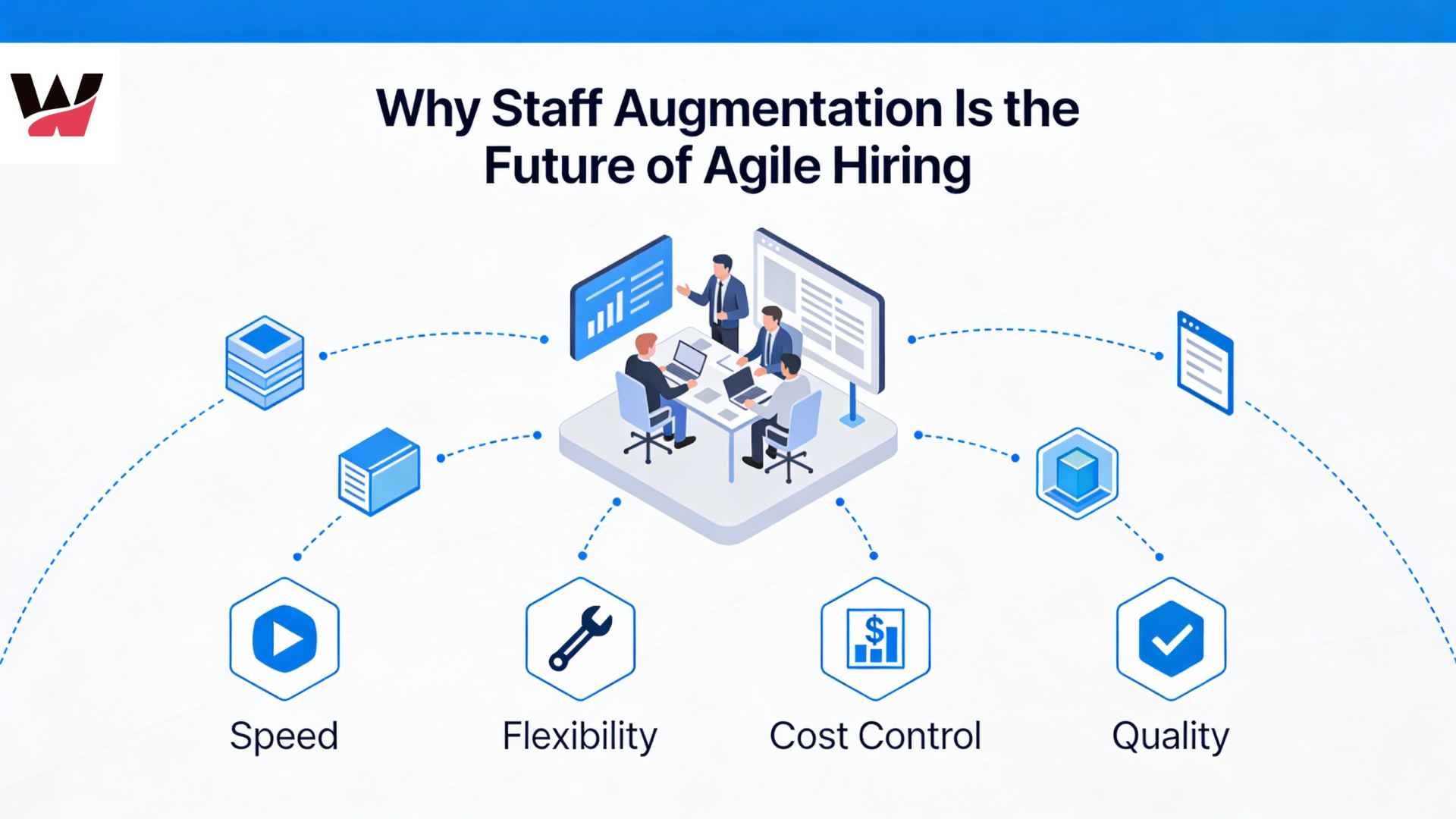
Why Staff Augmentation Is the Future of Agile Hiring
-
 June 16, 2026
The 2026 Staff Augmentation Playbook: How Modern Enterprises Scale Tech Team
-
 June 15, 2026
Building an AI‑Ready Tech Team Using Staff Augmentation
-
 June 11, 2026
When to Choose Staff Augmentation Over Full-Time Hiring in 2026
-
 June 10, 2026
Enterprise Software Modernisation: Why Staff Augmentation Beats Traditional Hiring
-
 June 8, 2026
How to Start a Staff Augmentation Project in 7 Steps (2026)
-
 June 4, 2026
Staff Augmentation Onboarding Checklist: Security, Tools, and Culture
-
 June 3, 2026
Legacy System Modernisation with Staff Augmentation: A 2026 Blueprint
-
 June 1, 2026
Healthcare & SaaS Startups: How Staff Augmentation Cuts Time-to-Market
-
 May 28, 2026
The Hybrid Agile Model: In-House Teams + Staff Augmentation in 2026
-
 May 26, 2026
Staff Augmentation for Digital Transformation: Beyond Just Developers
-
 May 25, 2026
Staff Augmentation vs Outsourcing vs In-House Hiring: When to Use Which
-
 May 22, 2026
How to Choose the Right IT Staff Augmentation Company for Your Business
-
 May 20, 2026
Staff Augmentation Onboarding Checklist: The Ultimate Guide
-
 May 19, 2026
Staff Augmentation Pricing Models Explained: FTE vs T&M vs Hybrid
-
 May 15, 2026
AI‑Driven Development Needs AI‑Ready Talent: Here’s How Staff Augmentation Helps
-
 May 13, 2026
Best Staff Augmentation Companies for Enterprise Software Modernization (2026)
-
 May 8, 2026
Staff Augmentation for Fintech: Bridging Compliance, Security, and Speed
-
 May 7, 2026
Technical Debt Reduction with Staff Augmentation: Fast, Safe, and Measurable
-
 May 6, 2026
Why Staff Augmentation Matters for Tech Leaders in 2026
-
 May 5, 2026
Best Staff Augmentation Companies for Enterprise Software Modernisation (2026)
-
 May 4, 2026
What Is an AI‑Ready Talent Pool and Why It Matters in 2026
-
 April 30, 2026
Why choose WitQuallis for staff augmentation?
-
 April 29, 2026
Emerging tech & cloud strategy: how businesses stay ahead in 2026
-
 April 28, 2026
How IoT and Azure are creating real‑time patient monitoring systems
-
 April 27, 2026
Nearshoring vs offshore: why time‑zone alignment matters for Agile sprints
-
 April 24, 2026
Staff Augmentation: A Complete Guide to Scaling Your Tech Team Efficiently
-
 April 23, 2026
The Ultimate Guide to IT Staff Augmentation: Scaling Your Digital Success with WitQualis
-
 April 22, 2026
What is Software Development? A Comprehensive Guide to the 2026 Digital Landscape
-
 April 21, 2026
Boost Your Business ROI with Power BI Development Services
-
 April 20, 2026
Why Hiring Python Developers Has Become Risky (and Critical)
-
 April 17, 2026
Staff Augmentation: Scale Your Team Fast Without Full-Time Hires
-
 April 16, 2026
Top 20 Emerging Technologies of 2026: Transform Your Business Now
-
 April 15, 2026
🚀 Custom AI Development Costs in 2026: Complete Guide for Businesses
-
 April 14, 2026
Overcoming IT Staff Augmentation Challenges: Scale Your Team Fast and Smart
-
 April 13, 2026
Enterprise software modernisation 2026: why AI‑native refactoring and staff augmentation matter
-
 April 10, 2026
AI‑native refactoring: re‑imagining legacy modernisation in 2026
-
 April 9, 2026
AI-Native Refactoring: How to Modernise Legacy Systems in 2026
-
 April 8, 2026
The business case for Web3: real‑world asset tokenization in real estate
-
 April 7, 2026
The future of IoMT: smart hospitals in 2026
-
 April 6, 2026
Cloud 3.0: beyond “lift‑and‑shift” to sovereignty
-
April 2, 2026
From filters to conversation: the shift in e‑commerce search
-
 April 1, 2026
Case Studies: Migrating Legacy Enterprise Apps to Azure/AWS with IT Staff Augmentation Services
-
 March 30, 2026
Why Hiring Full‑Time Quantum‑Resistant Encryption Specialists Is So Hard
-
 March 27, 2026
Prompt engineering: from “nice‑to‑have” to core skill
-
 March 26, 2026
The hybrid squad: reimagining teams for the AI era
-
 March 25, 2026
Staff augmentation and the future of work: a new operating model
-
 March 24, 2026
Why full‑time quantum‑resistant encryption specialists are so hard to hire
-
 March 23, 2026
How Staff Augmentation Services Fixes Cybersecurity & Cloud Shortages
-
 March 20, 2026
The Great Fortress: Modernizing Banking Apps to Combat Sophisticated AI-Driven
-
 March 19, 2026
The Great Cloud Diversification: Navigating Data Residency in the Age of GDPR and the EU AI Act
-
 March 18, 2026
How Staff Augmentation automotive AR Cuts Onboarding Costs in Automotive & Manufacturing | WitQualis Staff Augmentation
-
 March 17, 2026
The Outcome-Based Model: How AI-Augmented Teams Are Multiplying Output | WitQualis
-
 March 16, 2026
Why “Vibe Coding” and Prompt Mastery Are Now as Important as Syntax
-
 March 13, 2026
The Witqualis Edge: How Agentic AI Tools Accelerate MVP Delivery by 40%
-
 March 12, 2026
Beyond Copilots: The Rise of Agentic AI in the SDLC
-
 March 11, 2026
Breaking the Monolith: A Definitive Guide to Using Generative AI for Microservices Migration (2026 Edition)
-
 March 10, 2026
The Agentic Revolution: Why AI is Moving from "Suggesting Code" to "Executing Workflows"
-
 March 9, 2026
Beyond the Search Bar: How LLMs are Revolutionising Retail Discovery
-
 March 6, 2026
How Blockchain is Making Real Estate Investment Liquid and Accessible
-
 March 5, 2026
Microservices Architecture: Benefits and Implementation Tips
-
 March 3, 2026
How Remote Work Has Changed the IT Industry and Tools You Need
-
 March 2, 2026
API Design and Management Best Practices for Developers
-
 February 27, 2026
The Impact of Internet of Things (IoT) on Modern Business
-
 February 26, 2026
Virtual and Augmented Reality: Where Tech is Headed Next | 2026 Guide
-
 February 25, 2026
Blockchain Beyond Cryptocurrency: Real-World Applications & Use Cases (2026 Guide)
-
 February 24, 2026
The Role of AI in Enhancing IT Development: A Deep Dive (2026 Guide)
-
 February 23, 2026
Maximizing Productivity: How Staff Augmentation Drives Innovation in IT Projects
-
 February 20, 2026
Staff Augmentation vs. Outsourcing: Which IT Model Wins in 2026?
-
 February 19, 2026
The Rise of Hybrid Teams: How to Leverage Staff Augmentation for Business Success
-
 February 18, 2026
How Staff Augmentation is Transforming the Future of IT Workforce (2026)
-
 February 17, 2026
5 Reasons Why Staff Augmentation is Key for Tech Skill Shortages: staff augmentation for tech skill shortages
-
 February 16, 2026
How Staff Augmentation Helps Scale Your Business Without Overheads in 2026
-
 February 13, 2026
The Power of Diverse Teams: How Staff Augmentation Drives Inclusion (2026)
-
 February 12, 2026
The Role of 5G Technology in Shaping IT Development and Augmentation in 2026
-
 February 11, 2026
The Future of Blockchain: Revolutionizing IT Services in 2026
-
 February 10, 2026
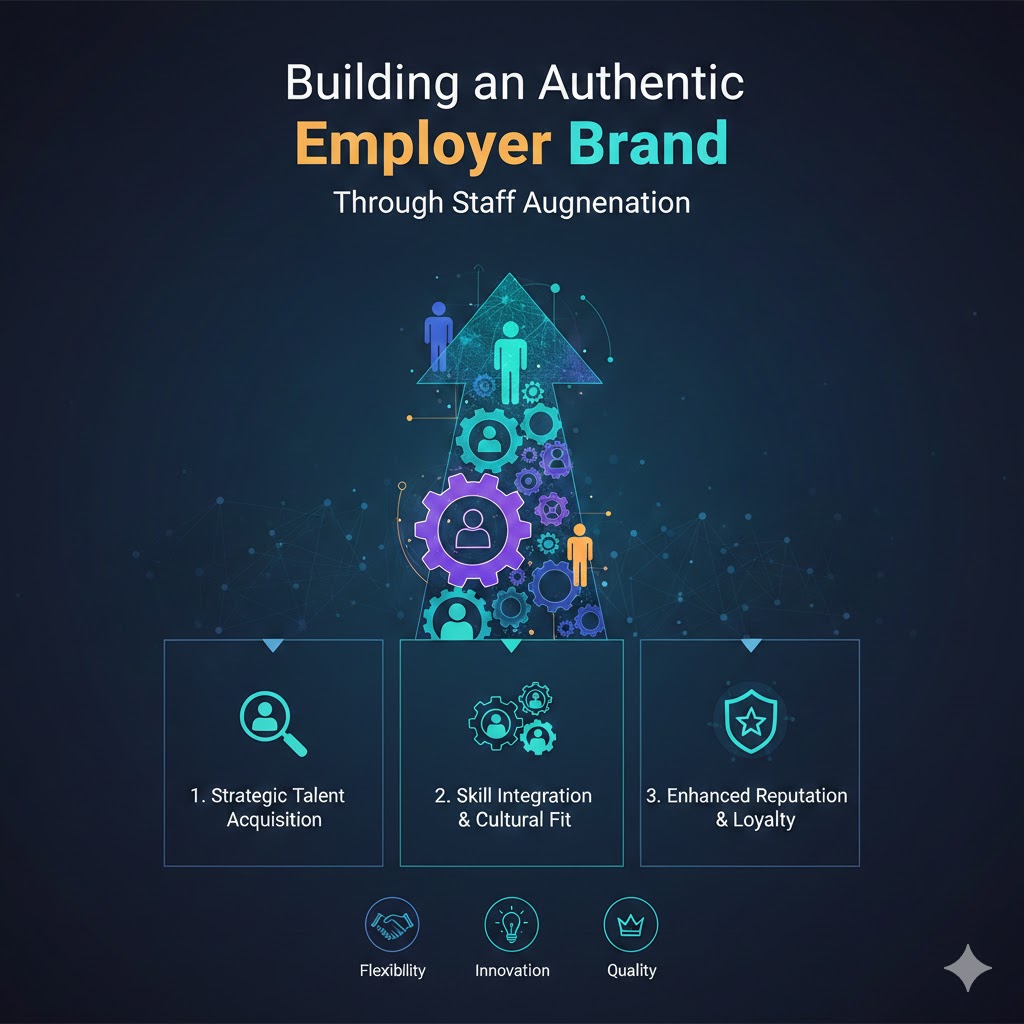
Building an Authentic Employer Brand Through Staff Augmentation in 2026
-
 February 9, 2026
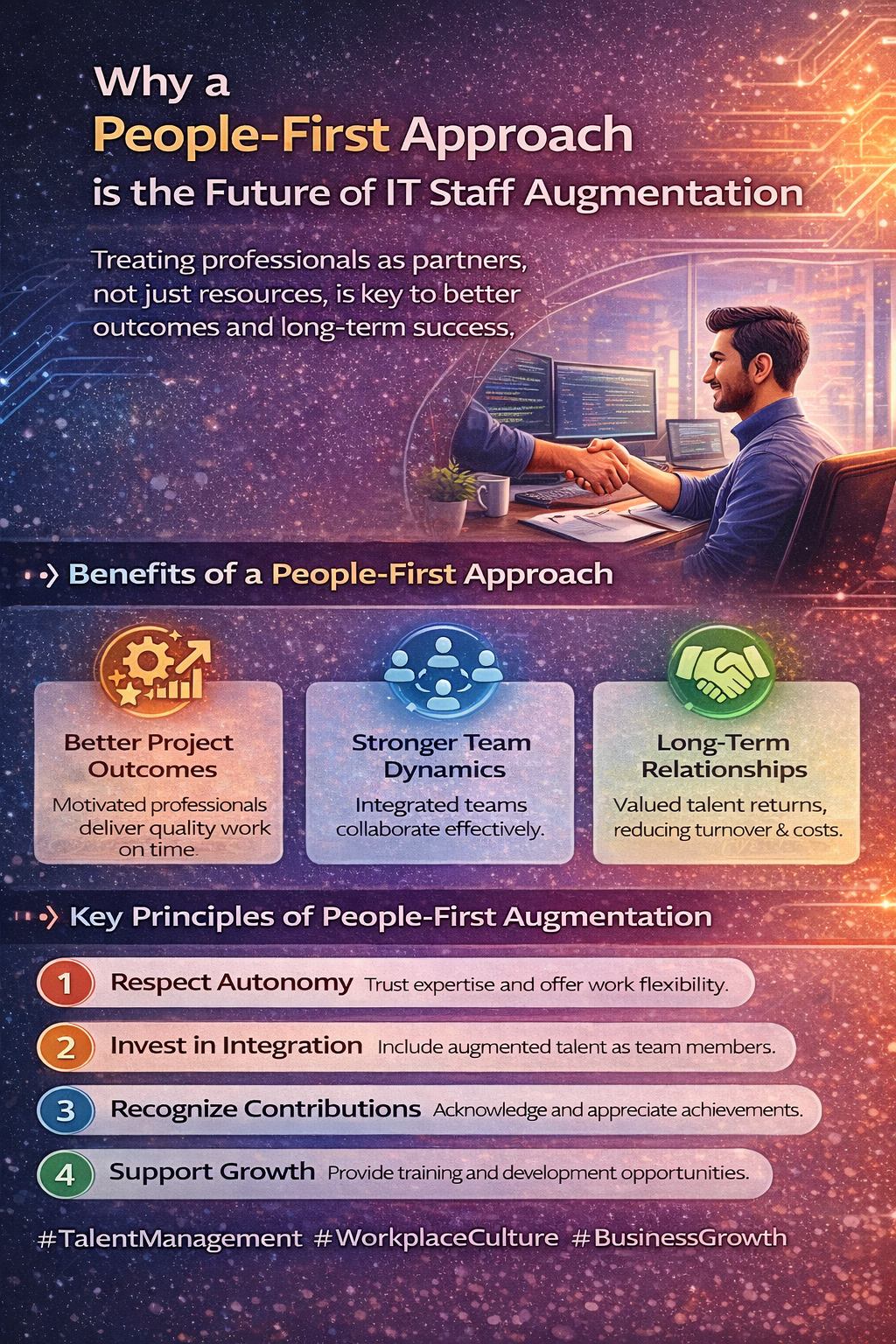
Supporting Augmented Professionals During Projects: Best Practices for Success
-
 February 6, 2026
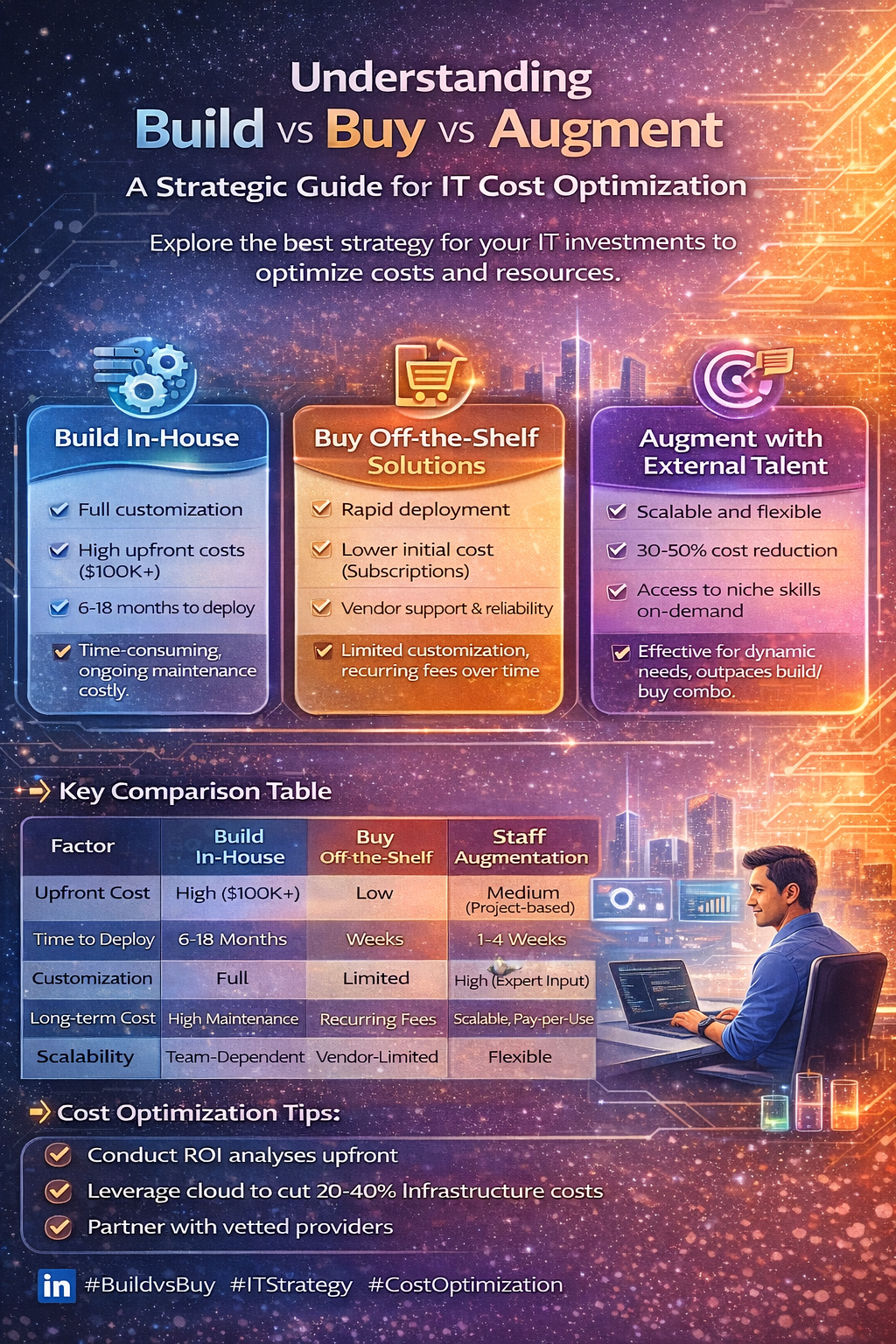
Cost Optimization in IT: Build vs Buy vs Staff Augmentation (2026 Guide)
-
 February 5, 2026
The Role of DevOps in High-Performance Engineering Teams: Best Practices Guide
-
 February 4, 2026
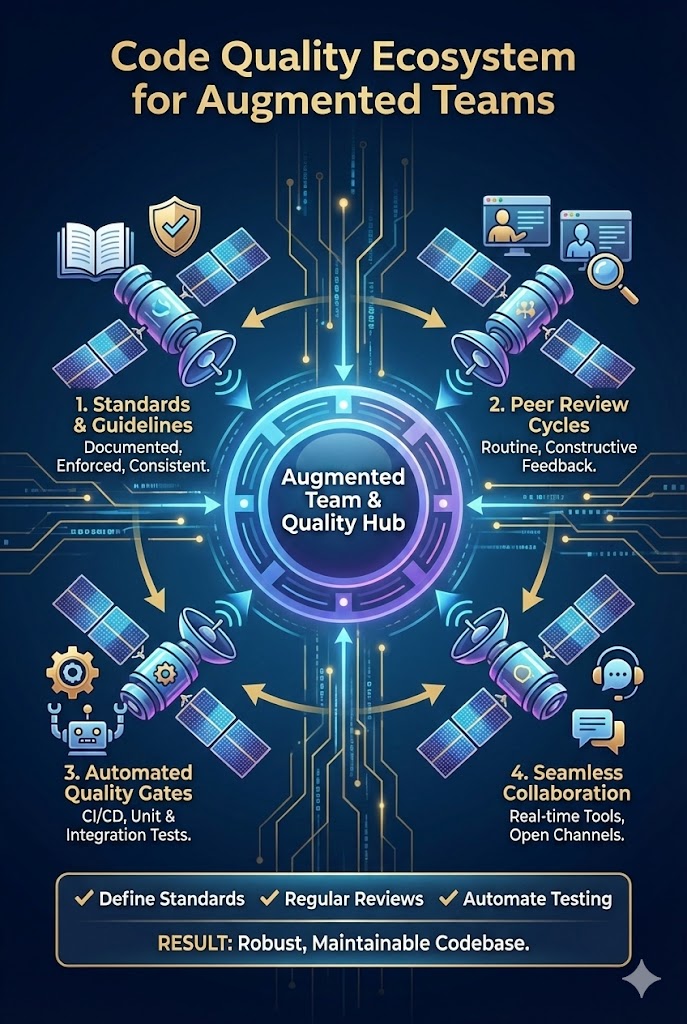
How to Ensure Code Quality When Working with Augmented Teams: Best Practices Guide
-
 February 3, 2026
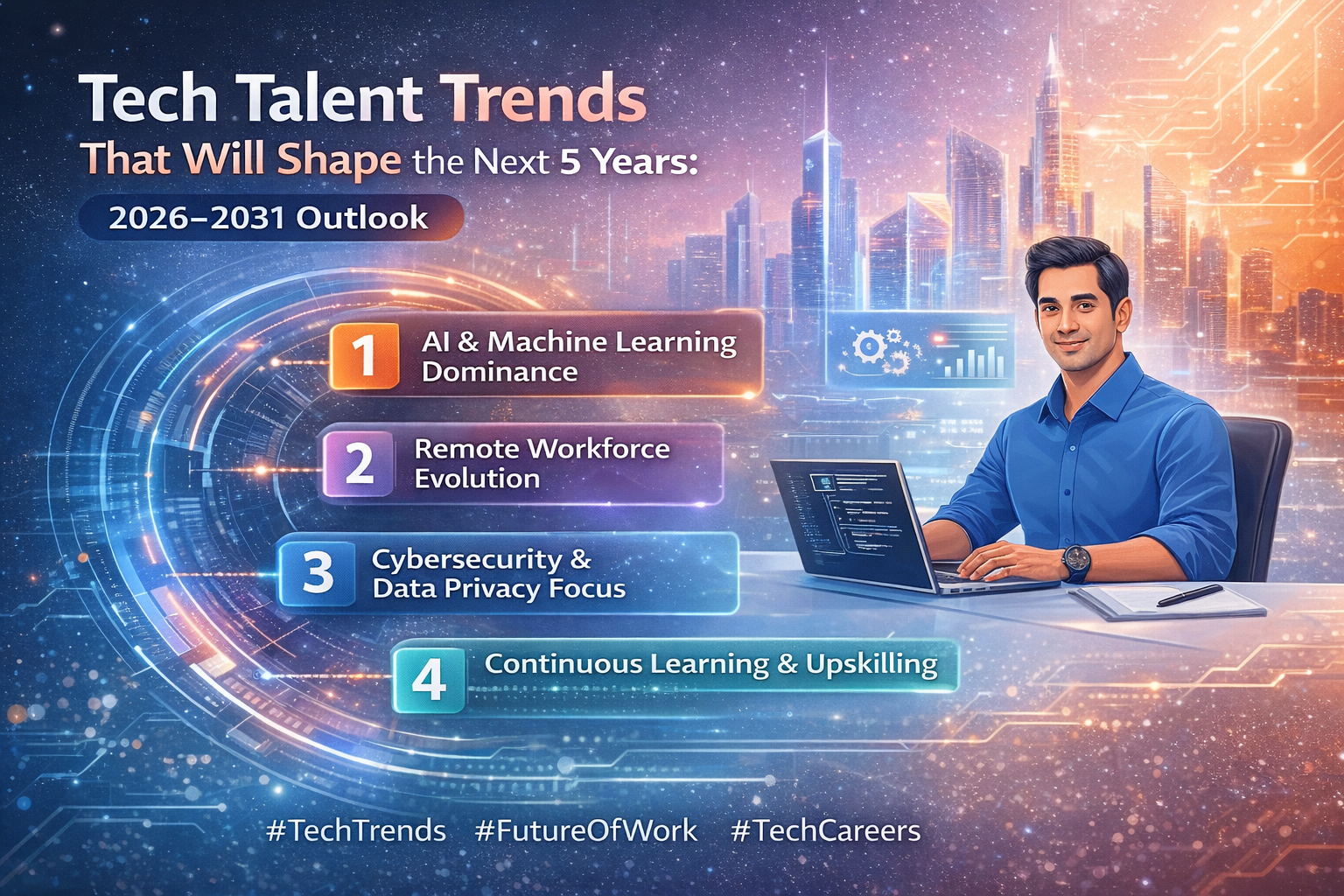
Tech Talent Trends That Will Shape the Next 5 Years: 2026–2031 Outlook
-
 February 2, 2026
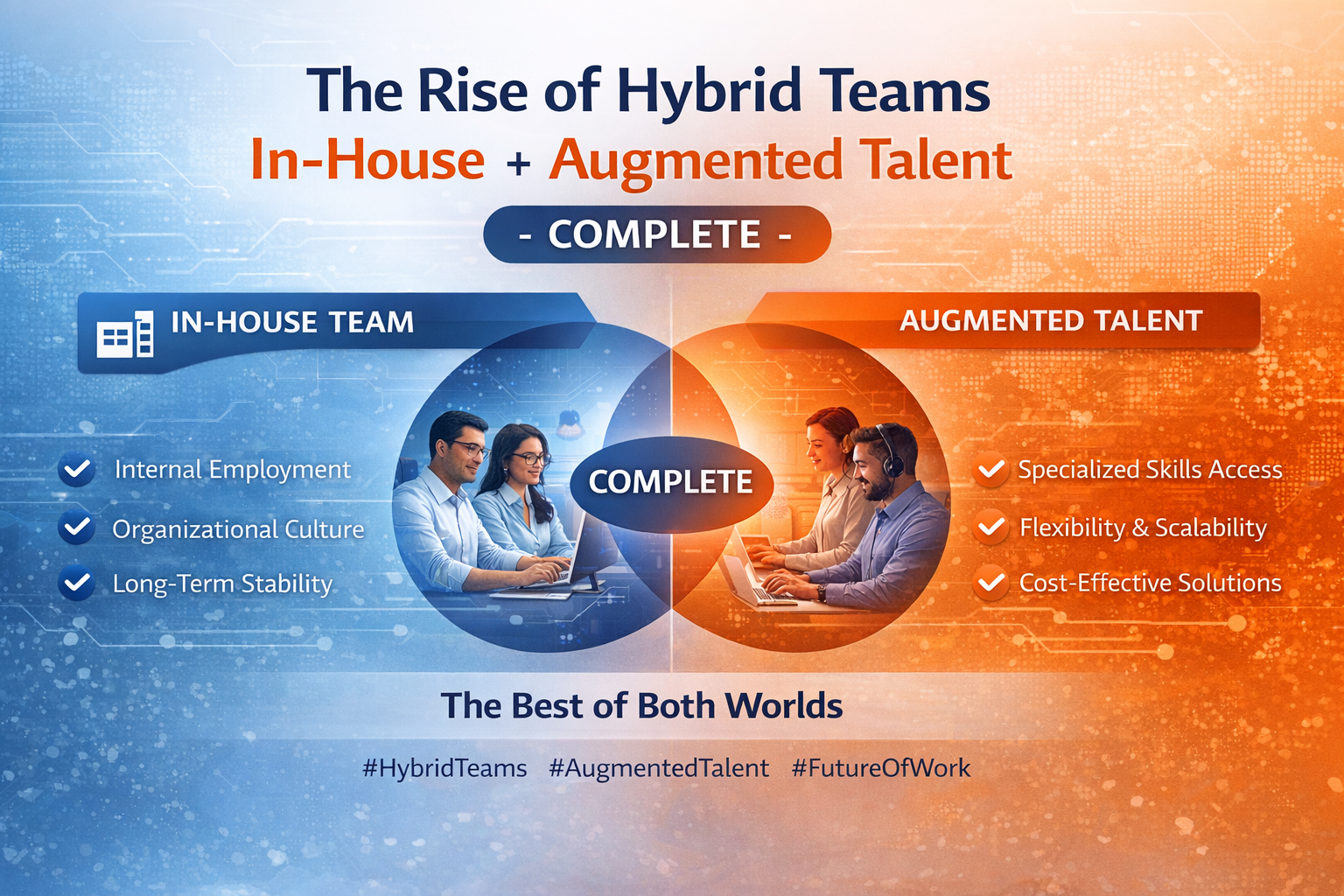
The Rise of Hybrid Teams: In-House + Augmented Talent - The Complete Guide
-
 January 30, 2026
How We Support and Retain High-Performing Tech Professionals
-
 January 29, 2026
Aligning Technology Strategy with Business Growth Goals: A Complete Framework
-
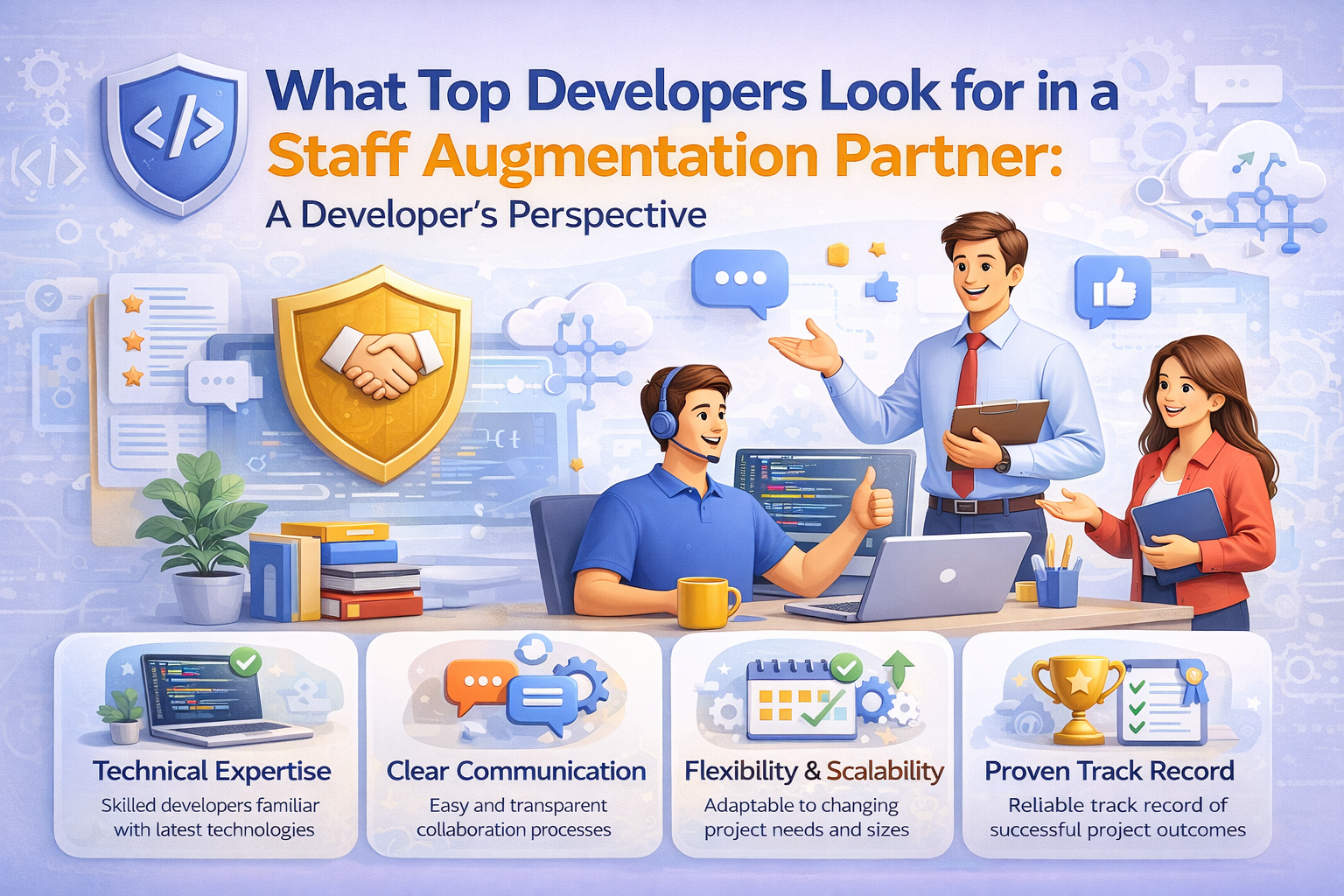 January 28, 2026
What Top Developers Look for in a Staff Augmentation Partner: A Developer's Perspective
-
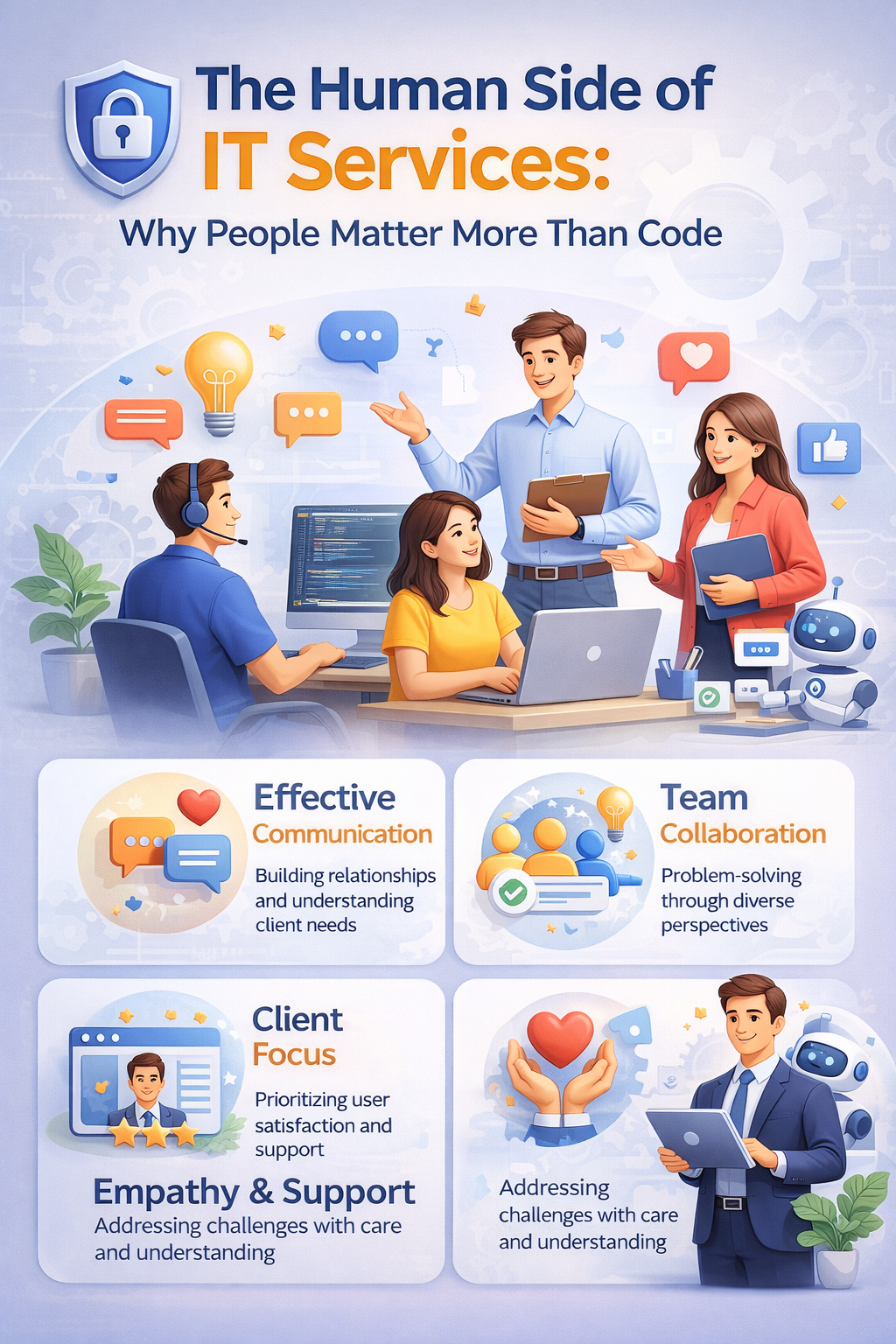 January 27, 2026
The Human Side of IT Services: Why People Matter More Than Code
-
 January 23, 2026
Why Culture Fit Matters in Staff Augmentation Models | Witqualis
-
 January 22, 2026
Building Long-Term Relationships with Augmented Talent: A Strategic Approach
-
 January 21, 2026
Cybersecurity Skills in Demand: What Companies Need Now in 2026
-
 January 20, 2026
Why Flexible Hiring Models Drive Better Business Outcomes
-
 January 19, 2026
Reducing Time-to-Market with On-Demand Tech Talent
-
 January 15, 2026
How Dedicated Development Teams Accelerate Product Delivery
-
 January 14, 2026
Scaling Tech Teams Quickly Without Compromising Quality
-
January 12, 2026
Common Mistakes Companies Make When Outsourcing IT Projects (And How to Avoid Them)
-
January 9, 2026
Key Workforce Trends Every CTO Should Watch This Year
-
 January 8, 2026
How AI Is Transforming IT Staffing and Talent Matching
-
 January 7, 2026
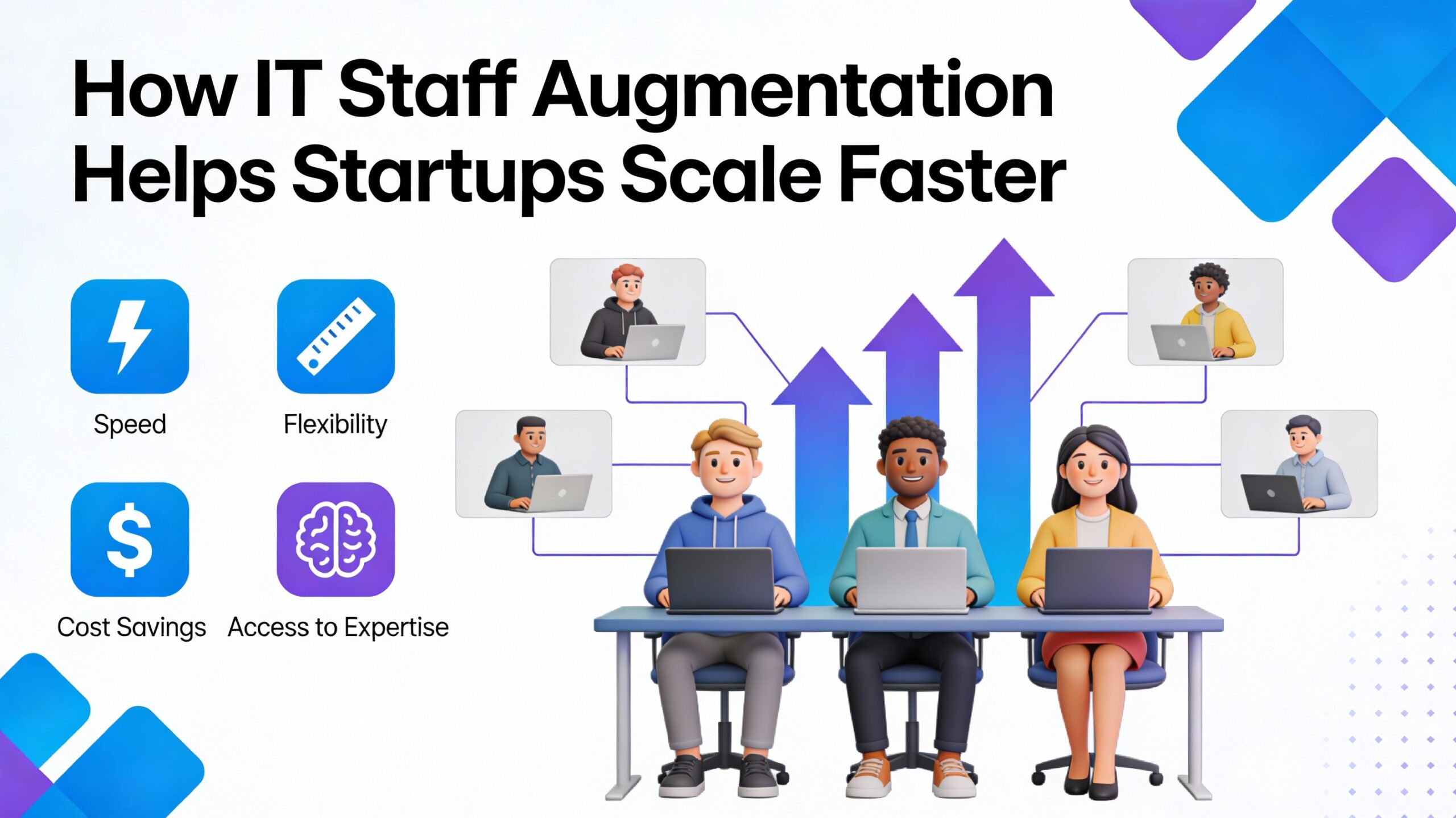
How IT Staff Augmentation Helps Startups Scale Faster
-
 January 6, 2026
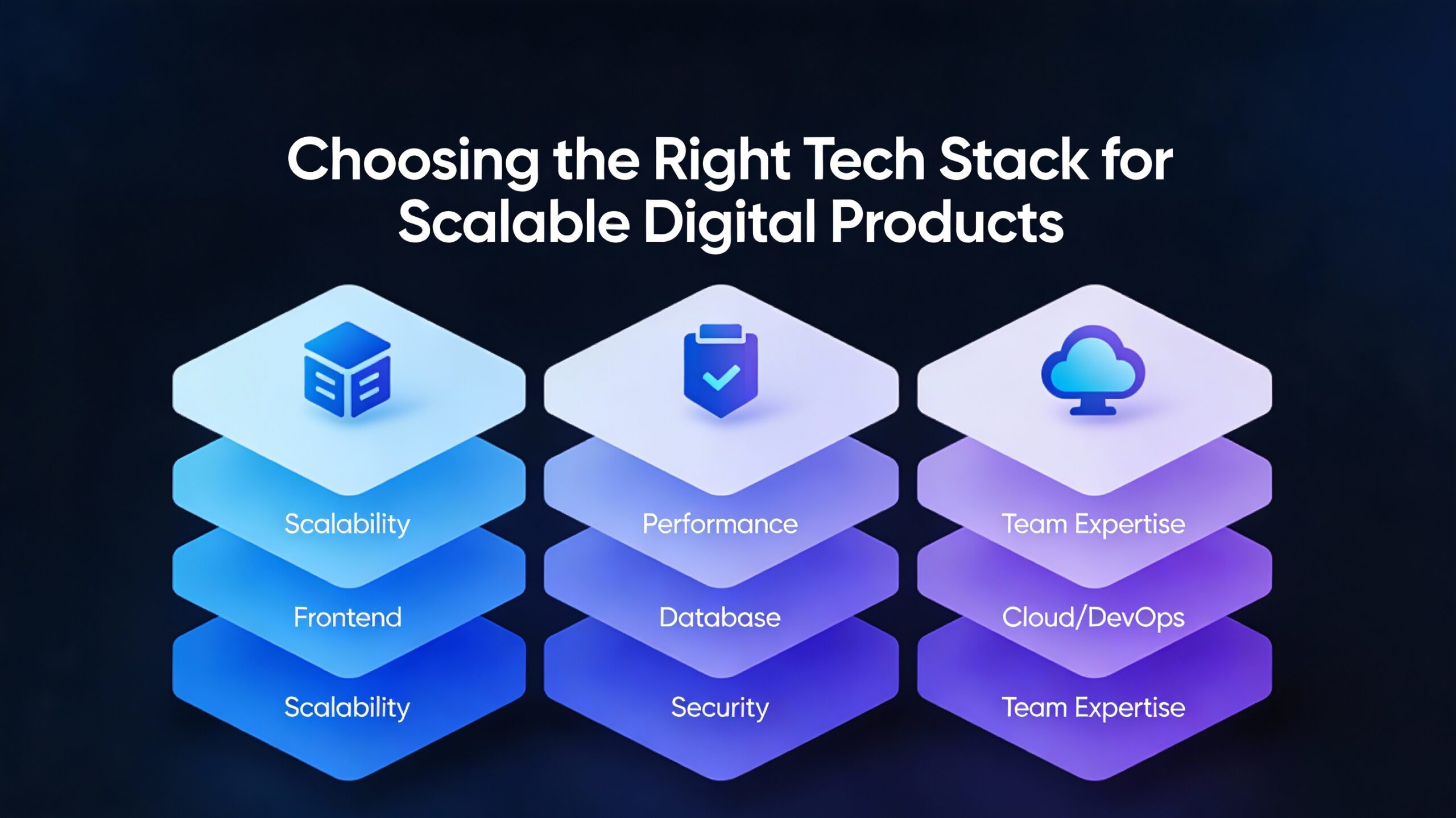
Choosing the Right Tech Stack for Scalable Digital Products
-
 January 5, 2026
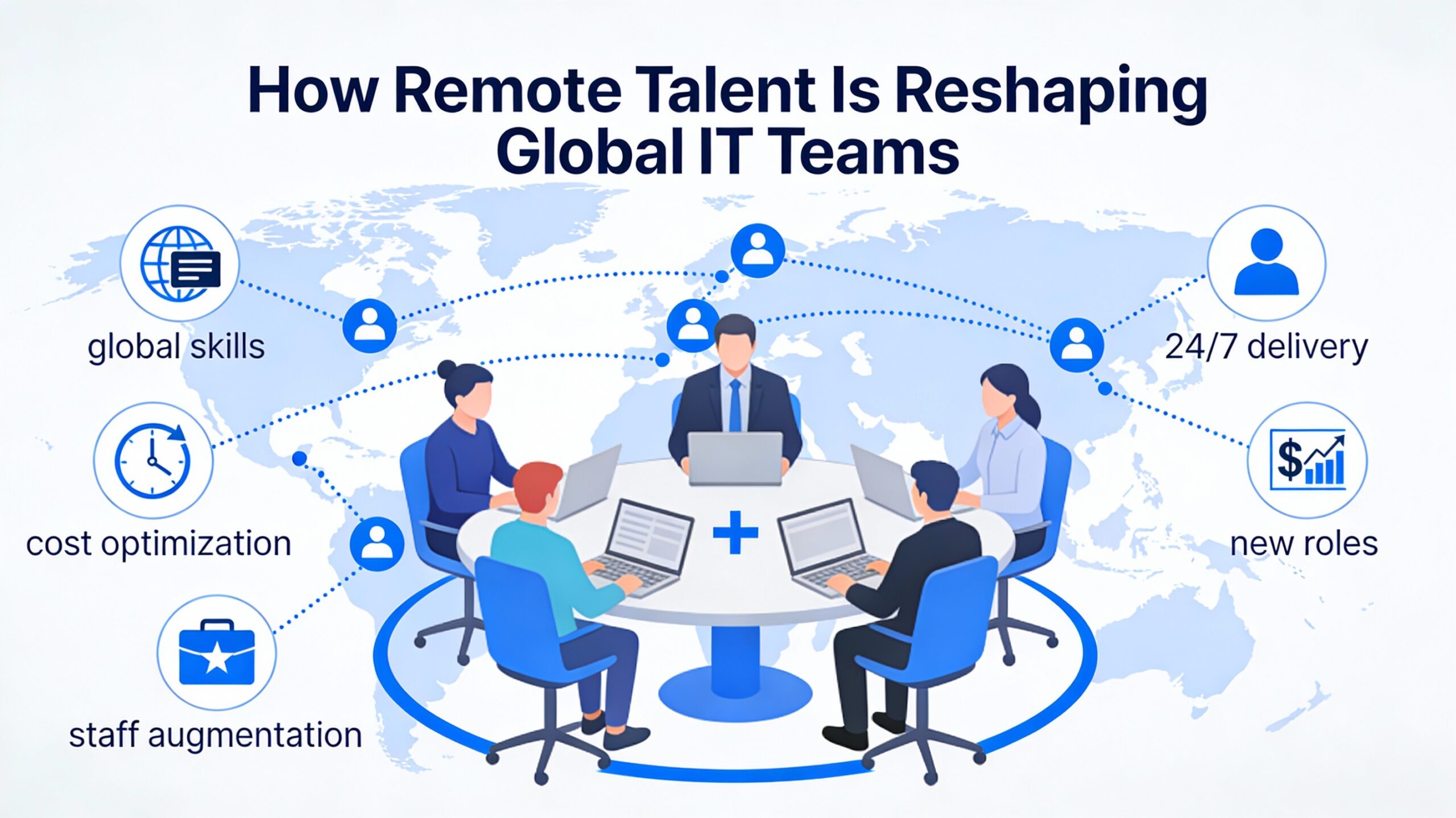
How Remote Talent Is Reshaping Global IT Teams
-
 December 29, 2025
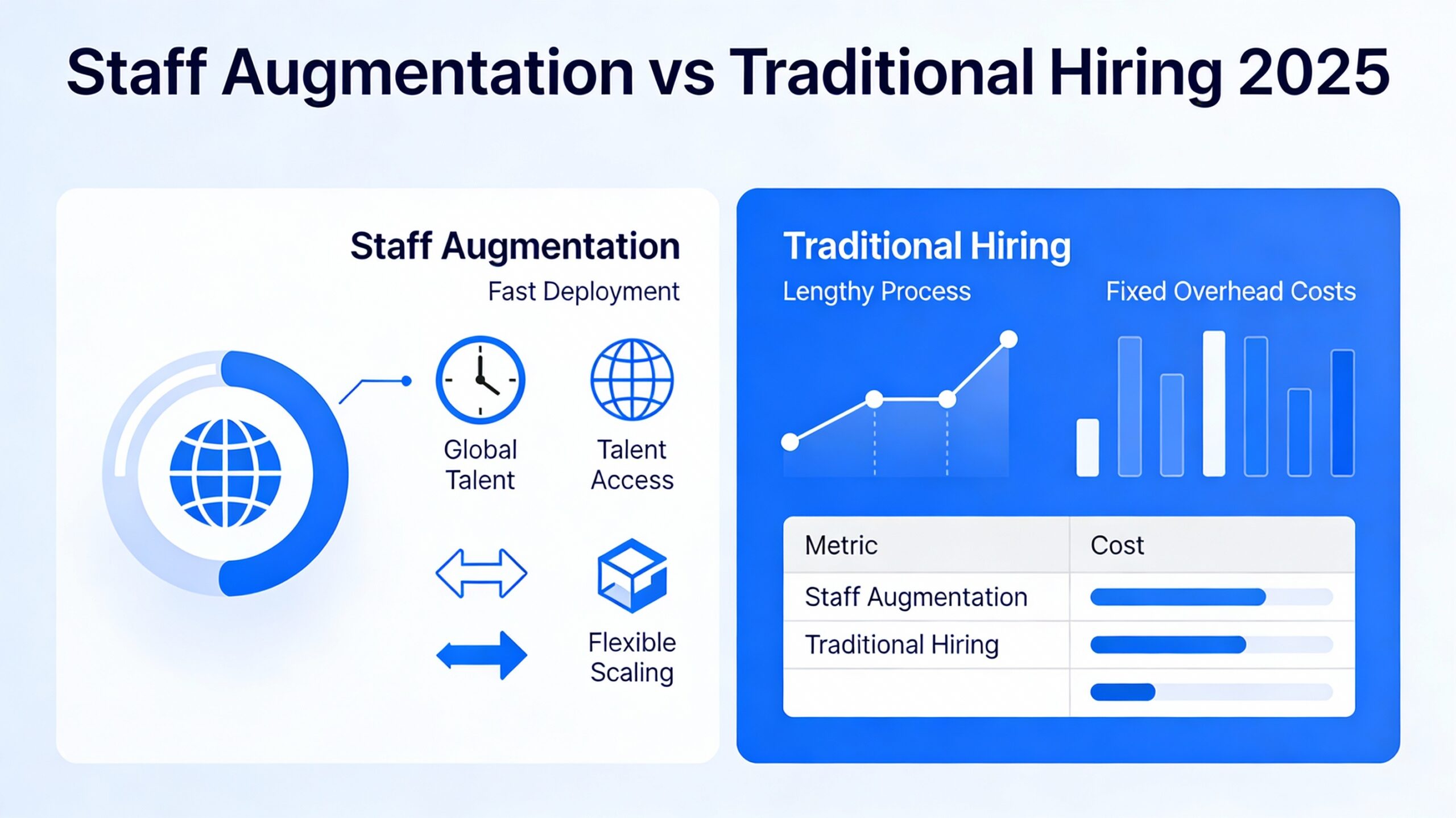
Staff Augmentation vs Traditional Hiring 2025
-
 December 24, 2025
Why Staff Augmentation Is the Future of Agile Hiring
-
 December 22, 2025
Why Hiring Faster Doesn’t Mean Compromising Quality — It Means Finding the Right Partner
-
 December 19, 2025
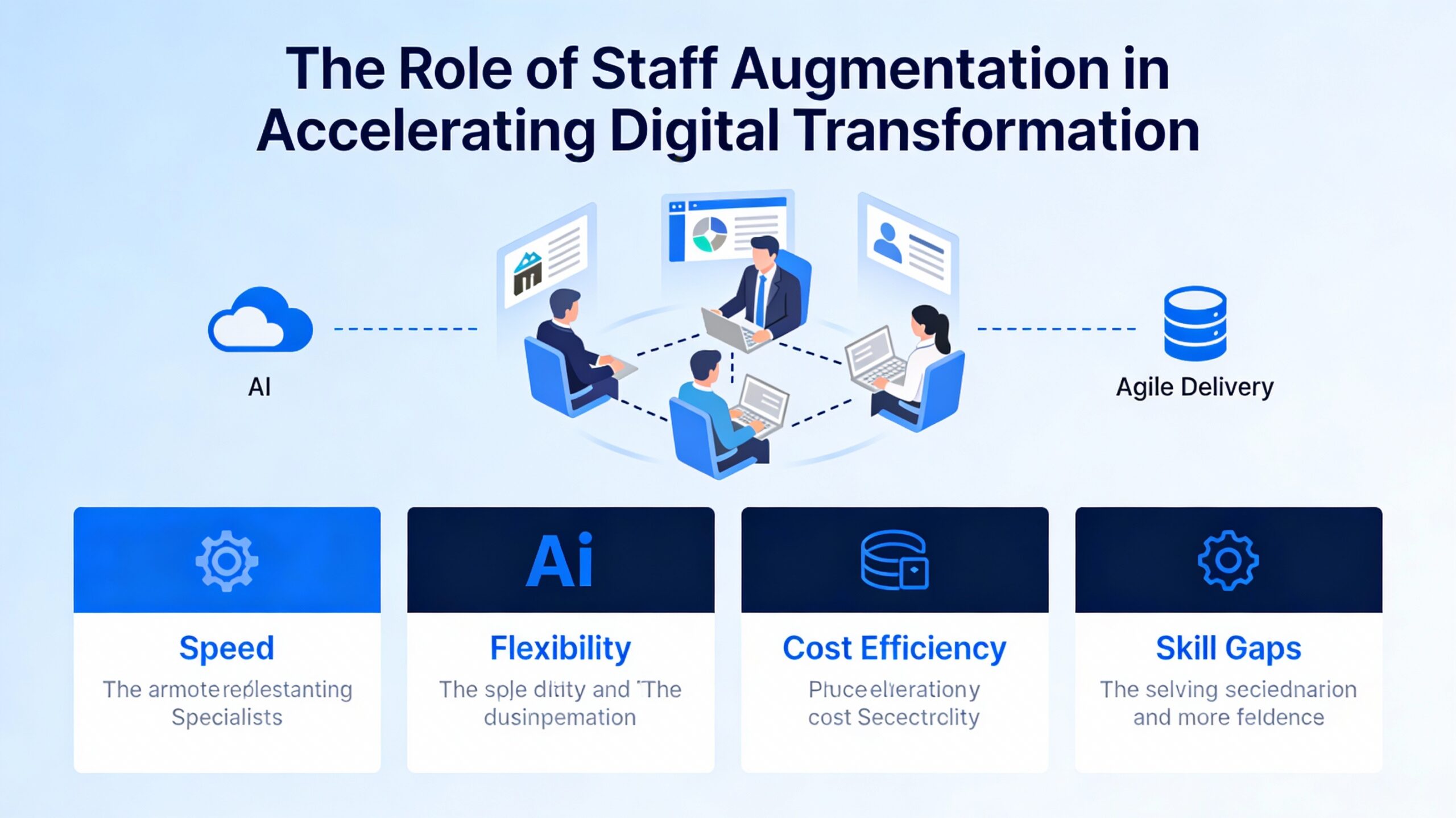
The Role of Staff Augmentation in Accelerating Digital Transformation
-
 December 18, 2025
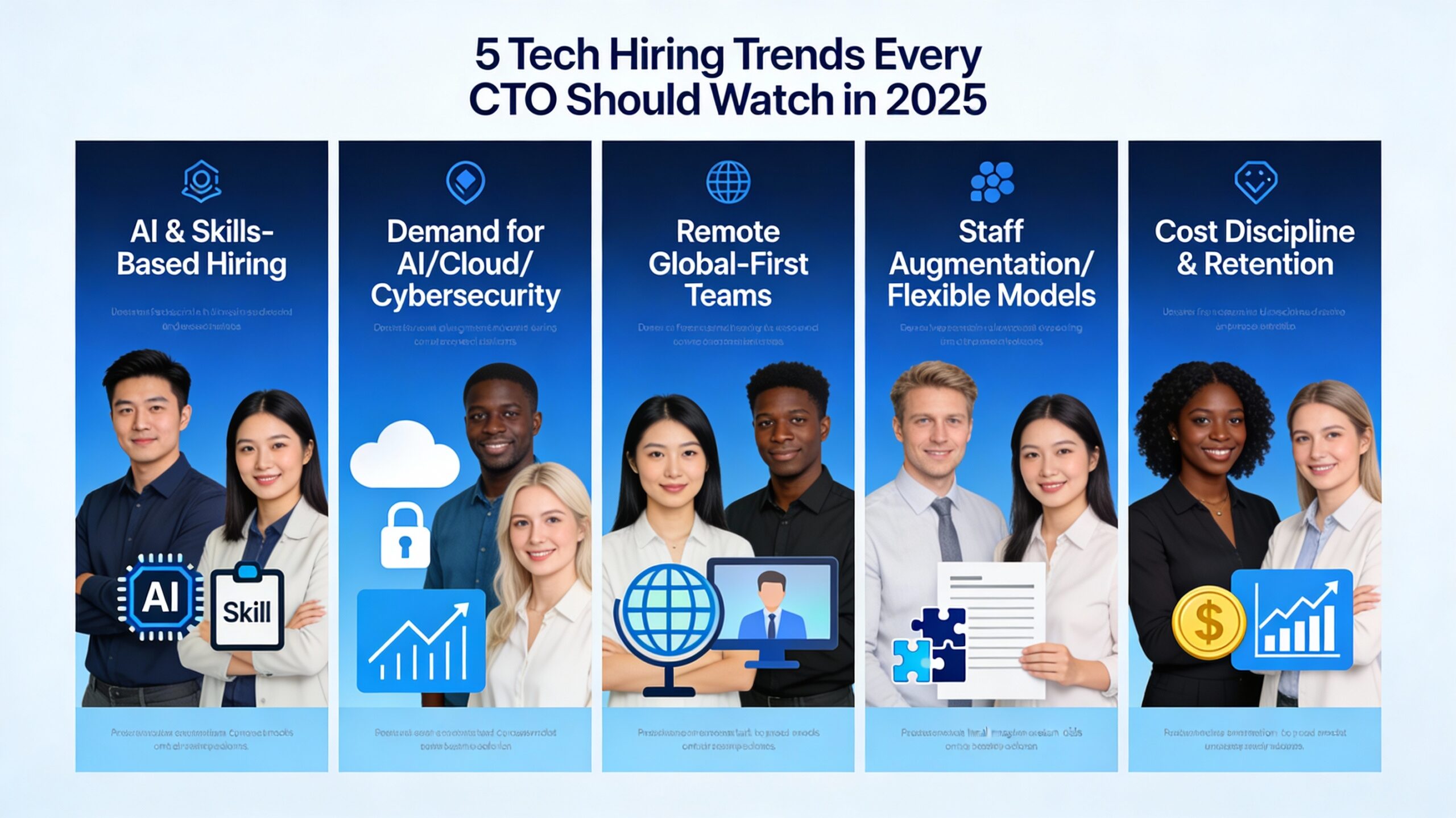
5 Tech Hiring Trends Every CTO Should Watch in 2025
-
December 17, 2025
Why Soft Skills Are the Hidden Superpower in Tech Teams
-
 December 15, 2025
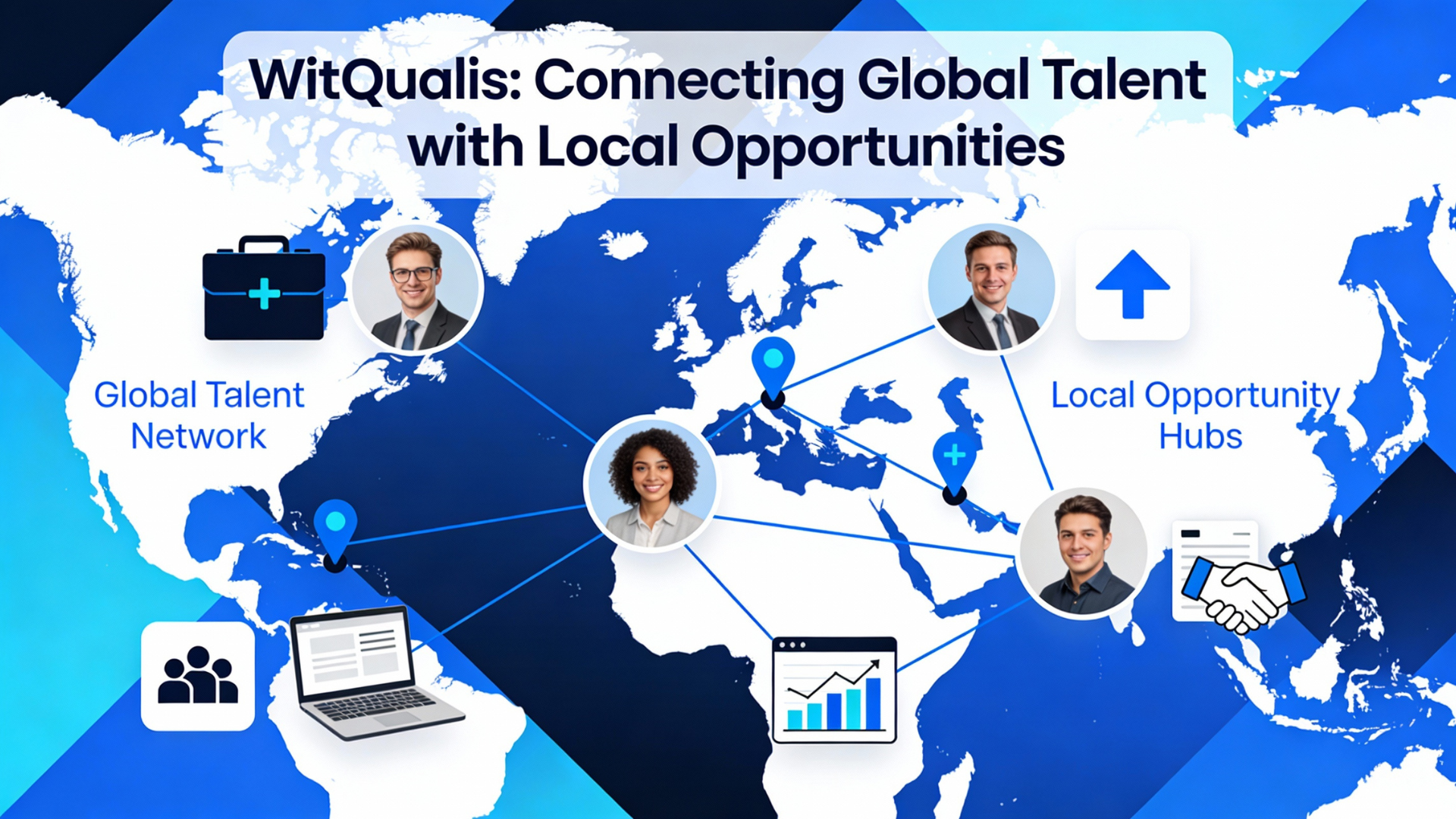
How WitQualis Connects Global Talent with Local Opportunities
-
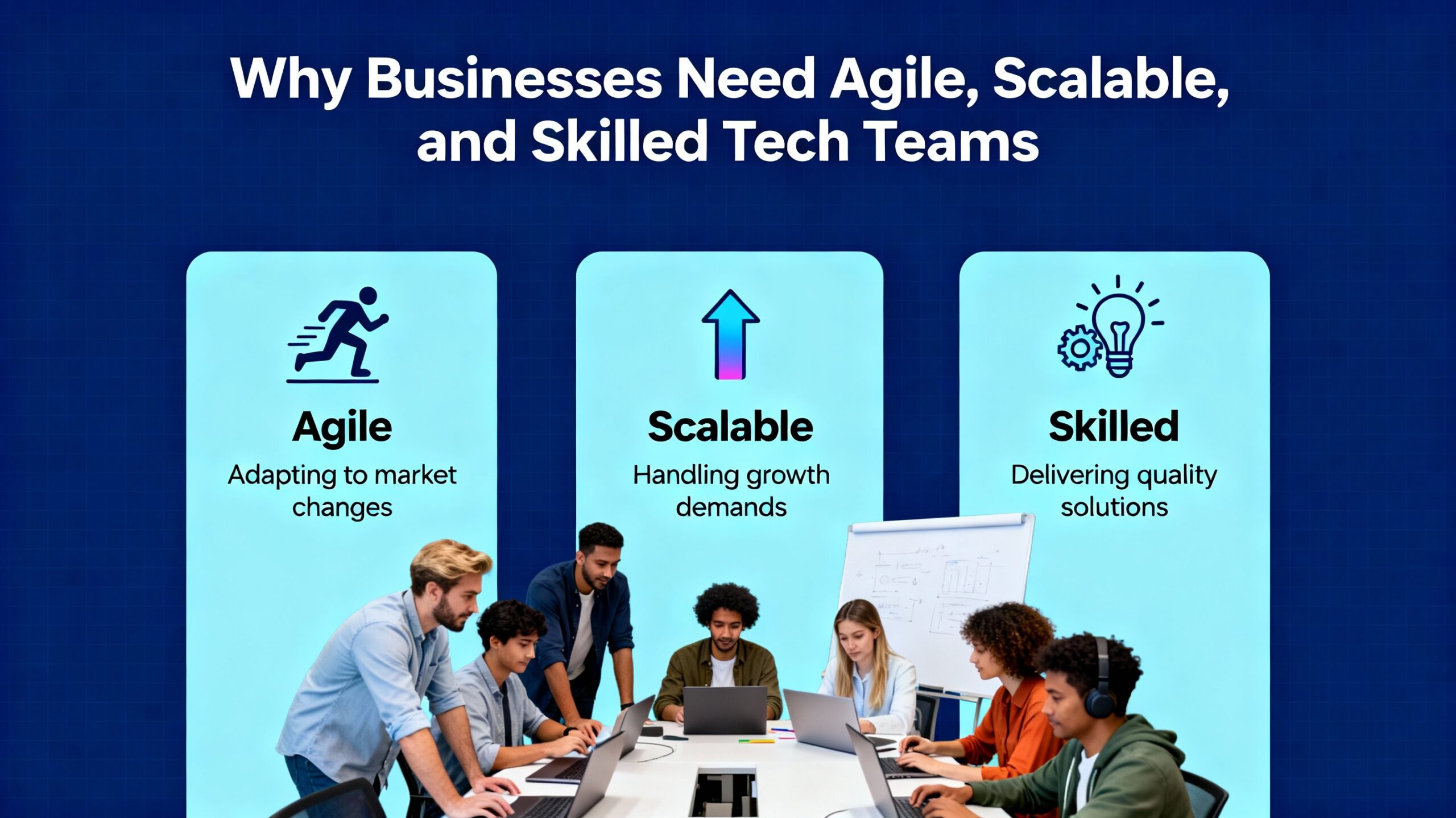 December 10, 2025
Why Businesses Need Agile, Scalable, and Skilled Tech Teams—Now More Than Ever
-
 December 5, 2025
The Human Side of Technology: Why People Matter as Much as Code
-
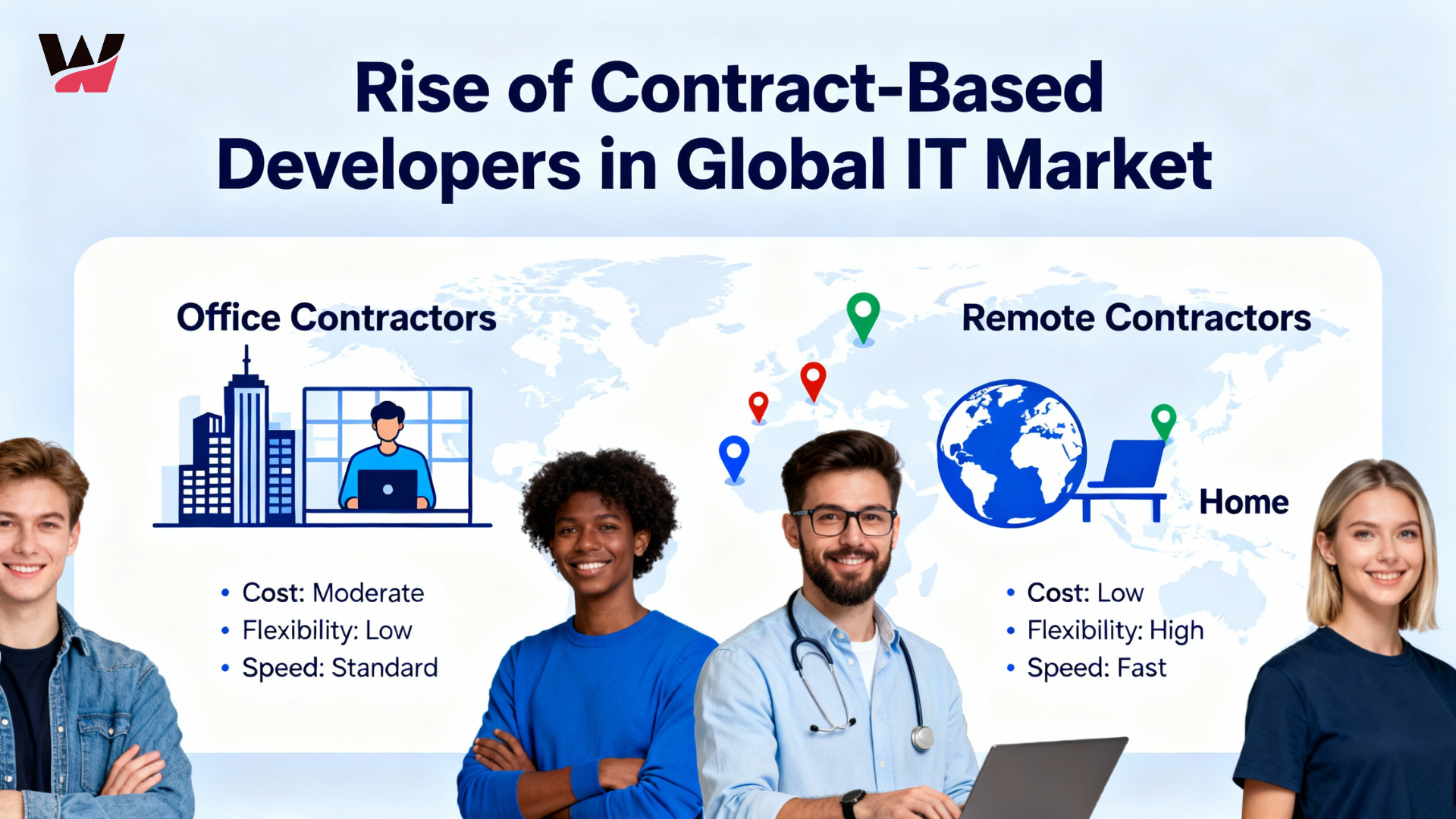 December 4, 2025
The Rise of Contract-Based Developers in the Global IT Market
-
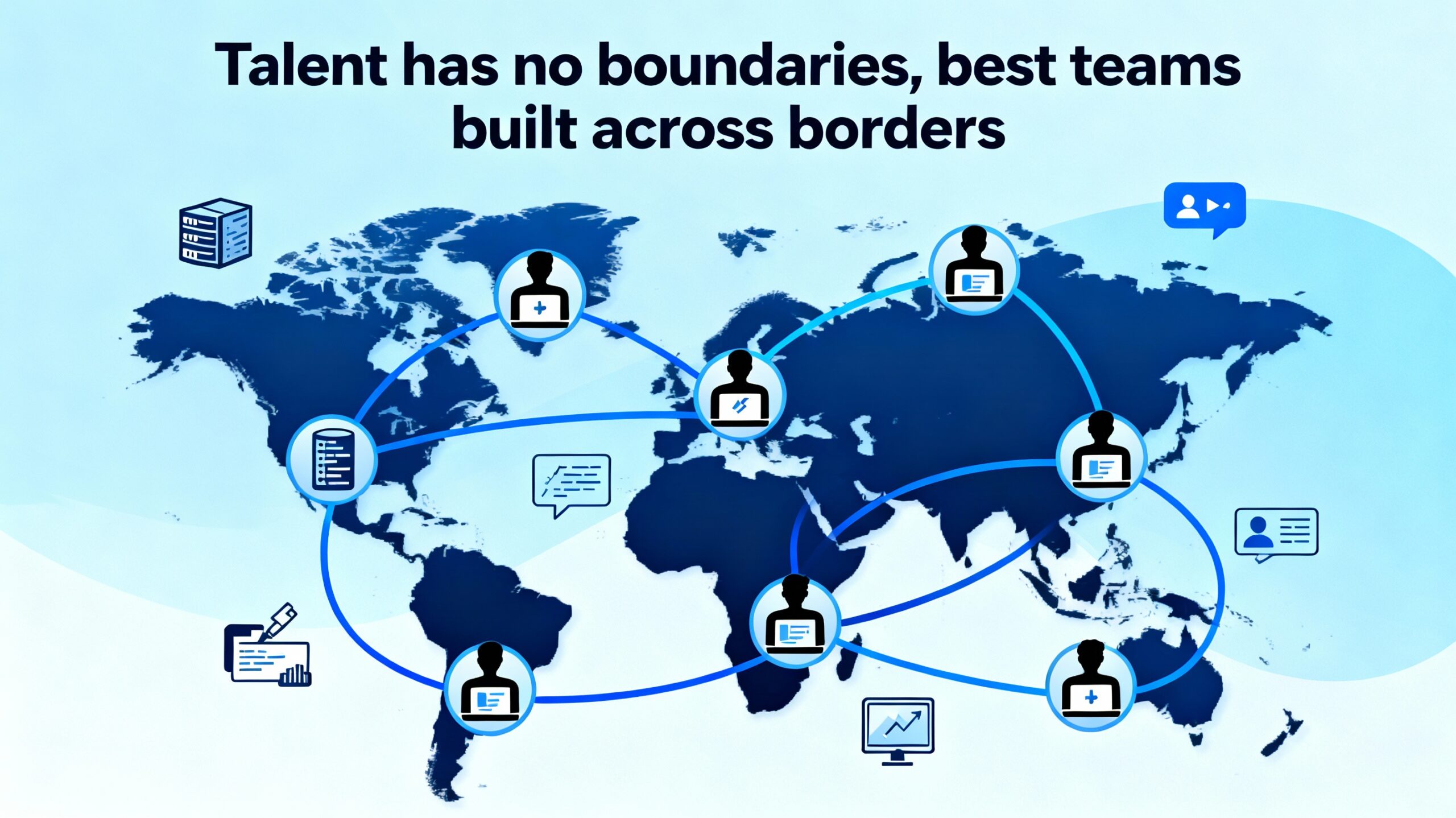 December 3, 2025
Talent Has No Boundaries: Why the Best Teams Are Built Across Borders
-
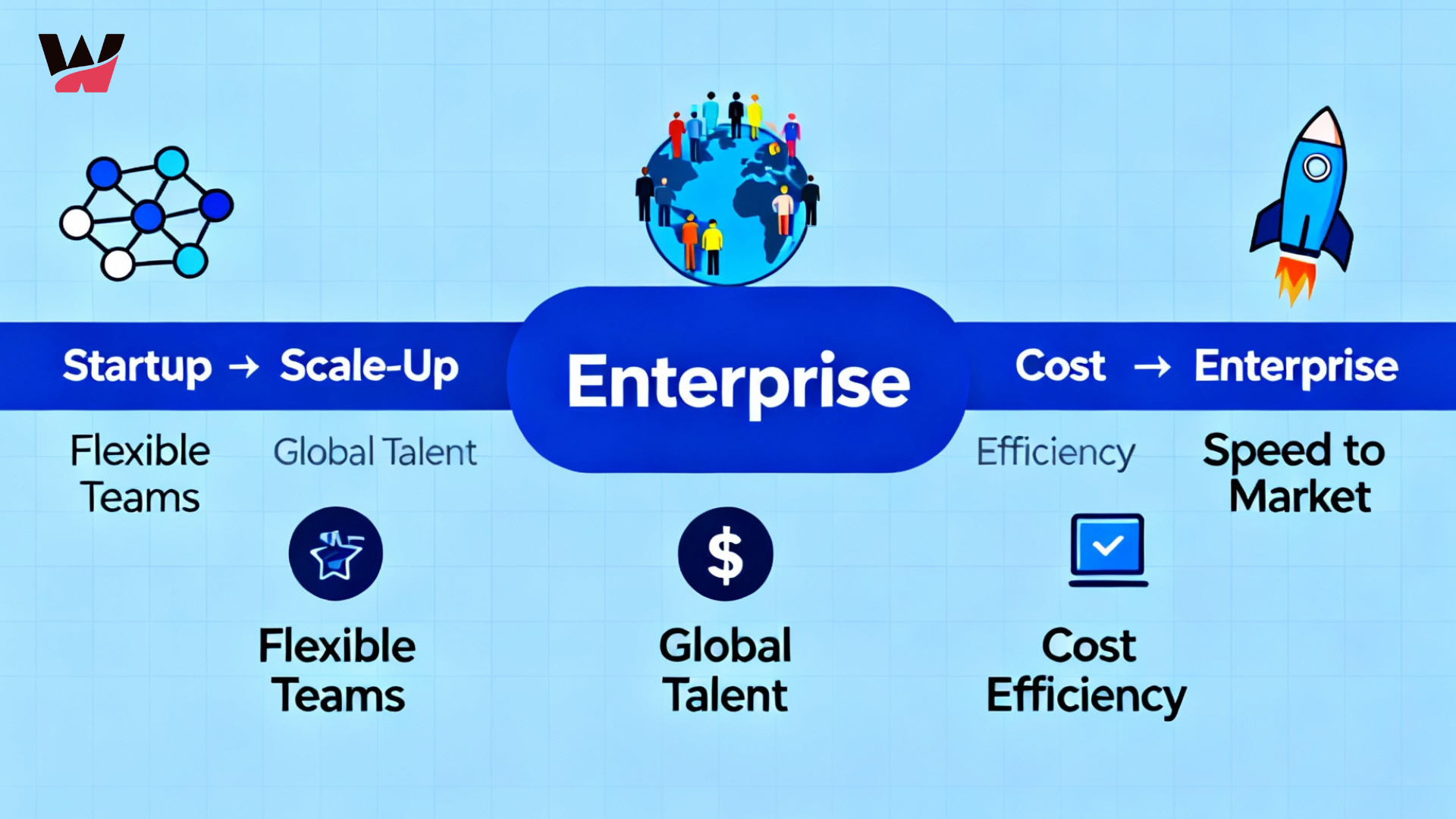 December 2, 2025
From Startups to Enterprises: How Staff Augmentation Supports Every Stage of Growth
-
 December 1, 2025
Great Ideas Need Great Execution – How WitQualis Teams Turn Vision into Reality
-
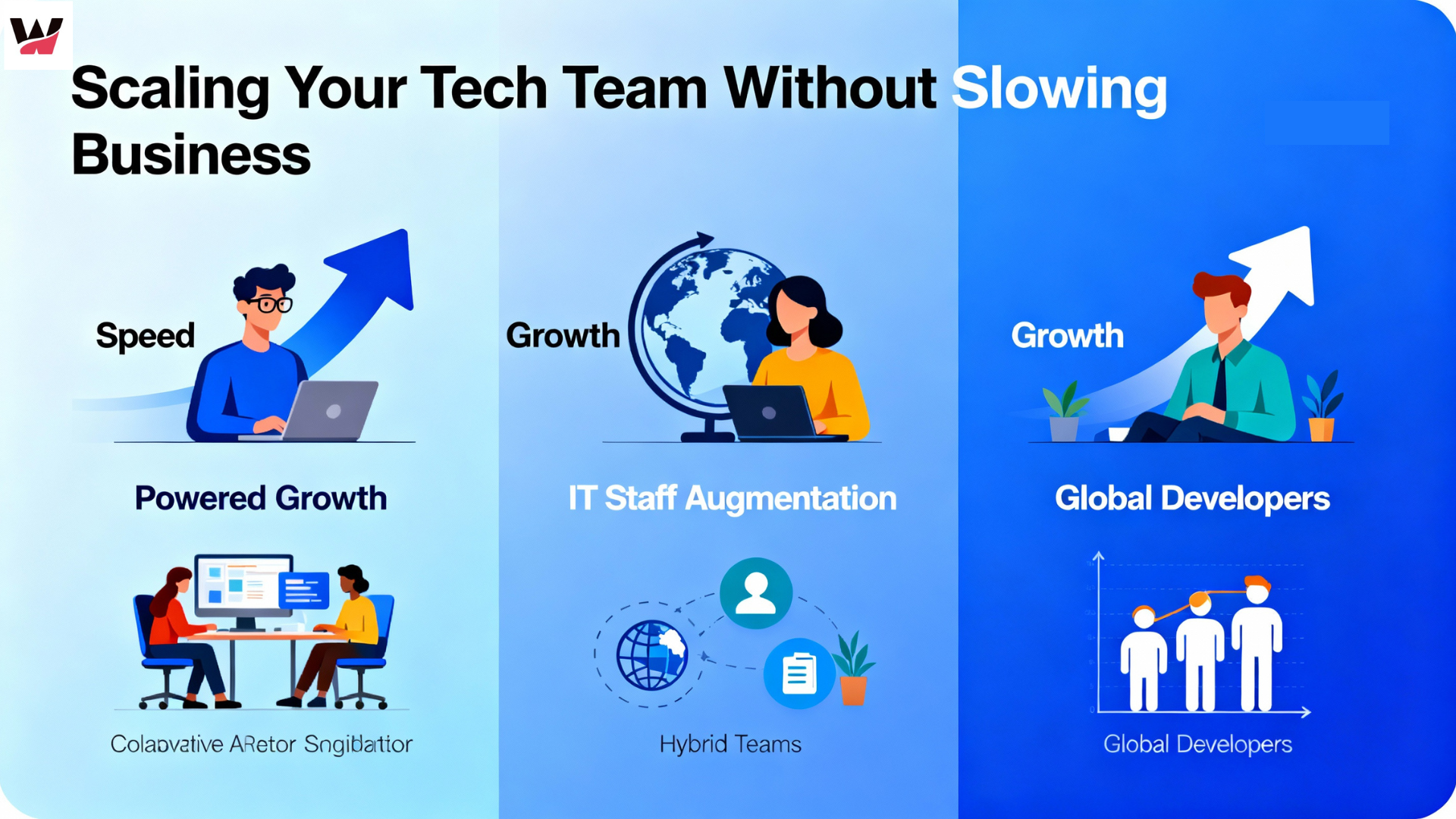 November 28, 2025
Scaling Your Tech Team Shouldn’t Slow Your Business – It Should Power It
-
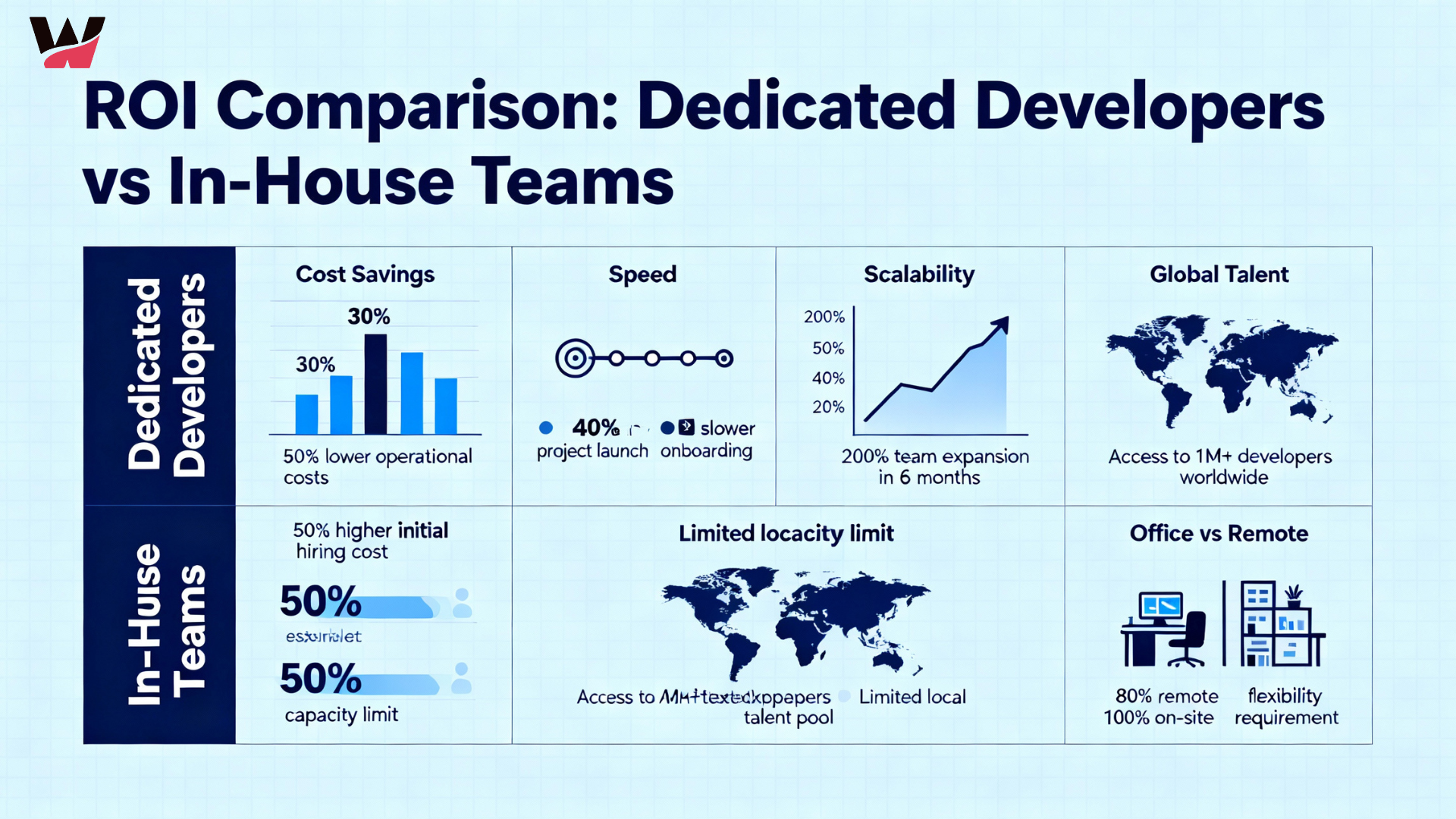 November 27, 2025
The ROI of Hiring Dedicated Developers vs In-House Teams
-
 November 26, 2025
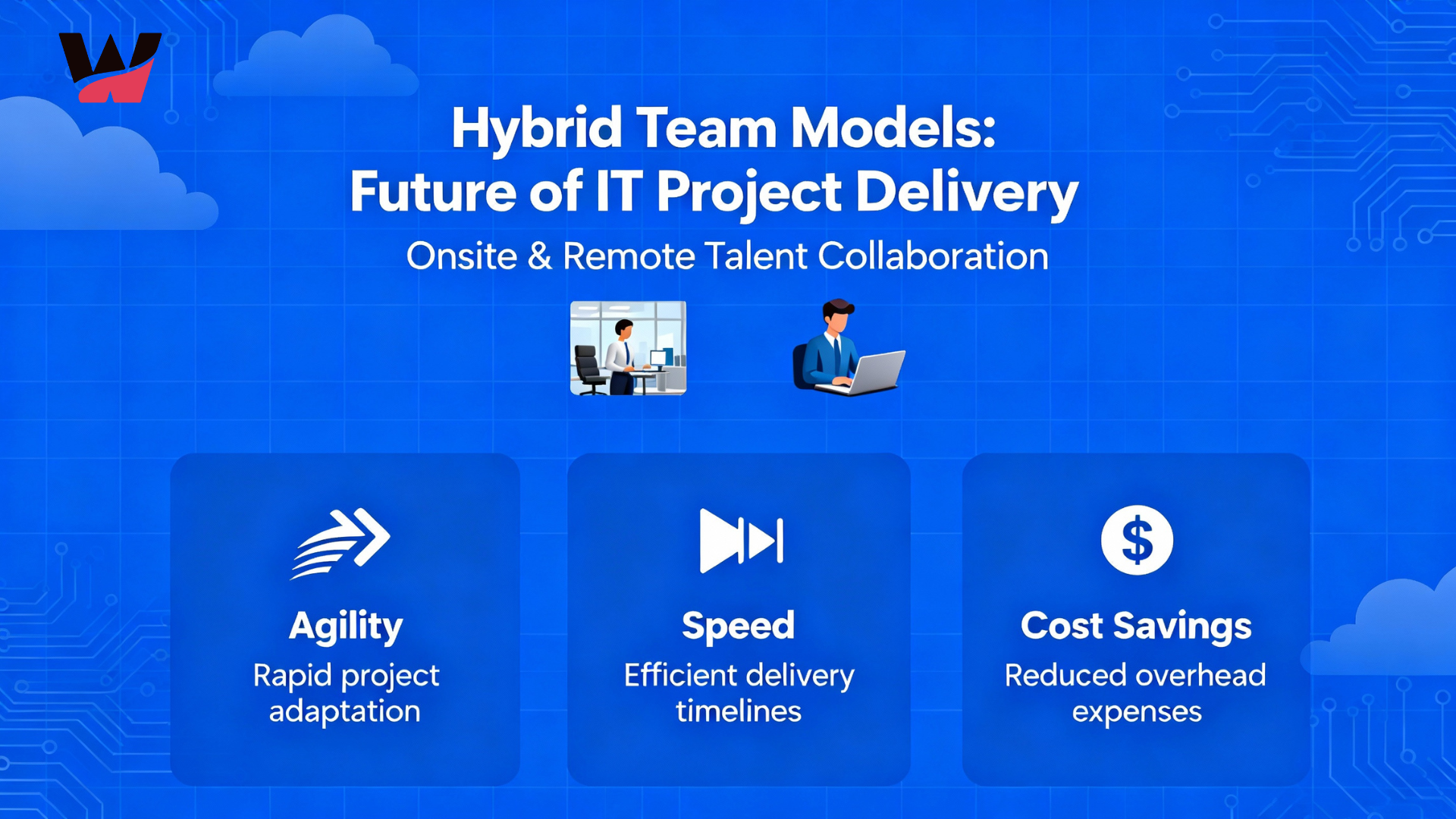
Why Hybrid Team Models Are the Future of IT Project Delivery
-
 November 24, 2025
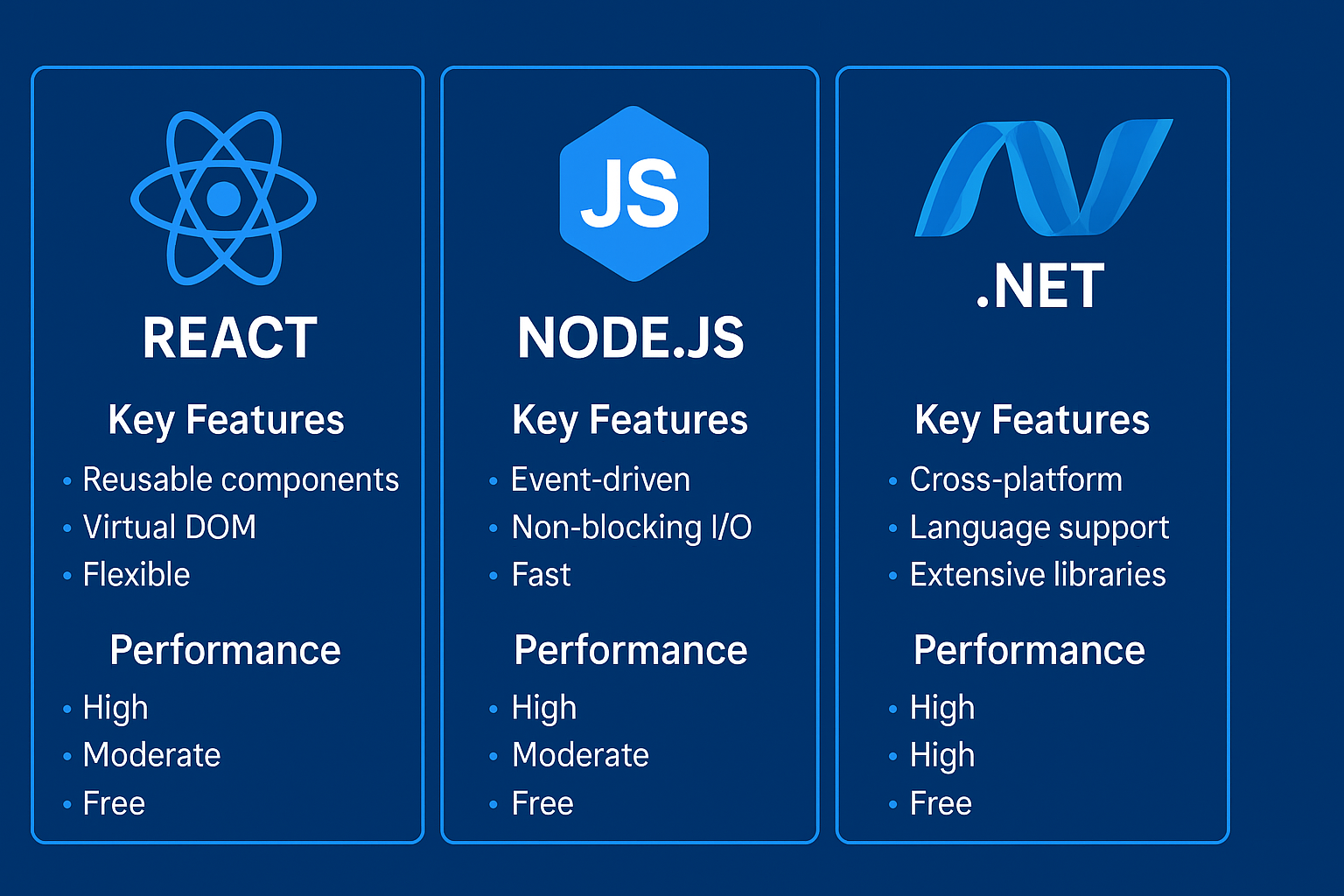
React, Node.js, or .NET? Choosing the Right Tech Stack for Your Next Project
-
 November 21, 2025
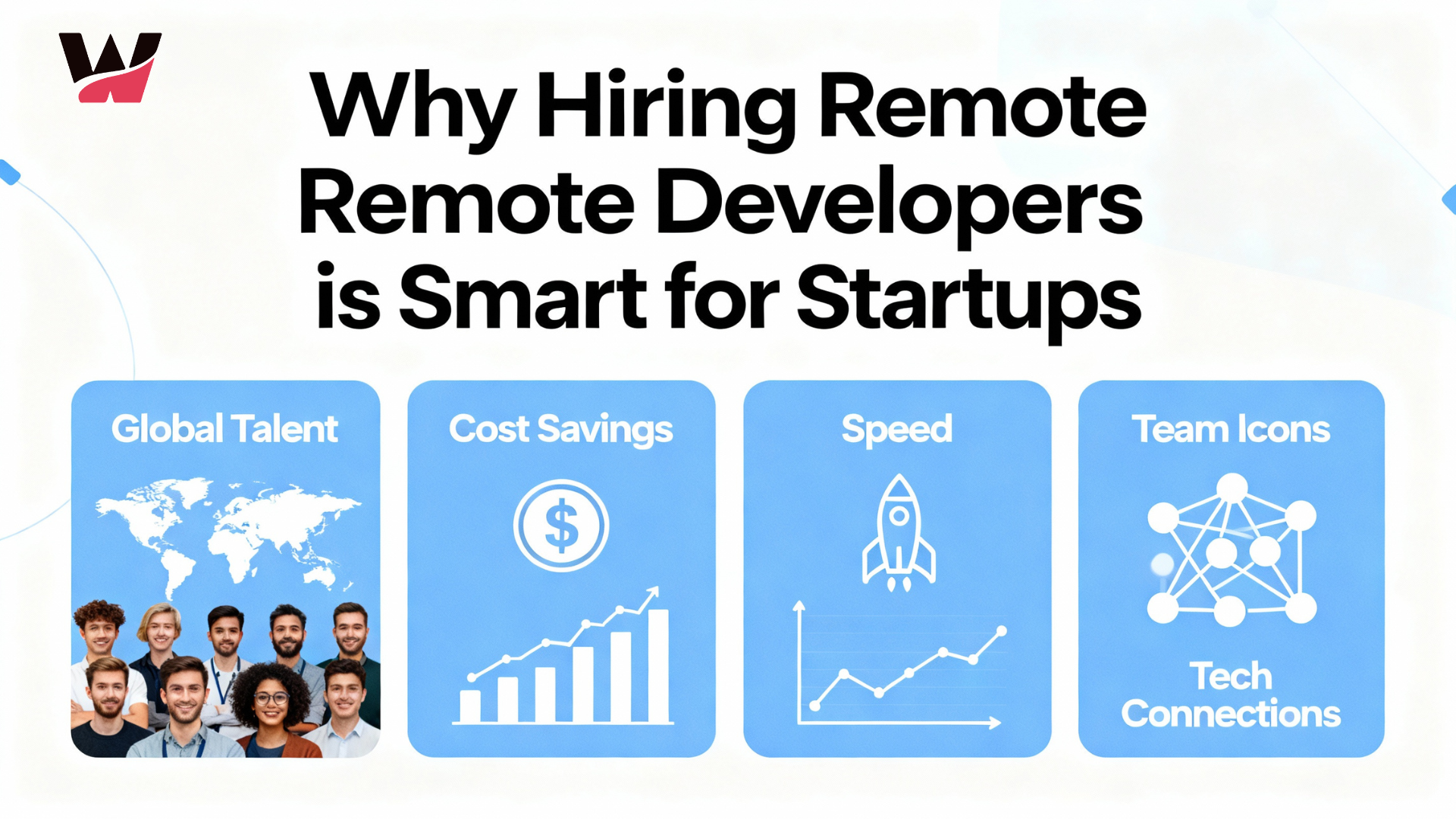
Why Hiring Remote Developers Is the Smartest Move for Startups
-
 November 20, 2025
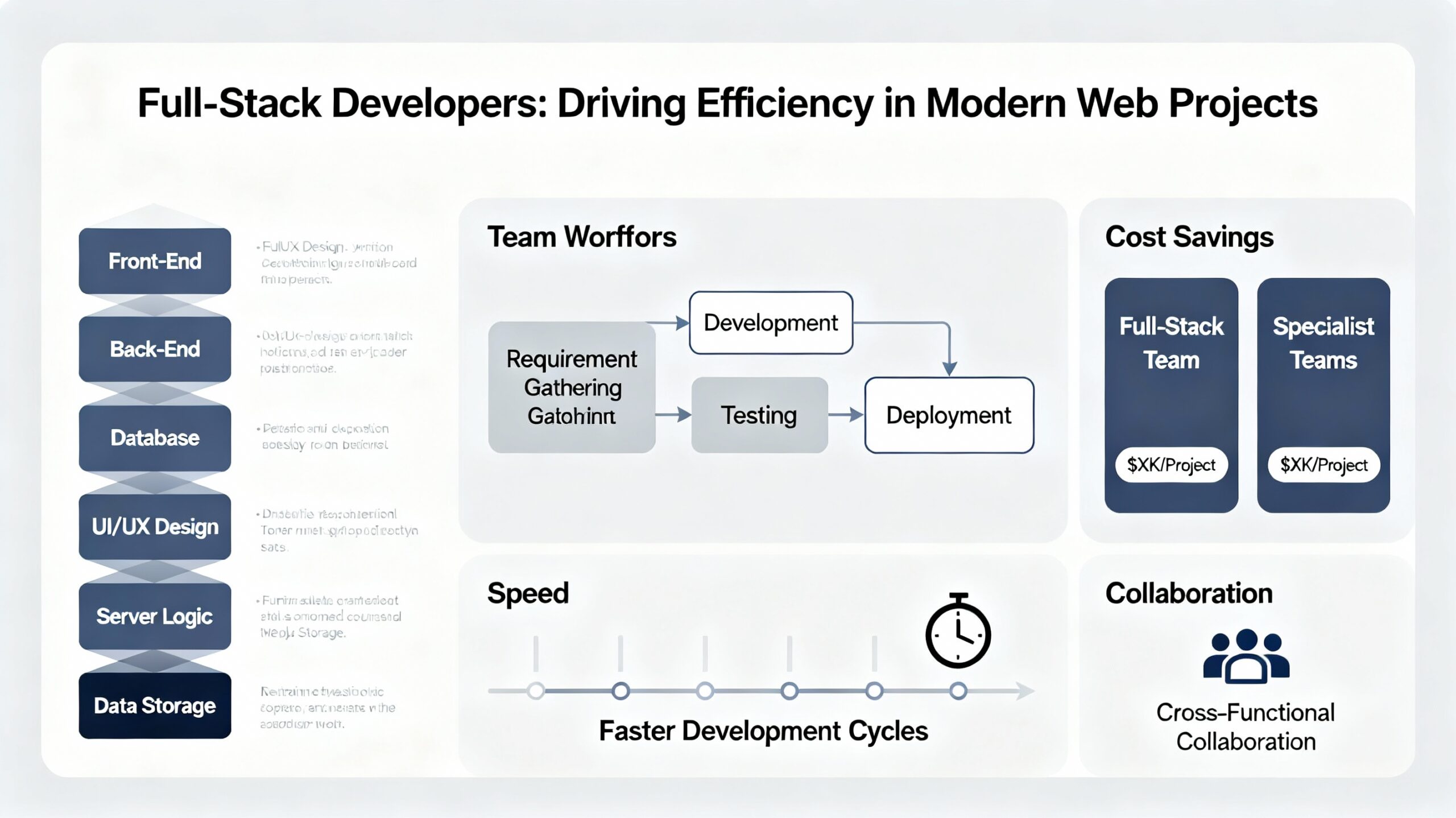
How Full-Stack Developers Drive Efficiency in Modern Web Projects
-
 November 19, 2025
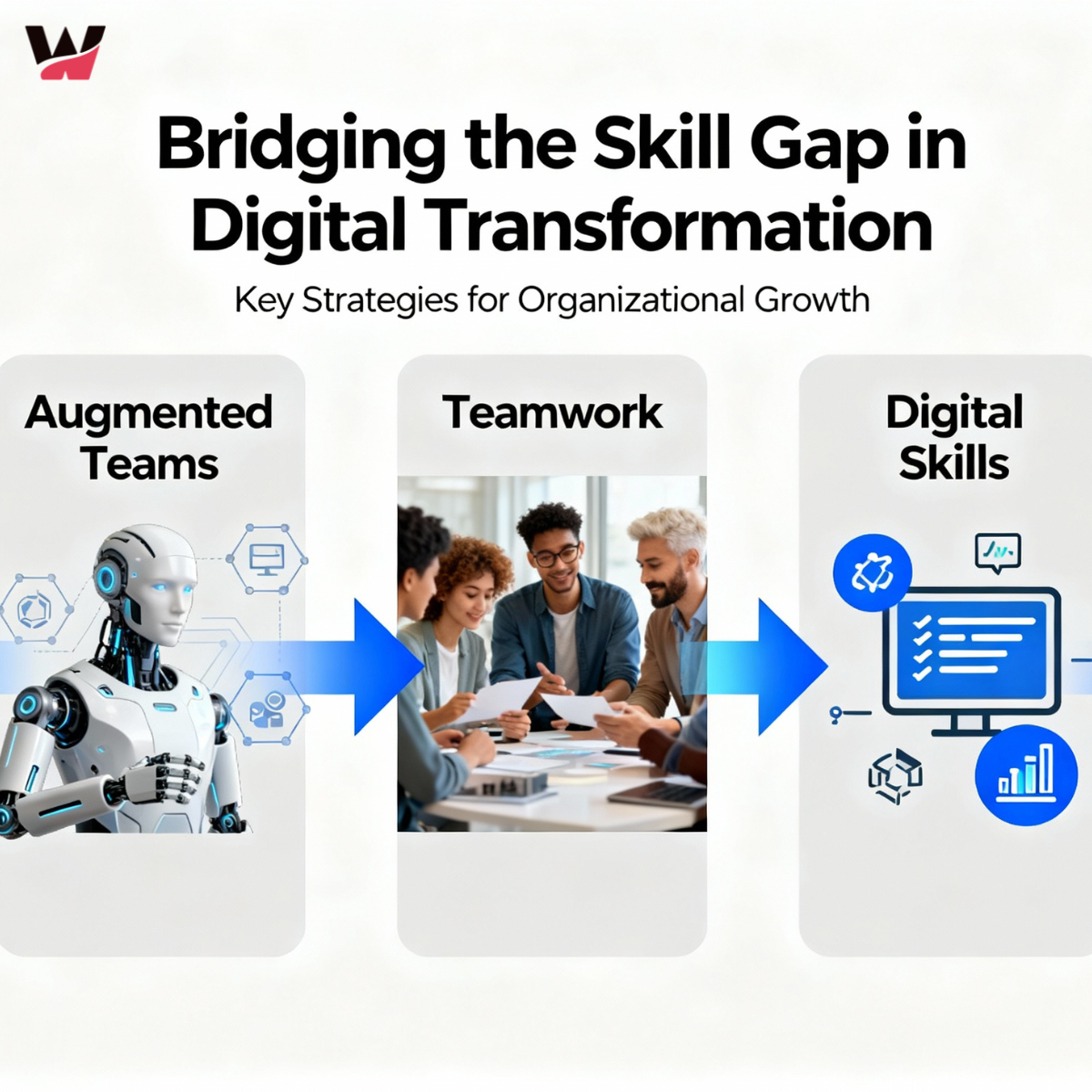
Bridging the Skill Gap: How Augmented Teams Empower Digital Transformation
-
 November 18, 2025
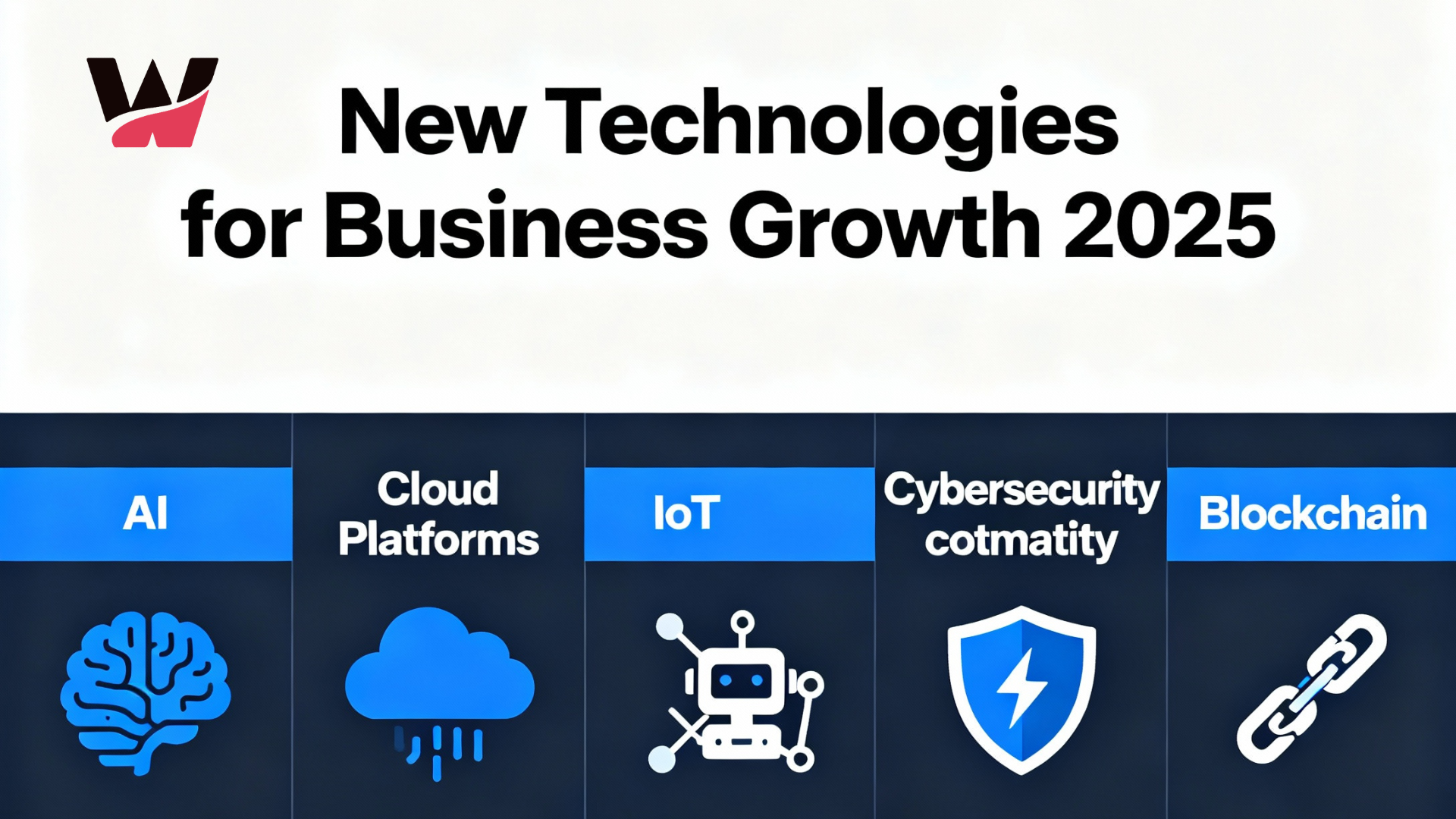
New Technologies for 2025: What Businesses Need to Grow
-
 November 14, 2025
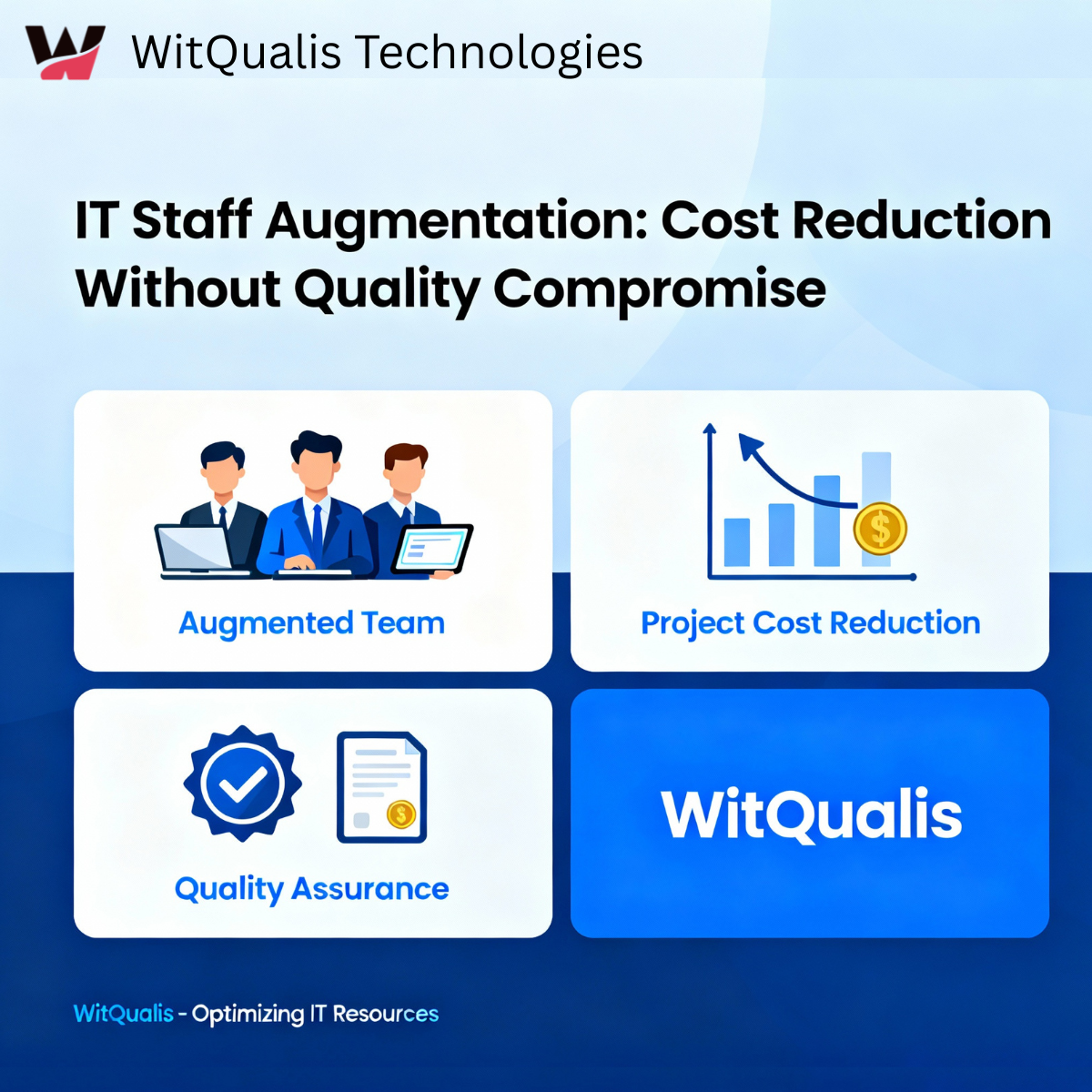
IT Staff Augmentation Reduces Project Costs Quality
-
 November 13, 2025
Empowering Global Collaboration: How WitQualis Builds Seamless Remote Teams
-
 November 12, 2025
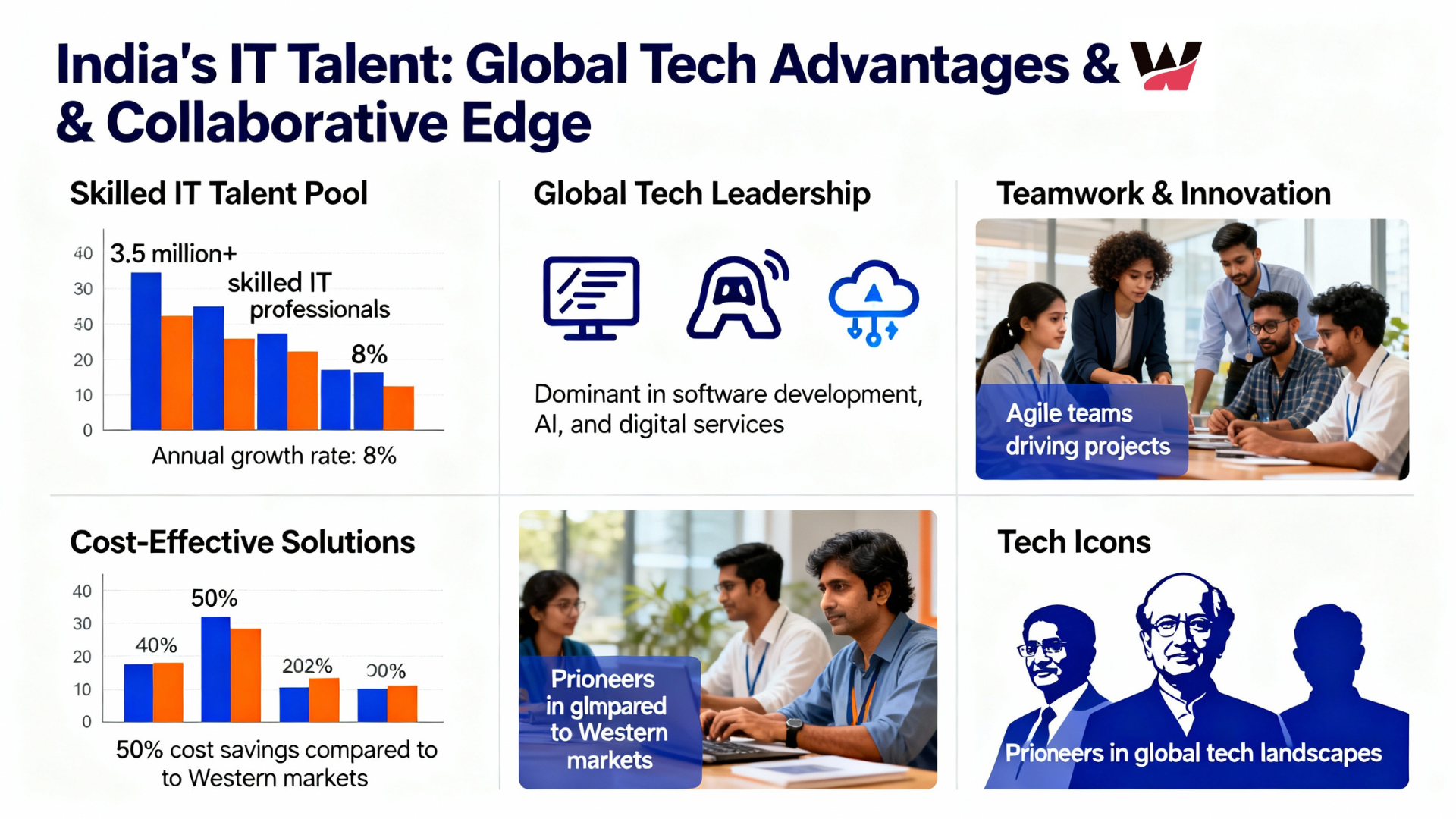
Why Global Businesses Are Turning to India for Skilled IT Talent
-
 November 11, 2025
Staff Augmentation Helps You Scale Your Tech Team
-
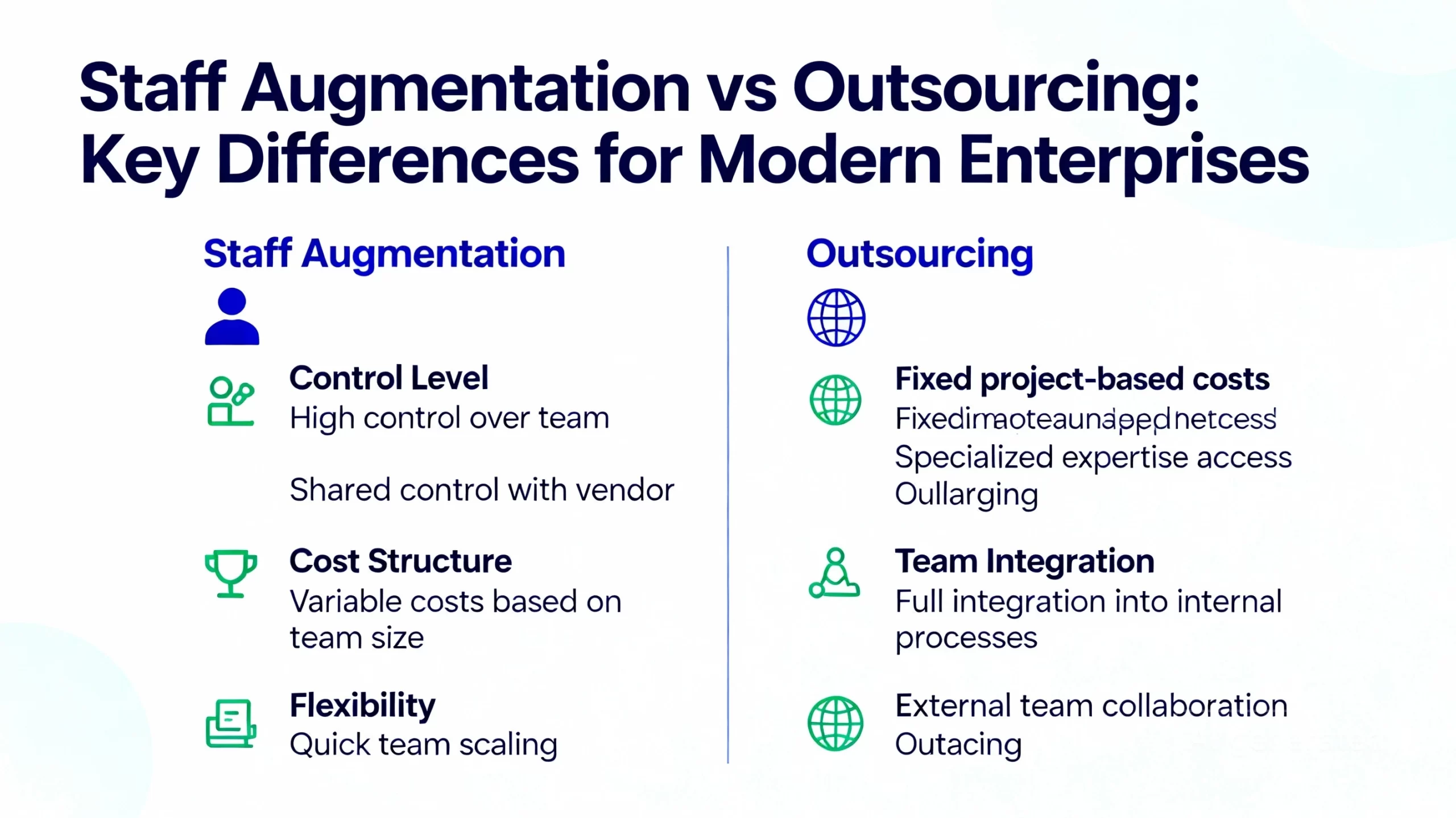 November 10, 2025
Staff Augmentation vs Outsourcing in 2025: Which Is Best for Modern Enterprises?
-
 November 7, 2025
How AI, IoT, and Cloud Are Redefining Software Development in 2025
-
 November 6, 2025
Scaling Smarter: How Augmented Teams Help Deliver Projects Faster in 2025
-
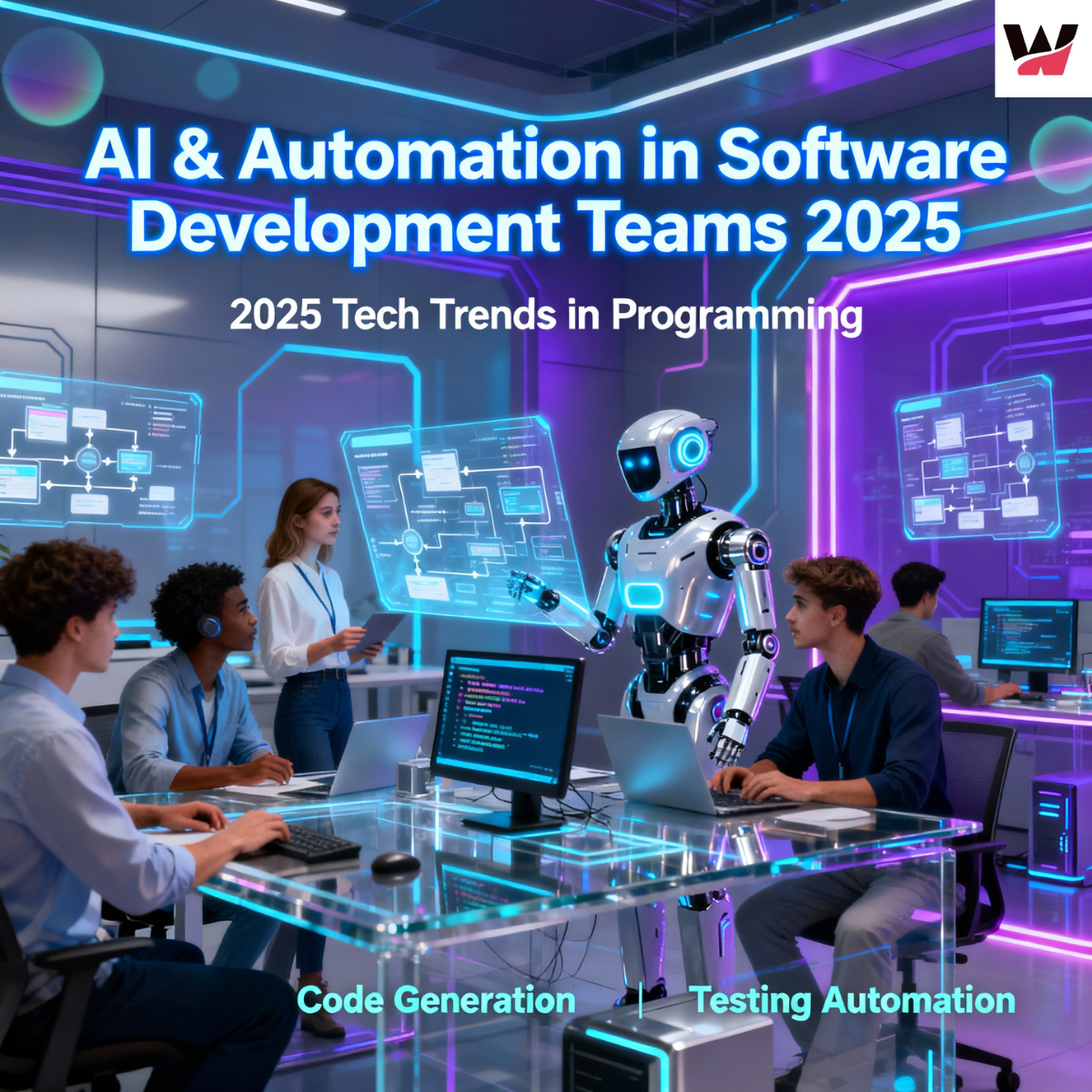 November 5, 2025
How AI and Automation Are Transforming Software Development Teams in 2025
-
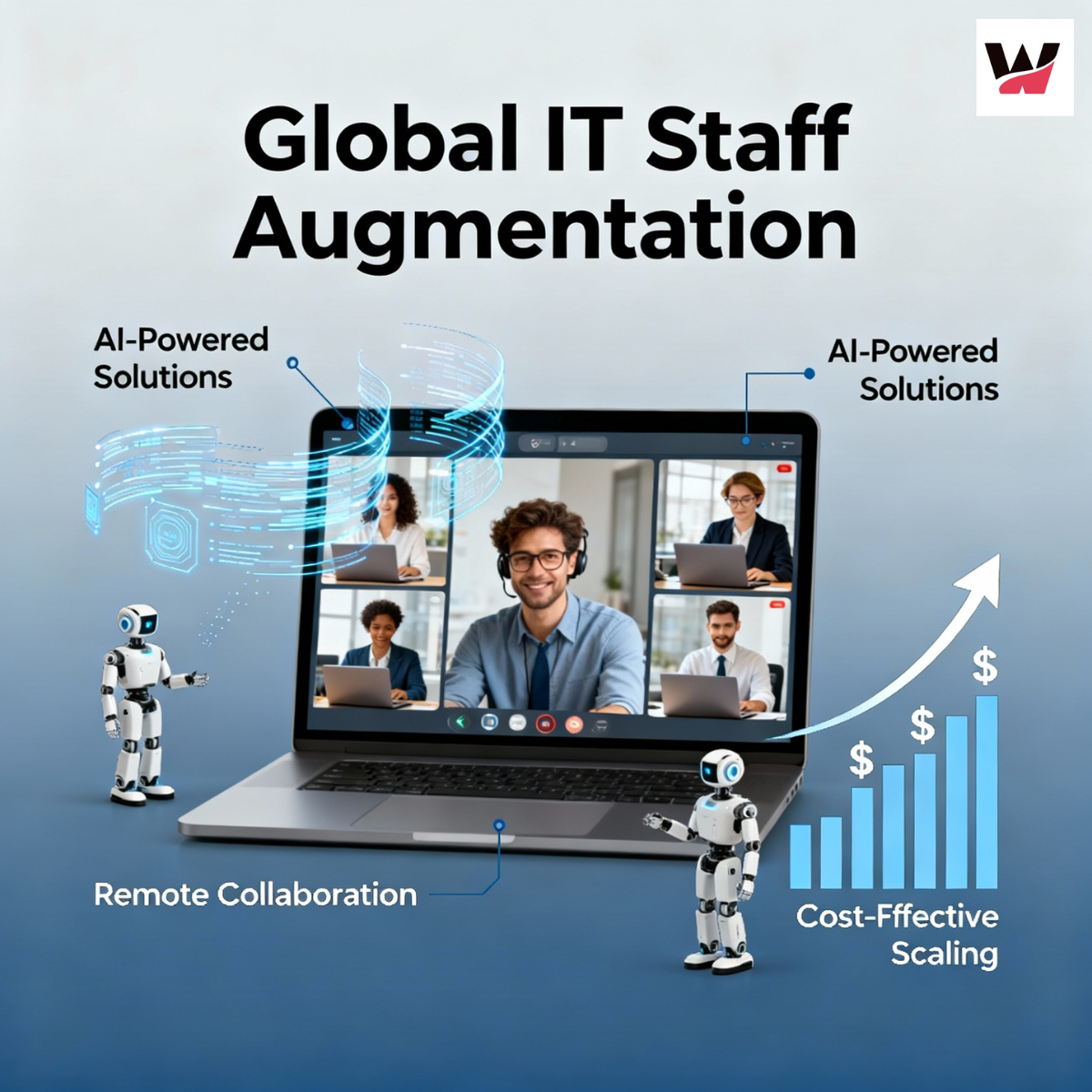 November 3, 2025
The Future of IT Staffing: Why Businesses Are Choose Staff Augmentation in 2025
-
 October 31, 2025
Why Technology is Essential for Business Growth (2025): Top Reasons & Winning Strategies
-
 October 30, 2025
How the Internet of Things (IoT) Is Revolutionizing Modern Business
-
 October 29, 2025
Blockchain Cryptocurrency: Real-World Applications | WitQualis
-
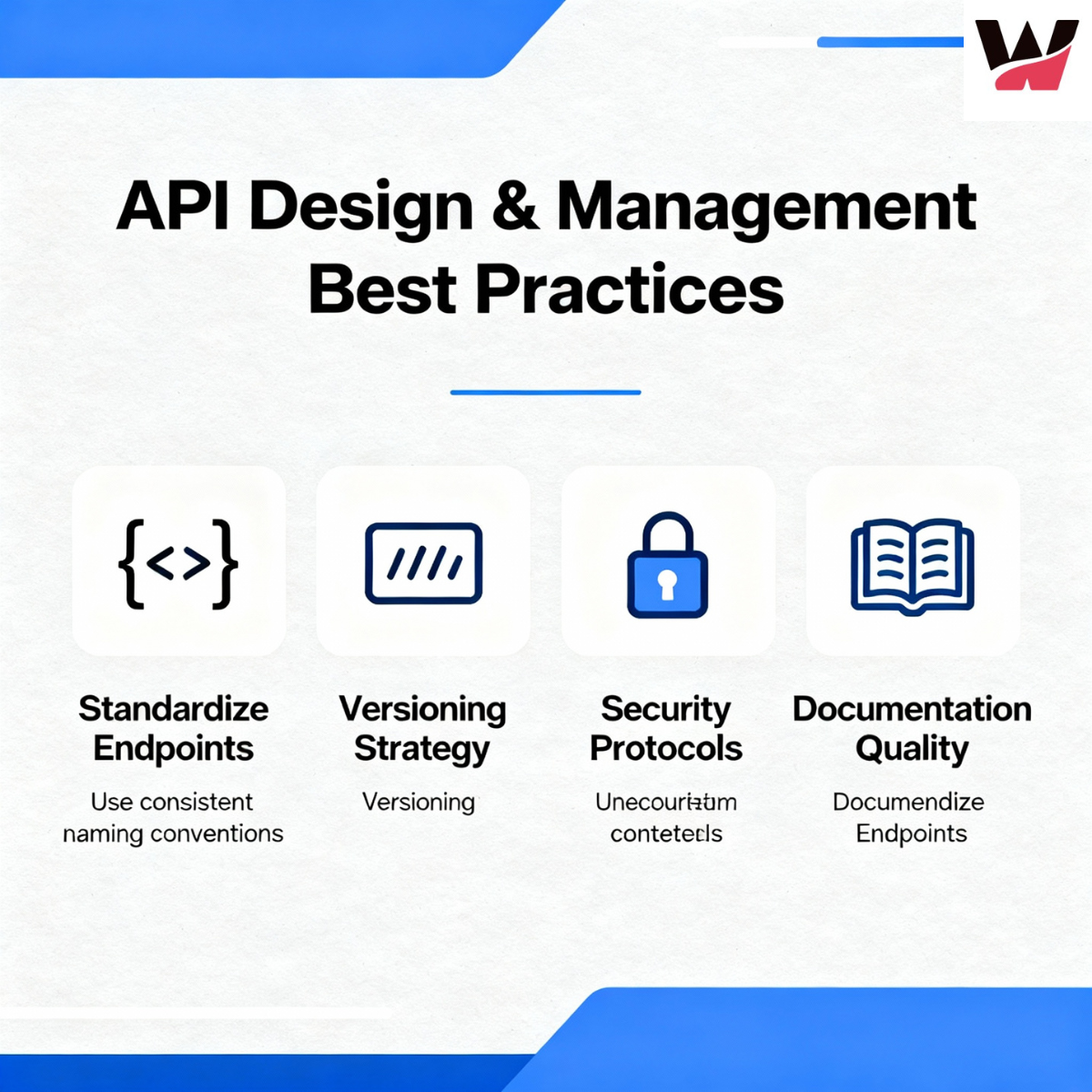 October 28, 2025
API Design and Management Best Practices for Developers
-
 October 27, 2025
Microservices Architecture: Benefits, Implementation Tips & Real-World Examples
-
 October 24, 2025
How Remote Work Has Transformed the IT Industry Tools in 2025
-
 October 23, 2025
Virtual and Augmented Reality: The Tech Revolution | WitQualis
-
 October 22, 2025
How AI is Revolutionizing Business Decision-Making in 2025 | In-Depth Analysis & Trends
-
 October 16, 2025
Blockchain Beyond Crypto: Building Trust in Business Operations
-
 October 15, 2025
How Custom Software Solutions Drive Business Efficiency | Expert Guide
-
 October 13, 2025
How Automation Reduces Costs & Boosts Productivity in 2025
-
 October 10, 2025
Staff Augmentation: The Key to Building Agile & Scalable Teams
-
 October 9, 2025
The Role of Cloud Computing in Scaling Modern Businesses
-
 October 8, 2025
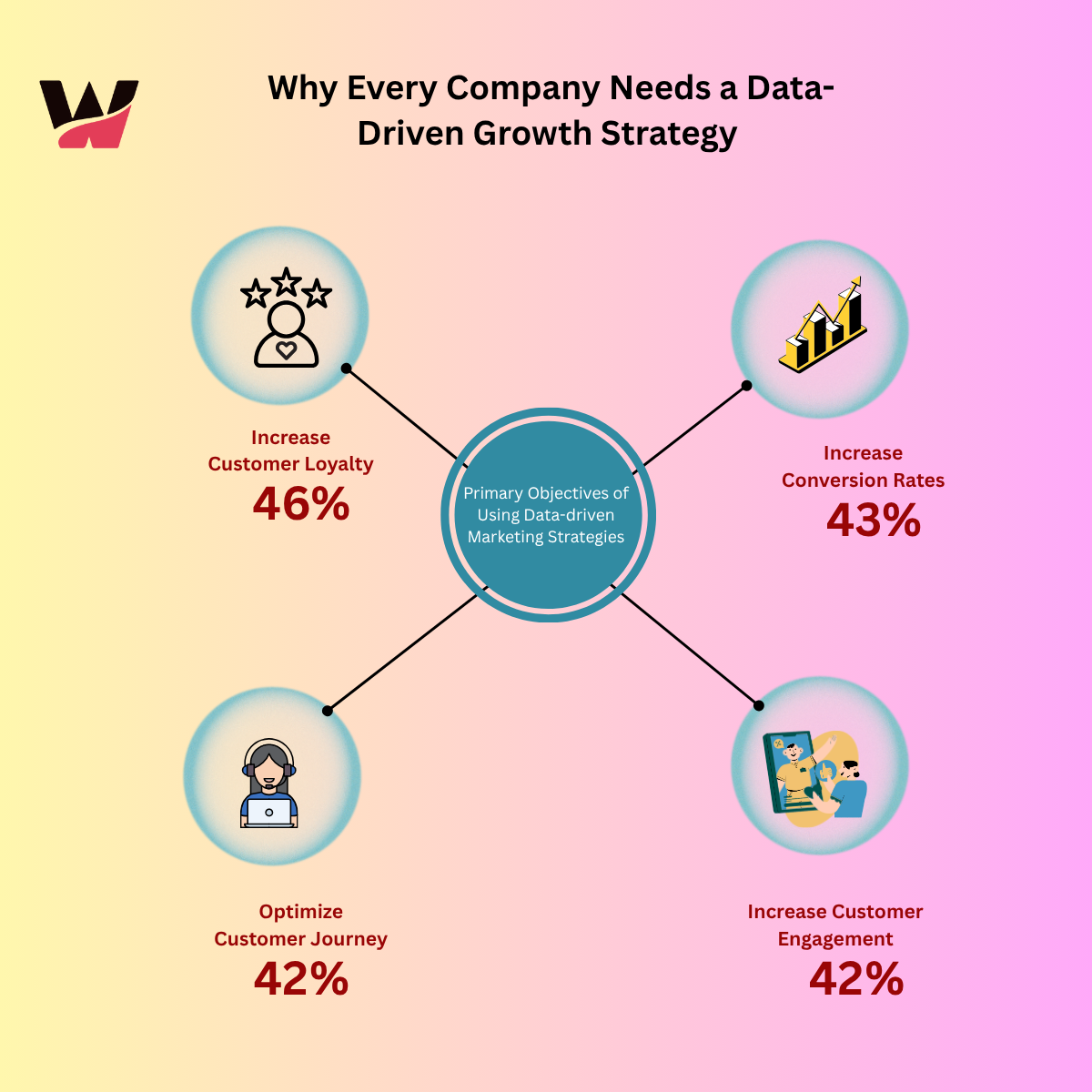
Why Every Company Needs a Data-Driven Growth Strategy
-
 October 7, 2025
API Design Best Practices for Developers in 2025 |API versioning strategies
-
 October 6, 2025
virtual reality vs augmented reality vs mixed reality
-
 October 3, 2025
The Impact of Internet of Things (IoT) on Modern Business
-
 October 1, 2025
Blockchain Beyond Cryptocurrency: Real-World Applications in 2025
-
 September 30, 2025
The Future of Artificial Intelligence: Trends and Opportunities
-
 September 26, 2025
Microservices Architecture: Benefits and Implementation Tips
-
 September 25, 2025
Why Staff Augmentation Is a Smart Move for IT Projects in 2025
-
 September 24, 2025
Cloud Computing Explained: Benefits and Best Practices (AWS, Azure, Google Cloud)
-
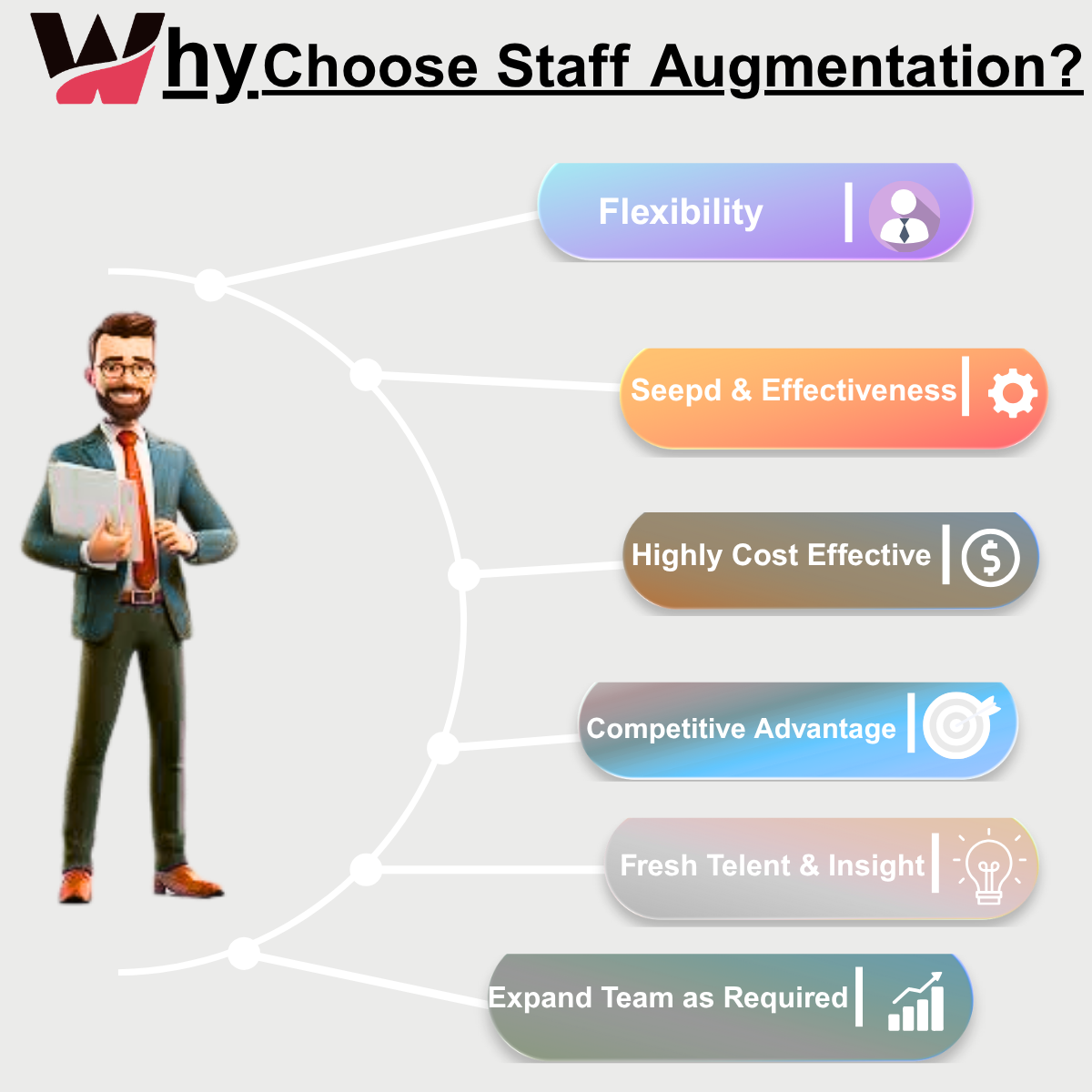 September 23, 2025
How Staff Augmentation Can Help Scale Your IT Team Efficiently
-
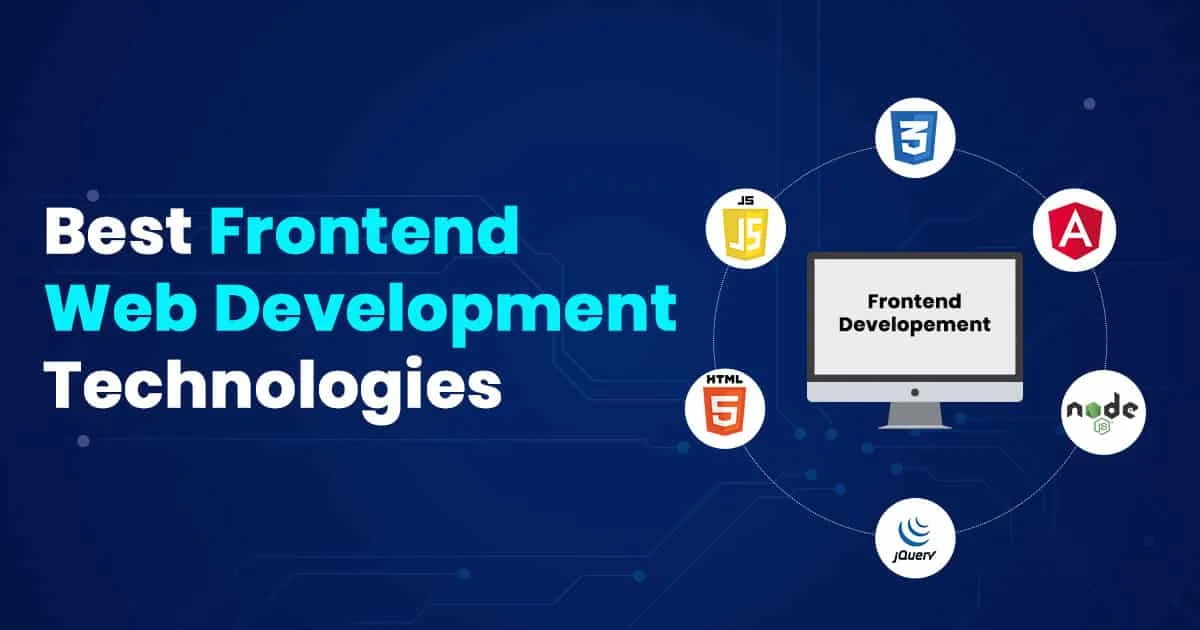 January 6, 2025
Choosing the Right Front-End Web Development Service in the UK
-
 January 4, 2025
Why Choose Staff Augmentation Services in India for Your IT Projects?
-
 December 21, 2024
Boost Your Business ROI with Power BI Development Services in the Maldives and Iceland
-
 December 20, 2024
Get a Free Consultation: Is Your E-Commerce Business in the UAE Ready for Digital Transformation?
-
 July 6, 2023
The Future of Small Business and Know-How to Climb up the Ladder


It’s impressive to see how comprehensive your team’s skill set is, covering everything from front-end frameworks to backend and mobile development. Having such a diverse set of expertise must make it much easier to tailor solutions for different industries. It really highlights the value of a dedicated team approach for complex projects.
Thanks for sharing the detailed overview of WitQualis Technologies’ services and expertise. It’s clear that you offer a comprehensive range of development solutions, from web and app development to dedicated team support, which can really help businesses scale effectively. The breakdown of technologies and stack options is particularly helpful for those looking to make informed decisions about their tech strategy.
Thanks for sharing the detailed overview of WitQualis Technologies’ services and expertise. It’s clear that you offer a comprehensive range of development solutions, from web and app development to dedicated team support, which can really help businesses scale effectively. The breakdown of your technical stack and specializations gives a good sense of your capabilities, especially in areas like React, NodeJS, and cross-platform app development.
It’s impressive to see WitQualis offering such a comprehensive range of dedicated teams, particularly the versatility across front-end frameworks like MEAN/MERN alongside robust back-end options like .NET and Python. This level of specialized talent availability really addresses the complex demands of modern MVPs and full-stack product development. How do you typically structure client engagements to ensure seamless collaboration between these distinct technical squads?
It is impressive to see how WitQualis structures its dedicated teams to cover everything from specific frontend frameworks like AngularJS to full-stack solutions using MEAN and MERN. Having such a comprehensive range of backend expertise, particularly with modern tools like NodeJS and Python, clearly allows for robust product development and staff augmentation. The ability to offer end-to-end support from MVP creation to specialized industry consulting seems like a strong value proposition for businesses looking to scale.
The breadth of specialized roles showcased here, particularly within cross-platform and full-stack development, really highlights the complexity of modern software projects. It seems logical that offering a dedicated team with such specific expertise—from MERN to Power BI—creates a strong foundation for handling diverse technical challenges. This level of granularity in team composition is exactly what many businesses need to ensure their MVP or product design phase goes smoothly.