

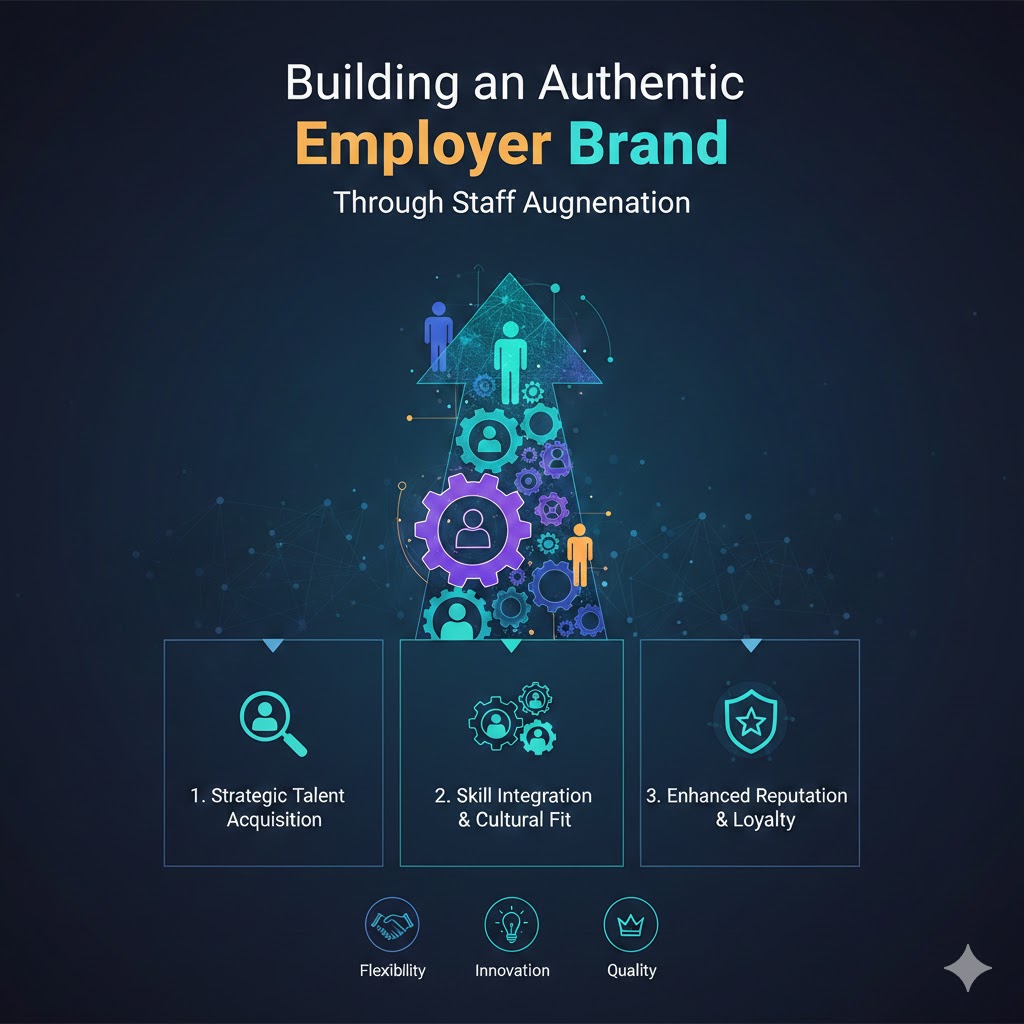
Building an Authentic Employer Brand Through Staff Augmentation in 2026
Your employer brand is not defined by your marketing messages—it is defined by how you treat the people who work with you, including augmented staff. Because augmented professionals share their experiences with peers, entire professional communities learn who you actually are as an employer. Consequently, how you treat augmented talent directly shapes your reputation and ability to recruit.
Building an Authentic Employer Brand Through Staff Augmentation
Why Employer Brand Matters More Than Ever
Because professionals now have abundant job options and can research companies extensively before applying, your actual employer brand—not your marketing messaging—determines who wants to work for you. Consequently, organizations with authentic positive reputations attract better talent, while those with negative reputations struggle to hire anyone good. Therefore, building authentic employer brand is now as important as product quality for business success.
Moreover, your employer brand is built through thousands of small interactions, not through marketing campaigns. Each interaction with employees, contractors, and augmented professionals contributes to your reputation. Furthermore, these interactions are shared widely through professional networks, social media, and word-of-mouth. Thus, how you treat augmented staff directly shapes your brand.
Additionally, augmented professionals are uniquely positioned to influence your brand. Because they work with multiple organizations over their careers, they have comparative context. Consequently, they share detailed assessments of which organizations treat people well and which don’t. Therefore, your reputation among augmented professionals directly influences your ability to recruit both augmented and permanent talent.
Significantly, authentic employer brand—built through genuine good treatment of all workers—is sustainable competitive advantage. Thus, investing in authentic brand through how you treat augmented staff pays enormous dividends.
The Problem With Inauthentic Employer Branding
Because many organizations invest in marketing campaigns while treating workers poorly, authenticity gaps create credibility problems.
The Authenticity Paradox
Organizations often spend substantial budget on employer branding:
Marketing campaigns showcasing company culture, emphasizing values, showing happy employees, promising growth opportunities. Consequently, job applications increase and interest grows.
However, actual experiences often differ dramatically. New hires (both permanent and augmented) discover that:
-
-
-
The culture described in marketing doesn’t actually exist
-
Values are stated but not practiced
-
Growth opportunities are limited
-
Support is minimal
-
Work-life balance is nonexistent
-
Respect is conditional
-
-
Furthermore, this gap between marketing message and actual experience creates cynicism. Consequently, new workers feel deceived, lose trust quickly, and share negative experiences widely.
Moreover, augmented professionals are particularly attuned to this gap. Because they work with multiple organizations, they compare. Consequently, they quickly identify organizations whose marketing doesn’t match reality. Furthermore, they share these assessments in professional communities.
Therefore, inauthentic employer branding—where marketing messages don’t match actual experience—actively damages reputation.
The Consequences of Inauthenticity
When employer brand messaging doesn’t match reality:
Recruitment Failure: Professionals who research your reputation discover the gap. Consequently, they don’t apply or decline offers.
Reputation Damage: Disappointed workers share negative experiences. Consequently, your reputation in professional communities deteriorates.
Retention Failure: New hires discover the gap quickly. Consequently, they leave soon after joining, increasing turnover.
Competitive Disadvantage: Competitors with authentic positive cultures attract talent you lose.
Word-of-Mouth Damage: Disgruntled workers actively discourage peers from joining. Consequently, recruitment becomes harder and more expensive.
Therefore, inauthentic employer branding is ultimately self-defeating and expensive.
Building Authentic Employer Brand Through Augmented Talent
Because augmented professionals are brand ambassadors who communicate your actual values to professional networks, treating them well builds authentic positive brand.
What Authentic Brand Actually Means
Authentic employer brand is the alignment between:
What you say: Your stated values, culture, and promises to employees
What you do: How you actually treat people day-to-day
What people experience: The reality of working with you
Furthermore, authenticity requires consistency across all worker types. For example, if you claim to value people while mistreating augmented staff, the gap is obvious and damaging.
Conversely, if you genuinely value all people—permanent and augmented—that authenticity is felt and communicated.
Therefore, authentic brand is built through consistent, respectful treatment across all interactions.
How Augmented Professionals Build Your Brand
Because augmented professionals work across multiple organizations, they become brand ambassadors:
Sharing Comparative Context: When a talented augmented developer works for Company A (treats her well) and Company B (treats her poorly), she shares detailed comparisons in her professional network. Consequently, her peers learn which organizations are genuinely good employers.
Amplifying Culture: When augmented professionals feel respected and integrated, they become advocates. Specifically, they tell peers about positive experiences, creating organic recruitment marketing. Furthermore, peer referrals are the most trusted recruitment source.
Identifying Red Flags: When augmented professionals are treated poorly, they alert their networks to avoid those organizations. Consequently, negative reputation spreads quickly in tight-knit professional communities.
Building Long-Term Relationships: When organizations invest in augmented professionals’ growth, those professionals return for future projects. Furthermore, they proactively recommend the organization to peers seeking opportunities.
Therefore, augmented professionals are powerful brand builders—or brand destroyers—depending on how you treat them.
Real Example: The Reputation Multiplier Effect
Consider a scenario:
Organization A hires 10 augmented developers over 2 years. Each augmented developer:
-
-
-
Works for 6 months (3 engagements of multiple developers per year)
-
Shares their experience with 5-10 peers in their professional network
-
Influences 50-100 people directly through conversation
-
Influences potentially 500+ people indirectly through social media and professional reputation
-
-
Consequently, if all 10 augmented developers have positive experiences, Organization A’s reputation multiplies across 500-1000 people in professional networks.
Conversely, if those 10 augmented developers have negative experiences, the same multiplier effect damages reputation.
Therefore, augmented professionals are reputation multipliers.
The Elements of Authentic Employer Brand
Because building authentic brand requires deliberate practices, understanding the elements is important.
1. Respect for Autonomy and Expertise
Authentic brand is built when:
-
-
-
Professionals’ expertise is valued and trusted
-
Their technical judgments are respected
-
They have autonomy in how they work
-
Their opinions are solicited and considered
-
They are not micromanaged
-
-
Furthermore, respect for expertise applies equally to permanent and augmented professionals. Consequently, augmented staff who feel respected share positive experiences.
2. Genuine Integration and Belonging
Authentic brand is built when:
-
-
-
Augmented professionals are included in team activities
-
They participate in decisions affecting their work
-
They attend company events and celebrations
-
They feel like team members, not outsiders
-
Psychological safety exists where they can speak up
-
-
Moreover, integration signals that the organization actually values people. Consequently, augmented professionals feel they belong.
3. Clear Support and Responsiveness
Authentic brand is built when:
-
-
-
Leadership is accessible and responsive
-
Questions are answered quickly
-
Issues are resolved promptly
-
Advocacy is provided when needed
-
Communication is transparent and consistent
-
-
Furthermore, responsive support demonstrates genuine care. Consequently, professionals feel supported rather than abandoned.
4. Recognition and Appreciation
Authentic brand is built when:
-
-
-
Contributions are publicly acknowledged
-
Good work is celebrated
-
Appreciation is specific and sincere
-
Progress is recognized
-
Wins are shared
-
-
Moreover, recognition costs little but has outsized emotional impact. Consequently, professionals feel valued.
5. Investment in Professional Development
Authentic brand is built when:
-
-
-
Learning opportunities are provided
-
Certifications are supported
-
Interesting work is assigned
-
Mentorship is available
-
Career conversations happen
-
-
Furthermore, development investment signals that the organization sees professionals’ future. Consequently, professionals feel the organization cares about them long-term.
6. Transparency and Honest Communication
Authentic brand is built when:
-
-
-
Company information is shared openly
-
Project challenges are discussed honestly
-
Bad news is communicated clearly
-
Feedback (positive and constructive) is provided
-
Decisions are explained
-
-
Moreover, transparency builds trust. Consequently, professionals make better decisions when they have full context.
7. Consistency Across All Workers
Authentic brand is built when:
-
-
-
Permanent and augmented staff are treated similarly
-
Leadership values are lived, not just stated
-
Culture is consistent across departments
-
Standards apply equally to everyone
-
No exceptions or favoritism
-
-
Furthermore, consistency signals genuine values. Consequently, professionals see the organization walks its talk.
How Authentic Brand Drives Business Outcomes
Because authentic employer brand has direct business impact, understanding the connection is important.
Superior Talent Acquisition
Because professionals research companies before applying:
Good reputation attracts: When Organization A has an authentic positive reputation, professionals actively seek opportunities. Consequently, recruitment is inbound rather than outbound, reducing recruitment costs.
Bad reputation repels: When Organization B has a negative reputation, professionals avoid applying. Consequently, recruitment becomes difficult and expensive.
Furthermore, referrals (the best recruitment source) come from people who’ve had positive experiences. Therefore, authentic positive brand drives superior recruitment.
Higher Retention
Because satisfied workers stay longer:
Positive brand creates belonging: When professionals feel respected and valued, they commit longer. Consequently, retention improves and turnover decreases.
Negative brand creates exits: When professionals feel disrespected, they leave. Consequently, turnover increases and knowledge walks out the door.
Better Project Outcomes
Because motivated professionals deliver better work:
Authentic brand creates motivation: When professionals feel valued and supported, they invest energy in quality work. Consequently, project outcomes improve.
Poor brand creates disengagement: When professionals feel mistreated, they disengage. Consequently, work quality suffers.
Lower Recruitment Costs
Because word-of-mouth recruitment is cheapest:
Positive brand creates advocates: Happy professionals actively refer peers. Consequently, recruitment happens through inbound referrals, reducing recruitment costs by 50%+.
Negative brand creates anti-advocates: Unhappy professionals discourage peers. Consequently, recruitment becomes harder and more expensive.
Competitive Advantage
Because talent is increasingly the differentiator:
Organizations with authentic positive brands attract better talent: Consequently, they execute better and outcompete those with poor reputations.
Therefore, authentic employer brand directly enables business success.
Building Authentic Brand: Practical Steps
Because building authentic brand requires systematic practice, understanding what to do is important.
Step 1: Audit Your Current Reality
Be honest:
-
-
-
How do augmented professionals actually experience working with you?
-
What would they tell peers about your organization?
-
Is your marketing message authentic?
-
Where are the gaps between stated values and actual practices?
-
-
Furthermore, ask augmented professionals directly. Conduct surveys, interviews, focus groups. Therefore, you understand the actual experience.
Step 2: Identify Authenticity Gaps
Where does marketing message not match reality?
-
-
-
Do you promise respect but practice micromanagement?
-
Do you claim to invest in development but provide no learning opportunities?
-
Do you state values but ignore them in practice?
-
Do you integrate augmented staff in meetings but exclude them from decisions?
-
-
Furthermore, these gaps are where reputation damage happens. Therefore, identifying them is critical.
Step 3: Close the Gaps
For each authenticity gap, make changes:
-
-
-
If gap is in respect: Change practices to genuinely respect autonomy
-
If gap is in integration: Change practices to include augmented staff fully
-
If gap is in support: Establish responsive support systems
-
If gap is in recognition: Create processes for consistent appreciation
-
If gap is in development: Invest in learning opportunities
-
If gap is in transparency: Implement more open communication
-
-
Furthermore, changes must be genuine, not performative. Therefore, focus on actual practice changes.
Step 4: Communicate Changes Consistently
Make change visible:
-
-
-
Communicate new practices to current augmented staff
-
Explain changes to permanent staff
-
Demonstrate changes through action (not just words)
-
Continue until new practices become normal
-
-
Moreover, consistency is key. Consequently, maintain new practices long-term.
Step 5: Gather Evidence
Measure impact:
-
-
-
Augmented staff satisfaction
-
Retention rates for returning professionals
-
Referral rates (how many recommend you to peers)
-
Reputation metrics (surveys, reviews)
-
Recruitment ease (inbound applications increase)
-
-
Furthermore, evidence demonstrates whether brand is actually improving.
Step 6: Share Your Story
Once authentic brand is established, communicate it:
-
-
-
LinkedIn posts about culture and values
-
Case studies showing how you treat augmented staff
-
Blog content on people-first practices
-
Employee testimonials and stories
-
-
Moreover, authentic stories are more powerful than marketing claims. Therefore, share real examples and experiences.
Common Pitfalls to Avoid
Because building authentic brand has common failure modes, understanding them helps avoid mistakes.
Pitfall 1: Marketing-First Without Substance
Problem: Investing heavily in employer branding marketing while not actually changing practices.
Result: Larger gap between stated brand and actual experience, leading to faster reputation damage.
Solution: Change practices first, then communicate. Let authenticity speak.
Pitfall 2: Selective Respect
Problem: Treating permanent staff well but treating augmented staff poorly.
Result: Augmented professionals quickly identify the gap and share negative experiences widely.
Solution: Treat all professionals consistently. Respect applies equally.
Pitfall 3: Performative Changes
Problem: Making visible changes for show without changing underlying culture.
Result: Professionals quickly see through performative changes, damaging credibility.
Solution: Make genuine changes to underlying practices, not just visible gestures.
Pitfall 4: Inconsistency Over Time
Problem: Improving treatment temporarily, then reverting to old practices.
Result: Professionals lose trust in organization’s commitment.
Solution: Maintain changes long-term. Consistency builds brand.
Pitfall 5: Ignoring Augmented Feedback
Problem: Not listening to augmented professionals about their experience.
Result: Continue practices that damage brand while thinking everything is fine.
Solution: Actively seek feedback and act on it.
The Long-Term Value of Authentic Brand
Because building authentic brand requires sustained investment, understanding long-term value helps justify the effort.
Year 1: Foundation Building
-
-
-
Identify gaps between stated and actual practices
-
Make initial changes
-
Begin sharing consistent messaging
-
Start gathering feedback
-
-
Outcome: Internal alignment; foundation established
Year 2: Momentum Building
-
-
-
Changes become normalized
-
First augmented professionals return for second engagement
-
Referrals increase
-
Reputation begins improving
-
-
Outcome: Early evidence of brand improvement
Year 3: Competitive Advantage
-
-
-
Inbound recruitment increases
-
Referral hiring becomes primary source
-
Recruitment costs decrease significantly
-
Professional community recognizes authentic brand
-
-
Outcome: Competitive advantage in talent market
Year 5: Strategic Moat
-
-
-
Authentic brand becomes difficult for competitors to replicate
-
Top talent seeks you proactively
-
Retention is high
-
Culture is strong and self-reinforcing
-
-
Outcome: Sustainable competitive advantage
Therefore, authentic brand is long-term investment that compounds over time.
How WitQualis Builds Authentic Employer Brand
Because understanding how authentic brand works in practice helps, examining WitQualis as case study is instructive.
WitQualis’s Approach:
-
-
-
Thorough screening: Select professionals for cultural fit alongside skills
-
Genuine integration: Augmented professionals are full team members
-
Clear support: Regular check-ins, responsive communication, advocacy
-
Professional development: Learning opportunities integrated into engagements
-
Long-term relationships: Preferential rehiring, career planning
-
Transparent communication: Clear expectations and consistent feedback
-
Recognition and appreciation: Public acknowledgment of contributions
-
-
Consequences:
-
-
-
High repeat engagement rates (professionals return)
-
Positive referrals in professional communities
-
Strong reputation for treating professionals well
-
Easier recruitment
-
Better project outcomes
-
-
Thus, WitQualis demonstrates that authentic brand—built through genuine good treatment—creates sustainable competitive advantage.
Measuring Authentic Employer Brand
Because what gets measured gets managed, establishing metrics is important.
Augmented Professional Satisfaction:
-
-
-
Regular surveys on experience
-
Net Promoter Score (NPS)
-
Likelihood to recommend
-
-
Retention and Repeat Engagement:
-
-
Percentage of augmented professionals who return
-
Recent Posts
-
 September 15, 2026
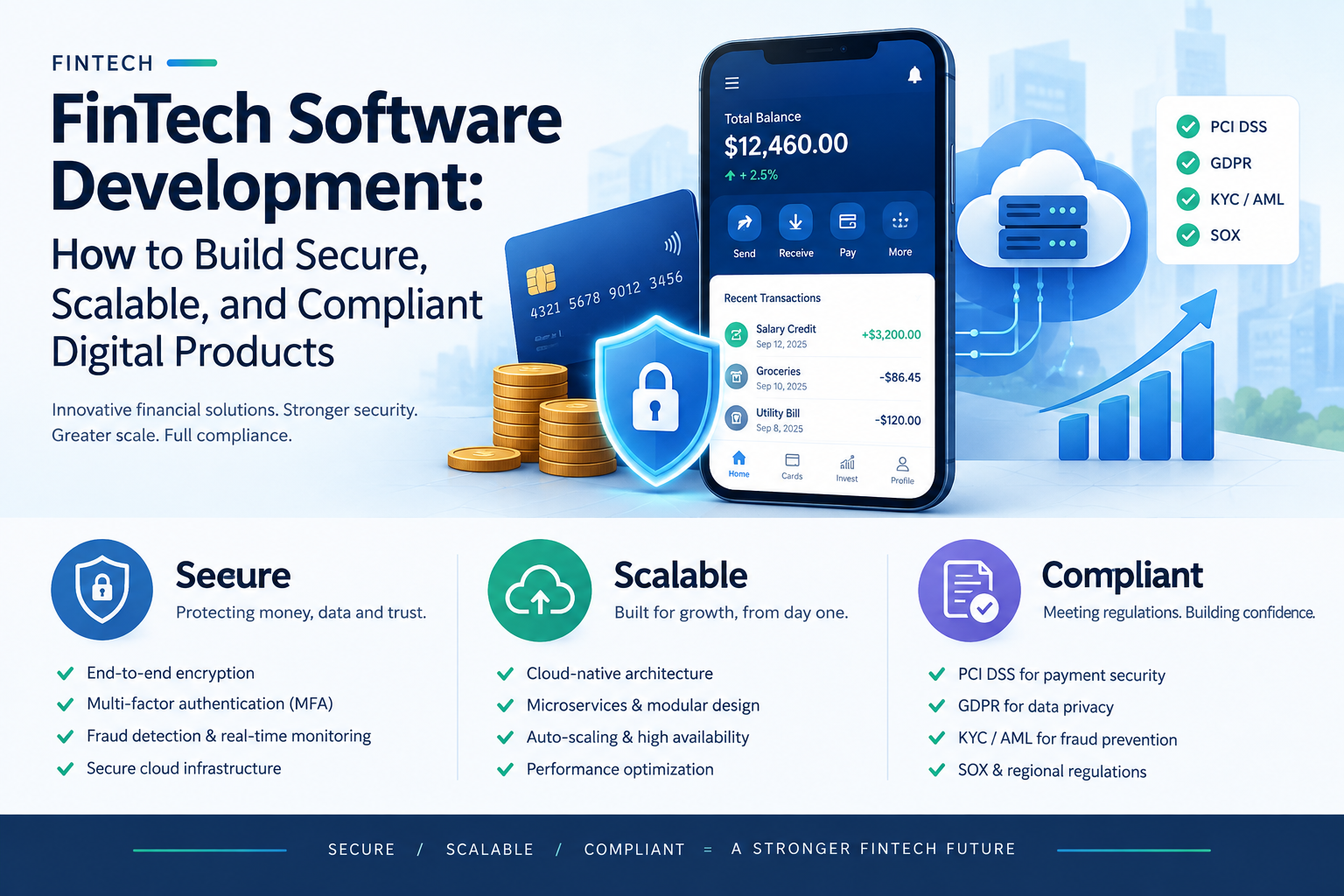
FinTech Software Development: How to Build Secure, Scalable, and Compliant Digital Products
-
 September 11, 2026
DevOps Talent Solutions: Build a Delivery Pipeline That Scales
-
 September 9, 2026
FinTech Software Development: Build Secure, Scalable, Compliant Products
-
 September 8, 2026
Enterprise Software Solutions: A Roadmap for Modernizing Complex Workflows
-
 September 7, 2026
AI Engineering Roles: How to Choose and Evaluate the Right Team
-
 September 4, 2026
SaaS Development Services: From Product Discovery to a Scalable Platform
-
 September 3, 2026
UI/UX Design and Development: From Research to Better Software
-
 September 1, 2026
Cybersecurity Recruitment: Hiring Framework for Security Teams
-
 August 31, 2026
Cloud Engineer Staffing: Hiring for Migration, DevOps, and Scale
-
 August 27, 2026
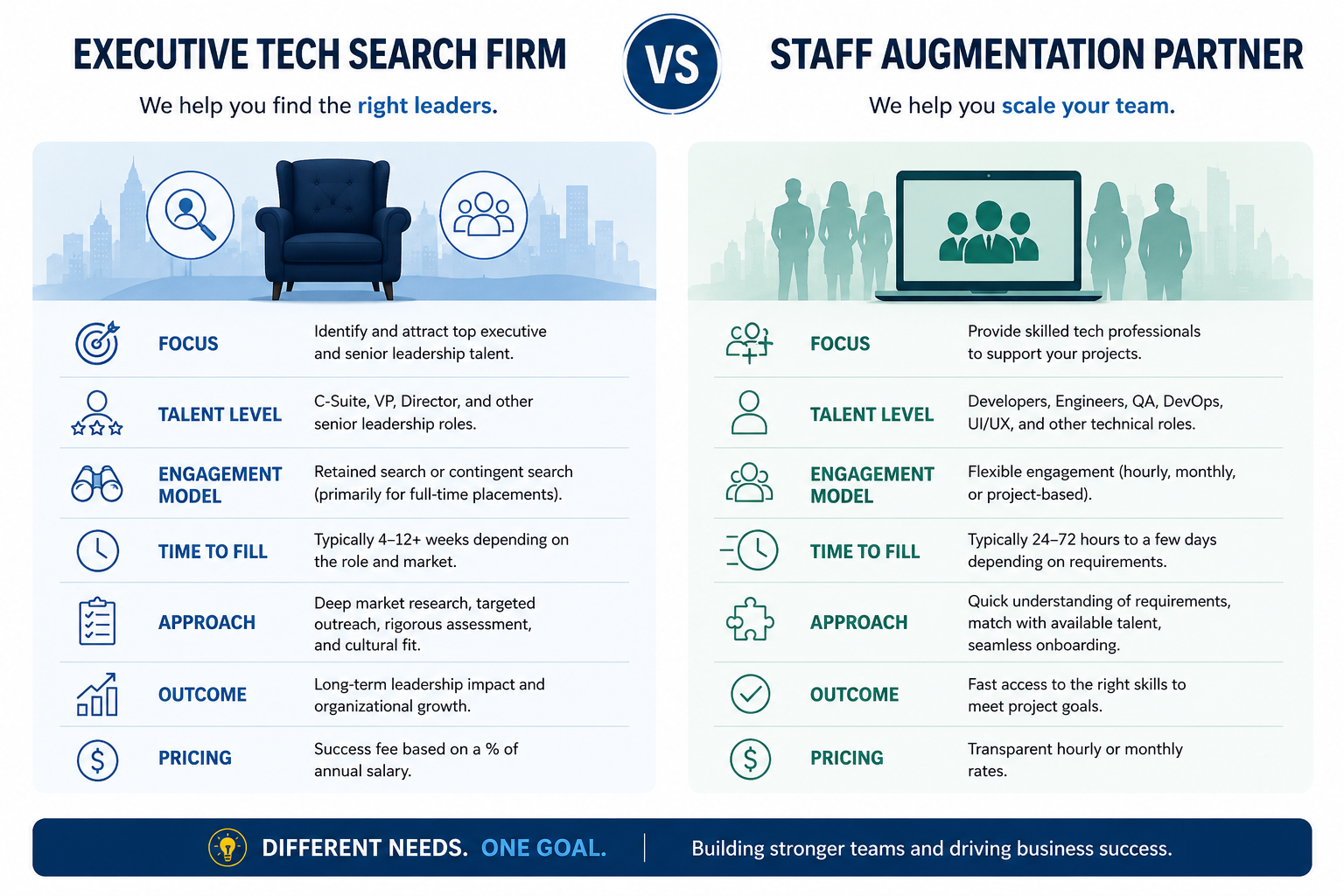
Executive Tech Search Firm vs Staff Augmentation Partner
-
 August 26, 2026
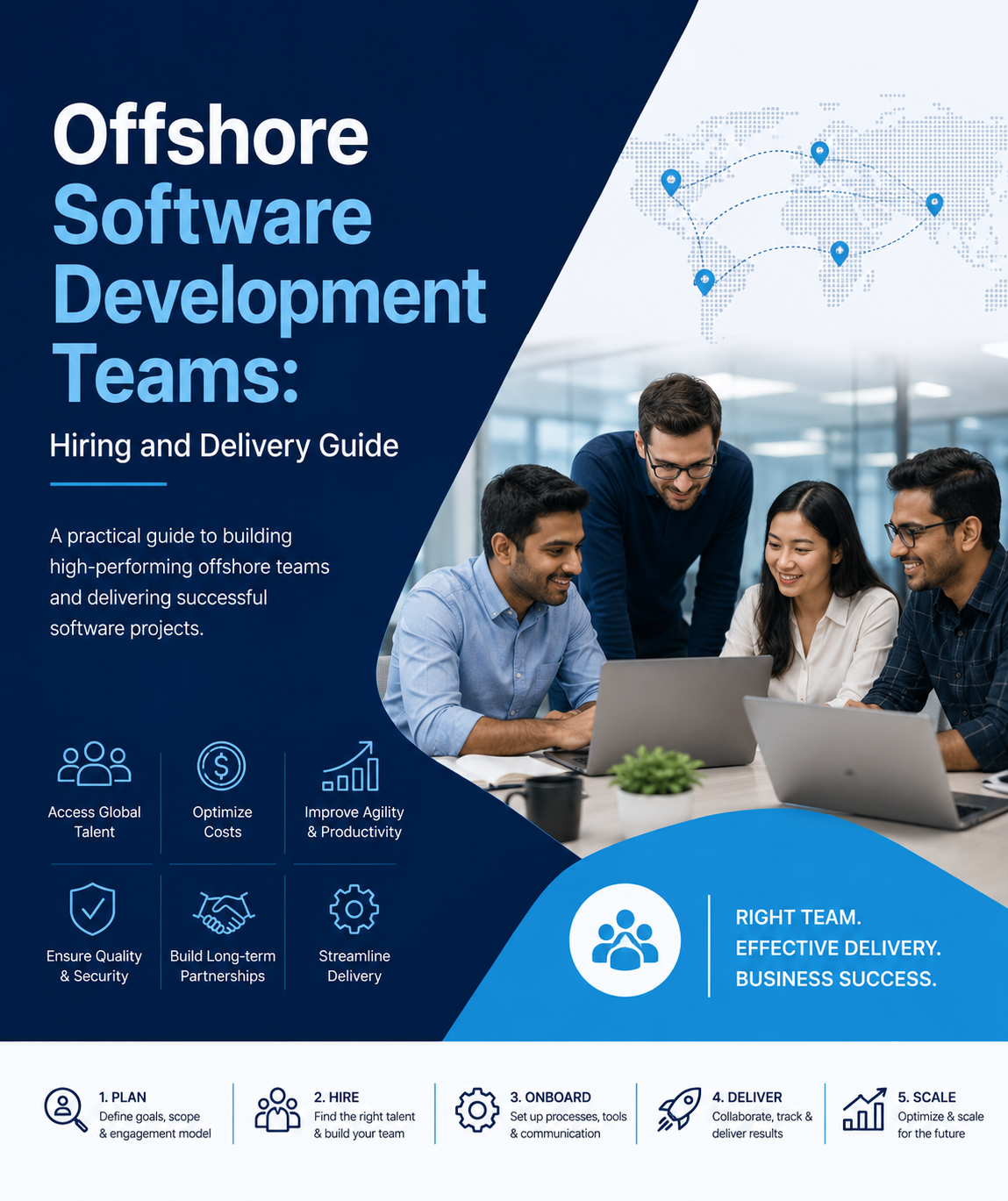
Offshore Software Development Teams: Hiring and Delivery Guide
-
 August 24, 2026
Contract IT Staffing: When It Makes Sense, Costs, and Management
-
 August 21, 2026
IT Staff Augmentation Services: How to Scale Your Engineering Team Without Slowing Delivery
-
 August 20, 2026
IT Staff Augmentation Services: How to Scale Your Engineering Team Without Slowing Delivery
-
 August 13, 2026
AI Workflow Automation for Operations: A Practical Guide
-
 July 30, 2026
Post-Project Offboarding: Seamless Transitions for Contract IT Staff
-
July 24, 2026
Mitigating Compliance Risks in IT Contract Staffing
-
 July 23, 2026
How TypeScript Reduces Production Errors in Large-Scale Codebases
-
 July 22, 2026
How to Write a Bulletproof SLA for IT Staff Augmentation
-
 July 21, 2026
Why Modern Product Design (UI/UX) Dictates Custom Software Success
-
 July 20, 2026
5 Signs Your Enterprise Needs a Contract-Based IT Staffing Model
-
 July 17, 2026
The Importance of API-First Architecture in Modern Custom Web Solutions
-
 July 16, 2026
Tailoring Your Tech Team: Specialized Contract Roles vs. Generalist In-House Developers
-
 July 15, 2026
Eliminating Hidden Costs in IT Recruitment via Contractual Staffing
-
 July 10, 2026
Building Technical Roadmaps: A Guide for Non-Technical Founders
-
 July 8, 2026
Scale on Demand: How Startups Leverage Contract-Based Developers for MVP Launches
-
 July 7, 2026
Utilizing Power BI Consultants to Transform Legacy Data into Real-Time Dashboards
-
 July 6, 2026
Overcoming Time-Zone Barriers When Hiring Augmented Tech Teams
-
 July 3, 2026
Enterprise CRM Customization: Tailoring Tech to Your Unique Sales Pipeline
-
 July 2, 2026
Managing Data Security and IP Isolation on Remote Virtual Desktop Infrastructures (VDI)
-
 July 1, 2026
Staffing for Modern Frontend Architectures: When to Deploy React vs. Angular vs. Vue
-
 June 30, 2026
The Roadmap to Building a Scalable Multi-Vendor Marketplace Product
-
 June 29, 2026
Custom Software Development vs. Commercial Off-the-Shelf (COTS) Solutions
-
 June 25, 2026
Contractual Tech Staffing: The Secret Weapon for Scaling Peak Seasons
-
 June 24, 2026
The Ultimate Guide to Managing Remote Contract Developers
-
 June 23, 2026
How to Use IT Staff Augmentation to Control Infrastructure Costs
-
 June 22, 2026
Why Contract IT Staffing Is Outpacing Full-Time Hiring
-
 June 19, 2026
E‑Commerce & Retail Tech: Scaling Teams for Peak Seasons with Staff Augmentation
-
 June 18, 2026
How to Manage Remote Staff Augmentation Teams Across Time Zones
-
 June 17, 2026
Why Staff Augmentation Is the Future of Agile Hiring
-
 June 16, 2026
The 2026 Staff Augmentation Playbook: How Modern Enterprises Scale Tech Team
-
 June 15, 2026
Building an AI‑Ready Tech Team Using Staff Augmentation
-
 June 11, 2026
When to Choose Staff Augmentation Over Full-Time Hiring in 2026
-
 June 10, 2026
Enterprise Software Modernisation: Why Staff Augmentation Beats Traditional Hiring
-
 June 8, 2026
How to Start a Staff Augmentation Project in 7 Steps (2026)
-
 June 4, 2026
Staff Augmentation Onboarding Checklist: Security, Tools, and Culture
-
 June 3, 2026
Legacy System Modernisation with Staff Augmentation: A 2026 Blueprint
-
 June 1, 2026
Healthcare & SaaS Startups: How Staff Augmentation Cuts Time-to-Market
-
 May 28, 2026
The Hybrid Agile Model: In-House Teams + Staff Augmentation in 2026
-
 May 26, 2026
Staff Augmentation for Digital Transformation: Beyond Just Developers
-
 May 25, 2026
Staff Augmentation vs Outsourcing vs In-House Hiring: When to Use Which
-
 May 22, 2026
How to Choose the Right IT Staff Augmentation Company for Your Business
-
 May 20, 2026
Staff Augmentation Onboarding Checklist: The Ultimate Guide
-
 May 19, 2026
Staff Augmentation Pricing Models Explained: FTE vs T&M vs Hybrid
-
 May 15, 2026
AI‑Driven Development Needs AI‑Ready Talent: Here’s How Staff Augmentation Helps
-
 May 13, 2026
Best Staff Augmentation Companies for Enterprise Software Modernization (2026)
-
 May 8, 2026
Staff Augmentation for Fintech: Bridging Compliance, Security, and Speed
-
 May 7, 2026
Technical Debt Reduction with Staff Augmentation: Fast, Safe, and Measurable
-
 May 6, 2026
Why Staff Augmentation Matters for Tech Leaders in 2026
-
 May 5, 2026
Best Staff Augmentation Companies for Enterprise Software Modernisation (2026)
-
 May 4, 2026
What Is an AI‑Ready Talent Pool and Why It Matters in 2026
-
 April 30, 2026
Why choose WitQuallis for staff augmentation?
-
 April 29, 2026
Emerging tech & cloud strategy: how businesses stay ahead in 2026
-
 April 28, 2026
How IoT and Azure are creating real‑time patient monitoring systems
-
 April 27, 2026
Nearshoring vs offshore: why time‑zone alignment matters for Agile sprints
-
 April 24, 2026
Staff Augmentation: A Complete Guide to Scaling Your Tech Team Efficiently
-
 April 23, 2026
The Ultimate Guide to IT Staff Augmentation: Scaling Your Digital Success with WitQualis
-
 April 22, 2026
What is Software Development? A Comprehensive Guide to the 2026 Digital Landscape
-
 April 21, 2026
Boost Your Business ROI with Power BI Development Services
-
 April 20, 2026
Why Hiring Python Developers Has Become Risky (and Critical)
-
 April 17, 2026
Staff Augmentation: Scale Your Team Fast Without Full-Time Hires
-
 April 16, 2026
Top 20 Emerging Technologies of 2026: Transform Your Business Now
-
 April 15, 2026
🚀 Custom AI Development Costs in 2026: Complete Guide for Businesses
-
 April 14, 2026
Overcoming IT Staff Augmentation Challenges: Scale Your Team Fast and Smart
-
 April 13, 2026
Enterprise software modernisation 2026: why AI‑native refactoring and staff augmentation matter
-
 April 10, 2026
AI‑native refactoring: re‑imagining legacy modernisation in 2026
-
 April 9, 2026
AI-Native Refactoring: How to Modernise Legacy Systems in 2026
-
 April 8, 2026
The business case for Web3: real‑world asset tokenization in real estate
-
 April 7, 2026
The future of IoMT: smart hospitals in 2026
-
 April 6, 2026
Cloud 3.0: beyond “lift‑and‑shift” to sovereignty
-
 April 2, 2026
From filters to conversation: the shift in e‑commerce search
-
 April 1, 2026
Case Studies: Migrating Legacy Enterprise Apps to Azure/AWS with IT Staff Augmentation Services
-
 March 30, 2026
Why Hiring Full‑Time Quantum‑Resistant Encryption Specialists Is So Hard
-
 March 27, 2026
Prompt engineering: from “nice‑to‑have” to core skill
-
 March 26, 2026
The hybrid squad: reimagining teams for the AI era
-
 March 25, 2026
Staff augmentation and the future of work: a new operating model
-
 March 24, 2026
Why full‑time quantum‑resistant encryption specialists are so hard to hire
-
 March 23, 2026
How Staff Augmentation Services Fixes Cybersecurity & Cloud Shortages
-
 March 20, 2026
The Great Fortress: Modernizing Banking Apps to Combat Sophisticated AI-Driven
-
 March 19, 2026
The Great Cloud Diversification: Navigating Data Residency in the Age of GDPR and the EU AI Act
-
 March 18, 2026
How Staff Augmentation automotive AR Cuts Onboarding Costs in Automotive & Manufacturing | WitQualis Staff Augmentation
-
 March 17, 2026
The Outcome-Based Model: How AI-Augmented Teams Are Multiplying Output | WitQualis
-
 March 16, 2026
Why “Vibe Coding” and Prompt Mastery Are Now as Important as Syntax
-
 March 13, 2026
The Witqualis Edge: How Agentic AI Tools Accelerate MVP Delivery by 40%
-
 March 12, 2026
Beyond Copilots: The Rise of Agentic AI in the SDLC
-
 March 11, 2026
Breaking the Monolith: A Definitive Guide to Using Generative AI for Microservices Migration (2026 Edition)
-
 March 10, 2026
The Agentic Revolution: Why AI is Moving from "Suggesting Code" to "Executing Workflows"
-
 March 9, 2026
Beyond the Search Bar: How LLMs are Revolutionising Retail Discovery
-
 March 6, 2026
How Blockchain is Making Real Estate Investment Liquid and Accessible
-
 March 5, 2026
Microservices Architecture: Benefits and Implementation Tips
-
 March 3, 2026
How Remote Work Has Changed the IT Industry and Tools You Need
-
 March 2, 2026
API Design and Management Best Practices for Developers
-
 February 27, 2026
The Impact of Internet of Things (IoT) on Modern Business
-
 February 26, 2026
Virtual and Augmented Reality: Where Tech is Headed Next | 2026 Guide
-
 February 25, 2026
Blockchain Beyond Cryptocurrency: Real-World Applications & Use Cases (2026 Guide)
-
 February 24, 2026
The Role of AI in Enhancing IT Development: A Deep Dive (2026 Guide)
-
 February 23, 2026
Maximizing Productivity: How Staff Augmentation Drives Innovation in IT Projects
-
 February 20, 2026
Staff Augmentation vs. Outsourcing: Which IT Model Wins in 2026?
-
 February 19, 2026
The Rise of Hybrid Teams: How to Leverage Staff Augmentation for Business Success
-
 February 18, 2026
How Staff Augmentation is Transforming the Future of IT Workforce (2026)
-
 February 17, 2026
5 Reasons Why Staff Augmentation is Key for Tech Skill Shortages: staff augmentation for tech skill shortages
-
 February 16, 2026
How Staff Augmentation Helps Scale Your Business Without Overheads in 2026
-
 February 13, 2026
The Power of Diverse Teams: How Staff Augmentation Drives Inclusion (2026)
-
 February 12, 2026
The Role of 5G Technology in Shaping IT Development and Augmentation in 2026
-
 February 11, 2026
The Future of Blockchain: Revolutionizing IT Services in 2026
-
February 10, 2026
Building an Authentic Employer Brand Through Staff Augmentation in 2026
-
 February 9, 2026
Supporting Augmented Professionals During Projects: Best Practices for Success
-
 February 6, 2026
Cost Optimization in IT: Build vs Buy vs Staff Augmentation (2026 Guide)
-
 February 5, 2026
The Role of DevOps in High-Performance Engineering Teams: Best Practices Guide
-
 February 4, 2026
How to Ensure Code Quality When Working with Augmented Teams: Best Practices Guide
-
 February 3, 2026
Tech Talent Trends That Will Shape the Next 5 Years: 2026–2031 Outlook
-
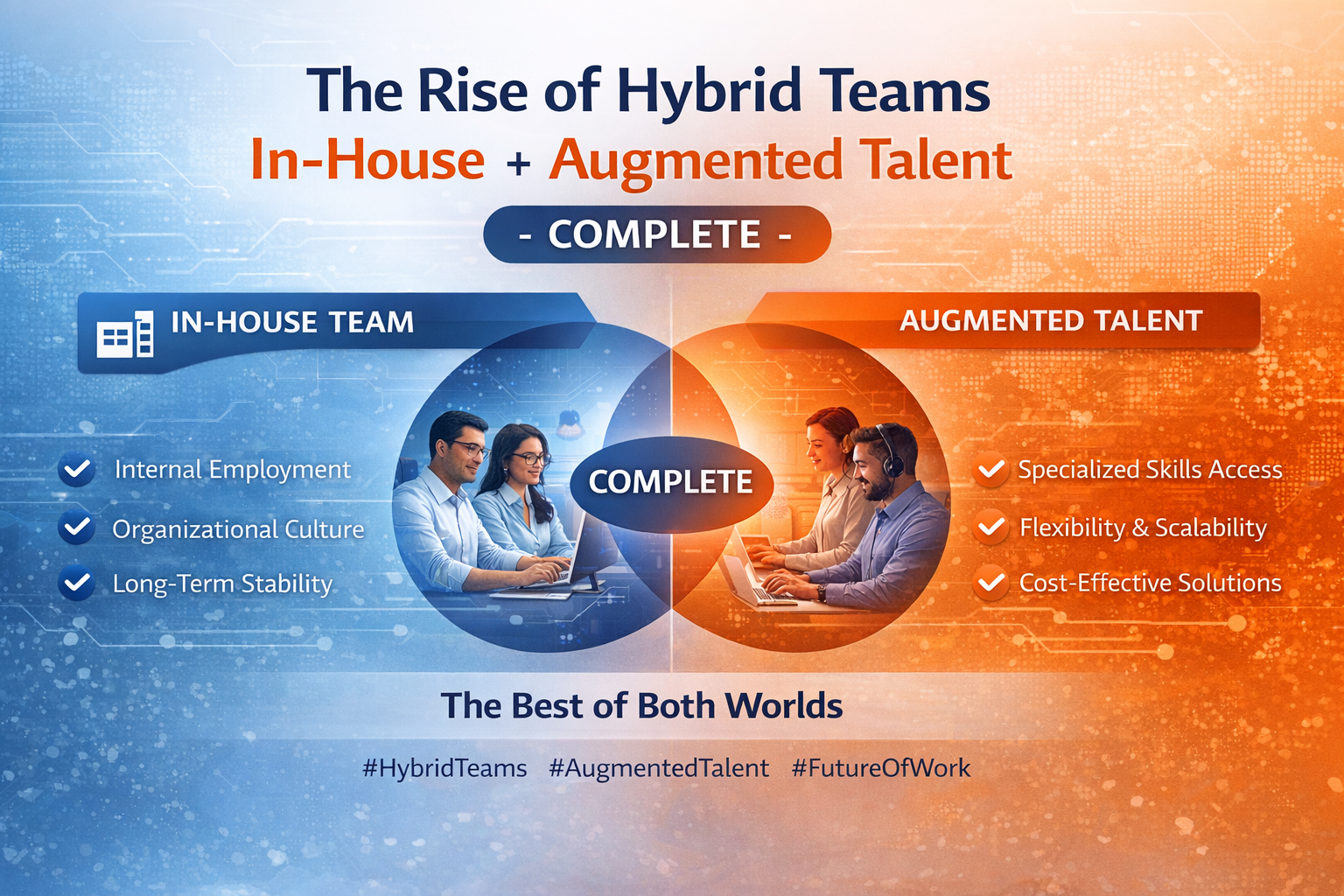 February 2, 2026
The Rise of Hybrid Teams: In-House + Augmented Talent - The Complete Guide
-
 January 30, 2026
How We Support and Retain High-Performing Tech Professionals
-
 January 29, 2026
Aligning Technology Strategy with Business Growth Goals: A Complete Framework
-
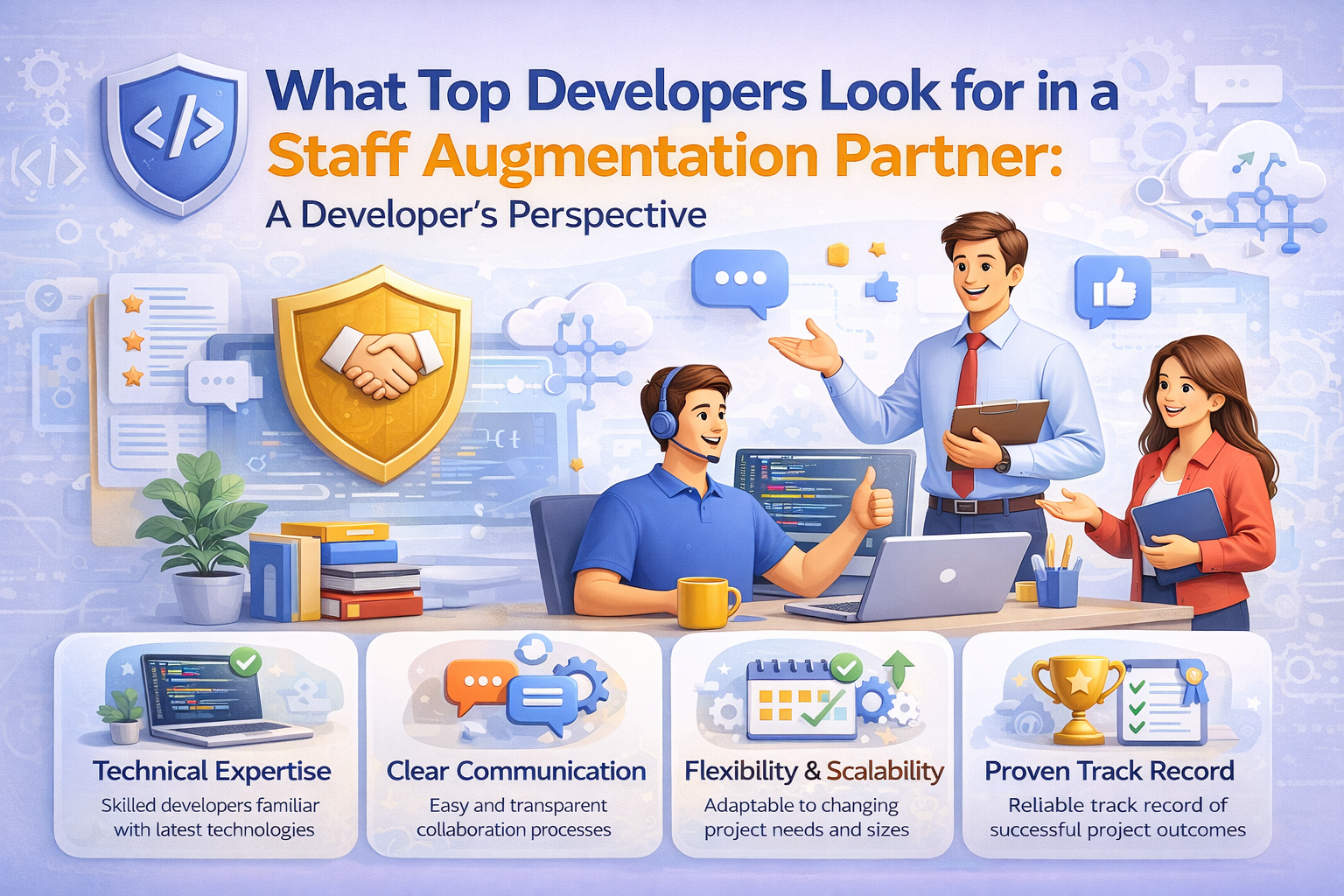 January 28, 2026
What Top Developers Look for in a Staff Augmentation Partner: A Developer's Perspective
-
 January 27, 2026
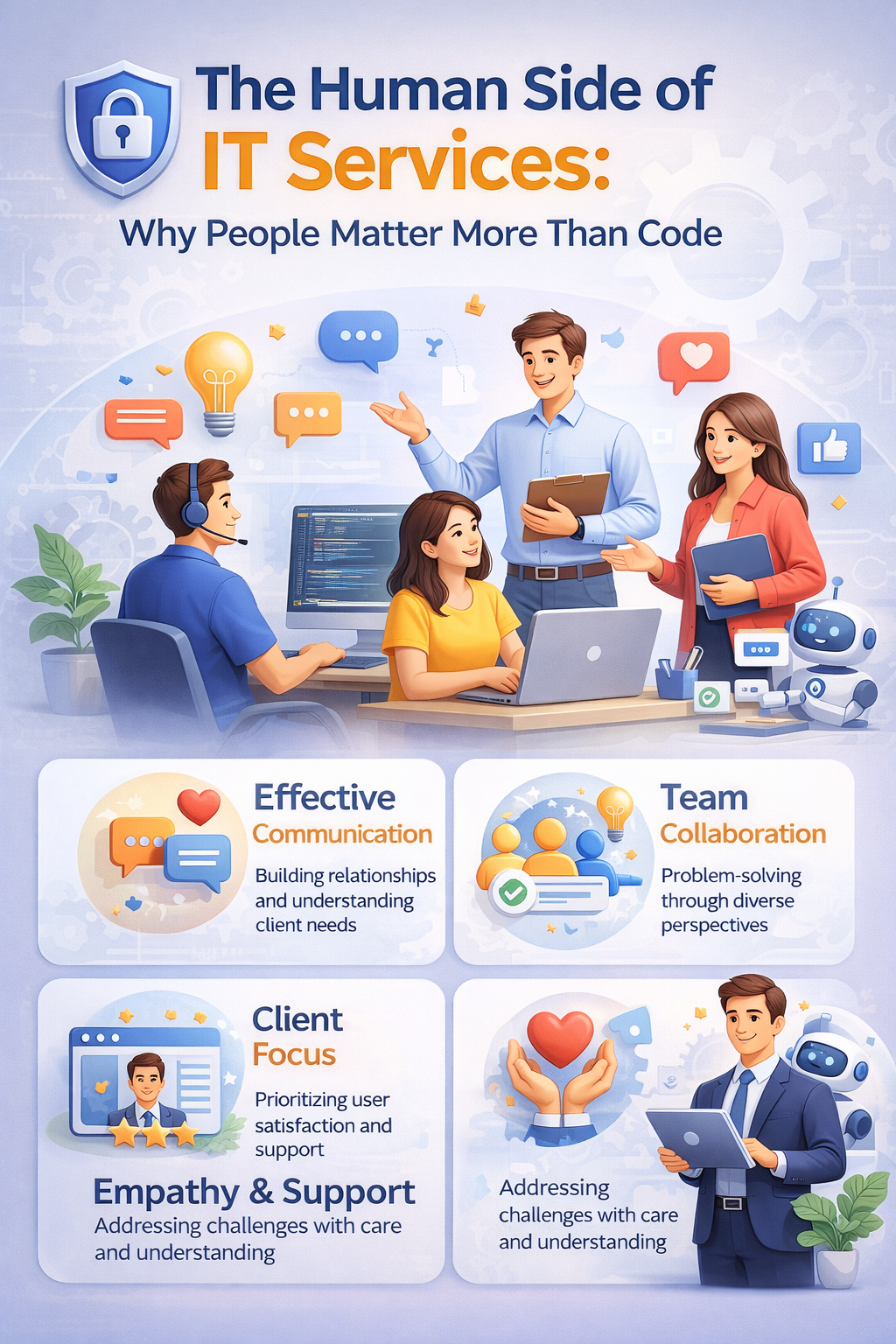
The Human Side of IT Services: Why People Matter More Than Code
-
 January 23, 2026
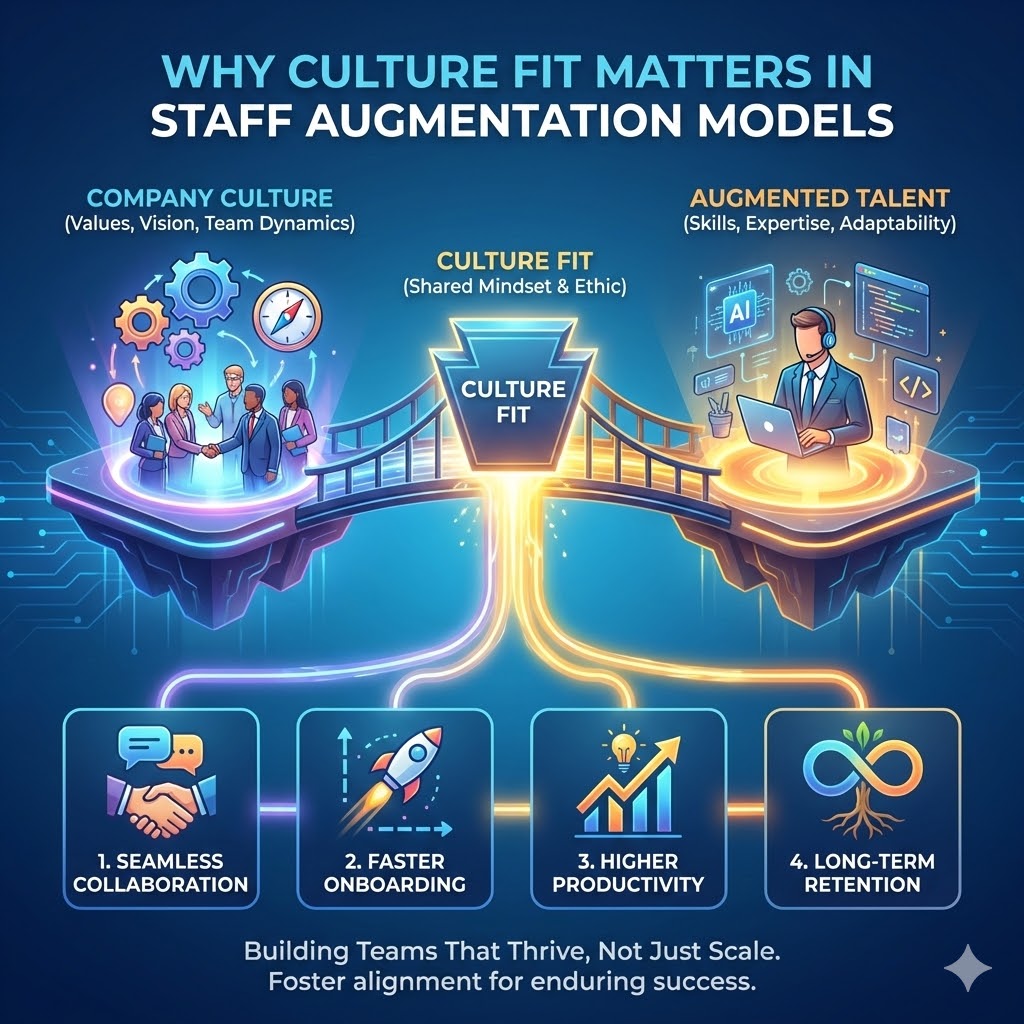
Why Culture Fit Matters in Staff Augmentation Models | Witqualis
-
 January 22, 2026
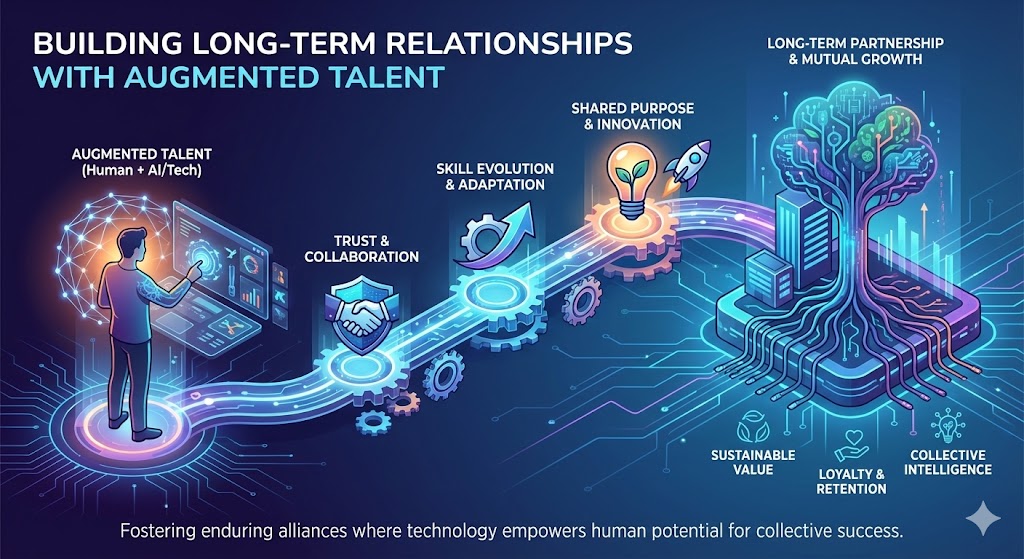
Building Long-Term Relationships with Augmented Talent: A Strategic Approach
-
 January 21, 2026
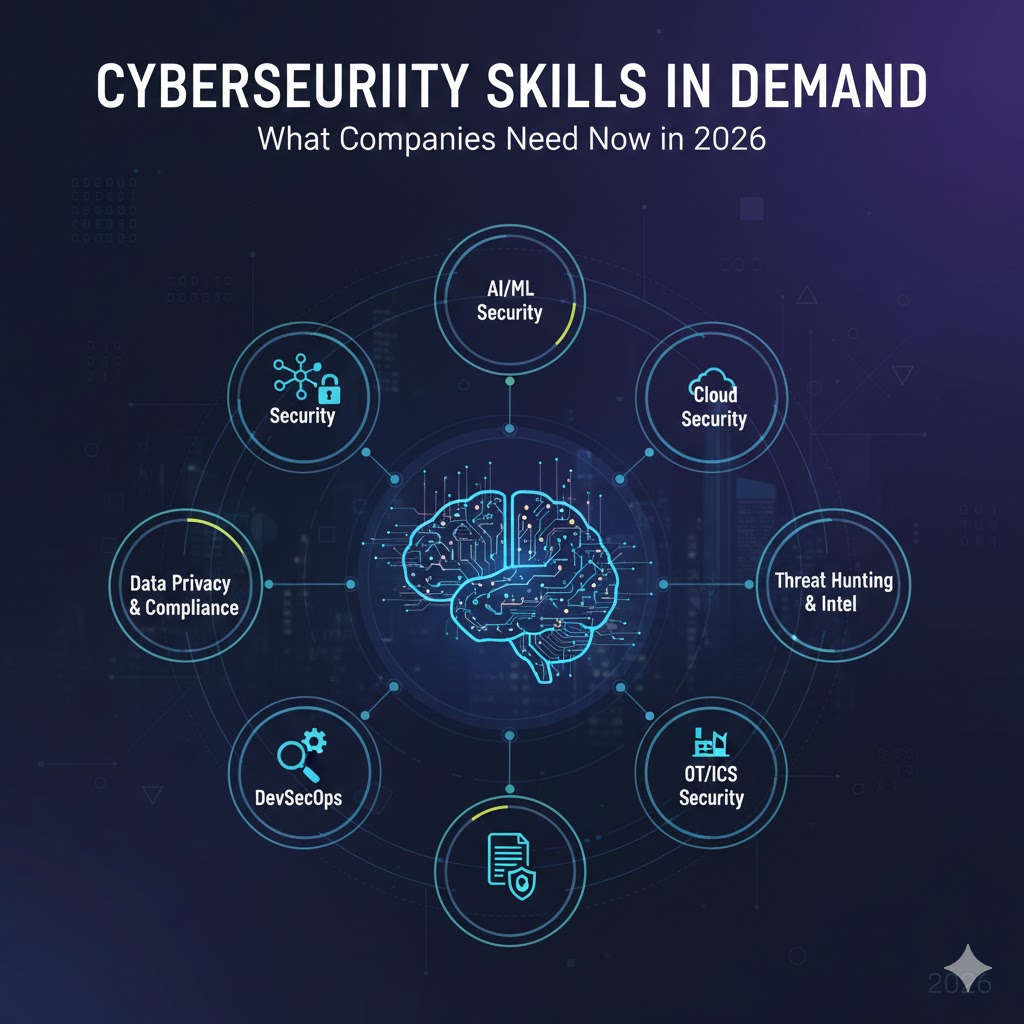
Cybersecurity Skills in Demand: What Companies Need Now in 2026
-
 January 20, 2026
Why Flexible Hiring Models Drive Better Business Outcomes
-
 January 19, 2026
Reducing Time-to-Market with On-Demand Tech Talent
-
 January 15, 2026
How Dedicated Development Teams Accelerate Product Delivery
-
 January 14, 2026
Scaling Tech Teams Quickly Without Compromising Quality
-
January 12, 2026
Common Mistakes Companies Make When Outsourcing IT Projects (And How to Avoid Them)
-
January 9, 2026
Key Workforce Trends Every CTO Should Watch This Year
-
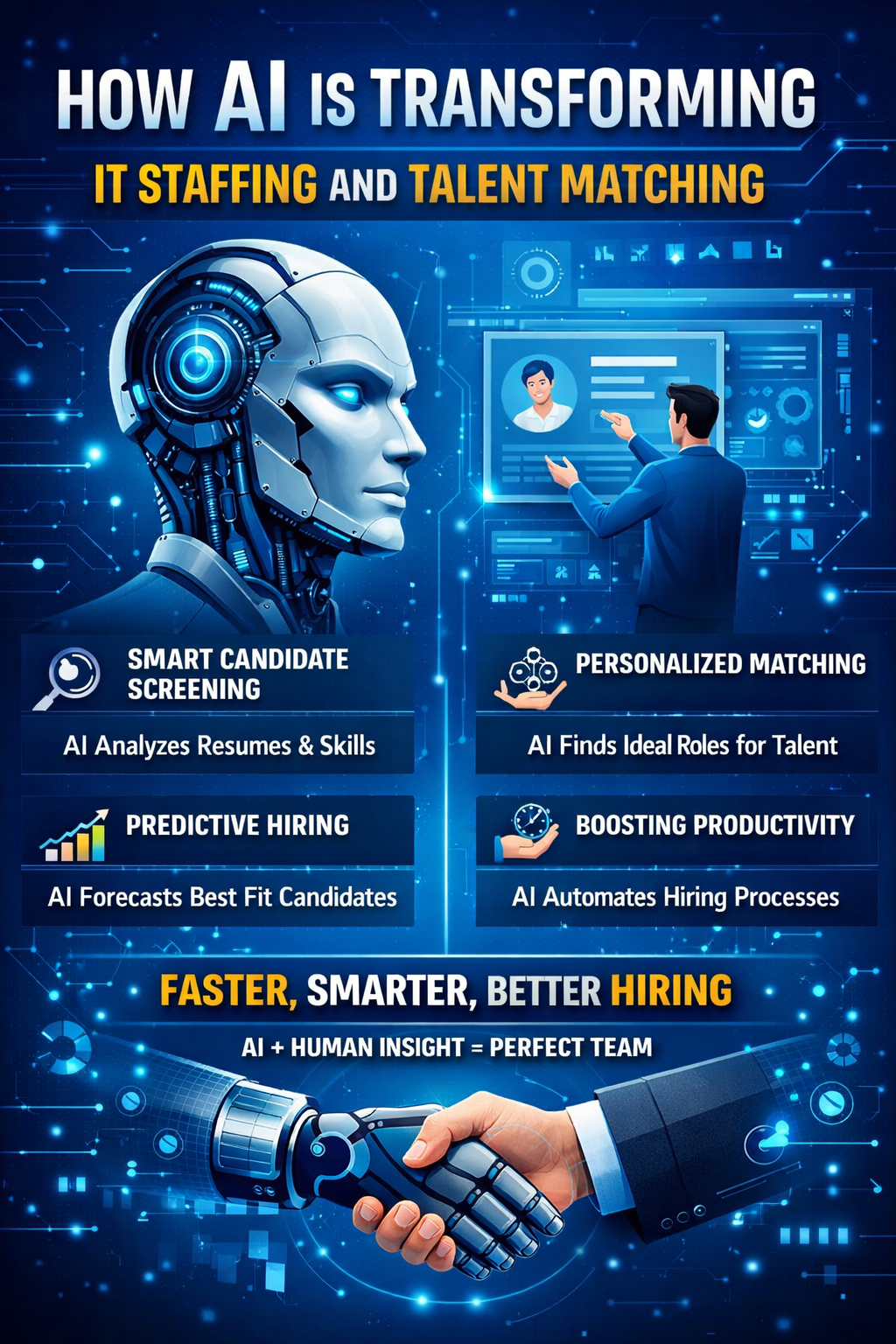 January 8, 2026
How AI Is Transforming IT Staffing and Talent Matching
-
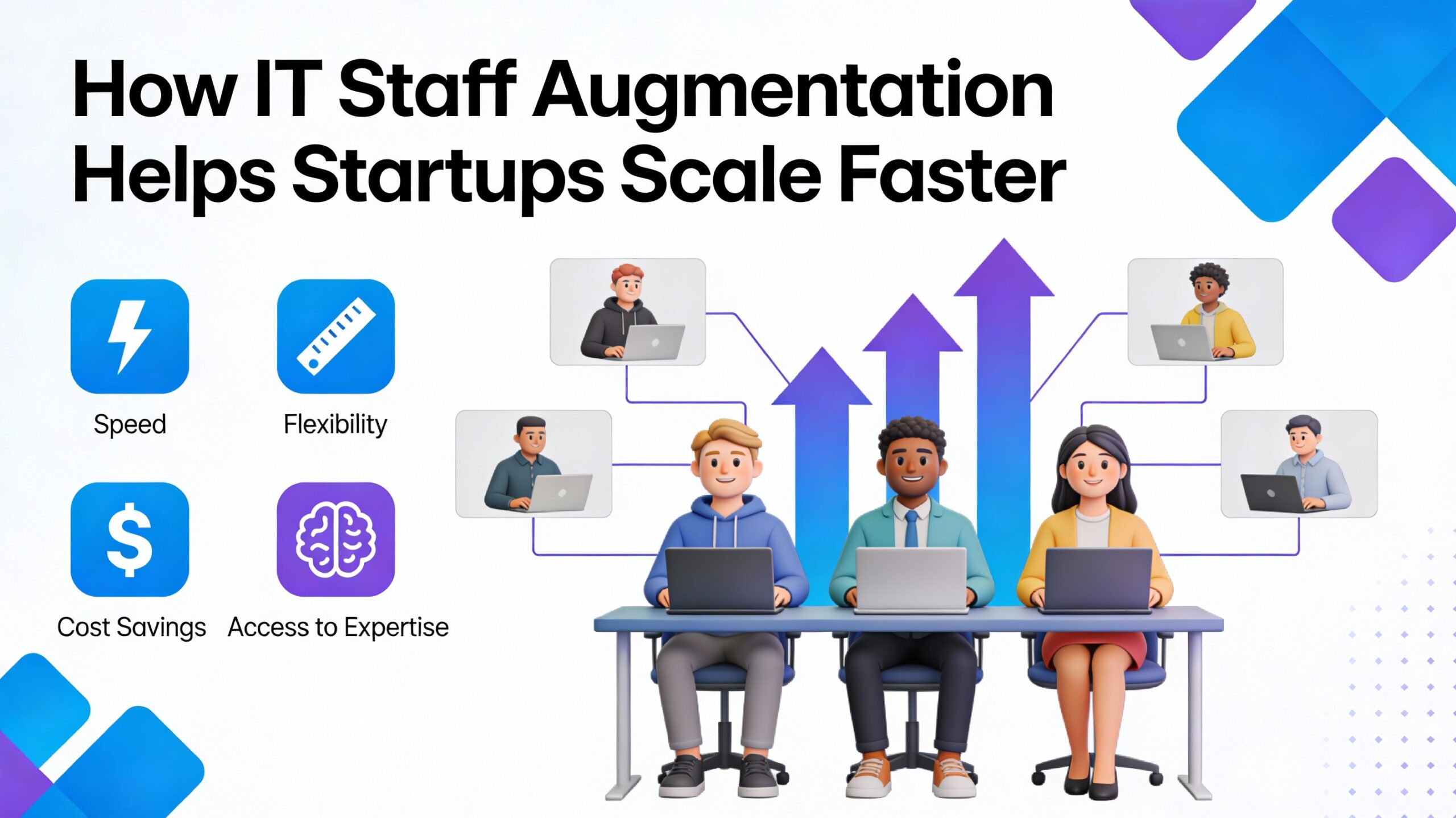 January 7, 2026
How IT Staff Augmentation Helps Startups Scale Faster
-
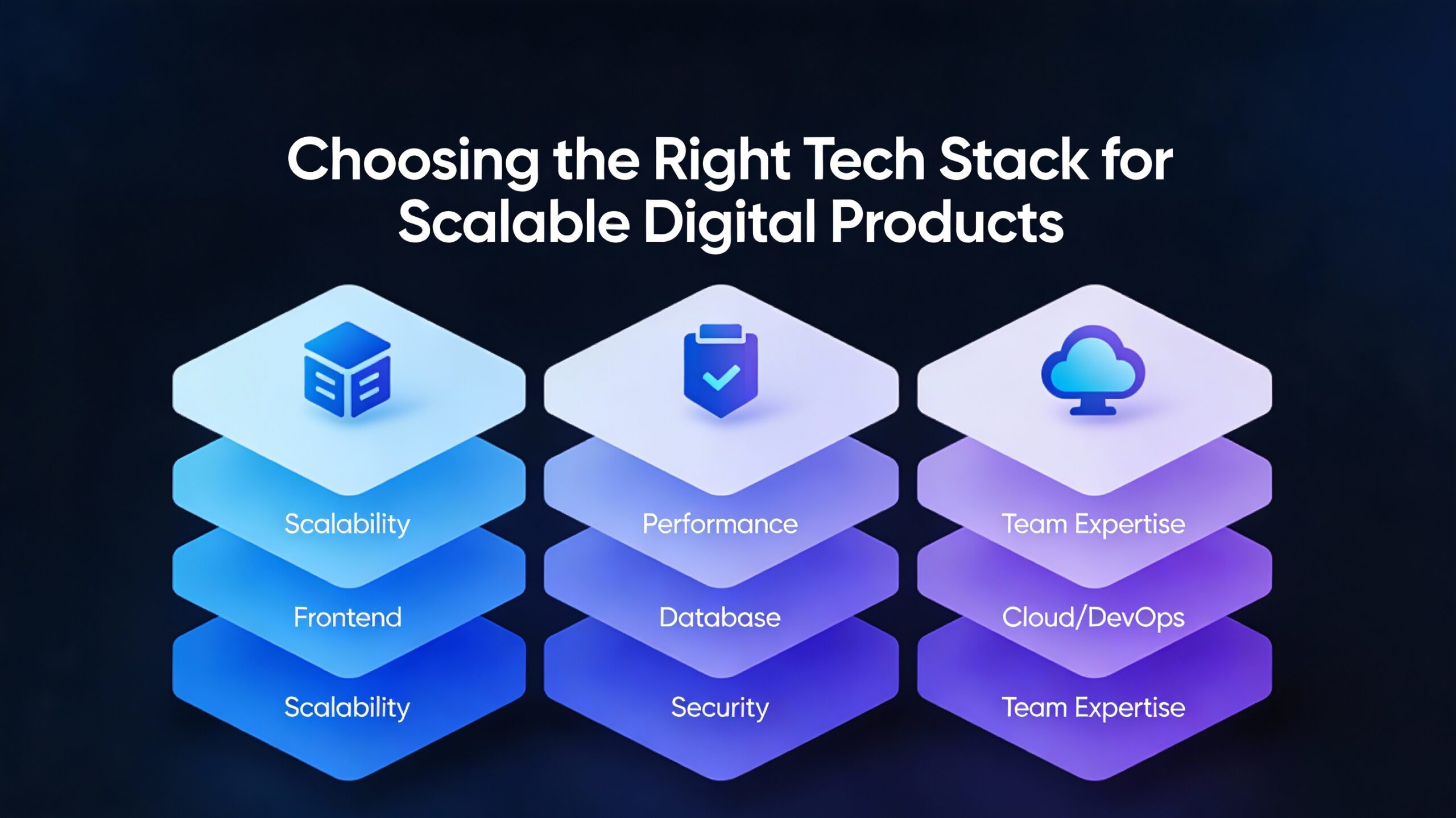 January 6, 2026
Choosing the Right Tech Stack for Scalable Digital Products
-
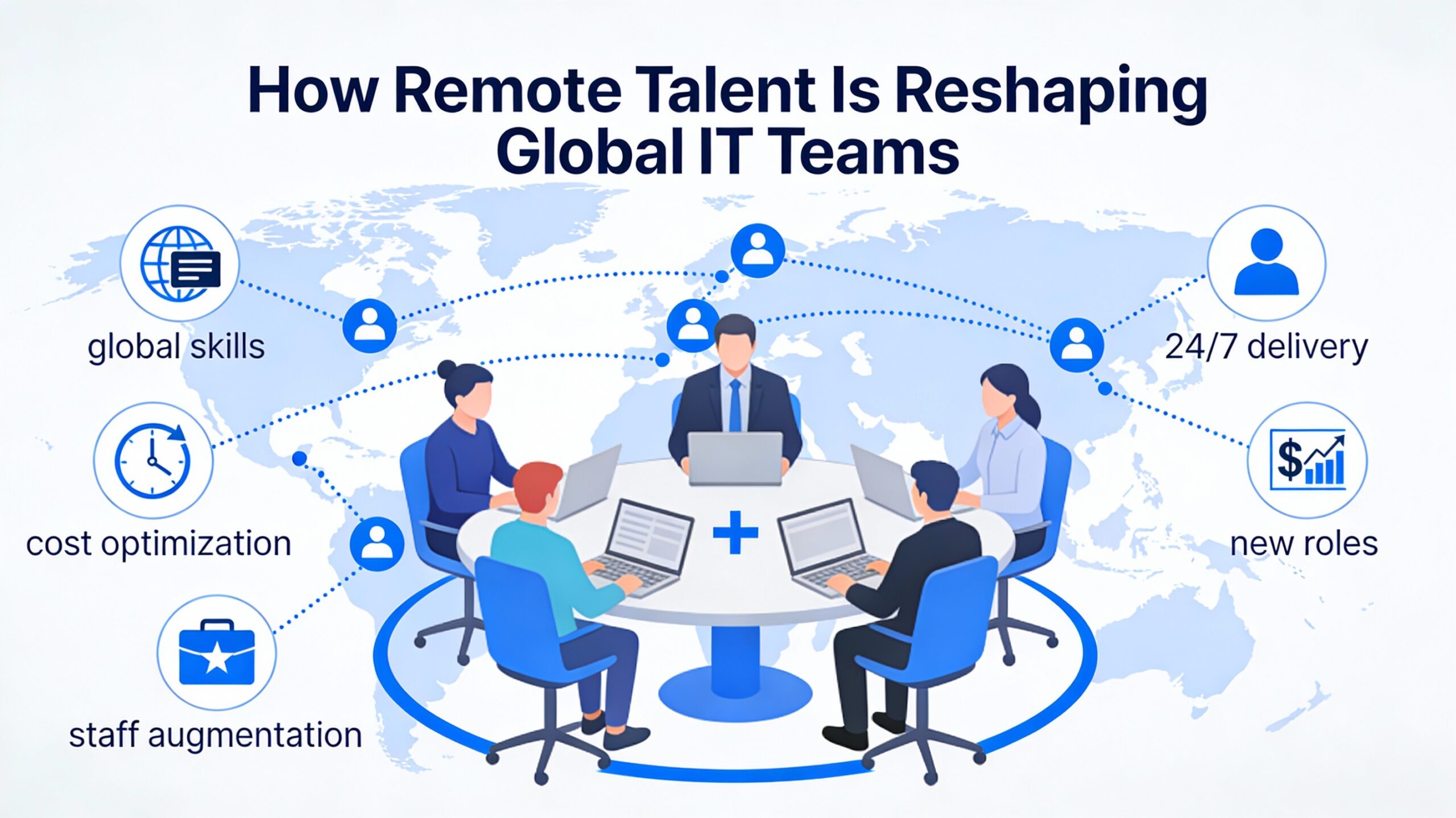 January 5, 2026
How Remote Talent Is Reshaping Global IT Teams
-
 December 29, 2025
Staff Augmentation vs Traditional Hiring 2025
-
 December 24, 2025
Why Staff Augmentation Is the Future of Agile Hiring
-
 December 22, 2025
Why Hiring Faster Doesn’t Mean Compromising Quality — It Means Finding the Right Partner
-
 December 19, 2025
The Role of Staff Augmentation in Accelerating Digital Transformation
-
 December 18, 2025
5 Tech Hiring Trends Every CTO Should Watch in 2025
-
December 17, 2025
Why Soft Skills Are the Hidden Superpower in Tech Teams
-
 December 15, 2025
How WitQualis Connects Global Talent with Local Opportunities
-
 December 10, 2025
Why Businesses Need Agile, Scalable, and Skilled Tech Teams—Now More Than Ever
-
 December 5, 2025
The Human Side of Technology: Why People Matter as Much as Code
-
 December 4, 2025
The Rise of Contract-Based Developers in the Global IT Market
-
 December 3, 2025
Talent Has No Boundaries: Why the Best Teams Are Built Across Borders
-
 December 2, 2025
From Startups to Enterprises: How Staff Augmentation Supports Every Stage of Growth
-
 December 1, 2025
Great Ideas Need Great Execution – How WitQualis Teams Turn Vision into Reality
-
 November 28, 2025
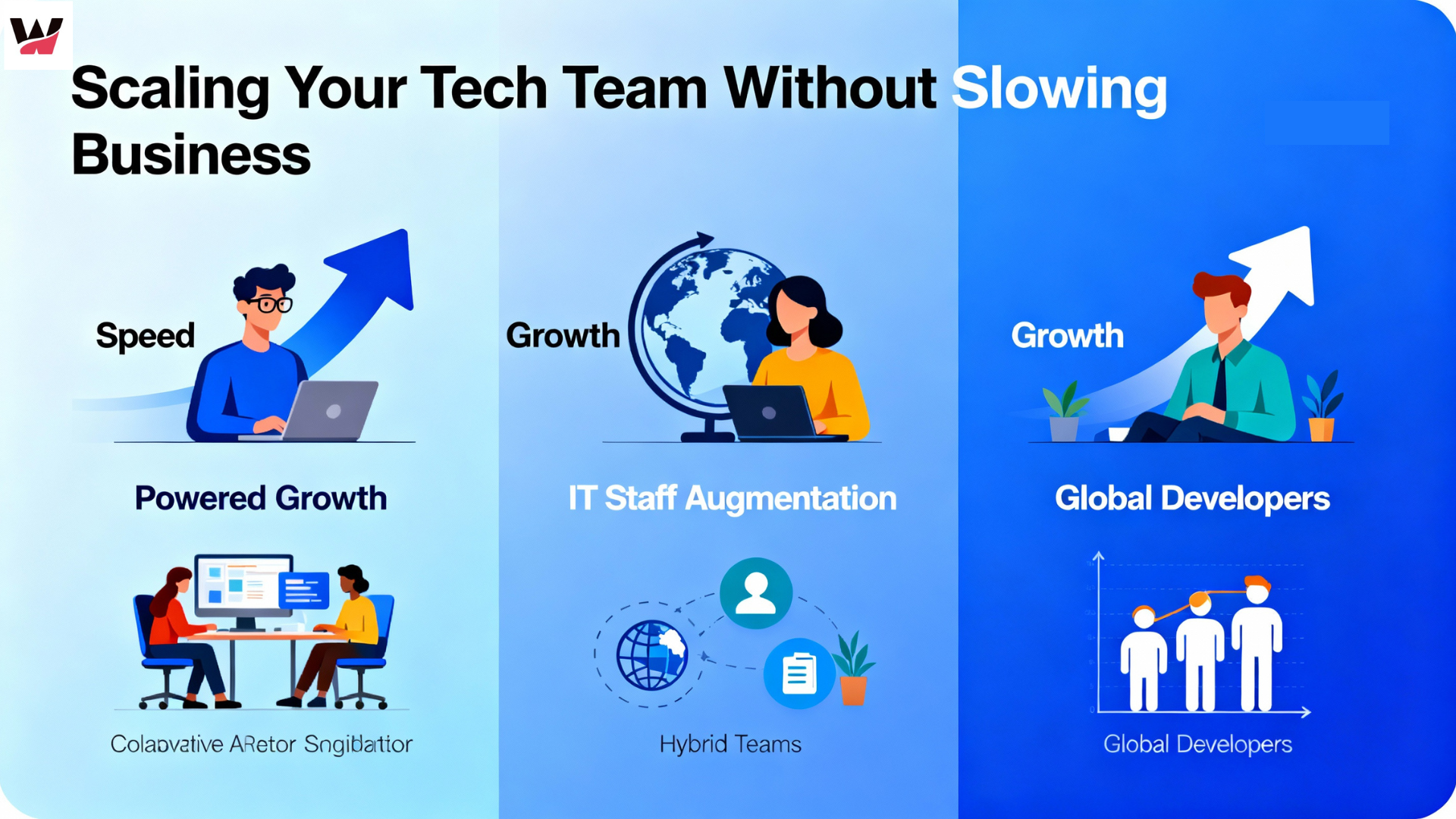
Scaling Your Tech Team Shouldn’t Slow Your Business – It Should Power It
-
 November 27, 2025
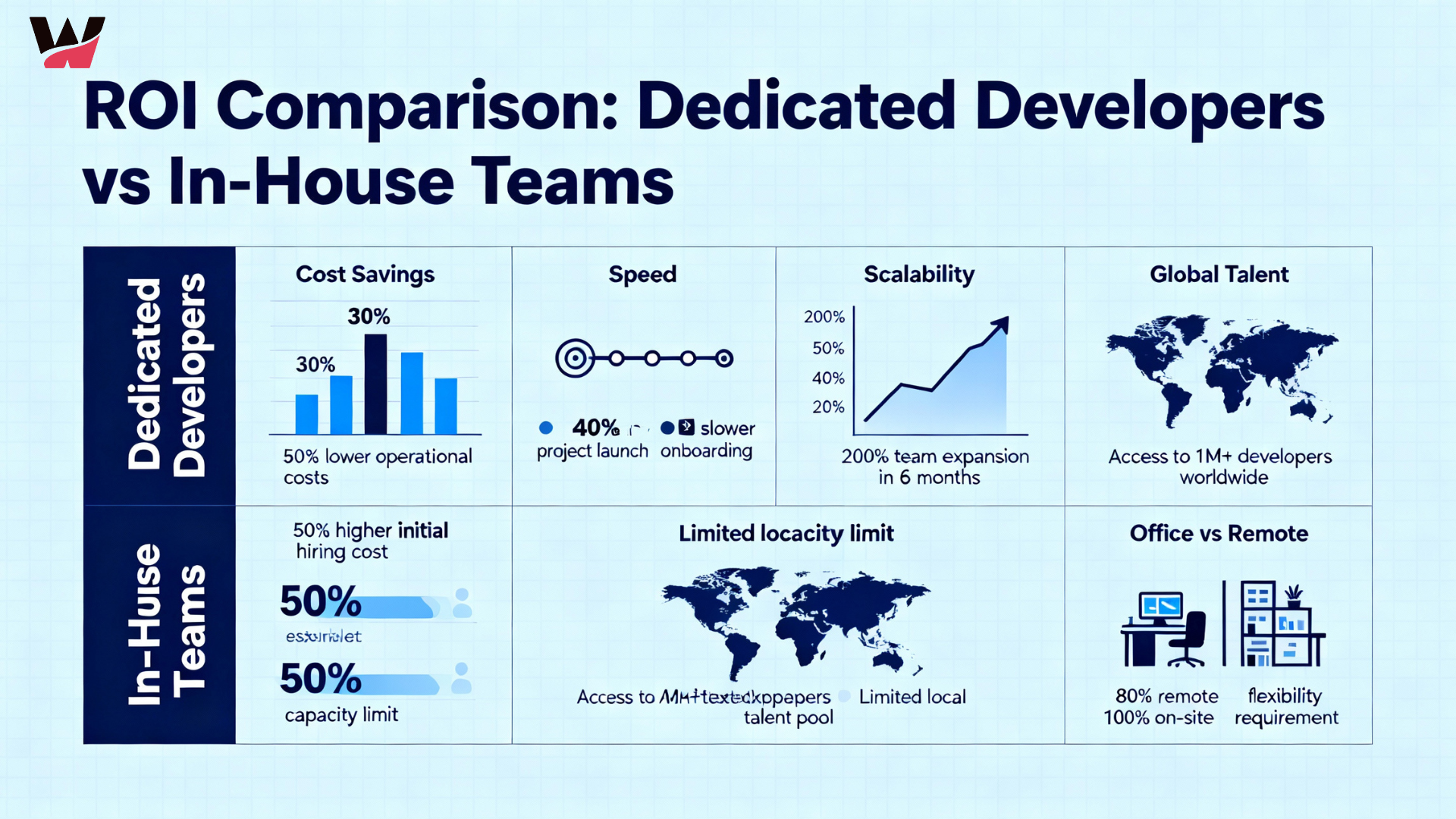
The ROI of Hiring Dedicated Developers vs In-House Teams
-
 November 26, 2025
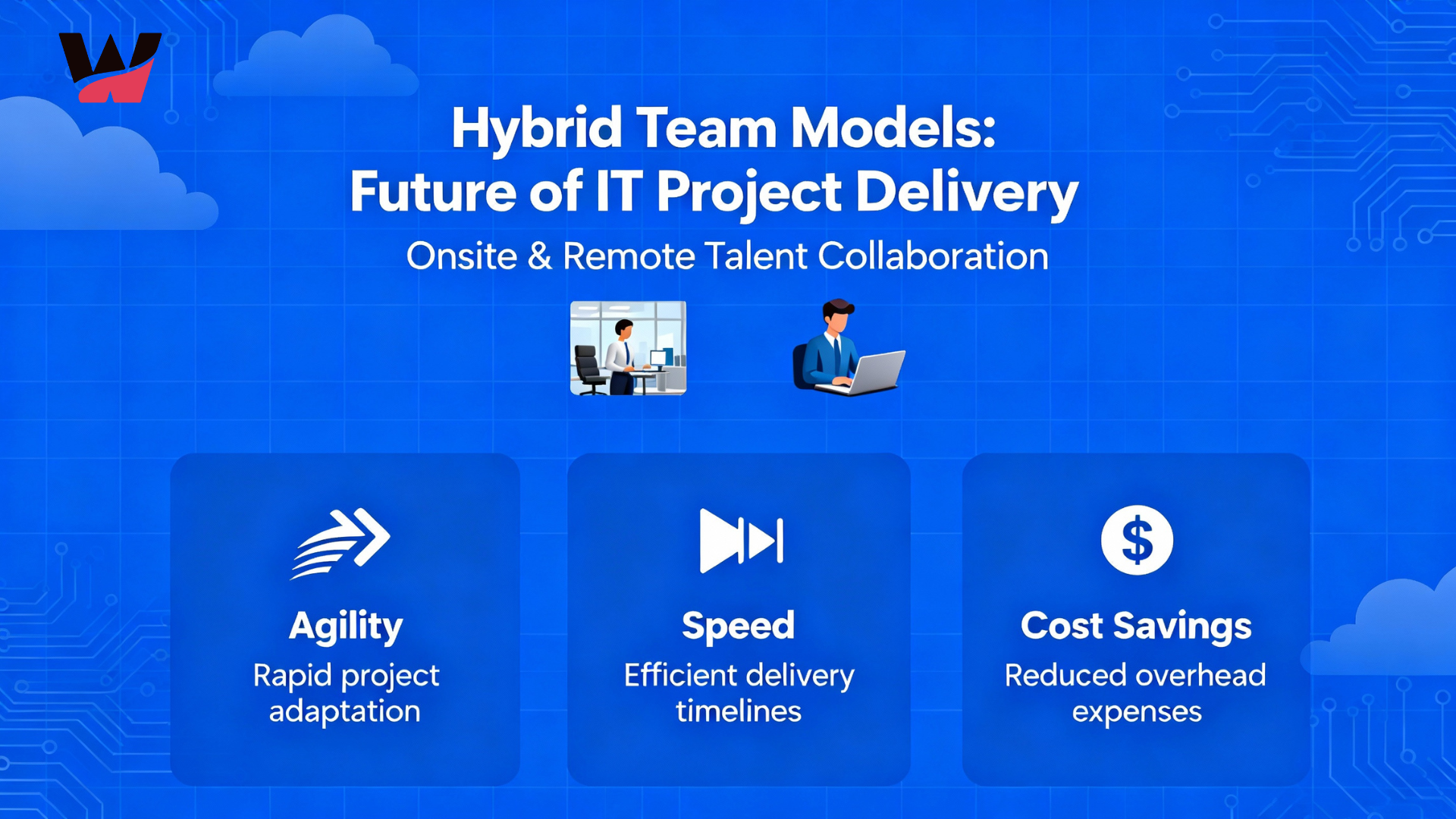
Why Hybrid Team Models Are the Future of IT Project Delivery
-
 November 24, 2025
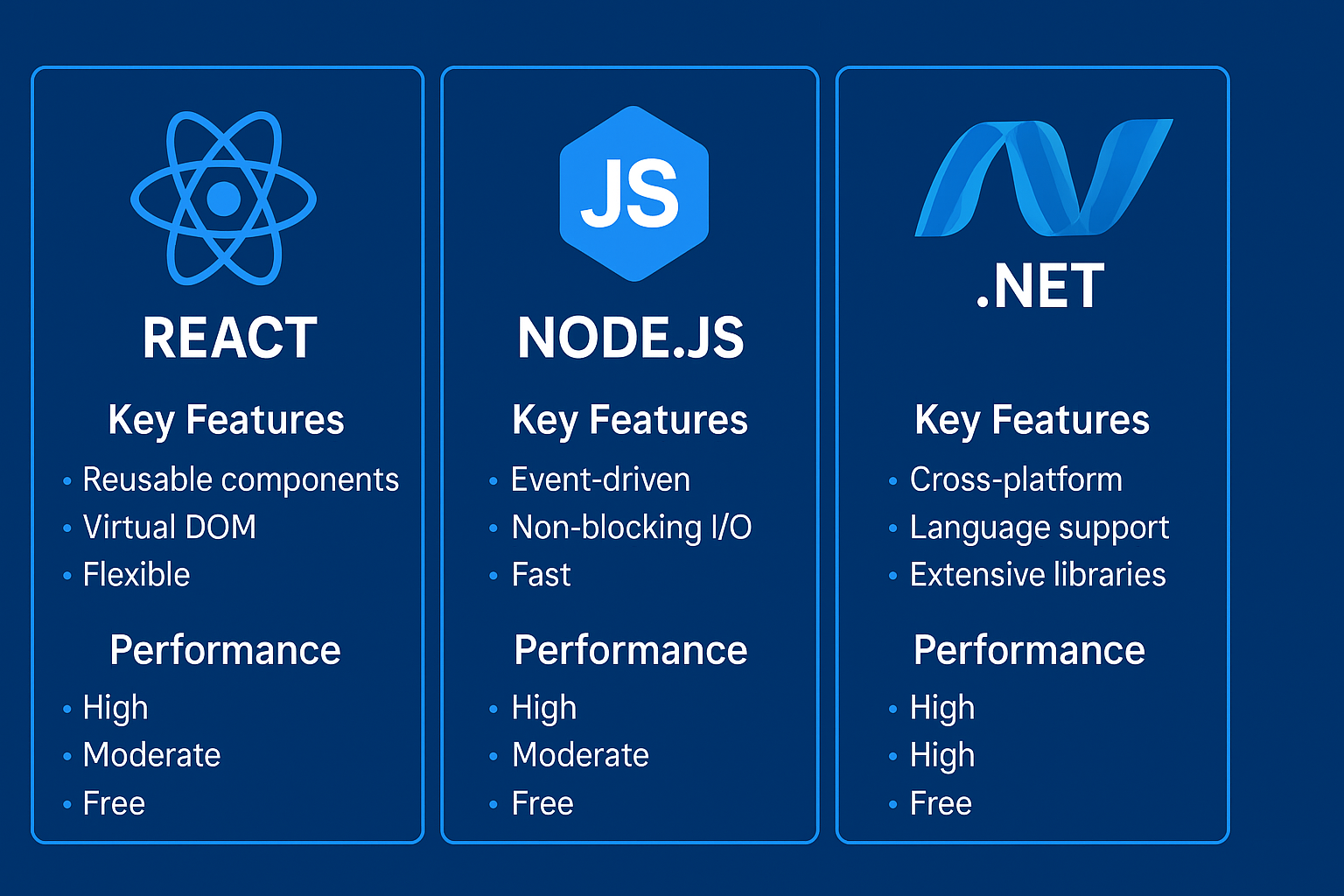
React, Node.js, or .NET? Choosing the Right Tech Stack for Your Next Project
-
 November 21, 2025
Why Hiring Remote Developers Is the Smartest Move for Startups
-
 November 20, 2025
How Full-Stack Developers Drive Efficiency in Modern Web Projects
-
 November 19, 2025
Bridging the Skill Gap: How Augmented Teams Empower Digital Transformation
-
 November 18, 2025
New Technologies for 2025: What Businesses Need to Grow
-
 November 14, 2025
IT Staff Augmentation Reduces Project Costs Quality
-
 November 13, 2025
Empowering Global Collaboration: How WitQualis Builds Seamless Remote Teams
-
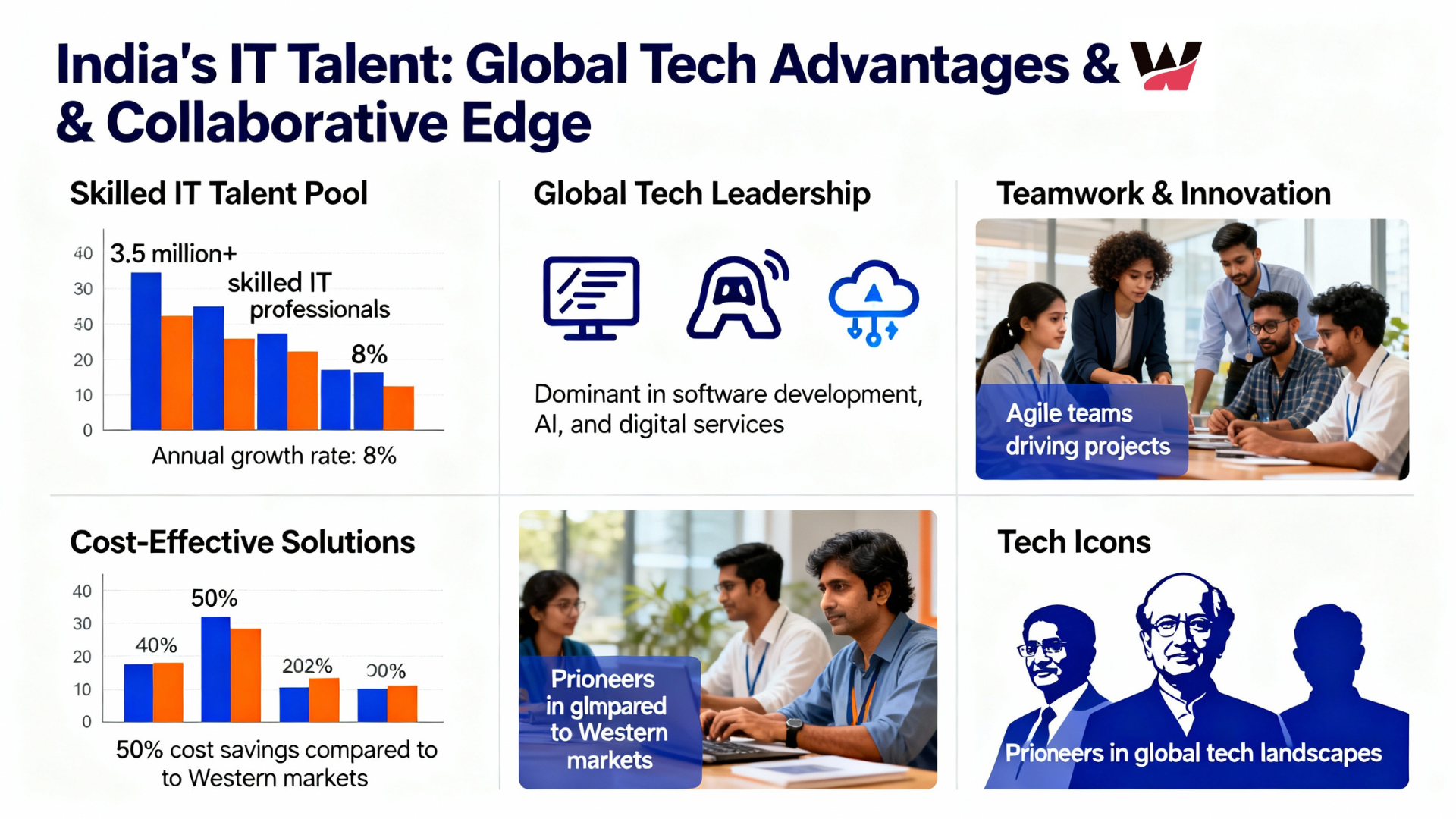 November 12, 2025
Why Global Businesses Are Turning to India for Skilled IT Talent
-
 November 11, 2025
Staff Augmentation Helps You Scale Your Tech Team
-
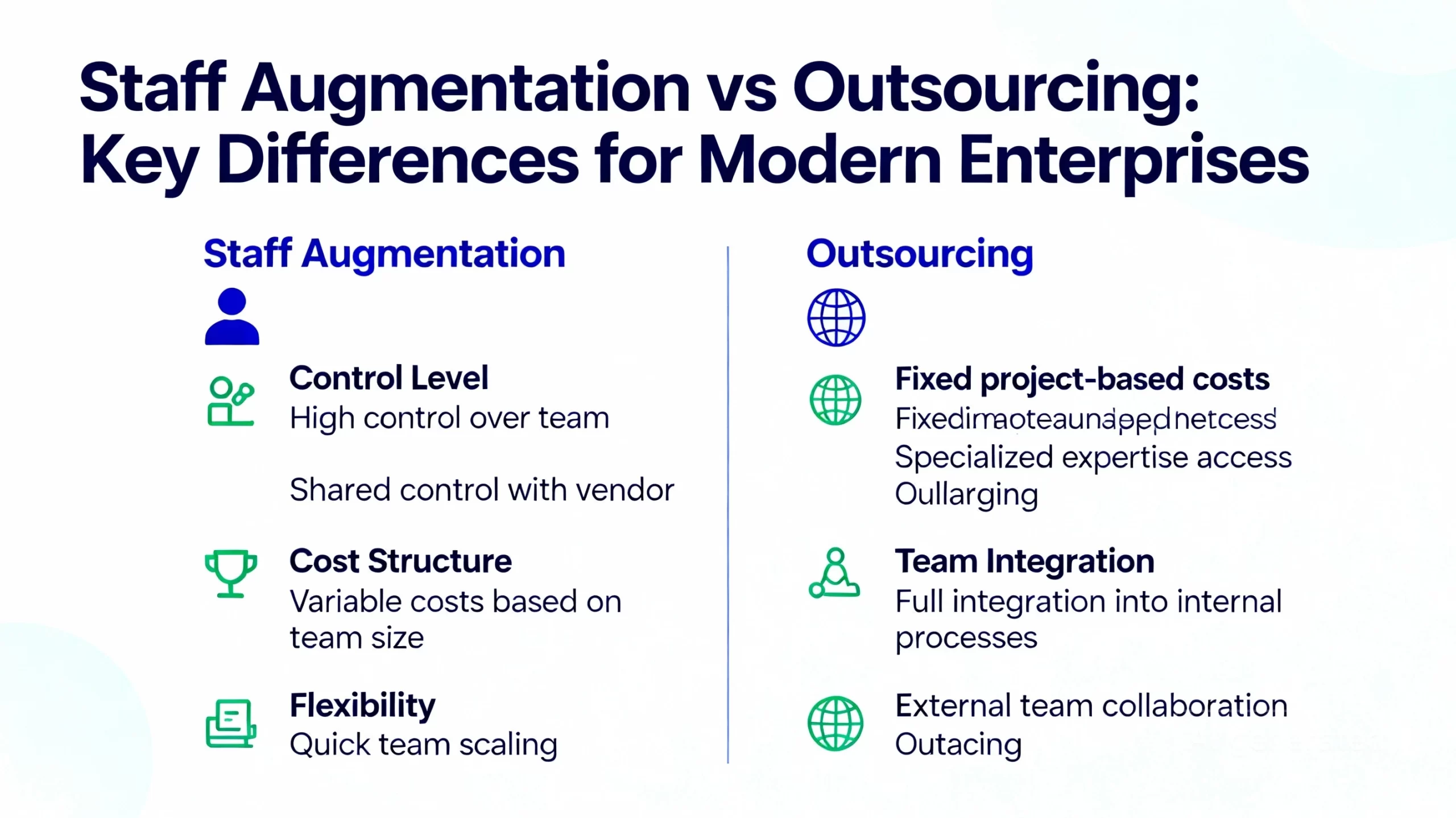 November 10, 2025
Staff Augmentation vs Outsourcing in 2025: Which Is Best for Modern Enterprises?
-
 November 7, 2025
How AI, IoT, and Cloud Are Redefining Software Development in 2025
-
 November 6, 2025
Scaling Smarter: How Augmented Teams Help Deliver Projects Faster in 2025
-
 November 5, 2025
How AI and Automation Are Transforming Software Development Teams in 2025
-
 November 3, 2025
The Future of IT Staffing: Why Businesses Are Choose Staff Augmentation in 2025
-
 October 31, 2025
Why Technology is Essential for Business Growth (2025): Top Reasons & Winning Strategies
-
 October 30, 2025
How the Internet of Things (IoT) Is Revolutionizing Modern Business
-
 October 29, 2025
Blockchain Cryptocurrency: Real-World Applications | WitQualis
-
 October 28, 2025
API Design and Management Best Practices for Developers
-
 October 27, 2025
Microservices Architecture: Benefits, Implementation Tips & Real-World Examples
-
 October 24, 2025
How Remote Work Has Transformed the IT Industry Tools in 2025
-
 October 23, 2025
Virtual and Augmented Reality: The Tech Revolution | WitQualis
-
 October 22, 2025
How AI is Revolutionizing Business Decision-Making in 2025 | In-Depth Analysis & Trends
-
 October 16, 2025
Blockchain Beyond Crypto: Building Trust in Business Operations
-
 October 15, 2025
How Custom Software Solutions Drive Business Efficiency | Expert Guide
-
 October 13, 2025
How Automation Reduces Costs & Boosts Productivity in 2025
-
 October 10, 2025
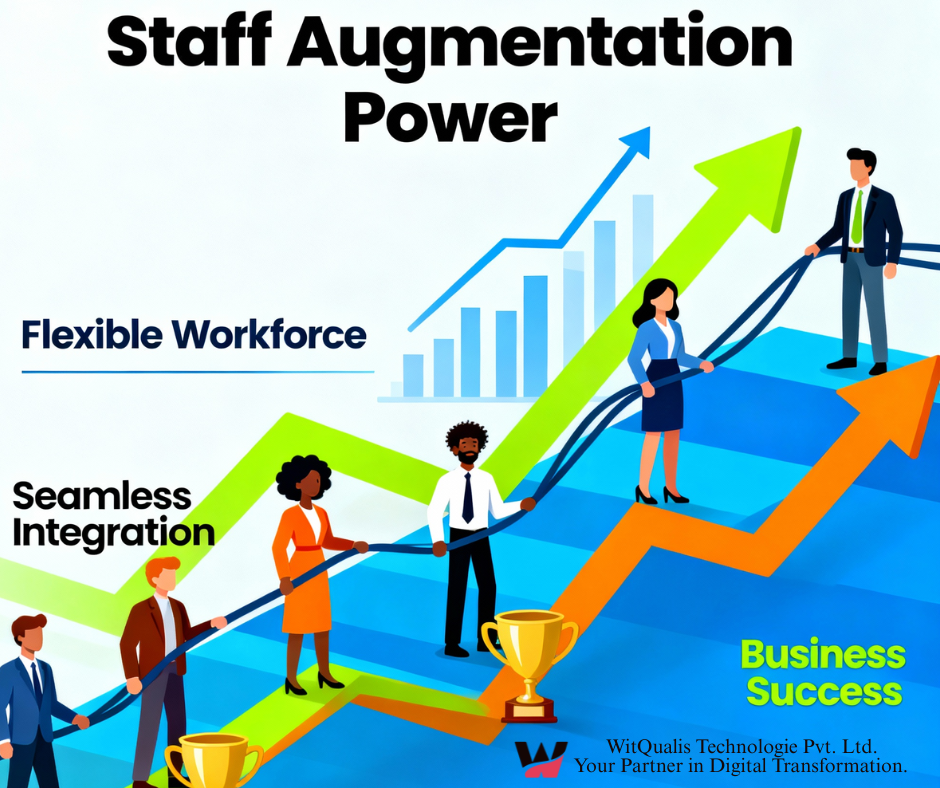
Staff Augmentation: The Key to Building Agile & Scalable Teams
-
 October 9, 2025
The Role of Cloud Computing in Scaling Modern Businesses
-
 October 8, 2025
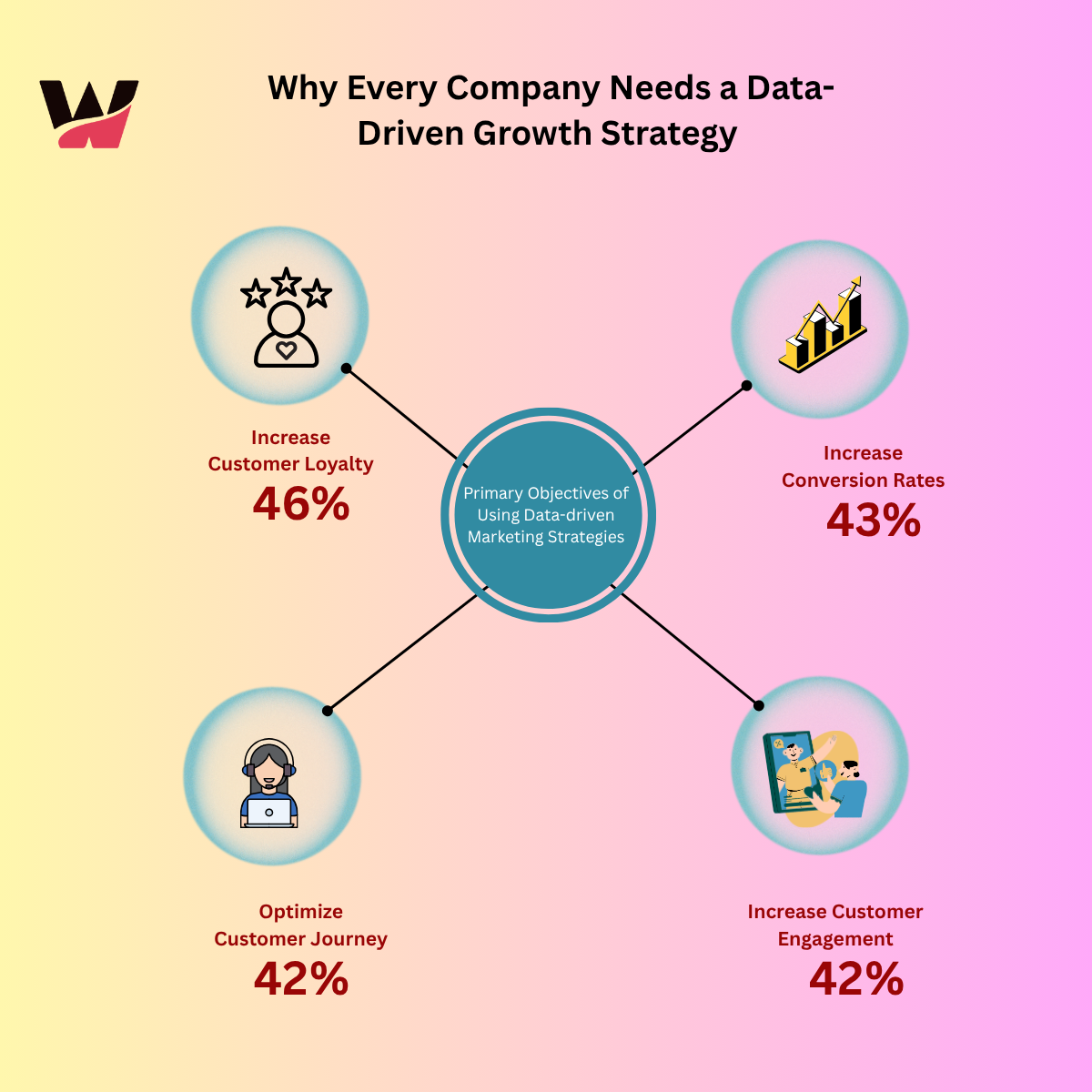
Why Every Company Needs a Data-Driven Growth Strategy
-
 October 7, 2025
API Design Best Practices for Developers in 2025 |API versioning strategies
-
 October 6, 2025
virtual reality vs augmented reality vs mixed reality
-
 October 3, 2025
The Impact of Internet of Things (IoT) on Modern Business
-
 October 1, 2025
Blockchain Beyond Cryptocurrency: Real-World Applications in 2025
-
 September 30, 2025
The Future of Artificial Intelligence: Trends and Opportunities
-
 September 26, 2025
Microservices Architecture: Benefits and Implementation Tips
-
 September 25, 2025
Why Staff Augmentation Is a Smart Move for IT Projects in 2025
-
 September 24, 2025
Cloud Computing Explained: Benefits and Best Practices (AWS, Azure, Google Cloud)
-
 September 23, 2025
How Staff Augmentation Can Help Scale Your IT Team Efficiently
-
 January 6, 2025
Choosing the Right Front-End Web Development Service in the UK
-
 January 4, 2025
Why Choose Staff Augmentation Services in India for Your IT Projects?
-
 December 21, 2024
Boost Your Business ROI with Power BI Development Services in the Maldives and Iceland
-
 December 20, 2024
Get a Free Consultation: Is Your E-Commerce Business in the UAE Ready for Digital Transformation?
-
 July 6, 2023
The Future of Small Business and Know-How to Climb up the Ladder


Leave a Reply