

Prompt engineering: from “nice‑to‑have” to core skill
AI‑assisted development is no longer a novelty.
For full‑stack developers, tools such as GitHub Copilot, ChatGPT, and other AI‑coding assistants are being used daily to write code, debug, and design APIs.
However, the quality of support is no longer determined by the AI model alone — it is now heavily shaped by how prompts are written.
This is where prompt engineering comes in.
Instead of randomly typing “write me a React component,” a developer who understands prompt engineering can craft precise, context‑rich instructions that yield:
-
Clean, production‑ready code,
-
Appropriate error‑handling,
-
And security‑aware patterns.
In short, prompt engineering is becoming the “second language” of modern full‑stack developers — complementary to JavaScript, Python, or Go.
For HR leaders and tech managers who rely on IT staff augmentation to fill high‑demand full‑stack roles, this shift cannot be ignored.
What is prompt engineering, really?
Prompt engineering defined
Prompt engineering is the practice of designing, refining, and structuring natural‑language inputs to AI systems so that they produce the desired outputs.
In the context of full‑stack development, this means:
-
Describing the problem clearly,
-
Providing context (framework, constraints, security requirements),
-
And specifying the expected format of the response.
A well‑engineered prompt is not just a single sentence.
It often includes:
-
A role definition (“You are a senior full‑stack developer…”)
-
A clear goal (“…build a REST API endpoint that does X”)
-
Constraints (“…use TypeScript, follow our linting rules, and avoid this library”)
-
And examples (“…here is a sample response format”).
When these elements are combined, the output from AI tools becomes far more reliable and production‑ready.
Why prompt engineering is different from “typing questions”
Many developers treat AI assistants like a search engine: they type a short question and press Enter.
However, this approach typically yields:
-
Generic boilerplate,
-
Over‑simplified logic,
-
And security‑ or architecture‑related blind spots.
Prompt engineering, by contrast, is intentional and structured.
It treats the AI model as a junior‑level collaborator:
-
Given clear context, it can be steered toward high‑quality answers.
-
Given poor or vague prompts, it can produce misleading or unsafe code.
For full‑stack developers, the difference between treating AI as a “magic button” and treating it as a collaborative partner is exactly what prompt engineering enables.
Why prompt engineering matters for full‑stack developers
Full‑stack work is highly context‑sensitive
Full‑stack developers are expected to work across:
-
Frontend (React, Angular, Vue, HTML/CSS)
-
Backend (Node.js, Python, Java, .NET)
-
Databases (SQL, NoSQL)
-
DevOps and deployment (CI/CD, containers, cloud)
Each layer has its own conventions, constraints, and security considerations.
Traditional code generators struggle with this complexity unless they are given precise context.
With prompt engineering, a full‑stack developer can:
-
Prompt the AI to generate a React form with validation, API calls, and error states.
-
Then ask the same model to create the corresponding backend endpoint, including DTOs, validation, and logging.
-
And finally, ask for a deployment snippet (e.g., Dockerfile or Kubernetes YAML) that fits the team’s standards.
All of this is possible only if the prompts are well‑structured, domain‑aware, and aligned with the project’s architecture.
Faster iteration and experimentation
One of the biggest advantages of prompt engineering for full‑stack developers is speed.
Instead of:
-
Searching for snippets,
-
Copy‑pasting half‑working code,
-
And debugging inconsistencies,
a developer who understands prompt engineering can:
-
Ask the AI to generate a complete, coherent example.
-
Iterate quickly by refining the prompt (“now add TypeScript types”) or “zooming in” on specific parts (“show me only the validation logic”).
This reduces cognitive switching cost and lets developers focus on:
-
Architecture decisions,
-
Edge‑case handling,
-
And user‑experience nuances.
For organisations that rely on IT staff augmentation to staff product‑engineering teams, this level of productivity amplification is a major differentiator.
Improved code quality and consistency
When prompts are poorly engineered, AI tools often produce:
-
Over‑nested logic,
-
Redundant comments,
-
Or “magic” constants with no clear meaning.
Prompt engineering can enforce:
-
Naming conventions,
-
Comment density,
-
And style‑guide compliance.
For example, a prompt can specify:
“Generate this function in our codebase style. Use camelCase, add JSDoc‑style comments for inputs and outputs, and include error‑handling for network failures.”
When full‑stack developers apply this discipline at scale, code reviews become faster, and onboarding becomes easier, because the AI‑assisted output is already aligned with the team’s standards.
The connection between prompt engineering and AI‑assisted development
AI is not a “write‑for‑me” tool
Early expectations about AI‑coding tools were often exaggerated:
“I’ll just type a user story, and the AI will write the whole app.”
Reality is more nuanced.
AI models are excellent at pattern‑recognition, code suggestion, and snippet generation, but they are not autonomous engineers.
Prompt engineering is the bridge between:
-
What the developer knows (context, constraints, security rules)
-
and what the AI can generate (code, tests, docs, configs).
By investing time in crafting good prompts, developers are not “cheating” — they are raising the ceiling of what the AI can contribute.
Prompt engineering as a form of requirements refinement
Interestingly, prompt engineering often mirrors the requirements‑engineering process used in product development.
A good prompt usually:
-
Clarifies the problem statement,
-
Separates responsibilities across layers (frontend vs backend),
-
and sets out quality attributes (performance, security, maintainability).
When a full‑stack developer writes a high‑quality prompt, they are effectively:
-
Breaking down a user story,
-
Defining acceptance criteria,
-
And specifying implementation constraints — all in natural language.
This overlap makes prompt engineering a cross‑functional skill that benefits not only coding but also communication with product managers and QA teams.
Why prompt engineering is becoming a hiring differentiator
Job descriptions now mention “AI‑fluency” explicitly
More than a few job boards now list AI‑coding tools or prompt‑engineering experience as a nice‑to‑have — or even a nice‑to‑require — for full‑stack positions.
For HR leaders, this creates a new challenge:
-
How to evaluate whether a candidate can actually use AI tools effectively, not just claim they “know” them.
During interviews, some organisations are already experimenting with:
-
Asking candidates to write a prompt for a given coding problem,
-
Then evaluating the clarity, structure, and constraints in that prompt.
This is a subtle but powerful shift:
Prompt‑engineering skills are being treated as a proxy for AI‑fluency and structured thinking, not just “typing speed.”
Impact on IT staff augmentation and talent sourcing
For providers of IT staff augmentation and staff augmentation services, this new skill requirement is reshaping the talent pool.
Generic “full‑stack developers” are no longer enough.
Clients increasingly want AI‑ready developers who can:
-
Use AI‑coding assistants productively,
-
Avoid security and architecture anti‑patterns,
-
and integrate AI‑generated code into existing workflows.
As a result, staff augmentation companies are being pushed to:
-
Screen for prompt‑engineering skills, not just language or framework experience.
-
Include AI‑collaboration practices in their onboarding and upskilling programs.
Wirqualis takes this shift seriously: every staff augmentation process now includes an assessment of how effectively augmented full‑stack developers can collaborate with AI tools, not just write code by hand. WitQualis
Prompt engineering patterns for full‑stack developers
1. Role‑based prompts
A simple but powerful pattern is to assign a role to the AI model.
Instead of:
“Write a React component that shows a list of users.”
A better prompt is:
“You are a senior React developer working on a TypeScript codebase. Write a functional component that renders a list of users, including loading and error states. Use hooks, follow our ESLint rules, and assume Axios is the HTTP client.”
By giving the AI a clear role and context, outputs become more aligned with real‑world standards.
2. Chain‑of‑thought prompting
For complex logic (e.g., backend business rules, state‑management in a React app), a chain‑of‑thought approach helps:
-
Ask the AI to “think step by step.”
-
Then generate the code based on that reasoning.
Example:
“Think step‑by‑step about how to implement user authentication with refresh tokens. List the steps, then write the Node.js route for login.”
This pattern improves the correctness and readability of generated code, because the AI has to “explain its logic” before writing it.
3. “Focus on this part” prompting
Full‑stack developers often need to work on one layer at a time.
A useful pattern is to:
-
First generate a high‑level design,
-
Then ask the AI to “zoom in” on a specific part.
For example:
“Generate a high‑level design for a REST API that manages blog posts. Now, focus only on the validation and error‑handling logic for creating a new post.”
This keeps the AI focused and prevents it from generating unnecessary or off‑topic code.
4. Security‑ and compliance‑aware prompts
Prompt engineering can be used to bake security and compliance into AI‑assisted development.
Instead of “just write the code,” a better prompt includes:
-
Input‑validation requirements,
-
Authentication/authorization patterns,
-
And logging or monitoring expectations.
Example:
“You are implementing a password reset endpoint. Generate Express.js code that: validates the token, enforces rate‑limiting, logs suspicious activity, and follows OWASP guidelines.”
Such prompts help ensure that AI‑generated code does not introduce obvious security vulnerabilities by default.
5. Testing‑driven prompts
Test‑driven development is already a best practice for full‑stack developers.
Prompt engineering can extend this to:
-
Ask the AI to generate unit tests alongside the code,
-
Or to write test‑cases first and then the implementation.
Example:
“First, write Jest unit tests for a user‑registration service that covers success, duplicate email, and invalid email formats. Then, generate the implementation that makes these tests pass.”
This pattern aligns AI‑assisted development with established engineering practices, rather than bypassing them.
Prompt engineering and staff augmentation: a strategic fit
How IT staff augmentation companies adapt
As prompt engineering becomes a core skill for full‑stack developers, IT staff augmentation companies must evolve.
Instead of selling only “engineers on contract,” they must:
-
Offer AI‑ready full‑stack developers who can collaborate effectively with AI tools.
-
Provide prompt‑engineering guidance and best‑practices as part of onboarding.
-
Ensure that augmented teams integrate AI‑assisted workflows smoothly into client projects.
Wirqualis is already moving in this direction: every staff augmentation process includes:
-
An assessment of AI‑tool fluency,
-
Reference prompts and templates for common tasks,
-
and guidelines for when AI‑generated code should be reviewed or rewritten. WitQualis
Why this matters for HR and operations
For HR leaders, the rise of prompt engineering changes the profile of a “strong full‑stack developer”:
-
It is no longer enough to be “good at React and Node.”
-
Modern candidates must also be good at communicating with AI, framing problems clearly, and inspecting AI‑generated outputs.
For operations managers, this means:
-
IT staff augmentation services should be evaluated not only on the technical stack of their engineers, but also on their AI‑collaboration maturity.
Organisations that overlook this shift risk:
-
Integrating AI‑assisted development in a haphazard way,
-
Creating inconsistent or insecure code,
-
Or missing out on the productivity gains that prompt‑engineering‑skilled teams can deliver.
Prompt engineering as part of continuous learning
Learning prompt engineering alongside code
Prompt engineering is not a one‑time skill.
It must be practiced and refined over time, just like writing clean code or designing APIs.
For full‑stack developers, this means:
-
Keeping a prompt library for recurring tasks (e.g., “generate a React form with validation”).
-
Recording what works and what doesn’t, and sharing that knowledge with the team.
-
Iterating on prompts until the AI consistently produces high‑quality outputs.
For staff augmentation companies, this creates a new axis for upskilling:
-
Workshops on effective prompts,
-
Code‑review practices that treat AI‑generated code like any other contribution,
-
and “prompt‑refactoring” sessions where teams improve their prompts alongside their code.
Impact on team dynamics
When prompt engineering is treated as a shared skill, not an individual quirk, team dynamics improve.
Developers can:
-
Share prompts that save time,
-
Co‑author prompts for complex stories,
-
and review AI‑generated code collaboratively.
This fosters a culture where AI is a team member, not a “black‑box mystery.”
For HR and operations leaders, this cultural shift is just as important as any technical benefit:
A team that collaborates effectively with AI is more likely to ship faster, experiment more, and maintain code quality at scale.
Practical next steps for HR, operations, and IT staff augmentation teams
For HR leaders
-
Update hiring criteria to include AI‑fluency and prompt‑engineering awareness.
-
Ask candidates to show how they use AI tools in real projects, not just claim they “know” them.
-
Partner with IT staff augmentation companies that explicitly emphasise AI‑ready full‑stack developers and prompt‑engineering practices. WitQualis
For operations managers
-
Map current workflows where AI‑assisted development could accelerate delivery (e.g., boilerplate, documentation, tests).
-
Run pilot projects with augmented full‑stack teams that include AI‑collaboration as a core expectation.
-
Measure outcomes such as time‑to‑value, code‑review cycle time, and defect‑density before and after introducing structured prompt engineering.
For IT staff augmentation companies
-
Integrate prompt‑engineering into your staff augmentation process, from sourcing to onboarding.
-
Train your engineers on best‑practices for AI‑assisted development, including security and quality constraints.
-
Differentiate your brand not just by “finding more engineers,” but by “finding AI‑ready, prompt‑engineering‑savvy teams.”
Why Wirqualis is built for the AI‑ready full‑stack era
At Wirqualis, full‑stack developers are treated as AI‑collaborators, not just code‑writers. WitQualis
Every staff augmentation service is designed with AI‑assisted development in mind, including:
-
Prompt‑engineering‑ready skill assessment,
-
Reference prompts and templates for common full‑stack patterns,
-
and governance guidelines for reviewing and integrating AI‑generated code.
Compared with more traditional staff augmentation companies such as Orange Mantra and Yoma Business Solutions — which still focus primarily on traditional resourcing and placement — Wirqualis is positioning itself as a modern, AI‑ready delivery partner for HR and operations leaders who want prompt‑engineering‑savvy full‑stack squads.
→ Learn more about how Wirqualis builds AI‑ready, full‑stack teams through IT staff augmentation: WitQualis
Below is a LinkedIn‑optimized version of this content along with hashtags you can use:
Why Prompt Engineering Is the New Critical Skill for Full‑Stack Developers
AI‑assisted development is here to stay.
For full‑stack developers, tools like GitHub Copilot, ChatGPT, and other code‑assistants are no longer optional — they are part of daily work.
However, the quality of AI‑assisted output is no longer just about the model.
It’s about how prompts are written.
That’s where prompt engineering comes in.
Instead of typing vague commands like “write me a React form,” developers who understand prompt engineering can guide AI models to produce:
-
Clean, production‑ready code,
-
Well‑structured components,
-
And security‑aware patterns.
For HR leaders and operations managers, this is a big shift.
The “full‑stack developer” profile is no longer defined only by language stacks and frameworks, but by how effectively that developer collaborates with AI tools.
Organisations that rely on IT staff augmentation and staff augmentation services must now evaluate candidates not only on their technical depth but on their AI‑fluency and prompt‑engineering skill.
At Wirqualis, every staff augmentation process includes an assessment of how augmented full‑stack developers work with AI. WitQualis
From reference prompts to security‑aware guidelines, Wirqualis is building AI‑ready squads that can ship faster, safer, and more consistently.
Is prompt engineering already part of your team’s skill set — or is it still being treated as an afterthought?
SEO metadata (for your CMS)
-
SEO title:
-
Slug:
/ -
Keyphrase:
is the new critical skill for full‑stack developers -
Meta description (150–160 chars):
Tags:
Recent Posts
-
 September 11, 2026
DevOps Talent Solutions: Build a Delivery Pipeline That Scales
-
 September 9, 2026
FinTech Software Development: Build Secure, Scalable, Compliant Products
-
 September 8, 2026
Enterprise Software Solutions: A Roadmap for Modernizing Complex Workflows
-
 September 7, 2026
AI Engineering Roles: How to Choose and Evaluate the Right Team
-
 September 4, 2026
SaaS Development Services: From Product Discovery to a Scalable Platform
-
 September 3, 2026
UI/UX Design and Development: From Research to Better Software
-
 September 1, 2026
Cybersecurity Recruitment: Hiring Framework for Security Teams
-
 August 31, 2026
Cloud Engineer Staffing: Hiring for Migration, DevOps, and Scale
-
 August 27, 2026
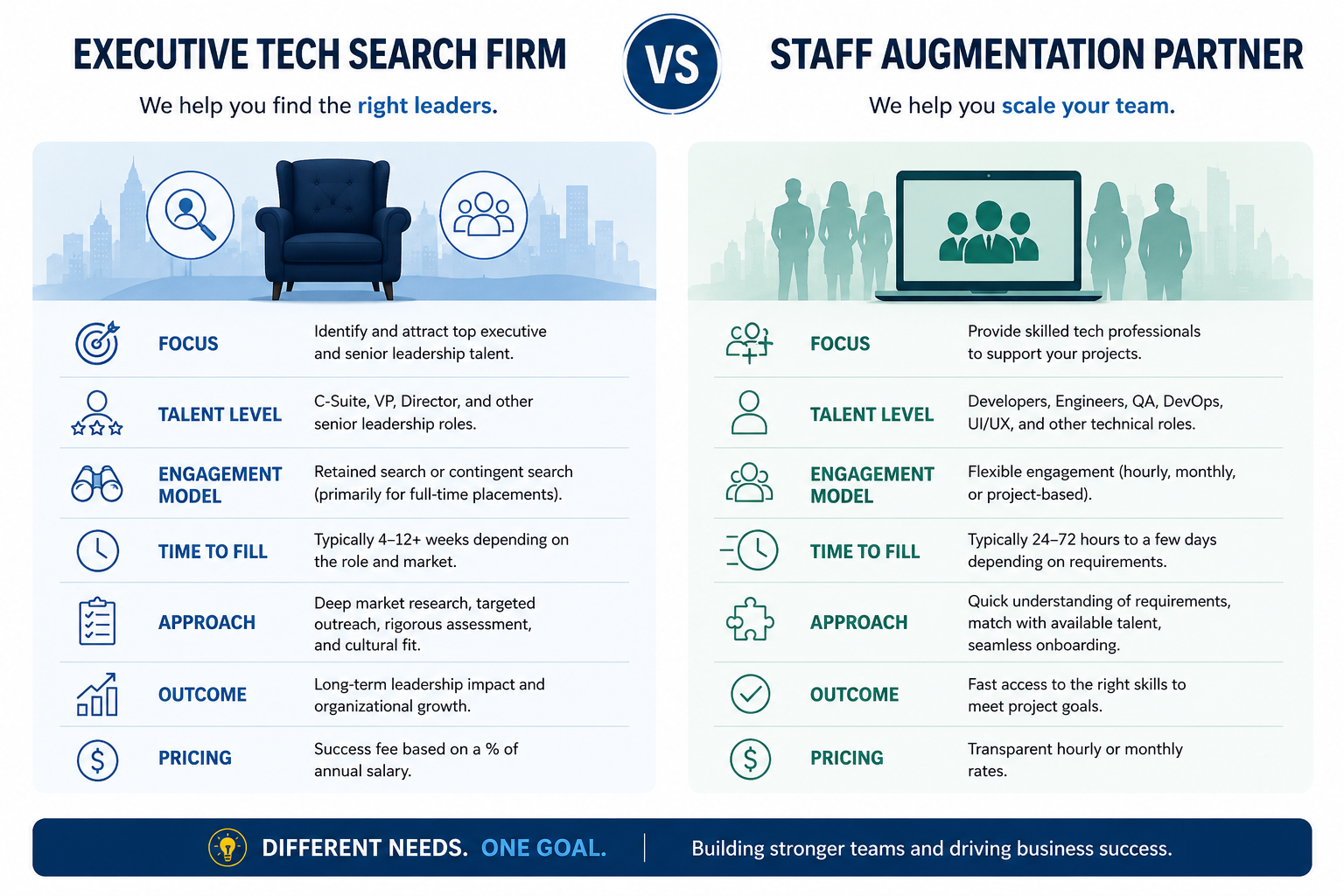
Executive Tech Search Firm vs Staff Augmentation Partner
-
 August 26, 2026
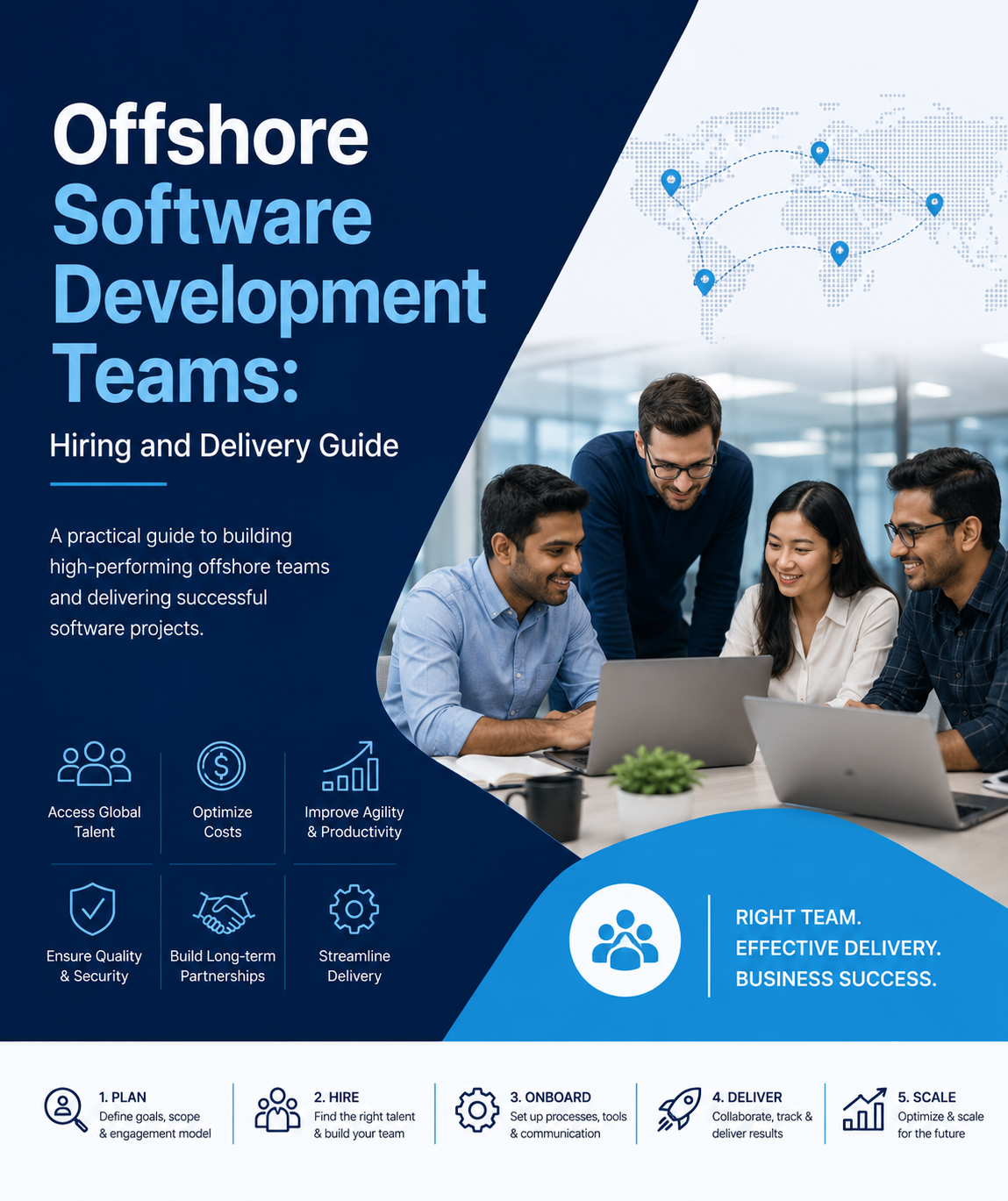
Offshore Software Development Teams: Hiring and Delivery Guide
-
 August 24, 2026
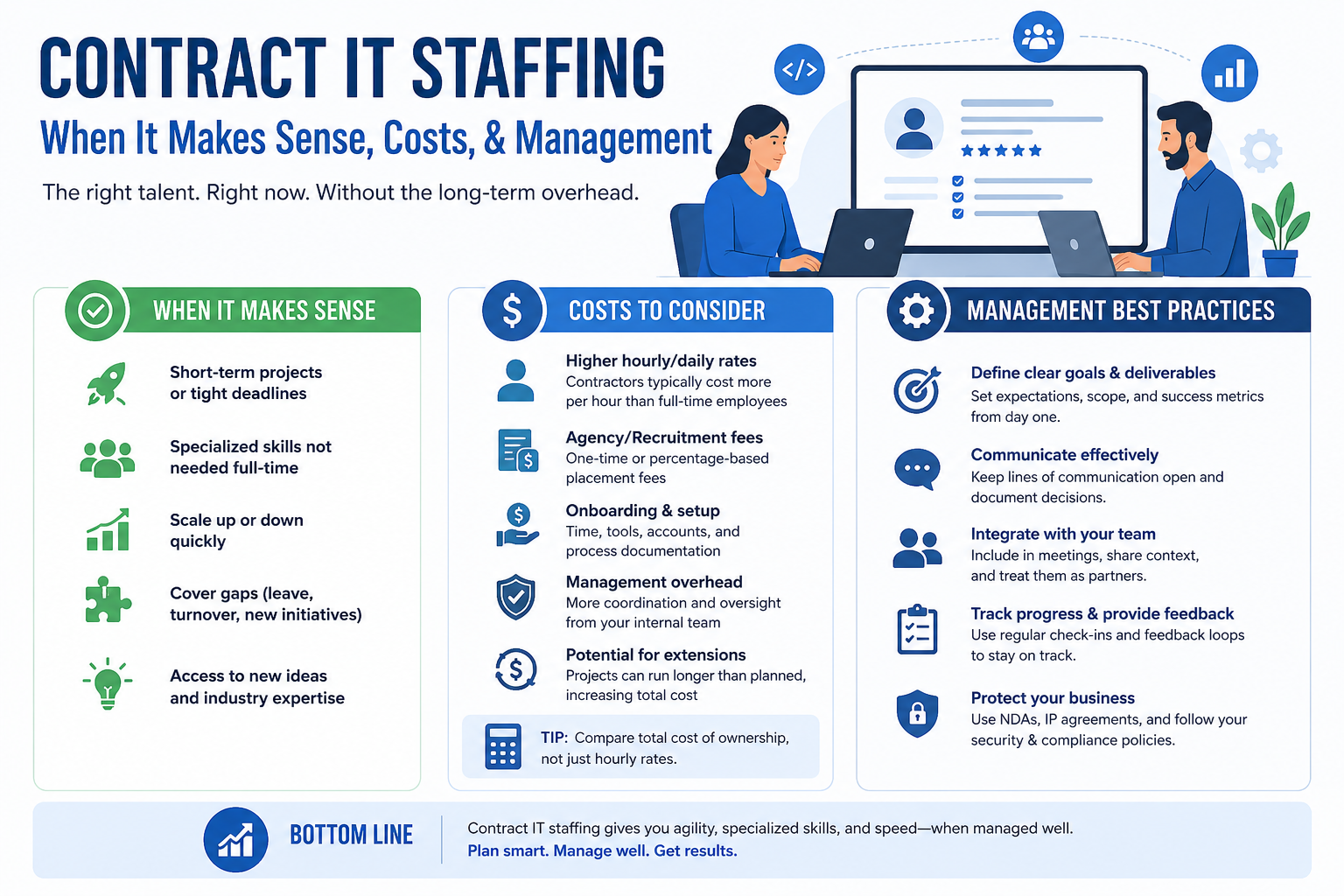
Contract IT Staffing: When It Makes Sense, Costs, and Management
-
 August 21, 2026
IT Staff Augmentation Services: How to Scale Your Engineering Team Without Slowing Delivery
-
 August 20, 2026
IT Staff Augmentation Services: How to Scale Your Engineering Team Without Slowing Delivery
-
 August 13, 2026
AI Workflow Automation for Operations: A Practical Guide
-
 July 30, 2026
Post-Project Offboarding: Seamless Transitions for Contract IT Staff
-
July 24, 2026
Mitigating Compliance Risks in IT Contract Staffing
-
 July 23, 2026
How TypeScript Reduces Production Errors in Large-Scale Codebases
-
 July 22, 2026
How to Write a Bulletproof SLA for IT Staff Augmentation
-
 July 21, 2026
Why Modern Product Design (UI/UX) Dictates Custom Software Success
-
 July 20, 2026
5 Signs Your Enterprise Needs a Contract-Based IT Staffing Model
-
 July 17, 2026
The Importance of API-First Architecture in Modern Custom Web Solutions
-
 July 16, 2026
Tailoring Your Tech Team: Specialized Contract Roles vs. Generalist In-House Developers
-
 July 15, 2026
Eliminating Hidden Costs in IT Recruitment via Contractual Staffing
-
 July 10, 2026
Building Technical Roadmaps: A Guide for Non-Technical Founders
-
 July 8, 2026
Scale on Demand: How Startups Leverage Contract-Based Developers for MVP Launches
-
 July 7, 2026
Utilizing Power BI Consultants to Transform Legacy Data into Real-Time Dashboards
-
 July 6, 2026
Overcoming Time-Zone Barriers When Hiring Augmented Tech Teams
-
 July 3, 2026
Enterprise CRM Customization: Tailoring Tech to Your Unique Sales Pipeline
-
 July 2, 2026
Managing Data Security and IP Isolation on Remote Virtual Desktop Infrastructures (VDI)
-
 July 1, 2026
Staffing for Modern Frontend Architectures: When to Deploy React vs. Angular vs. Vue
-
 June 30, 2026
The Roadmap to Building a Scalable Multi-Vendor Marketplace Product
-
 June 29, 2026
Custom Software Development vs. Commercial Off-the-Shelf (COTS) Solutions
-
 June 25, 2026
Contractual Tech Staffing: The Secret Weapon for Scaling Peak Seasons
-
 June 24, 2026
The Ultimate Guide to Managing Remote Contract Developers
-
 June 23, 2026
How to Use IT Staff Augmentation to Control Infrastructure Costs
-
 June 22, 2026
Why Contract IT Staffing Is Outpacing Full-Time Hiring
-
 June 19, 2026
E‑Commerce & Retail Tech: Scaling Teams for Peak Seasons with Staff Augmentation
-
 June 18, 2026
How to Manage Remote Staff Augmentation Teams Across Time Zones
-
 June 17, 2026
Why Staff Augmentation Is the Future of Agile Hiring
-
 June 16, 2026
The 2026 Staff Augmentation Playbook: How Modern Enterprises Scale Tech Team
-
 June 15, 2026
Building an AI‑Ready Tech Team Using Staff Augmentation
-
 June 11, 2026
When to Choose Staff Augmentation Over Full-Time Hiring in 2026
-
 June 10, 2026
Enterprise Software Modernisation: Why Staff Augmentation Beats Traditional Hiring
-
 June 8, 2026
How to Start a Staff Augmentation Project in 7 Steps (2026)
-
 June 4, 2026
Staff Augmentation Onboarding Checklist: Security, Tools, and Culture
-
 June 3, 2026
Legacy System Modernisation with Staff Augmentation: A 2026 Blueprint
-
 June 1, 2026
Healthcare & SaaS Startups: How Staff Augmentation Cuts Time-to-Market
-
 May 28, 2026
The Hybrid Agile Model: In-House Teams + Staff Augmentation in 2026
-
 May 26, 2026
Staff Augmentation for Digital Transformation: Beyond Just Developers
-
 May 25, 2026
Staff Augmentation vs Outsourcing vs In-House Hiring: When to Use Which
-
 May 22, 2026
How to Choose the Right IT Staff Augmentation Company for Your Business
-
 May 20, 2026
Staff Augmentation Onboarding Checklist: The Ultimate Guide
-
 May 19, 2026
Staff Augmentation Pricing Models Explained: FTE vs T&M vs Hybrid
-
 May 15, 2026
AI‑Driven Development Needs AI‑Ready Talent: Here’s How Staff Augmentation Helps
-
 May 13, 2026
Best Staff Augmentation Companies for Enterprise Software Modernization (2026)
-
 May 8, 2026
Staff Augmentation for Fintech: Bridging Compliance, Security, and Speed
-
 May 7, 2026
Technical Debt Reduction with Staff Augmentation: Fast, Safe, and Measurable
-
 May 6, 2026
Why Staff Augmentation Matters for Tech Leaders in 2026
-
 May 5, 2026
Best Staff Augmentation Companies for Enterprise Software Modernisation (2026)
-
 May 4, 2026
What Is an AI‑Ready Talent Pool and Why It Matters in 2026
-
 April 30, 2026
Why choose WitQuallis for staff augmentation?
-
 April 29, 2026
Emerging tech & cloud strategy: how businesses stay ahead in 2026
-
 April 28, 2026
How IoT and Azure are creating real‑time patient monitoring systems
-
 April 27, 2026
Nearshoring vs offshore: why time‑zone alignment matters for Agile sprints
-
 April 24, 2026
Staff Augmentation: A Complete Guide to Scaling Your Tech Team Efficiently
-
 April 23, 2026
The Ultimate Guide to IT Staff Augmentation: Scaling Your Digital Success with WitQualis
-
 April 22, 2026
What is Software Development? A Comprehensive Guide to the 2026 Digital Landscape
-
 April 21, 2026
Boost Your Business ROI with Power BI Development Services
-
 April 20, 2026
Why Hiring Python Developers Has Become Risky (and Critical)
-
 April 17, 2026
Staff Augmentation: Scale Your Team Fast Without Full-Time Hires
-
 April 16, 2026
Top 20 Emerging Technologies of 2026: Transform Your Business Now
-
 April 15, 2026
🚀 Custom AI Development Costs in 2026: Complete Guide for Businesses
-
 April 14, 2026
Overcoming IT Staff Augmentation Challenges: Scale Your Team Fast and Smart
-
 April 13, 2026
Enterprise software modernisation 2026: why AI‑native refactoring and staff augmentation matter
-
 April 10, 2026
AI‑native refactoring: re‑imagining legacy modernisation in 2026
-
 April 9, 2026
AI-Native Refactoring: How to Modernise Legacy Systems in 2026
-
 April 8, 2026
The business case for Web3: real‑world asset tokenization in real estate
-
 April 7, 2026
The future of IoMT: smart hospitals in 2026
-
 April 6, 2026
Cloud 3.0: beyond “lift‑and‑shift” to sovereignty
-
 April 2, 2026
From filters to conversation: the shift in e‑commerce search
-
 April 1, 2026
Case Studies: Migrating Legacy Enterprise Apps to Azure/AWS with IT Staff Augmentation Services
-
 March 30, 2026
Why Hiring Full‑Time Quantum‑Resistant Encryption Specialists Is So Hard
-
March 27, 2026
Prompt engineering: from “nice‑to‑have” to core skill
-
 March 26, 2026
The hybrid squad: reimagining teams for the AI era
-
 March 25, 2026
Staff augmentation and the future of work: a new operating model
-
 March 24, 2026
Why full‑time quantum‑resistant encryption specialists are so hard to hire
-
 March 23, 2026
How Staff Augmentation Services Fixes Cybersecurity & Cloud Shortages
-
 March 20, 2026
The Great Fortress: Modernizing Banking Apps to Combat Sophisticated AI-Driven
-
 March 19, 2026
The Great Cloud Diversification: Navigating Data Residency in the Age of GDPR and the EU AI Act
-
 March 18, 2026
How Staff Augmentation automotive AR Cuts Onboarding Costs in Automotive & Manufacturing | WitQualis Staff Augmentation
-
 March 17, 2026
The Outcome-Based Model: How AI-Augmented Teams Are Multiplying Output | WitQualis
-
 March 16, 2026
Why “Vibe Coding” and Prompt Mastery Are Now as Important as Syntax
-
 March 13, 2026
The Witqualis Edge: How Agentic AI Tools Accelerate MVP Delivery by 40%
-
 March 12, 2026
Beyond Copilots: The Rise of Agentic AI in the SDLC
-
 March 11, 2026
Breaking the Monolith: A Definitive Guide to Using Generative AI for Microservices Migration (2026 Edition)
-
 March 10, 2026
The Agentic Revolution: Why AI is Moving from "Suggesting Code" to "Executing Workflows"
-
 March 9, 2026
Beyond the Search Bar: How LLMs are Revolutionising Retail Discovery
-
 March 6, 2026
How Blockchain is Making Real Estate Investment Liquid and Accessible
-
 March 5, 2026
Microservices Architecture: Benefits and Implementation Tips
-
 March 3, 2026
How Remote Work Has Changed the IT Industry and Tools You Need
-
 March 2, 2026
API Design and Management Best Practices for Developers
-
 February 27, 2026
The Impact of Internet of Things (IoT) on Modern Business
-
 February 26, 2026
Virtual and Augmented Reality: Where Tech is Headed Next | 2026 Guide
-
 February 25, 2026
Blockchain Beyond Cryptocurrency: Real-World Applications & Use Cases (2026 Guide)
-
 February 24, 2026
The Role of AI in Enhancing IT Development: A Deep Dive (2026 Guide)
-
 February 23, 2026
Maximizing Productivity: How Staff Augmentation Drives Innovation in IT Projects
-
 February 20, 2026
Staff Augmentation vs. Outsourcing: Which IT Model Wins in 2026?
-
 February 19, 2026
The Rise of Hybrid Teams: How to Leverage Staff Augmentation for Business Success
-
 February 18, 2026
How Staff Augmentation is Transforming the Future of IT Workforce (2026)
-
 February 17, 2026
5 Reasons Why Staff Augmentation is Key for Tech Skill Shortages: staff augmentation for tech skill shortages
-
 February 16, 2026
How Staff Augmentation Helps Scale Your Business Without Overheads in 2026
-
 February 13, 2026
The Power of Diverse Teams: How Staff Augmentation Drives Inclusion (2026)
-
 February 12, 2026
The Role of 5G Technology in Shaping IT Development and Augmentation in 2026
-
 February 11, 2026
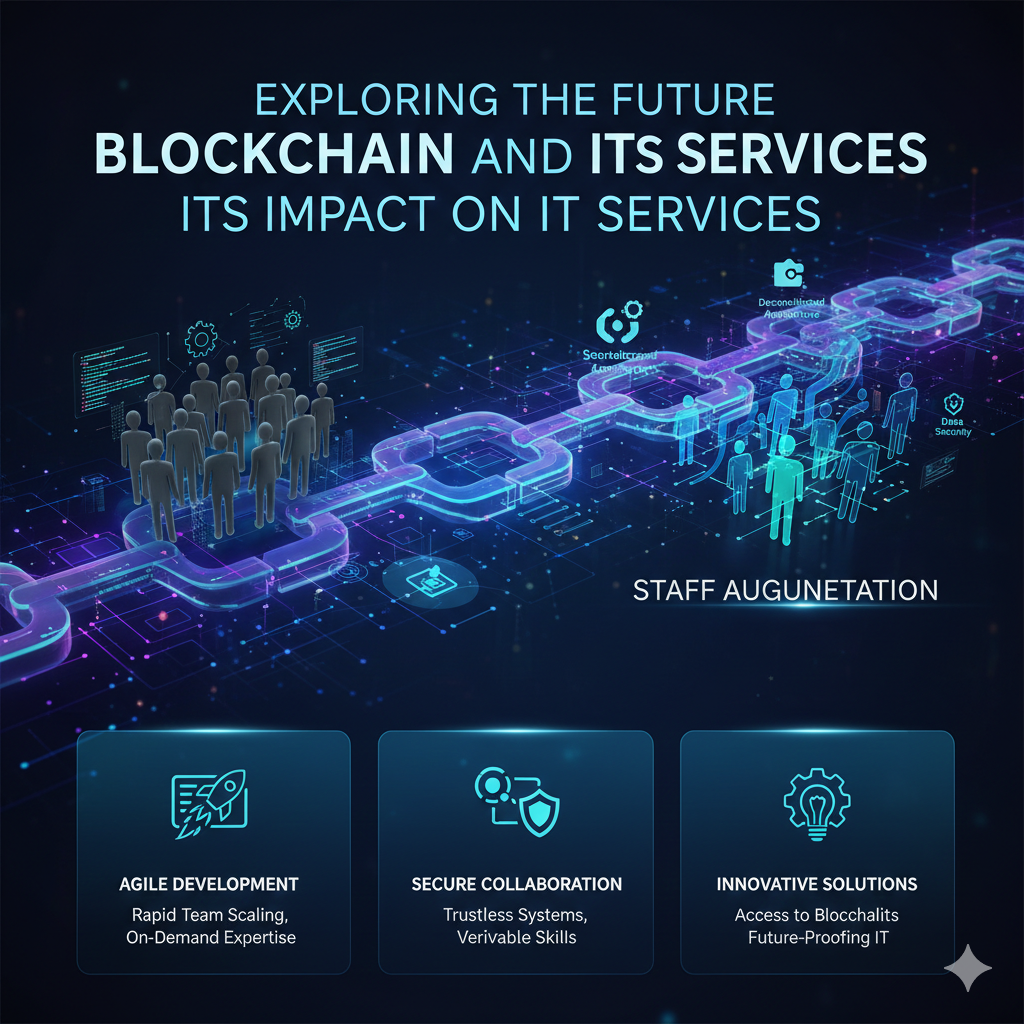
The Future of Blockchain: Revolutionizing IT Services in 2026
-
 February 10, 2026
Building an Authentic Employer Brand Through Staff Augmentation in 2026
-
 February 9, 2026
Supporting Augmented Professionals During Projects: Best Practices for Success
-
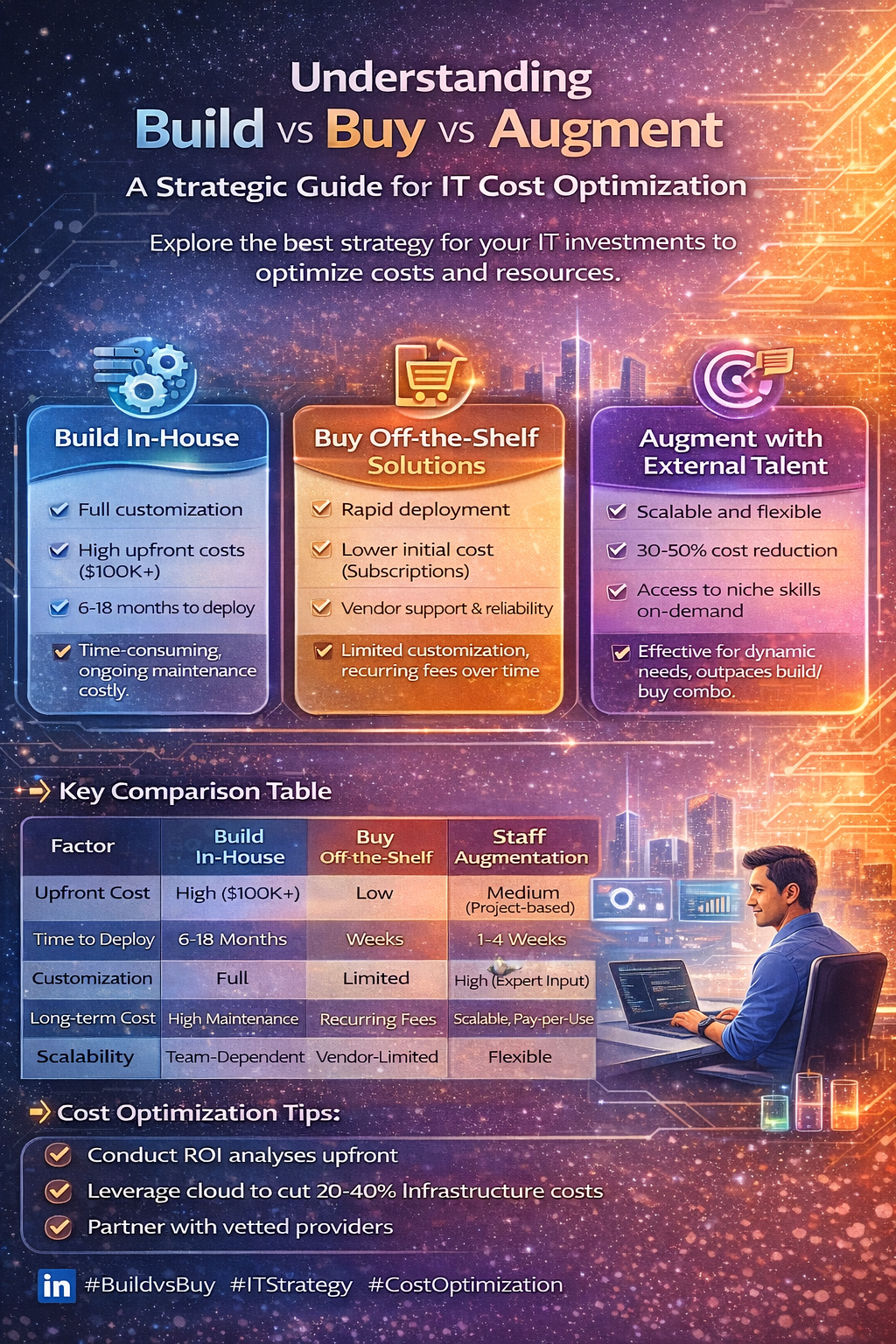 February 6, 2026
Cost Optimization in IT: Build vs Buy vs Staff Augmentation (2026 Guide)
-
 February 5, 2026
The Role of DevOps in High-Performance Engineering Teams: Best Practices Guide
-
 February 4, 2026
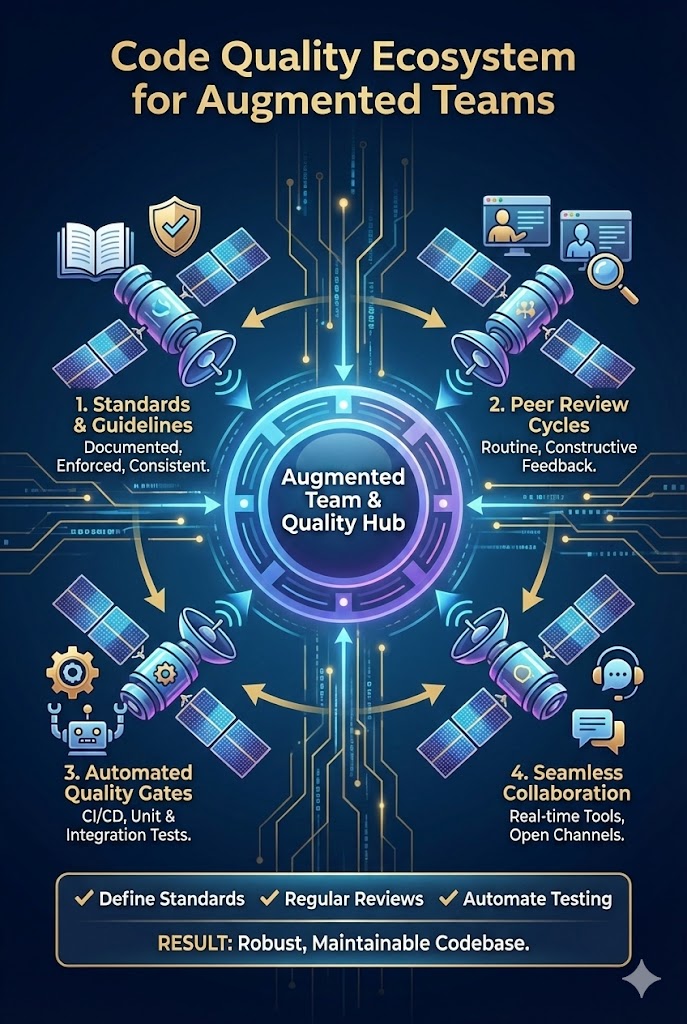
How to Ensure Code Quality When Working with Augmented Teams: Best Practices Guide
-
 February 3, 2026
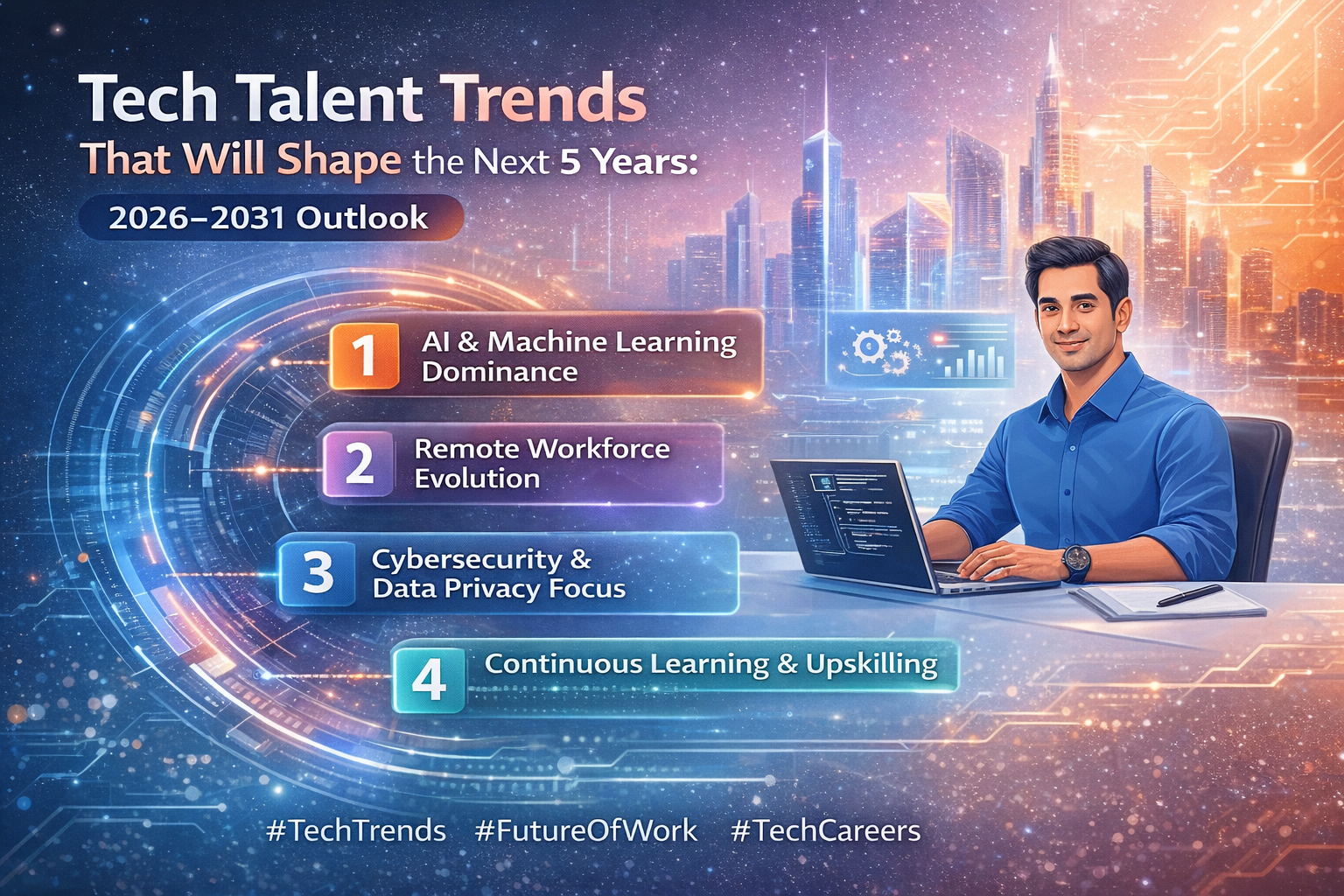
Tech Talent Trends That Will Shape the Next 5 Years: 2026–2031 Outlook
-
 February 2, 2026
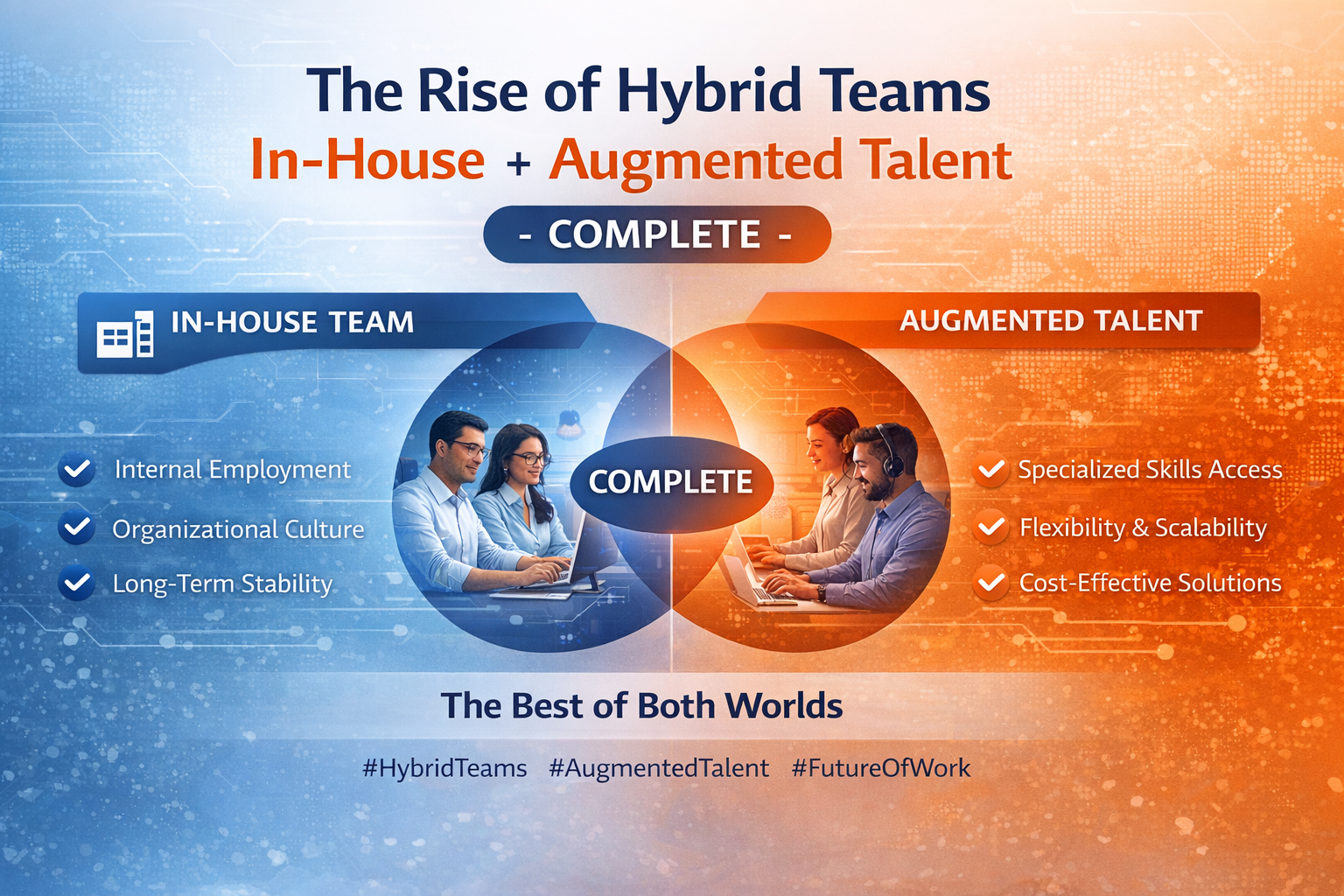
The Rise of Hybrid Teams: In-House + Augmented Talent - The Complete Guide
-
 January 30, 2026
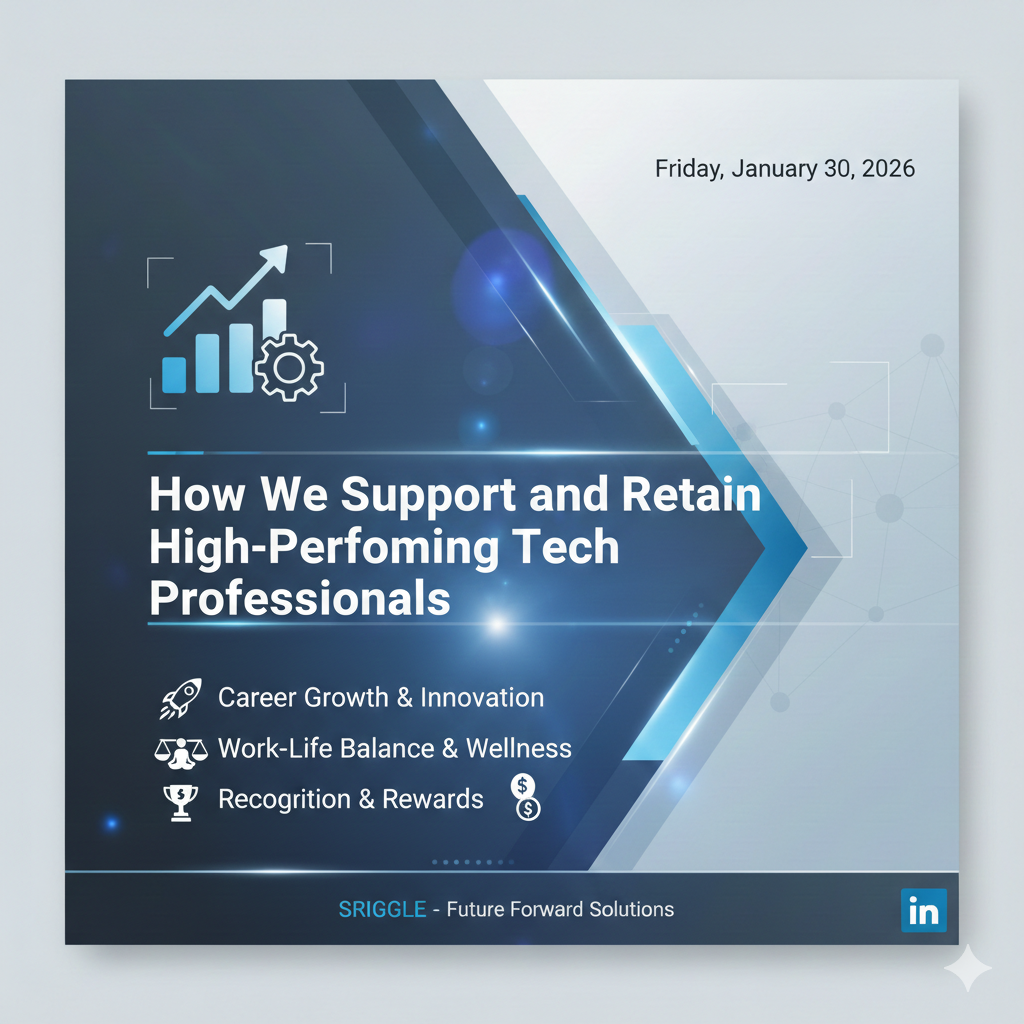
How We Support and Retain High-Performing Tech Professionals
-
 January 29, 2026
Aligning Technology Strategy with Business Growth Goals: A Complete Framework
-
 January 28, 2026
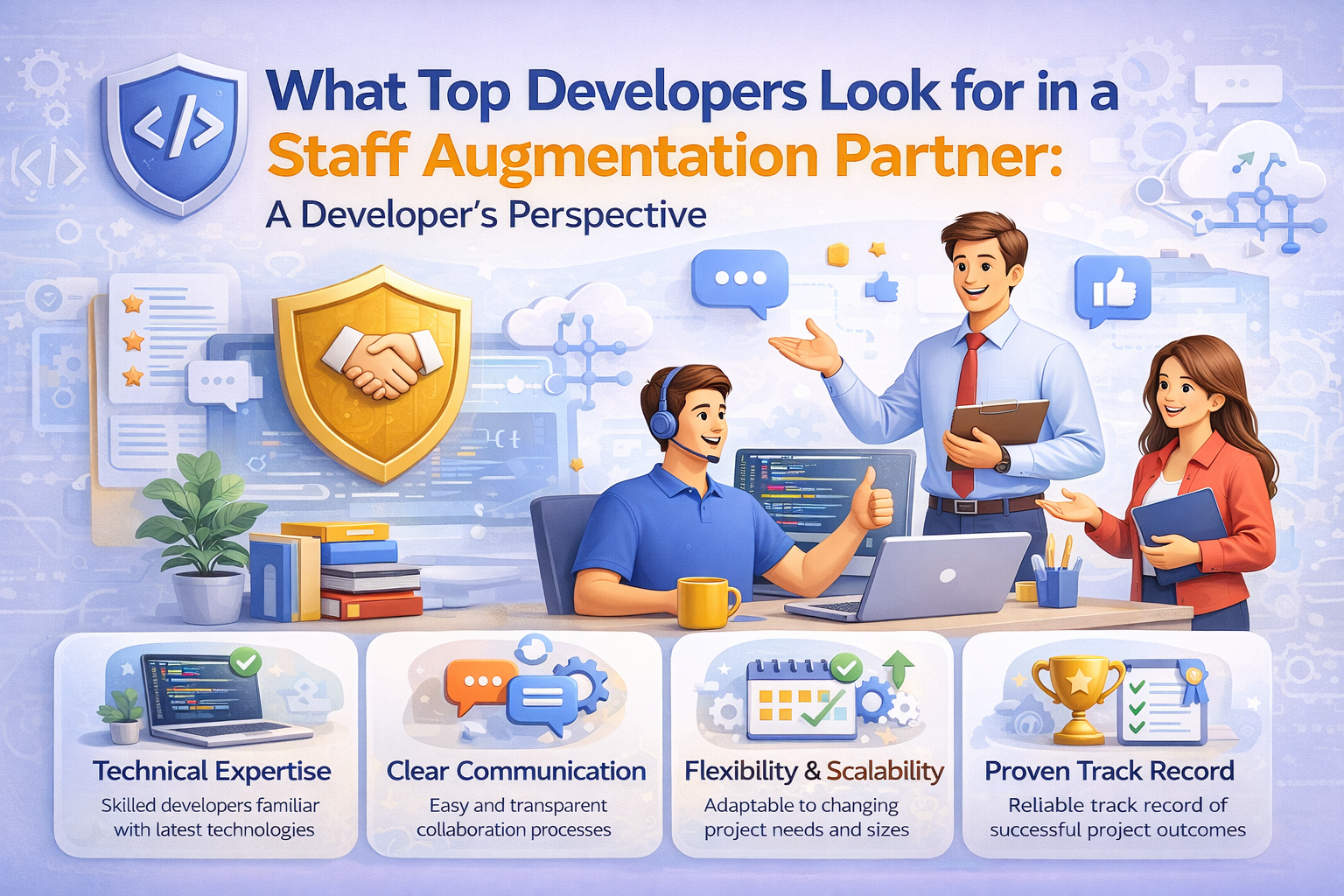
What Top Developers Look for in a Staff Augmentation Partner: A Developer's Perspective
-
 January 27, 2026
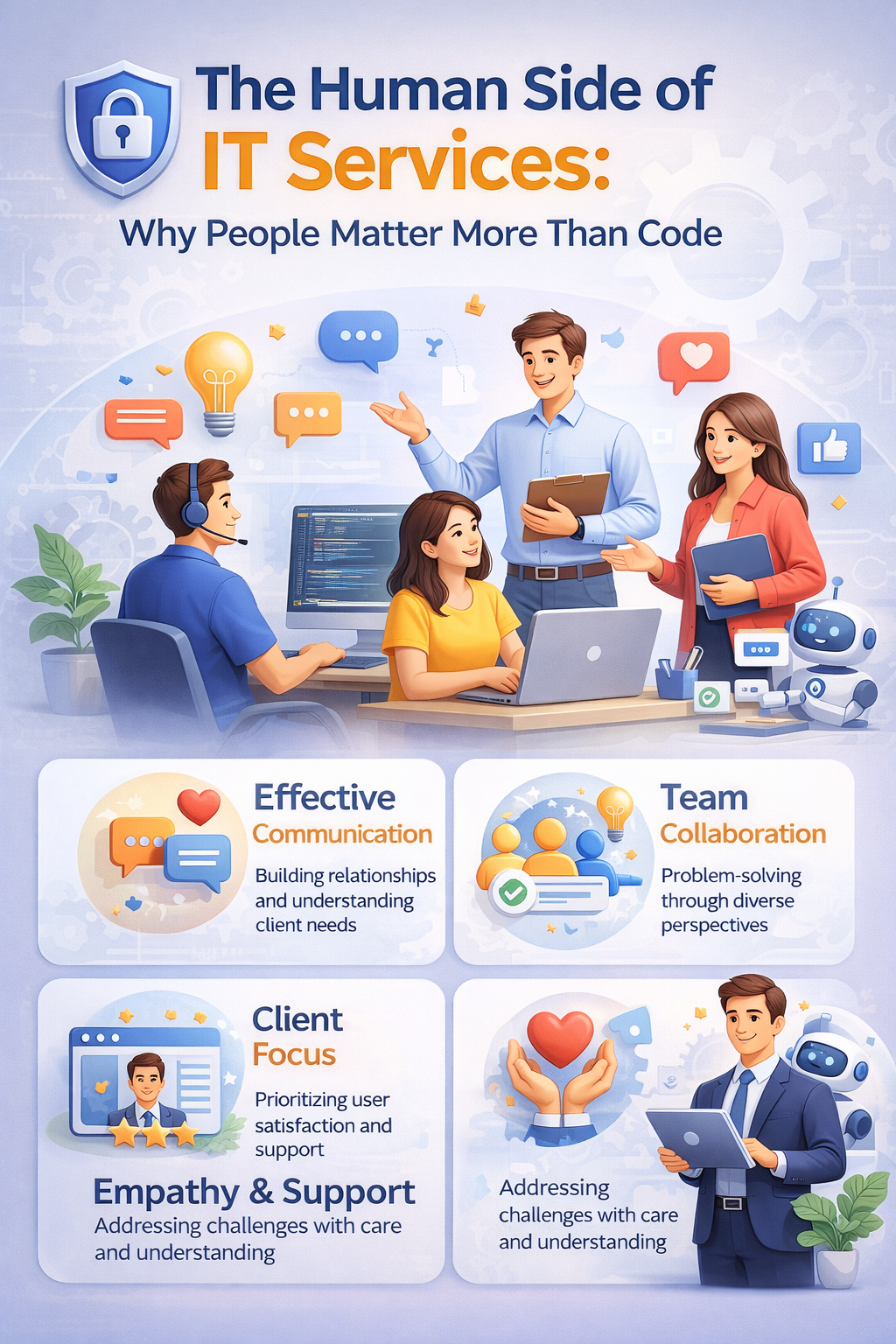
The Human Side of IT Services: Why People Matter More Than Code
-
 January 23, 2026
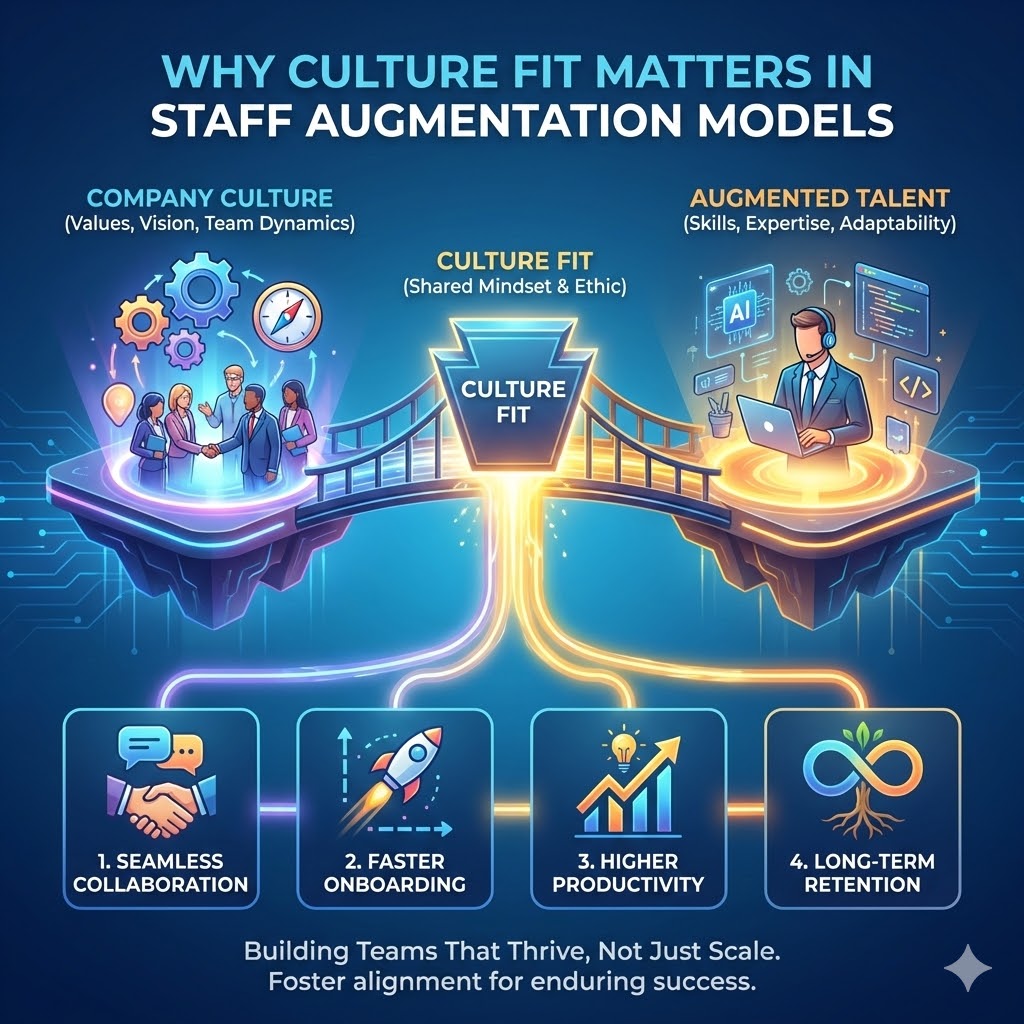
Why Culture Fit Matters in Staff Augmentation Models | Witqualis
-
 January 22, 2026
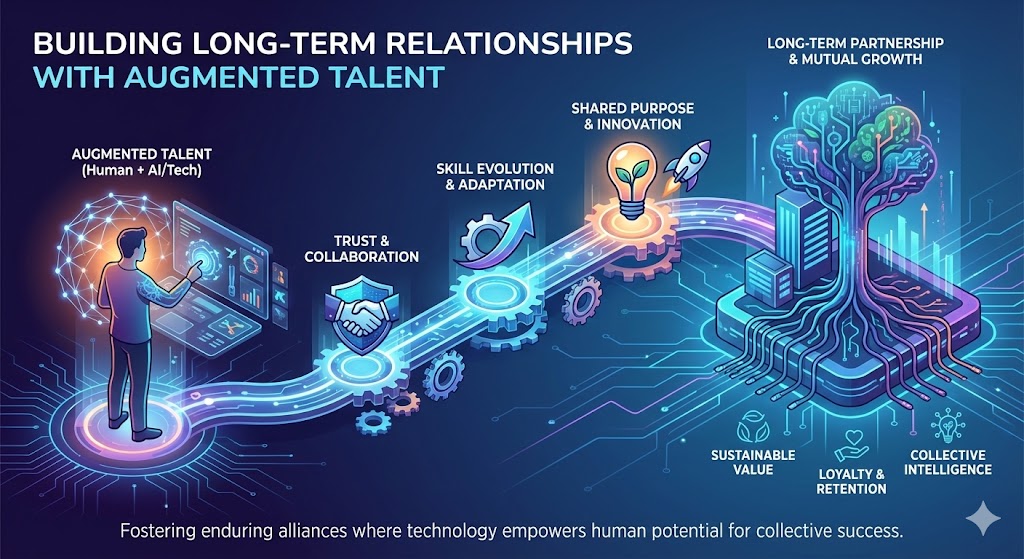
Building Long-Term Relationships with Augmented Talent: A Strategic Approach
-
 January 21, 2026
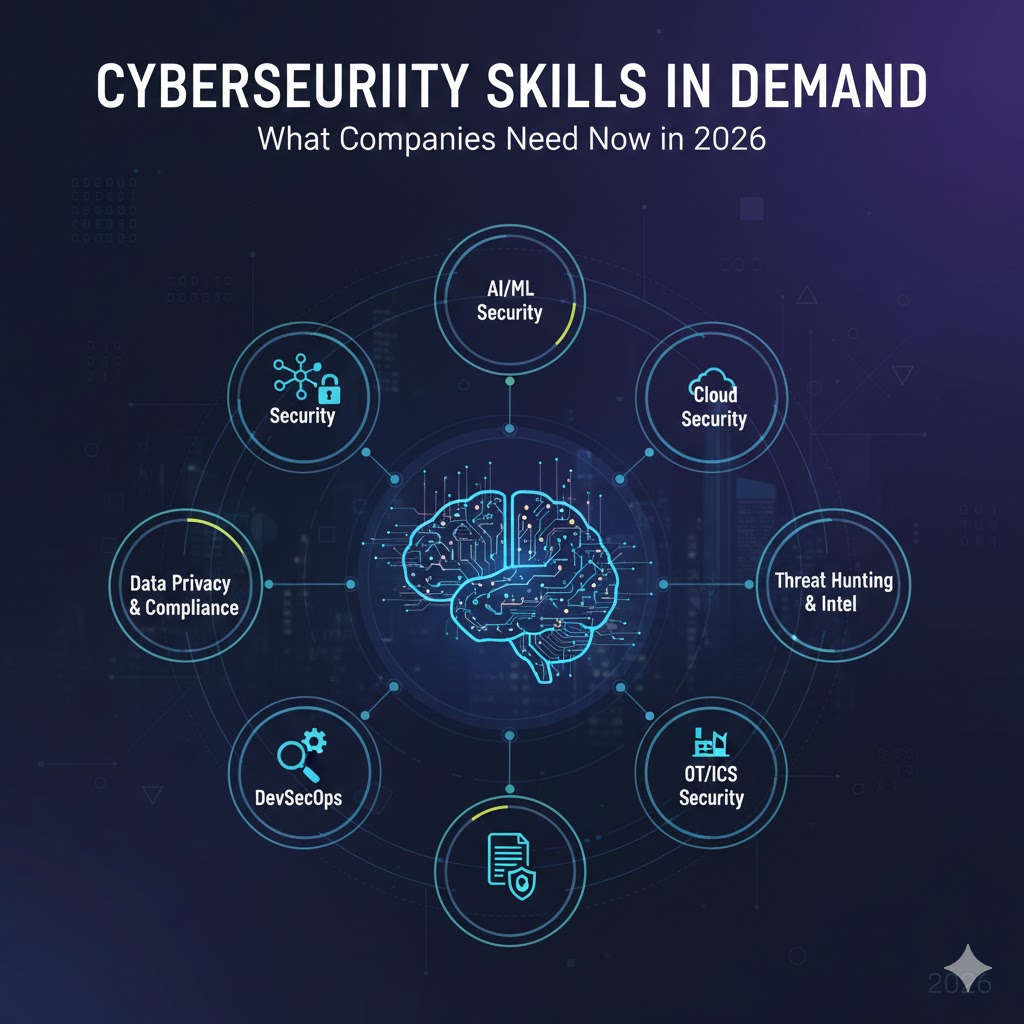
Cybersecurity Skills in Demand: What Companies Need Now in 2026
-
 January 20, 2026
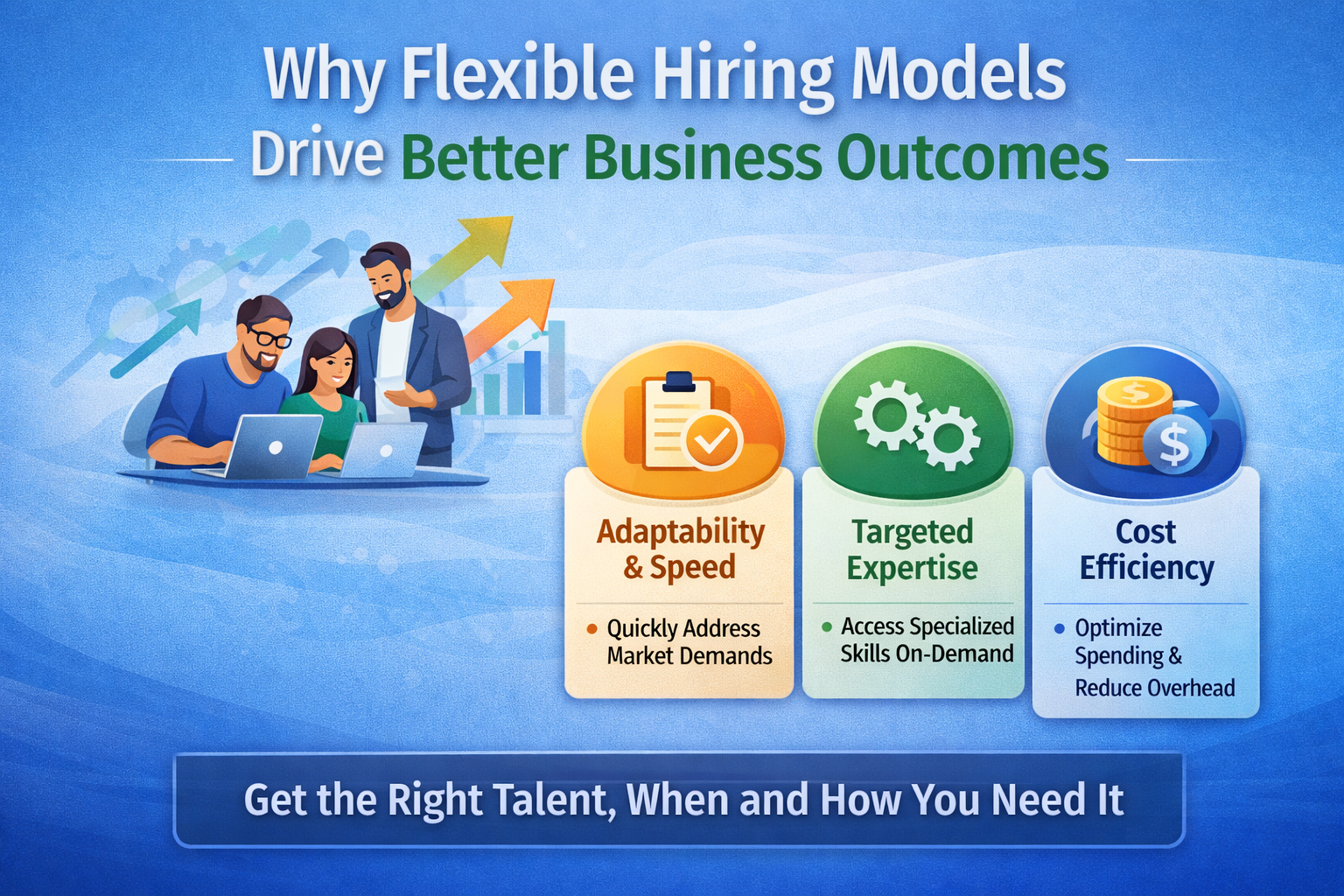
Why Flexible Hiring Models Drive Better Business Outcomes
-
 January 19, 2026
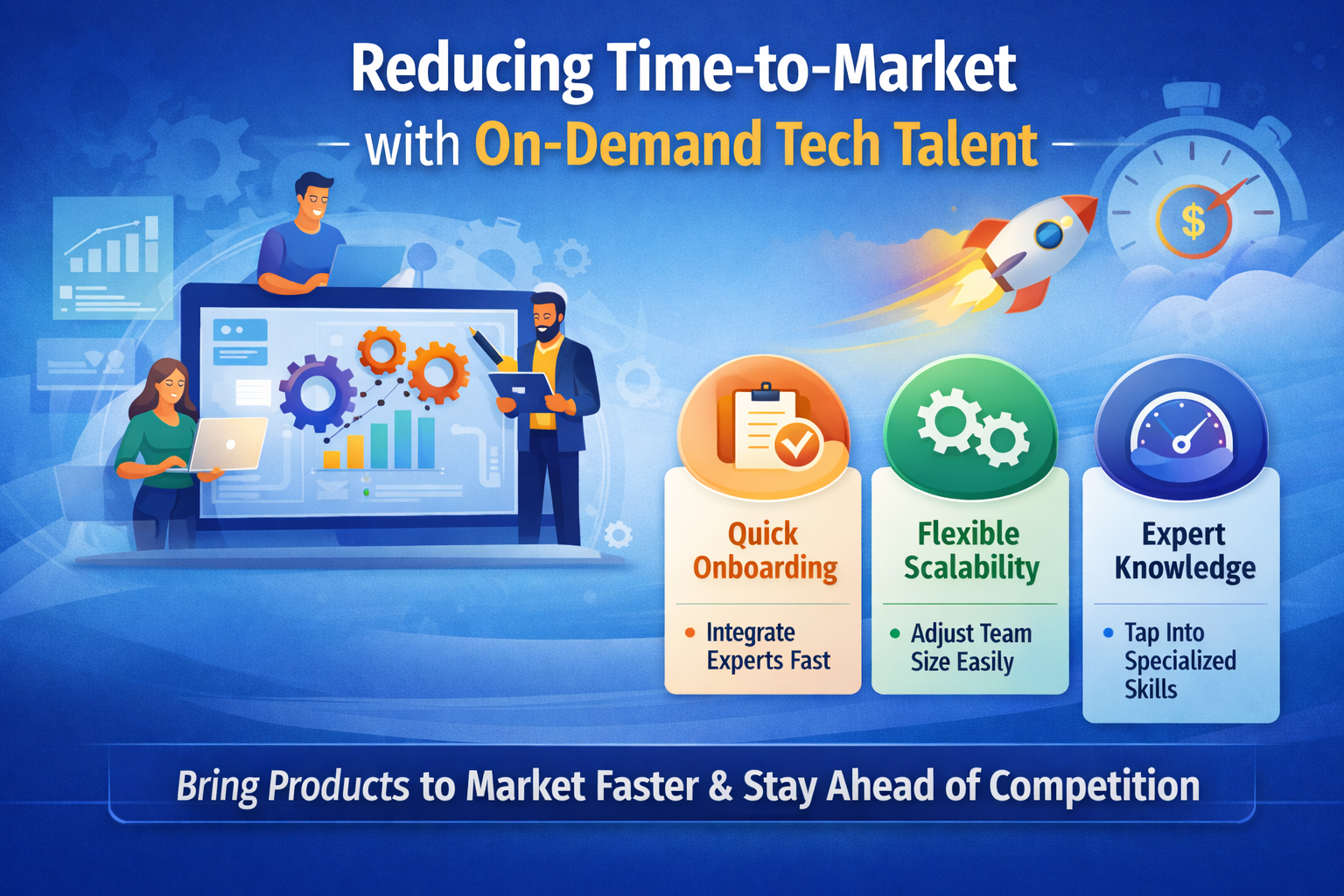
Reducing Time-to-Market with On-Demand Tech Talent
-
 January 15, 2026
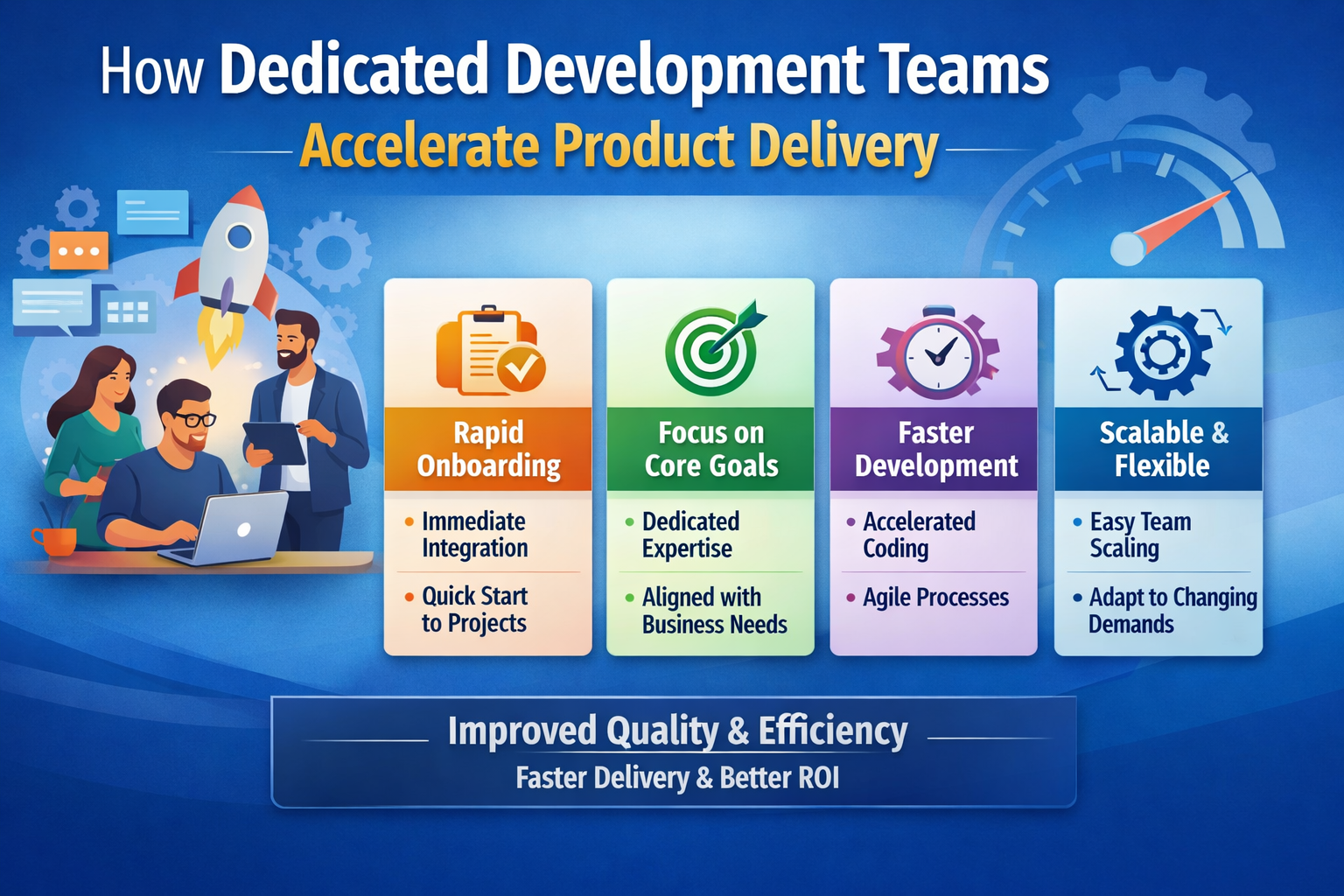
How Dedicated Development Teams Accelerate Product Delivery
-
 January 14, 2026
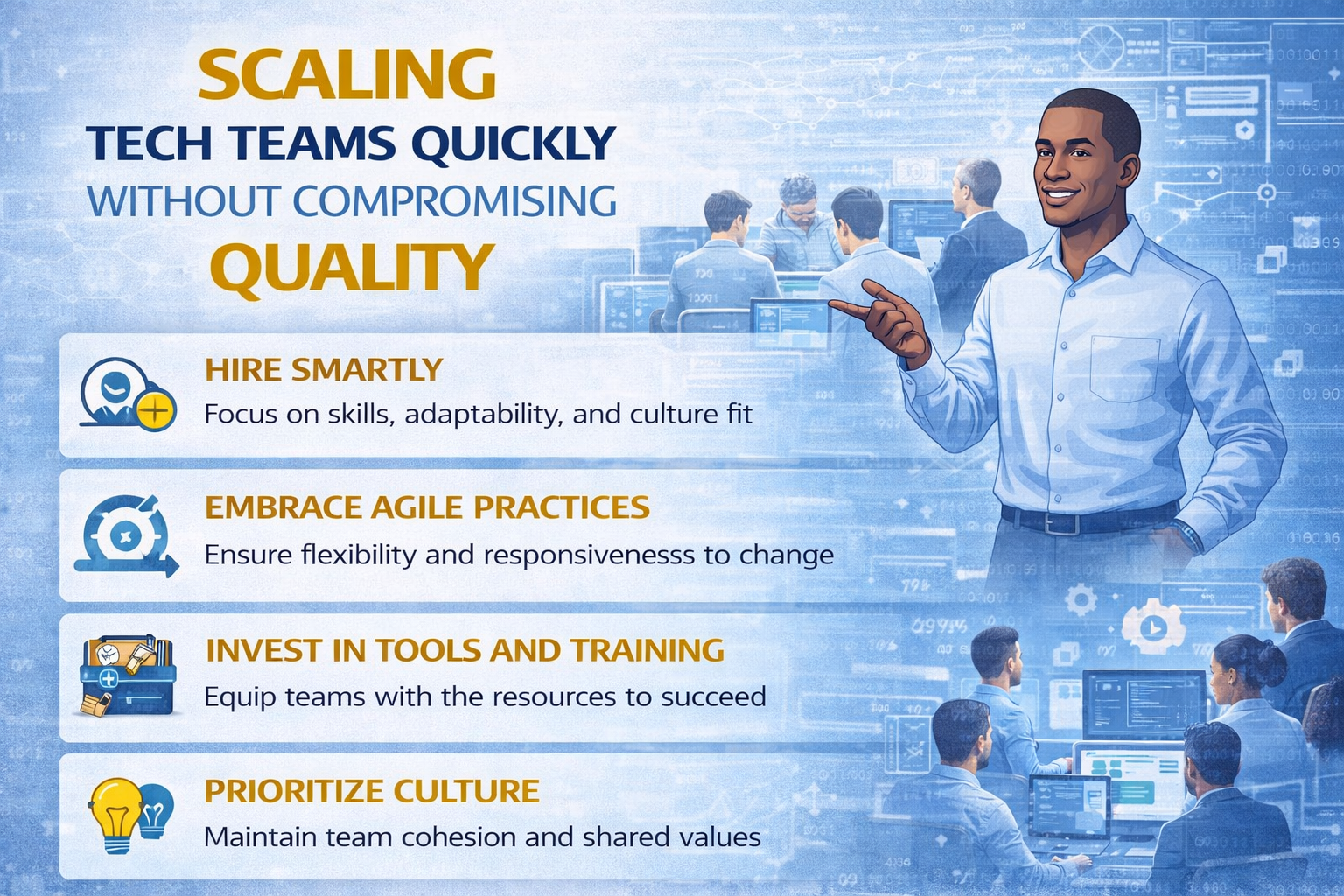
Scaling Tech Teams Quickly Without Compromising Quality
-
January 12, 2026
Common Mistakes Companies Make When Outsourcing IT Projects (And How to Avoid Them)
-
January 9, 2026
Key Workforce Trends Every CTO Should Watch This Year
-
 January 8, 2026
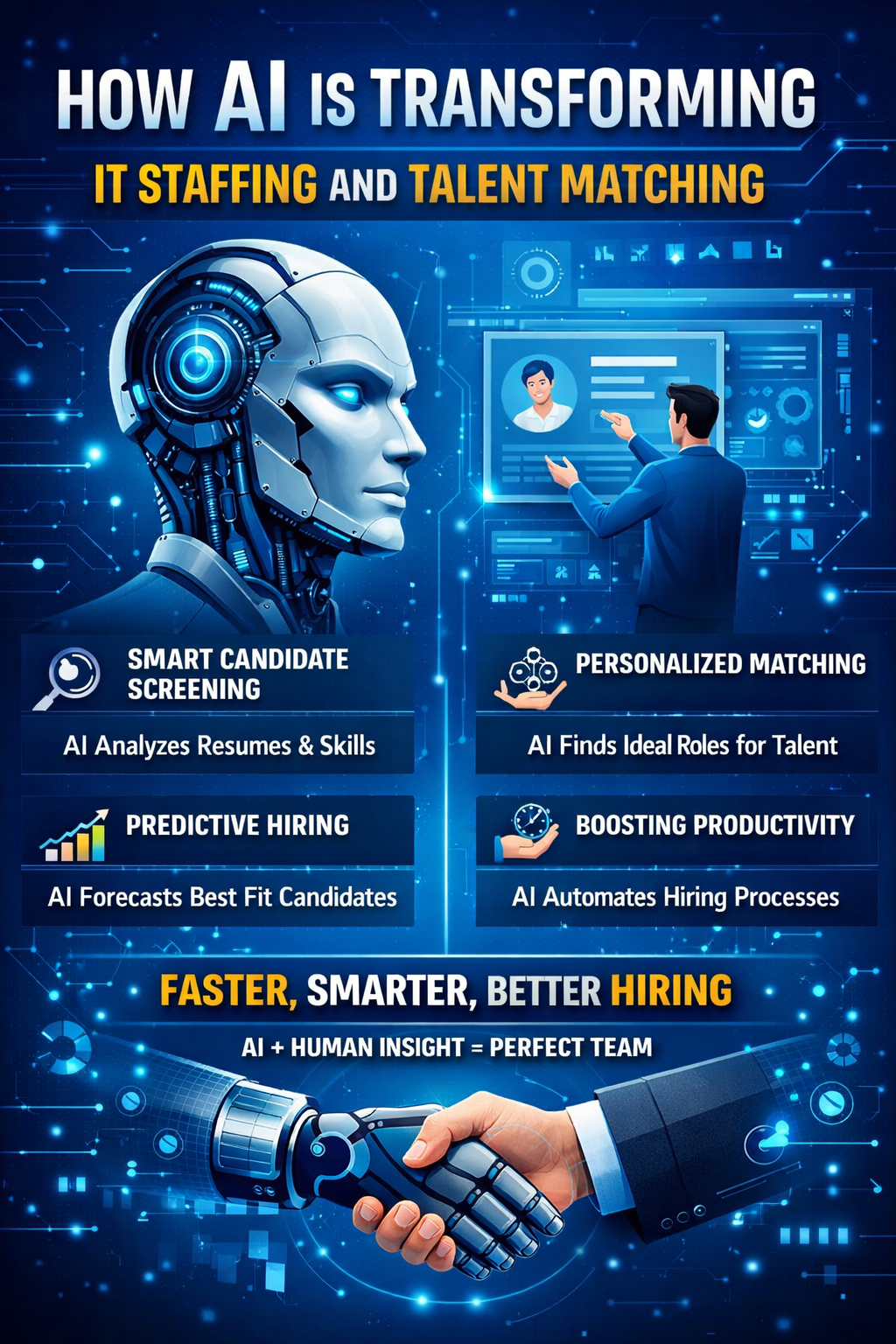
How AI Is Transforming IT Staffing and Talent Matching
-
 January 7, 2026
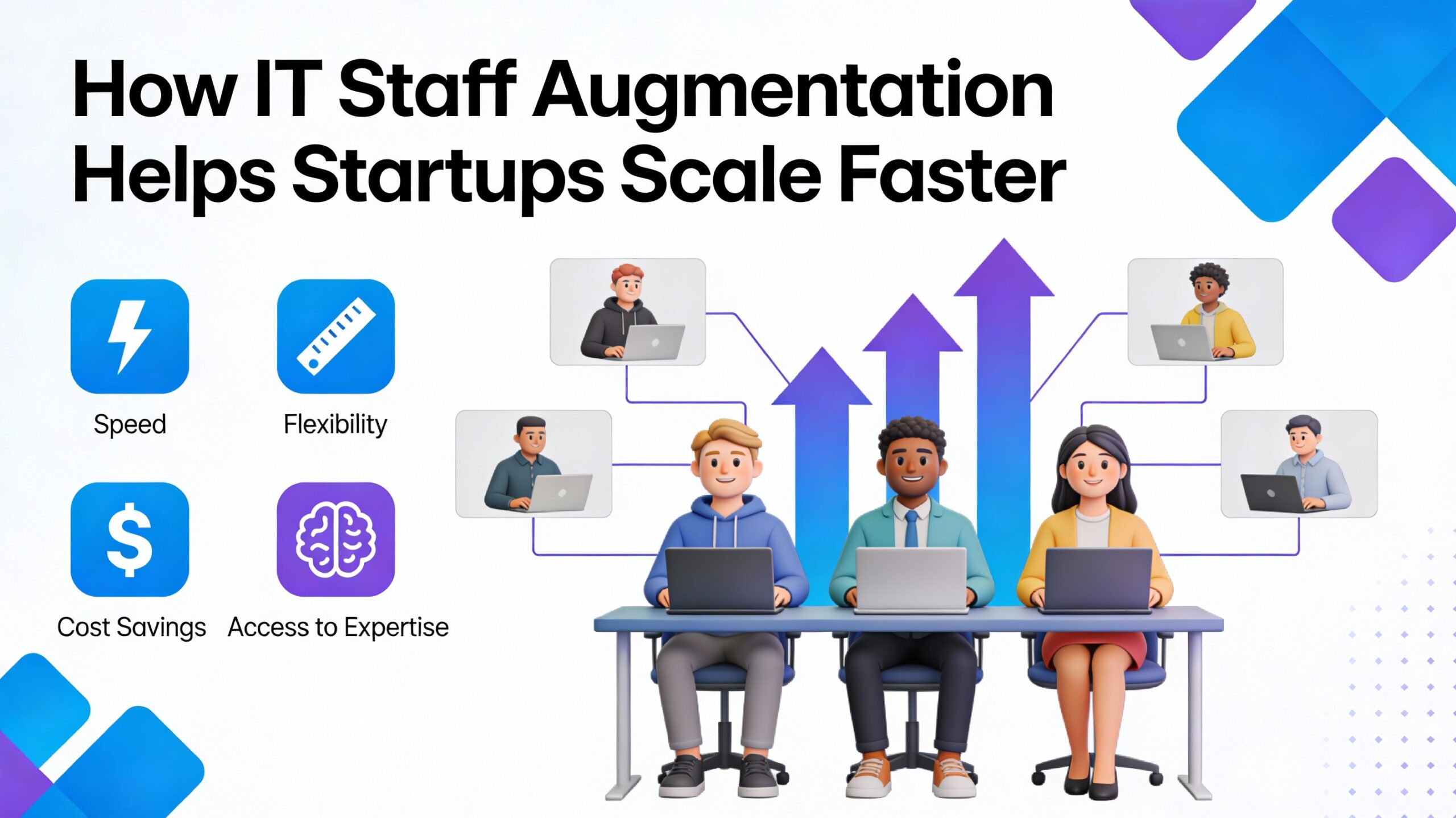
How IT Staff Augmentation Helps Startups Scale Faster
-
 January 6, 2026
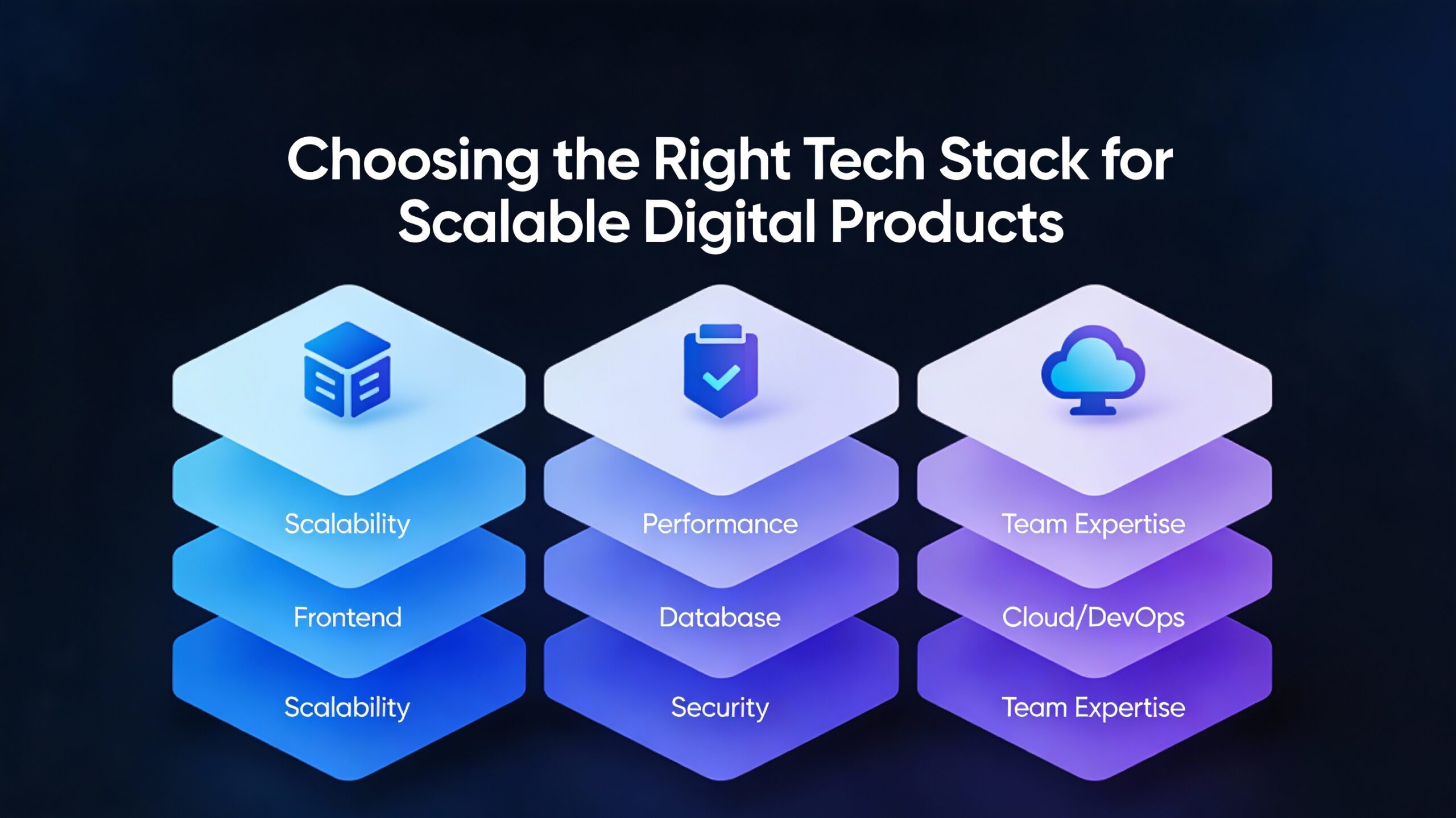
Choosing the Right Tech Stack for Scalable Digital Products
-
 January 5, 2026
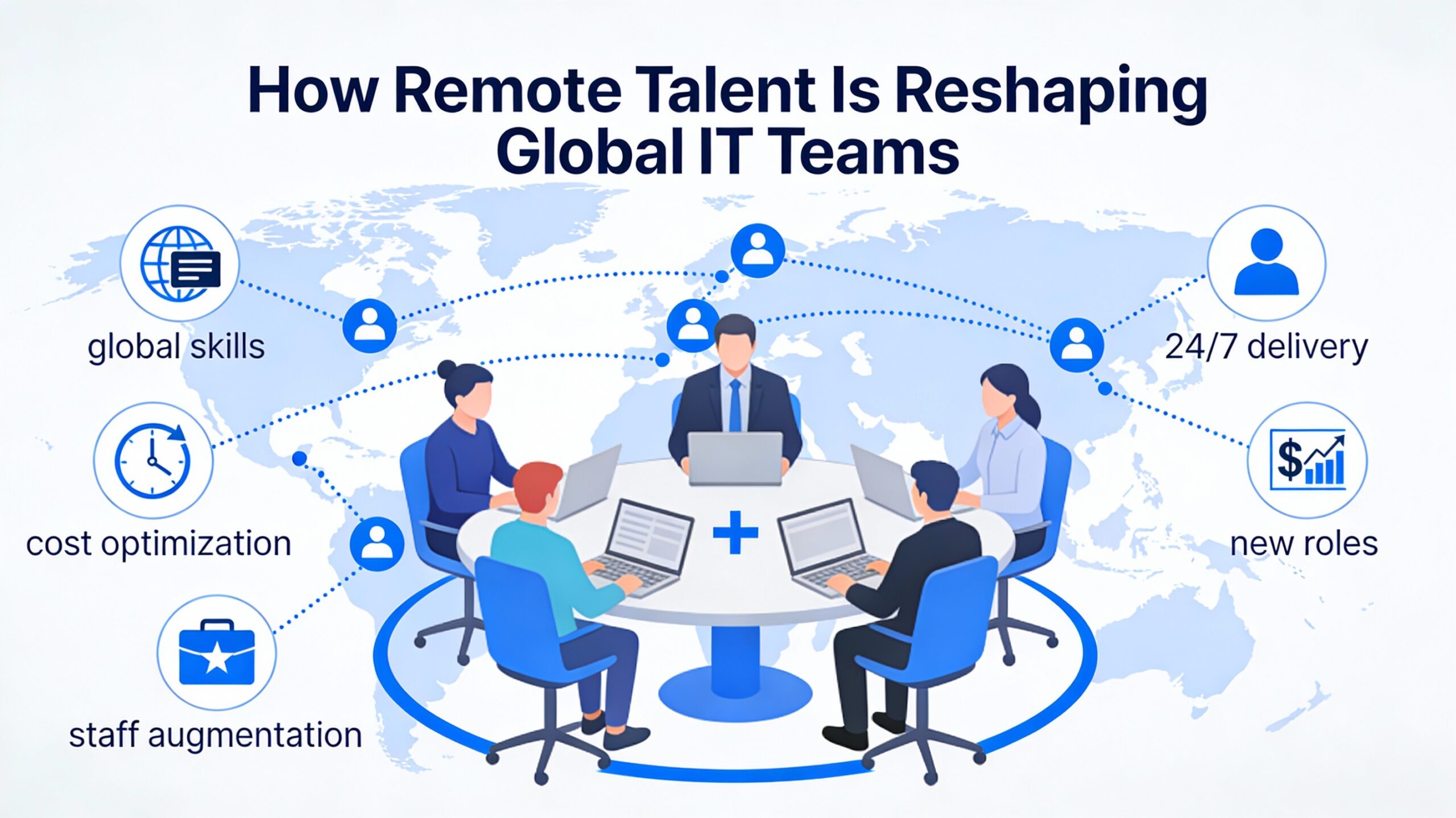
How Remote Talent Is Reshaping Global IT Teams
-
 December 29, 2025
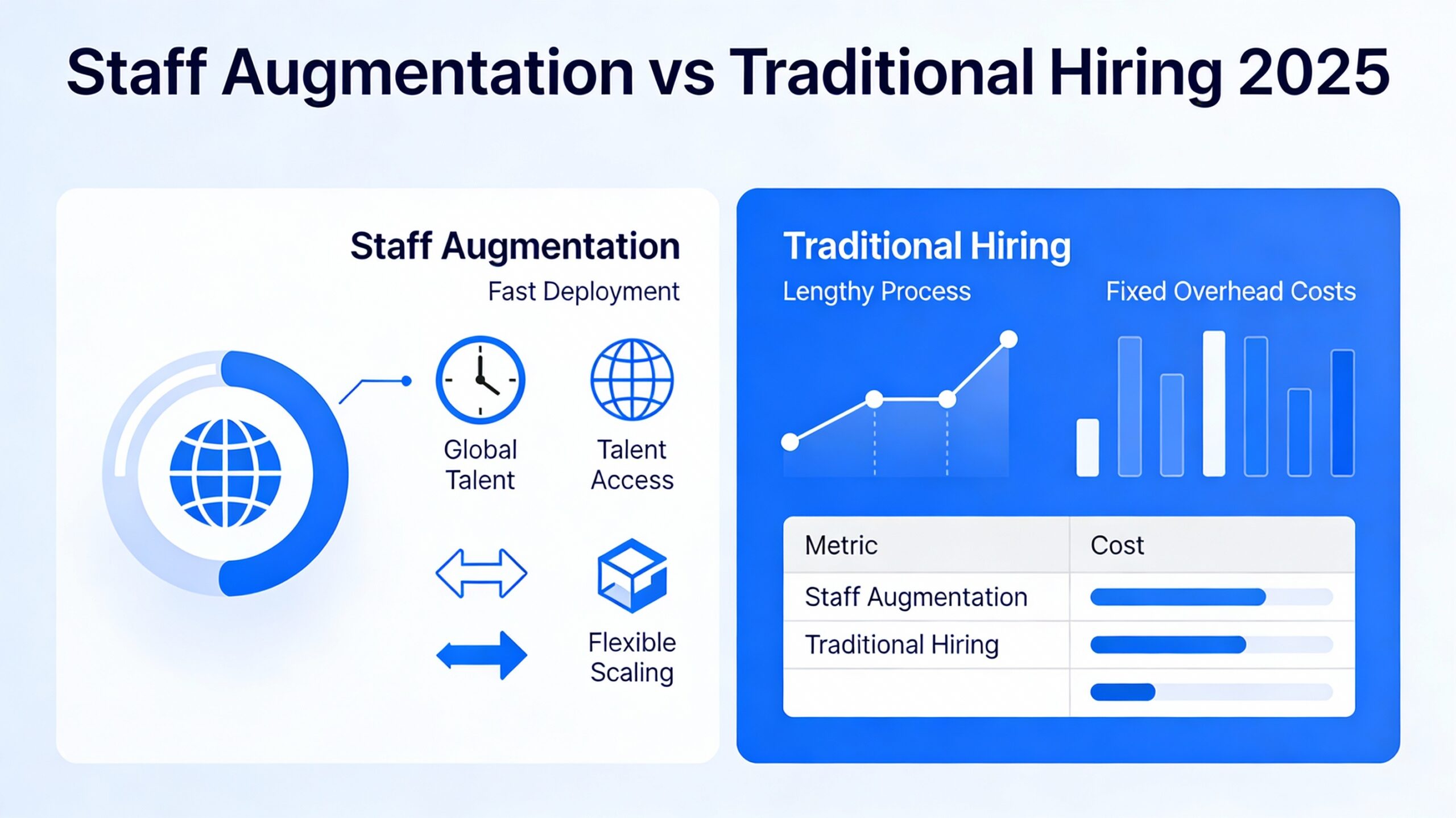
Staff Augmentation vs Traditional Hiring 2025
-
 December 24, 2025
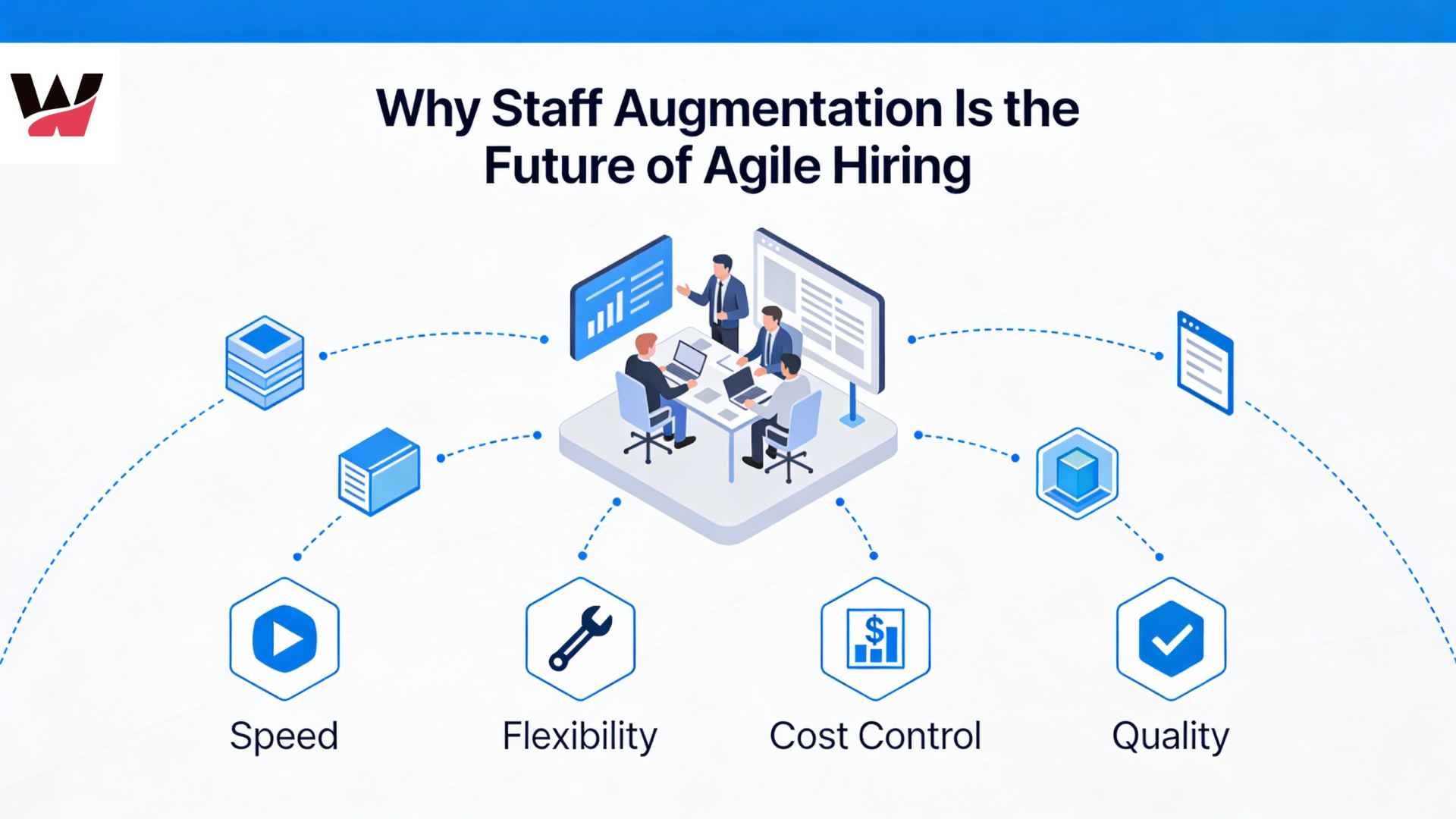
Why Staff Augmentation Is the Future of Agile Hiring
-
 December 22, 2025
Why Hiring Faster Doesn’t Mean Compromising Quality — It Means Finding the Right Partner
-
 December 19, 2025
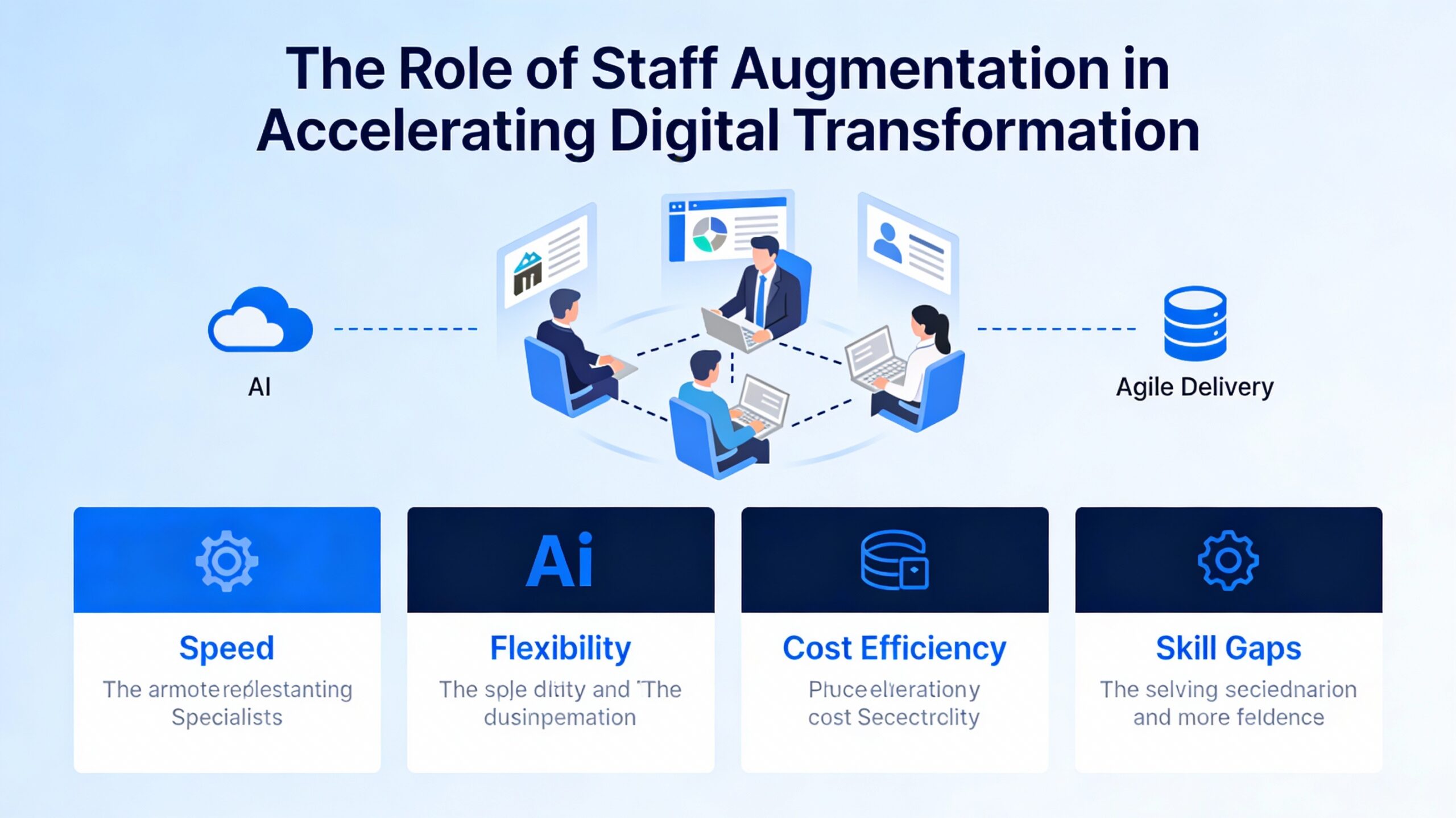
The Role of Staff Augmentation in Accelerating Digital Transformation
-
 December 18, 2025
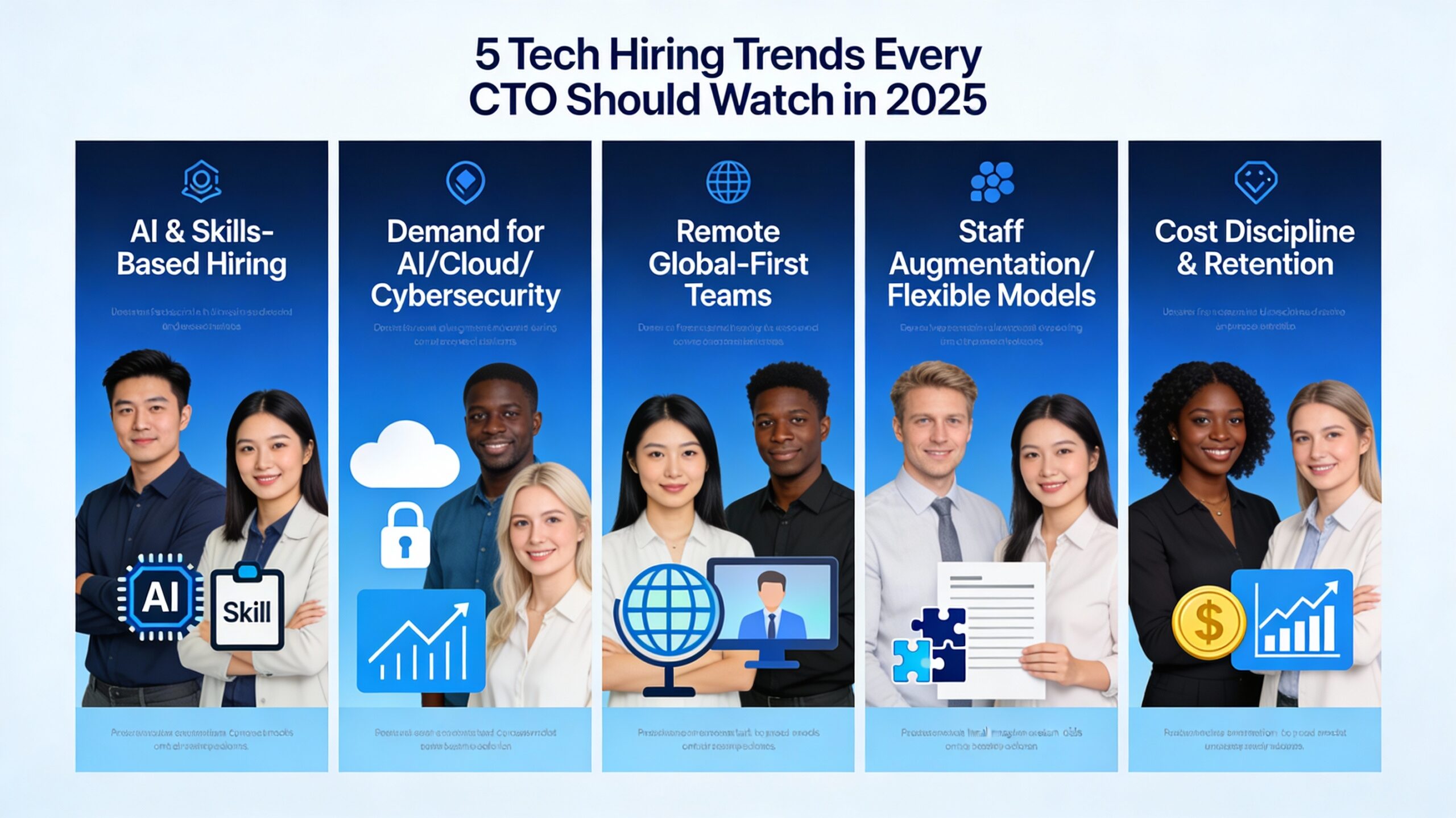
5 Tech Hiring Trends Every CTO Should Watch in 2025
-
December 17, 2025
Why Soft Skills Are the Hidden Superpower in Tech Teams
-
 December 15, 2025
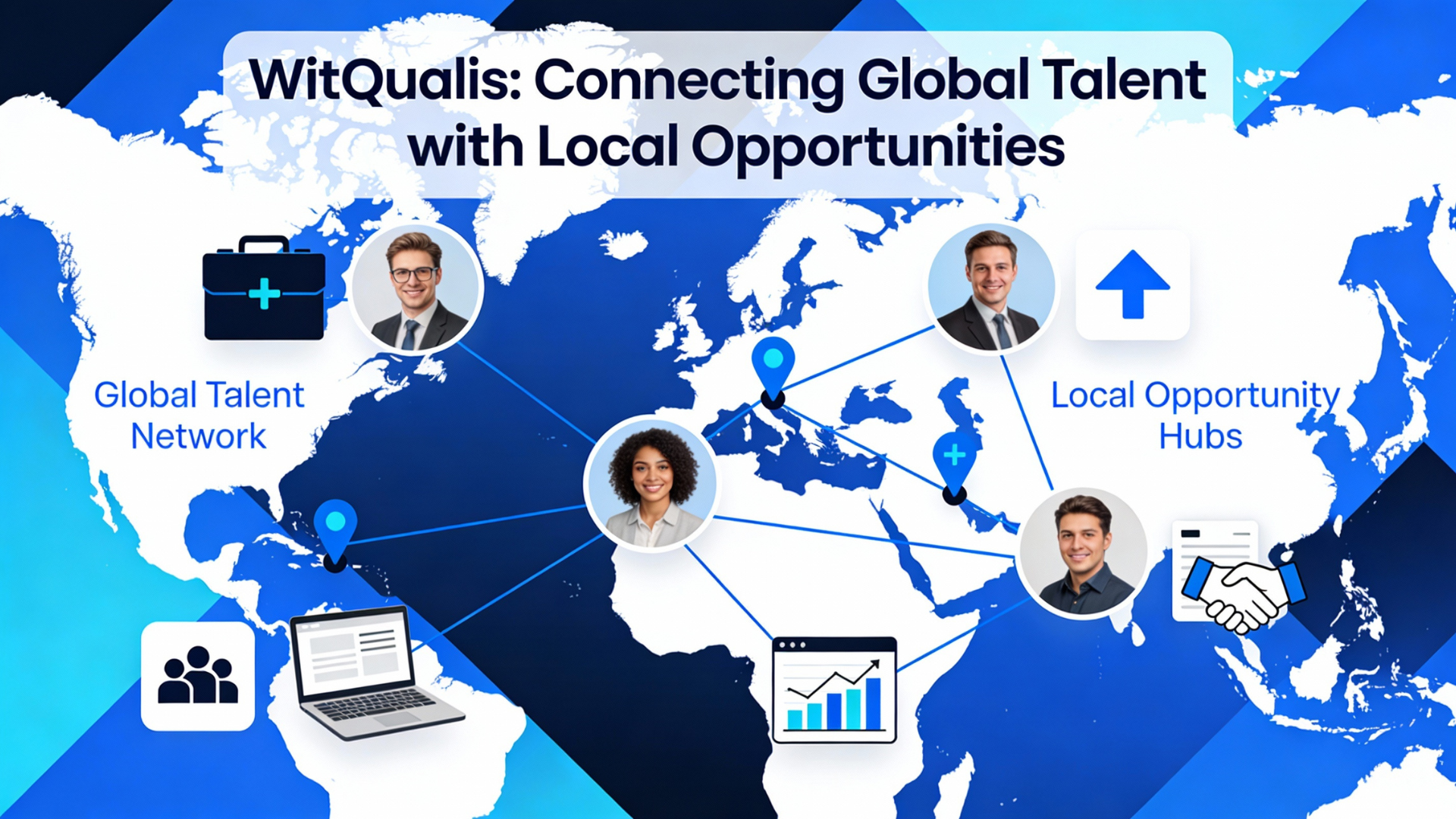
How WitQualis Connects Global Talent with Local Opportunities
-
 December 10, 2025
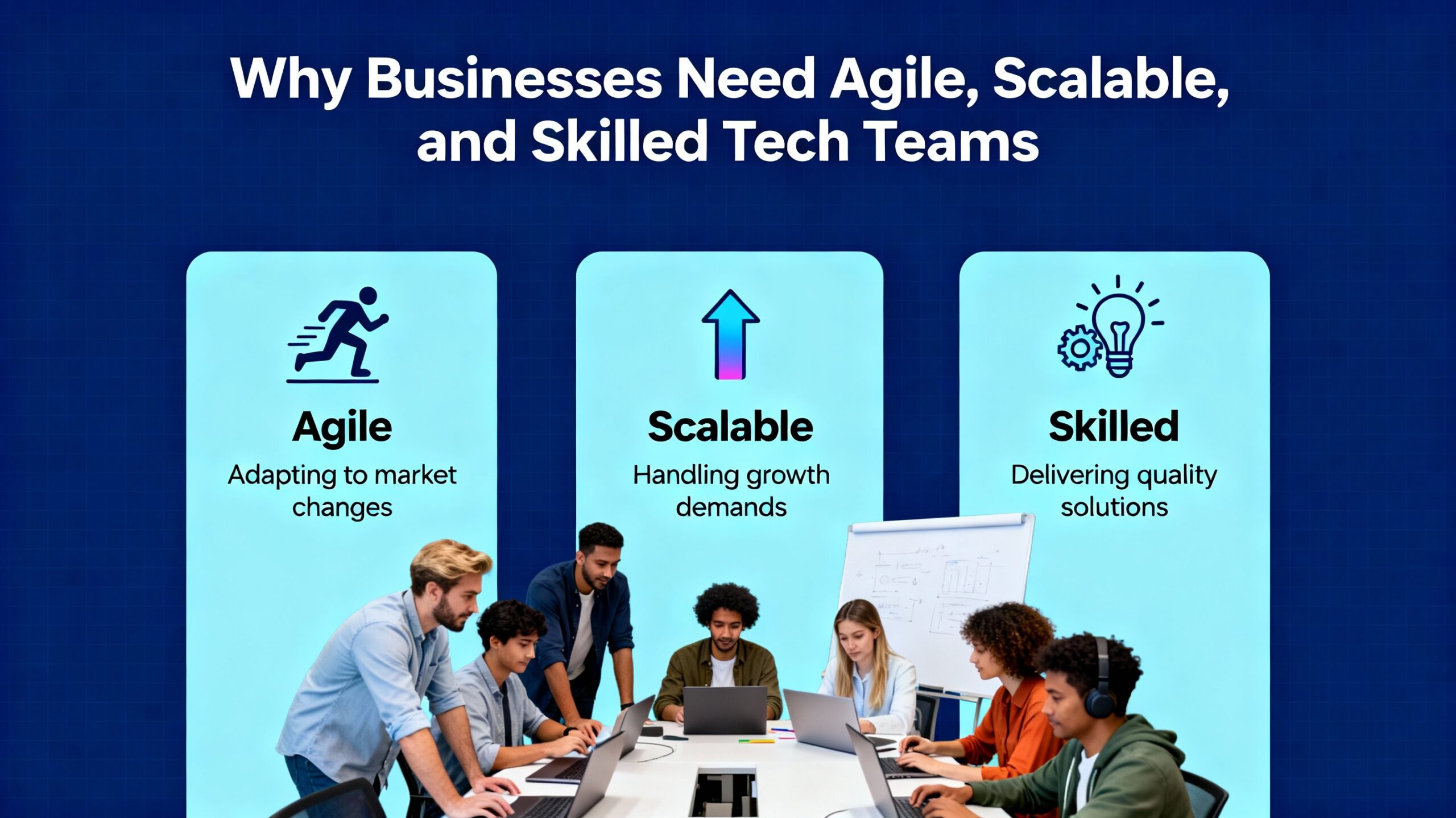
Why Businesses Need Agile, Scalable, and Skilled Tech Teams—Now More Than Ever
-
 December 5, 2025
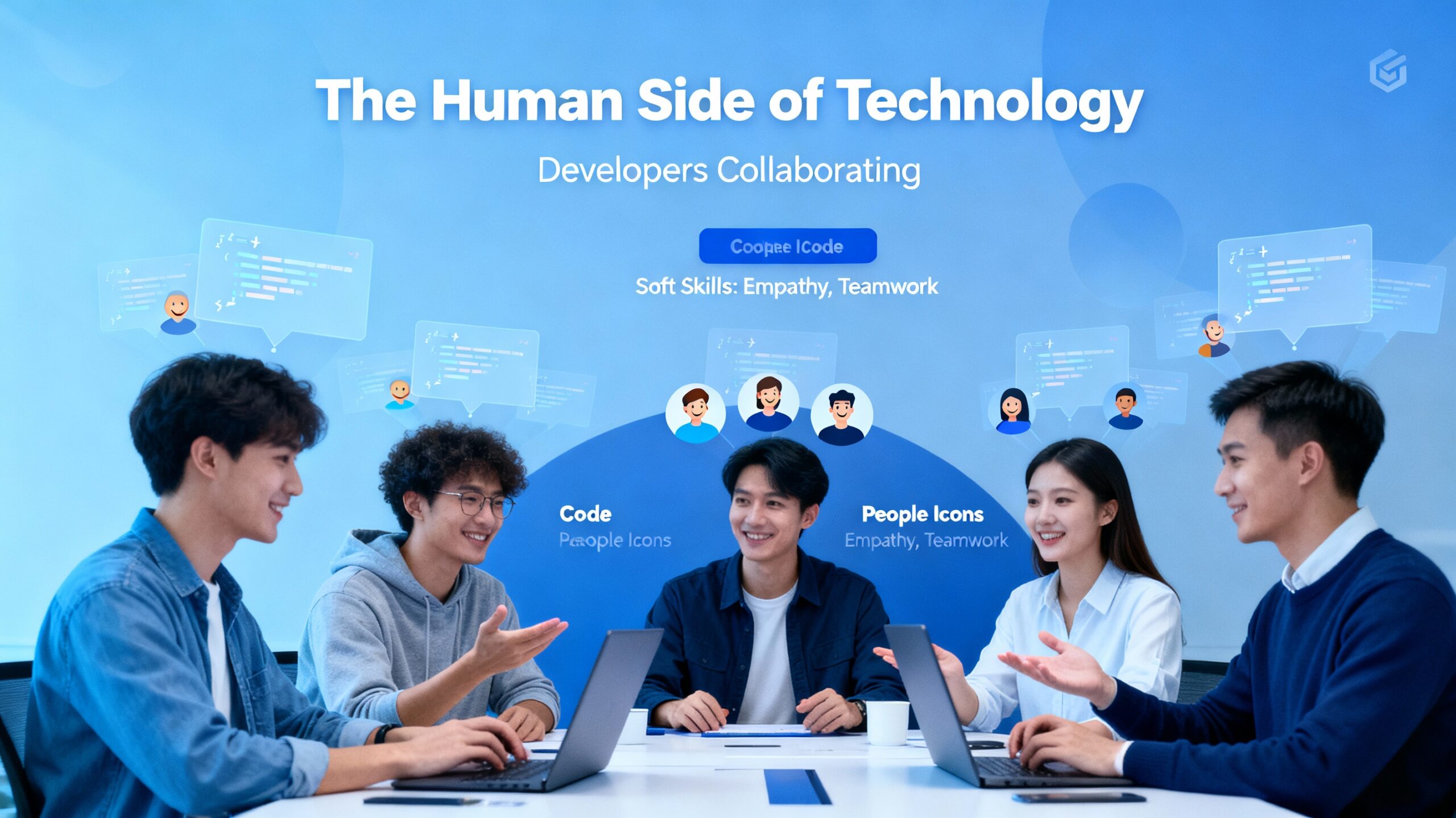
The Human Side of Technology: Why People Matter as Much as Code
-
 December 4, 2025
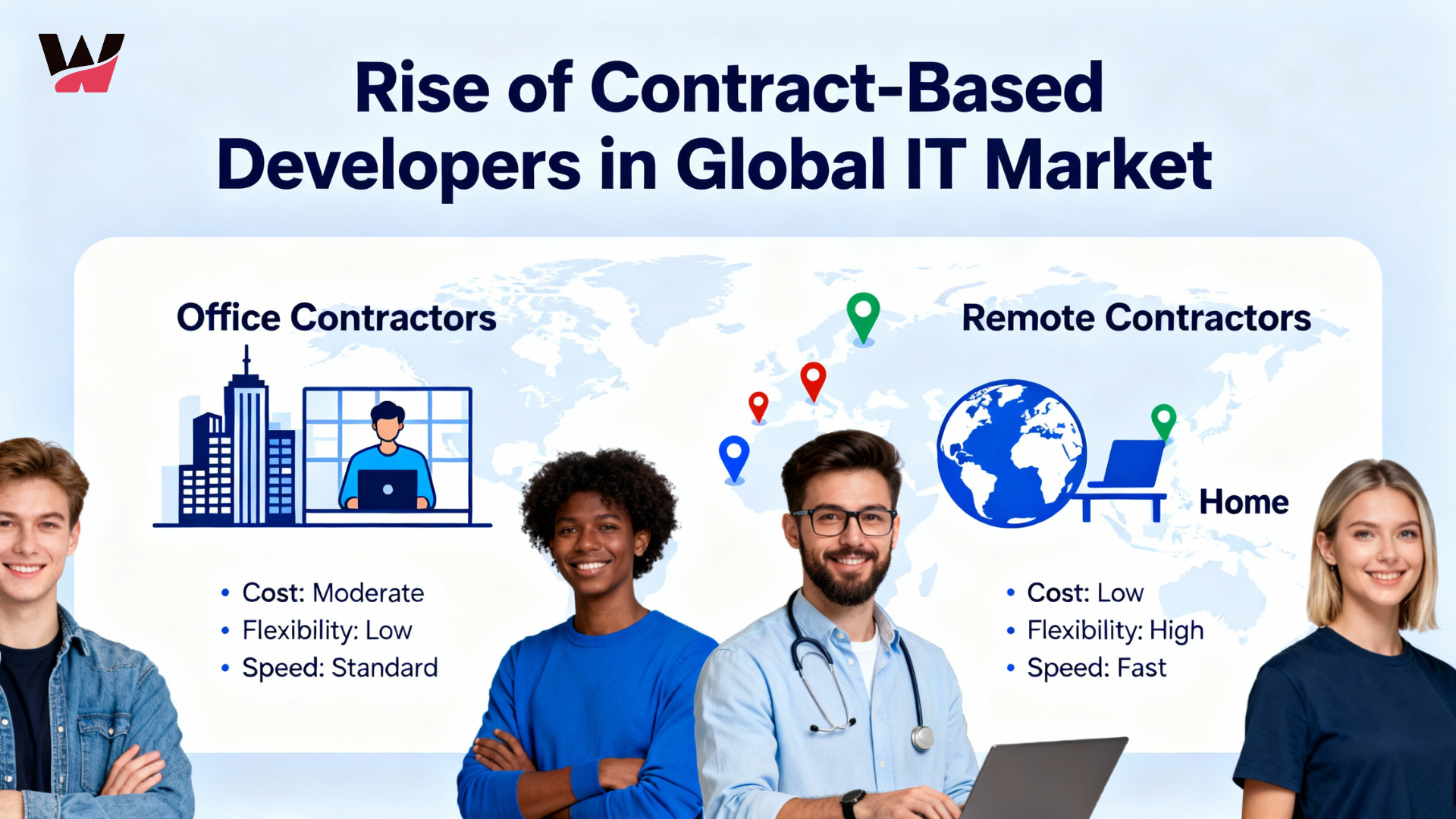
The Rise of Contract-Based Developers in the Global IT Market
-
 December 3, 2025
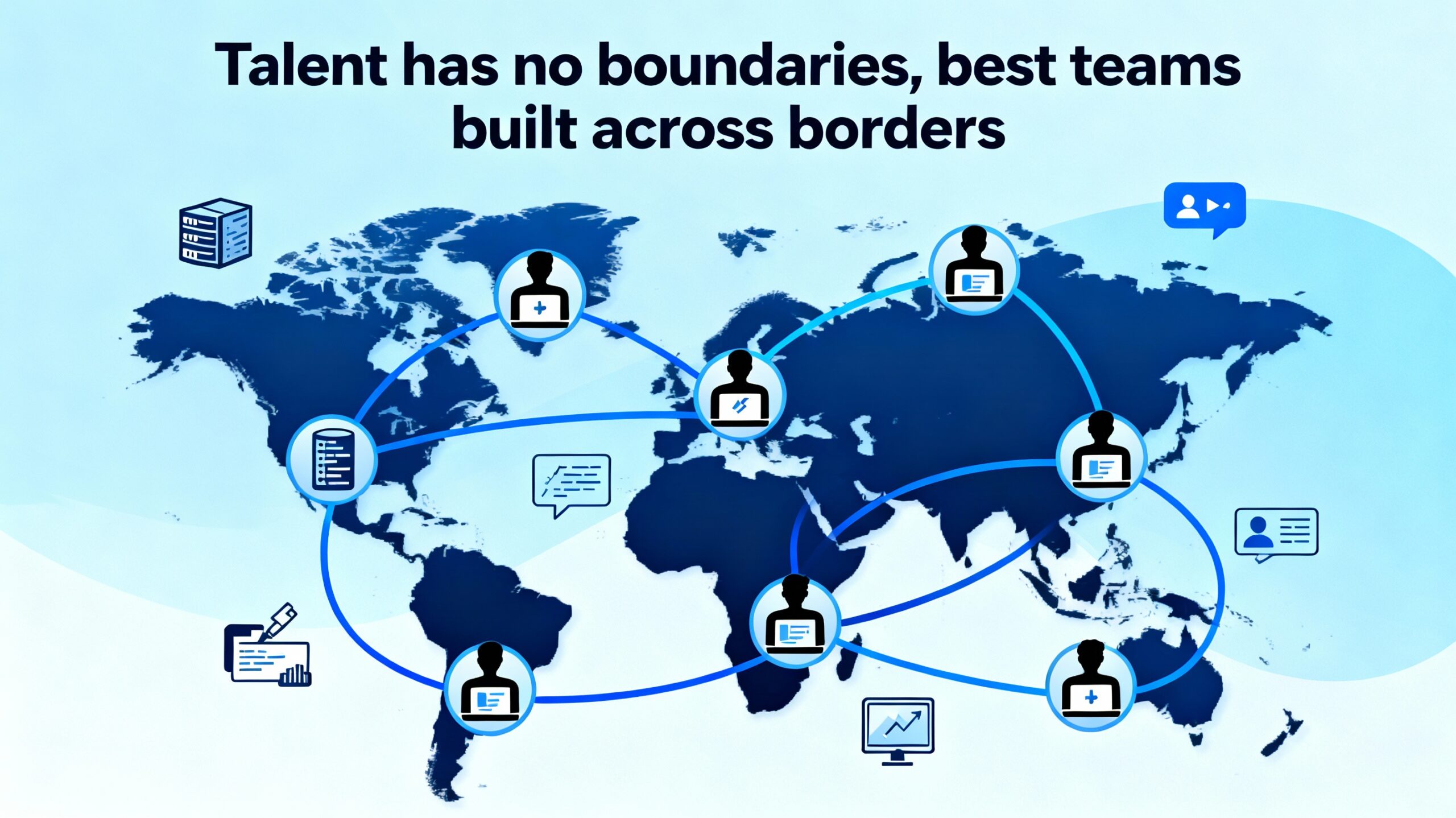
Talent Has No Boundaries: Why the Best Teams Are Built Across Borders
-
 December 2, 2025
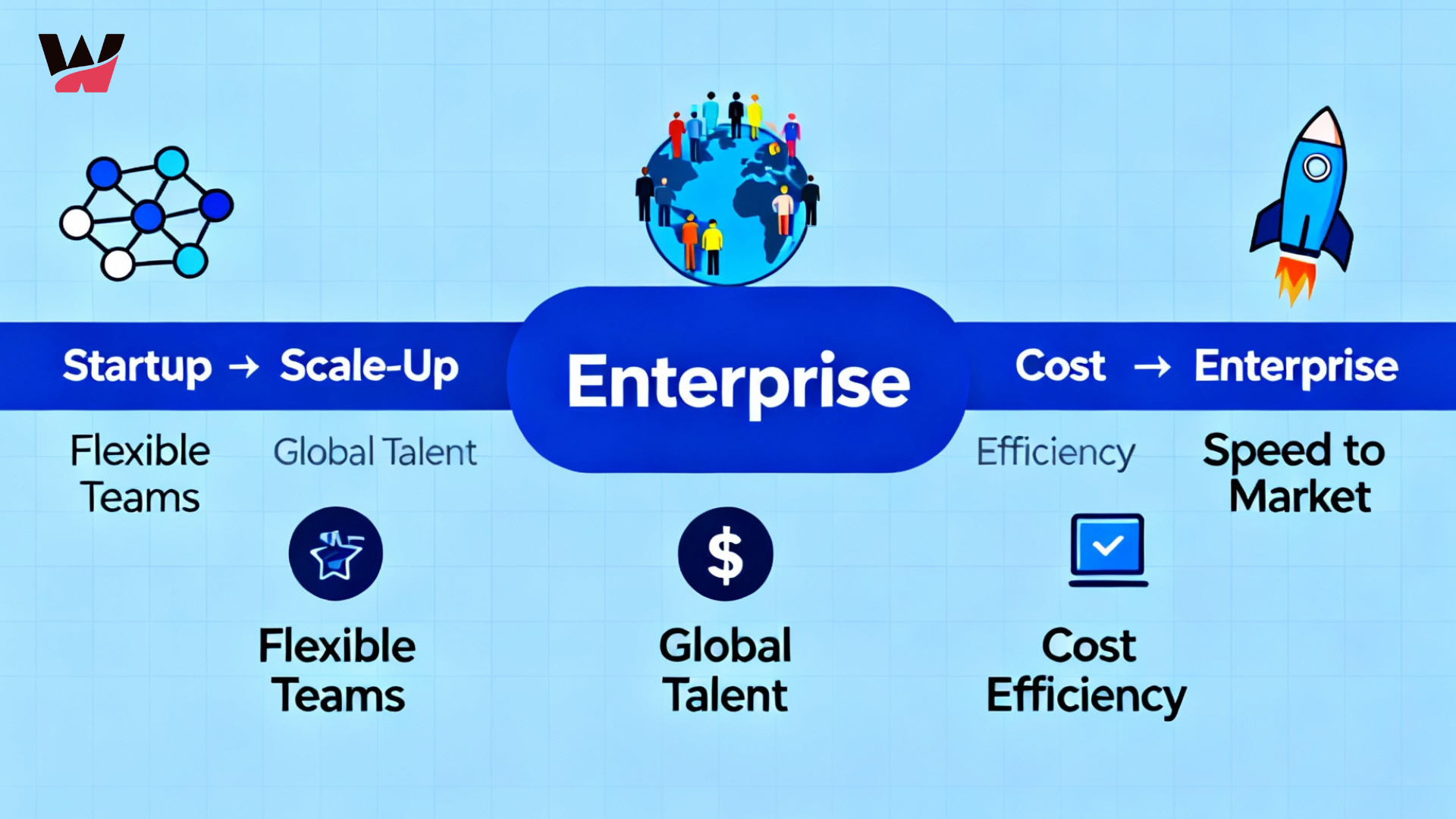
From Startups to Enterprises: How Staff Augmentation Supports Every Stage of Growth
-
 December 1, 2025
Great Ideas Need Great Execution – How WitQualis Teams Turn Vision into Reality
-
 November 28, 2025
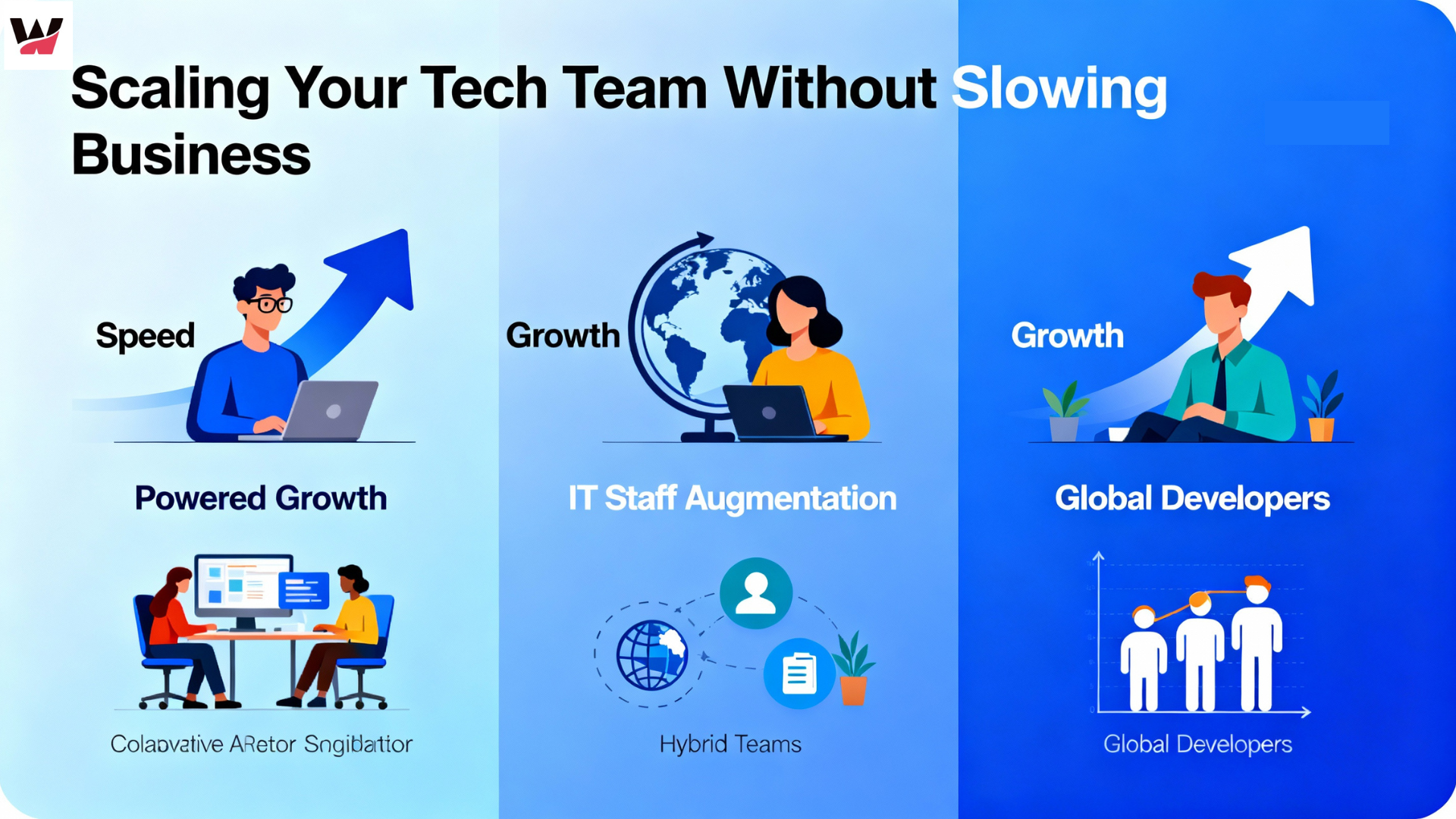
Scaling Your Tech Team Shouldn’t Slow Your Business – It Should Power It
-
 November 27, 2025
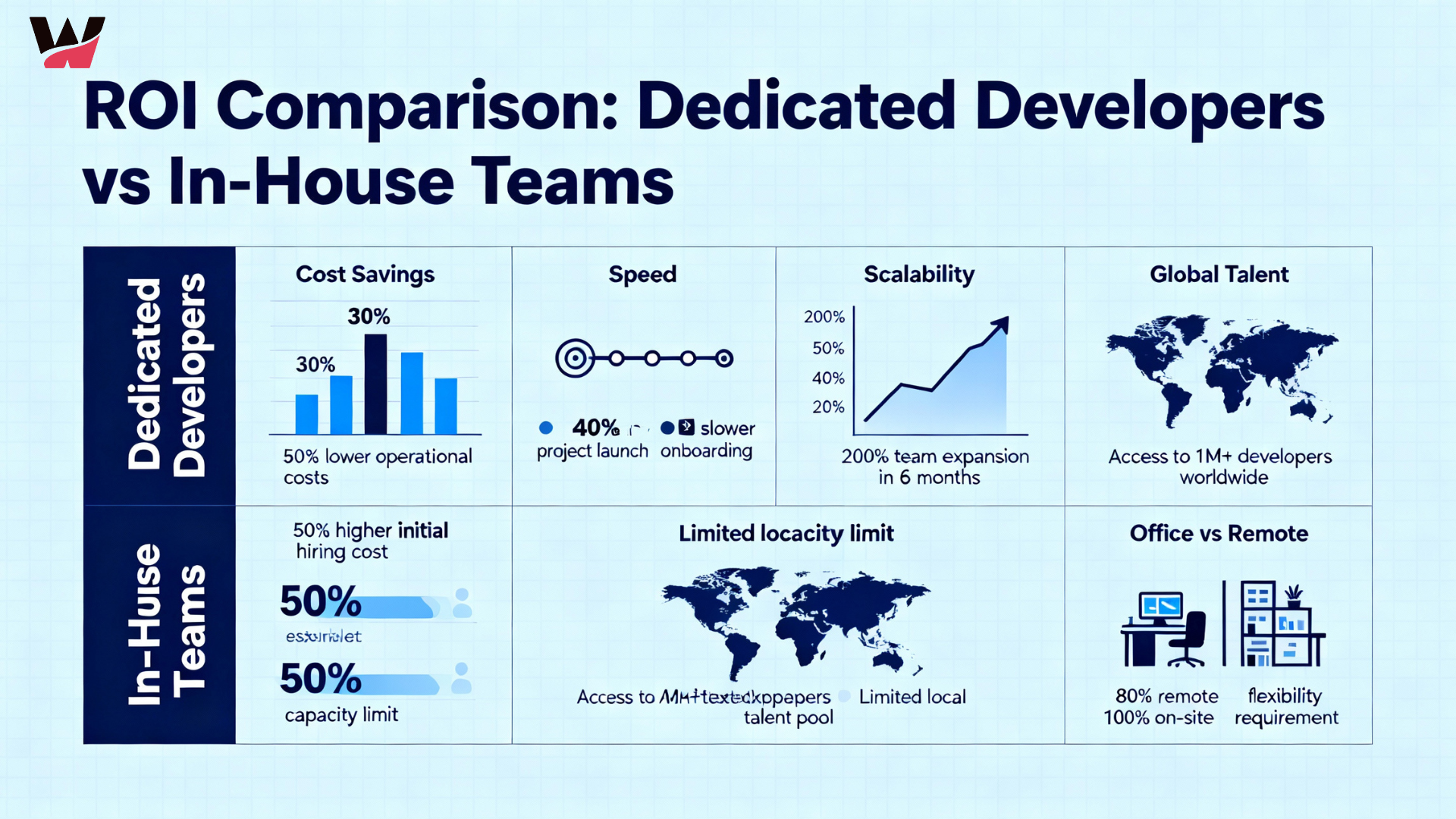
The ROI of Hiring Dedicated Developers vs In-House Teams
-
 November 26, 2025
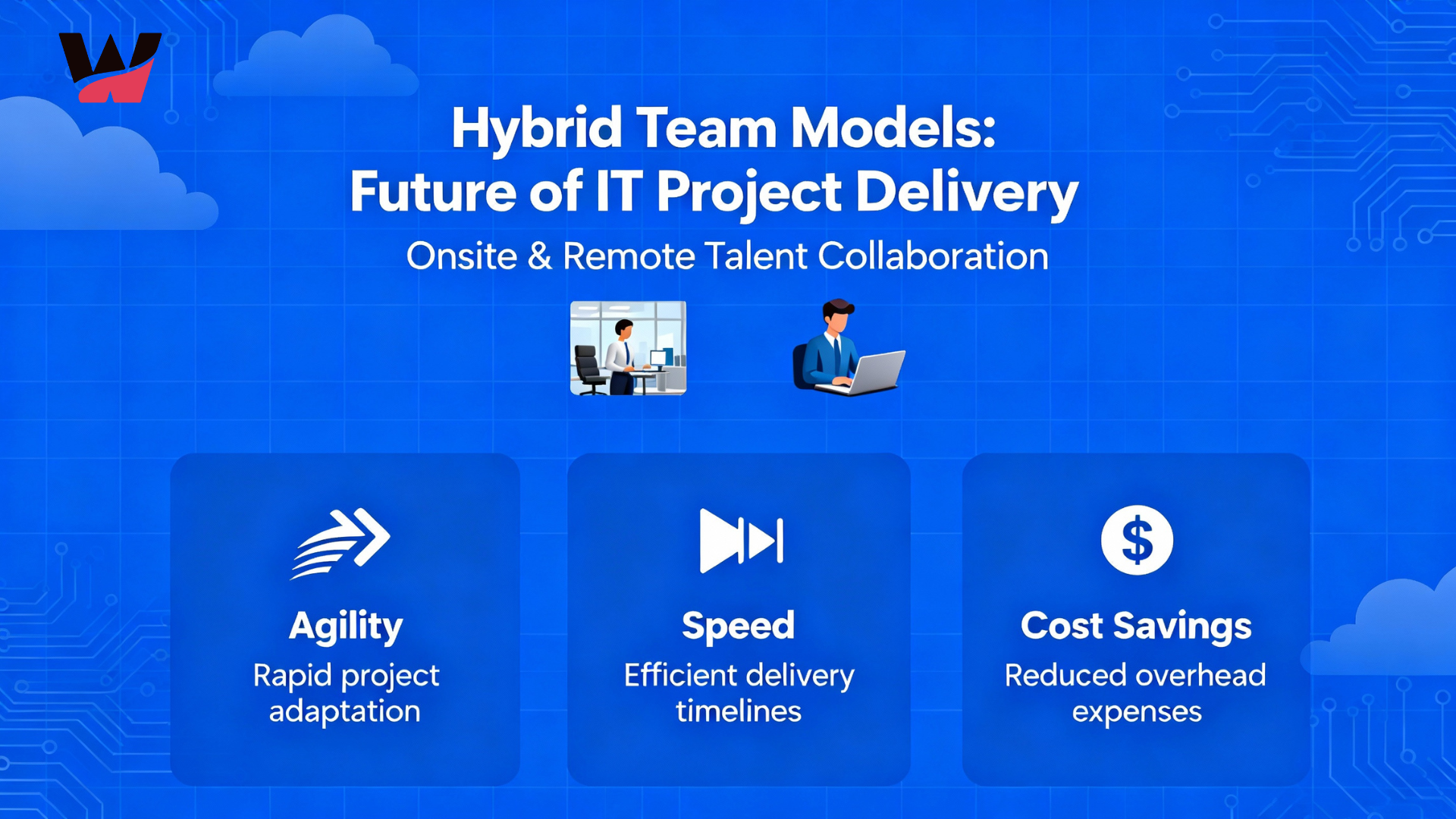
Why Hybrid Team Models Are the Future of IT Project Delivery
-
 November 24, 2025
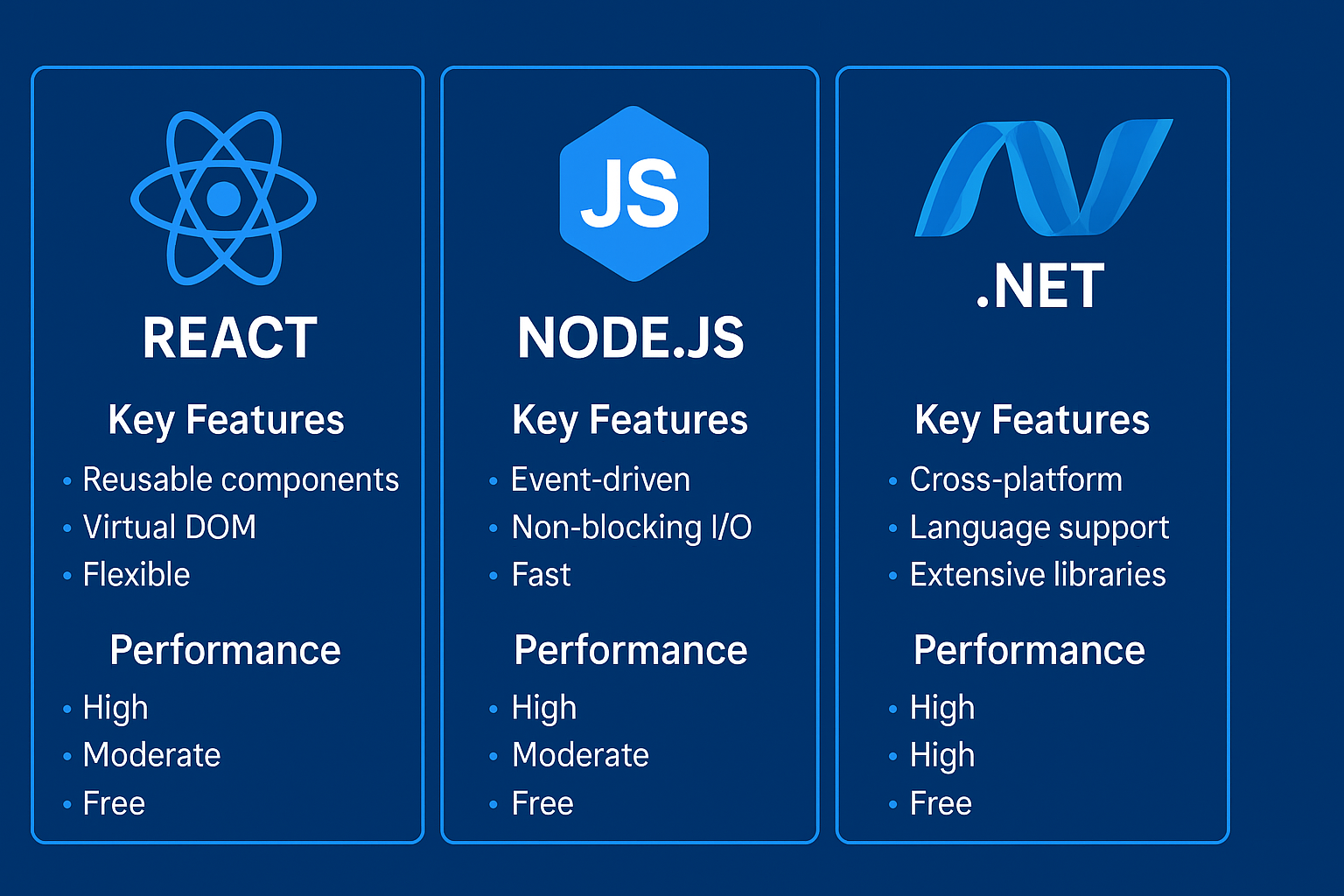
React, Node.js, or .NET? Choosing the Right Tech Stack for Your Next Project
-
 November 21, 2025
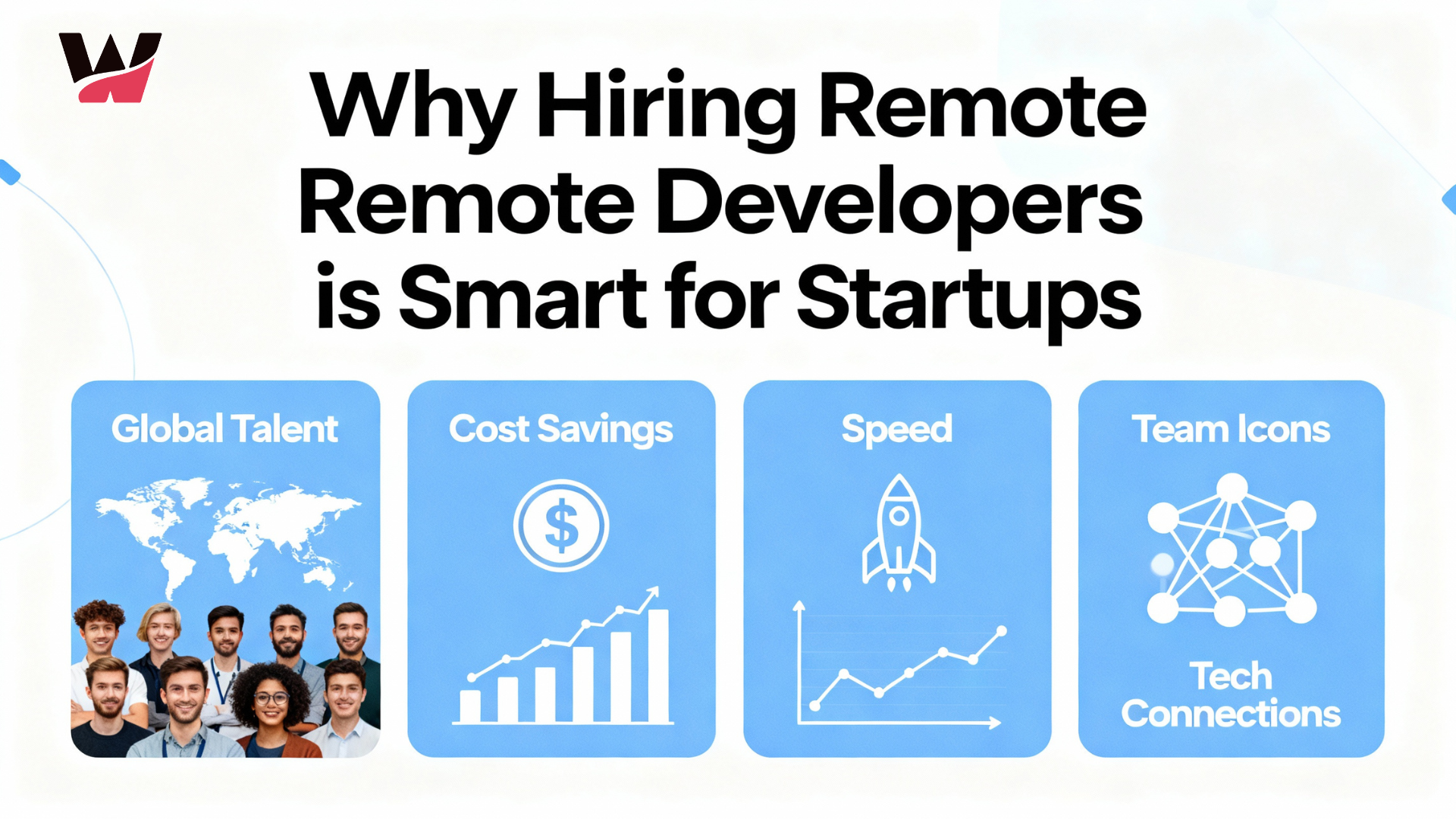
Why Hiring Remote Developers Is the Smartest Move for Startups
-
 November 20, 2025
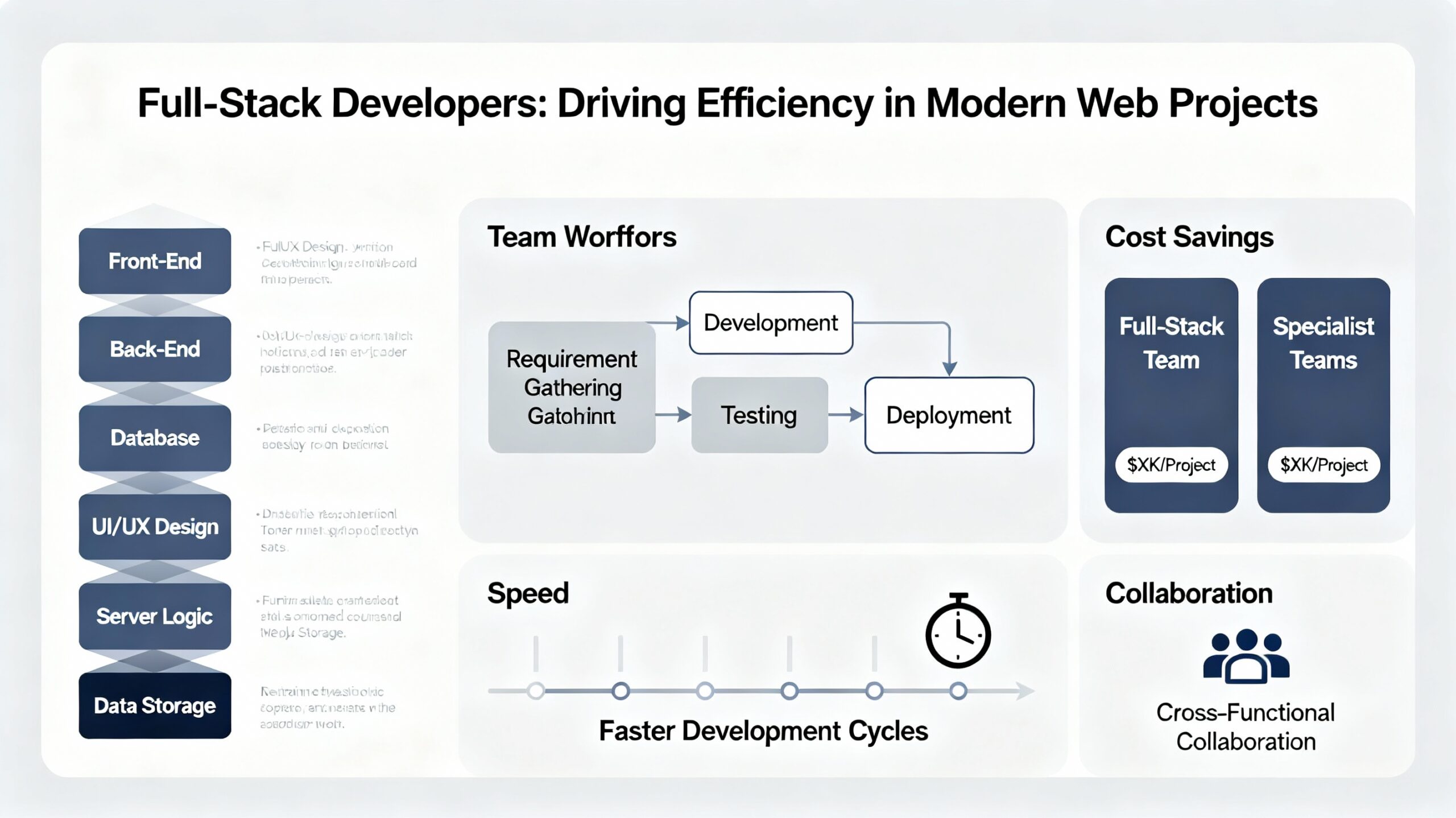
How Full-Stack Developers Drive Efficiency in Modern Web Projects
-
 November 19, 2025
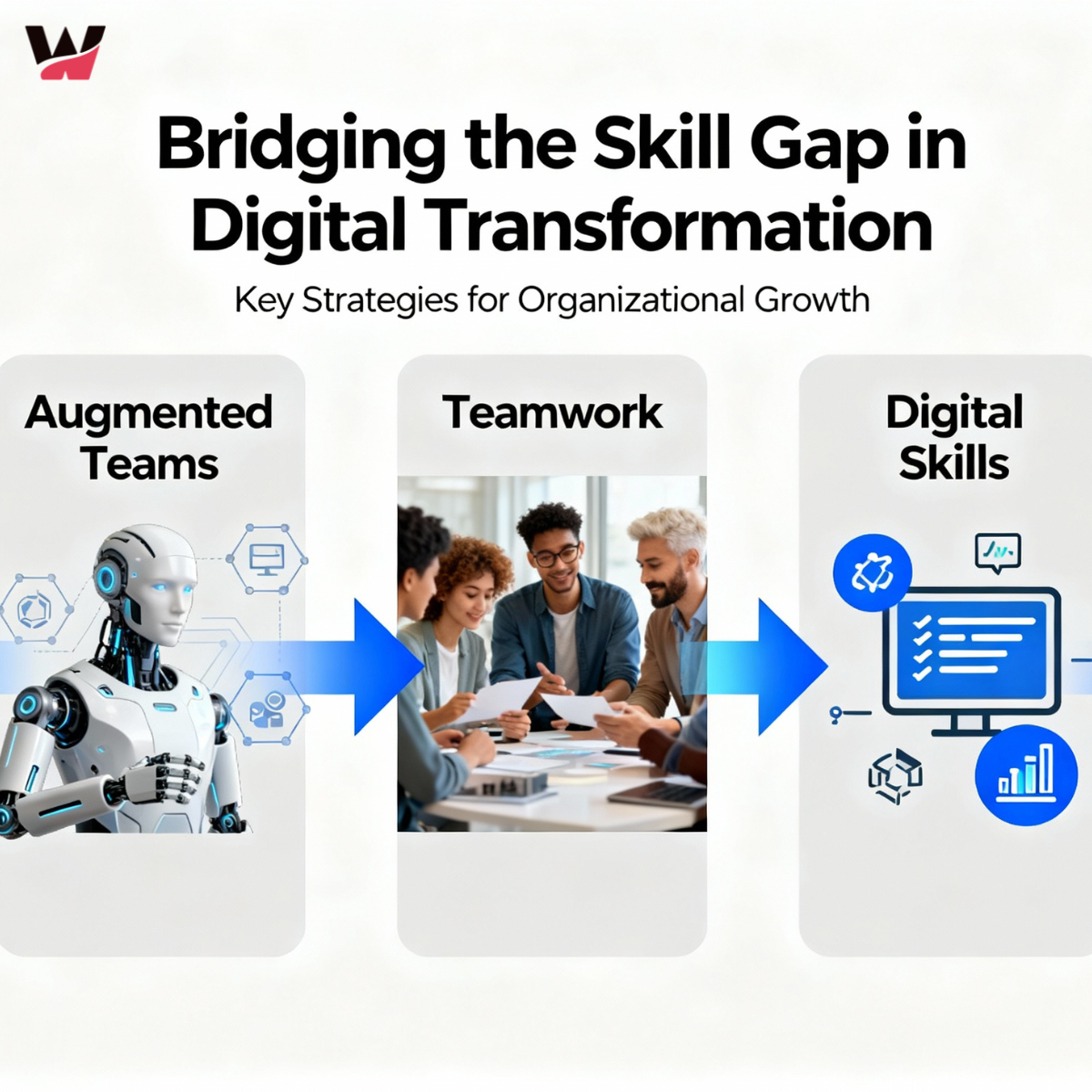
Bridging the Skill Gap: How Augmented Teams Empower Digital Transformation
-
 November 18, 2025
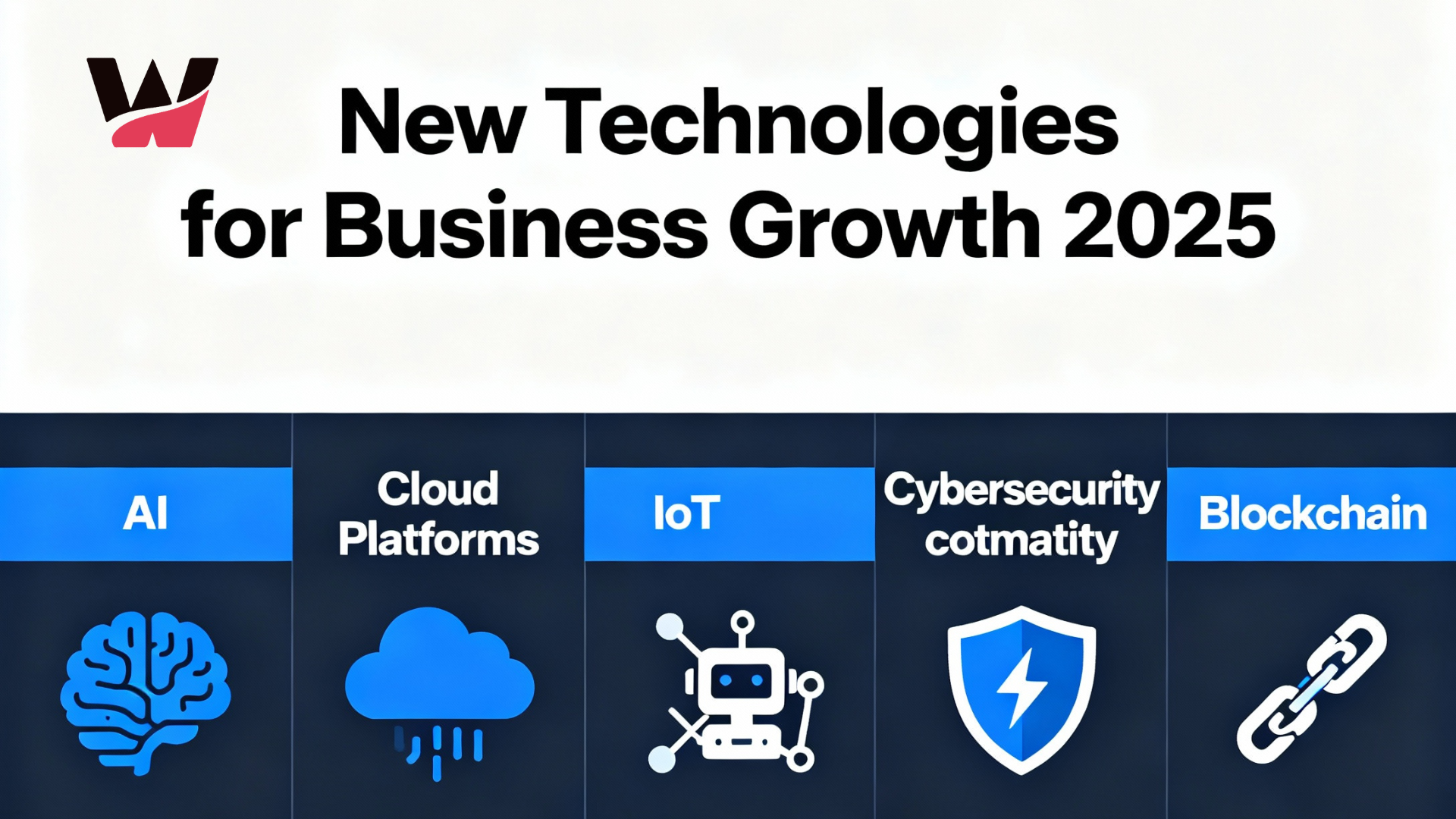
New Technologies for 2025: What Businesses Need to Grow
-
 November 14, 2025
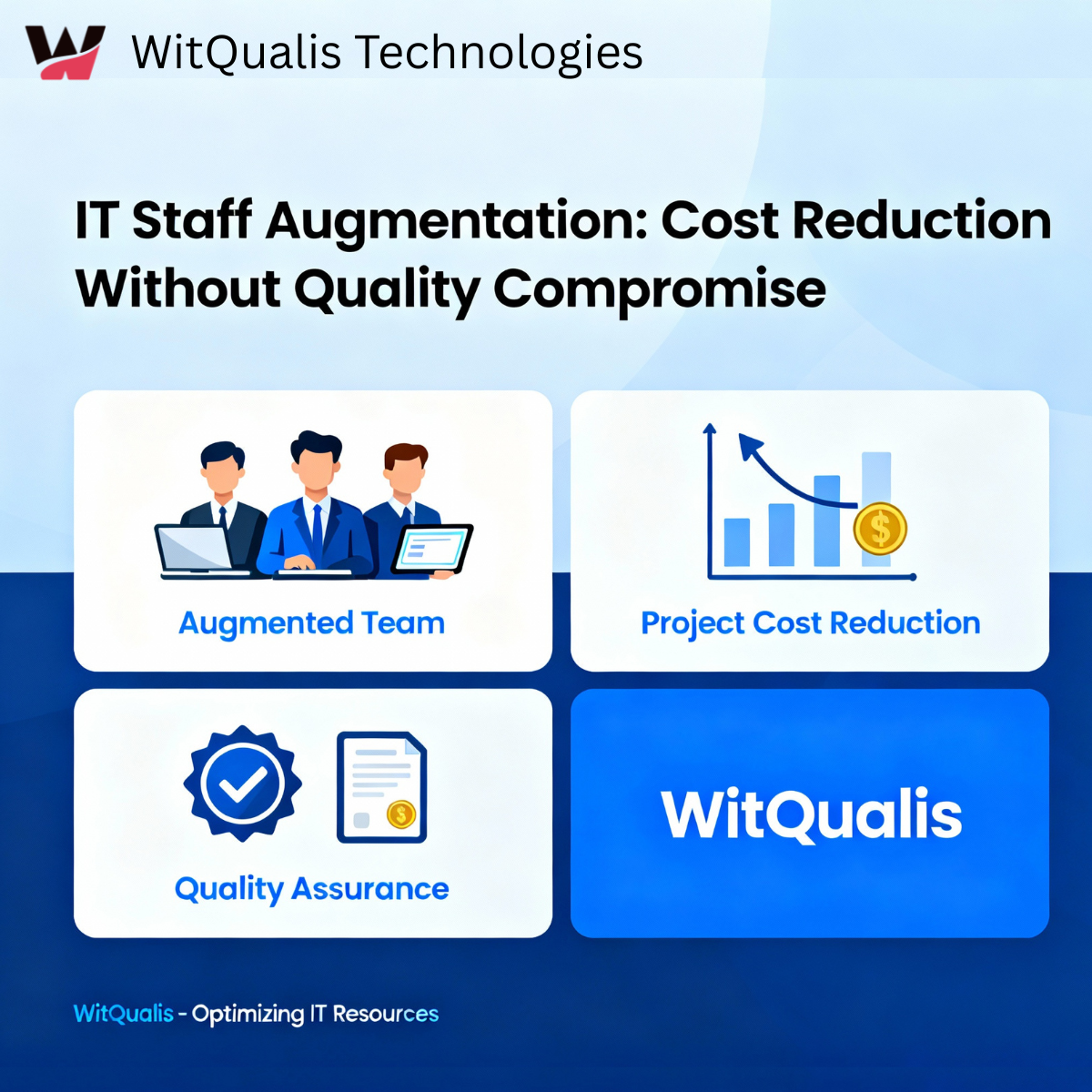
IT Staff Augmentation Reduces Project Costs Quality
-
 November 13, 2025
Empowering Global Collaboration: How WitQualis Builds Seamless Remote Teams
-
 November 12, 2025
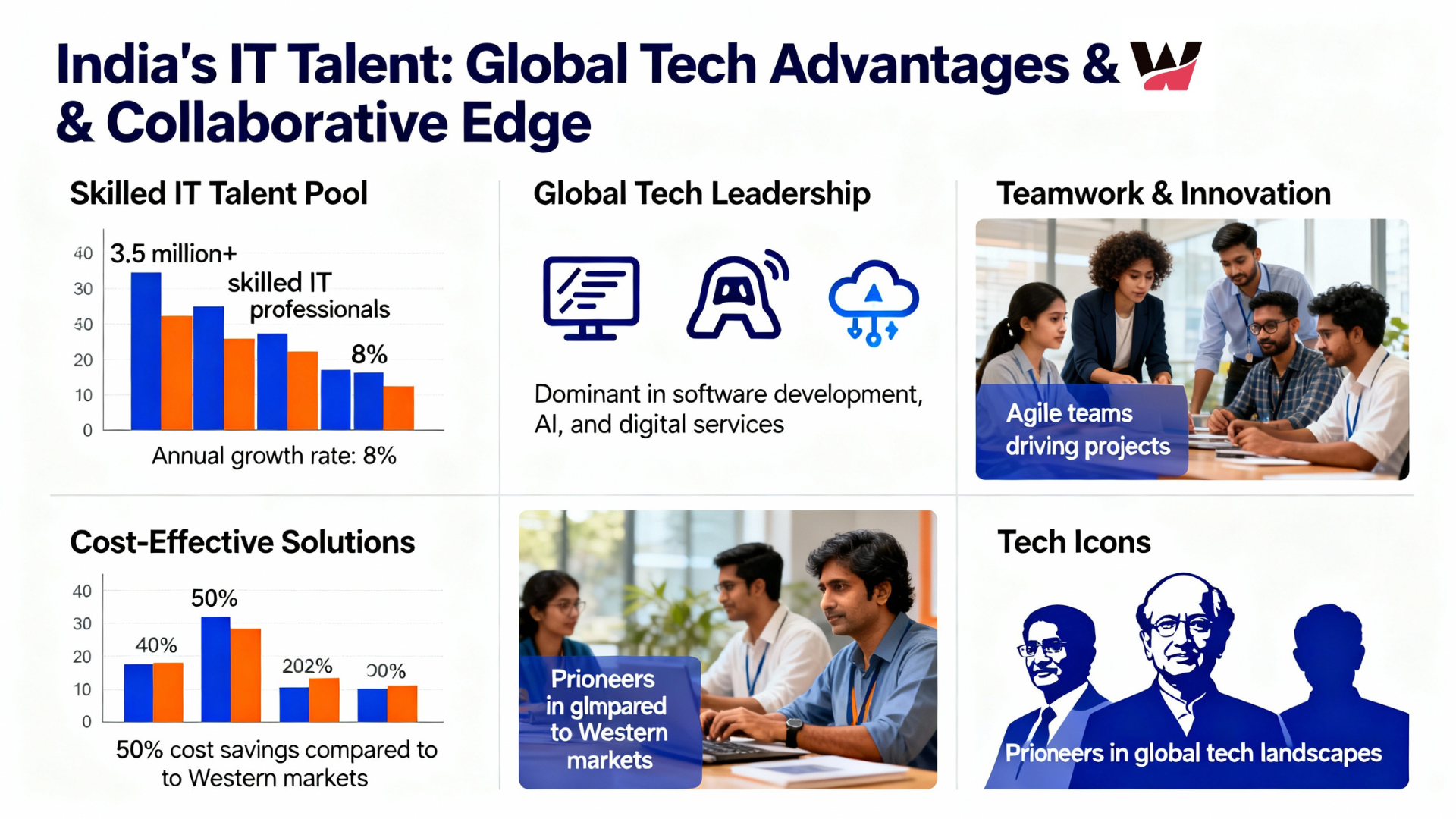
Why Global Businesses Are Turning to India for Skilled IT Talent
-
 November 11, 2025
Staff Augmentation Helps You Scale Your Tech Team
-
 November 10, 2025
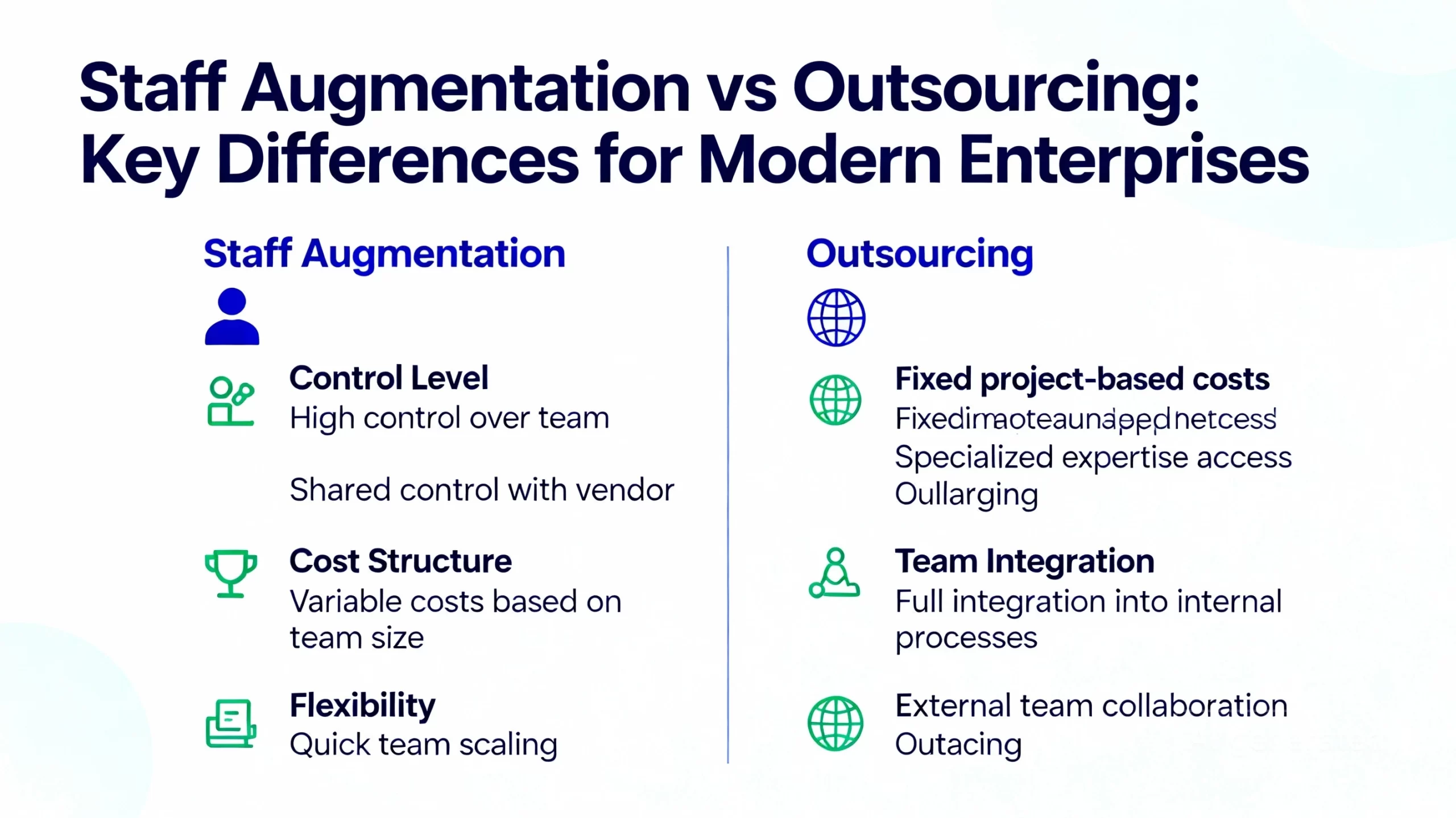
Staff Augmentation vs Outsourcing in 2025: Which Is Best for Modern Enterprises?
-
 November 7, 2025
How AI, IoT, and Cloud Are Redefining Software Development in 2025
-
 November 6, 2025
Scaling Smarter: How Augmented Teams Help Deliver Projects Faster in 2025
-
 November 5, 2025
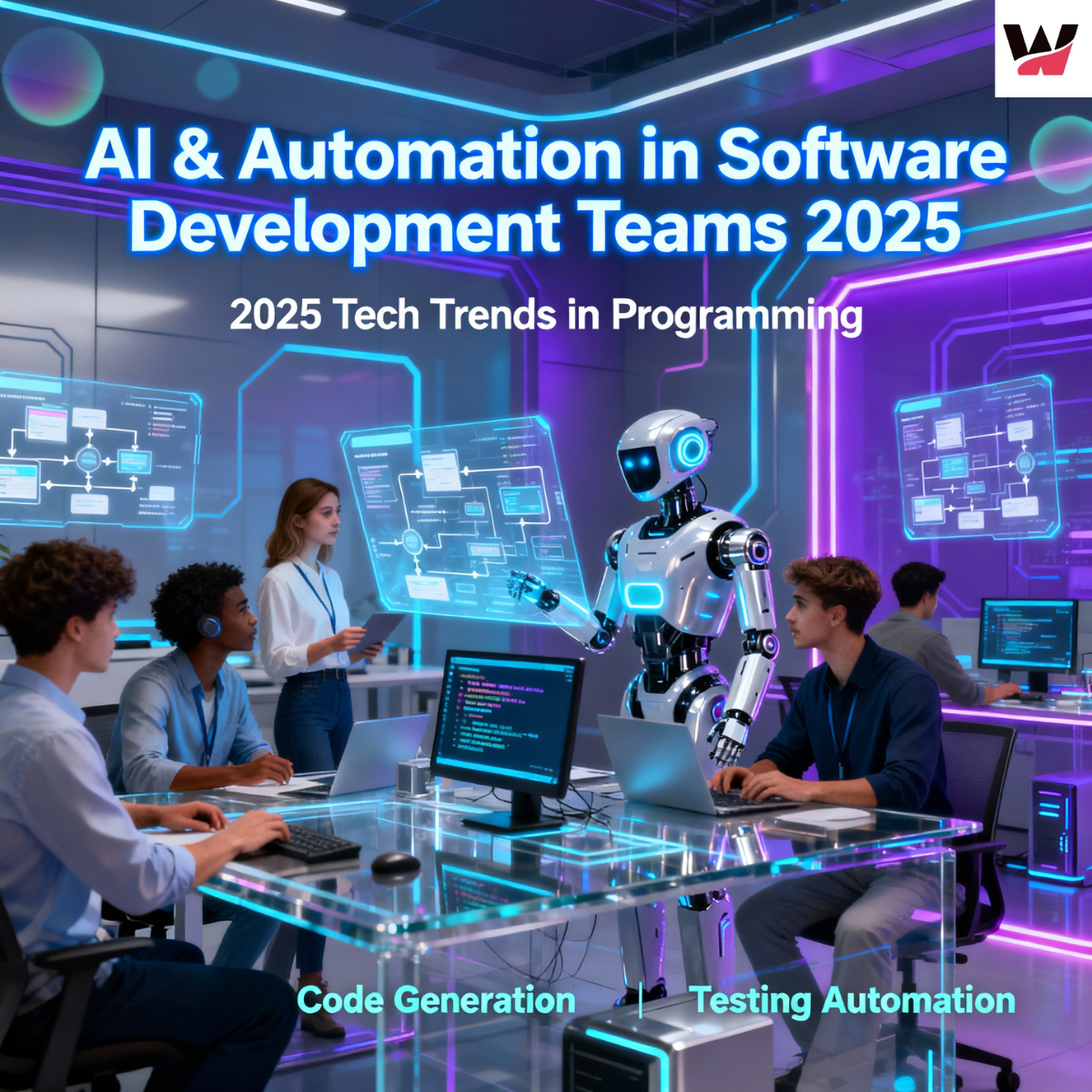
How AI and Automation Are Transforming Software Development Teams in 2025
-
 November 3, 2025
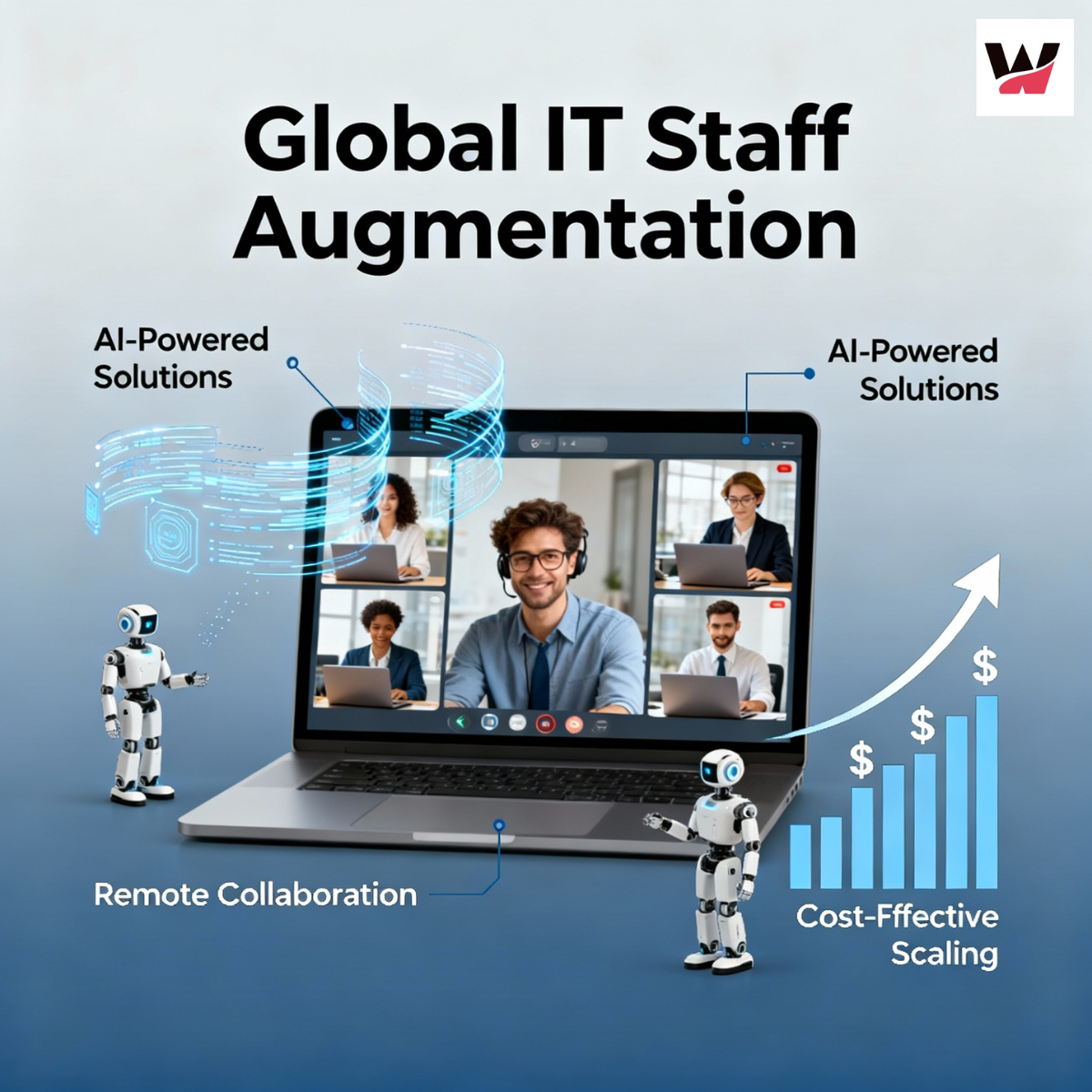
The Future of IT Staffing: Why Businesses Are Choose Staff Augmentation in 2025
-
 October 31, 2025
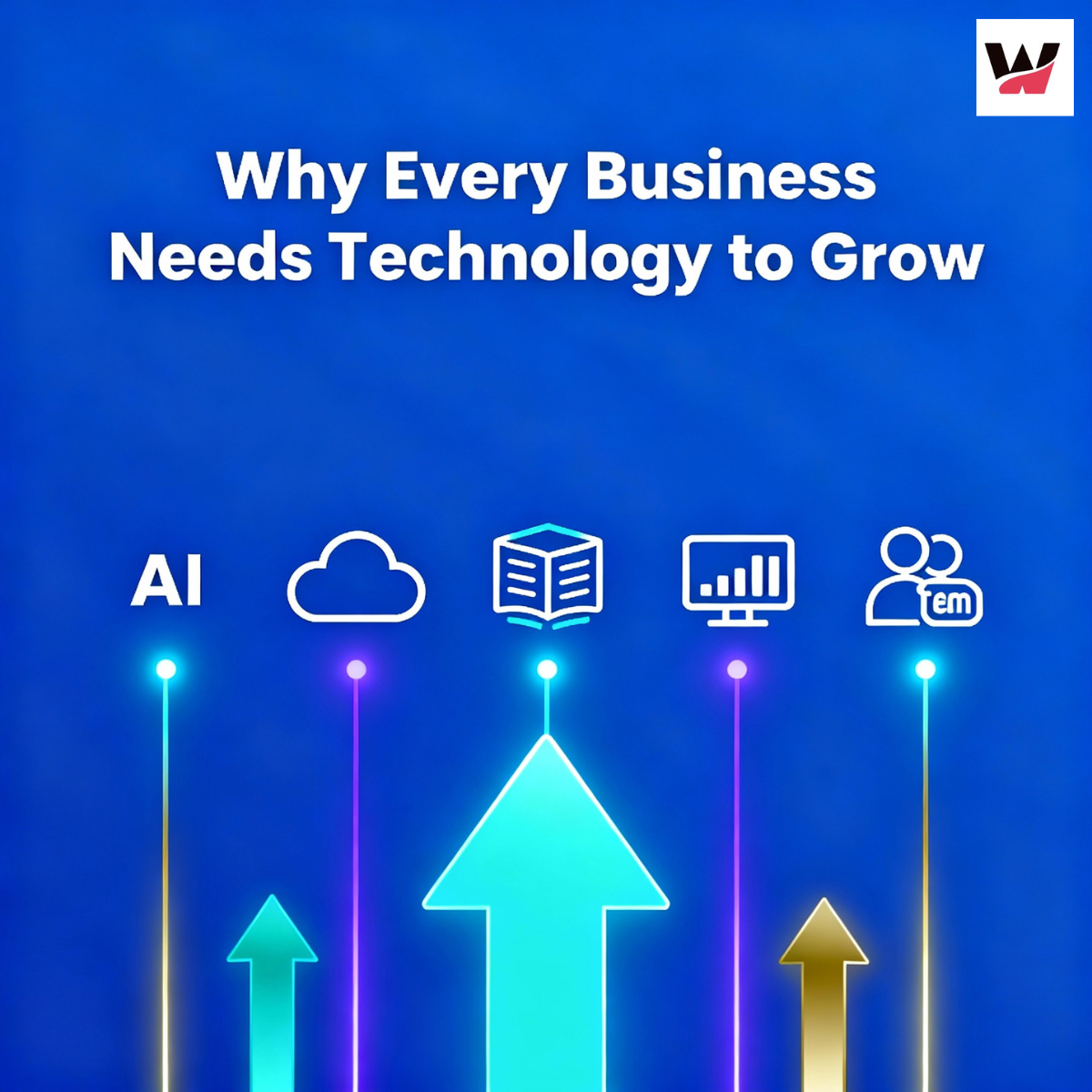
Why Technology is Essential for Business Growth (2025): Top Reasons & Winning Strategies
-
 October 30, 2025
How the Internet of Things (IoT) Is Revolutionizing Modern Business
-
 October 29, 2025
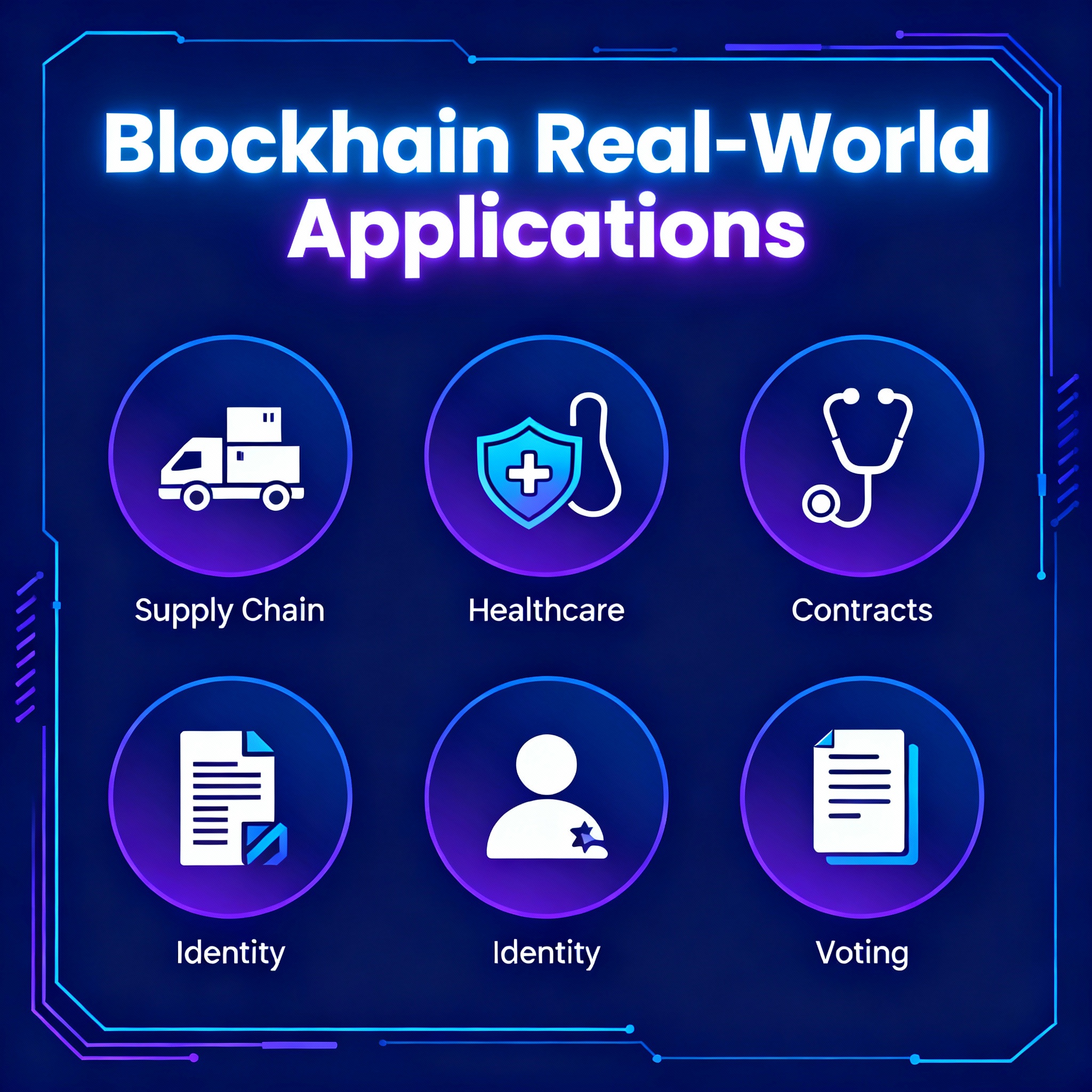
Blockchain Cryptocurrency: Real-World Applications | WitQualis
-
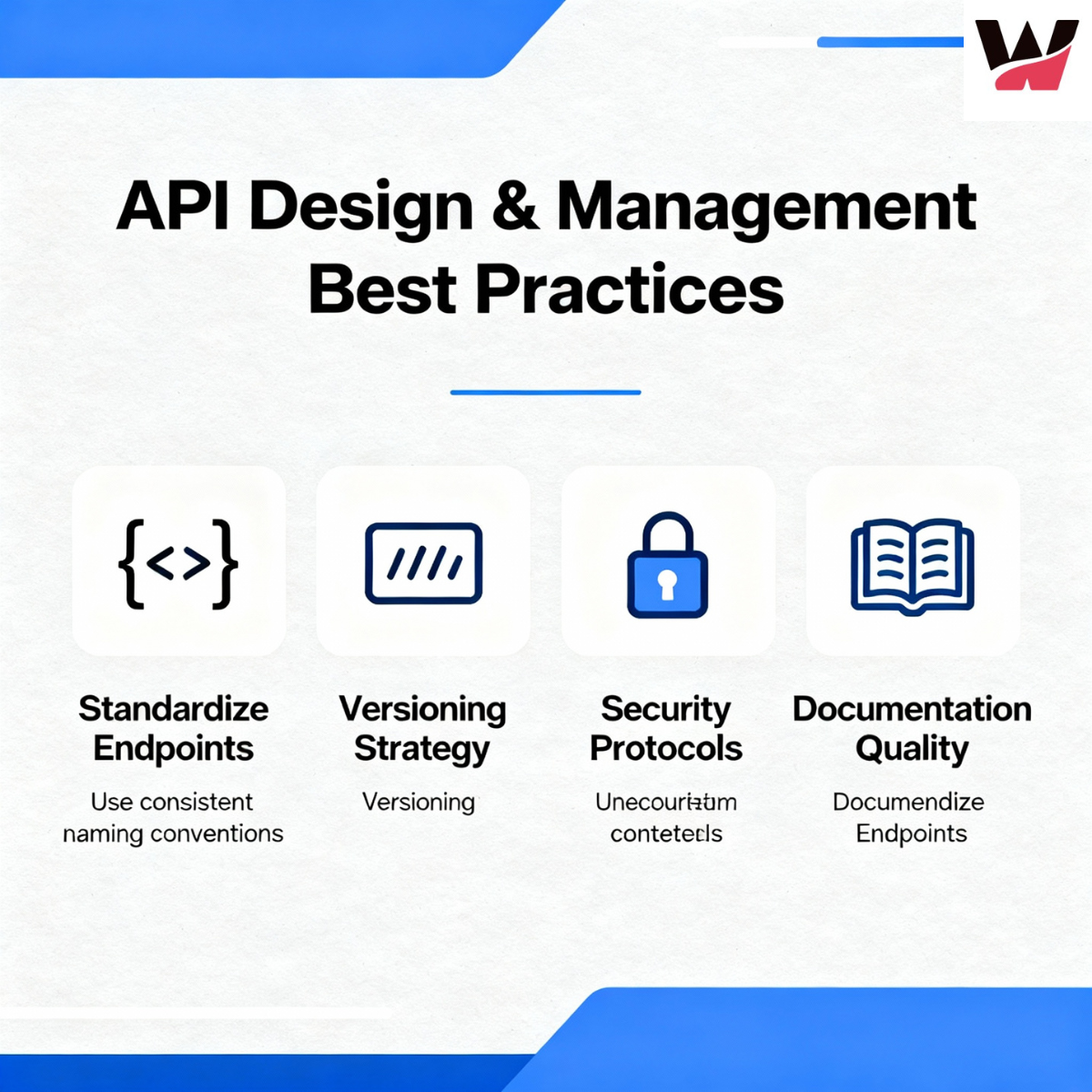 October 28, 2025
API Design and Management Best Practices for Developers
-
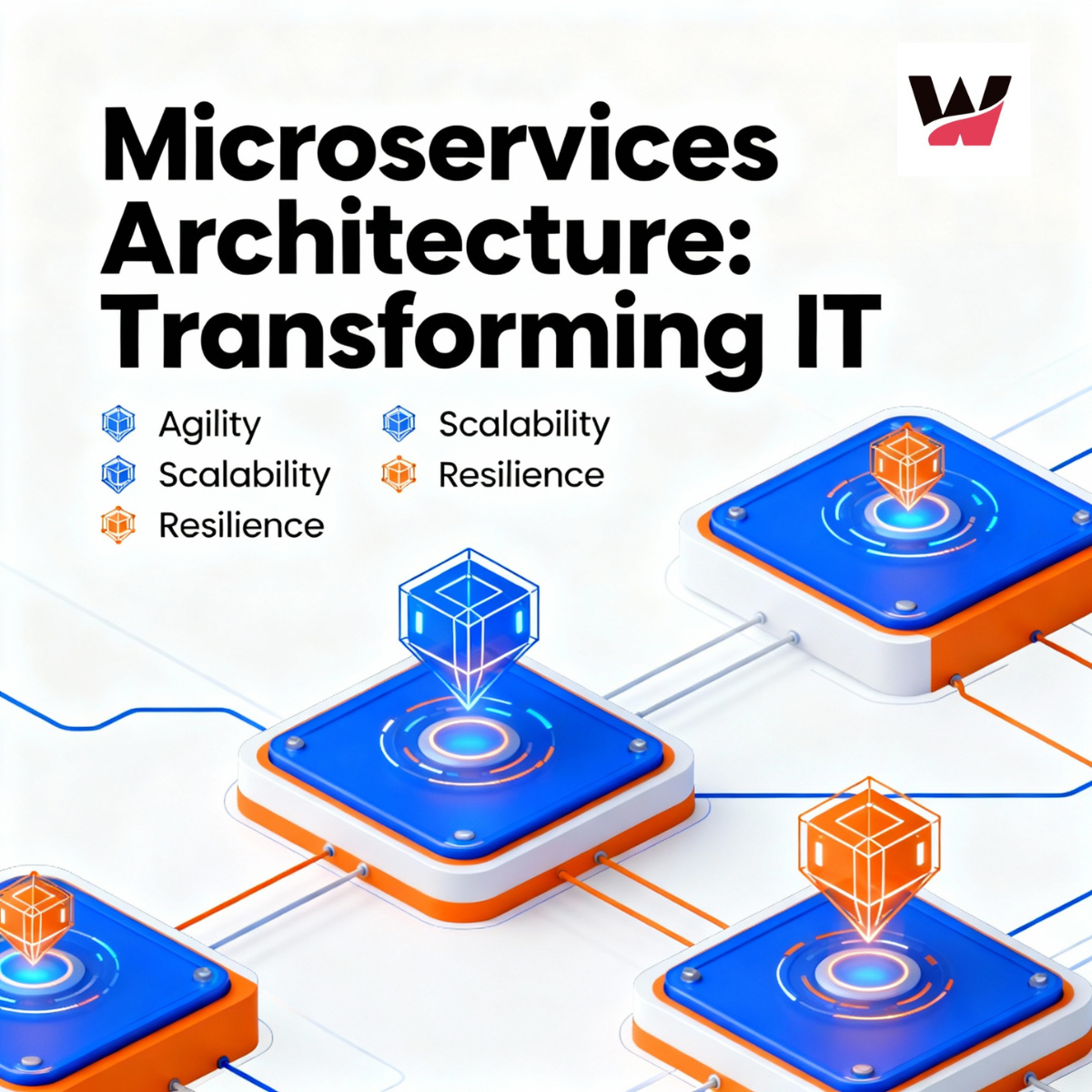 October 27, 2025
Microservices Architecture: Benefits, Implementation Tips & Real-World Examples
-
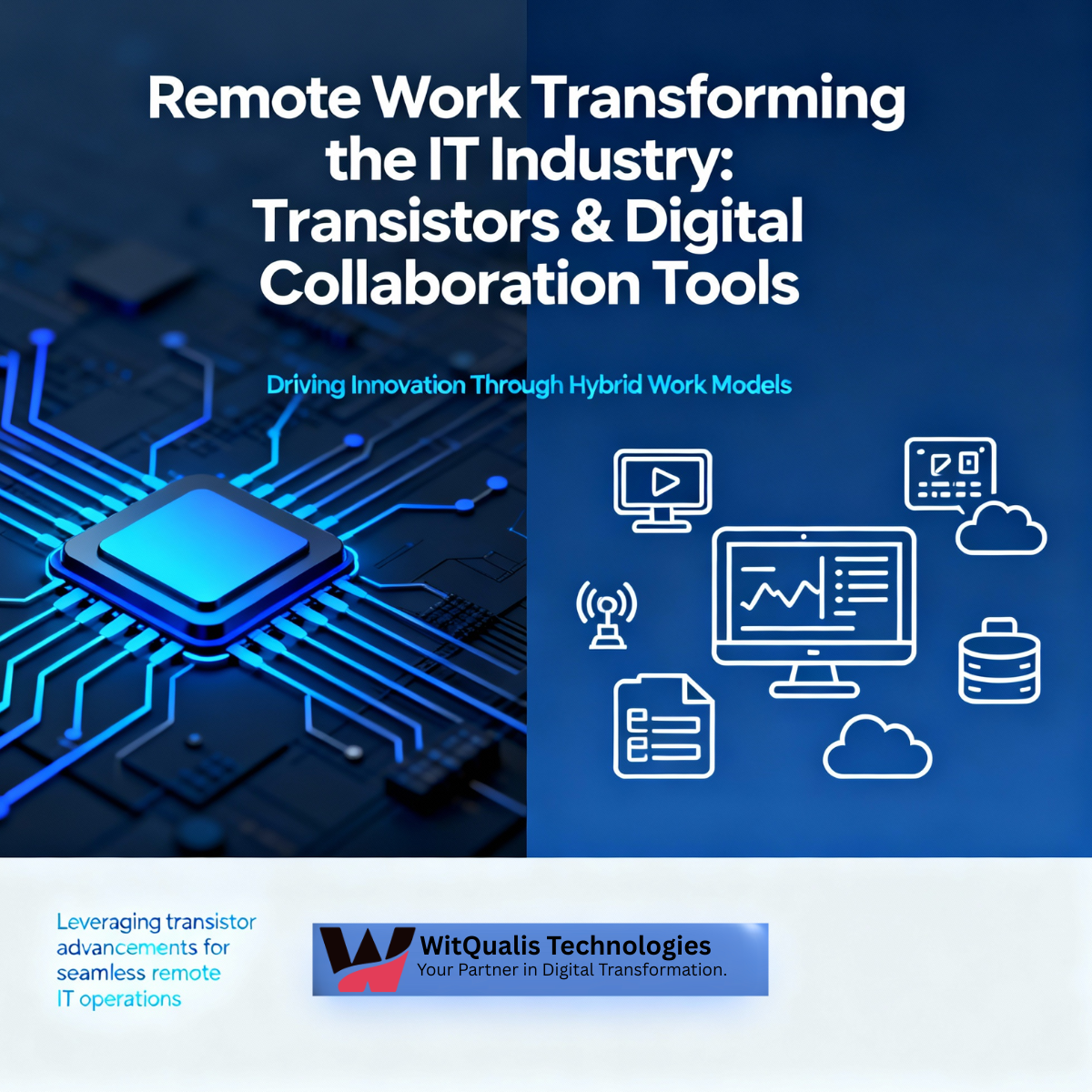 October 24, 2025
How Remote Work Has Transformed the IT Industry Tools in 2025
-
 October 23, 2025
Virtual and Augmented Reality: The Tech Revolution | WitQualis
-
 October 22, 2025
How AI is Revolutionizing Business Decision-Making in 2025 | In-Depth Analysis & Trends
-
 October 16, 2025
Blockchain Beyond Crypto: Building Trust in Business Operations
-
 October 15, 2025
How Custom Software Solutions Drive Business Efficiency | Expert Guide
-
 October 13, 2025
How Automation Reduces Costs & Boosts Productivity in 2025
-
 October 10, 2025
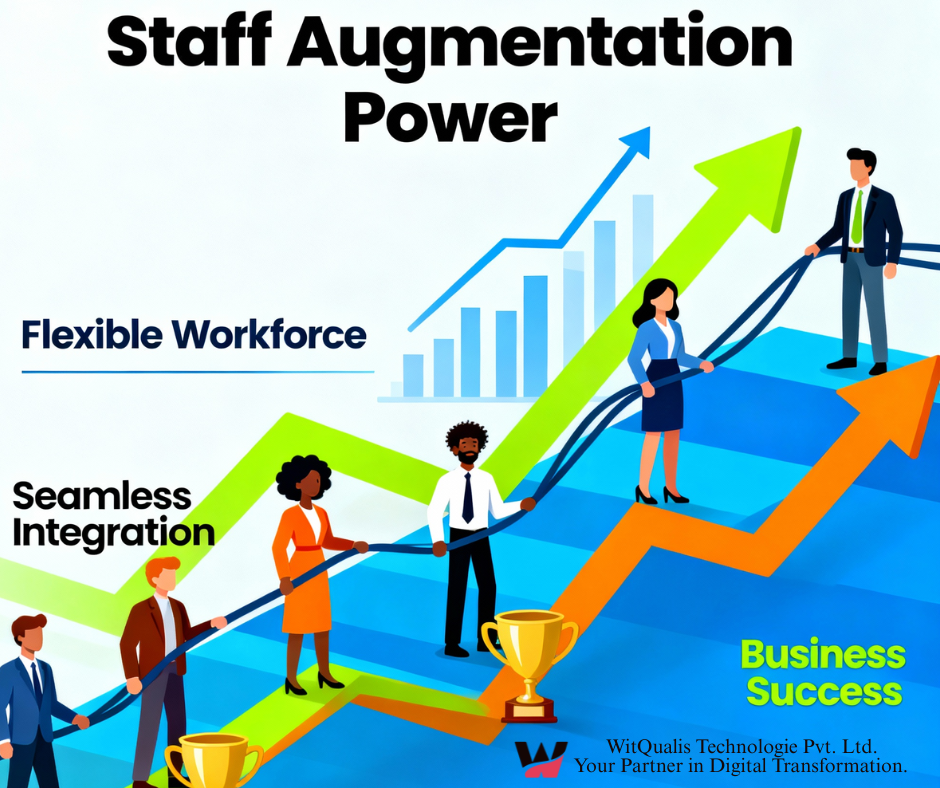
Staff Augmentation: The Key to Building Agile & Scalable Teams
-
 October 9, 2025
The Role of Cloud Computing in Scaling Modern Businesses
-
 October 8, 2025
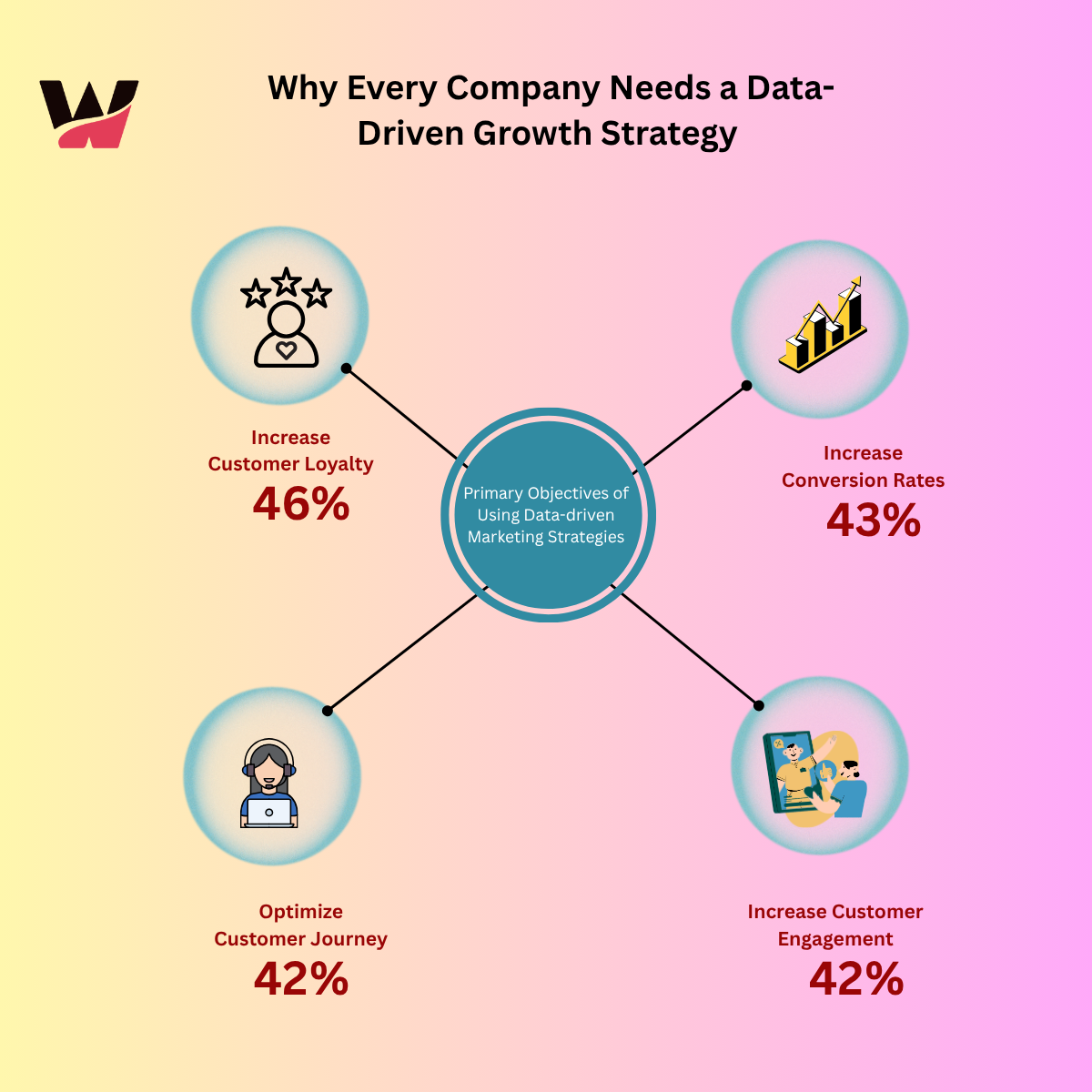
Why Every Company Needs a Data-Driven Growth Strategy
-
 October 7, 2025
API Design Best Practices for Developers in 2025 |API versioning strategies
-
 October 6, 2025
virtual reality vs augmented reality vs mixed reality
-
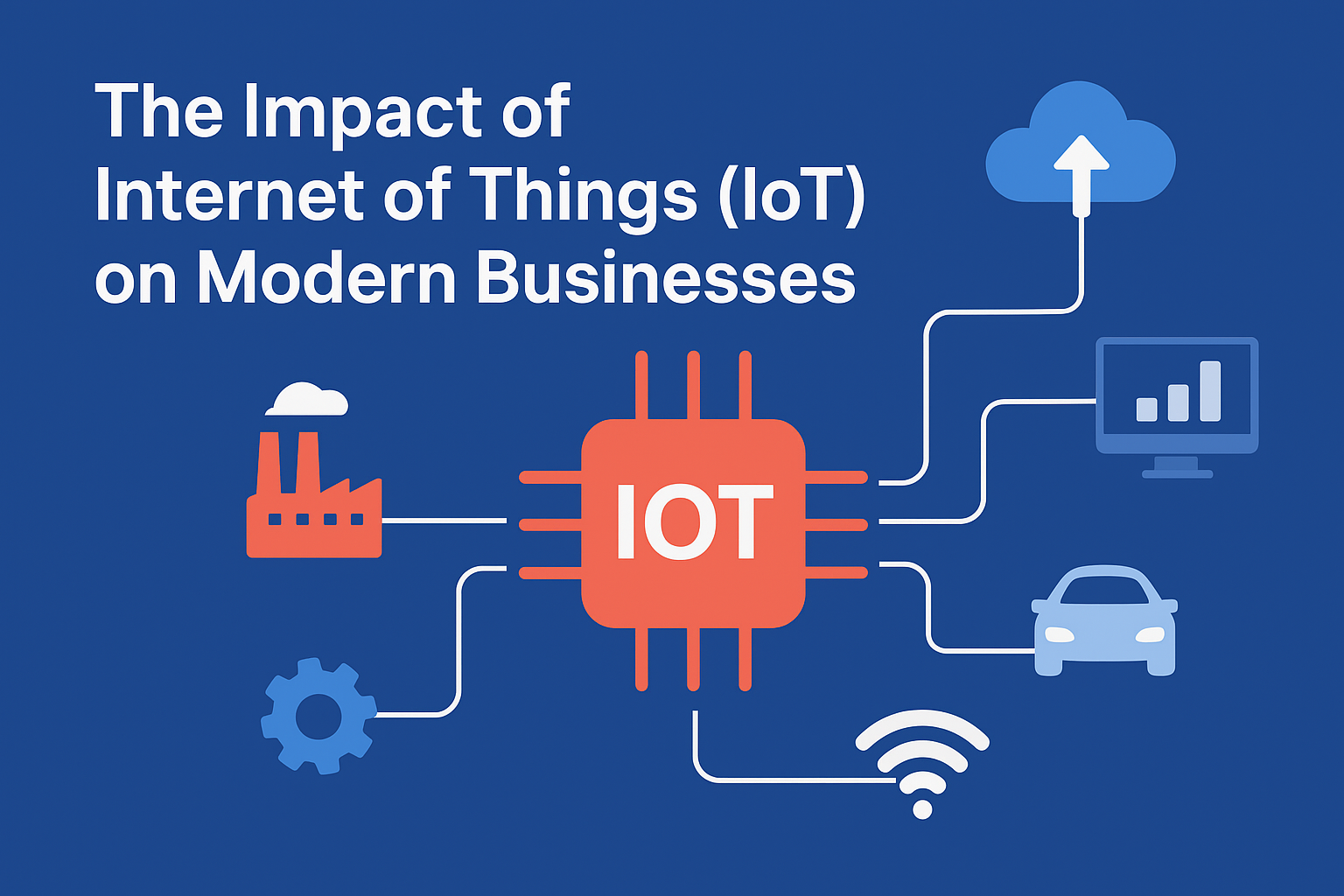 October 3, 2025
The Impact of Internet of Things (IoT) on Modern Business
-
 October 1, 2025
Blockchain Beyond Cryptocurrency: Real-World Applications in 2025
-
 September 30, 2025
The Future of Artificial Intelligence: Trends and Opportunities
-
 September 26, 2025
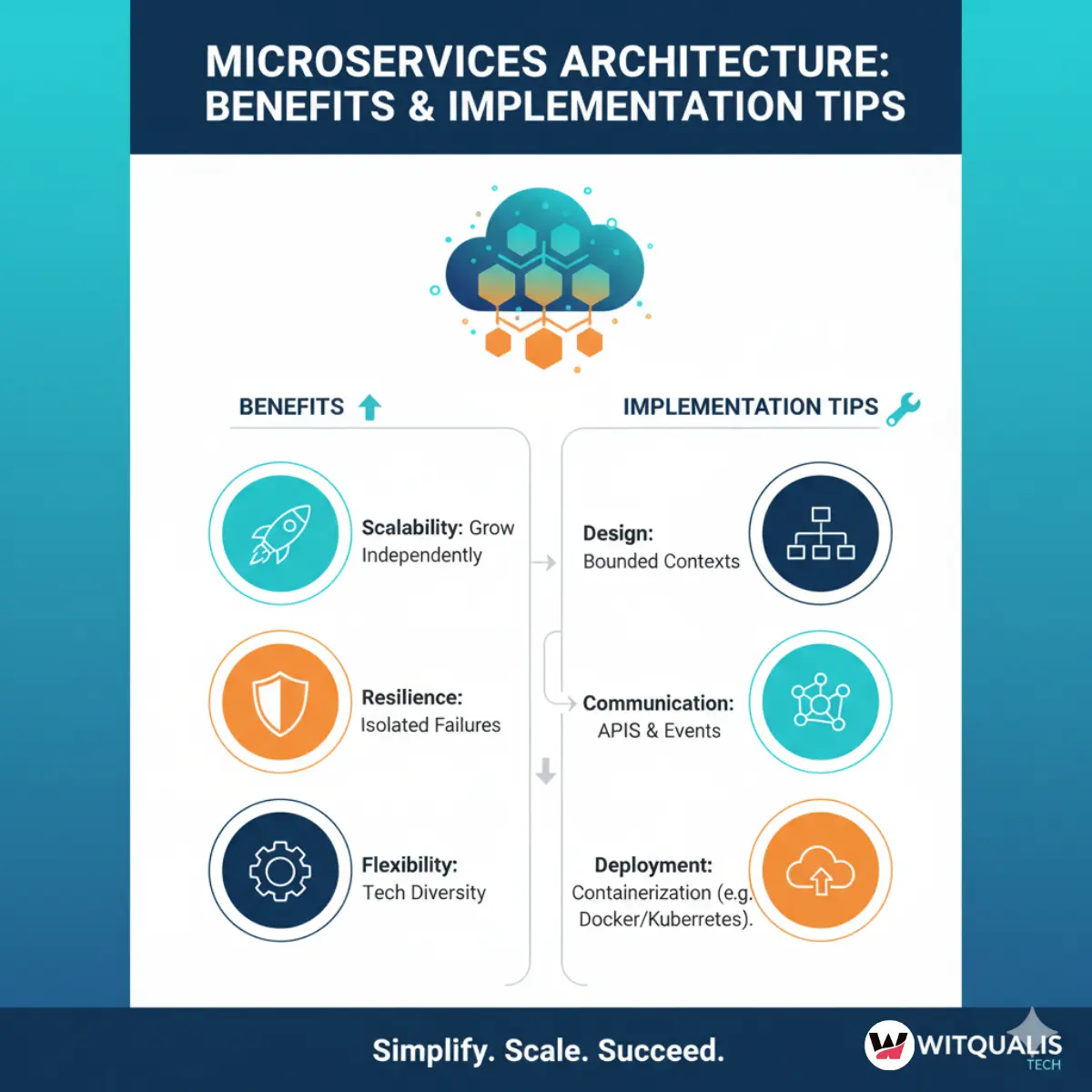
Microservices Architecture: Benefits and Implementation Tips
-
 September 25, 2025
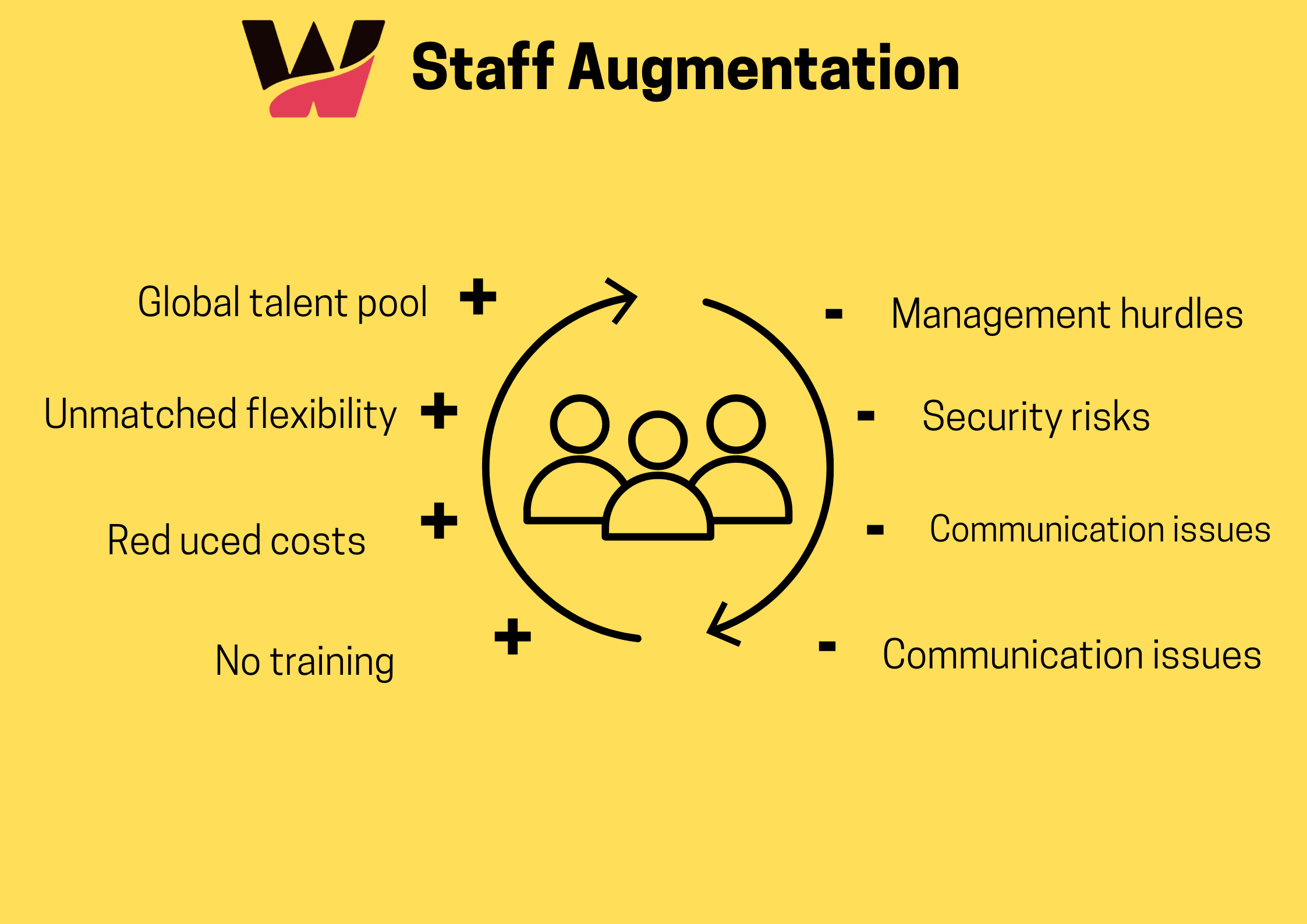
Why Staff Augmentation Is a Smart Move for IT Projects in 2025
-
 September 24, 2025
Cloud Computing Explained: Benefits and Best Practices (AWS, Azure, Google Cloud)
-
 September 23, 2025
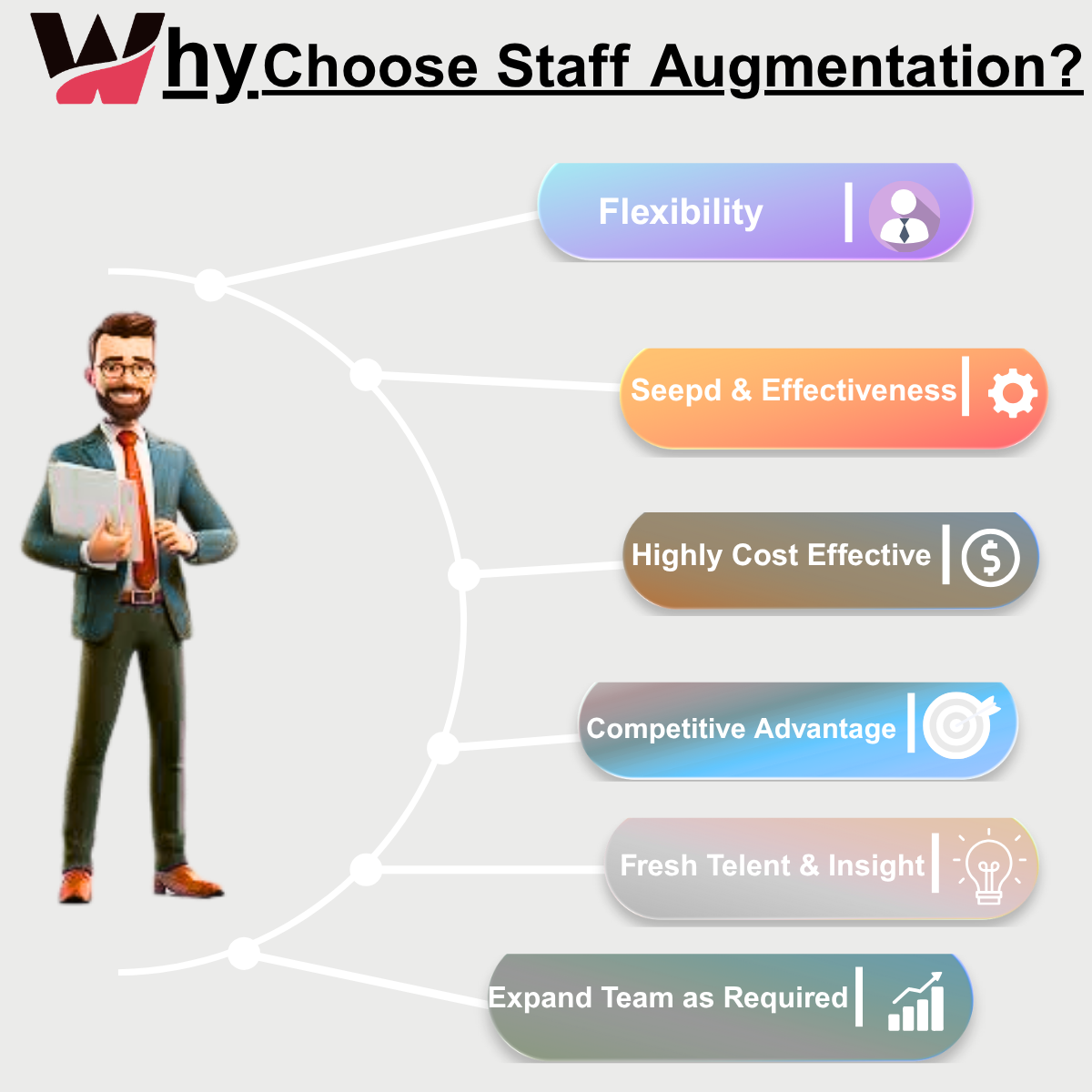
How Staff Augmentation Can Help Scale Your IT Team Efficiently
-
 January 6, 2025
Choosing the Right Front-End Web Development Service in the UK
-
 January 4, 2025
Why Choose Staff Augmentation Services in India for Your IT Projects?
-
 December 21, 2024
Boost Your Business ROI with Power BI Development Services in the Maldives and Iceland
-
 December 20, 2024
Get a Free Consultation: Is Your E-Commerce Business in the UAE Ready for Digital Transformation?
-
 July 6, 2023
The Future of Small Business and Know-How to Climb up the Ladder


Leave a Reply