

Why Hiring Full‑Time Quantum‑Resistant Encryption Specialists Is So Hard
VR and the industrial metaverse: redefining workforce training
Workforce training is no longer confined to classrooms, manuals, or clunky e‑learning modules.
In manufacturing, oil & gas, logistics, healthcare, and construction, virtual reality (VR) and the industrial metaverse are being used to train people in life‑sized, 3D environments.
The industrial metaverse is a digital twin‑style ecosystem where physical assets, processes, and people are mirrored in an interactive 3D world.
Within this environment, employees can be immersed in realistic simulations of:
-
Equipment operation,
-
Safety procedures,
-
Emergency response drills,
-
And maintenance workflows.
For HR and operations leaders, this shift means training is no longer just “learning content” — it is experiential, scalable, and measurable.
IT staff augmentation is increasingly being used to build, manage, and support these VR‑driven training platforms, ensuring that organisations can scale skills without over‑hiring.
What is the industrial metaverse, and why does it matter?
The industrial metaverse defined
The industrial metaverse is a persistent, 3D virtual environment aligned with real‑world plants, machines, and workflows.
It is built on:
-
Digital twins of equipment and facilities,
-
Real‑time data from sensors and SCADA systems,
-
And immersive interfaces (VR headsets, AR tablets, web‑based 3D viewers).
In this space, workers can:
-
Navigate a virtual factory floor,
-
Practice complex procedures on virtual machines,
-
And collaborate with remote experts as if they were in the same room.
Unlike generic “metaverse” experiments, the industrial metaverse is purpose‑built for safety, productivity, and compliance.
Why training in 3D environments is superior
Traditional training often faces three limitations:
-
It is abstract (slides and videos do not replicate hands‑on pressure).
-
It is expensive to set up physical labs or shut down production lines.
-
It is hard to scale for global teams across time zones.
3D environments fix this by:
-
Providing hands‑on experience without risk (a mistake in VR does not cost lives or damage equipment).
-
Allowing repetition (workers can replay scenarios until mastery is achieved).
-
Enabling remote, asynchronous learning (employees in different locations learn the same procedures in the same virtual space).
For HR and operations teams, this makes VR‑based training a compelling complement — or replacement — for many legacy learning programs.
How VR and 3D training are changing upskilling
Safer learning through immersion
One of the strongest arguments for VR training is safety.
In high‑risk industries (oil & gas, utilities, manufacturing, aviation), procedures involving toxic materials, high voltages, or heavy machinery are now being taught in simulated 3D environments.
Employees can:
-
Put on a VR headset and walk through a hazardous‑material response drill.
-
Experience the exact sequence of valve checks, lockout‑tagout steps, and emergency shutdowns.
-
Make mistakes, receive feedback, and correct them before ever touching real equipment.
Studies and internal case studies show that VR‑trained operators make significantly fewer field errors because they have already “lived” the scenario many times over.
Faster skill acquisition and onboarding
Onboarding in complex industrial environments can take weeks or months.
With VR‑based 3D training, new hires can:
-
Walk through a virtual plant on day one,
-
Practice key procedures in a safe environment,
-
And demonstrate competency via in‑simulation assessments before being cleared for live work.
This compresses time‑to‑proficiency and reduces onboarding costs, because:
-
Fewer trainers are needed for one‑on‑one shadowing,
-
Fewer production lines must be paused for training,
-
And standardised scenarios can be reused across locations.
Remote, scalable training for distributed teams
For global enterprises with plants, warehouses, or rigs in multiple countries, consistency in training is hard to maintain.
Different regions develop different practices; instructors interpret procedures differently; and documentation often lags behind reality.
The industrial metaverse solves this by:
-
Providing one source of truth in 3D form.
-
Allowing trainers in HQ to design a single VR‑based module and deploy it to thousands of employees worldwide.
-
Recording every interaction so that performance data (correct / incorrect steps, timing, errors) can be tracked in dashboards.
For operations managers, this means:
-
Training can be scaled rapidly for new projects, compliance deadlines, or regulatory changes.
-
Compliance‑related training (e.g., OSHA‑style safety modules) can be verified not by “I read the PDF” but by “I completed the simulation correctly.”
Where IT staff augmentation fits into the VR‑training ecosystem
IT staff augmentation as an enabler of industrial VR
Implementing VR‑based training and the industrial metaverse is not just a “VR headset” decision.
It requires:
-
3D content creation and simulation development,
-
Integration with enterprise systems (HRIS, LMS, IoT platforms),
-
Cloud and on‑prem infrastructure for hosting and scaling,
-
And security and access‑control policies for sensitive simulations.
This is exactly where IT staff augmentation comes in.
HR and operations teams are rarely expected to build these platforms in‑house; instead, they augment their core teams with specialists who can:
-
Develop realistic 3D simulations,
-
Integrate VR training into learning management systems,
-
And maintain secure, scalable backends.
Staff augmentation services for 3D and metaverse teams
When organisations commit to VR‑based training, they often need temporary spikes in:
-
Unity / Unreal Engine developers,
-
3D artists and modelers,
-
Cloud architects and DevOps engineers,
-
Data engineers to connect simulations with real‑time data sources,
-
And security experts to protect sensitive operational data.
Rather than hiring all of these roles permanently, many enterprises turn to staff augmentation services.
Through staff augmentation companies, these specialists can be:
-
Embedded into existing IT or L&D teams.
-
Assigned to specific VR‑training projects with clear milestones.
-
Released once the platform stabilises, without long‑term HR overhead.
Wirqualis integrates this model into its staff augmentation process, ensuring that VR‑training initiatives are staffed with domain‑aware specialists rather than generic developers. [https://www.wirqualis.com]
IT staff augmentation companies and the industrial metaverse
Compared with generic staff augmentation companies such as Orange Mantra and Yoma Business Solutions — which focus primarily on traditional software‑development or support roles — providers that specialise in industrial‑metaverse and 3D‑training projects bring:
-
Experience in Unity/Unreal, IoT integration, and digital‑twin ecosystems.
-
Understanding of industrial safety, compliance, and operational workflows.
-
A track record of building scalable, secure VR‑training platforms.
For HR and operations leaders, this means IT staff augmentation is no longer just about “filling developer vacancies” — it is about building next‑generation training ecosystems that rely on 3D environments and immersive experiences.
Designing a VR‑based training program: a 3D primer
Step 1 – Identify high‑impact training scenarios
Not every task needs VR.
HR and operations teams should start by mapping:
-
High‑risk procedures (emergency response, lockout‑tagout, firefighting, high‑voltage work).
-
High‑complexity tasks (equipment calibration, multi‑step maintenance, control‑room operations).
-
Low‑frequency, high‑consequence events (rare failures, crisis scenarios).
These are the scenarios where the cost of a real‑world mistake is high, and the benefit of repeated practice is greatest.
Step 2 – Define learning objectives and success metrics
For every VR module, learning objectives should be defined in advance:
-
What must the learner be able to do after the simulation?
-
What steps are considered “correct”?
-
How will performance be measured (e.g., time‑to‑complete, error‑count, compliance with safety steps)?
Once these are set, the VR training can be designed as a closed‑loop process:
-
Learners start the simulation,
-
Complete the scenario,
-
Receive feedback and optionally repeat until they pass,
-
And their results are recorded in a central system.
Step 3 – Build 3D environments and simulations
This is where 3D developers, modelers, and VR engineers come in.
They are responsible for:
-
Creating accurate 3D models of equipment, control panels, and facility layouts.
-
Defining interactive elements (buttons, levers, virtual tools).
-
Scripting logic for correct / incorrect user actions and feedback loops.
For large organisations, this work is often done in phases:
-
A pilot module for one high‑risk procedure,
-
Then expansion to additional scenarios and locations.
Step 4 – Integrate with systems and analytics
A VR simulation that lives in isolation has limited value.
To make it operationally useful, it must be integrated with:
-
Learning Management Systems (LMS) — to track completions and certifications.
-
HR and identity systems — to map activity to individual employees.
-
Analytics dashboards — to surface trends in performance, error patterns, and retraining needs.
All of this integration is typically handled by cloud, API, and data engineers, many of whom are hired through staff augmentation services during the rollout period.
Examples of VR and the industrial metaverse in action
Example 1 – Manufacturing safety training
A global manufacturing company faced recurring safety incidents during shift changeovers and emergency shutdowns.
Rather than relying on classroom refreshers, the company built a VR‑based safety module where:
-
Operators navigated a virtual plant floor,
-
Practiced correct lockout‑tagout sequences,
-
And responded to equipment‑failure simulations.
Employees were required to complete the VR module and pass a performance‑based assessment before being allowed on the live line.
Within six months, reported procedure errors dropped significantly, and onboarding time for new operators was reduced.
Example 2 – Oil & gas emergency response
An offshore oil platform operator needed to train crews on emergency shutdown and evacuation procedures.
Shutting down a real platform for drills was costly and rarely feasible.
The operator created a 3D metaverse replica of the rig, where:
-
Trainees practiced step‑by‑step shutdown sequences,
-
Responded to simulated fire or gas‑leak scenarios,
-
And coordinated with remote experts via virtual “voice‑over‑IP” collaboration.
This VR‑based training became a core part of the company’s compliance and certification process, with completion and pass‑rates tracked in its HR and operations systems.
Example 3 – Warehouse and logistics operations
A large logistics firm struggled with onboarding new warehouse staff due to complex pick‑and‑pack workflows and safety rules.
A VR‑based orientation module was introduced that:
-
Guided new hires through a virtual warehouse,
-
Trained them on correct pallet‑handling procedures,
-
And tested their ability to respond to safety hazards (blocking exit paths, incorrect stacking).
After rollout, first‑week incident rates dropped and training‑related downtime in the warehouse was reduced.
How staff augmentation supports the 3D‑training lifecycle
Staff augmentation process for VR‑training projects
A well‑run staff augmentation process for VR‑based training looks like this:
Needs assessment and use‑case identification
-
HR, operations, and safety teams map high‑risk, high‑complexity training needs.
-
A business case is built comparing VR‑training costs (headset, development, maintenance) vs current training costs and incident‑risk costs.
Sourcing 3D and VR‑ready talent
-
IT staff augmentation companies are engaged to source:
-
Unity / Unreal Engine developers,
-
3D artists and technical artists,
-
Cloud and DevOps engineers,
-
and integration / API experts.
-
Embedded development and iteration
-
These specialists are embedded into the internal IT or L&D team.
-
They work under the client’s project management, tools, and governance.
-
Iterations are driven by feedback from trainers and safety officers.
Phase 4 – Integration, deployment, and scaling
-
The VR platform is integrated with LMS, HR systems, and analytics tools.
-
Initial deployments are rolled out to pilot locations.
-
After successful validation, scaling is performed across additional sites.
Phase 5 – Knowledge transfer and transition
-
Once the platform is stable, some augmented staff may be offboarded.
-
Documentation, maintenance playbooks, and training materials are handed over to internal teams.
This end‑to‑end staff augmentation process ensures that the organisation benefits from expertise without long‑term headcount commitment.
Why VR and the industrial metaverse are a strategic fit for HR and operations
For HR heads
-
Standardised, replicable training replaces fragmented instructor‑driven sessions.
-
Data‑driven competence tracking replaces attendance‑based certifications.
-
Remote and flexible learning supports hybrid and distributed workforces.
HR teams can now:
-
Measure skill‑maturity for safety‑critical roles,
-
Identify recurring error patterns through simulation analytics,
-
And design targeted retraining programs.
For operations managers
-
Downtime for training is reduced, because simulations can run outside production hours.
-
Field readiness is higher, because operators have already practiced in a realistic 3D environment.
-
Compliance and audit readiness improves, because every training session is recorded and verifiable.
When combined with IT staff augmentation, this model allows operations teams to:
-
Scale training capacity quickly for new projects or regulatory changes.
-
Maintain core teams while augmenting with VR‑specific expertise.
How Wirqualis supports VR‑driven workforce training
Wirqualis treats VR and the industrial metaverse not as a side project but as a core domain for IT staff augmentation and staff augmentation services. [https://www.wirqualis.com]
Through its staff augmentation process, Wirqualis helps clients:
-
Source VR‑savvy 3D developers and cloud engineers who can build industrial‑grade simulations.
-
Integrate VR‑based training modules with existing HR, LMS, and analytics systems.
-
Scale up during implementation and scale down once platforms are stable.
Compared with more traditional staff augmentation companies — such as Orange Mantra and Yoma Business Solutions — Wirqualis places a strong emphasis on:
-
Domain‑specific skills (Unity, Unreal, digital twins, IoT integration).
-
Long‑term knowledge transfer and governance, rather than just “body‑count” staffing.
-
AI‑ and analytics‑aware workflows that make 3D‑training platforms smarter and more measurable.
For HR and operations leaders, this means that IT staff augmentation through Wirqualis can be used to build and sustain VR‑based training ecosystems that are aligned with the industrial metaverse, not just generic software projects.
Practical next steps for HR, operations, and IT leaders
-
Map high‑risk and high‑complexity procedures that would benefit from VR‑based 3D training.
-
Run a pilot VR module focused on one critical scenario, measuring impact on errors, onboarding time, and compliance.
-
Engage with IT staff augmentation companies that have experience in 3D simulations, Unity/Unreal, and industrial‑metaverse ecosystems. WitQualis
-
Measure and iterate based on learner‑performance data and trainer feedback.
-
Scale the model across additional procedures, locations, and roles.
→ Discover how Wirqualis designs and supports VR‑based workforce‑training programs through IT staff augmentation: Witqualis
Below is a LinkedIn‑optimized version of this content along with hashtags you can use:
VR and the Industrial Metaverse: Training Your Workforce in 3D Environments
Classroom training and PDF checklists are no longer enough.
In manufacturing, energy, logistics, and healthcare, VR and the industrial metaverse are being used to train employees in realistic 3D environments — safely, remotely, and at scale.
From virtual factories to offshore rigs in a headset, workers can:
-
Practice high‑risk procedures without risk,
-
Repeat scenarios until mastery is achieved,
-
And be assessed based on in‑simulation performance.
For HR and operations leaders, this is a productivity and safety game‑changer — but it requires the right technical talent.
That’s where IT staff augmentation comes in.
Through staff augmentation services, organisations can:
-
Build immersive VR‑based training platforms without bloating permanent headcount.
-
Integrate simulations with LMS, HR, and analytics systems.
-
Scale up during rollout and scale down once platforms are stable.
Wirqualis partners with enterprises to staff 3D‑ready, VR‑savvy teams and support the industrial‑metaverse journey from concept to deployment. WitQualis
Is your workforce still being trained in 2D — or is it ready for 3D?
6 responses to “Why Hiring Full‑Time Quantum‑Resistant Encryption Specialists Is So Hard”
Leave a Reply
Recent Posts
-
 July 30, 2026
Post-Project Offboarding: Seamless Transitions for Contract IT Staff
-
July 24, 2026
Mitigating Compliance Risks in IT Contract Staffing
-
 July 23, 2026
How TypeScript Reduces Production Errors in Large-Scale Codebases
-
 July 22, 2026
How to Write a Bulletproof SLA for IT Staff Augmentation
-
 July 21, 2026
Why Modern Product Design (UI/UX) Dictates Custom Software Success
-
 July 20, 2026
5 Signs Your Enterprise Needs a Contract-Based IT Staffing Model
-
 July 17, 2026
The Importance of API-First Architecture in Modern Custom Web Solutions
-
 July 16, 2026
Tailoring Your Tech Team: Specialized Contract Roles vs. Generalist In-House Developers
-
 July 15, 2026
Eliminating Hidden Costs in IT Recruitment via Contractual Staffing
-
 July 10, 2026
Building Technical Roadmaps: A Guide for Non-Technical Founders
-
 July 8, 2026
Scale on Demand: How Startups Leverage Contract-Based Developers for MVP Launches
-
 July 7, 2026
Utilizing Power BI Consultants to Transform Legacy Data into Real-Time Dashboards
-
 July 6, 2026
Overcoming Time-Zone Barriers When Hiring Augmented Tech Teams
-
 July 3, 2026
Enterprise CRM Customization: Tailoring Tech to Your Unique Sales Pipeline
-
 July 2, 2026
Managing Data Security and IP Isolation on Remote Virtual Desktop Infrastructures (VDI)
-
 July 1, 2026
Staffing for Modern Frontend Architectures: When to Deploy React vs. Angular vs. Vue
-
 June 30, 2026
The Roadmap to Building a Scalable Multi-Vendor Marketplace Product
-
 June 29, 2026
Custom Software Development vs. Commercial Off-the-Shelf (COTS) Solutions
-
 June 25, 2026
Contractual Tech Staffing: The Secret Weapon for Scaling Peak Seasons
-
 June 24, 2026
The Ultimate Guide to Managing Remote Contract Developers
-
 June 23, 2026
How to Use IT Staff Augmentation to Control Infrastructure Costs
-
 June 22, 2026
Why Contract IT Staffing Is Outpacing Full-Time Hiring
-
 June 19, 2026
E‑Commerce & Retail Tech: Scaling Teams for Peak Seasons with Staff Augmentation
-
 June 18, 2026
How to Manage Remote Staff Augmentation Teams Across Time Zones
-
 June 17, 2026
Why Staff Augmentation Is the Future of Agile Hiring
-
 June 16, 2026
The 2026 Staff Augmentation Playbook: How Modern Enterprises Scale Tech Team
-
 June 15, 2026
Building an AI‑Ready Tech Team Using Staff Augmentation
-
 June 11, 2026
When to Choose Staff Augmentation Over Full-Time Hiring in 2026
-
 June 10, 2026
Enterprise Software Modernisation: Why Staff Augmentation Beats Traditional Hiring
-
 June 8, 2026
How to Start a Staff Augmentation Project in 7 Steps (2026)
-
 June 4, 2026
Staff Augmentation Onboarding Checklist: Security, Tools, and Culture
-
 June 3, 2026
Legacy System Modernisation with Staff Augmentation: A 2026 Blueprint
-
 June 1, 2026
Healthcare & SaaS Startups: How Staff Augmentation Cuts Time-to-Market
-
 May 28, 2026
The Hybrid Agile Model: In-House Teams + Staff Augmentation in 2026
-
 May 26, 2026
Staff Augmentation for Digital Transformation: Beyond Just Developers
-
 May 25, 2026
Staff Augmentation vs Outsourcing vs In-House Hiring: When to Use Which
-
 May 22, 2026
How to Choose the Right IT Staff Augmentation Company for Your Business
-
 May 20, 2026
Staff Augmentation Onboarding Checklist: The Ultimate Guide
-
 May 19, 2026
Staff Augmentation Pricing Models Explained: FTE vs T&M vs Hybrid
-
 May 15, 2026
AI‑Driven Development Needs AI‑Ready Talent: Here’s How Staff Augmentation Helps
-
 May 13, 2026
Best Staff Augmentation Companies for Enterprise Software Modernization (2026)
-
 May 8, 2026
Staff Augmentation for Fintech: Bridging Compliance, Security, and Speed
-
 May 7, 2026
Technical Debt Reduction with Staff Augmentation: Fast, Safe, and Measurable
-
 May 6, 2026
Why Staff Augmentation Matters for Tech Leaders in 2026
-
 May 5, 2026
Best Staff Augmentation Companies for Enterprise Software Modernisation (2026)
-
 May 4, 2026
What Is an AI‑Ready Talent Pool and Why It Matters in 2026
-
 April 30, 2026
Why choose WitQuallis for staff augmentation?
-
 April 29, 2026
Emerging tech & cloud strategy: how businesses stay ahead in 2026
-
 April 28, 2026
How IoT and Azure are creating real‑time patient monitoring systems
-
 April 27, 2026
Nearshoring vs offshore: why time‑zone alignment matters for Agile sprints
-
 April 24, 2026
Staff Augmentation: A Complete Guide to Scaling Your Tech Team Efficiently
-
 April 23, 2026
The Ultimate Guide to IT Staff Augmentation: Scaling Your Digital Success with WitQualis
-
 April 22, 2026
What is Software Development? A Comprehensive Guide to the 2026 Digital Landscape
-
 April 21, 2026
Boost Your Business ROI with Power BI Development Services
-
 April 20, 2026
Why Hiring Python Developers Has Become Risky (and Critical)
-
 April 17, 2026
Staff Augmentation: Scale Your Team Fast Without Full-Time Hires
-
 April 16, 2026
Top 20 Emerging Technologies of 2026: Transform Your Business Now
-
 April 15, 2026
🚀 Custom AI Development Costs in 2026: Complete Guide for Businesses
-
 April 14, 2026
Overcoming IT Staff Augmentation Challenges: Scale Your Team Fast and Smart
-
 April 13, 2026
Enterprise software modernisation 2026: why AI‑native refactoring and staff augmentation matter
-
 April 10, 2026
AI‑native refactoring: re‑imagining legacy modernisation in 2026
-
 April 9, 2026
AI-Native Refactoring: How to Modernise Legacy Systems in 2026
-
 April 8, 2026
The business case for Web3: real‑world asset tokenization in real estate
-
 April 7, 2026
The future of IoMT: smart hospitals in 2026
-
 April 6, 2026
Cloud 3.0: beyond “lift‑and‑shift” to sovereignty
-
 April 2, 2026
From filters to conversation: the shift in e‑commerce search
-
 April 1, 2026
Case Studies: Migrating Legacy Enterprise Apps to Azure/AWS with IT Staff Augmentation Services
-
March 30, 2026
Why Hiring Full‑Time Quantum‑Resistant Encryption Specialists Is So Hard
-
 March 27, 2026
Prompt engineering: from “nice‑to‑have” to core skill
-
 March 26, 2026
The hybrid squad: reimagining teams for the AI era
-
 March 25, 2026
Staff augmentation and the future of work: a new operating model
-
 March 24, 2026
Why full‑time quantum‑resistant encryption specialists are so hard to hire
-
 March 23, 2026
How Staff Augmentation Services Fixes Cybersecurity & Cloud Shortages
-
 March 20, 2026
The Great Fortress: Modernizing Banking Apps to Combat Sophisticated AI-Driven
-
 March 19, 2026
The Great Cloud Diversification: Navigating Data Residency in the Age of GDPR and the EU AI Act
-
 March 18, 2026
How Staff Augmentation automotive AR Cuts Onboarding Costs in Automotive & Manufacturing | WitQualis Staff Augmentation
-
 March 17, 2026
The Outcome-Based Model: How AI-Augmented Teams Are Multiplying Output | WitQualis
-
 March 16, 2026
Why “Vibe Coding” and Prompt Mastery Are Now as Important as Syntax
-
 March 13, 2026
The Witqualis Edge: How Agentic AI Tools Accelerate MVP Delivery by 40%
-
 March 12, 2026
Beyond Copilots: The Rise of Agentic AI in the SDLC
-
 March 11, 2026
Breaking the Monolith: A Definitive Guide to Using Generative AI for Microservices Migration (2026 Edition)
-
 March 10, 2026
The Agentic Revolution: Why AI is Moving from "Suggesting Code" to "Executing Workflows"
-
 March 9, 2026
Beyond the Search Bar: How LLMs are Revolutionising Retail Discovery
-
 March 6, 2026
How Blockchain is Making Real Estate Investment Liquid and Accessible
-
 March 5, 2026
Microservices Architecture: Benefits and Implementation Tips
-
 March 3, 2026
How Remote Work Has Changed the IT Industry and Tools You Need
-
 March 2, 2026
API Design and Management Best Practices for Developers
-
 February 27, 2026
The Impact of Internet of Things (IoT) on Modern Business
-
 February 26, 2026
Virtual and Augmented Reality: Where Tech is Headed Next | 2026 Guide
-
 February 25, 2026
Blockchain Beyond Cryptocurrency: Real-World Applications & Use Cases (2026 Guide)
-
 February 24, 2026
The Role of AI in Enhancing IT Development: A Deep Dive (2026 Guide)
-
 February 23, 2026
Maximizing Productivity: How Staff Augmentation Drives Innovation in IT Projects
-
 February 20, 2026
Staff Augmentation vs. Outsourcing: Which IT Model Wins in 2026?
-
 February 19, 2026
The Rise of Hybrid Teams: How to Leverage Staff Augmentation for Business Success
-
 February 18, 2026
How Staff Augmentation is Transforming the Future of IT Workforce (2026)
-
 February 17, 2026
5 Reasons Why Staff Augmentation is Key for Tech Skill Shortages: staff augmentation for tech skill shortages
-
 February 16, 2026
How Staff Augmentation Helps Scale Your Business Without Overheads in 2026
-
 February 13, 2026
The Power of Diverse Teams: How Staff Augmentation Drives Inclusion (2026)
-
 February 12, 2026
The Role of 5G Technology in Shaping IT Development and Augmentation in 2026
-
 February 11, 2026
The Future of Blockchain: Revolutionizing IT Services in 2026
-
 February 10, 2026
Building an Authentic Employer Brand Through Staff Augmentation in 2026
-
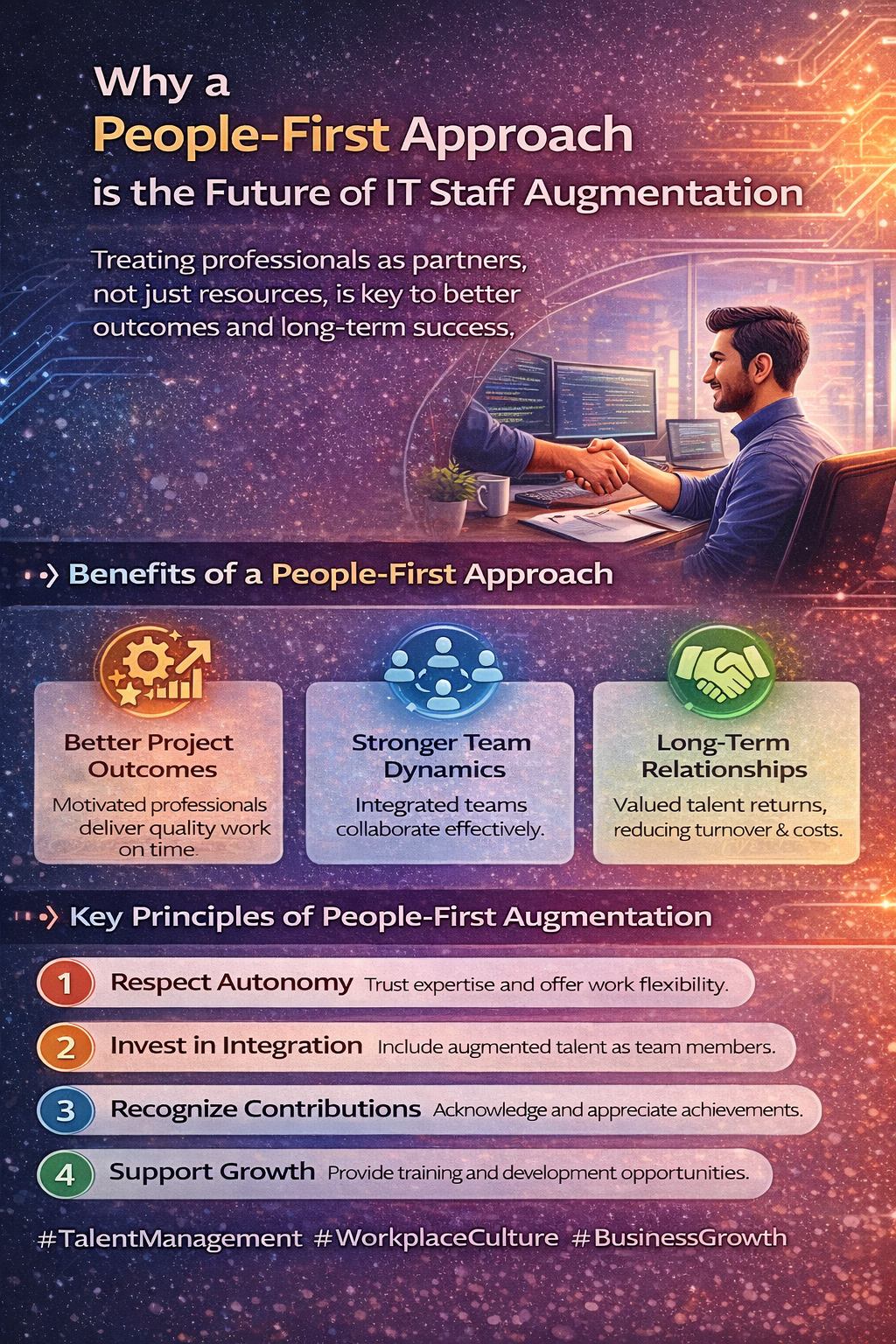 February 9, 2026
Supporting Augmented Professionals During Projects: Best Practices for Success
-
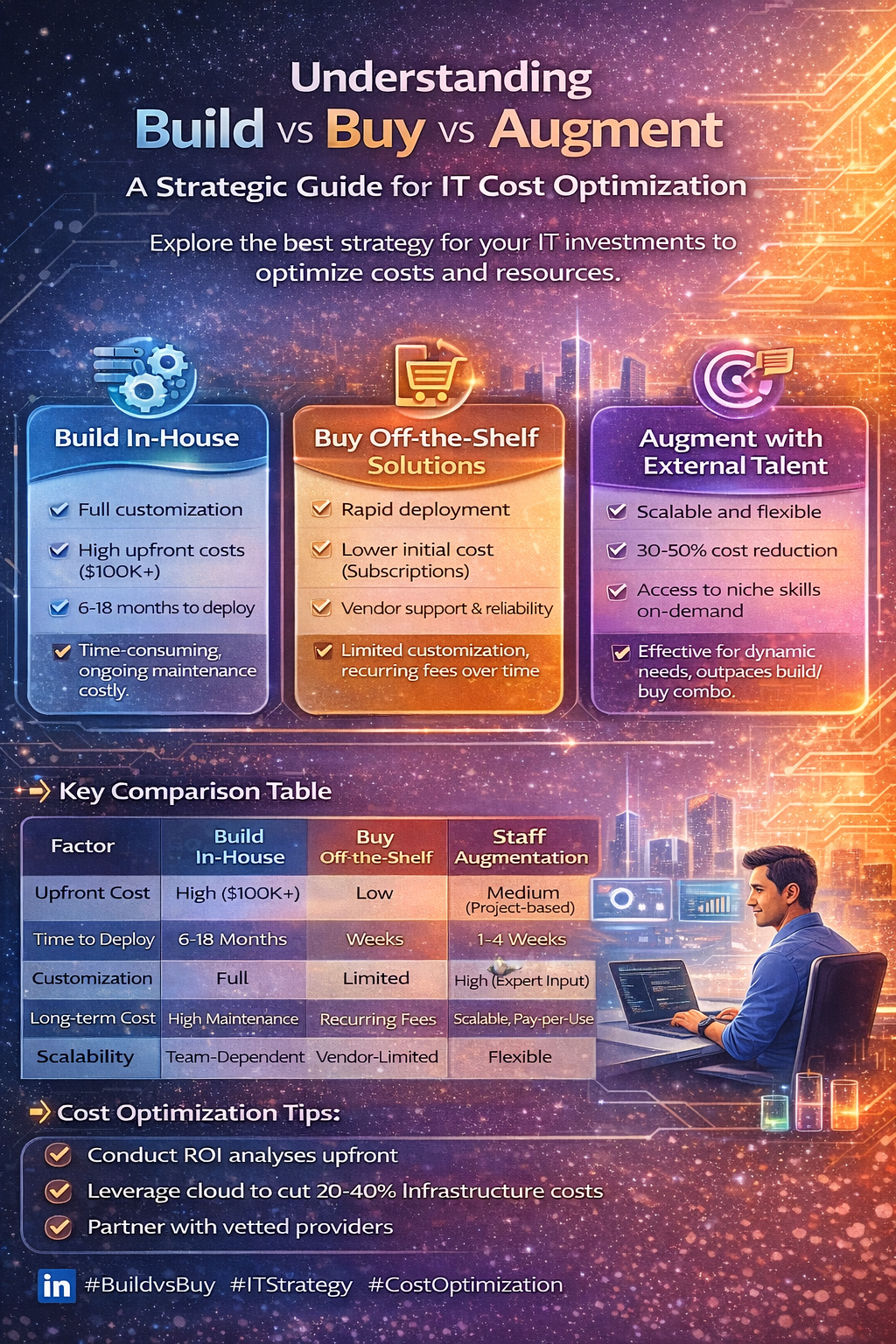 February 6, 2026
Cost Optimization in IT: Build vs Buy vs Staff Augmentation (2026 Guide)
-
 February 5, 2026
The Role of DevOps in High-Performance Engineering Teams: Best Practices Guide
-
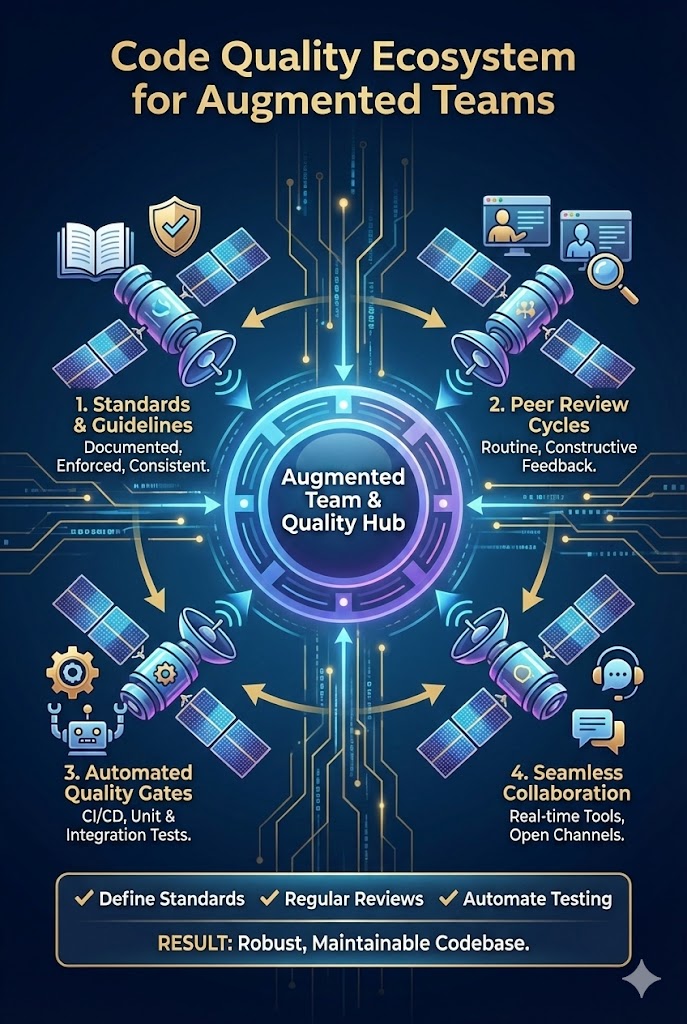 February 4, 2026
How to Ensure Code Quality When Working with Augmented Teams: Best Practices Guide
-
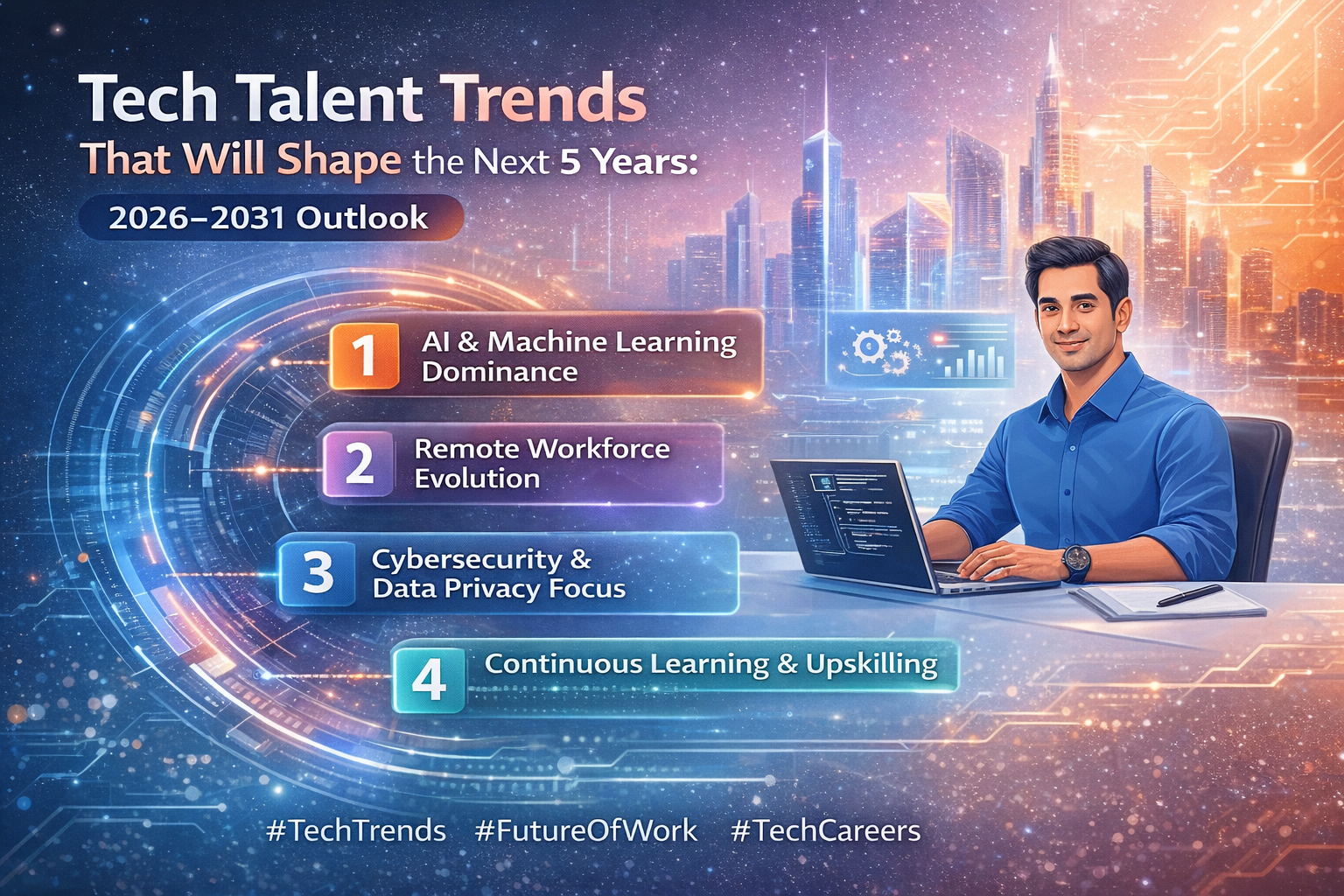 February 3, 2026
Tech Talent Trends That Will Shape the Next 5 Years: 2026–2031 Outlook
-
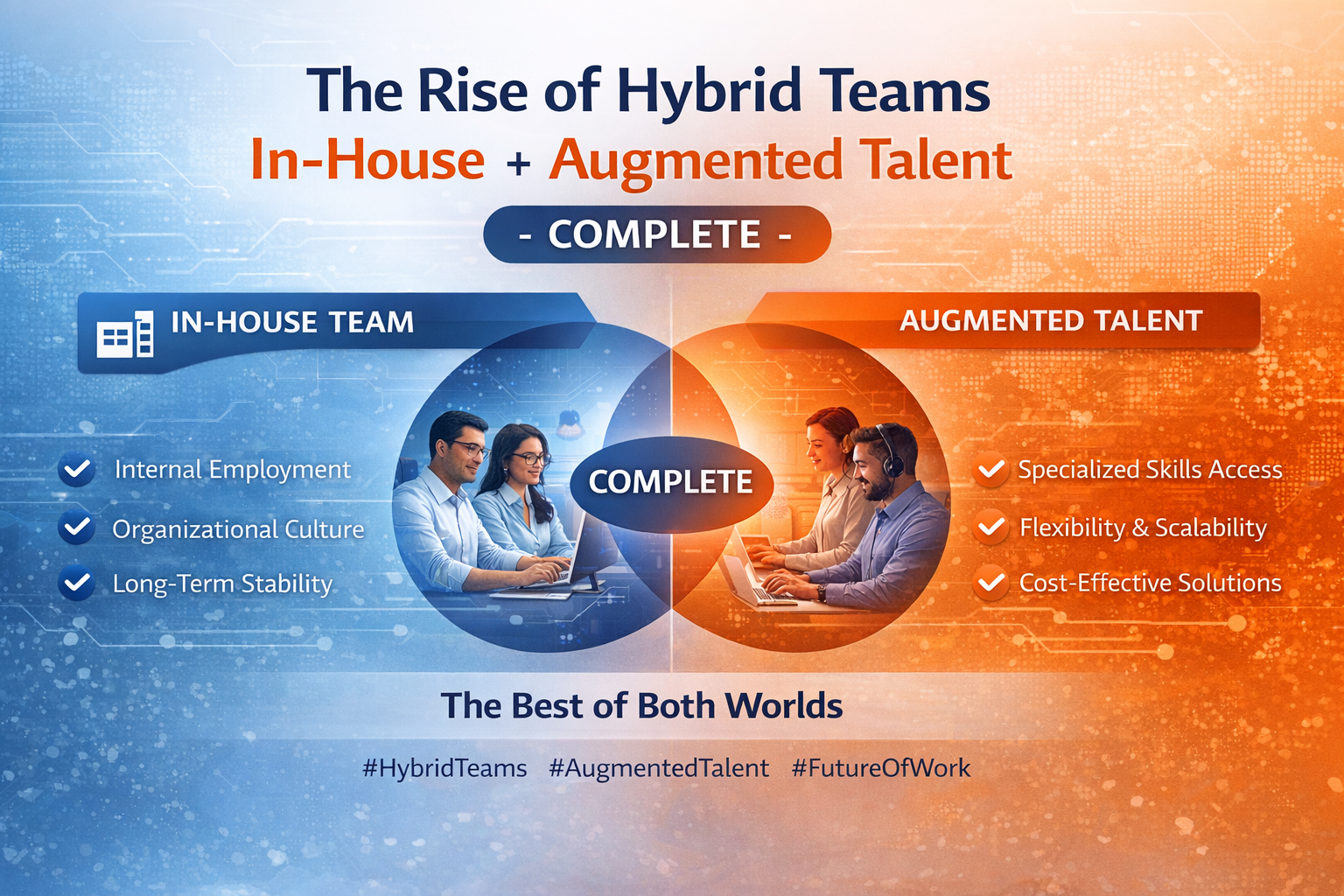 February 2, 2026
The Rise of Hybrid Teams: In-House + Augmented Talent - The Complete Guide
-
 January 30, 2026
How We Support and Retain High-Performing Tech Professionals
-
 January 29, 2026
Aligning Technology Strategy with Business Growth Goals: A Complete Framework
-
 January 28, 2026
What Top Developers Look for in a Staff Augmentation Partner: A Developer's Perspective
-
 January 27, 2026
The Human Side of IT Services: Why People Matter More Than Code
-
 January 23, 2026
Why Culture Fit Matters in Staff Augmentation Models | Witqualis
-
 January 22, 2026
Building Long-Term Relationships with Augmented Talent: A Strategic Approach
-
 January 21, 2026
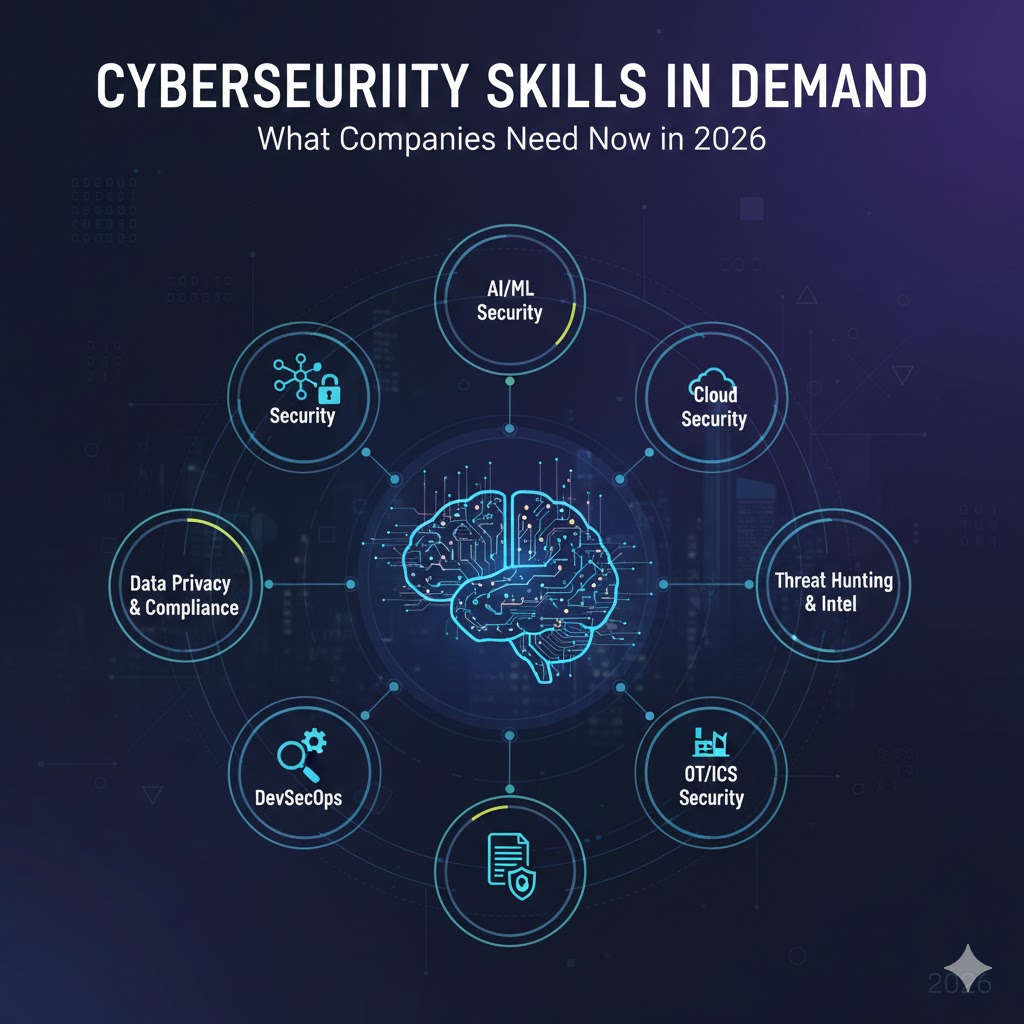
Cybersecurity Skills in Demand: What Companies Need Now in 2026
-
 January 20, 2026
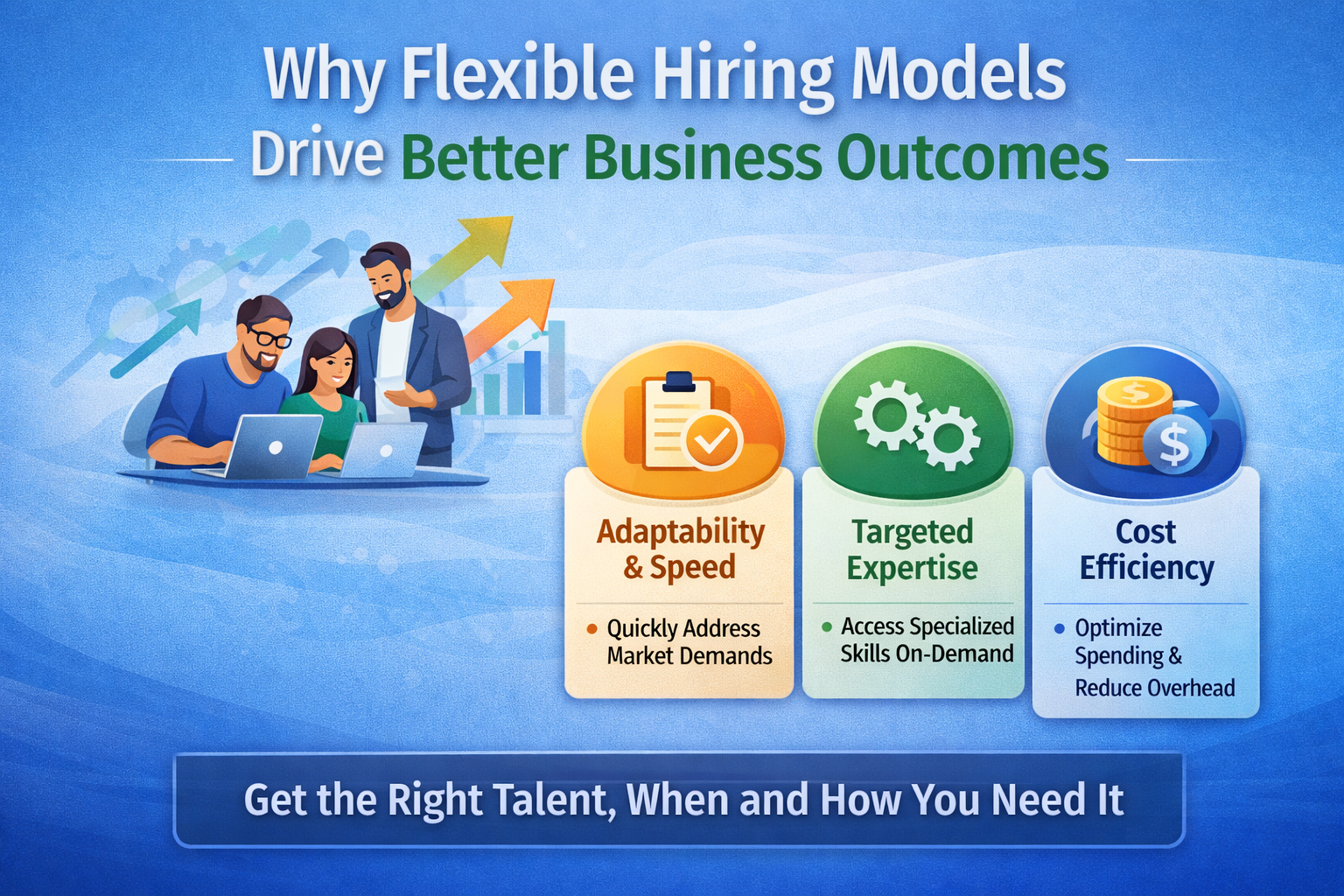
Why Flexible Hiring Models Drive Better Business Outcomes
-
 January 19, 2026
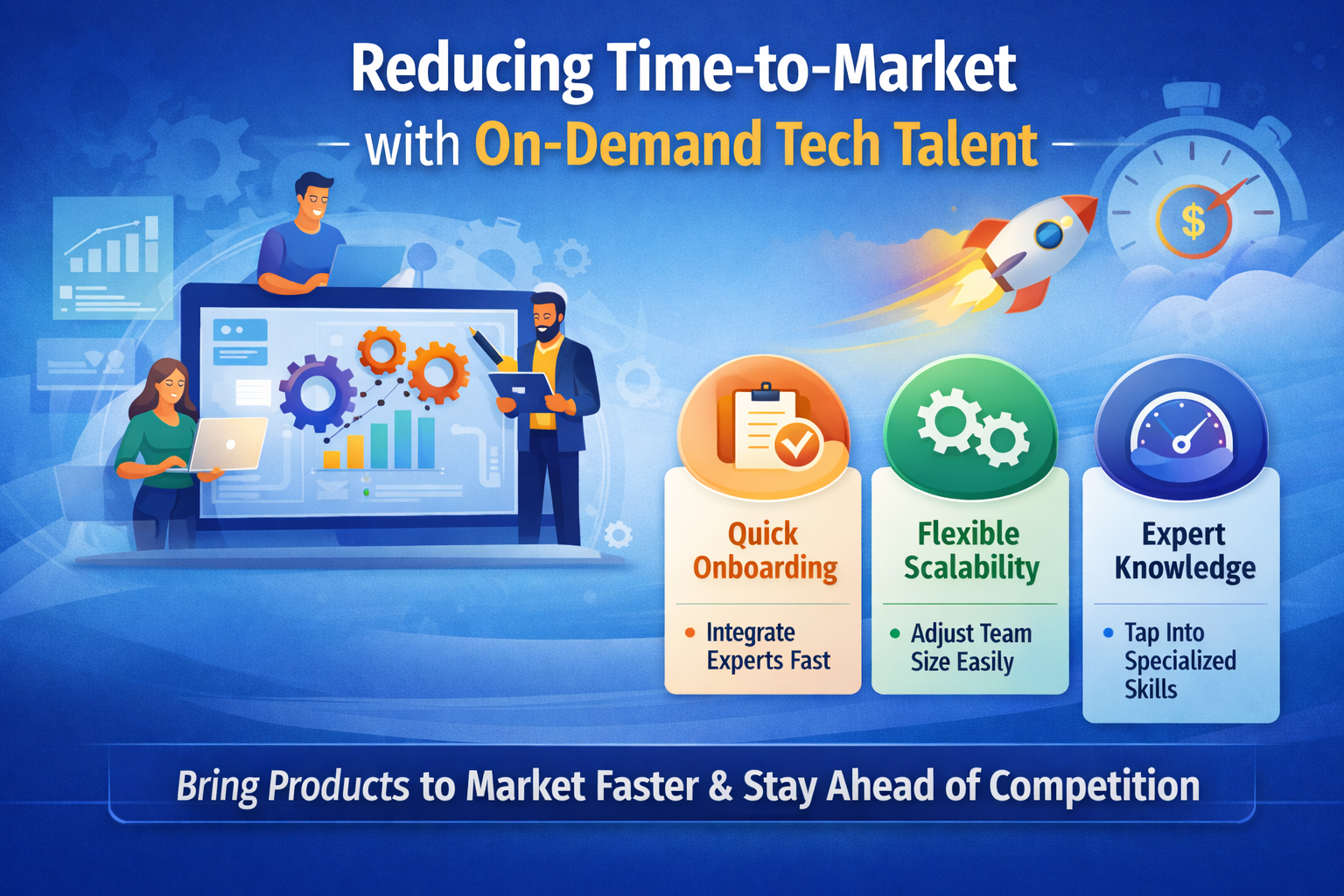
Reducing Time-to-Market with On-Demand Tech Talent
-
 January 15, 2026
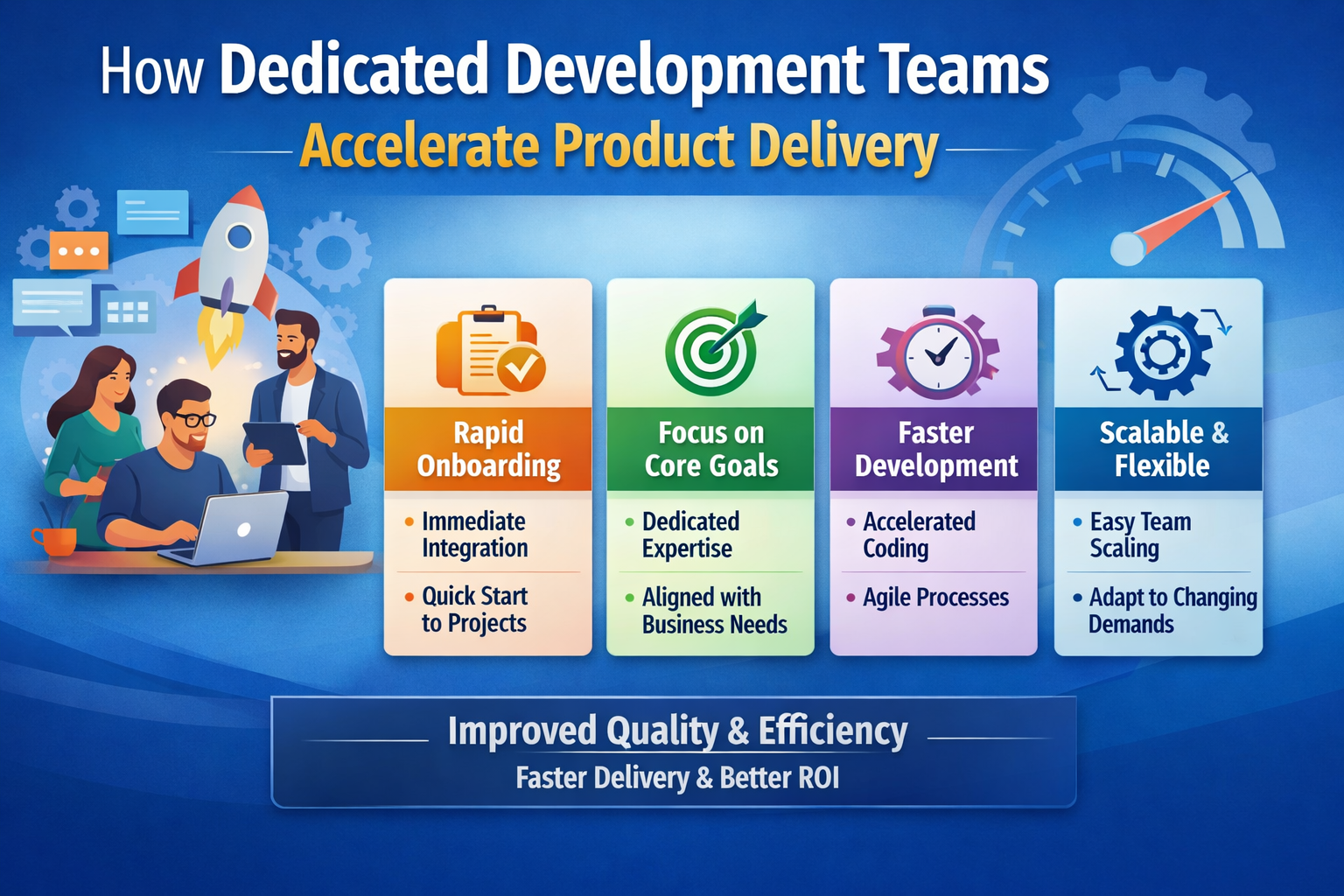
How Dedicated Development Teams Accelerate Product Delivery
-
 January 14, 2026
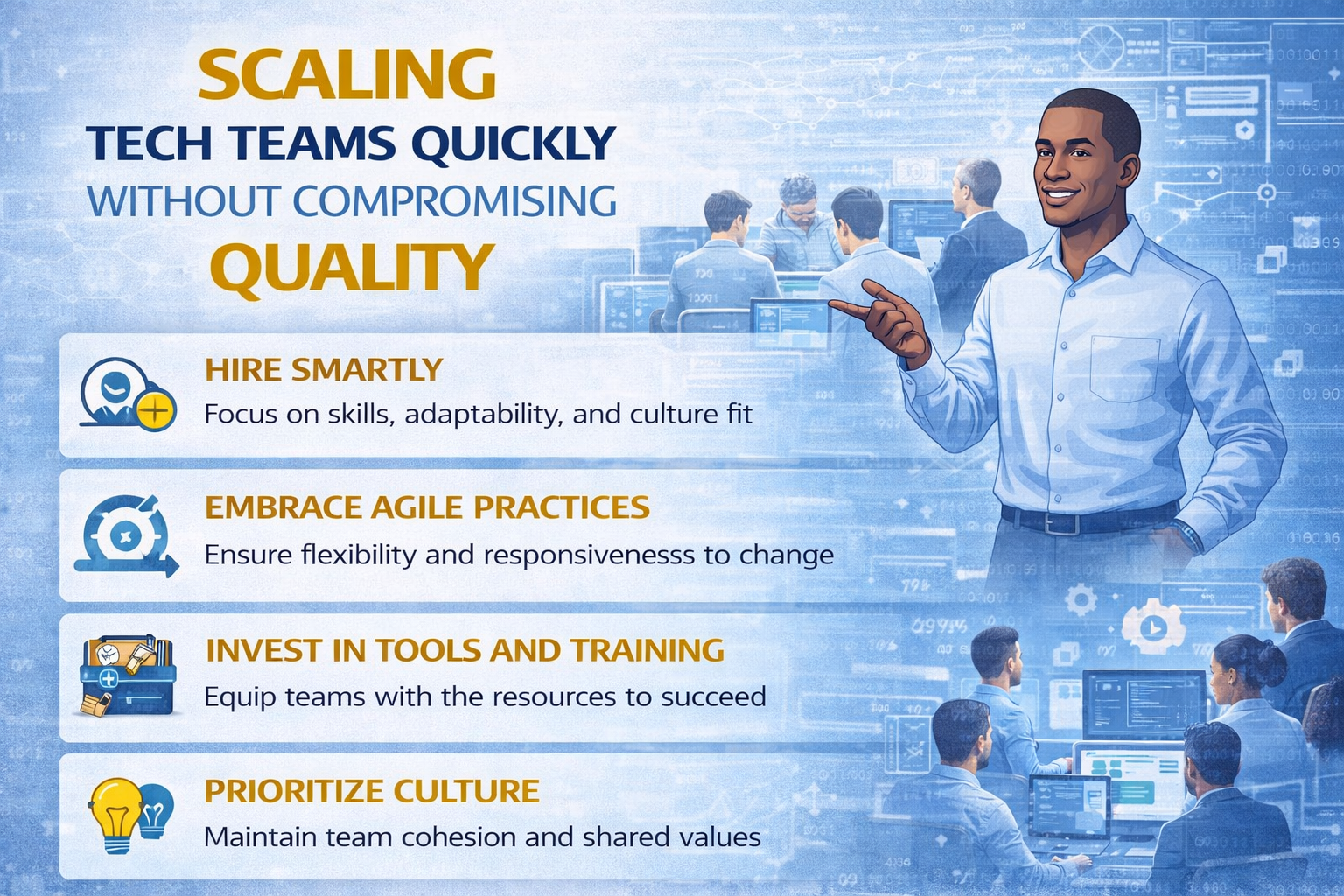
Scaling Tech Teams Quickly Without Compromising Quality
-
January 12, 2026
Common Mistakes Companies Make When Outsourcing IT Projects (And How to Avoid Them)
-
January 9, 2026
Key Workforce Trends Every CTO Should Watch This Year
-
 January 8, 2026
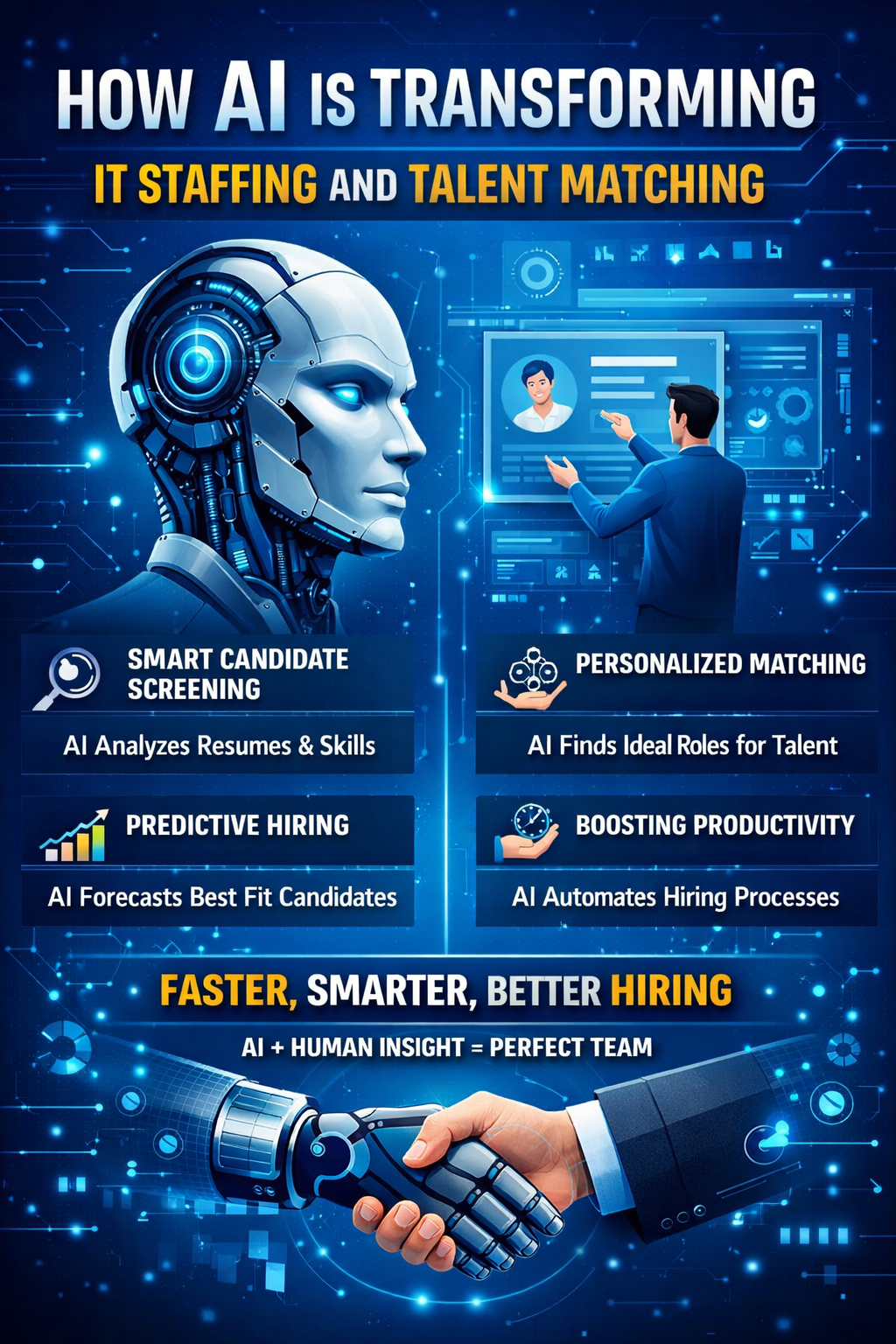
How AI Is Transforming IT Staffing and Talent Matching
-
 January 7, 2026
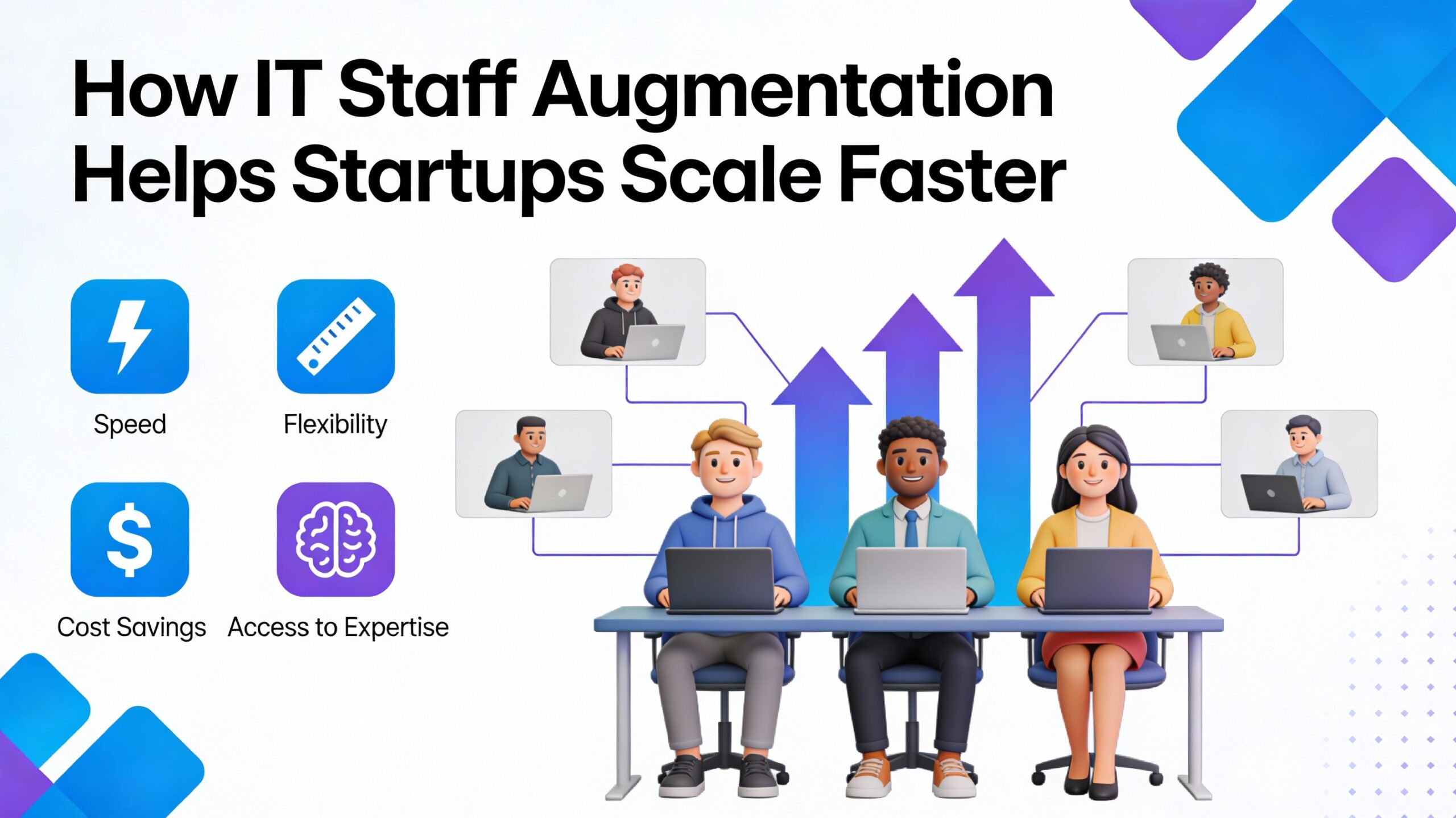
How IT Staff Augmentation Helps Startups Scale Faster
-
 January 6, 2026
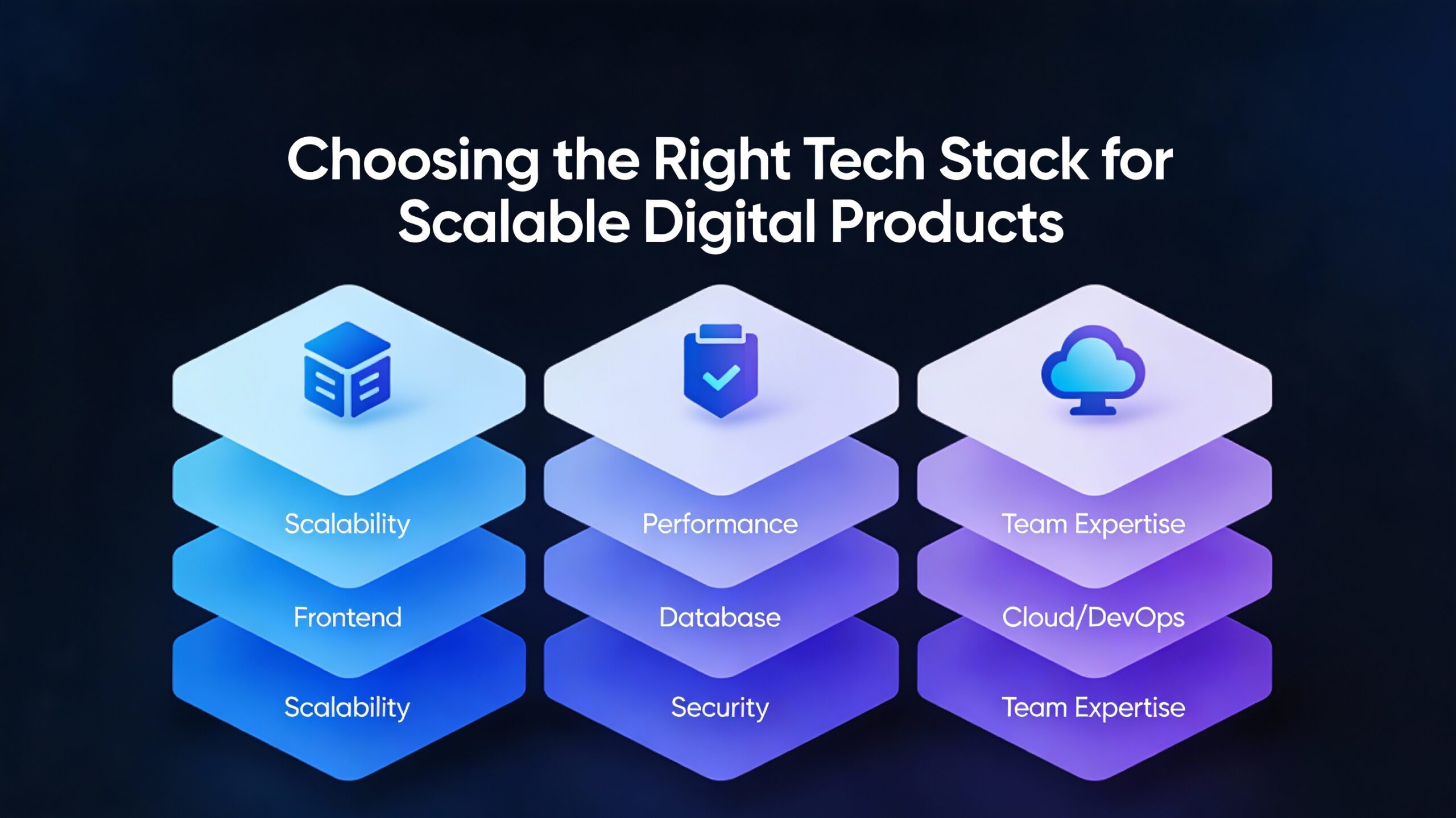
Choosing the Right Tech Stack for Scalable Digital Products
-
 January 5, 2026
How Remote Talent Is Reshaping Global IT Teams
-
 December 29, 2025
Staff Augmentation vs Traditional Hiring 2025
-
 December 24, 2025
Why Staff Augmentation Is the Future of Agile Hiring
-
 December 22, 2025
Why Hiring Faster Doesn’t Mean Compromising Quality — It Means Finding the Right Partner
-
 December 19, 2025
The Role of Staff Augmentation in Accelerating Digital Transformation
-
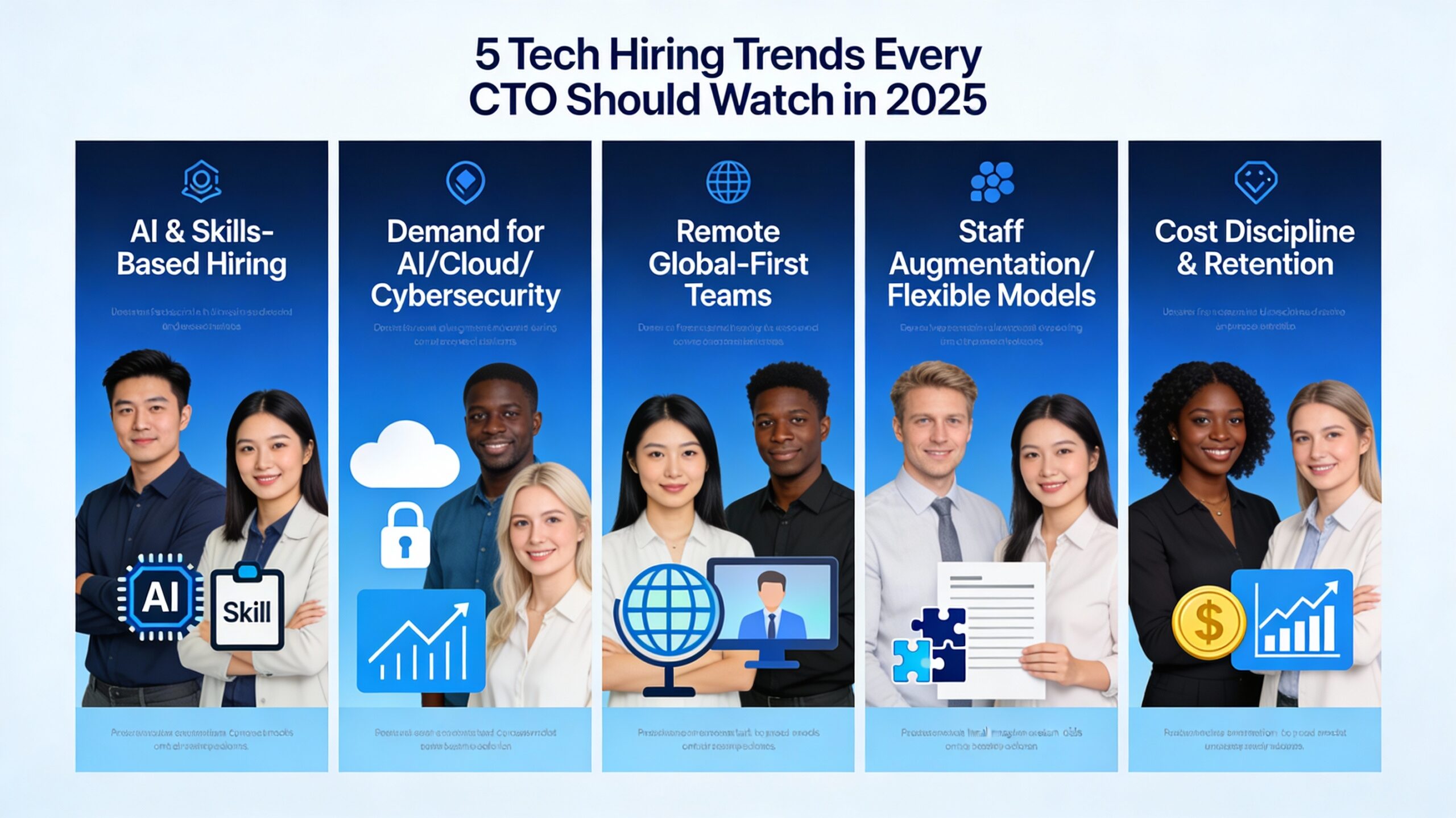 December 18, 2025
5 Tech Hiring Trends Every CTO Should Watch in 2025
-
December 17, 2025
Why Soft Skills Are the Hidden Superpower in Tech Teams
-
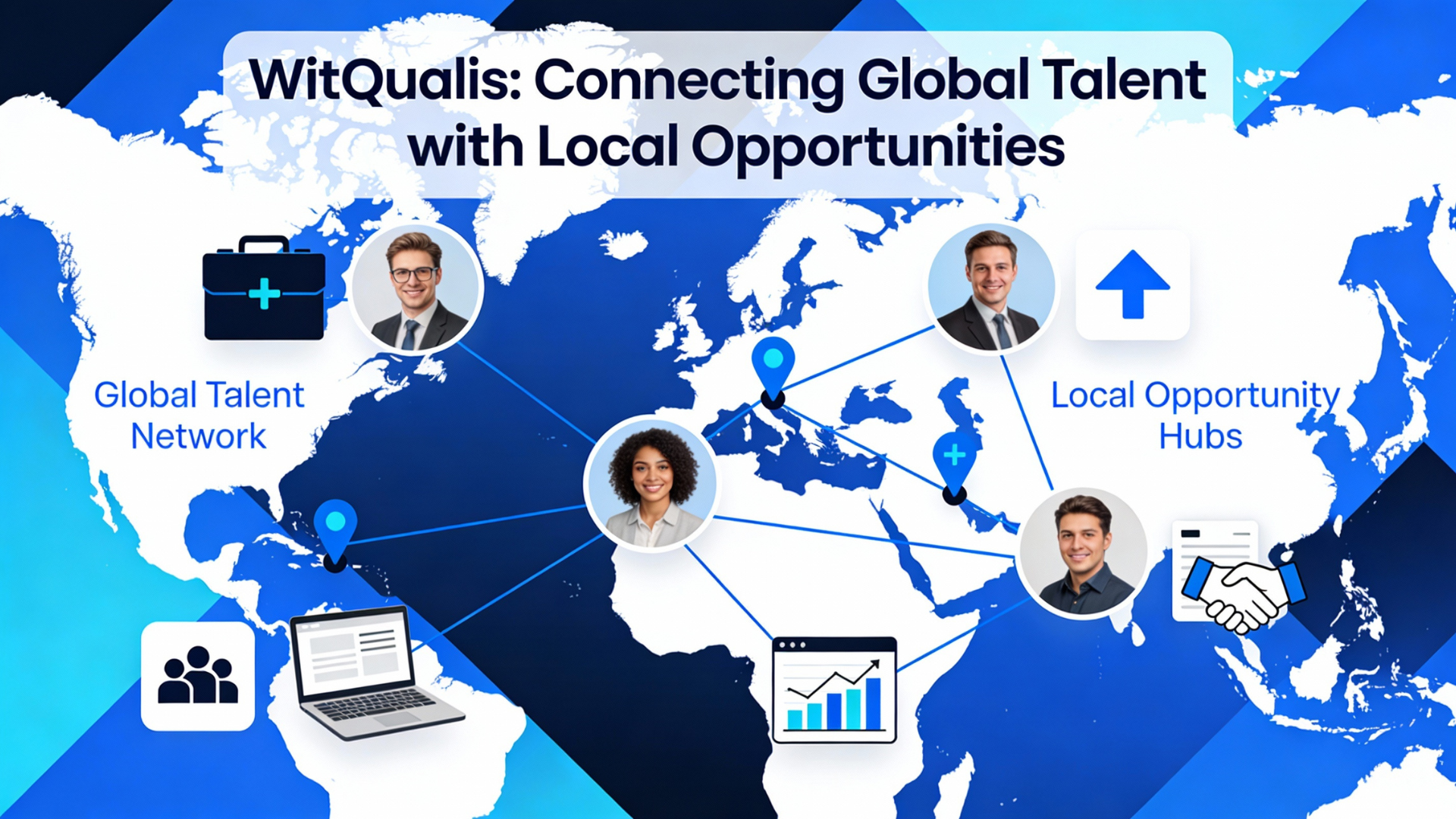 December 15, 2025
How WitQualis Connects Global Talent with Local Opportunities
-
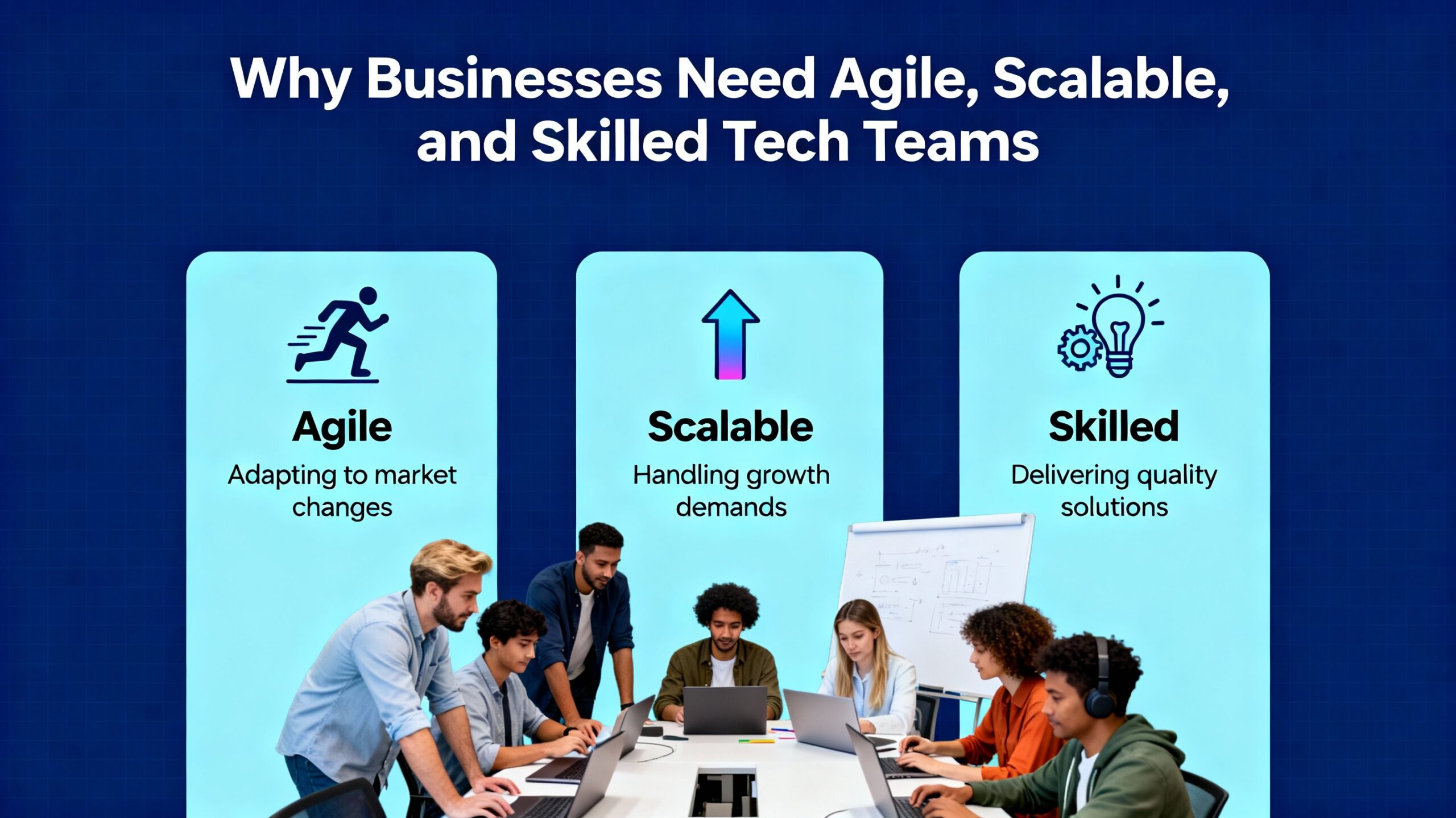 December 10, 2025
Why Businesses Need Agile, Scalable, and Skilled Tech Teams—Now More Than Ever
-
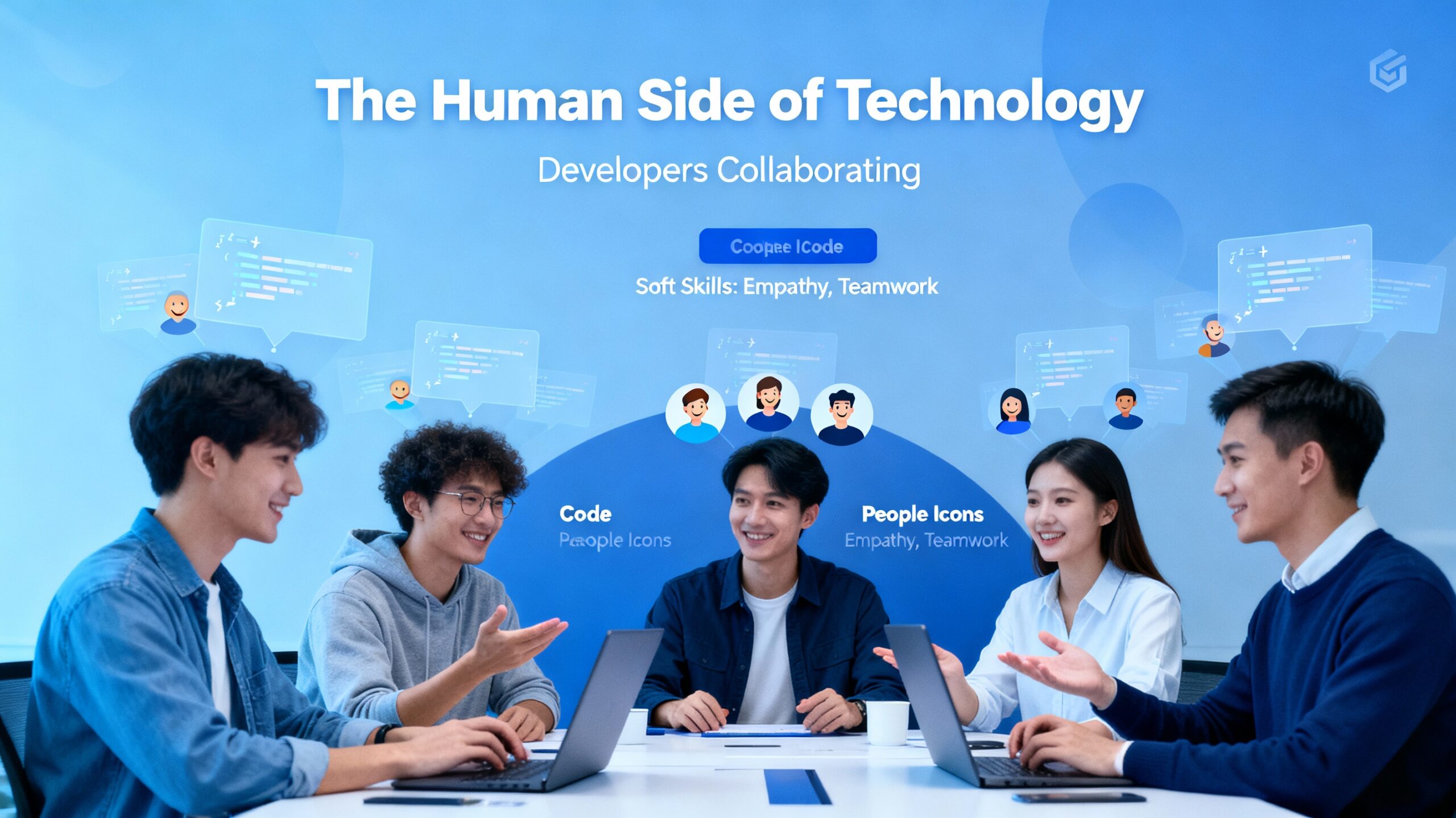 December 5, 2025
The Human Side of Technology: Why People Matter as Much as Code
-
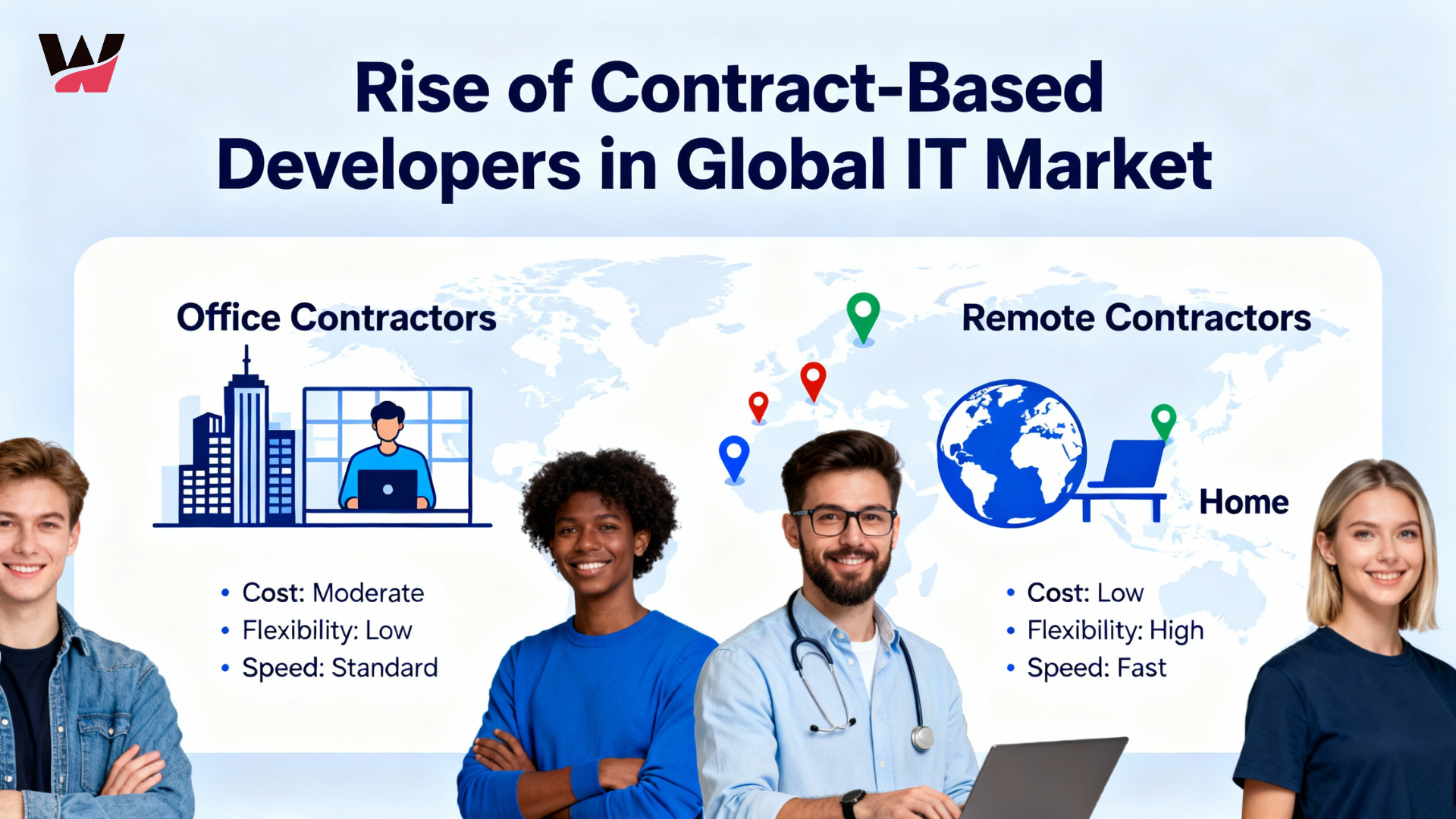 December 4, 2025
The Rise of Contract-Based Developers in the Global IT Market
-
 December 3, 2025
Talent Has No Boundaries: Why the Best Teams Are Built Across Borders
-
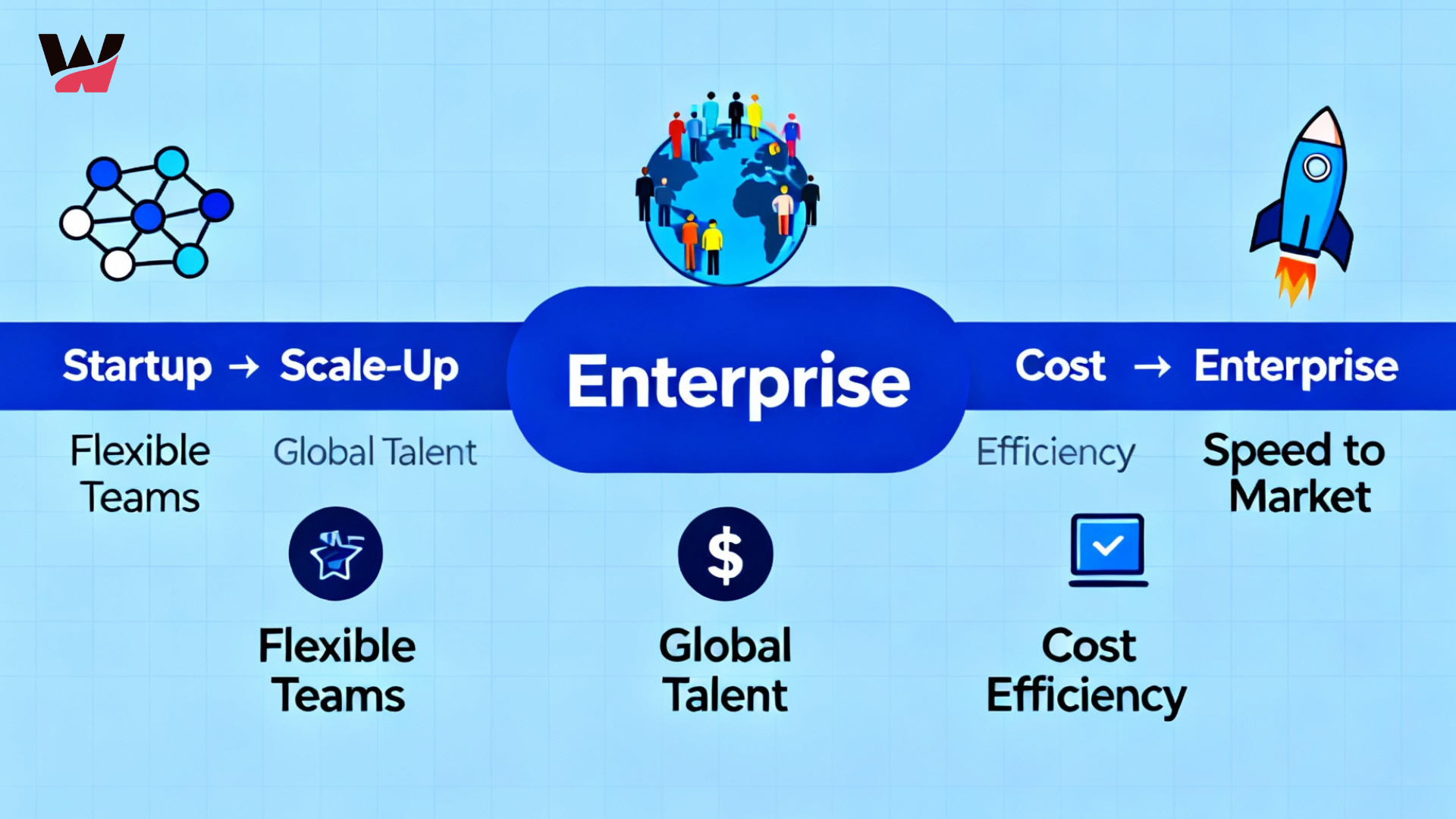 December 2, 2025
From Startups to Enterprises: How Staff Augmentation Supports Every Stage of Growth
-
 December 1, 2025
Great Ideas Need Great Execution – How WitQualis Teams Turn Vision into Reality
-
 November 28, 2025
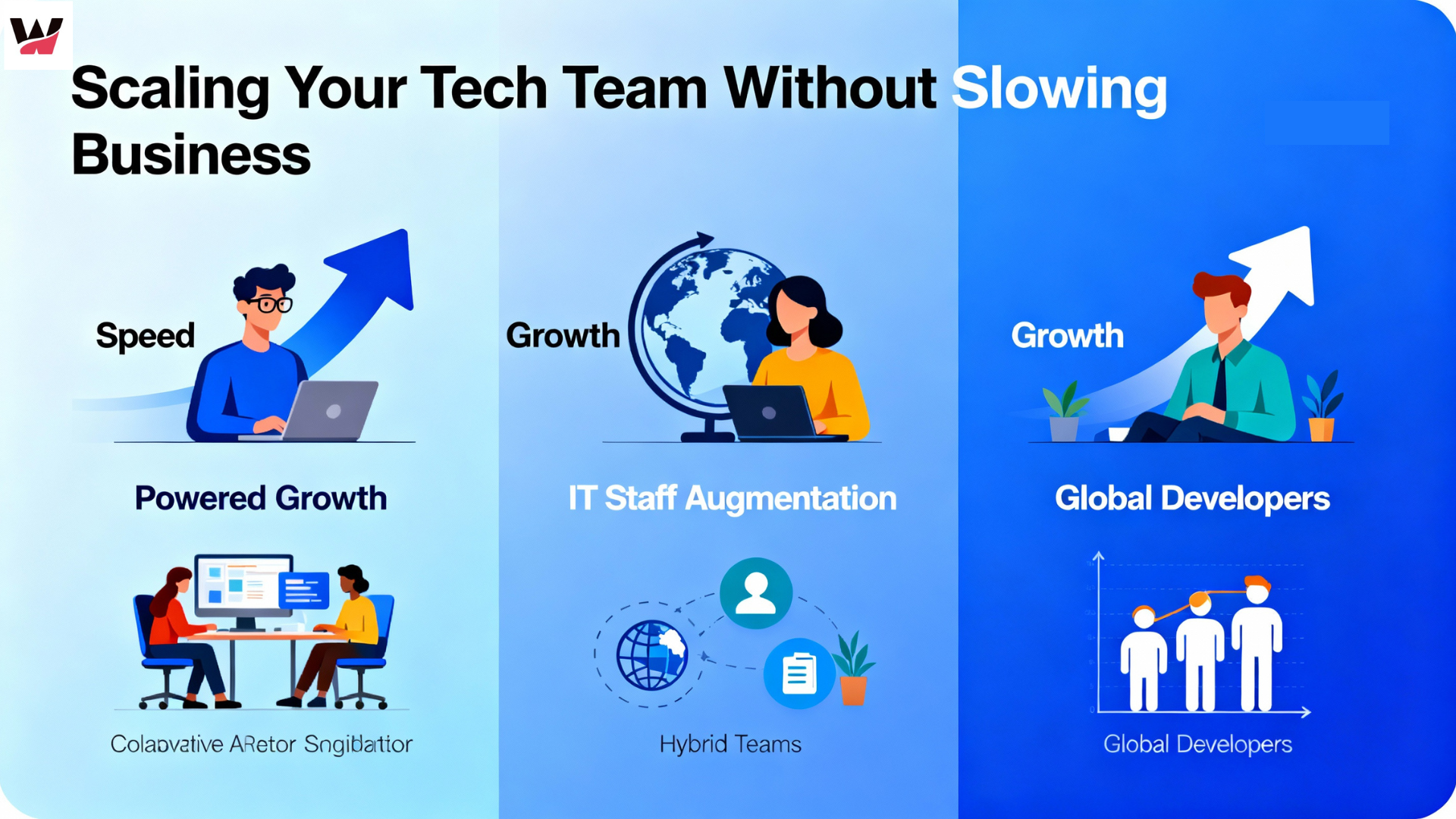
Scaling Your Tech Team Shouldn’t Slow Your Business – It Should Power It
-
 November 27, 2025
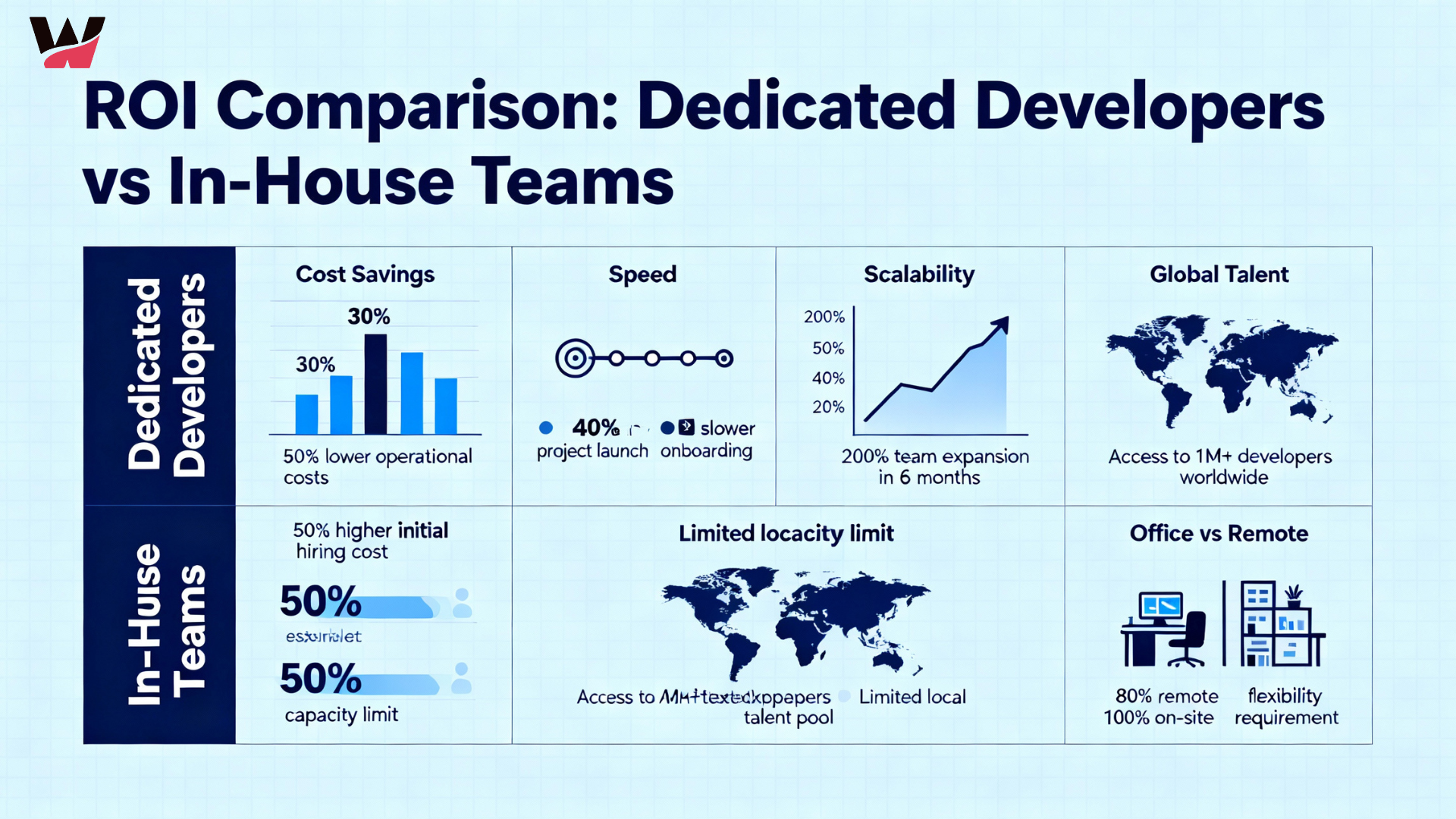
The ROI of Hiring Dedicated Developers vs In-House Teams
-
 November 26, 2025
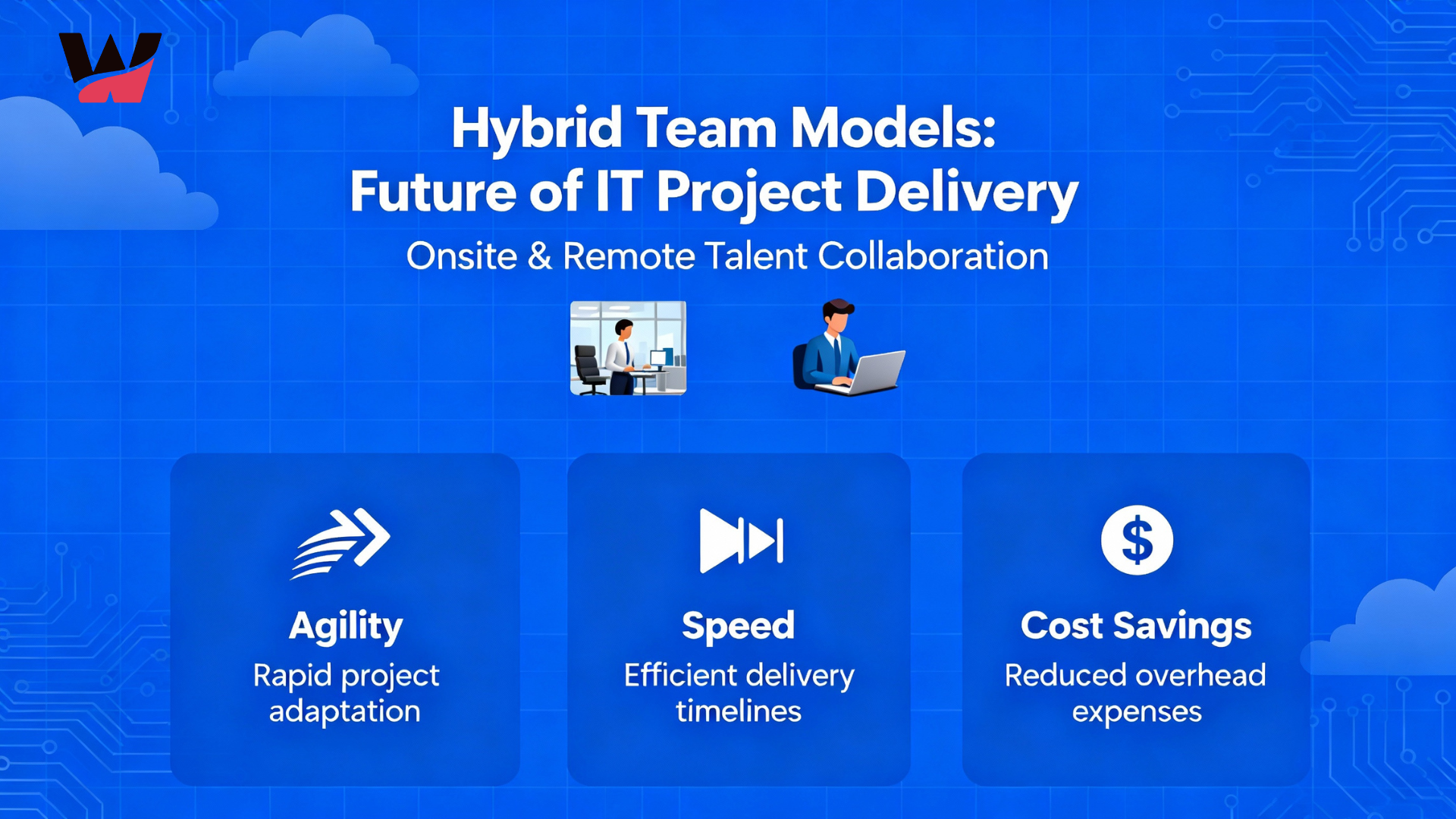
Why Hybrid Team Models Are the Future of IT Project Delivery
-
 November 24, 2025
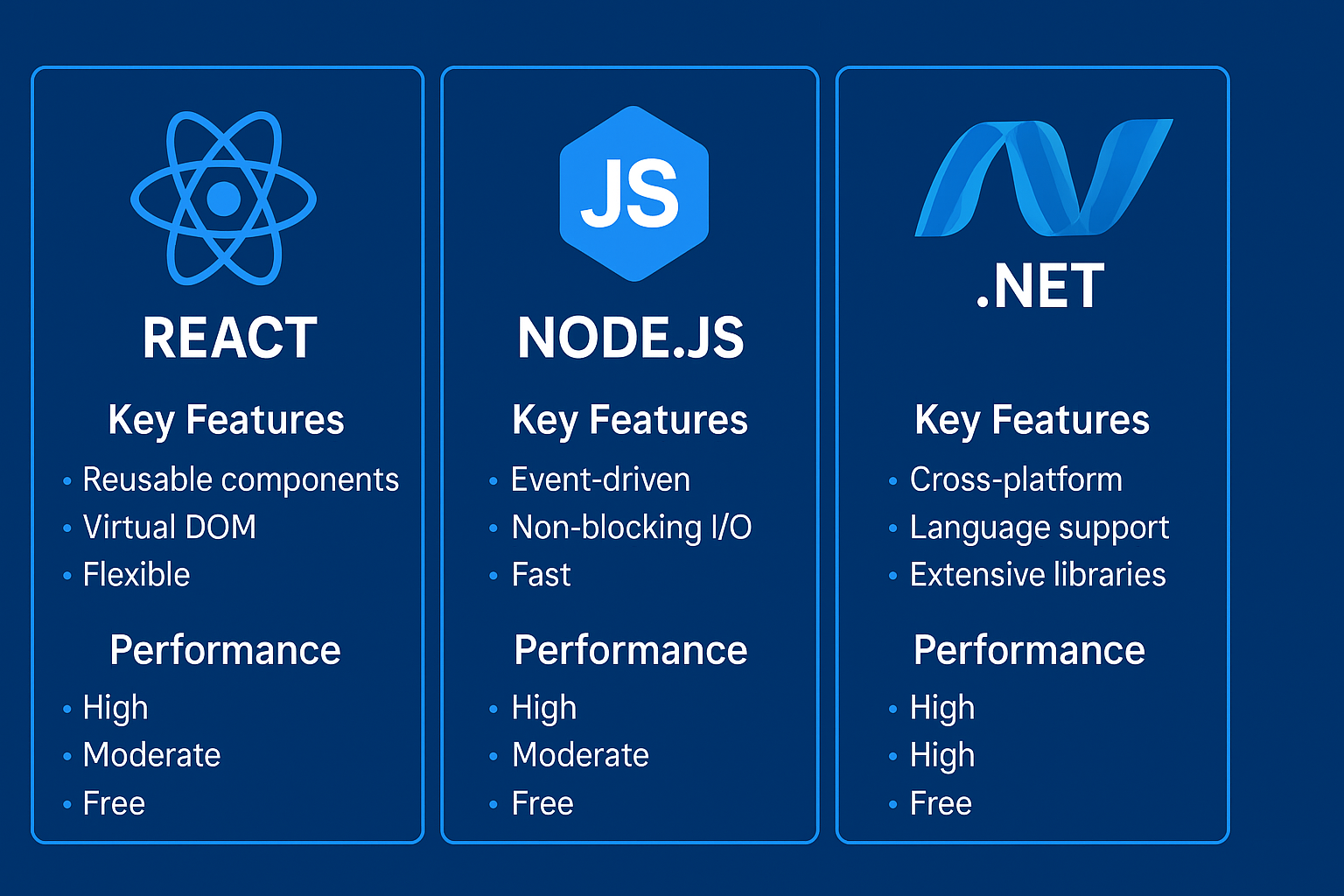
React, Node.js, or .NET? Choosing the Right Tech Stack for Your Next Project
-
 November 21, 2025
Why Hiring Remote Developers Is the Smartest Move for Startups
-
 November 20, 2025
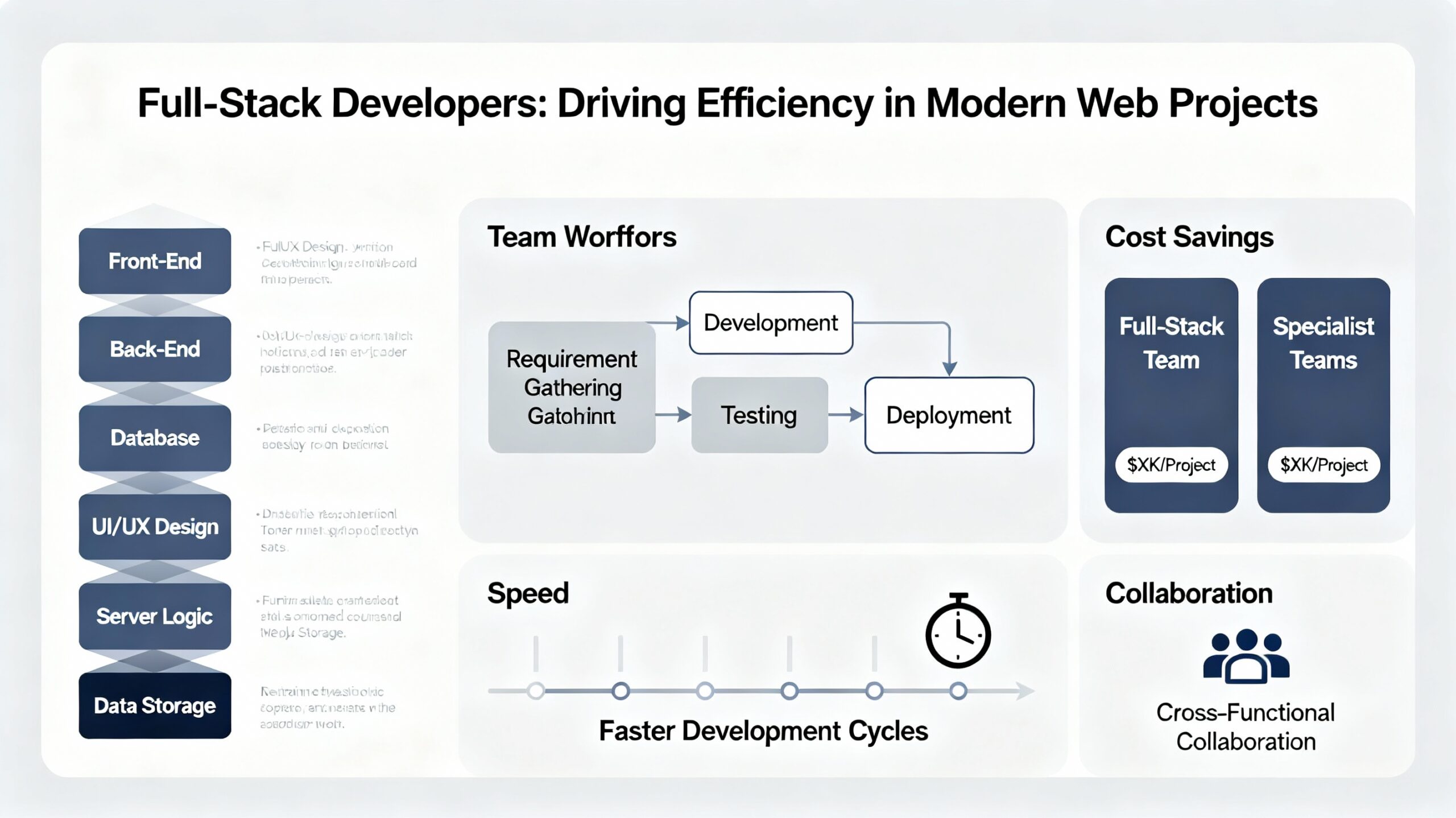
How Full-Stack Developers Drive Efficiency in Modern Web Projects
-
 November 19, 2025
Bridging the Skill Gap: How Augmented Teams Empower Digital Transformation
-
 November 18, 2025
New Technologies for 2025: What Businesses Need to Grow
-
 November 14, 2025
IT Staff Augmentation Reduces Project Costs Quality
-
 November 13, 2025
Empowering Global Collaboration: How WitQualis Builds Seamless Remote Teams
-
 November 12, 2025
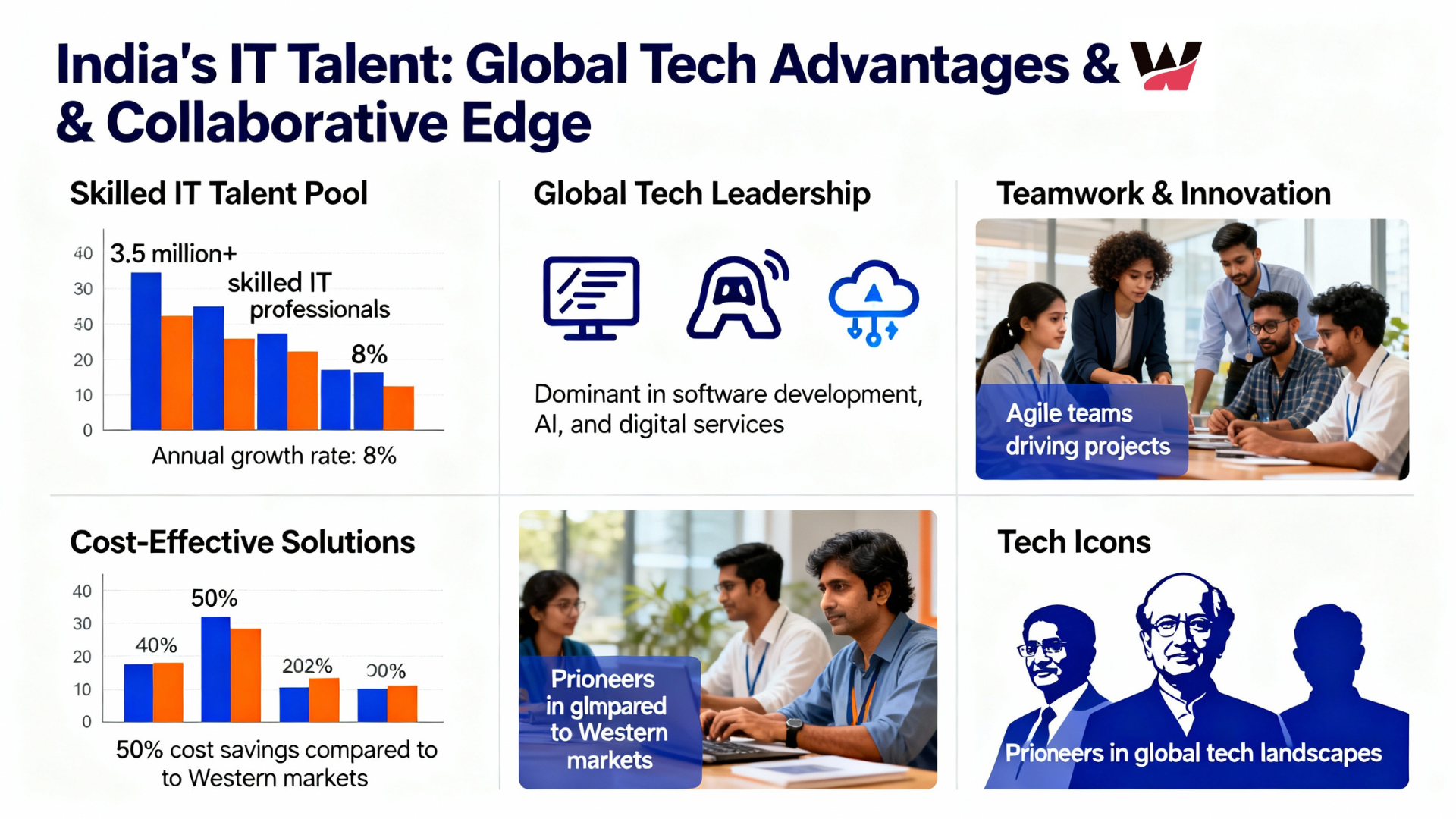
Why Global Businesses Are Turning to India for Skilled IT Talent
-
 November 11, 2025
Staff Augmentation Helps You Scale Your Tech Team
-
 November 10, 2025
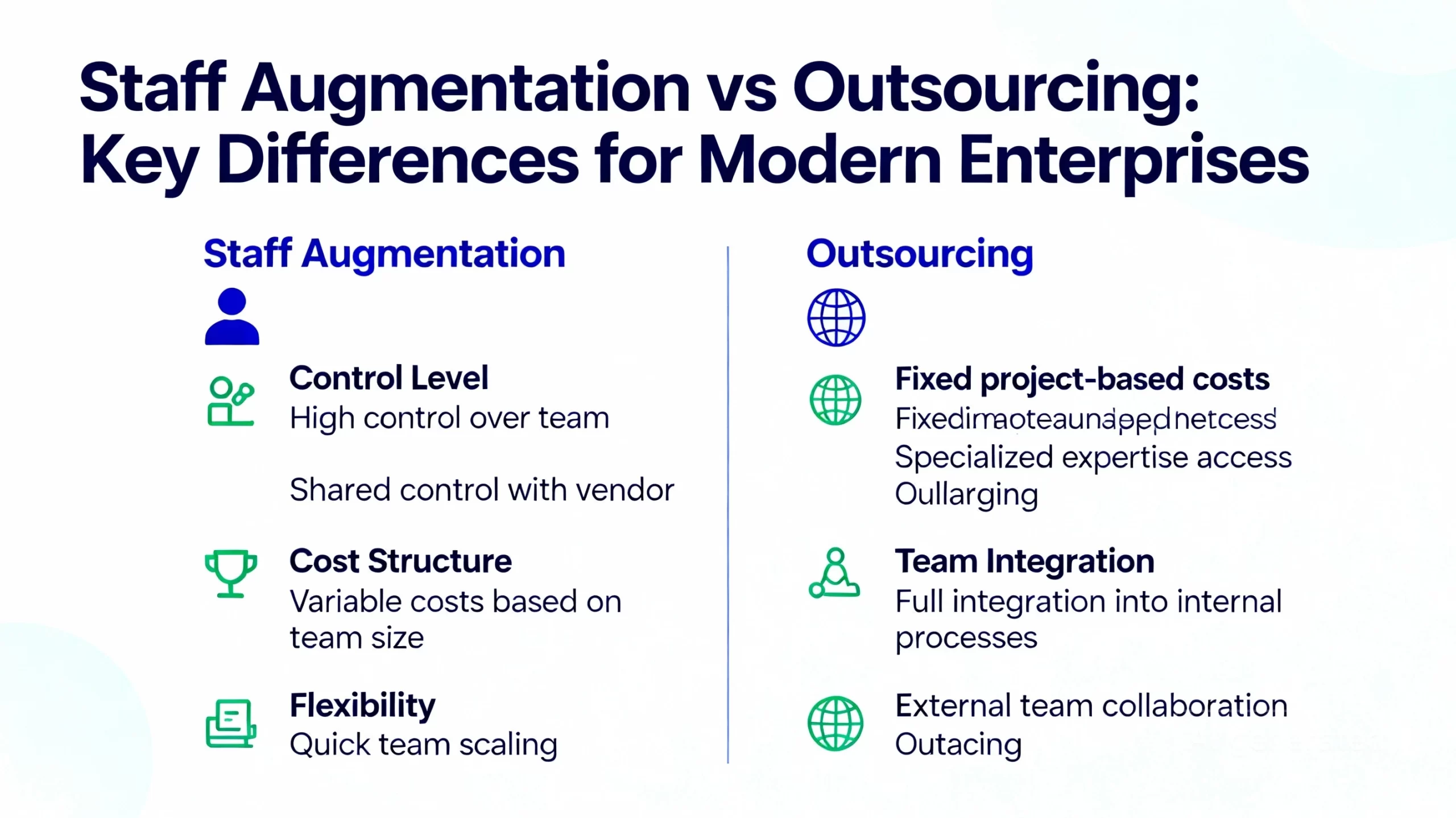
Staff Augmentation vs Outsourcing in 2025: Which Is Best for Modern Enterprises?
-
 November 7, 2025
How AI, IoT, and Cloud Are Redefining Software Development in 2025
-
 November 6, 2025
Scaling Smarter: How Augmented Teams Help Deliver Projects Faster in 2025
-
 November 5, 2025
How AI and Automation Are Transforming Software Development Teams in 2025
-
 November 3, 2025
The Future of IT Staffing: Why Businesses Are Choose Staff Augmentation in 2025
-
 October 31, 2025
Why Technology is Essential for Business Growth (2025): Top Reasons & Winning Strategies
-
 October 30, 2025
How the Internet of Things (IoT) Is Revolutionizing Modern Business
-
 October 29, 2025
Blockchain Cryptocurrency: Real-World Applications | WitQualis
-
 October 28, 2025
API Design and Management Best Practices for Developers
-
 October 27, 2025
Microservices Architecture: Benefits, Implementation Tips & Real-World Examples
-
 October 24, 2025
How Remote Work Has Transformed the IT Industry Tools in 2025
-
 October 23, 2025
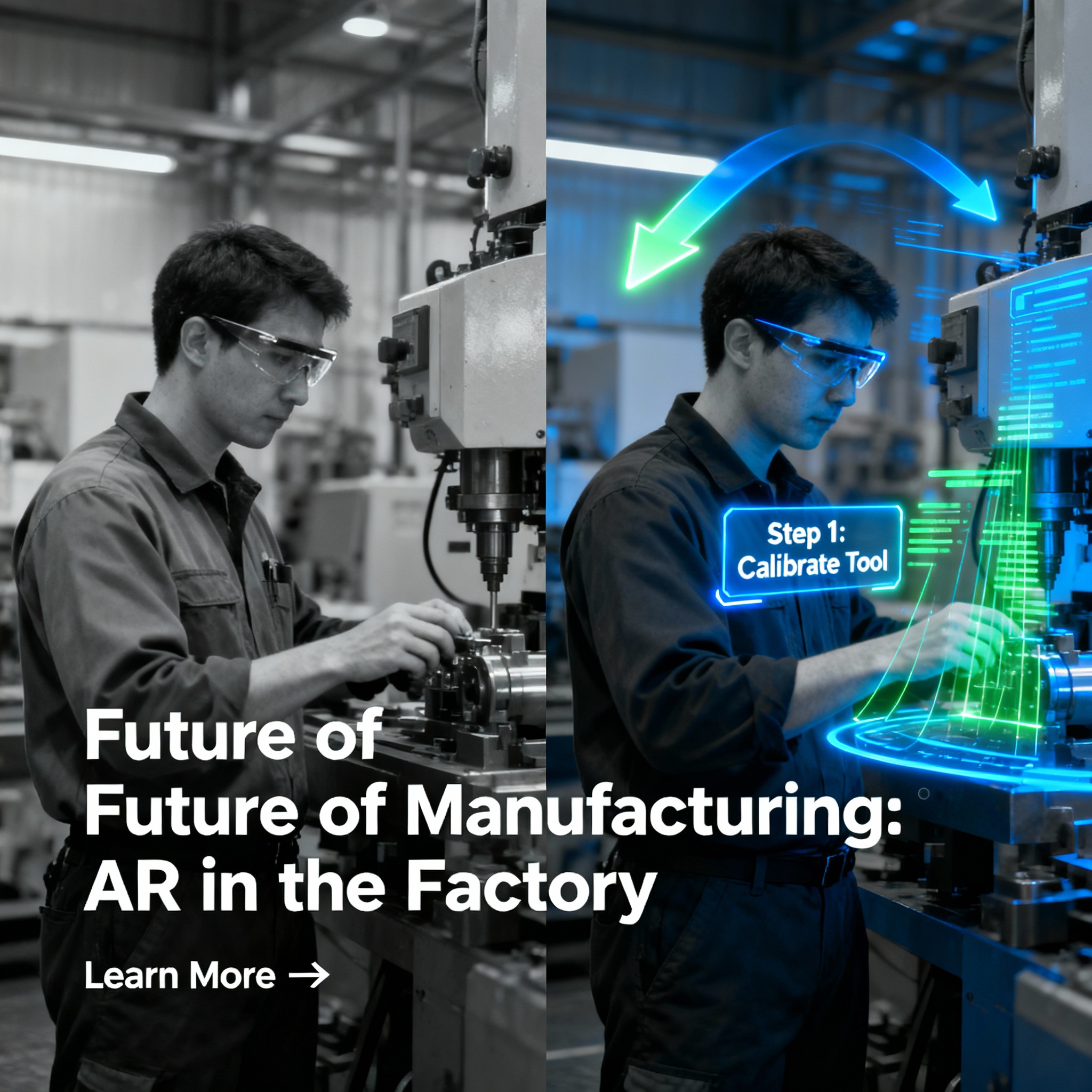
Virtual and Augmented Reality: The Tech Revolution | WitQualis
-
 October 22, 2025
How AI is Revolutionizing Business Decision-Making in 2025 | In-Depth Analysis & Trends
-
 October 16, 2025
Blockchain Beyond Crypto: Building Trust in Business Operations
-
 October 15, 2025
How Custom Software Solutions Drive Business Efficiency | Expert Guide
-
 October 13, 2025
How Automation Reduces Costs & Boosts Productivity in 2025
-
 October 10, 2025
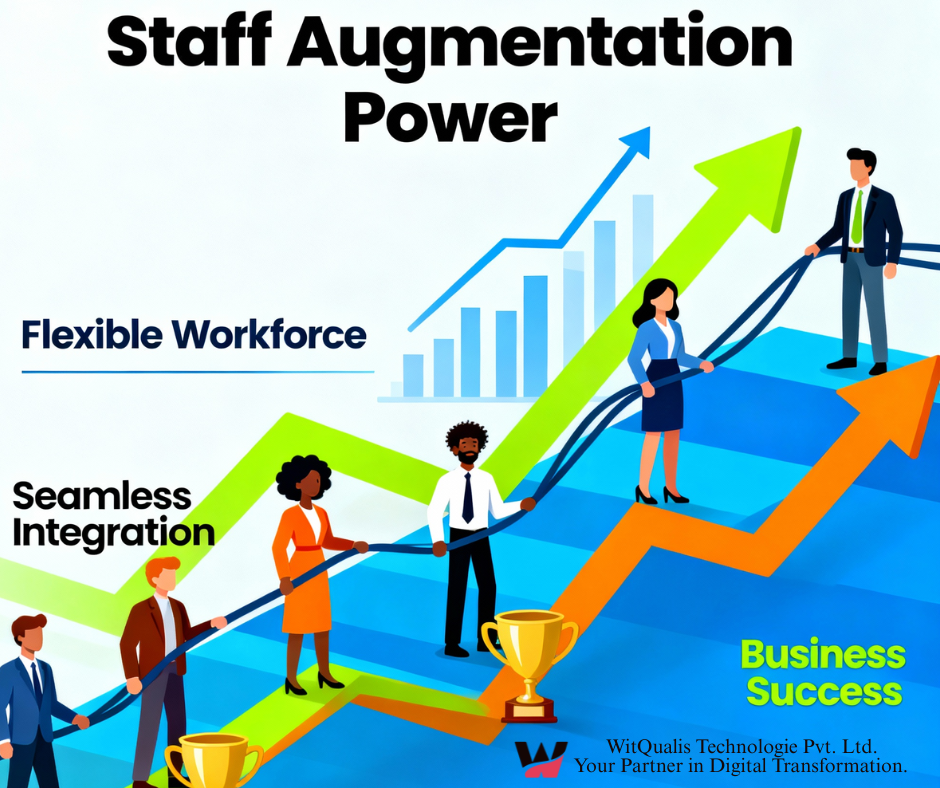
Staff Augmentation: The Key to Building Agile & Scalable Teams
-
 October 9, 2025
The Role of Cloud Computing in Scaling Modern Businesses
-
 October 8, 2025
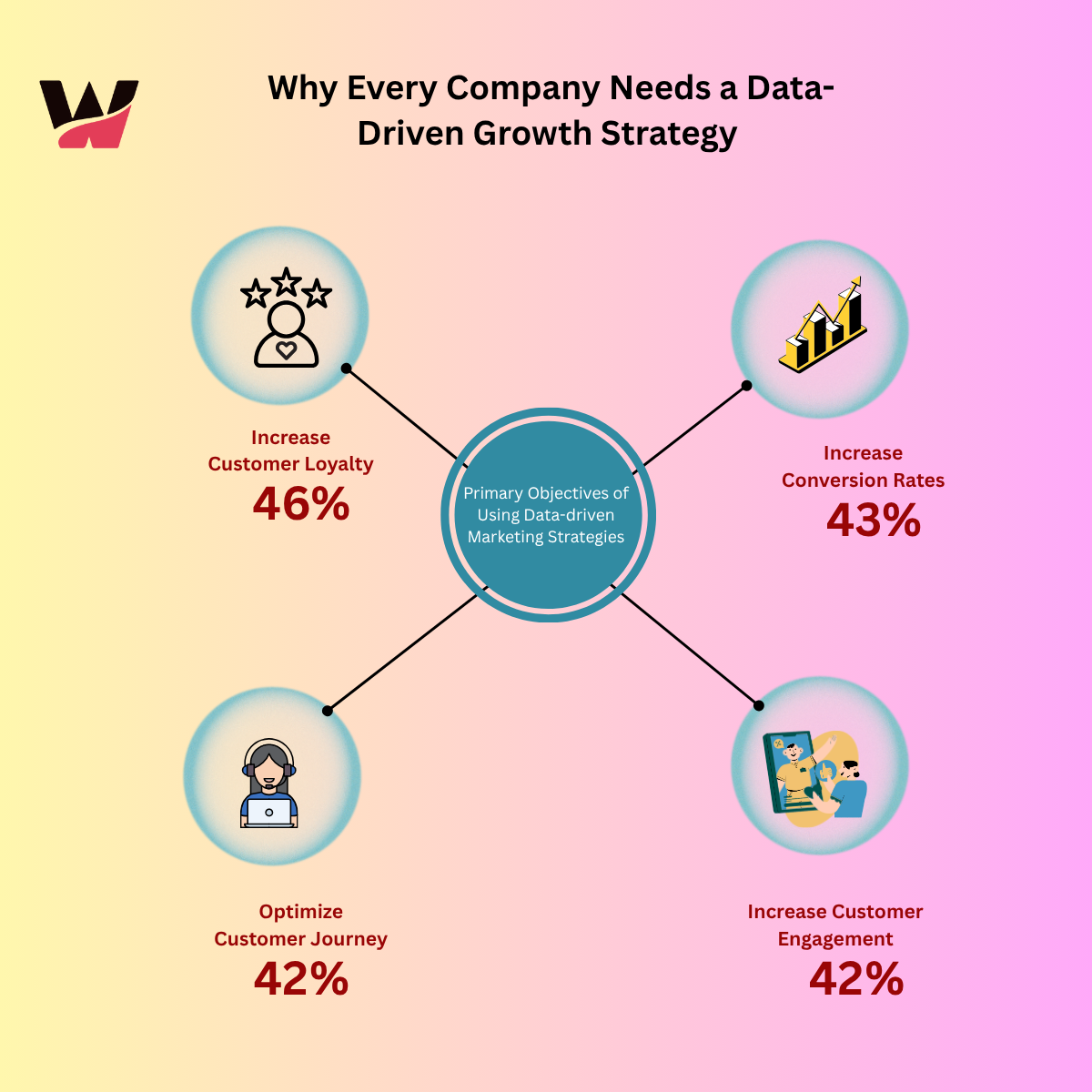
Why Every Company Needs a Data-Driven Growth Strategy
-
 October 7, 2025
API Design Best Practices for Developers in 2025 |API versioning strategies
-
 October 6, 2025
virtual reality vs augmented reality vs mixed reality
-
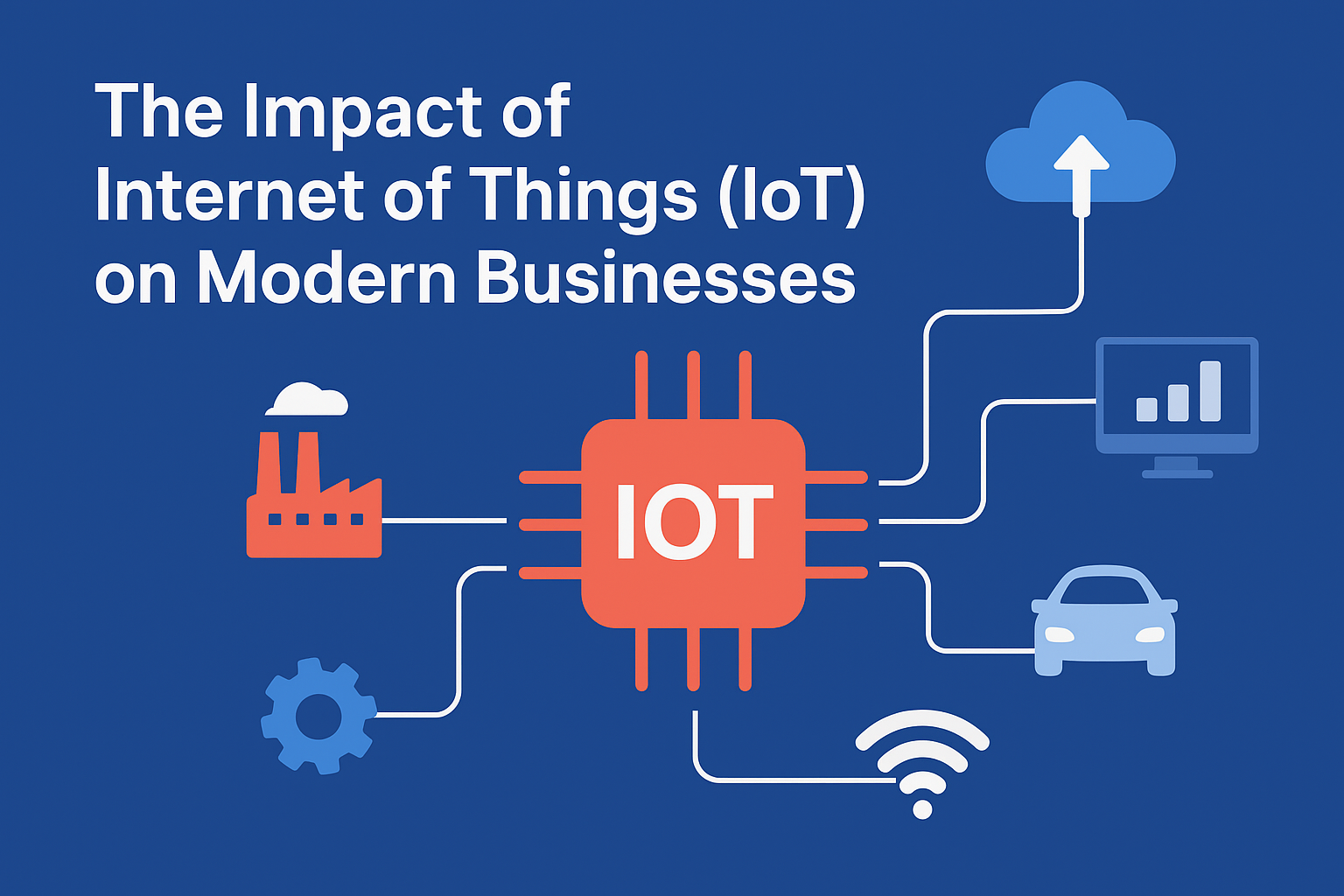 October 3, 2025
The Impact of Internet of Things (IoT) on Modern Business
-
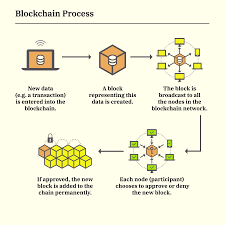 October 1, 2025
Blockchain Beyond Cryptocurrency: Real-World Applications in 2025
-
 September 30, 2025
The Future of Artificial Intelligence: Trends and Opportunities
-
 September 26, 2025
Microservices Architecture: Benefits and Implementation Tips
-
 September 25, 2025
Why Staff Augmentation Is a Smart Move for IT Projects in 2025
-
 September 24, 2025
Cloud Computing Explained: Benefits and Best Practices (AWS, Azure, Google Cloud)
-
 September 23, 2025
How Staff Augmentation Can Help Scale Your IT Team Efficiently
-
 January 6, 2025
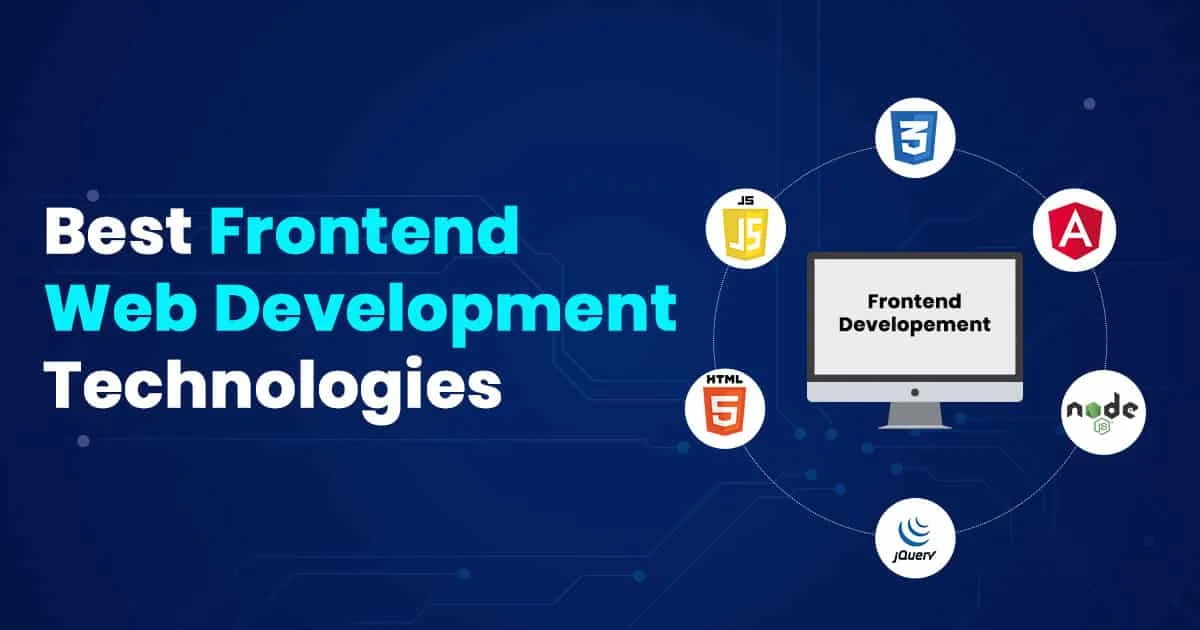
Choosing the Right Front-End Web Development Service in the UK
-
 January 4, 2025
Why Choose Staff Augmentation Services in India for Your IT Projects?
-
 December 21, 2024
Boost Your Business ROI with Power BI Development Services in the Maldives and Iceland
-
 December 20, 2024
Get a Free Consultation: Is Your E-Commerce Business in the UAE Ready for Digital Transformation?
-
 July 6, 2023
The Future of Small Business and Know-How to Climb up the Ladder


It’s interesting to see how the services are organized across design, development, and consulting, especially with dedicated teams for specific technologies like React, Laravel, and NodeJS. Having access to specialized developers alongside product design and MVP support can make it much easier for businesses to move from an idea to a working product. It would be great to learn more about how teams are typically structured for different project sizes.
I love how you have dedicated teams for different technologies—AngularJS, React, Python, and more. It really shows your depth of expertise in each area.
Thanks for sharing the detailed overview of WitQualis Technologies’ services and expertise. It’s clear that you offer a comprehensive range of development solutions, from web and app development to dedicated team support, which can really help businesses scale effectively. The breakdown of your technical stack and specializations gives a good sense of your capabilities, especially for companies looking for scalable and efficient digital solutions.
The breadth of specialized development stacks covered, particularly the shift from traditional LAMP to modern MERN and MEAN solutions, highlights a clear strategic move toward scalable product development. Offering dedicated teams for both frontend and backend expertise is a smart approach for clients needing to accelerate their MVP roadmaps without the friction of generalist outsourcing. This kind of structured talent allocation seems essential for navigating today’s complex cross-platform requirements effectively.
It’s impressive to see such a comprehensive list of specialized tech roles available for dedicated teams, particularly the clear distinction between frontend frameworks like React and Vue alongside robust backend options like Python and .NET. This level of specific staffing flexibility seems essential for clients looking to build scalable MVPs or tackle complex full-stack development challenges without the usual hiring friction.
It’s impressive to see how WitQualis structures their dedicated teams across such a diverse range of stacks, from the MERN stack for full-time development to specialized Power BI consultants for data strategies. This breadth of technical expertise really sets a strong foundation for delivering robust MVPs and scalable product designs for businesses today.