

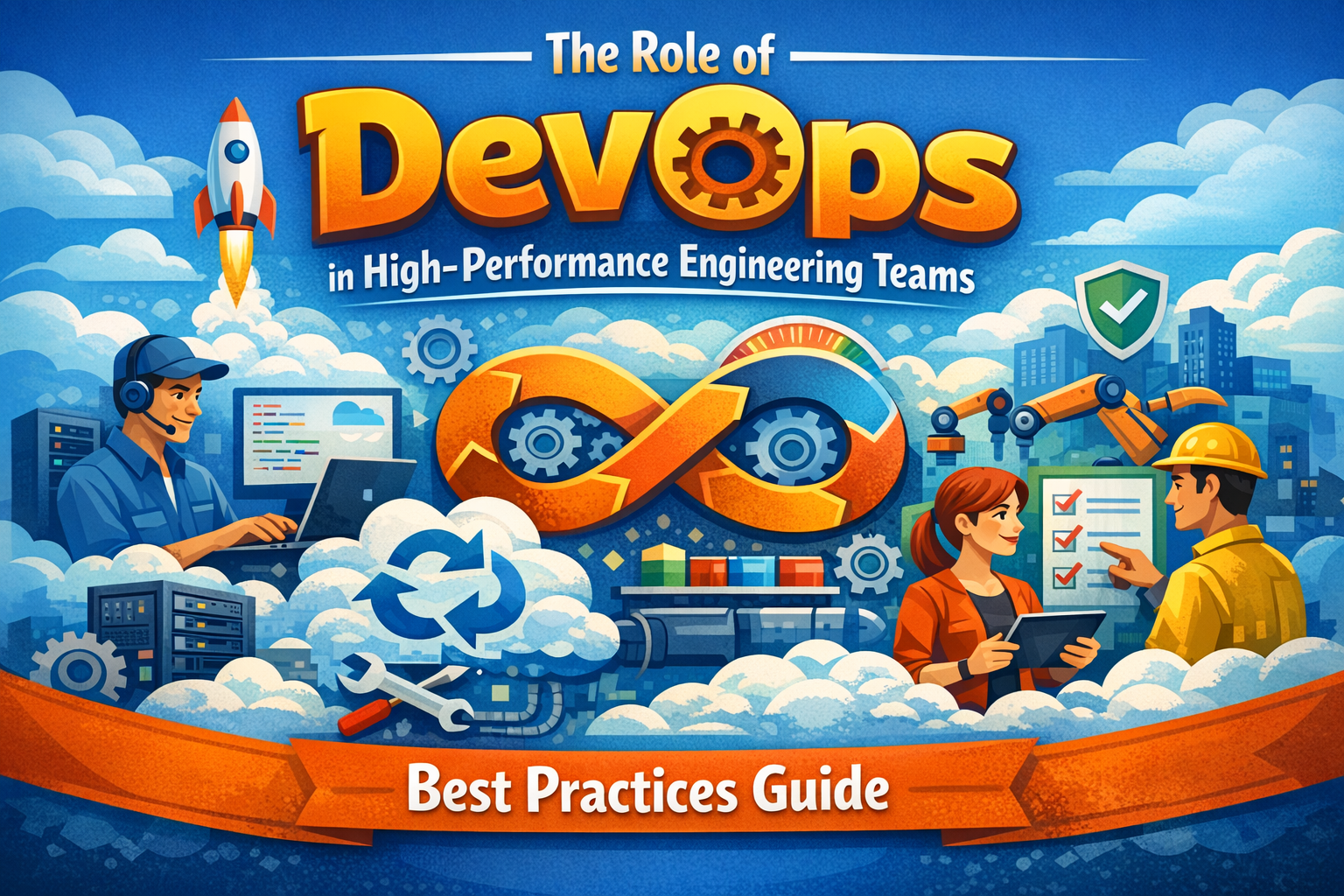
The Role of DevOps in High-Performance Engineering Teams: Best Practices Guide
DevOps has evolved from a niche practice to the foundation of modern high-performing engineering teams. Because DevOps practices directly enable faster deployment, higher reliability, and better team collaboration, organizations that embrace DevOps execution significantly outpace those that don’t.
The Role of DevOps in High-Performance Engineering Teams
Why DevOps Has Become Essential
Because traditional software development separated developers (who built features) from operations (who deployed and maintained systems), communication gaps, delayed releases, and finger-pointing created friction. Consequently, features took weeks to reach production, and when things broke, blame shifted between teams. Therefore, the emergence of DevOps as a movement fundamentally changed how engineering organizations operate.
Moreover, DevOps is not primarily about tools or automation—it is about culture and practices that align development and operations toward shared goals. Consequently, DevOps teams focus on speed, reliability, and collaboration simultaneously. Furthermore, high-performing engineering teams now recognize that DevOps practices are foundational to their success.
Additionally, the competitive advantage of fast, reliable releases is enormous. For example, companies that deploy multiple times per day iterate faster, respond to customer feedback quicker, and capture market opportunities faster than competitors releasing quarterly. Therefore, DevOps has become a strategic capability, not just an operational practice.
Significantly, organizations serious about competitive advantage now treat DevOps not as an afterthought but as central to engineering excellence. Thus, understanding the role of DevOps in high-performance teams is essential for organizational success.
What Modern DevOps Actually Means
Because DevOps terminology has become overloaded and sometimes misunderstood, clarifying what it actually encompasses is important.
Beyond Tools and Automation
Because many organizations mistakenly view DevOps as “CI/CD tools” or “infrastructure automation,” they miss the deeper philosophy. Consequently, they implement tools without cultural change, and results disappoint. Therefore, DevOps is fundamentally about mindset and practices, with tools enabling the practices.
Core DevOps principles include:
Shared Responsibility: Development and operations teams share responsibility for reliability, performance, and maintainability. Consequently, developers care about production systems, and operations teams understand application requirements.
Continuous Learning: Teams continuously improve practices, tools, and processes. Consequently, stagnation is avoided and practices evolve with organizational needs.
Automation First: Manual, repetitive processes are automated. Consequently, humans focus on complex problems instead of tedious tasks, and consistency improves.
Data-Driven Decisions: Teams use metrics, logs, and monitoring data to guide decisions. Consequently, decisions are based on evidence rather than assumptions.
Communication and Collaboration: Development, operations, security, and product teams communicate continuously. Consequently, surprises are minimized and coordination improves.
Moreover, tools (CI/CD platforms, infrastructure-as-code tools, monitoring systems) enable these practices. Therefore, tools are means to achieve cultural and process goals, not goals themselves.
Significantly, organizations that focus on culture and practices first, then adopt tools, see far better results than those that adopt tools without cultural change. Thus, mindset is foundational.
The Modern DevOps Practitioner
Because modern DevOps roles have evolved, understanding what DevOps professionals actually do is important.
DevOps engineers and platform engineers (the modern evolution of DevOps roles) focus on:
Building and Maintaining Infrastructure: Cloud platforms, Kubernetes clusters, networking, databases. They ensure infrastructure is reliable, scalable, and cost-effective.
Enabling Deployment: CI/CD pipelines, automated testing, deployment automation. They make it trivial for developers to deploy safely and frequently.
Observability and Reliability: Monitoring, alerting, logging, incident response. They ensure systems stay healthy and issues are detected quickly.
Developer Experience: Simplifying tools and processes so developers can deploy confidently. They make engineering faster and safer.
Security and Compliance: Infrastructure security, access control, compliance automation. They integrate security into the delivery process.
Cost Optimization: Cloud cost management, resource optimization, waste elimination. They ensure infrastructure spending is efficient.
Moreover, modern DevOps is as much about writing code and solving problems as it is about infrastructure. Consequently, DevOps professionals need strong software engineering skills alongside infrastructure knowledge.
Significantly, DevOps roles are increasingly valued and well-compensated because they directly enable business delivery. Thus, DevOps is a career path with strong demand and growth.
How DevOps Enables High Performance
Because high-performing teams ship faster, with fewer issues, and with better team satisfaction, understanding how DevOps enables this is important.
Faster Time-to-Market
Because DevOps practices enable continuous deployment and frequent releases, teams can deploy changes within hours or minutes instead of weeks or months. Consequently, features reach customers faster, and feedback loops compress.
Furthermore, faster deployment means faster learning. For example, if a feature doesn’t resonate with customers, teams learn quickly and pivot. Therefore, organizations make better decisions based on customer feedback rather than pre-release assumptions.
Moreover, competitive advantage flows from speed. For example, a competitor takes 8 weeks to release; your organization releases weekly. Consequently, you iterate 4x faster and capture opportunities 4x quicker. Therefore, speed directly translates to competitive advantage.
Additionally, speed requires confidence in deployment processes. Because manual deployments introduce human error and create fear of breaking production, DevOps investments in automation and testing are foundational to speed. Therefore, DevOps practices directly enable fast, confident deployment.
Significantly, organizations that master DevOps deployment practices outpace competitors that are slow and cautious. Thus, DevOps is competitive imperative.
Higher Reliability and Lower Defect Rates
Paradoxically, deploying more frequently results in higher reliability, not lower. Why? Because frequent small changes are easier to test and understand than infrequent large changes.
Moreover, DevOps practices support reliability:
Automated Testing: Comprehensive test suites (unit, integration, end-to-end) catch bugs before production. Consequently, defect rates drop.
Progressive Deployment: Canary deployments and feature flags allow gradual rollout of changes, catching issues in production with limited blast radius. Consequently, impact of bugs is minimized.
Monitoring and Alerting: Real-time visibility into system health and performance allows rapid detection and response to issues. Consequently, problems are caught and fixed quickly.
Incident Response: Well-defined incident response processes and blameless post-mortems enable rapid recovery and continuous improvement. Consequently, teams learn from failures and prevent recurrence.
Furthermore, DevOps culture emphasizes reliability as shared responsibility. Therefore, reliability is improved by everyone, not just operations teams.
Significantly, DevOps practices enable both speed and reliability—the holy grail of software engineering. Thus, DevOps is foundational to high performance.
Better Developer Experience and Productivity
Because DevOps practices are designed to remove friction and enable developers to ship safely, developers love working in DevOps-mature organizations.
Self-Service Deployment: Developers can deploy without asking operations teams. Consequently, no waiting, no bottlenecks. Developers ship on their schedule.
Clear Feedback: Automated tests, monitoring, and logging provide immediate feedback on whether changes work correctly. Consequently, developers know quickly if there are problems.
Safe Failure: Good DevOps practices allow developers to fail safely. For example, feature flags allow disabling features if issues arise; canary deployments limit blast radius. Consequently, developers take calculated risks instead of being paralyzed by fear.
Low Cognitive Load: Well-designed platforms and documentation reduce the cognitive load of deploying and operating systems. Consequently, developers focus on building features instead of wrestling with tools.
Moreover, good DevOps practices improve developer satisfaction and retention. For example, developers who spend all day wrestling with brittle deployment processes burn out. Those who ship confidently with well-designed tools stay engaged and motivated.
Significantly, DevOps practices directly improve developer experience and retention. Thus, DevOps is talent retention strategy alongside operational strategy.
Better Team Collaboration and Communication
Because DevOps emphasizes shared responsibility and continuous communication, teams that practice DevOps collaborate better than siloed teams.
Shared Metrics and Goals: When development and operations share metrics (deployment frequency, reliability, incident response time), they have aligned incentives. Consequently, teams naturally collaborate toward shared success.
Blameless Culture: When failures are treated as learning opportunities rather than occasions for blame, teams communicate openly. Consequently, problems are surfaced and solved instead of hidden.
Cross-Functional Understanding: DevOps practices require developers to understand operations concerns and operations to understand developer workflows. Consequently, mutual understanding improves collaboration.
Continuous Improvement: DevOps culture emphasizes “we can always improve.” Consequently, teams regularly discuss what’s working and what needs adjustment. Therefore, communication becomes natural and ongoing.
Moreover, team members who collaborate well are more satisfied and productive. Therefore, DevOps practices improve team health alongside operational outcomes.
Significantly, DevOps culture creates high-performing teams in human terms alongside technical terms. Thus, DevOps is organizational effectiveness strategy.
Key DevOps Practices in High-Performing Teams
Because high performance doesn’t emerge magically, understanding which specific practices drive results is important.
Continuous Integration and Continuous Deployment (CI/CD)
Because DevOps teams automate the process of building, testing, and deploying software, CI/CD pipelines are foundational. Consequently, code changes flow from developer machine to production with minimal manual intervention.
Continuous Integration: Every code change is automatically built and tested. Consequently, bugs are caught early before merging into main branches.
Continuous Deployment: Once tests pass, changes are automatically deployed to production (or staging for further testing). Consequently, there is no delay between “ready to release” and “released.”
Moreover, CI/CD pipelines eliminate the “release day” culture where deployments happen infrequently and are stressful. Instead, deployment becomes a routine, non-event activity. Therefore, stress and risk decrease.
Furthermore, CI/CD requires investment in automation and tooling. However, the ROI is enormous: faster releases, fewer bugs, higher team morale. Thus, CI/CD investment pays dividends.
Significantly, CI/CD is the foundation of DevOps speed and reliability. Thus, strong CI/CD practices are essential.
Infrastructure-as-Code (IaC)
Because infrastructure is increasingly provisioned through code rather than manual clicking, infrastructure-as-code has become standard practice. Consequently, infrastructure changes are reviewable, testable, and repeatable.
Reproducibility: Infrastructure can be reproduced identically by running the same code. Consequently, no “snowflake” servers with unknown configurations.
Auditability: All infrastructure changes are version-controlled and reviewable. Consequently, you know who changed what and when.
Testing: Infrastructure code can be tested before deployment. Consequently, infrastructure errors are caught before affecting production.
Consistency: Because infrastructure is defined as code, it is consistent across environments. Consequently, “works on my machine” problems disappear.
Moreover, IaC enables rapid infrastructure provisioning. For example, spinning up a new environment for testing is a code deployment, not a weeks-long manual process. Therefore, teams move faster.
Significantly, IaC is foundational to modern cloud-native operations. Thus, mastery of IaC is essential for DevOps practitioners.
Monitoring, Logging, and Observability
Because understanding what is happening in production systems is critical, comprehensive monitoring and logging are essential DevOps practices. Consequently, teams have visibility into system behavior and can respond quickly to problems.
Metrics: Systems continuously emit metrics (response time, error rate, resource usage). Teams monitor these and alert on anomalies. Consequently, problems are detected automatically.
Logging: Systems emit detailed logs. Teams can search and analyze logs to understand what happened during issues. Consequently, debugging becomes data-driven.
Tracing: Distributed tracing shows how requests flow through complex systems. Consequently, performance bottlenecks and failure points are identified.
Dashboards: Teams create dashboards visualizing system health. Consequently, at a glance, you understand whether systems are healthy.
Moreover, good observability enables rapid incident response. When issues occur, teams can quickly understand what went wrong and fix it. Therefore, incident response time decreases dramatically.
Furthermore, observability is foundational to reliability. For example, you cannot reliably operate a system you cannot see. Therefore, observability is prerequisite to high reliability.
Significantly, investment in observability pays dividends through faster incident response and better system understanding. Thus, observability is core DevOps investment.
Automated Testing
Because manual testing is slow and unreliable, automated testing is central to DevOps practices. Consequently, teams gain confidence that changes work correctly before deploying.
Unit Tests: Test individual functions and classes. Consequently, logic errors are caught early.
Integration Tests: Test interactions between components. Consequently, integration issues are caught.
End-to-End Tests: Test complete user workflows. Consequently, real-world functionality is verified.
Performance Tests: Verify that changes don’t degrade performance. Consequently, performance regressions are caught.
Security Tests: Scan for security vulnerabilities. Consequently, security issues are caught before production.
Moreover, automated tests provide living documentation of expected behavior. Consequently, new developers understand how systems should work.
Furthermore, high test coverage enables confident refactoring. Because tests verify that changes don’t break existing functionality, developers can improve code without fear. Therefore, code quality improves over time.
Significantly, automated testing is prerequisite to fast, reliable deployment. Thus, investment in testing is foundational to DevOps success.
Incident Response and Post-Mortems
Because issues will inevitably occur in production, handling them effectively is critical. Consequently, DevOps teams develop structured incident response processes.
On-Call Rotations: Team members take turns being on-call to respond to incidents. Consequently, incidents are responded to 24/7.
Incident Response Processes: Clear procedures for detecting, alerting, and responding to incidents. Consequently, response is systematic, not chaotic.
Blameless Post-Mortems: After incidents, teams review what happened without blame. Consequently, learning occurs and prevention mechanisms are implemented.
Continuous Improvement: Lessons from incidents inform infrastructure and process improvements. Consequently, the same incident doesn’t happen again.
Moreover, blameless post-mortem culture is foundational to psychological safety. Because people don’t fear blame, they report issues instead of hiding them. Therefore, visibility improves.
Furthermore, systematic incident handling improves customer impact. Because teams have practiced responses, they execute efficiently. Therefore, time-to-resolution decreases.
Significantly, mature incident handling is mark of high-performing DevOps teams. Thus, structured incident response is best practice.
Security Integration (DevSecOps)
Because security is increasingly critical, integrating security into DevOps practices (creating “DevSecOps”) is essential. Consequently, security is built-in rather than bolted-on.
Automated Security Scanning: Code and dependencies are automatically scanned for vulnerabilities. Consequently, issues are caught before deployment.
Infrastructure Security: Infrastructure is hardened and configured securely by default. Consequently, misconfiguration vulnerabilities are prevented.
Access Control: Access to systems is carefully controlled and audited. Consequently, unauthorized access is prevented.
Compliance Automation: Compliance requirements are automated where possible. Consequently, compliance is maintained continuously, not verified after the fact.
Moreover, integrating security into DevOps is more effective than bolting it on afterward. For example, automated security scanning in CI/CD catches issues before they reach production. Therefore, security is strengthened.
Furthermore, DevSecOps culture means developers care about security alongside functionality. Consequently, security shifts left (earlier in the development process).
Significantly, DevSecOps is increasingly essential as security threats grow. Thus, security integration is modern DevOps requirement.
Building High-Performing DevOps Teams
Because DevOps success depends on team capability and culture, building strong teams is essential.
Hiring and Developing DevOps Talent
Because strong DevOps practitioners are in high demand and short supply, hiring and retaining them is competitive. Consequently, organizations must offer compelling reasons for DevOps professionals to join.
Strong Technical Culture: DevOps professionals want to work in environments where technical excellence is valued. Consequently, organizations should demonstrate commitment to quality and continuous improvement.
Interesting Problems: DevOps work should be engaging and challenging. Consequently, organizations should tackle interesting infrastructure and reliability problems.
Autonomy and Ownership: DevOps professionals should have authority to make decisions and own outcomes. Consequently, they should have autonomy to improve systems.
Learning Opportunities: DevOps field evolves rapidly (Kubernetes, cloud platforms, new tools). Consequently, organizations should support continuous learning.
Reasonable On-Call Burden: On-call is part of DevOps work, but it should be sustainable. Consequently, on-call rotations should be reasonable and supported with good tooling.
Moreover, because DevOps skills are scarce, organizations might consider staff augmentation to quickly add DevOps expertise. Because high-quality DevOps specialists can be expensive and competitive, augmentation allows accessing expertise without permanent headcount commitment..
Recent Posts
-
 August 27, 2026
Executive Tech Search Firm vs Staff Augmentation Partner
-
 August 26, 2026
Offshore Software Development Teams: Hiring and Delivery Guide
-
 August 24, 2026
Contract IT Staffing: When It Makes Sense, Costs, and Management
-
 August 21, 2026
IT Staff Augmentation Services: How to Scale Your Engineering Team Without Slowing Delivery
-
 August 20, 2026
IT Staff Augmentation Services: How to Scale Your Engineering Team Without Slowing Delivery
-
 August 13, 2026
AI Workflow Automation for Operations: A Practical Guide
-
 July 30, 2026
Post-Project Offboarding: Seamless Transitions for Contract IT Staff
-
July 24, 2026
Mitigating Compliance Risks in IT Contract Staffing
-
 July 23, 2026
How TypeScript Reduces Production Errors in Large-Scale Codebases
-
 July 22, 2026
How to Write a Bulletproof SLA for IT Staff Augmentation
-
 July 21, 2026
Why Modern Product Design (UI/UX) Dictates Custom Software Success
-
 July 20, 2026
5 Signs Your Enterprise Needs a Contract-Based IT Staffing Model
-
 July 17, 2026
The Importance of API-First Architecture in Modern Custom Web Solutions
-
 July 16, 2026
Tailoring Your Tech Team: Specialized Contract Roles vs. Generalist In-House Developers
-
 July 15, 2026
Eliminating Hidden Costs in IT Recruitment via Contractual Staffing
-
 July 10, 2026
Building Technical Roadmaps: A Guide for Non-Technical Founders
-
 July 8, 2026
Scale on Demand: How Startups Leverage Contract-Based Developers for MVP Launches
-
 July 7, 2026
Utilizing Power BI Consultants to Transform Legacy Data into Real-Time Dashboards
-
 July 6, 2026
Overcoming Time-Zone Barriers When Hiring Augmented Tech Teams
-
 July 3, 2026
Enterprise CRM Customization: Tailoring Tech to Your Unique Sales Pipeline
-
 July 2, 2026
Managing Data Security and IP Isolation on Remote Virtual Desktop Infrastructures (VDI)
-
 July 1, 2026
Staffing for Modern Frontend Architectures: When to Deploy React vs. Angular vs. Vue
-
 June 30, 2026
The Roadmap to Building a Scalable Multi-Vendor Marketplace Product
-
 June 29, 2026
Custom Software Development vs. Commercial Off-the-Shelf (COTS) Solutions
-
 June 25, 2026
Contractual Tech Staffing: The Secret Weapon for Scaling Peak Seasons
-
 June 24, 2026
The Ultimate Guide to Managing Remote Contract Developers
-
 June 23, 2026
How to Use IT Staff Augmentation to Control Infrastructure Costs
-
 June 22, 2026
Why Contract IT Staffing Is Outpacing Full-Time Hiring
-
 June 19, 2026
E‑Commerce & Retail Tech: Scaling Teams for Peak Seasons with Staff Augmentation
-
 June 18, 2026
How to Manage Remote Staff Augmentation Teams Across Time Zones
-
 June 17, 2026
Why Staff Augmentation Is the Future of Agile Hiring
-
 June 16, 2026
The 2026 Staff Augmentation Playbook: How Modern Enterprises Scale Tech Team
-
 June 15, 2026
Building an AI‑Ready Tech Team Using Staff Augmentation
-
 June 11, 2026
When to Choose Staff Augmentation Over Full-Time Hiring in 2026
-
 June 10, 2026
Enterprise Software Modernisation: Why Staff Augmentation Beats Traditional Hiring
-
 June 8, 2026
How to Start a Staff Augmentation Project in 7 Steps (2026)
-
 June 4, 2026
Staff Augmentation Onboarding Checklist: Security, Tools, and Culture
-
 June 3, 2026
Legacy System Modernisation with Staff Augmentation: A 2026 Blueprint
-
 June 1, 2026
Healthcare & SaaS Startups: How Staff Augmentation Cuts Time-to-Market
-
 May 28, 2026
The Hybrid Agile Model: In-House Teams + Staff Augmentation in 2026
-
 May 26, 2026
Staff Augmentation for Digital Transformation: Beyond Just Developers
-
 May 25, 2026
Staff Augmentation vs Outsourcing vs In-House Hiring: When to Use Which
-
 May 22, 2026
How to Choose the Right IT Staff Augmentation Company for Your Business
-
 May 20, 2026
Staff Augmentation Onboarding Checklist: The Ultimate Guide
-
 May 19, 2026
Staff Augmentation Pricing Models Explained: FTE vs T&M vs Hybrid
-
 May 15, 2026
AI‑Driven Development Needs AI‑Ready Talent: Here’s How Staff Augmentation Helps
-
 May 13, 2026
Best Staff Augmentation Companies for Enterprise Software Modernization (2026)
-
 May 8, 2026
Staff Augmentation for Fintech: Bridging Compliance, Security, and Speed
-
 May 7, 2026
Technical Debt Reduction with Staff Augmentation: Fast, Safe, and Measurable
-
 May 6, 2026
Why Staff Augmentation Matters for Tech Leaders in 2026
-
 May 5, 2026
Best Staff Augmentation Companies for Enterprise Software Modernisation (2026)
-
 May 4, 2026
What Is an AI‑Ready Talent Pool and Why It Matters in 2026
-
 April 30, 2026
Why choose WitQuallis for staff augmentation?
-
 April 29, 2026
Emerging tech & cloud strategy: how businesses stay ahead in 2026
-
 April 28, 2026
How IoT and Azure are creating real‑time patient monitoring systems
-
 April 27, 2026
Nearshoring vs offshore: why time‑zone alignment matters for Agile sprints
-
 April 24, 2026
Staff Augmentation: A Complete Guide to Scaling Your Tech Team Efficiently
-
 April 23, 2026
The Ultimate Guide to IT Staff Augmentation: Scaling Your Digital Success with WitQualis
-
 April 22, 2026
What is Software Development? A Comprehensive Guide to the 2026 Digital Landscape
-
 April 21, 2026
Boost Your Business ROI with Power BI Development Services
-
 April 20, 2026
Why Hiring Python Developers Has Become Risky (and Critical)
-
 April 17, 2026
Staff Augmentation: Scale Your Team Fast Without Full-Time Hires
-
 April 16, 2026
Top 20 Emerging Technologies of 2026: Transform Your Business Now
-
 April 15, 2026
🚀 Custom AI Development Costs in 2026: Complete Guide for Businesses
-
 April 14, 2026
Overcoming IT Staff Augmentation Challenges: Scale Your Team Fast and Smart
-
 April 13, 2026
Enterprise software modernisation 2026: why AI‑native refactoring and staff augmentation matter
-
 April 10, 2026
AI‑native refactoring: re‑imagining legacy modernisation in 2026
-
 April 9, 2026
AI-Native Refactoring: How to Modernise Legacy Systems in 2026
-
 April 8, 2026
The business case for Web3: real‑world asset tokenization in real estate
-
 April 7, 2026
The future of IoMT: smart hospitals in 2026
-
 April 6, 2026
Cloud 3.0: beyond “lift‑and‑shift” to sovereignty
-
 April 2, 2026
From filters to conversation: the shift in e‑commerce search
-
 April 1, 2026
Case Studies: Migrating Legacy Enterprise Apps to Azure/AWS with IT Staff Augmentation Services
-
 March 30, 2026
Why Hiring Full‑Time Quantum‑Resistant Encryption Specialists Is So Hard
-
 March 27, 2026
Prompt engineering: from “nice‑to‑have” to core skill
-
 March 26, 2026
The hybrid squad: reimagining teams for the AI era
-
 March 25, 2026
Staff augmentation and the future of work: a new operating model
-
 March 24, 2026
Why full‑time quantum‑resistant encryption specialists are so hard to hire
-
 March 23, 2026
How Staff Augmentation Services Fixes Cybersecurity & Cloud Shortages
-
 March 20, 2026
The Great Fortress: Modernizing Banking Apps to Combat Sophisticated AI-Driven
-
 March 19, 2026
The Great Cloud Diversification: Navigating Data Residency in the Age of GDPR and the EU AI Act
-
 March 18, 2026
How Staff Augmentation automotive AR Cuts Onboarding Costs in Automotive & Manufacturing | WitQualis Staff Augmentation
-
 March 17, 2026
The Outcome-Based Model: How AI-Augmented Teams Are Multiplying Output | WitQualis
-
 March 16, 2026
Why “Vibe Coding” and Prompt Mastery Are Now as Important as Syntax
-
 March 13, 2026
The Witqualis Edge: How Agentic AI Tools Accelerate MVP Delivery by 40%
-
 March 12, 2026
Beyond Copilots: The Rise of Agentic AI in the SDLC
-
 March 11, 2026
Breaking the Monolith: A Definitive Guide to Using Generative AI for Microservices Migration (2026 Edition)
-
 March 10, 2026
The Agentic Revolution: Why AI is Moving from "Suggesting Code" to "Executing Workflows"
-
 March 9, 2026
Beyond the Search Bar: How LLMs are Revolutionising Retail Discovery
-
 March 6, 2026
How Blockchain is Making Real Estate Investment Liquid and Accessible
-
 March 5, 2026
Microservices Architecture: Benefits and Implementation Tips
-
 March 3, 2026
How Remote Work Has Changed the IT Industry and Tools You Need
-
 March 2, 2026
API Design and Management Best Practices for Developers
-
 February 27, 2026
The Impact of Internet of Things (IoT) on Modern Business
-
 February 26, 2026
Virtual and Augmented Reality: Where Tech is Headed Next | 2026 Guide
-
 February 25, 2026
Blockchain Beyond Cryptocurrency: Real-World Applications & Use Cases (2026 Guide)
-
 February 24, 2026
The Role of AI in Enhancing IT Development: A Deep Dive (2026 Guide)
-
 February 23, 2026
Maximizing Productivity: How Staff Augmentation Drives Innovation in IT Projects
-
 February 20, 2026
Staff Augmentation vs. Outsourcing: Which IT Model Wins in 2026?
-
 February 19, 2026
The Rise of Hybrid Teams: How to Leverage Staff Augmentation for Business Success
-
 February 18, 2026
How Staff Augmentation is Transforming the Future of IT Workforce (2026)
-
 February 17, 2026
5 Reasons Why Staff Augmentation is Key for Tech Skill Shortages: staff augmentation for tech skill shortages
-
 February 16, 2026
How Staff Augmentation Helps Scale Your Business Without Overheads in 2026
-
 February 13, 2026
The Power of Diverse Teams: How Staff Augmentation Drives Inclusion (2026)
-
 February 12, 2026
The Role of 5G Technology in Shaping IT Development and Augmentation in 2026
-
 February 11, 2026
The Future of Blockchain: Revolutionizing IT Services in 2026
-
 February 10, 2026
Building an Authentic Employer Brand Through Staff Augmentation in 2026
-
 February 9, 2026
Supporting Augmented Professionals During Projects: Best Practices for Success
-
 February 6, 2026
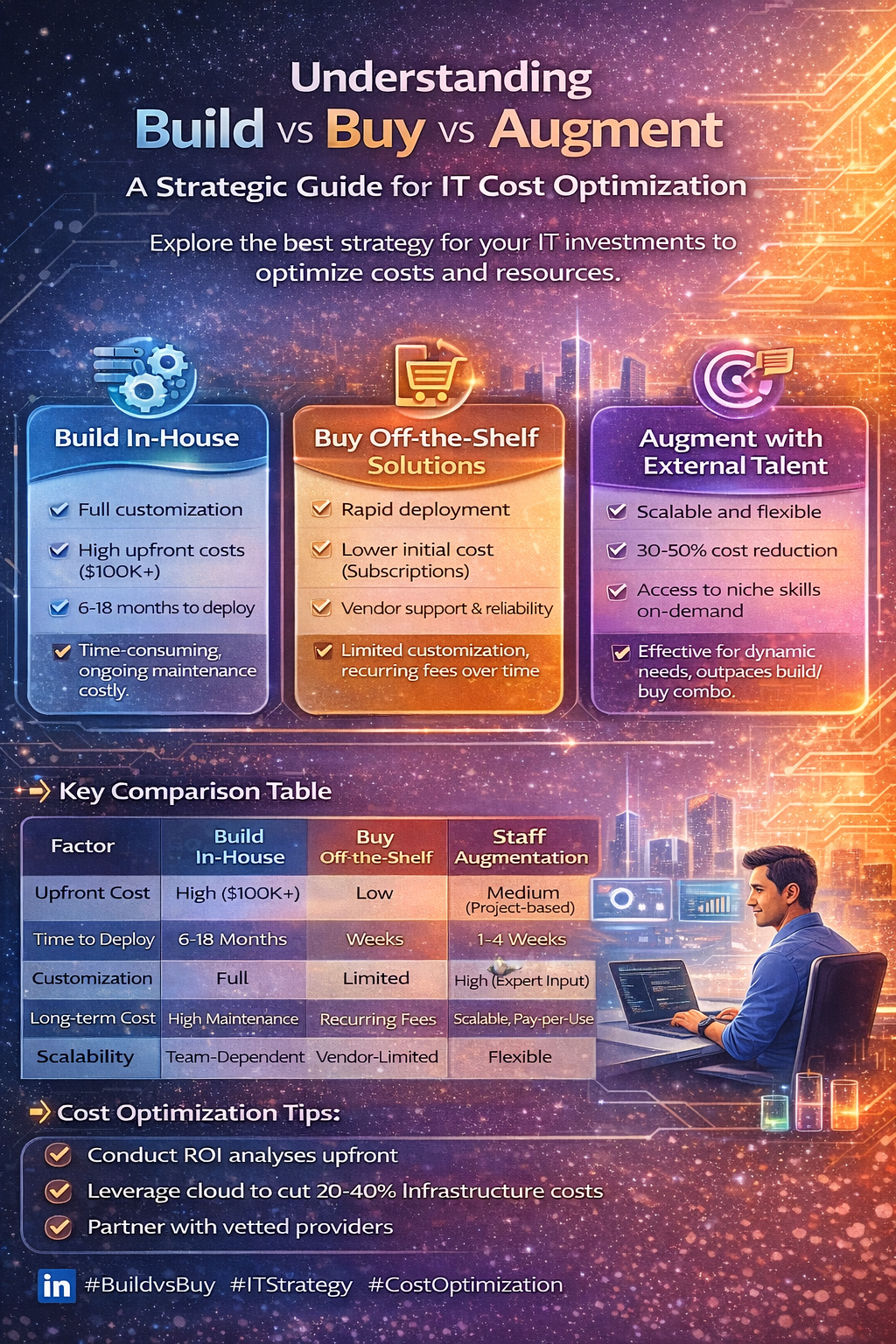
Cost Optimization in IT: Build vs Buy vs Staff Augmentation (2026 Guide)
-
February 5, 2026
The Role of DevOps in High-Performance Engineering Teams: Best Practices Guide
-
 February 4, 2026
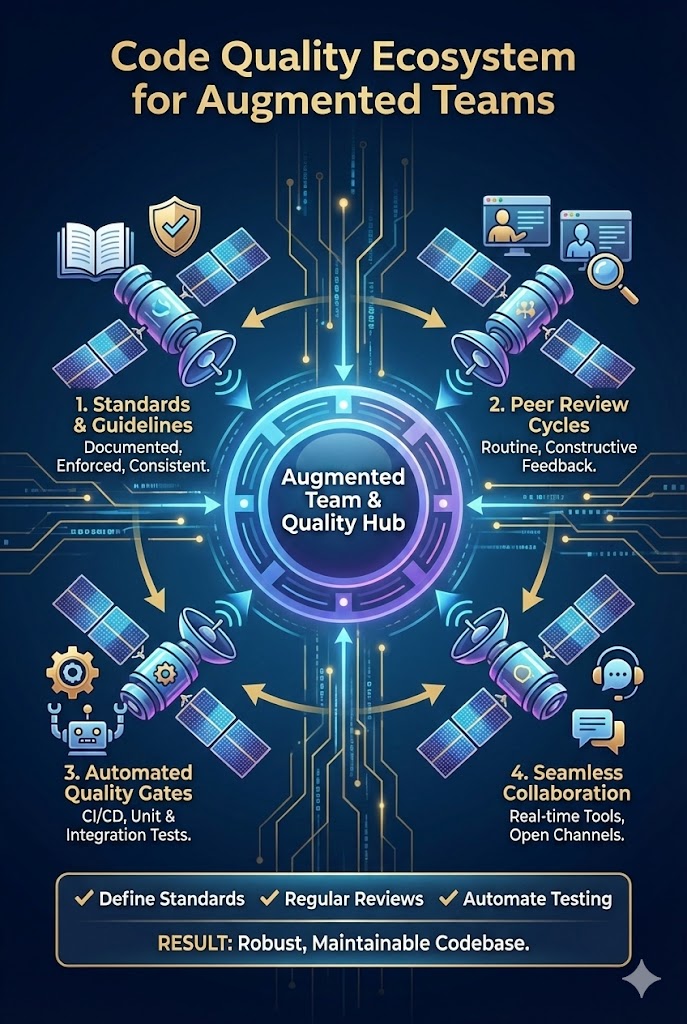
How to Ensure Code Quality When Working with Augmented Teams: Best Practices Guide
-
 February 3, 2026
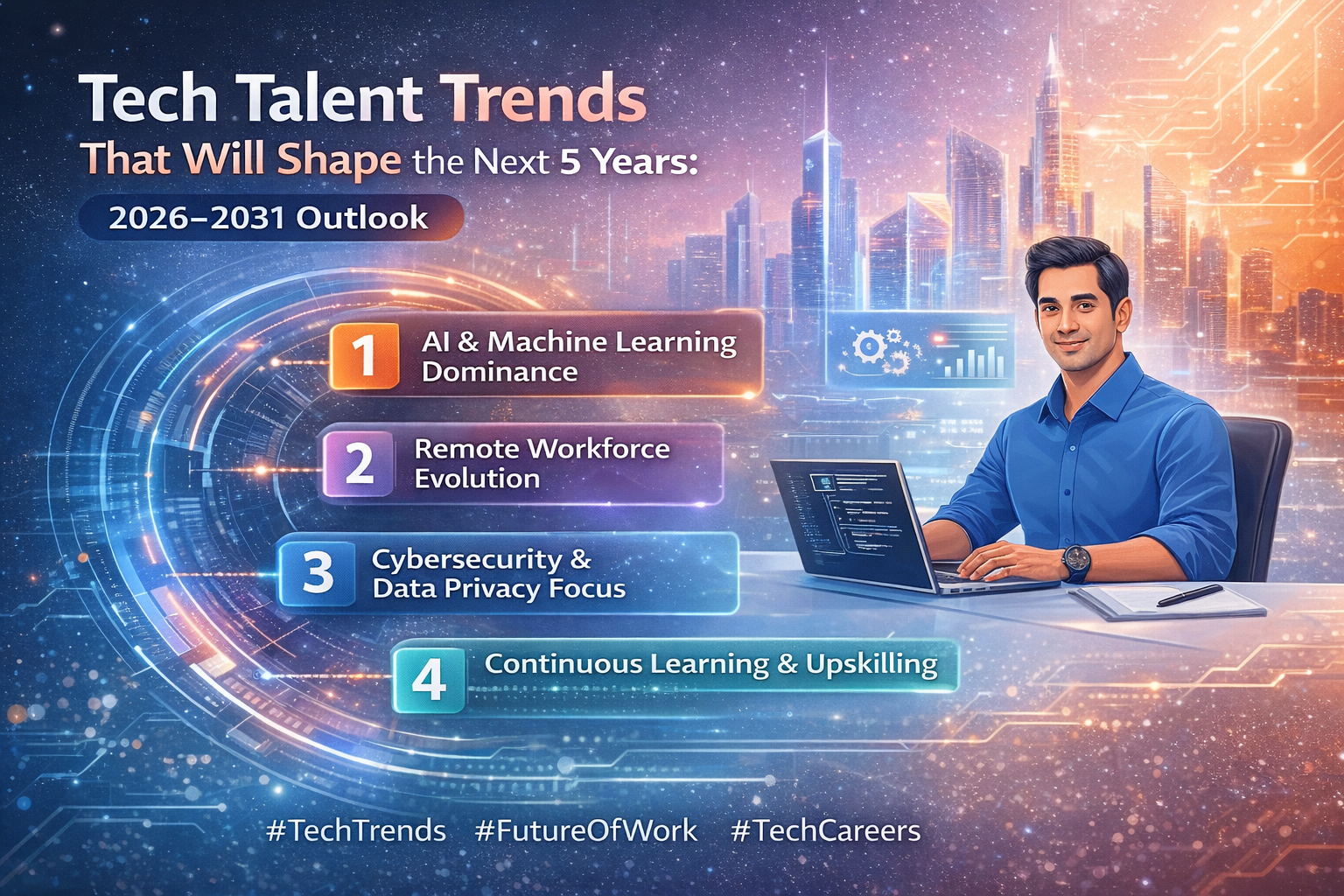
Tech Talent Trends That Will Shape the Next 5 Years: 2026–2031 Outlook
-
 February 2, 2026
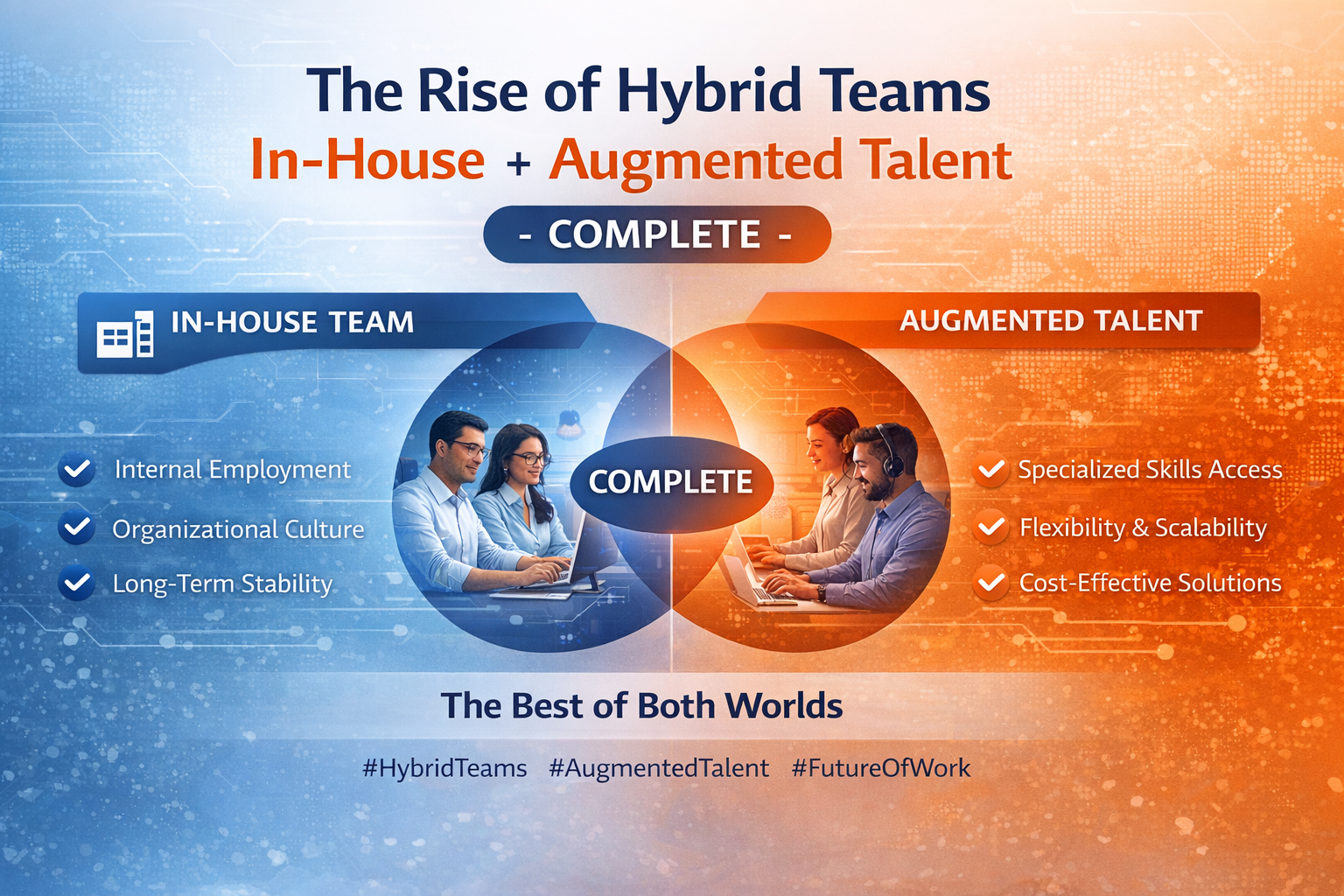
The Rise of Hybrid Teams: In-House + Augmented Talent - The Complete Guide
-
 January 30, 2026
How We Support and Retain High-Performing Tech Professionals
-
 January 29, 2026
Aligning Technology Strategy with Business Growth Goals: A Complete Framework
-
 January 28, 2026
What Top Developers Look for in a Staff Augmentation Partner: A Developer's Perspective
-
 January 27, 2026
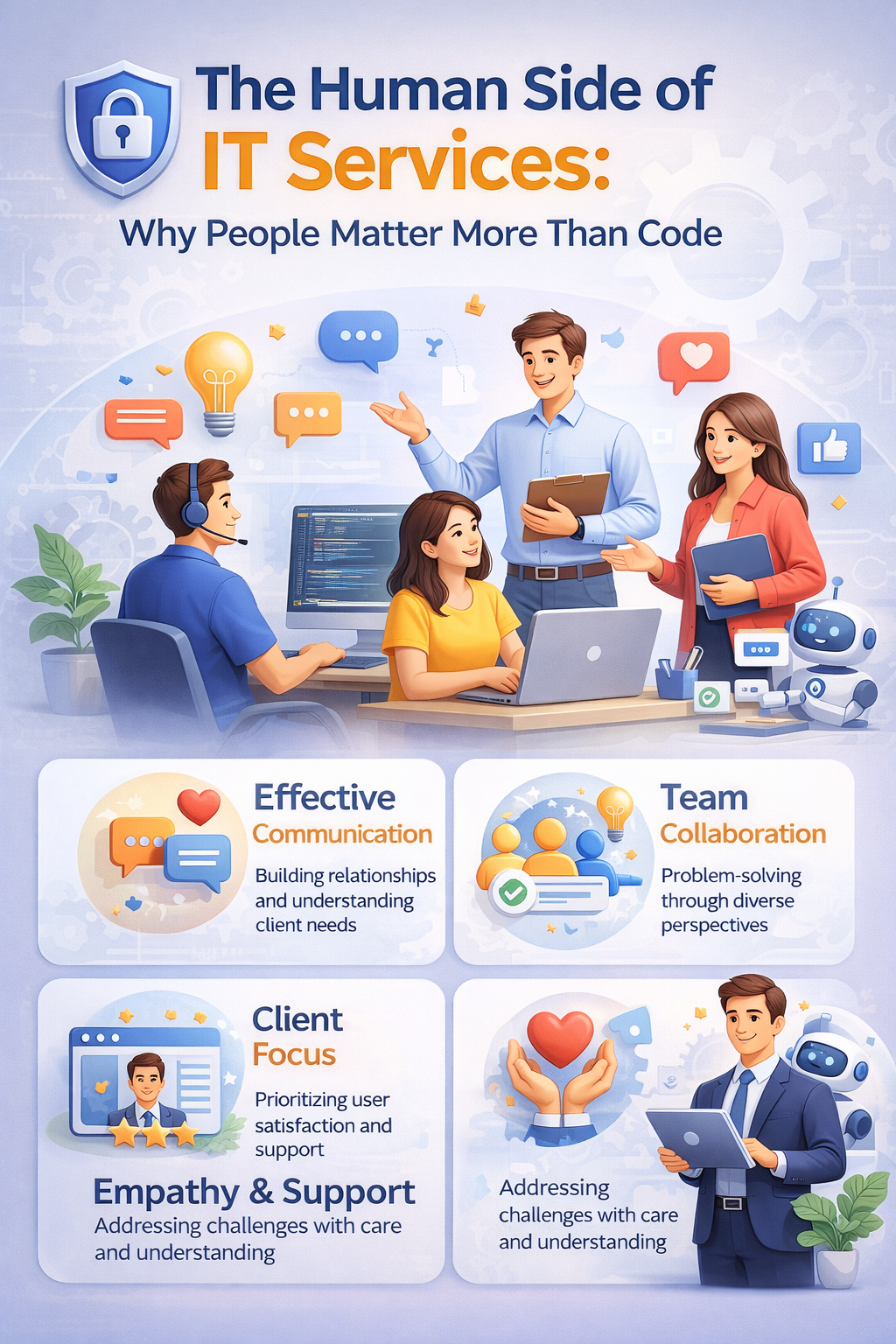
The Human Side of IT Services: Why People Matter More Than Code
-
 January 23, 2026
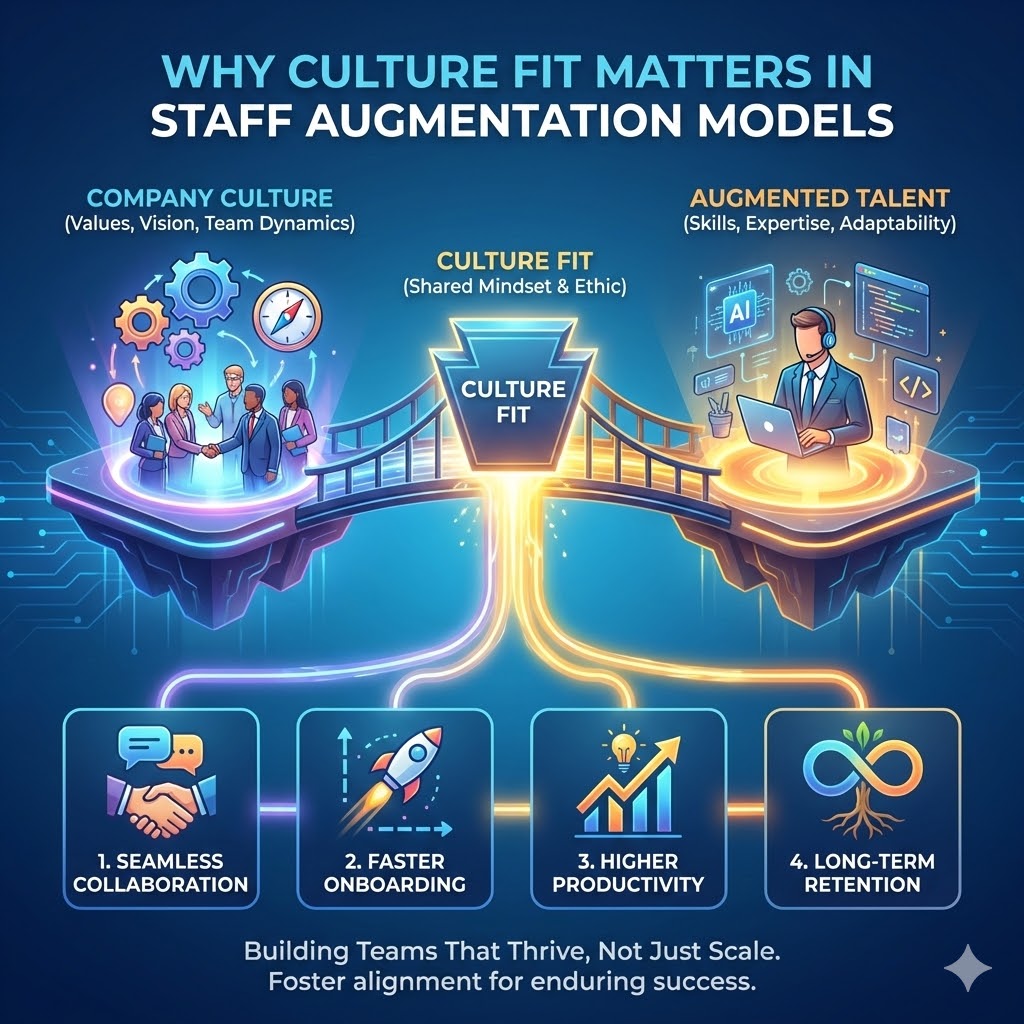
Why Culture Fit Matters in Staff Augmentation Models | Witqualis
-
 January 22, 2026
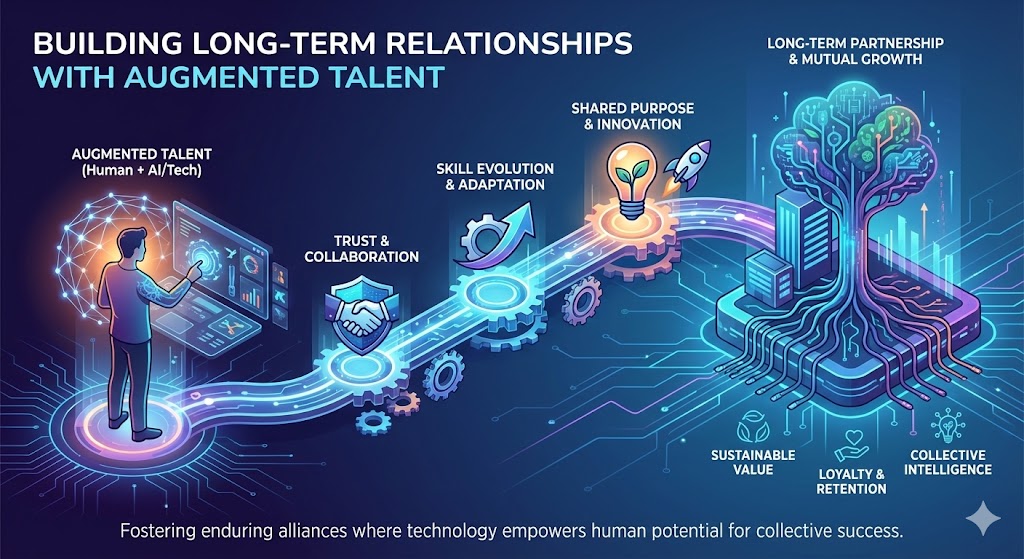
Building Long-Term Relationships with Augmented Talent: A Strategic Approach
-
 January 21, 2026
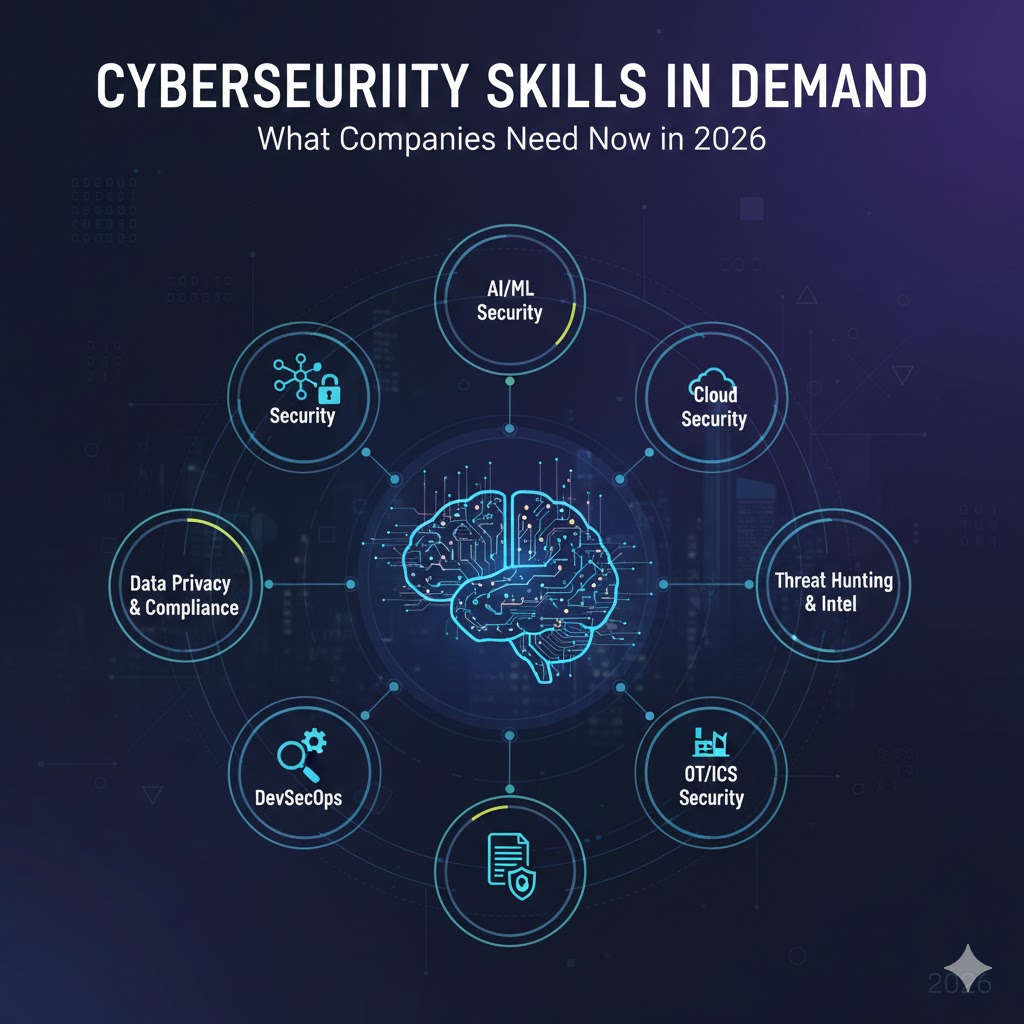
Cybersecurity Skills in Demand: What Companies Need Now in 2026
-
 January 20, 2026
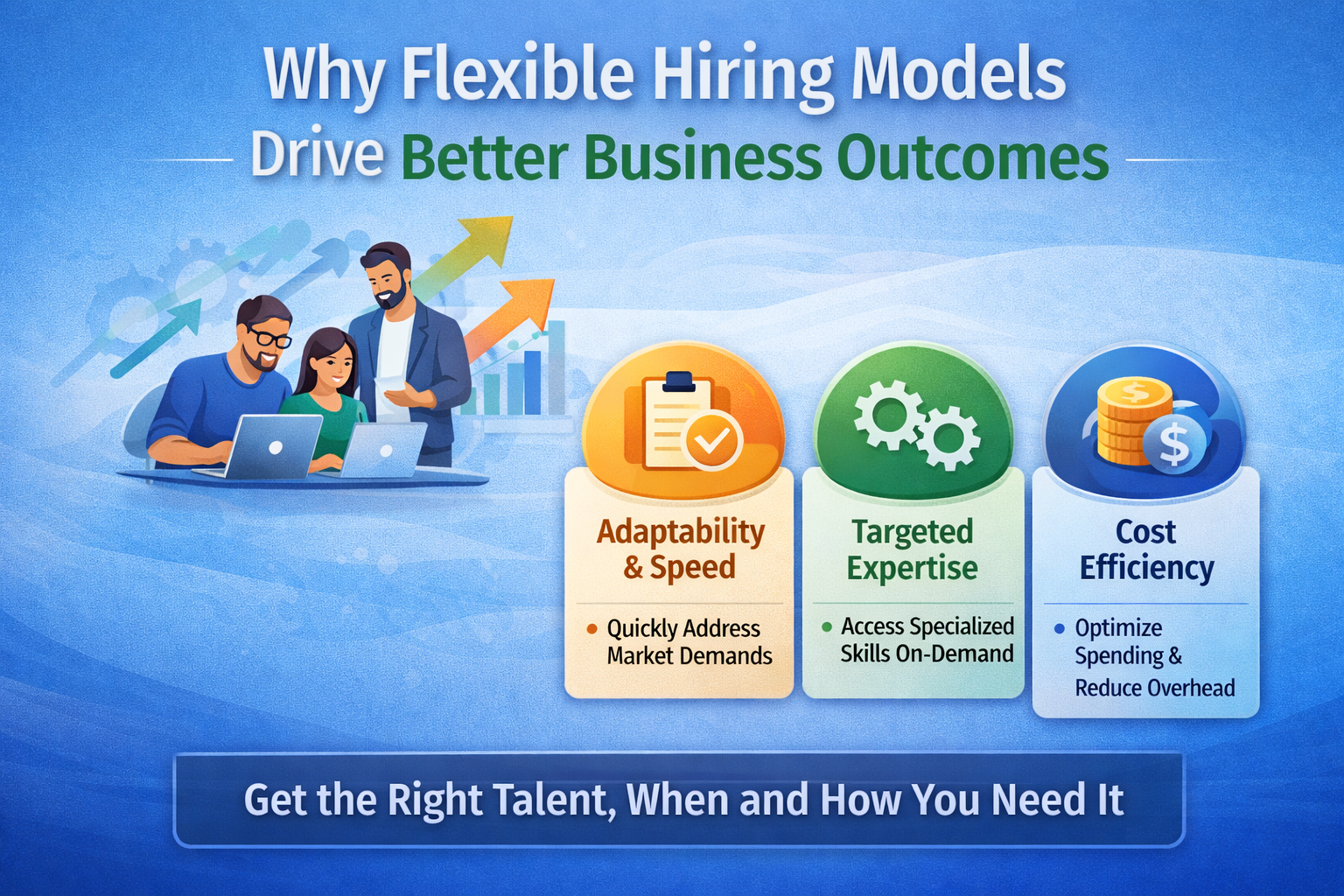
Why Flexible Hiring Models Drive Better Business Outcomes
-
 January 19, 2026
Reducing Time-to-Market with On-Demand Tech Talent
-
 January 15, 2026
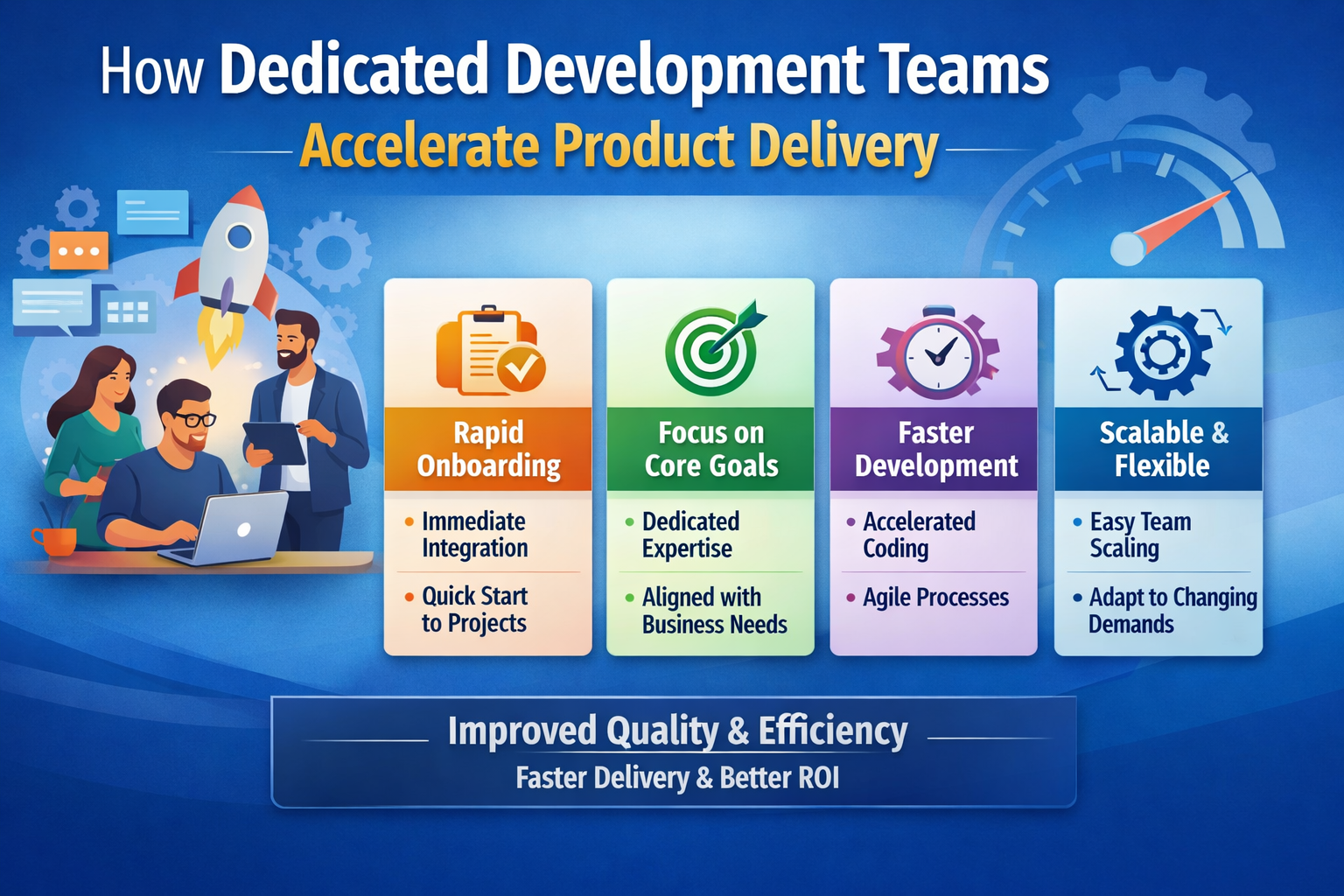
How Dedicated Development Teams Accelerate Product Delivery
-
 January 14, 2026
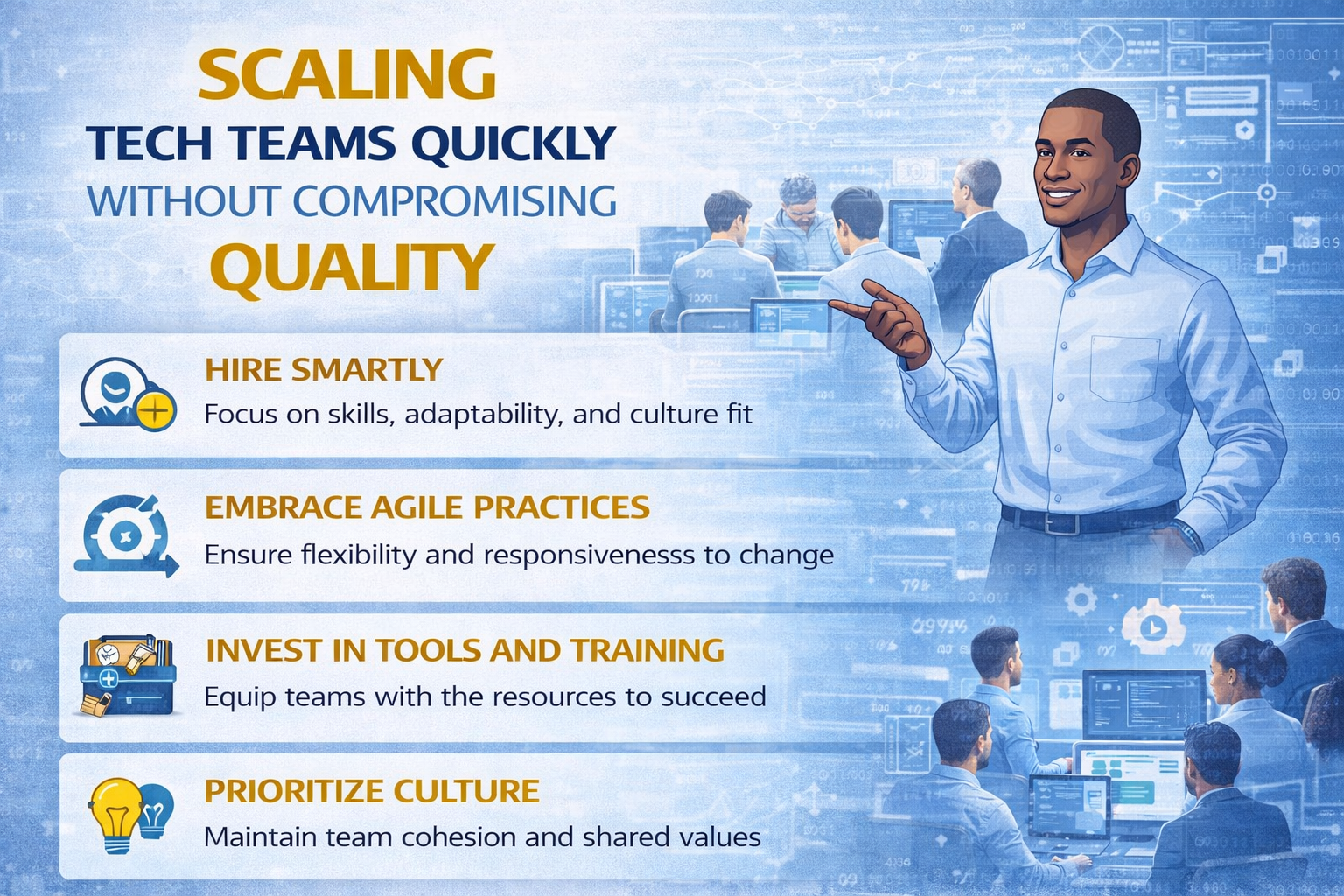
Scaling Tech Teams Quickly Without Compromising Quality
-
January 12, 2026
Common Mistakes Companies Make When Outsourcing IT Projects (And How to Avoid Them)
-
January 9, 2026
Key Workforce Trends Every CTO Should Watch This Year
-
 January 8, 2026
How AI Is Transforming IT Staffing and Talent Matching
-
 January 7, 2026
How IT Staff Augmentation Helps Startups Scale Faster
-
 January 6, 2026
Choosing the Right Tech Stack for Scalable Digital Products
-
 January 5, 2026
How Remote Talent Is Reshaping Global IT Teams
-
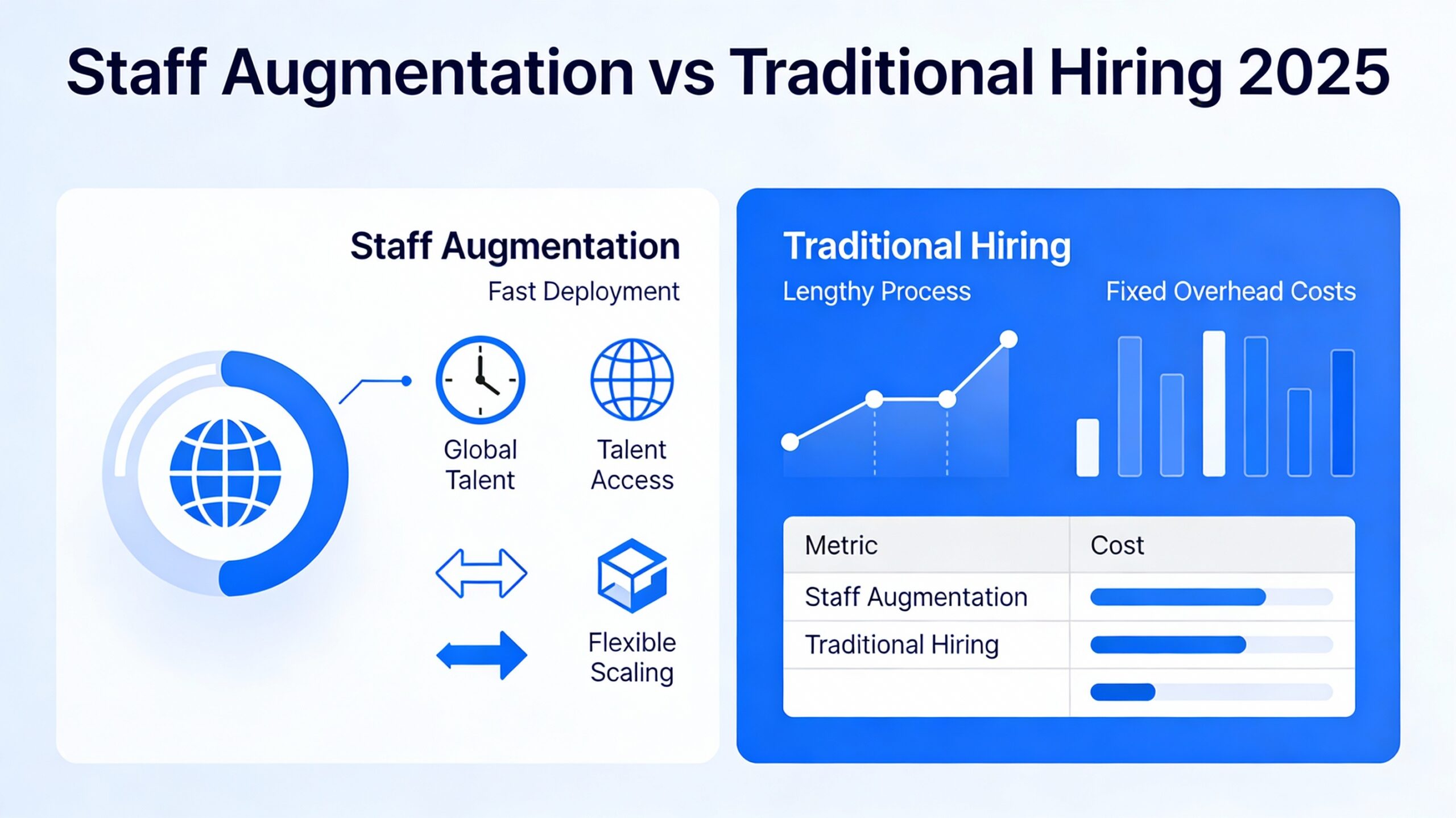 December 29, 2025
Staff Augmentation vs Traditional Hiring 2025
-
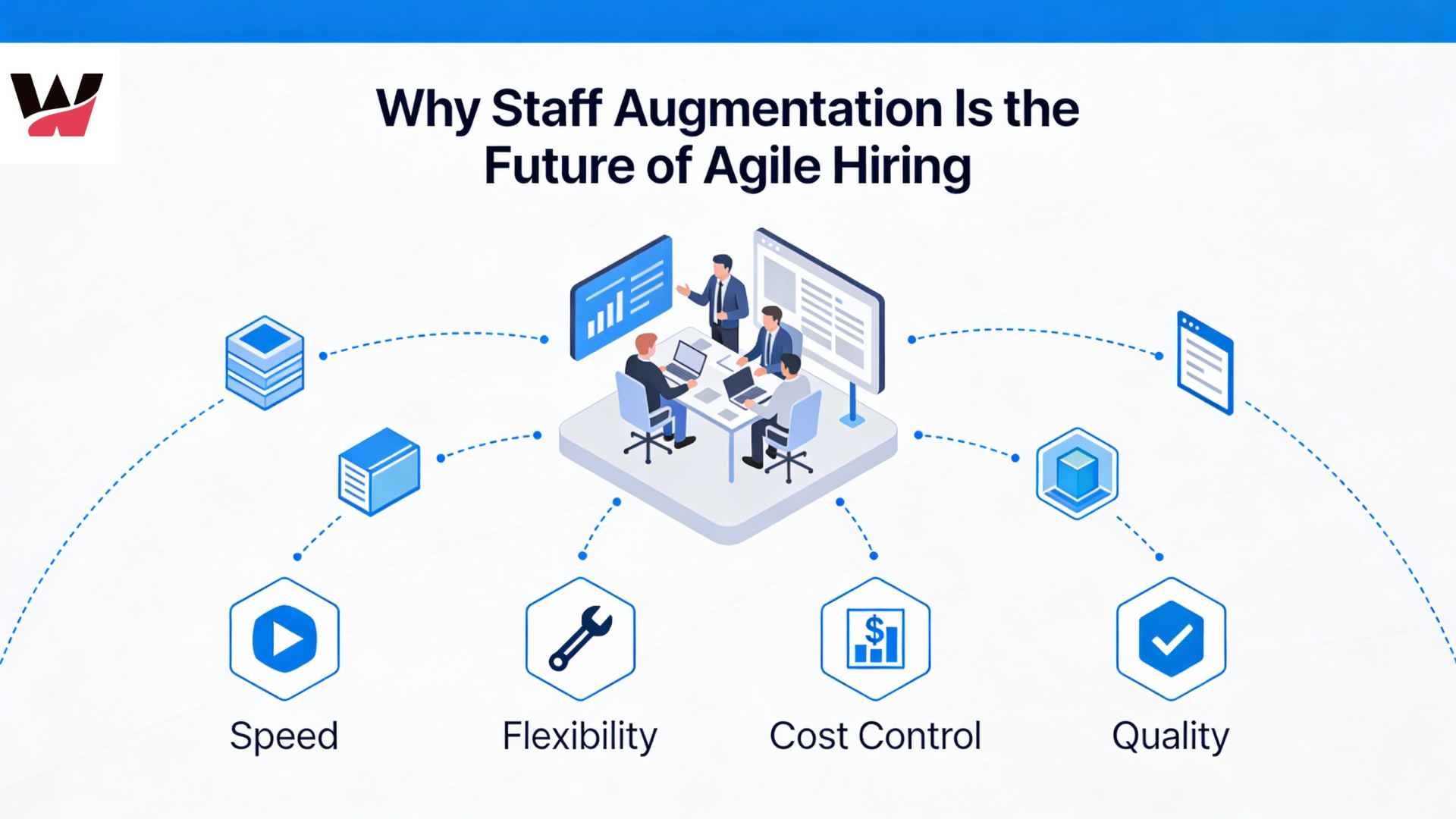 December 24, 2025
Why Staff Augmentation Is the Future of Agile Hiring
-
 December 22, 2025
Why Hiring Faster Doesn’t Mean Compromising Quality — It Means Finding the Right Partner
-
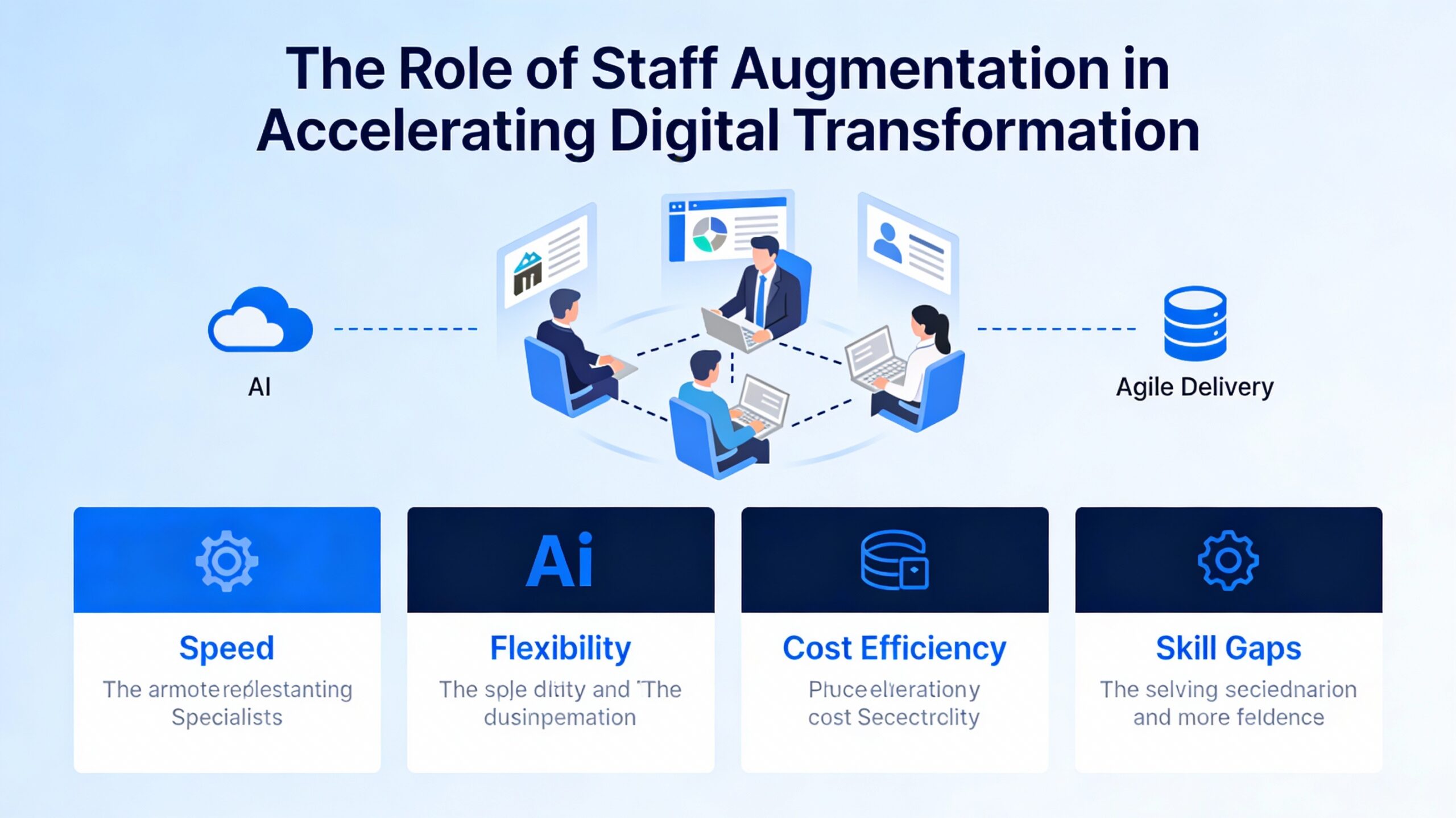 December 19, 2025
The Role of Staff Augmentation in Accelerating Digital Transformation
-
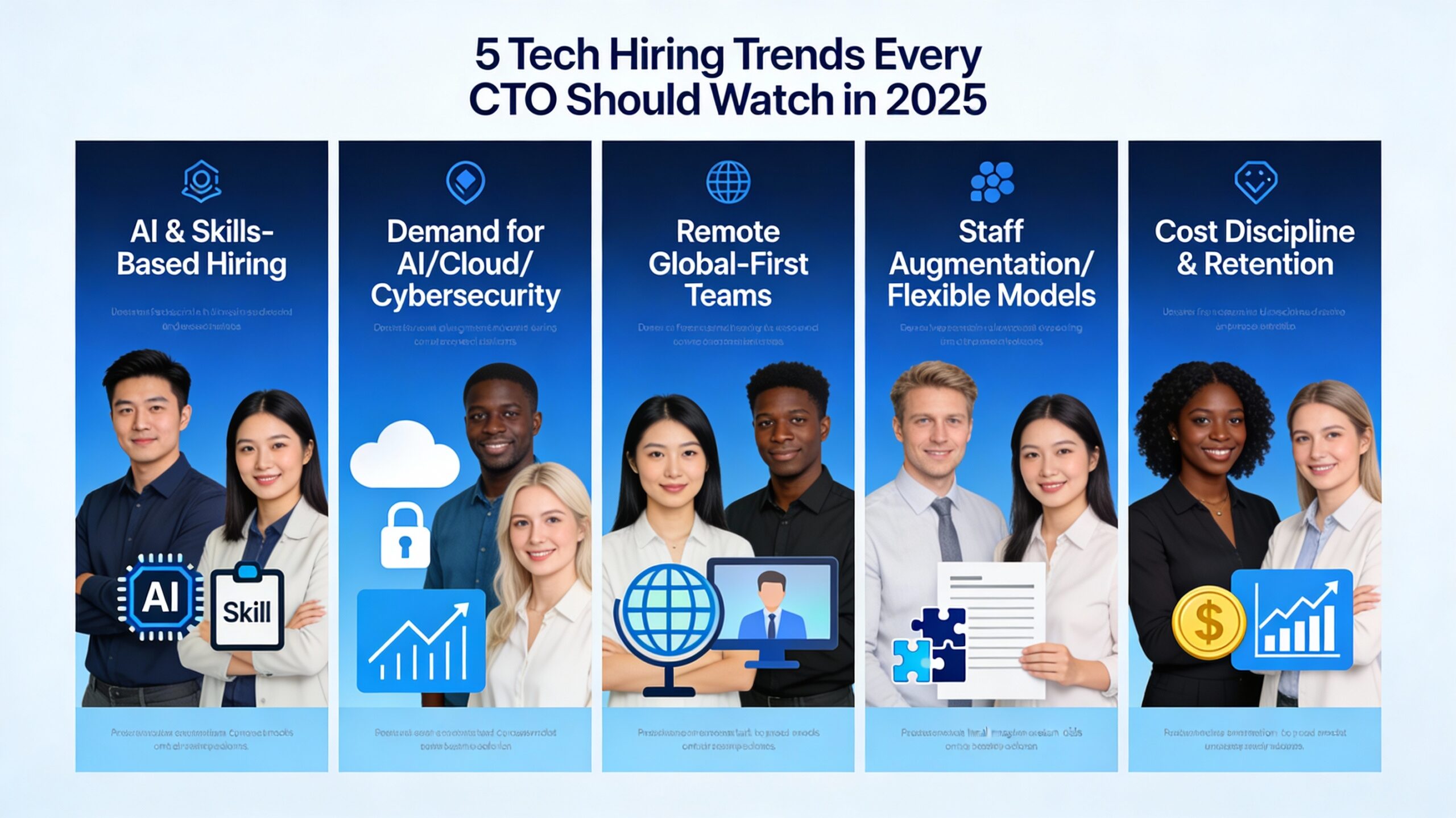 December 18, 2025
5 Tech Hiring Trends Every CTO Should Watch in 2025
-
December 17, 2025
Why Soft Skills Are the Hidden Superpower in Tech Teams
-
 December 15, 2025
How WitQualis Connects Global Talent with Local Opportunities
-
 December 10, 2025
Why Businesses Need Agile, Scalable, and Skilled Tech Teams—Now More Than Ever
-
 December 5, 2025
The Human Side of Technology: Why People Matter as Much as Code
-
 December 4, 2025
The Rise of Contract-Based Developers in the Global IT Market
-
 December 3, 2025
Talent Has No Boundaries: Why the Best Teams Are Built Across Borders
-
 December 2, 2025
From Startups to Enterprises: How Staff Augmentation Supports Every Stage of Growth
-
 December 1, 2025
Great Ideas Need Great Execution – How WitQualis Teams Turn Vision into Reality
-
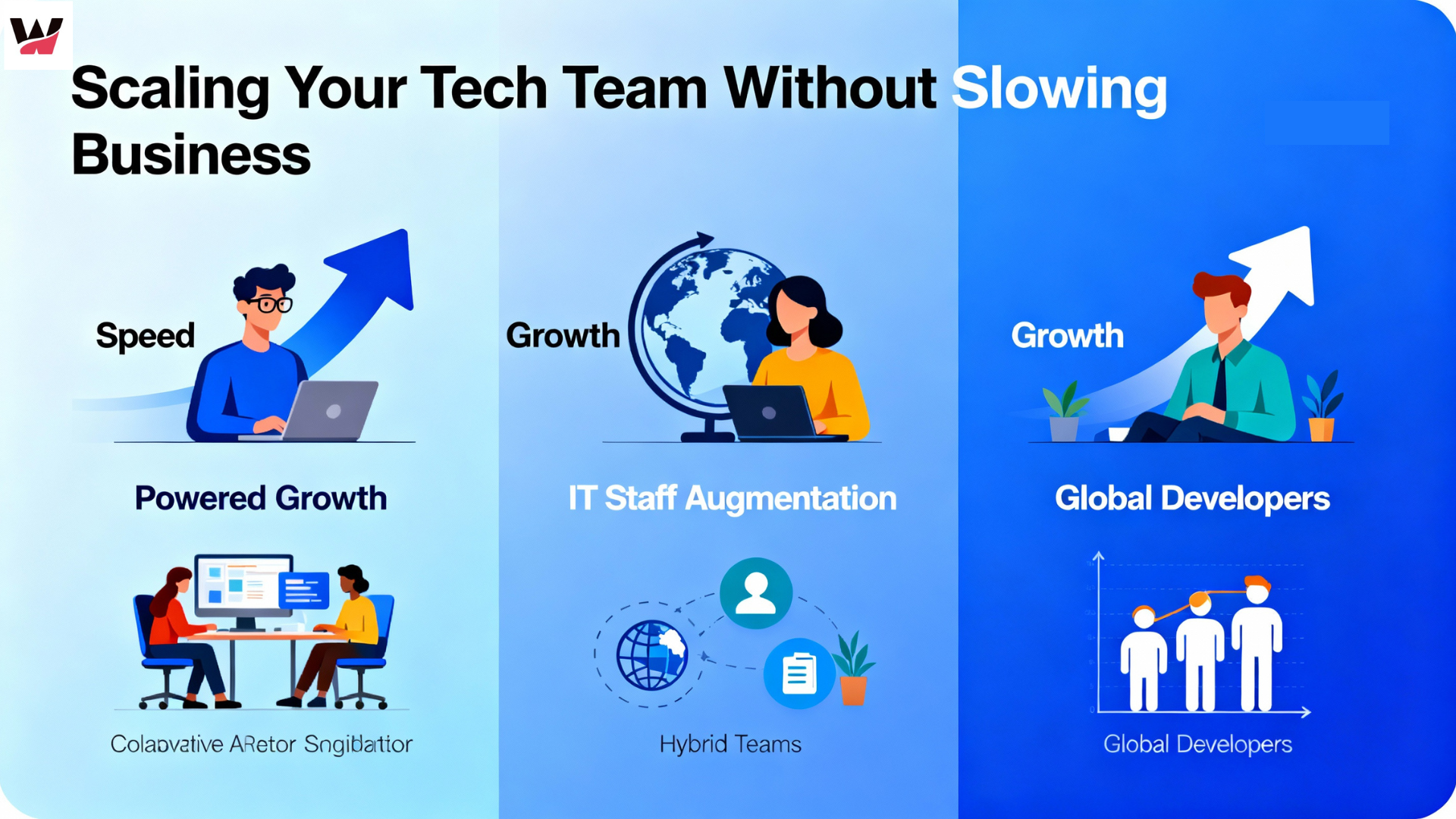 November 28, 2025
Scaling Your Tech Team Shouldn’t Slow Your Business – It Should Power It
-
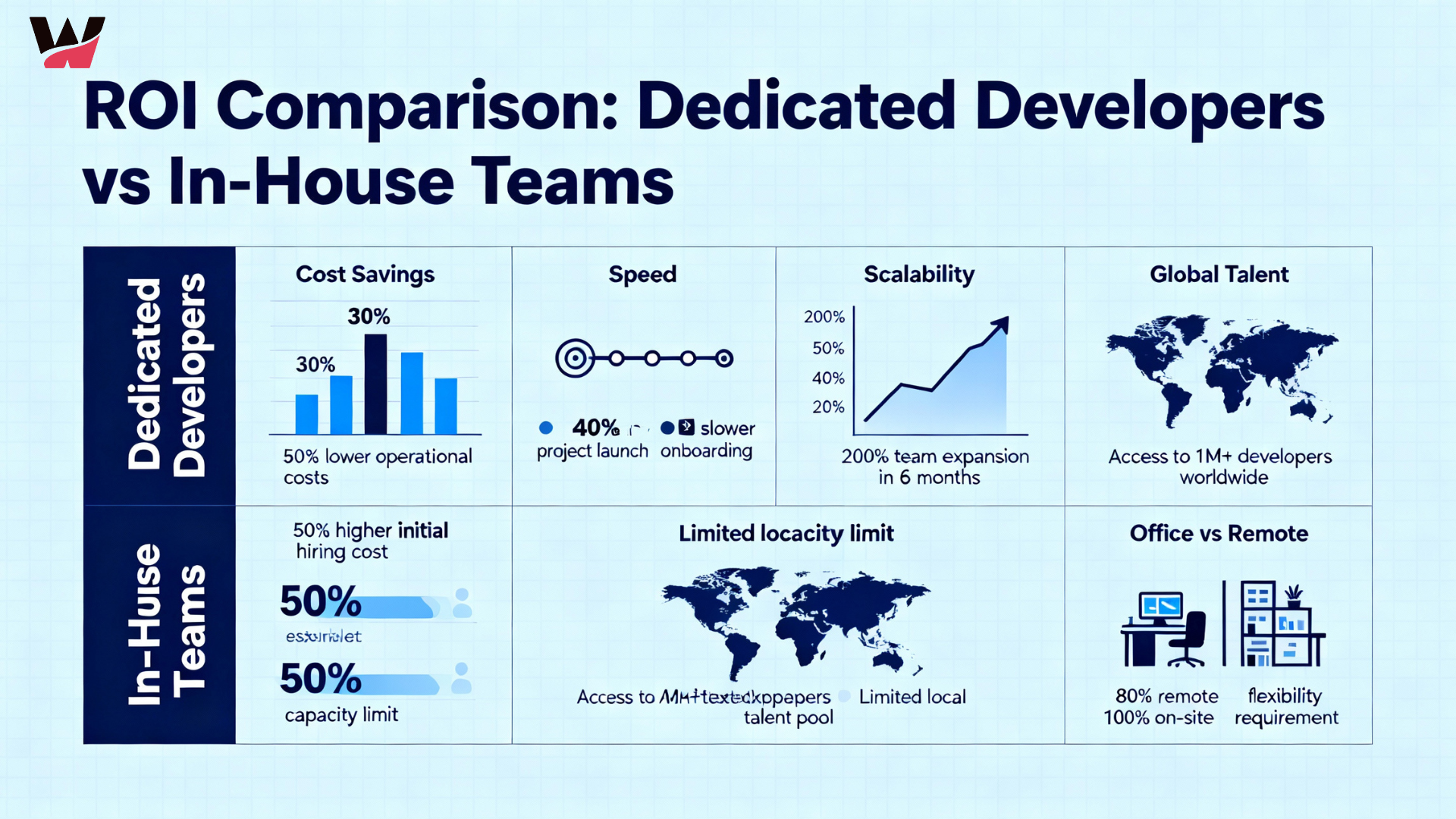 November 27, 2025
The ROI of Hiring Dedicated Developers vs In-House Teams
-
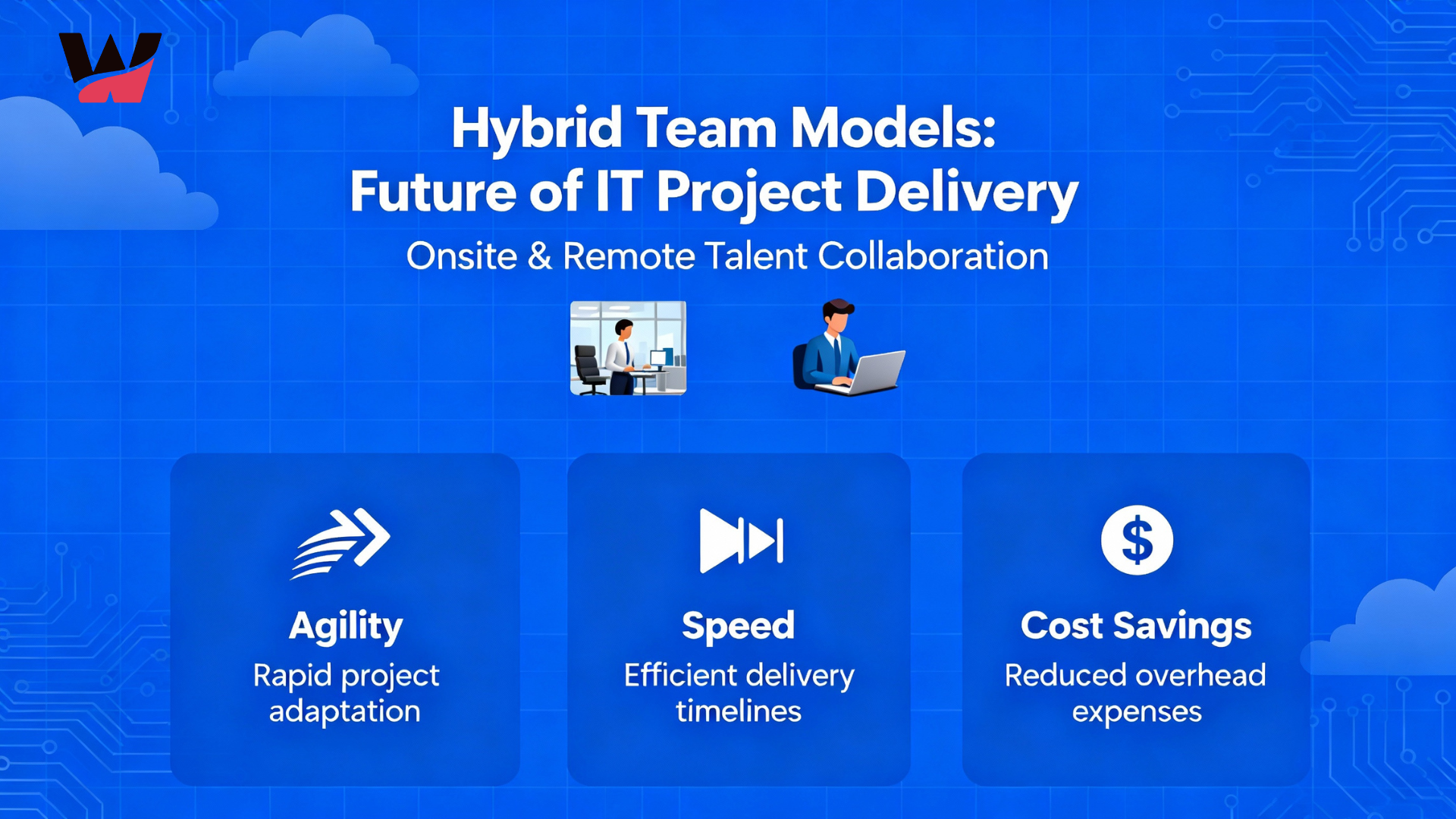 November 26, 2025
Why Hybrid Team Models Are the Future of IT Project Delivery
-
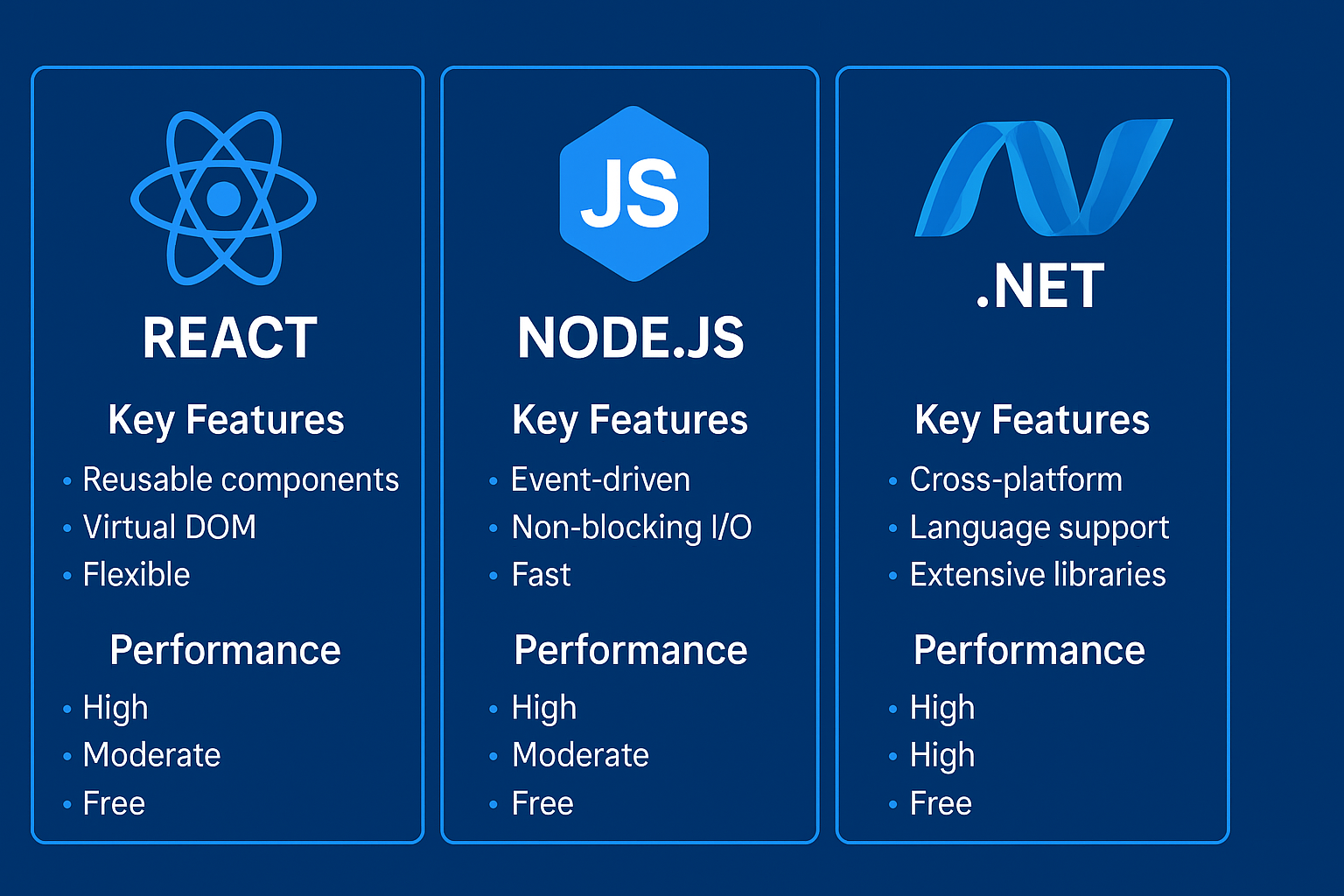 November 24, 2025
React, Node.js, or .NET? Choosing the Right Tech Stack for Your Next Project
-
 November 21, 2025
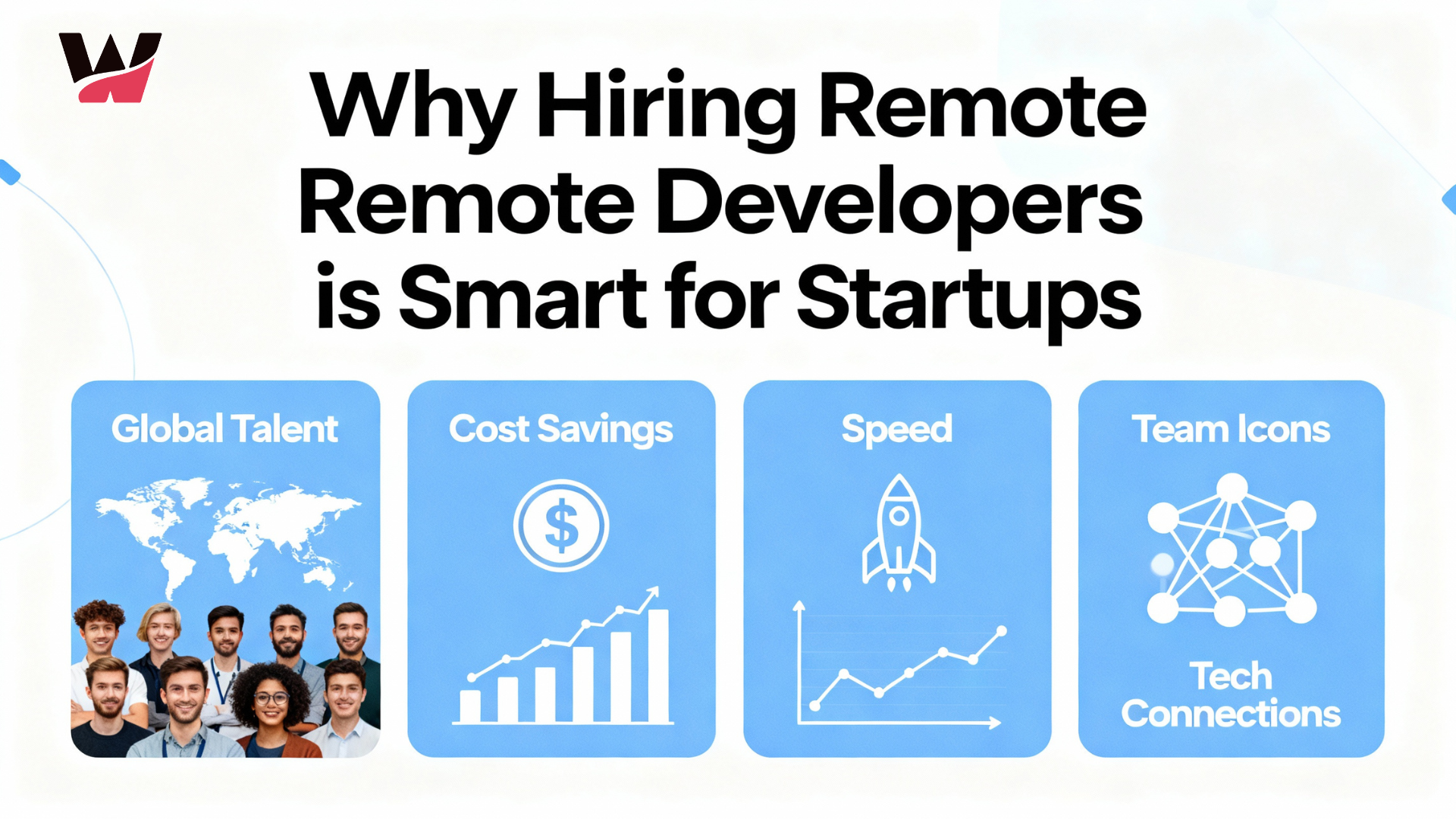
Why Hiring Remote Developers Is the Smartest Move for Startups
-
 November 20, 2025
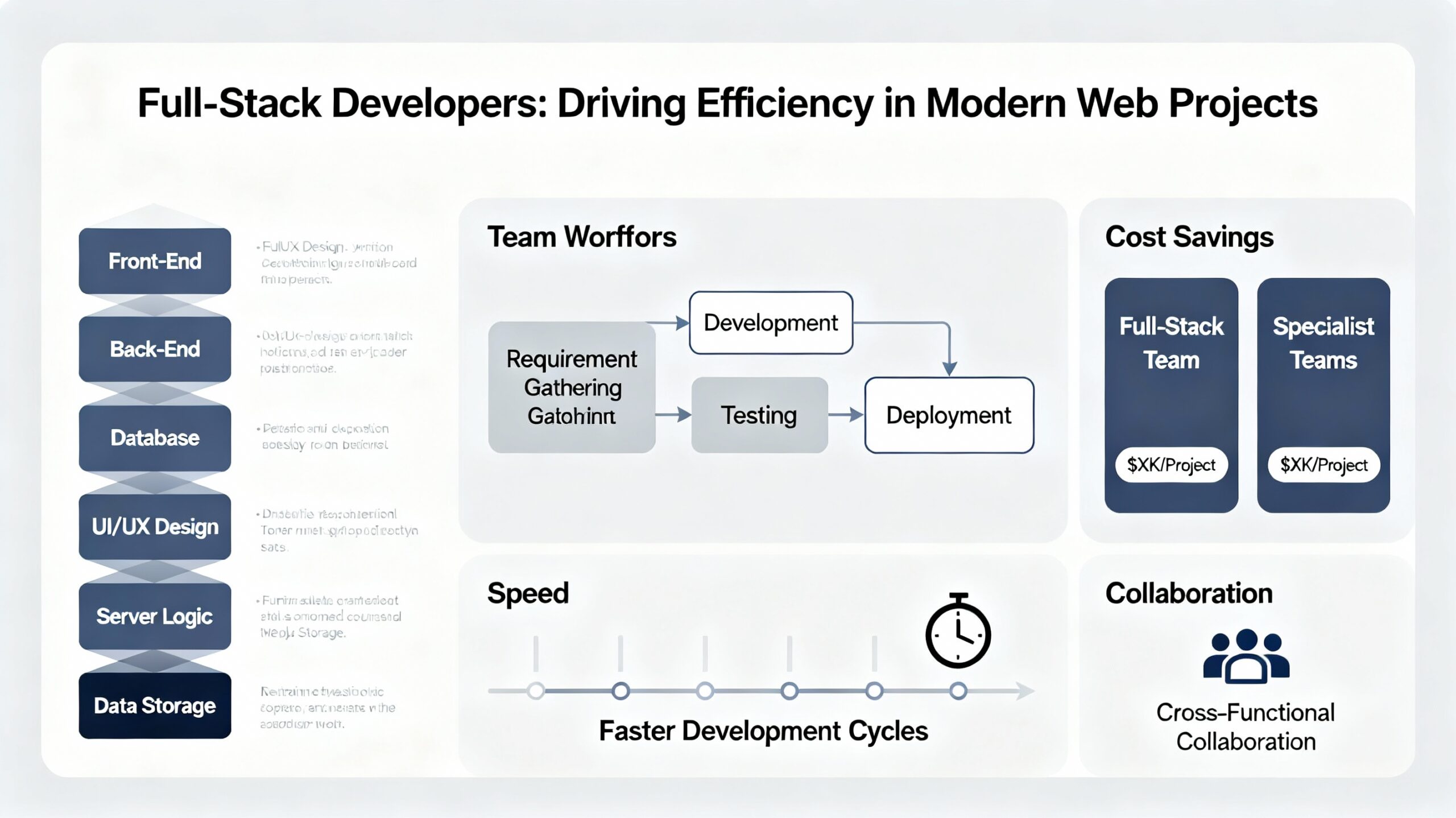
How Full-Stack Developers Drive Efficiency in Modern Web Projects
-
 November 19, 2025
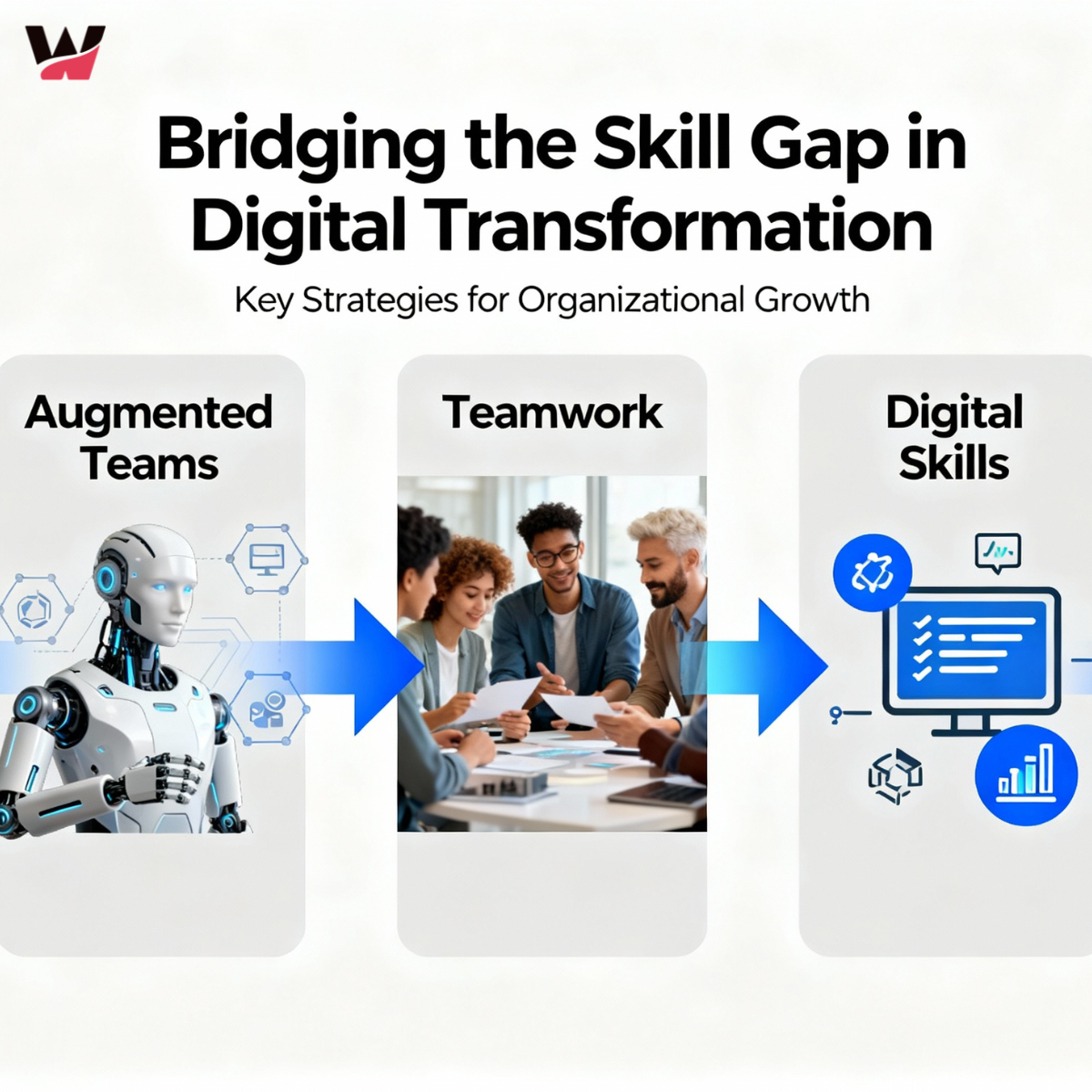
Bridging the Skill Gap: How Augmented Teams Empower Digital Transformation
-
 November 18, 2025
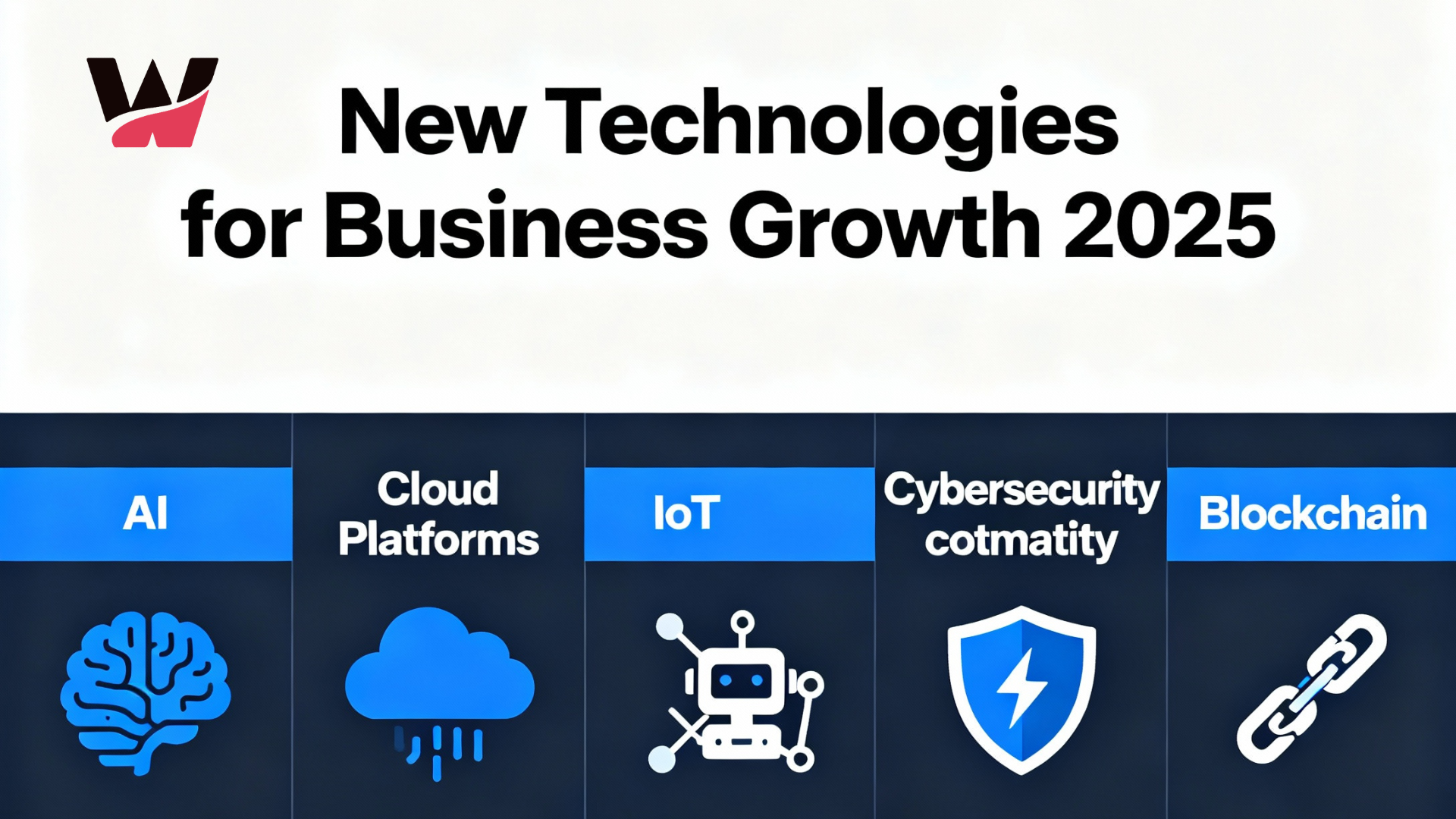
New Technologies for 2025: What Businesses Need to Grow
-
 November 14, 2025
IT Staff Augmentation Reduces Project Costs Quality
-
 November 13, 2025
Empowering Global Collaboration: How WitQualis Builds Seamless Remote Teams
-
 November 12, 2025
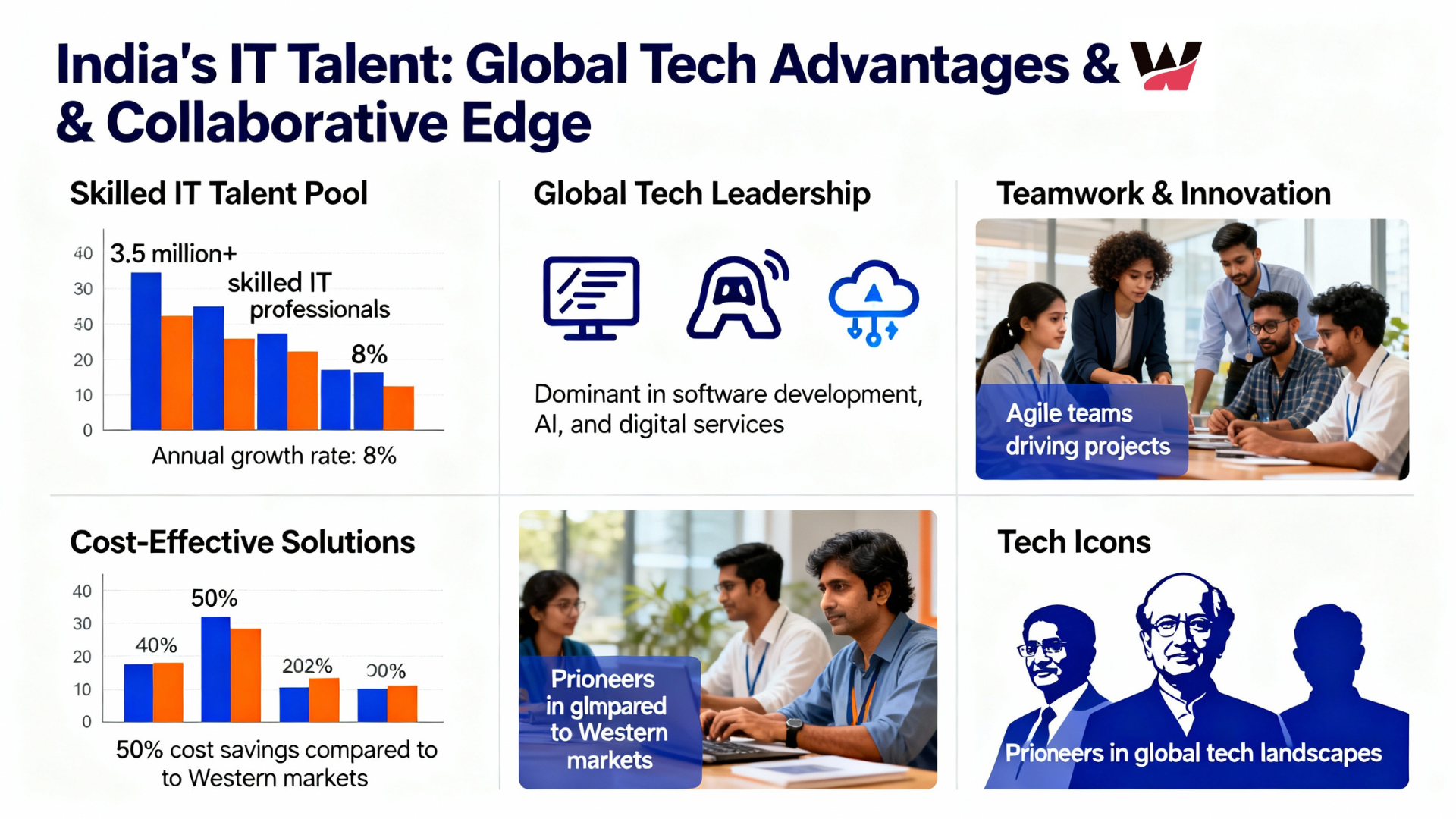
Why Global Businesses Are Turning to India for Skilled IT Talent
-
 November 11, 2025
Staff Augmentation Helps You Scale Your Tech Team
-
 November 10, 2025
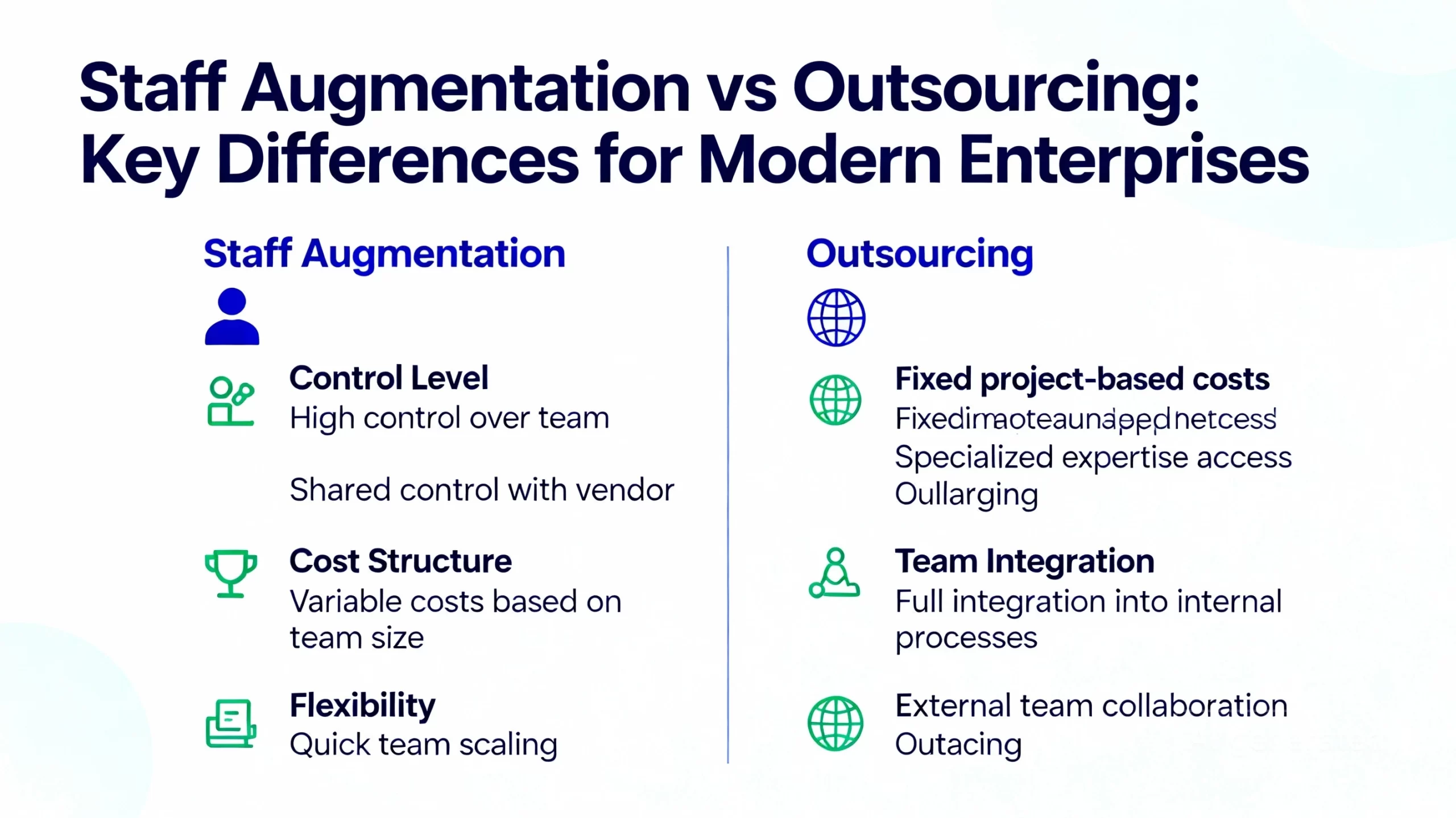
Staff Augmentation vs Outsourcing in 2025: Which Is Best for Modern Enterprises?
-
 November 7, 2025
How AI, IoT, and Cloud Are Redefining Software Development in 2025
-
 November 6, 2025
Scaling Smarter: How Augmented Teams Help Deliver Projects Faster in 2025
-
 November 5, 2025
How AI and Automation Are Transforming Software Development Teams in 2025
-
 November 3, 2025
The Future of IT Staffing: Why Businesses Are Choose Staff Augmentation in 2025
-
 October 31, 2025
Why Technology is Essential for Business Growth (2025): Top Reasons & Winning Strategies
-
 October 30, 2025
How the Internet of Things (IoT) Is Revolutionizing Modern Business
-
 October 29, 2025
Blockchain Cryptocurrency: Real-World Applications | WitQualis
-
 October 28, 2025
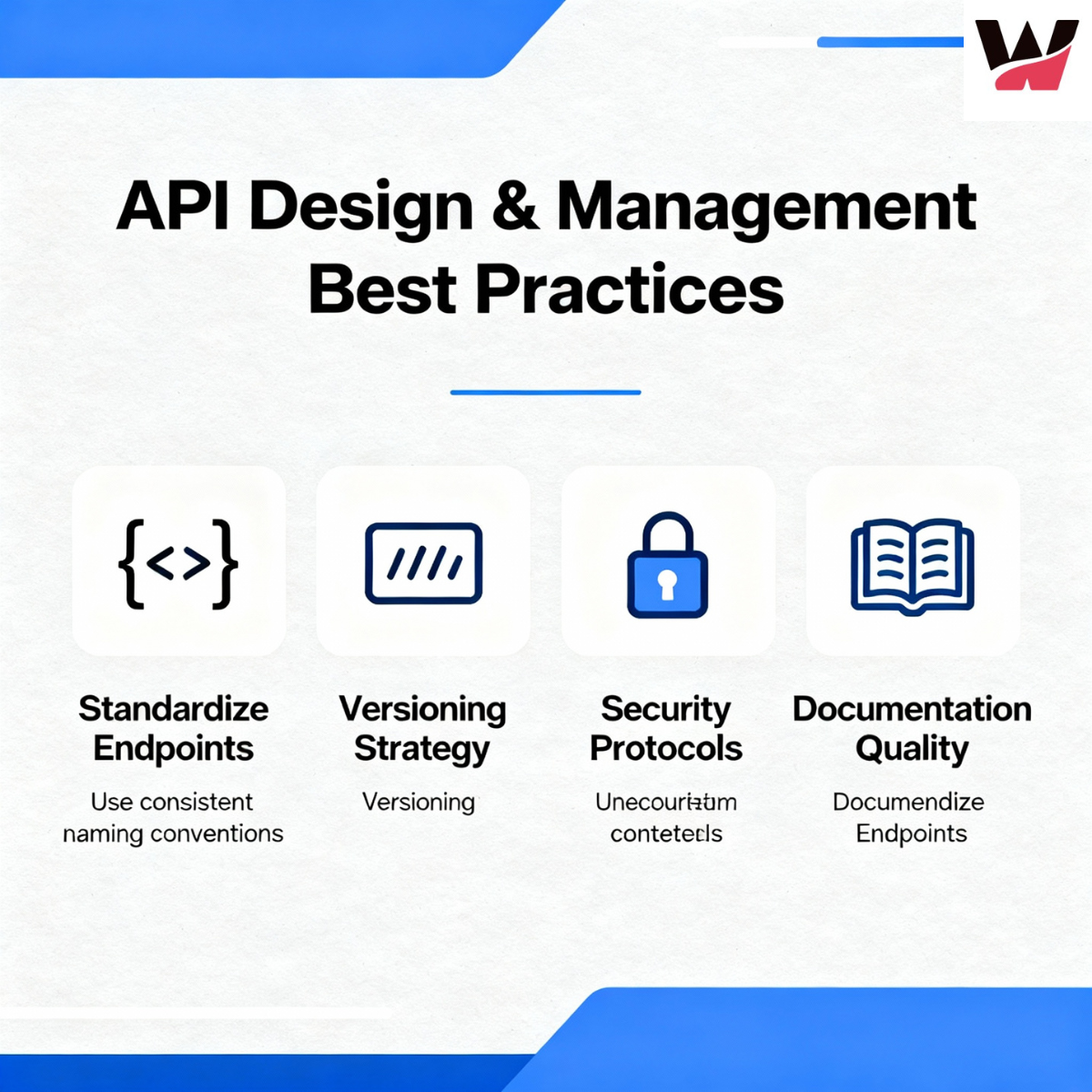
API Design and Management Best Practices for Developers
-
 October 27, 2025
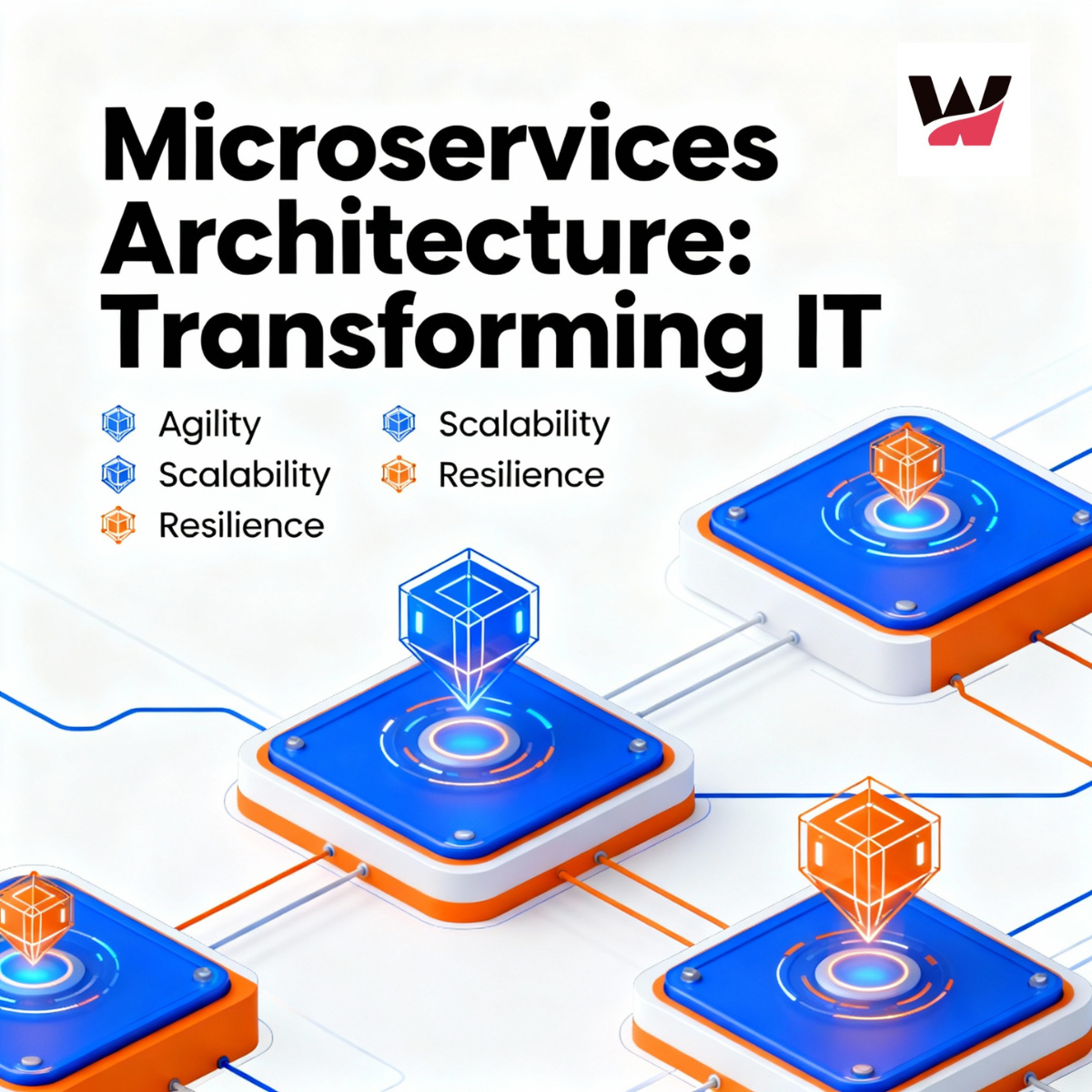
Microservices Architecture: Benefits, Implementation Tips & Real-World Examples
-
 October 24, 2025
How Remote Work Has Transformed the IT Industry Tools in 2025
-
 October 23, 2025
Virtual and Augmented Reality: The Tech Revolution | WitQualis
-
 October 22, 2025
How AI is Revolutionizing Business Decision-Making in 2025 | In-Depth Analysis & Trends
-
 October 16, 2025
Blockchain Beyond Crypto: Building Trust in Business Operations
-
 October 15, 2025
How Custom Software Solutions Drive Business Efficiency | Expert Guide
-
 October 13, 2025
How Automation Reduces Costs & Boosts Productivity in 2025
-
 October 10, 2025
Staff Augmentation: The Key to Building Agile & Scalable Teams
-
 October 9, 2025
The Role of Cloud Computing in Scaling Modern Businesses
-
 October 8, 2025
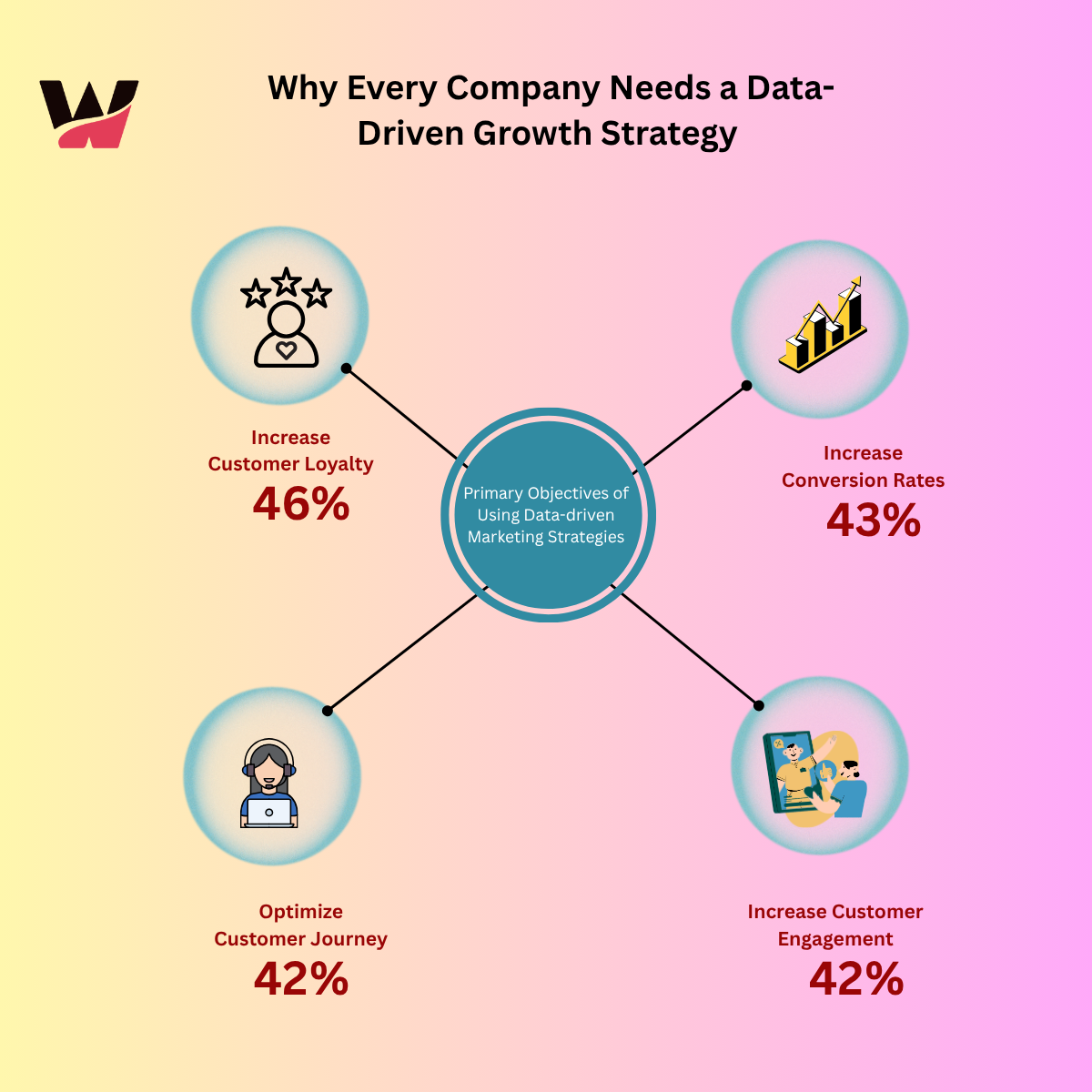
Why Every Company Needs a Data-Driven Growth Strategy
-
 October 7, 2025
API Design Best Practices for Developers in 2025 |API versioning strategies
-
 October 6, 2025
virtual reality vs augmented reality vs mixed reality
-
 October 3, 2025
The Impact of Internet of Things (IoT) on Modern Business
-
 October 1, 2025
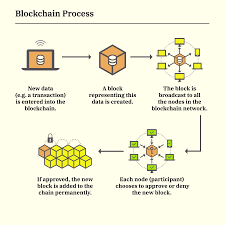
Blockchain Beyond Cryptocurrency: Real-World Applications in 2025
-
 September 30, 2025
The Future of Artificial Intelligence: Trends and Opportunities
-
 September 26, 2025
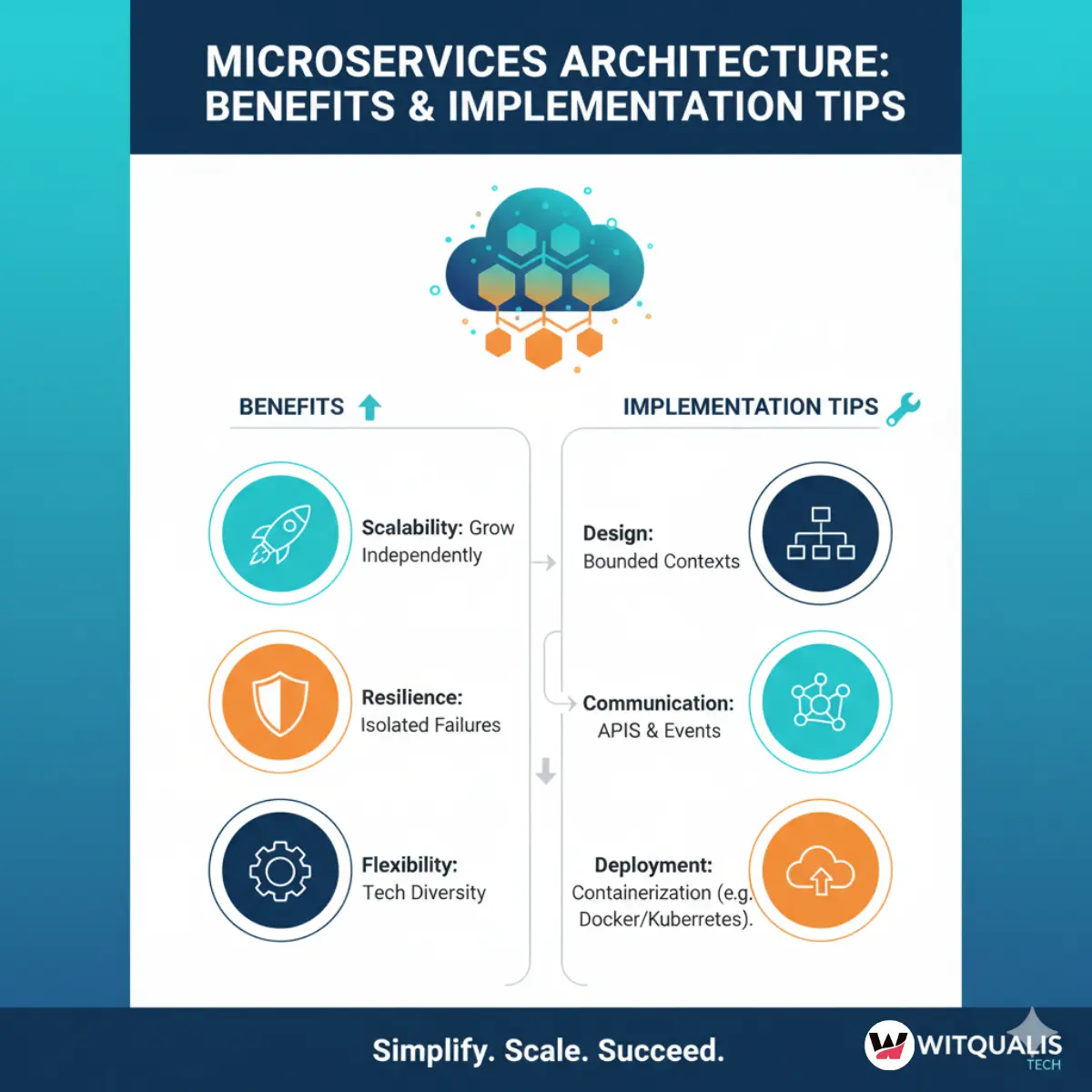
Microservices Architecture: Benefits and Implementation Tips
-
 September 25, 2025
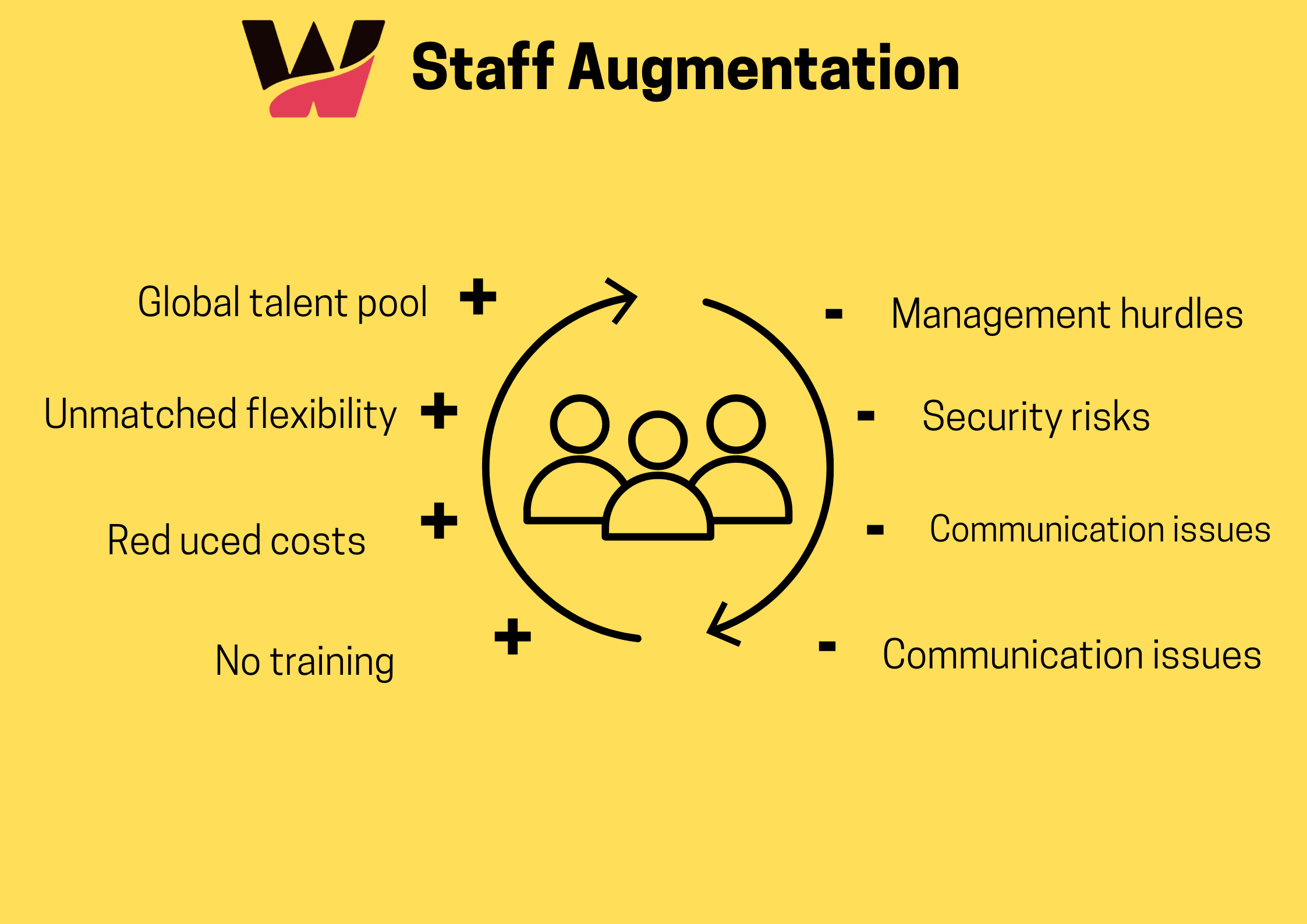
Why Staff Augmentation Is a Smart Move for IT Projects in 2025
-
 September 24, 2025
Cloud Computing Explained: Benefits and Best Practices (AWS, Azure, Google Cloud)
-
 September 23, 2025
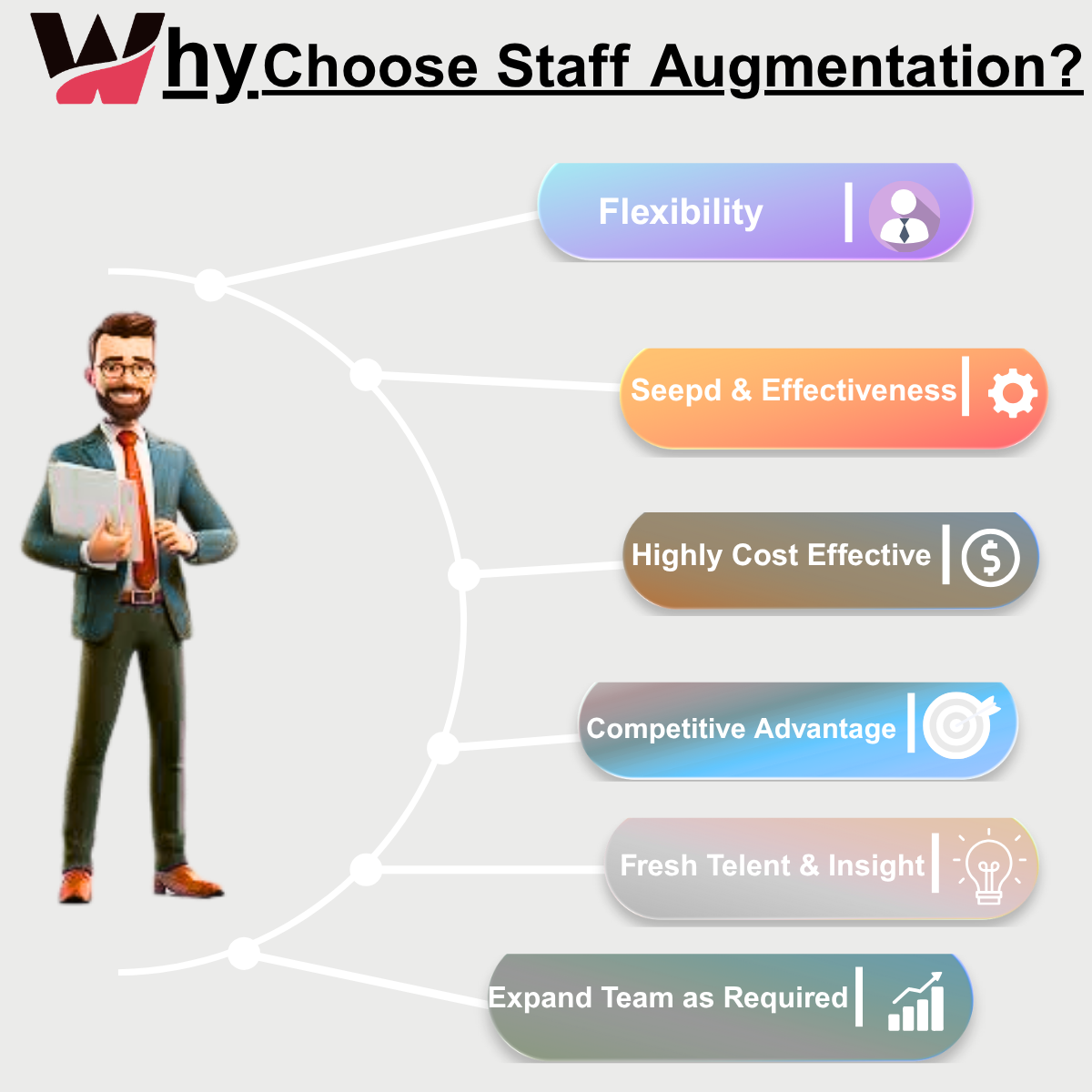
How Staff Augmentation Can Help Scale Your IT Team Efficiently
-
 January 6, 2025
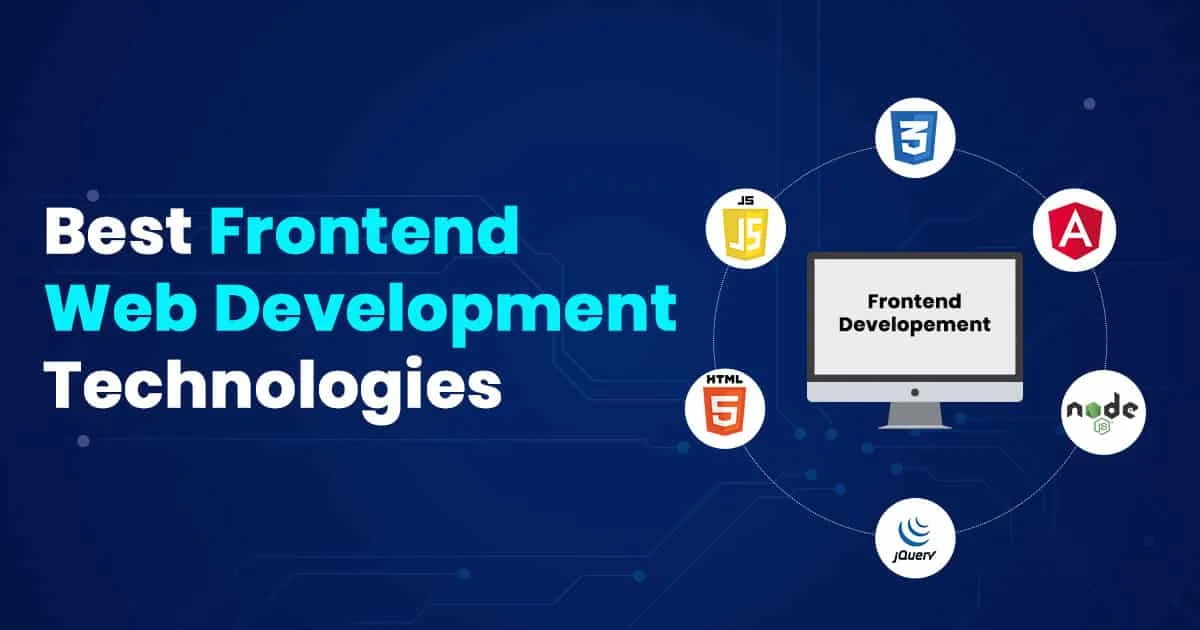
Choosing the Right Front-End Web Development Service in the UK
-
 January 4, 2025
Why Choose Staff Augmentation Services in India for Your IT Projects?
-
 December 21, 2024
Boost Your Business ROI with Power BI Development Services in the Maldives and Iceland
-
 December 20, 2024
Get a Free Consultation: Is Your E-Commerce Business in the UAE Ready for Digital Transformation?
-
 July 6, 2023
The Future of Small Business and Know-How to Climb up the Ladder


Leave a Reply