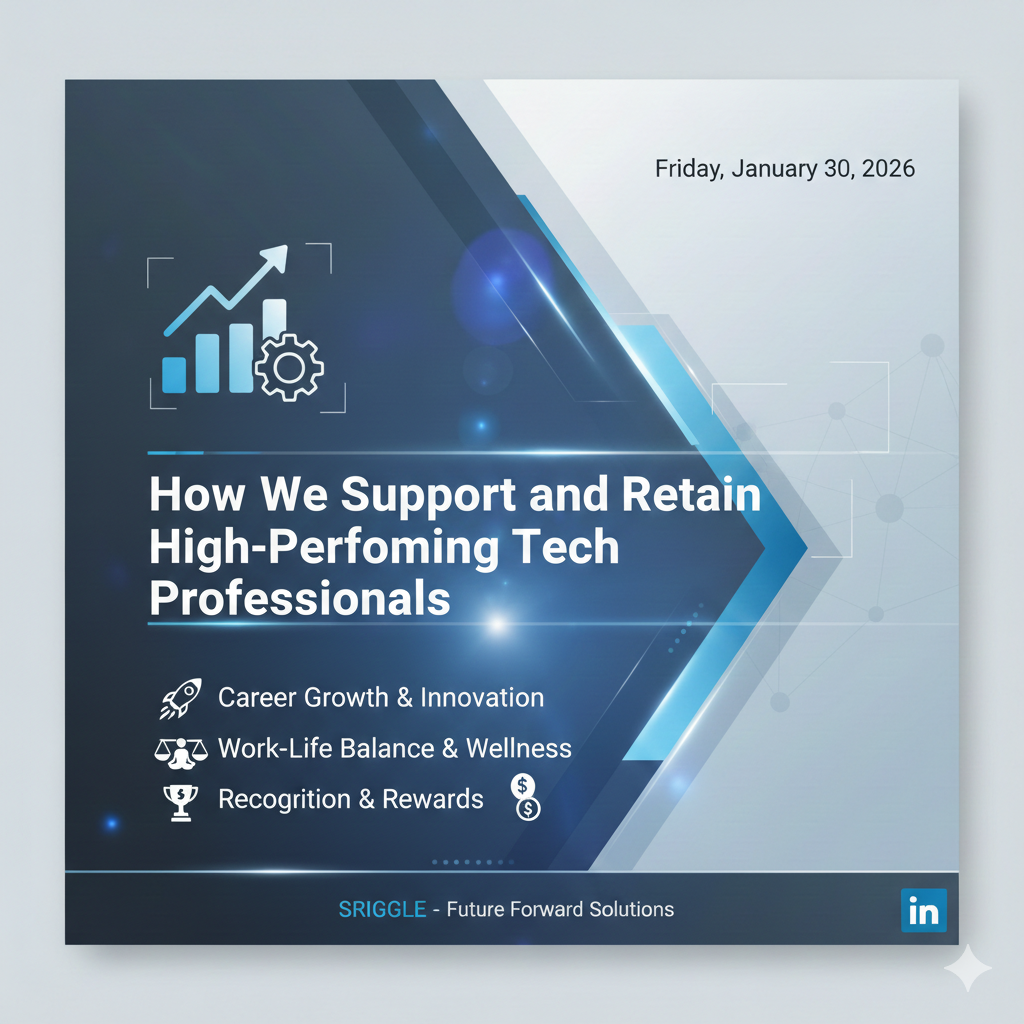
How We Support and Retain High-Performing Tech Professionals
How We Support and Retain High-Performing Tech Professionals
The Retention Crisis in Tech
Because skilled developers, architects, and engineers are in short supply, losing high performers is exponentially more costly than hiring them. Consequently, the cost of turnover extends far beyond recruitment expenses—it includes lost productivity, knowledge gaps, team morale impact, and delays in critical projects. Moreover, the tech industry’s voluntary turnover rates exceed 15% annually, meaning organizations are continuously rebuilding teams and losing institutional knowledge.
Furthermore, the reasons top professionals leave reveal important truths. According to recent surveys, they don’t leave primarily for salary. Instead, they leave because they feel underutilized, undervalued, or stuck. They leave because growth feels stalled. They leave because their voices aren’t heard. They leave because work is unsustainable or culture feels toxic. Therefore, retention strategies that focus only on compensation miss the deeper drivers of retention.
Additionally, the cost of losing high performers extends to team dynamics. When strong engineers leave, remaining team members often follow—turnover cascades. Moreover, knowledge walks out the door, forcing expensive re-documentation and re-architecture. Thus, retaining high performers isn’t just about individual careers; it impacts organizational capability and competitive advantage.
Significantly, organizations that master tech professional retention gain substantial competitive advantages: they move faster, build higher-quality systems, and experience higher employee satisfaction. Thus, retention is a strategic priority, not just an HR function.
Understanding What High-Performing Professionals Actually Value
Because retention requires understanding motivations, it’s essential to recognize what drives exceptional tech professionals beyond salary.
1. Meaningful, Challenging Work
Because top professionals are intellectually driven, they seek work that stretches their abilities and teaches them new skills. Consequently, routine maintenance projects and cookie-cutter feature development fail to engage them. Furthermore, meaningful work means solving problems that matter—building systems that impact millions of customers, or addressing genuinely difficult technical challenges.
Moreover, high performers want to understand the “why” behind their work. Specifically, they want to know how their contributions impact business goals and customer outcomes. Therefore, transparent communication about project importance directly affects engagement and retention.
Additionally, meaningful work often means working on multiple challenges simultaneously—not just “do this one thing,” but “here are three challenging problems, choose how you want to contribute.” As a result, professionals feel ownership and agency rather than being directed.
Significantly, when professionals do meaningful work, they stay engaged and committed long-term. Thus, ensuring work remains substantive and challenging is foundational to retention.
2. Professional Development and Growth Pathways
Because technology evolves rapidly, high performers expect employers to support continuous learning. Consequently, organizations that provide learning budgets, conference attendance, certification support, and time for skill development attract and retain more talent.
Furthermore, growth pathways matter enormously. Professionals want to see clear progression: How do I move from senior IC to staff engineer or architect? What does leadership look like? Are there multiple career tracks? Therefore, explicitly mapping career paths demonstrates commitment to their growth.
Additionally, mentorship and sponsorship are critical. When high performers have access to senior mentors and advocates who champion their advancement, they feel invested in. Thus, formal mentorship programs and sponsorship create retention value.
Moreover, professional development isn’t just about technical skills. Leadership training, communication coaching, and business acumen development are equally valuable. Therefore, holistic development support signals that the organization sees professionals as whole people, not just technical resources.
Significantly, professionals who feel they are continuously growing are far more likely to stay. Thus, investment in development directly correlates with retention.
3. Autonomy and Technical Decision-Making Authority
Because experienced professionals have earned their expertise through years of problem-solving, they expect autonomy in their work. Consequently, micromanagement and requirement to seek approval for technical decisions breed resentment and drive departures.
Furthermore, autonomy includes the ability to propose solutions, challenge approaches, and shape technical direction. Specifically, high performers want their technical judgments to matter. Therefore, organizations where senior engineers can influence architecture decisions retain those engineers far more effectively than those that demand compliance.
Additionally, autonomy extends to how work gets done. For example, flexible work hours, location choice, and technology choices matter to professionals who value self-direction. As a result, organizations that trust professionals to manage their own productivity see better retention.
Moreover, autonomy isn’t anarchical. It operates within clear boundaries and expectations. For example: “You own this system’s architecture, but it must integrate with our platform and meet our performance SLAs.” Therefore, bounded autonomy is actually more effective than either total freedom or total control.
Significantly, professionals who feel trusted and autonomous commit more deeply to their organizations. Thus, granting autonomy is a retention investment.
4. Sustainable Workload and Work-Life Balance
Because burnout is epidemic in tech, professionals increasingly prioritize sustainable work environments. Consequently, organizations that consistently demand 60-hour weeks, on-call rotations without relief, or unrealistic deadlines drive away their best people.
Furthermore, sustainability isn’t just about avoiding burnout; it’s about enabling high performance. Specifically, well-rested, balanced professionals think more clearly, make better decisions, and produce higher-quality work. Therefore, sustainable pace actually improves outcomes.
Additionally, flexibility matters. Remote work options, flexible hours, parental leave, and sabbatical support signal that the organization cares about people’s lives outside work. As a result, professionals are more likely to stay when they feel that personal needs are respected.
Moreover, addressing on-call burnout is particularly important for infrastructure and operations teams. For example, rotating on-call duties, adequate compensation for on-call time, and clear protocols for incident response reduce burnout. Therefore, investment in sustainable operations practices has direct retention impact.
Significantly, professionals who maintain work-life balance are more engaged and committed long-term. Thus, sustainability is retention strategy.
5. Inclusive Culture and Belonging
Because tech has diversity and inclusion challenges, professionals from underrepresented groups often face additional barriers. Consequently, intentional inclusion efforts—mentorship programs for underrepresented professionals, diverse hiring, and inclusive team practices—directly impact retention for these groups.
Furthermore, culture fit doesn’t mean homogeneity. Instead, it means psychological safety, respect for diverse perspectives, and genuine welcome. Specifically, high performers from all backgrounds want to feel that their presence is valued and their perspectives matter. Therefore, inclusive cultures retain diverse talent far more effectively than homogeneous ones.
Additionally, belonging extends to LGBTQ+ inclusion, disability accommodation, and cultural respect. For example, supporting employees’ religious practices, gender identity, and family structures signals genuine inclusion. As a result, professionals feel safe being themselves at work.
Moreover, leaders play a critical role in shaping inclusion culture. When senior leaders actively model inclusive behavior, other team members follow. Therefore, leadership commitment to inclusion directly affects culture and retention.
Significantly, professionals who feel they truly belong are far more committed to organizations. Thus, inclusion investments directly correlate with retention.
6. Recognition and Appreciation
Because high performers invest significant effort and care about their impact, they value recognition. Consequently, organizations that acknowledge contributions—publicly and consistently—strengthen emotional bonds and retention.
Furthermore, recognition can be formal (bonuses, promotions, awards) or informal (shout-outs in meetings, thank you notes, public acknowledgment). Specifically, it’s the thoughtfulness that matters, not the expense. Therefore, consistent, genuine appreciation is more valuable than occasional grand gestures.
Additionally, recognition should be specific. Instead of generic “great job,” say “your performance optimization work reduced latency by 40% and directly improved customer experience.” Therefore, specific recognition shows that leadership understands the person’s actual contributions.
Moreover, peer recognition is equally important. For example, peer recognition programs where team members acknowledge each other’s contributions create culture of appreciation. Thus, multi-directional recognition is more powerful than top-down only.
Significantly, professionals who feel genuinely appreciated commit more deeply to their organizations. Thus, recognition is retention strategy.
7. Transparency and Trust
Because high performers are intelligent and attuned to organizational dynamics, they quickly detect dishonesty or lack of transparency. Consequently, organizations where leaders communicate openly—including about challenges, failures, and strategic shifts—build deeper trust.
Furthermore, transparency about business performance, company challenges, and strategic decisions helps professionals understand the bigger picture. Specifically, when they know what’s happening and why, they feel more connected to organizational mission. Therefore, regular all-hands updates and transparent communication strengthen retention.
Additionally, transparency about compensation and promotion criteria is particularly important. For example, when career progression paths and compensation bands are clear, professionals feel fairness. Conversely, opaque processes breed resentment. Thus, clear, transparent criteria support retention.
Moreover, admitting mistakes builds trust. When leaders acknowledge errors and explain how they’ll respond, credibility increases. Therefore, transparency about failures actually strengthens organizational trust.
Significantly, professionals who trust their leaders and organization are far more committed long-term. Thus, transparency is retention strategy.
Systems and Practices That Support Retention
Understanding what professionals value is only the first step. Consequently, organizations must build systems and practices that consistently deliver these values.
1. Clear Career Development Frameworks
Because professionals want to understand their growth opportunities, explicit career frameworks are essential. Consequently, organizations should define multiple career tracks: individual contributor tracks (IC → Senior IC → Staff/Principal Engineer) and management tracks (Manager → Director → VP).
Furthermore, each level should have clear expectations: What skills, experience, and impact define each level? What’s required to progress? Therefore, clarity enables professionals to own their development and understand what’s required.
Additionally, career frameworks should include compensation ranges and decision criteria. For example: “Staff engineers at our company earn $180K–$240K, and progression requires demonstrated impact across three areas: technical depth, mentoring, and business impact.” Therefore, transparency supports fairness and retention.
Moreover, career frameworks should be regularly shared, discussed, and refined. For example, annual career conversations where managers and professionals discuss growth goals and next-level requirements. Thus, ongoing dialogue strengthens commitment.
Significantly, clear career frameworks signal that the organization is invested in professional growth. Thus, framework clarity directly impacts retention.
2. Structured Mentorship and Sponsorship Programs
Because mentorship accelerates growth and builds connection, formal mentorship programs strengthen retention. Consequently, organizations should match senior professionals with high-potential colleagues for regular mentorship.
Furthermore, sponsorship—where senior leaders advocate for professionals’ advancement—is equally important. Specifically, having a sponsor who believes in you and advocates for your opportunities is transformative. Therefore, pairing professionals with sponsors signals commitment to their advancement.
Additionally, mentorship should be rewarded. For example, mentoring capacity counts toward performance reviews, and mentors receive recognition. As a result, mentorship is valued, not just tolerated.
Moreover, peer mentoring (professionals mentoring each other at similar levels) is valuable too. For example, communities of practice where staff engineers share knowledge. Thus, multi-directional mentoring creates culture of learning.
Significantly, professionals with mentors and sponsors experience faster growth and deeper organizational commitment. Thus, mentorship investments directly correlate with retention.
3. Investment in Learning and Development
Because professionals expect organizations to support continuous learning, substantial learning budgets are essential. Consequently, professionals should have annual budgets ($2,000–$5,000+) for conferences, online courses, certifications, and books.
Furthermore, time for learning should be explicitly allocated. For example, “every professional gets 40 hours per year for learning,” protected from project demands. Therefore, dedicated learning time signals that development is valued.
Additionally, in-house training and knowledge-sharing sessions are valuable. For example, tech talks where engineers present on interesting topics, or internal workshops on emerging technologies. Thus, organizational commitment to learning creates culture of growth.
Moreover, support for certifications—AWS, Kubernetes, security certifications—is important. For example, covering exam costs, study materials, and paid prep time. Therefore, certification support signals commitment to professional advancement.
Significantly, professionals who feel their development is supported are far more committed to organizations. Thus, learning investment directly impacts retention.
4. Inclusive Hiring and Promotion Practices
Because diversity strengthens teams and retention of underrepresented professionals requires intentional effort, structured hiring and promotion practices are important. Consequently, blind resume review, diverse interview panels, and structured evaluation criteria reduce bias.
Furthermore, explicit diversity goals in hiring signal commitment. For example: “We aim for gender parity in engineering; here’s our current state and progress.” Therefore, transparent goals demonstrate genuine commitment.
Additionally, affinity groups and employee resource groups (ERGs) for underrepresented professionals create community and support. For example, women in tech groups, engineering groups for professionals from underrepresented backgrounds. Thus, community strengthens retention.
Moreover, inclusive promotion practices are critical. For example, promotion discussions should explicitly consider diversity of candidate pools. Therefore, intentional practices improve equity and retention.
Significantly, professionals from underrepresented groups stay longer when they see visible commitment to inclusion. Thus, inclusive practices directly impact retention.
5. Sustainable On-Call and Operations Practices
Because on-call burnout is a major departure driver for infrastructure and operations professionals, sustainable practices are essential. Consequently, organizations should ensure reasonable on-call rotations (e.g., 1 week per month for small teams, more distributed for larger teams).
Furthermore, on-call compensation matters. For example, either additional pay or comp time for on-call availability. Therefore, acknowledging the burden of on-call signals respect.
Additionally, clear incident response protocols and well-defined runbooks reduce the stress and uncertainty of incidents. For example, “here’s what to do if this system fails; here’s who to escalate to.” Therefore, clarity reduces on-call anxiety.
Moreover, investment in monitoring, alerting, and automation reduces false alarms and unnecessary incidents. For example, good alerting means professionals aren’t woken unnecessarily. Thus, tooling investment reduces on-call burden.
Significantly, professionals with sustainable on-call burdens are far more likely to stay in operations roles. Thus, sustainable practices directly impact retention.
6. Regular Feedback and Performance Conversations
Because professionals want to understand how they’re performing and where they stand, regular feedback is essential. Consequently, organizations should conduct frequent feedback conversations—monthly or quarterly—not just annual reviews.
Furthermore, feedback should be specific, timely, and actionable. For example: “In last month’s incident response, you did great technical triage. Next time, try to document more as you go so the team can follow your reasoning.” Therefore, specific feedback is valuable.
Additionally, performance conversations should include growth discussion. For example: “Here’s where you’re excelling, here’s where you’re developing, here’s what success looks like for the next quarter.” Therefore, conversations link feedback to growth.
Moreover, feedback should be multi-directional. Professionals should provide feedback to managers and leaders, not just receive it. Thus, two-way feedback creates dialogue and trust.
Significantly, professionals who receive regular, thoughtful feedback feel valued and understood. Thus, feedback conversations directly impact retention.
7. Autonomy in Technical Decisions and Tooling
Because experienced professionals have opinions about how work should be done, granting autonomy strengthens commitment. Consequently, professionals should have significant input on technology choices, architecture decisions, and engineering practices.
Furthermore, this doesn’t mean anarchy. It means bounded autonomy within clear constraints. For example: “Choose the database that makes sense for this use case, but it must integrate with our data platform and meet our backup SLAs.” Therefore, bounded autonomy balances flexibility with consistency.
Additionally, professionals should have flexibility in tools and practices. For example, IDE choices, programming language selections (within bounds), and development workflows. As a result, treating professionals as experts who can make good choices strengthens commitment.
Moreover, when professionals’ suggestions aren’t implemented, explain why. For example: “We appreciate your proposal for switching frameworks, and here’s why we’re staying with our current choice for now.” Therefore, even when decisions aren’t what professionals wanted, explanation and respect support retention.
Significantly, professionals who have autonomy and agency feel ownership and commitment. Thus, autonomy is retention strategy.
Addressing Burnout: The Silent Killer of Retention
Because burnout is epidemic in tech and directly drives departures, addressing it is critical for retention.
Warning Signs of Burnout
-
Declining code quality or productivity despite effort
-
Increased sick days or time off requests
-
Disengagement in meetings and discussions
-
Cynicism or negativity that’s unusual for the person
-
Difficulty focusing or making decisions
-
Withdrawal from team activities and social events
Prevention and Intervention
Workload assessment: Regularly review workload against capacity. If someone is consistently overloaded, redistribute work or add capacity.
Transparent communication about priorities: When priorities keep shifting, professionals can’t plan or pace themselves. Clear, stable priorities support sustainability.
Celebrate wins: Acknowledge progress and success. Burnout often comes from feeling like nothing matters or nothing ever gets completed.
Encourage time off: Make sure professionals actually take vacation and paid time off. Burned-out professionals often don’t take breaks.
Peer support: Normalize talking about burnout. Create psychological safety to discuss struggles without judgment.
Professional development: Sometimes burnout is boredom in disguise. New challenges and learning can re-energize
One response to “How We Support and Retain High-Performing Tech Professionals”
Leave a Reply
Recent Posts
-
 August 21, 2026
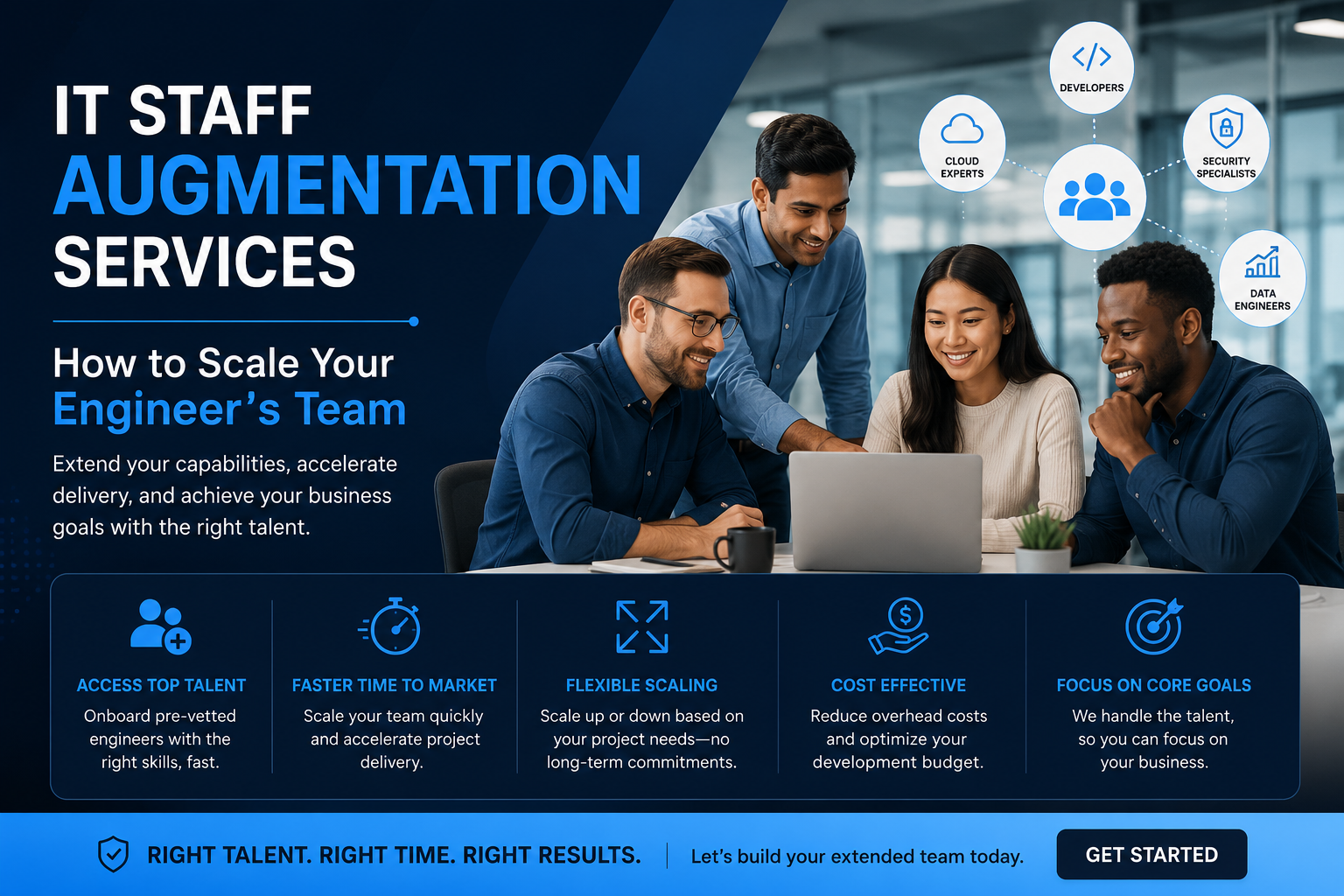
IT Staff Augmentation Services: How to Scale Your Engineering Team Without Slowing Delivery
-
 August 20, 2026
IT Staff Augmentation Services: How to Scale Your Engineering Team Without Slowing Delivery
-
 August 13, 2026
AI Workflow Automation for Operations: A Practical Guide
-
 July 30, 2026
Post-Project Offboarding: Seamless Transitions for Contract IT Staff
-
July 24, 2026
Mitigating Compliance Risks in IT Contract Staffing
-
 July 23, 2026
How TypeScript Reduces Production Errors in Large-Scale Codebases
-
 July 22, 2026
How to Write a Bulletproof SLA for IT Staff Augmentation
-
 July 21, 2026
Why Modern Product Design (UI/UX) Dictates Custom Software Success
-
 July 20, 2026
5 Signs Your Enterprise Needs a Contract-Based IT Staffing Model
-
 July 17, 2026
The Importance of API-First Architecture in Modern Custom Web Solutions
-
 July 16, 2026
Tailoring Your Tech Team: Specialized Contract Roles vs. Generalist In-House Developers
-
 July 15, 2026
Eliminating Hidden Costs in IT Recruitment via Contractual Staffing
-
 July 10, 2026
Building Technical Roadmaps: A Guide for Non-Technical Founders
-
 July 8, 2026
Scale on Demand: How Startups Leverage Contract-Based Developers for MVP Launches
-
 July 7, 2026
Utilizing Power BI Consultants to Transform Legacy Data into Real-Time Dashboards
-
 July 6, 2026
Overcoming Time-Zone Barriers When Hiring Augmented Tech Teams
-
 July 3, 2026
Enterprise CRM Customization: Tailoring Tech to Your Unique Sales Pipeline
-
 July 2, 2026
Managing Data Security and IP Isolation on Remote Virtual Desktop Infrastructures (VDI)
-
 July 1, 2026
Staffing for Modern Frontend Architectures: When to Deploy React vs. Angular vs. Vue
-
 June 30, 2026
The Roadmap to Building a Scalable Multi-Vendor Marketplace Product
-
 June 29, 2026
Custom Software Development vs. Commercial Off-the-Shelf (COTS) Solutions
-
 June 25, 2026
Contractual Tech Staffing: The Secret Weapon for Scaling Peak Seasons
-
 June 24, 2026
The Ultimate Guide to Managing Remote Contract Developers
-
 June 23, 2026
How to Use IT Staff Augmentation to Control Infrastructure Costs
-
 June 22, 2026
Why Contract IT Staffing Is Outpacing Full-Time Hiring
-
 June 19, 2026
E‑Commerce & Retail Tech: Scaling Teams for Peak Seasons with Staff Augmentation
-
 June 18, 2026
How to Manage Remote Staff Augmentation Teams Across Time Zones
-
 June 17, 2026
Why Staff Augmentation Is the Future of Agile Hiring
-
 June 16, 2026
The 2026 Staff Augmentation Playbook: How Modern Enterprises Scale Tech Team
-
 June 15, 2026
Building an AI‑Ready Tech Team Using Staff Augmentation
-
 June 11, 2026
When to Choose Staff Augmentation Over Full-Time Hiring in 2026
-
 June 10, 2026
Enterprise Software Modernisation: Why Staff Augmentation Beats Traditional Hiring
-
 June 8, 2026
How to Start a Staff Augmentation Project in 7 Steps (2026)
-
 June 4, 2026
Staff Augmentation Onboarding Checklist: Security, Tools, and Culture
-
 June 3, 2026
Legacy System Modernisation with Staff Augmentation: A 2026 Blueprint
-
 June 1, 2026
Healthcare & SaaS Startups: How Staff Augmentation Cuts Time-to-Market
-
 May 28, 2026
The Hybrid Agile Model: In-House Teams + Staff Augmentation in 2026
-
 May 26, 2026
Staff Augmentation for Digital Transformation: Beyond Just Developers
-
 May 25, 2026
Staff Augmentation vs Outsourcing vs In-House Hiring: When to Use Which
-
 May 22, 2026
How to Choose the Right IT Staff Augmentation Company for Your Business
-
 May 20, 2026
Staff Augmentation Onboarding Checklist: The Ultimate Guide
-
 May 19, 2026
Staff Augmentation Pricing Models Explained: FTE vs T&M vs Hybrid
-
 May 15, 2026
AI‑Driven Development Needs AI‑Ready Talent: Here’s How Staff Augmentation Helps
-
 May 13, 2026
Best Staff Augmentation Companies for Enterprise Software Modernization (2026)
-
 May 8, 2026
Staff Augmentation for Fintech: Bridging Compliance, Security, and Speed
-
 May 7, 2026
Technical Debt Reduction with Staff Augmentation: Fast, Safe, and Measurable
-
 May 6, 2026
Why Staff Augmentation Matters for Tech Leaders in 2026
-
 May 5, 2026
Best Staff Augmentation Companies for Enterprise Software Modernisation (2026)
-
 May 4, 2026
What Is an AI‑Ready Talent Pool and Why It Matters in 2026
-
 April 30, 2026
Why choose WitQuallis for staff augmentation?
-
 April 29, 2026
Emerging tech & cloud strategy: how businesses stay ahead in 2026
-
 April 28, 2026
How IoT and Azure are creating real‑time patient monitoring systems
-
 April 27, 2026
Nearshoring vs offshore: why time‑zone alignment matters for Agile sprints
-
 April 24, 2026
Staff Augmentation: A Complete Guide to Scaling Your Tech Team Efficiently
-
 April 23, 2026
The Ultimate Guide to IT Staff Augmentation: Scaling Your Digital Success with WitQualis
-
 April 22, 2026
What is Software Development? A Comprehensive Guide to the 2026 Digital Landscape
-
 April 21, 2026
Boost Your Business ROI with Power BI Development Services
-
 April 20, 2026
Why Hiring Python Developers Has Become Risky (and Critical)
-
 April 17, 2026
Staff Augmentation: Scale Your Team Fast Without Full-Time Hires
-
 April 16, 2026
Top 20 Emerging Technologies of 2026: Transform Your Business Now
-
 April 15, 2026
🚀 Custom AI Development Costs in 2026: Complete Guide for Businesses
-
 April 14, 2026
Overcoming IT Staff Augmentation Challenges: Scale Your Team Fast and Smart
-
 April 13, 2026
Enterprise software modernisation 2026: why AI‑native refactoring and staff augmentation matter
-
 April 10, 2026
AI‑native refactoring: re‑imagining legacy modernisation in 2026
-
 April 9, 2026
AI-Native Refactoring: How to Modernise Legacy Systems in 2026
-
 April 8, 2026
The business case for Web3: real‑world asset tokenization in real estate
-
 April 7, 2026
The future of IoMT: smart hospitals in 2026
-
 April 6, 2026
Cloud 3.0: beyond “lift‑and‑shift” to sovereignty
-
 April 2, 2026
From filters to conversation: the shift in e‑commerce search
-
 April 1, 2026
Case Studies: Migrating Legacy Enterprise Apps to Azure/AWS with IT Staff Augmentation Services
-
 March 30, 2026
Why Hiring Full‑Time Quantum‑Resistant Encryption Specialists Is So Hard
-
 March 27, 2026
Prompt engineering: from “nice‑to‑have” to core skill
-
 March 26, 2026
The hybrid squad: reimagining teams for the AI era
-
 March 25, 2026
Staff augmentation and the future of work: a new operating model
-
 March 24, 2026
Why full‑time quantum‑resistant encryption specialists are so hard to hire
-
 March 23, 2026
How Staff Augmentation Services Fixes Cybersecurity & Cloud Shortages
-
 March 20, 2026
The Great Fortress: Modernizing Banking Apps to Combat Sophisticated AI-Driven
-
 March 19, 2026
The Great Cloud Diversification: Navigating Data Residency in the Age of GDPR and the EU AI Act
-
 March 18, 2026
How Staff Augmentation automotive AR Cuts Onboarding Costs in Automotive & Manufacturing | WitQualis Staff Augmentation
-
 March 17, 2026
The Outcome-Based Model: How AI-Augmented Teams Are Multiplying Output | WitQualis
-
 March 16, 2026
Why “Vibe Coding” and Prompt Mastery Are Now as Important as Syntax
-
 March 13, 2026
The Witqualis Edge: How Agentic AI Tools Accelerate MVP Delivery by 40%
-
 March 12, 2026
Beyond Copilots: The Rise of Agentic AI in the SDLC
-
 March 11, 2026
Breaking the Monolith: A Definitive Guide to Using Generative AI for Microservices Migration (2026 Edition)
-
 March 10, 2026
The Agentic Revolution: Why AI is Moving from "Suggesting Code" to "Executing Workflows"
-
 March 9, 2026
Beyond the Search Bar: How LLMs are Revolutionising Retail Discovery
-
 March 6, 2026
How Blockchain is Making Real Estate Investment Liquid and Accessible
-
 March 5, 2026
Microservices Architecture: Benefits and Implementation Tips
-
 March 3, 2026
How Remote Work Has Changed the IT Industry and Tools You Need
-
 March 2, 2026
API Design and Management Best Practices for Developers
-
 February 27, 2026
The Impact of Internet of Things (IoT) on Modern Business
-
 February 26, 2026
Virtual and Augmented Reality: Where Tech is Headed Next | 2026 Guide
-
 February 25, 2026
Blockchain Beyond Cryptocurrency: Real-World Applications & Use Cases (2026 Guide)
-
 February 24, 2026
The Role of AI in Enhancing IT Development: A Deep Dive (2026 Guide)
-
 February 23, 2026
Maximizing Productivity: How Staff Augmentation Drives Innovation in IT Projects
-
 February 20, 2026
Staff Augmentation vs. Outsourcing: Which IT Model Wins in 2026?
-
 February 19, 2026
The Rise of Hybrid Teams: How to Leverage Staff Augmentation for Business Success
-
 February 18, 2026
How Staff Augmentation is Transforming the Future of IT Workforce (2026)
-
 February 17, 2026
5 Reasons Why Staff Augmentation is Key for Tech Skill Shortages: staff augmentation for tech skill shortages
-
 February 16, 2026
How Staff Augmentation Helps Scale Your Business Without Overheads in 2026
-
 February 13, 2026
The Power of Diverse Teams: How Staff Augmentation Drives Inclusion (2026)
-
 February 12, 2026
The Role of 5G Technology in Shaping IT Development and Augmentation in 2026
-
 February 11, 2026
The Future of Blockchain: Revolutionizing IT Services in 2026
-
 February 10, 2026
Building an Authentic Employer Brand Through Staff Augmentation in 2026
-
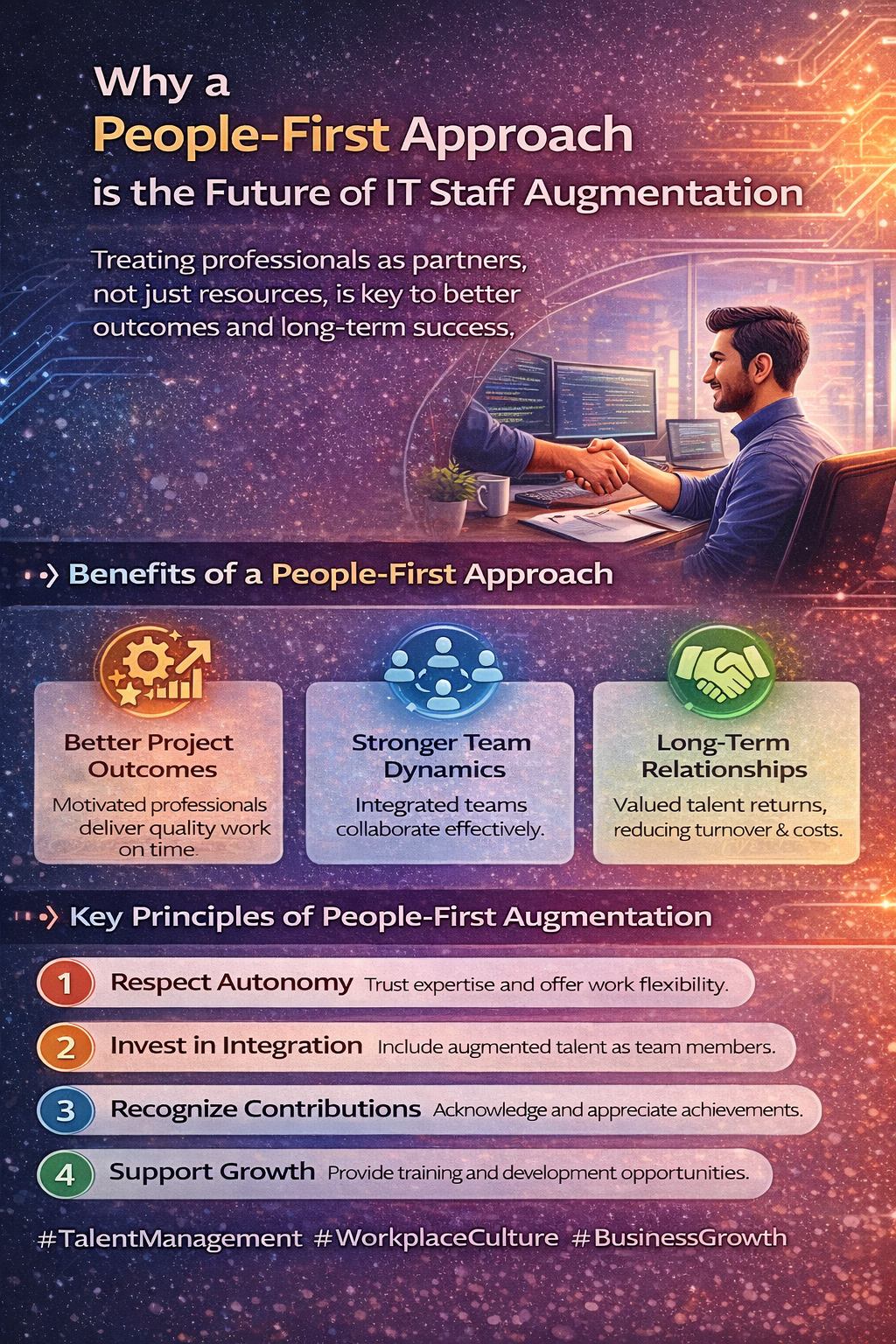 February 9, 2026
Supporting Augmented Professionals During Projects: Best Practices for Success
-
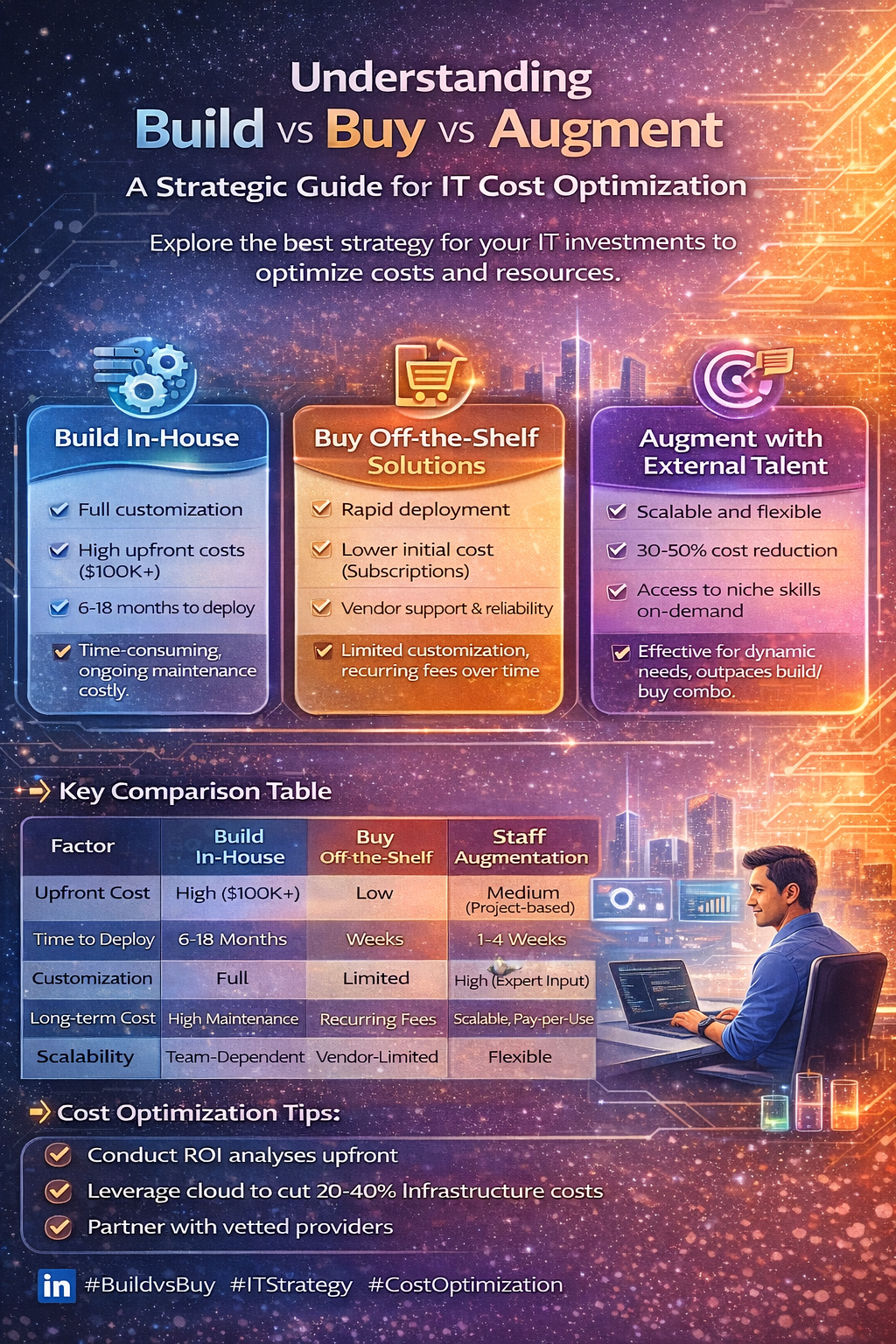 February 6, 2026
Cost Optimization in IT: Build vs Buy vs Staff Augmentation (2026 Guide)
-
 February 5, 2026
The Role of DevOps in High-Performance Engineering Teams: Best Practices Guide
-
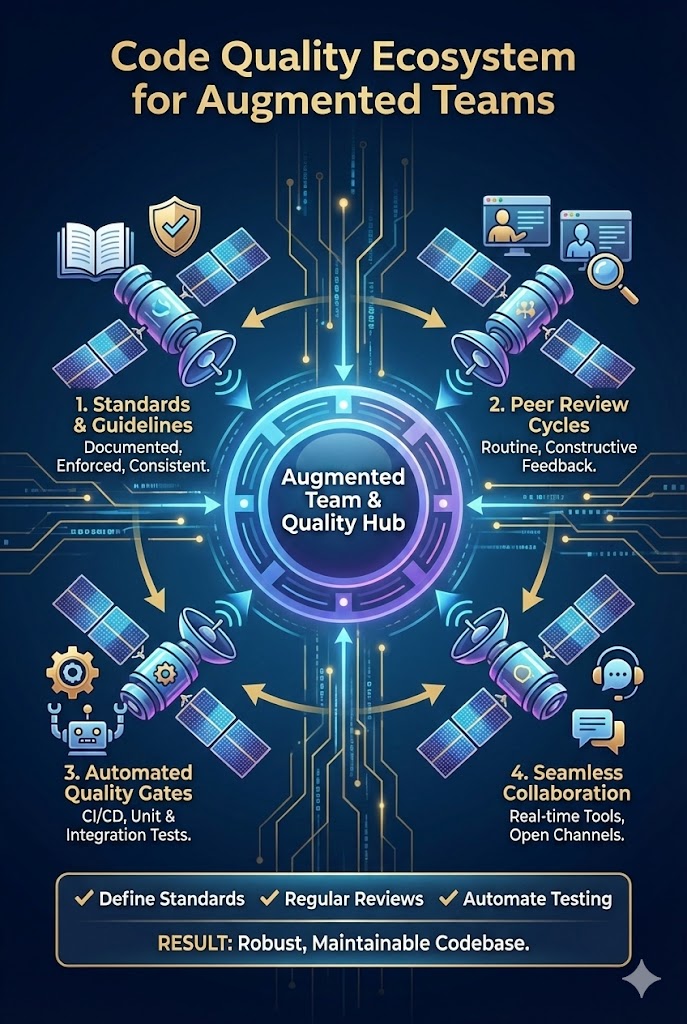 February 4, 2026
How to Ensure Code Quality When Working with Augmented Teams: Best Practices Guide
-
 February 3, 2026
Tech Talent Trends That Will Shape the Next 5 Years: 2026–2031 Outlook
-
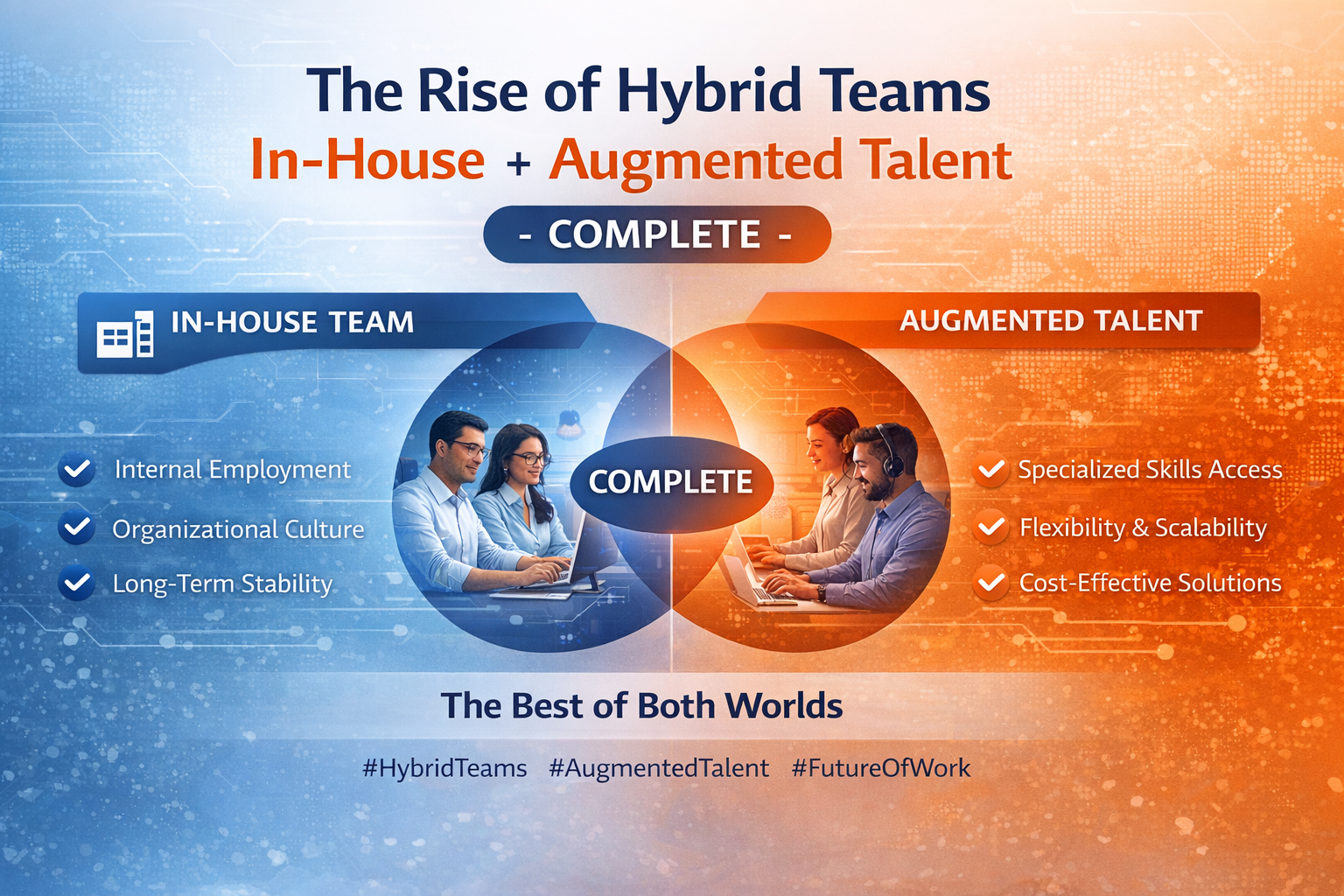 February 2, 2026
The Rise of Hybrid Teams: In-House + Augmented Talent - The Complete Guide
-
January 30, 2026
How We Support and Retain High-Performing Tech Professionals
-
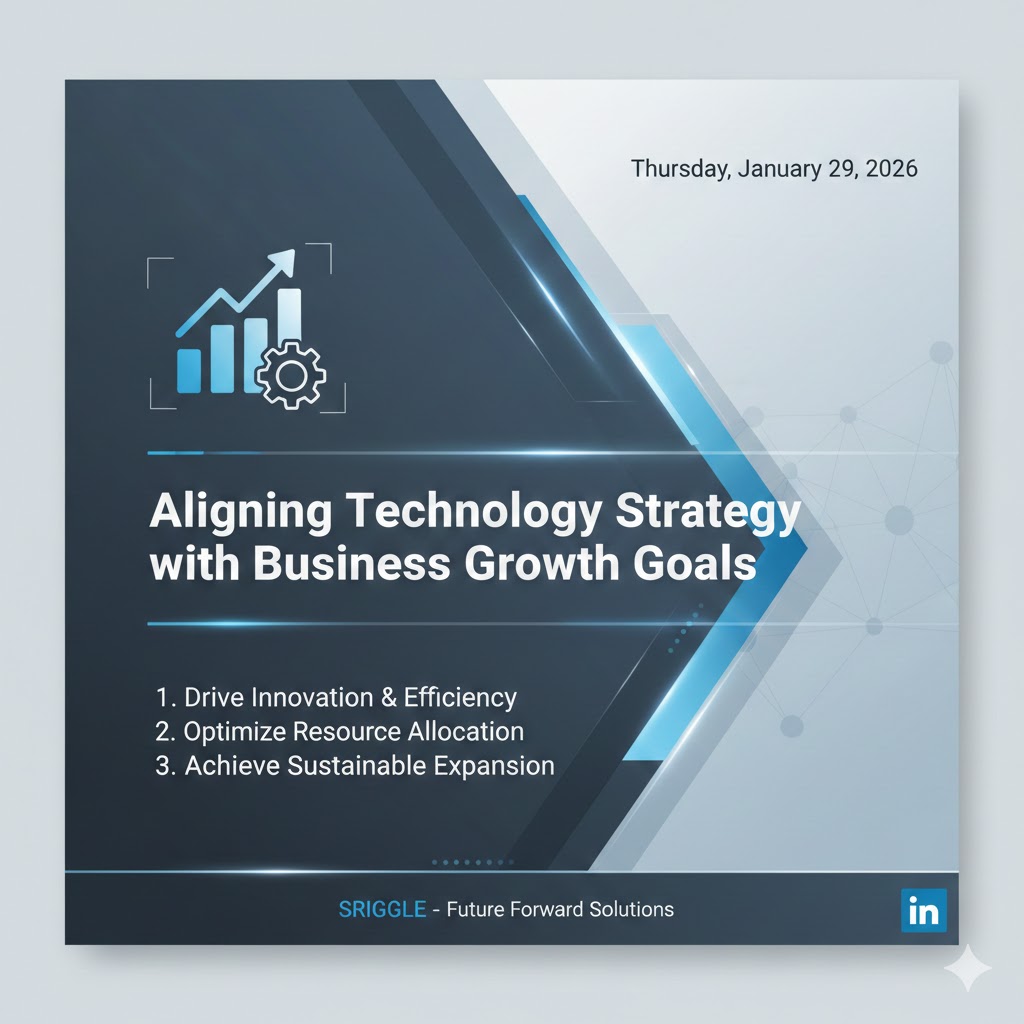 January 29, 2026
Aligning Technology Strategy with Business Growth Goals: A Complete Framework
-
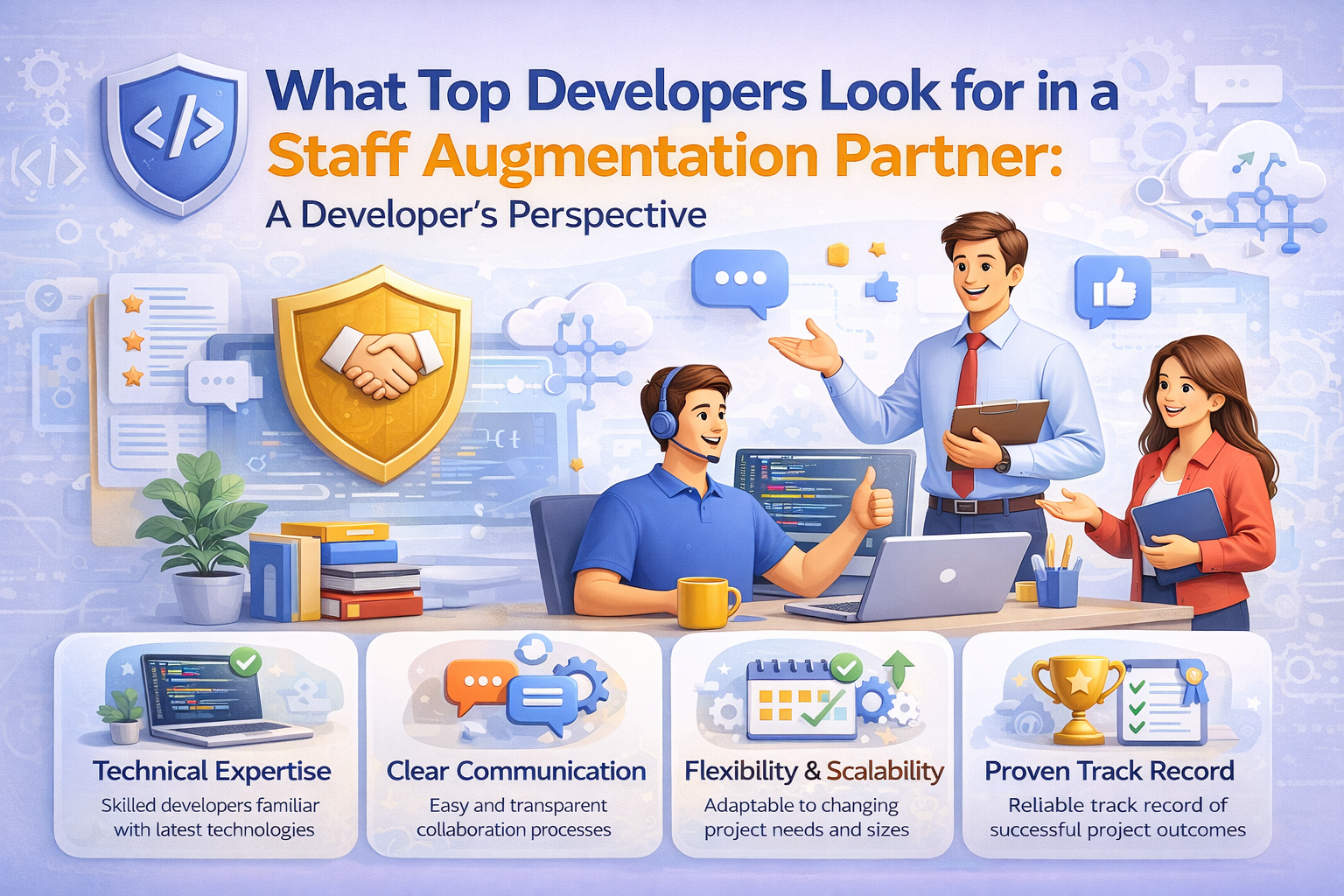 January 28, 2026
What Top Developers Look for in a Staff Augmentation Partner: A Developer's Perspective
-
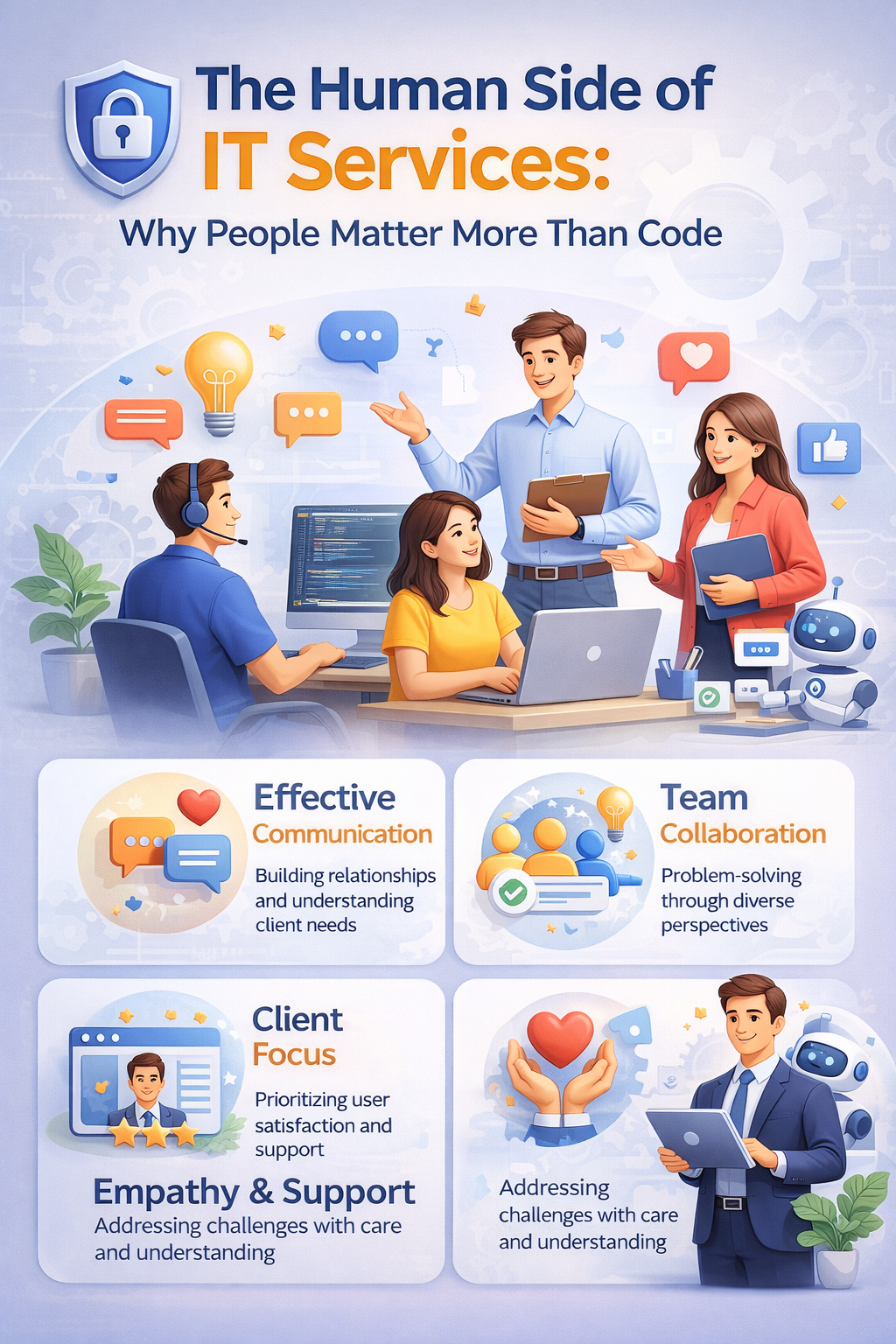 January 27, 2026
The Human Side of IT Services: Why People Matter More Than Code
-
 January 23, 2026
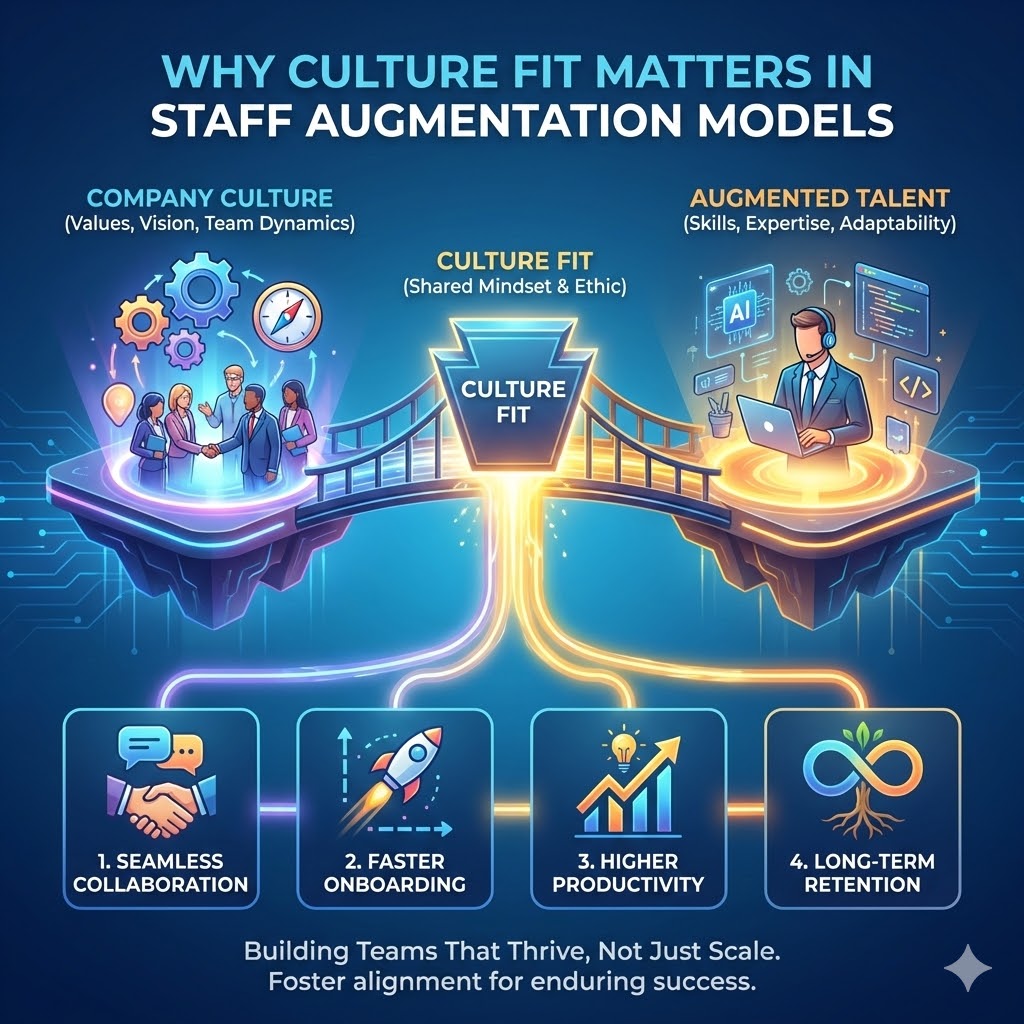
Why Culture Fit Matters in Staff Augmentation Models | Witqualis
-
 January 22, 2026
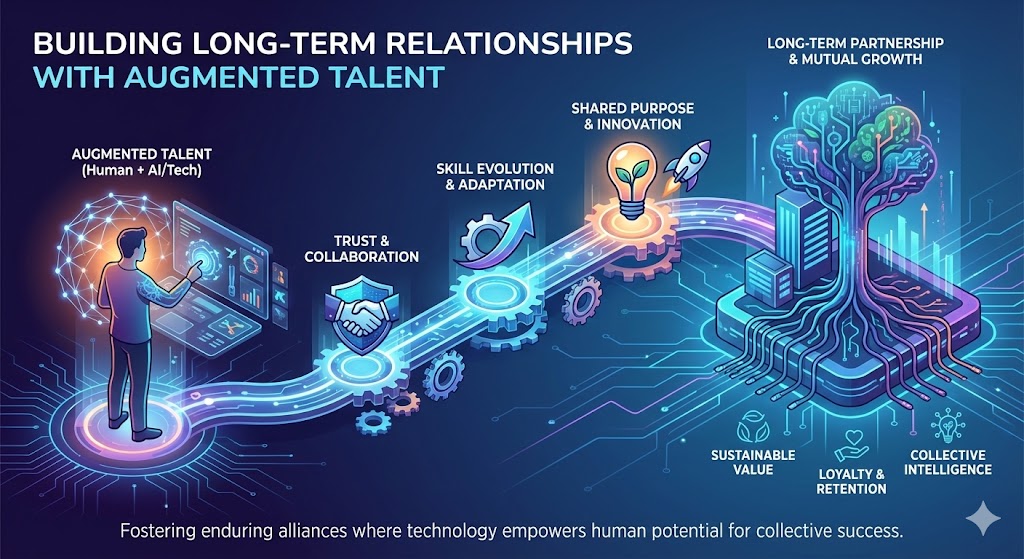
Building Long-Term Relationships with Augmented Talent: A Strategic Approach
-
 January 21, 2026
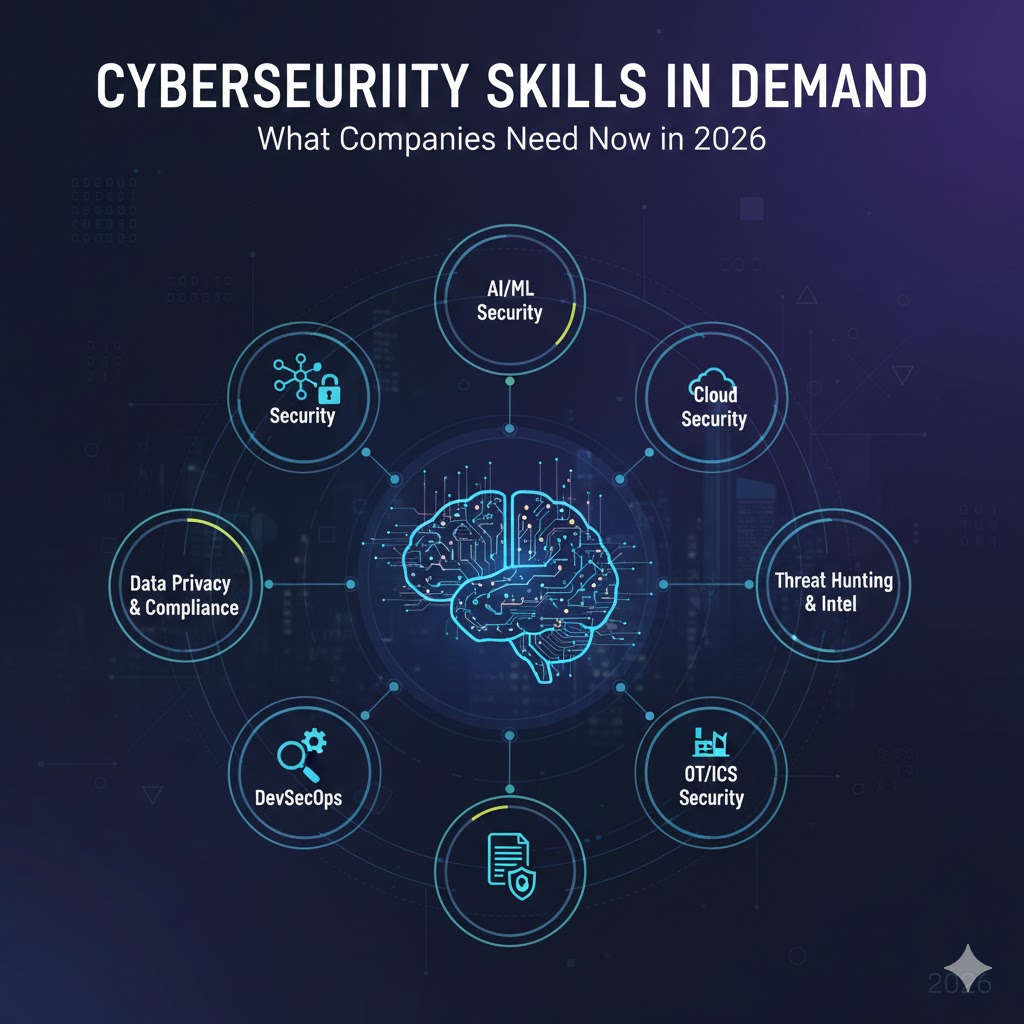
Cybersecurity Skills in Demand: What Companies Need Now in 2026
-
 January 20, 2026
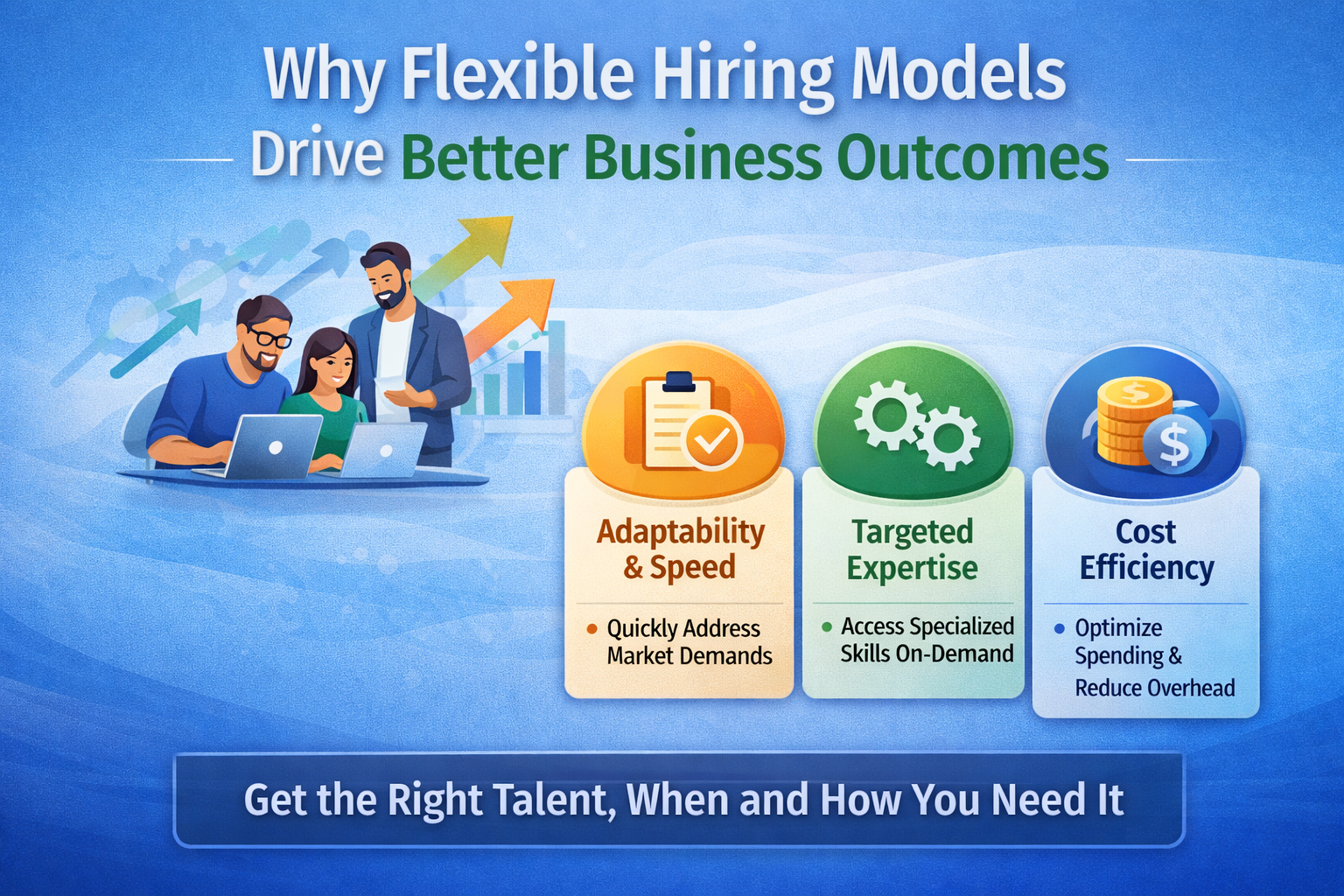
Why Flexible Hiring Models Drive Better Business Outcomes
-
 January 19, 2026
Reducing Time-to-Market with On-Demand Tech Talent
-
 January 15, 2026
How Dedicated Development Teams Accelerate Product Delivery
-
 January 14, 2026
Scaling Tech Teams Quickly Without Compromising Quality
-
January 12, 2026
Common Mistakes Companies Make When Outsourcing IT Projects (And How to Avoid Them)
-
January 9, 2026
Key Workforce Trends Every CTO Should Watch This Year
-
 January 8, 2026
How AI Is Transforming IT Staffing and Talent Matching
-
 January 7, 2026
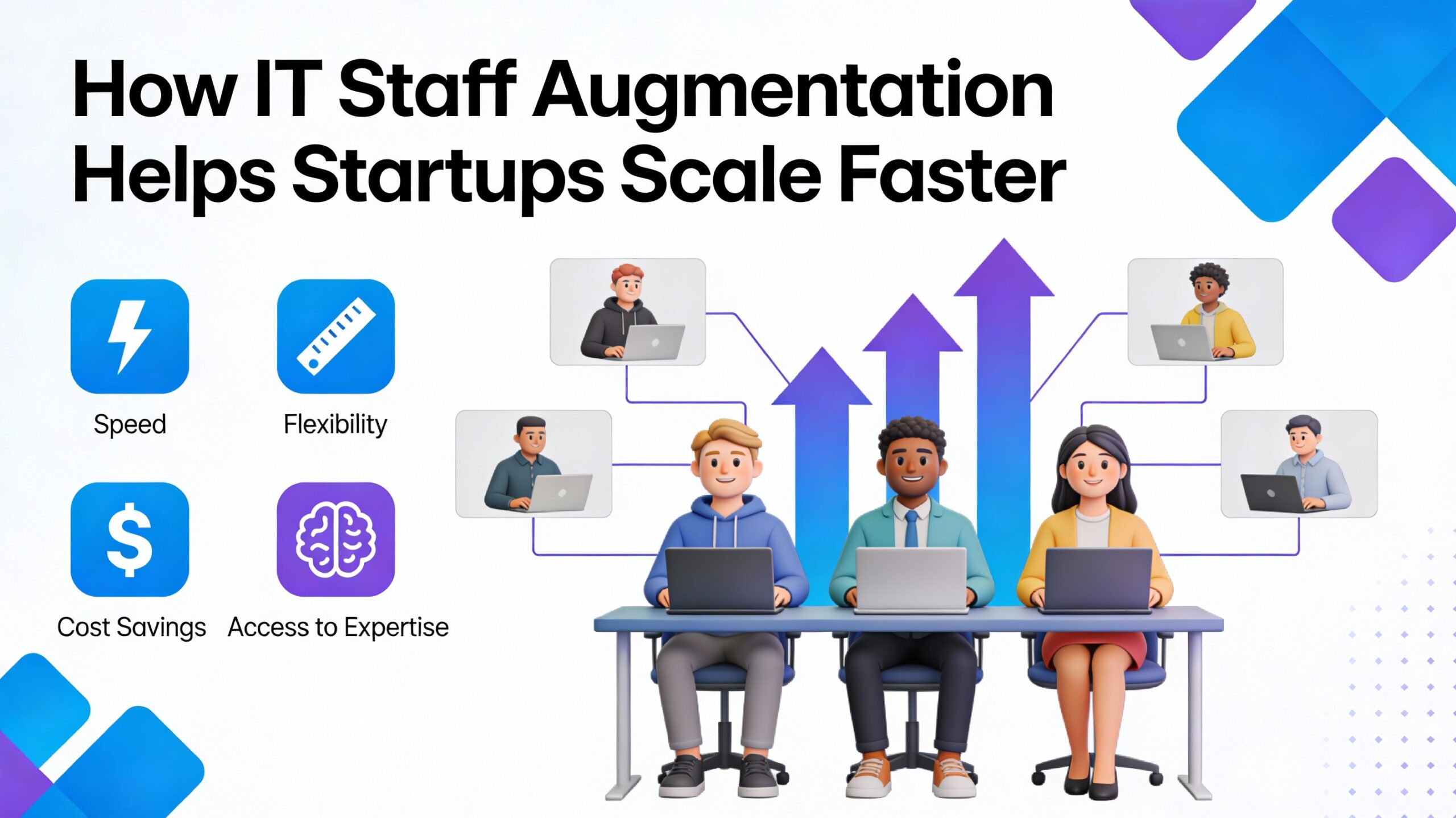
How IT Staff Augmentation Helps Startups Scale Faster
-
 January 6, 2026
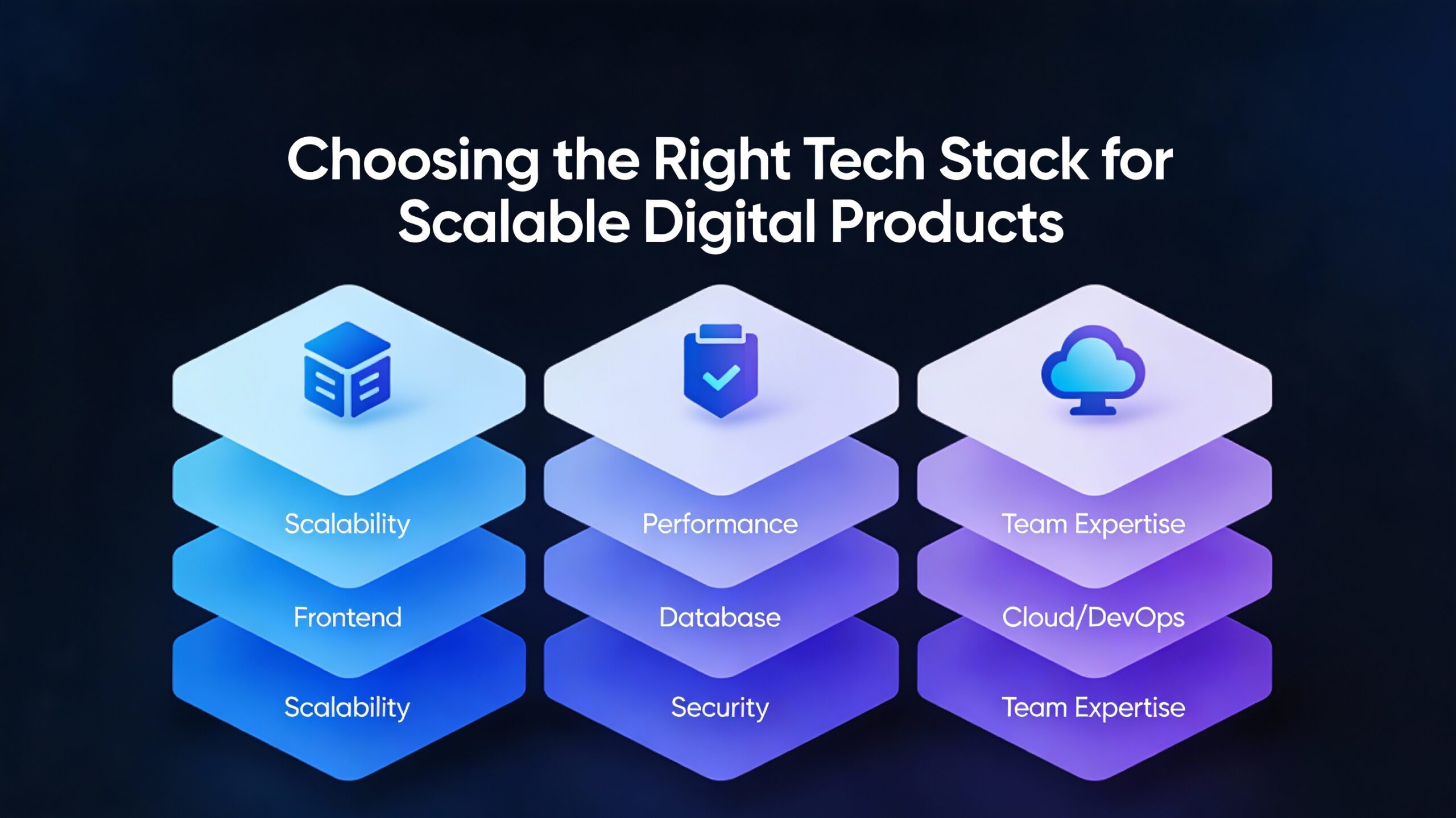
Choosing the Right Tech Stack for Scalable Digital Products
-
 January 5, 2026
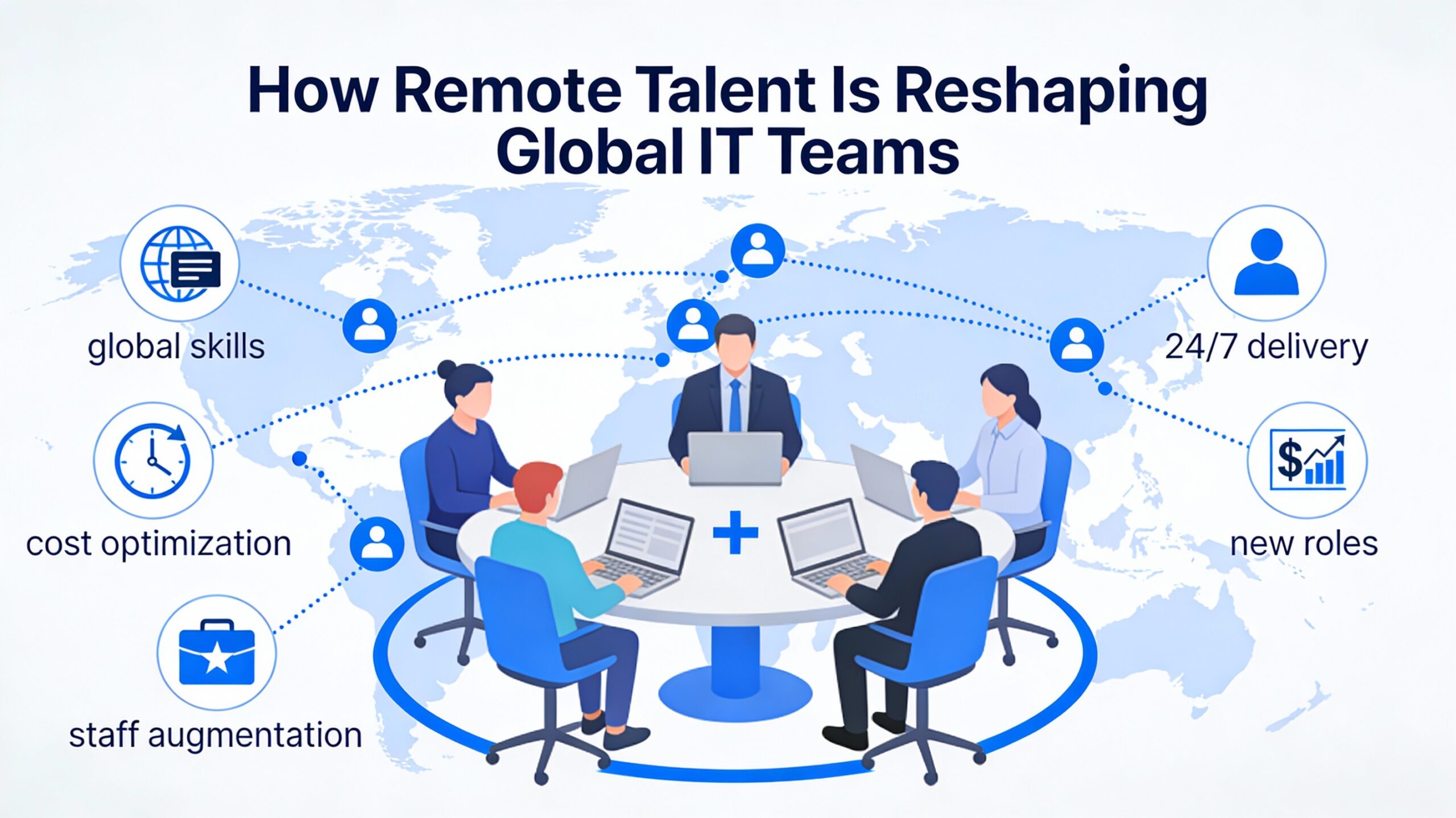
How Remote Talent Is Reshaping Global IT Teams
-
 December 29, 2025
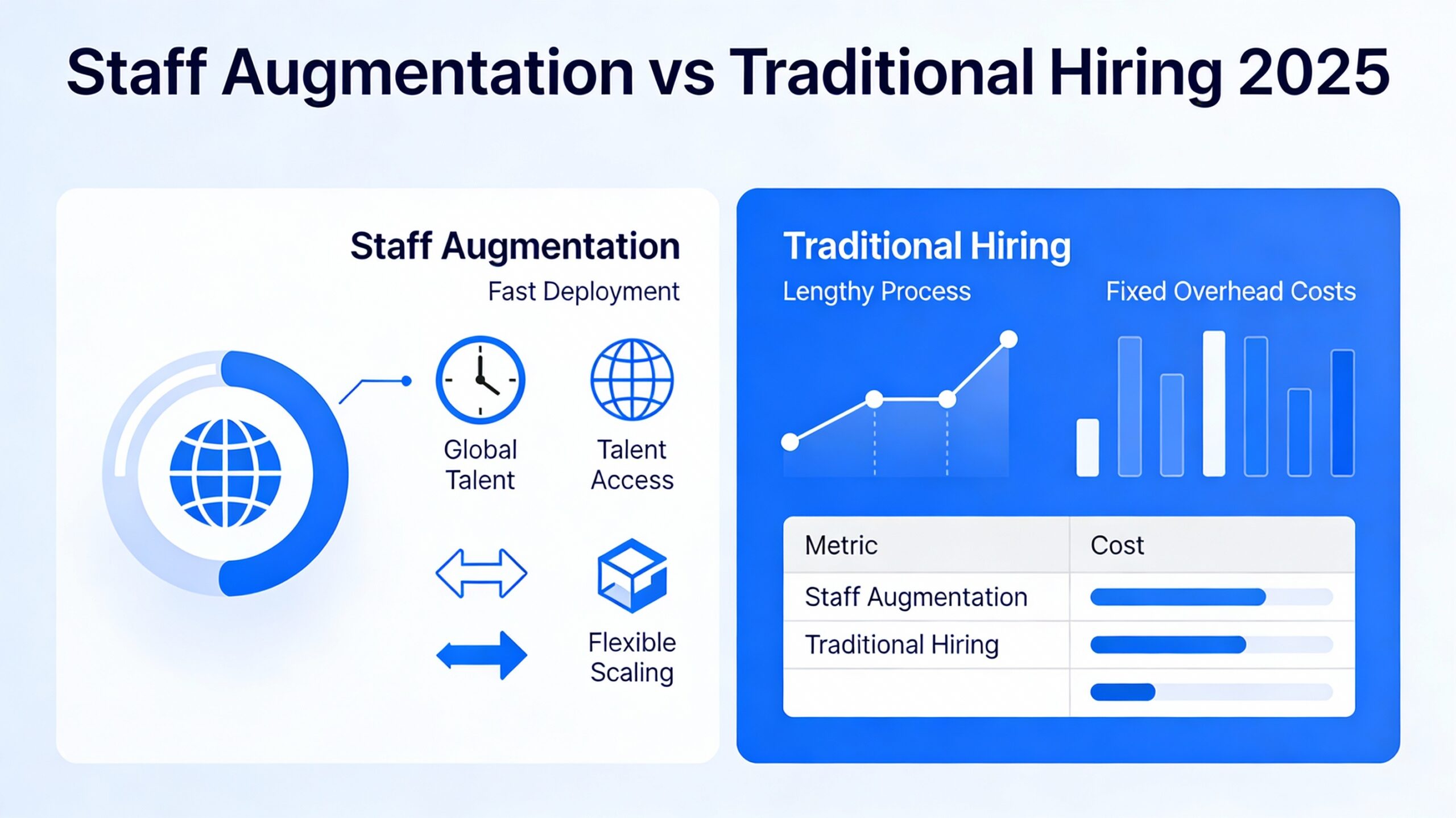
Staff Augmentation vs Traditional Hiring 2025
-
 December 24, 2025
Why Staff Augmentation Is the Future of Agile Hiring
-
 December 22, 2025
Why Hiring Faster Doesn’t Mean Compromising Quality — It Means Finding the Right Partner
-
 December 19, 2025
The Role of Staff Augmentation in Accelerating Digital Transformation
-
 December 18, 2025
5 Tech Hiring Trends Every CTO Should Watch in 2025
-
December 17, 2025
Why Soft Skills Are the Hidden Superpower in Tech Teams
-
 December 15, 2025
How WitQualis Connects Global Talent with Local Opportunities
-
 December 10, 2025
Why Businesses Need Agile, Scalable, and Skilled Tech Teams—Now More Than Ever
-
 December 5, 2025
The Human Side of Technology: Why People Matter as Much as Code
-
 December 4, 2025
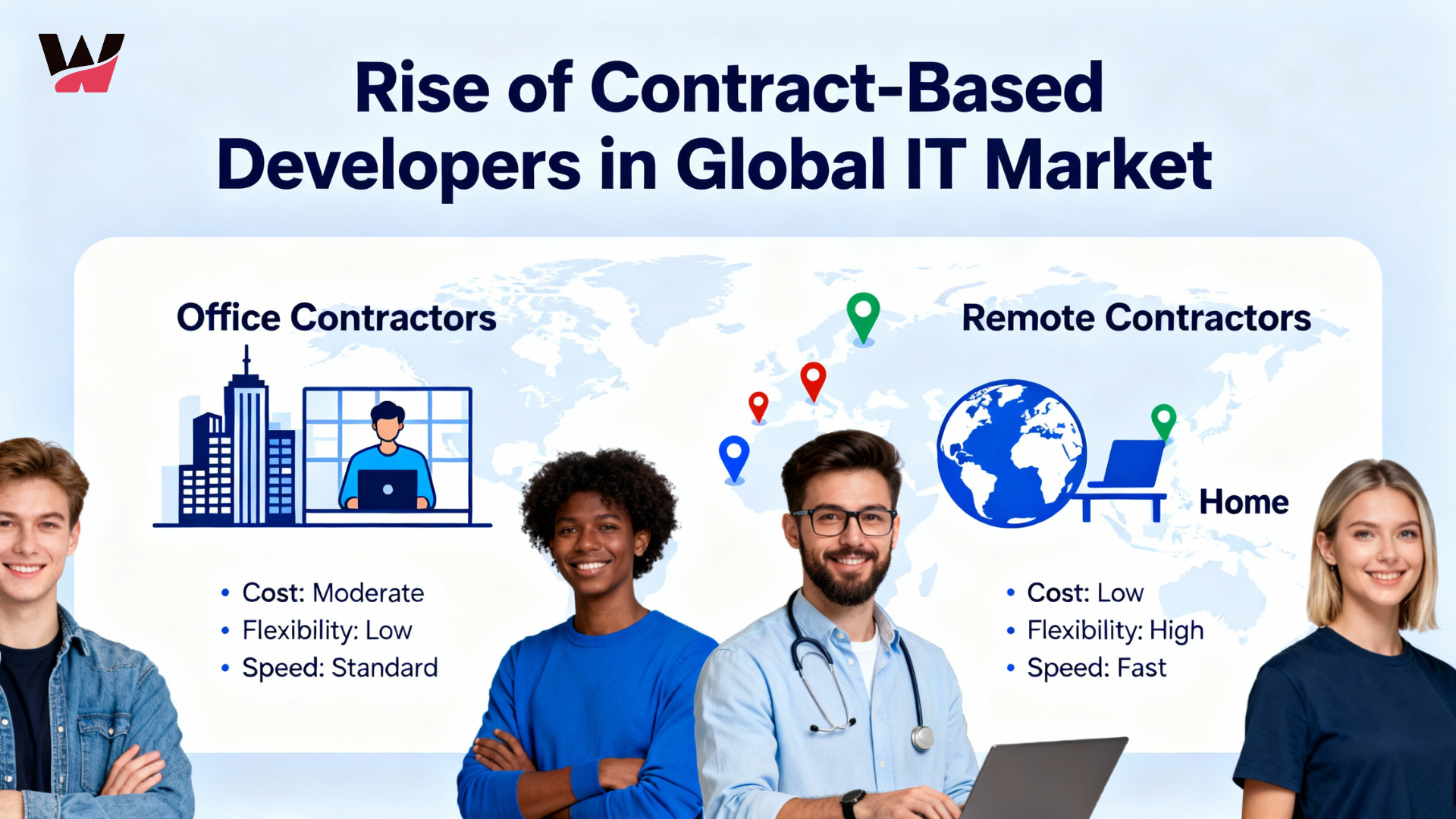
The Rise of Contract-Based Developers in the Global IT Market
-
 December 3, 2025
Talent Has No Boundaries: Why the Best Teams Are Built Across Borders
-
 December 2, 2025
From Startups to Enterprises: How Staff Augmentation Supports Every Stage of Growth
-
 December 1, 2025
Great Ideas Need Great Execution – How WitQualis Teams Turn Vision into Reality
-
 November 28, 2025
Scaling Your Tech Team Shouldn’t Slow Your Business – It Should Power It
-
 November 27, 2025
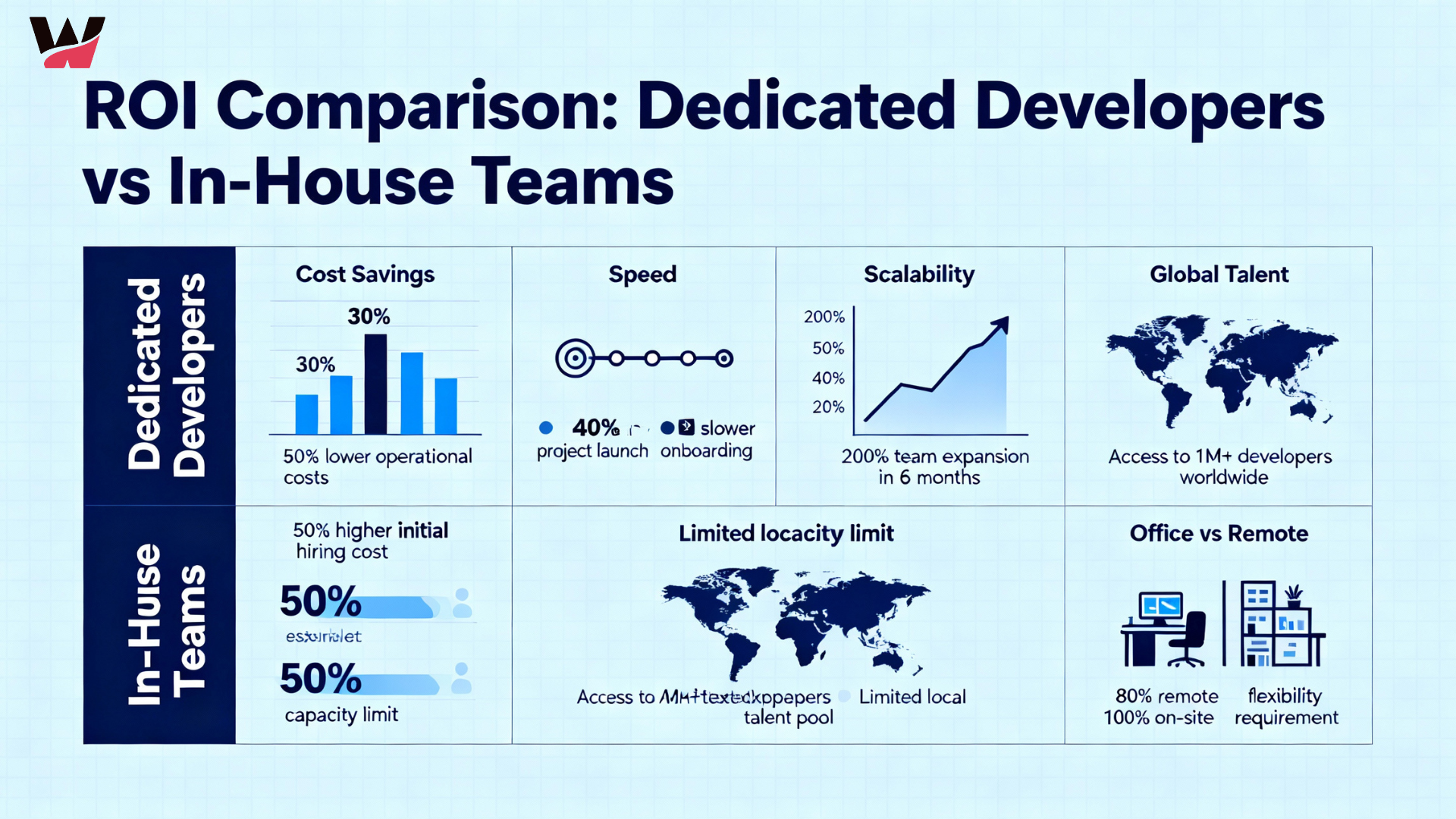
The ROI of Hiring Dedicated Developers vs In-House Teams
-
 November 26, 2025
Why Hybrid Team Models Are the Future of IT Project Delivery
-
 November 24, 2025
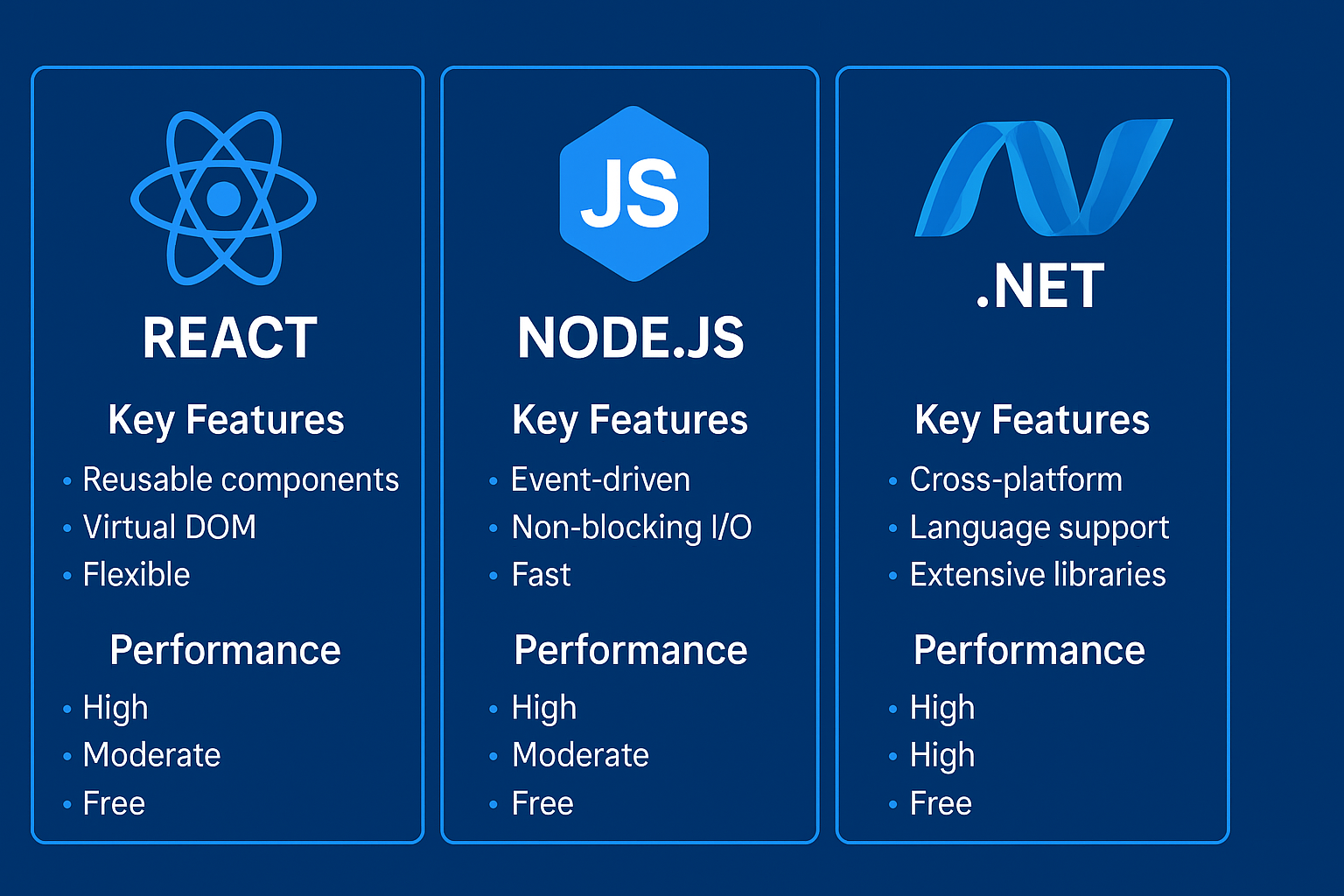
React, Node.js, or .NET? Choosing the Right Tech Stack for Your Next Project
-
 November 21, 2025
Why Hiring Remote Developers Is the Smartest Move for Startups
-
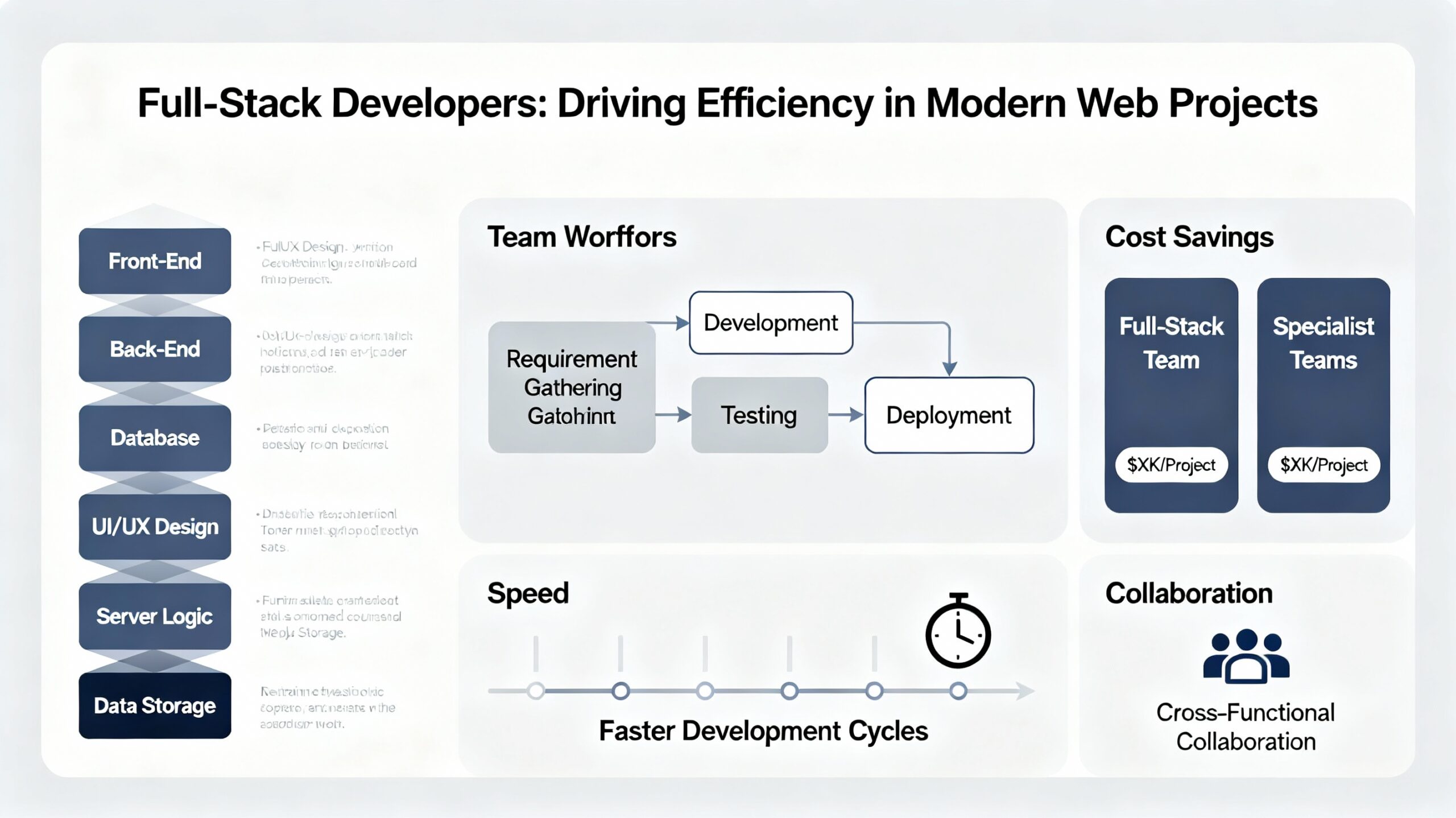 November 20, 2025
How Full-Stack Developers Drive Efficiency in Modern Web Projects
-
 November 19, 2025
Bridging the Skill Gap: How Augmented Teams Empower Digital Transformation
-
 November 18, 2025
New Technologies for 2025: What Businesses Need to Grow
-
 November 14, 2025
IT Staff Augmentation Reduces Project Costs Quality
-
 November 13, 2025
Empowering Global Collaboration: How WitQualis Builds Seamless Remote Teams
-
 November 12, 2025
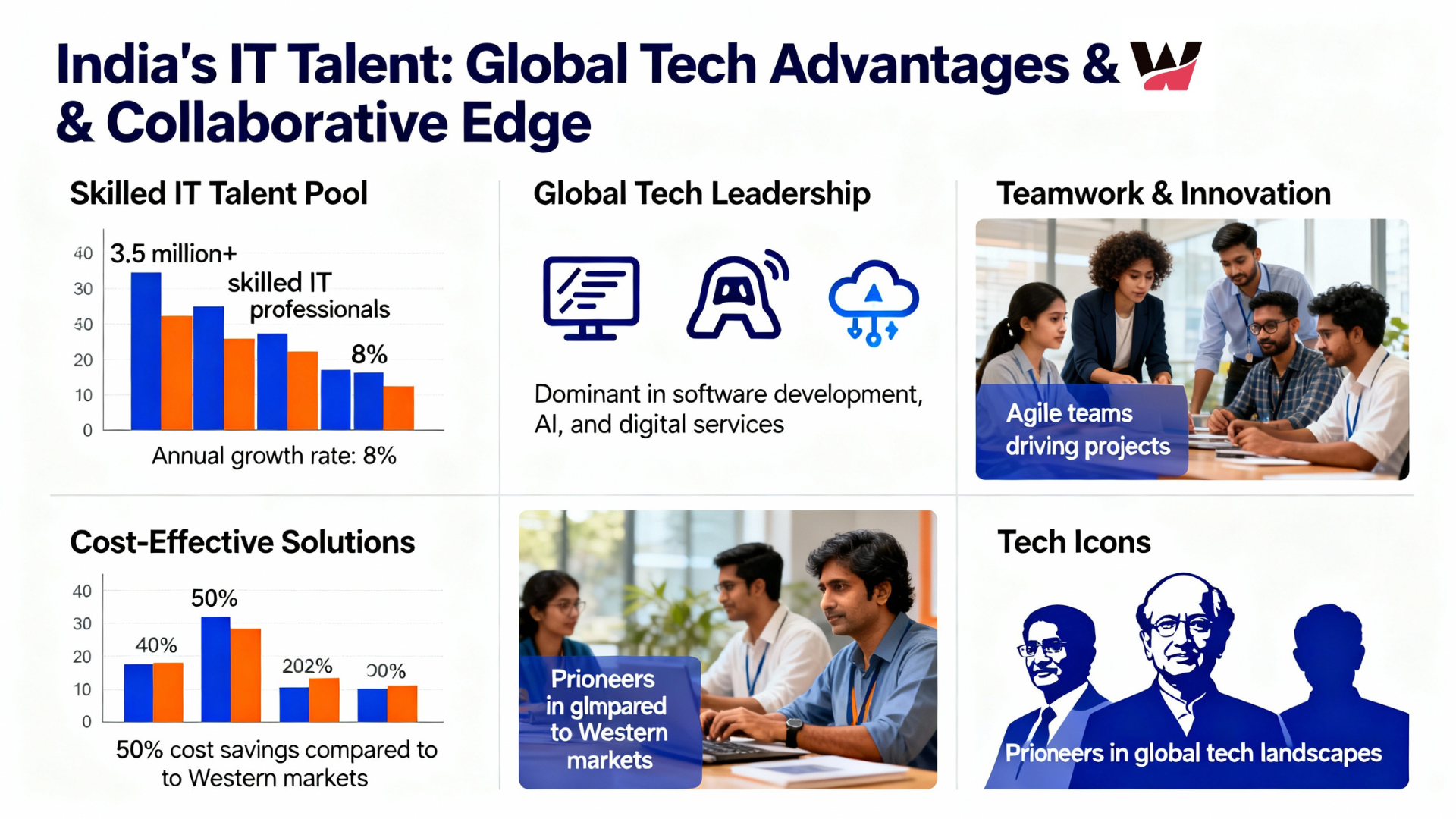
Why Global Businesses Are Turning to India for Skilled IT Talent
-
 November 11, 2025
Staff Augmentation Helps You Scale Your Tech Team
-
 November 10, 2025
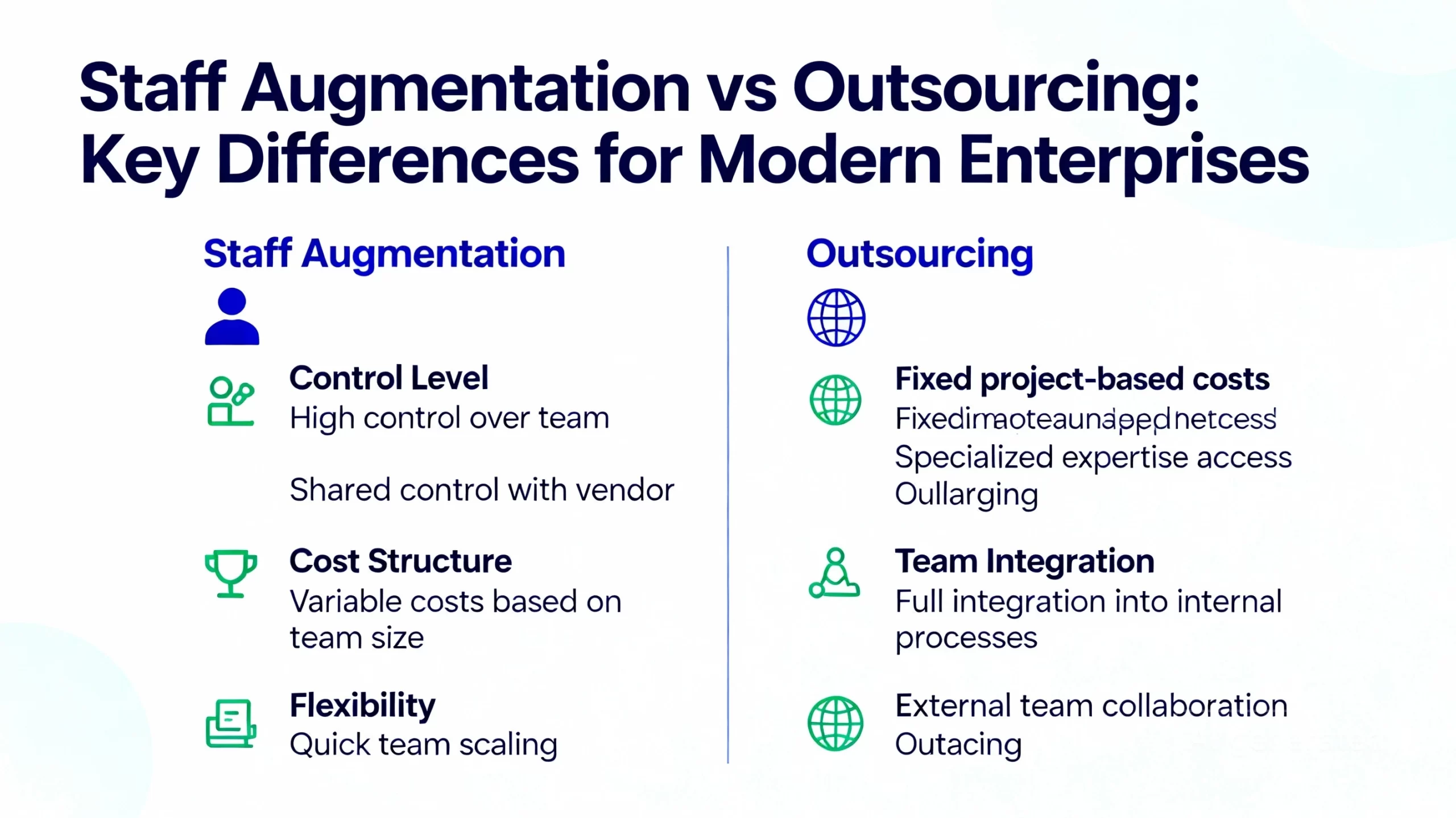
Staff Augmentation vs Outsourcing in 2025: Which Is Best for Modern Enterprises?
-
 November 7, 2025
How AI, IoT, and Cloud Are Redefining Software Development in 2025
-
 November 6, 2025
Scaling Smarter: How Augmented Teams Help Deliver Projects Faster in 2025
-
 November 5, 2025
How AI and Automation Are Transforming Software Development Teams in 2025
-
 November 3, 2025
The Future of IT Staffing: Why Businesses Are Choose Staff Augmentation in 2025
-
 October 31, 2025
Why Technology is Essential for Business Growth (2025): Top Reasons & Winning Strategies
-
 October 30, 2025
How the Internet of Things (IoT) Is Revolutionizing Modern Business
-
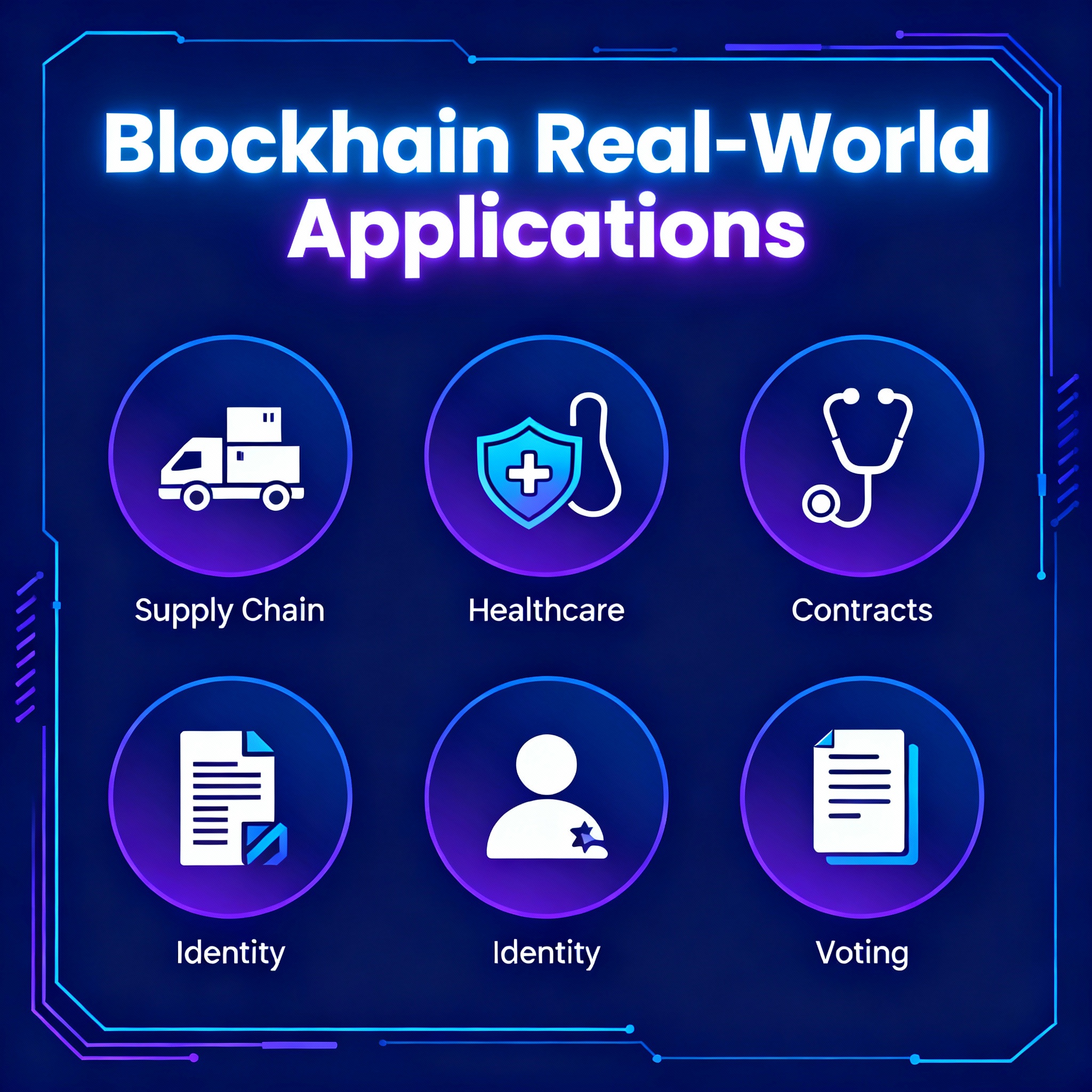 October 29, 2025
Blockchain Cryptocurrency: Real-World Applications | WitQualis
-
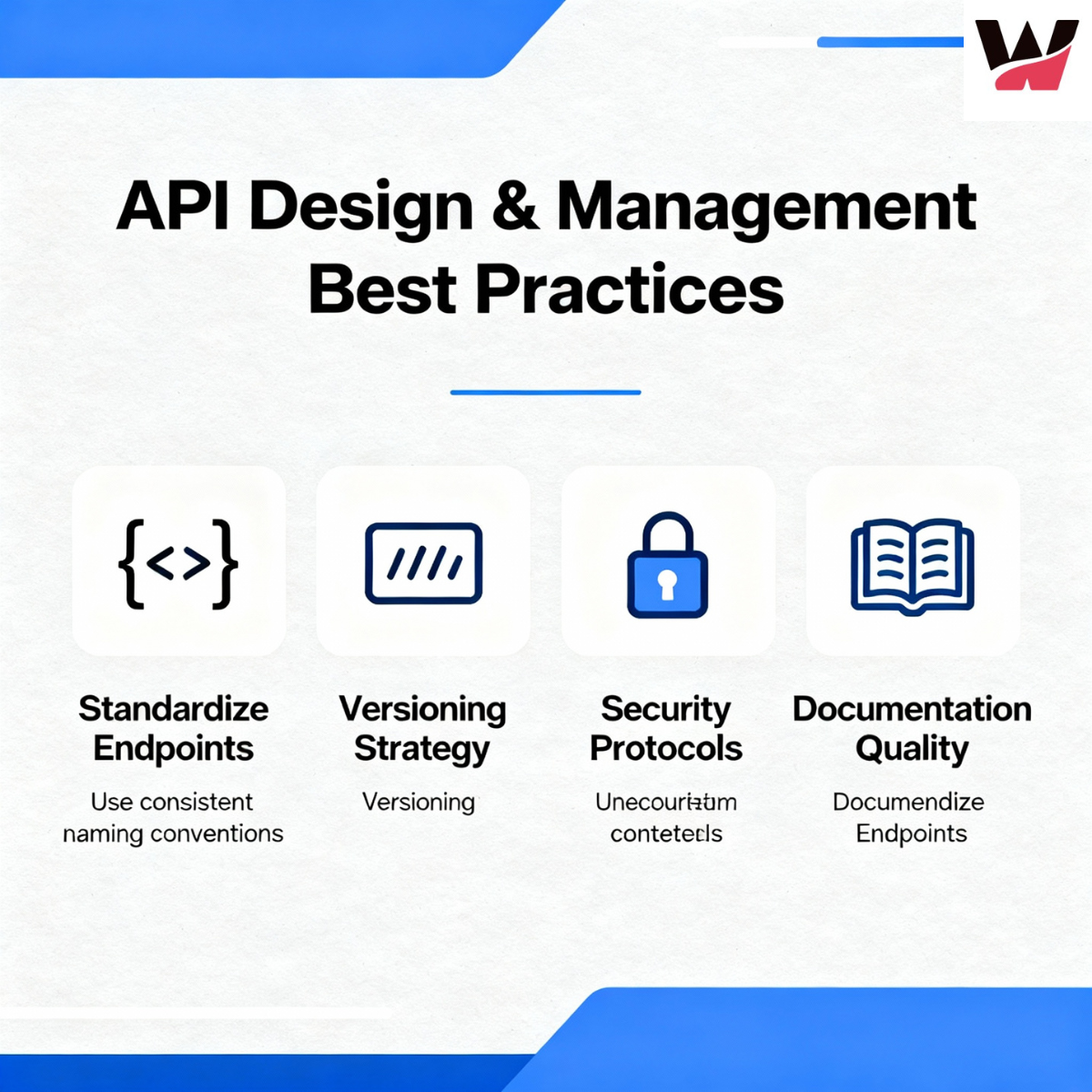 October 28, 2025
API Design and Management Best Practices for Developers
-
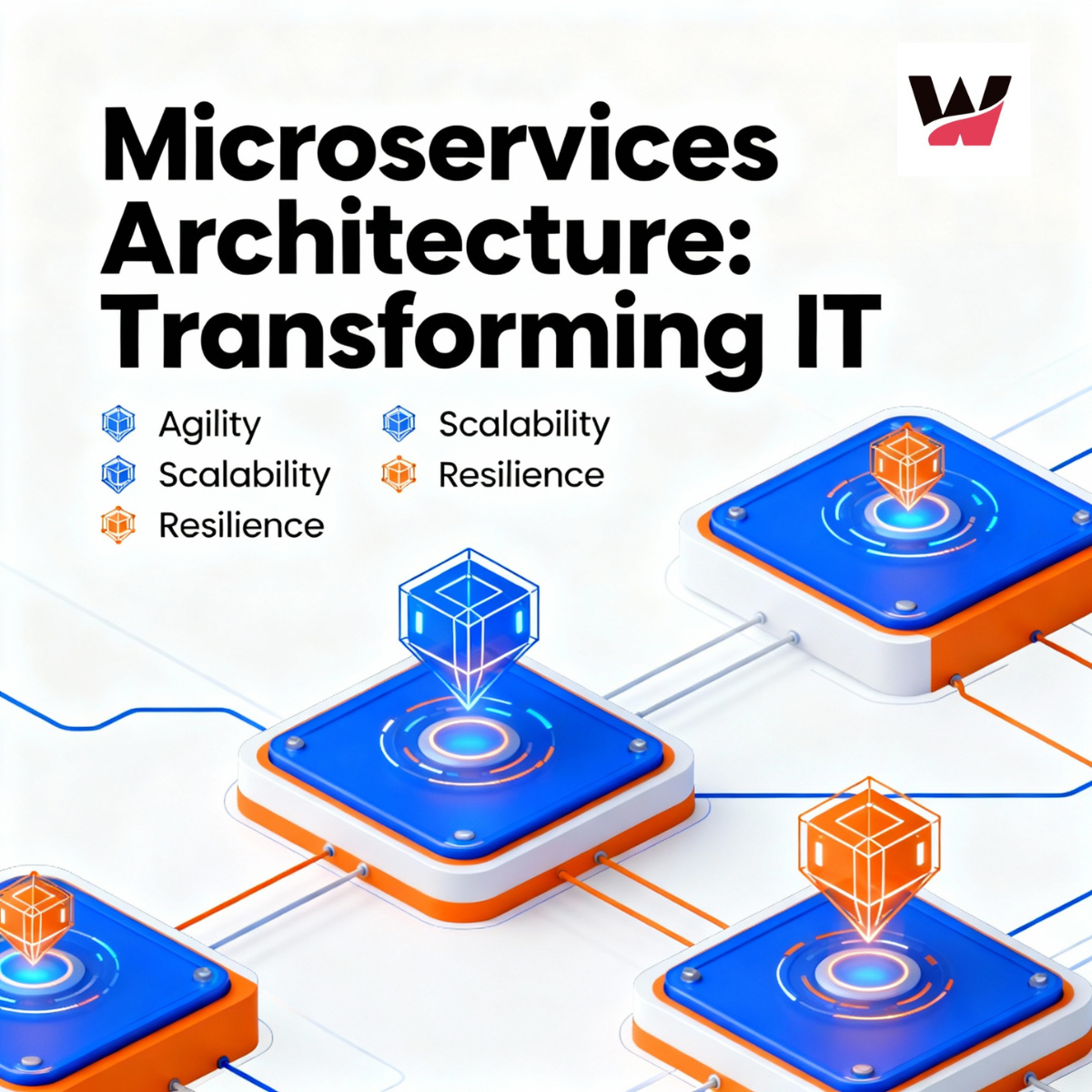 October 27, 2025
Microservices Architecture: Benefits, Implementation Tips & Real-World Examples
-
 October 24, 2025
How Remote Work Has Transformed the IT Industry Tools in 2025
-
 October 23, 2025
Virtual and Augmented Reality: The Tech Revolution | WitQualis
-
 October 22, 2025
How AI is Revolutionizing Business Decision-Making in 2025 | In-Depth Analysis & Trends
-
 October 16, 2025
Blockchain Beyond Crypto: Building Trust in Business Operations
-
 October 15, 2025
How Custom Software Solutions Drive Business Efficiency | Expert Guide
-
 October 13, 2025
How Automation Reduces Costs & Boosts Productivity in 2025
-
 October 10, 2025
Staff Augmentation: The Key to Building Agile & Scalable Teams
-
 October 9, 2025
The Role of Cloud Computing in Scaling Modern Businesses
-
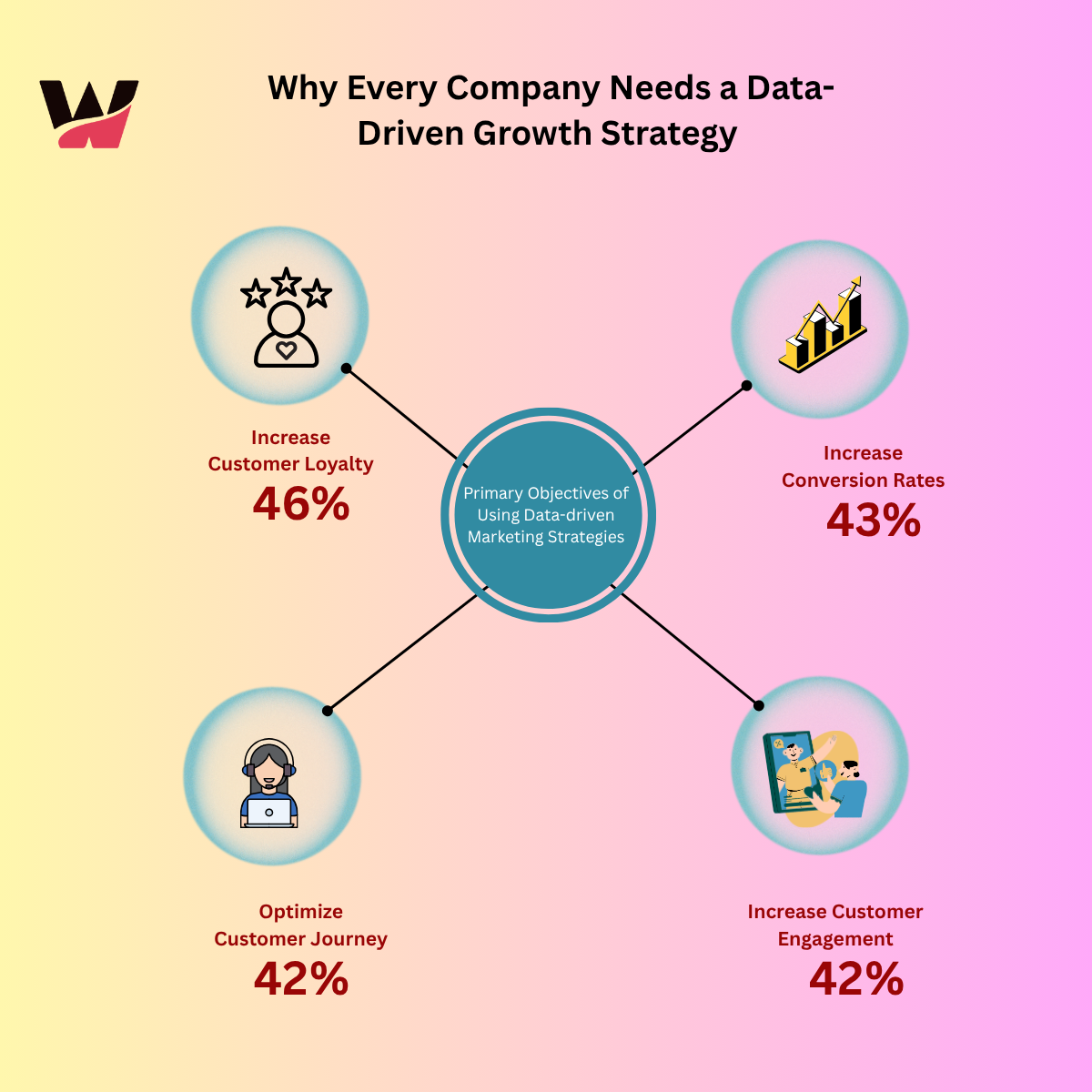 October 8, 2025
Why Every Company Needs a Data-Driven Growth Strategy
-
 October 7, 2025
API Design Best Practices for Developers in 2025 |API versioning strategies
-
 October 6, 2025
virtual reality vs augmented reality vs mixed reality
-
 October 3, 2025
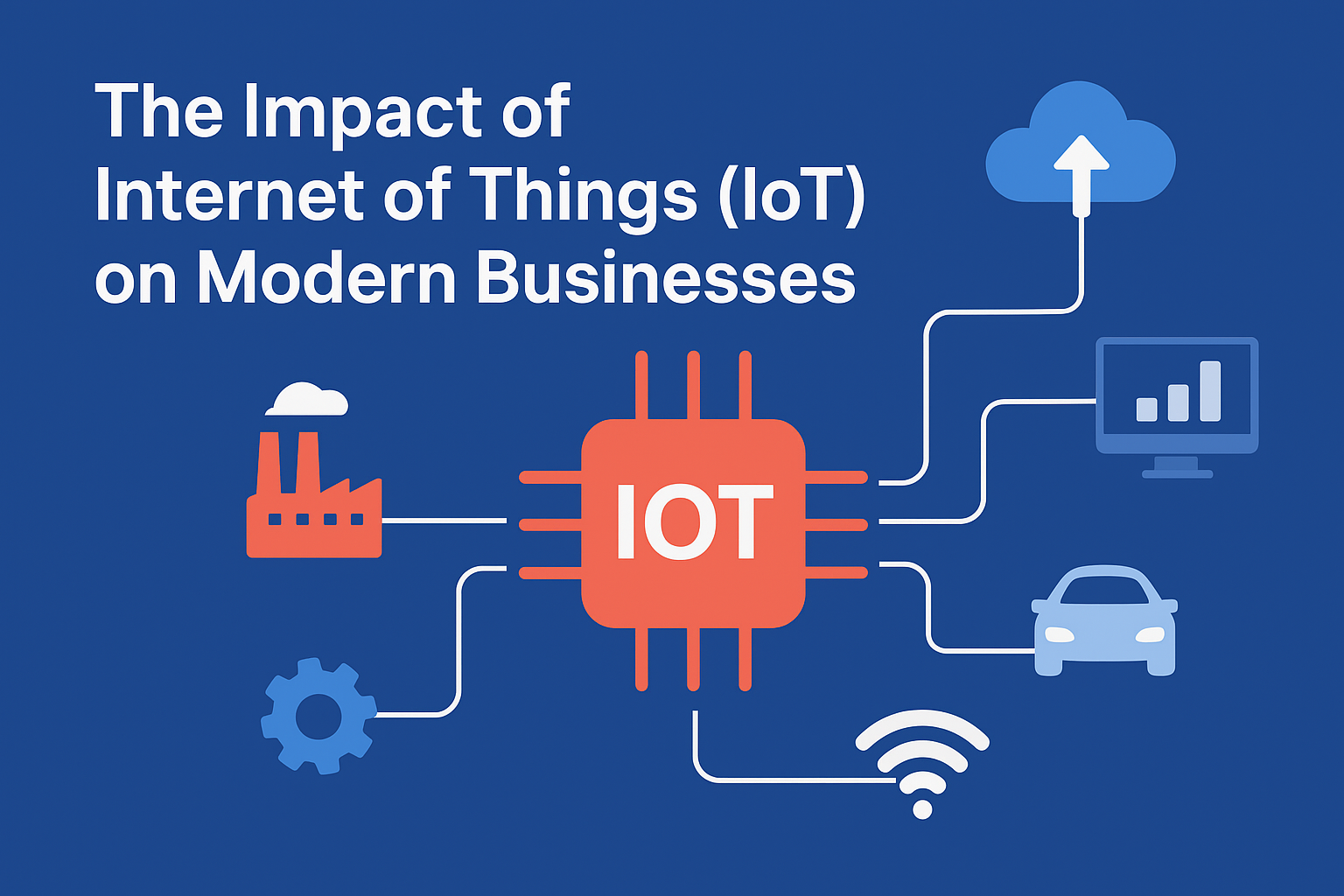
The Impact of Internet of Things (IoT) on Modern Business
-
 October 1, 2025
Blockchain Beyond Cryptocurrency: Real-World Applications in 2025
-
 September 30, 2025
The Future of Artificial Intelligence: Trends and Opportunities
-
 September 26, 2025
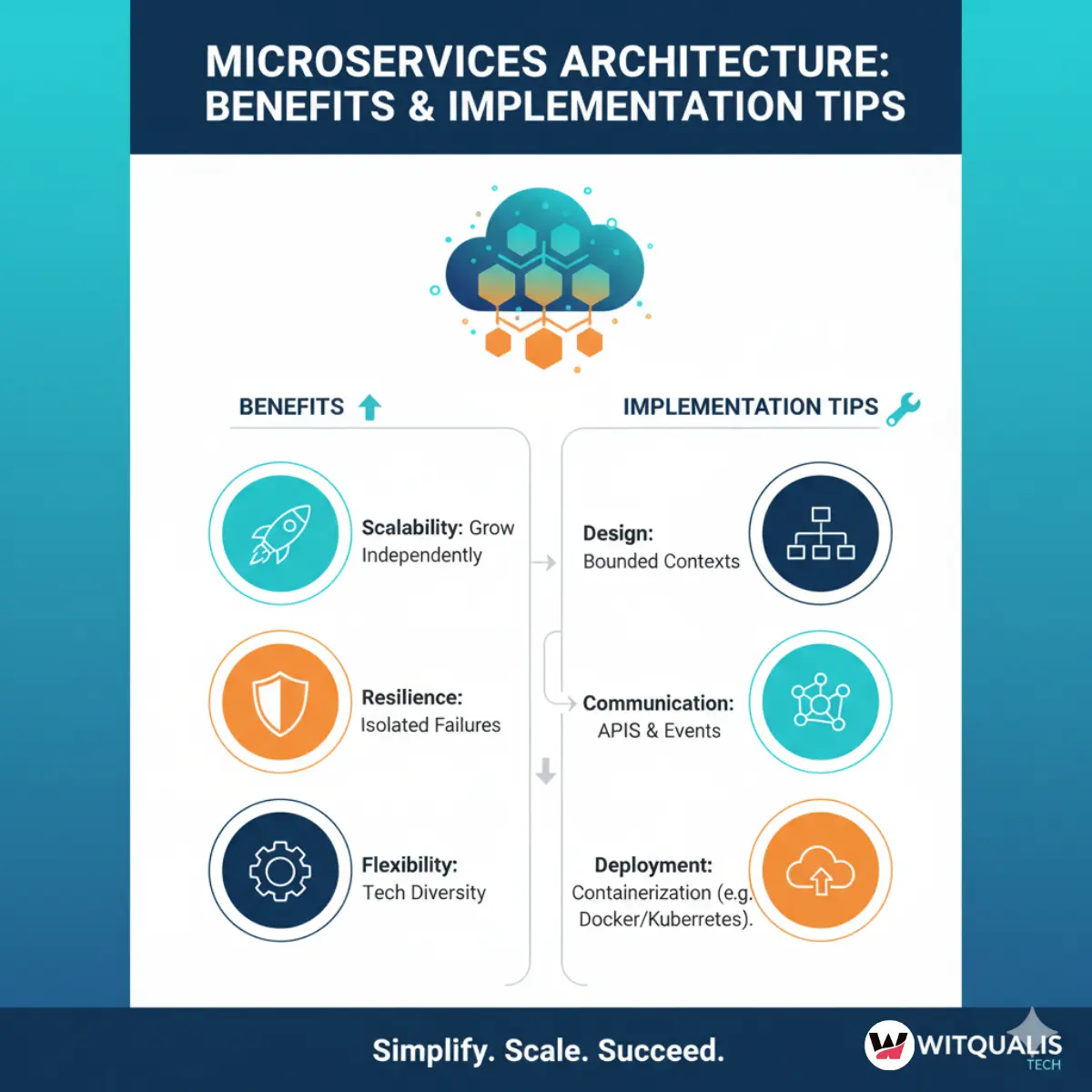
Microservices Architecture: Benefits and Implementation Tips
-
 September 25, 2025
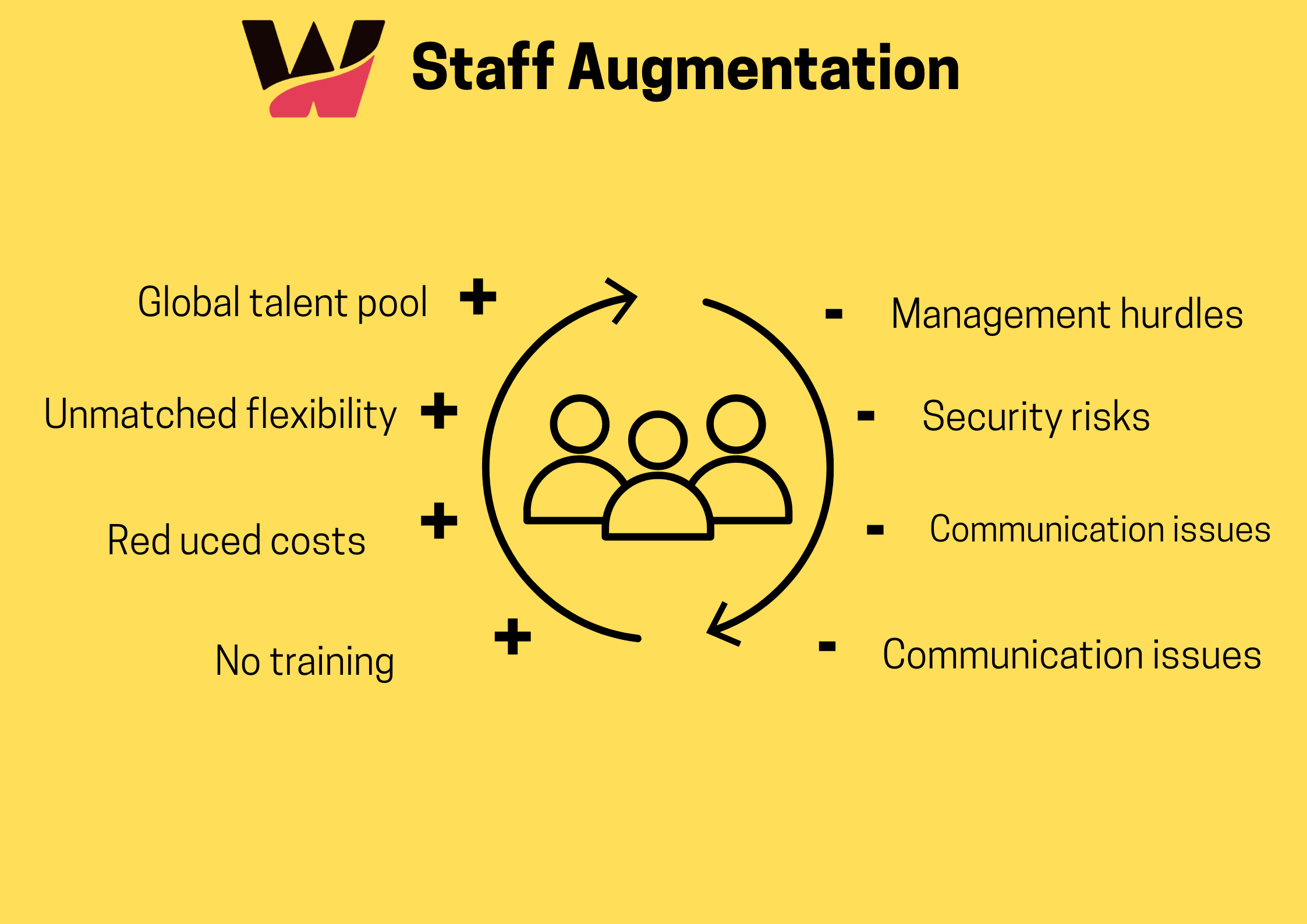
Why Staff Augmentation Is a Smart Move for IT Projects in 2025
-
 September 24, 2025
Cloud Computing Explained: Benefits and Best Practices (AWS, Azure, Google Cloud)
-
 September 23, 2025
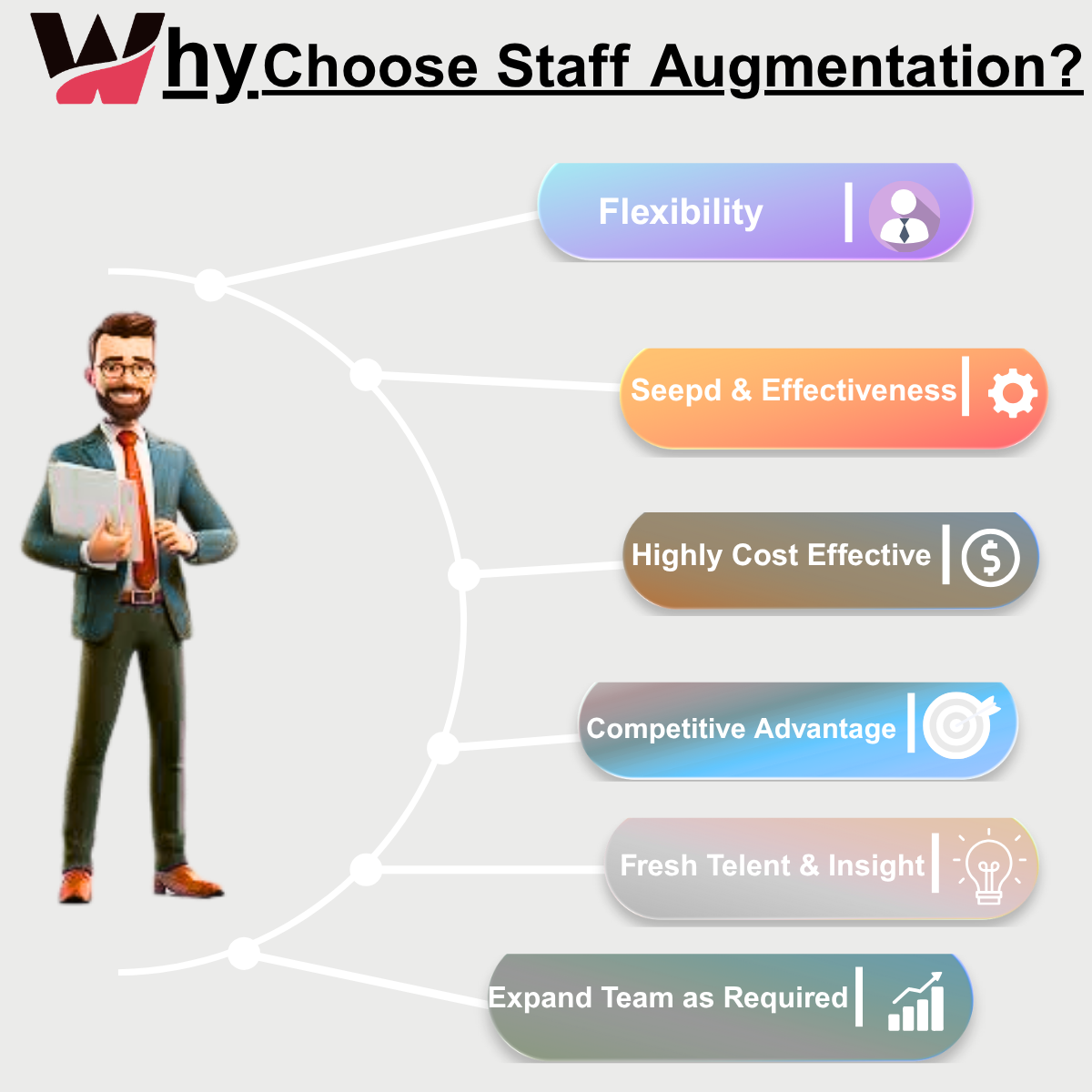
How Staff Augmentation Can Help Scale Your IT Team Efficiently
-
 January 6, 2025
Choosing the Right Front-End Web Development Service in the UK
-
 January 4, 2025
Why Choose Staff Augmentation Services in India for Your IT Projects?
-
 December 21, 2024
Boost Your Business ROI with Power BI Development Services in the Maldives and Iceland
-
 December 20, 2024
Get a Free Consultation: Is Your E-Commerce Business in the UAE Ready for Digital Transformation?
-
 July 6, 2023
The Future of Small Business and Know-How to Climb up the Ladder


[…] How We Support and Retain High-Performing Tech Professionals – WitQualis […]