

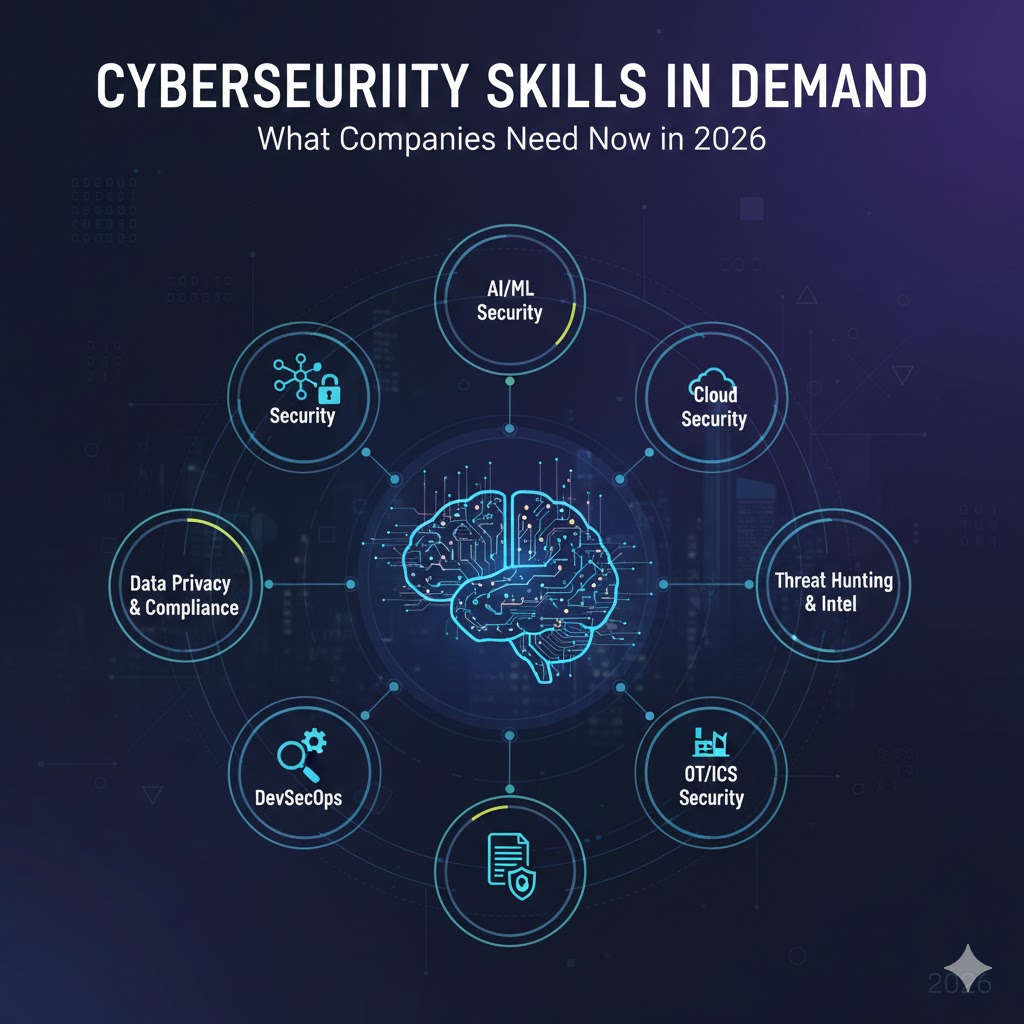
Cybersecurity skills are now critical business assets, not optional extras. Companies everywhere are struggling to find and retain security talent even as cyber threats grow more sophisticated.
Cybersecurity Skills in Demand: What Companies Need Now
Why Cybersecurity Talent Is the New Bottleneck
Because cyber attacks have become more frequent, sophisticated, and costly, organizations across every industry are making security a boardroom priority. Consequently, demand for skilled cybersecurity professionals has skyrocketed—and supply simply cannot keep pace.
Moreover, the cybersecurity talent gap is widening faster than any other IT skill. A recent industry report notes that over 80% of companies report difficulty finding qualified security professionals. Therefore, businesses that can attract and retain top security talent are gaining a significant competitive advantage over those still struggling with legacy or undersized security teams.
Additionally, the average cost of a data breach now exceeds $4 million per incident. This reality has forced CFOs and CEOs to treat security hiring not as an expense, but as a critical risk-mitigation investment.
The Top Cybersecurity Skills Companies Are Desperately Seeking
Because the threat landscape evolves constantly, companies need security professionals with both deep technical expertise and the ability to adapt quickly. Here are the skills commanding the highest salaries and greatest demand:
1. Cloud Security Architecture
Because cloud adoption has become universal—AWS, Azure, Google Cloud—companies urgently need architects who understand cloud-native security. Security professionals who can design secure cloud infrastructure, manage identity and access (IAM), and implement zero-trust models are in exceptionally high demand.
Consequently, cloud security specialists command salaries 15–20% higher than traditional infrastructure security roles. Moreover, this skill gap is growing because most experienced security professionals came up in on-premises environments and are still upskilling to cloud platforms.
-
WitQualis helps companies find cloud security specialists via staff augmentation
2. Threat Intelligence and Incident Response
Because threats are now constant and breach response time is critical, companies need security professionals who can analyze threats, respond to incidents, and conduct post-breach investigations. These roles—often called Security Operations Center (SOC) analysts or Incident Response specialists—are foundational to any mature security program.
Additionally, incident responders who have handled real-world breaches command premium compensation. Significantly, the speed of incident response now directly impacts business continuity and customer trust, making these roles strategically important.
3. AI and Machine Learning for Security
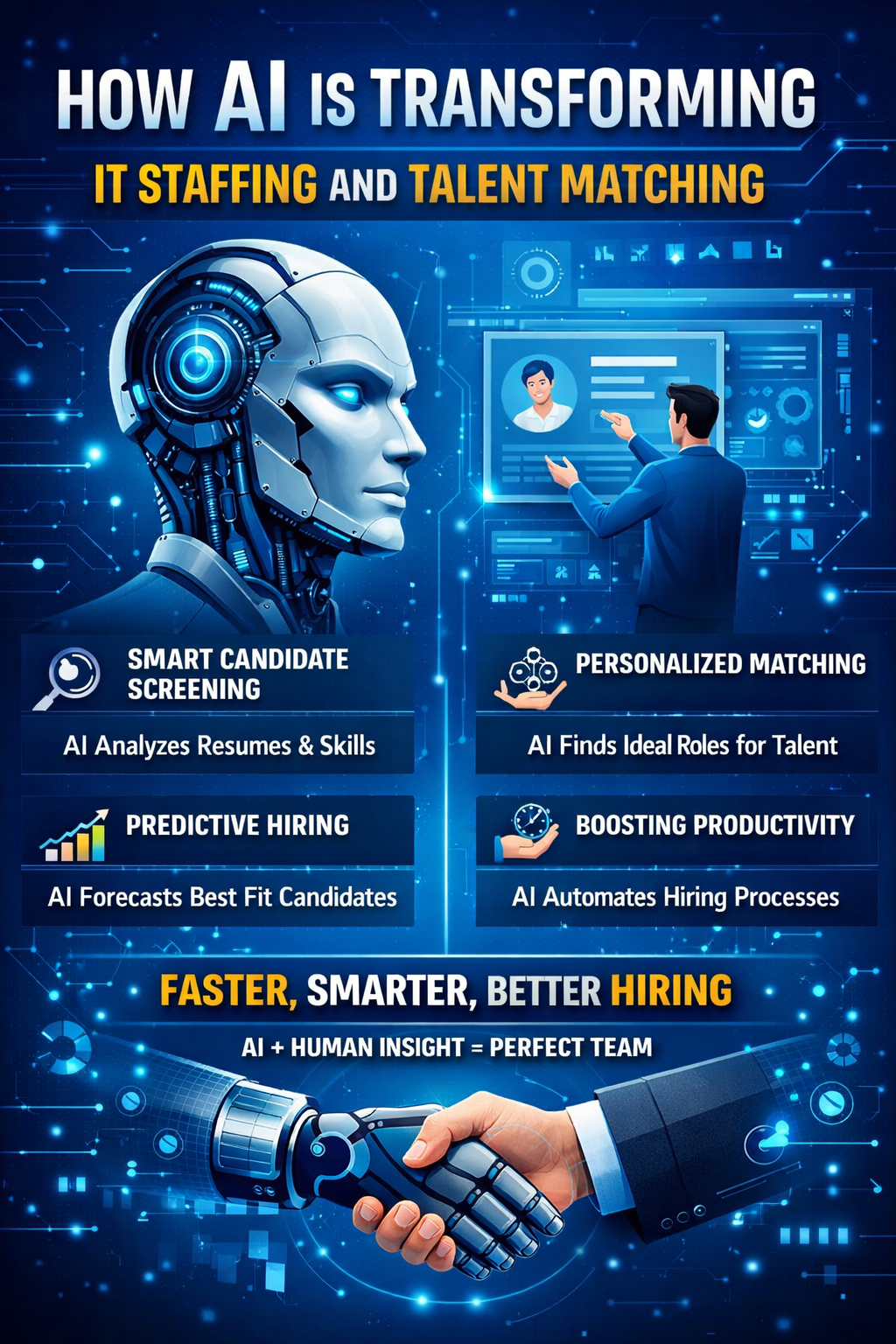
Because traditional rule-based security systems cannot detect novel, sophisticated attacks, organizations are turning to AI-driven threat detection and response. Security professionals who understand machine learning, behavioral analysis, and anomaly detection are now essential.
Furthermore, this is an emerging skill set—very few professionals have deep expertise in both security and AI/ML—which creates extreme scarcity and high compensation. Thus, companies often struggle to fill these roles, either recruiting specialists from academic or research backgrounds or investing heavily in reskilling existing security talent.
4. Application Security (AppSec) and DevSecOps
Because security breaches increasingly exploit vulnerabilities in custom code and applications, companies need specialists who understand secure coding practices, vulnerability scanning, and integrating security into CI/CD pipelines. DevSecOps engineers—who bridge development and security—are increasingly critical.
Consequently, this role has become foundational for companies practicing continuous deployment. Moreover, AppSec specialists who can conduct code reviews, penetration testing, and security architecture reviews are in constant demand.
-
How staff augmentation supports rapid security team scaling – WitQualis
5. Identity and Access Management (IAM)
Because identity is now the new perimeter—users access systems from anywhere, on any device—IAM expertise has become foundational. Professionals skilled in implementing single sign-on (SSO), multi-factor authentication (MFA), privileged access management (PAM), and directory services are essential to modern security architecture.
Additionally, zero-trust security models, which verify every user and device regardless of location, require sophisticated IAM capabilities. Therefore, IAM specialists command strong salaries and have abundant job opportunities.
6. Regulatory Compliance and Governance
Because privacy regulations like GDPR, HIPAA, and emerging data protection laws carry severe penalties, companies need professionals who understand regulatory requirements and can build compliant security programs. Security professionals who combine technical knowledge with compliance expertise (like CISSP or CCSK certifications) are highly valued.
Furthermore, as regulations evolve, this expertise becomes more precious. Undoubtedly, a security professional who understands both technical controls and regulatory frameworks is rare and highly compensated.
7. Offensive Security and Penetration Testing
Because understanding attacker mindsets helps build better defenses, companies hire ethical hackers and penetration testers to probe their own systems and identify vulnerabilities before adversaries do. These roles—often called “red team” operations—are increasingly strategic.
Notably, penetration testers with advanced certifications (like OSCP or CEH) and real-world experience are scarce. As a result, they command premium salaries and often work as consultants or via specialized firms.
Why the Cybersecurity Skills Gap Exists
Understanding the gap helps explain why hiring is so difficult.
Limited Educational Pipeline
Because cybersecurity is a relatively new discipline, universities are still scaling their programs. Consequently, the pipeline of newly trained security professionals is far smaller than demand. Moreover, many security professionals still develop their skills through on-the-job training or self-study rather than formal education.
High Barrier to Entry
Because many security roles require 3–5 years of foundational IT experience before specializing, career-switchers find cybersecurity difficult to enter. Additionally, expensive certifications (CISSP costs $749+ and requires significant prerequisites) create financial barriers for aspiring professionals.
Burnout and Retention Challenges
Because cybersecurity roles—especially SOC analyst and incident response—involve on-call rotations, high stress, and constant vigilance, burnout rates are high. Therefore, companies that hire security talent often see departures within 2–3 years, forcing them to restart recruitment cycles.
Furthermore, many security professionals leave the field entirely, shifting to adjacent roles like governance or consulting that offer better work-life balance.
Rapid Skill Obsolescence
Because threat landscapes and technologies evolve constantly, security skills can become outdated quickly. Consequently, continuous learning is mandatory, and professionals who don’t stay current become less marketable. This creates pressure on both professionals and employers to invest heavily in training and upskilling.
Where Companies Are Finding Security Talent
Because traditional recruitment has proven insufficient, organizations are exploring multiple sourcing strategies.
1. Internal Reskilling
Because promoting IT operations or network professionals into security roles leverages existing domain knowledge, many companies are funding certifications and training for high-potential internal staff. This approach improves retention and reduces recruitment friction.
However, reskilling takes time and requires structured mentoring from experienced security leaders. Therefore, this strategy works best when combined with external hires who can lead and guide the transition.
2. Staff Augmentation and Flexible Hiring
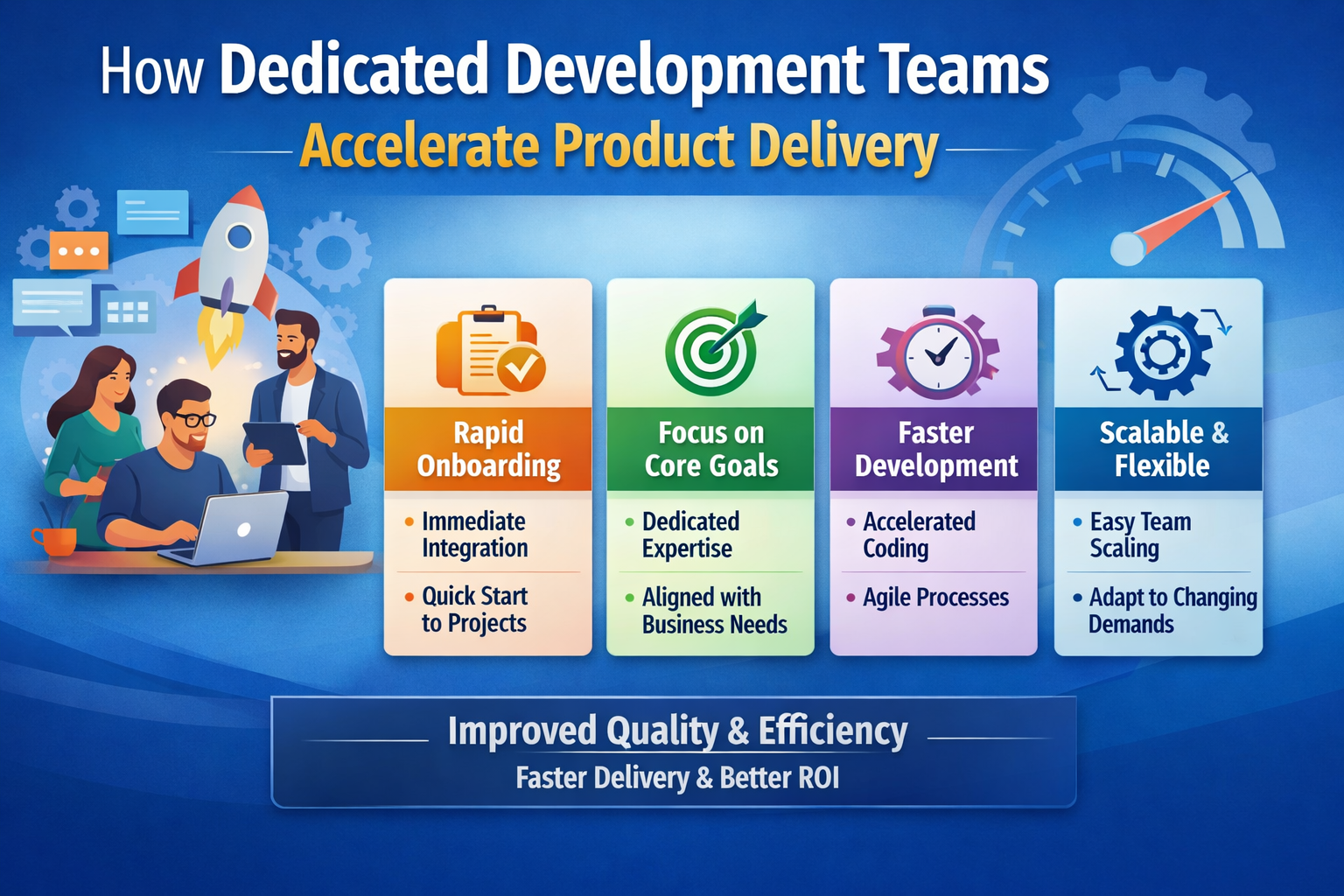
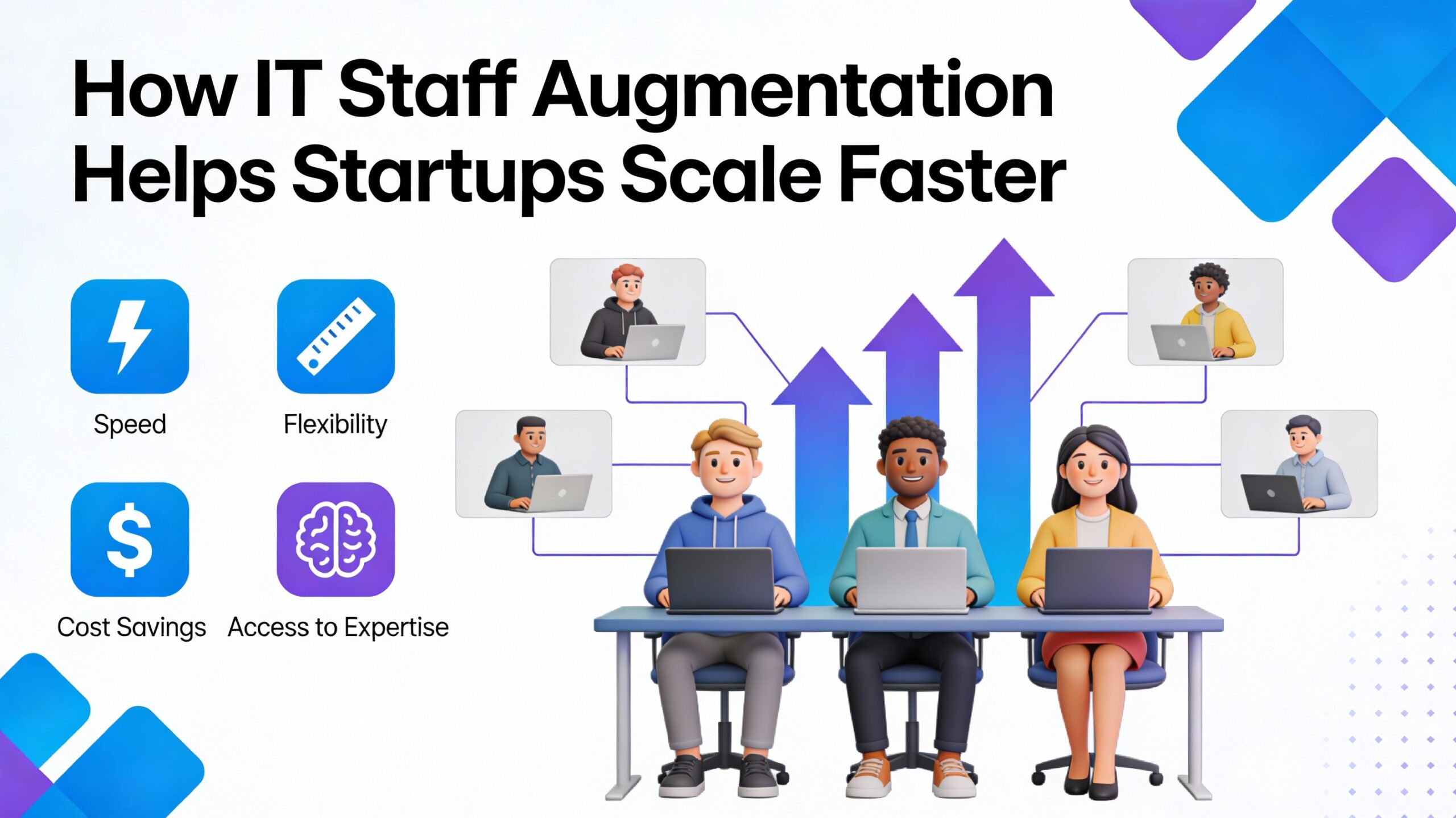
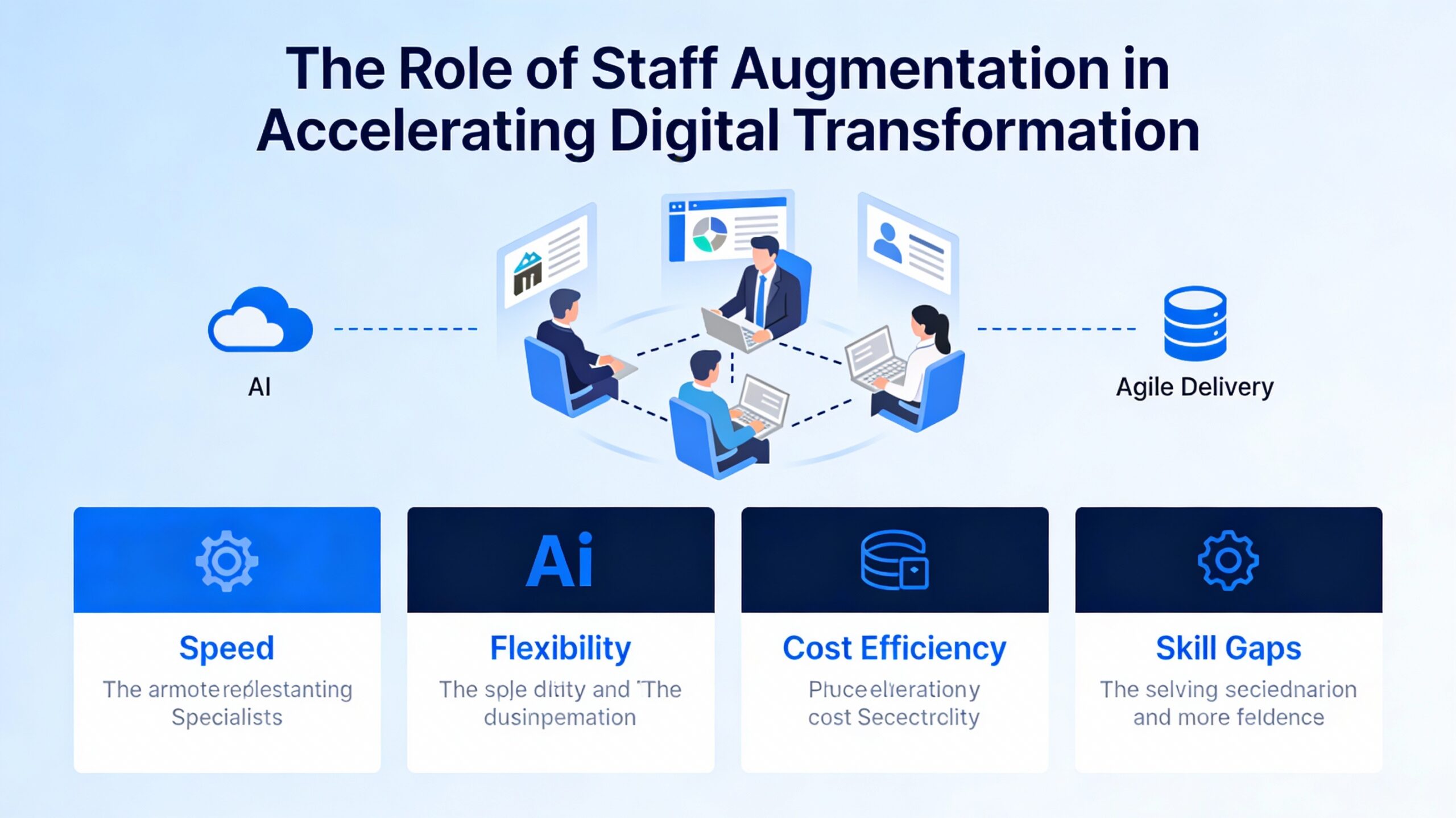
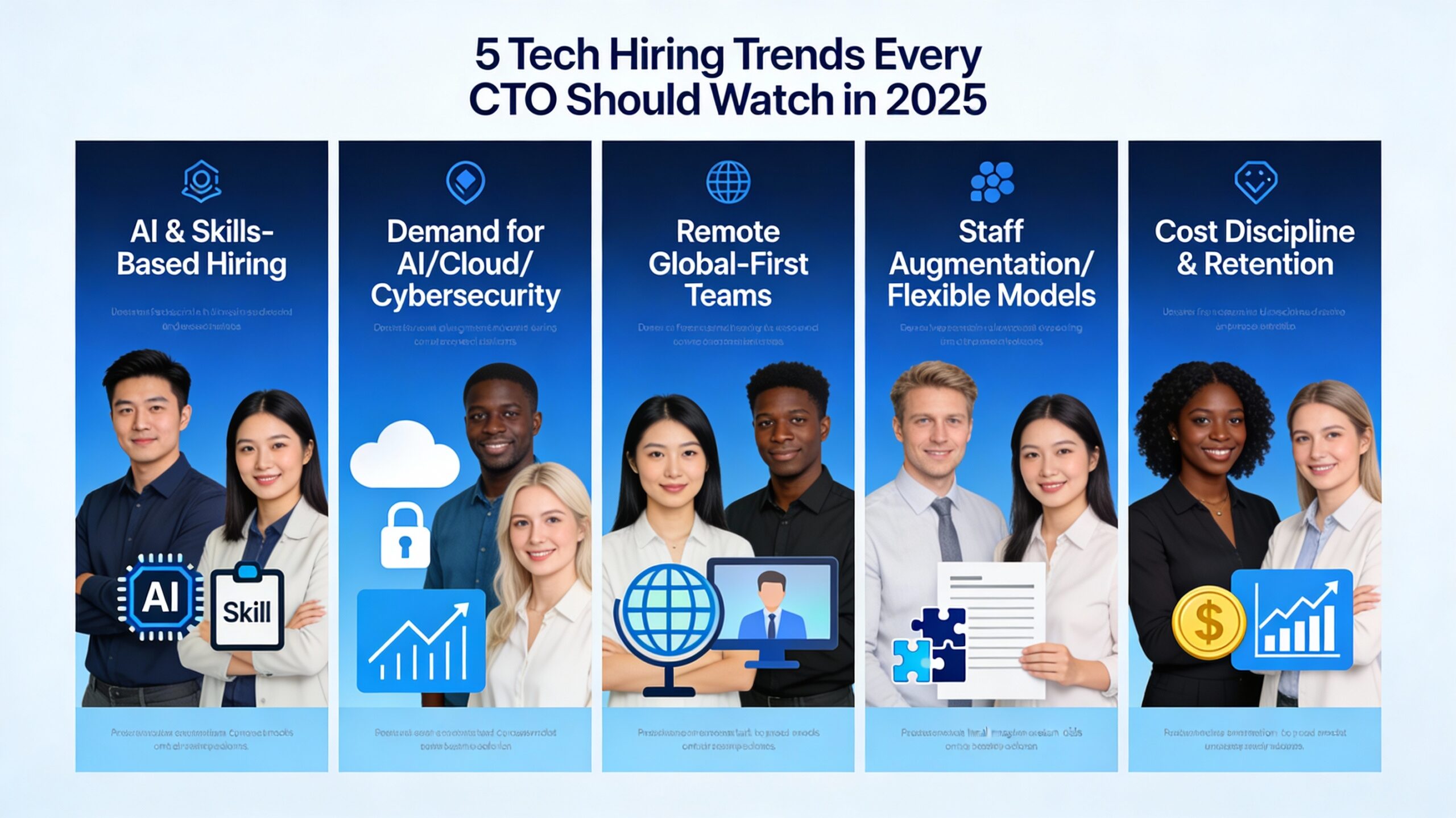
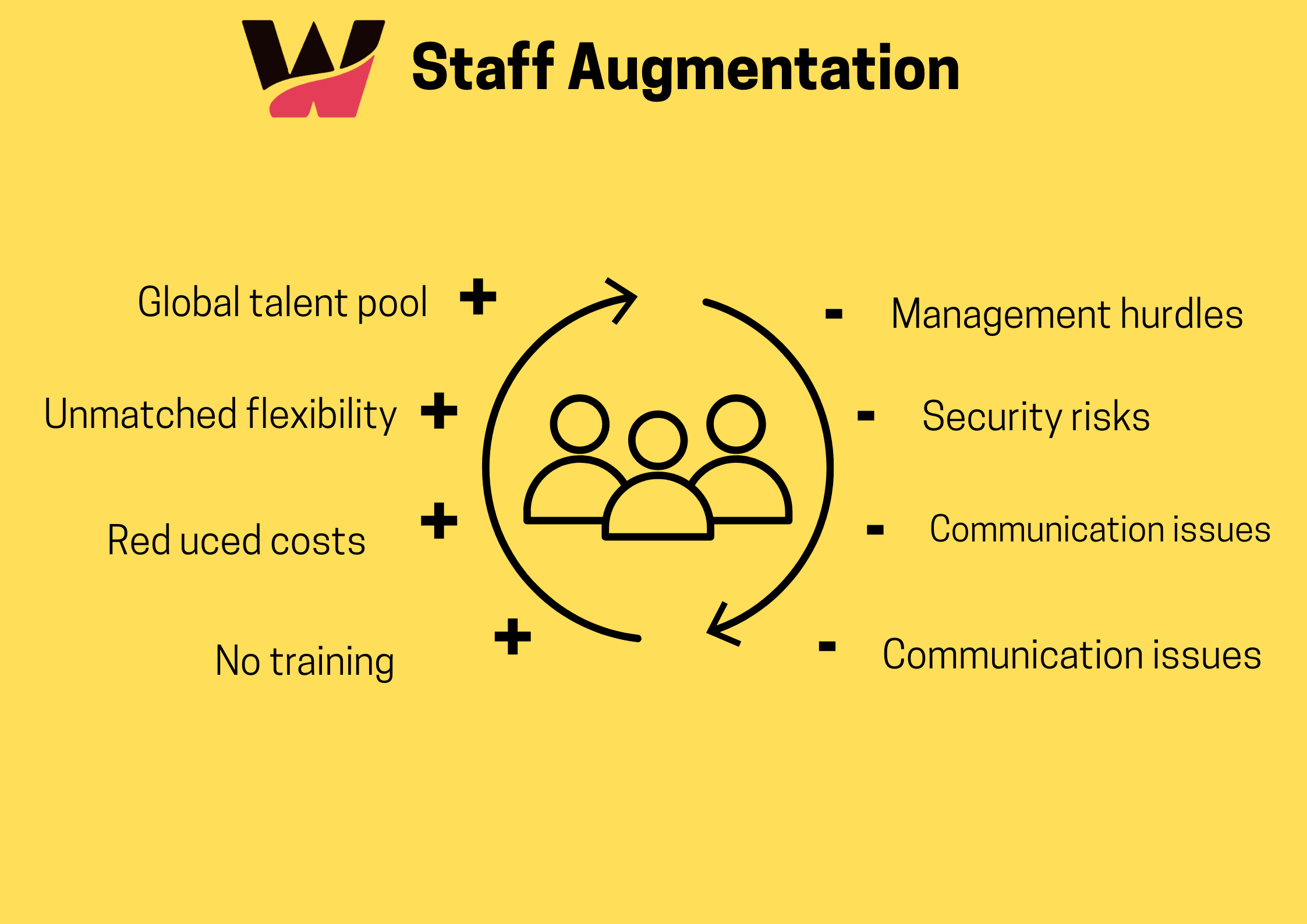
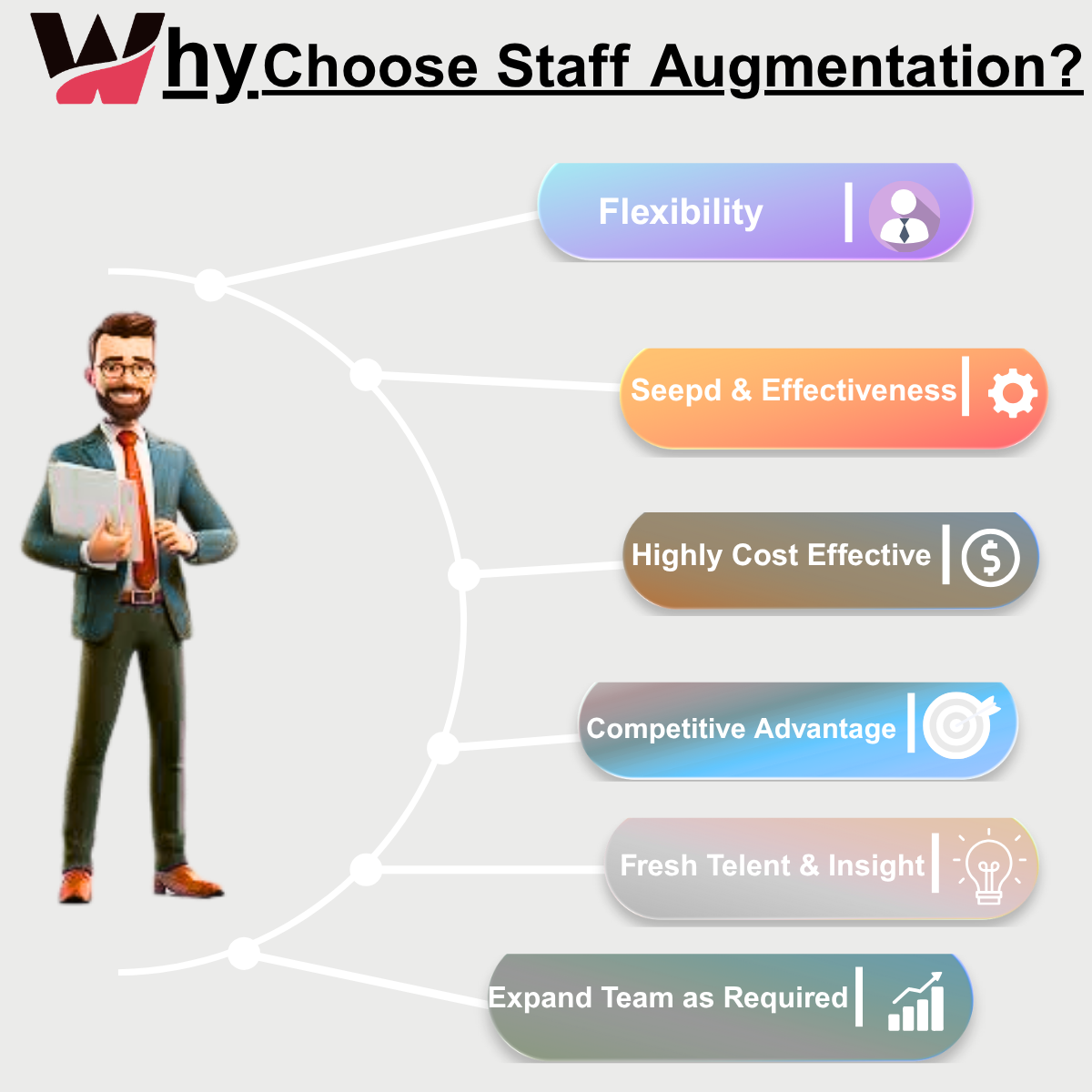
Because finding permanent security hires is difficult and time-consuming, many companies are turning to IT staff augmentation to quickly add security expertise. This approach allows organizations to:
-
Add experienced security architects or incident responders within days, not months
-
Scale security capacity up or down based on project needs
-
Access specialized skills (cloud security, AI/ML security) without permanent headcount
-
Reduce hiring risk by trialing external talent before committing to permanent roles
WitQualis helps organizations access vetted security specialists through staff augmentation, enabling rapid team scaling during security initiatives, compliance projects, or incident response situations.
-
Why staff augmentation is the future of IT hiring in security-critical roles – WitQualis
3. Managed Security Services and Outsourcing
Because building a full in-house security operations center requires significant investment and expertise, many mid-market companies use managed security service providers (MSSPs) to handle 24/7 monitoring, threat detection, and incident response.
Additionally, this model allows companies to access security expertise without bearing full recruitment and retention costs. Moreover, MSSPs often operate in multiple time zones, providing truly continuous monitoring.
4. Academic Partnerships and Bootcamps
Because universities and bootcamps are scaling security education, companies are increasingly recruiting fresh graduates. Although new professionals require mentoring, they bring current knowledge and cost less than experienced hires.
Notably, some companies are investing directly in bootcamp sponsorships or university partnerships to build a pipeline of junior talent.
Cybersecurity Salaries: What Top Talent Expects
Because the talent gap creates intense competition, salaries for security professionals have risen sharply.
Approximate 2026 Security Salaries (US Market):
-
Security Analyst (entry-level): $70,000–$90,000
-
Senior Security Engineer: $130,000–$160,000
-
Security Architect: $160,000–$200,000+
-
Cloud Security Specialist: $140,000–$180,000
-
Incident Response Manager: $150,000–$190,000
-
Security Leadership (CISO): $250,000–$500,000+
In competitive markets like San Francisco or New York, these figures are significantly higher. Moreover, total compensation often includes bonuses, stock options, and benefits that can add 20–30% to base salary.
Therefore, companies that cannot match market salaries will struggle to attract top talent, forcing them to either increase budgets or use alternative sourcing strategies like staff augmentation.
What Companies Should Do Right Now
Because the security talent shortage is worsening, organizations should act decisively.
1. Invest in Culture and Retention
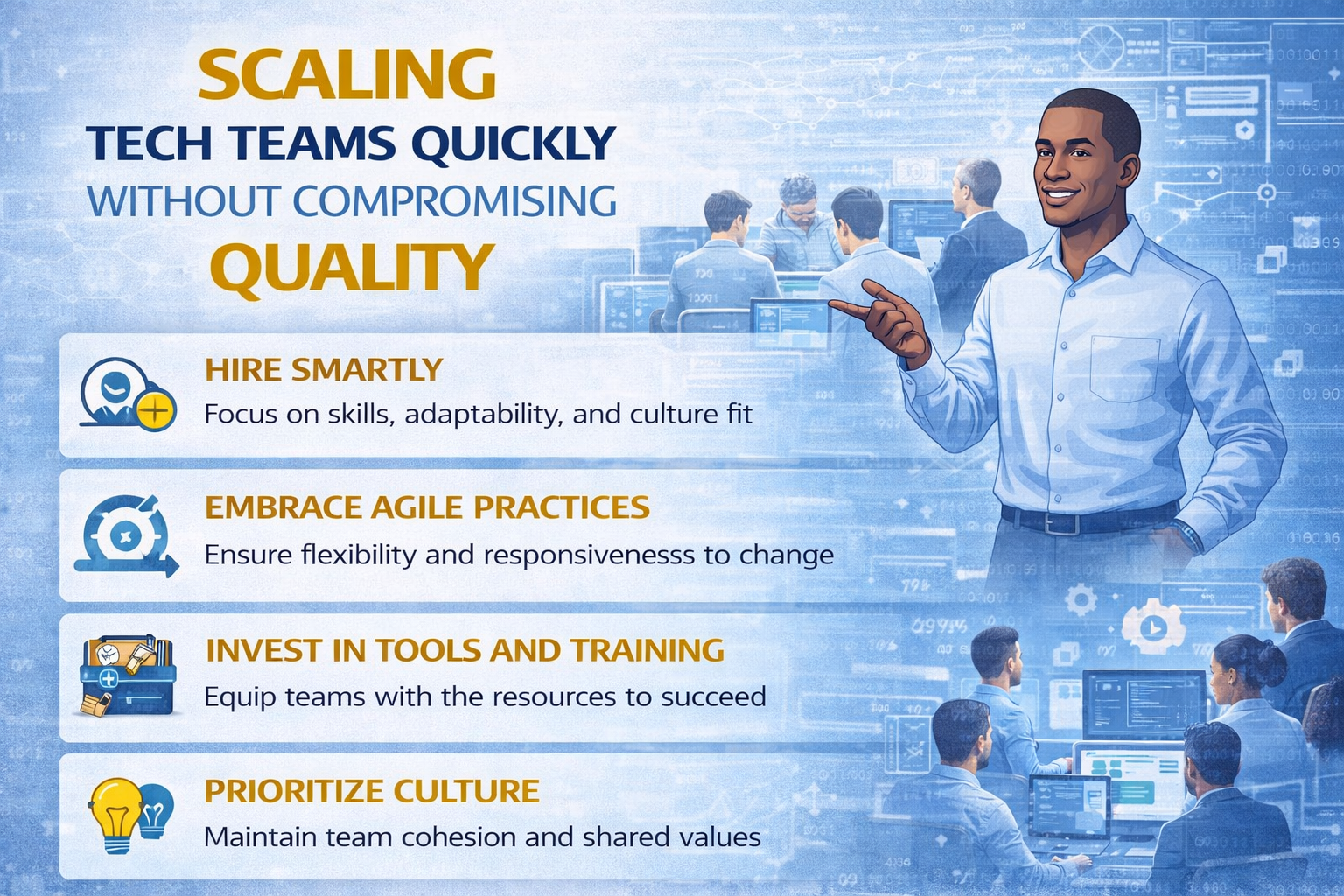
Because security professionals are burnt out, companies should prioritize sustainable work practices: reasonable on-call rotations, strong tooling, and clear career paths. Additionally, offering competitive salaries and professional development budgets helps retain talent.
2. Embrace Staff Augmentation
Because permanent hiring is slow and risky, augmentation offers a faster path to capability. Therefore, companies should evaluate partnerships with trusted augmentation providers who specialize in security talent.
-
How to scale security teams without long hiring cycles – WitQualis
3. Build Internal Capabilities
Because external talent alone is insufficient, companies should invest in training and certifications for existing IT staff. This approach reduces dependency on scarce external talent and improves retention.
4. Automate What You Can
Because talented people are scarce, companies should automate routine security tasks. This approach frees specialists to focus on strategy, architecture, and incident response instead of repetitive monitoring.
5. Combine Permanent and Flexible Talent
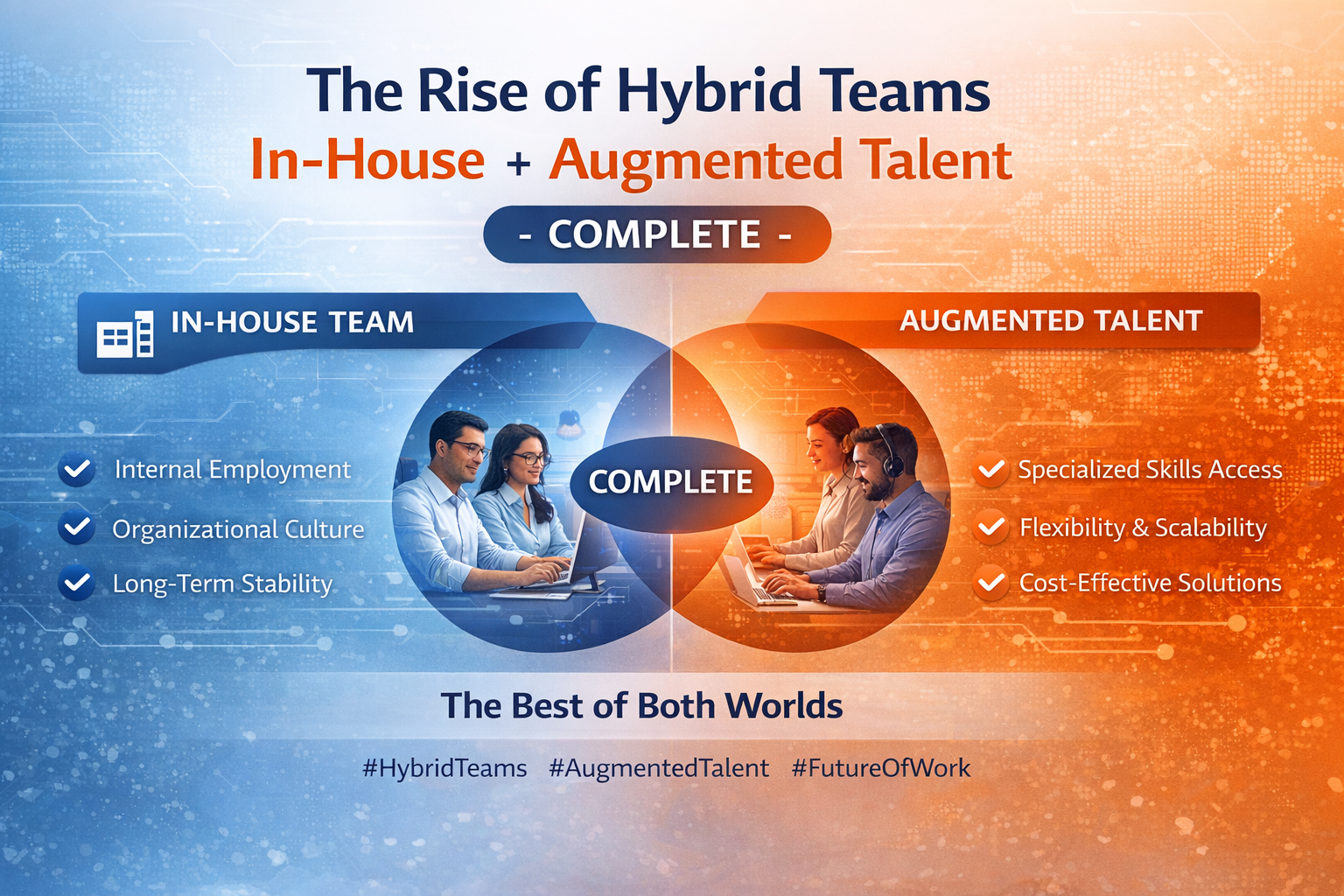
Because neither permanent hires nor flexible talent alone solve the problem, best-in-class organizations use a hybrid model:
-
Permanent security leaders and architects to own strategy
-
Staff augmentation for project-based work, specialist needs, and capacity spikes
-
MSSPs for commodity 24/7 monitoring and incident detection
This approach balances stability, flexibility, and cost.
Internal blog

















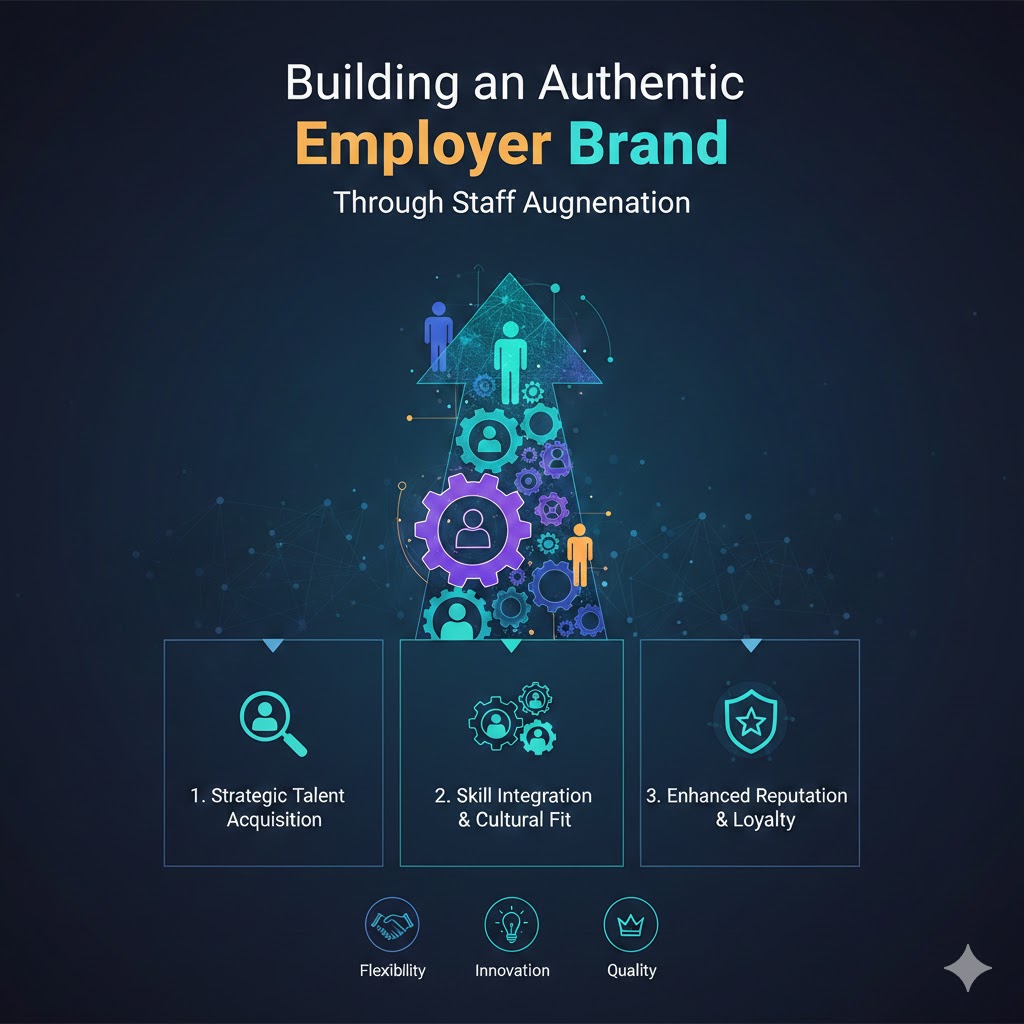
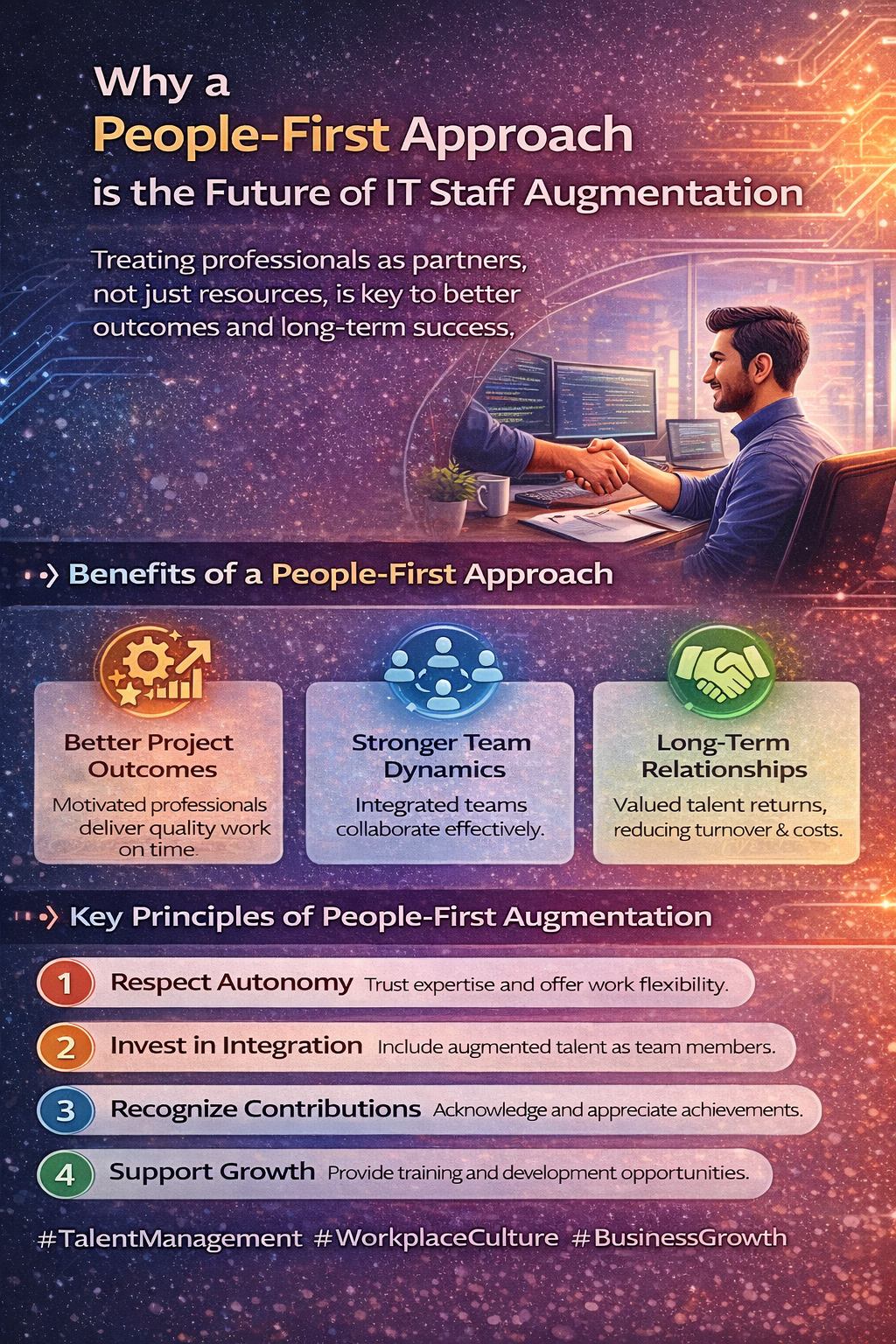
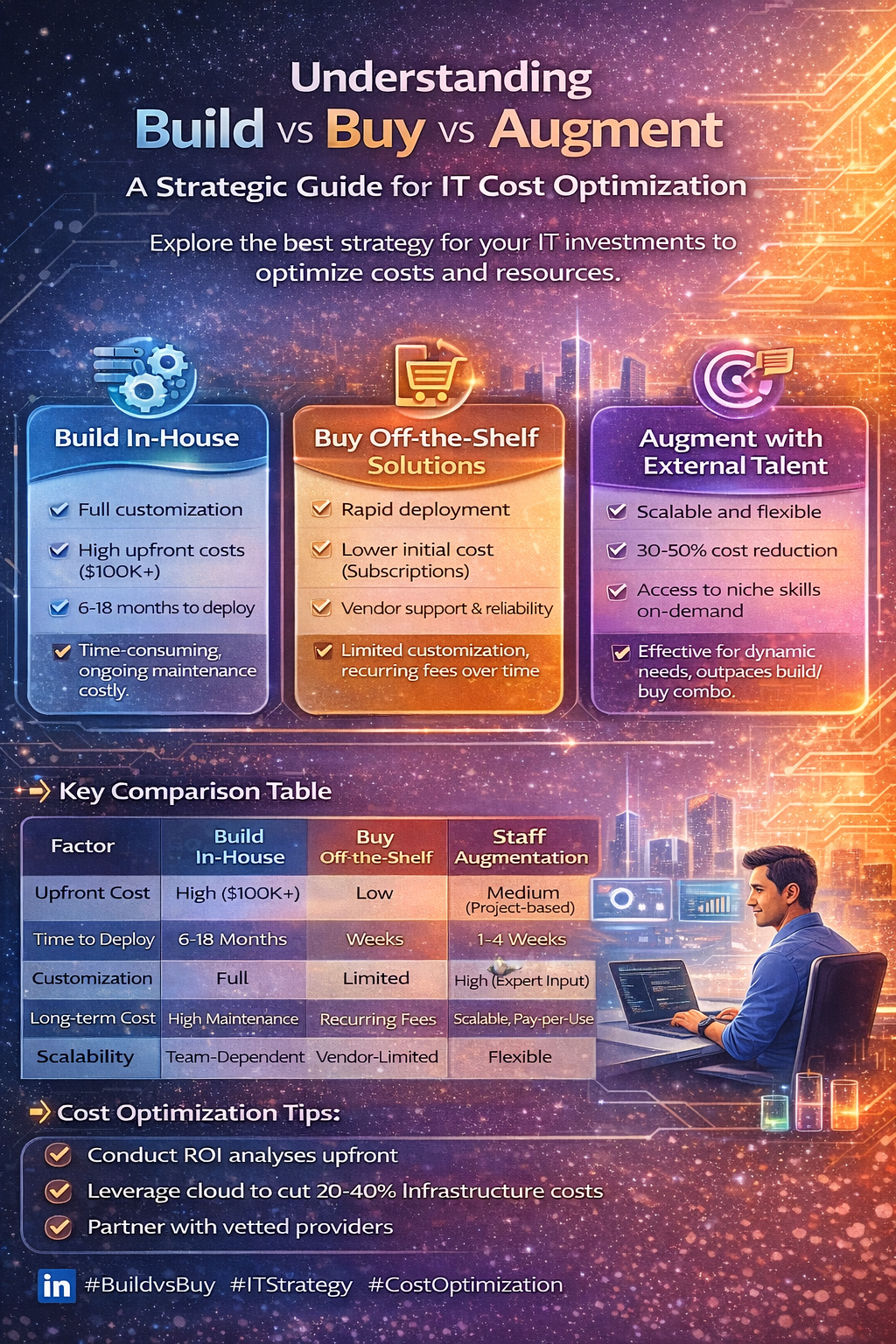


























[…] WitQualis Blog|- Cybersecurity […]
[…] modern IT environments, cybersecurity and cloud skill shortages are frequently observed by organisations. These gaps are efficiently […]