
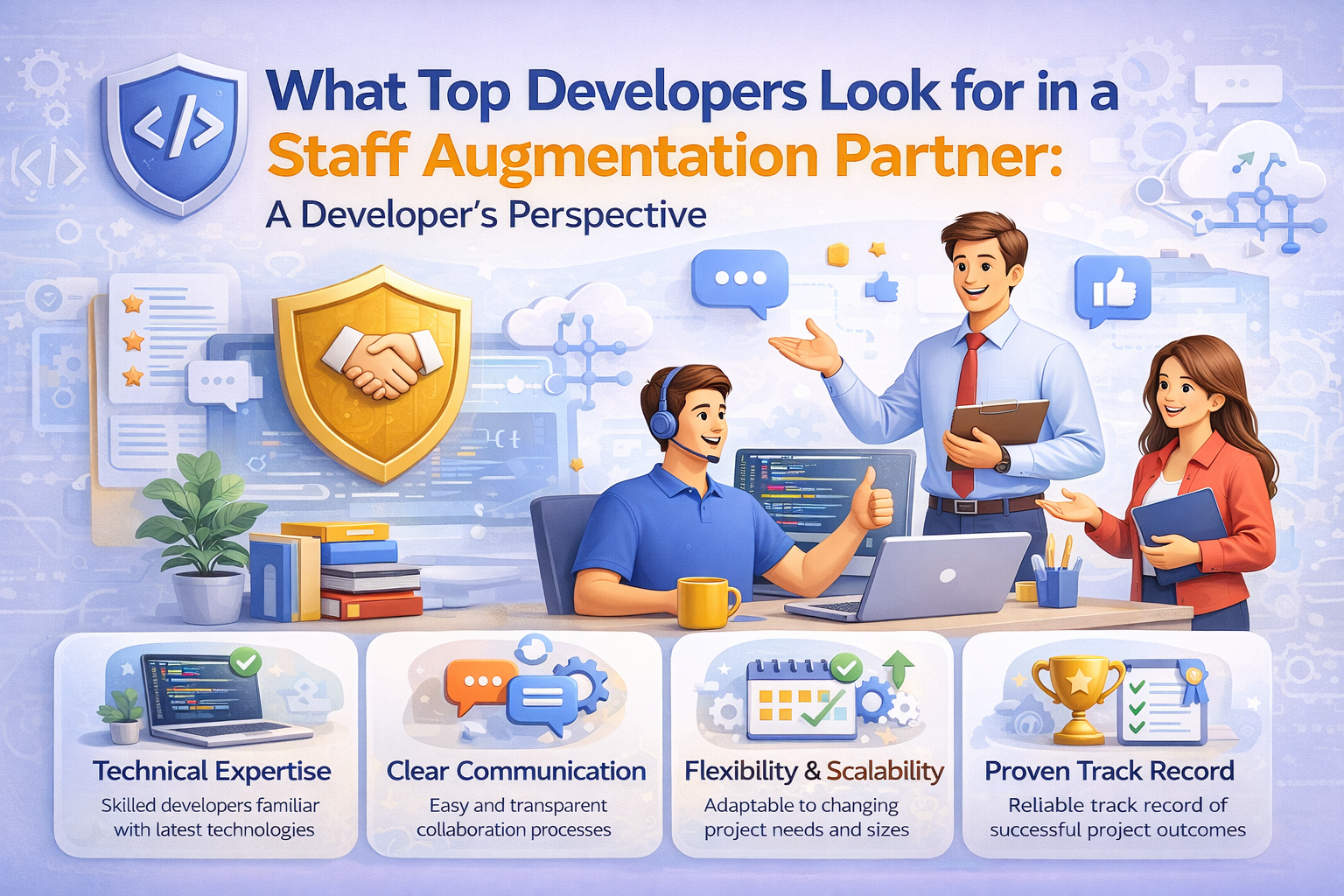
What Top Developers Look for in a Staff Augmentation Partner: A Developer’s Perspective
What Top Developers Look for in a Staff Augmentation Partner
The Shift: From Vendor to Strategic Partner
Because the best developers have multiple opportunities at any given time, they are no longer willing to work with faceless outsourcing vendors. Consequently, staff augmentation firms must position themselves as genuine partners committed to developer success, not merely as intermediaries selling labor hours. Therefore, the firms that thrive in this new landscape are those that understand what top talent actually values.
Moreover, traditional outsourcing relationships were transactional: hire, deploy, collect payment, repeat. However, this model no longer works for attracting experienced developers who have built careers and reputations. Furthermore, modern developers seek partnerships where their growth, autonomy, and values alignment matter as much as the work itself. Thus, augmentation partners must evolve their entire business model to reflect this new reality.
Meaningful, Challenging Work—Not Just Paychecks
Because top developers are driven by intellectual stimulation, they prioritize projects that offer technical challenge and impact. Consequently, a staff augmentation partner’s ability to source interesting projects directly determines whether they can attract and retain exceptional talent.
Furthermore, developers who have advanced in their careers are no longer interested in routine maintenance work or cookie-cutter feature development. Instead, they seek roles involving architecture decisions, system design, performance optimization, or emerging technologies. Therefore, augmentation partners must have deep relationships with clients who offer substantive technical work, not just “bodies to fill seats.”
Additionally, the best developers evaluate each opportunity based on what they will learn. Specifically, they ask: “Will this project expand my skills? Will I work with strong engineers? Will I solve interesting problems?” As a result, partners that can articulate compelling answers to these questions win top talent.
Moreover, when developers see that a partner consistently places them in meaningful roles, trust builds. Thus, repeat engagements with the same partner become more likely, creating long-term relationships that benefit everyone.
Transparent Communication and Honesty
Because top developers value respect, they demand transparency in all partner interactions. Consequently, augmentation firms that hide project details, misrepresent client expectations, or withhold information quickly lose credibility.
Furthermore, developers want to know the truth about client environments: Will I work with a strong team? Are there legacy systems I’ll be maintaining? What is the company’s technical culture like? As a result, partners that provide candid assessments—including potential challenges—earn trust and loyalty. Moreover, honesty about project constraints actually attracts developers because it shows respect for their intelligence.
Additionally, communication must be consistent and accessible. Specifically, developers should know they can reach their partner contact with questions, concerns, or requests without bureaucratic friction. Therefore, responsive communication becomes a key differentiator between partners that developers prefer and those they avoid.
Significantly, when issues arise during engagements—and they inevitably do—transparent communication determines whether developers feel supported or abandoned. Thus, partners that proactively address problems maintain strong relationships while those that disappear damage their reputations.
Fair Compensation and Benefits That Match Full-Time Roles
Because top developers can command premium compensation in the full-time market, augmentation partners must offer competitive rates and benefits. Consequently, developers will not accept significant compensation cuts just to work as “contractors.”
Moreover, this goes beyond salary. Benefits like health insurance, professional development budgets, retirement contributions, and paid time off matter enormously to experienced developers who have built lives and families. Furthermore, developers evaluate total compensation packages, not just hourly rates. Therefore, partners that offer comprehensive benefits compete far more effectively than those offering bare-minimum contractor arrangements.
Additionally, flexibility in engagement terms is increasingly important. Specifically, top developers want options: Can I work on multiple projects? Do I have input on project selection? Can I negotiate engagement length and terms? As a result, partners that offer flexibility attract more agency and autonomy-seeking talent.
Significantly, when developers feel fairly compensated and valued, retention improves dramatically. Thus, investment in competitive packages pays dividends through reduced turnover and stronger developer commitment.
Autonomy and Respect for Technical Judgment
Because experienced developers have earned their expertise through years of problem-solving, they expect their technical judgments to be respected. Consequently, augmentation partners and clients who override developer recommendations without compelling reasons quickly lose talented people.
Furthermore, autonomy is not just about decision-making; it is about being trusted to solve problems without micromanagement. Specifically, top developers want to own their work, make architectural choices, and be held accountable for quality. Therefore, partners that advocate for developer autonomy within client relationships create better experiences for their augmented team members.
Additionally, this autonomy extends to project selection and career direction. For example, a developer might request a role focusing on performance optimization instead of feature development because that aligns with their learning goals. As a result, partners that accommodate these preferences strengthen loyalty.
Moreover, when developers feel respected as professionals—not treated as interchangeable resources—their motivation and productivity increase. Thus, respect becomes a competitive advantage for augmentation partners.
Professional Development and Career Growth Pathways
Because the best developers are constantly learning, they view every engagement as an opportunity to grow their skills. Consequently, augmentation partners that support professional development attract and retain top talent far more effectively than those focused purely on billable hours.
Furthermore, this includes support for certifications, conference attendance, online courses, and mentorship opportunities. Specifically, developers want partners that invest in their growth, recognizing that better skills make them more valuable on future projects. Therefore, partners with explicit professional development programs outcompete those offering nothing.
Additionally, career growth pathways matter enormously. For example, a talented individual contributor might aspire to architectural leadership or management. As a result, partners that create pathways toward those goals—through careful project selection, mentorship, and advancement opportunities—retain developers that firms without these structures lose.
Significantly, when developers see themselves progressing toward meaningful career goals, they remain committed to augmentation partnerships long-term. Thus, career development becomes a retention strategy, not just a perk.
Strong Technical Culture and Knowledge Sharing
Because developers learn continuously from their peers, they evaluate augmentation partners based on the strength of their internal technical culture. Consequently, firms with deep technical expertise, strong engineering practices, and collaborative knowledge-sharing environments attract better talent.
Furthermore, developers want to work alongside other skilled engineers. Specifically, they seek mentorship from senior architects, learning from code reviews, and collaboration on interesting problems. Therefore, partners that foster robust technical communities create competitive advantage.
Additionally, knowledge-sharing extends to training on emerging technologies. For example, if Kubernetes expertise is a strategic focus, partners should be running internal workshops and certification programs. As a result, developers grow their skills while the partner builds deeper expertise in high-demand areas.
Moreover, this cultural investment signals that the partner values continuous improvement and technical excellence. Thus, quality-focused developers naturally gravitate toward partners that share these values.
Genuine Client Relationships and Vetting
Because top developers know that client environment quality directly impacts their experience, they want partners that carefully vet and build long-term relationships with clients. Consequently, firms that work with hundreds of transactional clients look far less attractive than those with deeper, more selective client relationships.
Furthermore, developers ask themselves: “Has this partner worked with this client before? Are there returning developers from this client? What is the partnership history?” As a result, partners with track records of sustained client relationships inspire confidence.
Additionally, strong client relationships mean that developers get better information about projects before committing. Specifically, they can speak with previous augmented team members who have worked at the client, learning what the experience was actually like. Therefore, transparency about client environments becomes possible through established relationships.
Significantly, clients that repeatedly request the same augmented developers signal high satisfaction. Thus, repeat business becomes a proxy for quality, making developers far more willing to return to familiar clients.
Work-Life Balance and Sustainable Pace
Because burnout is epidemic in tech, developers increasingly prioritize sustainable work environments. Consequently, augmentation partners that help developers maintain healthy work-life balance gain tremendous competitive advantage.
Furthermore, this includes realistic project scopes, reasonable on-call expectations, and realistic timelines. Specifically, developers will turn down lucrative engagements if they know the project culture requires 60-hour weeks or unrealistic deadlines. Therefore, partners that advocate for realistic expectations on behalf of developers build loyalty.
Additionally, flexibility around location, working hours, and engagement length matters enormously to developers with families, health considerations, or lifestyle preferences. As a result, partners that offer flexibility attract developers who might otherwise be unavailable.
Moreover, when augmented developers feel that their partner cares about their wellbeing—not just their productivity—trust and commitment deepen. Thus, sustainable pace becomes a retention strategy.
Support During Engagements and Problem Resolution
Because even great projects occasionally encounter challenges, top developers need to know their augmentation partner has their back. Consequently, responsive support during difficult situations—whether technical, interpersonal, or organizational—becomes critical.
Furthermore, developers want quick escalation channels when issues arise. Specifically, if a client relationship becomes toxic or project expectations shift dramatically, developers should be able to reach their partner for advocacy and problem-solving. Therefore, accessible, responsive support staff distinguish excellent partners from mediocre ones.
Additionally, partners should proactively check in during engagements to ensure developers feel supported and satisfied. For example, brief check-ins at week two, month one, and mid-engagement signal genuine care. As a result, developers feel connected to their partner, not abandoned in a client environment.
Significantly, how partners handle problems—whether they side with clients blindly or advocate for developers fairly—determines long-term loyalty. Thus, fair problem resolution becomes essential for retention.
Long-Term Relationship Focus Over Transaction Maximization
Because transactional partners constantly chase the next deal, they often sacrifice developer experience for short-term revenue. Consequently, developers recognize this pattern and seek partners with longer-term vision.
Furthermore, developers notice whether a partner follows up after engagements end, maintains relationships between projects, and remembers them as individuals rather than billing units. Specifically, partners that stay in touch and think about future opportunities for developers build genuine relationships. Therefore, relationship-focused approaches outcompete transaction-focused ones.
Additionally, developers appreciate when partners proactively suggest opportunities aligned with their growth goals. For example, a partner might say: “I know you’re interested in cloud security; I have a perfect engagement coming up in three months.” As a result, thoughtful career guidance strengthens developer commitment.
Moreover, when developers feel that a partner genuinely cares about their career trajectory—not just filling current seats—they become advocates. Thus, they refer other talented engineers, creating organic growth for the partner.
How WitQualis Reflects Developer Values
Because WitQualis understands what top developers want, the firm has built its entire augmentation model around developer success.
WitQualis focuses on:
-
Meaningful work: Selective client relationships ensure developers work on substantive projects, not commodity feature work
-
Transparency: Candid conversations about client environments, project expectations, and growth opportunities
-
Fair compensation: Competitive rates and benefits aligned with full-time developer expectations
-
Professional development: Support for certifications, conference attendance, and skill-building
-
Long-term relationships: Focus on repeat engagements and career growth, not transaction maximization
-
Advocacy: Active support during engagements and fair resolution of challenges
-
Why WitQualis Focuses on Developer Experience – WitQualis Culture
Consequently, WitQualis attracts experienced developers seeking partnerships where their skills, growth, and wellbeing matter. Thus, the firm’s success reflects its commitment to what top developers actually value.
One response to “What Top Developers Look for in a Staff Augmentation Partner: A Developer’s Perspective”
Leave a Reply
Recent Posts
-
 March 5, 2026
Microservices Architecture: Benefits and Implementation Tips
-
 March 3, 2026
How Remote Work Has Changed the IT Industry and Tools You Need
-
 March 2, 2026
API Design and Management Best Practices for Developers
-
 February 27, 2026
The Impact of Internet of Things (IoT) on Modern Business
-
 February 26, 2026
Virtual and Augmented Reality: Where Tech is Headed Next | 2026 Guide
-
 February 25, 2026
Blockchain Beyond Cryptocurrency: Real-World Applications & Use Cases (2026 Guide)
-
 February 24, 2026
The Role of AI in Enhancing IT Development: A Deep Dive (2026 Guide)
-
 February 23, 2026
Maximizing Productivity: How Staff Augmentation Drives Innovation in IT Projects
-
 February 20, 2026
Staff Augmentation vs. Outsourcing: Which IT Model Wins in 2026?
-
 February 19, 2026
The Rise of Hybrid Teams: How to Leverage Staff Augmentation for Business Success
-
 February 18, 2026
How Staff Augmentation is Transforming the Future of IT Workforce (2026)
-
 February 17, 2026
5 Reasons Why Staff Augmentation is Key for Tech Skill Shortages: staff augmentation for tech skill shortages
-
 February 16, 2026
How Staff Augmentation Helps Scale Your Business Without Overheads in 2026
-
 February 13, 2026
The Power of Diverse Teams: How Staff Augmentation Drives Inclusion (2026)
-
 February 12, 2026
The Role of 5G Technology in Shaping IT Development and Augmentation in 2026
-
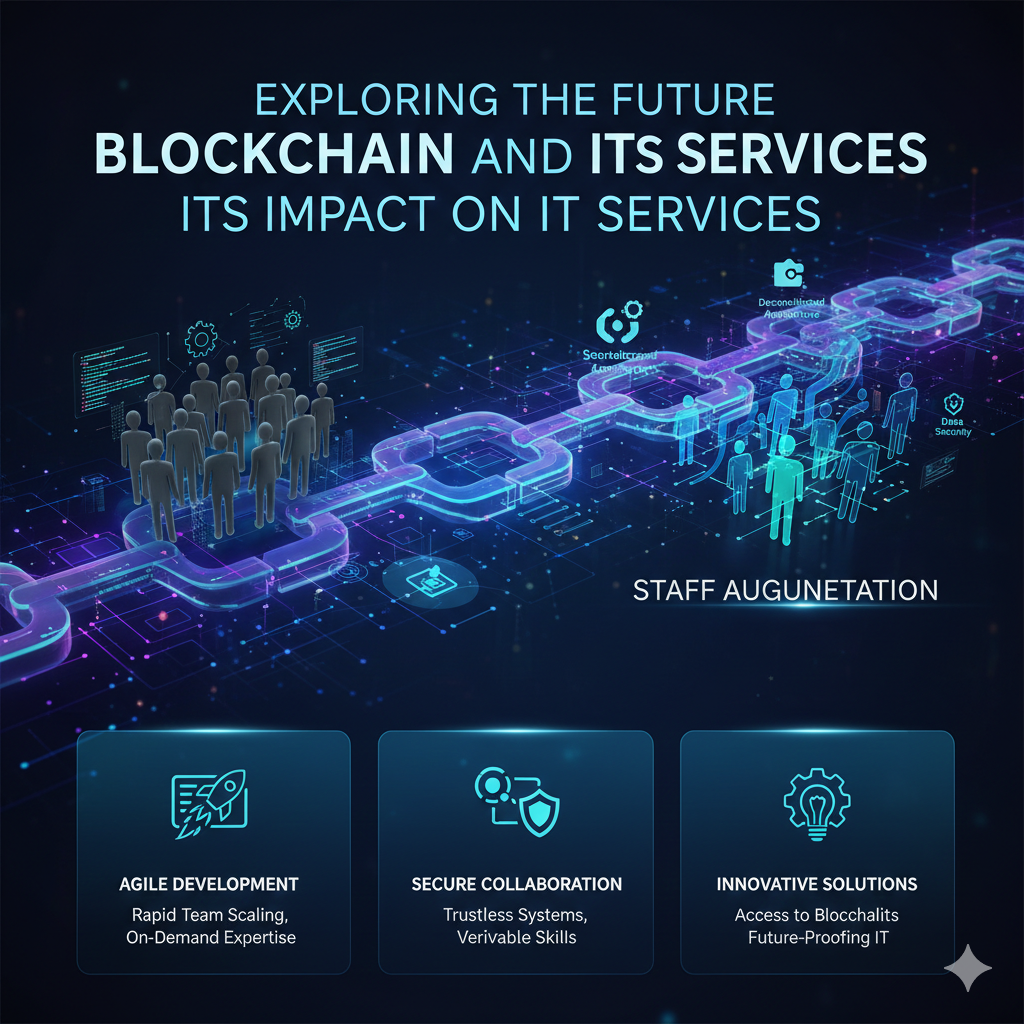 February 11, 2026
The Future of Blockchain: Revolutionizing IT Services in 2026
-
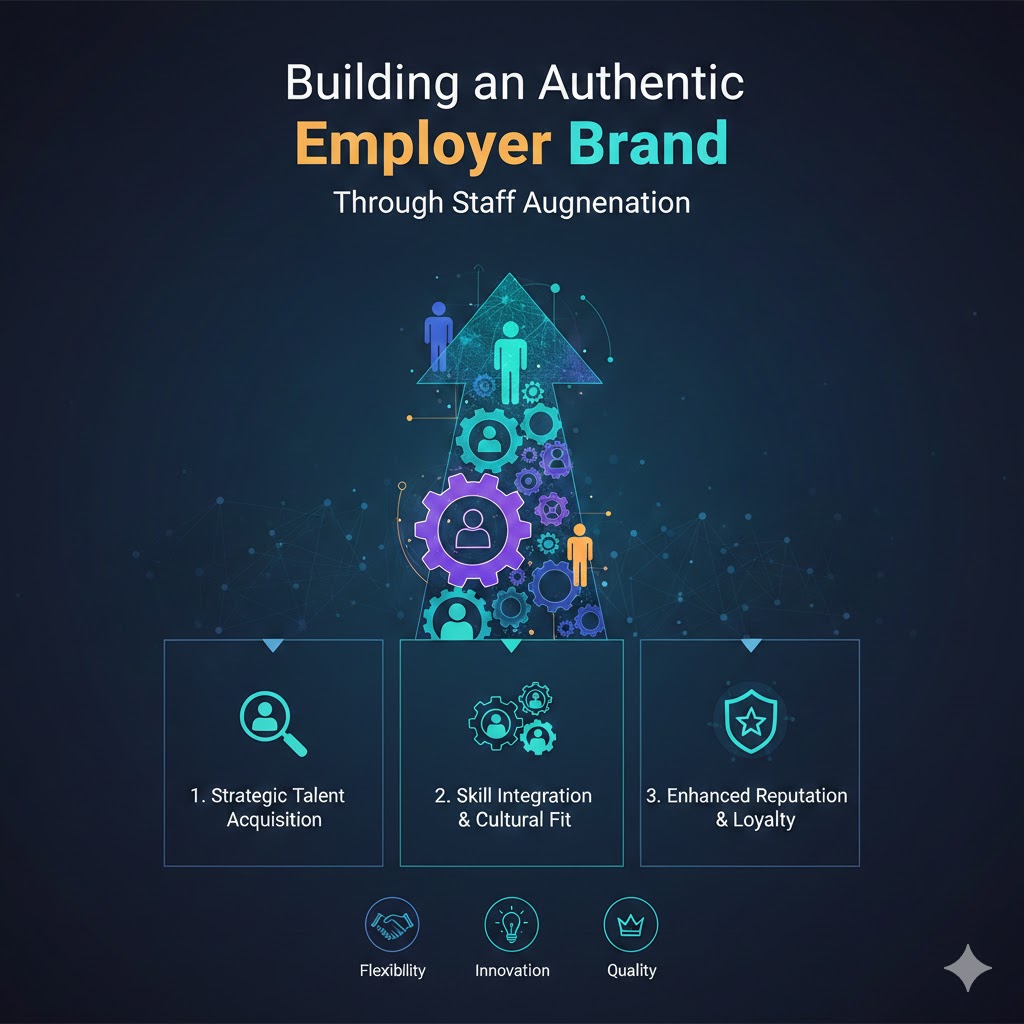 February 10, 2026
Building an Authentic Employer Brand Through Staff Augmentation in 2026
-
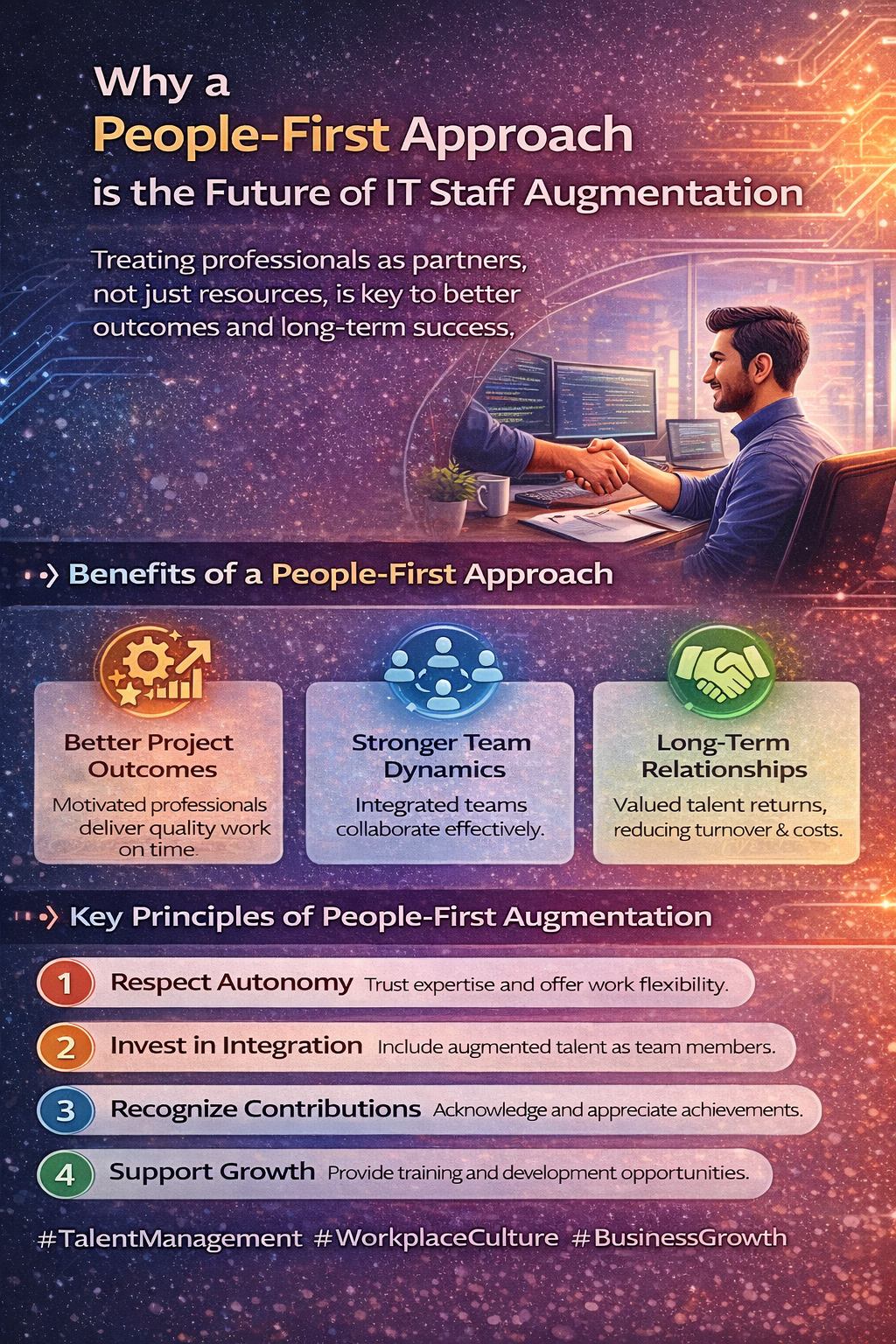 February 9, 2026
Supporting Augmented Professionals During Projects: Best Practices for Success
-
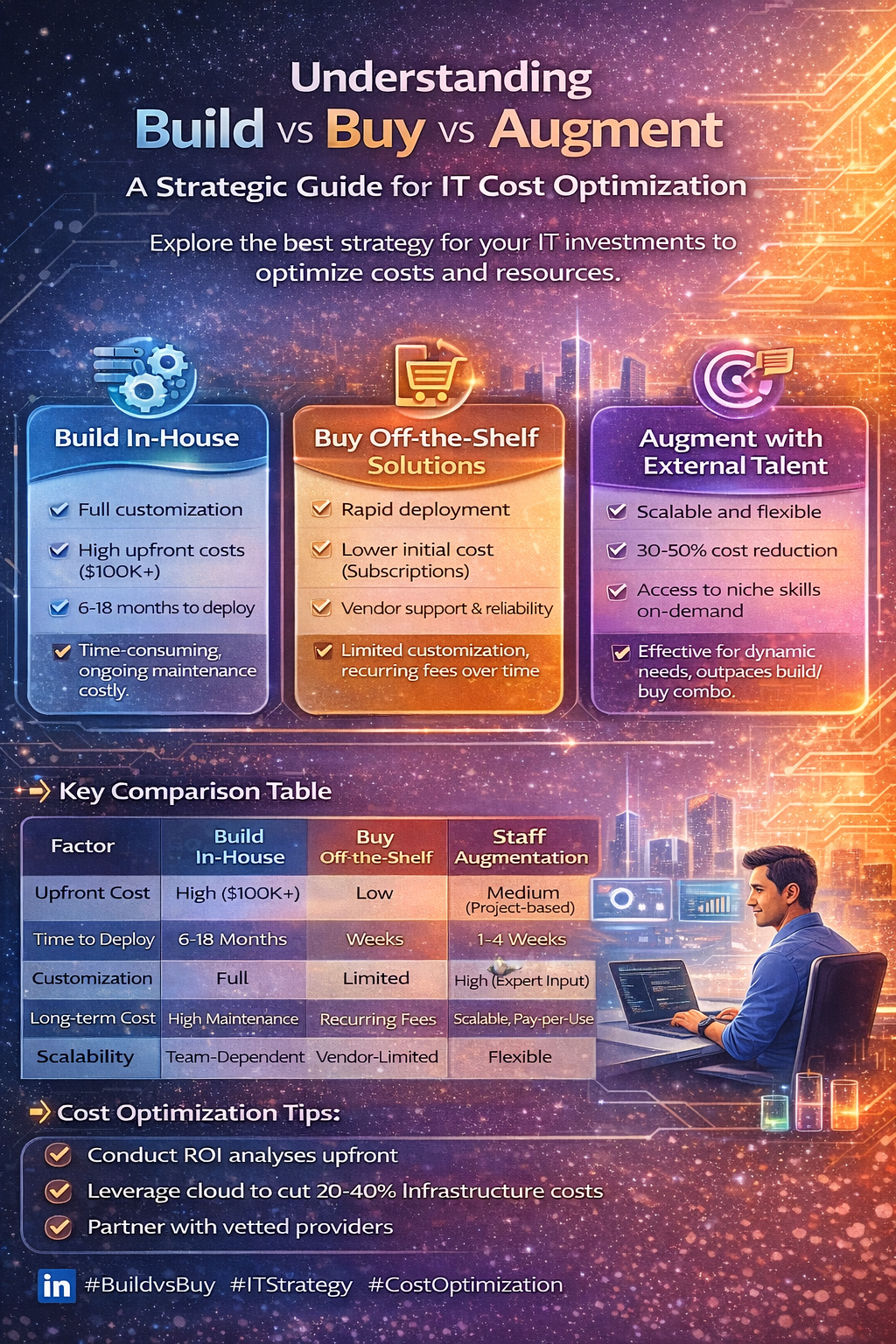 February 6, 2026
Cost Optimization in IT: Build vs Buy vs Staff Augmentation (2026 Guide)
-
 February 5, 2026
The Role of DevOps in High-Performance Engineering Teams: Best Practices Guide
-
 February 4, 2026
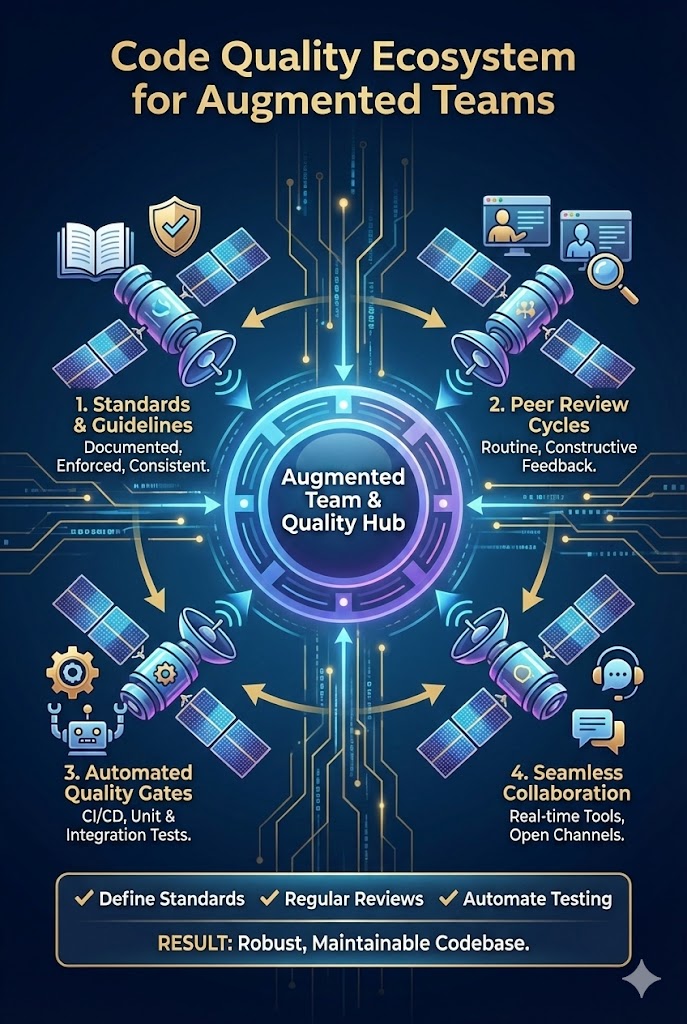
How to Ensure Code Quality When Working with Augmented Teams: Best Practices Guide
-
 February 3, 2026
Tech Talent Trends That Will Shape the Next 5 Years: 2026–2031 Outlook
-
 February 2, 2026
The Rise of Hybrid Teams: In-House + Augmented Talent - The Complete Guide
-
 January 30, 2026
How We Support and Retain High-Performing Tech Professionals
-
 January 29, 2026
Aligning Technology Strategy with Business Growth Goals: A Complete Framework
-
January 28, 2026
What Top Developers Look for in a Staff Augmentation Partner: A Developer's Perspective
-
 January 27, 2026
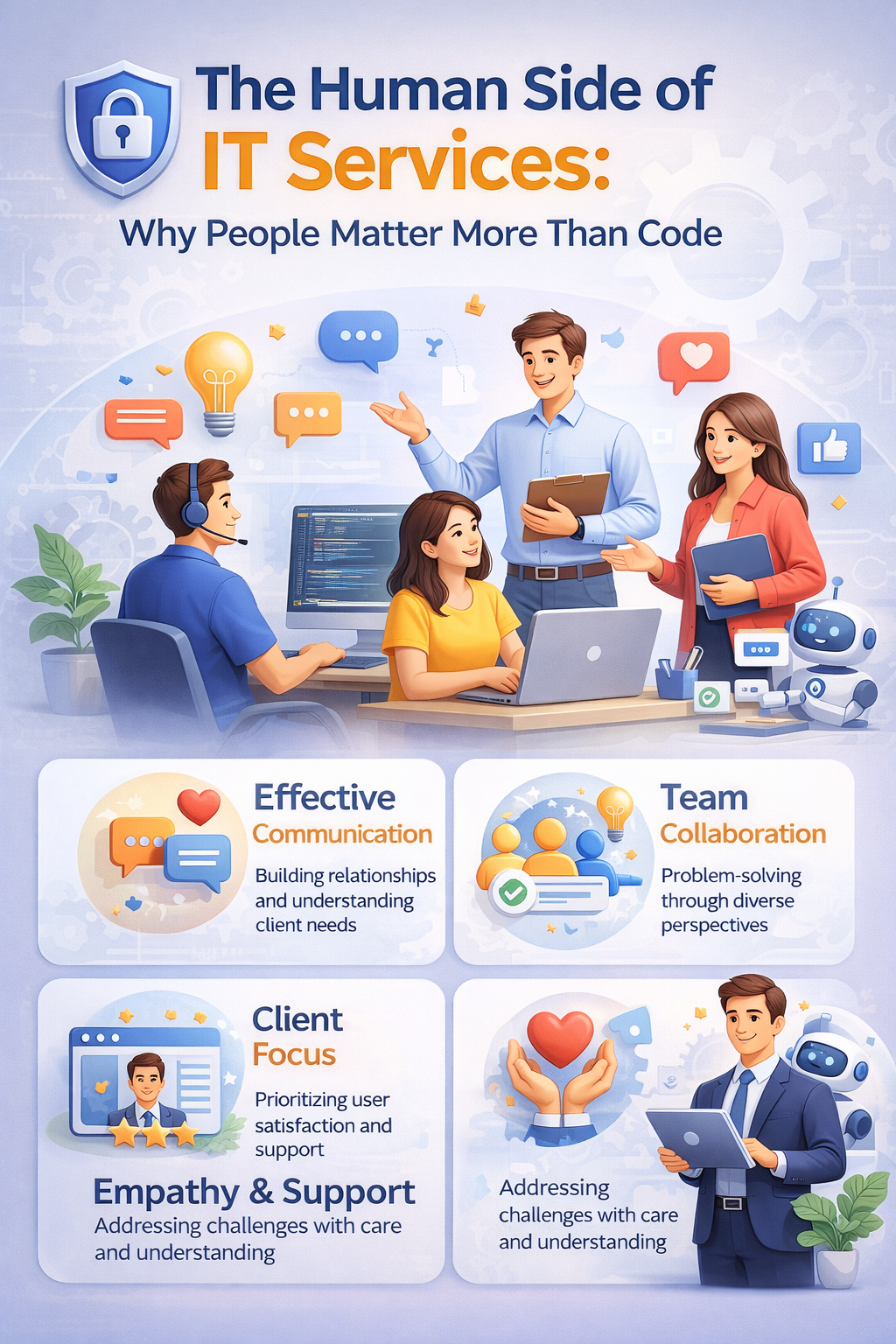
The Human Side of IT Services: Why People Matter More Than Code
-
 January 23, 2026
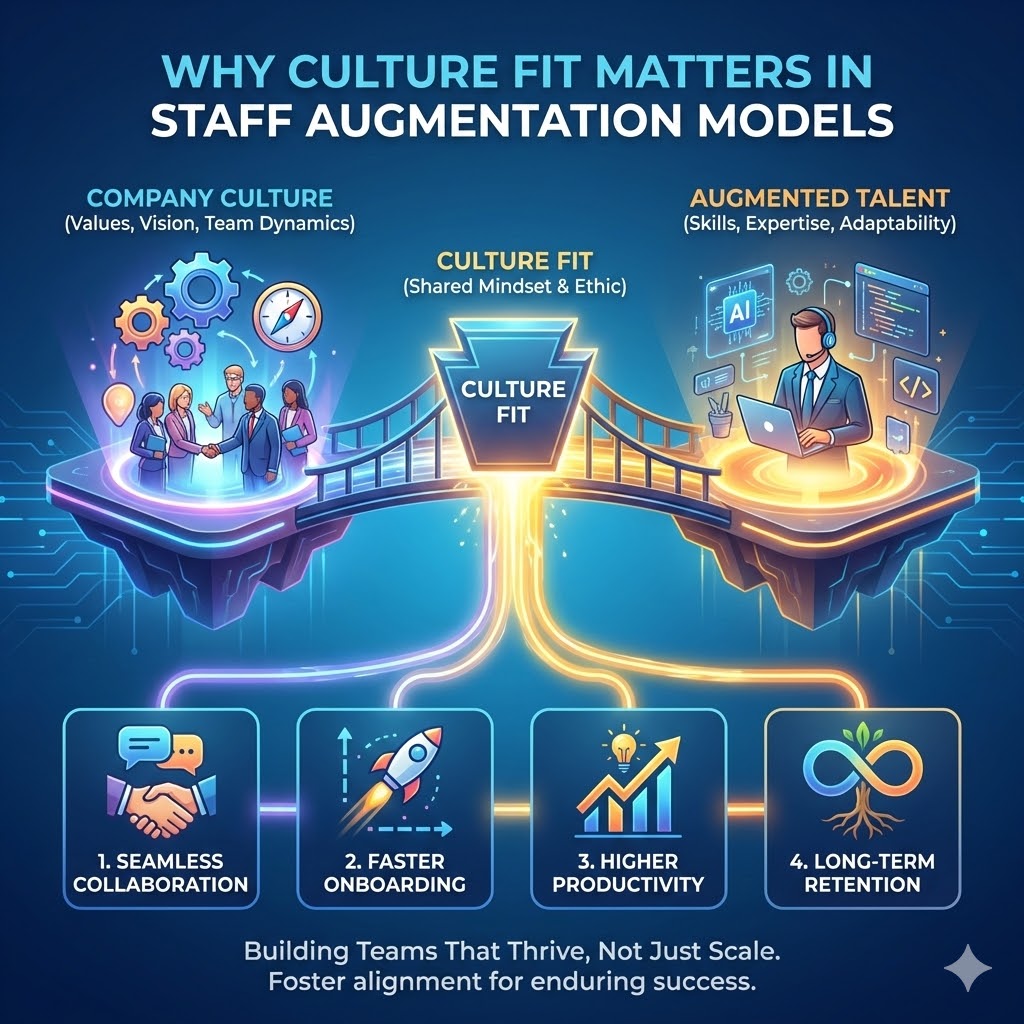
Why Culture Fit Matters in Staff Augmentation Models | Witqualis
-
 January 22, 2026
Building Long-Term Relationships with Augmented Talent: A Strategic Approach
-
 January 21, 2026
Cybersecurity Skills in Demand: What Companies Need Now in 2026
-
 January 20, 2026
Why Flexible Hiring Models Drive Better Business Outcomes
-
 January 19, 2026
Reducing Time-to-Market with On-Demand Tech Talent
-
 January 15, 2026
How Dedicated Development Teams Accelerate Product Delivery
-
 January 14, 2026
Scaling Tech Teams Quickly Without Compromising Quality
-
January 12, 2026
Common Mistakes Companies Make When Outsourcing IT Projects (And How to Avoid Them)
-
January 9, 2026
Key Workforce Trends Every CTO Should Watch This Year
-
 January 8, 2026
How AI Is Transforming IT Staffing and Talent Matching
-
 January 7, 2026
How IT Staff Augmentation Helps Startups Scale Faster
-
 January 6, 2026
Choosing the Right Tech Stack for Scalable Digital Products
-
 January 5, 2026
How Remote Talent Is Reshaping Global IT Teams
-
 December 29, 2025
Staff Augmentation vs Traditional Hiring 2025
-
 December 24, 2025
Why Staff Augmentation Is the Future of Agile Hiring
-
 December 22, 2025
Why Hiring Faster Doesn’t Mean Compromising Quality — It Means Finding the Right Partner
-
 December 19, 2025
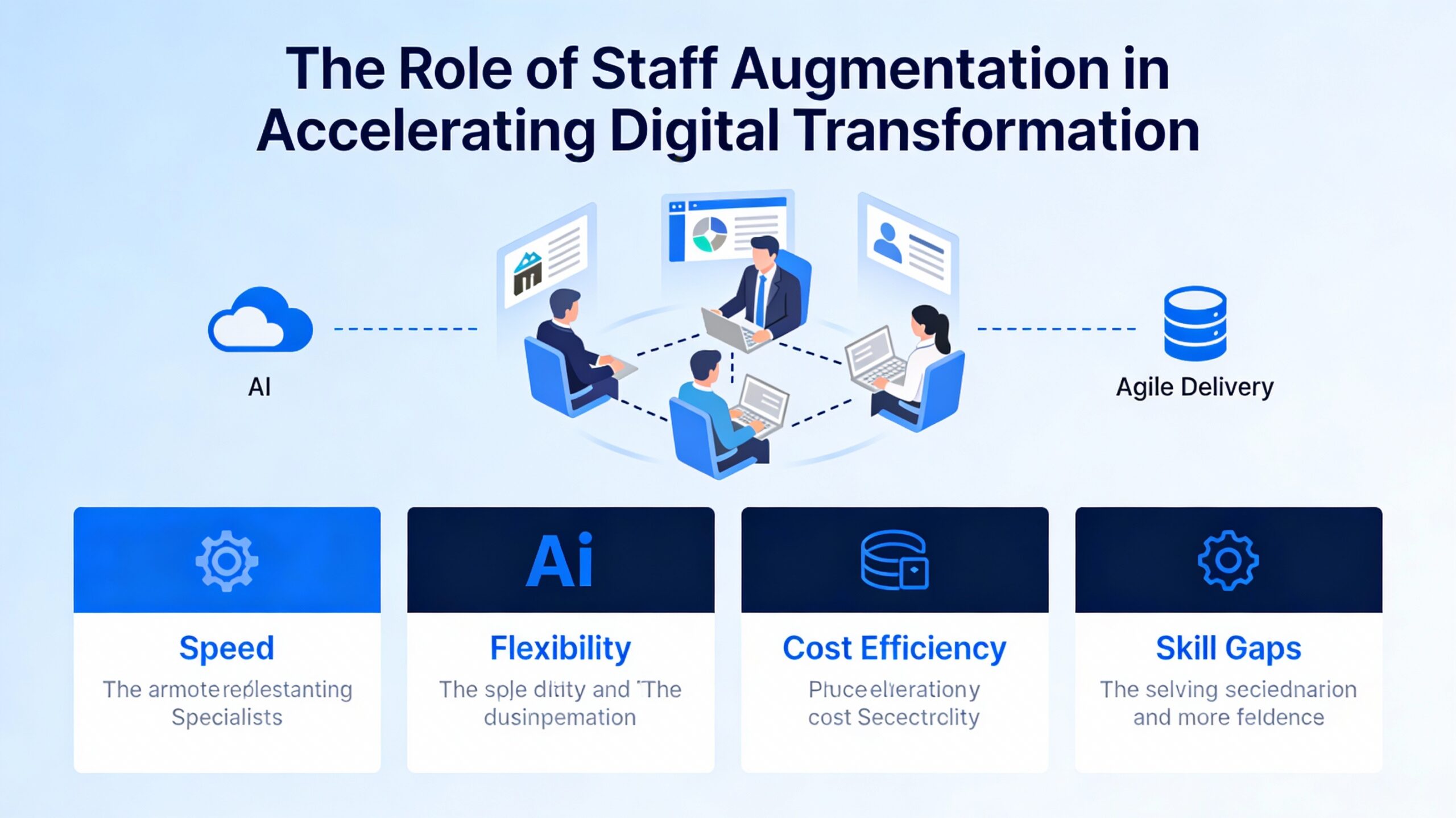
The Role of Staff Augmentation in Accelerating Digital Transformation
-
 December 18, 2025
5 Tech Hiring Trends Every CTO Should Watch in 2025
-
December 17, 2025
Why Soft Skills Are the Hidden Superpower in Tech Teams
-
 December 15, 2025
How WitQualis Connects Global Talent with Local Opportunities
-
 December 10, 2025
Why Businesses Need Agile, Scalable, and Skilled Tech Teams—Now More Than Ever
-
 December 5, 2025
The Human Side of Technology: Why People Matter as Much as Code
-
 December 4, 2025
The Rise of Contract-Based Developers in the Global IT Market
-
 December 3, 2025
Talent Has No Boundaries: Why the Best Teams Are Built Across Borders
-
 December 2, 2025
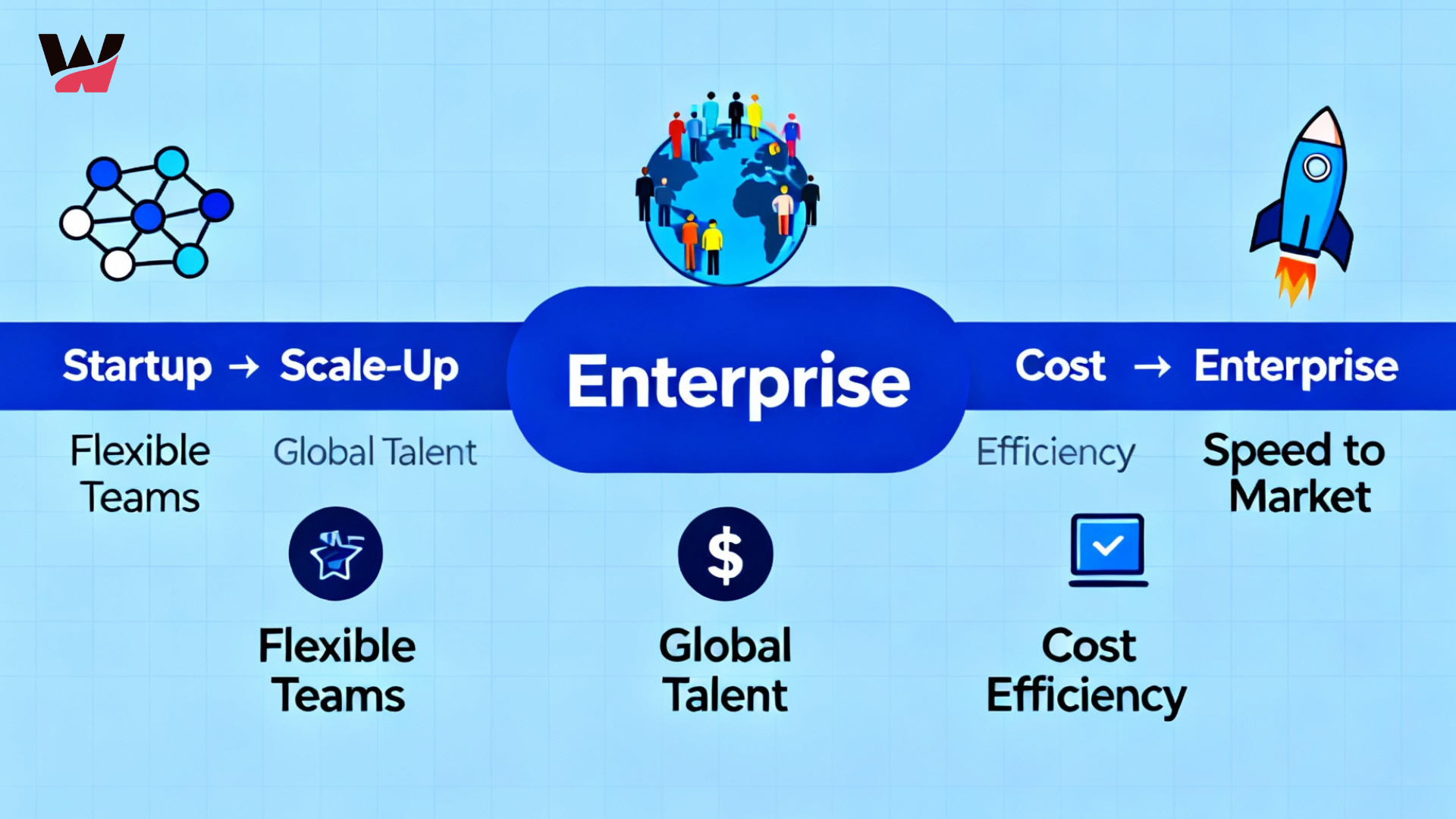
From Startups to Enterprises: How Staff Augmentation Supports Every Stage of Growth
-
 December 1, 2025
Great Ideas Need Great Execution – How WitQualis Teams Turn Vision into Reality
-
 November 28, 2025
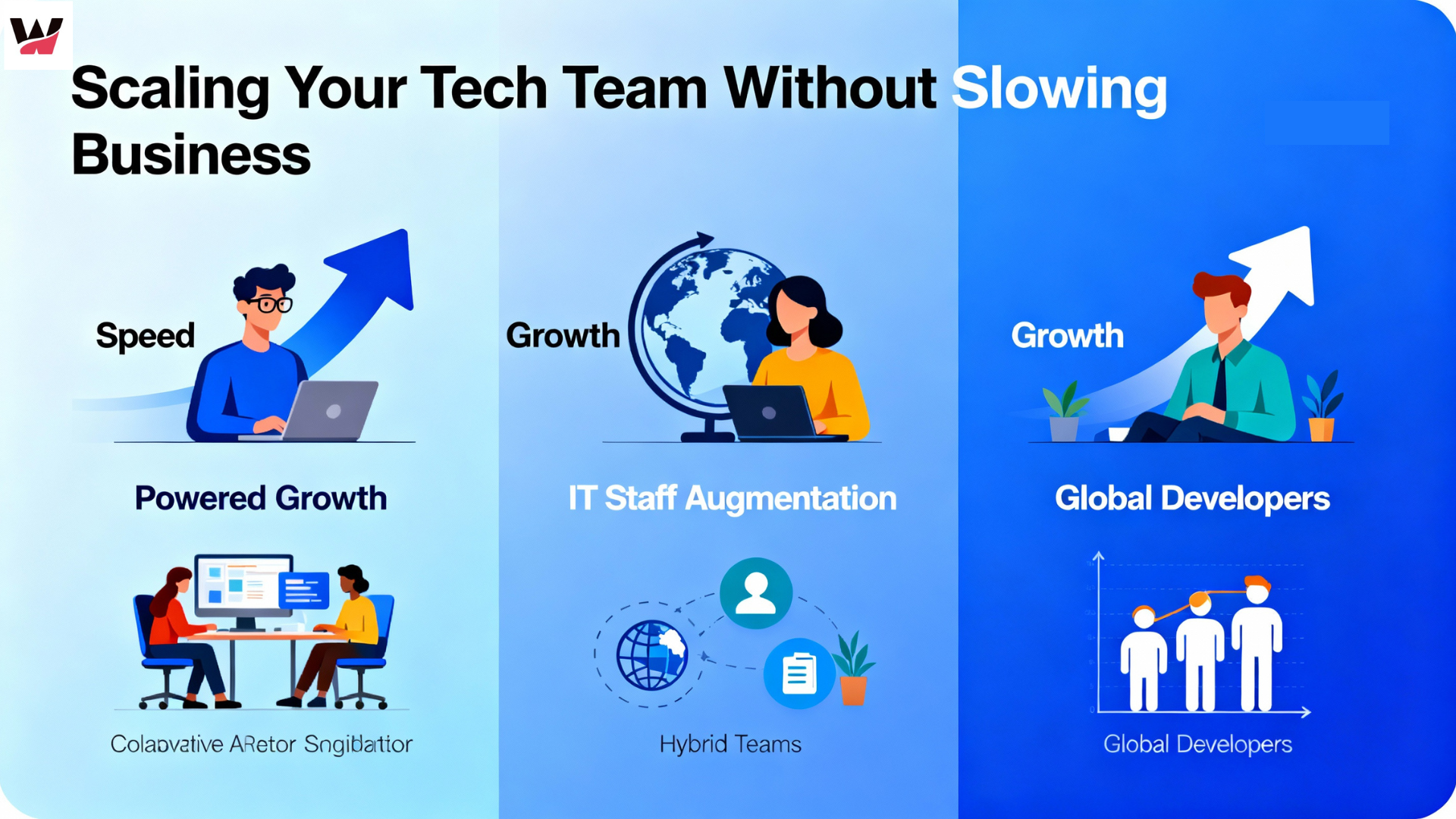
Scaling Your Tech Team Shouldn’t Slow Your Business – It Should Power It
-
 November 27, 2025
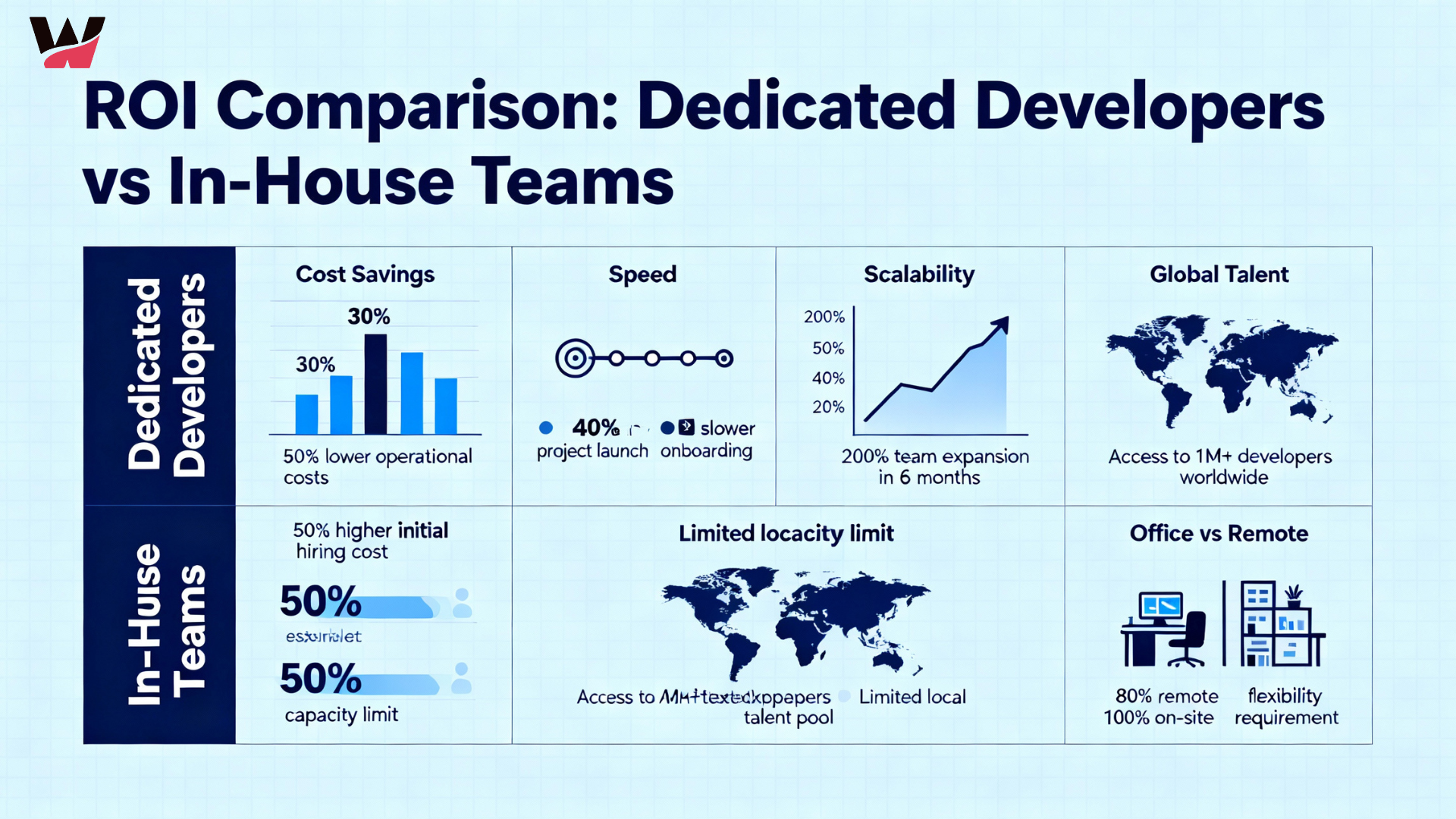
The ROI of Hiring Dedicated Developers vs In-House Teams
-
 November 26, 2025
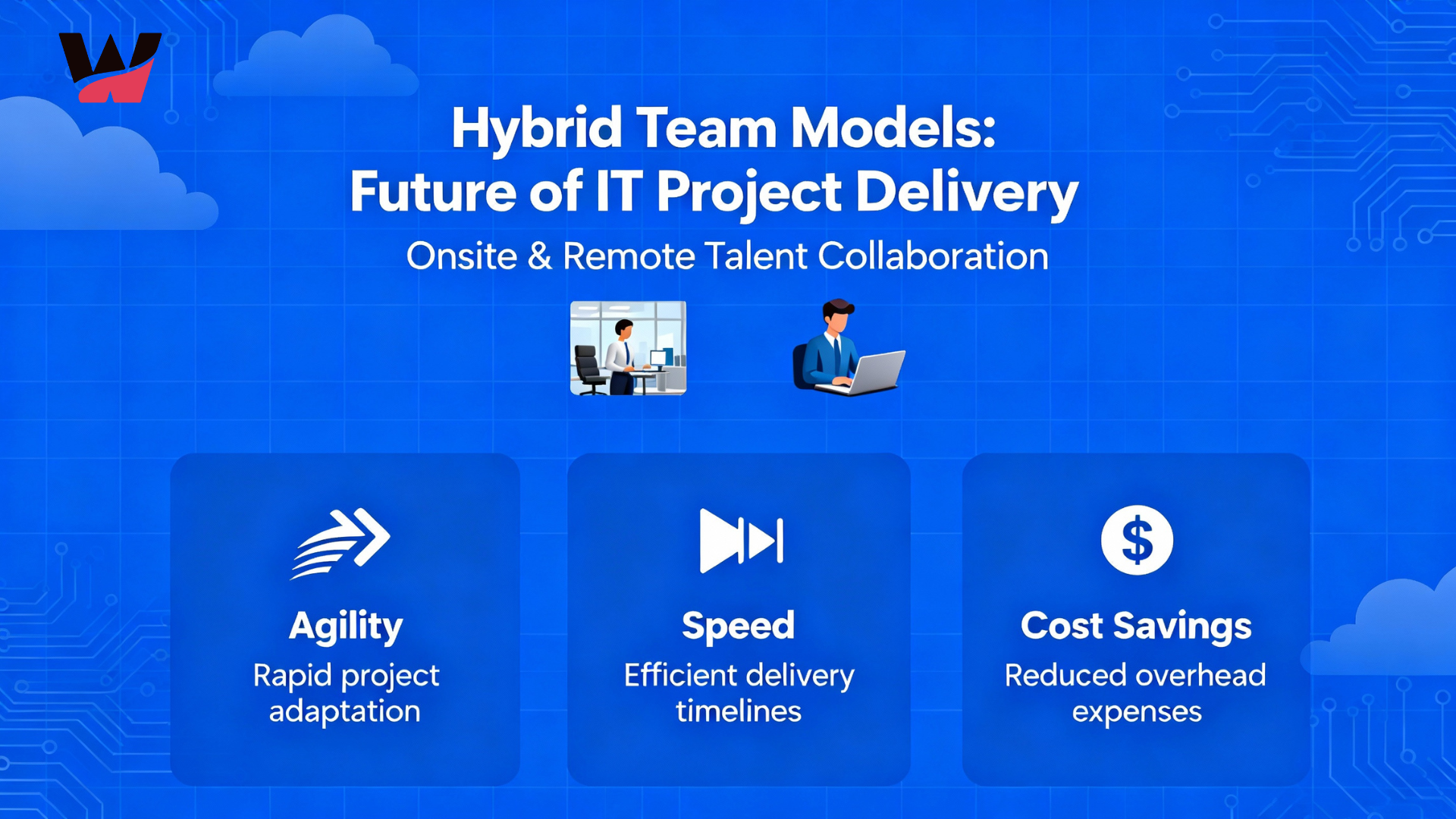
Why Hybrid Team Models Are the Future of IT Project Delivery
-
 November 24, 2025
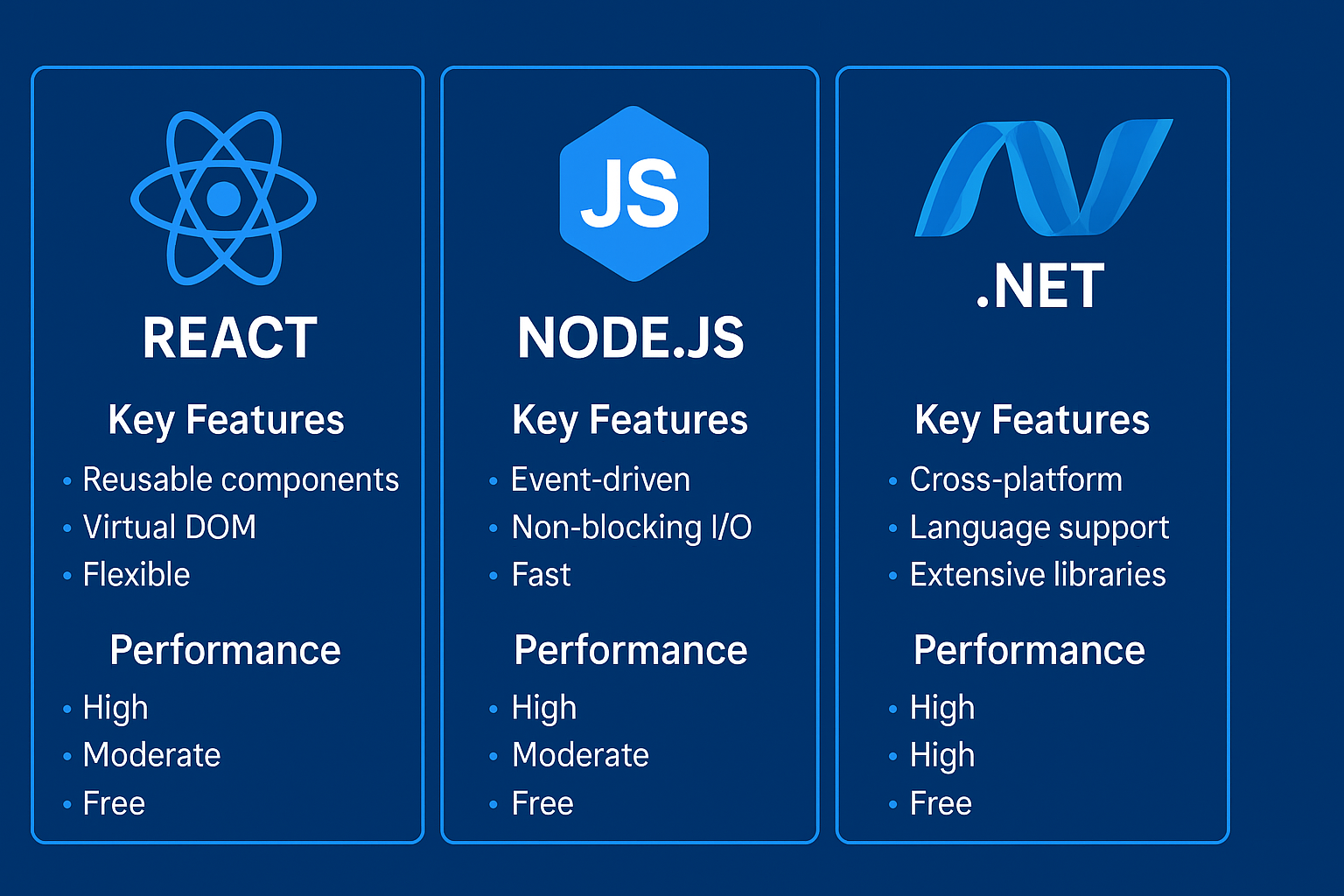
React, Node.js, or .NET? Choosing the Right Tech Stack for Your Next Project
-
 November 21, 2025
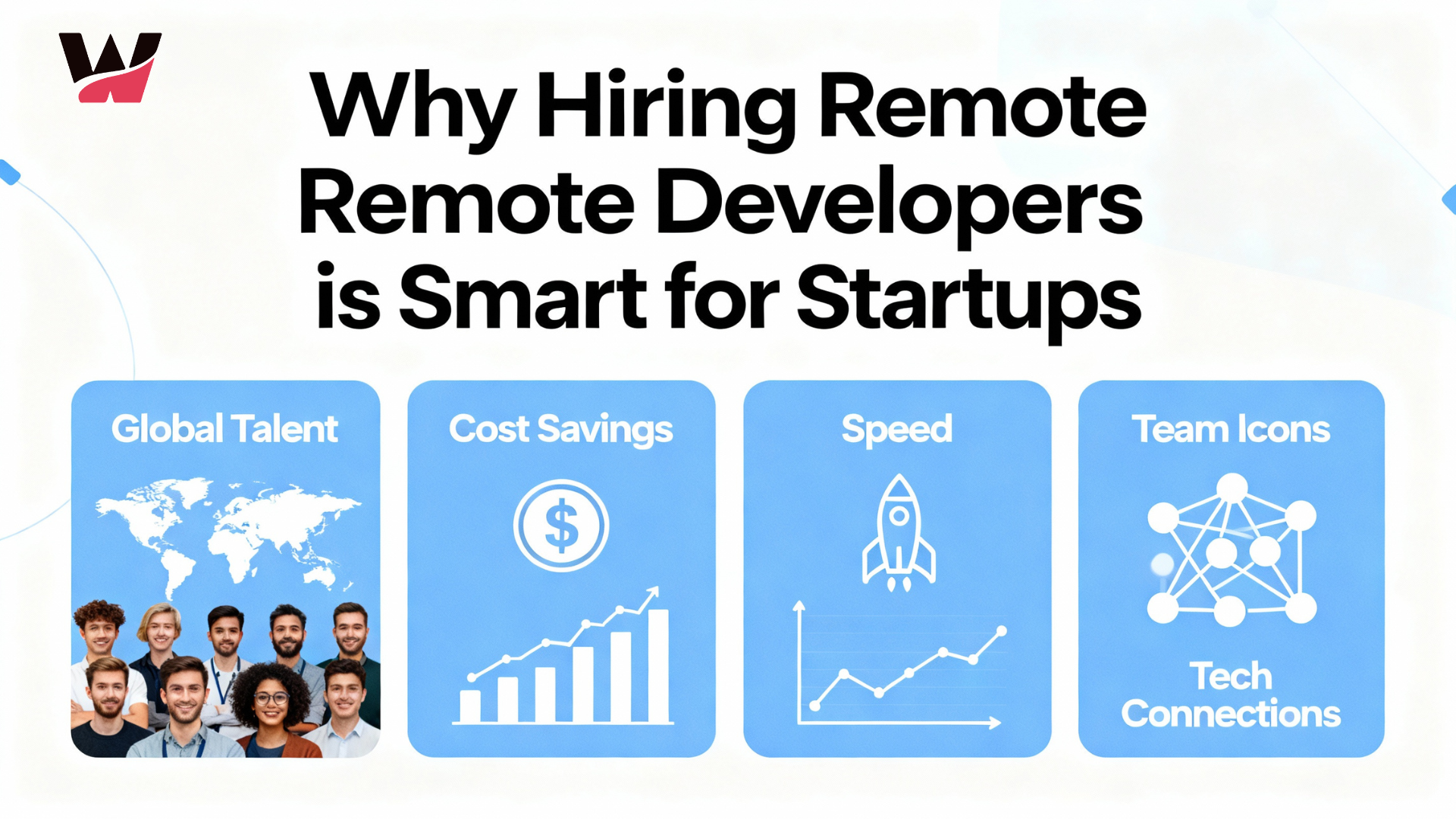
Why Hiring Remote Developers Is the Smartest Move for Startups
-
 November 20, 2025
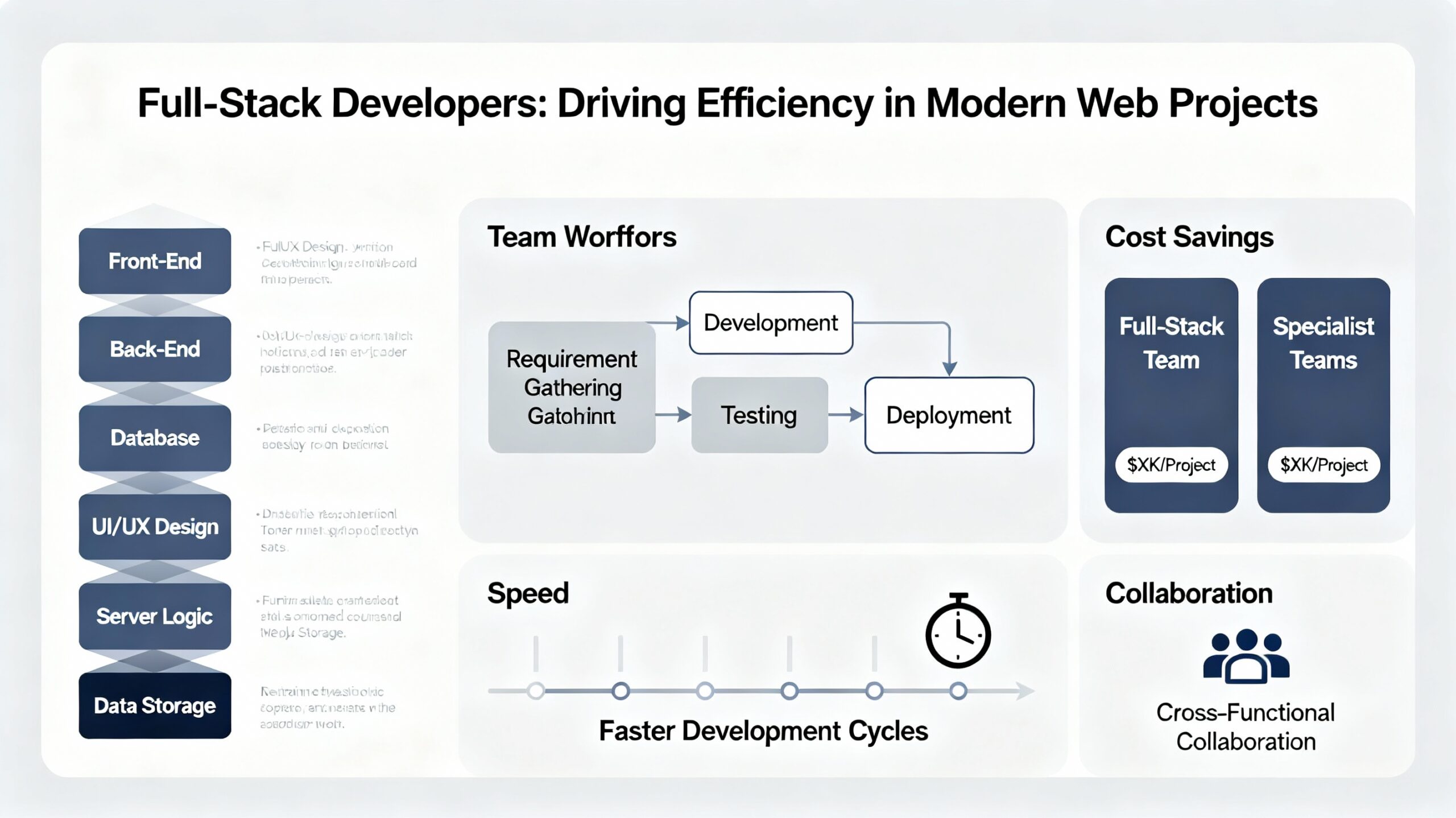
How Full-Stack Developers Drive Efficiency in Modern Web Projects
-
 November 19, 2025
Bridging the Skill Gap: How Augmented Teams Empower Digital Transformation
-
 November 18, 2025
New Technologies for 2025: What Businesses Need to Grow
-
 November 14, 2025
IT Staff Augmentation Reduces Project Costs Quality
-
 November 13, 2025
Empowering Global Collaboration: How WitQualis Builds Seamless Remote Teams
-
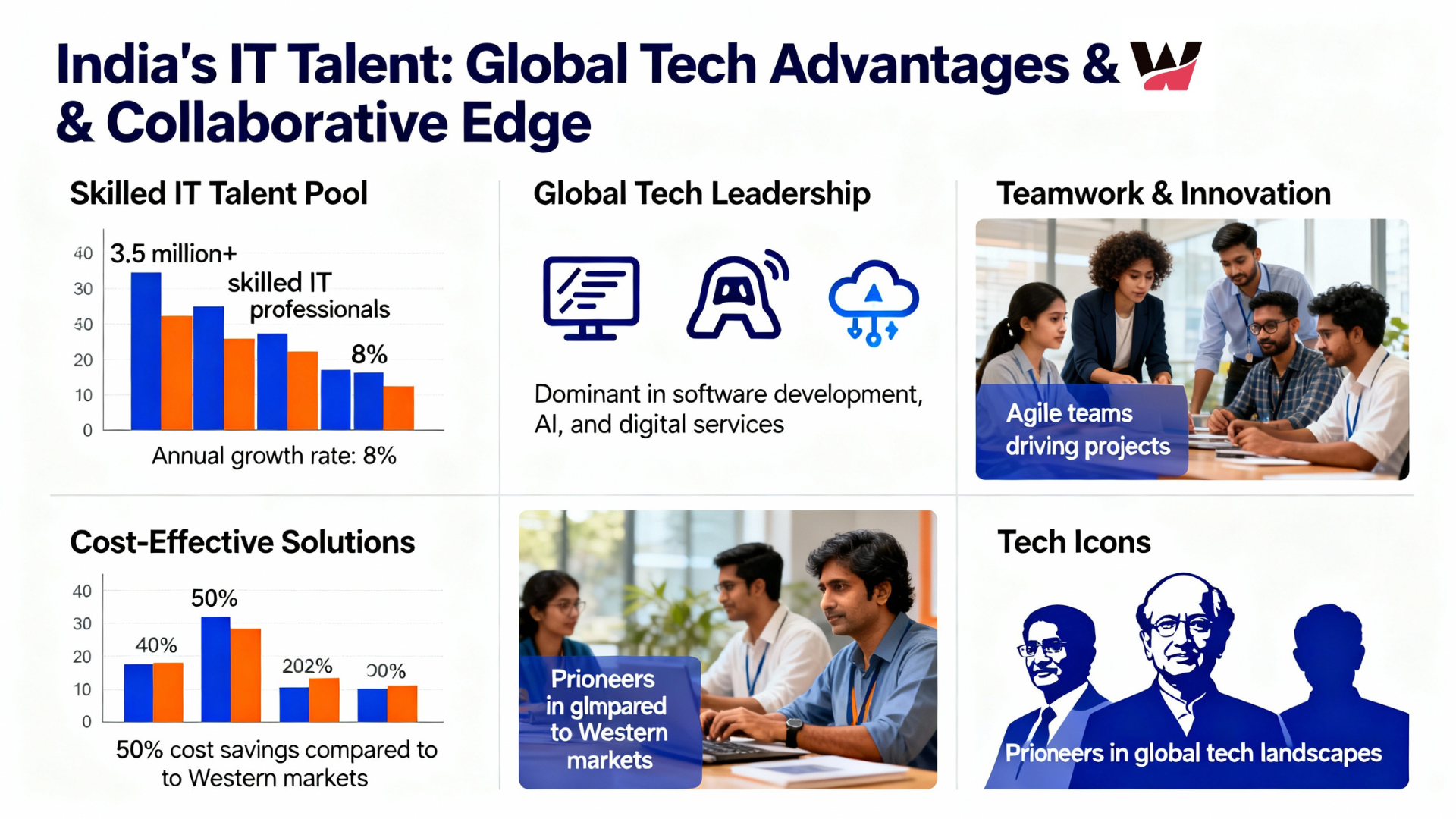 November 12, 2025
Why Global Businesses Are Turning to India for Skilled IT Talent
-
 November 11, 2025
Staff Augmentation Helps You Scale Your Tech Team
-
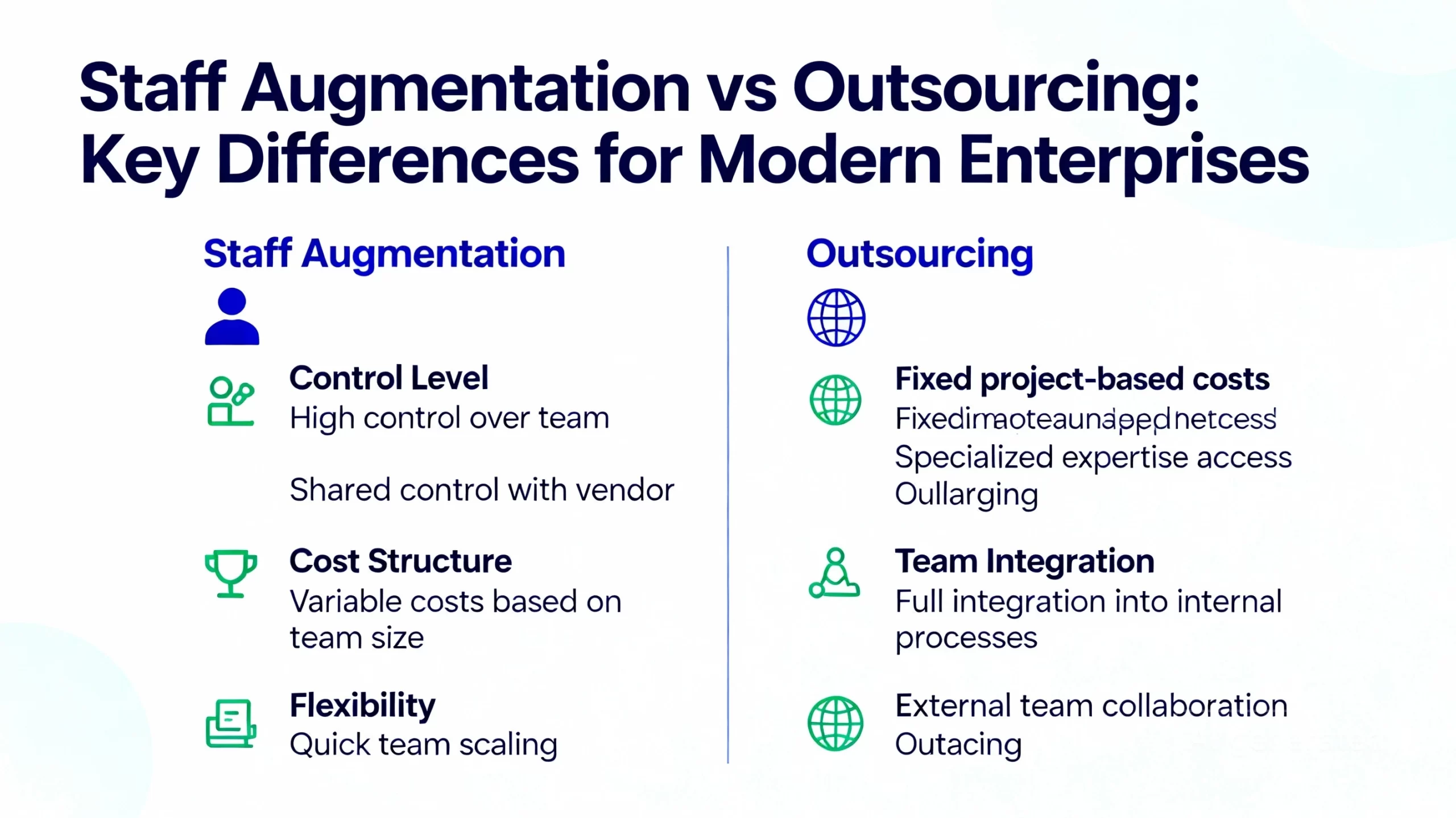 November 10, 2025
Staff Augmentation vs Outsourcing in 2025: Which Is Best for Modern Enterprises?
-
 November 7, 2025
How AI, IoT, and Cloud Are Redefining Software Development in 2025
-
 November 6, 2025
Scaling Smarter: How Augmented Teams Help Deliver Projects Faster in 2025
-
 November 5, 2025
How AI and Automation Are Transforming Software Development Teams in 2025
-
 November 3, 2025
The Future of IT Staffing: Why Businesses Are Choose Staff Augmentation in 2025
-
 October 31, 2025
Why Technology is Essential for Business Growth (2025): Top Reasons & Winning Strategies
-
 October 30, 2025
How the Internet of Things (IoT) Is Revolutionizing Modern Business
-
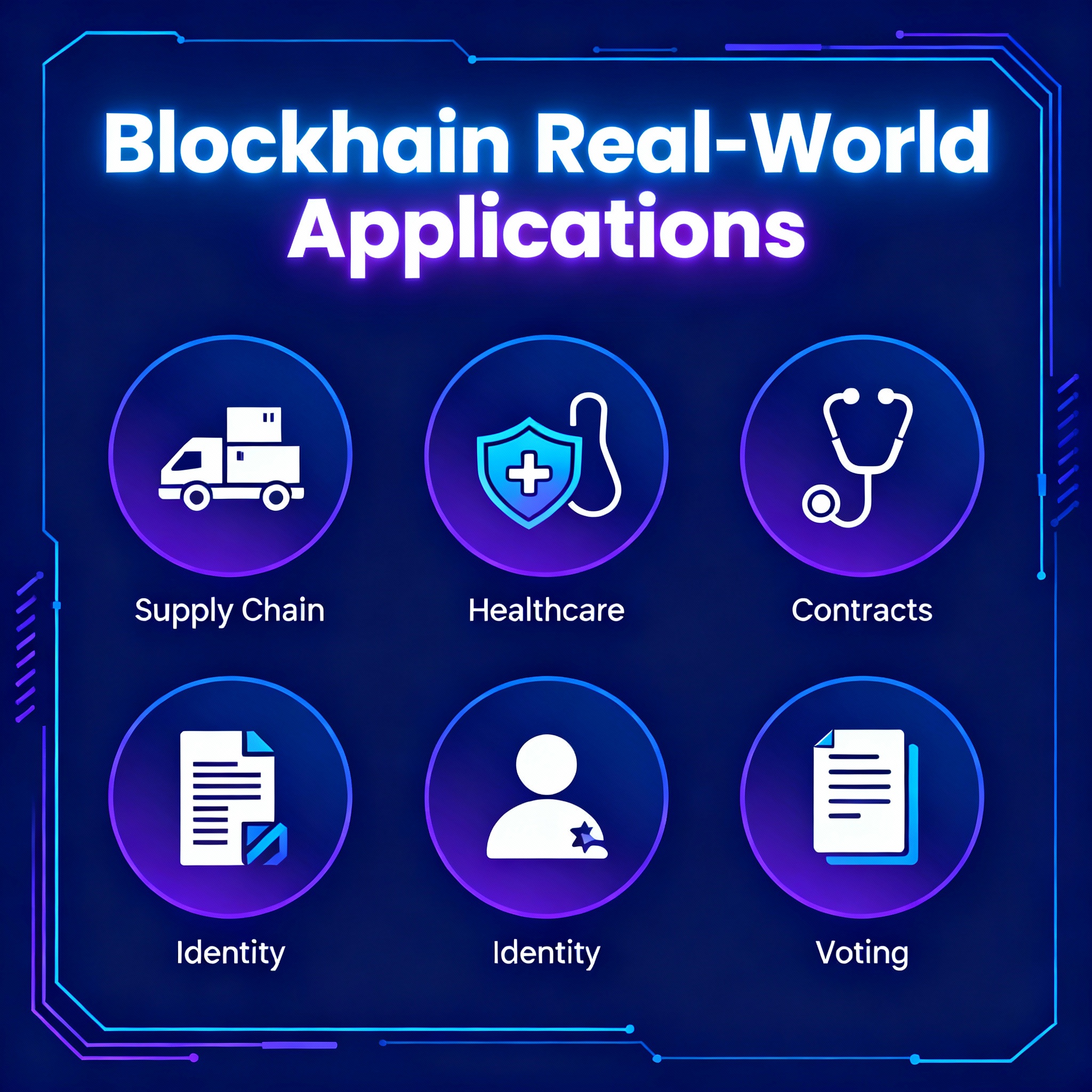 October 29, 2025
Blockchain Cryptocurrency: Real-World Applications | WitQualis
-
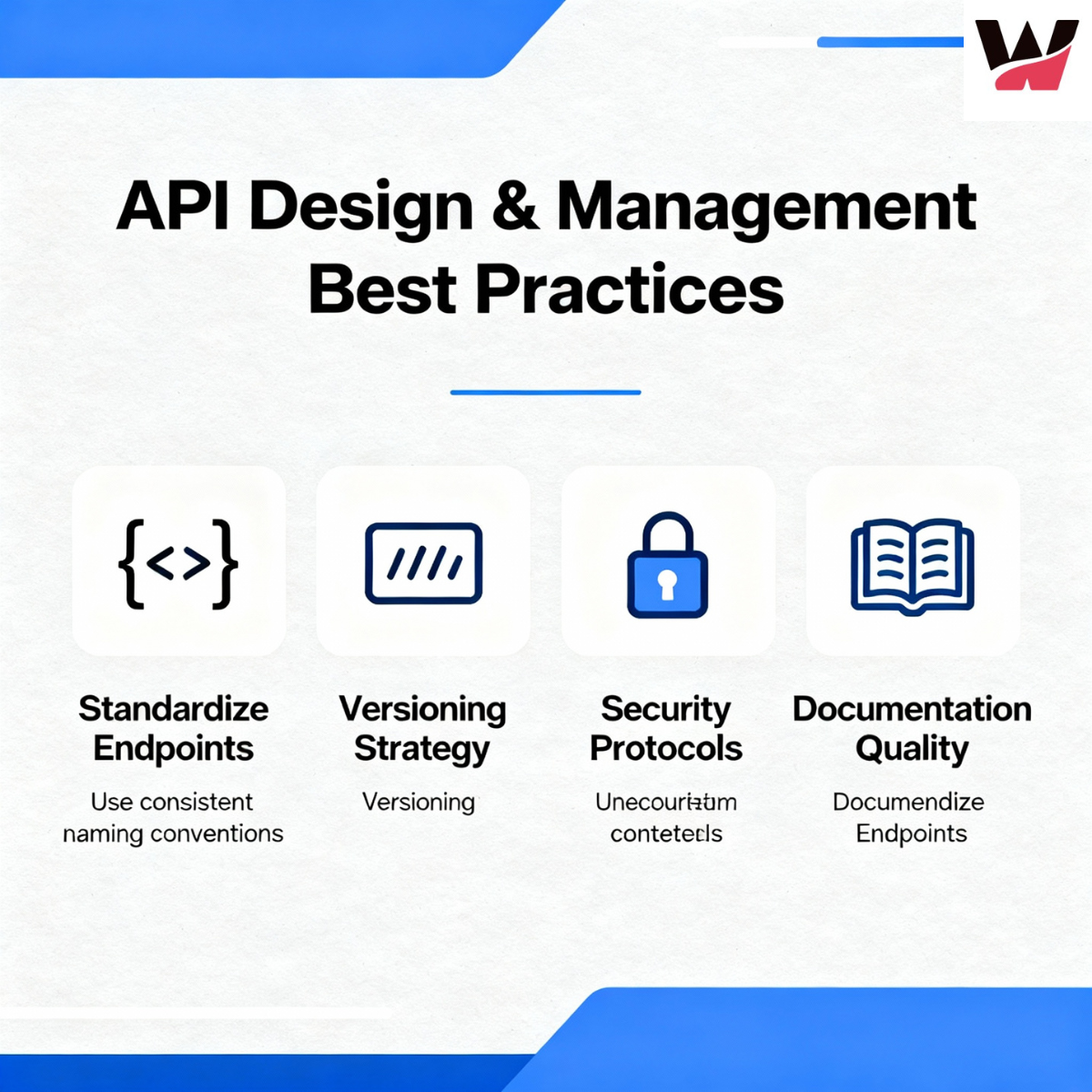 October 28, 2025
API Design and Management Best Practices for Developers
-
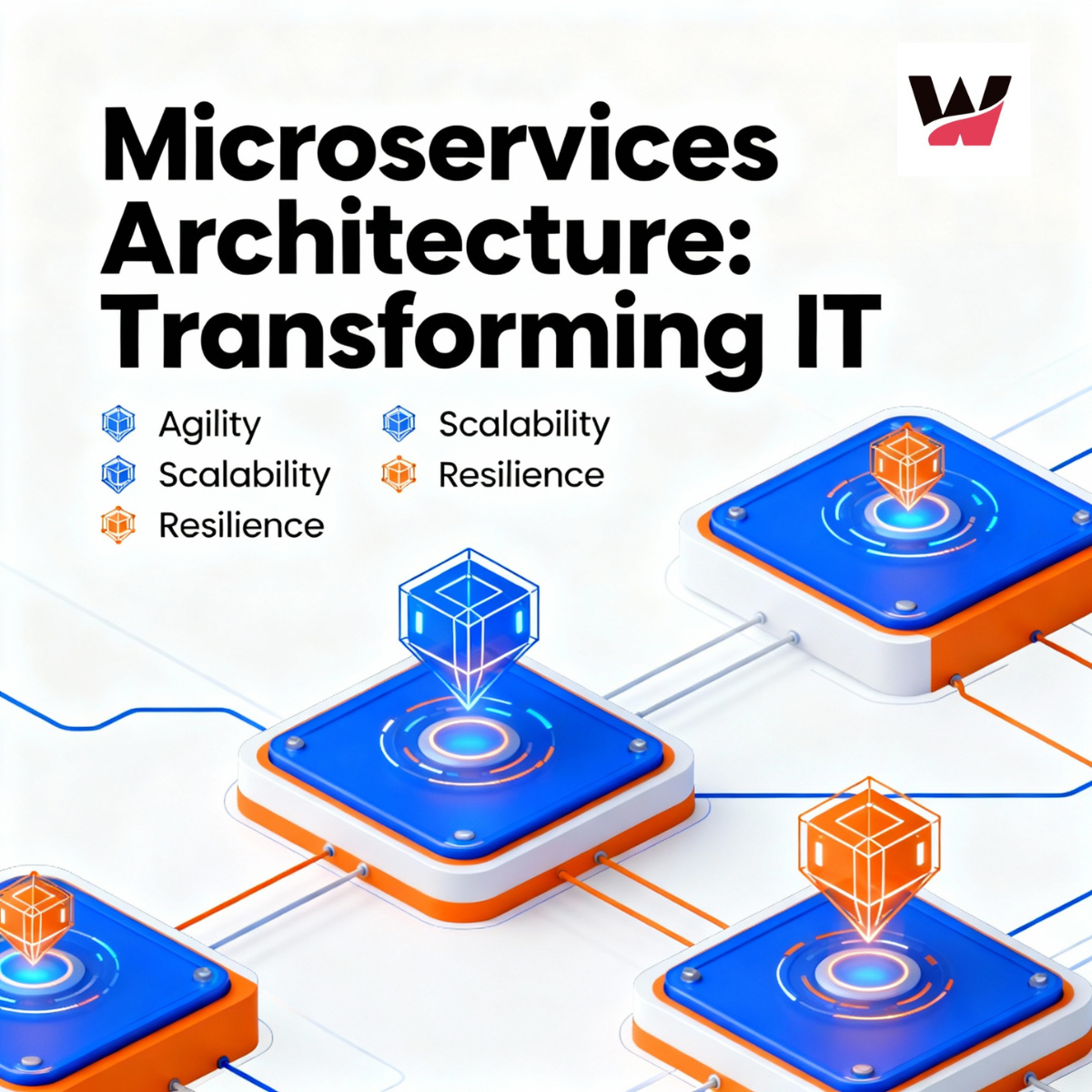 October 27, 2025
Microservices Architecture: Benefits, Implementation Tips & Real-World Examples
-
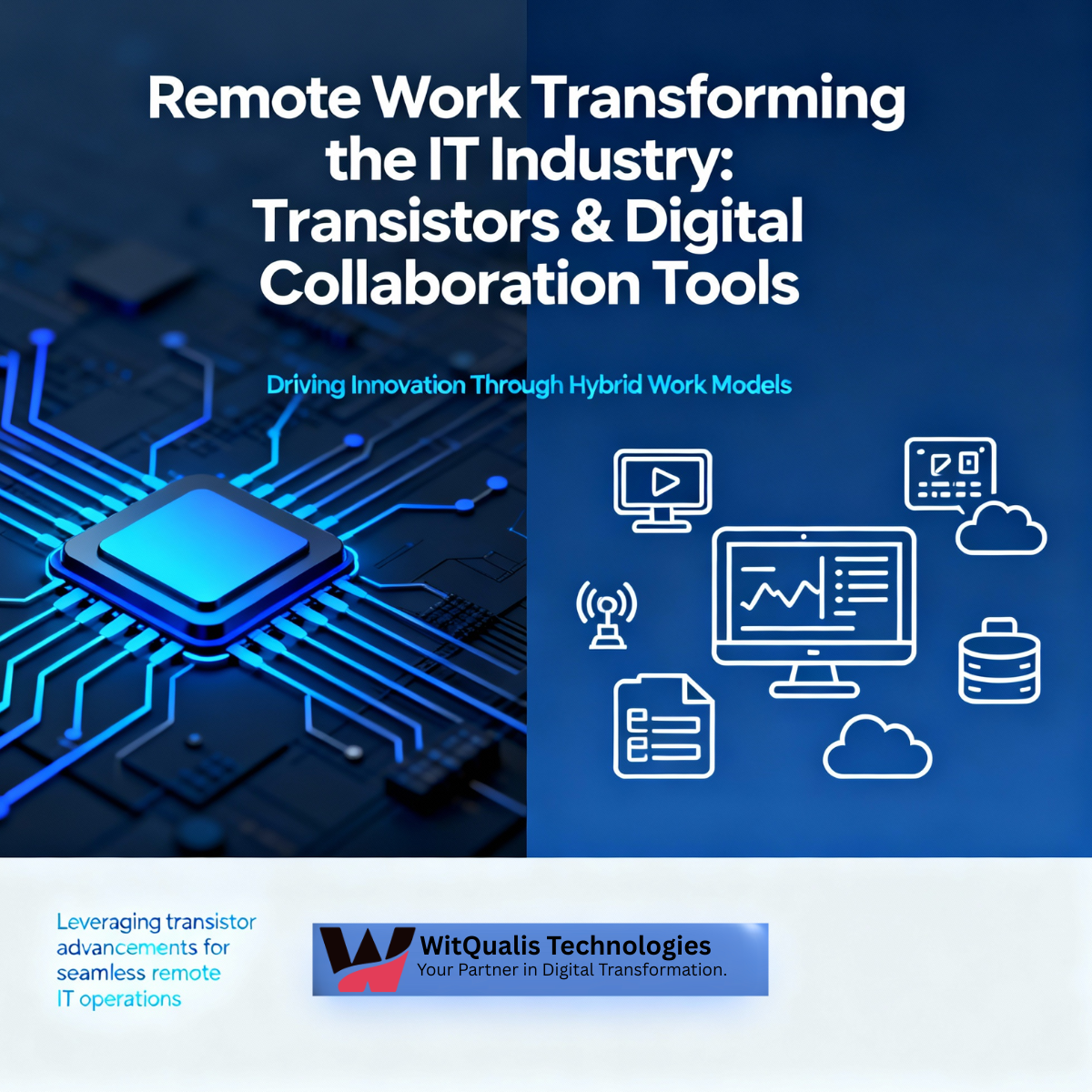 October 24, 2025
How Remote Work Has Transformed the IT Industry Tools in 2025
-
 October 23, 2025
Virtual and Augmented Reality: The Tech Revolution | WitQualis
-
 October 22, 2025
How AI is Revolutionizing Business Decision-Making in 2025 | In-Depth Analysis & Trends
-
 October 16, 2025
Blockchain Beyond Crypto: Building Trust in Business Operations
-
 October 15, 2025
How Custom Software Solutions Drive Business Efficiency | Expert Guide
-
 October 13, 2025
How Automation Reduces Costs & Boosts Productivity in 2025
-
 October 10, 2025
Staff Augmentation: The Key to Building Agile & Scalable Teams
-
 October 9, 2025
The Role of Cloud Computing in Scaling Modern Businesses
-
 October 8, 2025
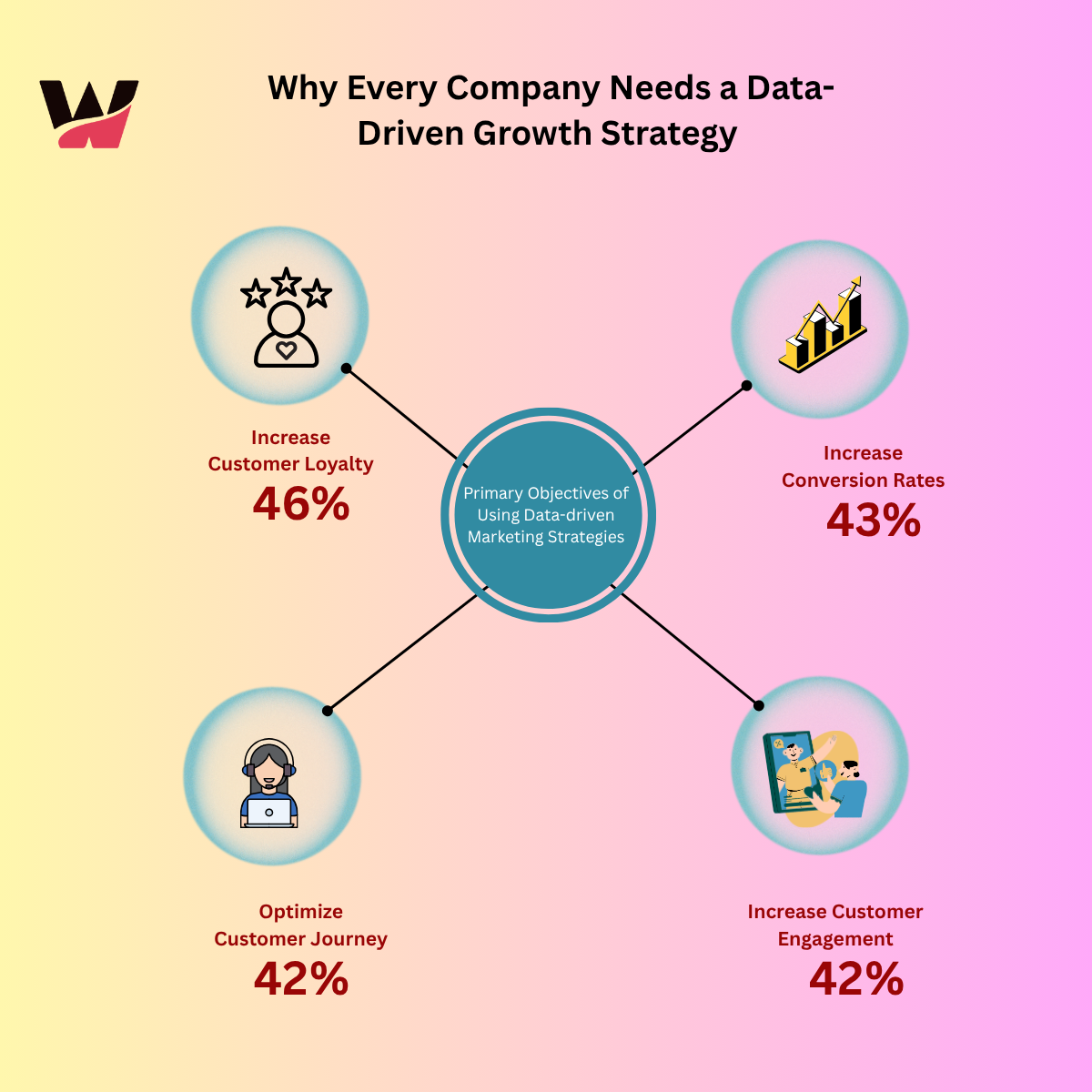
Why Every Company Needs a Data-Driven Growth Strategy
-
 October 7, 2025
API Design Best Practices for Developers in 2025 |API versioning strategies
-
 October 6, 2025
virtual reality vs augmented reality vs mixed reality
-
 October 3, 2025
The Impact of Internet of Things (IoT) on Modern Business
-
 October 1, 2025
Blockchain Beyond Cryptocurrency: Real-World Applications in 2025
-
 September 30, 2025
The Future of Artificial Intelligence: Trends and Opportunities
-
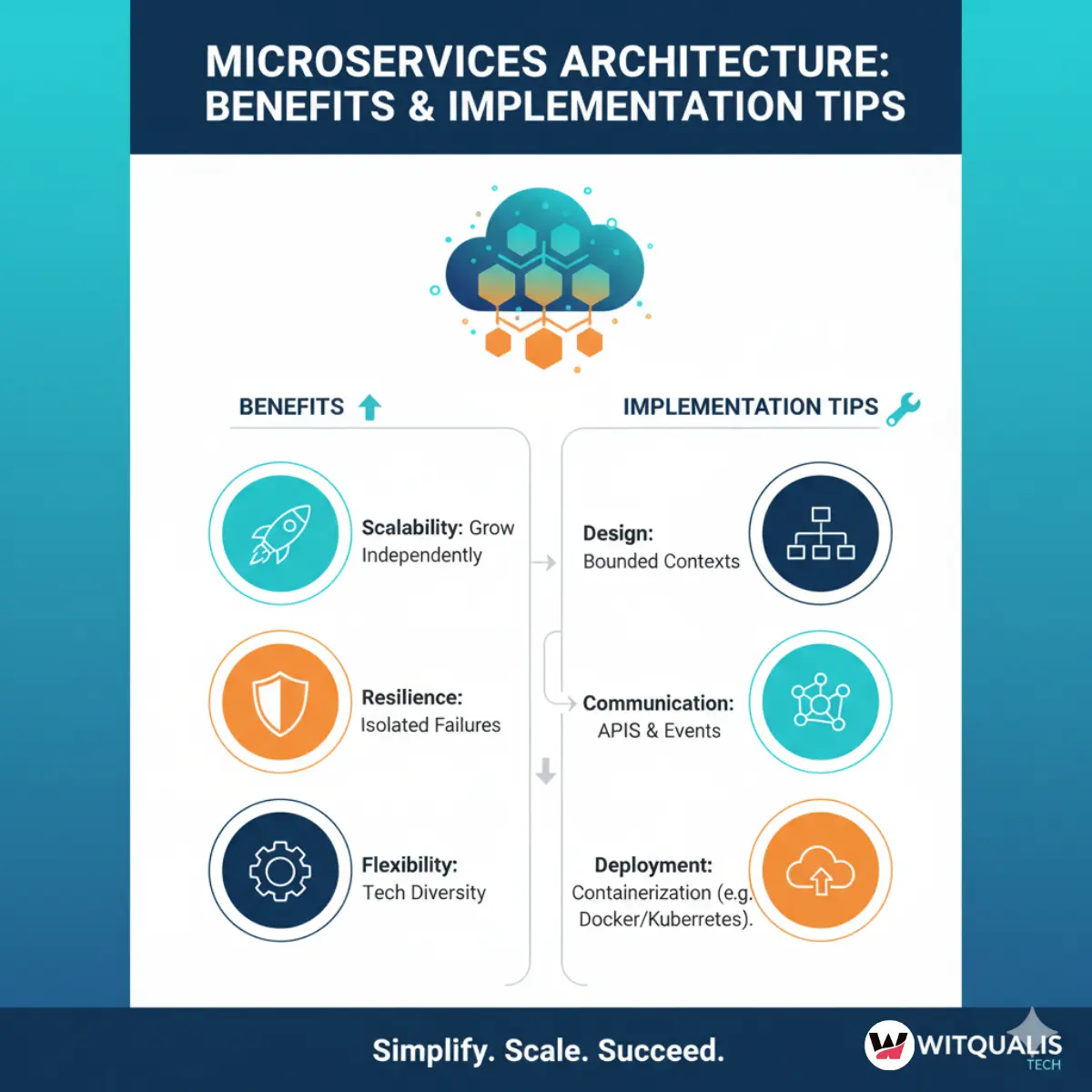 September 26, 2025
Microservices Architecture: Benefits and Implementation Tips
-
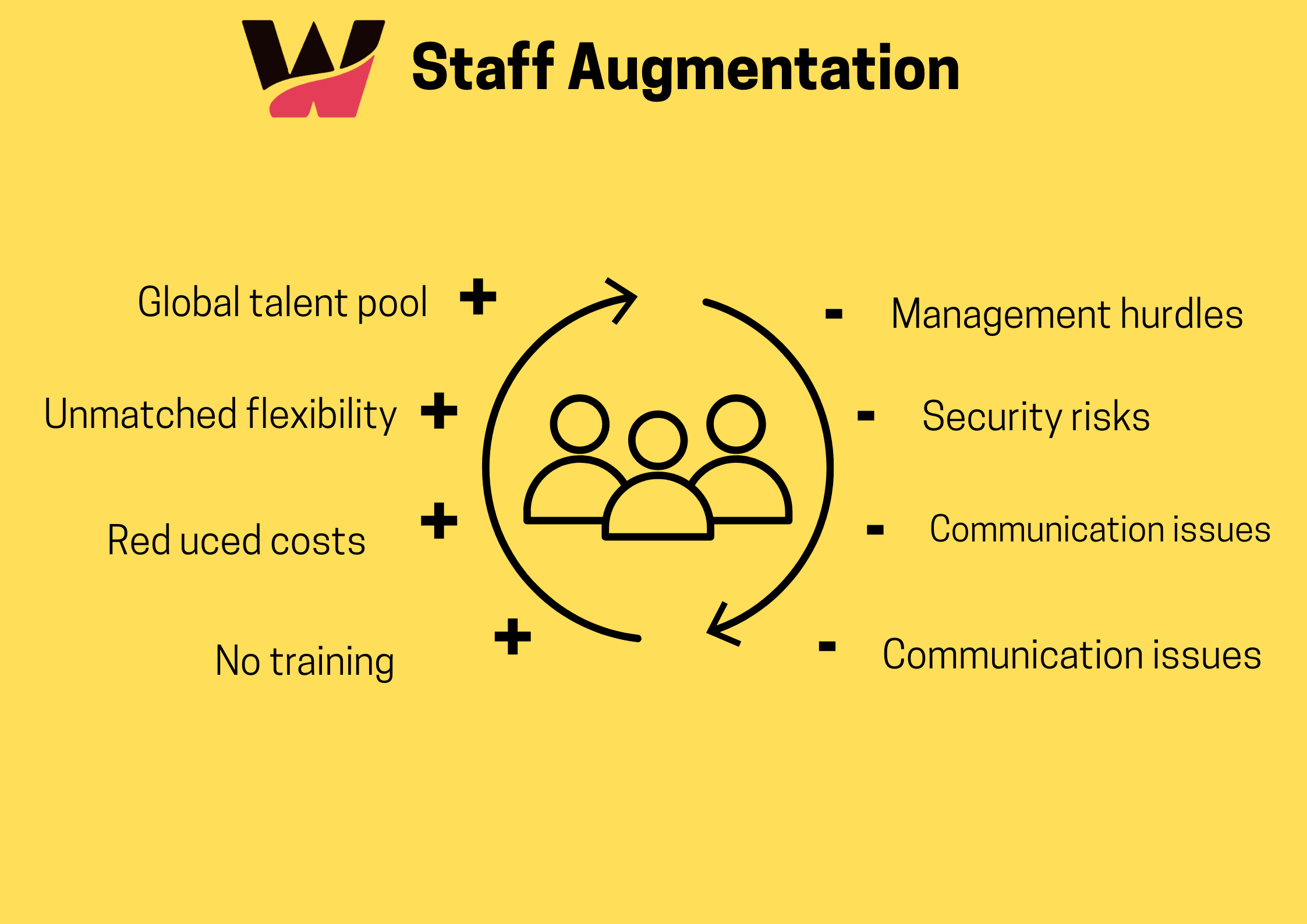 September 25, 2025
Why Staff Augmentation Is a Smart Move for IT Projects in 2025
-
 September 24, 2025
Cloud Computing Explained: Benefits and Best Practices (AWS, Azure, Google Cloud)
-
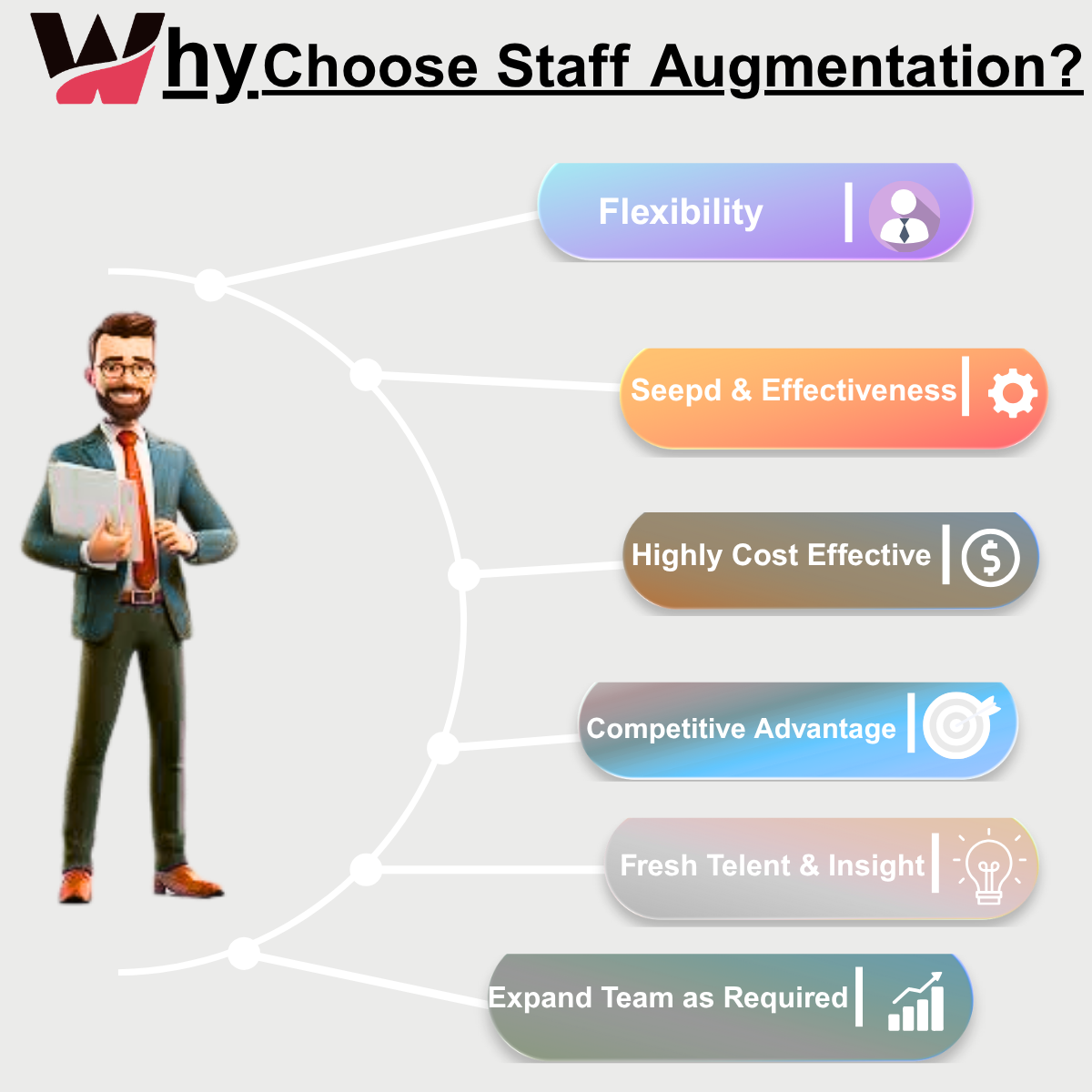 September 23, 2025
How Staff Augmentation Can Help Scale Your IT Team Efficiently
-
 January 6, 2025
Choosing the Right Front-End Web Development Service in the UK
-
 January 4, 2025
Why Choose Staff Augmentation Services in India for Your IT Projects?
-
 December 21, 2024
Boost Your Business ROI with Power BI Development Services in the Maldives and Iceland
-
 December 20, 2024
Get a Free Consultation: Is Your E-Commerce Business in the UAE Ready for Digital Transformation?
-
 July 6, 2023
The Future of Small Business and Know-How to Climb up the Ladder


[…] What Top Developers Look for in Staff Augmentation Partner – WitQualis […]