The Rise of Hybrid Teams: In-House + Augmented Talent – The Complete Guide
The Rise of Hybrid Teams: In-House + Augmented Talent
Why Hybrid Teams Are Winning in Modern Tech
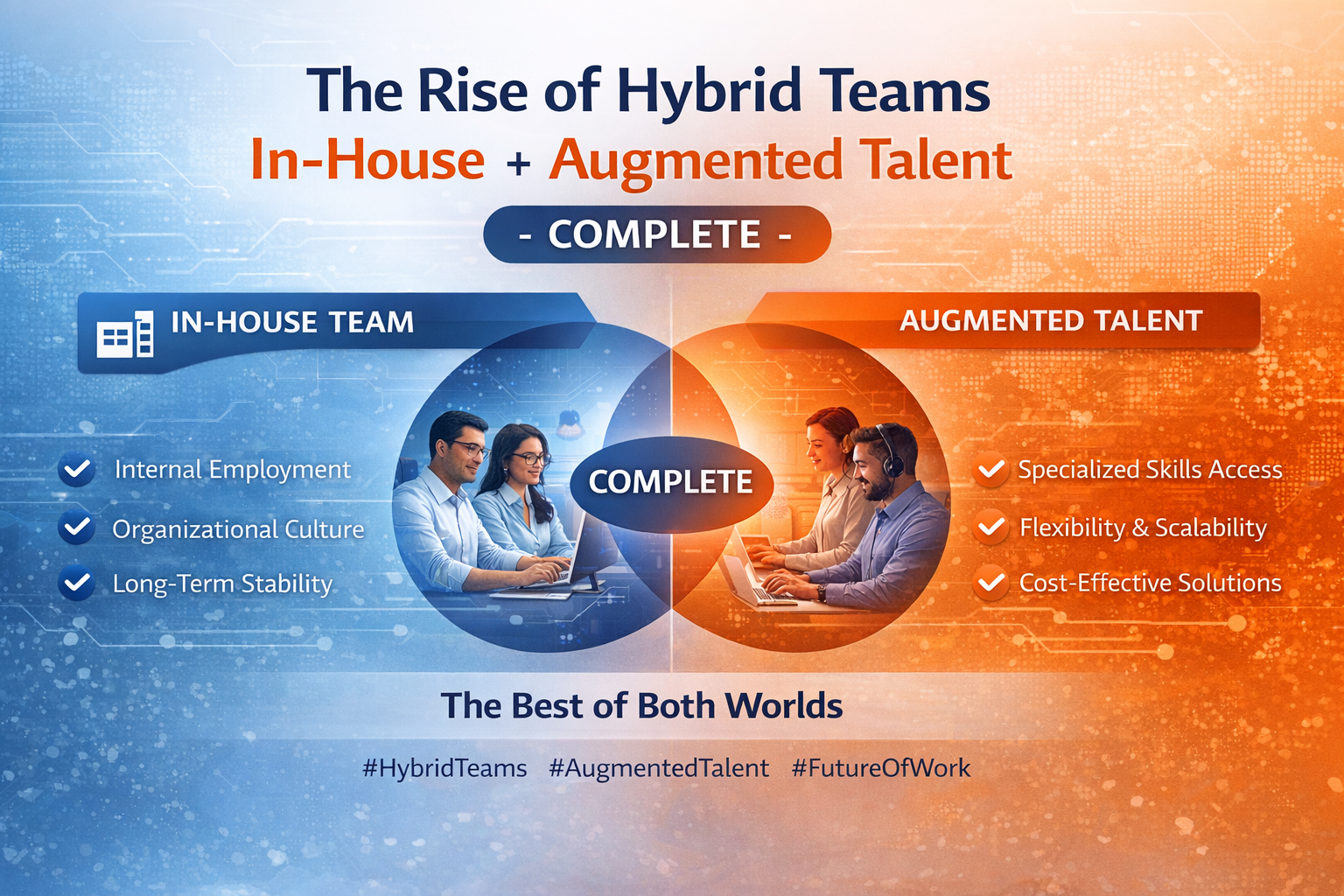
Because traditional hiring is slow, expensive, and inflexible, and pure outsourcing sacrifices control and quality, a middle path has emerged as the clear winner. Consequently, hybrid teams leverage the best of both approaches: a stable, strategically-focused in-house core combined with augmented external talent for specialized needs and capacity spikes. Therefore, hybrid models are becoming the default for organizations serious about execution speed and cost efficiency.
Moreover, market dynamics have driven this seismic shift. On one hand, full-time hiring cycles stretch 8–12 weeks per role, making it impossible to respond quickly to market changes. On the other hand, outsourcing entire projects creates the “black box” problem where organizations lose strategic control. Furthermore, neither pure approach addresses the reality of modern work: some needs are permanent, some are temporary; some require deep institutional knowledge, some require specialized expertise; some need predictable capacity, some need flexibility.
Additionally, the best talent increasingly expects flexibility. They want variety—not the same project forever. They want autonomy—to work with partners who respect their judgment. They want balance—not 60-hour weeks. Thus, hybrid models attract better talent than either rigid full-time roles or transactional contractor arrangements.
Significantly, organizations that master hybrid staffing move faster, adapt better, and execute more effectively than those locked into traditional approaches. Thus, understanding hybrid teams is now essential for any organization serious about competitive advantage.
The Architecture of Effective Hybrid Teams
Because hybrid teams require intentional design, understanding the structure is critical for success.
The In-House Core: Strategic Ownership and Institutional Knowledge
The in-house core typically comprises 60–70% of the team and includes critical strategic roles.
Product and Strategy Leadership: CTOs, product managers, architects who own roadmap, vision, and strategic decisions. These roles require deep institutional knowledge and long-term commitment. Consequently, they must be permanent because strategic direction cannot be outsourced.
Foundational Engineering: Senior engineers, platform engineers, and engineering leads who understand the codebase intimately, own critical systems, and mentor others. Because they carry institutional knowledge and guide technical direction, they should be permanent and stable.
Specialized Domain Expertise: Engineers with deep knowledge of specific business domains (e.g., payments, healthcare, compliance) that requires years of learning. Consequently, these roles benefit tremendously from permanence and continuity.
Culture Carriers: Team members who embody organizational values, mentor others, and shape culture organically. Because culture building requires consistency and relationship depth, these roles should remain in-house.
Furthermore, the in-house core should remain stable over time. Turnover in the core creates operational disruption, knowledge loss, and instability that ripple throughout the organization. Therefore, organizations should invest heavily in retaining core team members through career development, meaningful work, and sustainable environments.
Additionally, core team strength directly determines organizational capability and competitive advantage. Thus, investing in core teams is strategic priority.
Augmented Talent: Flexibility and Specialized Capacity
Augmented talent typically comprises 30–40% of the team and includes roles with defined scope or duration.
Specialized Experts: Cloud architects, Kubernetes specialists, security engineers, data specialists who are brought in for specific initiatives then transition out. Because their expertise is narrowly focused and time-bound, temporary engagement is appropriate and cost-effective.
Capacity for Spikes: Additional developers, QA, DevOps when project loads spike unexpectedly. Because workload naturally fluctuates seasonally and based on market conditions, flexible capacity allows organizations to respond without over-hiring permanently.
Emerging Technology Explorers: Engineers who explore emerging technologies (AI/ML, blockchain, new frameworks) and bring knowledge back to the core team. Because exploration is time-bound and experimental, external experts bring efficiency and specialized knowledge.
Project-Based Contributors: Engineers for specific initiatives like migrations, refactors, or feature launches that have defined endpoints and completion criteria. Because these projects are bounded and time-limited, external talent is perfectly suited.
Moreover, augmented talent should integrate deeply into the team—not remain isolated or siloed as distant contractors. Specifically, they should attend meetings, participate in planning, and be part of the culture. Therefore, successful hybrid teams treat augmented talent as true team members, not external vendors or temporary resources.
Significantly, the quality of integration determines whether hybrid teams succeed or fragment. Thus, intentional onboarding and team integration are non-negotiable.
The Strategic Business Case for Hybrid Teams
Because hybrid teams require investment and coordination, understanding the financial and strategic benefits is essential for justifying the model.
Speed and Market Agility
Because augmented talent can be onboarded in days while full-time hiring takes weeks, hybrid teams respond dramatically faster to market changes. Consequently, when a new opportunity emerges—a critical client requirement, competitive threat, technology shift—organizations can quickly add expertise without slow hiring cycles that miss the window.
Furthermore, this agility compounds over time through compounding advantage. For example, a company pursuing cloud transformation can bring in cloud architects immediately, execute the migration efficiently, then transition them out—all within 6–12 months. Conversely, hiring permanent cloud architects for a temporary transformation locks the company into permanent costs after the initiative concludes.
Moreover, agility extends to project flexibility and resource reallocation. For example, if a major project is postponed or reprioritized, augmented talent can transition to other work or wind down engagement cleanly. Permanent staff remain regardless of work availability. Thus, hybrid models align costs with actual work more effectively.
Additionally, speed advantage translates directly to market opportunity capture. For example, launching features faster than competitors means capturing market share first. Therefore, speed enables strategic victories.
Significantly, speed and agility directly translate to competitive advantage in fast-moving markets. Thus, hybrid teams enable organizations to outpace competitors and win market leadership.
Cost Efficiency and Financial Flexibility
Because augmented talent represents variable costs while permanent staff represents fixed costs, hybrid models create more flexible and responsive financial structures. Consequently, organizations can scale spending with revenue rather than committing to permanent headcount that may not be needed.
Furthermore, specialized augmented talent (cloud architects at $200+/hour) is expensive per unit, but temporary engagement keeps total cost manageable and proportionate. Conversely, hiring permanent specialists for occasional needs creates permanent waste and overhead. Thus, variable spending aligns better with actual needs and improves ROI.
Additionally, hybrid models reduce recruitment costs substantially. Because augmentation partners handle recruitment, screening, and vetting, organizations avoid expensive internal hiring processes and HR overhead. Therefore, cost savings extend beyond just labor costs to include recruitment infrastructure and overhead.
Moreover, financial flexibility is particularly valuable during uncertainty and market volatility. For example, if market conditions worsen or revenue targets shift, organizations can reduce augmented capacity quickly and painlessly without difficult layoffs or severance costs. Thus, hybrid models provide business continuity protection and financial resilience.
Furthermore, CFOs and financial leaders increasingly favor hybrid models because they provide budget predictability, cost control, and financial flexibility. Thus, financial efficiency drives adoption across organizations.
Significantly, the financial case for hybrid teams is compelling and measurable. Thus, cost advantage alone justifies the model.
Institutional Knowledge Retention and Business Continuity
Because permanent in-house cores remain stable over time, critical institutional knowledge stays with the organization permanently. Consequently, organizations don’t experience the constant re-learning and knowledge loss that comes from high turnover.
Furthermore, in-house teams can mentor and teach augmented talent, transferring knowledge as projects conclude. Therefore, augmented talent becomes a vehicle for knowledge building and upskilling, not just capacity filling.
Additionally, stable core teams develop stronger collaboration patterns, communication efficiency, and mutual understanding over time. For example, teams that have worked together for years develop intuitive communication patterns, shared understanding of technical philosophy, and trust that new teams must build from scratch. Thus, stable cores create operational efficiency that scales with time.
Moreover, knowledge retention directly supports business continuity and disaster recovery. For example, if a critical system goes down unexpectedly, in-house experts who deeply understand the system’s architecture and history can respond quickly and effectively. Thus, stable cores provide business continuity and resilience.
Additionally, institutional knowledge is a strategic asset that directly differentiates organizations and enables faster decision-making. For example, knowing “we tried this before and it failed because…” accelerates problem-solving. Thus, hybrid models protect and build this strategic asset.
Significantly, institutional knowledge is increasingly recognized as competitive advantage. Thus, hybrid models that protect knowledge create long-term strategic value.
Talent Attraction and Retention Competitive Advantage
Because hybrid teams offer more interesting work and flexibility than either pure in-house or pure outsourcing models, they attract better and more diverse talent. Specifically, in-house core positions attract professionals seeking stability, strategic influence, and career growth. Simultaneously, augmented roles attract specialists and project-focused professionals who value flexibility and variety.
Furthermore, hybrid models create career pathways and opportunities for growth. For example, exceptional augmented talent might transition to in-house roles as strategic needs evolve. Conversely, in-house professionals might explore new technologies through augmented partnerships. Thus, hybrid models create growth opportunities and career fluidity.
Moreover, flexibility inherent in hybrid models directly supports work-life balance and personal needs. For example, experienced professionals might prefer 6-month augmented engagements with breaks between projects over permanent full-time roles. Conversely, others prefer stability of in-house roles with long-term career trajectory. Thus, hybrid models accommodate diverse preferences and life situations.
Additionally, organizations offering diverse role types and flexibility attract broader talent pools including diverse backgrounds, ages, and life situations. Therefore, hybrid models strengthen recruitment and improve diversity.
Significantly, organizations that offer diverse role types attract better talent and improve retention. Thus, hybrid models strengthen human capital.
Building Effective Hybrid Teams: Critical Success Factors
Because hybrid teams require different management and integration practices than traditional teams, understanding success factors is essential.
1. Crystal-Clear Role Clarity and Ownership
Because confusion about roles, responsibilities, and decision authority creates friction and misalignment, explicitly defining who owns what is critical. Consequently, every major initiative should have clear ownership: an in-house lead who owns the outcome and direction, and supporting augmented talent who execute or specialize.
Furthermore, in-house leads must have clear decision-making authority and accountability. Specifically, they should set priorities, make trade-offs, provide direction, and be held responsible for outcomes. Therefore, augmented talent operates within clear guidance rather than independently or without direction.
Additionally, role clarity extends to skill expectations and success criteria. For example: “This is an in-house role requiring 5+ years of business domain expertise” vs. “This is augmented role requiring 3+ years Kubernetes expertise.” Therefore, clarity enables appropriate hiring and realistic expectation setting.
Moreover, clarity about decision authority prevents “too many cooks” problems. For example: “Technical decisions made by in-house architect; implementation details decided by project lead” prevents ambiguity. Thus, authority hierarchy enables smooth decision-making.
Significantly, role clarity prevents ambiguity that breeds misalignment, conflict, and poor outcomes. Thus, explicit role definition is foundational to hybrid team success.
2. Deep Integration, Not Siloing or Isolation
Because isolated augmented talent feels like external vendors rather than team members, deep integration is critical for cohesion and effectiveness. Consequently, augmented professionals should participate in all team activities: stand-ups, planning, retrospectives, social events, decision-making discussions.
Therefore, they feel like true team members contributing to shared mission rather than outsiders executing tasks.
Furthermore, colocation (physical or virtual) matters significantly for collaboration and relationship building. For example, synchronous time zones where augmented talent and in-house teams work simultaneously enable real-time collaboration, informal communication, and relationship building. Therefore, timezone alignment is valuable when possible.
Additionally, assigned in-house mentors should actively support augmented team members. Specifically, mentors answer questions, provide context, introduce to team, and ensure augmented professionals feel supported and welcomed. Therefore, mentorship reduces isolation and accelerates integration.
Moreover, after augmented assignments conclude, maintain relationships intentionally. For example, stay in touch with high performers; invite them back for future projects; acknowledge their contributions. Thus, relationships transcend individual engagements and create long-term partnerships.
Significantly, integration determines whether hybrid teams feel cohesive or fragmented, united or divided. Thus, intentional integration practices are critical.
3. Clear Communication and Radical Transparency
Because hybrid teams have both permanent and temporary members with different stakes and tenures, clear communication is essential for alignment. Consequently, every team member should understand: What are we building? Why does it matter? What’s my role and responsibility? How will success be measured?
Furthermore, communication cadences should be regular, consistent, and multi-directional. For example, weekly stand-ups where everyone shares progress and blockers; monthly planning where all voices heard; quarterly business reviews. Therefore, visibility prevents surprises and enables collaboration.
Additionally, documentation should be thorough, accessible, and regularly updated. For example, architecture documentation, runbooks, decision logs, meeting notes. Therefore, augmented professionals can quickly gain context without constant interruptions or questions.
Moreover, transparency about project timelines, uncertainty, and potential changes is important. For example: “This project might shift scope in Q2” or “We’re exploring this technology; your recommendation will inform our decision.” Therefore, augmented professionals can plan accordingly and feel respected.
Additionally, two-way feedback should be actively encouraged and welcomed. For example, “We value your perspective on our architecture choices; please share concerns or suggestions.” Therefore, augmented talent feels heard and valued.
Significantly, clear communication prevents the “us vs. them” dynamic that undermines hybrid teams and creates inefficiency. Thus, communication discipline is critical to success.
4. Thoughtful Augmentation Partner Selection
Because augmentation quality directly determines hybrid team success or failure, partner selection is critical strategic decision. Consequently, organizations should evaluate partners on multiple dimensions:
-
Quality of talent screening: Do they genuinely pre-screen for both technical skills AND cultural fit?
-
Responsiveness and support: Do they stay engaged during assignments and resolve issues promptly?
-
Knowledge of your domain: Do they understand your industry, technical stack, and challenges?
-
Track record and references: Do they have references from similar organizations? What’s their client retention?
-
Values alignment: Do they care about developer experience and long-term relationships?
Furthermore, long-term partnerships outperform transactional vendor relationships. For example, working with the same augmentation partner repeatedly allows them to understand your culture, technical needs, working style, and team dynamics. Therefore, developing strategic partnerships creates compounding value.
Additionally, augmentation partners should be transparent about their limitations and constraints. For example: “We don’t have expertise in this emerging technology; we’d recommend a specialized firm.” Therefore, honesty builds trust and leads to better outcomes.
Moreover, partners should be willing to invest in relationships. For example, getting to know your team, understanding your business, remembering individuals. Thus, partner commitment to relationship determines partnership quality.
Significantly, partner quality directly determines hybrid team success. Thus, careful partner selection is non-negotiable investment.
5. Intentional Knowledge Transfer and Capability Building
Because temporary augmented talent should leave the organization more capable than it was, intentional knowledge transfer is essential strategic practice. Consequently, every augmented engagement should include explicit knowledge-building and capability-development objectives from day one.
Furthermore, knowledge transfer might include: mentoring in-house staff on new technologies, pair programming, detailed code reviews, documentation creation, and structured training sessions. Therefore, when augmented professionals depart, their knowledge and expertise remain with the organization.
Additionally, in-house staff should have clear accountability for learning and capability building. For example: “By the end of this engagement, your team should be able to independently operate and enhance this system.” Therefore, learning becomes mutual expectation and shared responsibility.
Moreover, some organizations create structured “apprenticeship” or “knowledge transfer” models where augmented specialists formally mentor in-house professionals over extended periods with measurable learning outcomes. Thus, knowledge transfer becomes systematic and measurable.
Additionally, documentation and knowledge artifacts should be prioritized. For example, creating architecture decision records, runbooks, system diagrams, training materials. Therefore, knowledge is codified and doesn’t depend on individual memory.
Significantly, organizations that prioritize knowledge transfer build permanent organizational capability while addressing temporary needs. Thus, knowledge transfer creates strategic value that compounds.
Common Pitfalls and How to Avoid Them
Understanding hybrid team challenges helps prevent failures and suboptimal outcomes.
Pitfall 1: Treating Augmented Talent as Second-Class Team Members
Problem: In-house team members resist augmented talent, excluding them from decisions, important meetings, or social activities, treating them as outsiders. Consequently, augmented
One response to “The Rise of Hybrid Teams: In-House + Augmented Talent – The Complete Guide”
Leave a Reply
Recent Posts
-
 March 5, 2026
Microservices Architecture: Benefits and Implementation Tips
-
 March 3, 2026
How Remote Work Has Changed the IT Industry and Tools You Need
-
 March 2, 2026
API Design and Management Best Practices for Developers
-
 February 27, 2026
The Impact of Internet of Things (IoT) on Modern Business
-
 February 26, 2026
Virtual and Augmented Reality: Where Tech is Headed Next | 2026 Guide
-
 February 25, 2026
Blockchain Beyond Cryptocurrency: Real-World Applications & Use Cases (2026 Guide)
-
 February 24, 2026
The Role of AI in Enhancing IT Development: A Deep Dive (2026 Guide)
-
 February 23, 2026
Maximizing Productivity: How Staff Augmentation Drives Innovation in IT Projects
-
 February 20, 2026
Staff Augmentation vs. Outsourcing: Which IT Model Wins in 2026?
-
 February 19, 2026
The Rise of Hybrid Teams: How to Leverage Staff Augmentation for Business Success
-
 February 18, 2026
How Staff Augmentation is Transforming the Future of IT Workforce (2026)
-
 February 17, 2026
5 Reasons Why Staff Augmentation is Key for Tech Skill Shortages: staff augmentation for tech skill shortages
-
 February 16, 2026
How Staff Augmentation Helps Scale Your Business Without Overheads in 2026
-
 February 13, 2026
The Power of Diverse Teams: How Staff Augmentation Drives Inclusion (2026)
-
 February 12, 2026
The Role of 5G Technology in Shaping IT Development and Augmentation in 2026
-
 February 11, 2026
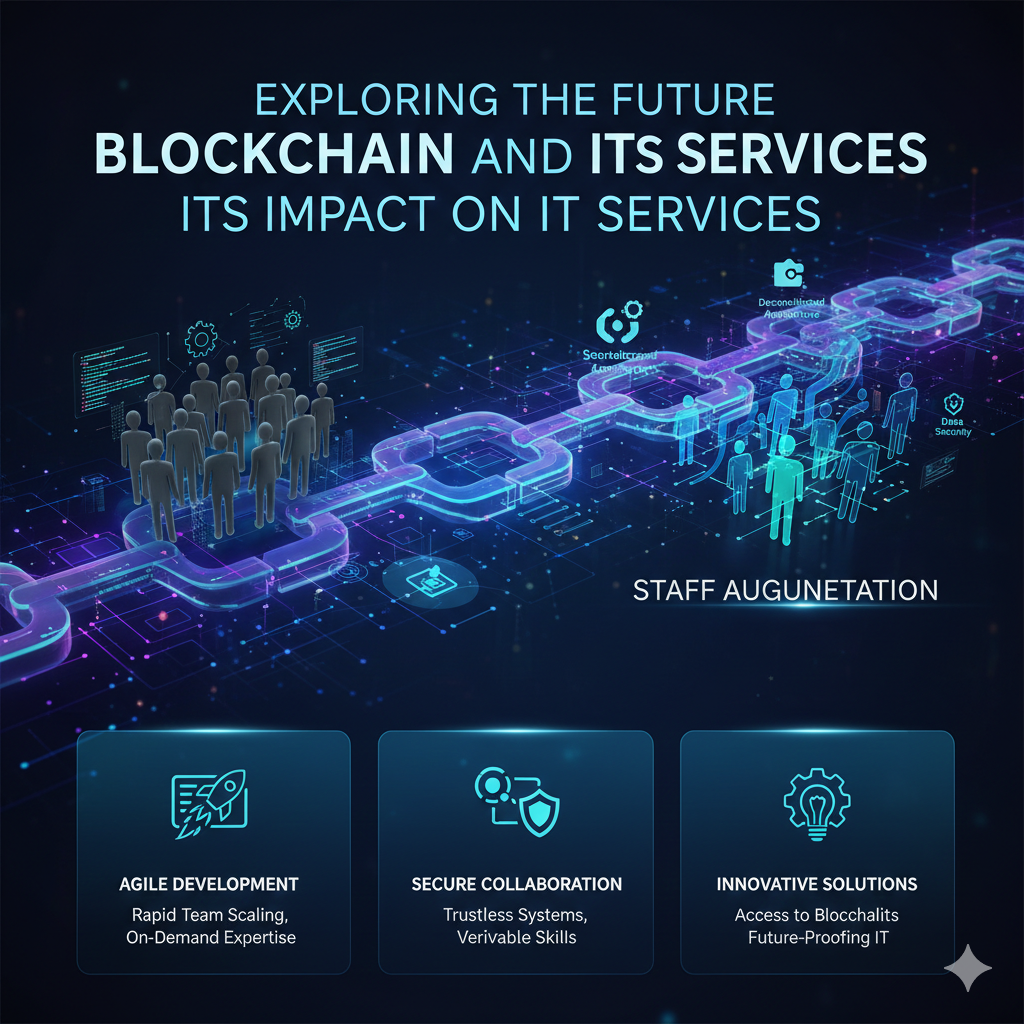
The Future of Blockchain: Revolutionizing IT Services in 2026
-
 February 10, 2026
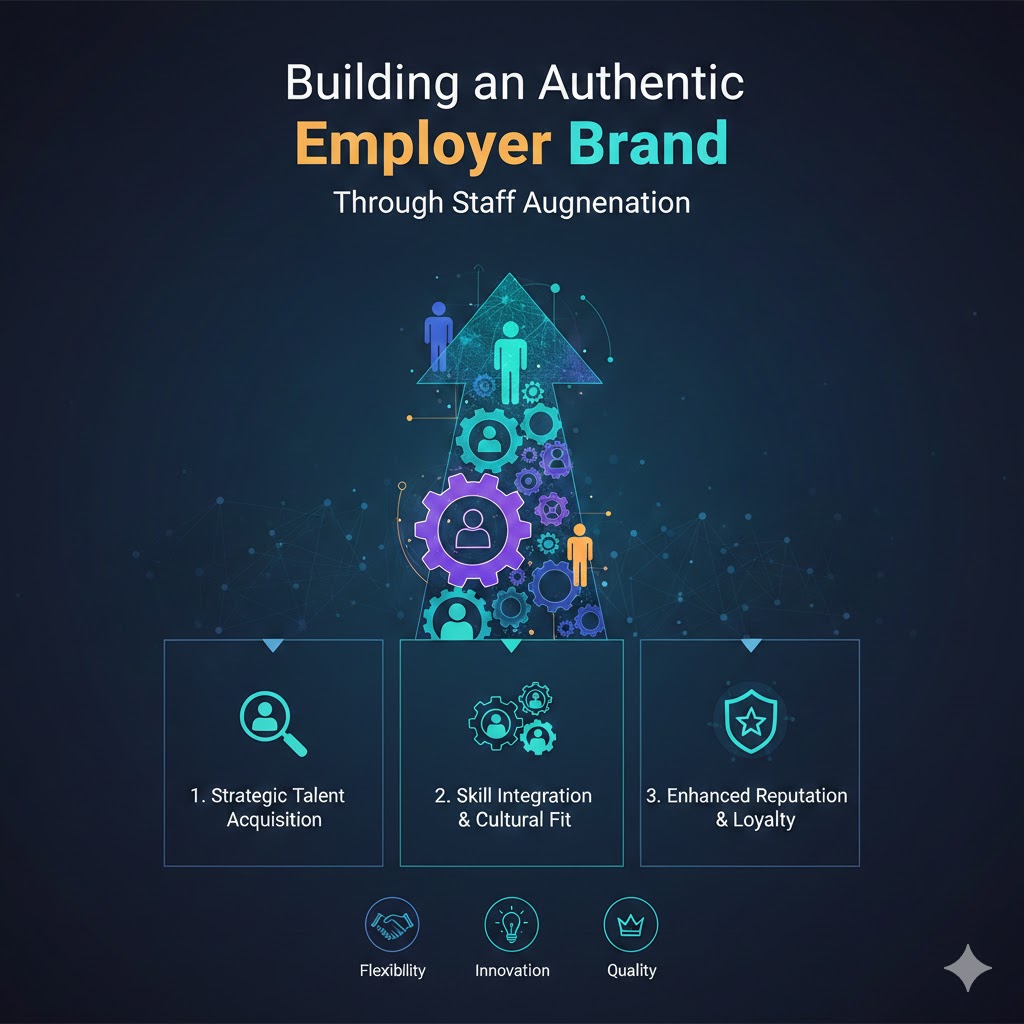
Building an Authentic Employer Brand Through Staff Augmentation in 2026
-
 February 9, 2026
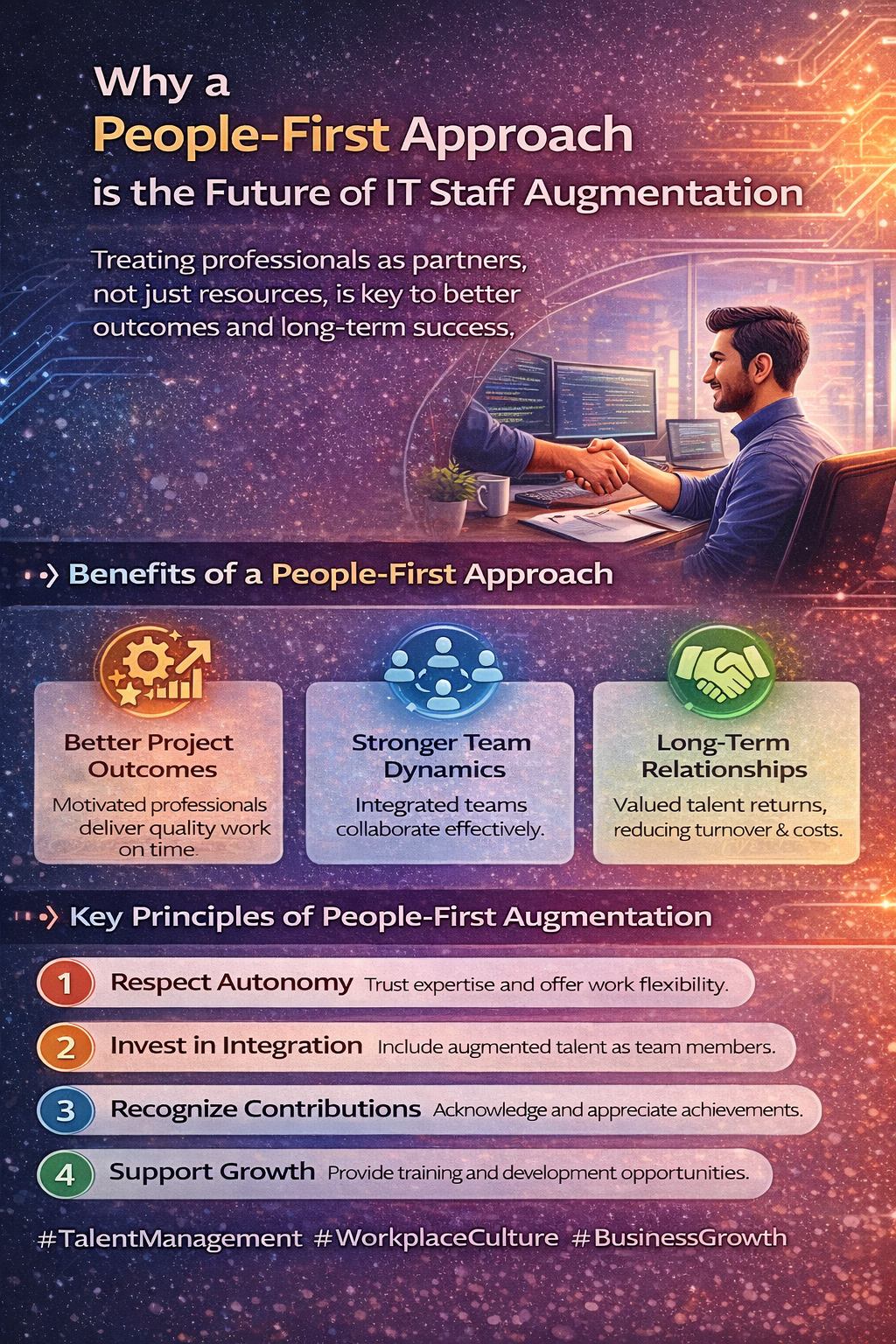
Supporting Augmented Professionals During Projects: Best Practices for Success
-
 February 6, 2026
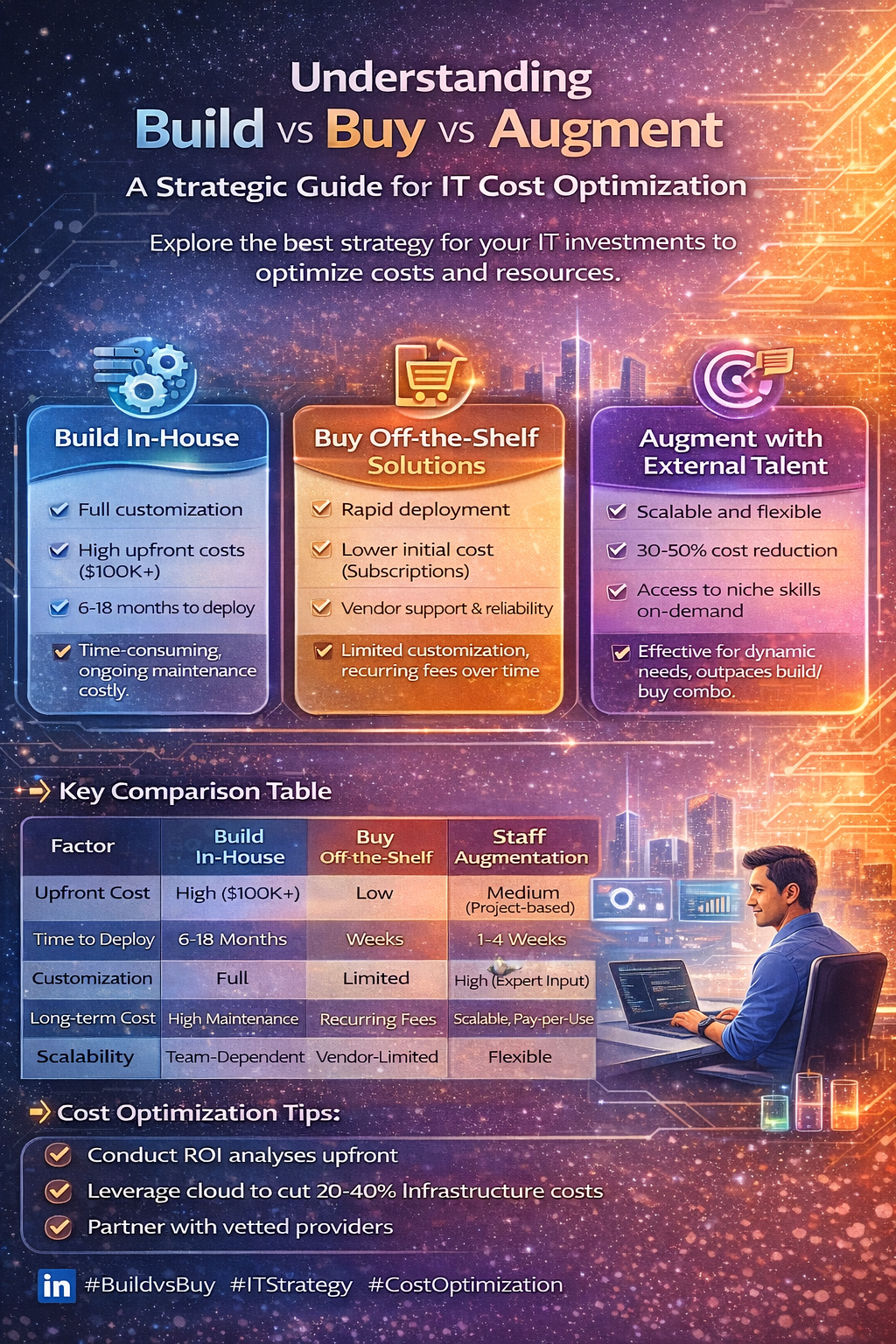
Cost Optimization in IT: Build vs Buy vs Staff Augmentation (2026 Guide)
-
 February 5, 2026
The Role of DevOps in High-Performance Engineering Teams: Best Practices Guide
-
 February 4, 2026
How to Ensure Code Quality When Working with Augmented Teams: Best Practices Guide
-
 February 3, 2026
Tech Talent Trends That Will Shape the Next 5 Years: 2026–2031 Outlook
-
February 2, 2026
The Rise of Hybrid Teams: In-House + Augmented Talent - The Complete Guide
-
 January 30, 2026
How We Support and Retain High-Performing Tech Professionals
-
 January 29, 2026
Aligning Technology Strategy with Business Growth Goals: A Complete Framework
-
 January 28, 2026
What Top Developers Look for in a Staff Augmentation Partner: A Developer's Perspective
-
 January 27, 2026
The Human Side of IT Services: Why People Matter More Than Code
-
 January 23, 2026
Why Culture Fit Matters in Staff Augmentation Models | Witqualis
-
 January 22, 2026
Building Long-Term Relationships with Augmented Talent: A Strategic Approach
-
 January 21, 2026
Cybersecurity Skills in Demand: What Companies Need Now in 2026
-
 January 20, 2026
Why Flexible Hiring Models Drive Better Business Outcomes
-
 January 19, 2026
Reducing Time-to-Market with On-Demand Tech Talent
-
 January 15, 2026
How Dedicated Development Teams Accelerate Product Delivery
-
 January 14, 2026
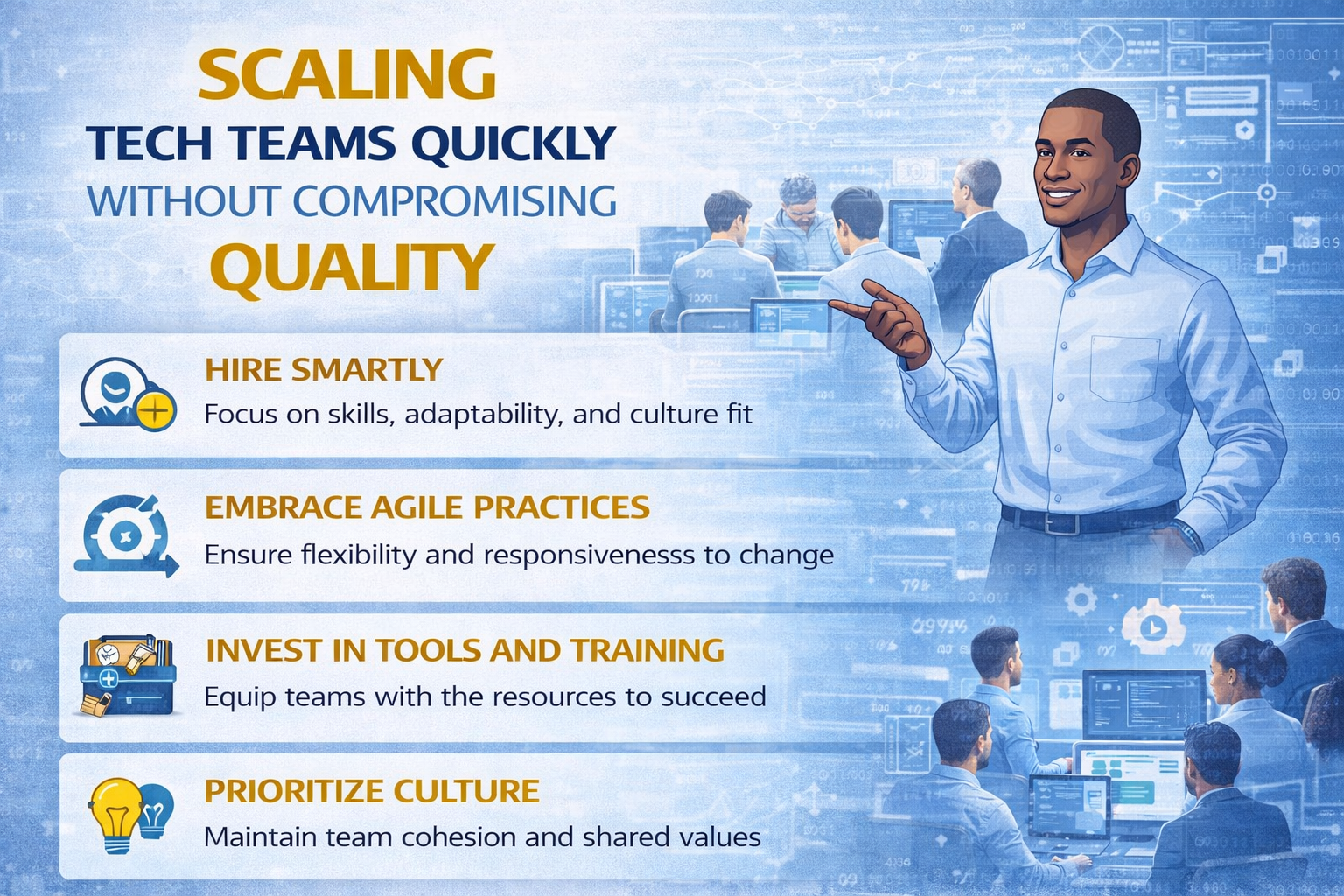
Scaling Tech Teams Quickly Without Compromising Quality
-
January 12, 2026
Common Mistakes Companies Make When Outsourcing IT Projects (And How to Avoid Them)
-
January 9, 2026
Key Workforce Trends Every CTO Should Watch This Year
-
 January 8, 2026
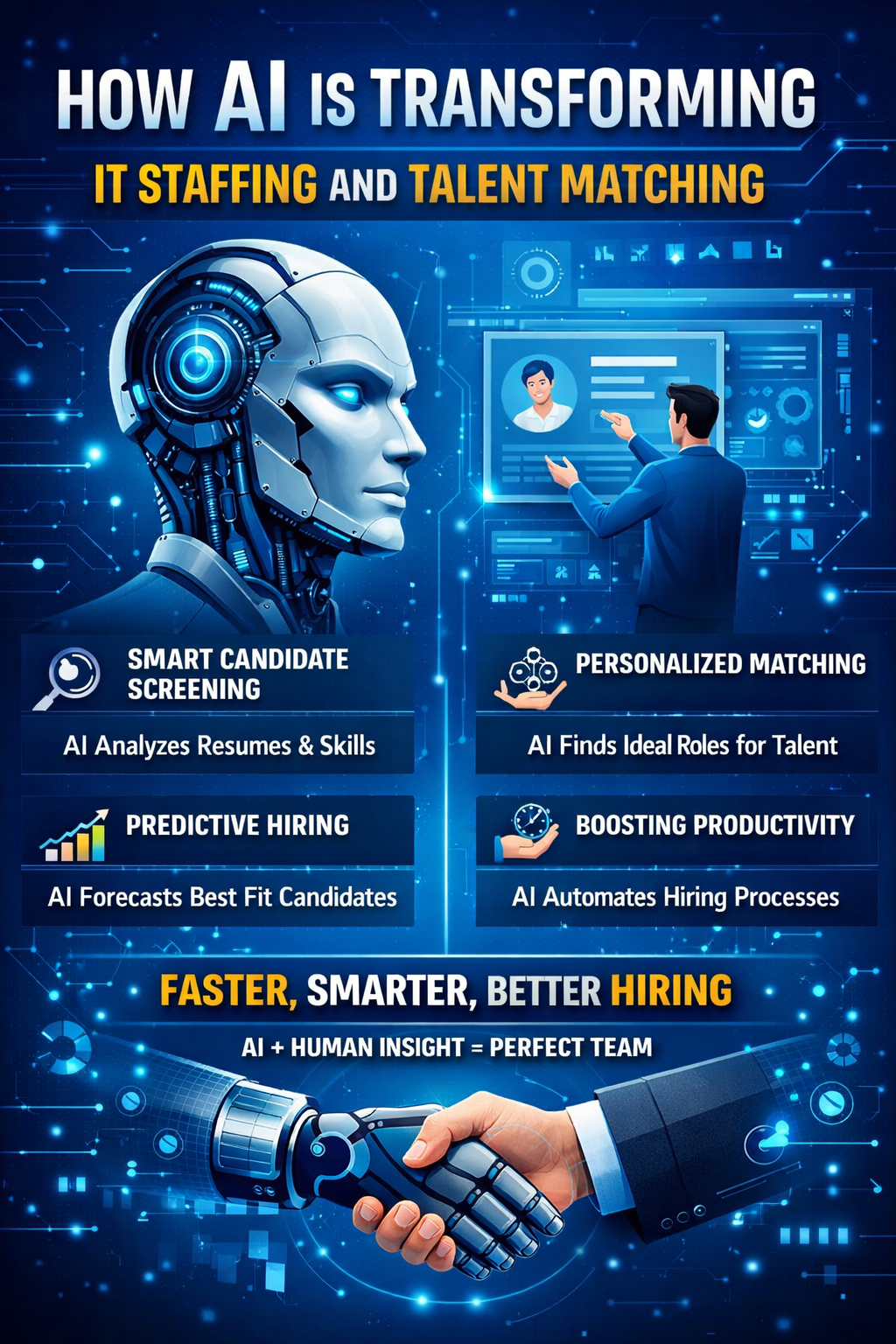
How AI Is Transforming IT Staffing and Talent Matching
-
 January 7, 2026
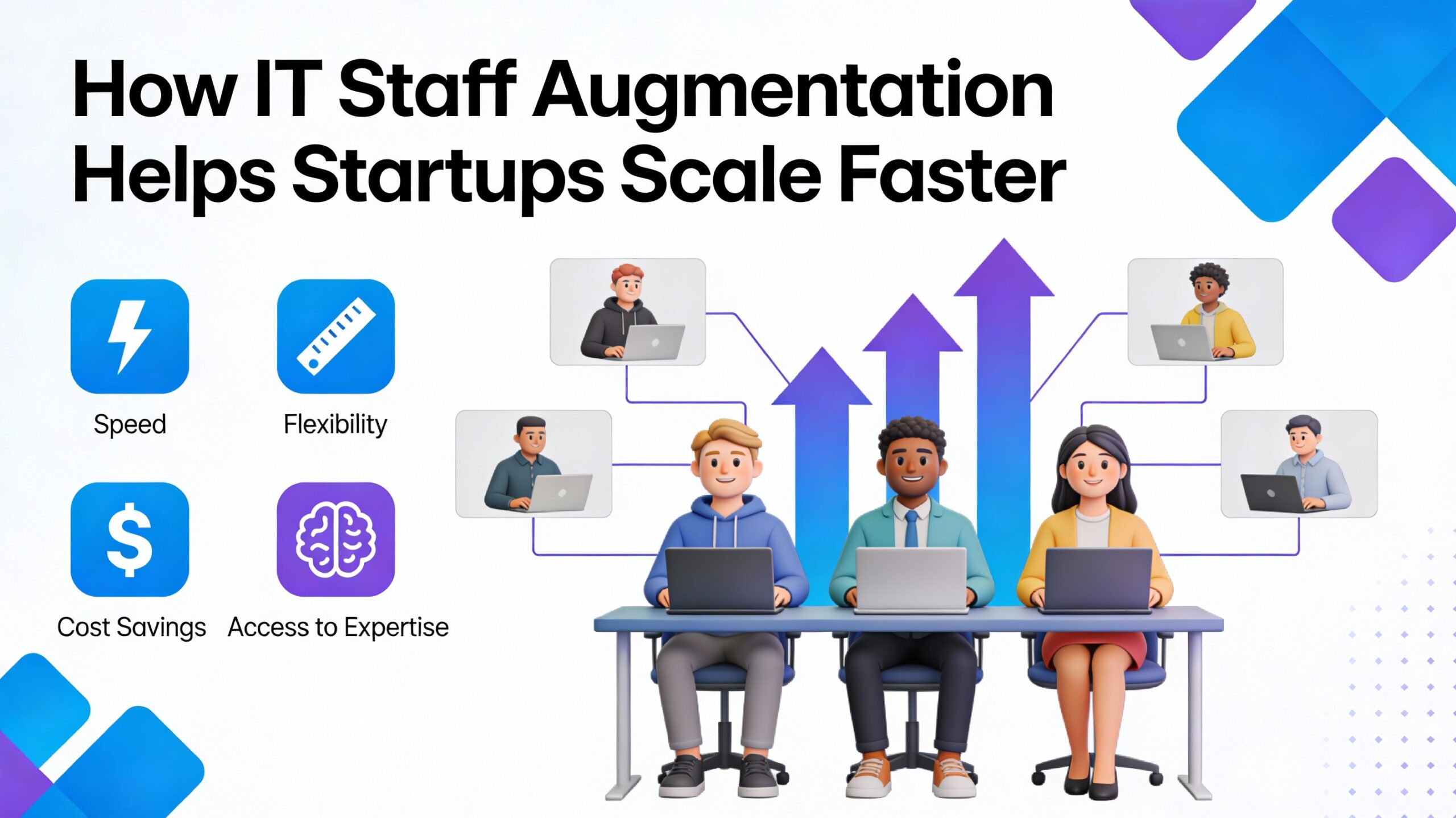
How IT Staff Augmentation Helps Startups Scale Faster
-
 January 6, 2026
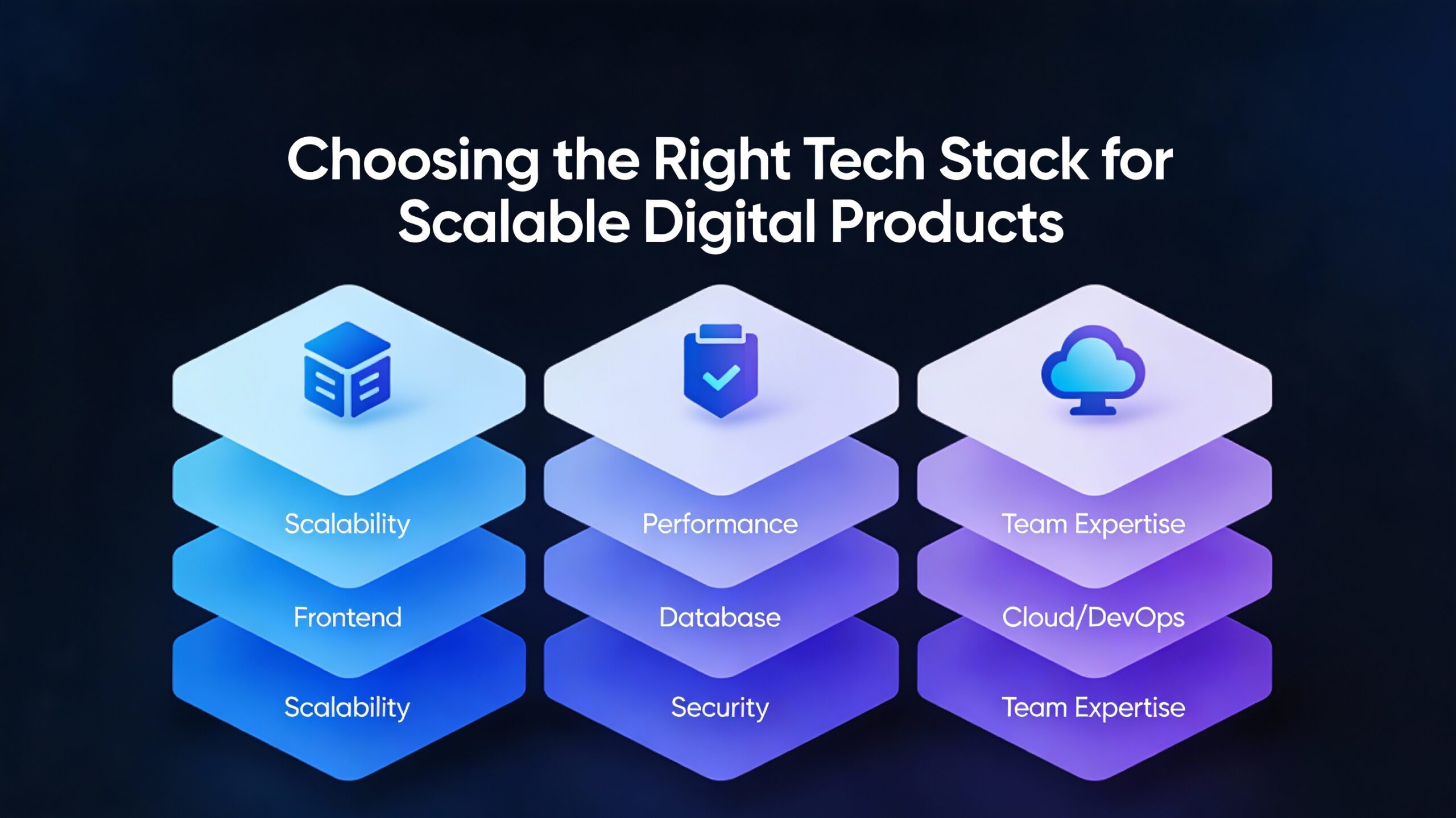
Choosing the Right Tech Stack for Scalable Digital Products
-
 January 5, 2026
How Remote Talent Is Reshaping Global IT Teams
-
 December 29, 2025
Staff Augmentation vs Traditional Hiring 2025
-
 December 24, 2025
Why Staff Augmentation Is the Future of Agile Hiring
-
 December 22, 2025
Why Hiring Faster Doesn’t Mean Compromising Quality — It Means Finding the Right Partner
-
 December 19, 2025
The Role of Staff Augmentation in Accelerating Digital Transformation
-
 December 18, 2025
5 Tech Hiring Trends Every CTO Should Watch in 2025
-
December 17, 2025
Why Soft Skills Are the Hidden Superpower in Tech Teams
-
 December 15, 2025
How WitQualis Connects Global Talent with Local Opportunities
-
 December 10, 2025
Why Businesses Need Agile, Scalable, and Skilled Tech Teams—Now More Than Ever
-
 December 5, 2025
The Human Side of Technology: Why People Matter as Much as Code
-
 December 4, 2025
The Rise of Contract-Based Developers in the Global IT Market
-
 December 3, 2025
Talent Has No Boundaries: Why the Best Teams Are Built Across Borders
-
 December 2, 2025
From Startups to Enterprises: How Staff Augmentation Supports Every Stage of Growth
-
 December 1, 2025
Great Ideas Need Great Execution – How WitQualis Teams Turn Vision into Reality
-
 November 28, 2025
Scaling Your Tech Team Shouldn’t Slow Your Business – It Should Power It
-
 November 27, 2025
The ROI of Hiring Dedicated Developers vs In-House Teams
-
 November 26, 2025
Why Hybrid Team Models Are the Future of IT Project Delivery
-
 November 24, 2025
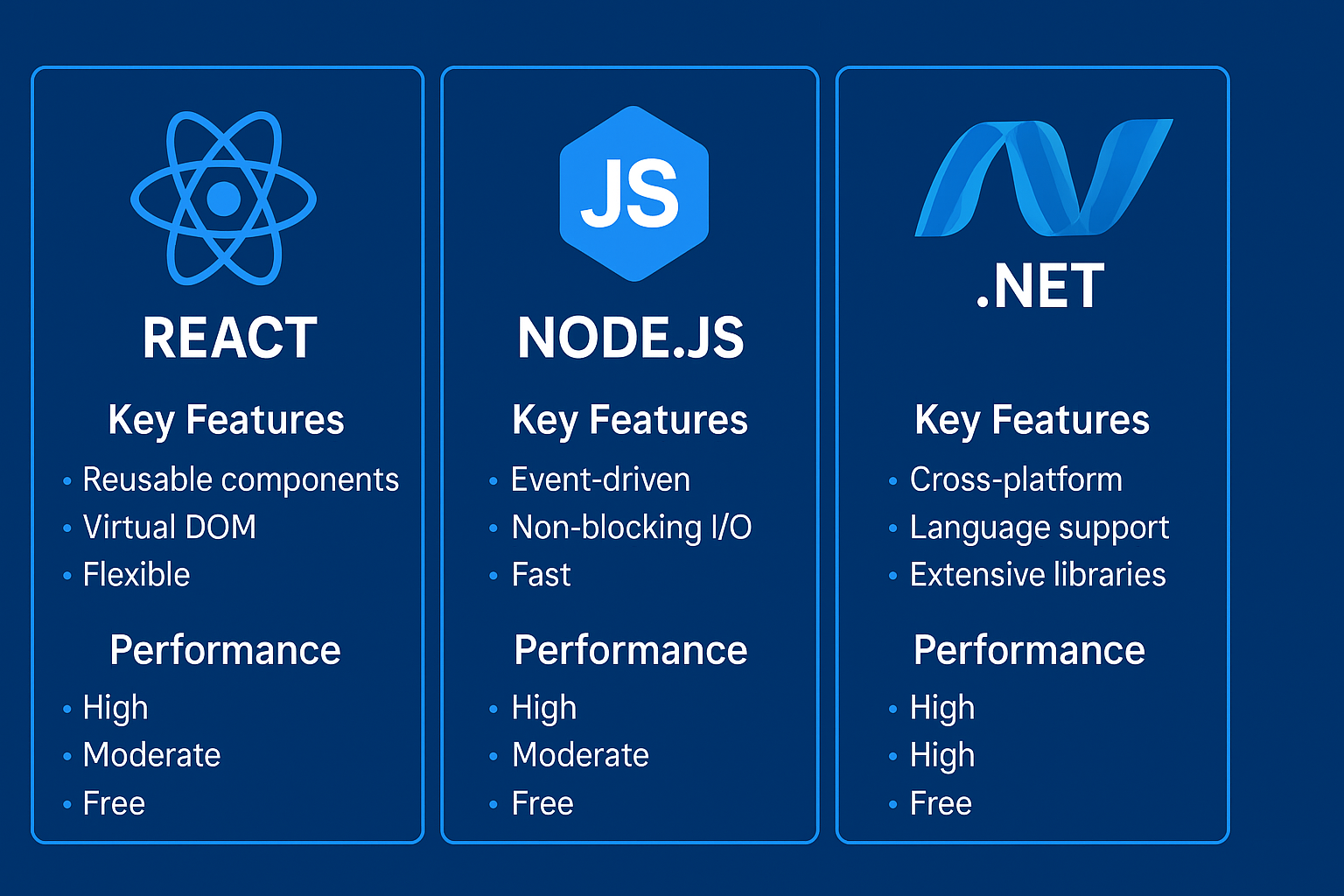
React, Node.js, or .NET? Choosing the Right Tech Stack for Your Next Project
-
 November 21, 2025
Why Hiring Remote Developers Is the Smartest Move for Startups
-
 November 20, 2025
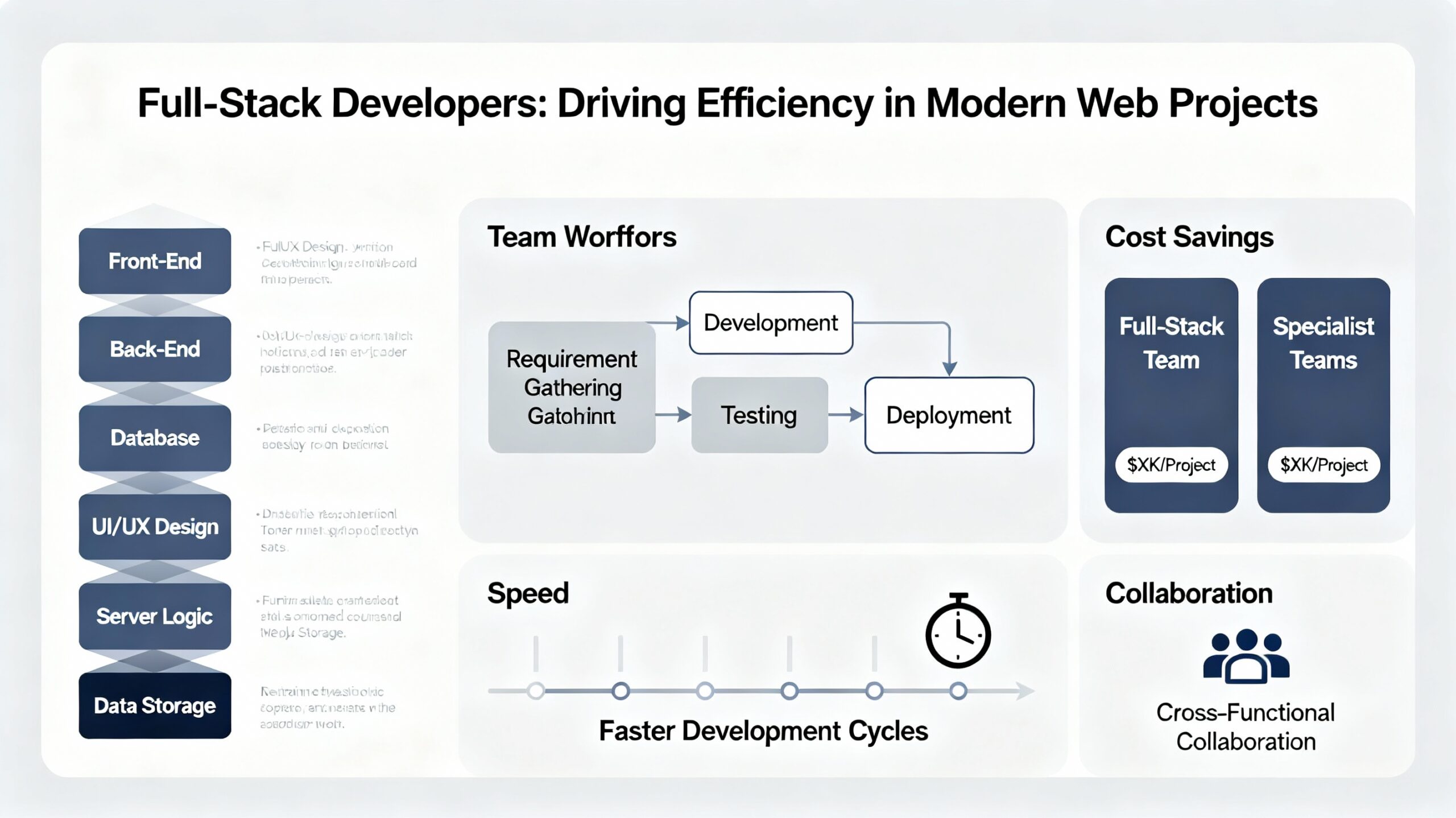
How Full-Stack Developers Drive Efficiency in Modern Web Projects
-
 November 19, 2025
Bridging the Skill Gap: How Augmented Teams Empower Digital Transformation
-
 November 18, 2025
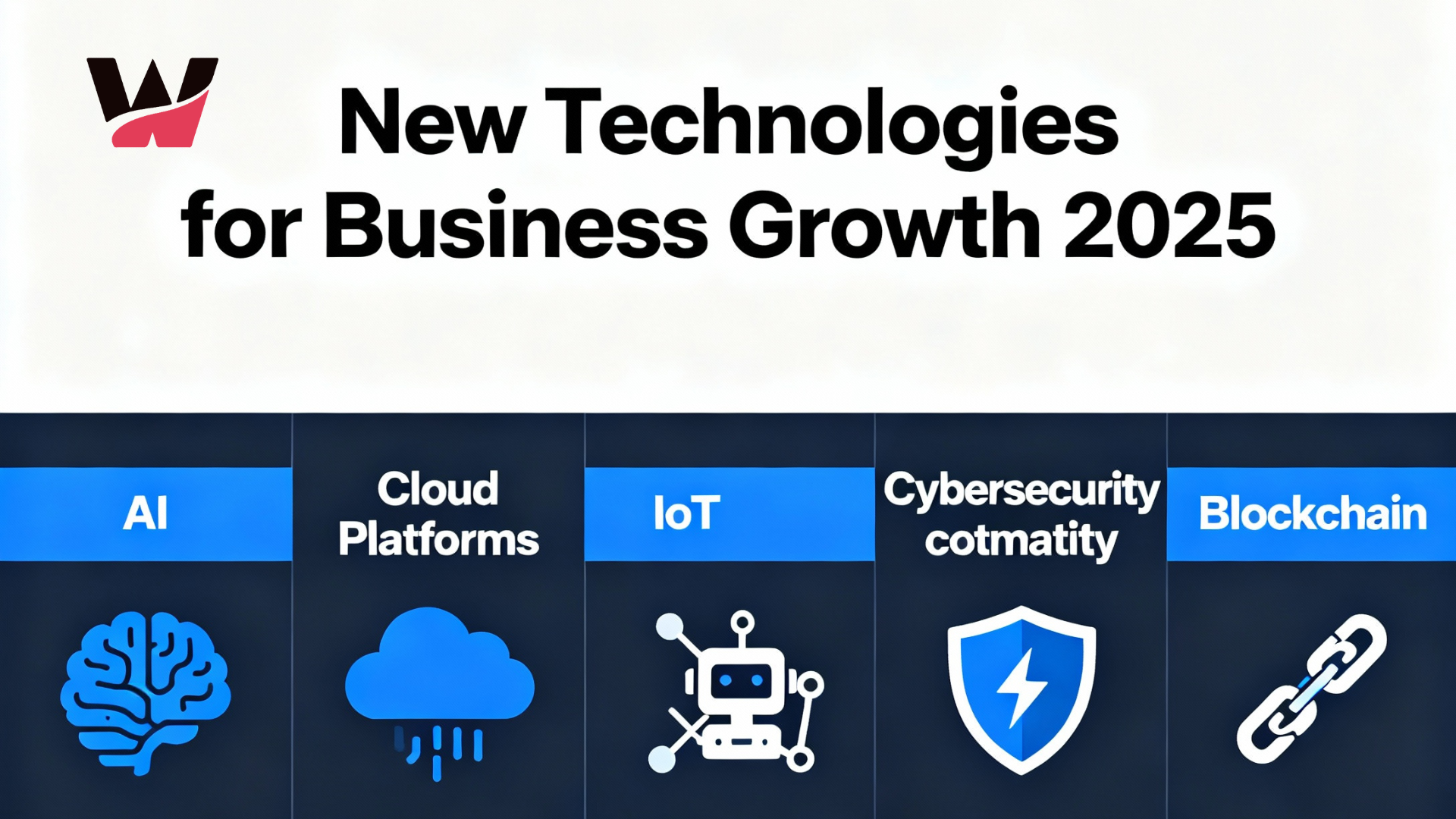
New Technologies for 2025: What Businesses Need to Grow
-
 November 14, 2025
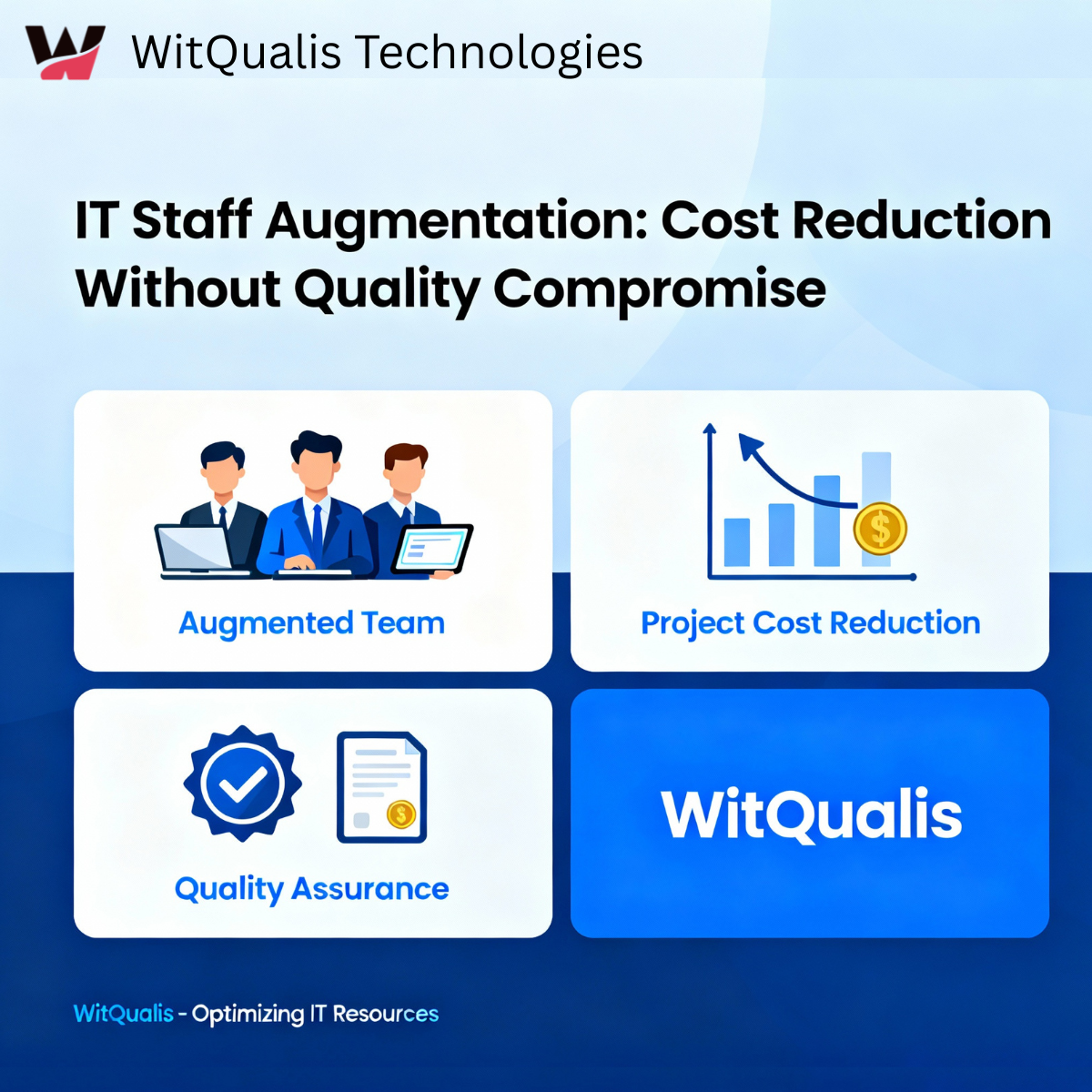
IT Staff Augmentation Reduces Project Costs Quality
-
 November 13, 2025
Empowering Global Collaboration: How WitQualis Builds Seamless Remote Teams
-
 November 12, 2025
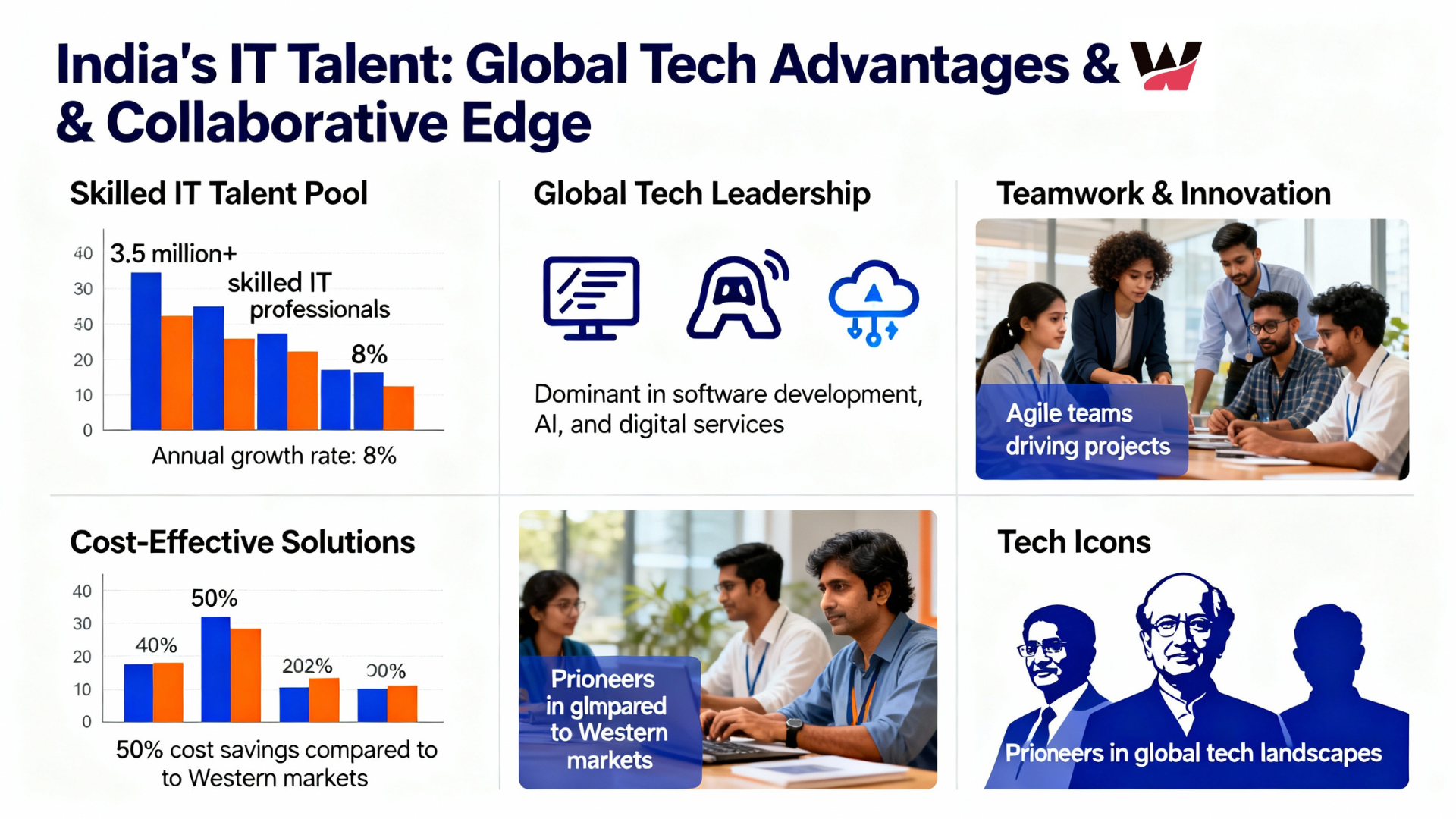
Why Global Businesses Are Turning to India for Skilled IT Talent
-
 November 11, 2025
Staff Augmentation Helps You Scale Your Tech Team
-
 November 10, 2025
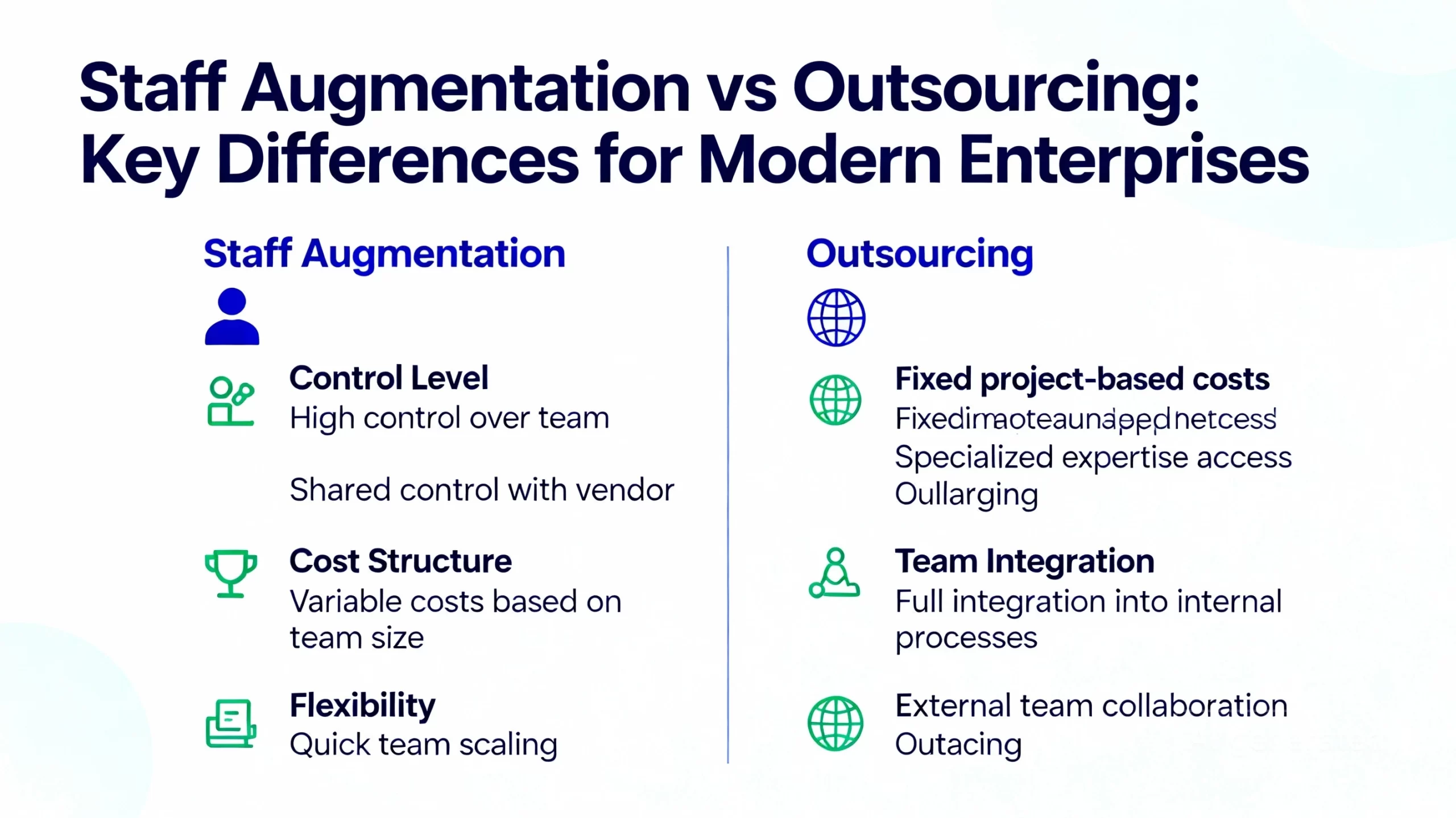
Staff Augmentation vs Outsourcing in 2025: Which Is Best for Modern Enterprises?
-
 November 7, 2025
How AI, IoT, and Cloud Are Redefining Software Development in 2025
-
 November 6, 2025
Scaling Smarter: How Augmented Teams Help Deliver Projects Faster in 2025
-
 November 5, 2025
How AI and Automation Are Transforming Software Development Teams in 2025
-
 November 3, 2025
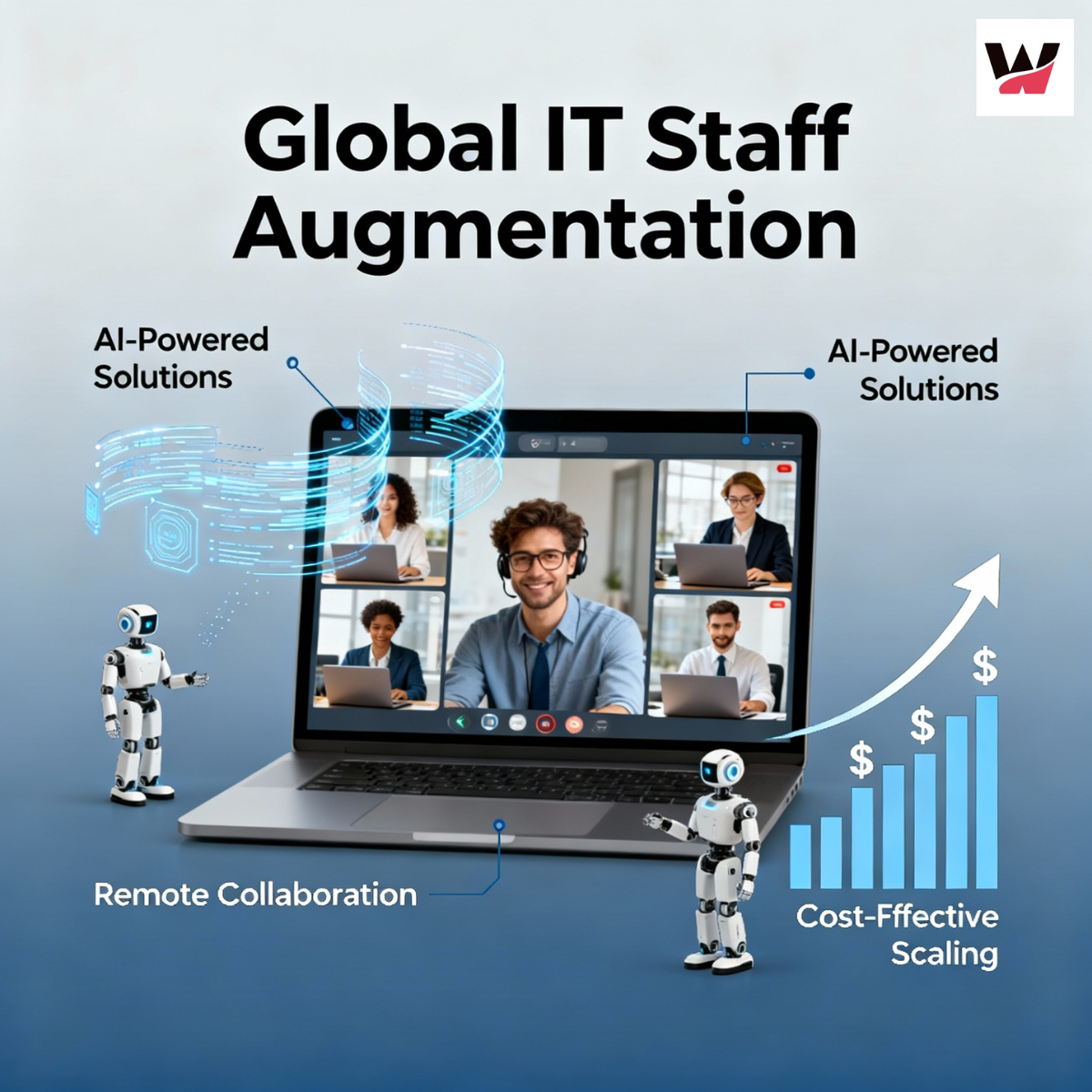
The Future of IT Staffing: Why Businesses Are Choose Staff Augmentation in 2025
-
 October 31, 2025
Why Technology is Essential for Business Growth (2025): Top Reasons & Winning Strategies
-
 October 30, 2025
How the Internet of Things (IoT) Is Revolutionizing Modern Business
-
 October 29, 2025
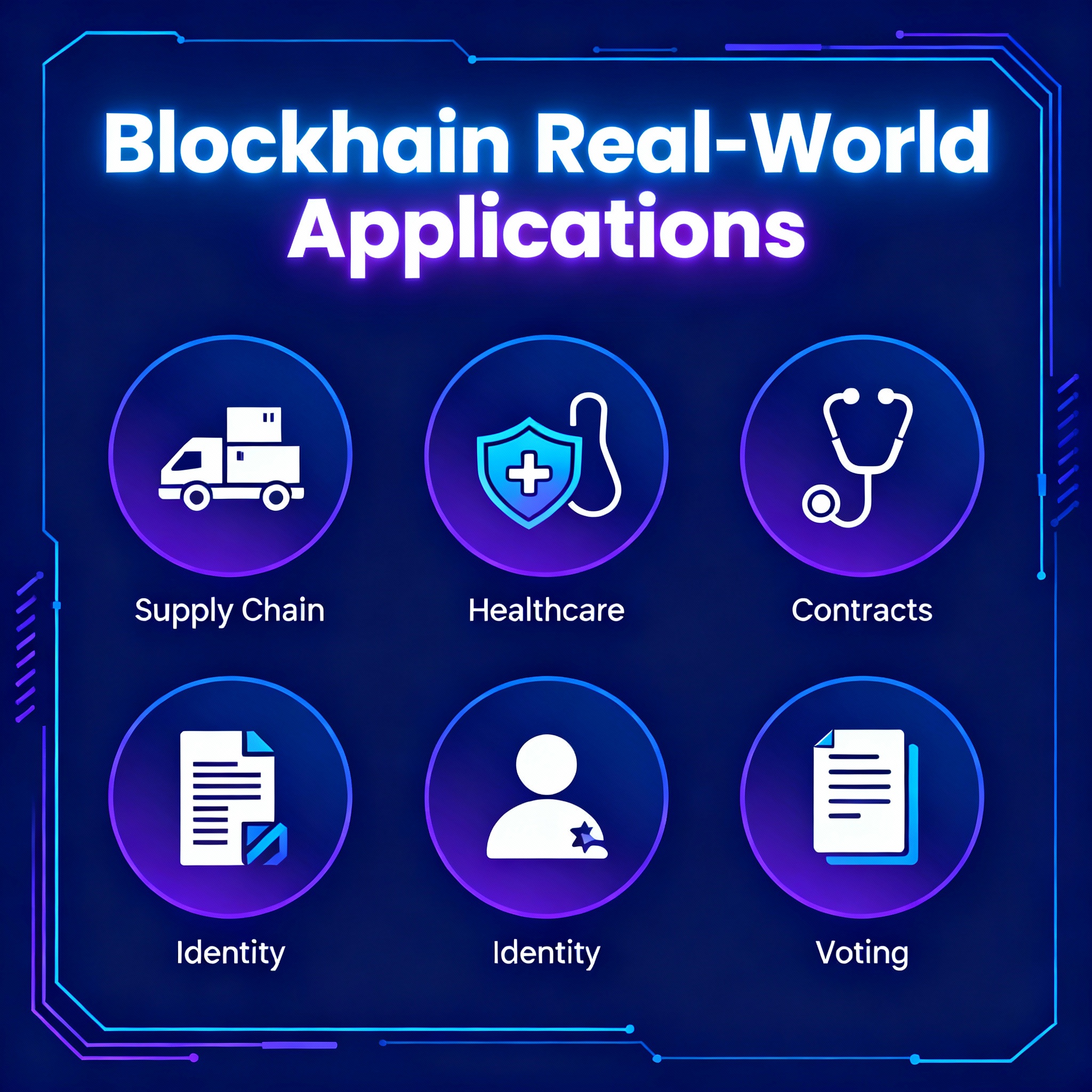
Blockchain Cryptocurrency: Real-World Applications | WitQualis
-
 October 28, 2025
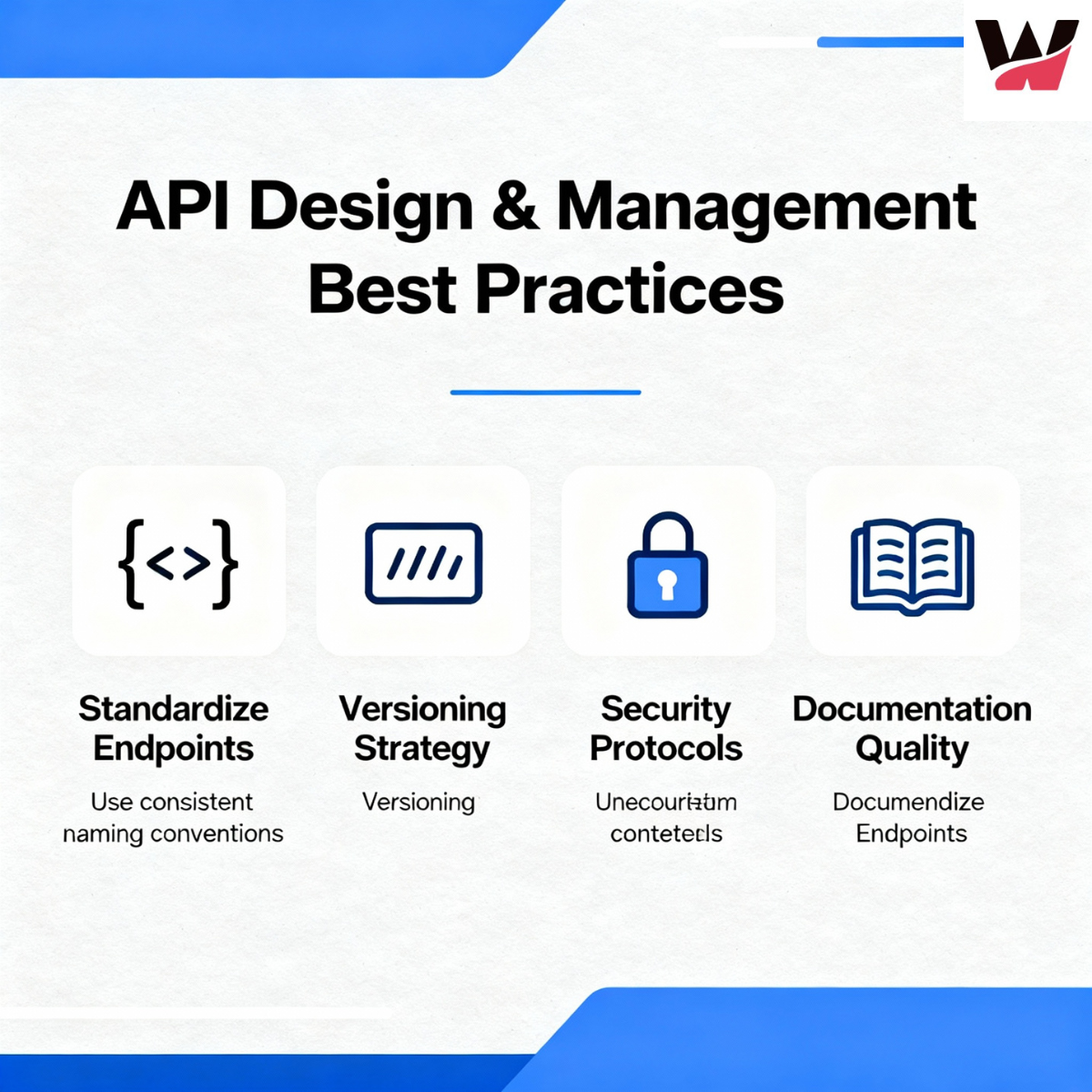
API Design and Management Best Practices for Developers
-
 October 27, 2025
Microservices Architecture: Benefits, Implementation Tips & Real-World Examples
-
 October 24, 2025
How Remote Work Has Transformed the IT Industry Tools in 2025
-
 October 23, 2025
Virtual and Augmented Reality: The Tech Revolution | WitQualis
-
 October 22, 2025
How AI is Revolutionizing Business Decision-Making in 2025 | In-Depth Analysis & Trends
-
 October 16, 2025
Blockchain Beyond Crypto: Building Trust in Business Operations
-
 October 15, 2025
How Custom Software Solutions Drive Business Efficiency | Expert Guide
-
 October 13, 2025
How Automation Reduces Costs & Boosts Productivity in 2025
-
 October 10, 2025
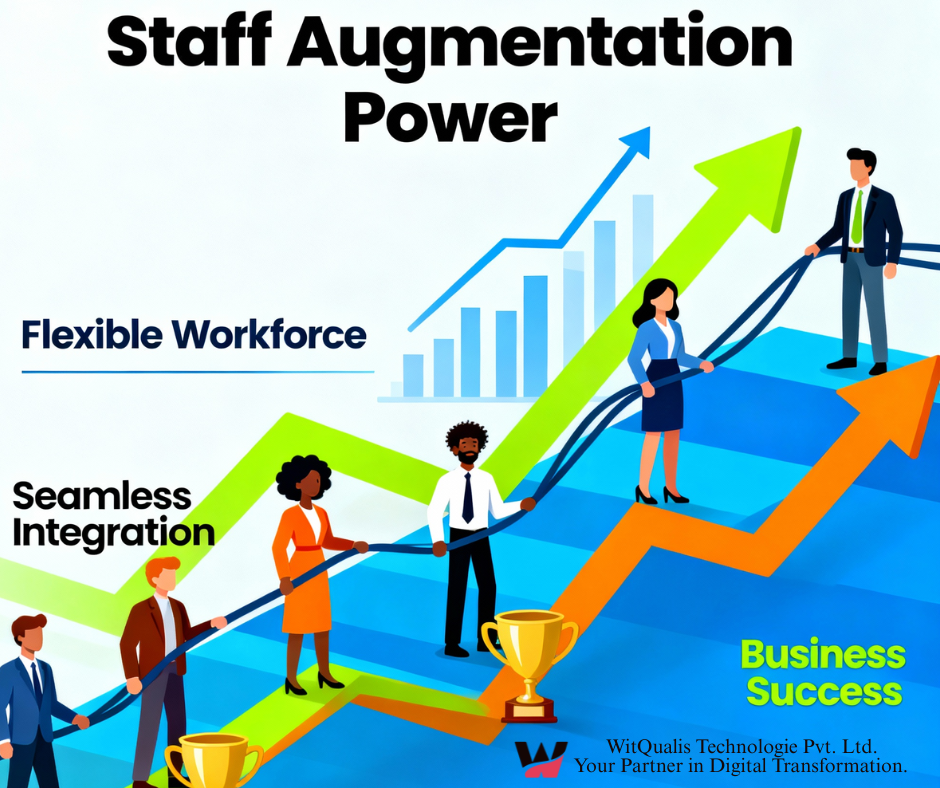
Staff Augmentation: The Key to Building Agile & Scalable Teams
-
 October 9, 2025
The Role of Cloud Computing in Scaling Modern Businesses
-
 October 8, 2025
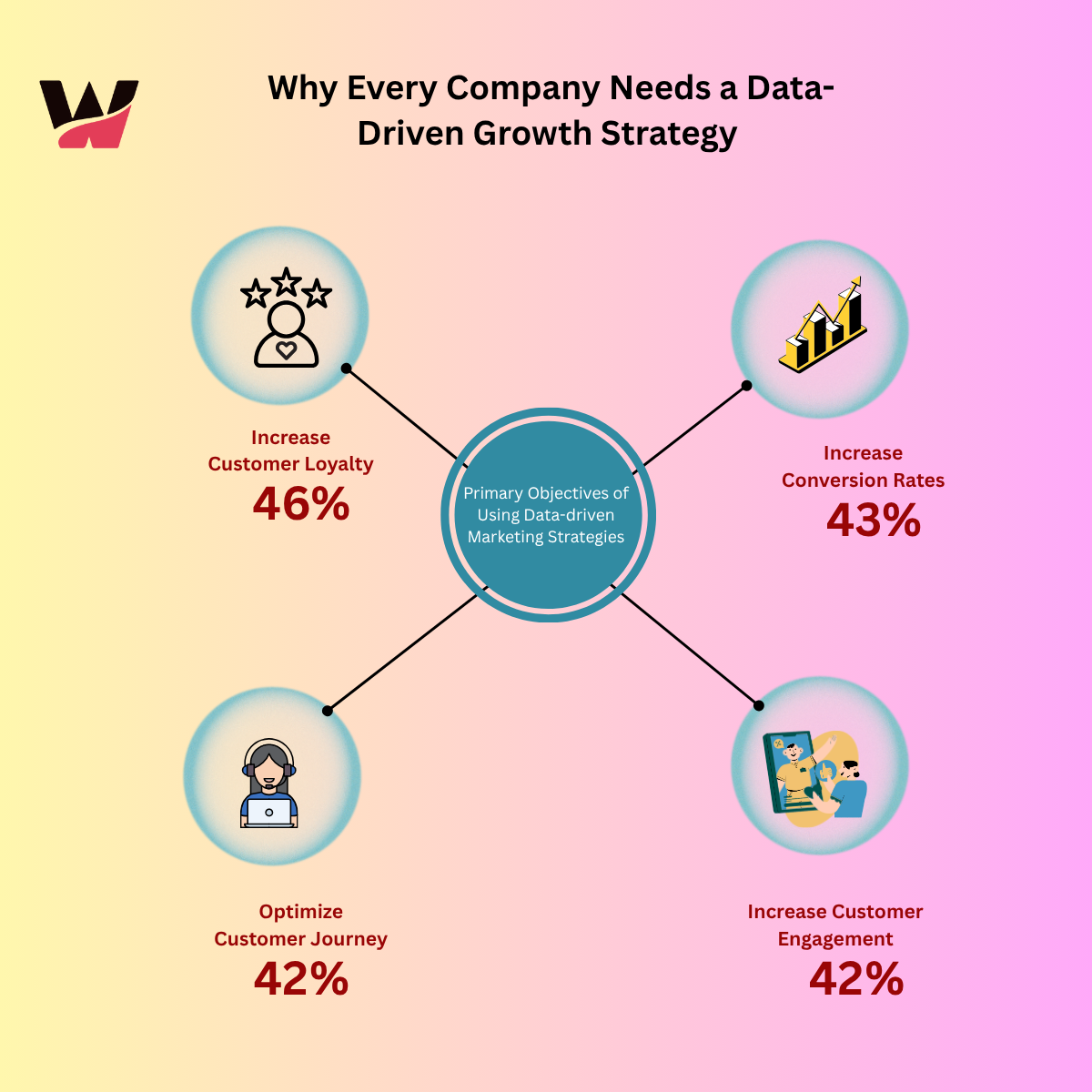
Why Every Company Needs a Data-Driven Growth Strategy
-
 October 7, 2025
API Design Best Practices for Developers in 2025 |API versioning strategies
-
 October 6, 2025
virtual reality vs augmented reality vs mixed reality
-
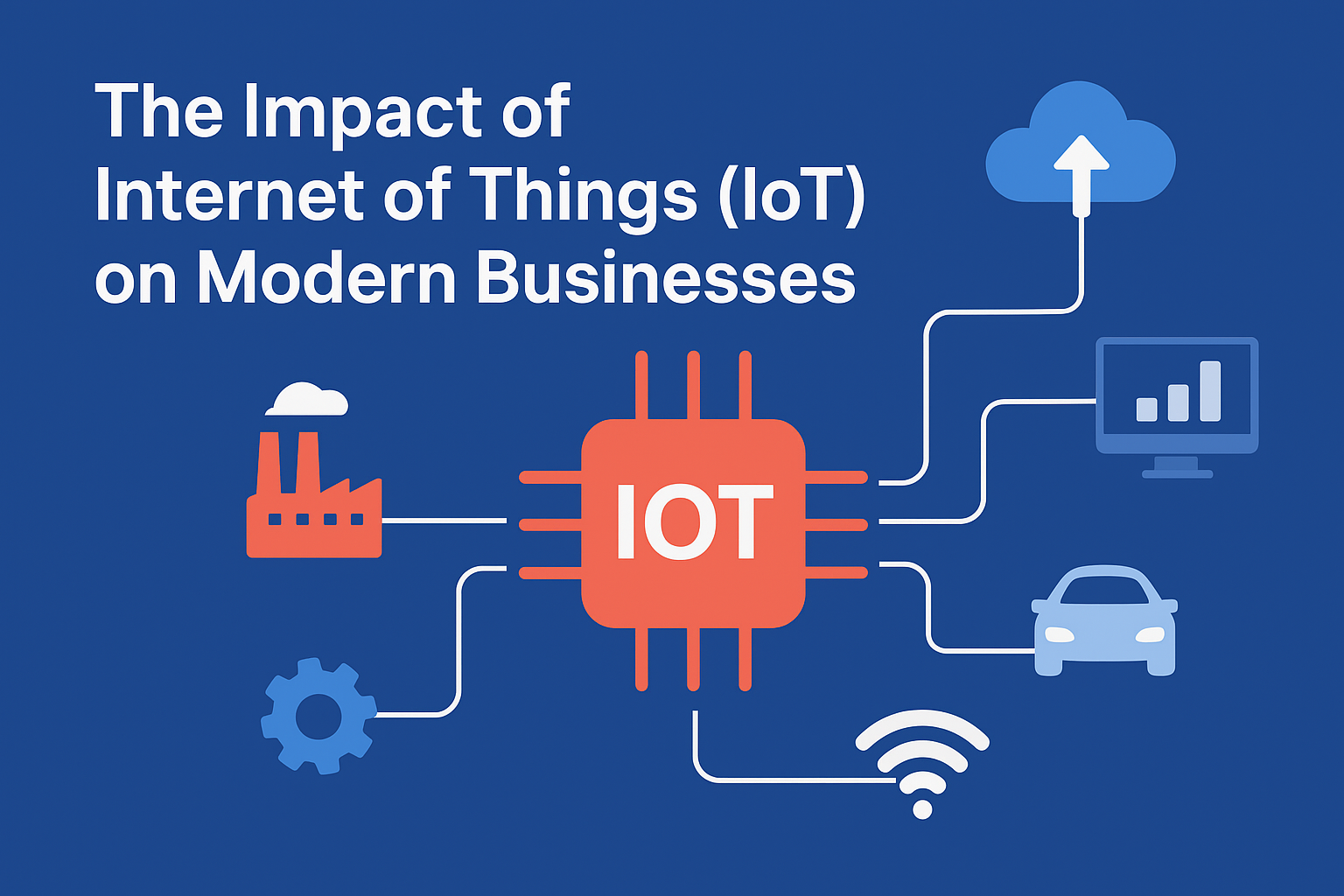 October 3, 2025
The Impact of Internet of Things (IoT) on Modern Business
-
 October 1, 2025
Blockchain Beyond Cryptocurrency: Real-World Applications in 2025
-
 September 30, 2025
The Future of Artificial Intelligence: Trends and Opportunities
-
 September 26, 2025
Microservices Architecture: Benefits and Implementation Tips
-
 September 25, 2025
Why Staff Augmentation Is a Smart Move for IT Projects in 2025
-
 September 24, 2025
Cloud Computing Explained: Benefits and Best Practices (AWS, Azure, Google Cloud)
-
 September 23, 2025
How Staff Augmentation Can Help Scale Your IT Team Efficiently
-
 January 6, 2025
Choosing the Right Front-End Web Development Service in the UK
-
 January 4, 2025
Why Choose Staff Augmentation Services in India for Your IT Projects?
-
 December 21, 2024
Boost Your Business ROI with Power BI Development Services in the Maldives and Iceland
-
 December 20, 2024
Get a Free Consultation: Is Your E-Commerce Business in the UAE Ready for Digital Transformation?
-
 July 6, 2023
The Future of Small Business and Know-How to Climb up the Ladder


[…] The Rise of Hybrid Teams: In-House + Augmented Talent – WitQualis […]