

Supporting Augmented Professionals During Projects: Best Practices for Success
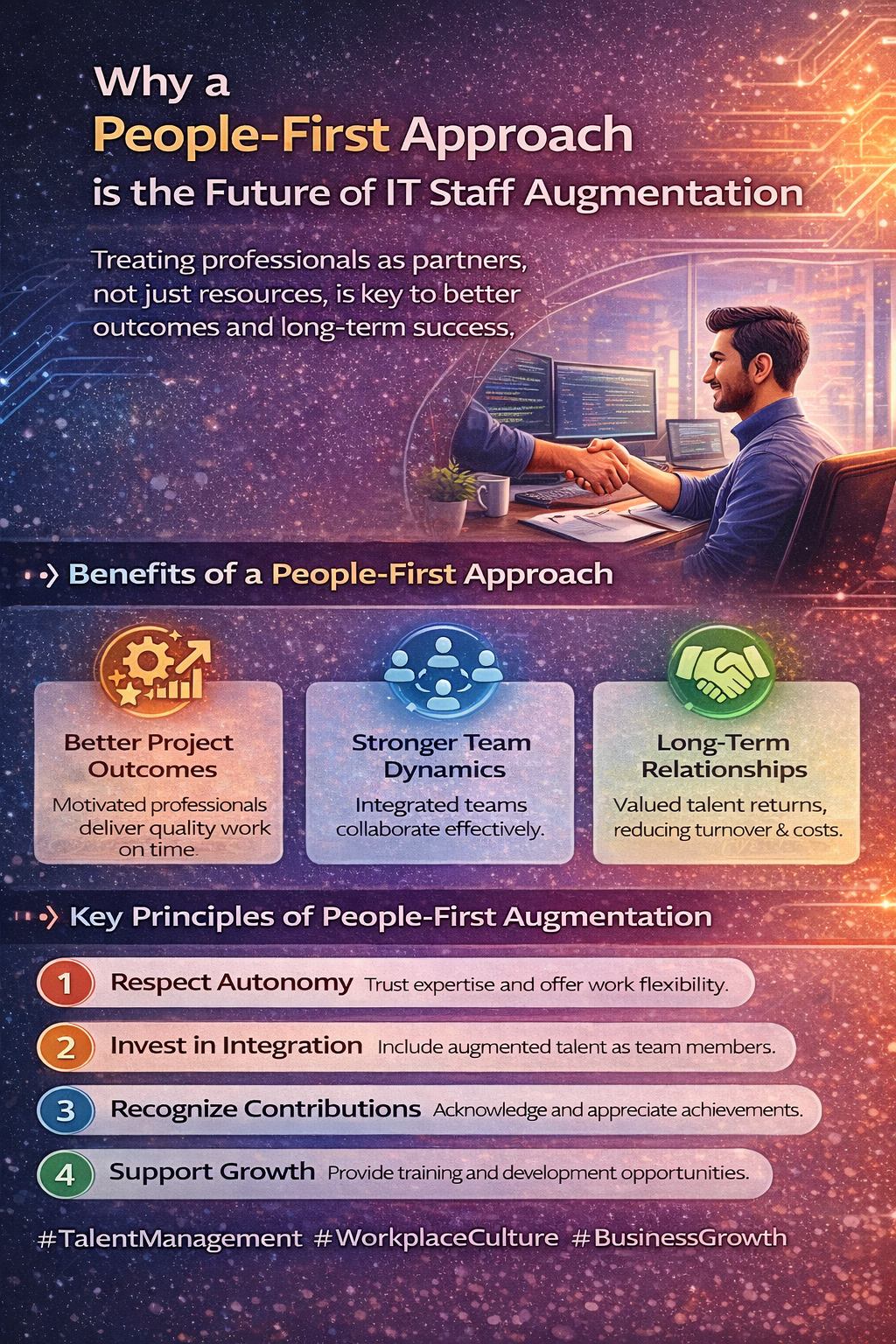
Why a People-First Approach is the Future of IT Staff Augmentation
The Shift From Resources to Partners
Because the talent market has fundamentally shifted in favor of professionals, the old transactional model of staff augmentation no longer works. Consequently, augmentation firms and their clients must fundamentally rethink how they approach external talent. Therefore, understanding why this shift happened and how to adapt is essential for competitive advantage.
Moreover, the transition from viewing talent as “resources” to viewing them as “partners” is not about sentiment or kindness. Instead, it is about business reality: the best professionals have choices, and they will choose partners that respect them. Furthermore, organizations that embrace this shift will attract better talent, see higher quality work, and experience better project outcomes.
Additionally, the people-first approach directly impacts business metrics: project quality, timeline achievement, team satisfaction, and repeat engagement. Consequently, treating professionals well is not just the right thing to do—it is the smart business thing to do.
Significantly, this shift represents the future of IT staffing and augmentation. Thus, understanding and embracing it early provides competitive advantage.
Why the Old Model Is Broken
Because understanding the failures of traditional approaches helps explain why change is necessary.
The “Resource” Mentality
Traditional staff aug`mentation has often treated professionals as interchangeable “resources” or “bodies to fill seats.” Consequently, professionals are:
-
Selected primarily on cost rather than fit
-
Isolated from core teams rather than integrated
-
Expected to work independently without support
-
Not invested in long-term
-
Easily replaced when projects end
-
Treated as temporary outsiders rather than team members
Furthermore, this approach creates predictable problems:
High Turnover: Professionals quickly leave to find partners who value them. Consequently, augmentation firms experience constant churn.
Poor Quality: Isolated, unmotivated professionals deliver mediocre work. Consequently, project quality suffers.
Team Friction: When augmented talent is treated as outsiders, integration fails and collaboration suffers. Consequently, team dynamics deteriorate.
Knowledge Loss: When augmented professionals leave, knowledge walks out the door. Consequently, organizations must constantly restart learning.
Reputation Damage: Professionals who feel disrespected share negative experiences. Consequently, augmentation firms struggle to attract quality talent.
Vendor Lock-Out: Bad experiences with augmentation make organizations hesitant to try again. Consequently, augmentation adoption stagnates.
Because these problems are systemic to the resource-centric model, the model itself must change. Therefore, the transition to people-first is inevitable.
The Cost of Treating Talent Poorly
Because poor treatment of augmented talent has direct business costs, understanding these costs motivates change.
Project Delays: When augmented professionals are not integrated or supported, they ramp slowly and contribute less. Consequently, projects miss deadlines.
Quality Issues: When professionals feel undervalued, they invest minimally. Consequently, code quality suffers, bugs escape, and technical debt accumulates.
Rework Costs: Poor quality work requires rework. Consequently, projects that should take 3 months take 5 months.
Relationship Damage: When augmented professionals feel disrespected, they share experiences with peers. Consequently, reputation damage spreads quickly in tight-knit professional communities.
Recruitment Challenges: When augmentation firms treat talent poorly, the best professionals avoid them. Consequently, they attract lower-quality talent.
Repeat Engagement Loss: When projects end badly, augmented professionals don’t return. Consequently, augmentation firms lose long-term relationships and must constantly rebuild.
Therefore, treating talent poorly is expensive in direct and indirect costs. Consequently, the business case for people-first is strong.
The People-First Approach: What It Actually Means
Because “people-first” is sometimes vague, clarifying what it actually means in practice is important.
Core Principles
1. Respect Professional Autonomy
Professionals have earned expertise through years of work. Consequently, they deserve autonomy in how they work.
This means:
-
Trusting their technical judgments rather than micromanaging
-
Respecting their time and work-life balance
-
Giving them flexibility in work arrangements
-
Listening to their input and suggestions
-
Involving them in decisions that affect their work
Furthermore, respecting autonomy does not mean anarchy. Instead, it means clear boundaries with freedom within those boundaries. Consequently, professionals feel trusted while organizational needs are met.
2. Invest in Genuine Integration
Augmented professionals should be full team members, not isolated outsiders.
This means:
-
Including them in all team meetings and decisions
-
Assigning mentors or partners from core team
-
Involving them in planning and retrospectives
-
Treating them socially like team members
-
Communicating transparently about company and project
-
Creating psychological safety where they feel welcomed
Furthermore, integration is not just nice-to-have—it directly improves outcomes. Consequently, integrated augmented professionals contribute better and stay engaged.
3. Provide Clear Support and Communication
Augmented professionals should never feel abandoned or unsupported.
This means:
-
Clear onboarding with documented context and expectations
-
Responsive communication and quick answers to questions
-
Regular check-ins on satisfaction and needs
-
Clear escalation paths if issues arise
-
Immediate problem resolution
-
Active advocacy if client relationships become difficult
Furthermore, good support reduces friction and accelerates productivity. Consequently, responsive support is investment in project success.
4. Recognize Contributions and Progress
Augmented professionals should feel valued and appreciated.
This means:
-
Public acknowledgment of contributions
-
Specific, sincere appreciation
-
Recognition of growth and learning
-
Celebration of wins
-
Feedback on what went well
Furthermore, recognition costs little but has outsized emotional impact. Consequently, consistent recognition strengthens commitment and motivation.
5. Build Long-Term Relationships
Rather than one-off engagements, people-first approaches nurture ongoing partnerships.
This means:
-
Staying in touch between projects
-
Preferentially rehiring strong performers
-
Asking about career goals and aspirations
-
Recommending them for roles aligned with growth
-
Treating them as valued long-term partners, not transaction partners
Furthermore, long-term relationships create compounding value. Consequently, repeat engagements are more productive and cost-effective.
6. Invest in Professional Development
Augmented professionals should grow their skills and capabilities.
This means:
-
Supporting certifications and training
-
Creating learning opportunities on projects
-
Mentoring and coaching
-
Exposing them to varied and challenging work
-
Discussing career growth openly
Furthermore, professionals who grow are more engaged and motivated. Consequently, development investment improves both employee satisfaction and project outcomes.
7. Practice Radical Transparency
Professionals deserve honest communication about projects, organizations, and opportunities.
This means:
-
Transparent communication about project status
-
Honest feedback (positive and constructive)
-
Clear expectations and success criteria
-
Transparency about what comes next
-
Honest conversations about challenges
Furthermore, transparency builds trust. Consequently, professionals make better decisions and feel safer.
How People-First Augmentation Benefits Organizations
Because people-first approaches require investment, understanding the benefits justifies the investment.
Better Project Outcomes
Because motivated, integrated professionals deliver better work, project outcomes improve:
-
Higher Quality: Professionals who feel valued produce higher-quality work
-
Faster Delivery: Integrated professionals ramp faster and contribute immediately
-
Better Collaboration: Team members who feel welcomed collaborate better with core teams
-
Fewer Issues: Professionals who care prevent problems before they escalate
-
Lower Rework: Quality focus reduces rework and delays
Consequently, people-first approaches deliver superior project outcomes.
Improved Team Dynamics
Because people-first approaches emphasize integration, team dynamics strengthen:
-
Better Communication: Integrated teams communicate more openly
-
Stronger Problem-Solving: Diverse perspectives from augmented professionals improve solutions
-
Higher Morale: Teams feel stronger when everyone is valued
-
Reduced Conflict: When people feel respected, conflict decreases
-
Better Culture: Inclusive teams have healthier cultures
Consequently, team effectiveness improves dramatically.
Long-Term Partnerships and Repeat Engagement
Because treated-well professionals return, augmentation firms build long-term relationships:
-
Repeat Business: Happy professionals recommend augmentation partners to peers
-
Faster Ramps on Repeat Engagements: Returning professionals ramp even faster
-
Institutional Knowledge: Returning professionals understand your systems and culture
-
Higher Retention: People return to partners they trust
-
Advocate Recruitment: Happy professionals actively recruit peers
Consequently, organizations build stable, reliable partner networks.
Cost Efficiency Through Stability
Because repeat engagement is more efficient than constant recruitment:
-
Lower Recruitment Costs: Repeat engagements avoid recruitment overhead
-
Faster Project Starts: Returning professionals need minimal onboarding
-
Better ROI: Productivity on repeat engagements is higher
-
Predictability: You know what you’re getting from proven partners
Consequently, long-term relationships create cost efficiency alongside better outcomes.
Superior Talent Access
Because professionals prefer partners that value them:
-
Attract Top Talent: Best professionals choose partners that respect them
-
Beat Competitors for Talent: When candidates have choices, people-first partners win
-
Reduce Hiring Friction: Talent applies without lengthy recruiting needed
-
Stronger Referrals: Happy professionals actively refer peers
Consequently, people-first approaches access superior talent pools.
Implementing People-First Augmentation: Practical Steps
Because implementing people-first requires systematic practice, understanding what to do is important.
For Augmentation Firms
1. Hire for Cultural Fit Alongside Skills
Screen candidates for both technical skills and alignment with people-first values: collaboration, communication, growth mindset.
Consequence: Better team integration and retention
2. Invest in Thorough Onboarding
Provide clear documentation, introductions to team, and context before sending augmented professionals to clients.
Consequence: Faster ramp and better first impression
3. Maintain Ongoing Support
Check in regularly with augmented professionals during assignments. Address concerns promptly. Provide advocacy if needed.
Consequence: Higher satisfaction and better performance
4. Facilitate Knowledge Transfer
Structure assignments so augmented professionals mentor client teams. Share best practices and learnings.
Consequence: Clients benefit from expertise; augmented professionals feel valued as teachers
5. Plan for Next Steps
Before assignments end, discuss what comes next. Recommend future roles aligned with interests.
Consequence: Professionals feel the partner thinks about their future
6. Build Community
Create forums for augmented professionals to connect, learn, and share. Host events and training.
Consequence: Stronger sense of belonging; better referrals
7. Measure and Improve
Gather feedback from augmented professionals and clients. Continuously improve processes.
Consequence: Systematic improvement
For Client Organizations (Using Augmented Talent)
1. Treat Augmented Talent as Team Members
Include in meetings, decisions, celebrations. Integrate fully, not superficially.
Consequence: Better integration and collaboration
2. Assign Mentors
Pair augmented professionals with internal mentors who support and teach them.
Consequence: Faster ramp; better integration
3. Communicate Transparently
Share company information, project context, goals, and challenges openly.
Consequence: Professionals understand bigger picture; make better decisions
4. Provide Clear Support
Have responsive points of contact for questions. Escalate issues quickly.
Consequence: Professionals feel supported; productivity increases
5. Acknowledge Contributions
Publicly thank augmented professionals for good work. Celebrate wins.
Consequence: Stronger commitment and motivation
6. Invest in Development
Support learning on projects. Assign growth-oriented work. Provide feedback.
Consequence: Professionals grow; stay engaged
7. Create Continuity
When possible, rehire strong performers. Offer them varied and interesting work.
Consequence: Long-term relationships; better outcomes
The Business Case for People-First
Because people-first approaches require investment, demonstrating ROI is important.
Cost-Benefit Analysis
Investment (Annual for 10 augmented professionals):
-
Better screening and onboarding: $20K
-
Regular check-ins and support: $30K
-
Professional development support: $15K
-
Community building and events: $10K
-
Total: $75K annually
Returns:
-
Improved project quality (fewer rework cycles): $100K+ annually
-
Faster project delivery (shorter timelines): $200K+ annually
-
Reduced recruitment friction (easier rehiring): $50K+ annually
-
Reduced turnover and replacement costs: $100K+ annually
-
Better retention and repeat engagement: Higher lifetime value
-
Total: $450K+ annually
ROI: 500%+
Consequently, people-first approaches are excellent investments.
Competitive Advantage
Because competitors using traditional resource-centric models will struggle to compete:
-
Better Talent Access: You attract professionals competitors lose
-
Better Project Outcomes: Your quality reputation grows
-
Lower Costs: Long-term partnerships are cost-efficient
-
Faster Execution: Experienced returning professionals ramp fast
-
Market Reputation: Positive feedback from professionals strengthens brand
Consequently, people-first becomes competitive moat.
The Future of IT Staff Augmentation
Because the shift to people-first is inevitable, understanding where the industry is heading helps organizations prepare.
Emerging Trends
Specialization: Augmentation firms increasingly specialize in specific domains (cloud, AI/ML, security) rather than generalist staffing. Consequently, deeper expertise attracts quality professionals.
Long-Term Partnerships: Rather than project-based engagements, more firms offer retainer relationships and extended partnerships.
Knowledge Transfer Focus: Modern augmentation explicitly includes mentoring and capability building, not just task execution.
Flexibility and Autonomy: Forward-thinking firms offer flexibility in work arrangements, schedules, and role variety.
Community Building: Augmentation firms increasingly build professional communities where talent connects, learns, and grows together.
Values Alignment: Professionals increasingly prioritize working with organizations and partners aligned with their values.
Consequently, the industry is naturally evolving toward people-first models.
Organizational Implications
Organizations that embrace people-first early will:
-
Build competitive advantage through superior talent access
-
Execute projects better through motivated teams
-
Develop long-term partner relationships
-
Achieve cost efficiency through stability
-
Build stronger reputations attracting more talent
Conversely, organizations clinging to resource-centric models will struggle to compete.
How WitQualis Exemplifies People-First Augmentation
Because understanding how people-first works in practice helps, examining WitQualis as a case study is instructive.
Core Principles:
-
Thorough Screening: WitQualis screens for both technical skills and cultural fit
-
Deep Integration: Augmented professionals integrate fully into client teams
-
Clear Support: Regular check-ins ensure augmented professionals feel supported
-
Knowledge Transfer: Augmented professionals mentor client teams, building capability
-
Long-Term Focus: WitQualis preferentially rehires strong performers, building partnerships
-
Professional Development: Development opportunities are integrated into engagements
-
Transparent Communication: Clear expectations and regular feedback
Consequences:
-
Higher quality project outcomes
-
Better team integration
-
Stronger long-term relationships
-
Better talent access
-
Higher client satisfaction
Thus, WitQualis demonstrates that people-first approaches deliver superior business outcomes.
Why a People-First Approach is the Future of IT Staff Augmentation
In today’s competitive tech landscape, staff augmentation is no longer just about filling positions. The shift from seeing talent as mere resources to viewing them as partners is crucial for business success. Let’s explore why this change is not just about employee satisfaction but a smart business strategy.
Why the Old Model is Broken
Traditional staff augmentation often treats professionals as interchangeable resources:
-
Focused on cost over fit
-
Isolated from core teams
-
Expected to work without support
-
Easily replaced when projects end
This leads to high turnover, poor quality work, and team friction, costing businesses in delays, rework, and reputational damage.
The People-First Approach
A people-first strategy treats professionals as partners and values their autonomy, contributions, and long-term growth. This approach offers numerous business benefits:
-
Improved project outcomes: Motivated professionals deliver higher quality and faster delivery.
-
Stronger team dynamics: Integration with core teams leads to better collaboration and higher morale.
-
Long-term relationships: Investing in people fosters repeat engagements and reliable talent pools.
Key Principles of People-First Augmentation
-
Respect Professional Autonomy: Trust their judgment and offer flexible work arrangements.
-
Invest in Integration: Make augmented professionals part of the core team.
-
Provide Clear Support: Ensure regular check-ins and quick resolutions.
-
Recognize Contributions: Publicly acknowledge achievements to keep motivation high.
-
Develop Long-Term Relationships: Rehire strong performers and treat them as partners.
-
Invest in Professional Development: Support training and growth to keep talent engaged.
-
Practice Radical Transparency: Maintain open communication about projects, feedback, and challenges.
Why It Works
This people-first approach directly impacts key business metrics such as project quality, team collaboration, and cost efficiency. When talent feels respected, businesses benefit from superior results and sustained growth.
Embrace this shift today to not only improve outcomes but also gain a competitive advantage in the future of IT staff augmentation.
How WitQualis Exemplifies People-First Augmentation
At WitQualis, we understand that long-term partnerships drive better project outcomes. By integrating professionals fully into teams, offering regular support, and prioritizing professional development, we ensure that augmented talent thrives, leading to stronger relationships and higher-quality results for our clients.
One response to “Supporting Augmented Professionals During Projects: Best Practices for Success”
Leave a Reply
Recent Posts
-
 March 5, 2026
Microservices Architecture: Benefits and Implementation Tips
-
 March 3, 2026
How Remote Work Has Changed the IT Industry and Tools You Need
-
 March 2, 2026
API Design and Management Best Practices for Developers
-
 February 27, 2026
The Impact of Internet of Things (IoT) on Modern Business
-
 February 26, 2026
Virtual and Augmented Reality: Where Tech is Headed Next | 2026 Guide
-
 February 25, 2026
Blockchain Beyond Cryptocurrency: Real-World Applications & Use Cases (2026 Guide)
-
 February 24, 2026
The Role of AI in Enhancing IT Development: A Deep Dive (2026 Guide)
-
 February 23, 2026
Maximizing Productivity: How Staff Augmentation Drives Innovation in IT Projects
-
 February 20, 2026
Staff Augmentation vs. Outsourcing: Which IT Model Wins in 2026?
-
 February 19, 2026
The Rise of Hybrid Teams: How to Leverage Staff Augmentation for Business Success
-
 February 18, 2026
How Staff Augmentation is Transforming the Future of IT Workforce (2026)
-
 February 17, 2026
5 Reasons Why Staff Augmentation is Key for Tech Skill Shortages: staff augmentation for tech skill shortages
-
 February 16, 2026
How Staff Augmentation Helps Scale Your Business Without Overheads in 2026
-
 February 13, 2026
The Power of Diverse Teams: How Staff Augmentation Drives Inclusion (2026)
-
 February 12, 2026
The Role of 5G Technology in Shaping IT Development and Augmentation in 2026
-
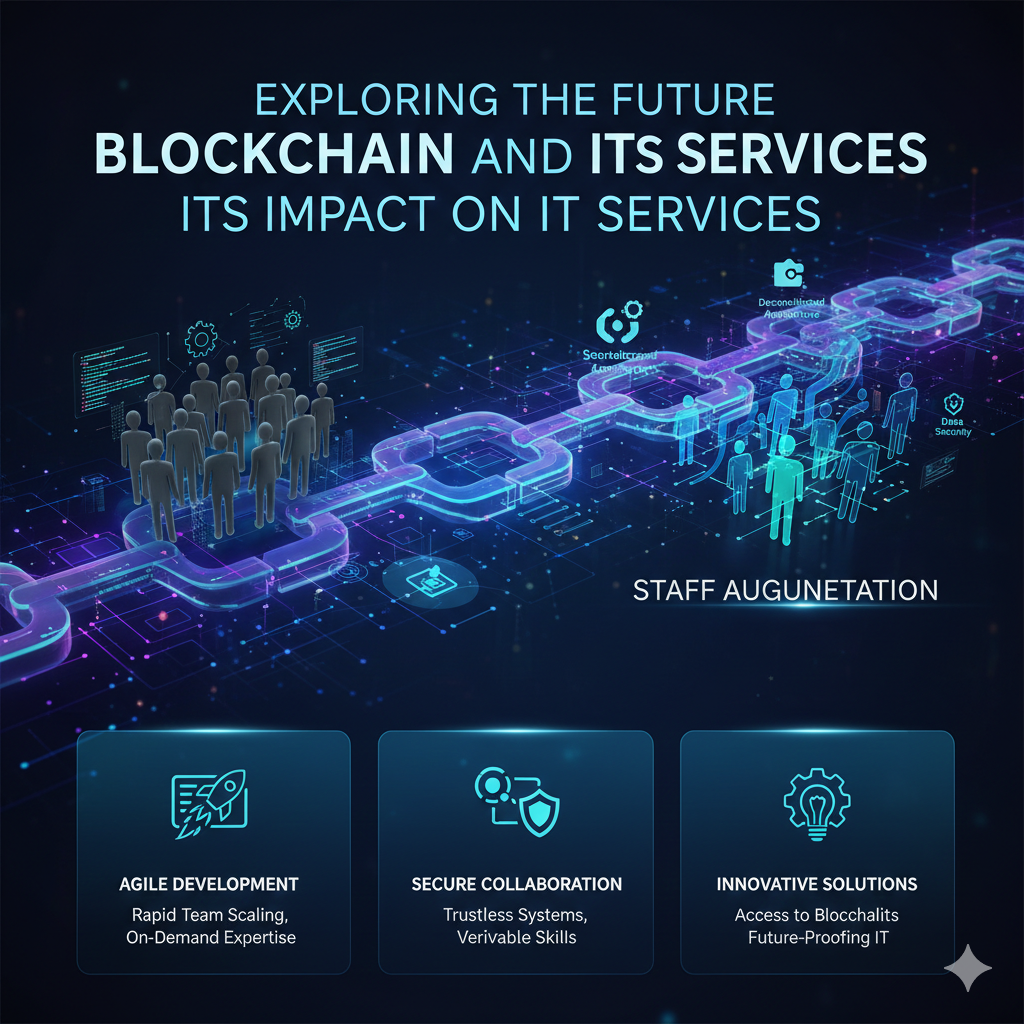 February 11, 2026
The Future of Blockchain: Revolutionizing IT Services in 2026
-
 February 10, 2026
Building an Authentic Employer Brand Through Staff Augmentation in 2026
-
February 9, 2026
Supporting Augmented Professionals During Projects: Best Practices for Success
-
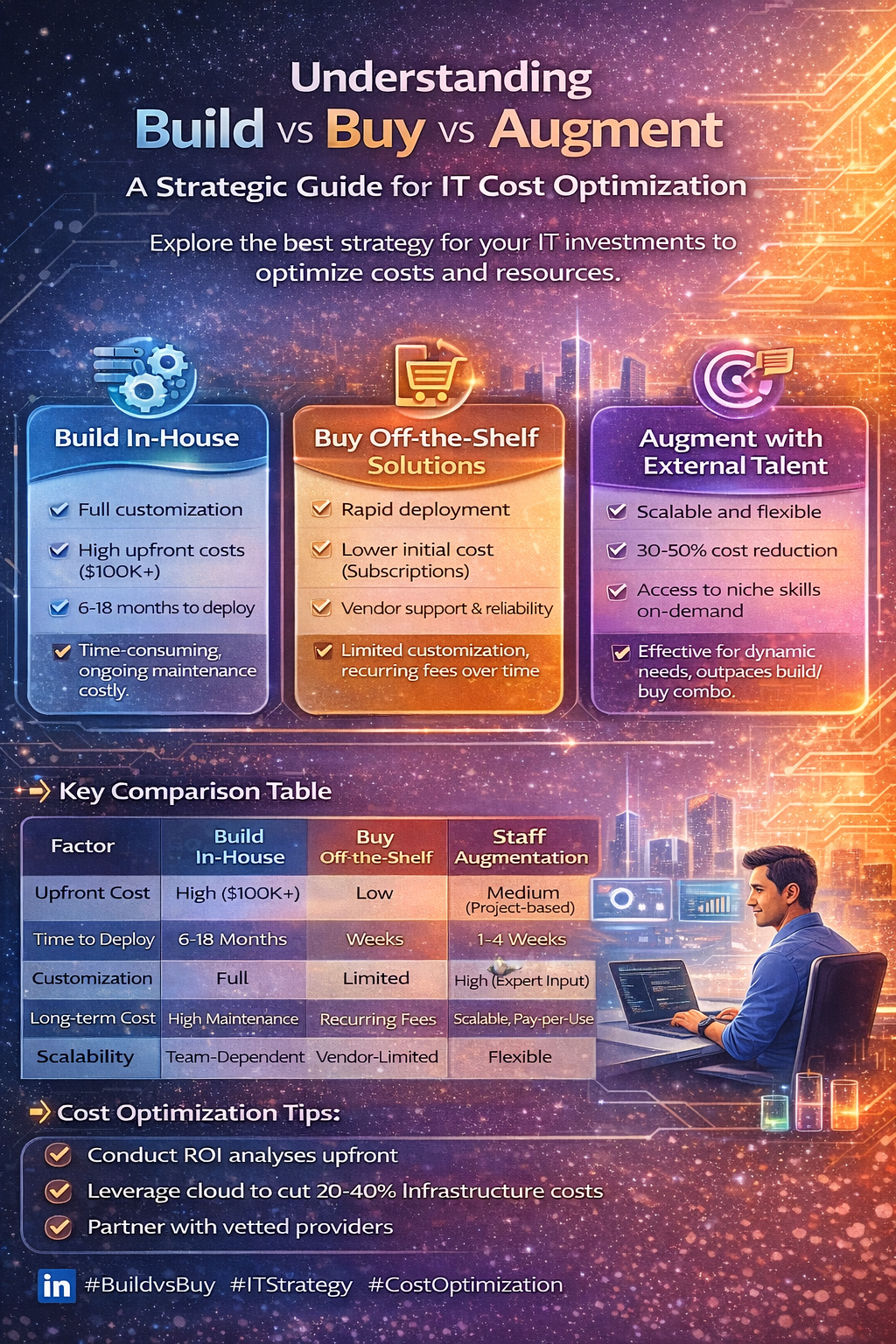 February 6, 2026
Cost Optimization in IT: Build vs Buy vs Staff Augmentation (2026 Guide)
-
 February 5, 2026
The Role of DevOps in High-Performance Engineering Teams: Best Practices Guide
-
 February 4, 2026
How to Ensure Code Quality When Working with Augmented Teams: Best Practices Guide
-
 February 3, 2026
Tech Talent Trends That Will Shape the Next 5 Years: 2026–2031 Outlook
-
 February 2, 2026
The Rise of Hybrid Teams: In-House + Augmented Talent - The Complete Guide
-
 January 30, 2026
How We Support and Retain High-Performing Tech Professionals
-
 January 29, 2026
Aligning Technology Strategy with Business Growth Goals: A Complete Framework
-
 January 28, 2026
What Top Developers Look for in a Staff Augmentation Partner: A Developer's Perspective
-
 January 27, 2026
The Human Side of IT Services: Why People Matter More Than Code
-
 January 23, 2026
Why Culture Fit Matters in Staff Augmentation Models | Witqualis
-
 January 22, 2026
Building Long-Term Relationships with Augmented Talent: A Strategic Approach
-
 January 21, 2026
Cybersecurity Skills in Demand: What Companies Need Now in 2026
-
 January 20, 2026
Why Flexible Hiring Models Drive Better Business Outcomes
-
 January 19, 2026
Reducing Time-to-Market with On-Demand Tech Talent
-
 January 15, 2026
How Dedicated Development Teams Accelerate Product Delivery
-
 January 14, 2026
Scaling Tech Teams Quickly Without Compromising Quality
-
January 12, 2026
Common Mistakes Companies Make When Outsourcing IT Projects (And How to Avoid Them)
-
January 9, 2026
Key Workforce Trends Every CTO Should Watch This Year
-
 January 8, 2026
How AI Is Transforming IT Staffing and Talent Matching
-
 January 7, 2026
How IT Staff Augmentation Helps Startups Scale Faster
-
 January 6, 2026
Choosing the Right Tech Stack for Scalable Digital Products
-
 January 5, 2026
How Remote Talent Is Reshaping Global IT Teams
-
 December 29, 2025
Staff Augmentation vs Traditional Hiring 2025
-
 December 24, 2025
Why Staff Augmentation Is the Future of Agile Hiring
-
 December 22, 2025
Why Hiring Faster Doesn’t Mean Compromising Quality — It Means Finding the Right Partner
-
 December 19, 2025
The Role of Staff Augmentation in Accelerating Digital Transformation
-
 December 18, 2025
5 Tech Hiring Trends Every CTO Should Watch in 2025
-
December 17, 2025
Why Soft Skills Are the Hidden Superpower in Tech Teams
-
 December 15, 2025
How WitQualis Connects Global Talent with Local Opportunities
-
 December 10, 2025
Why Businesses Need Agile, Scalable, and Skilled Tech Teams—Now More Than Ever
-
 December 5, 2025
The Human Side of Technology: Why People Matter as Much as Code
-
 December 4, 2025
The Rise of Contract-Based Developers in the Global IT Market
-
 December 3, 2025
Talent Has No Boundaries: Why the Best Teams Are Built Across Borders
-
 December 2, 2025
From Startups to Enterprises: How Staff Augmentation Supports Every Stage of Growth
-
 December 1, 2025
Great Ideas Need Great Execution – How WitQualis Teams Turn Vision into Reality
-
 November 28, 2025
Scaling Your Tech Team Shouldn’t Slow Your Business – It Should Power It
-
 November 27, 2025
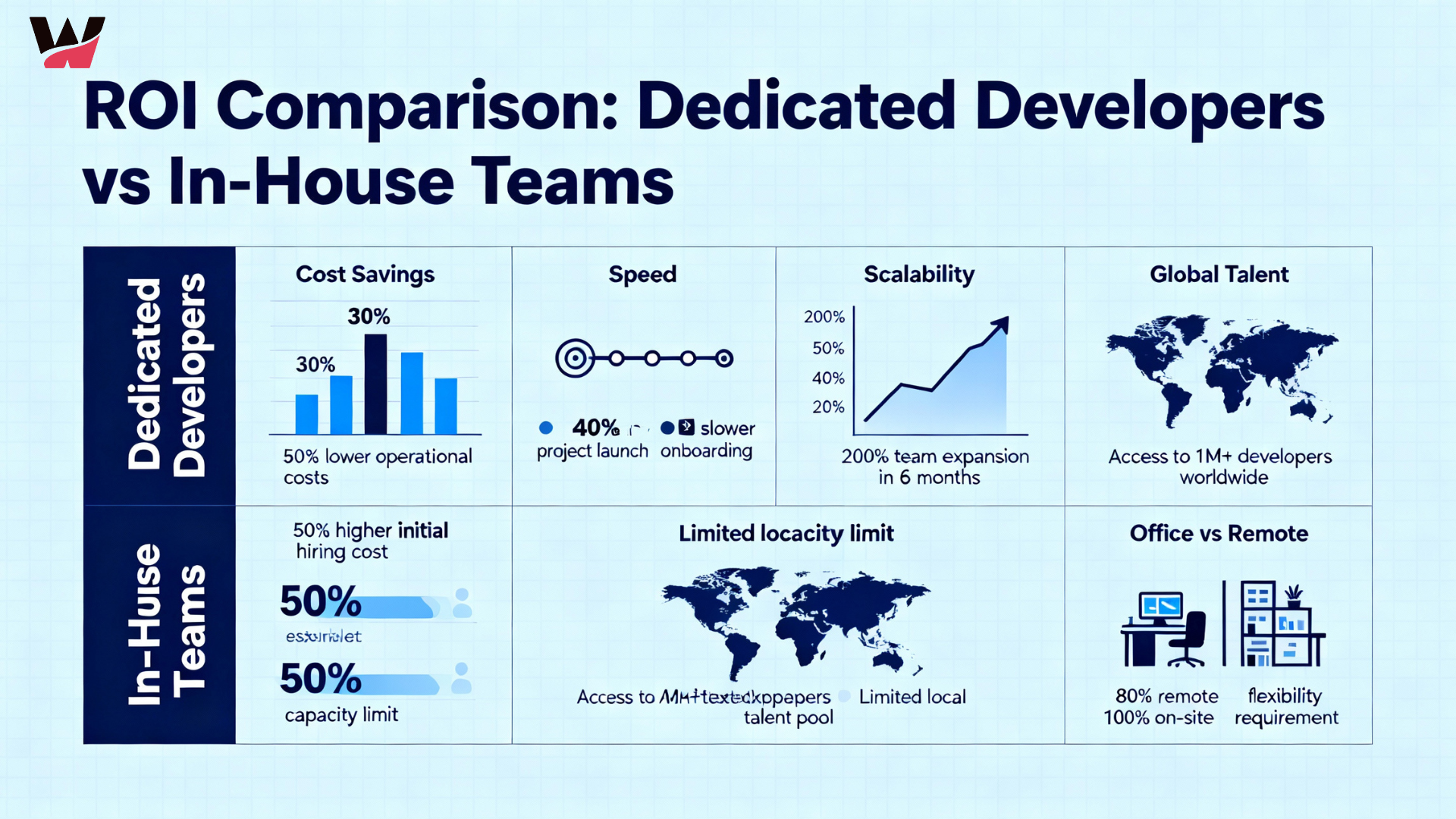
The ROI of Hiring Dedicated Developers vs In-House Teams
-
 November 26, 2025
Why Hybrid Team Models Are the Future of IT Project Delivery
-
 November 24, 2025
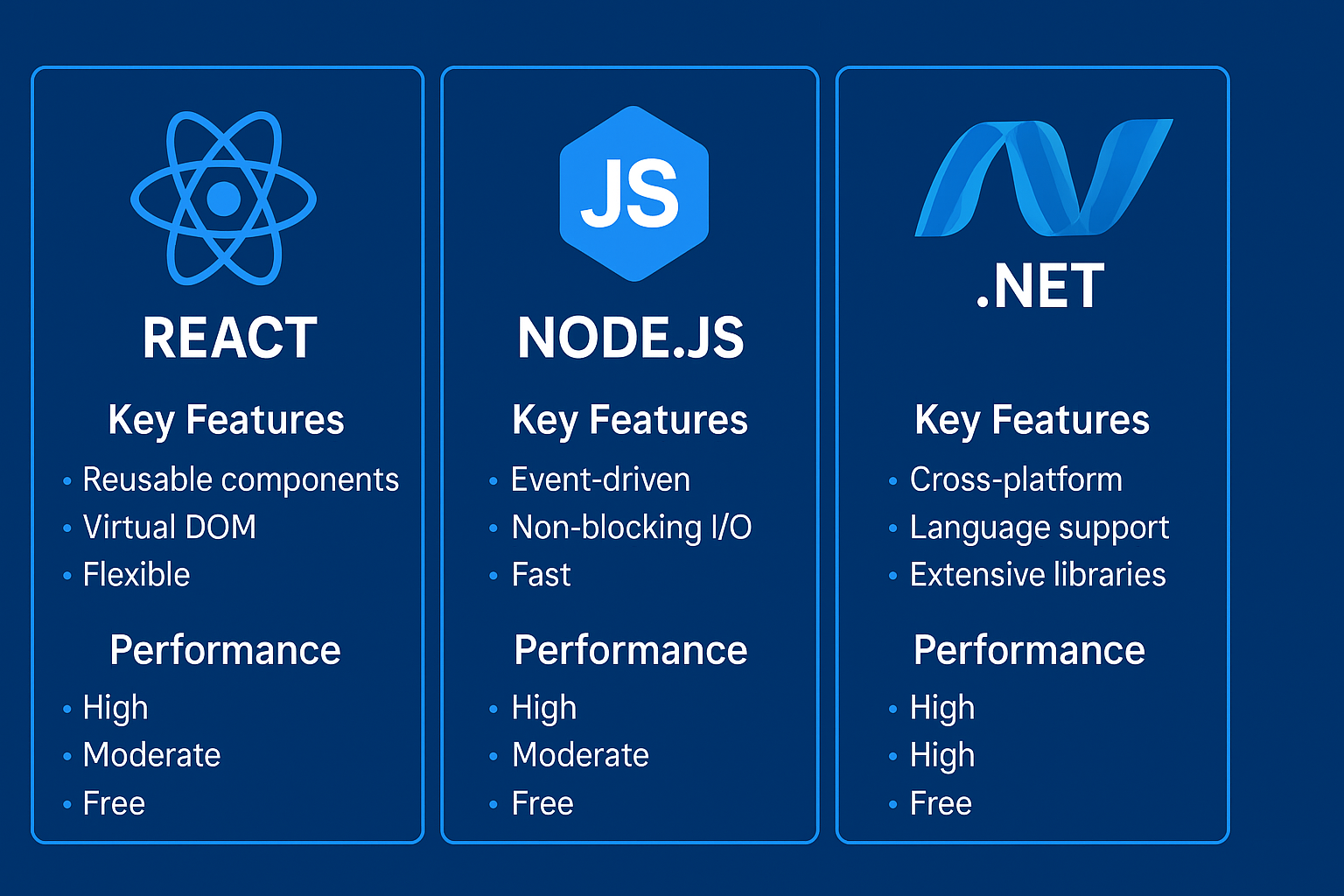
React, Node.js, or .NET? Choosing the Right Tech Stack for Your Next Project
-
 November 21, 2025
Why Hiring Remote Developers Is the Smartest Move for Startups
-
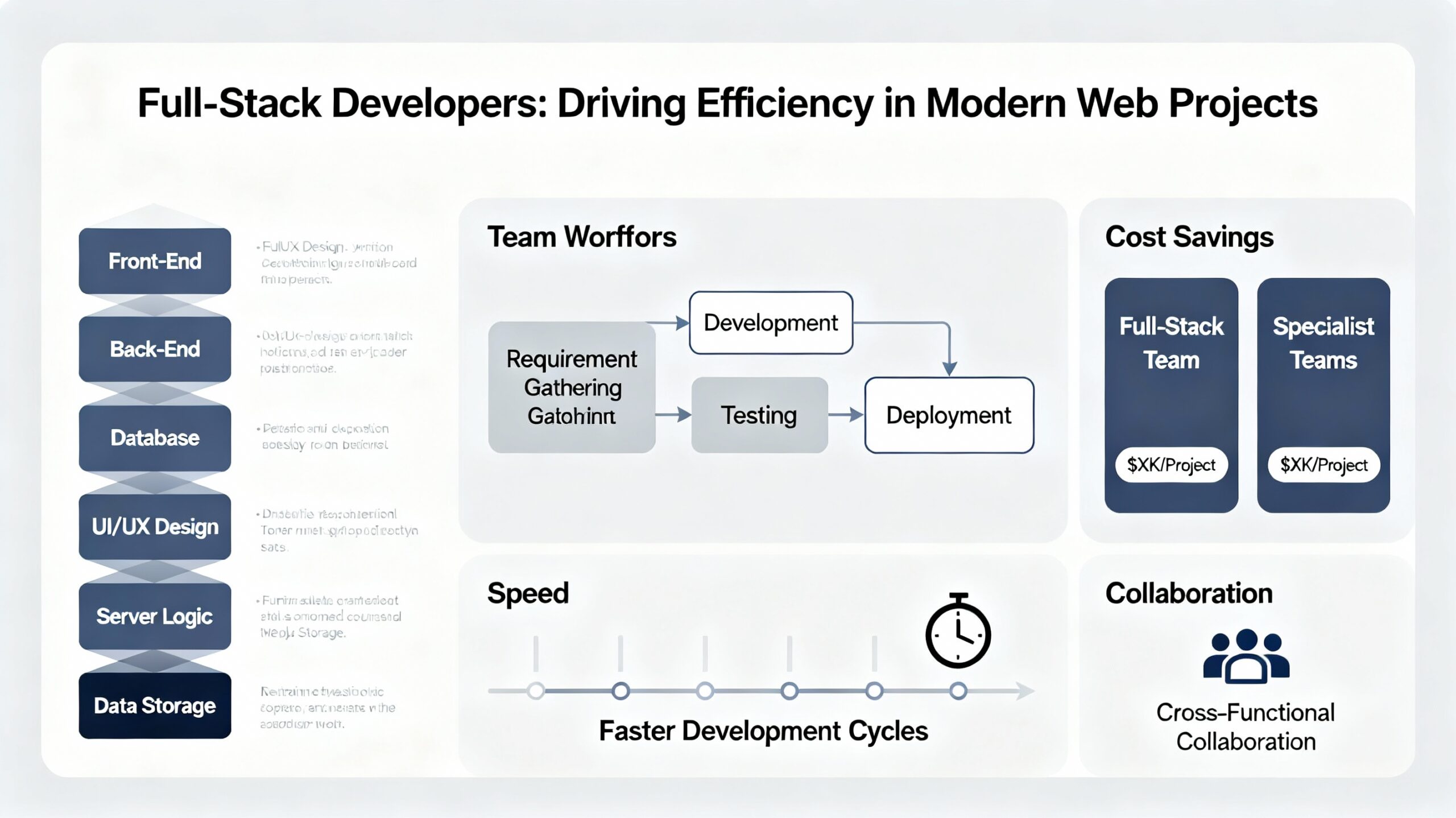 November 20, 2025
How Full-Stack Developers Drive Efficiency in Modern Web Projects
-
 November 19, 2025
Bridging the Skill Gap: How Augmented Teams Empower Digital Transformation
-
 November 18, 2025
New Technologies for 2025: What Businesses Need to Grow
-
 November 14, 2025
IT Staff Augmentation Reduces Project Costs Quality
-
 November 13, 2025
Empowering Global Collaboration: How WitQualis Builds Seamless Remote Teams
-
 November 12, 2025
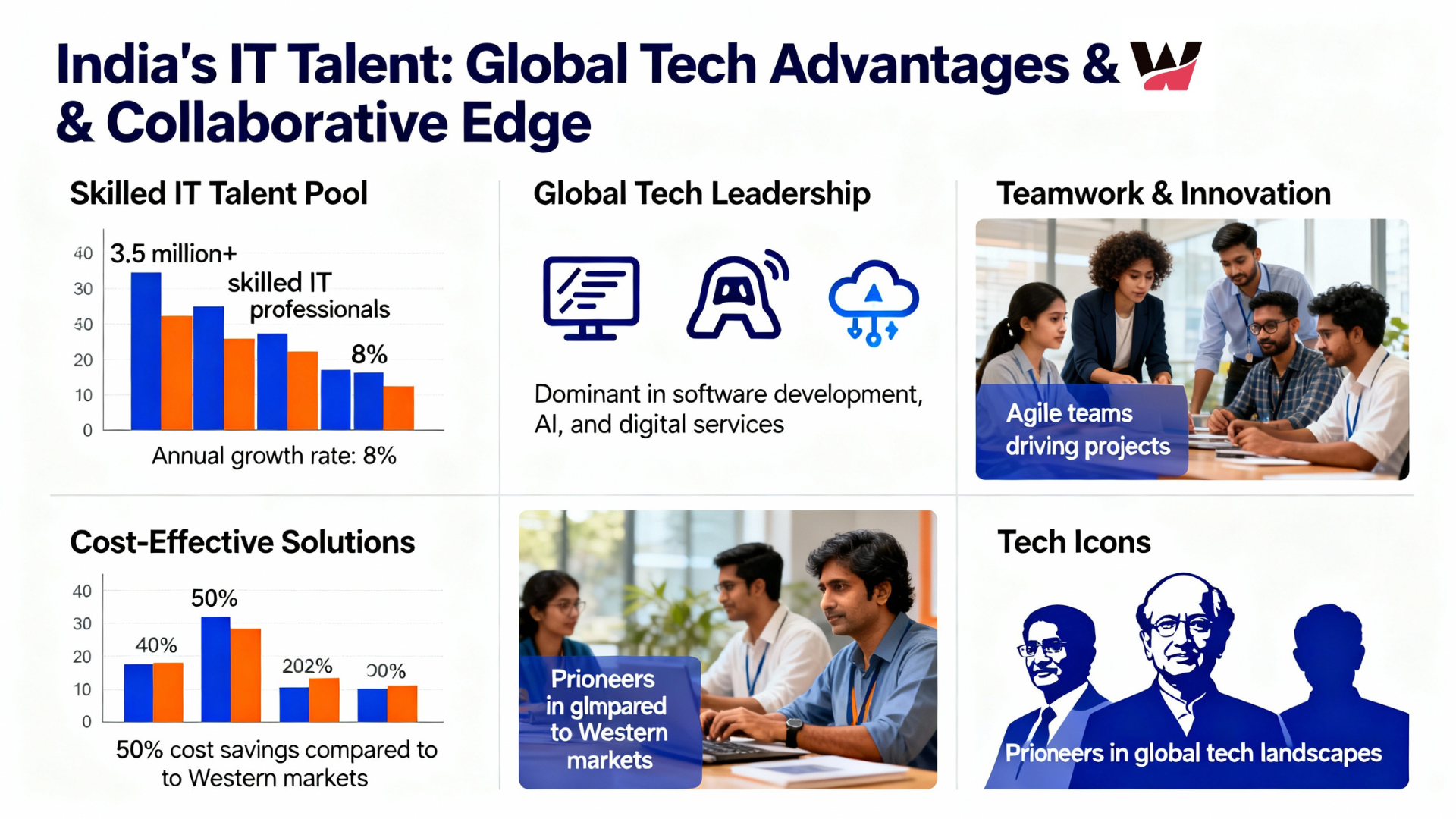
Why Global Businesses Are Turning to India for Skilled IT Talent
-
 November 11, 2025
Staff Augmentation Helps You Scale Your Tech Team
-
 November 10, 2025
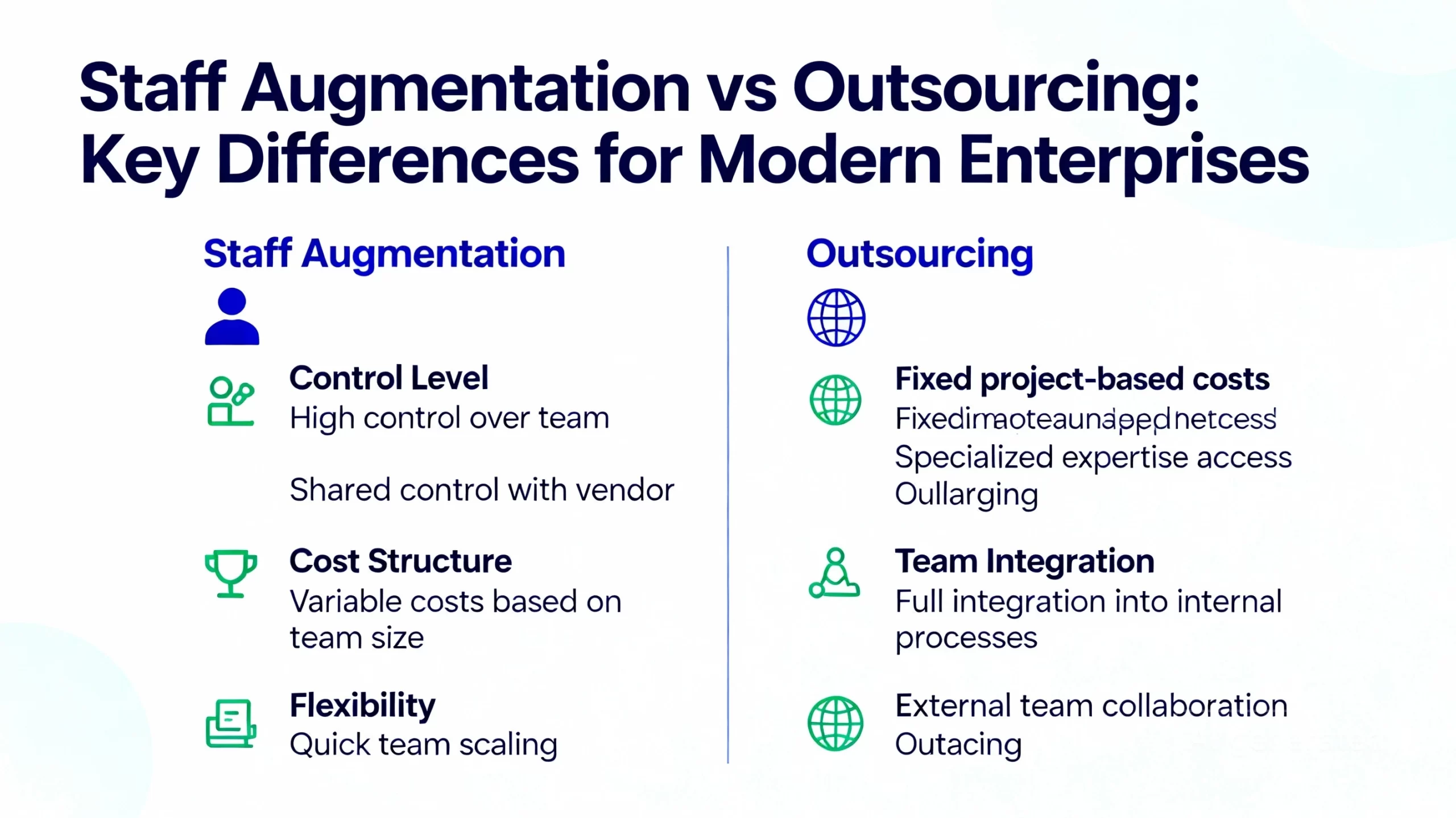
Staff Augmentation vs Outsourcing in 2025: Which Is Best for Modern Enterprises?
-
 November 7, 2025
How AI, IoT, and Cloud Are Redefining Software Development in 2025
-
 November 6, 2025
Scaling Smarter: How Augmented Teams Help Deliver Projects Faster in 2025
-
 November 5, 2025
How AI and Automation Are Transforming Software Development Teams in 2025
-
 November 3, 2025
The Future of IT Staffing: Why Businesses Are Choose Staff Augmentation in 2025
-
 October 31, 2025
Why Technology is Essential for Business Growth (2025): Top Reasons & Winning Strategies
-
 October 30, 2025
How the Internet of Things (IoT) Is Revolutionizing Modern Business
-
 October 29, 2025
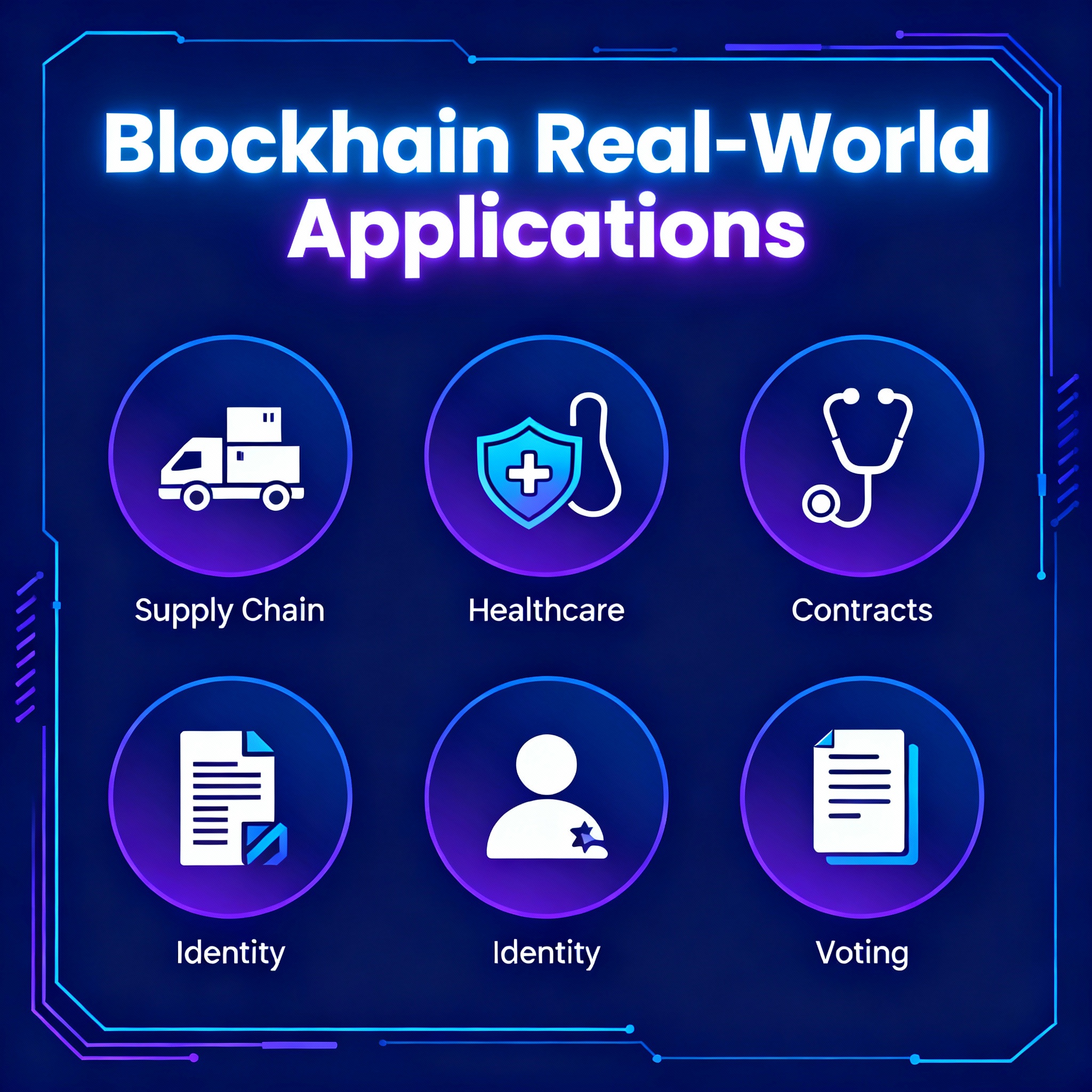
Blockchain Cryptocurrency: Real-World Applications | WitQualis
-
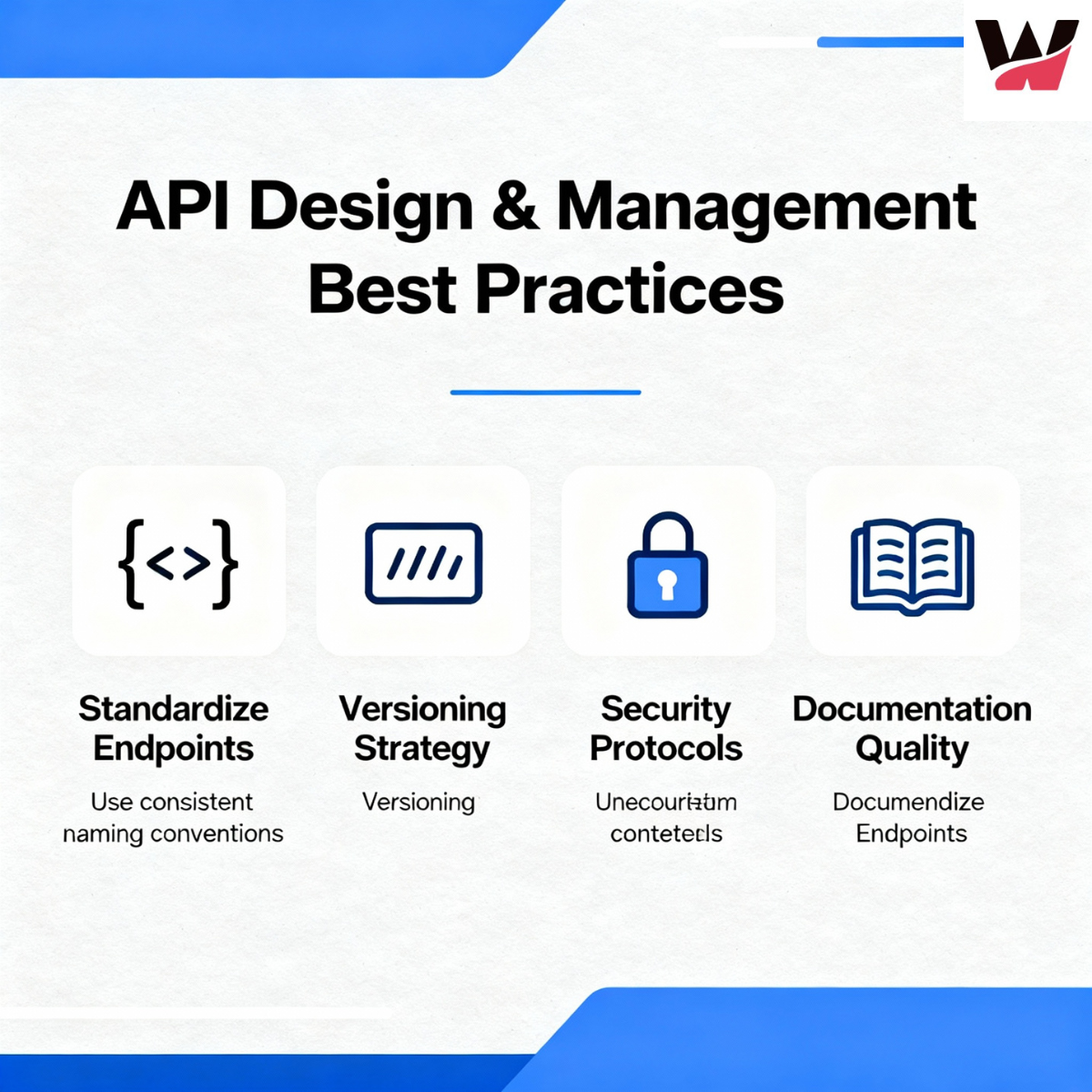 October 28, 2025
API Design and Management Best Practices for Developers
-
 October 27, 2025
Microservices Architecture: Benefits, Implementation Tips & Real-World Examples
-
 October 24, 2025
How Remote Work Has Transformed the IT Industry Tools in 2025
-
 October 23, 2025
Virtual and Augmented Reality: The Tech Revolution | WitQualis
-
 October 22, 2025
How AI is Revolutionizing Business Decision-Making in 2025 | In-Depth Analysis & Trends
-
 October 16, 2025
Blockchain Beyond Crypto: Building Trust in Business Operations
-
 October 15, 2025
How Custom Software Solutions Drive Business Efficiency | Expert Guide
-
 October 13, 2025
How Automation Reduces Costs & Boosts Productivity in 2025
-
 October 10, 2025
Staff Augmentation: The Key to Building Agile & Scalable Teams
-
 October 9, 2025
The Role of Cloud Computing in Scaling Modern Businesses
-
 October 8, 2025
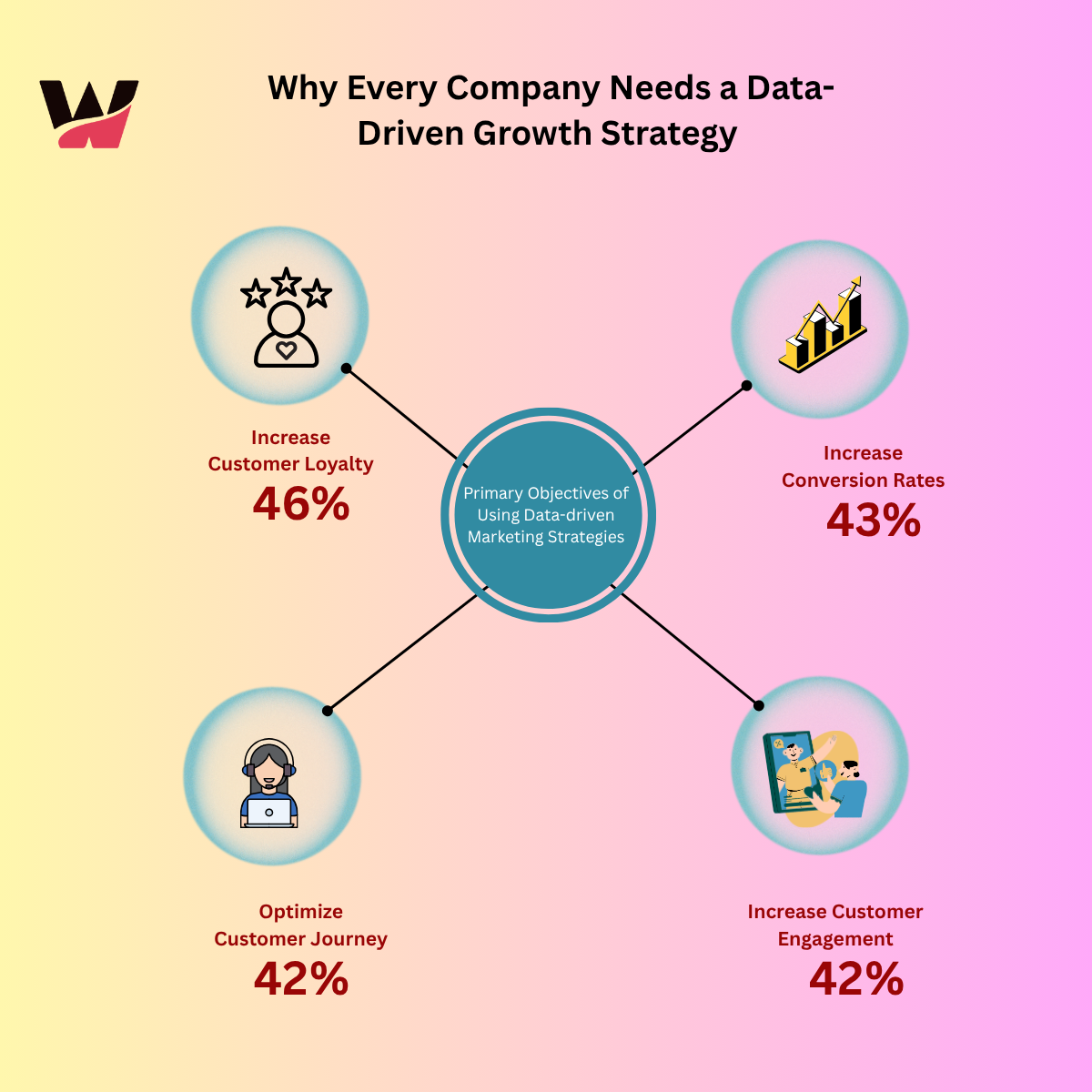
Why Every Company Needs a Data-Driven Growth Strategy
-
 October 7, 2025
API Design Best Practices for Developers in 2025 |API versioning strategies
-
 October 6, 2025
virtual reality vs augmented reality vs mixed reality
-
 October 3, 2025
The Impact of Internet of Things (IoT) on Modern Business
-
 October 1, 2025
Blockchain Beyond Cryptocurrency: Real-World Applications in 2025
-
 September 30, 2025
The Future of Artificial Intelligence: Trends and Opportunities
-
 September 26, 2025
Microservices Architecture: Benefits and Implementation Tips
-
 September 25, 2025
Why Staff Augmentation Is a Smart Move for IT Projects in 2025
-
 September 24, 2025
Cloud Computing Explained: Benefits and Best Practices (AWS, Azure, Google Cloud)
-
 September 23, 2025
How Staff Augmentation Can Help Scale Your IT Team Efficiently
-
 January 6, 2025
Choosing the Right Front-End Web Development Service in the UK
-
 January 4, 2025
Why Choose Staff Augmentation Services in India for Your IT Projects?
-
 December 21, 2024
Boost Your Business ROI with Power BI Development Services in the Maldives and Iceland
-
 December 20, 2024
Get a Free Consultation: Is Your E-Commerce Business in the UAE Ready for Digital Transformation?
-
 July 6, 2023
The Future of Small Business and Know-How to Climb up the Ladder


[…] Why a People-First Approach is the Future of IT Staff Augmentation – WitQualis […]