

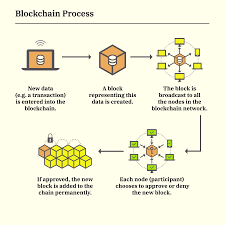
Blockchain Beyond Cryptocurrency: Real-World Applications in 2025
Blockchain Technology: Transforming Industries Beyond Cryptocurrency in 2025
Blockchain technology, once synonymous only with cryptocurrencies, has now evolved into a transformative force across multiple industries in 2025. Its hallmark features — decentralization, transparency, and security — are enabling enterprises to reimagine traditional business processes and solve complex challenges more effectively. charter
Key Industry Applications of Blockchain
Supply Chain & Logistics
To begin with, blockchain brings unprecedented transparency and traceability to supply chains. It allows real-time tracking of goods from origin to delivery, thereby reducing fraud, counterfeit products, and inefficiencies. For example, leading companies like IBM Food Trust and Maersk are leveraging blockchain platforms to create secure, shared ledgers that improve trust among stakeholders and consumers alike.
Healthcare
In addition, data privacy and interoperability are paramount in healthcare. Blockchain-based Electronic Health Records (EHRs) empower patients with control over their sensitive data, enabling secure sharing with authorized providers. Moreover, solutions like Medicalchain enhance security, minimize errors, and streamline insurance claims — ultimately improving overall patient care.
Digital Identity & E-Governance
Furthermore, decentralized identities built on blockchain offer self-sovereignty, allowing individuals to control their digital identities securely. Countries such as Estonia and India are already adopting blockchain for e-governance, simplifying public record management, voting systems, and identity verifications while also combating fraud.
Finance and Decentralized Finance (DeFi)
Beyond cryptocurrencies, blockchain supports secure and programmable financial transactions through smart contracts. Consequently, DeFi platforms facilitate decentralized lending, borrowing, and trading without intermediaries, thereby enhancing financial accessibility. Additionally, central banks worldwide are exploring blockchain for Central Bank Digital Currencies (CBDCs), promising faster and more affordable cross-border payments.
Real Estate
Similarly, blockchain revolutionizes real estate by tokenizing assets, enabling fractional ownership and seamless property transfers. Smart contracts further automate key processes, reducing paperwork and minimizing fraud risks. Notably, some governments are now using blockchain to secure land registries, enhancing transparency and trust.
Education
Moreover, academic institutions use blockchain to issue tamper-proof degrees and certificates, allowing instant and reliable verification. As a result, this reduces resume fraud and simplifies credential sharing for students and employers globally.
Entertainment and Gaming
Finally, in the digital arts and gaming sectors, blockchain verifies ownership of digital assets (NFTs), supports fair royalty distribution, and enables creators to monetize content directly on decentralized platforms.
Benefits of Adopting Blockchain
-
Enhanced data security through immutable records
-
Increased transparency and trust between parties
-
Automation of workflows via smart contracts
-
Reduction in operational costs and intermediaries
-
Real-time tracking and fraud prevention
Future Outlook
Looking ahead, the fusion of blockchain with emerging technologies like Artificial Intelligence (AI), Internet of Things (IoT), and 5G is set to unlock new possibilities. Furthermore, modular blockchain architectures and cross-chain interoperability aim to overcome scalability challenges. In addition, energy-efficient consensus mechanisms are making blockchain environmentally sustainable, aligning with global climate goals.
Conclusion
In conclusion, blockchain’s role in 2025 stretches far beyond cryptocurrency trading. It now serves as the backbone of a transparent, efficient, and secure digital economy. Businesses and governments that recognize its potential can harness blockchain to innovate, build trust, optimize operations, and gain a competitive edge in today’s fast-evolving marketplace.
Embracing blockchain technology today is essential for shaping a resilient and trustworthy digital tomorrow.
If you want to know more about development click here
One response to “Blockchain Beyond Cryptocurrency: Real-World Applications in 2025”
Leave a Reply
Recent Posts
-
 March 5, 2026
Microservices Architecture: Benefits and Implementation Tips
-
 March 3, 2026
How Remote Work Has Changed the IT Industry and Tools You Need
-
 March 2, 2026
API Design and Management Best Practices for Developers
-
 February 27, 2026
The Impact of Internet of Things (IoT) on Modern Business
-
 February 26, 2026
Virtual and Augmented Reality: Where Tech is Headed Next | 2026 Guide
-
 February 25, 2026
Blockchain Beyond Cryptocurrency: Real-World Applications & Use Cases (2026 Guide)
-
 February 24, 2026
The Role of AI in Enhancing IT Development: A Deep Dive (2026 Guide)
-
 February 23, 2026
Maximizing Productivity: How Staff Augmentation Drives Innovation in IT Projects
-
 February 20, 2026
Staff Augmentation vs. Outsourcing: Which IT Model Wins in 2026?
-
 February 19, 2026
The Rise of Hybrid Teams: How to Leverage Staff Augmentation for Business Success
-
 February 18, 2026
How Staff Augmentation is Transforming the Future of IT Workforce (2026)
-
 February 17, 2026
5 Reasons Why Staff Augmentation is Key for Tech Skill Shortages: staff augmentation for tech skill shortages
-
 February 16, 2026
How Staff Augmentation Helps Scale Your Business Without Overheads in 2026
-
 February 13, 2026
The Power of Diverse Teams: How Staff Augmentation Drives Inclusion (2026)
-
 February 12, 2026
The Role of 5G Technology in Shaping IT Development and Augmentation in 2026
-
 February 11, 2026
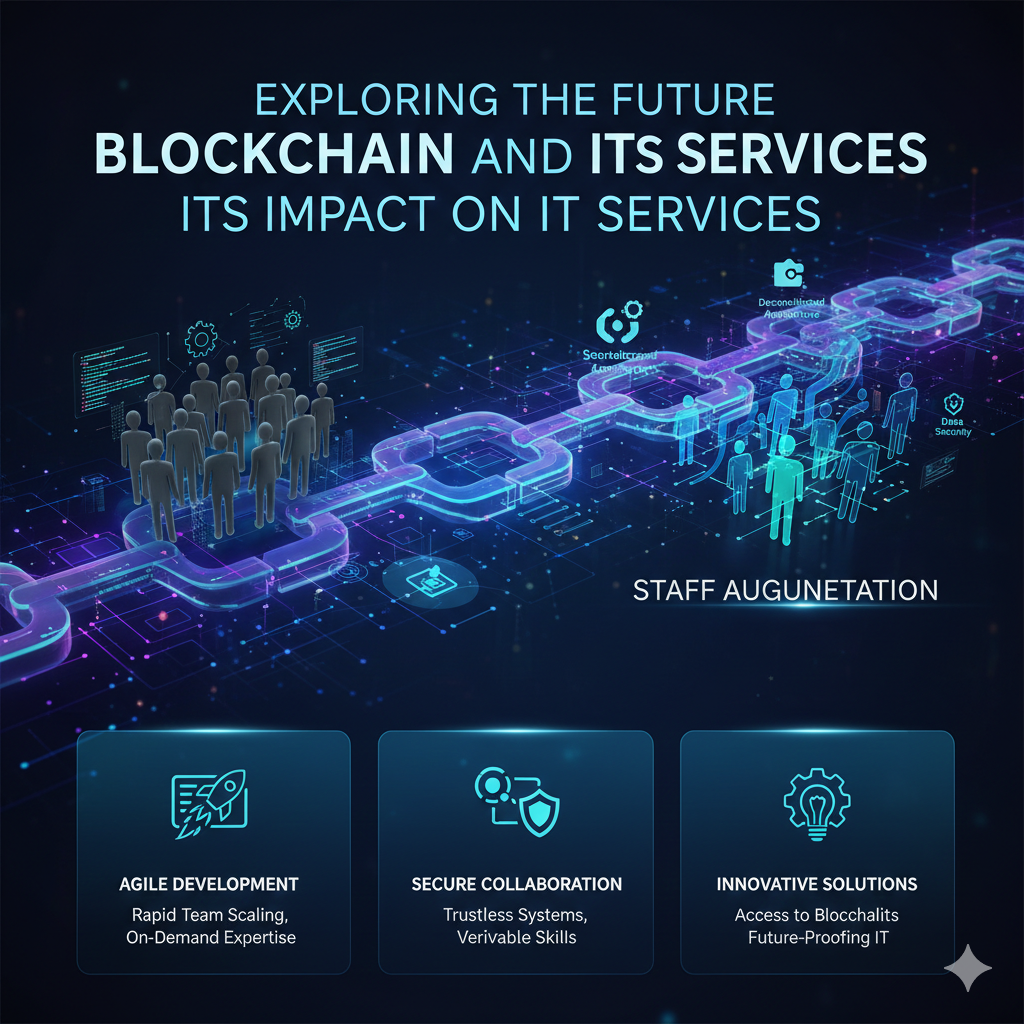
The Future of Blockchain: Revolutionizing IT Services in 2026
-
 February 10, 2026
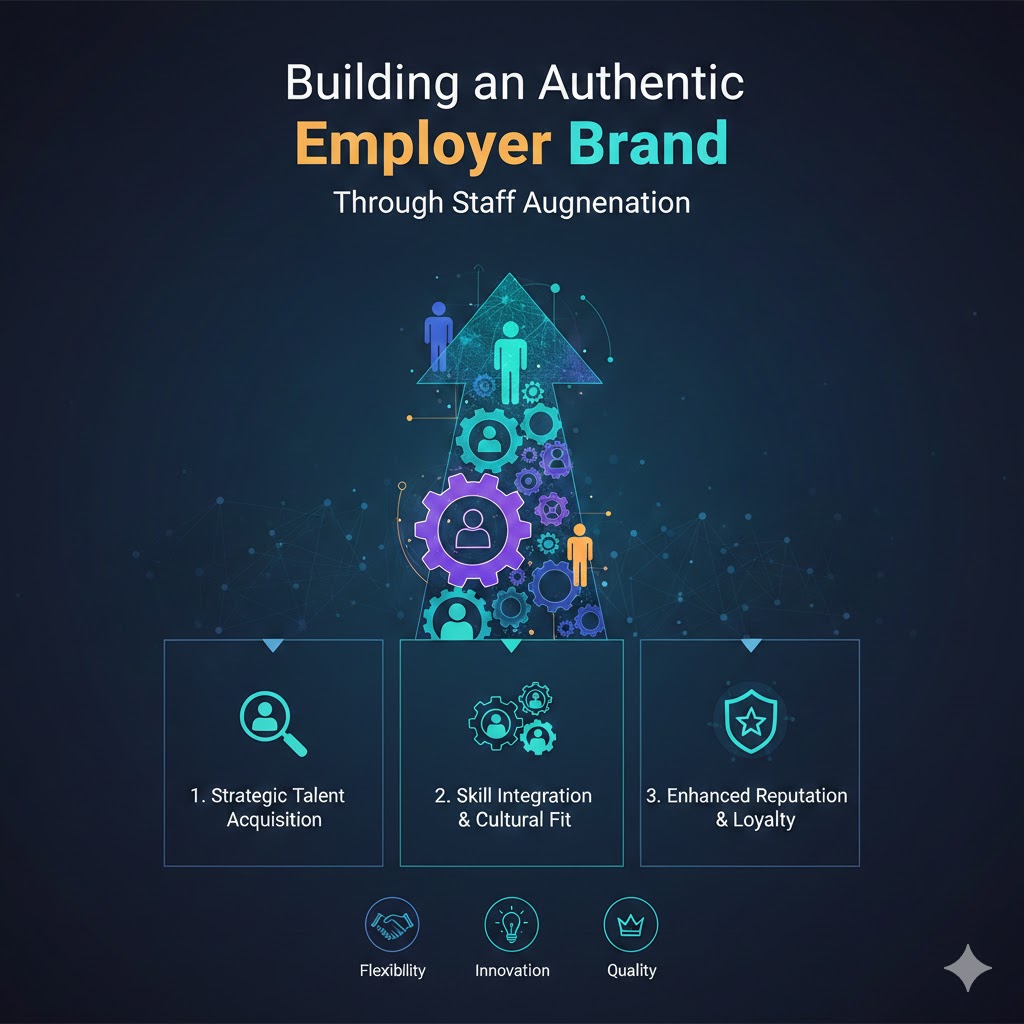
Building an Authentic Employer Brand Through Staff Augmentation in 2026
-
 February 9, 2026
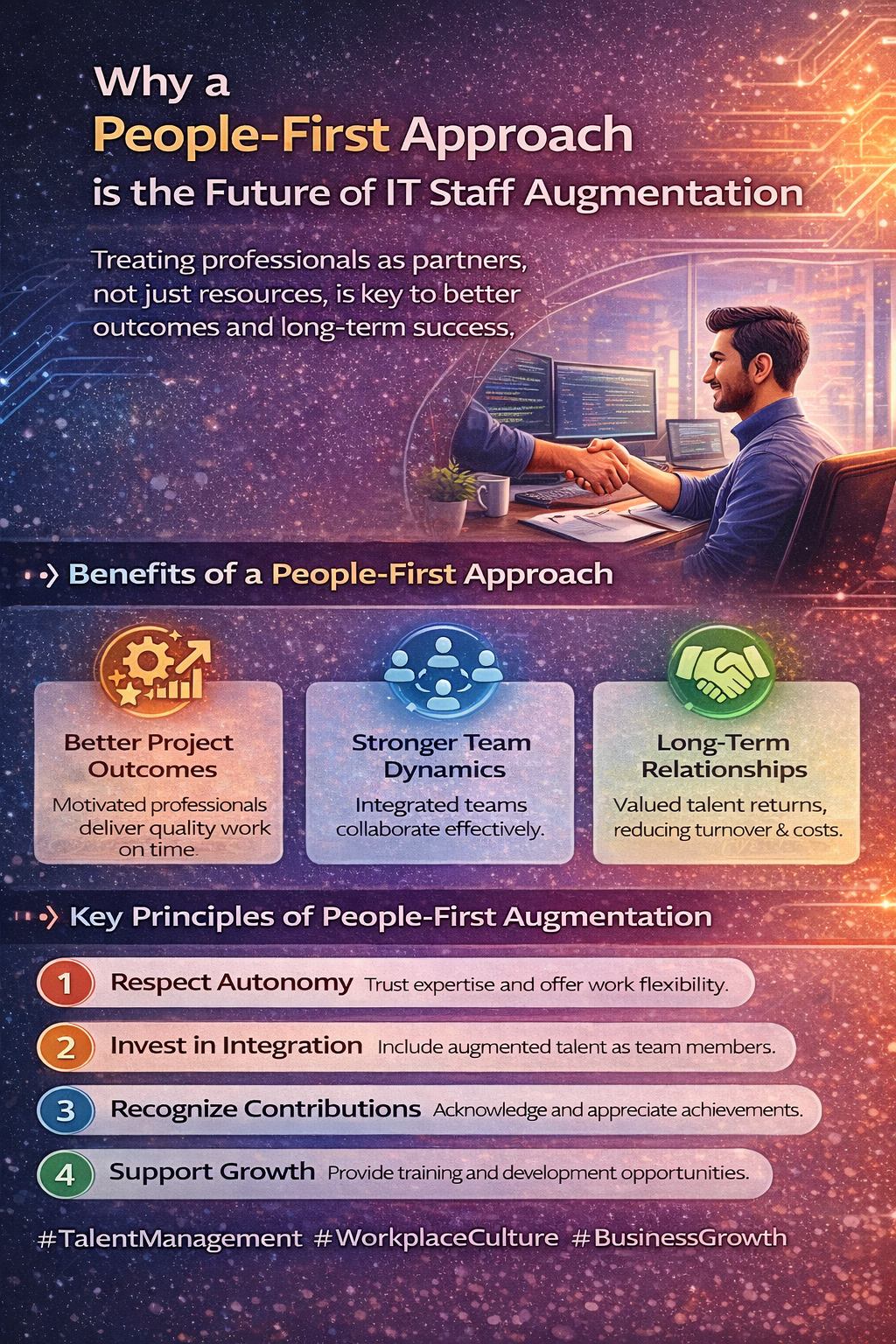
Supporting Augmented Professionals During Projects: Best Practices for Success
-
 February 6, 2026
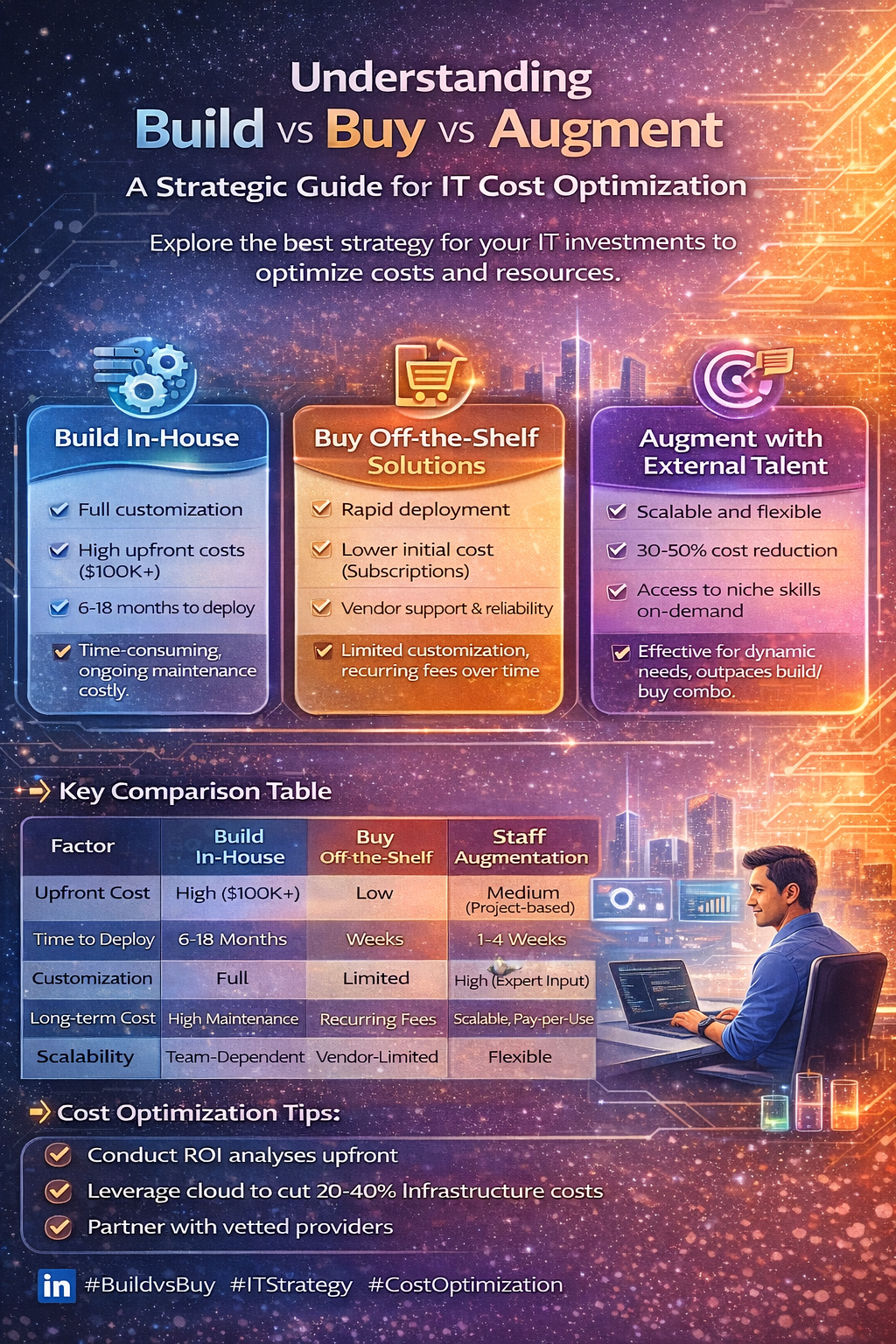
Cost Optimization in IT: Build vs Buy vs Staff Augmentation (2026 Guide)
-
 February 5, 2026
The Role of DevOps in High-Performance Engineering Teams: Best Practices Guide
-
 February 4, 2026
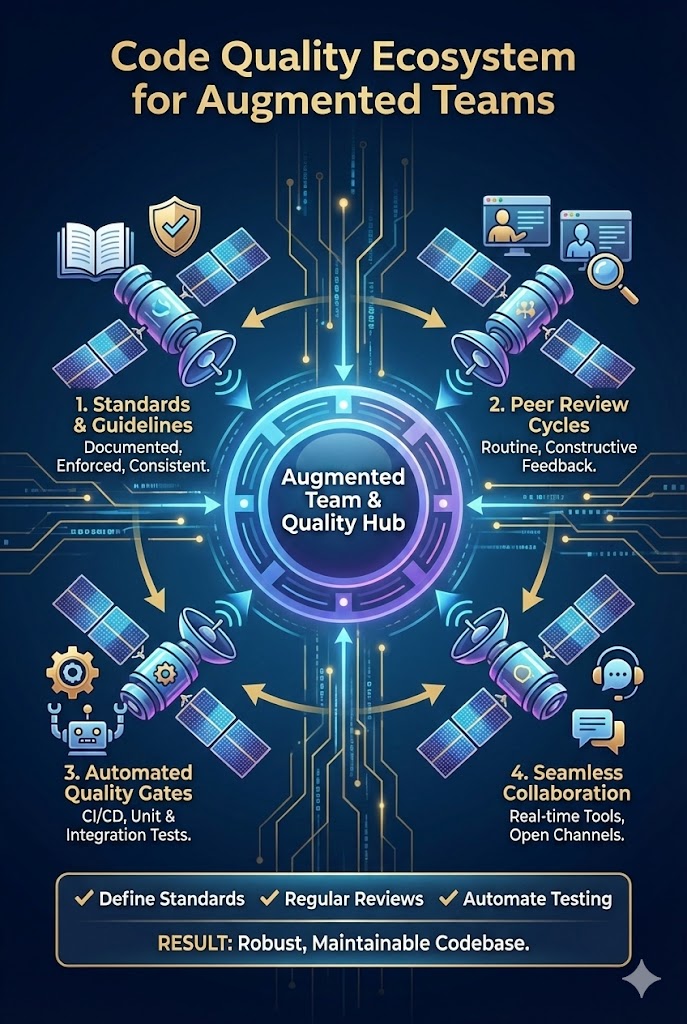
How to Ensure Code Quality When Working with Augmented Teams: Best Practices Guide
-
 February 3, 2026
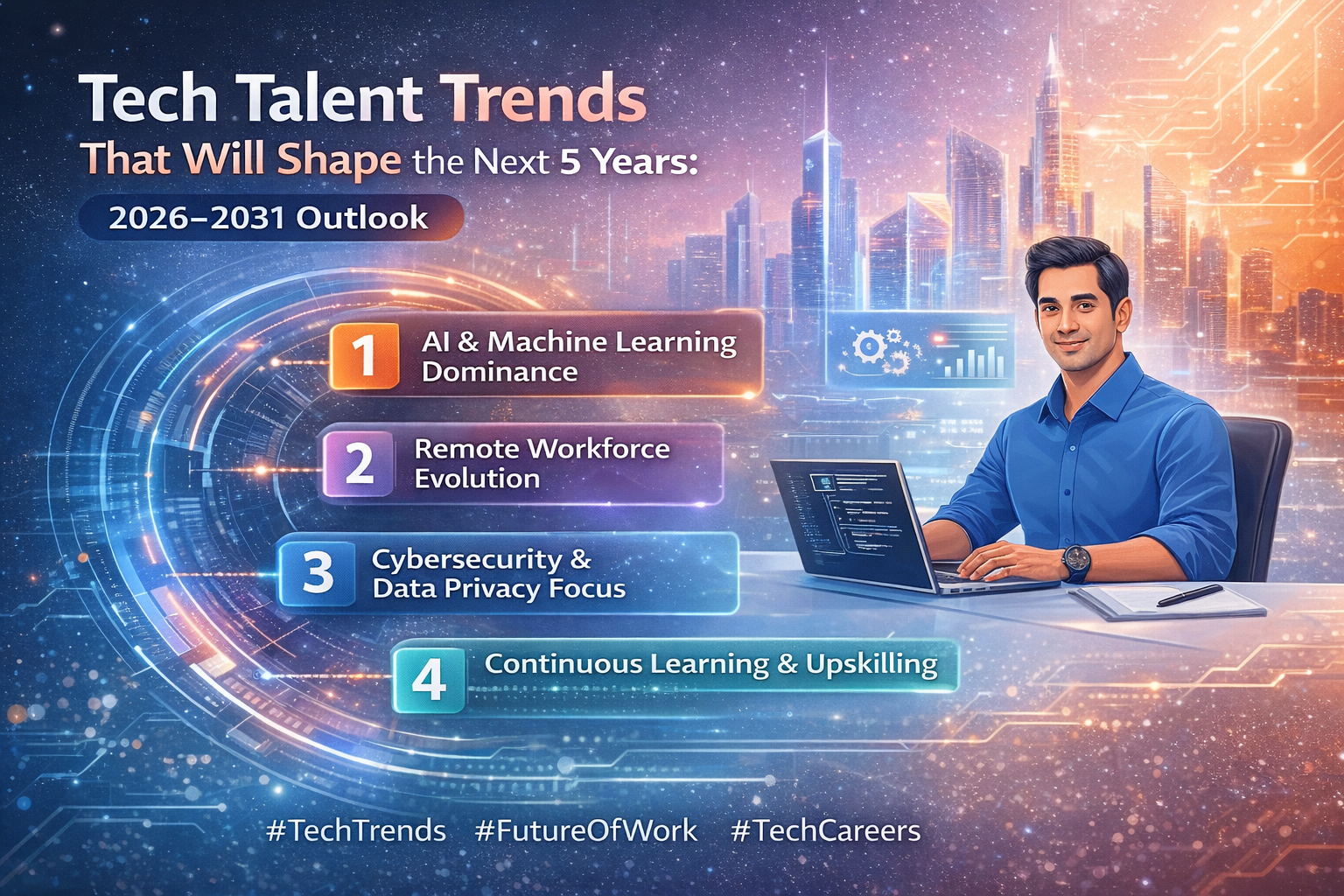
Tech Talent Trends That Will Shape the Next 5 Years: 2026–2031 Outlook
-
 February 2, 2026
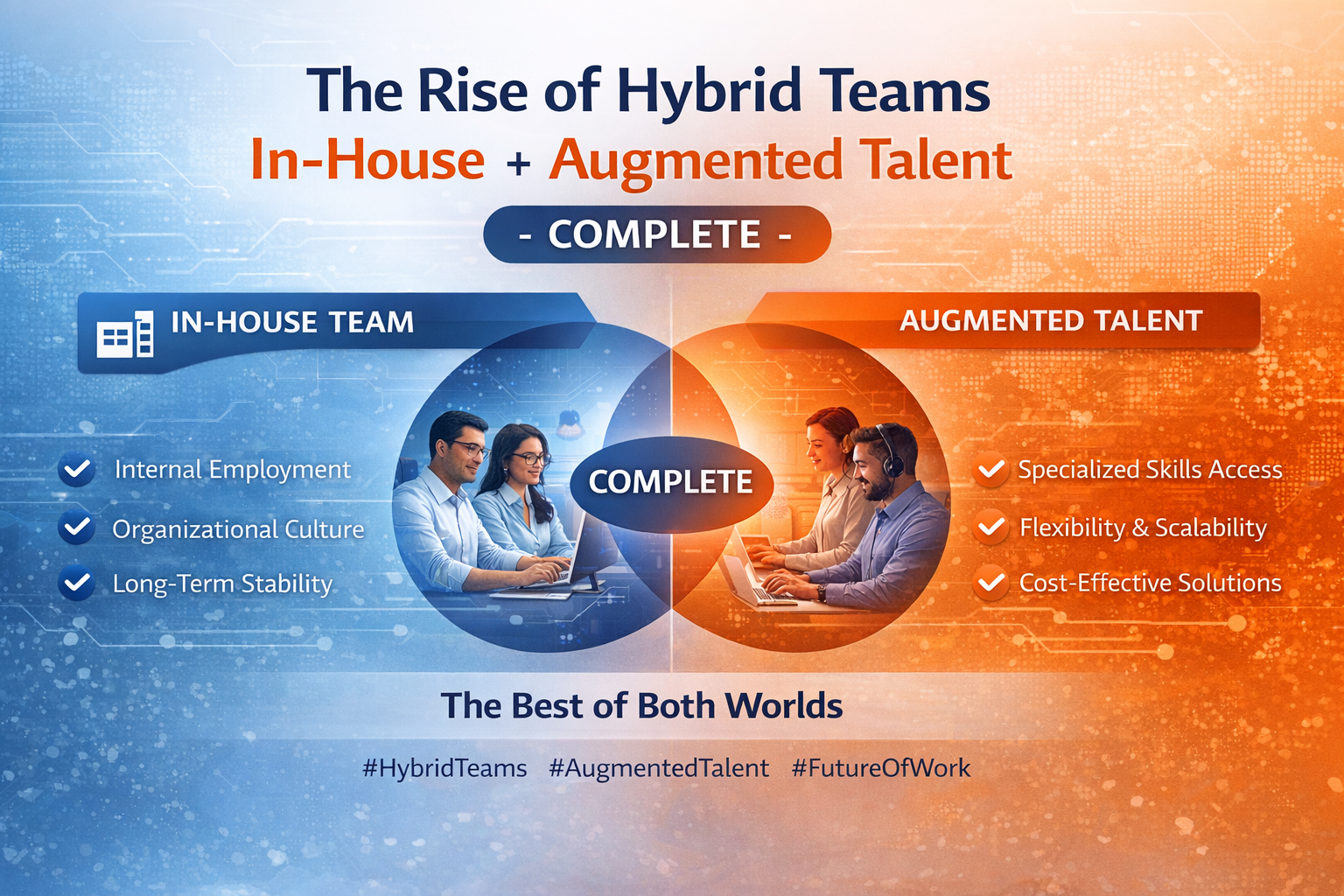
The Rise of Hybrid Teams: In-House + Augmented Talent - The Complete Guide
-
 January 30, 2026
How We Support and Retain High-Performing Tech Professionals
-
 January 29, 2026
Aligning Technology Strategy with Business Growth Goals: A Complete Framework
-
 January 28, 2026
What Top Developers Look for in a Staff Augmentation Partner: A Developer's Perspective
-
 January 27, 2026
The Human Side of IT Services: Why People Matter More Than Code
-
 January 23, 2026
Why Culture Fit Matters in Staff Augmentation Models | Witqualis
-
 January 22, 2026
Building Long-Term Relationships with Augmented Talent: A Strategic Approach
-
 January 21, 2026
Cybersecurity Skills in Demand: What Companies Need Now in 2026
-
 January 20, 2026
Why Flexible Hiring Models Drive Better Business Outcomes
-
 January 19, 2026
Reducing Time-to-Market with On-Demand Tech Talent
-
 January 15, 2026
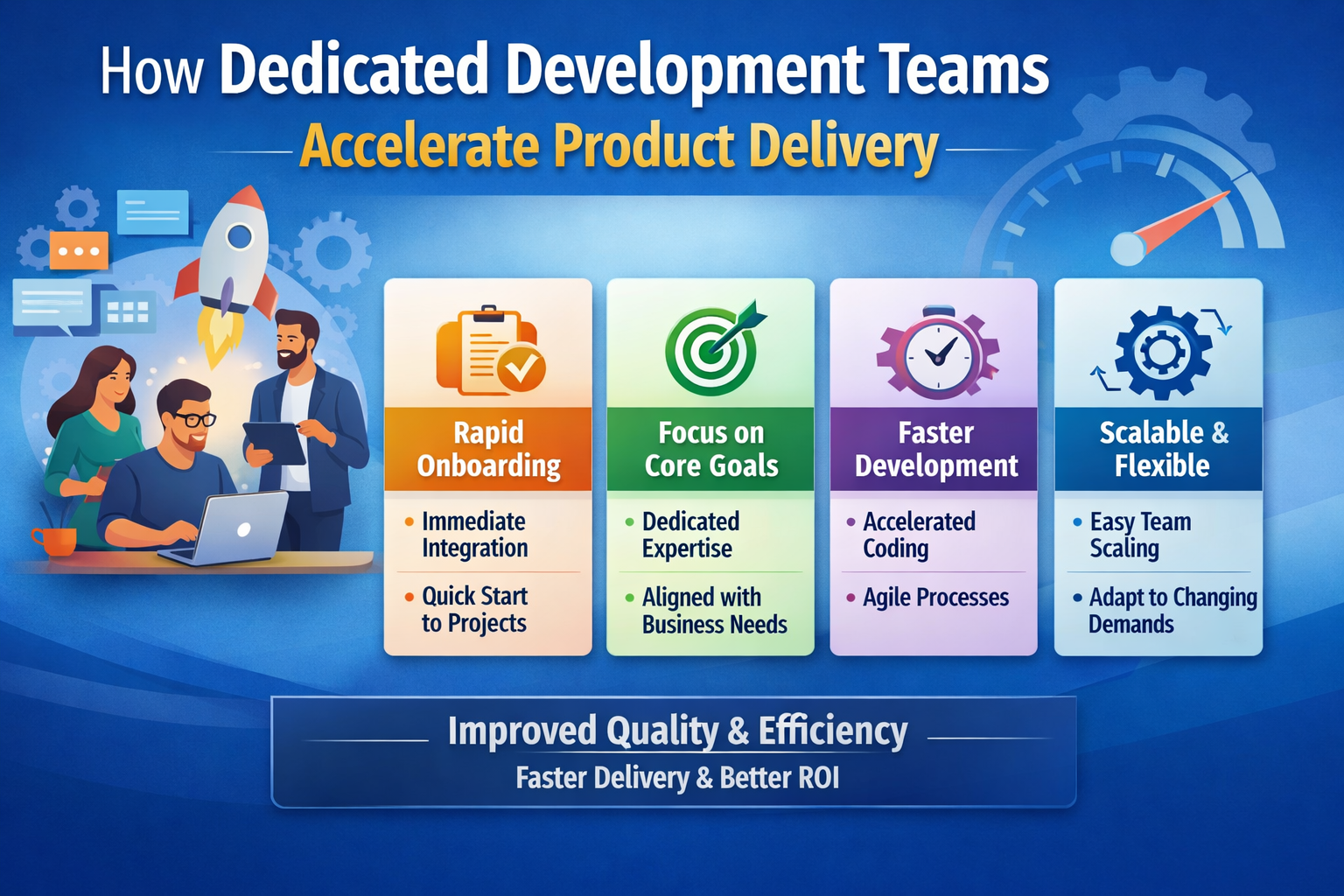
How Dedicated Development Teams Accelerate Product Delivery
-
 January 14, 2026
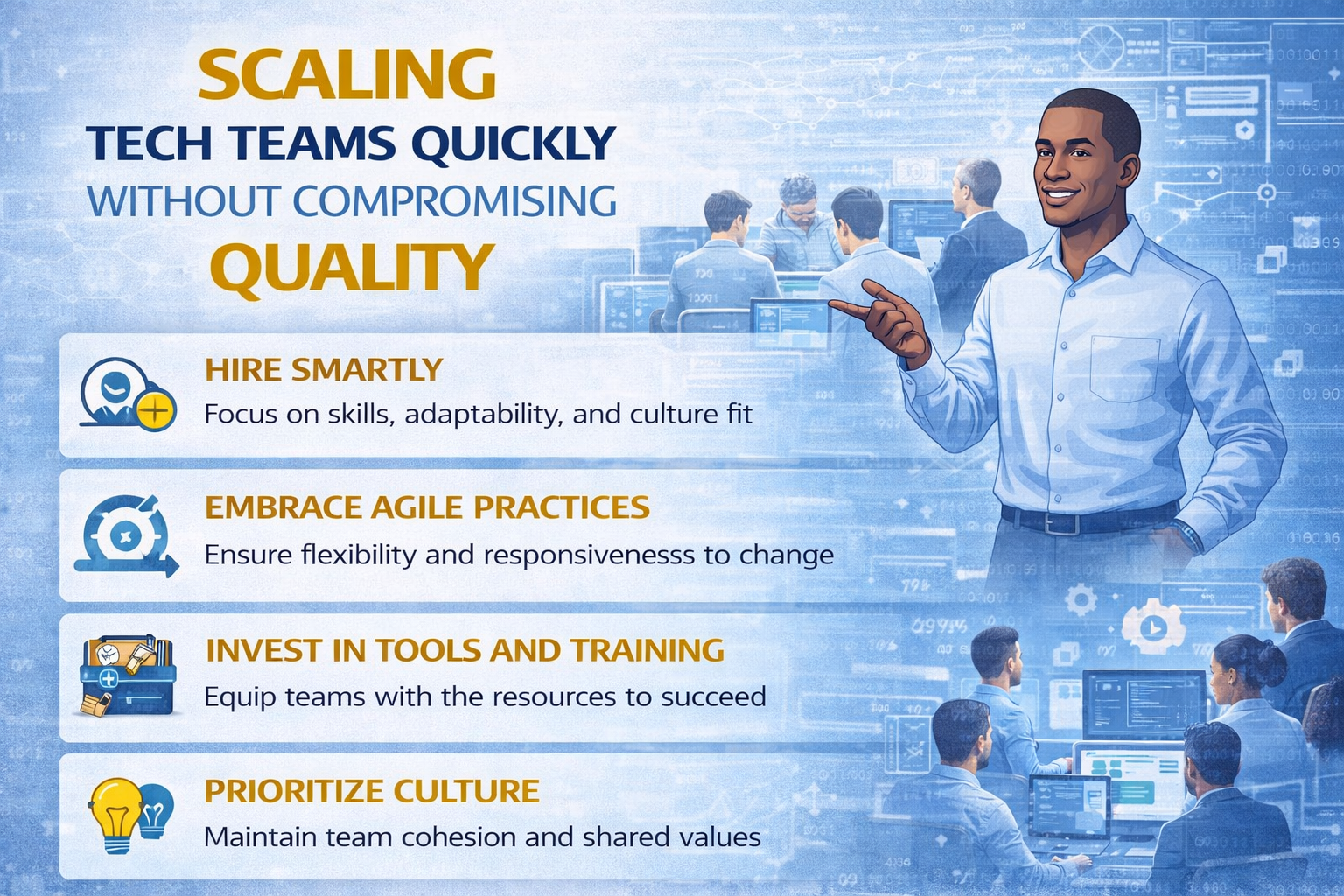
Scaling Tech Teams Quickly Without Compromising Quality
-
January 12, 2026
Common Mistakes Companies Make When Outsourcing IT Projects (And How to Avoid Them)
-
January 9, 2026
Key Workforce Trends Every CTO Should Watch This Year
-
 January 8, 2026
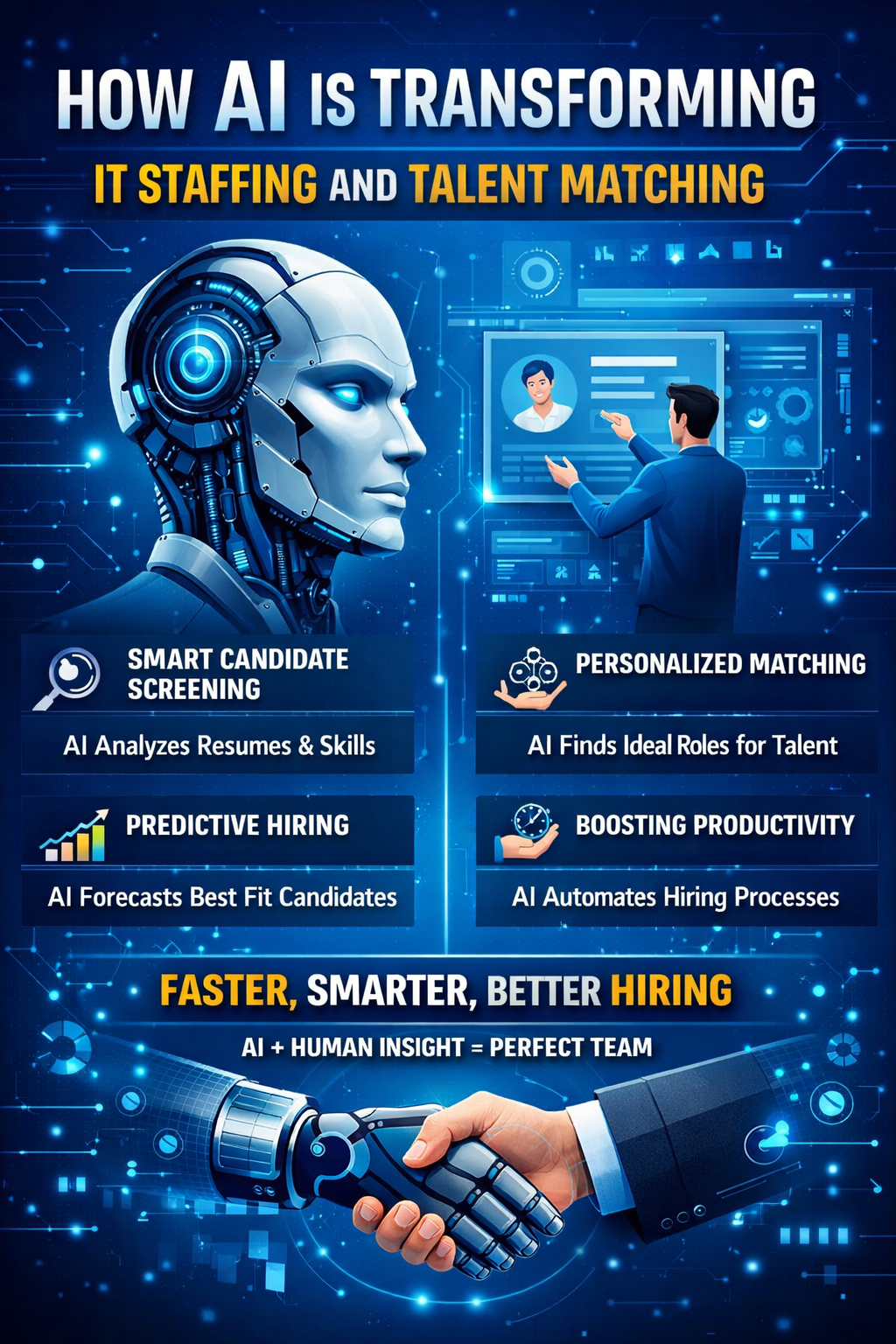
How AI Is Transforming IT Staffing and Talent Matching
-
 January 7, 2026
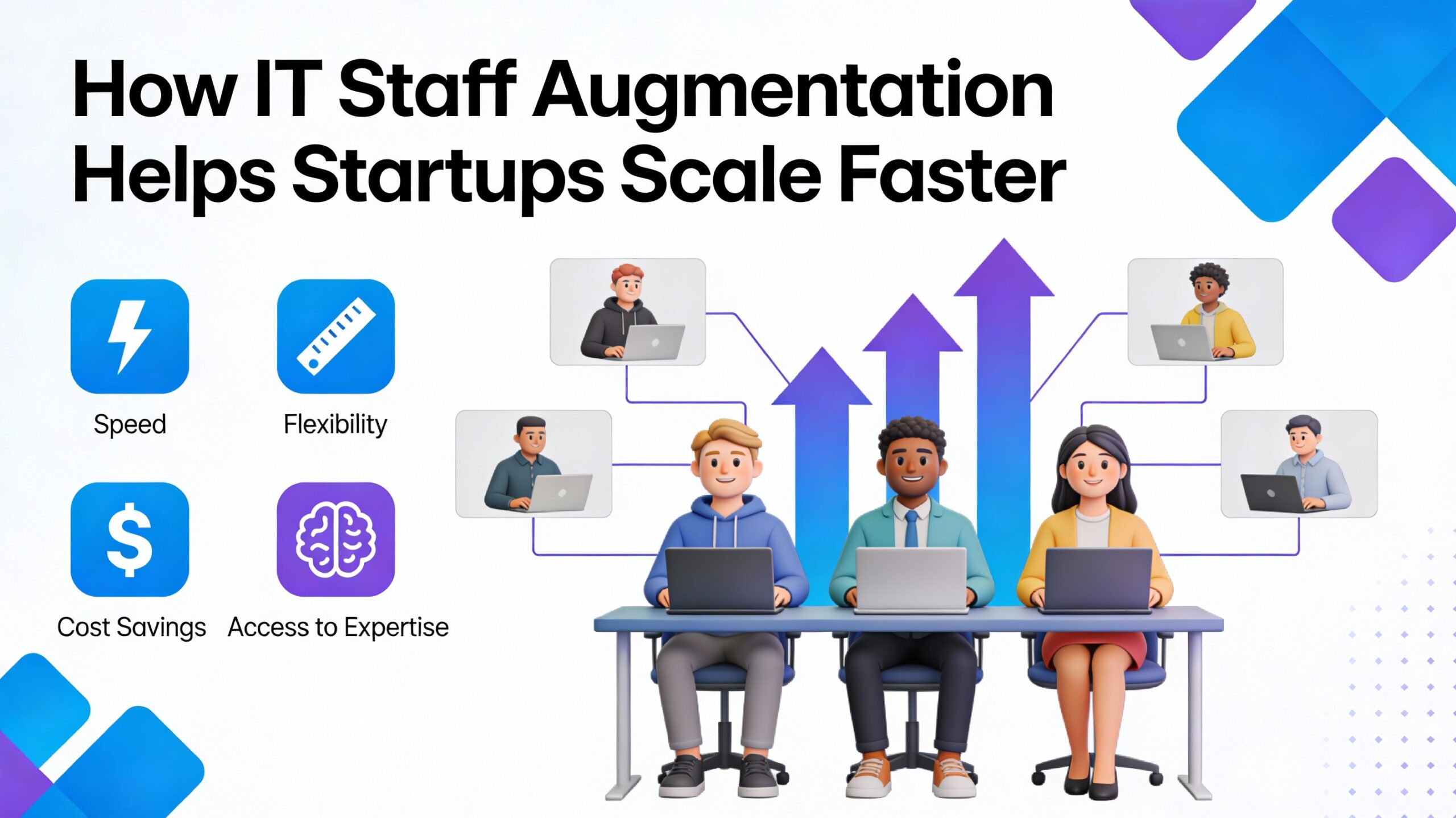
How IT Staff Augmentation Helps Startups Scale Faster
-
 January 6, 2026
Choosing the Right Tech Stack for Scalable Digital Products
-
 January 5, 2026
How Remote Talent Is Reshaping Global IT Teams
-
 December 29, 2025
Staff Augmentation vs Traditional Hiring 2025
-
 December 24, 2025
Why Staff Augmentation Is the Future of Agile Hiring
-
 December 22, 2025
Why Hiring Faster Doesn’t Mean Compromising Quality — It Means Finding the Right Partner
-
 December 19, 2025
The Role of Staff Augmentation in Accelerating Digital Transformation
-
 December 18, 2025
5 Tech Hiring Trends Every CTO Should Watch in 2025
-
December 17, 2025
Why Soft Skills Are the Hidden Superpower in Tech Teams
-
 December 15, 2025
How WitQualis Connects Global Talent with Local Opportunities
-
 December 10, 2025
Why Businesses Need Agile, Scalable, and Skilled Tech Teams—Now More Than Ever
-
 December 5, 2025
The Human Side of Technology: Why People Matter as Much as Code
-
 December 4, 2025
The Rise of Contract-Based Developers in the Global IT Market
-
 December 3, 2025
Talent Has No Boundaries: Why the Best Teams Are Built Across Borders
-
 December 2, 2025
From Startups to Enterprises: How Staff Augmentation Supports Every Stage of Growth
-
 December 1, 2025
Great Ideas Need Great Execution – How WitQualis Teams Turn Vision into Reality
-
 November 28, 2025
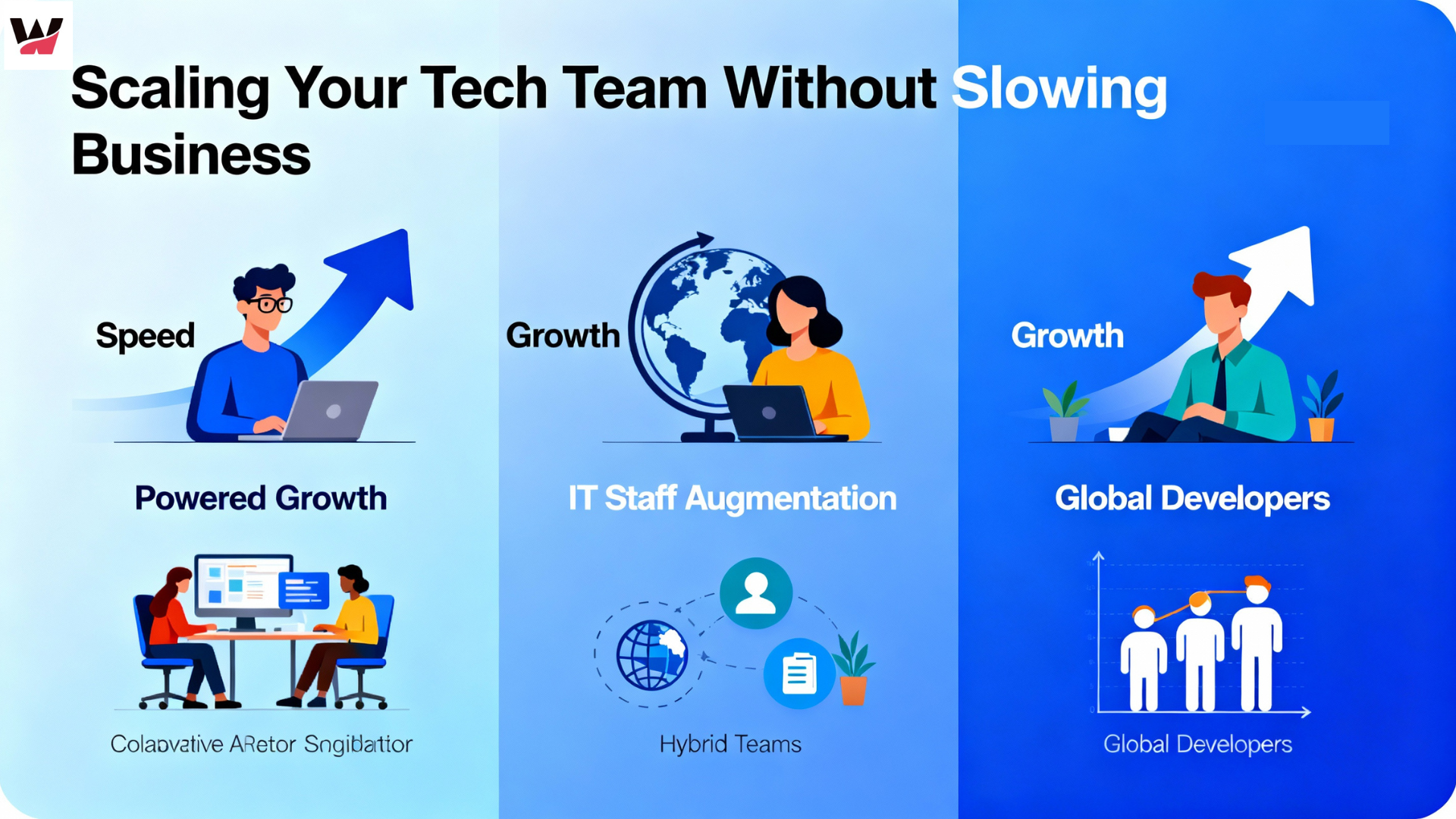
Scaling Your Tech Team Shouldn’t Slow Your Business – It Should Power It
-
 November 27, 2025
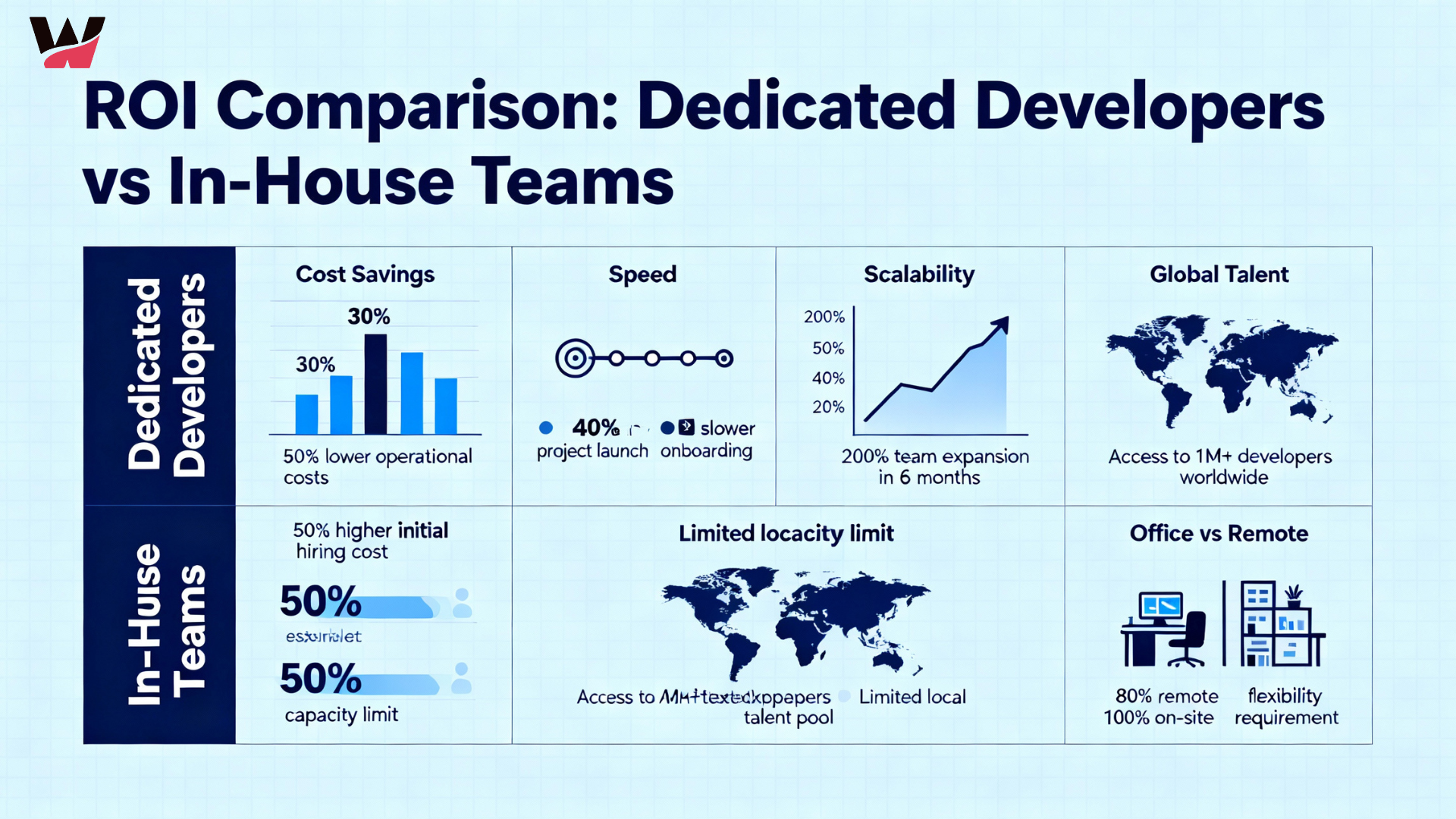
The ROI of Hiring Dedicated Developers vs In-House Teams
-
 November 26, 2025
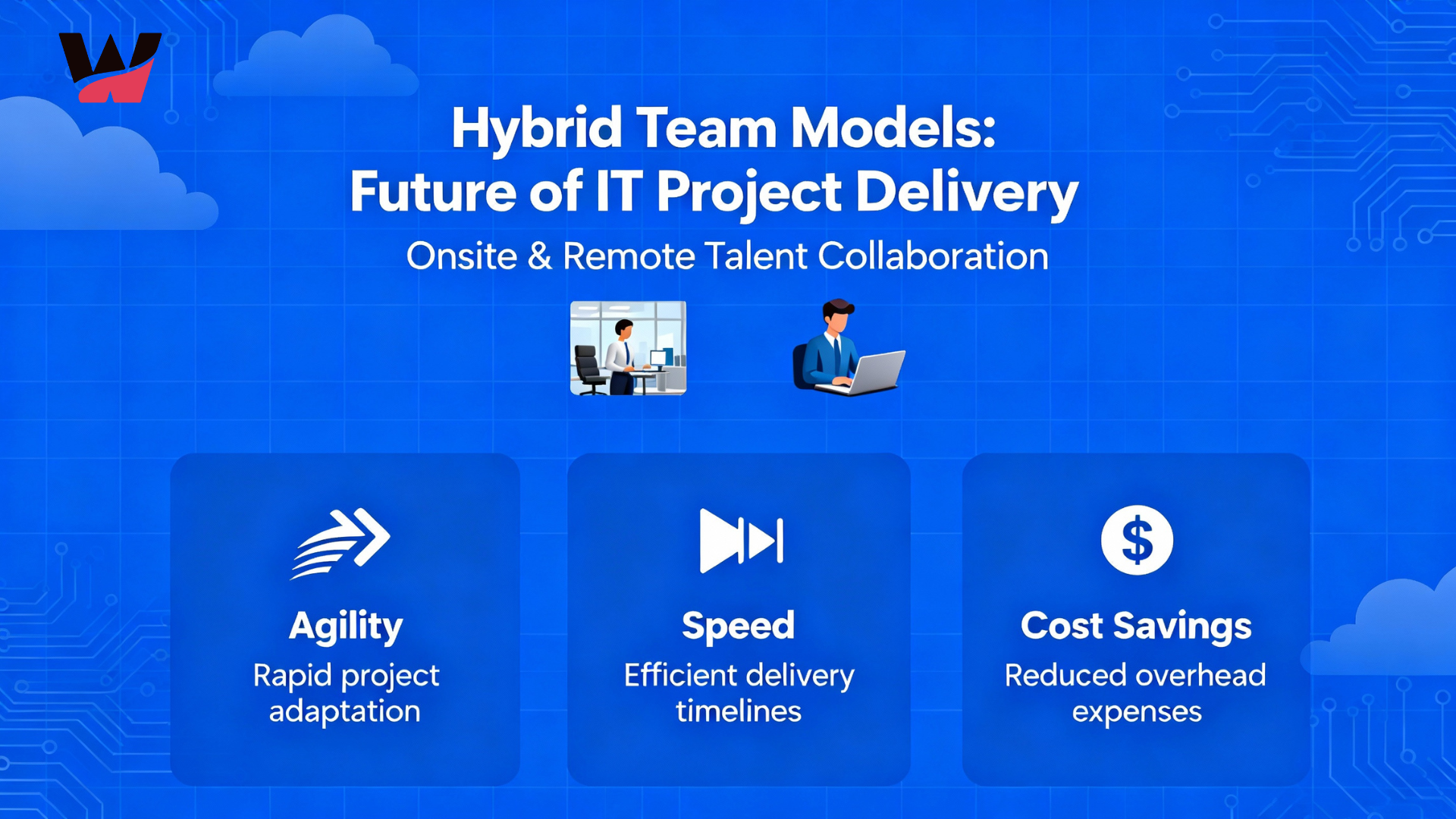
Why Hybrid Team Models Are the Future of IT Project Delivery
-
 November 24, 2025
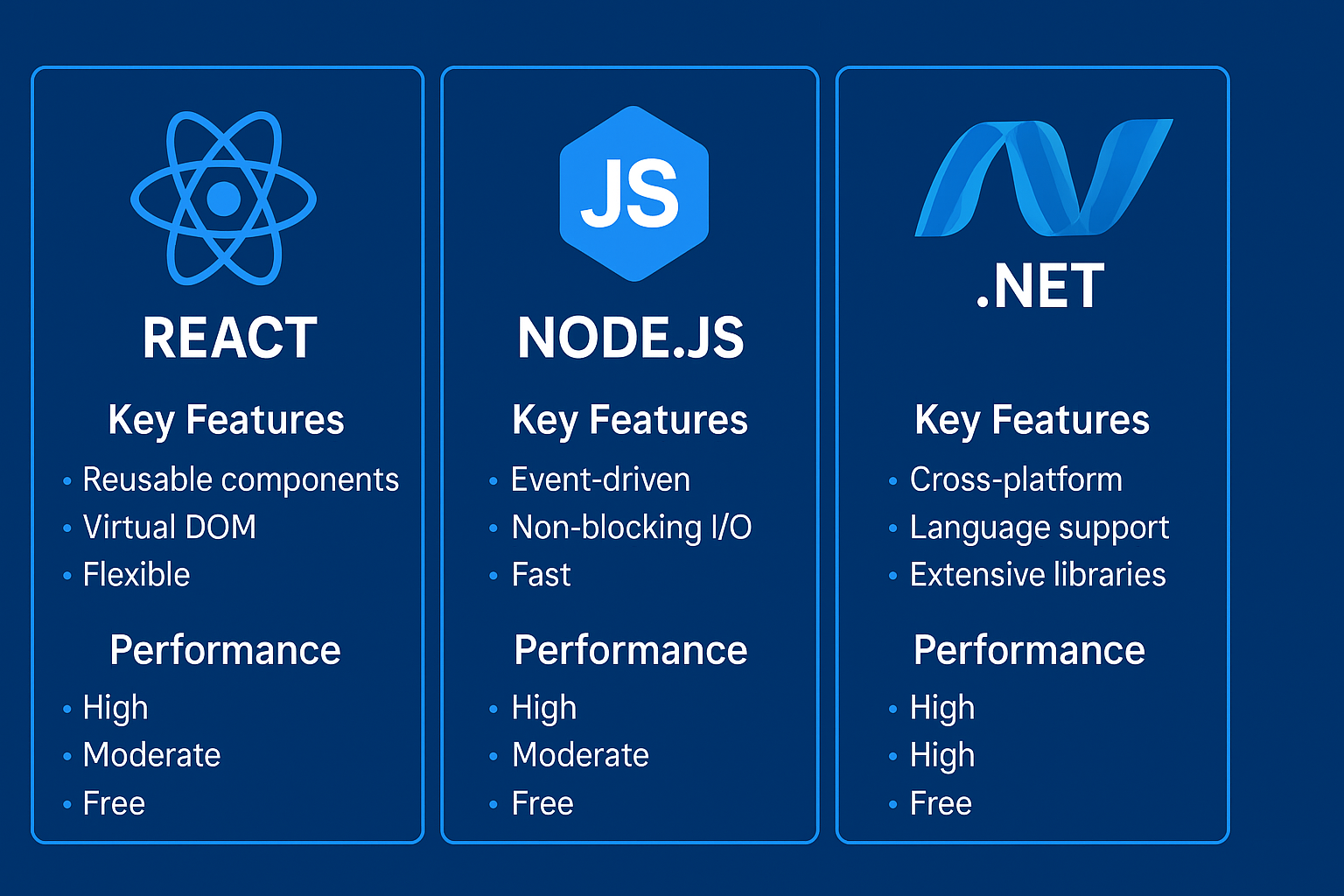
React, Node.js, or .NET? Choosing the Right Tech Stack for Your Next Project
-
 November 21, 2025
Why Hiring Remote Developers Is the Smartest Move for Startups
-
 November 20, 2025
How Full-Stack Developers Drive Efficiency in Modern Web Projects
-
 November 19, 2025
Bridging the Skill Gap: How Augmented Teams Empower Digital Transformation
-
 November 18, 2025
New Technologies for 2025: What Businesses Need to Grow
-
 November 14, 2025
IT Staff Augmentation Reduces Project Costs Quality
-
 November 13, 2025
Empowering Global Collaboration: How WitQualis Builds Seamless Remote Teams
-
 November 12, 2025
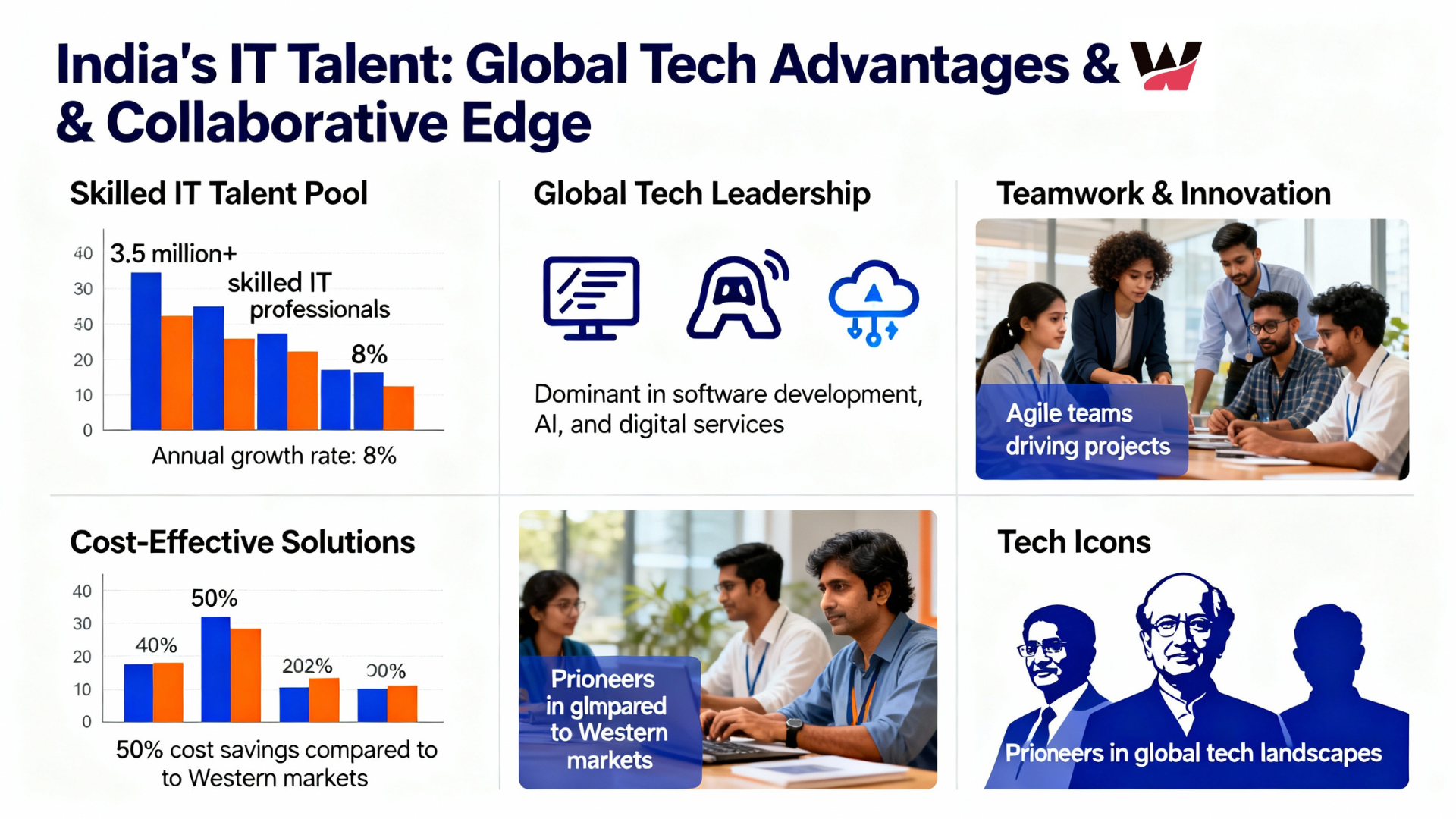
Why Global Businesses Are Turning to India for Skilled IT Talent
-
 November 11, 2025
Staff Augmentation Helps You Scale Your Tech Team
-
 November 10, 2025
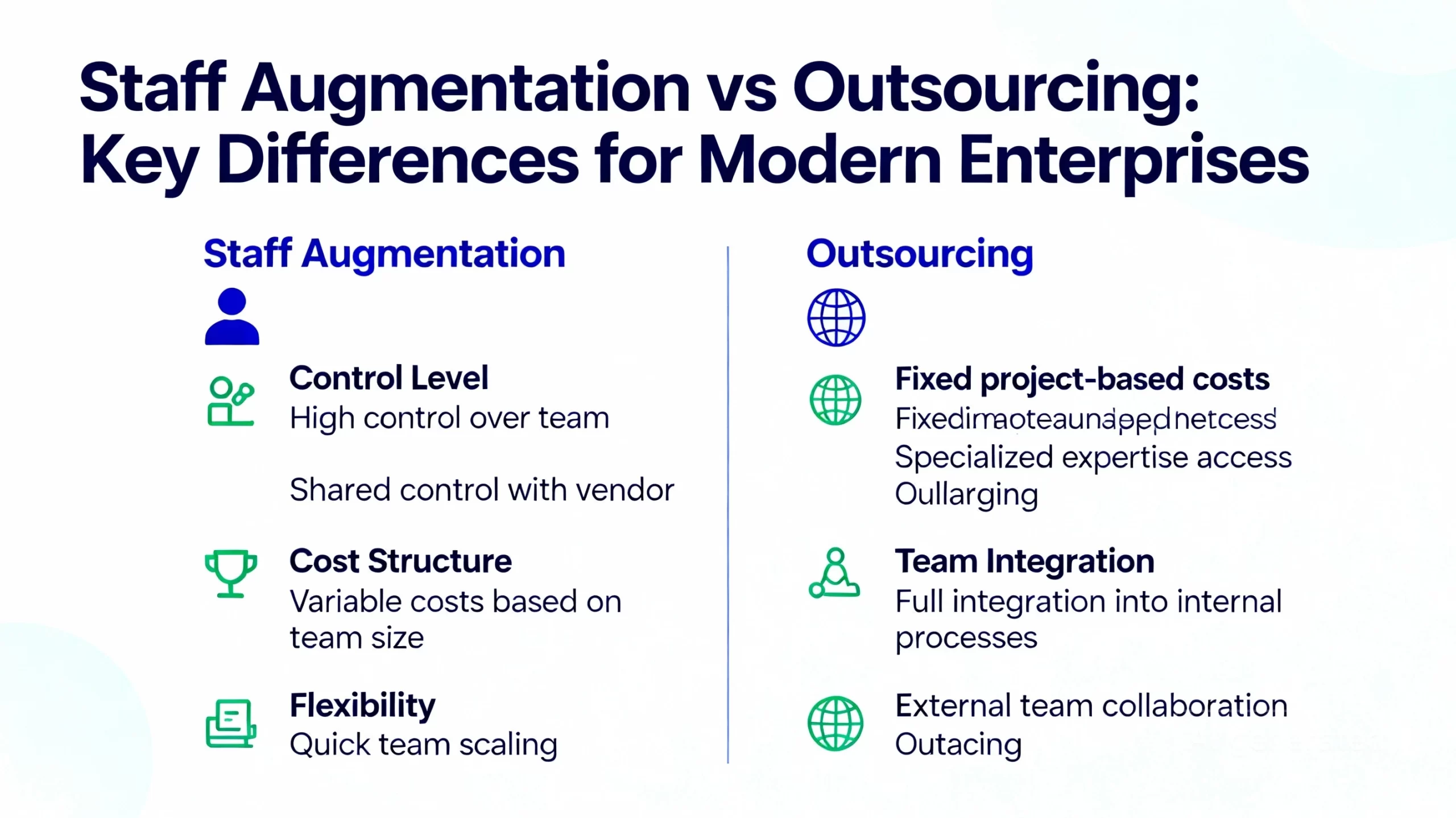
Staff Augmentation vs Outsourcing in 2025: Which Is Best for Modern Enterprises?
-
 November 7, 2025
How AI, IoT, and Cloud Are Redefining Software Development in 2025
-
 November 6, 2025
Scaling Smarter: How Augmented Teams Help Deliver Projects Faster in 2025
-
 November 5, 2025
How AI and Automation Are Transforming Software Development Teams in 2025
-
 November 3, 2025
The Future of IT Staffing: Why Businesses Are Choose Staff Augmentation in 2025
-
 October 31, 2025
Why Technology is Essential for Business Growth (2025): Top Reasons & Winning Strategies
-
 October 30, 2025
How the Internet of Things (IoT) Is Revolutionizing Modern Business
-
 October 29, 2025
Blockchain Cryptocurrency: Real-World Applications | WitQualis
-
 October 28, 2025
API Design and Management Best Practices for Developers
-
 October 27, 2025
Microservices Architecture: Benefits, Implementation Tips & Real-World Examples
-
 October 24, 2025
How Remote Work Has Transformed the IT Industry Tools in 2025
-
 October 23, 2025
Virtual and Augmented Reality: The Tech Revolution | WitQualis
-
 October 22, 2025
How AI is Revolutionizing Business Decision-Making in 2025 | In-Depth Analysis & Trends
-
 October 16, 2025
Blockchain Beyond Crypto: Building Trust in Business Operations
-
 October 15, 2025
How Custom Software Solutions Drive Business Efficiency | Expert Guide
-
 October 13, 2025
How Automation Reduces Costs & Boosts Productivity in 2025
-
 October 10, 2025
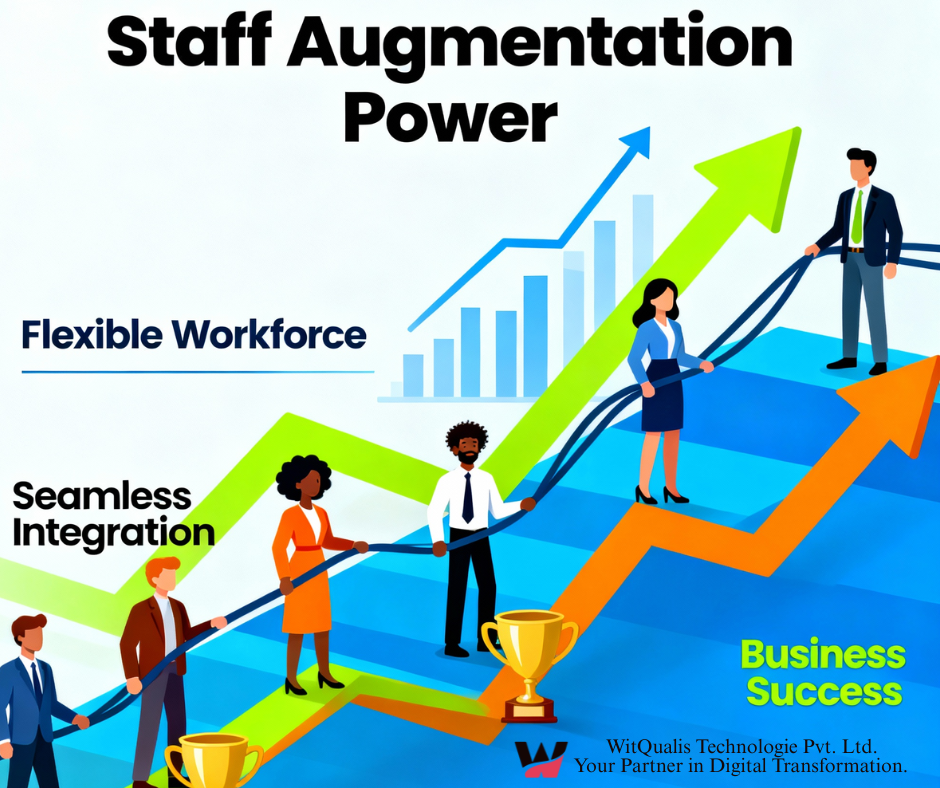
Staff Augmentation: The Key to Building Agile & Scalable Teams
-
 October 9, 2025
The Role of Cloud Computing in Scaling Modern Businesses
-
 October 8, 2025
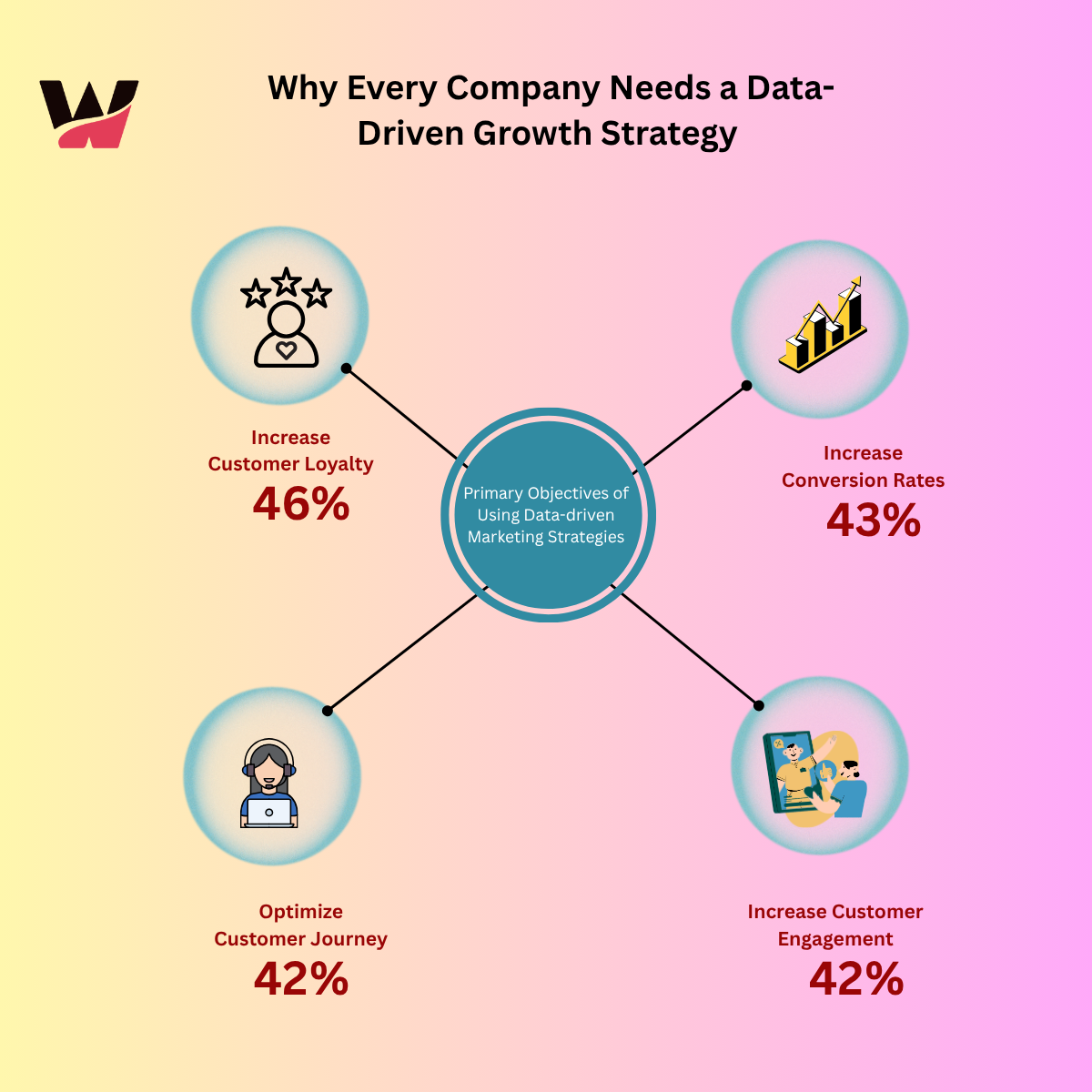
Why Every Company Needs a Data-Driven Growth Strategy
-
 October 7, 2025
API Design Best Practices for Developers in 2025 |API versioning strategies
-
 October 6, 2025
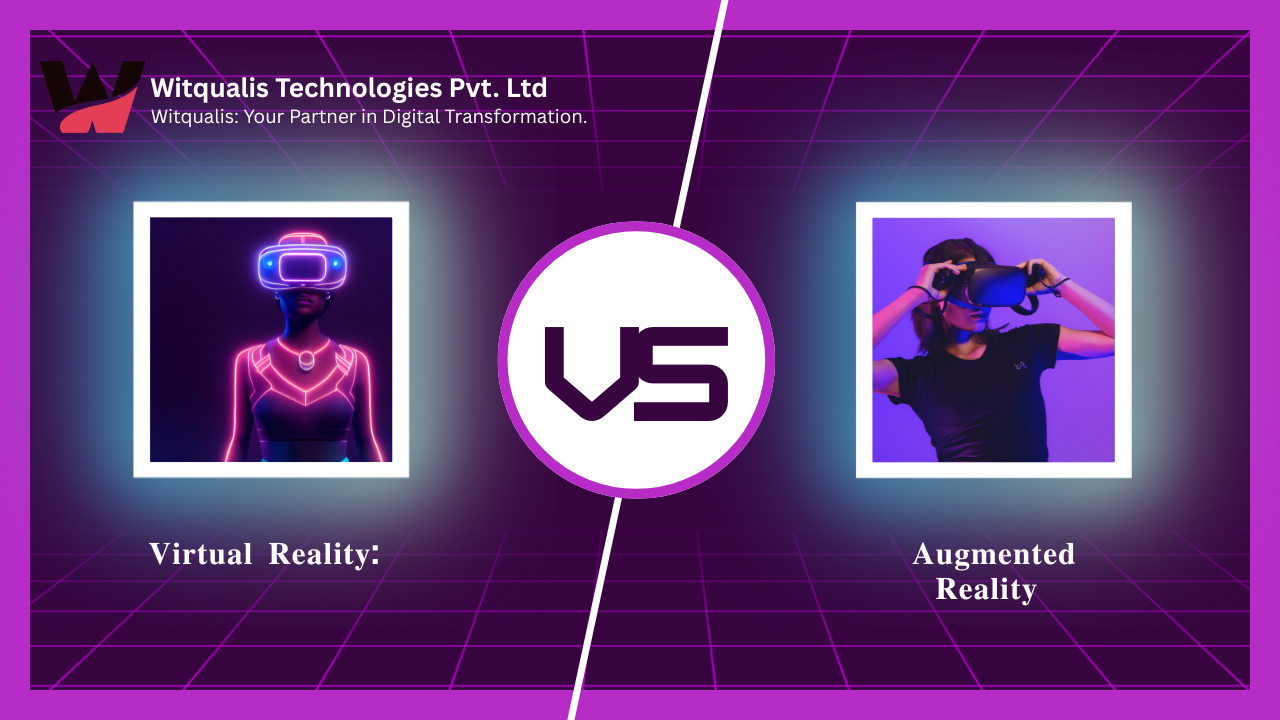
virtual reality vs augmented reality vs mixed reality
-
 October 3, 2025
The Impact of Internet of Things (IoT) on Modern Business
-
October 1, 2025
Blockchain Beyond Cryptocurrency: Real-World Applications in 2025
-
 September 30, 2025
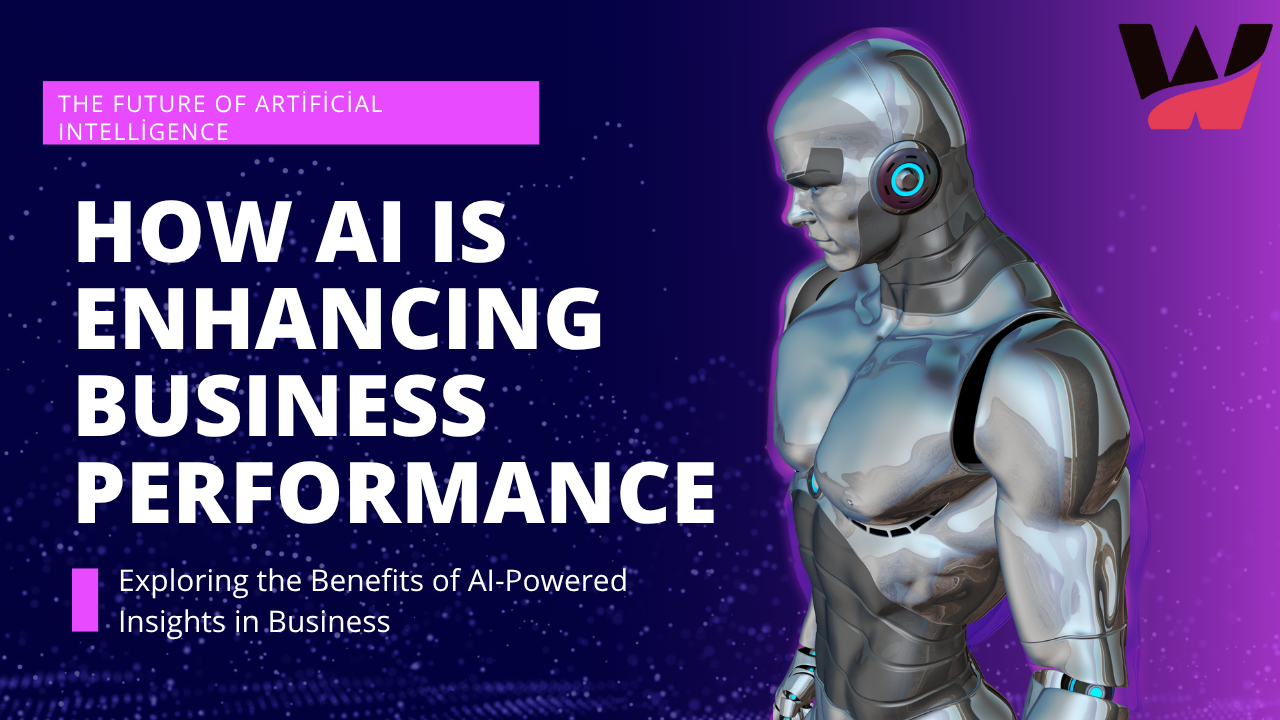
The Future of Artificial Intelligence: Trends and Opportunities
-
 September 26, 2025
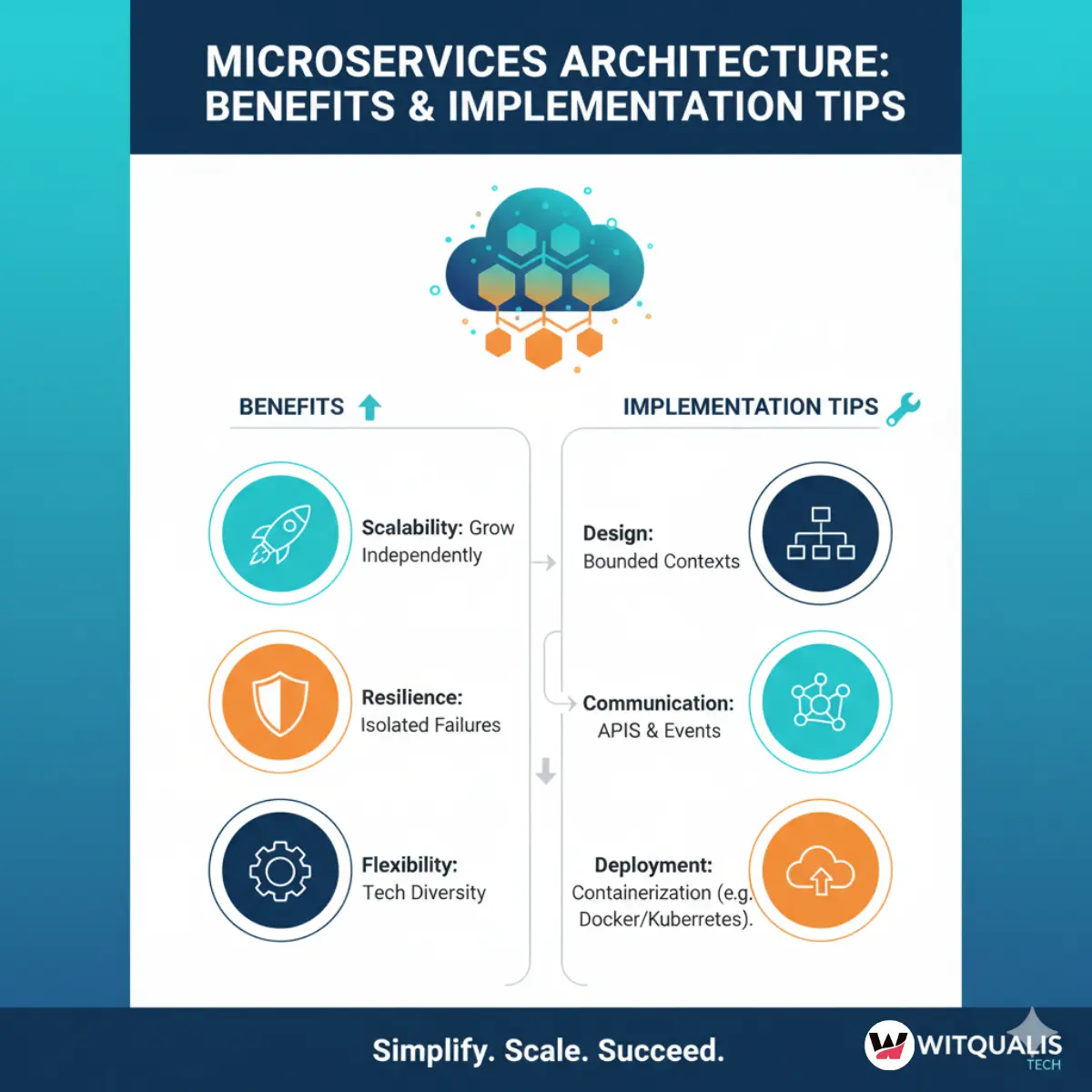
Microservices Architecture: Benefits and Implementation Tips
-
 September 25, 2025
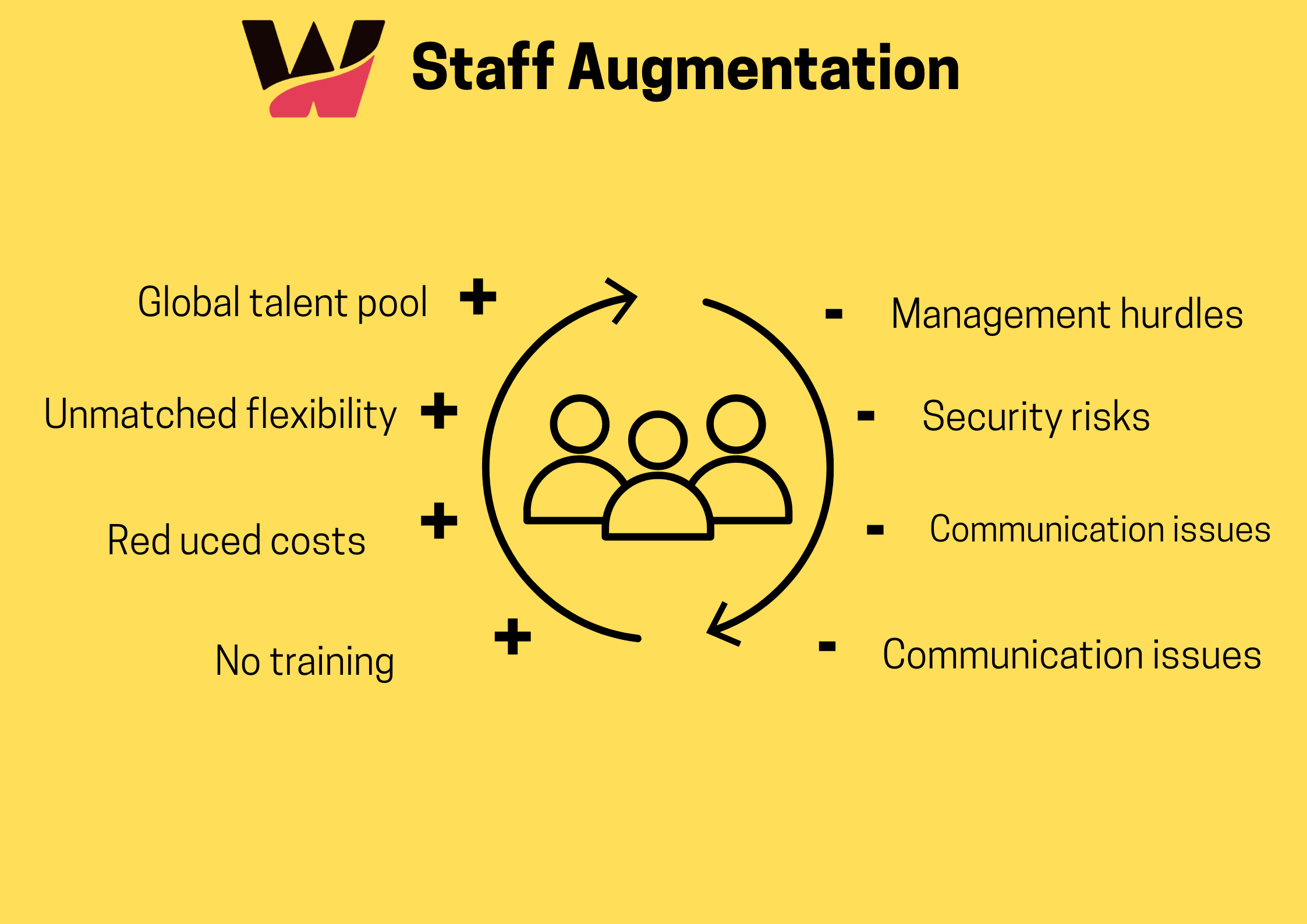
Why Staff Augmentation Is a Smart Move for IT Projects in 2025
-
 September 24, 2025
Cloud Computing Explained: Benefits and Best Practices (AWS, Azure, Google Cloud)
-
 September 23, 2025
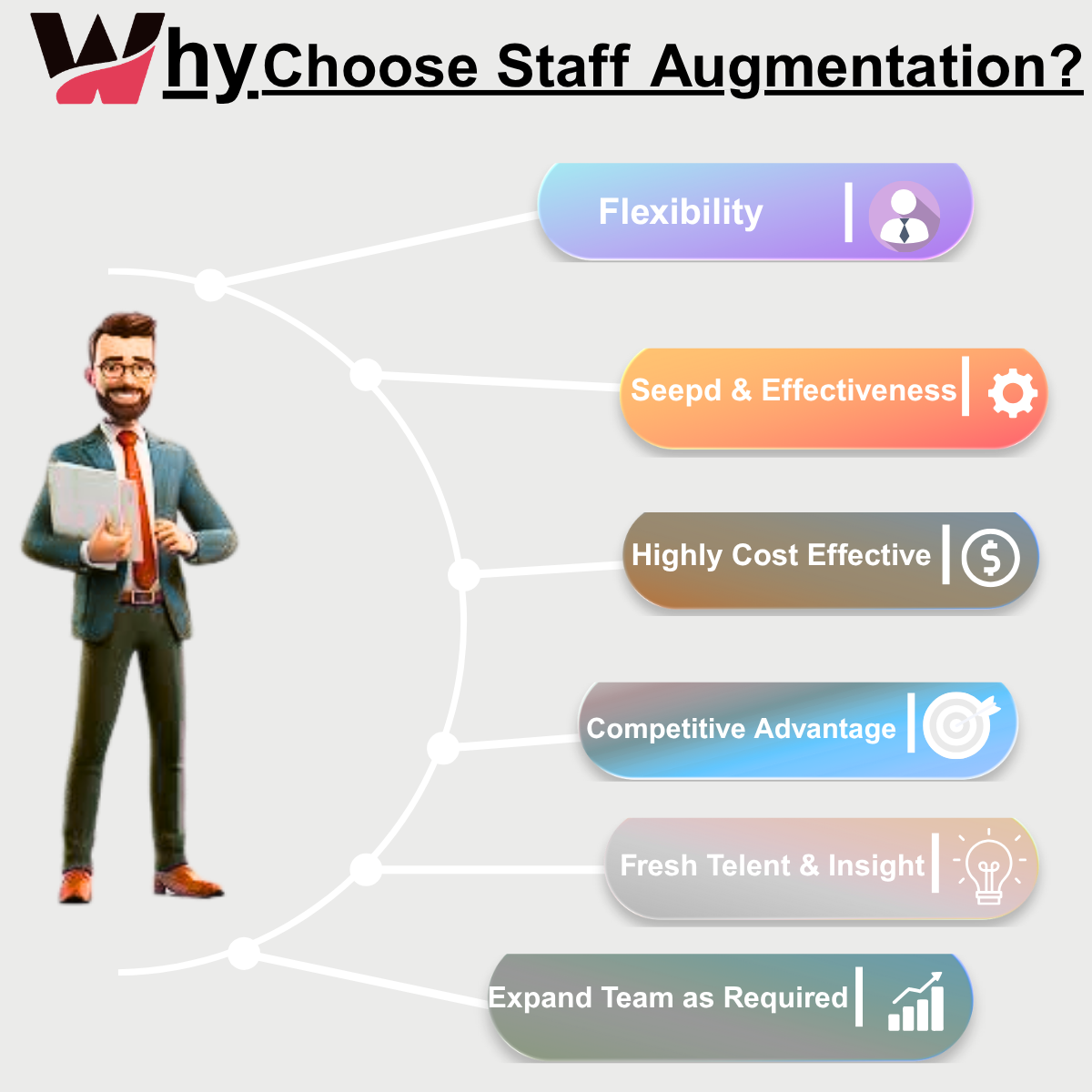
How Staff Augmentation Can Help Scale Your IT Team Efficiently
-
 January 6, 2025
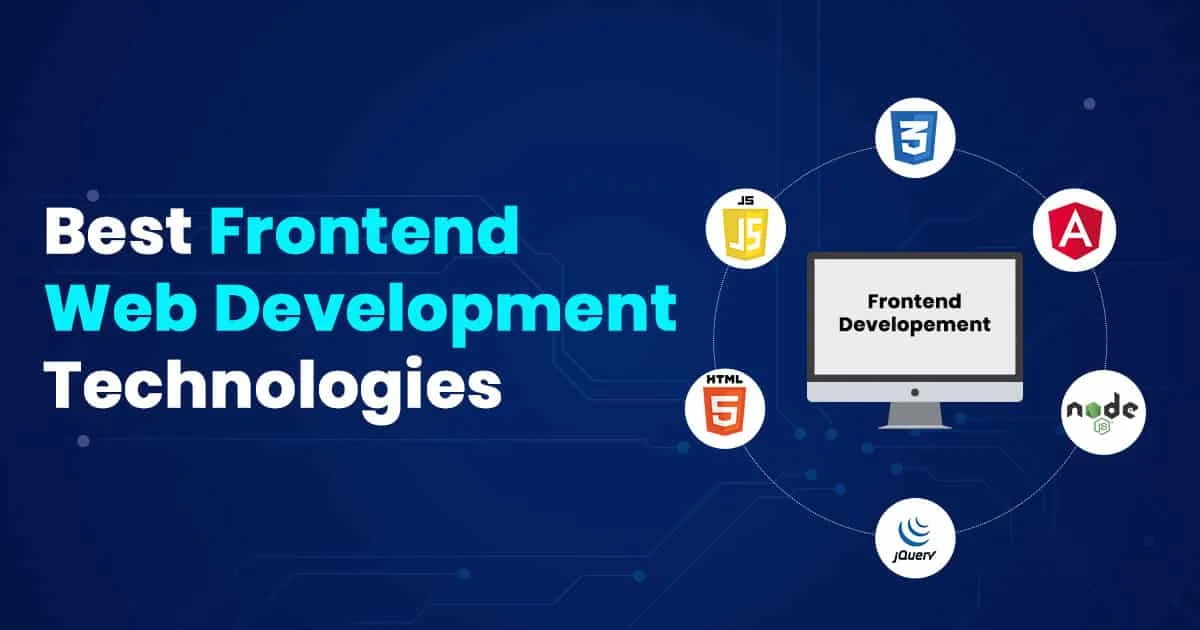
Choosing the Right Front-End Web Development Service in the UK
-
 January 4, 2025
Why Choose Staff Augmentation Services in India for Your IT Projects?
-
 December 21, 2024
Boost Your Business ROI with Power BI Development Services in the Maldives and Iceland
-
 December 20, 2024
Get a Free Consultation: Is Your E-Commerce Business in the UAE Ready for Digital Transformation?
-
 July 6, 2023
The Future of Small Business and Know-How to Climb up the Ladder


It’s great to see blockchain being discussed beyond its association with crypto. The potential in areas like supply chain transparency and digital identity management feels especially relevant in 2025 as businesses push for more trust and efficiency. I’m curious how you see interoperability between different blockchain platforms evolving—do you think that’s still one of the main barriers to broader adoption?