

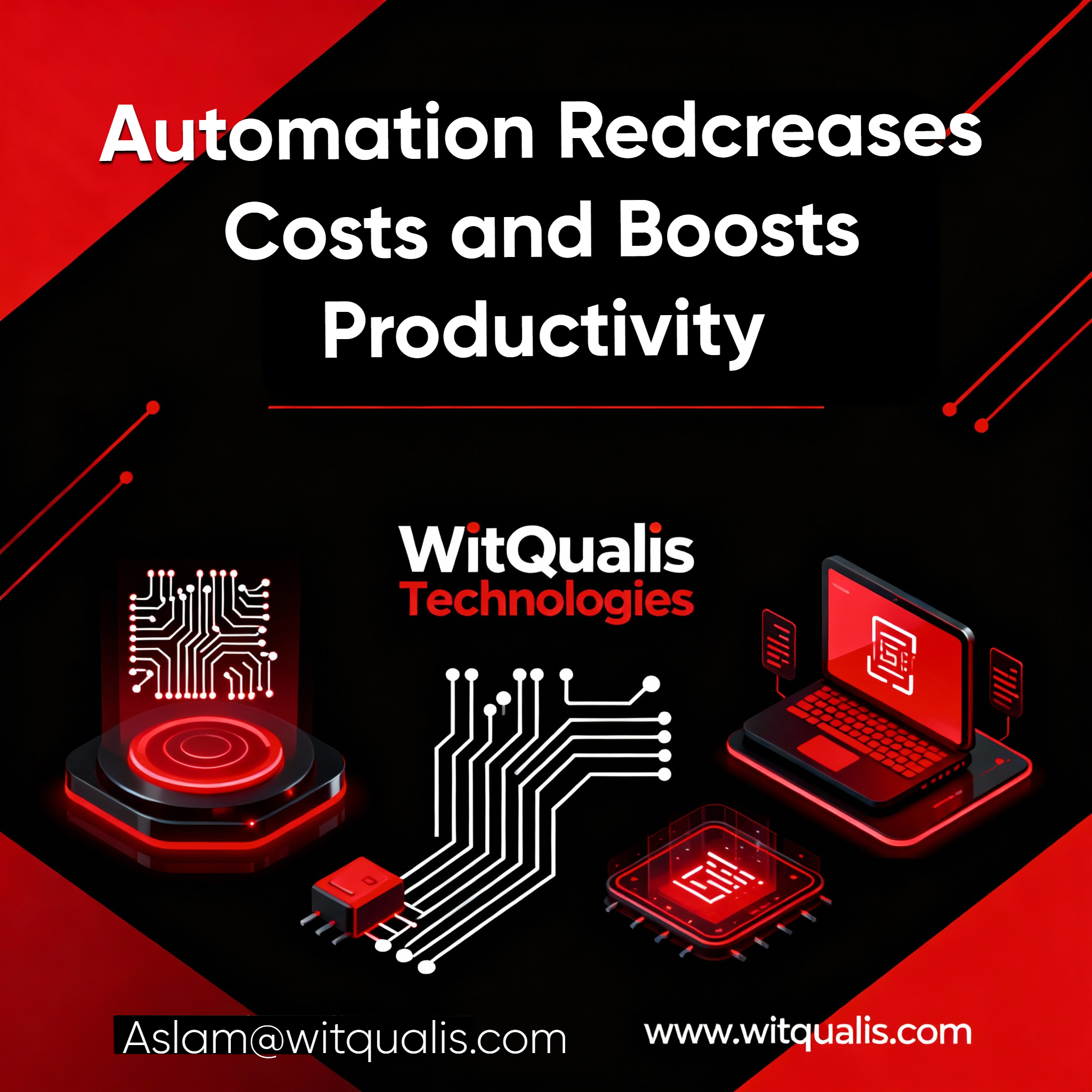
How Automation Reduces Costs & Boosts Productivity in 2025
How Automation Redcreases Costs and Boosts Productivity in Modern Business
In today’s competitive business landscape, organizations constantly seek ways to optimize operations while maintaining quality. However, manual processes often create bottlenecks that hinder growth and increase expenses. Fortunately, automation technology has emerged as a powerful solution that simultaneously addresses both cost reduction and productivity enhancement. According to a McKinsey report, companies that fully implement automation can reduce operational costs by up to 30% while increasing productivity by 20-35%.
What is Business Automation?
Business automation involves using technology to execute recurring tasks and processes with minimal human intervention. For instance, this can range from simple email marketing automation to complex robotic process automation (RPA) in manufacturing. Furthermore, automation isn’t about replacing human workers entirely; rather, it’s about augmenting human capabilities and freeing employees from repetitive tasks to focus on higher-value work.
Key Ways Automation Reduces Operational Costs
- Minimizes Labor Costs
Firstly, automation significantly reduces the time employees spend on manual, repetitive tasks. For example, a study by Deloitte found that organizations using RPA achieve 25-50% cost savings in transactional processes. Additionally, this doesn’t necessarily mean job elimination; instead, it allows businesses to redirect human resources to more strategic initiatives.
- Decreases Error Rates and Rework
Manual data entry and processing inevitably lead to human errors. Conversely, automated systems maintain exceptional accuracy levels, dramatically reducing costly mistakes and rework expenses. In fact, research from Forrester indicates that automation can decrease processing errors by up to 90%.
- Optimizes Resource Utilization
Moreover, automation enables better resource management across departments. Specifically, intelligent systems can monitor energy consumption, raw material usage, and equipment performance in real-time, identifying inefficiencies that human monitoring might miss.
- Reduces Training Expenses
Employee turnover necessitates continuous training, especially for complex manual processes. However, automated systems require minimal retraining and provide consistent performance regardless of staff changes, substantially lowering training costs over time.
How Automation Enhances Productivity
- Accelerates Process Execution
Undoubtedly, automated systems complete tasks significantly faster than human workers. For instance, a process that typically takes hours manually can be completed in minutes through automation, enabling faster turnaround times and increased output capacity.
- Enables 24/7 Operations
Unlike human workers, automated systems can operate continuously without breaks, fatigue, or downtime. This capability dramatically increases operational hours and output, particularly in manufacturing and customer service environments.
- Improves Employee Satisfaction and Focus
When employees are freed from monotonous tasks, they can concentrate on creative, strategic, and customer-facing activities. Consequently, this leads to higher job satisfaction, reduced burnout, and more innovative contributions to the organization.
- Enhances Decision-Making Through Data
Modern automation tools generate valuable performance data and analytics. Therefore, managers can make informed decisions based on real-time insights rather than assumptions, optimizing processes further and identifying new improvement opportunities.
Practical Implementation Strategies
Start with Repetitive, High-Volume Tasks
Begin by identifying processes with the highest repetition and volume. Common starting points include data entry, invoice processing, customer onboarding, and report generation.
Choose the Right Tools for Your Needs
Depending on your requirements, solutions range from simple workflow automation tools like Zapier to sophisticated RPA platforms like UiPath for complex enterprise processes.
Prioritize Change Management
Remember that successful automation requires employee buy-in. Clearly communicate how automation will enhance rather than replace their roles, and provide adequate training for new systems.
Real-World Success Stories
Several prominent companies have demonstrated automation’s transformative impact:
- Amazon implemented warehouse automation, reducing operational costs by 20% while increasing package processing speed by 40%.
- American Express used automation for credit card application processing, cutting approval times from 24 hours to 5 minutes while reducing manual review costs by 70%.
Conclusion: The Future is Automated
In conclusion, automation represents one of the most powerful tools available to modern businesses seeking competitive advantage. By strategically implementing automation technologies, organizations can simultaneously achieve significant cost reductions and substantial productivity gains. The evidence is clear: companies that embrace automation position themselves for sustainable growth, increased profitability, and long-term market relevance.
Ready to start your automation journey? Begin with a process audit to identify your highest-impact automation opportunities, and consider partnering with automation specialists to ensure successful implementation.
If you want to know more about development click here
Recent Posts
-
 March 5, 2026
Microservices Architecture: Benefits and Implementation Tips
-
 March 3, 2026
How Remote Work Has Changed the IT Industry and Tools You Need
-
 March 2, 2026
API Design and Management Best Practices for Developers
-
 February 27, 2026
The Impact of Internet of Things (IoT) on Modern Business
-
 February 26, 2026
Virtual and Augmented Reality: Where Tech is Headed Next | 2026 Guide
-
 February 25, 2026
Blockchain Beyond Cryptocurrency: Real-World Applications & Use Cases (2026 Guide)
-
 February 24, 2026
The Role of AI in Enhancing IT Development: A Deep Dive (2026 Guide)
-
 February 23, 2026
Maximizing Productivity: How Staff Augmentation Drives Innovation in IT Projects
-
 February 20, 2026
Staff Augmentation vs. Outsourcing: Which IT Model Wins in 2026?
-
 February 19, 2026
The Rise of Hybrid Teams: How to Leverage Staff Augmentation for Business Success
-
 February 18, 2026
How Staff Augmentation is Transforming the Future of IT Workforce (2026)
-
 February 17, 2026
5 Reasons Why Staff Augmentation is Key for Tech Skill Shortages: staff augmentation for tech skill shortages
-
 February 16, 2026
How Staff Augmentation Helps Scale Your Business Without Overheads in 2026
-
 February 13, 2026
The Power of Diverse Teams: How Staff Augmentation Drives Inclusion (2026)
-
 February 12, 2026
The Role of 5G Technology in Shaping IT Development and Augmentation in 2026
-
 February 11, 2026
The Future of Blockchain: Revolutionizing IT Services in 2026
-
 February 10, 2026
Building an Authentic Employer Brand Through Staff Augmentation in 2026
-
 February 9, 2026
Supporting Augmented Professionals During Projects: Best Practices for Success
-
 February 6, 2026
Cost Optimization in IT: Build vs Buy vs Staff Augmentation (2026 Guide)
-
 February 5, 2026
The Role of DevOps in High-Performance Engineering Teams: Best Practices Guide
-
 February 4, 2026
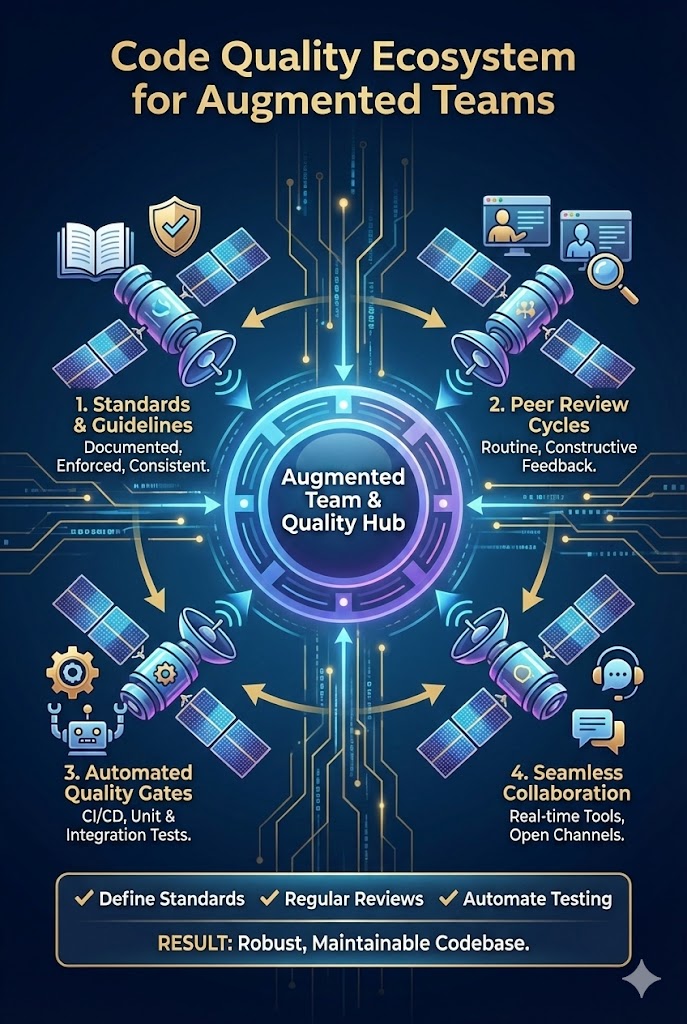
How to Ensure Code Quality When Working with Augmented Teams: Best Practices Guide
-
 February 3, 2026
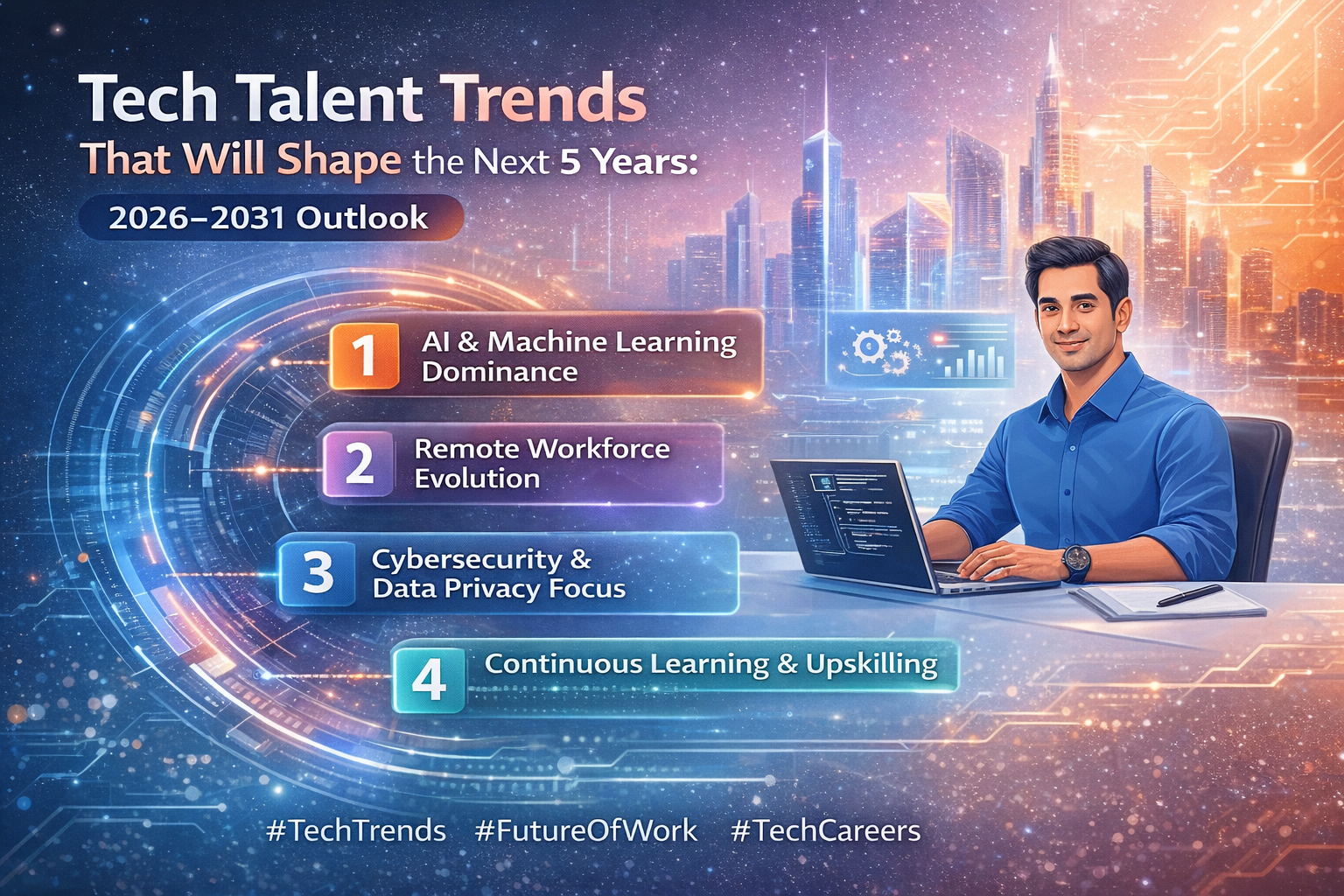
Tech Talent Trends That Will Shape the Next 5 Years: 2026–2031 Outlook
-
 February 2, 2026
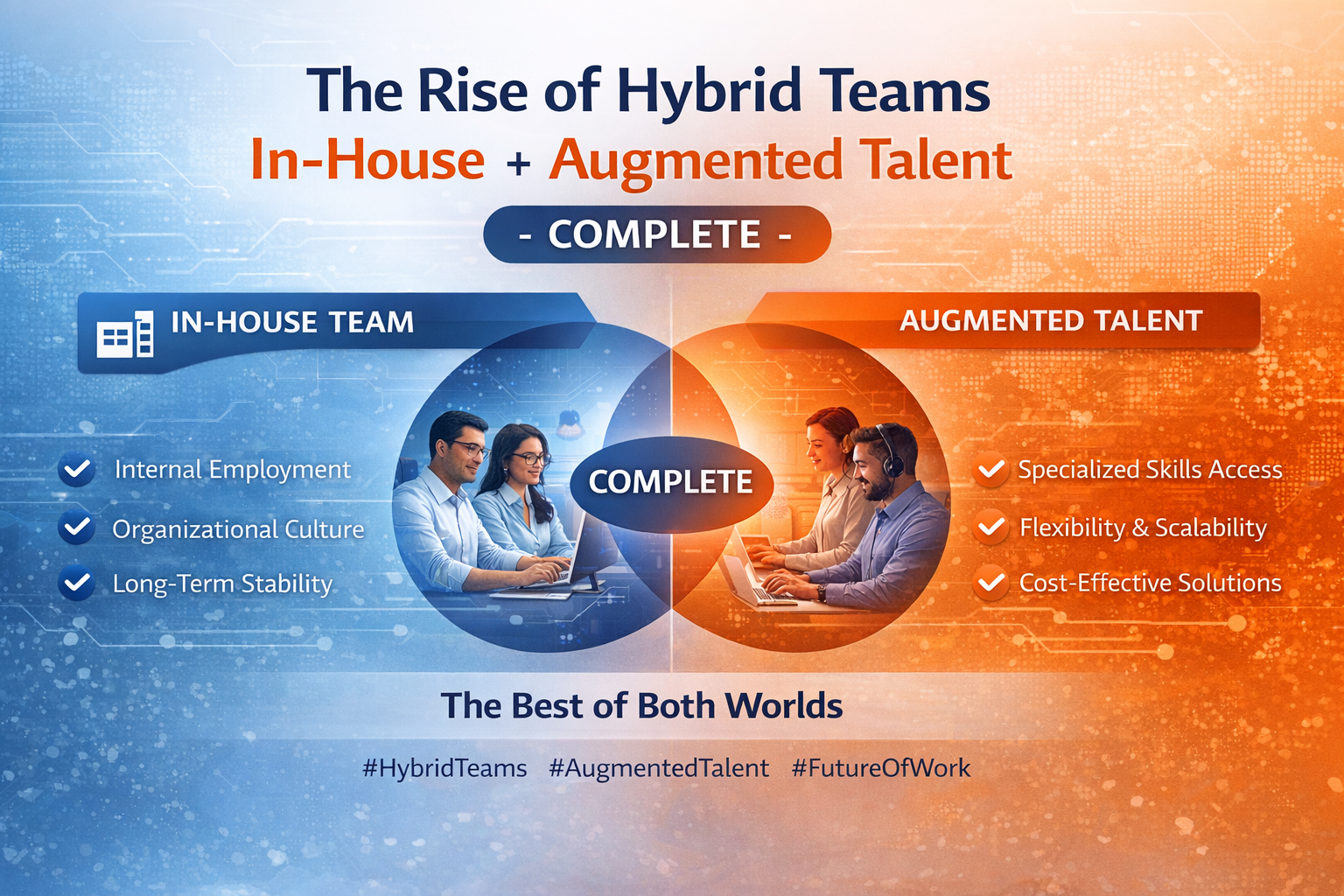
The Rise of Hybrid Teams: In-House + Augmented Talent - The Complete Guide
-
 January 30, 2026
How We Support and Retain High-Performing Tech Professionals
-
 January 29, 2026
Aligning Technology Strategy with Business Growth Goals: A Complete Framework
-
 January 28, 2026
What Top Developers Look for in a Staff Augmentation Partner: A Developer's Perspective
-
 January 27, 2026
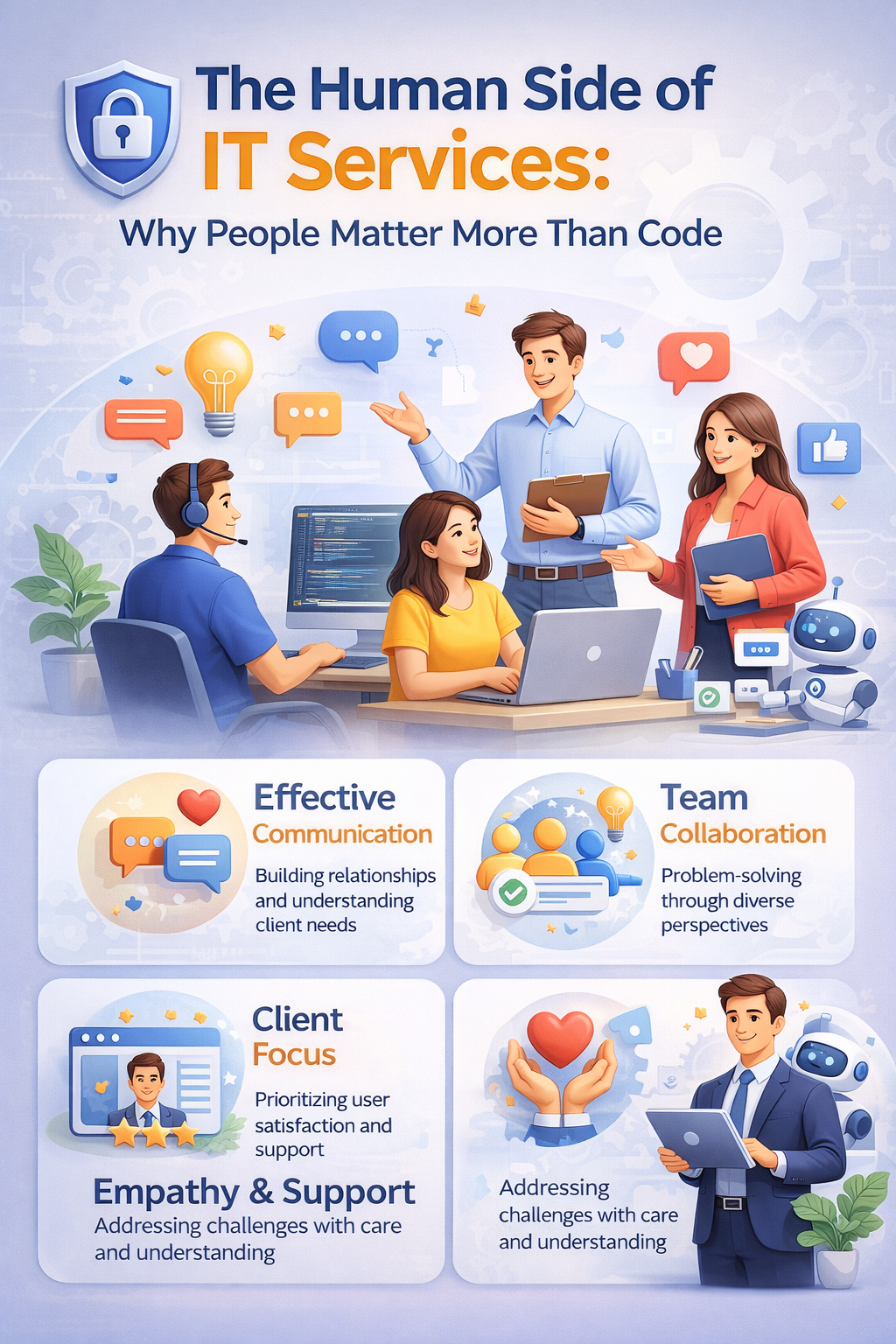
The Human Side of IT Services: Why People Matter More Than Code
-
 January 23, 2026
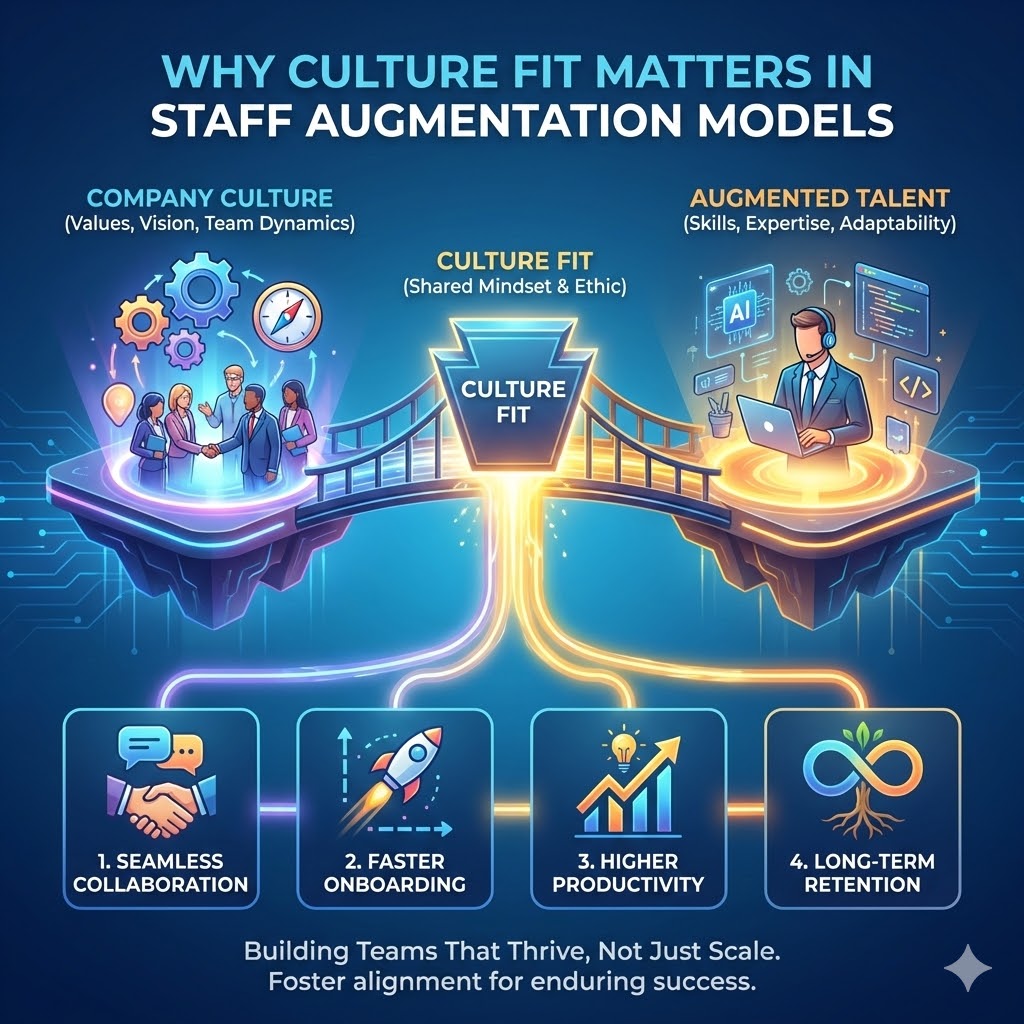
Why Culture Fit Matters in Staff Augmentation Models | Witqualis
-
 January 22, 2026
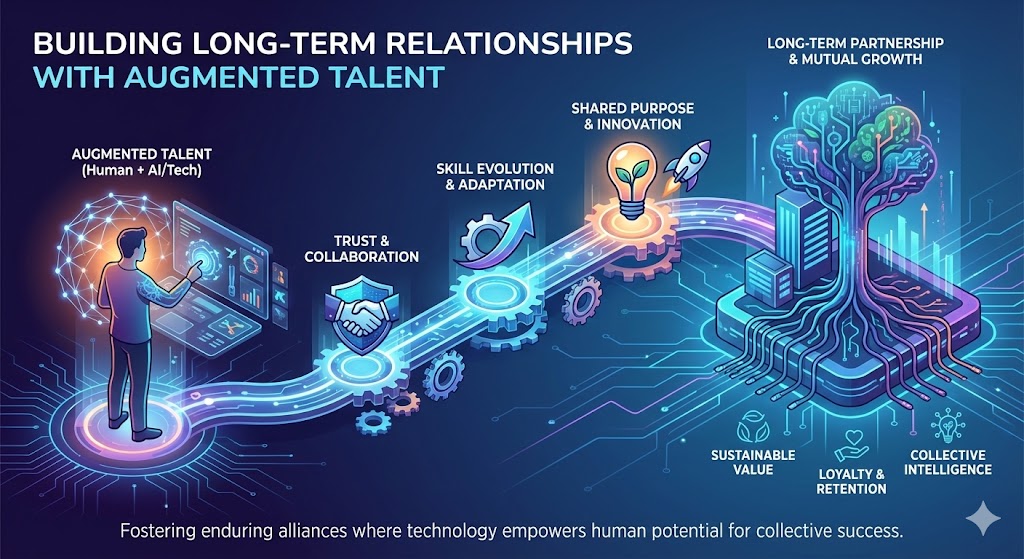
Building Long-Term Relationships with Augmented Talent: A Strategic Approach
-
 January 21, 2026
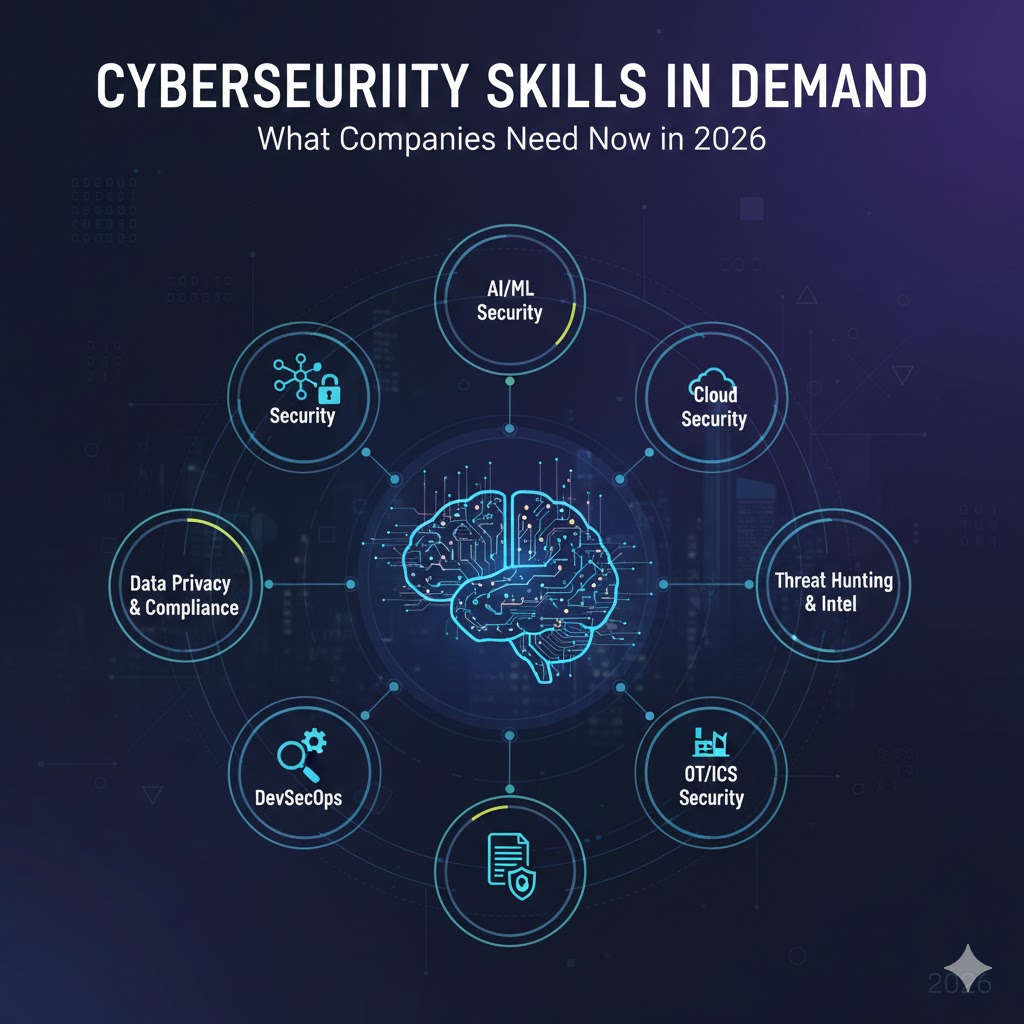
Cybersecurity Skills in Demand: What Companies Need Now in 2026
-
 January 20, 2026
Why Flexible Hiring Models Drive Better Business Outcomes
-
 January 19, 2026
Reducing Time-to-Market with On-Demand Tech Talent
-
 January 15, 2026
How Dedicated Development Teams Accelerate Product Delivery
-
 January 14, 2026
Scaling Tech Teams Quickly Without Compromising Quality
-
January 12, 2026
Common Mistakes Companies Make When Outsourcing IT Projects (And How to Avoid Them)
-
January 9, 2026
Key Workforce Trends Every CTO Should Watch This Year
-
 January 8, 2026
How AI Is Transforming IT Staffing and Talent Matching
-
 January 7, 2026
How IT Staff Augmentation Helps Startups Scale Faster
-
 January 6, 2026
Choosing the Right Tech Stack for Scalable Digital Products
-
 January 5, 2026
How Remote Talent Is Reshaping Global IT Teams
-
 December 29, 2025
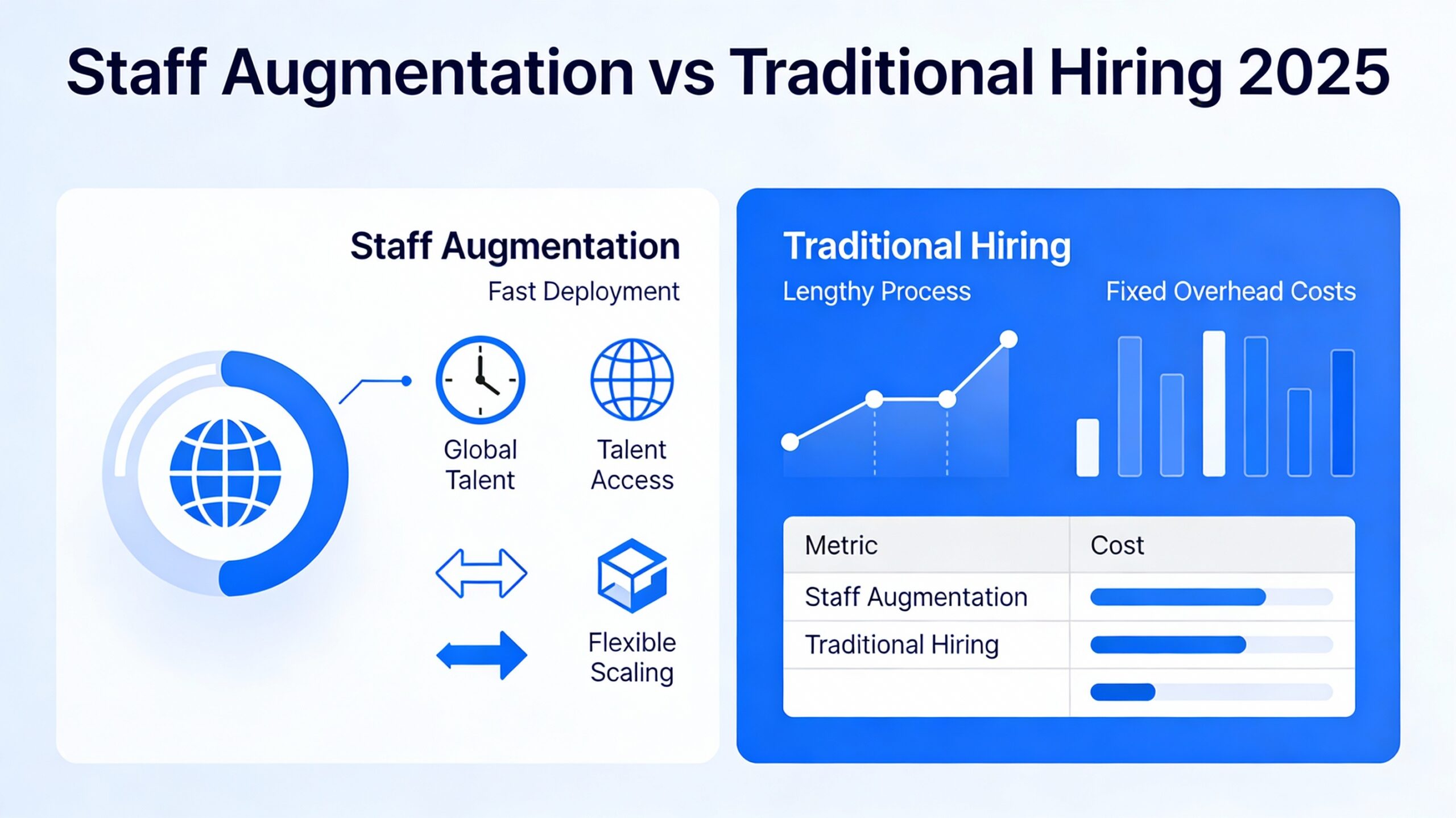
Staff Augmentation vs Traditional Hiring 2025
-
 December 24, 2025
Why Staff Augmentation Is the Future of Agile Hiring
-
 December 22, 2025
Why Hiring Faster Doesn’t Mean Compromising Quality — It Means Finding the Right Partner
-
 December 19, 2025
The Role of Staff Augmentation in Accelerating Digital Transformation
-
 December 18, 2025
5 Tech Hiring Trends Every CTO Should Watch in 2025
-
December 17, 2025
Why Soft Skills Are the Hidden Superpower in Tech Teams
-
 December 15, 2025
How WitQualis Connects Global Talent with Local Opportunities
-
 December 10, 2025
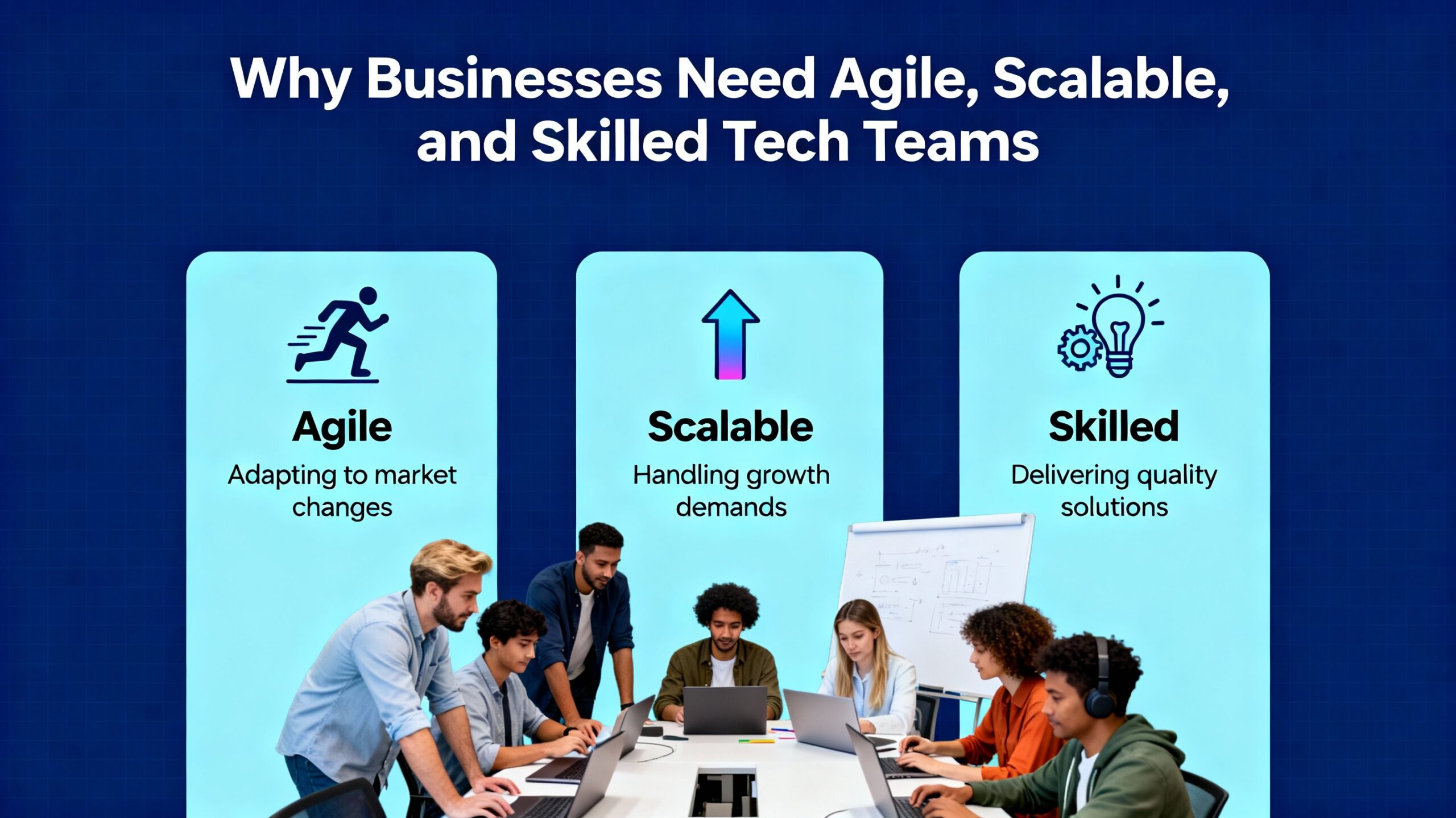
Why Businesses Need Agile, Scalable, and Skilled Tech Teams—Now More Than Ever
-
 December 5, 2025
The Human Side of Technology: Why People Matter as Much as Code
-
 December 4, 2025
The Rise of Contract-Based Developers in the Global IT Market
-
 December 3, 2025
Talent Has No Boundaries: Why the Best Teams Are Built Across Borders
-
 December 2, 2025
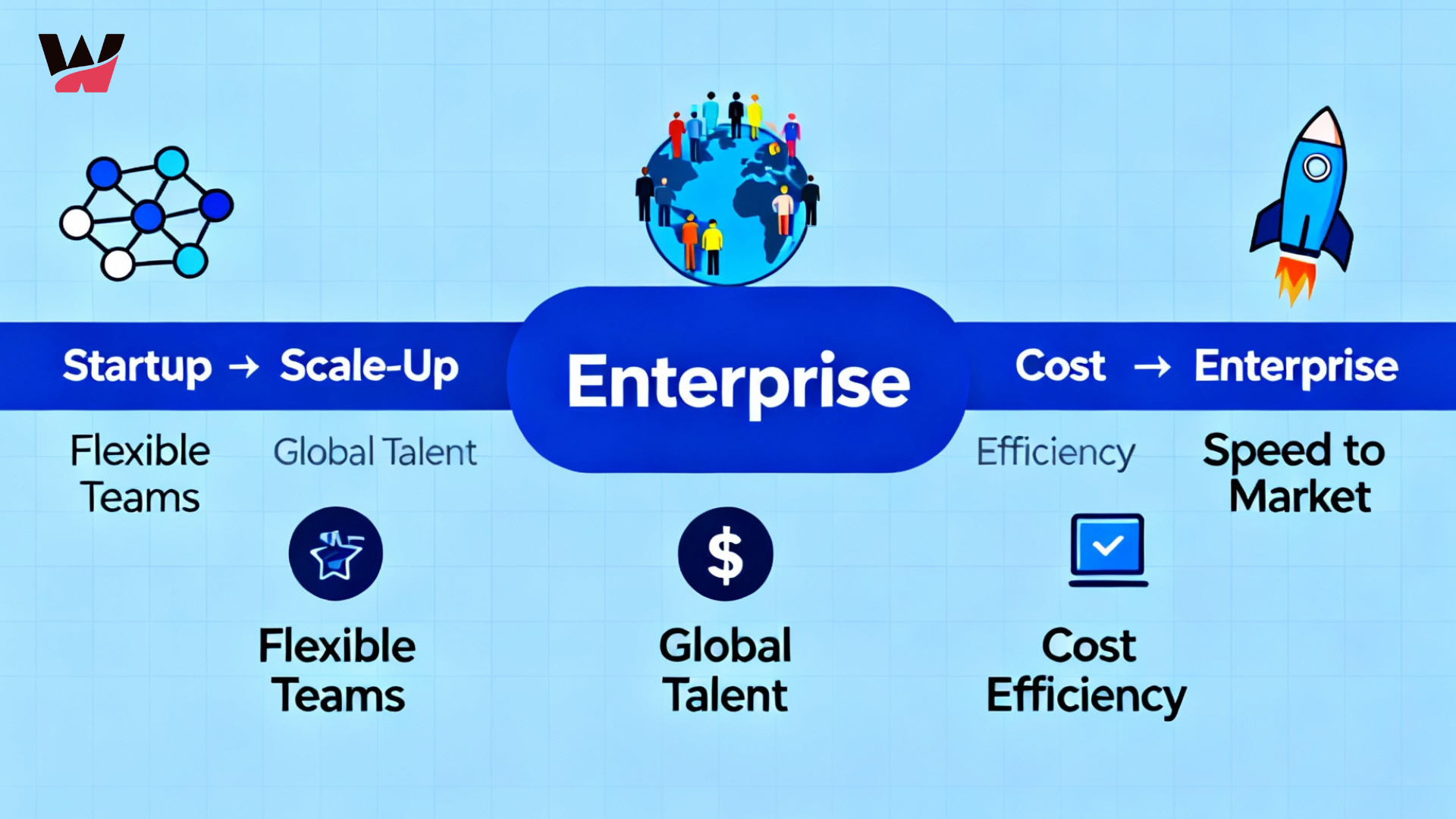
From Startups to Enterprises: How Staff Augmentation Supports Every Stage of Growth
-
 December 1, 2025
Great Ideas Need Great Execution – How WitQualis Teams Turn Vision into Reality
-
 November 28, 2025
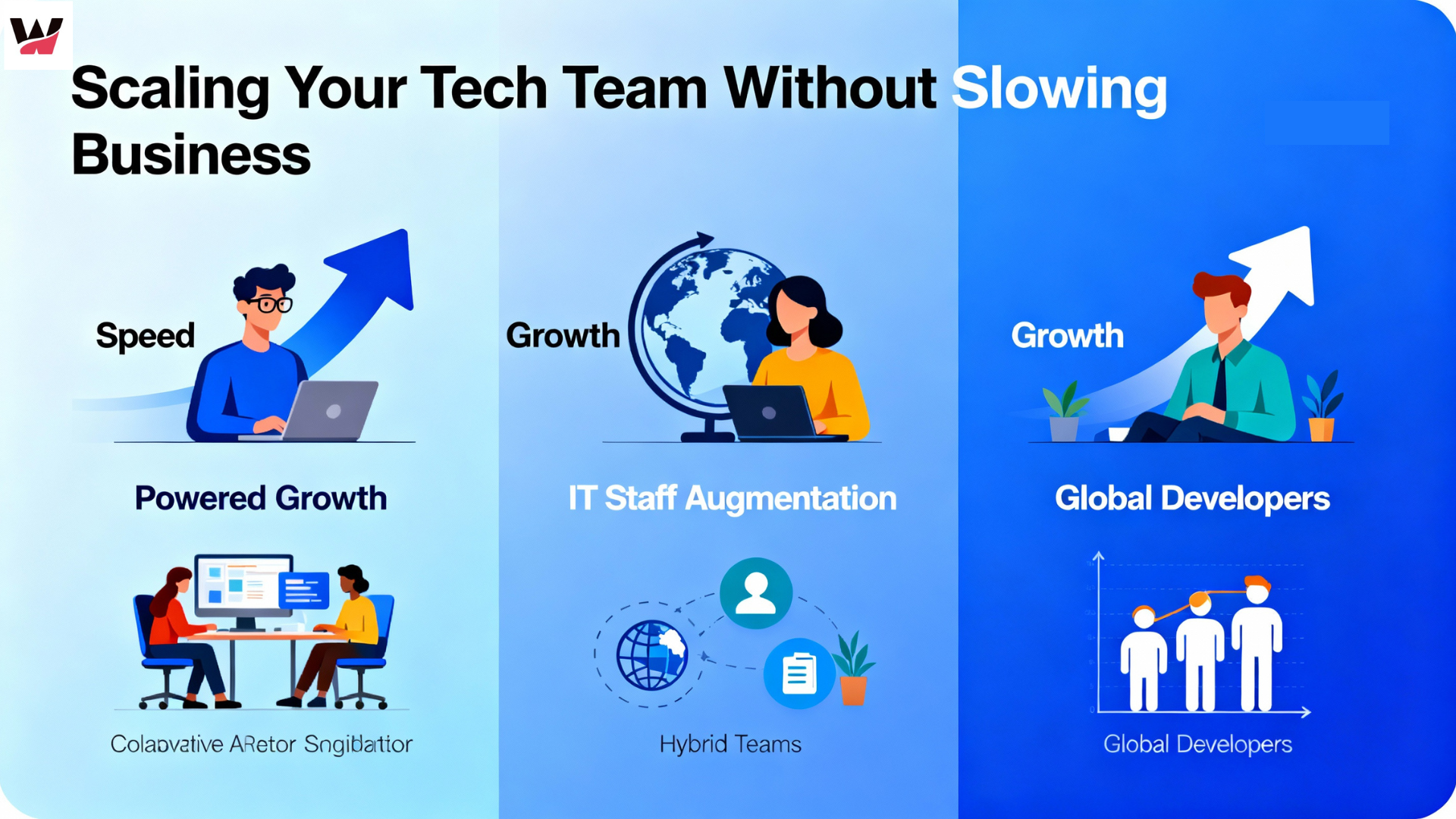
Scaling Your Tech Team Shouldn’t Slow Your Business – It Should Power It
-
 November 27, 2025
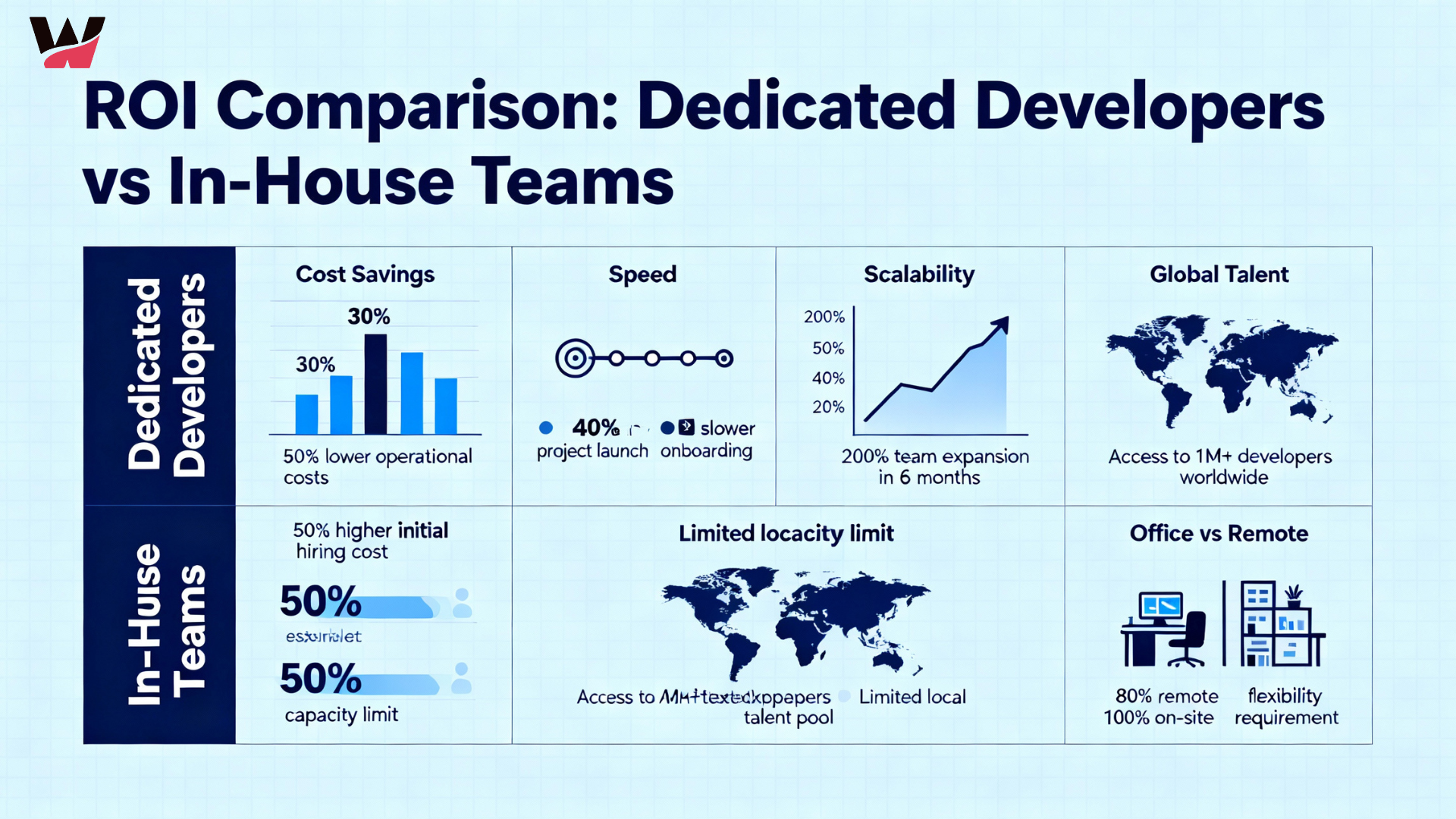
The ROI of Hiring Dedicated Developers vs In-House Teams
-
 November 26, 2025
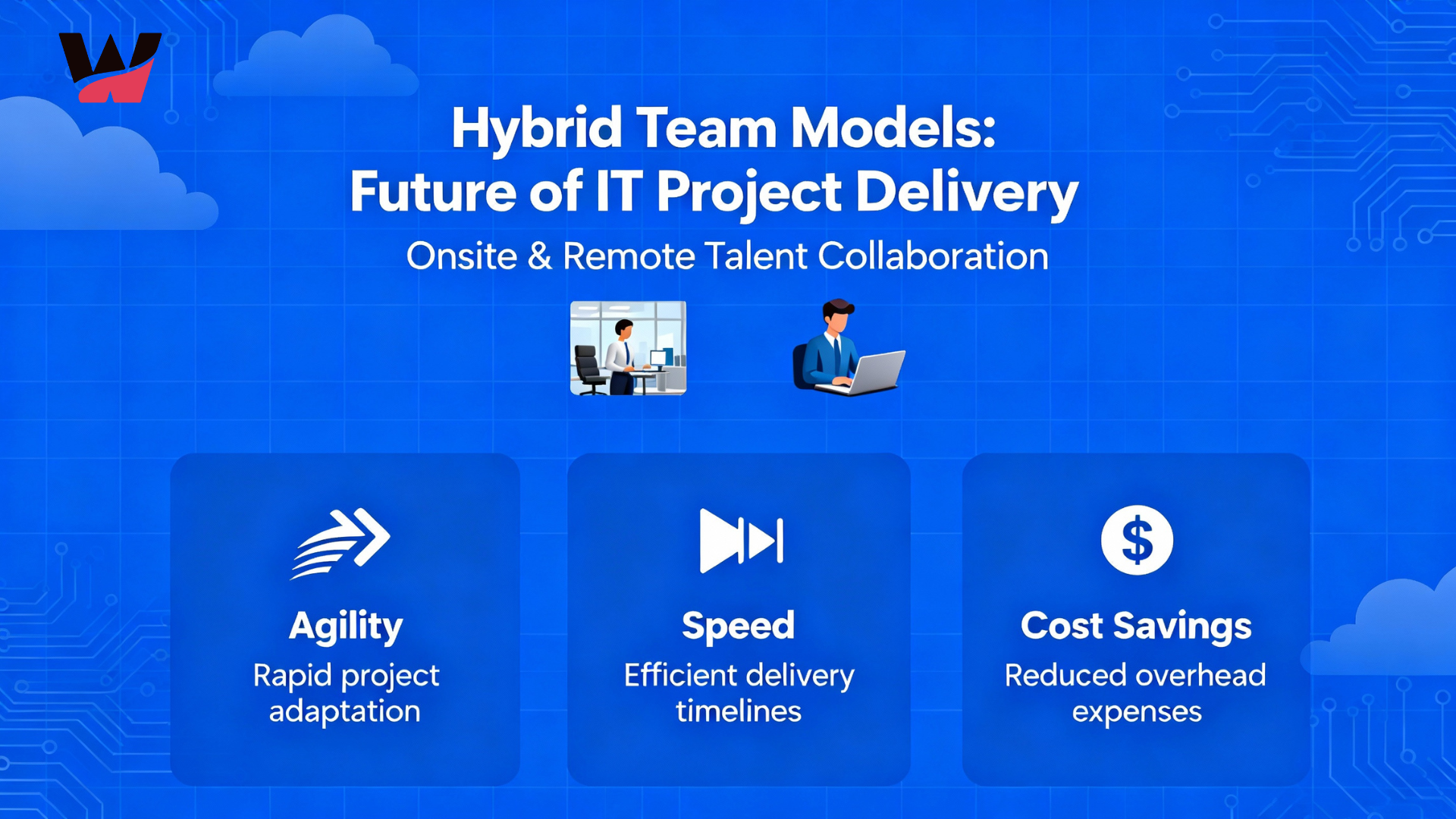
Why Hybrid Team Models Are the Future of IT Project Delivery
-
 November 24, 2025
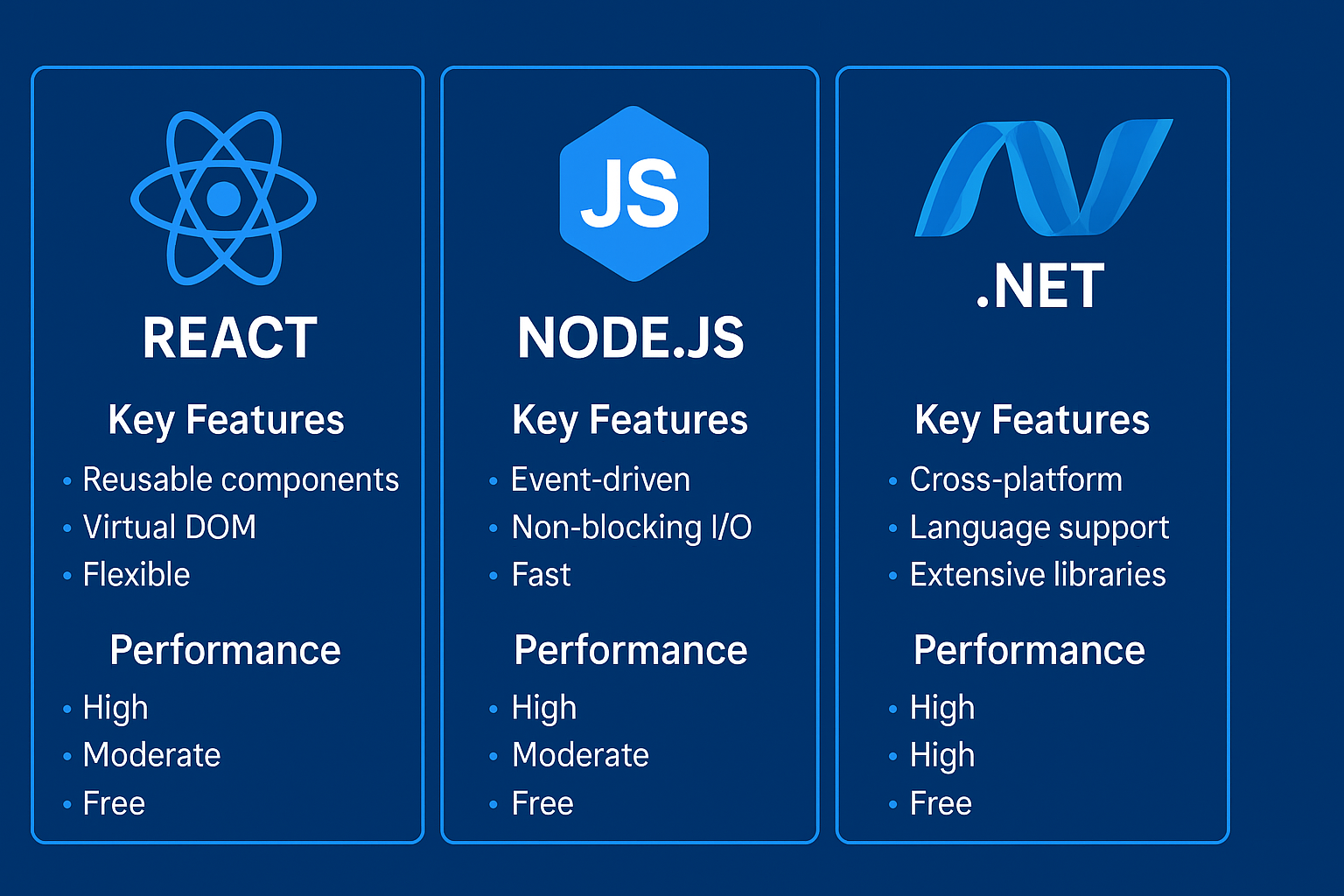
React, Node.js, or .NET? Choosing the Right Tech Stack for Your Next Project
-
 November 21, 2025
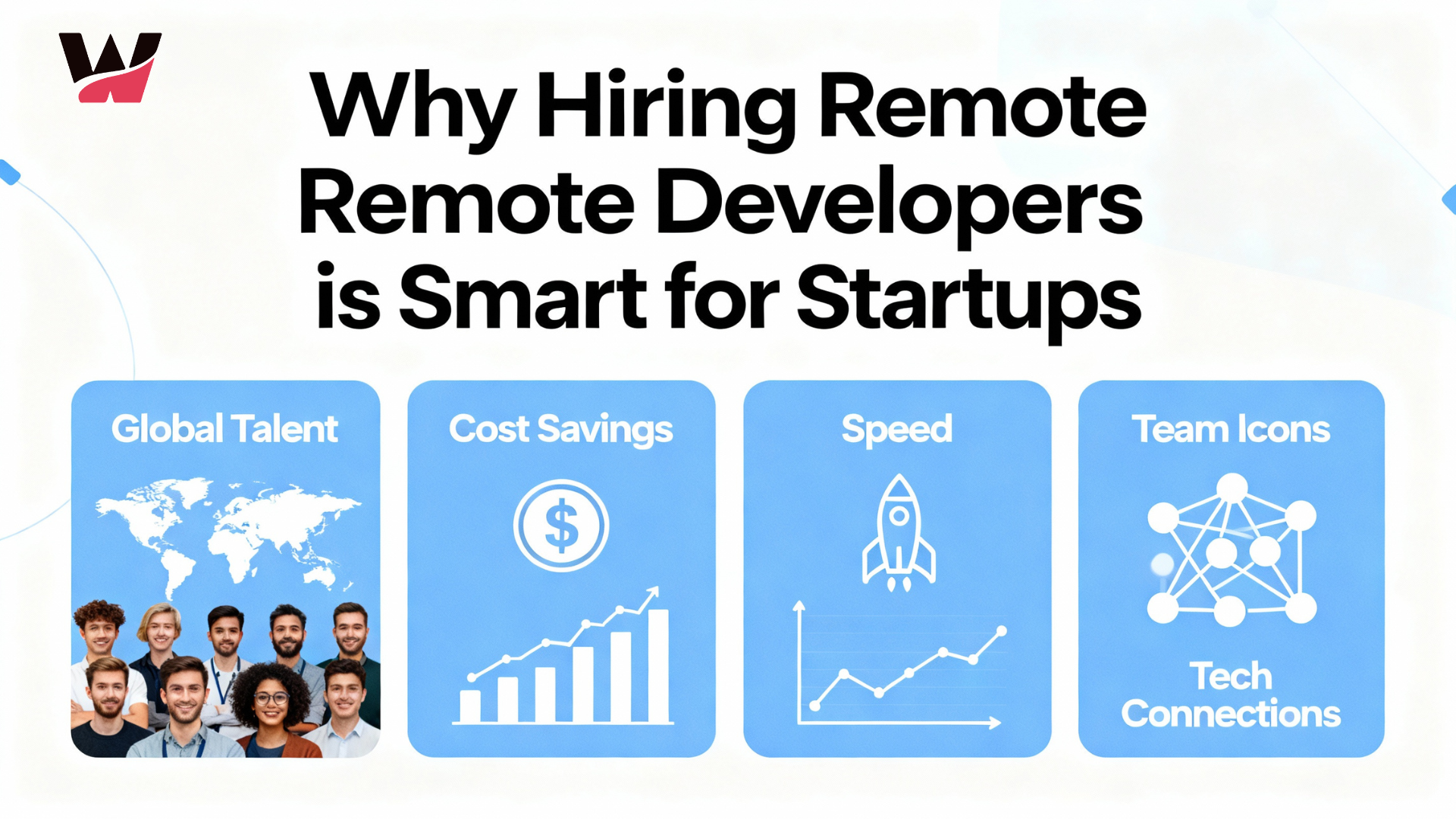
Why Hiring Remote Developers Is the Smartest Move for Startups
-
 November 20, 2025
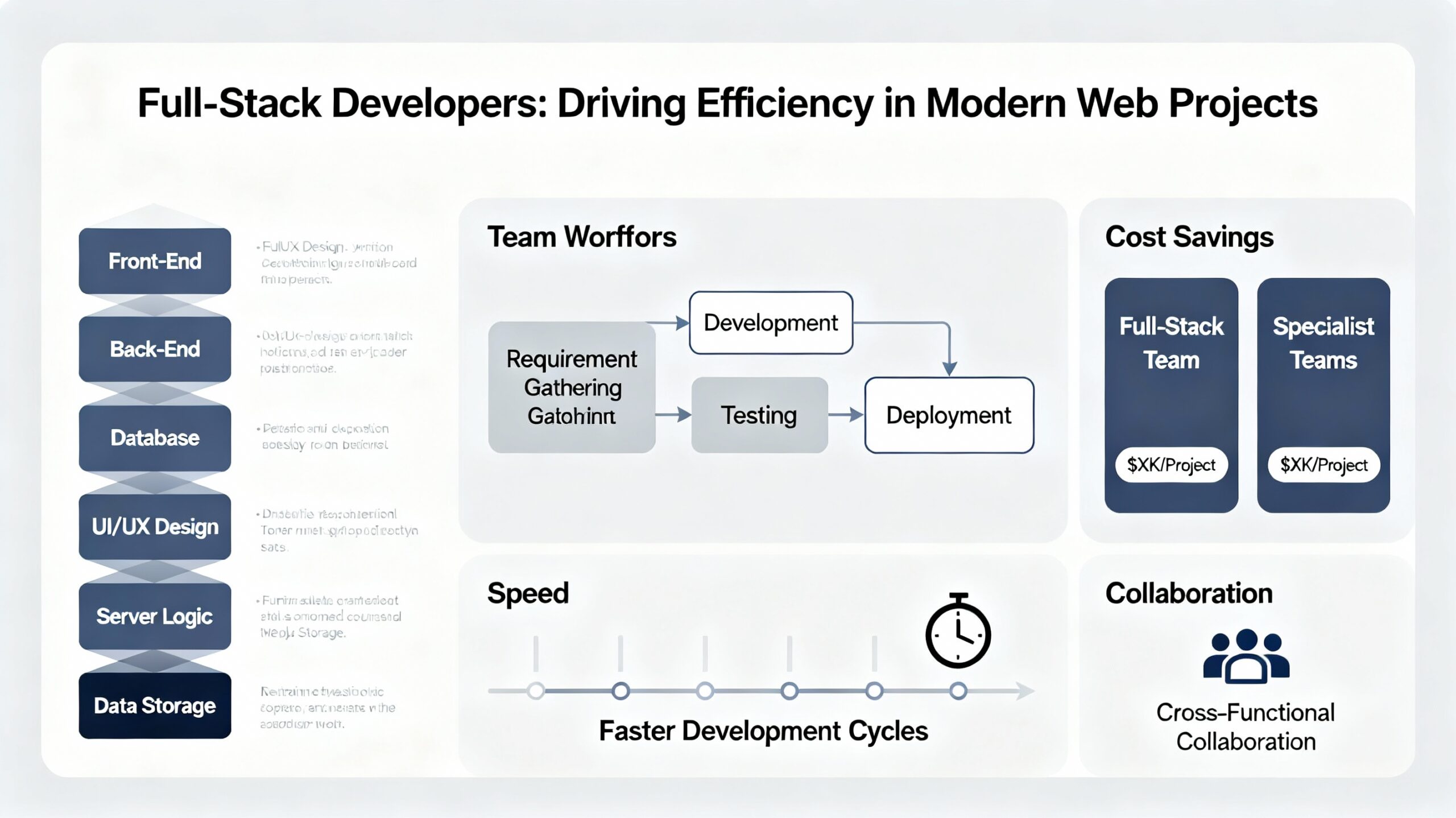
How Full-Stack Developers Drive Efficiency in Modern Web Projects
-
 November 19, 2025
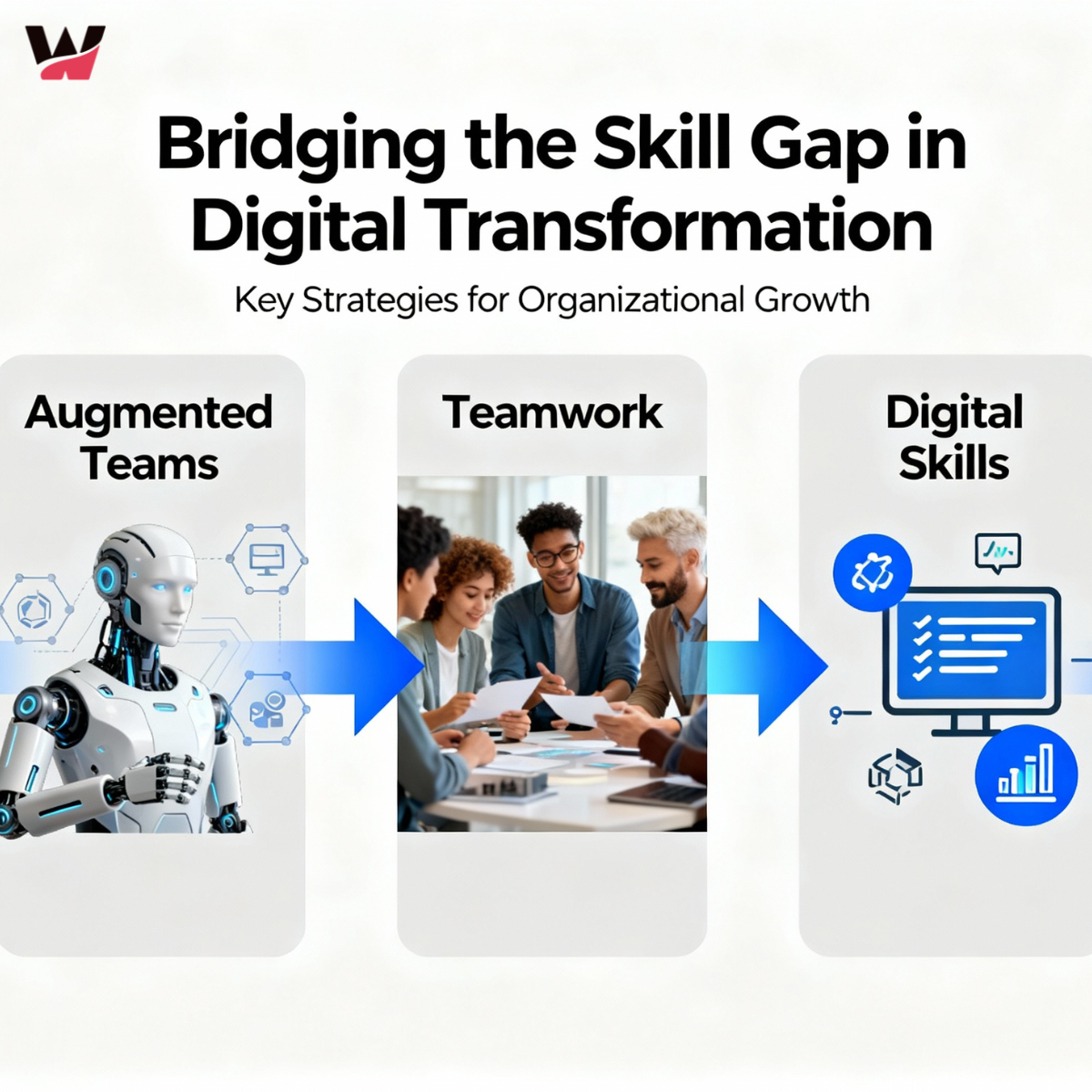
Bridging the Skill Gap: How Augmented Teams Empower Digital Transformation
-
 November 18, 2025
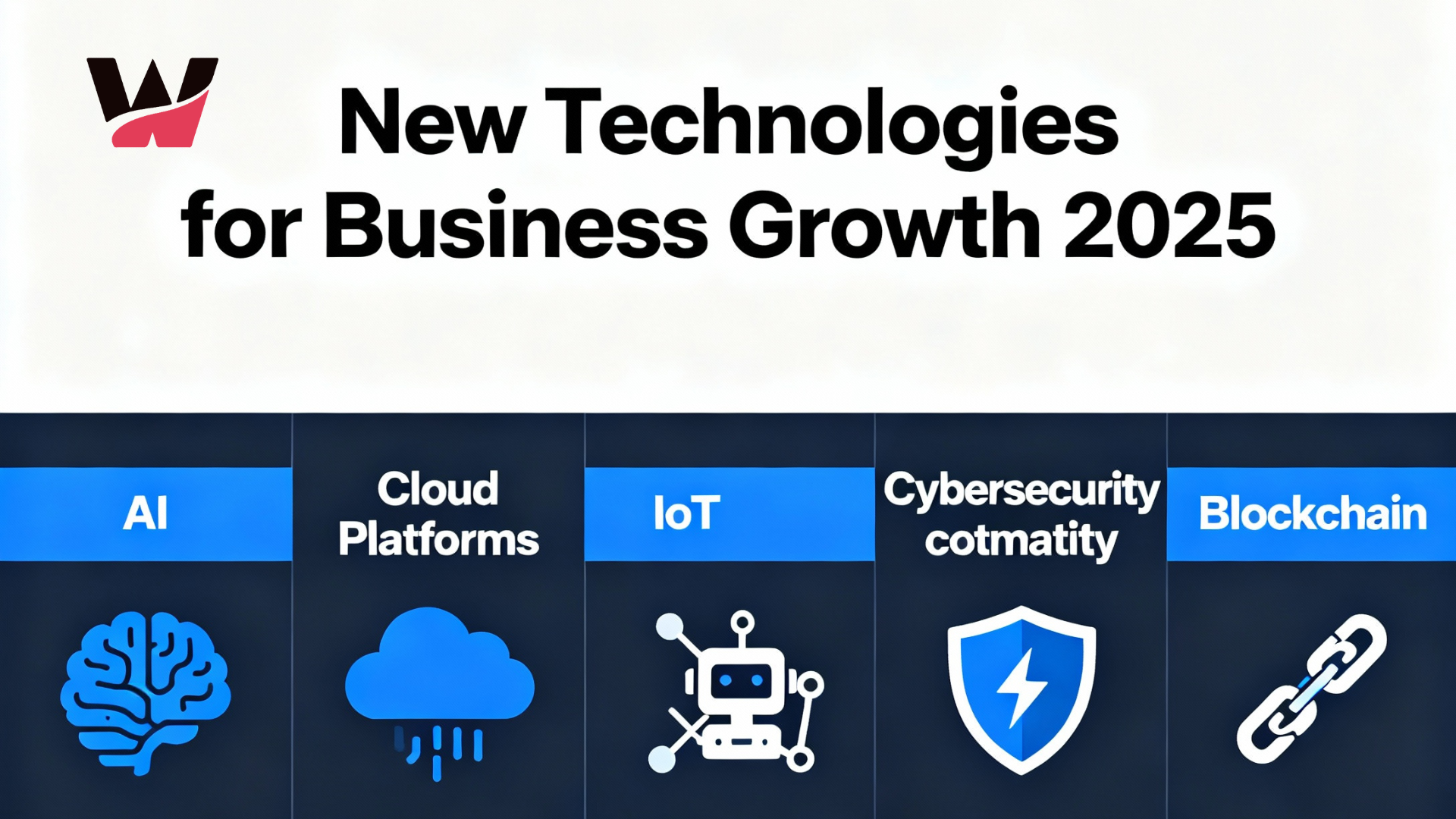
New Technologies for 2025: What Businesses Need to Grow
-
 November 14, 2025
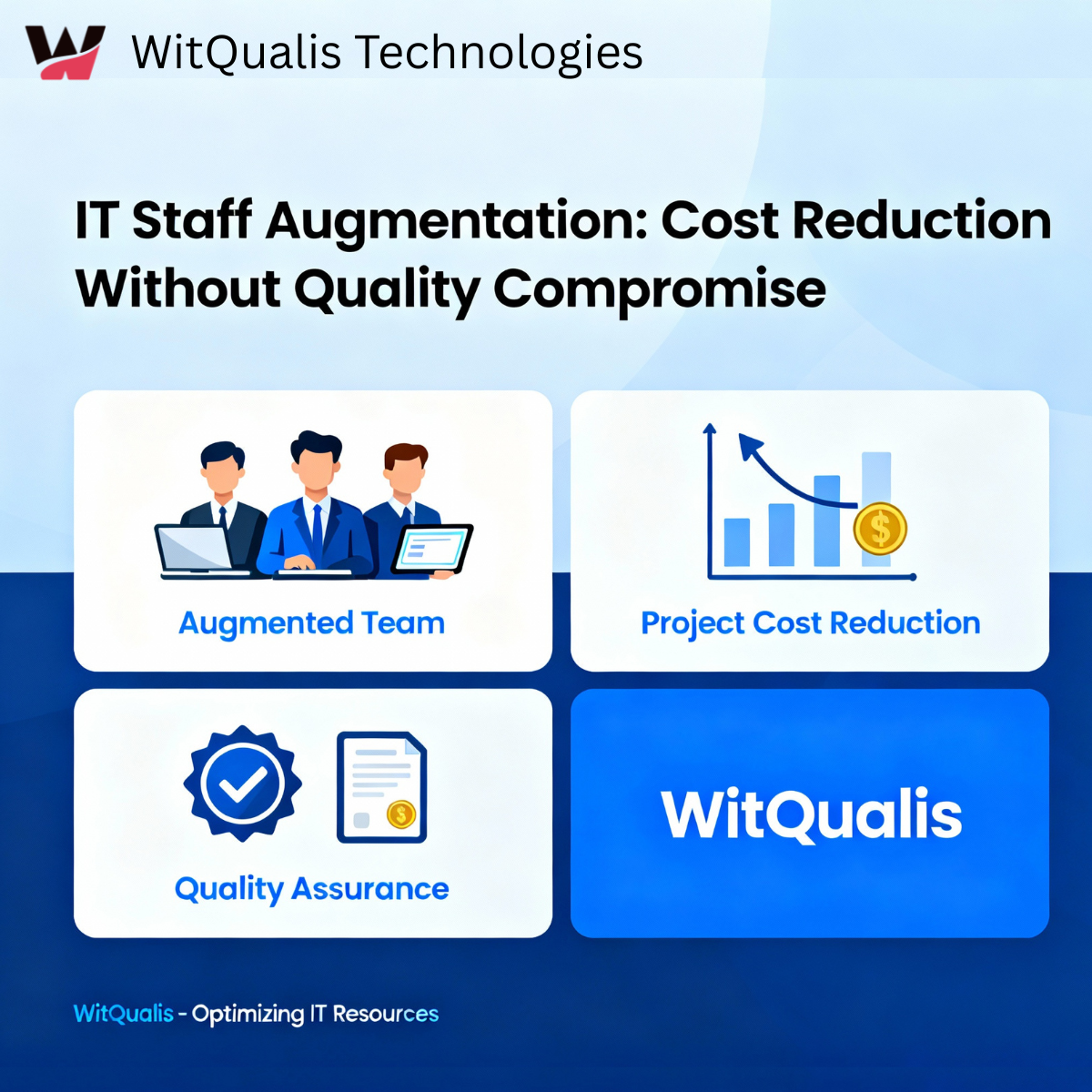
IT Staff Augmentation Reduces Project Costs Quality
-
 November 13, 2025
Empowering Global Collaboration: How WitQualis Builds Seamless Remote Teams
-
 November 12, 2025
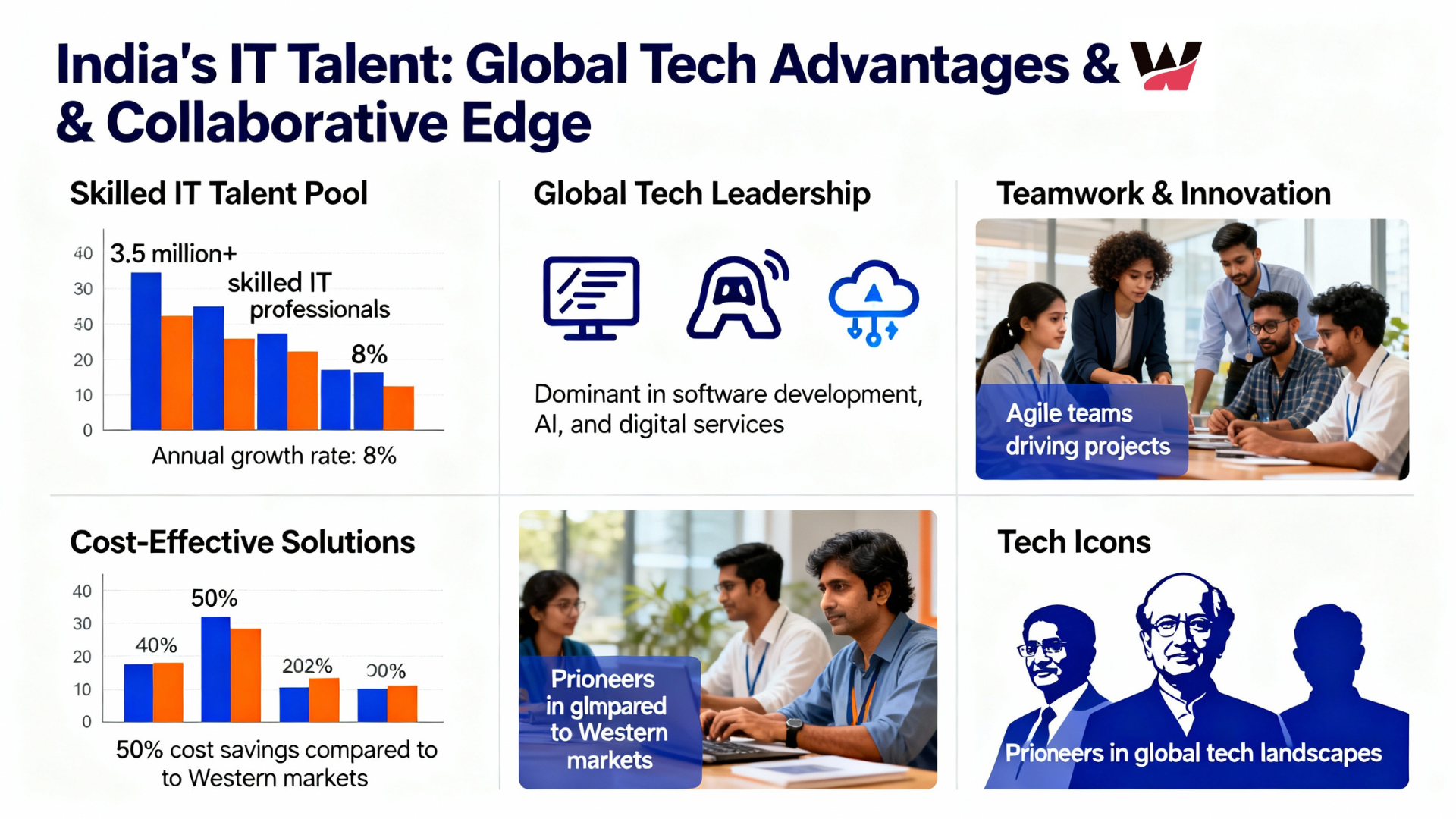
Why Global Businesses Are Turning to India for Skilled IT Talent
-
 November 11, 2025
Staff Augmentation Helps You Scale Your Tech Team
-
 November 10, 2025
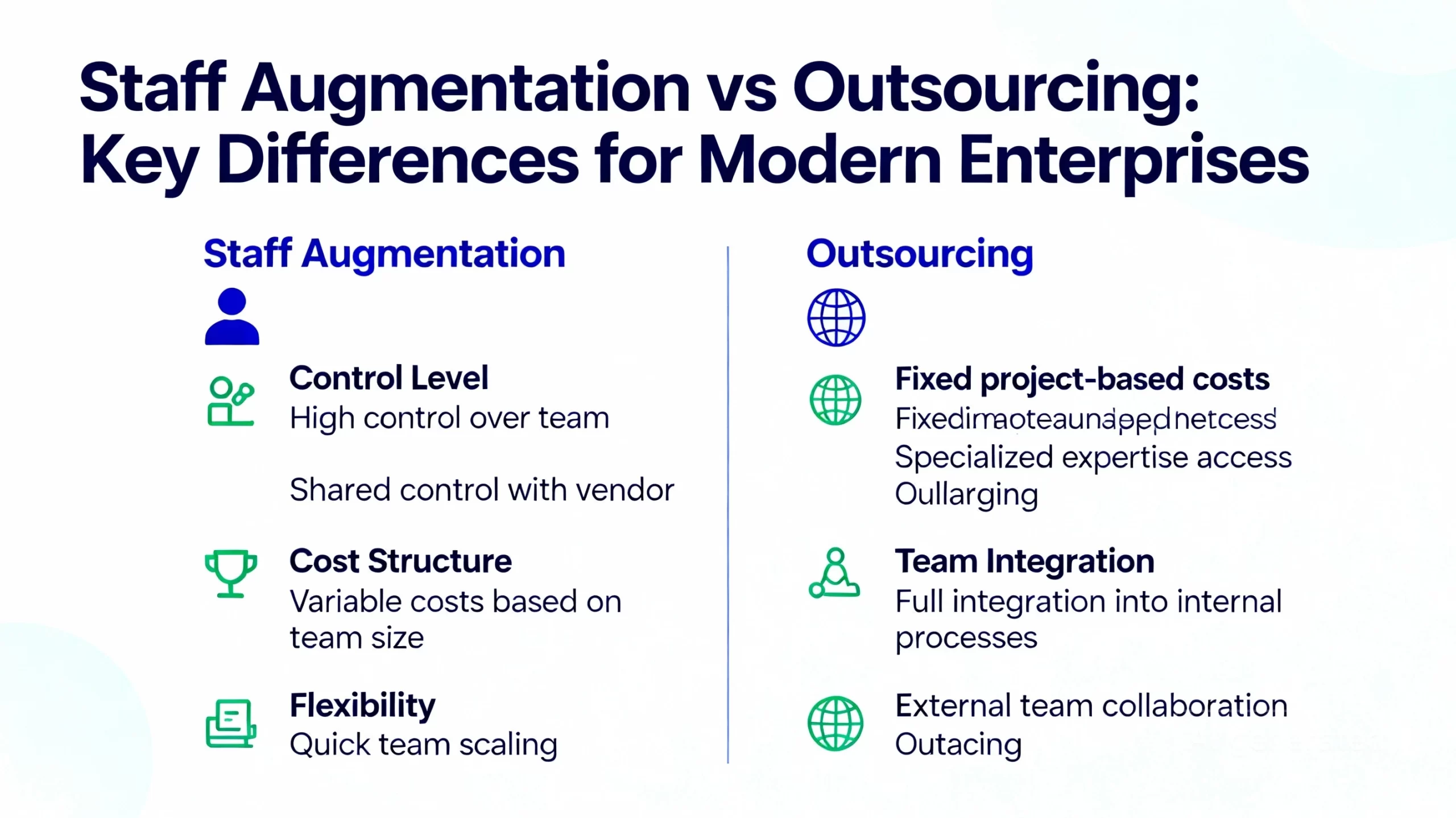
Staff Augmentation vs Outsourcing in 2025: Which Is Best for Modern Enterprises?
-
 November 7, 2025
How AI, IoT, and Cloud Are Redefining Software Development in 2025
-
 November 6, 2025
Scaling Smarter: How Augmented Teams Help Deliver Projects Faster in 2025
-
 November 5, 2025
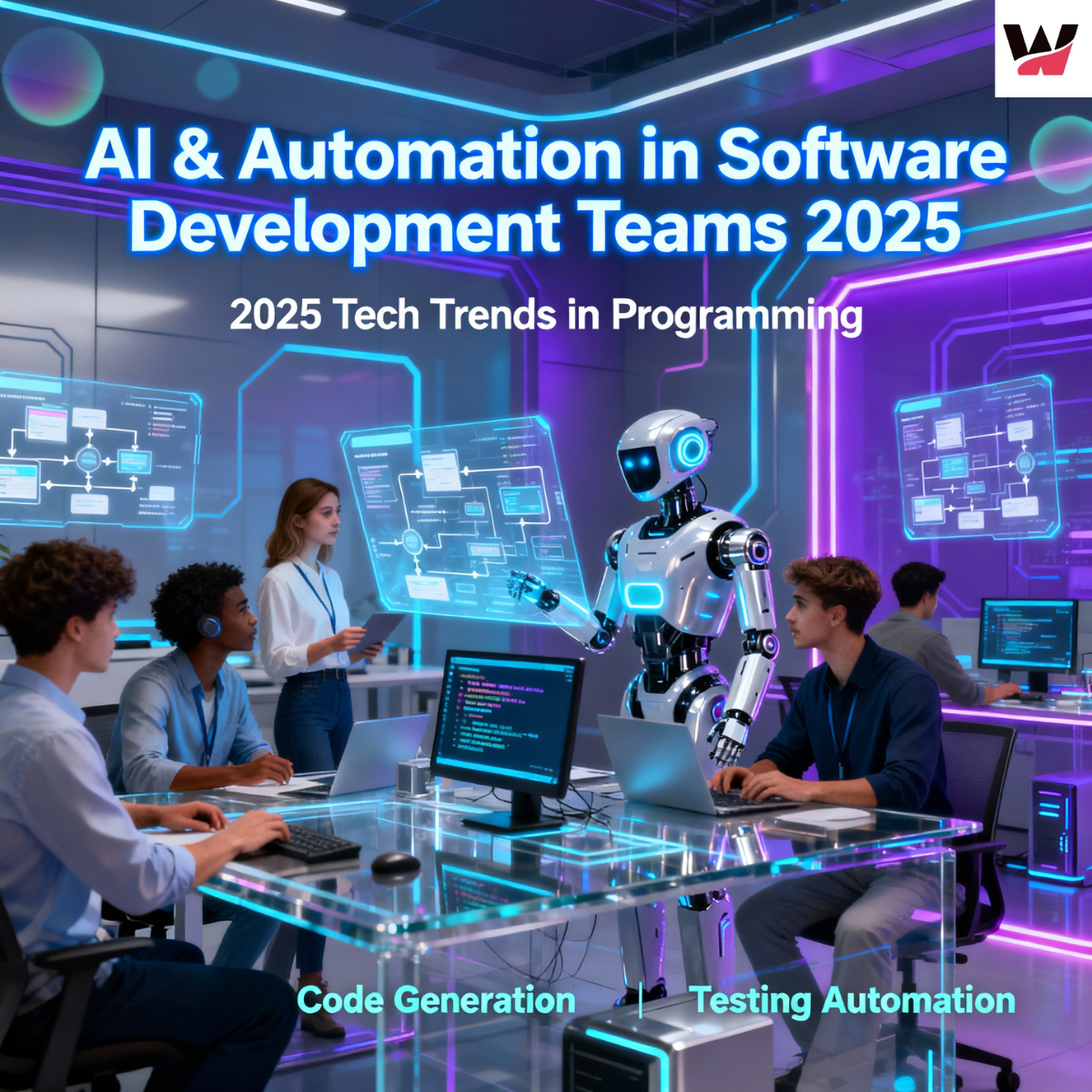
How AI and Automation Are Transforming Software Development Teams in 2025
-
 November 3, 2025
The Future of IT Staffing: Why Businesses Are Choose Staff Augmentation in 2025
-
 October 31, 2025
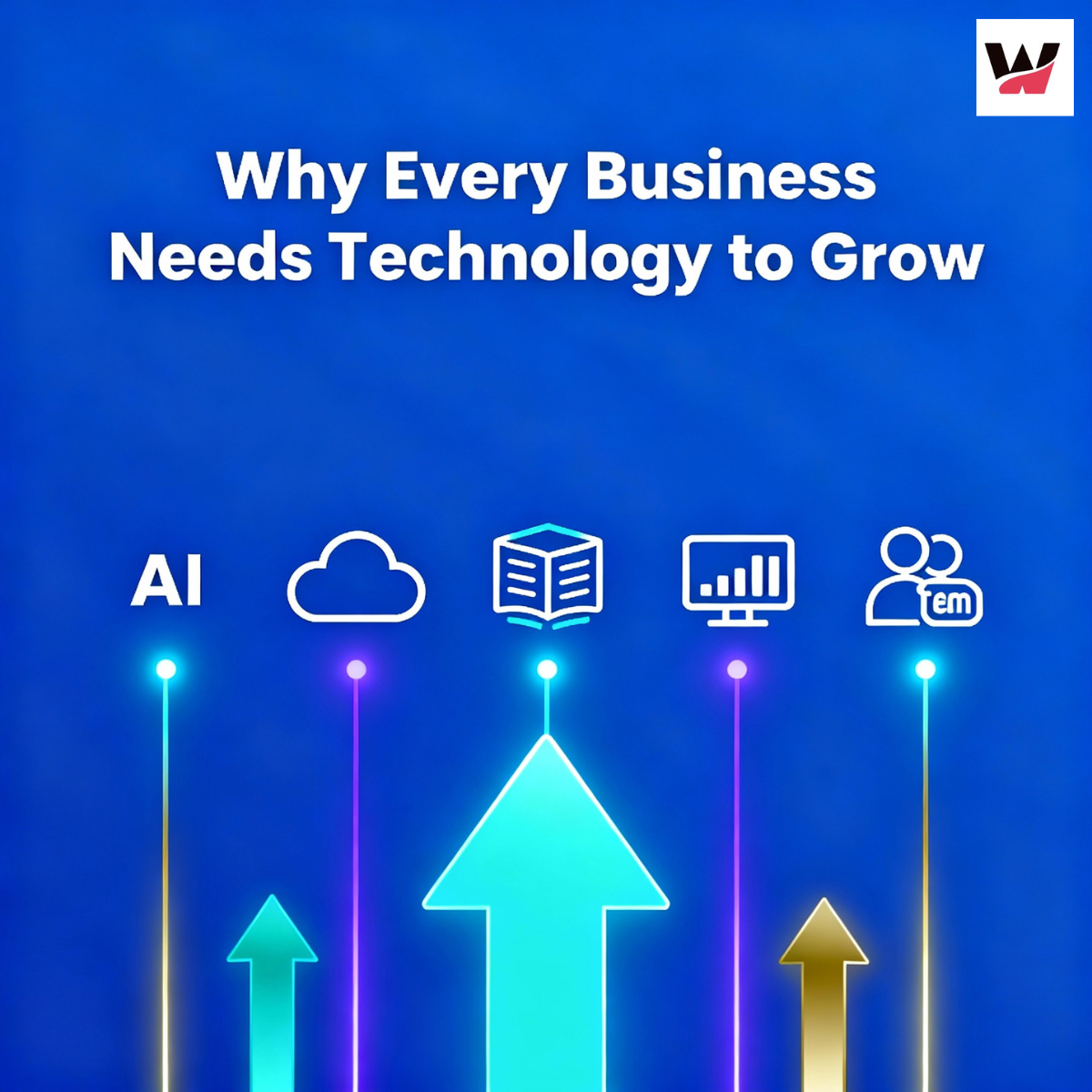
Why Technology is Essential for Business Growth (2025): Top Reasons & Winning Strategies
-
 October 30, 2025
How the Internet of Things (IoT) Is Revolutionizing Modern Business
-
 October 29, 2025
Blockchain Cryptocurrency: Real-World Applications | WitQualis
-
 October 28, 2025
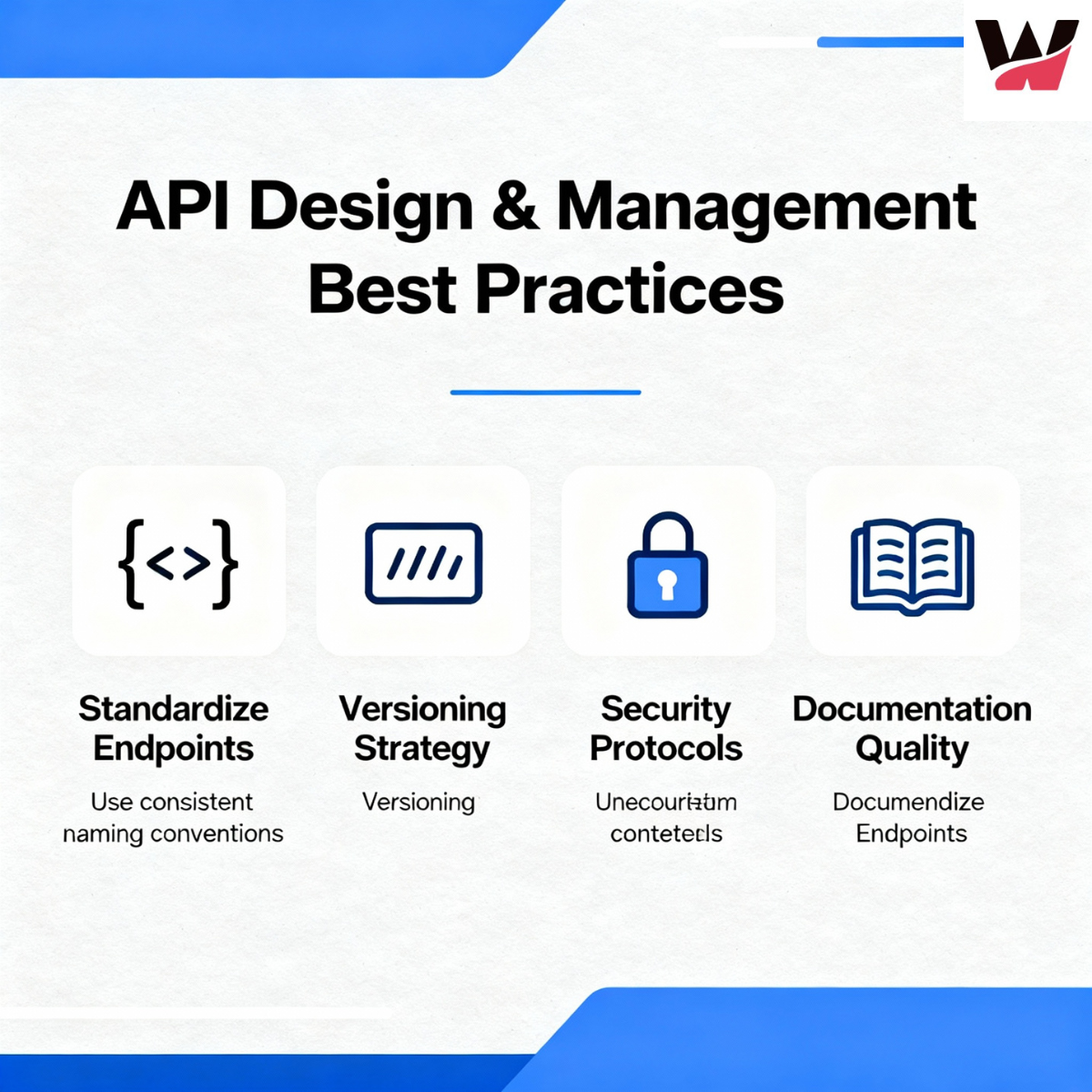
API Design and Management Best Practices for Developers
-
 October 27, 2025
Microservices Architecture: Benefits, Implementation Tips & Real-World Examples
-
 October 24, 2025
How Remote Work Has Transformed the IT Industry Tools in 2025
-
 October 23, 2025
Virtual and Augmented Reality: The Tech Revolution | WitQualis
-
 October 22, 2025
How AI is Revolutionizing Business Decision-Making in 2025 | In-Depth Analysis & Trends
-
 October 16, 2025
Blockchain Beyond Crypto: Building Trust in Business Operations
-
 October 15, 2025
How Custom Software Solutions Drive Business Efficiency | Expert Guide
-
October 13, 2025
How Automation Reduces Costs & Boosts Productivity in 2025
-
 October 10, 2025
Staff Augmentation: The Key to Building Agile & Scalable Teams
-
 October 9, 2025
The Role of Cloud Computing in Scaling Modern Businesses
-
 October 8, 2025
Why Every Company Needs a Data-Driven Growth Strategy
-
 October 7, 2025
API Design Best Practices for Developers in 2025 |API versioning strategies
-
 October 6, 2025
virtual reality vs augmented reality vs mixed reality
-
 October 3, 2025
The Impact of Internet of Things (IoT) on Modern Business
-
 October 1, 2025
Blockchain Beyond Cryptocurrency: Real-World Applications in 2025
-
 September 30, 2025
The Future of Artificial Intelligence: Trends and Opportunities
-
 September 26, 2025
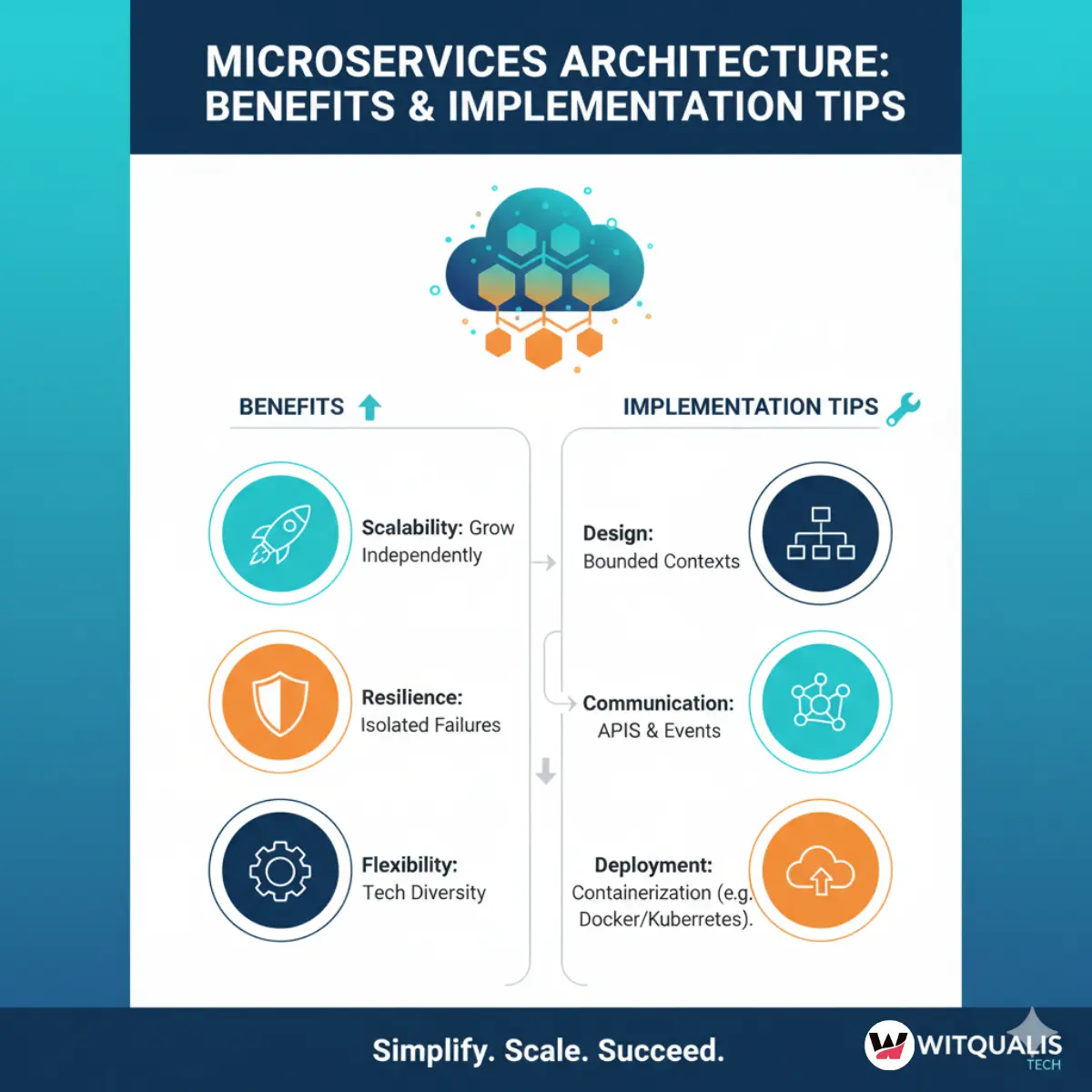
Microservices Architecture: Benefits and Implementation Tips
-
 September 25, 2025
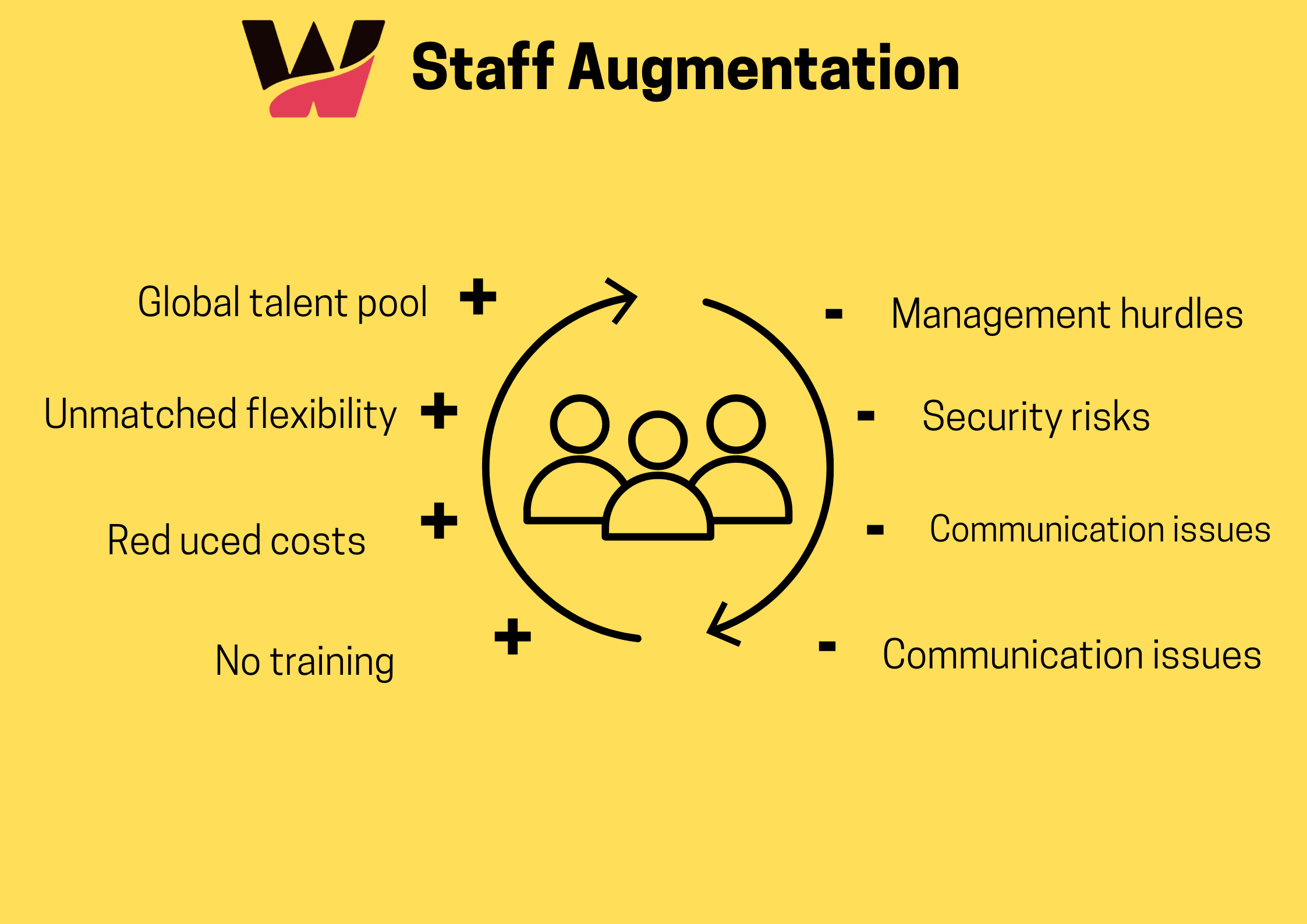
Why Staff Augmentation Is a Smart Move for IT Projects in 2025
-
 September 24, 2025
Cloud Computing Explained: Benefits and Best Practices (AWS, Azure, Google Cloud)
-
 September 23, 2025
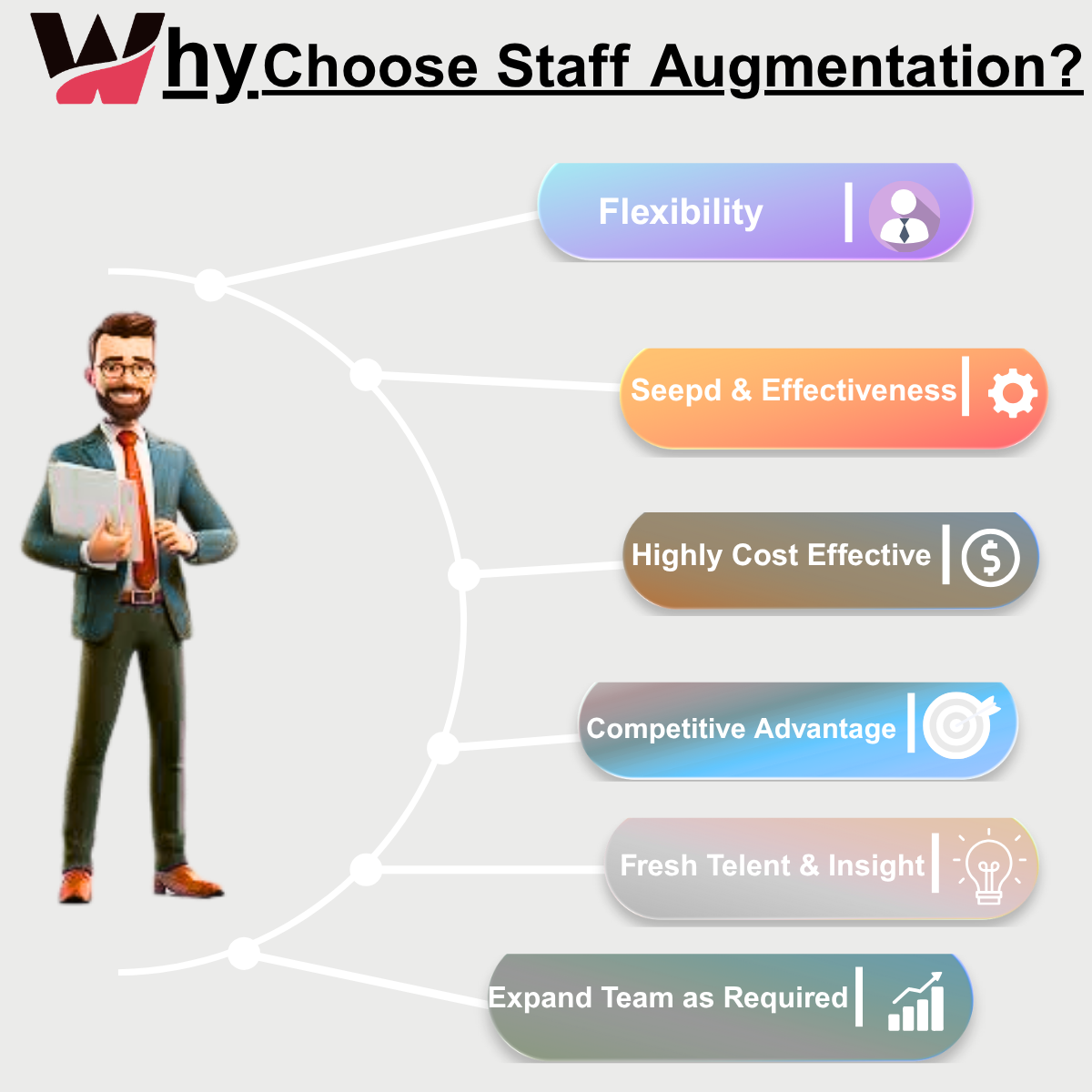
How Staff Augmentation Can Help Scale Your IT Team Efficiently
-
 January 6, 2025
Choosing the Right Front-End Web Development Service in the UK
-
 January 4, 2025
Why Choose Staff Augmentation Services in India for Your IT Projects?
-
 December 21, 2024
Boost Your Business ROI with Power BI Development Services in the Maldives and Iceland
-
 December 20, 2024
Get a Free Consultation: Is Your E-Commerce Business in the UAE Ready for Digital Transformation?
-
 July 6, 2023
The Future of Small Business and Know-How to Climb up the Ladder


Leave a Reply