

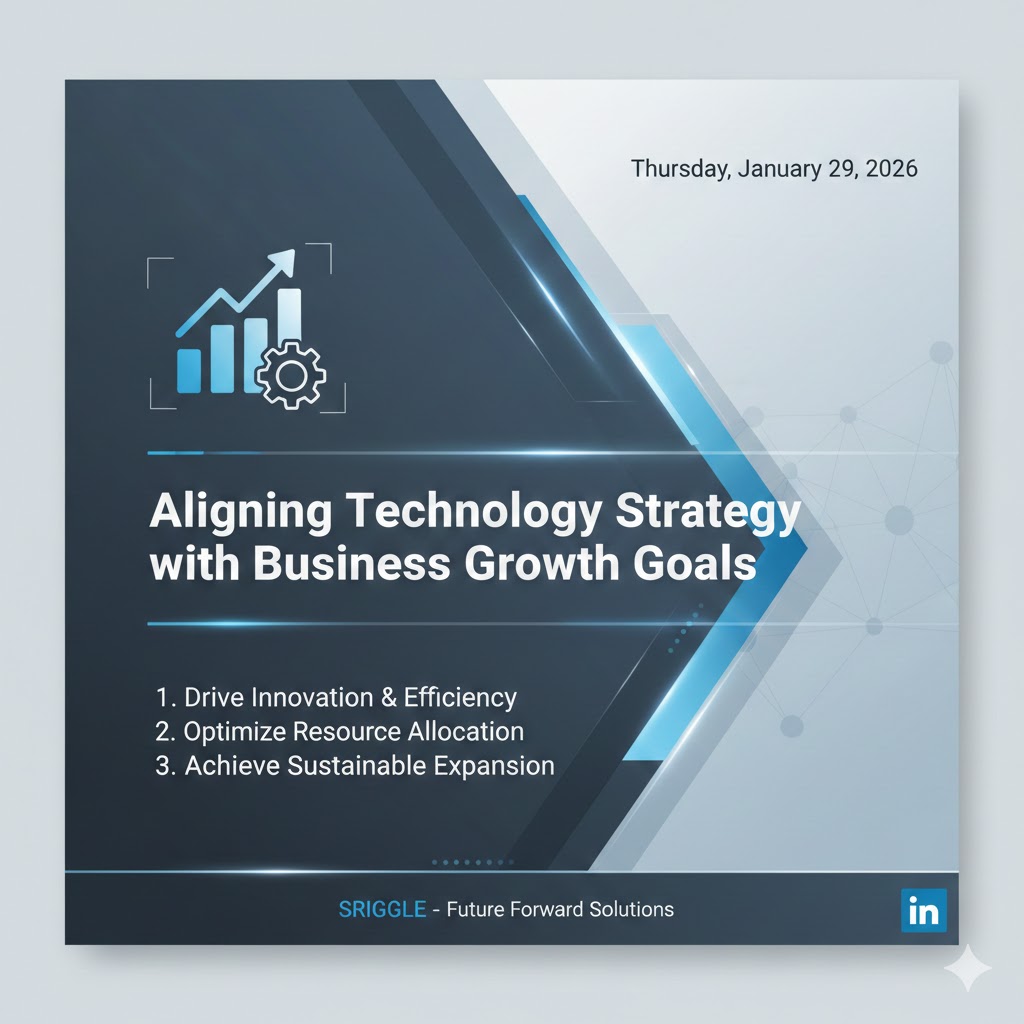
Aligning Technology Strategy with Business Growth Goals: A Complete Framework
Technology decisions are often made in isolation from business strategy, resulting in misaligned investments, wasted resources, and missed growth opportunities. Because technology must serve business goals, not the other way around, successful organizations align their IT strategy directly with revenue, market expansion, and competitive positioning.
Aligning Technology Strategy with Business Growth Goals
The Disconnect: Why Technology and Business Strategy Fall Apart
Because many organizations operate technology and business planning in separate silos, they create fundamental misalignment that undermines both. Consequently, the CTO builds infrastructure for scalability while the business pursues a pivot. Meanwhile, the VP of Sales invests in customer acquisition without consulting IT about system capacity. Therefore, what emerges is a patchwork of competing priorities rather than a unified strategy.
Moreover, this disconnect is expensive. A technology team might spend six months building a feature that the business no longer prioritizes. Alternatively, ambitious business goals stall because infrastructure cannot support them. Furthermore, opportunities are missed when technology capabilities exist but business teams don’t know about them. Thus, the lack of alignment creates friction, waste, and underutilized investment.
Additionally, the cost of misalignment compounds over time. As technology debt accumulates and business goals shift repeatedly, teams become frustrated. Consequently, retention suffers, recruitment becomes harder, and execution slows. Therefore, alignment is not a nice-to-have—it is foundational to sustainable growth.
Significantly, the organizations winning in competitive markets are those where technology strategy directly enables business strategy. Thus, alignment must become a deliberate, ongoing practice, not an afterthought.
Understanding the Business-Technology Connection
Because technology is ultimately a tool for achieving business outcomes, it must be evaluated against business metrics, not just technical excellence. Consequently, the first step toward alignment is understanding what the business is actually trying to accomplish.
Business growth goals typically fall into several categories:
Revenue Growth: Increase customer acquisition, expand market share, launch new products, enter new geographies.
Operational Efficiency: Reduce costs, improve productivity, streamline workflows, eliminate manual processes.
Customer Experience: Improve satisfaction, increase retention, reduce churn, enable personalization at scale.
Competitive Positioning: Build unique capabilities, establish data advantages, create network effects, defend against disruption.
Risk and Compliance: Meet regulatory requirements, protect data, ensure security, maintain business continuity.
Furthermore, each of these business goals has direct technology implications. For instance, customer experience improvements require modern APIs, real-time data, and personalization engines. Therefore, understanding the specific business goal is essential before designing technology strategy.
Moreover, different business goals require different technology investments. A company pursuing operational efficiency focuses on automation and legacy modernization. Conversely, a company pursuing product innovation focuses on cloud-native platforms and rapid experimentation. Thus, without clarity on business priorities, technology investments become scattered and ineffective.
Step 1: Establish Clear Business Priorities and Metrics
Because vague business goals lead to vague technology strategy, the first step is establishing crystal-clear business priorities. Consequently, the CEO or executive team must articulate: “What is our #1 growth goal for the next 12–24 months?”
Furthermore, this goal should be measurable and time-bound. For example: “Increase customer acquisition by 40% in the next 18 months” is far clearer than “Grow faster.” Additionally, supporting metrics should be defined: If customer acquisition is the goal, are we measuring by new leads? Conversion rate? Cost per acquisition? Therefore, precision enables alignment.
Moreover, secondary goals should be prioritized explicitly. For instance: “Customer acquisition is priority one, and operational cost reduction is priority two.” As a result, when technology investments compete for resources, priorities guide allocation decisions.
Additionally, business metrics must cascade throughout the organization. Specifically, every team—including IT—should understand how their work contributes to business metrics. Therefore, a database optimization project becomes meaningful not because it is technically interesting, but because it improves system response time, which reduces customer friction, which improves conversion rates.
Significantly, when IT teams see the business case behind technical decisions, they become more aligned and motivated. Thus, clarity of business priorities is the foundation of alignment.
Step 2: Map Technology Capabilities to Business Goals
Because business goals are often abstract, translating them into technology requirements requires strategic thinking. Consequently, the CTO or technology leader must ask: “What technology capabilities are required to achieve this business goal?”
Furthermore, this is not about individual projects or features. Instead, it is about foundational capabilities:
For rapid product innovation: Cloud-native architecture, containerized deployment, CI/CD automation, feature flags, A/B testing infrastructure.
For data-driven decision-making: Data warehousing, analytics platforms, real-time dashboards, machine learning infrastructure.
For customer experience at scale: APIs, microservices, personalization engines, mobile platforms, content delivery networks.
For operational efficiency: Workflow automation, RPA, cloud cost optimization, legacy modernization, process mining.
Moreover, these capabilities often span multiple technology domains and require integration. Therefore, mapping business goals to capabilities creates the foundation for technology roadmap planning.
Additionally, some capabilities are foundational and benefit multiple business goals. For example, cloud infrastructure supports both rapid innovation and cost efficiency. Therefore, foundational capabilities should be prioritized because their impact multiplies.
Significantly, this mapping also reveals capability gaps—areas where the organization needs to invest to enable future growth. Thus, gap analysis directly informs hiring and skill development strategies.
Step 3: Design the Technology Roadmap in Business Terms
Because technology roadmaps are often written in technical jargon unintelligible to business leaders, they fail to communicate value. Consequently, the roadmap should be framed in business language: what outcomes will these investments enable?
Furthermore, the roadmap should be structured around business initiatives, not technical projects. For example, instead of “Migrate legacy monolith to microservices,” frame it as “Enable rapid feature delivery and reduce time-to-market from 8 weeks to 2 weeks.” Therefore, business leaders immediately understand the value.
Moreover, the roadmap should show sequencing and dependencies. Specifically: “We’ll implement cloud infrastructure in Q1–Q2 (foundation), then build the analytics platform in Q2–Q3 (now that infrastructure is stable), then launch personalization engine in Q3–Q4 (requires analytics data).” Therefore, stakeholders see how investments build toward larger goals.
Additionally, the roadmap should include resource requirements and trade-offs. For example: “To achieve customer experience improvements on this timeline, we need to add three senior engineers to the platform team. This requires either budget increase or deprioritizing technical debt work.” Therefore, business leaders can make informed decisions about investment.
Significantly, technology roadmaps should be reviewed and updated quarterly as business conditions change. Thus, alignment is not a one-time exercise but an ongoing practice.
Step 4: Identify and Address Resource Gaps
Because ambitious technology roadmaps require specific skills and talent, resource planning must align with capability requirements. Consequently, the technology team must assess: “Do we have the skills and capacity to execute this roadmap?”
Furthermore, honest assessment usually reveals gaps. Perhaps the team has strong backend engineering but no cloud expertise. Or perhaps they lack data engineering capabilities required for analytics platforms. Therefore, identifying gaps explicitly enables strategic hiring or augmentation decisions.
Moreover, addressing resource gaps through internal hiring alone is slow and expensive. Consequently, many organizations use IT staff augmentation to quickly add specialized skills—cloud architects, data engineers, platform specialists—without permanent headcount commitment. This approach accelerates capability building while managing cost.
WitQualis specializes in providing augmented talent aligned with technology roadmaps, enabling organizations to execute ambitious strategies without overextending internal teams.
Additionally, resource planning should account for knowledge transfer. Specifically, when augmented specialists join the team, they should mentor internal staff so that capability builds over time. Therefore, augmentation becomes a development tool alongside a capacity tool.
Significantly, addressing resource gaps explicitly prevents the common pattern where ambitious roadmaps fail because teams lack capacity to execute. Thus, honest resource planning is essential.
Step 5: Establish Governance and Regular Alignment Checkpoints
Because business conditions change, technology strategy must evolve accordingly. Consequently, formal governance structures ensure that alignment is maintained over time, not just established initially.
Furthermore, effective governance includes:
Quarterly business-IT alignment reviews: Executive leadership reviews business performance against goals and discusses technology roadmap adjustments needed.
Monthly steering committee meetings: CTO and business leaders discuss roadmap progress, emerging obstacles, and any realignment needed.
Ongoing communication: Regular updates from IT leadership about technology progress, capability development, and emerging risks.
Moreover, these meetings should explicitly address: “Are we on track to enable our business goals? Do we need to adjust technology strategy?” Therefore, misalignment is caught and corrected quickly rather than discovered months later.
Additionally, governance should include technology health metrics alongside business metrics. For example: “We’re on track for 40% customer acquisition growth, but technical debt is accumulating faster than planned, which threatens Q3 velocity.” Therefore, business leaders understand technology constraints and trade-offs.
Significantly, organizations that maintain regular alignment checkpoints experience far fewer strategy failures than those that set strategy once and forget. Thus, governance is the mechanism that sustains alignment.
Step 6: Measure and Communicate Value
Because technology investments require significant resources, measuring their value is essential for demonstrating impact and securing continued investment. Consequently, every major technology initiative should have success metrics tied to business goals.
Furthermore, measurement frameworks should include:
Business outcome metrics: Revenue increase, cost reduction, customer satisfaction improvement, market share gain—whatever the business goal was.
Enabling capability metrics: System uptime, API response time, deployment frequency, technical debt reduction—measures that show whether technology capabilities are improving.
Adoption and usage metrics: Are teams using new platforms and tools? Are customers using new features? Does adoption match expectations?
Moreover, these metrics should be communicated regularly to business leadership. For example: “Our cloud migration enabled 50% reduction in infrastructure costs and 3x faster deployment cycles, directly supporting our cost efficiency and innovation goals.” Therefore, business leaders see value and remain committed.
Additionally, measurement reveals whether investments delivered expected value. Sometimes, technology initiatives fall short. Consequently, honest assessment allows for course correction. For example: “Our analytics platform has not driven the expected customer insights, so we’re adjusting our approach and adding data science expertise.” Therefore, adaptation is data-driven.
Significantly, when business leaders see that technology delivers measurable value, they prioritize IT investment. Thus, demonstrating value is essential for sustained capability building.
Real-World Example: Customer Experience Transformation
Because abstract principles are clearer with examples, consider a B2B SaaS company pursuing customer experience improvement:
Business goal: Improve customer satisfaction (NPS) from 45 to 60 within 18 months, reduce churn rate from 15% to 10%.
Technology capabilities required:
-
Real-time analytics (understand customer usage patterns)
-
Personalization engine (customize experience per customer segment)
-
Observability (detect customer friction and issues early)
-
Mobile-first platform (meet customers on their preferred device)
Technology roadmap:
-
Q1–Q2: Implement data warehouse and analytics platform (foundation)
-
Q2–Q3: Build customer insights dashboards (enable personalization strategy)
-
Q3–Q4: Launch personalization engine and mobile app (deliver customer experience improvements)
Resource gaps: The team lacks data engineering and personalization expertise.
Staffing strategy: Augment the team with a senior data engineer (Q1–Q4) and a machine learning engineer specializing in personalization (Q3–Q4), while training internal engineers to build long-term capability.
Measurement: Track NPS, churn rate, customer satisfaction with key features, and technical metrics (analytics latency, personalization engine accuracy, mobile adoption).
Result: 18 months later, NPS improves to 58, churn drops to 11%, and internal team has built capability to maintain and enhance systems long-term.
This example shows how business goals drive technology decisions, which drive staffing and resource choices, which ultimately enable business outcomes.
Common Pitfalls and How to Avoid Them
Because alignment is challenging, understanding common failures helps avoid them.
Pitfall 1: Misaligned Incentives
Problem: Technology team is evaluated on infrastructure stability and cost, while business is evaluated on revenue growth. Consequently, conservative tech choices that slow innovation win over modern approaches that enable growth.
Solution: Align incentive structures. Reward technology leaders for enabling business outcomes, not just managing costs. Therefore, investments in growth-enabling capabilities become natural.
Pitfall 2: Unclear Business Goals
Problem: Business strategy is vague (“grow faster”), so technology strategy also becomes vague. As a result, investments scatter across multiple directions without clear priority.
Solution: Demand precision from business leaders. “What specific outcomes define success?” Forces clarity that cascades to technology strategy.
Pitfall 3: Technology Debt Ignored
Problem: Business priorities drive all investment, and technical debt is never addressed. Consequently, system quality degrades and eventually, technology debt becomes so severe that innovation slows dramatically.
Solution: Explicitly allocate capacity to technical debt reduction. For example: “70% of engineering capacity goes to business initiatives, 30% to technical debt and infrastructure improvement.” Therefore, both alignment and long-term health are maintained.
Pitfall 4: Skills Gaps Underestimated
Problem: Ambitious technology roadmap assumes skills exist in the team. When reality hits—the team cannot execute—the roadmap slips.
Solution: Conduct honest skill assessments. Address gaps early through hiring or augmentation. Therefore, roadmap commitments are realistic.
Pitfall 5: One-Time Alignment, No Ongoing Governance
Problem: Strategy is set once, then never revisited. Business conditions change, but technology strategy doesn’t. Consequently, misalignment grows silently until discovered during a crisis.
Solution: Establish quarterly alignment reviews. Therefore, strategy evolves with business conditions.
How WitQualis Supports Technology-Business Alignment
Because technology-business alignment requires executing ambitious technology strategies, talent and execution matter enormously. WitQualis supports alignment by:
-
Providing on-demand specialized talent: Cloud architects, data engineers, platform specialists who fill capability gaps and accelerate roadmap execution
-
Enabling rapid team scaling: When roadmaps require expanded capacity, augmentation allows growth without slow hiring cycles
-
Supporting knowledge transfer: Augmented professionals mentor internal teams, building long-term capability
-
Flexible engagement models: Adjust team size and composition as business priorities evolve
-
How Staff Augmentation Supports Strategic Technology Initiatives – WitQualis
Furthermore, WitQualis understands that technology strategy must be grounded in business reality. Therefore, engagements are structured to understand business goals and provide talent that directly enables them.
Recent Posts
-
 March 5, 2026
Microservices Architecture: Benefits and Implementation Tips
-
 March 3, 2026
How Remote Work Has Changed the IT Industry and Tools You Need
-
 March 2, 2026
API Design and Management Best Practices for Developers
-
 February 27, 2026
The Impact of Internet of Things (IoT) on Modern Business
-
 February 26, 2026
Virtual and Augmented Reality: Where Tech is Headed Next | 2026 Guide
-
 February 25, 2026
Blockchain Beyond Cryptocurrency: Real-World Applications & Use Cases (2026 Guide)
-
 February 24, 2026
The Role of AI in Enhancing IT Development: A Deep Dive (2026 Guide)
-
 February 23, 2026
Maximizing Productivity: How Staff Augmentation Drives Innovation in IT Projects
-
 February 20, 2026
Staff Augmentation vs. Outsourcing: Which IT Model Wins in 2026?
-
 February 19, 2026
The Rise of Hybrid Teams: How to Leverage Staff Augmentation for Business Success
-
 February 18, 2026
How Staff Augmentation is Transforming the Future of IT Workforce (2026)
-
 February 17, 2026
5 Reasons Why Staff Augmentation is Key for Tech Skill Shortages: staff augmentation for tech skill shortages
-
 February 16, 2026
How Staff Augmentation Helps Scale Your Business Without Overheads in 2026
-
 February 13, 2026
The Power of Diverse Teams: How Staff Augmentation Drives Inclusion (2026)
-
 February 12, 2026
The Role of 5G Technology in Shaping IT Development and Augmentation in 2026
-
 February 11, 2026
The Future of Blockchain: Revolutionizing IT Services in 2026
-
 February 10, 2026
Building an Authentic Employer Brand Through Staff Augmentation in 2026
-
 February 9, 2026
Supporting Augmented Professionals During Projects: Best Practices for Success
-
 February 6, 2026
Cost Optimization in IT: Build vs Buy vs Staff Augmentation (2026 Guide)
-
 February 5, 2026
The Role of DevOps in High-Performance Engineering Teams: Best Practices Guide
-
 February 4, 2026
How to Ensure Code Quality When Working with Augmented Teams: Best Practices Guide
-
 February 3, 2026
Tech Talent Trends That Will Shape the Next 5 Years: 2026–2031 Outlook
-
 February 2, 2026
The Rise of Hybrid Teams: In-House + Augmented Talent - The Complete Guide
-
 January 30, 2026
How We Support and Retain High-Performing Tech Professionals
-
January 29, 2026
Aligning Technology Strategy with Business Growth Goals: A Complete Framework
-
 January 28, 2026
What Top Developers Look for in a Staff Augmentation Partner: A Developer's Perspective
-
 January 27, 2026
The Human Side of IT Services: Why People Matter More Than Code
-
 January 23, 2026
Why Culture Fit Matters in Staff Augmentation Models | Witqualis
-
 January 22, 2026
Building Long-Term Relationships with Augmented Talent: A Strategic Approach
-
 January 21, 2026
Cybersecurity Skills in Demand: What Companies Need Now in 2026
-
 January 20, 2026
Why Flexible Hiring Models Drive Better Business Outcomes
-
 January 19, 2026
Reducing Time-to-Market with On-Demand Tech Talent
-
 January 15, 2026
How Dedicated Development Teams Accelerate Product Delivery
-
 January 14, 2026
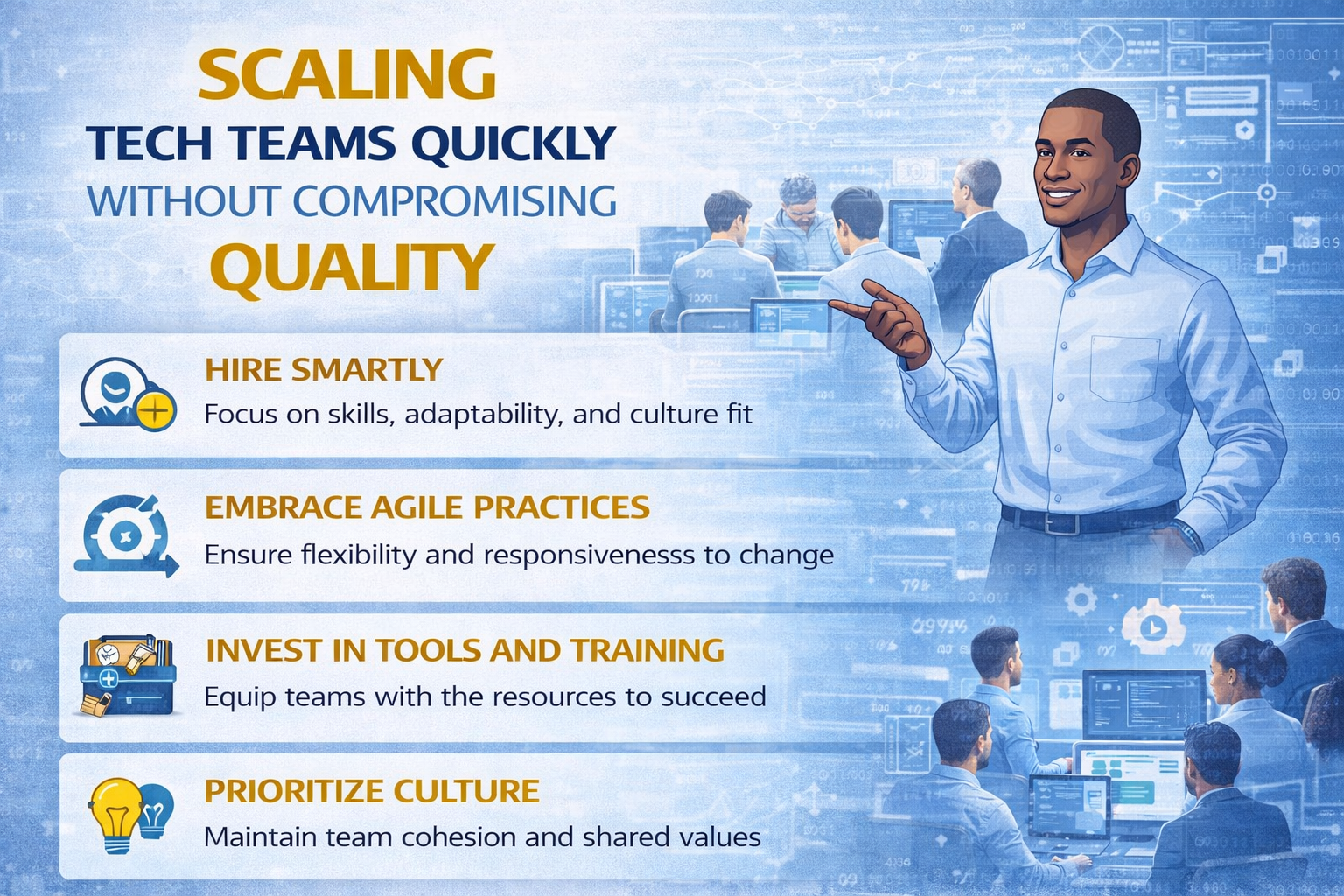
Scaling Tech Teams Quickly Without Compromising Quality
-
January 12, 2026
Common Mistakes Companies Make When Outsourcing IT Projects (And How to Avoid Them)
-
January 9, 2026
Key Workforce Trends Every CTO Should Watch This Year
-
 January 8, 2026
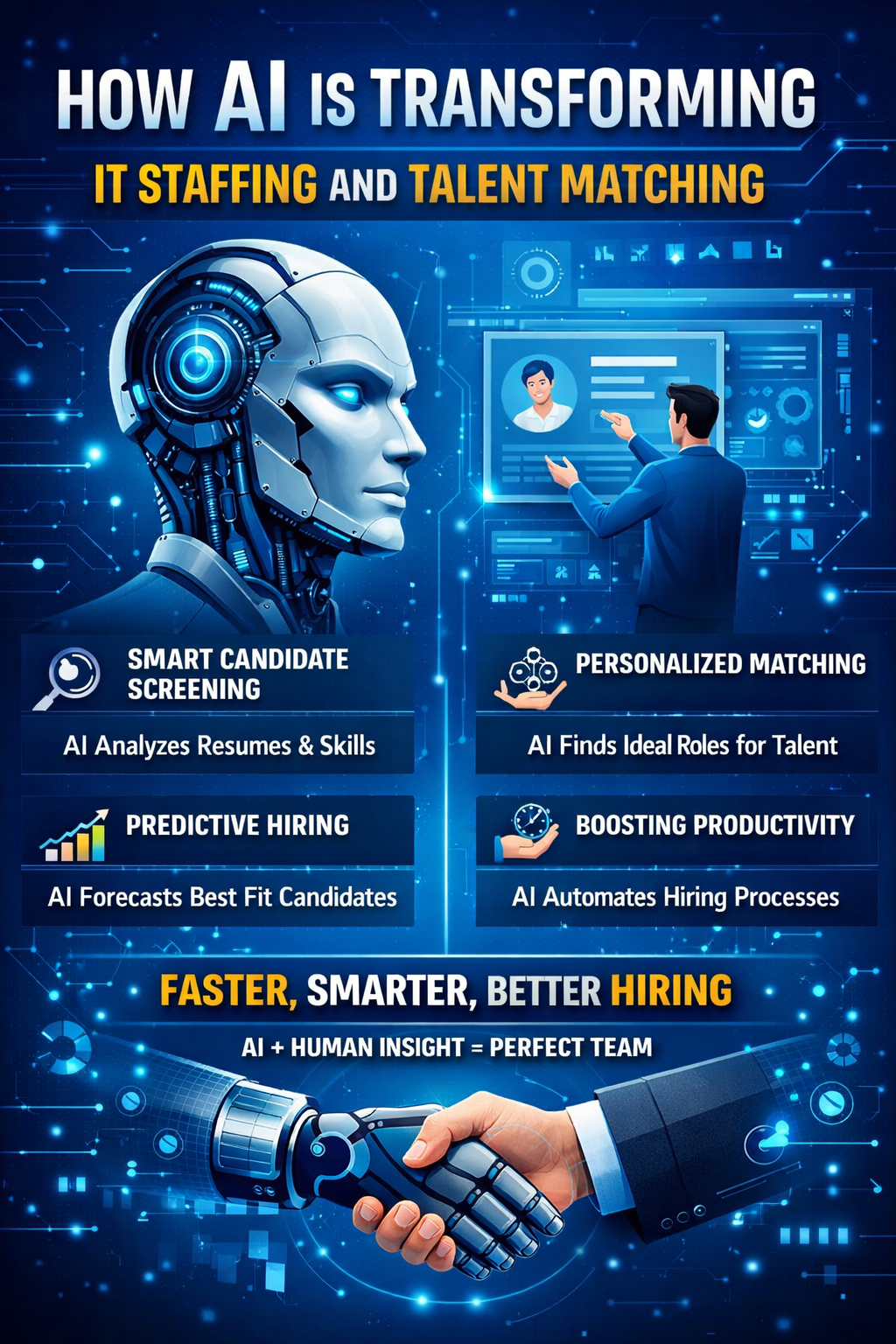
How AI Is Transforming IT Staffing and Talent Matching
-
 January 7, 2026
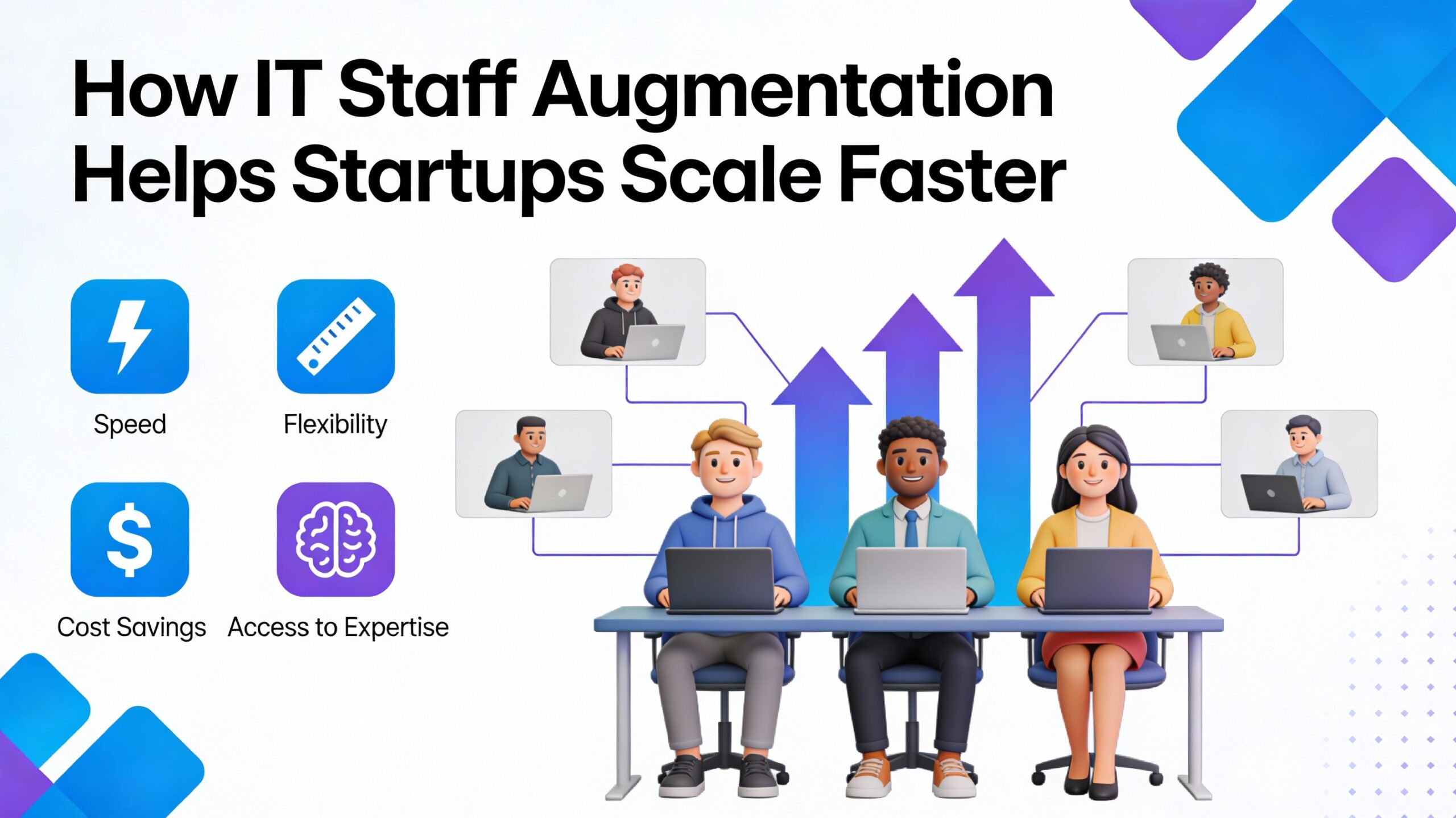
How IT Staff Augmentation Helps Startups Scale Faster
-
 January 6, 2026
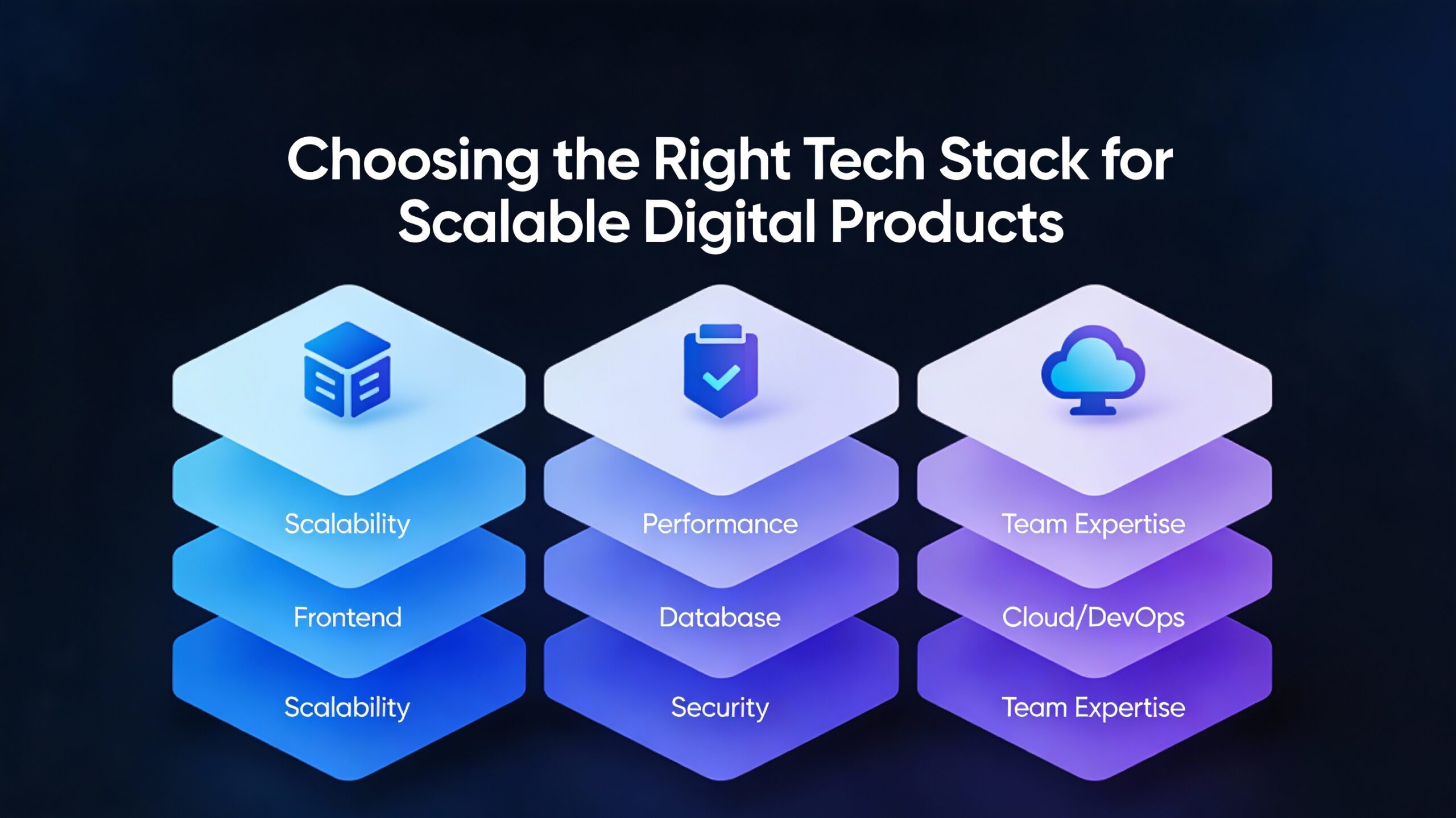
Choosing the Right Tech Stack for Scalable Digital Products
-
 January 5, 2026
How Remote Talent Is Reshaping Global IT Teams
-
 December 29, 2025
Staff Augmentation vs Traditional Hiring 2025
-
 December 24, 2025
Why Staff Augmentation Is the Future of Agile Hiring
-
 December 22, 2025
Why Hiring Faster Doesn’t Mean Compromising Quality — It Means Finding the Right Partner
-
 December 19, 2025
The Role of Staff Augmentation in Accelerating Digital Transformation
-
 December 18, 2025
5 Tech Hiring Trends Every CTO Should Watch in 2025
-
December 17, 2025
Why Soft Skills Are the Hidden Superpower in Tech Teams
-
 December 15, 2025
How WitQualis Connects Global Talent with Local Opportunities
-
 December 10, 2025
Why Businesses Need Agile, Scalable, and Skilled Tech Teams—Now More Than Ever
-
 December 5, 2025
The Human Side of Technology: Why People Matter as Much as Code
-
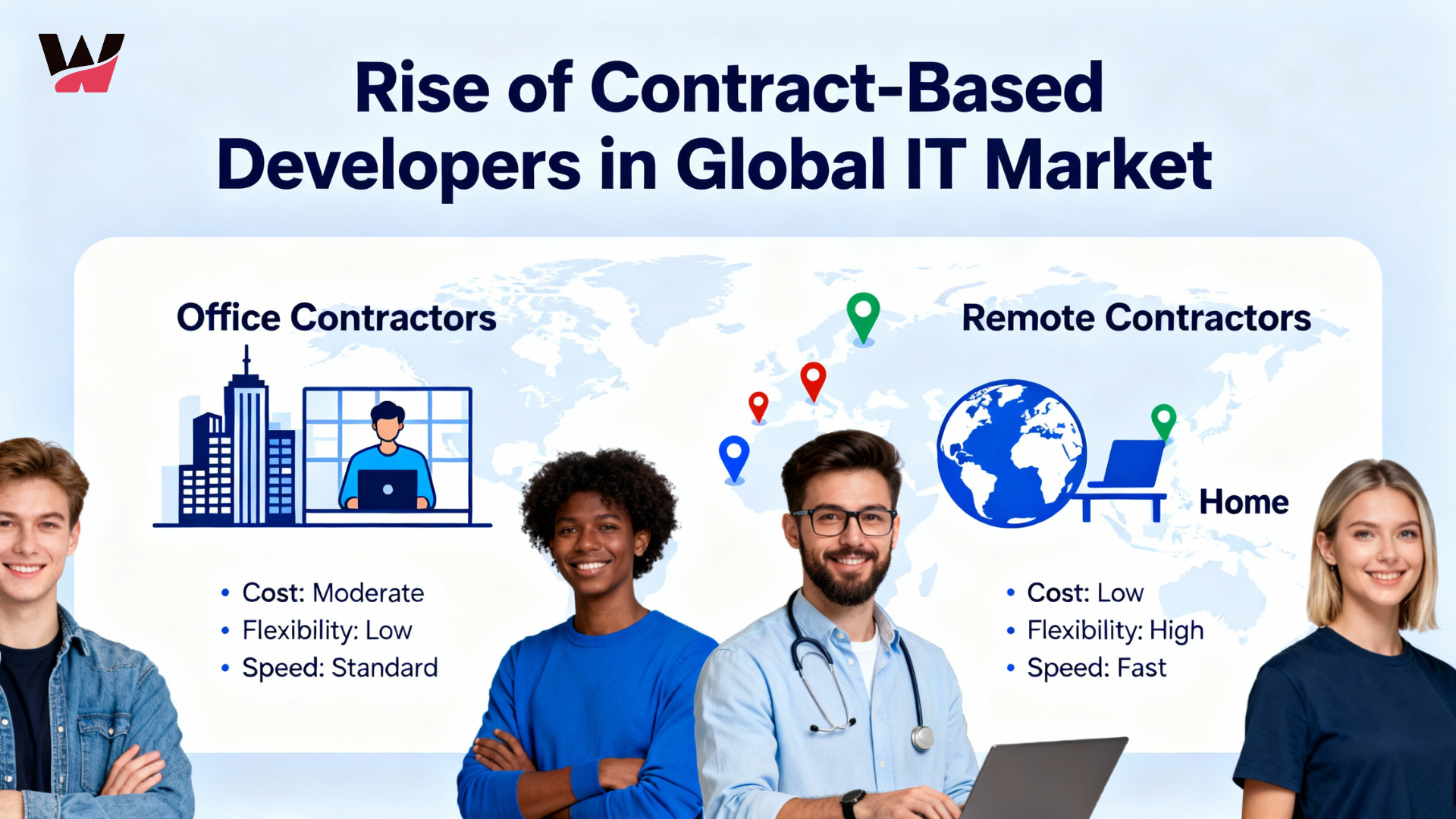 December 4, 2025
The Rise of Contract-Based Developers in the Global IT Market
-
 December 3, 2025
Talent Has No Boundaries: Why the Best Teams Are Built Across Borders
-
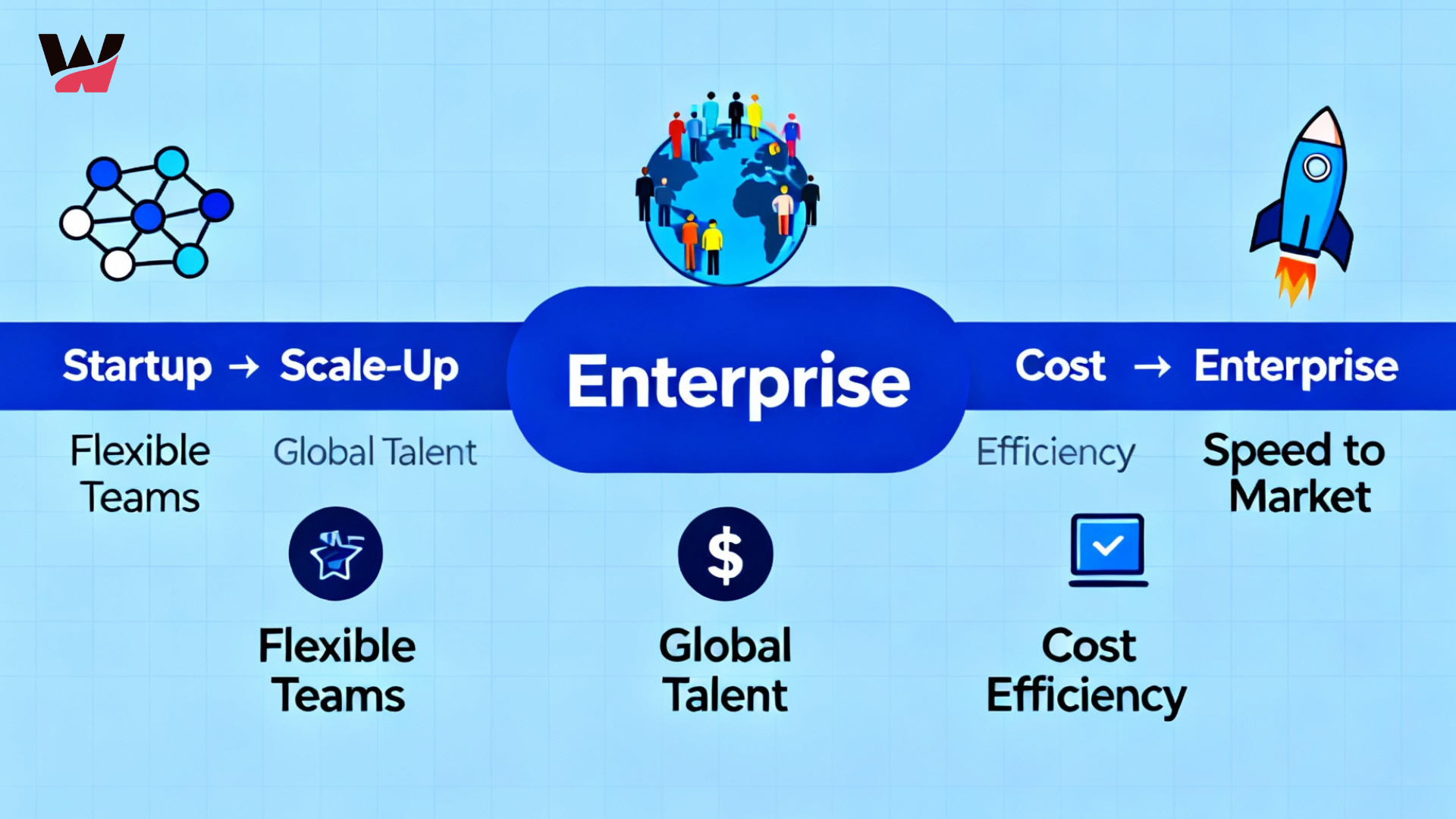 December 2, 2025
From Startups to Enterprises: How Staff Augmentation Supports Every Stage of Growth
-
 December 1, 2025
Great Ideas Need Great Execution – How WitQualis Teams Turn Vision into Reality
-
 November 28, 2025
Scaling Your Tech Team Shouldn’t Slow Your Business – It Should Power It
-
 November 27, 2025
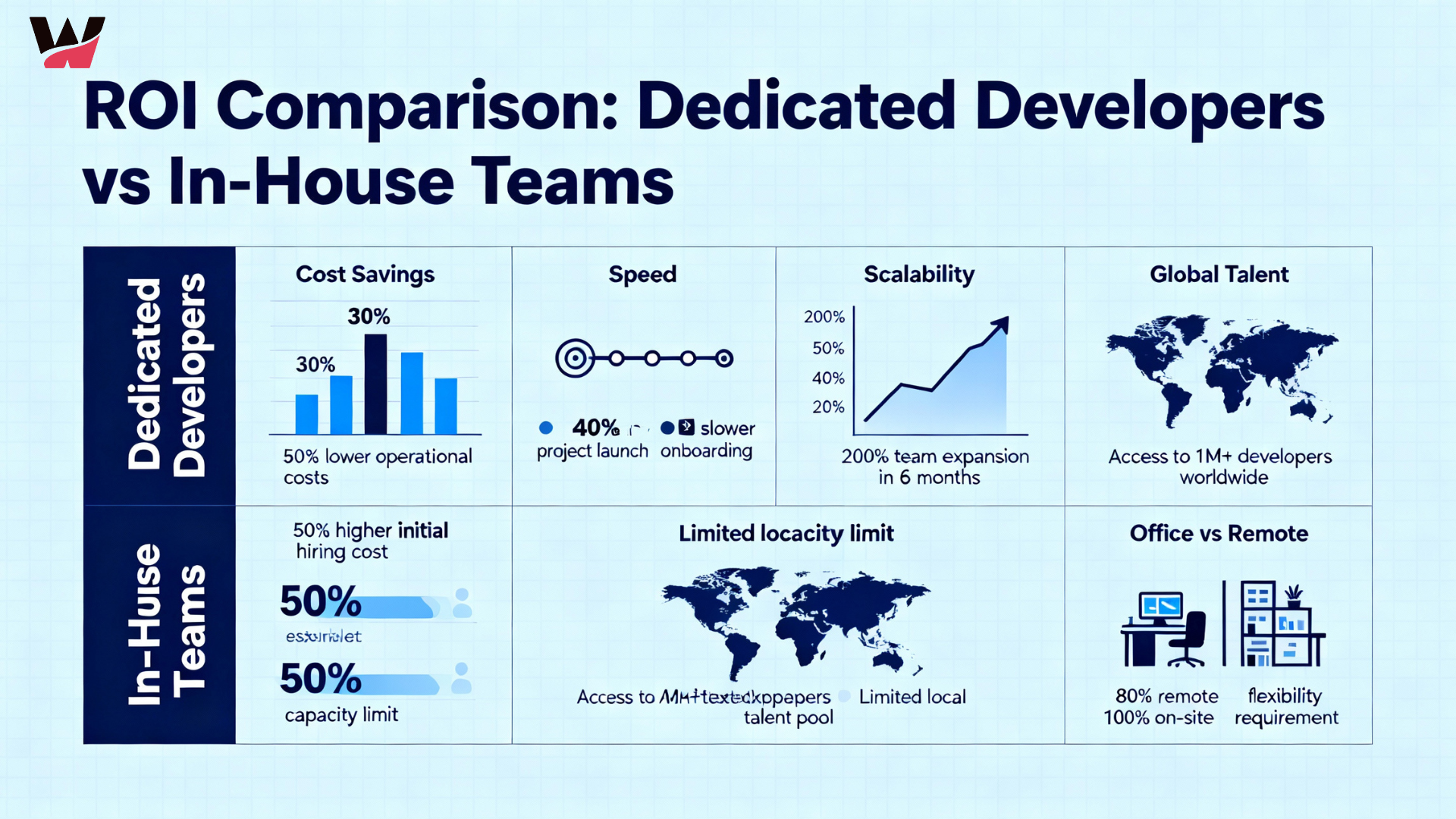
The ROI of Hiring Dedicated Developers vs In-House Teams
-
 November 26, 2025
Why Hybrid Team Models Are the Future of IT Project Delivery
-
 November 24, 2025
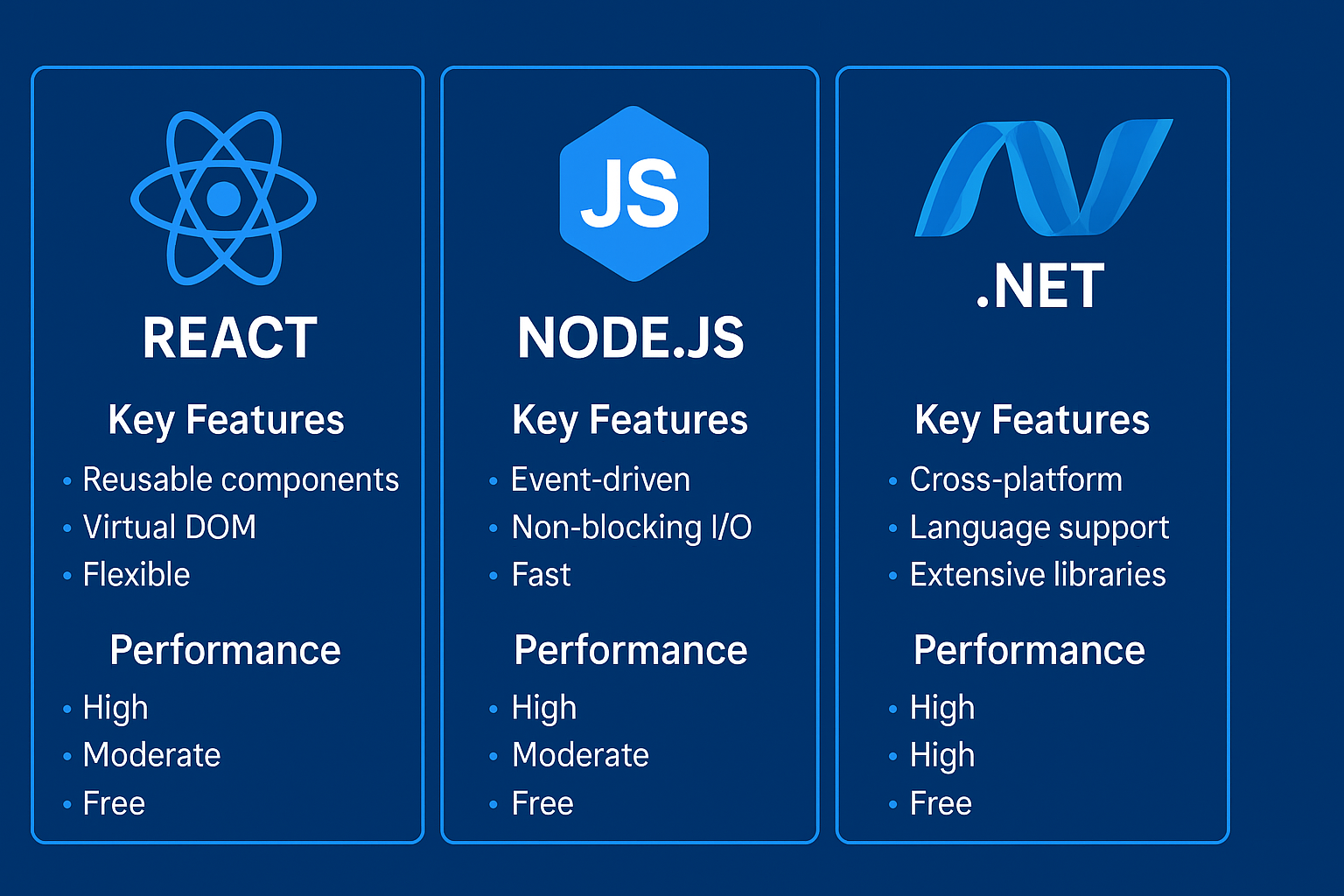
React, Node.js, or .NET? Choosing the Right Tech Stack for Your Next Project
-
 November 21, 2025
Why Hiring Remote Developers Is the Smartest Move for Startups
-
 November 20, 2025
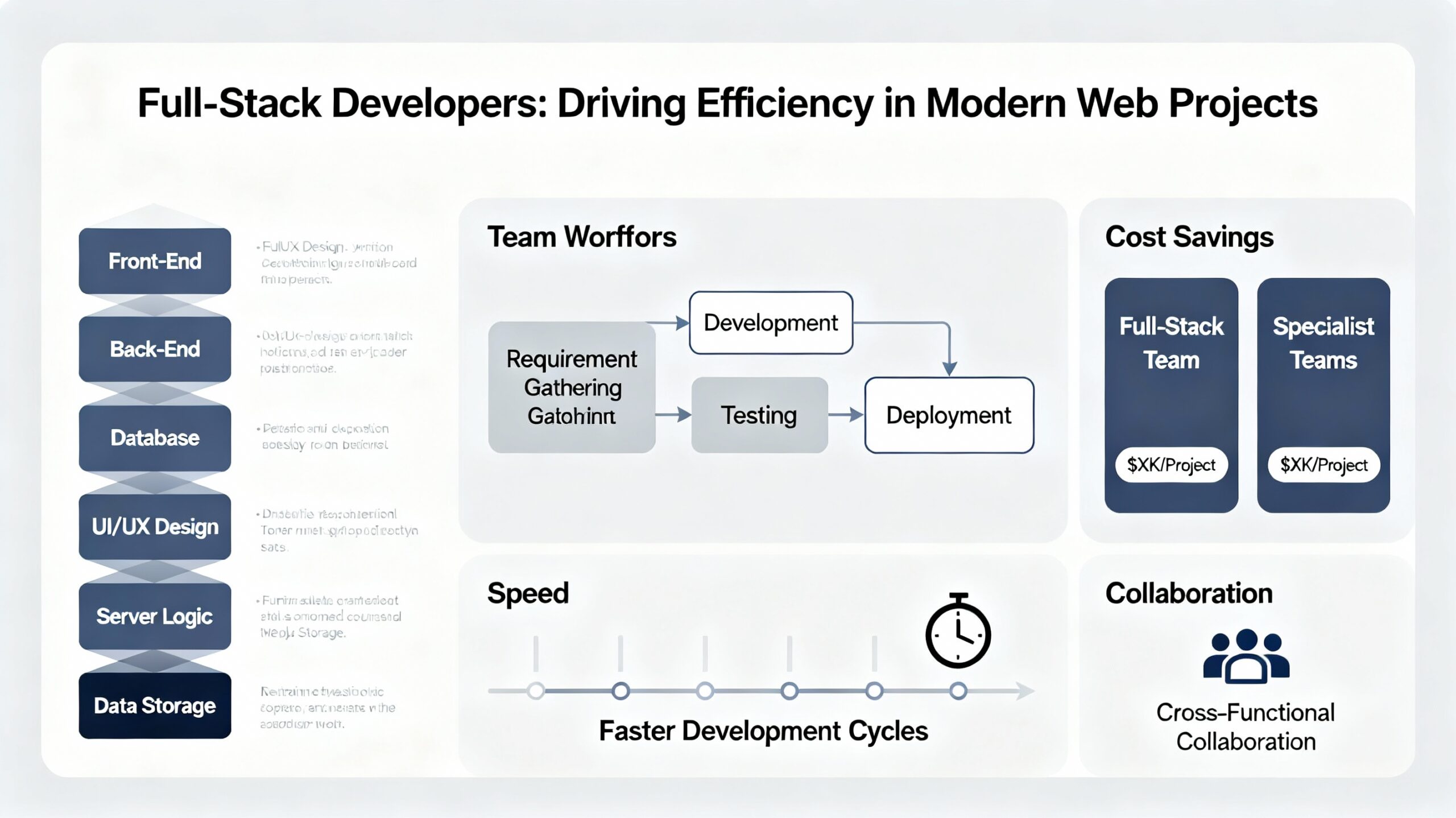
How Full-Stack Developers Drive Efficiency in Modern Web Projects
-
 November 19, 2025
Bridging the Skill Gap: How Augmented Teams Empower Digital Transformation
-
 November 18, 2025
New Technologies for 2025: What Businesses Need to Grow
-
 November 14, 2025
IT Staff Augmentation Reduces Project Costs Quality
-
 November 13, 2025
Empowering Global Collaboration: How WitQualis Builds Seamless Remote Teams
-
 November 12, 2025
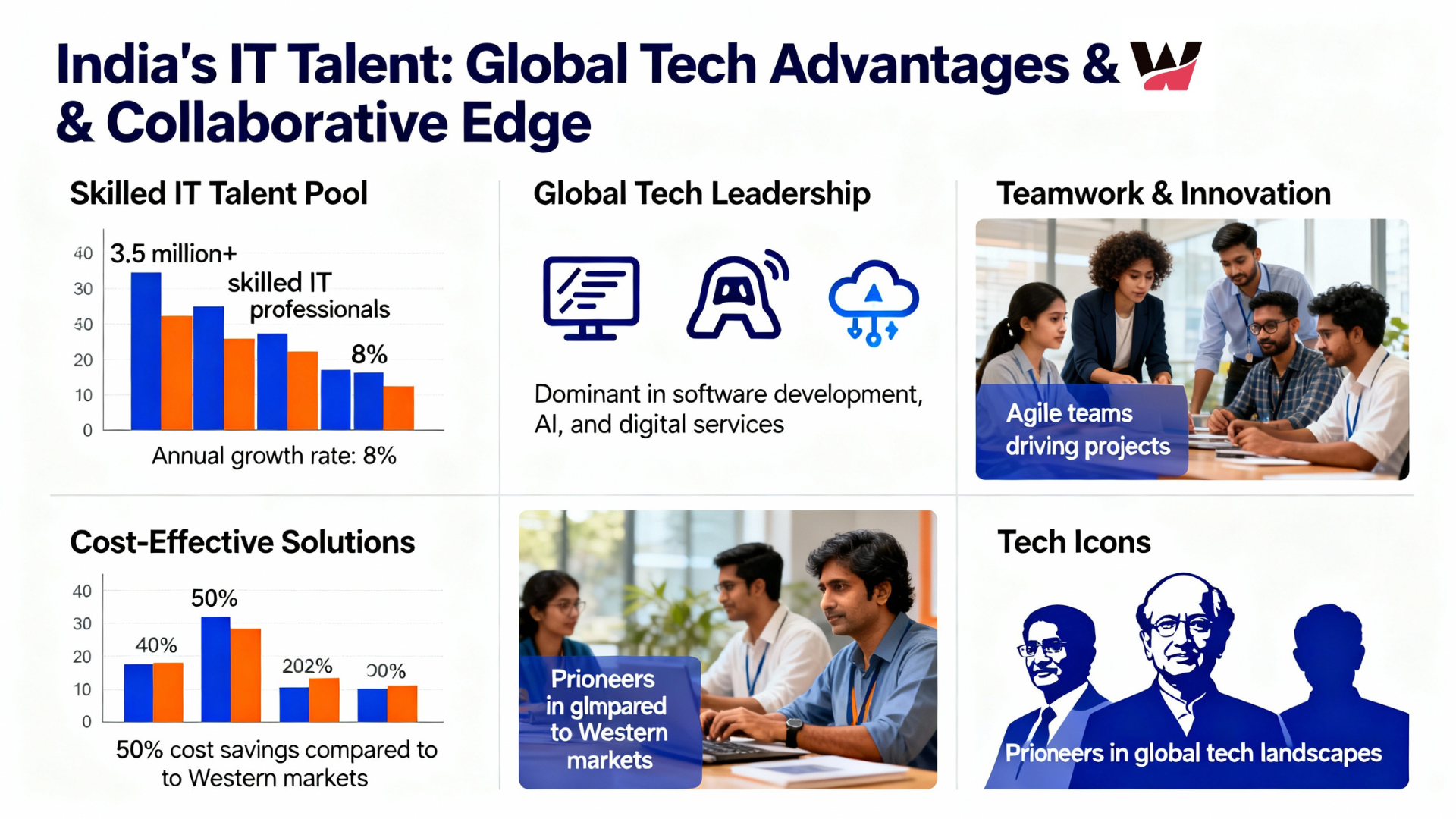
Why Global Businesses Are Turning to India for Skilled IT Talent
-
 November 11, 2025
Staff Augmentation Helps You Scale Your Tech Team
-
 November 10, 2025
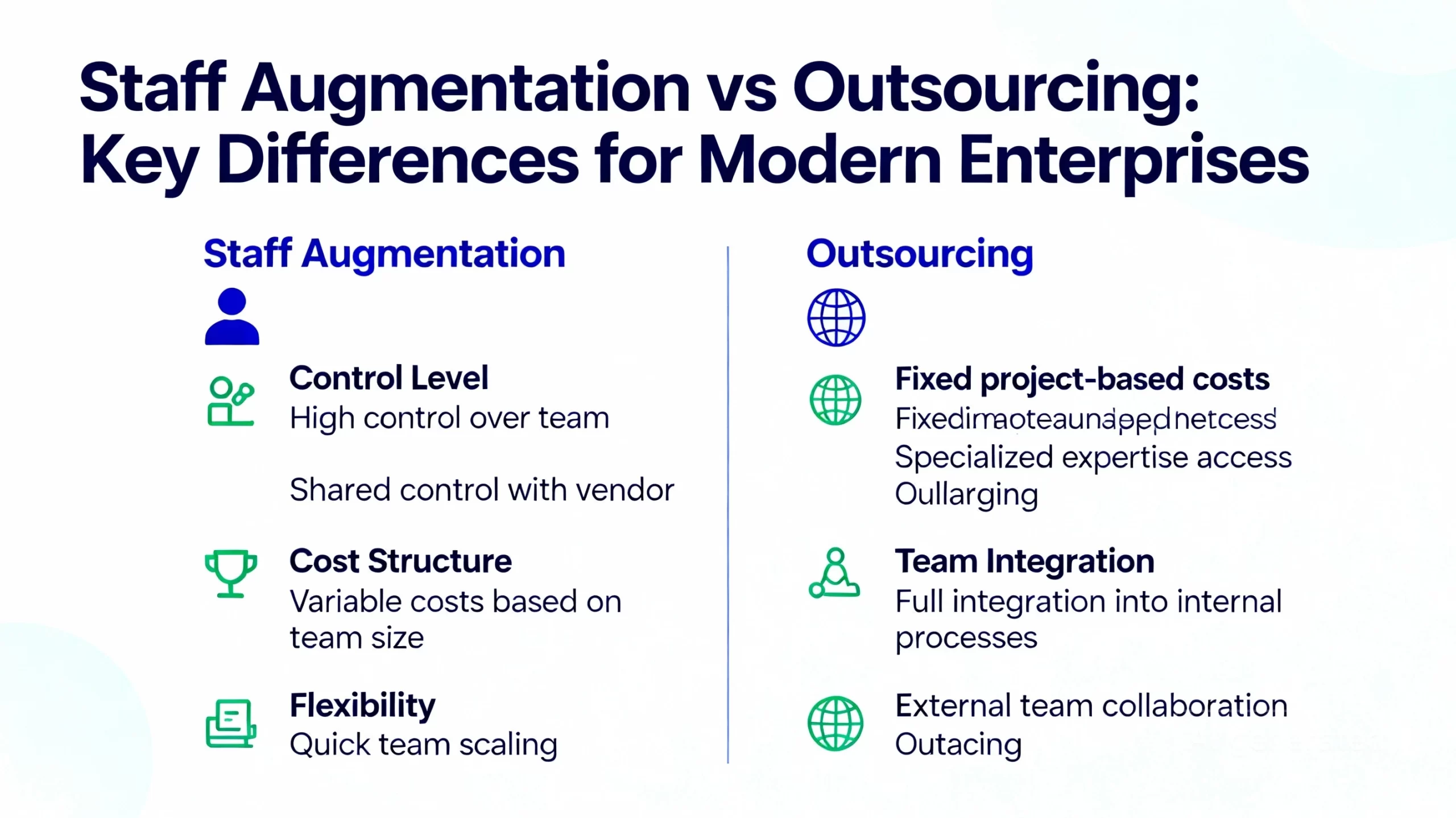
Staff Augmentation vs Outsourcing in 2025: Which Is Best for Modern Enterprises?
-
 November 7, 2025
How AI, IoT, and Cloud Are Redefining Software Development in 2025
-
 November 6, 2025
Scaling Smarter: How Augmented Teams Help Deliver Projects Faster in 2025
-
 November 5, 2025
How AI and Automation Are Transforming Software Development Teams in 2025
-
 November 3, 2025
The Future of IT Staffing: Why Businesses Are Choose Staff Augmentation in 2025
-
 October 31, 2025
Why Technology is Essential for Business Growth (2025): Top Reasons & Winning Strategies
-
 October 30, 2025
How the Internet of Things (IoT) Is Revolutionizing Modern Business
-
 October 29, 2025
Blockchain Cryptocurrency: Real-World Applications | WitQualis
-
 October 28, 2025
API Design and Management Best Practices for Developers
-
 October 27, 2025
Microservices Architecture: Benefits, Implementation Tips & Real-World Examples
-
 October 24, 2025
How Remote Work Has Transformed the IT Industry Tools in 2025
-
 October 23, 2025
Virtual and Augmented Reality: The Tech Revolution | WitQualis
-
 October 22, 2025
How AI is Revolutionizing Business Decision-Making in 2025 | In-Depth Analysis & Trends
-
 October 16, 2025
Blockchain Beyond Crypto: Building Trust in Business Operations
-
 October 15, 2025
How Custom Software Solutions Drive Business Efficiency | Expert Guide
-
 October 13, 2025
How Automation Reduces Costs & Boosts Productivity in 2025
-
 October 10, 2025
Staff Augmentation: The Key to Building Agile & Scalable Teams
-
 October 9, 2025
The Role of Cloud Computing in Scaling Modern Businesses
-
 October 8, 2025
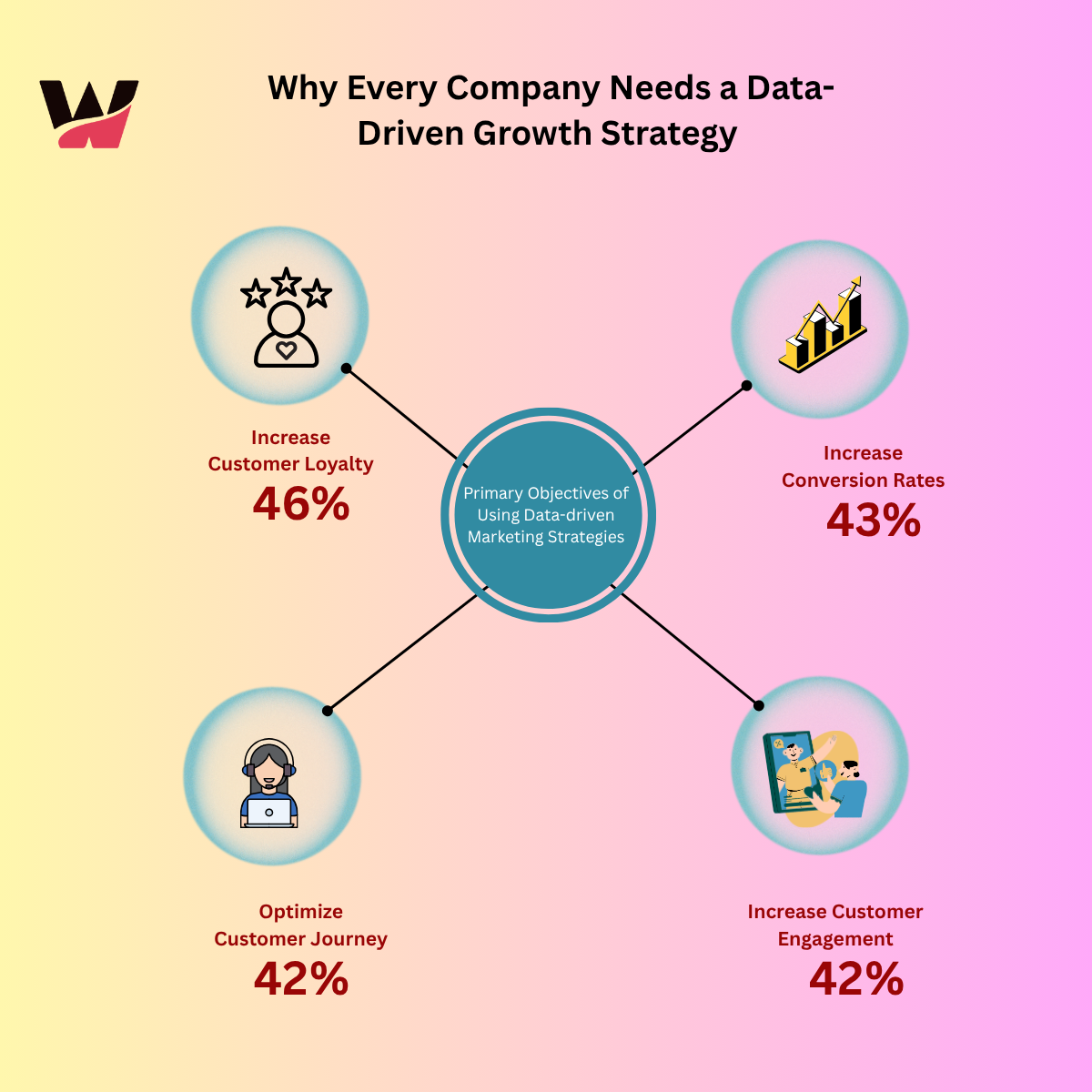
Why Every Company Needs a Data-Driven Growth Strategy
-
 October 7, 2025
API Design Best Practices for Developers in 2025 |API versioning strategies
-
 October 6, 2025
virtual reality vs augmented reality vs mixed reality
-
 October 3, 2025
The Impact of Internet of Things (IoT) on Modern Business
-
 October 1, 2025
Blockchain Beyond Cryptocurrency: Real-World Applications in 2025
-
 September 30, 2025
The Future of Artificial Intelligence: Trends and Opportunities
-
 September 26, 2025
Microservices Architecture: Benefits and Implementation Tips
-
 September 25, 2025
Why Staff Augmentation Is a Smart Move for IT Projects in 2025
-
 September 24, 2025
Cloud Computing Explained: Benefits and Best Practices (AWS, Azure, Google Cloud)
-
 September 23, 2025
How Staff Augmentation Can Help Scale Your IT Team Efficiently
-
 January 6, 2025
Choosing the Right Front-End Web Development Service in the UK
-
 January 4, 2025
Why Choose Staff Augmentation Services in India for Your IT Projects?
-
 December 21, 2024
Boost Your Business ROI with Power BI Development Services in the Maldives and Iceland
-
 December 20, 2024
Get a Free Consultation: Is Your E-Commerce Business in the UAE Ready for Digital Transformation?
-
 July 6, 2023
The Future of Small Business and Know-How to Climb up the Ladder


Leave a Reply