

5 Reasons Why Staff Augmentation is Key for Tech Skill Shortages: staff augmentation for tech skill shortages
Why Staff Augmentation is Key to Overcoming Skill Shortages in Tech and How Staff Augmentation for Tech Skill Shortages Can Help
Introduction
The technology sector faces an unprecedented crisis. Skills shortages have become one of the most critical challenges hindering business growth and innovation. According to recent data, organizations across the globe struggle to find qualified professionals in emerging technologies such as cloud computing, artificial intelligence, DevOps, and cybersecurity. Moreover, this shortage creates a cascading problem: projects get delayed, innovation stalls, and companies lose competitive advantage. Furthermore, the traditional hiring approach—recruiting full-time employees for specialized roles—has proven inadequate in addressing this crisis. In addition, the lengthy recruitment cycles mean opportunities are missed while competitors advance. Additionally, the cost of hiring senior technologists has skyrocketed, making it increasingly difficult for organizations to build robust technical teams. Consequently, companies need an alternative strategy that enables rapid access to specialized talent. As a result, staff augmentation has emerged as the definitive solution to overcome skill shortages and accelerate organizational growth. Therefore, understanding why staff augmentation is critical becomes essential for any technology-driven organization seeking sustainable success. Indeed, this approach transforms the way companies approach talent acquisition and team building.
To effectively tackle these challenges, implementing staff augmentation for tech skill shortages is essential for gaining competitive advantage and ensuring projects move forward without delay.
1. Bridging the Gap: Immediate Access to In-Demand Skills
The technology landscape evolves at breathtaking speed. New frameworks, programming languages, cloud platforms, and architectural patterns emerge constantly, creating skill gaps that traditional hiring cannot address quickly. Specifically, when your organization needs Python developers, Kubernetes experts, or machine learning engineers, conventional recruitment processes require three to six months. In contrast, staff augmentation provides immediate access to these specialized professionals. Moreover, augmentation partners maintain extensive networks of pre-vetted experts across every technology domain. Furthermore, these professionals are immediately available, eliminating the prolonged vacancy period that damages project timelines. As a result, your organization gains the expertise you need when you need it. For this reason, staff augmentation enables organizations to pursue strategic initiatives without waiting for recruitment cycles to conclude. Additionally, you avoid the opportunity cost of delayed projects and missed market windows. Therefore, the speed advantage of staff augmentation directly translates to competitive superiority. Consequently, companies adopting augmentation strategies outpace competitors still relying on traditional hiring. In essence, staff augmentation compresses the time between identifying a skill need and fulfilling it.
2. The Crisis of Specialized Tech Talent: Why Traditional Hiring Fails
3. Addressing Skill Gaps: The Role of Staff Augmentation for Tech Skill Shortages
Understanding why traditional hiring inadequately addresses skill shortages requires examining current market realities. The demand for specialized technology professionals far exceeds supply, creating a severe imbalance in the talent market. Specifically, there are fewer than 500,000 qualified DevOps engineers globally, yet demand exceeds 2 million positions. Similarly, cloud architecture specialists are equally scarce. Moreover, the few available senior professionals command premium salaries that strain organizational budgets. Furthermore, companies competing for limited talent often lose candidates to competitors offering higher compensation packages. In addition, even when recruitment succeeds, onboarding complex technical roles requires weeks or months. Additionally, new hires need ramp-up time before contributing meaningfully to projects. Consequently, the traditional model’s inefficiencies compound financial burdens. As a result, organizations face impossible choices: either overpay for permanent hires or endure extended project delays. Therefore, the inherent limitations of traditional hiring make staff augmentation not just preferable but essential. Indeed, the math is undeniable: supply and demand realities have fundamentally shifted workforce strategies. Thus, forward-thinking organizations are abandoning traditional recruitment for augmentation models. For this reason, staff augmentation has become the strategic imperative in technology-driven industries.
3. Accessing Pre-Vetted, Battle-Tested Professionals
One of the most valuable benefits of staff augmentation is the quality assurance it provides. Augmentation providers like WitQualis maintain rigorous vetting processes ensuring professionals meet the highest standards. Additionally, these professionals have extensive experience across diverse projects and organizations. Moreover, they bring proven expertise from real-world implementations rather than theoretical knowledge. Furthermore, they’ve already solved complex problems similar to those your organization faces. Consequently, their expertise immediately translates to superior project outcomes. As a result, your team benefits from professionals who’ve worked across multiple industries and technical stacks. In other words, you gain not just skilled professionals but experienced problem-solvers. Therefore, the quality advantage of augmented staff often exceeds that of newly hired permanent employees still building experience. Additionally, augmented professionals bring best practices from various organizations, elevating your entire team’s capability. For this reason, staff augmentation often improves project quality while accelerating delivery timelines. Indeed, experienced professionals accomplish in weeks what junior developers might require months to complete. Thus, the return on investment from augmented talent frequently exceeds expectations. Accordingly, organizations consistently report that WitQualis’s augmented professionals deliver exceptional results.
4. Cost Optimization: Paying for Expertise, Not Overhead
Traditional hiring requires investing in numerous fixed costs beyond salaries. Organizations must provide office space, equipment, benefits, insurance, and infrastructure expansion for new hires. Specifically, hiring a senior engineer costs organizations approximately $150,000-$250,000 annually when including all overhead expenses. Moreover, if that position becomes unnecessary after a project concludes, the organization faces severance obligations and disruption. Furthermore, this financial model creates pressure to retain employees regardless of operational needs. In addition, organizations often maintain payroll for underutilized staff to avoid separation costs. Additionally, this approach wastes financial resources that could drive business growth. Consequently, the financial model becomes increasingly untenable in dynamic business environments. As a result, staff augmentation provides superior financial efficiency. Therefore, instead of fixed payroll commitments, organizations pay only for services rendered. Indeed, this variable cost model aligns expenses with actual business needs. For this reason, CFOs increasingly favor staff augmentation for its financial predictability and efficiency. Moreover, organizations report cost savings of 30-50% compared to traditional hiring approaches. Thus, staff augmentation transforms workforce economics, enabling organizations to invest in growth rather than administrative overhead. Accordingly, financial flexibility becomes a competitive advantage in rapidly changing markets.
5. Project-Based Flexibility: Scale Up for Growth, Scale Down for Stability
Technology projects have variable staffing requirements. Some initiatives demand peak team capacity, while others require minimal resources as projects progress through different phases. Specifically, project initiation requires architects, senior engineers, and solution specialists. Moreover, as the project transitions to execution, different skill sets become necessary. Furthermore, during maintenance phases, staffing needs decrease significantly. Consequently, maintaining permanent staff throughout all project phases creates financial inefficiency. As a result, staff augmentation enables optimal resource allocation throughout project lifecycles. Therefore, organizations can staff for peak demand without carrying unnecessary overhead during slower periods. Additionally, this flexibility applies across multiple concurrent projects with varying demands. For this reason, augmented staffing models ensure your organization maintains optimal efficiency. In other words, you’re never overstaffed or understaffed because resources adjust dynamically. Indeed, this agility enables pursuit of multiple opportunities simultaneously. Thus, organizations can bid on additional projects confidently, knowing they can assemble teams rapidly. Moreover, when projects conclude, scaling down incurs no organizational disruption. Consequently, project-based flexibility becomes a strategic capability enabling greater market responsiveness. As a result, organizations pursuing augmentation strategies win more competitive bids and pursue more growth opportunities. Therefore, staffing flexibility directly translates to revenue growth and market share expansion.
6. Knowledge Transfer and Organizational Capability Building
A frequently overlooked advantage is the learning opportunity staff augmentation provides. When experienced professionals join your team, they bring methodologies, best practices, and frameworks that strengthen your organization. Additionally, your permanent staff learns from these professionals through daily collaboration. Moreover, this knowledge transfer accelerates your team’s capability development. Furthermore, over time, your internal team becomes increasingly competent in specialized domains. Consequently, your organization reduces dependence on external resources. As a result, augmentation becomes a capability-building investment, not merely a labor solution. Therefore, each augmented professional contributes to organizational knowledge growth. Indeed, this multiplier effect means your organization becomes increasingly self-sufficient. For this reason, companies that strategically use staff augmentation for capability building gain sustainable competitive advantages. In other words, the short-term benefit of project completion compounds into long-term organizational strengthening. Thus, augmentation strategies that prioritize knowledge transfer create virtuous cycles of improvement. Moreover, your permanent staff becomes progressively more skilled and valuable. Consequently, future projects require less external support as internal capabilities mature. As a result, your organization achieves both immediate project success and long-term capability development. Therefore, thoughtful staff augmentation implementation creates compounding organizational benefits that persist long after projects conclude.
7. Reducing Time-to-Market and Maintaining Competitive Advantage
In technology markets, speed creates winners and losers. Organizations that bring products to market faster capture market share, establish brand presence, and create customer lock-in. Specifically, delaying product launches even by weeks can result in competitors capturing target customers. Moreover, speed to market translates directly to revenue and profitability advantages. Furthermore, first-mover advantage in emerging technology categories provides substantial benefits. Consequently, time-to-market becomes a critical success metric. As a result, staff augmentation emerges as a competitive necessity. Therefore, organizations must accelerate project timelines to remain competitive. Indeed, augmented professionals enable organizations to maintain aggressive launch schedules. For this reason, companies pursuing market leadership leverage staff augmentation extensively. Additionally, experienced augmented professionals work more efficiently than teams building expertise. Moreover, they know shortcuts and proven approaches that accelerate delivery. Furthermore, quality doesn’t suffer—if anything, experienced professionals deliver higher quality faster. Consequently, augmentation enables the seemingly impossible: faster delivery with superior quality. As a result, organizations gain both speed and excellence advantages. Therefore, competitive markets increasingly demand staff augmentation capability. Indeed, organizations lacking augmentation capability increasingly struggle to compete. Thus, staff augmentation has transitioned from optional advantage to essential competitive requirement. For this reason, market leaders across technology sectors embrace augmentation strategies extensively.
8. Building Resilience: Adapting to Technology Transitions
Technology transitions create significant organizational challenges. When new platforms, frameworks, or methodologies become dominant, organizations must rapidly develop new competencies or risk obsolescence. Specifically, the transition to cloud computing required millions of IT professionals to rapidly develop AWS, Azure, and GCP expertise. Moreover, organizations lacking cloud skills faced talent shortages that threatened competitiveness. Furthermore, building these competencies internally through training alone would require years. Consequently, staff augmentation became essential for enabling rapid technology transitions. As a result, organizations could immediately access cloud experts while gradually building internal expertise. Therefore, augmentation enables graceful transitions without disrupting ongoing operations. Indeed, this approach reduces the risk associated with technology shifts. For this reason, forward-thinking organizations view augmentation as a strategic tool for managing technology transitions. In other words, augmentation provides organizational resilience during periods of significant change. Thus, organizations using augmentation strategies navigate technology shifts more successfully. Moreover, they maintain competitive capability during transitions that disable less-prepared competitors. Consequently, staff augmentation becomes a strategic capability for long-term organizational survival. As a result, organizations prioritizing augmentation capacity fare better during technology disruptions. Therefore, building augmentation relationships becomes a strategic investment in organizational resilience. Indeed, the ability to rapidly access emerging expertise distinguishes market leaders from struggling competitors.
9. Mitigating Recruitment Risk and Hiring Challenges
Permanent hiring carries substantial risks that organizations often underestimate. Recruiting professionals for specialized technical roles is expensive, time-consuming, and frequently produces suboptimal outcomes. Specifically, recruitment costs for senior technologists often exceed $50,000 when including recruiter fees, interviewing time, and opportunity costs. Moreover, even after extensive selection processes, some hires underperform expectations. Furthermore, cultural fit issues sometimes emerge only after employees are onboarded. Consequently, failed hires create financial losses and team disruption. As a result, organizations must carefully evaluate hiring decisions. Therefore, staff augmentation provides a lower-risk alternative to permanent hiring. Indeed, you can evaluate professionals through augmentation before offering permanent positions. For this reason, many organizations use augmentation as a risk-reduction strategy. Additionally, if an augmented professional doesn’t align with your needs, transitioning to alternative resources is straightforward. Moreover, you incur no severance obligations or organizational disruption. Furthermore, the flexibility to replace augmented staff enables continuous optimization. Consequently, your team composition improves over time as you identify ideal augmented professionals. As a result, staff augmentation reduces hiring risk while improving team quality. Therefore, risk-conscious organizations increasingly favor augmentation for specialized roles. Indeed, the risk profile of augmentation is fundamentally superior to permanent hiring. Thus, financial prudence increasingly favors augmentation strategies. For this reason, organizations managing financial risk leverage augmentation extensively.
10. Leveraging Global Talent: Breaking Geographic Boundaries
Traditional hiring confines organizations to local labor markets where skill shortages are acute. However, staff augmentation enables access to global talent pools, providing unprecedented workforce flexibility. Specifically, if your city lacks qualified AI engineers, augmentation providers can source them globally. Moreover, geographic diversity often provides cost advantages without sacrificing quality. Furthermore, global talent access enables pursuing specialized expertise regardless of location. Consequently, organizations are no longer constrained by local labor market limitations. As a result, they can build world-class teams regardless of geographic location. Therefore, staff augmentation transcends geographic constraints that limit traditional hiring. Indeed, global talent access represents a revolutionary advantage. For this reason, organizations pursuing ambition globally leverage augmentation extensively. Additionally, cultural diversity from global teams often strengthens problem-solving and innovation. Moreover, 24-hour work cycles become possible when teams span time zones. Furthermore, this distributed model aligns with modern work culture and remote-work preferences. Consequently, augmentation enables building truly global organizations. As a result, organizations access the world’s best talent regardless of where they operate. Therefore, geographic constraints that once limited ambition disappear entirely. Indeed, global augmentation capability has become essential for growth-oriented organizations. Thus, competitive advantage increasingly accrues to organizations embracing global augmentation strategies. For this reason, market leaders maintain extensive global augmentation networks.
11. Future-Proofing Your Organization
Technology futures are inherently uncertain. Organizations cannot predict which technologies will dominate, making permanent investment in specific expertise risky. Specifically, organizations that invested heavily in legacy technologies often found those skills became obsolete. Moreover, permanent staff trained in outdated technologies create ongoing costs with diminishing value. Furthermore, retraining programs often fail to transform legacy specialists into cutting-edge technologists. Consequently, permanent hiring locks organizations into specific technology bets. As a result, organizations face risks from incorrect technology bets. Therefore, staff augmentation provides optionality in an uncertain future. Indeed, you can experiment with emerging technologies through augmented professionals. For this reason, forward-thinking organizations use augmentation for technology exploration. Additionally, if experimental technologies prove less critical than anticipated, you can transition to alternative resources. Moreover, this approach enables calculated risk-taking without permanent organizational commitment. Furthermore, your organization remains nimble and adaptable to changing circumstances. Consequently, augmentation strategies provide insurance against technology disruption. As a result, organizations embracing augmentation navigate uncertain futures more successfully. Therefore, strategic thinking increasingly favors augmentation for managing future uncertainty. Indeed, organizational adaptability has become a critical competitive requirement. Thus, augmentation strategies that preserve flexibility offer substantial strategic value. For this reason, visionary leaders build augmentation-centric workforce strategies.
Conclusion
The technology sector’s skill shortage crisis cannot be resolved through traditional hiring alone. Staff augmentation has emerged as the essential strategy for organizations seeking to overcome skill deficits, accelerate innovation, and maintain competitive advantage. Through immediate access to specialized expertise, superior financial efficiency, project-based flexibility, and capability-building benefits, staff augmentation transforms how organizations approach workforce management. Furthermore, augmentation enables organizations to pursue ambitious growth objectives regardless of skill shortages in local labor markets. Additionally, the approach provides risk reduction, time-to-market acceleration, and organizational resilience during technology transitions. Consequently, forward-thinking organizations across the technology sector increasingly embrace augmentation as a strategic necessity. As a result, staff augmentation has transitioned from optional advantage to essential competitive requirement. Therefore, organizations failing to develop augmentation capabilities risk falling behind competitors. Indeed, market leaders universally recognize augmentation as integral to their growth strategies. For this reason, building relationships with experienced augmentation providers becomes critical. Moreover, WitQualis stands at the forefront of staff augmentation excellence, providing access to battle-tested professionals across every technology domain. Additionally, WitQualis’s comprehensive augmentation services enable organizations to build world-class teams rapidly. Consequently, connecting with WitQualis’s expert team empowers organizations to overcome skill shortages and achieve aggressive growth objectives. Therefore, organizations ready to transform their approach to talent acquisition should explore how WitQualis’s solutions align with their objectives. Indeed, the future belongs to organizations embracing augmentation strategies strategically. Thus, your organization’s competitive future depends on decisive action today.
Recent Posts
-
 March 5, 2026
Microservices Architecture: Benefits and Implementation Tips
-
 March 3, 2026
How Remote Work Has Changed the IT Industry and Tools You Need
-
 March 2, 2026
API Design and Management Best Practices for Developers
-
 February 27, 2026
The Impact of Internet of Things (IoT) on Modern Business
-
 February 26, 2026
Virtual and Augmented Reality: Where Tech is Headed Next | 2026 Guide
-
 February 25, 2026
Blockchain Beyond Cryptocurrency: Real-World Applications & Use Cases (2026 Guide)
-
 February 24, 2026
The Role of AI in Enhancing IT Development: A Deep Dive (2026 Guide)
-
 February 23, 2026
Maximizing Productivity: How Staff Augmentation Drives Innovation in IT Projects
-
 February 20, 2026
Staff Augmentation vs. Outsourcing: Which IT Model Wins in 2026?
-
 February 19, 2026
The Rise of Hybrid Teams: How to Leverage Staff Augmentation for Business Success
-
 February 18, 2026
How Staff Augmentation is Transforming the Future of IT Workforce (2026)
-
February 17, 2026
5 Reasons Why Staff Augmentation is Key for Tech Skill Shortages: staff augmentation for tech skill shortages
-
 February 16, 2026
How Staff Augmentation Helps Scale Your Business Without Overheads in 2026
-
 February 13, 2026
The Power of Diverse Teams: How Staff Augmentation Drives Inclusion (2026)
-
 February 12, 2026
The Role of 5G Technology in Shaping IT Development and Augmentation in 2026
-
 February 11, 2026
The Future of Blockchain: Revolutionizing IT Services in 2026
-
 February 10, 2026
Building an Authentic Employer Brand Through Staff Augmentation in 2026
-
 February 9, 2026
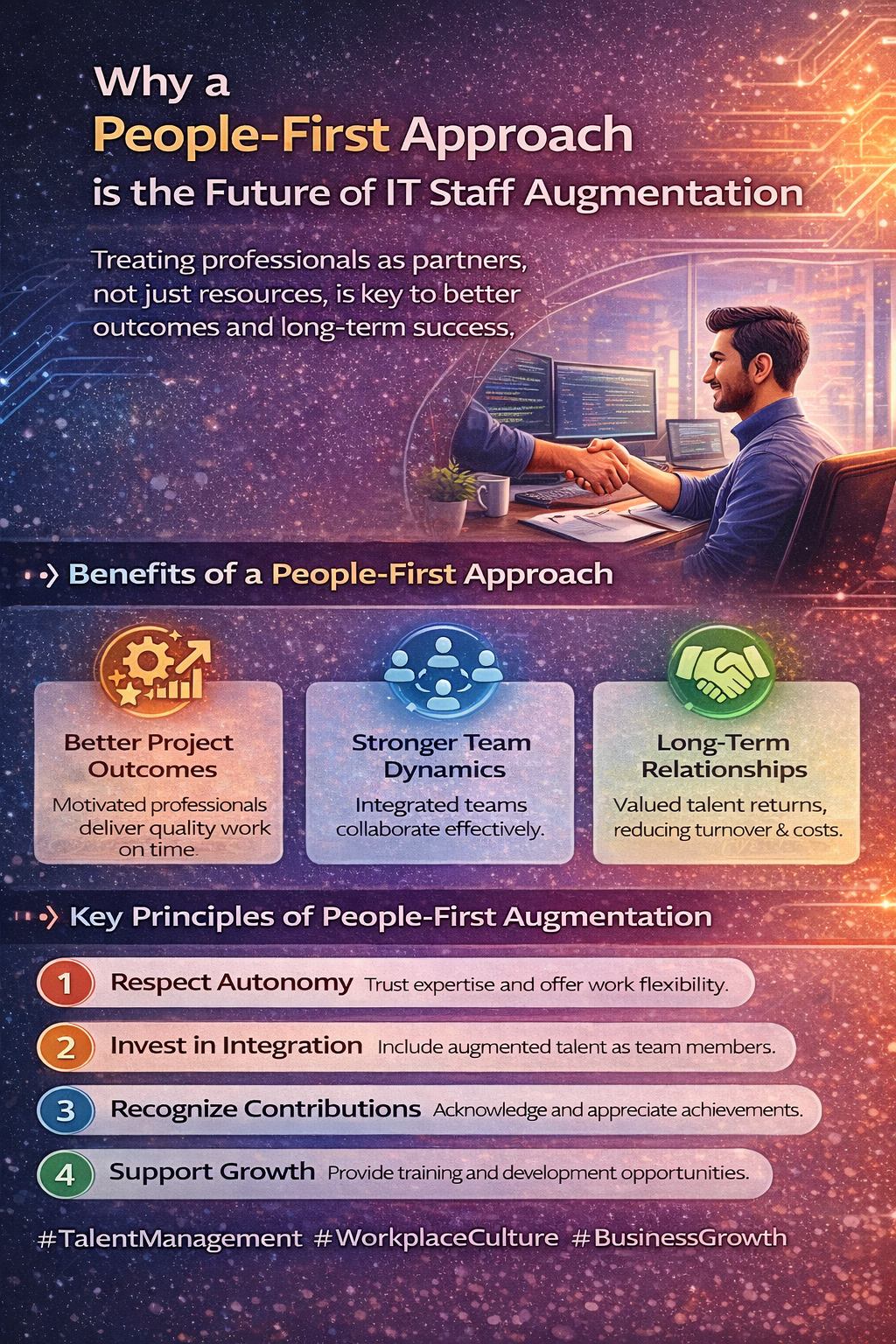
Supporting Augmented Professionals During Projects: Best Practices for Success
-
 February 6, 2026
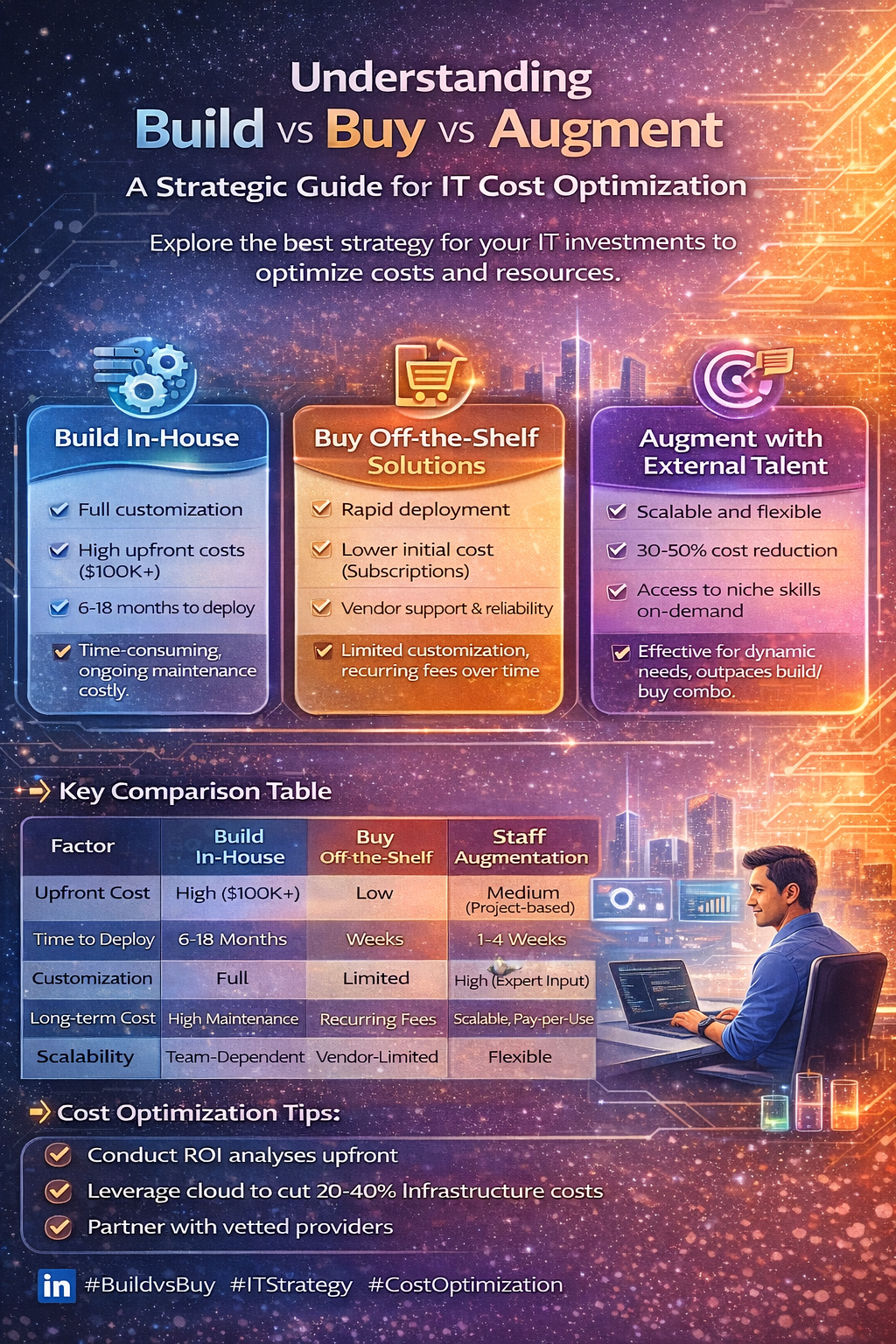
Cost Optimization in IT: Build vs Buy vs Staff Augmentation (2026 Guide)
-
 February 5, 2026
The Role of DevOps in High-Performance Engineering Teams: Best Practices Guide
-
 February 4, 2026
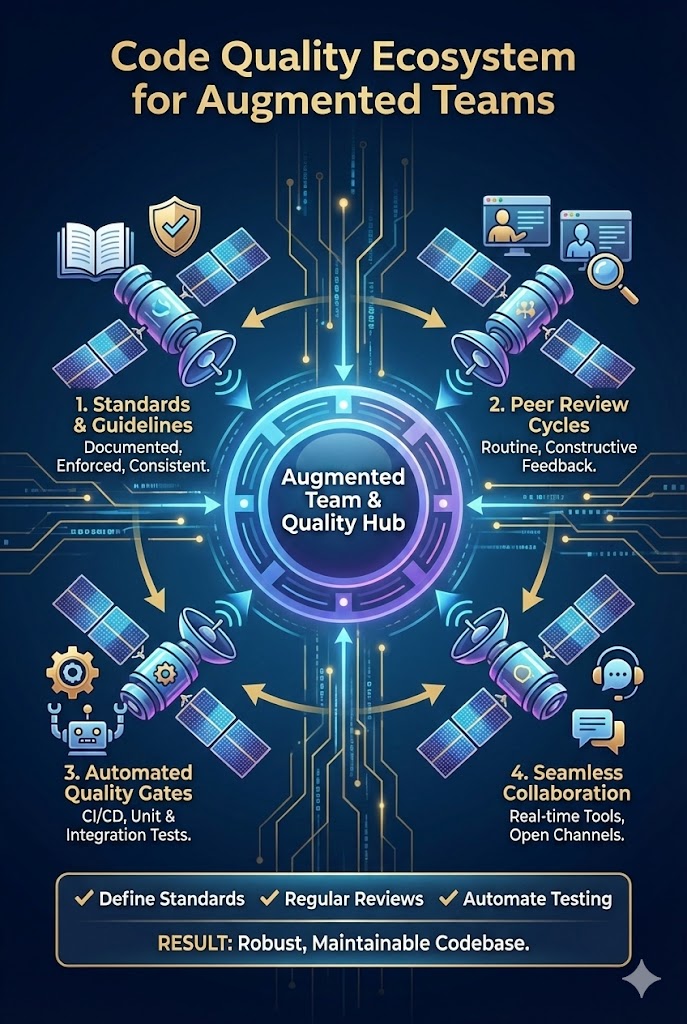
How to Ensure Code Quality When Working with Augmented Teams: Best Practices Guide
-
 February 3, 2026
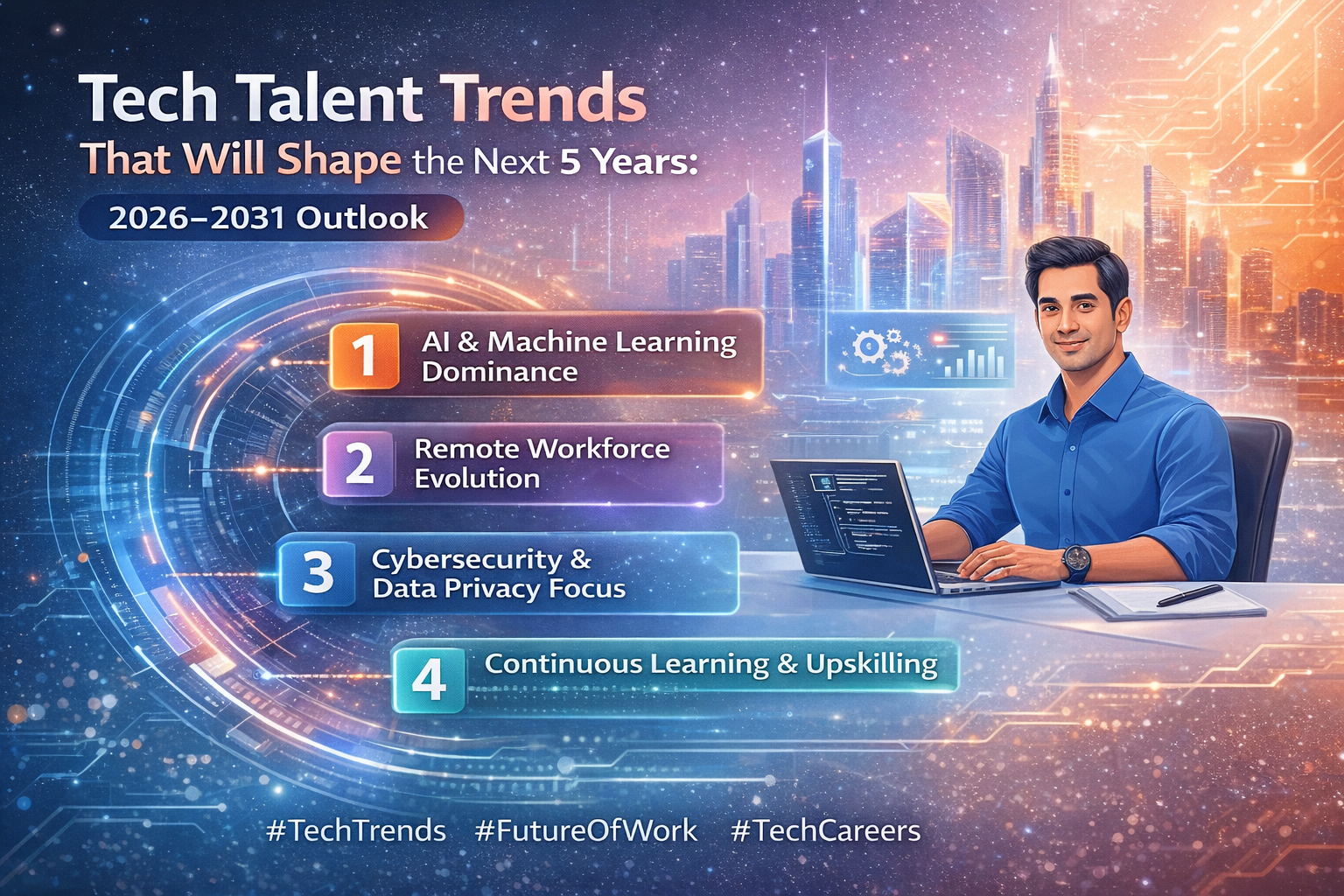
Tech Talent Trends That Will Shape the Next 5 Years: 2026–2031 Outlook
-
 February 2, 2026
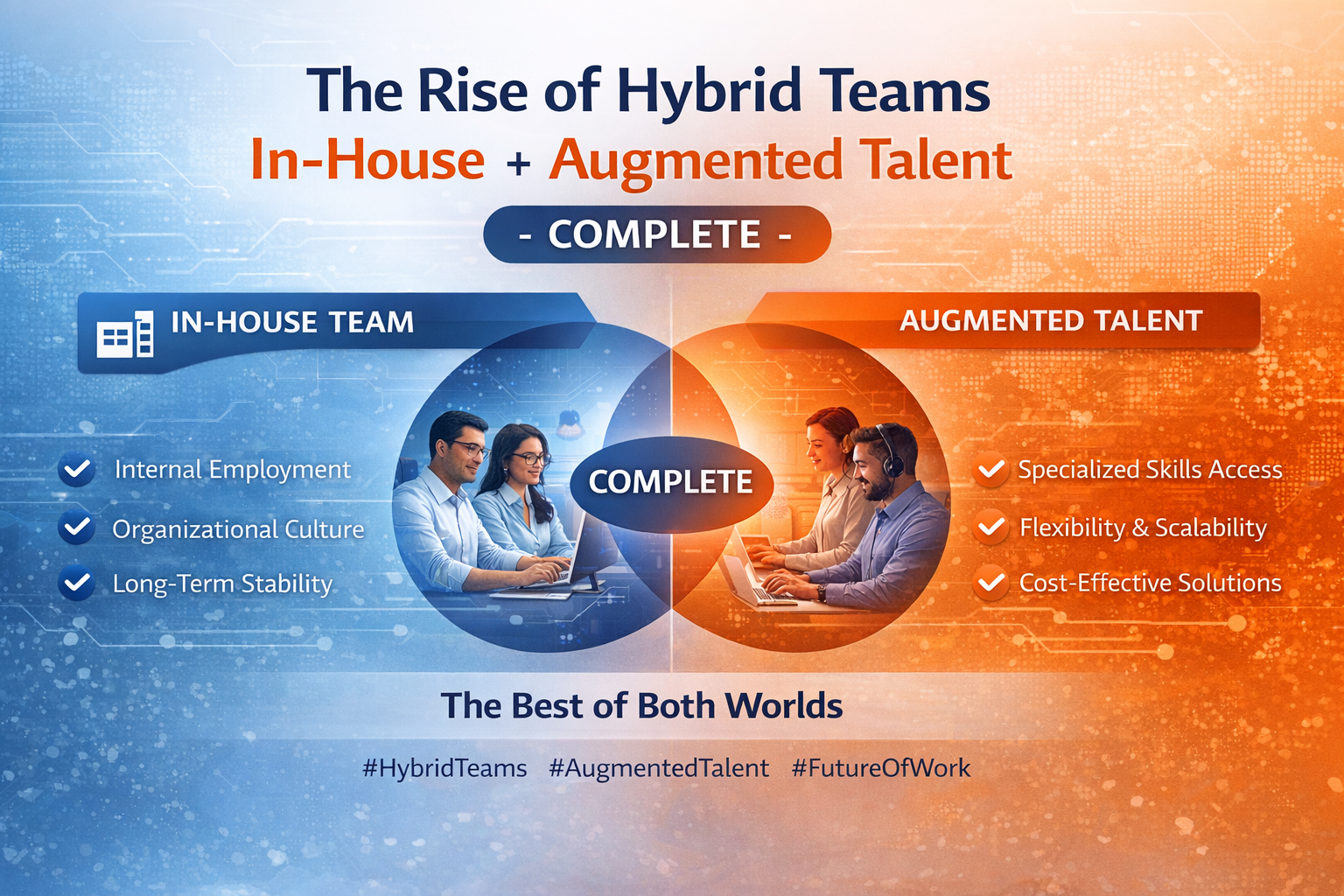
The Rise of Hybrid Teams: In-House + Augmented Talent - The Complete Guide
-
 January 30, 2026
How We Support and Retain High-Performing Tech Professionals
-
 January 29, 2026
Aligning Technology Strategy with Business Growth Goals: A Complete Framework
-
 January 28, 2026
What Top Developers Look for in a Staff Augmentation Partner: A Developer's Perspective
-
 January 27, 2026
The Human Side of IT Services: Why People Matter More Than Code
-
 January 23, 2026
Why Culture Fit Matters in Staff Augmentation Models | Witqualis
-
 January 22, 2026
Building Long-Term Relationships with Augmented Talent: A Strategic Approach
-
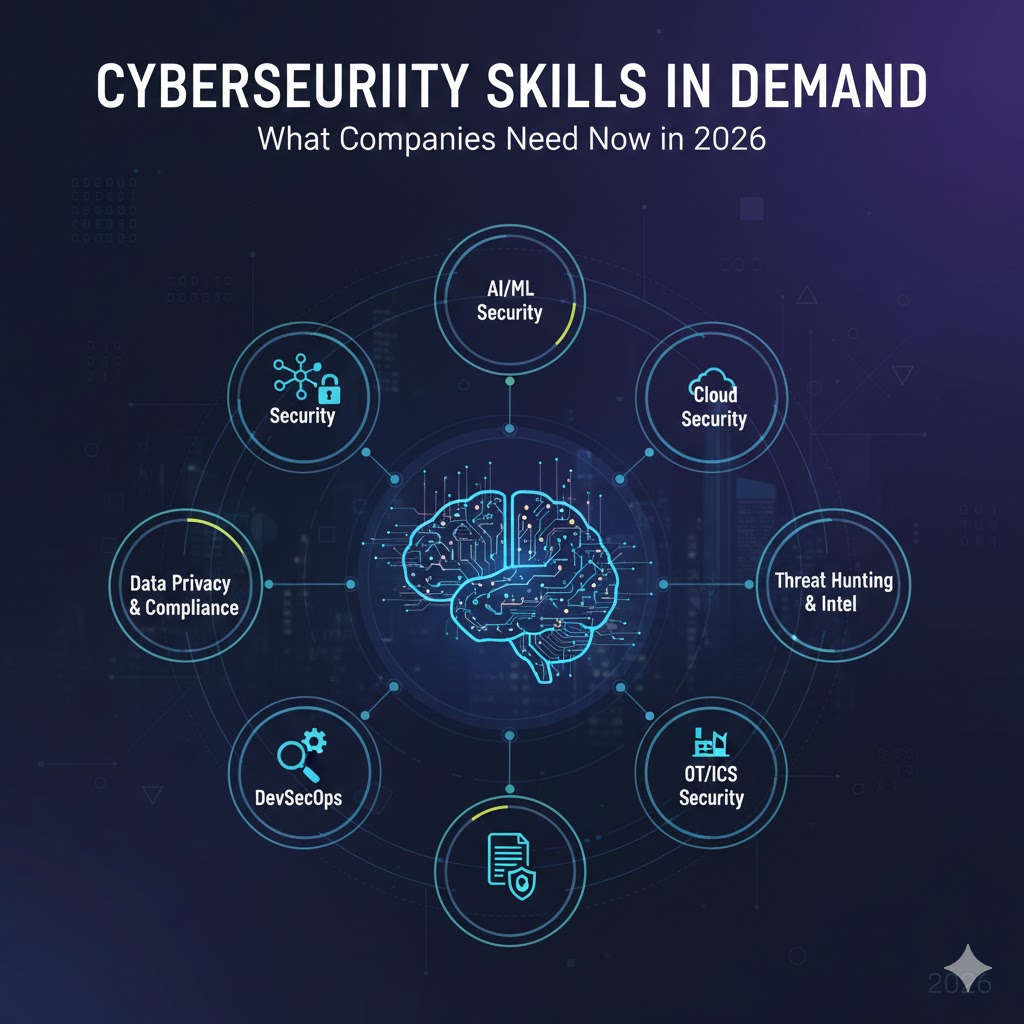 January 21, 2026
Cybersecurity Skills in Demand: What Companies Need Now in 2026
-
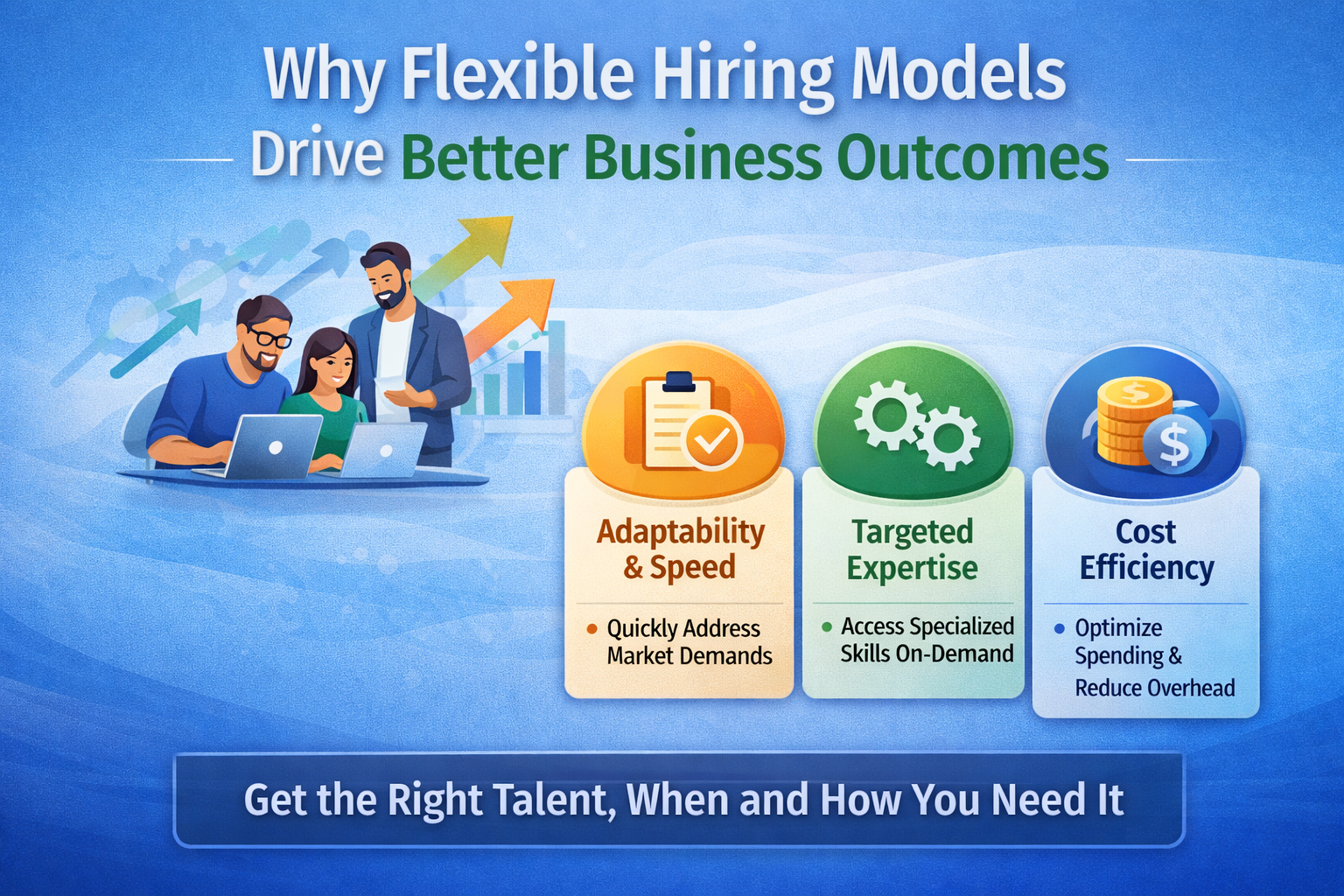 January 20, 2026
Why Flexible Hiring Models Drive Better Business Outcomes
-
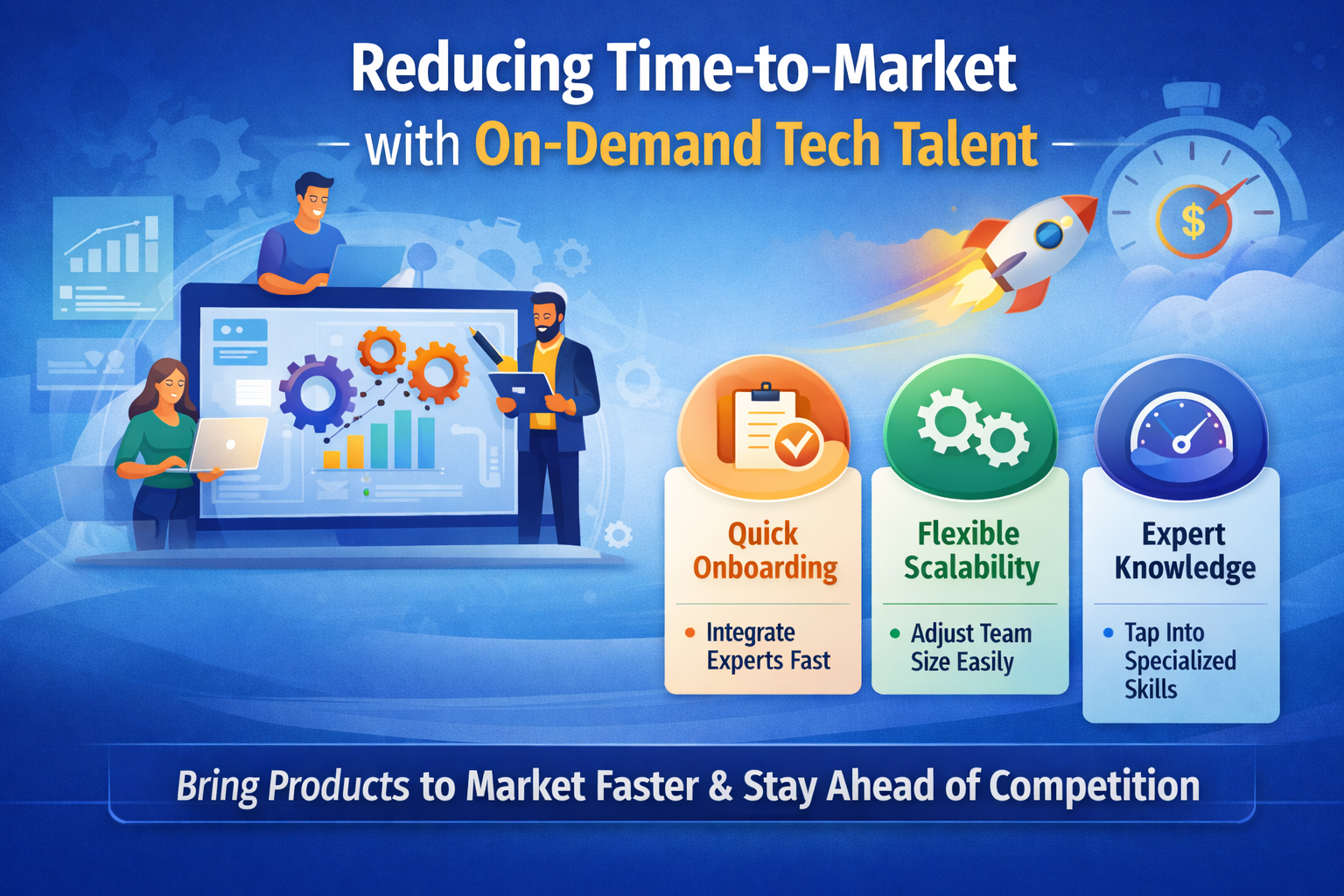 January 19, 2026
Reducing Time-to-Market with On-Demand Tech Talent
-
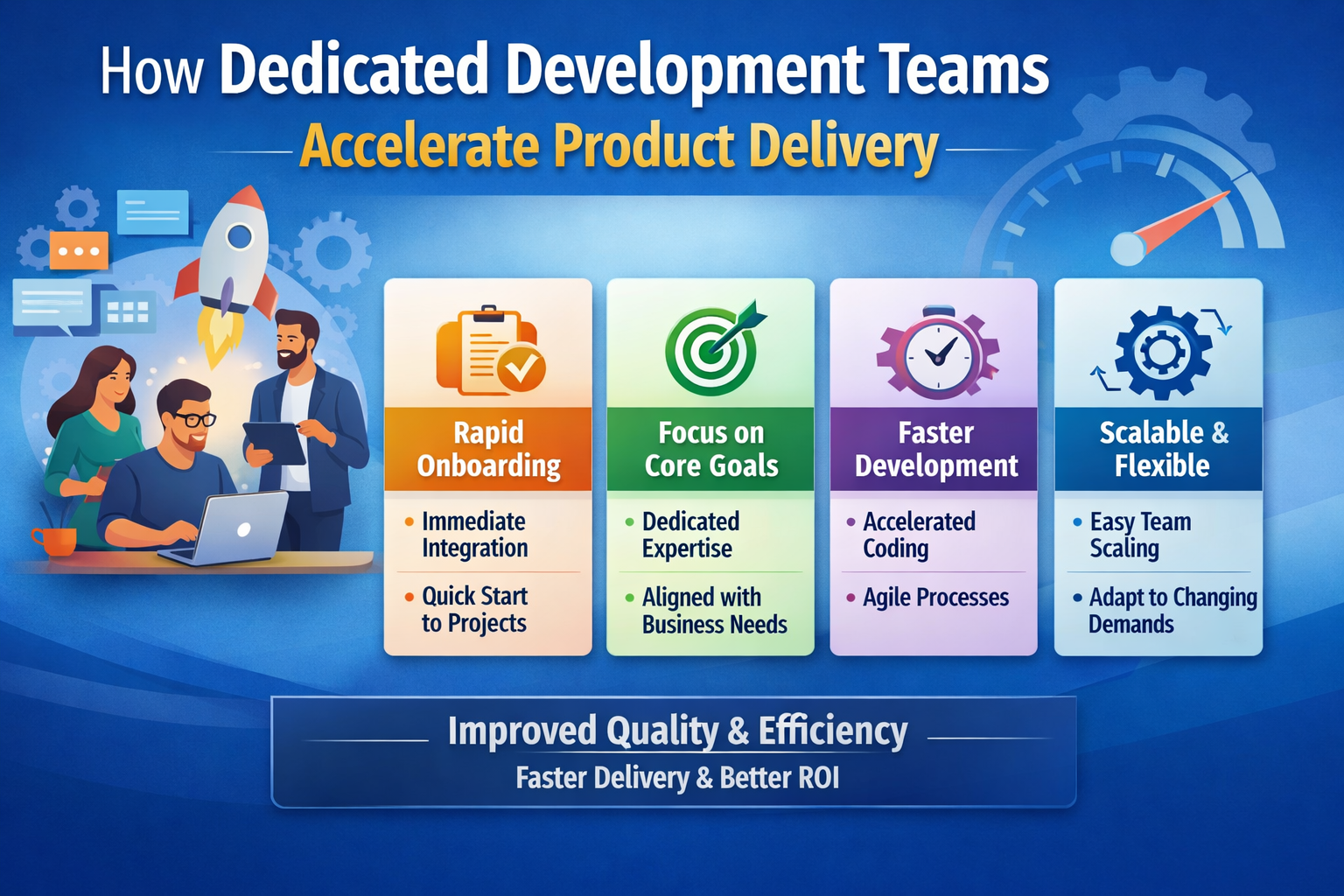 January 15, 2026
How Dedicated Development Teams Accelerate Product Delivery
-
 January 14, 2026
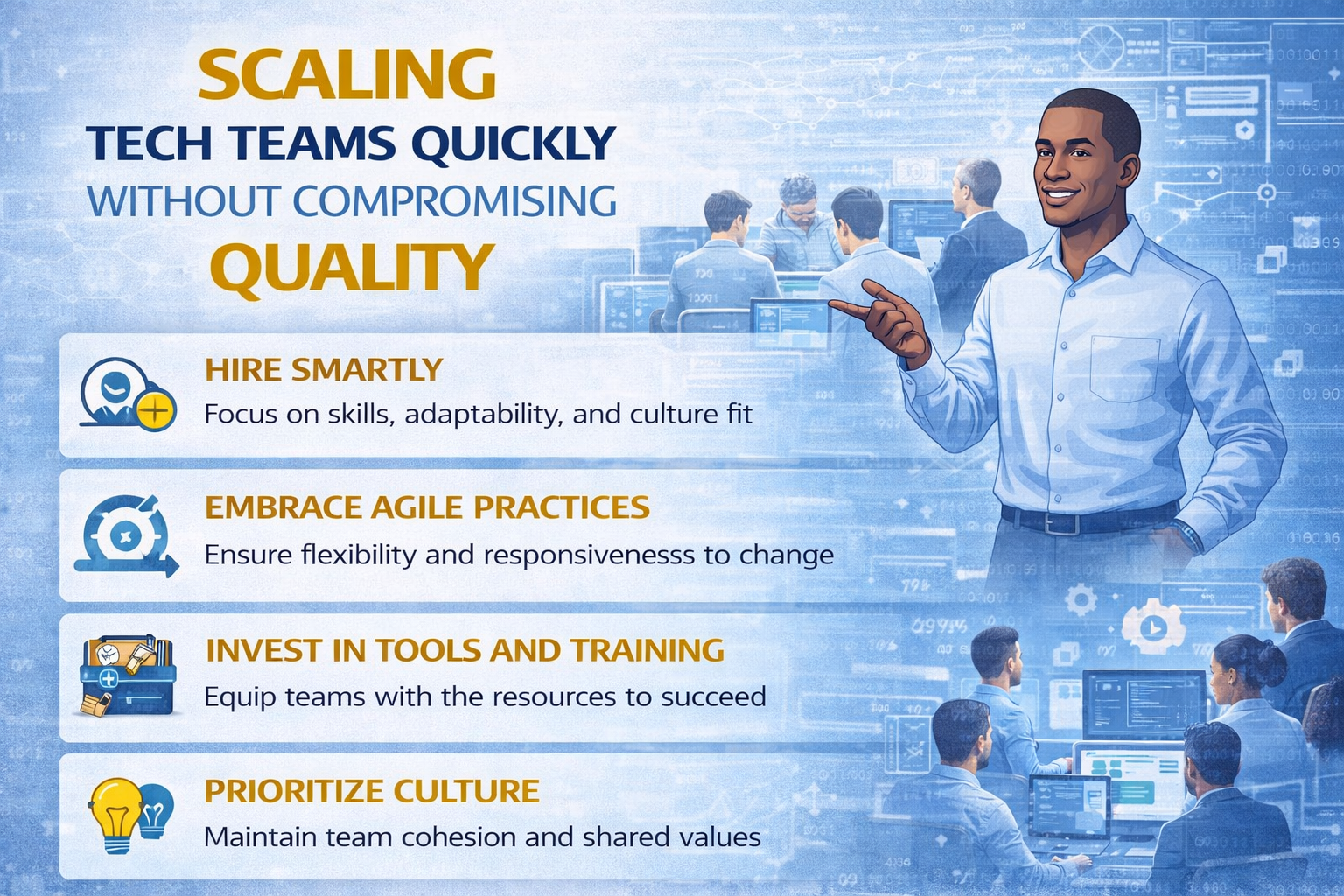
Scaling Tech Teams Quickly Without Compromising Quality
-
January 12, 2026
Common Mistakes Companies Make When Outsourcing IT Projects (And How to Avoid Them)
-
January 9, 2026
Key Workforce Trends Every CTO Should Watch This Year
-
 January 8, 2026
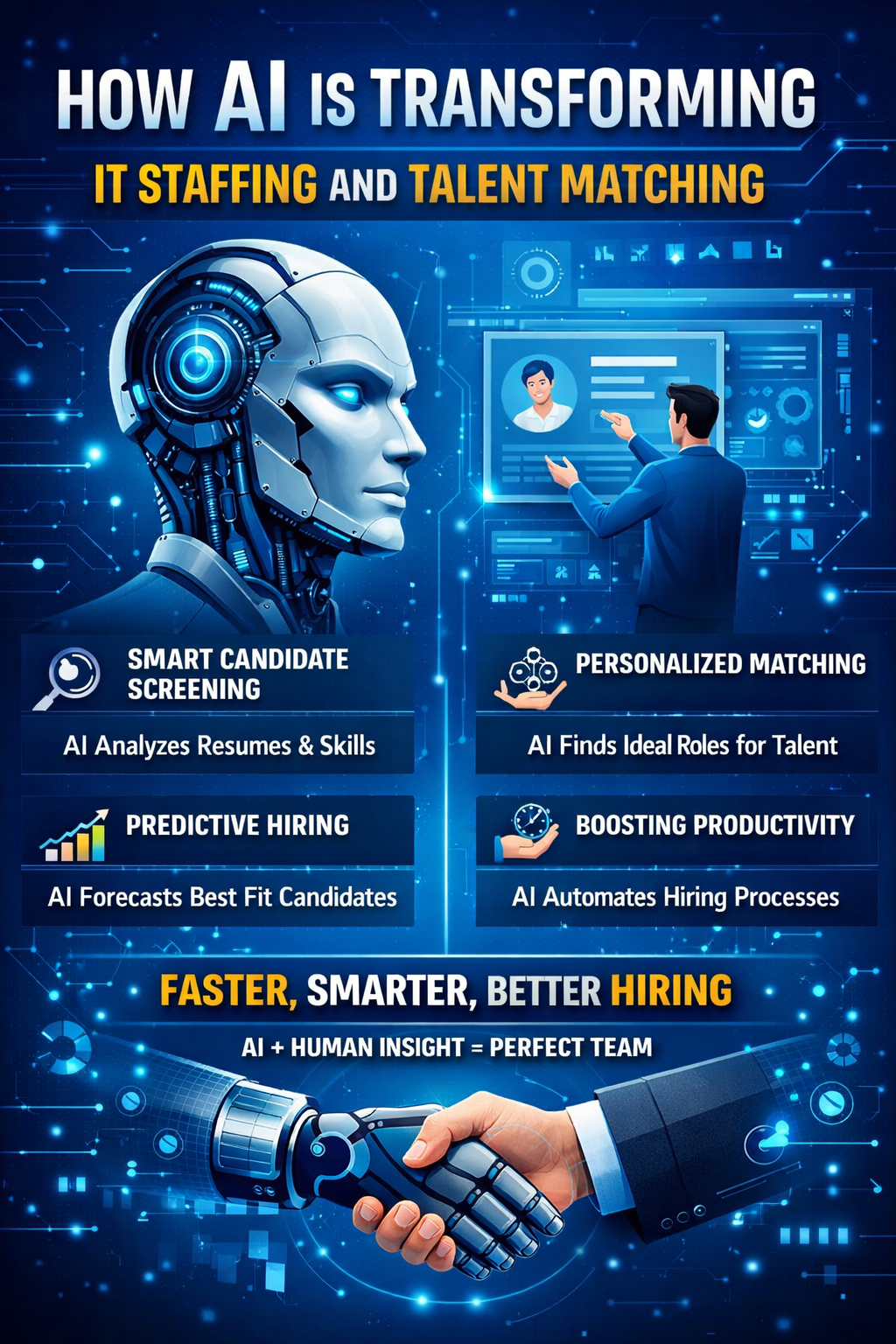
How AI Is Transforming IT Staffing and Talent Matching
-
 January 7, 2026
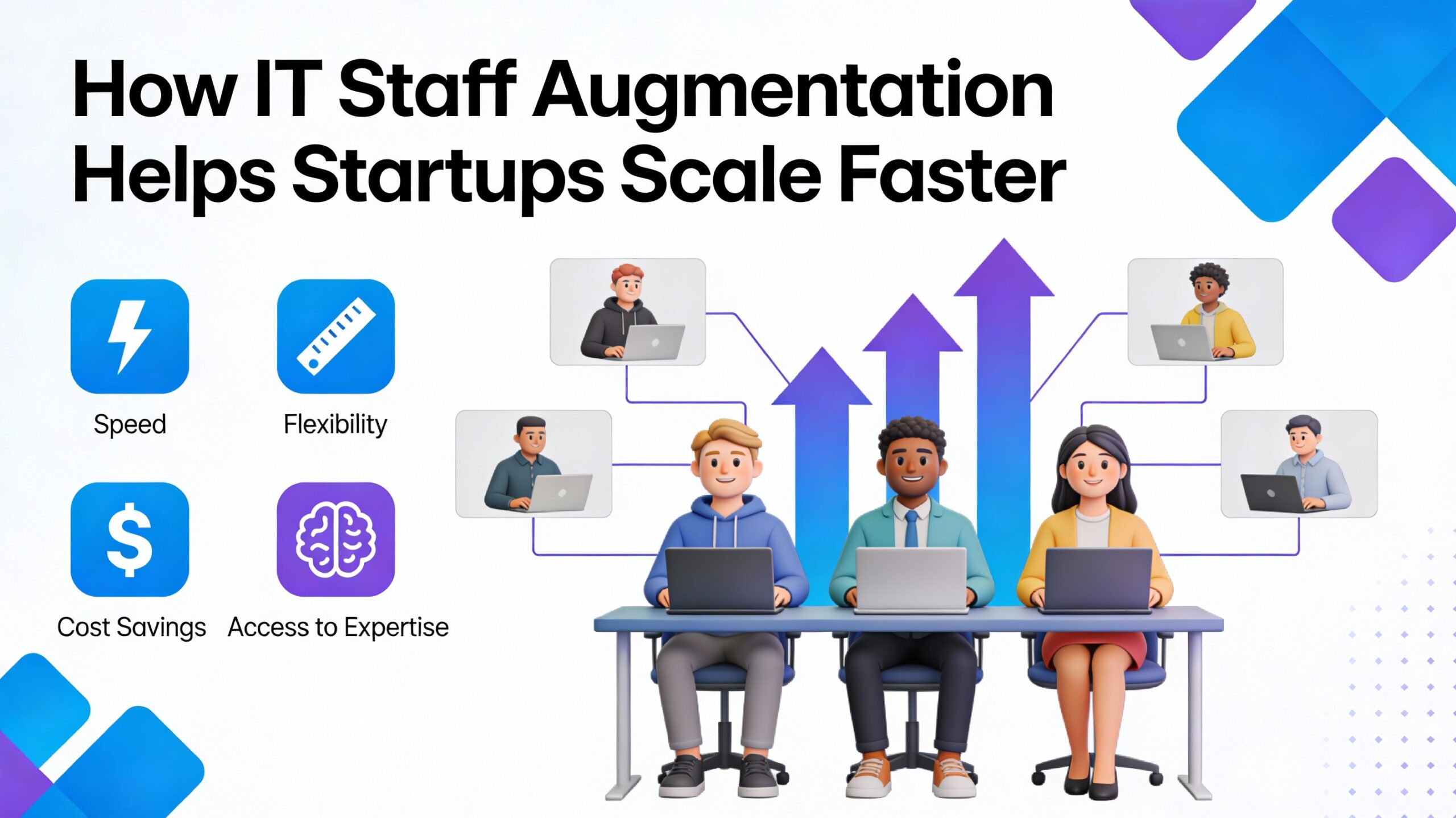
How IT Staff Augmentation Helps Startups Scale Faster
-
 January 6, 2026
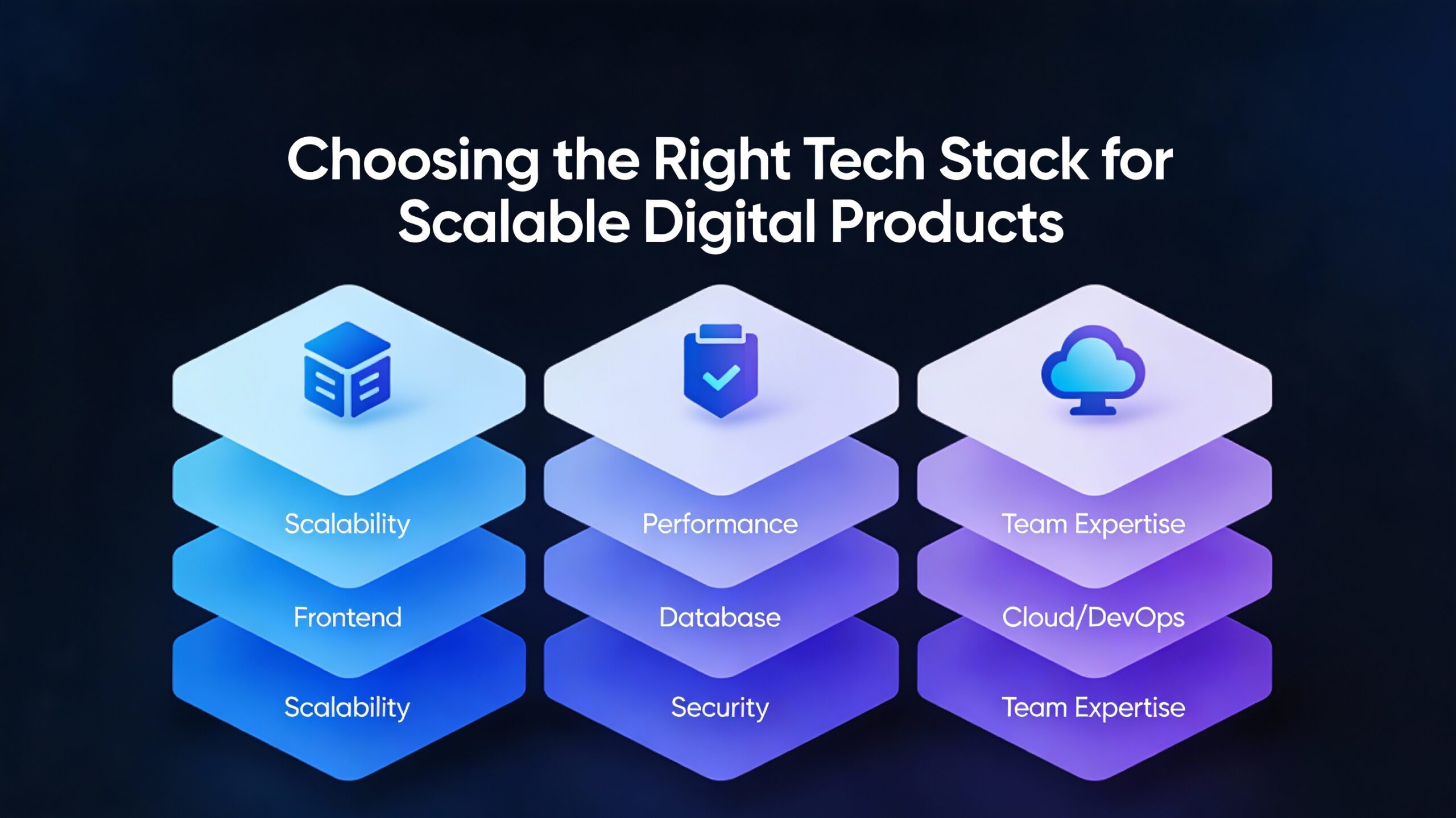
Choosing the Right Tech Stack for Scalable Digital Products
-
 January 5, 2026
How Remote Talent Is Reshaping Global IT Teams
-
 December 29, 2025
Staff Augmentation vs Traditional Hiring 2025
-
 December 24, 2025
Why Staff Augmentation Is the Future of Agile Hiring
-
 December 22, 2025
Why Hiring Faster Doesn’t Mean Compromising Quality — It Means Finding the Right Partner
-
 December 19, 2025
The Role of Staff Augmentation in Accelerating Digital Transformation
-
 December 18, 2025
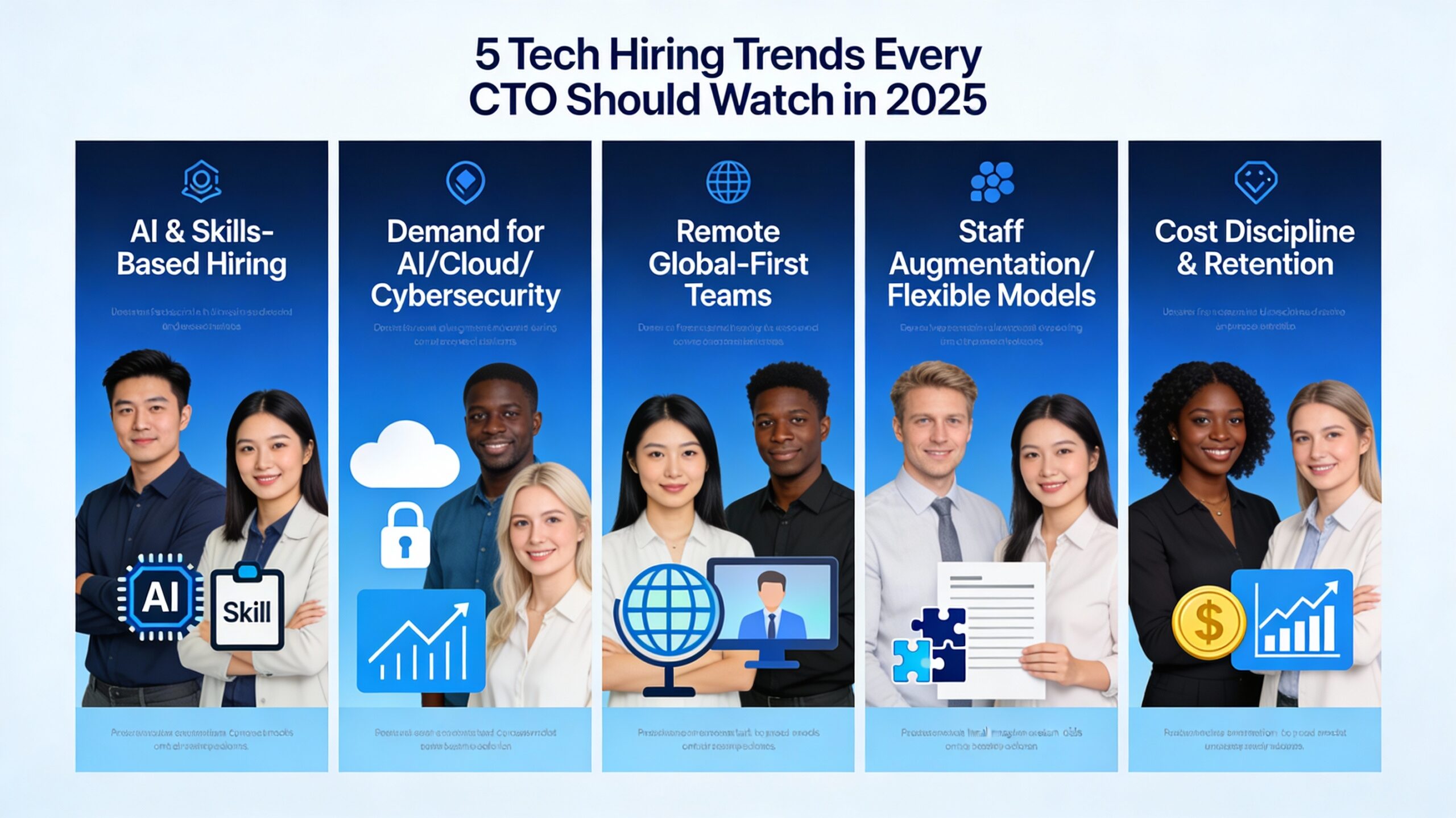
5 Tech Hiring Trends Every CTO Should Watch in 2025
-
December 17, 2025
Why Soft Skills Are the Hidden Superpower in Tech Teams
-
 December 15, 2025
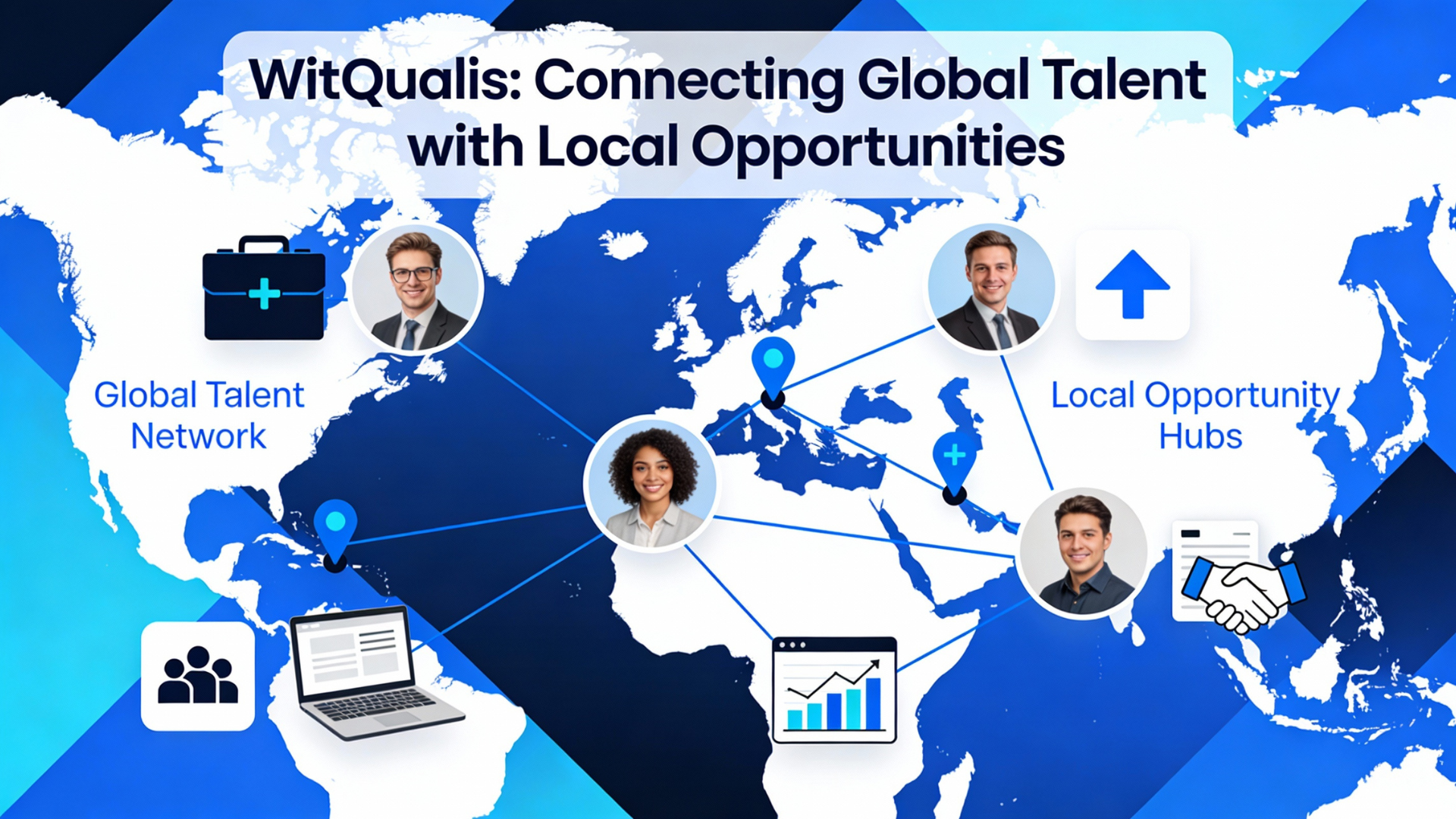
How WitQualis Connects Global Talent with Local Opportunities
-
 December 10, 2025
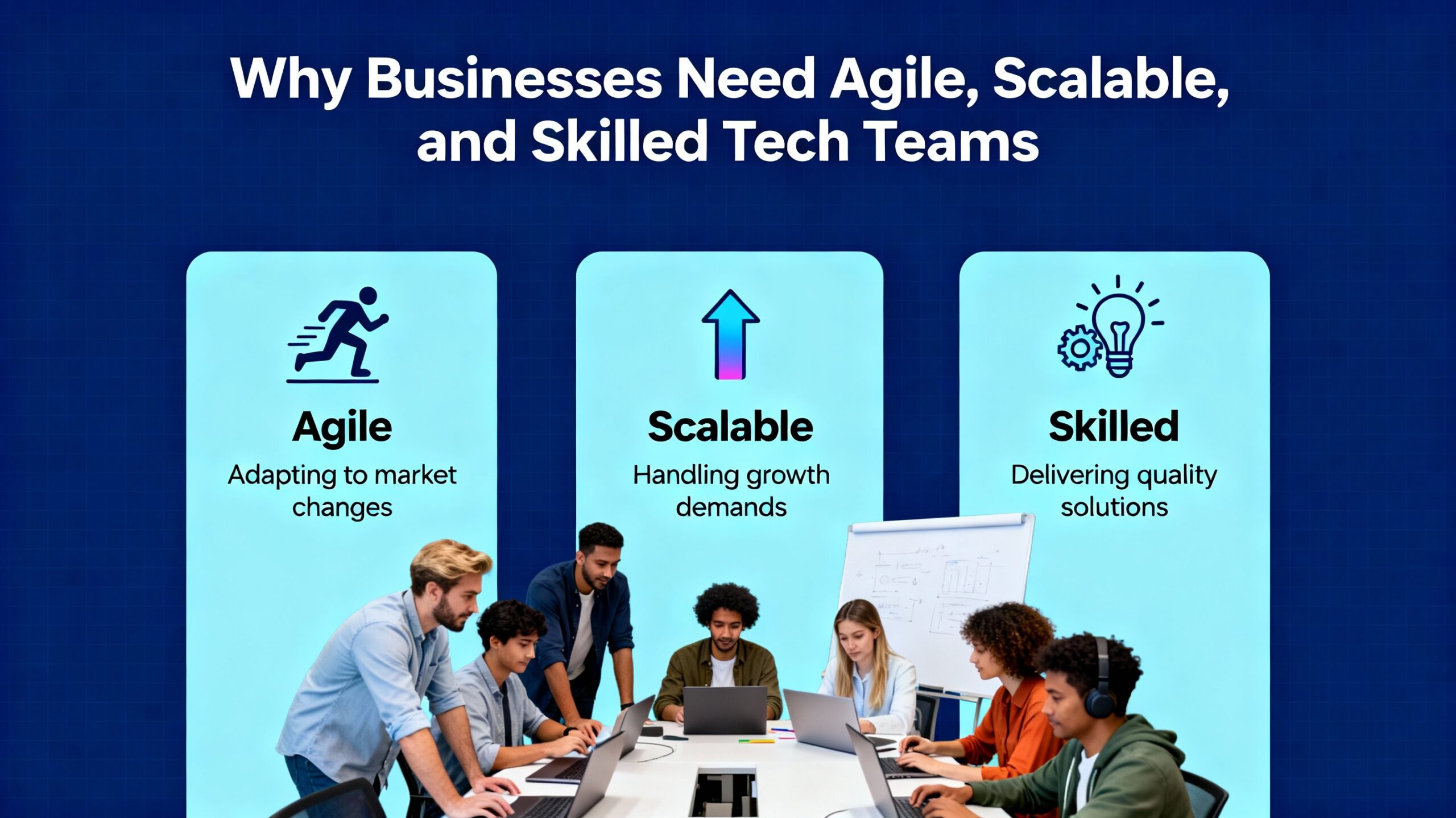
Why Businesses Need Agile, Scalable, and Skilled Tech Teams—Now More Than Ever
-
 December 5, 2025
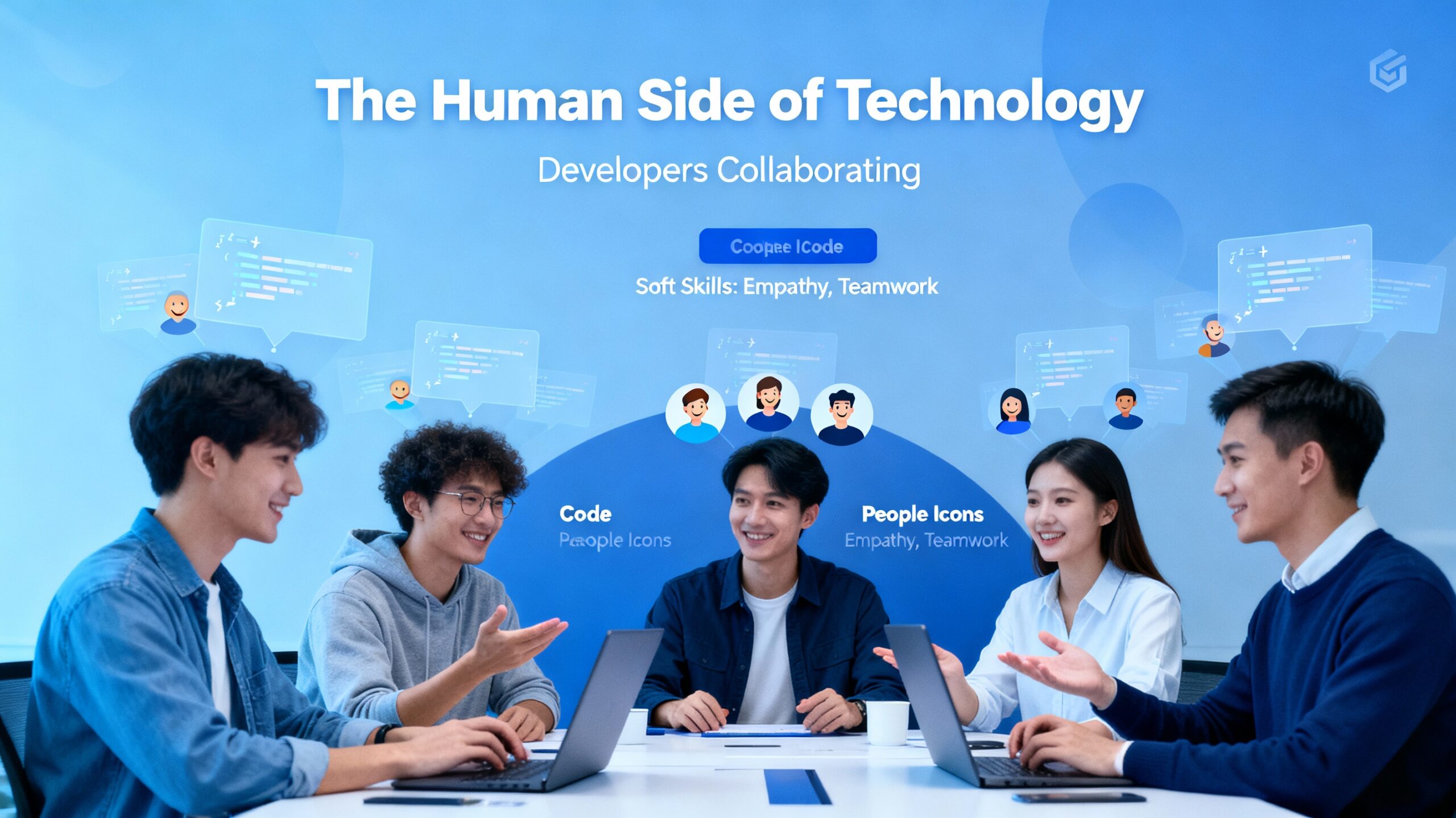
The Human Side of Technology: Why People Matter as Much as Code
-
 December 4, 2025
The Rise of Contract-Based Developers in the Global IT Market
-
 December 3, 2025
Talent Has No Boundaries: Why the Best Teams Are Built Across Borders
-
 December 2, 2025
From Startups to Enterprises: How Staff Augmentation Supports Every Stage of Growth
-
 December 1, 2025
Great Ideas Need Great Execution – How WitQualis Teams Turn Vision into Reality
-
 November 28, 2025
Scaling Your Tech Team Shouldn’t Slow Your Business – It Should Power It
-
 November 27, 2025
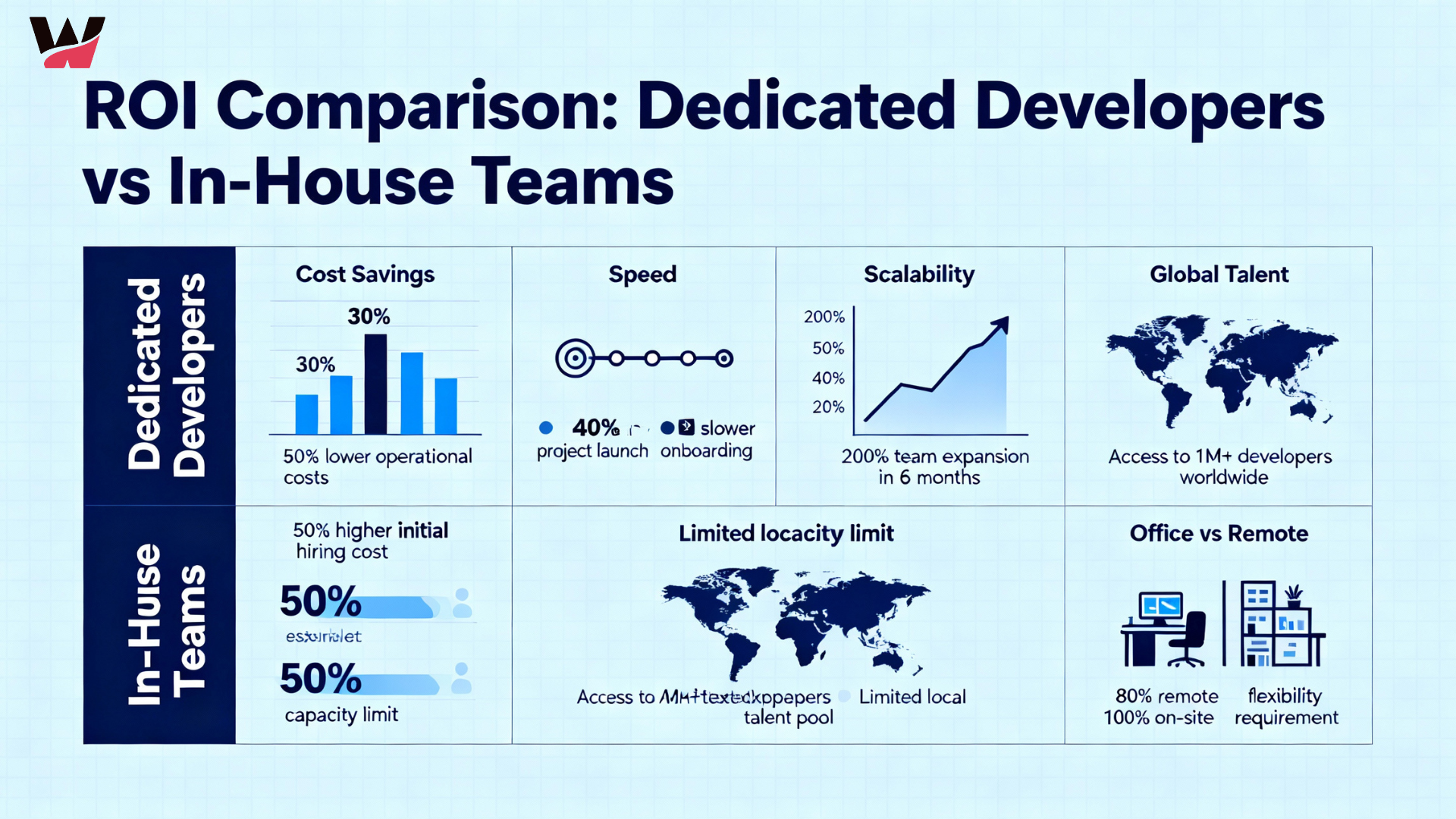
The ROI of Hiring Dedicated Developers vs In-House Teams
-
 November 26, 2025
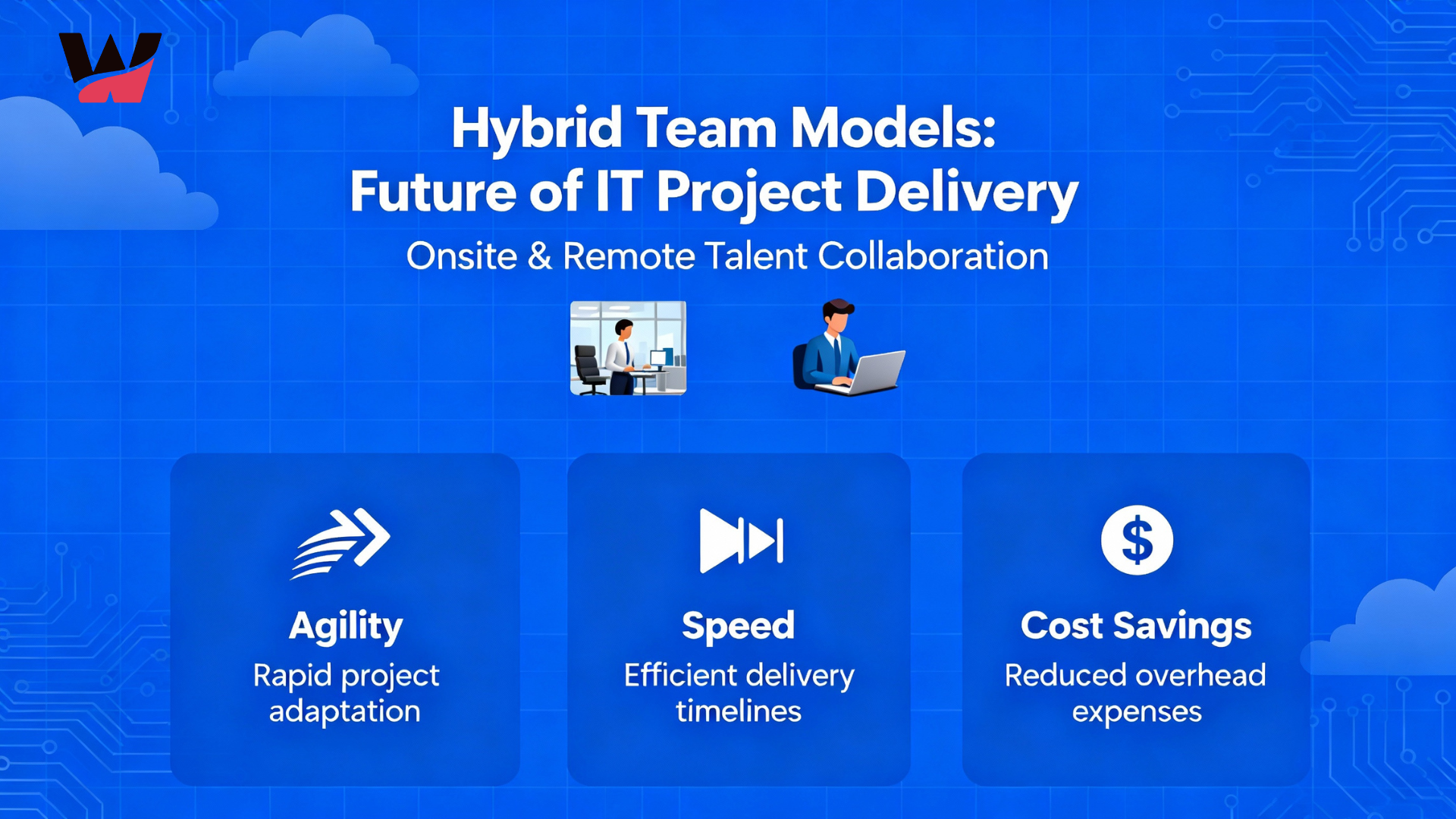
Why Hybrid Team Models Are the Future of IT Project Delivery
-
 November 24, 2025
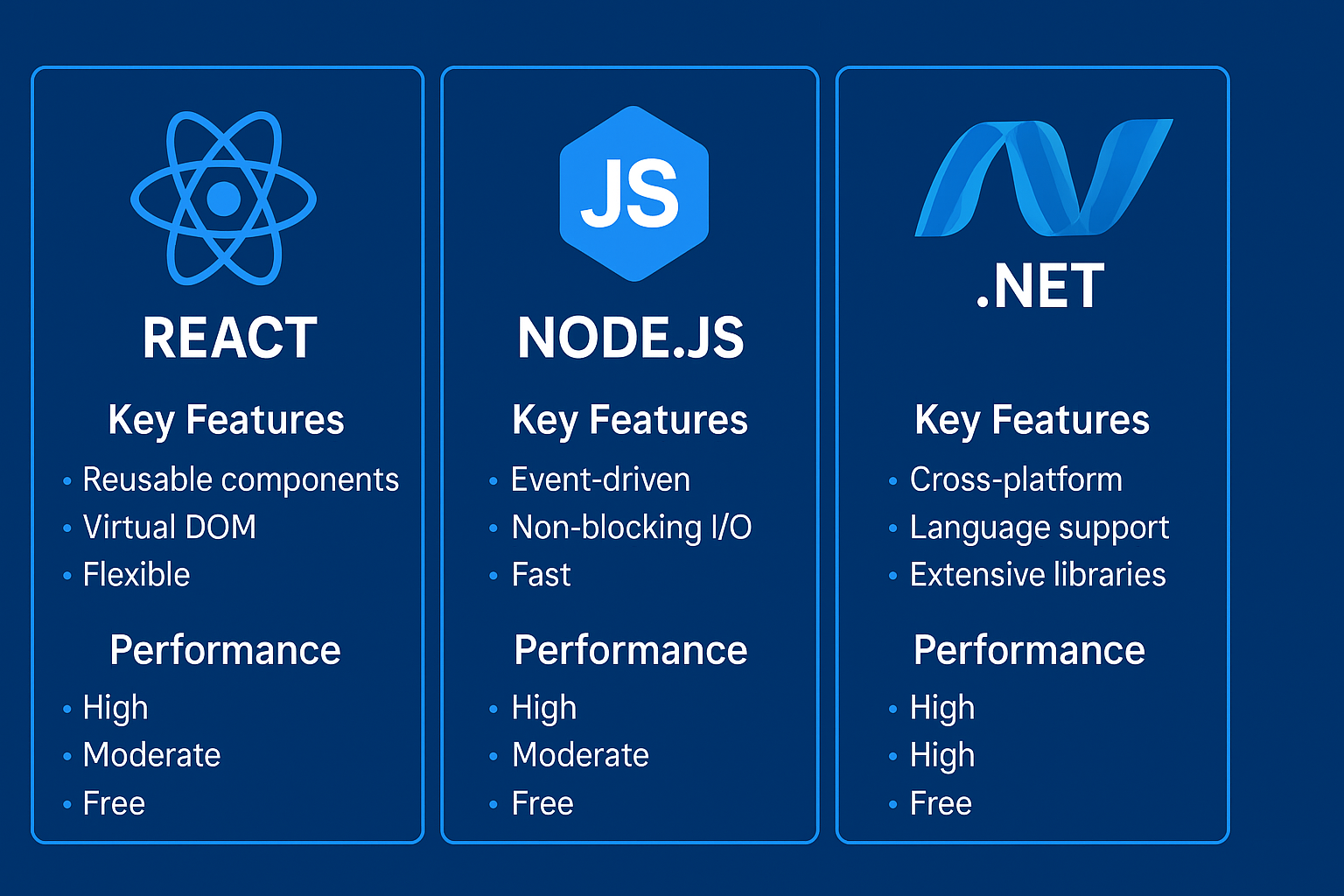
React, Node.js, or .NET? Choosing the Right Tech Stack for Your Next Project
-
 November 21, 2025
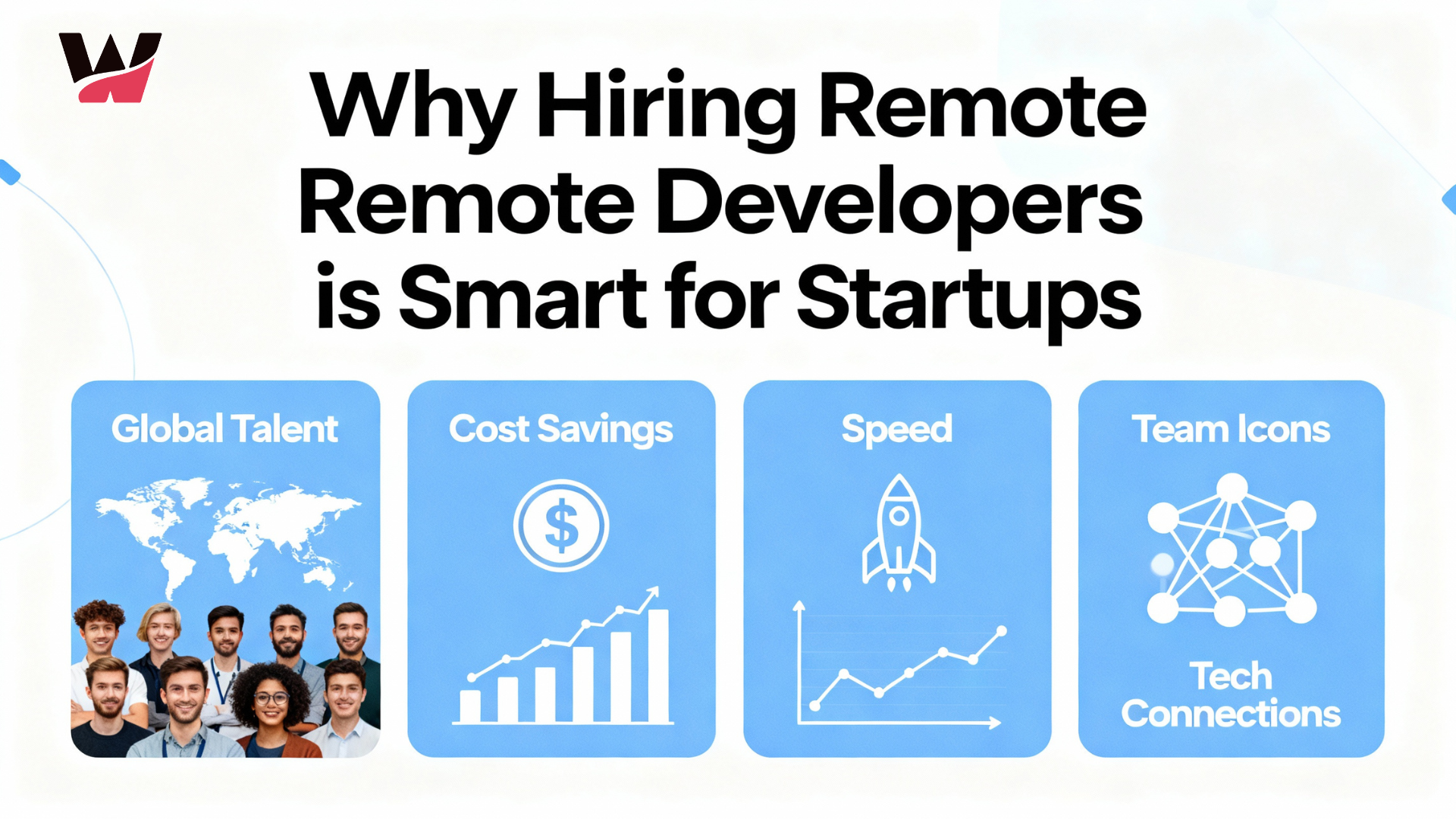
Why Hiring Remote Developers Is the Smartest Move for Startups
-
 November 20, 2025
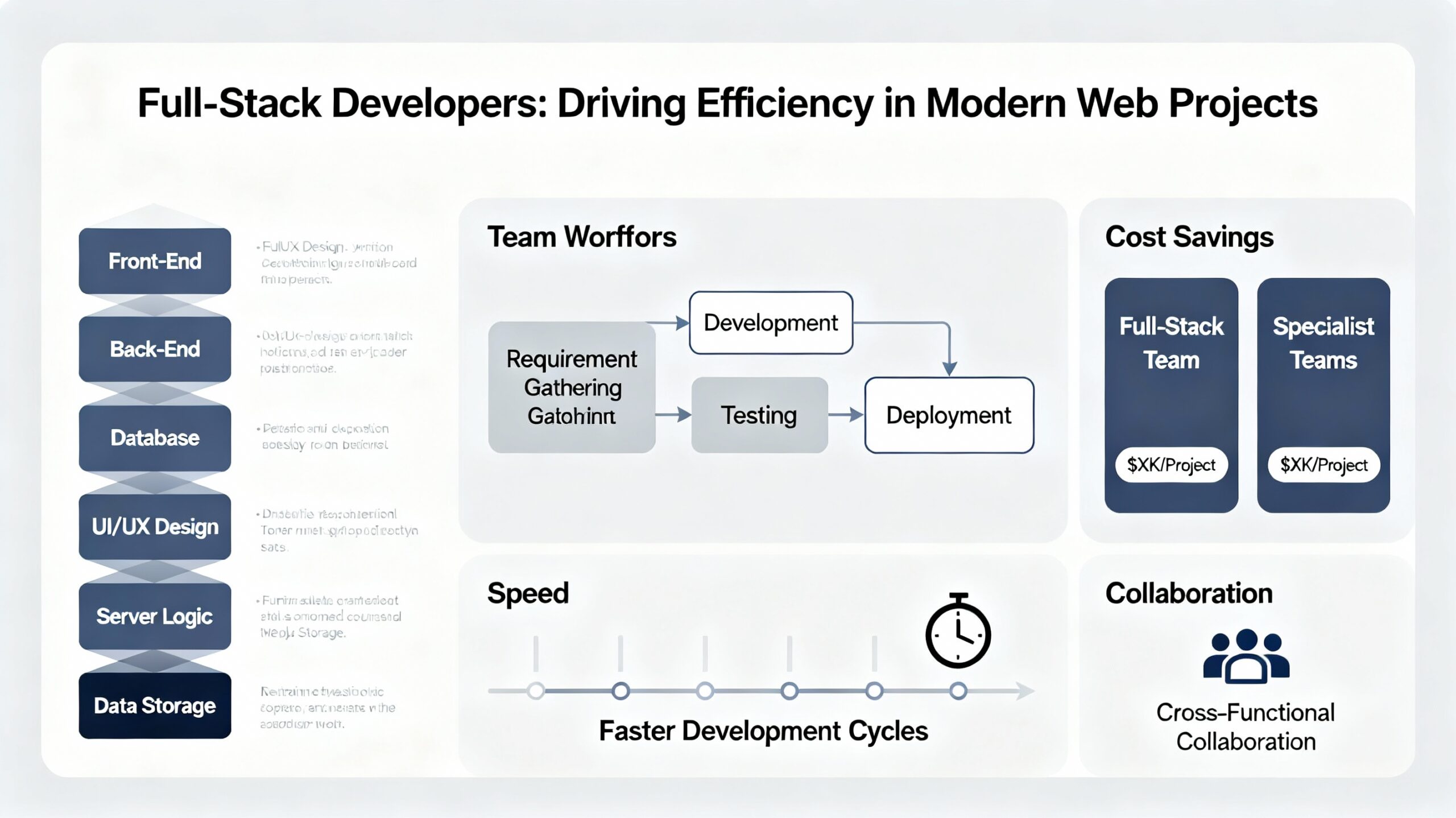
How Full-Stack Developers Drive Efficiency in Modern Web Projects
-
 November 19, 2025
Bridging the Skill Gap: How Augmented Teams Empower Digital Transformation
-
 November 18, 2025
New Technologies for 2025: What Businesses Need to Grow
-
 November 14, 2025
IT Staff Augmentation Reduces Project Costs Quality
-
 November 13, 2025
Empowering Global Collaboration: How WitQualis Builds Seamless Remote Teams
-
 November 12, 2025
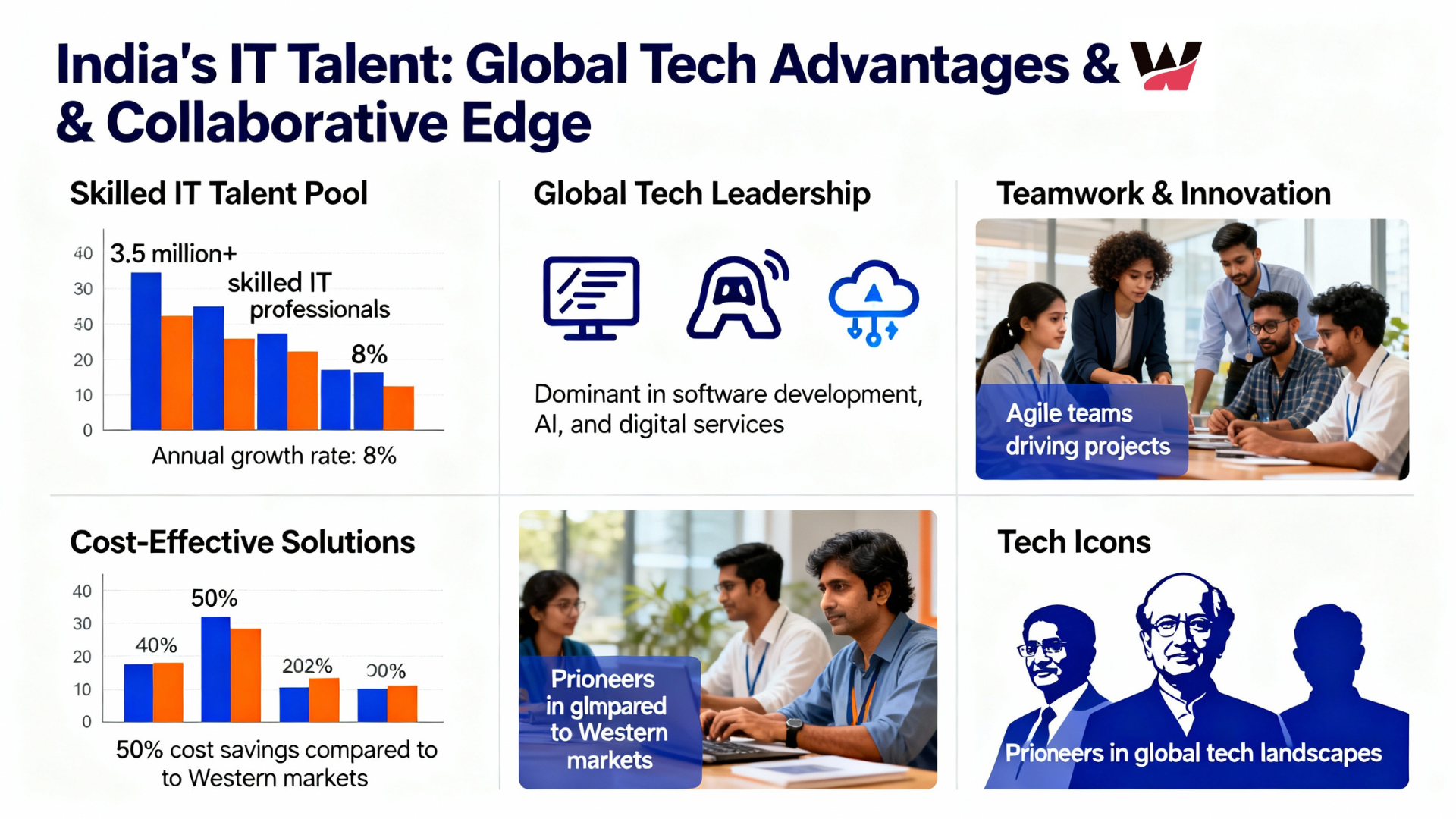
Why Global Businesses Are Turning to India for Skilled IT Talent
-
 November 11, 2025
Staff Augmentation Helps You Scale Your Tech Team
-
 November 10, 2025
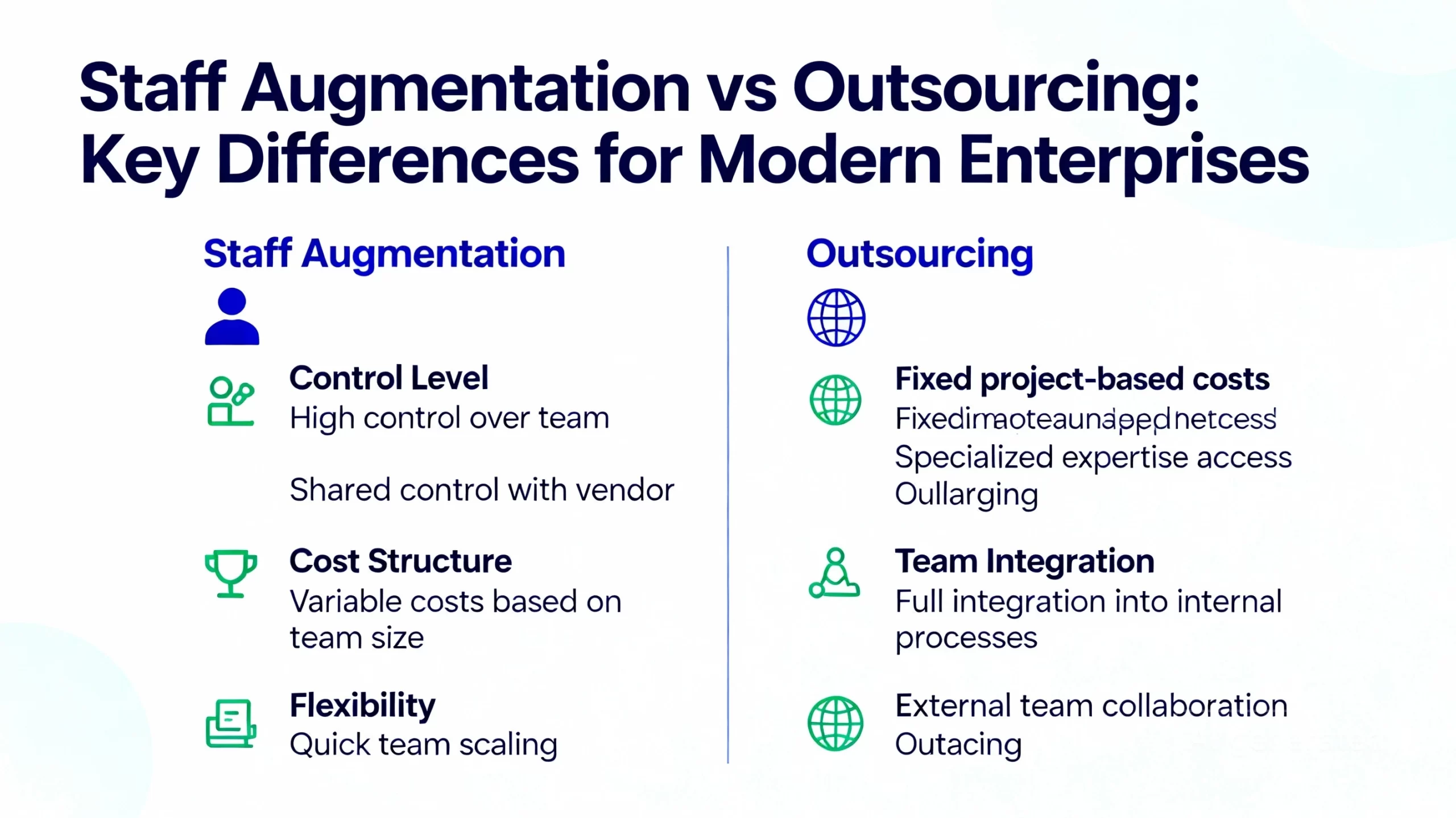
Staff Augmentation vs Outsourcing in 2025: Which Is Best for Modern Enterprises?
-
 November 7, 2025
How AI, IoT, and Cloud Are Redefining Software Development in 2025
-
 November 6, 2025
Scaling Smarter: How Augmented Teams Help Deliver Projects Faster in 2025
-
 November 5, 2025
How AI and Automation Are Transforming Software Development Teams in 2025
-
 November 3, 2025
The Future of IT Staffing: Why Businesses Are Choose Staff Augmentation in 2025
-
 October 31, 2025
Why Technology is Essential for Business Growth (2025): Top Reasons & Winning Strategies
-
 October 30, 2025
How the Internet of Things (IoT) Is Revolutionizing Modern Business
-
 October 29, 2025
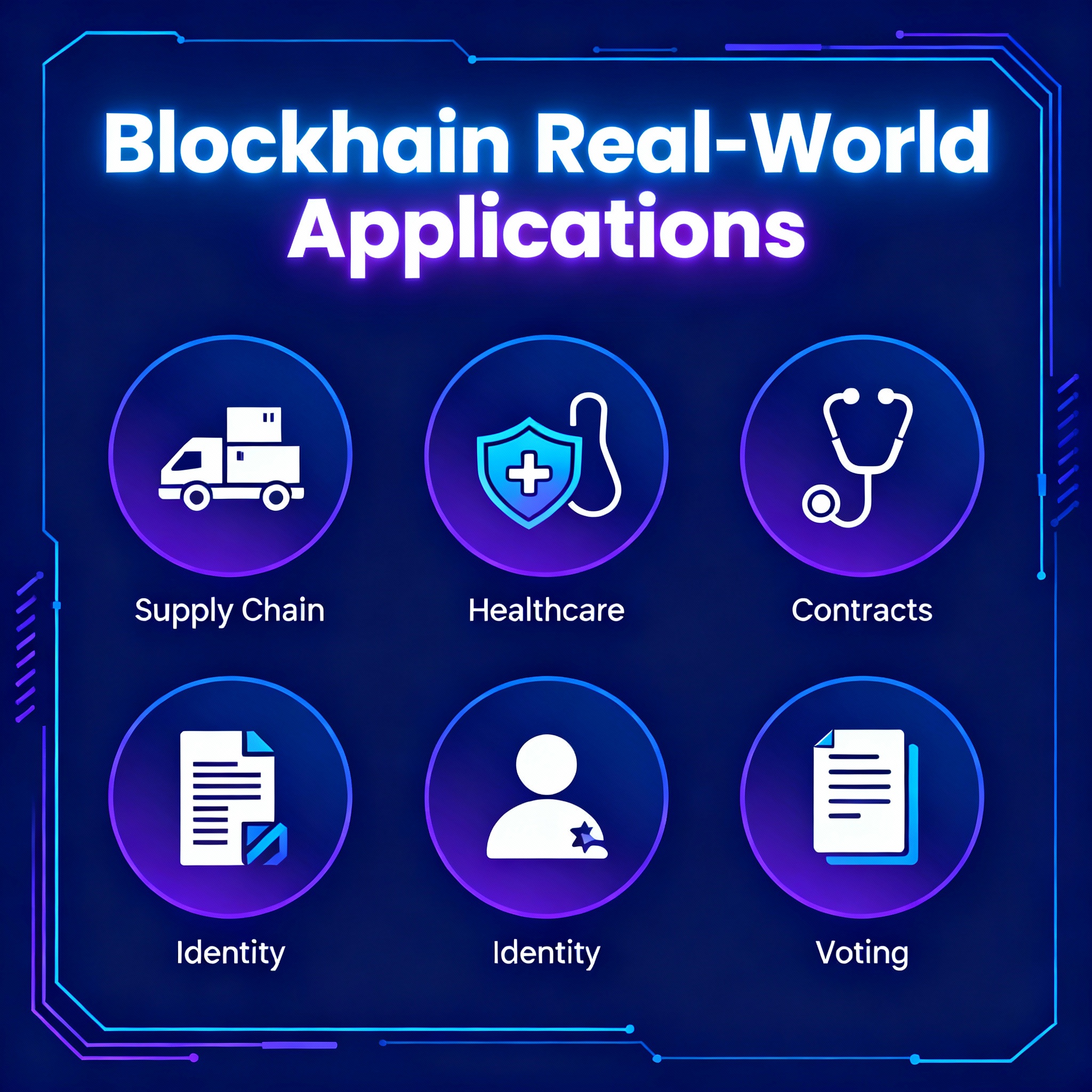
Blockchain Cryptocurrency: Real-World Applications | WitQualis
-
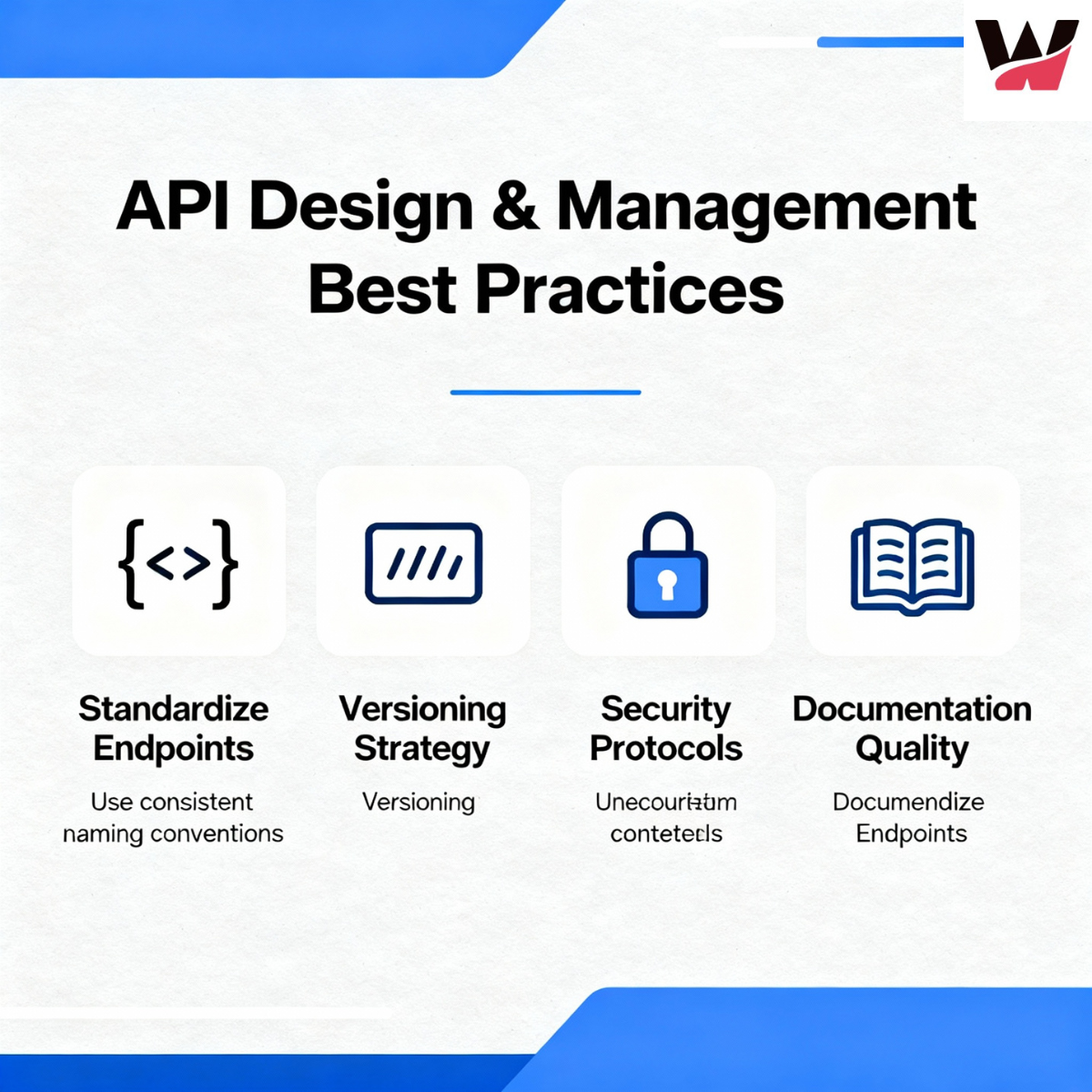 October 28, 2025
API Design and Management Best Practices for Developers
-
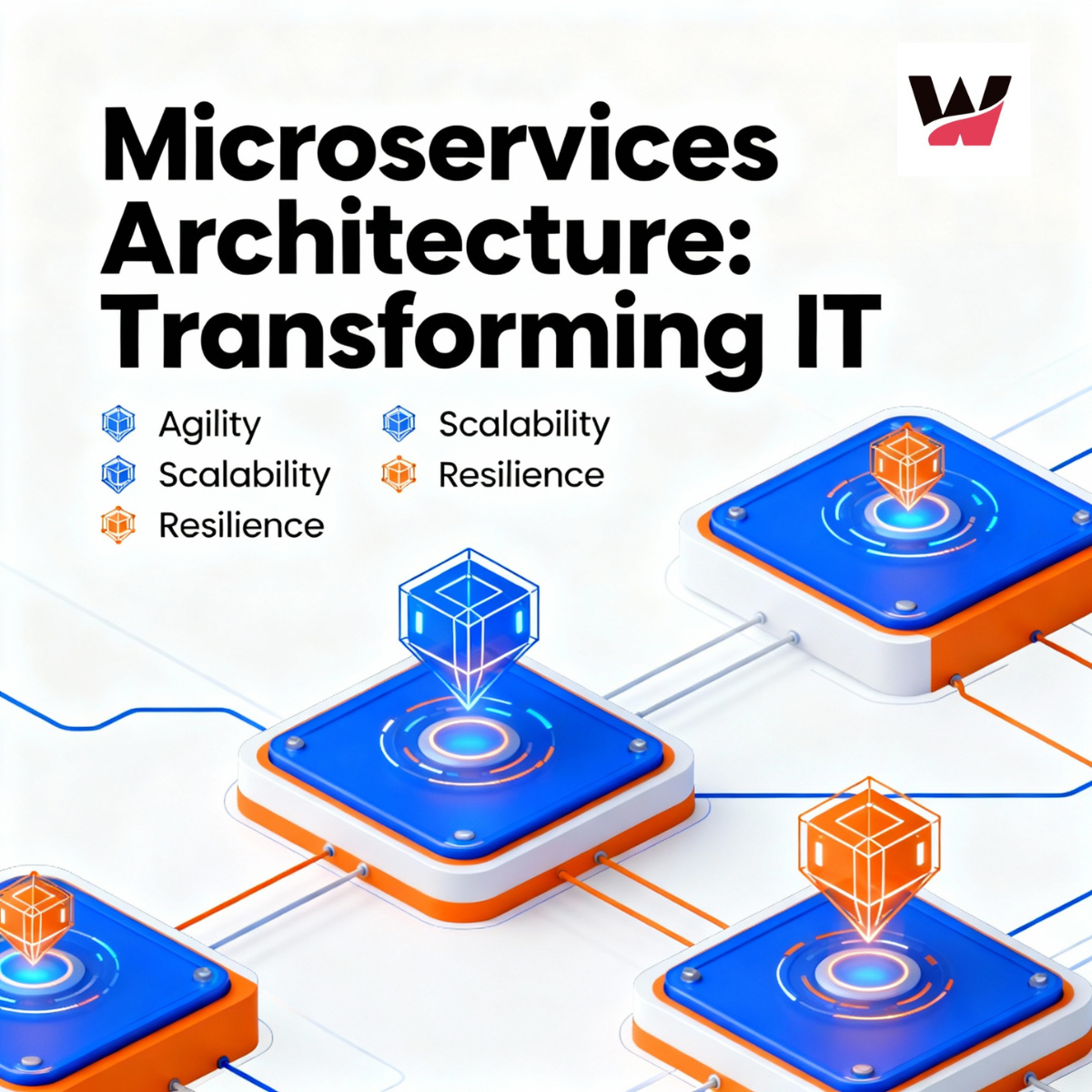 October 27, 2025
Microservices Architecture: Benefits, Implementation Tips & Real-World Examples
-
 October 24, 2025
How Remote Work Has Transformed the IT Industry Tools in 2025
-
 October 23, 2025
Virtual and Augmented Reality: The Tech Revolution | WitQualis
-
 October 22, 2025
How AI is Revolutionizing Business Decision-Making in 2025 | In-Depth Analysis & Trends
-
 October 16, 2025
Blockchain Beyond Crypto: Building Trust in Business Operations
-
 October 15, 2025
How Custom Software Solutions Drive Business Efficiency | Expert Guide
-
 October 13, 2025
How Automation Reduces Costs & Boosts Productivity in 2025
-
 October 10, 2025
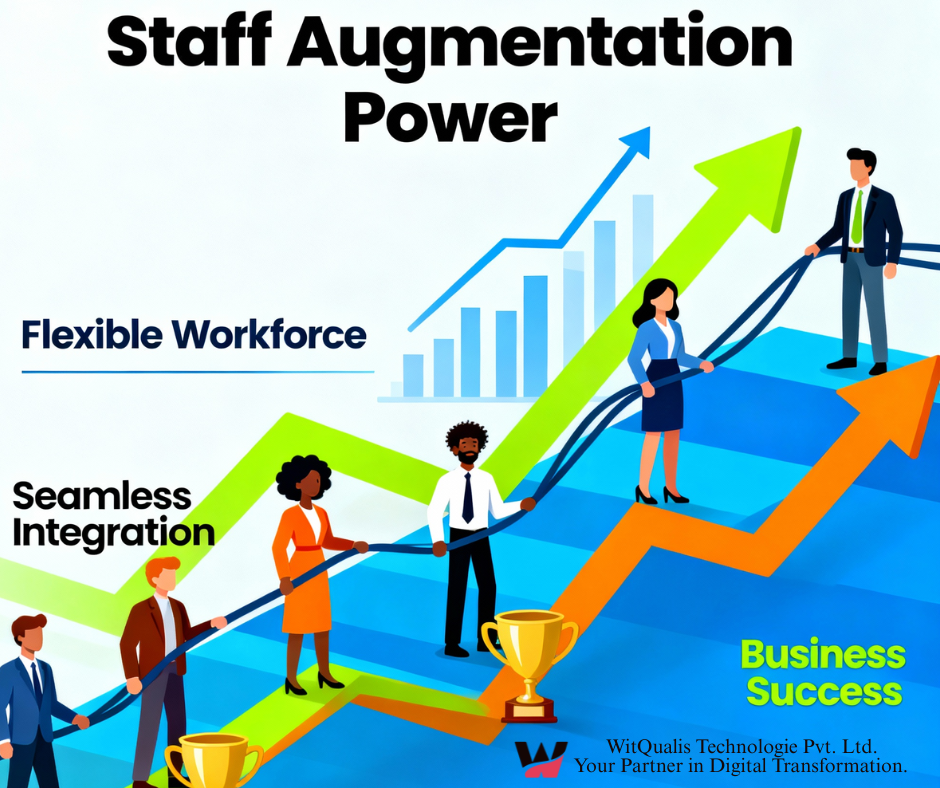
Staff Augmentation: The Key to Building Agile & Scalable Teams
-
 October 9, 2025
The Role of Cloud Computing in Scaling Modern Businesses
-
 October 8, 2025
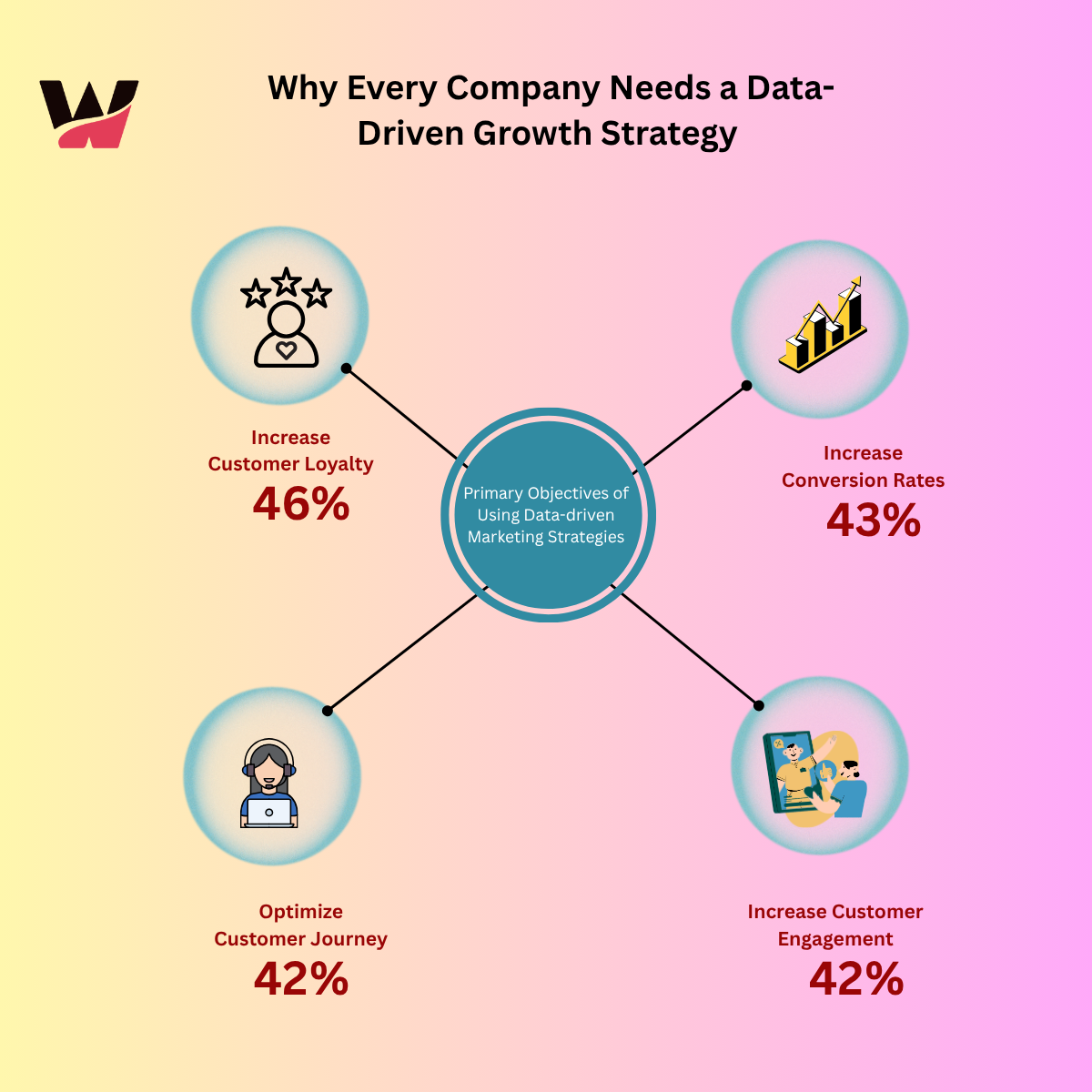
Why Every Company Needs a Data-Driven Growth Strategy
-
 October 7, 2025
API Design Best Practices for Developers in 2025 |API versioning strategies
-
 October 6, 2025
virtual reality vs augmented reality vs mixed reality
-
 October 3, 2025
The Impact of Internet of Things (IoT) on Modern Business
-
 October 1, 2025
Blockchain Beyond Cryptocurrency: Real-World Applications in 2025
-
 September 30, 2025
The Future of Artificial Intelligence: Trends and Opportunities
-
 September 26, 2025
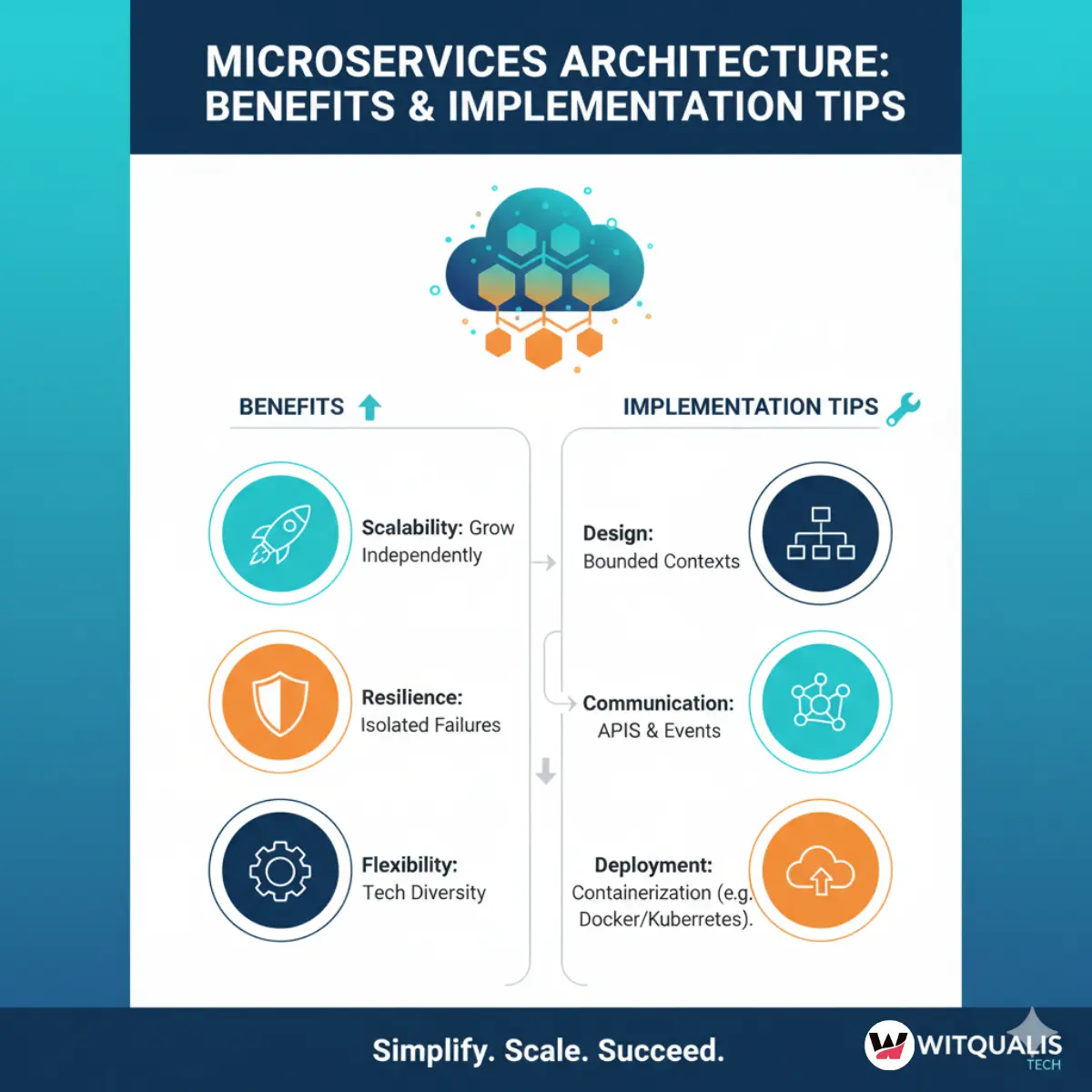
Microservices Architecture: Benefits and Implementation Tips
-
 September 25, 2025
Why Staff Augmentation Is a Smart Move for IT Projects in 2025
-
 September 24, 2025
Cloud Computing Explained: Benefits and Best Practices (AWS, Azure, Google Cloud)
-
 September 23, 2025
How Staff Augmentation Can Help Scale Your IT Team Efficiently
-
 January 6, 2025
Choosing the Right Front-End Web Development Service in the UK
-
 January 4, 2025
Why Choose Staff Augmentation Services in India for Your IT Projects?
-
 December 21, 2024
Boost Your Business ROI with Power BI Development Services in the Maldives and Iceland
-
 December 20, 2024
Get a Free Consultation: Is Your E-Commerce Business in the UAE Ready for Digital Transformation?
-
 July 6, 2023
The Future of Small Business and Know-How to Climb up the Ladder


Leave a Reply